本集简介
双语字幕
仅展示文本字幕,不包含中文音频;想边听边看,请使用 Bayt 播客 App。
我们的目标实际上是把医疗保健保险的付款变成类似信用卡的流程。
Our goal is really to just turn health care insurance payments into something that looks like credit card.
但不知为何,几十年来,我们一直接受医疗保险不会经历类似流程的事实。
And for some reason, for decades, we've just accepted that health insurance is not going to go through a similar flow.
我们必须有控制机制,确保我们能够以超过97%的准确率对实验室进行评估,从而将这一流程推广到生产环境。
We have to have the controls that says, okay, now we know that we can benchmark qualifying a lab well enough over 97% that we're gonna be able to roll this out to production.
这就是竞争力。
That's defensibility.
这就是满意的客户。
That's happy customers.
如果我们使用最新的先进工具来获得稍高一点的效率和稍好一点的结果,他们只关心后者,而不是那些最新的先进工具。
If we use the latest fancy tooling to get slightly more efficient and slightly better outcomes, all they care about is that latter part, not the latest fancy tooling.
的
The
他们从接收到患者转诊到首次接触患者,平均需要22天。
amount of time it takes them to first touch contact a patient that got sent in their way is twenty two days.
二十二天。
Twenty two days.
而我们的平均处理时间是二十分钟。
And the average turnaround for us is twenty minutes.
如果
What if
改善我们的医疗体系最大的杠杆,不是临床层面,而是运营层面?
the biggest lever for improving our health care system isn't clinical but operational?
你好。
Hi.
我是大卫·哈伯,安德森·霍洛维茨的普通合伙人。
I'm David Haber, a general partner at Andreessen Horowitz.
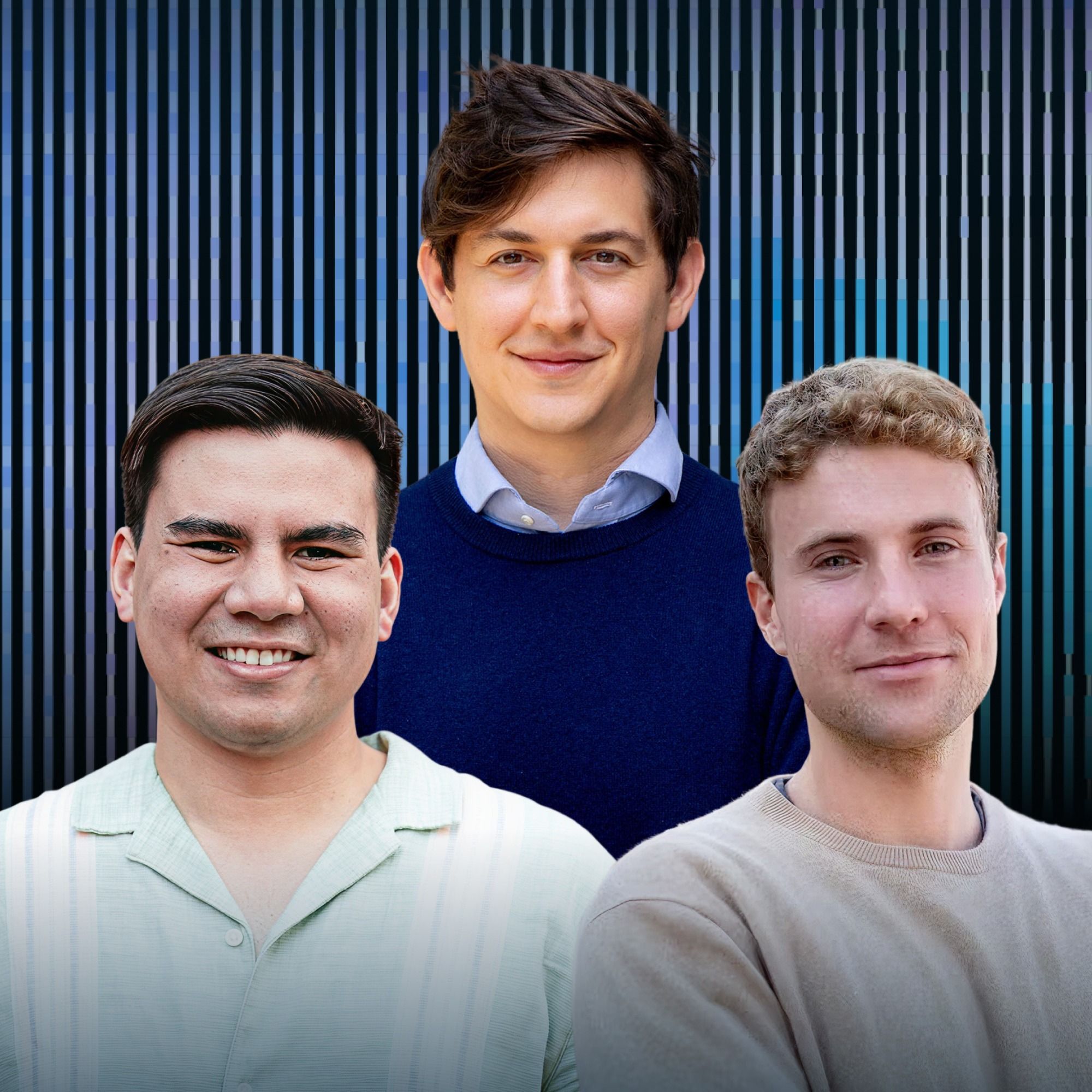
在本集于纽约科技周现场录制的节目中,我与Tennr联合创始人特雷·霍尔特曼和Camber联合创始人克里斯托夫·雷曼进行了对话,他们都在解决医疗保健领域一些最根深蒂固、令人沮丧的问题。
In this episode recorded live at New York Tech Week, I sit down with Tennr co founder Trey Holterman and Camber co founder Christophe Reman, both of whom are tackling some of the most entrenched, frustrating problems in health care.
从断裂的转诊交接,到延迟或拒付的保险索赔,这些问题并非新出现,但借助更好的数据、技术驱动的工作流程和人工智能工具,正变得越来越可解决。
From broken referral handoffs to delayed or denied insurance claims, these aren't new issues, but they're increasingly solvable with better data, tech enabled workflows, and AI powered tooling.
我们探讨了在患者护理和收入周期管理等高风险流程中建立信任所需的因素。
We cover what it takes to build trust in high stakes workflows like patient care and revenue cycle management.
那艰难但至关重要的10%,区分了持久企业与华而不实的演示。
The difficult but critical 10% that separates enduring companies from shiny demos.
区域医疗提供者被误解的文化和运营优势,以及两位创始人如果执掌医疗保险和医疗补助服务中心或卫生与公共服务部,会首先解决什么问题。
The misunderstood cultural and operational strengths of regional healthcare providers, what both founders would fix first if they ran the Centers for Medicare and Medicaid Services or the Department of Health and Human Services.
本集以给医疗领域初创创始人的一些建议收尾。
The episode wraps with hard earned advice for aspiring founders in healthcare.
提醒一下,此处内容仅作信息参考,不应被视为法律、商业、税务或投资建议,也不应用于评估任何投资或证券,且并非针对任何十六号基金的投资者或潜在投资者。
As a reminder, the content here is for informational purposes only, should not be taken as legal business, tax, or investment advice, or be used to evaluate any investment or security, and is not directed at any investors or potential investors in any a sixteen z fund.
请注意,十六号基金及其关联方可能仍持有本播客中讨论的公司的投资。
Please note that a sixteen z and its affiliates may also maintain investments in the companies discussed in this podcast.
如需更多详情,包括我们的投资链接,请访问 a16z.com forward slash disclosures。
For more details, including a link to our investments, please see a16z.com forward slash disclosures.
我们先从你们的创业故事开始。
We'll kick things off with your founding story.
这两位创始人都在医疗领域运营并打造了非常有趣的企业。
Both of these founders are operating the healthcare space and building really interesting companies.
我很幸运能与他们紧密合作。
I'm lucky enough to get to work with them very closely.
当你们各自审视医疗领域时,是什么唯一的问题让你们决定介入并想要解决它?
As you guys each looked at the healthcare landscape, what was the one thing that was broken that got you guys to jump in and want to solve the problem?
对我们来说,这非常简单。
So for us, it's very simple.
事实是,当患者被处方从A点转到B点时,实际上只有不到50%的时间能真正到达被转诊的目的地。
It's the fact that when a patient gets prescribed going from point A to point B, they actually only ever make it to the place they got sent under 50 of the time.
所以这是一个非常简单的问题。
So it's this very simple problem.
我母亲在家庭医学方面会称之为‘黑洞问题’。
My mom who's on the family medicine side would describe as like the black hole problem.
在从一个医疗提供者转向下一个提供者的那一刻,没有人真正对患者负责。
It's that there's this moment in time where you go from one provider to the next provider, nobody's really responsible for you in that time period.
这就像是被扔进了一个黑洞。
And it's like you get sent into a black hole.
我是通过我妈在愤怒的群聊中倾诉才了解到这一点的。
I learned about this just from angry group chats from my mom venting.
在某个时刻,你会突然意识到:等等。
And at some point, you're like, oh, wait a minute.
这其实是一个相当容易解决的问题,但它很微妙、很隐蔽,除非你深入探究,否则根本不会注意到它到底发生了什么。
That's, actually a pretty solvable problem, but it's subtle and hidden, and you don't really hear about it until you actually dig in and say, what what's going on there?
是的,我的想法也源于个人经历。
Yeah, think similarly mine came from personal experience as well.
我在大学早期被诊断出患有多动症,因此不得不经历自己的医疗旅程。
I was diagnosed with ADHD in early college and so had to deal with my own healthcare journey.
我认为,大多数长期与保险公司打交道的人都能理解这有多困难。
And I think most people who have had exposure to working with insurance companies for a while understand how difficult that can be.
研究生毕业后,我成为了一名医疗顾问,得以从提供方的角度看到医疗保险领域究竟发生了什么,我真心希望帮助医疗机构更快、更轻松、更低成本地获得付款。
After grad school, I ended up becoming a healthcare consultant and got to see on the provider side exactly what's happening in the health insurance world and really wanted to be able to help providers get paid faster and easier and for less money.
因此,大约四年前,这成为了我们创立这家公司的契机。
And so that was the impetus of founding this about four and a half years ago now.
我们在做投资时总会问的一个问题是:为什么是现在?
One of the questions we always ask when we're making an investment is what is the why now?
我知道创业者在考虑创办公司时也会思考这个问题。
And I know entrepreneurs often think about that as well when they're thinking of starting a company.
推动这件事的催化剂是什么?
What was the catalyst?
生态系统中发生了什么变化?也许从技术角度来看,是什么让Tennr和Camber成为可能?
What changed in the ecosystem, maybe from a technology perspective, that made Tennr and Camber possible?
这很有趣,因为我们成立时,当前所有关于大语言模型和生成式AI的趋势都尚未出现。
It's interesting because we were founded before all of the current trends in LMs and Gen AI were occurring.
因此,我们创立时更多是基于一个观点:医疗保健正在转向一种更持续的模式,对吧?
And so we were founded actually more around the thesis that healthcare was shifting to a more recurring model, right?
所以我们最初主要聚焦在行为健康领域,因为当时行为健康领域正获得大量投资。
So we started primarily in behavioral health at the beginning with the notion that behavioral health was seeing a lot of investment.
这是在2021年。
This was in 2021.
新冠疫情导致对行为健康护理的需求急剧增加。
COVID was creating a massive spike in the amount of behavioral healthcare that was necessary.
因此,这最初就是我们的核心理念。
And so that was actually the initial thesis for us.
而且这更像是一场数据驱动的尝试。
And it was more data play.
嘿,我们可以积累足够的数据,真正理解保险索赔,尤其是由此产生的优质保险索赔。
Hey, we can accumulate enough data to actually be able to understand insurance claims, some really good insurance claims as a result of that.
坦白说,过去几年里,我们原本以为可以从边际角度手动处理的所有边缘情况,现在都因为大型语言模型的出现而加速了——无论是我们的保险运营人员直接将大量索赔数据输入我们内部的大型语言模型,还是我们拥有读取非结构化数据的服务,甚至有服务能自动后台呼叫付款方而无需人工干预,所有这些都极大地帮了我们。
And then honestly, would have to say over the past couple of years, all of these edge cases that we assumed from a margin perspective we could handle manually, we really saw this accelerant where for all the edge cases, LMs have been a massive driver of value for us, whether that be our insurance operations people literally just dumping massive amounts of claims data into LMs that we have internally, all the way to we have services to read unstructured data, we have services to call payers automatically behind the scenes without a human in the loop, all that kind of stuff has been massively helpful.
我们对此的理论是,三年前它之所以有效,原因与当所有人都在谈论ChatGPT时它开始奏效的原因不同。
Our theory on this is the reason that it was working maybe three years ago is different from the reason it started working when everybody was saying chat GBT.
我认为现在在企业层面,人们真正看到了这类技术带来的成果,这就是当前的‘为什么是现在’。
I think now at the enterprise level, there's a great why now of people are really seeing the results from a lot of this type of technology.
所以他们的‘现在’是因为CEO在催他们。
And so their why now is their CEO is breathing down their neck.
CIO,或者在我们的情况中,COO也在催他们。
CIO, The maybe a COO, in our case, breathing down their neck.
所以他们的‘现在’就是:我得保住我的工作。
So their now is like, well, I need to keep my job.
所以这也是一个很好的‘现在’理由。
So that's a good why now too.
但每一个‘现在’的理由,都总是非常具体的。
But every why now, it's, like, always very specific.
也许为了给观众一个清晰的背景,你们的客户是谁?
Maybe just to level set for the audience, who are your customers?
你们实际在做什么?
What are you doing in practice?
涉及哪些专业领域?
What specialties?
他们的规模是怎样的?
What are their sizes?
你们是怎么收费的?
How do you get paid?
也许可以更详细地解释一下你们每家公司具体做什么。
Maybe explain a bit more about what each of your companies do.
是的,通常可以把提供商分为转诊提供商和接收提供商,也就是发送患者或接收患者的机构。
Yeah, so you can bucket providers oftentimes into referring providers and receiving providers, people that are sending patients or receiving patients.
很多人接收患者后再转诊出去,但我们只与接收患者并处理类似‘这位患者很可能有严重的背痛’这类情况的机构合作。
A lot of people receive patients and then send them along, But we only work with people that are receiving patients that deal with, okay, I've got this patient coming in likely to have serious back pain.
但为了进行咨询并实施手术,我们必须收集大量额外的文件。
But for us to actually do the consult and to actually perform some surgery, we have to go and collect all this additional documentation.
因此,这些通常是专科医生、专科药房、医疗设备提供商,比如药物、设备、影像、骨科等,任何需要大量文件才能接诊患者的领域,都是我们的主要业务。
So these tend to be specialists, they tend to be specialty pharmacy, tend to be medical devices, so drugs, devices, imaging, orthopods, anybody that's doing really like a specialty that requires a lot of documentation to get a patient in is our typical bread and butter.
对我们来说,客户是拥有7到7000名员工的医疗提供机构。
For us, it's going to be providers from seven to 7,000 provider employee groups.
我们所做的就是帮助您提交更优质的保险索赔申请。
And what we do is we really help you submit better insurance claims.
因此,归根结底,我们是一个数据平台,每天晚上与您的电子健康记录系统同步,利用这些数据学习您的模式,从而提交更优的索赔、确保更快付款,并提高付款的准确性。
So ultimately, we're a data platform that synchronizes to your EHR on a nightly basis and we can use that to really learn patterns in your data to submit better claims, make sure they get paid faster, and make sure they get paid more accurately.
特雷,你对医疗行业采用技术有过一些尖锐的看法。
Trey, you had one of your hot takes on kind of health care's adoption of technology.
在向实际医疗机构部署你的产品时,有什么让你感到意外的吗?或者有什么是你没料到的?
Guess what's been surprising of deploying your product in the wild with your providers, or what's something you didn't expect?
在东西海岸,普遍存在一种根深蒂固的精英主义假设。
So there's this baked in sort of assumption of elitism that you have on both the coasts.
人们会说:‘天啊,只要让我接触一下德克萨斯州的那位医生,他肯定乱成一团了。',
There's, oh, man, like, just let me into that provider in Texas, and they're gonna be upside down.
我一定能帮他们理顺,因为他们根本不知道自己在做什么。
I'm gonna fix them up because they have no clue what they're doing.
这种想法完全错了。
It's so wrong.
这简直荒谬得可笑。
It's so hilariously wrong.
而那些人真正擅长的不仅仅是理解技术。
And what those people know how to do is not just understand technology.
事实上,这一点让我们印象深刻。
Actually, that's where we've been really impressed.
他们实际上非常擅长推动运营变革,因为我们并不是以外来者的身份来说:嘿。
They actually know how to drive the operational change really well, because we don't come as outsiders saying, hey.
我们正在收购这家公司。
We're buying the company.
我们要彻底改变这一切。
We're gonna change this up.
我们是说:我们知道如何为你设置这项技术以实现运营成功,如果我们做对了,就会看到这样的结果。
We're like, We know how you set this technology up for operational success, And if we do this right, this is the outcome that we're gonna see.
我们会获得领导层的支持,他们最终会与我们合作,然后我们看着他们与各部门协同工作,这简直令人难以置信。
And we get buy in from leadership who obviously ultimately partners with us, and then we watch them cook with their departments, and it's just incredible.
他们非常能干。
They're super competent.
他们工作能力很强。
They're really good at their jobs.
当解决方案奏效时,他们会告诉所有朋友。
And when the solution works, they tell all their friends.
是的。
Yeah.
我认为医疗保健行业有一种,正如你所说,不愿意购买软件的声誉。
I think that health care has this kind of, to your point, reputation on not wanting to buy software.
我认为总的来说,我们发现,如果我们能符合他们正在采购的某种类型,我们就可以把自己与BPO公司相比,也就是我们的外包服务商。
And I think generally speaking, what we found is if we can fit into one of the boxes that they're buying for, we just compare ourselves to BPOs, right, like our outsourcers basically.
很多人已经将这项服务外包给了,就我们的情况而言,主要是印度或菲律宾。
A lot of people are already outsourcing this service to, in our cases, mostly India or The Philippines.
这是一个巨大的市场,我认为大约有2500亿到3000亿美元。
That's a huge, I think, 250, $300,000,000,000 market.
对我们来说,正如你所说,结果才是最重要的。
And for us, it's to your point, outcomes is all that matters.
如果我们使用最新的先进工具来实现稍高一点的效率和稍好一点的结果,他们只关心后者,而不是那些最新的先进工具。
If we use the latest fancy tooling to get slightly more efficient and slightly better outcomes, All they care about is that latter part, not the latest fancy tooling.
只要我们能...
Health care has been way more willing to adopt these tools as long as we
实现结果,医疗行业就更愿意采用这些工具。
can drive the outcome.
在2021年,也就是我们刚起步的时候,人们总觉得每个好点子、每个好问题都已经被解决了。
In 2021, like, when we were starting, it was like, oh, every good idea, every good problem has already been solved.
好像已经没有好点子剩下了。
It's like there's no more good ideas left.
我真希望当初有人告诉我,认为所有好点子都被占光了,这种想法其实是非常糟糕的。
And, like, the one thing I wish people had told me is that it's just a really bad mindset to assume, oh, all the great ideas are taken.
已经没有机会了。
There's no more opportunity.
已经没有什么有趣的事情可做了。
There's nothing interesting left to be done.
所以如果我们反过来问,最糟糕的假设是什么,或者真正让你惊讶的是,有多少问题有待解决,你就不应该过度纠结于关于这个话题的许多肤浅思考。
So if we invert the questions, what are the worst assumptions or what has really surprised you is, like, how many problems there are to be solved and that you should not overthink the midwittery of a lot of thinking on the subject.
你们俩都是在纽约市创办公司。
You're both building companies here in New York City.
我以为只有人工智能公司才能在西海岸建立。
I thought only AI companies were able to be built on the West Coast.
为什么选择纽约?在这里创业有什么特别之处?
Why New York, and what's special about building here specifically?
是这样的。
Here's the thing.
这是我的一个傻乎乎的激进观点。
This is my stupid hot take.
如果我们身处旧金山,我们的公司会被认为很酷。
Our company if we were in San Francisco, we'd be considered cool.
我们会被认为是,天哪。
We'd be considered like, oh, man.
他们增长得太快了,人们就会说,哦,品牌名称之类的。
They're so fast growing, and be like, oh, brand names, whatever.
如果我女朋友在工作中调整电子表格时犯了个四舍五入的错误,她抹掉的钱比我们一年赚的还多,这才是纽约真正让你意识到的事。
If my girlfriend makes a rounding error in her job adjusting spreadsheets, she will wipe away more money than we make in a year, and that's what New York really reminds you of.
你是个小而不起眼的公司,但我真的觉得这里有一种非常好的氛围。
You're a small, dinky little company, but I actually think there's a really good energy.
旧金山那些早期的成功初创公司,你是个失败者,而且你本来就应该是个失败者,你放弃了那份安稳、棒极了的IBM或太阳微系统的工作去创业。
The early great startups of San Francisco, you were a loser, and you were supposed to be a loser, and you were leaving your cushy, awesome, sick IBM job or Sun Microshift's job to go start something.
当我们身处旧金山时,那就像一个隔绝的、受保护的环境。
And when we were in San Francisco, it's like this insulated, protected environment.
我们第一年的时候,你只要参与进来就能获得认可,只要参加对的派对或社交活动,就能获得很多声望。
We started our first year where it's like you get credit for just participating, You get all this sort of clout for being at the right party or networking event.
在纽约,你就是个穷光蛋,搬进来的是个六居室的破公寓。
In New York, you're just like, I'm poor, and I came with a six bedroom, shitty apartment.
我有一块滑板、一个背包,我觉得这更像是种绝望。
I had a skateboard, backpack, and that's, I think, like, desperation.
这给了我更大的动力。
That has driven me a lot more.
所以我们的看法是,什么样的环境最能为你创造最佳条件,以及你能被什么样的人包围。
So our take is what is the environment that is going to yield the best environment for you, I think, and then the people that you can be surrounded with.
我们从未觉得在纽约必须减少招聘人数。
We've never felt like we had to hire less than people in New York.
我们觉得恰恰相反。
We felt like it's quite the opposite.
我们拥有非凡的人才。
We've got incredible talent.
我们从未觉得因为所处的环境就想要少努力一点。
Never felt like, oh, man, I wanna work less hard because of the environment we're in.
这就是我的看法。
That's my take.
老实说,自从我来到这里,我非常感激我们在这里建立了这家公司。
Honestly, since I've been here, I'm incredibly grateful that we built the company here.
我们只是雇佣了大量非常不同的人。
We just hire a ton of very different people.
在我们的团队中,我们有不少专业人士。
On our staff, we have a number of providers.
对吧?
Right?
这种多元化的 talent pool 真的非常棒。
Just that kind of different talent pool has really been amazing.
我非常喜欢。
I love it.
我总是说,机会存在于不同专业领域的交界处,这既是我的投资理念,也像是对纽约市的隐喻,因为科技往往跨越各个行业。
I always say opportunities live between fields of expertise, and it's both an investment philosophy of mine, but I think it's also a metaphor for New York City, because tech has this tendency to cut across industries.
我认为,最具纽约特色的企业正是那些扎根于这些交叉点上的企业,而这两个就是很好的例子。
Think the businesses that are most uniquely New York are those that live at those intersections, and these are two great examples.
我们来看看怎么问这个问题。
Let's see how to ask this question.
从人工智能的角度来看,要跟踪所有正在发生的变化很难,比如4.0、mini3,以及下一个模型发布。
It's hard to keep track of all the changes that are happening from an AI perspective, four point zero minutei three, the next sort of model release.
从你的角度来看,当前正在构建的一些基础架构中最令人兴奋的是什么?
From your perspective, what is most exciting about some of the foundational infrastructure being built?
哪些被过度炒作了吗?
What is overhyped?
你们在产品中是如何使用这些技术的?
How are you using some of this technology in your products?
我认为我们从两个方面来思考这个问题。
I think we think about it in two ways.
第一,我们能推动哪些核心效率的提升?
One, what is just core efficiency that we can be driving?
而这并不一定只针对我们公司。
And this is not necessarily specific to us.
这并不一定是专门为产品构建的。
It's not necessarily built to the product.
关键是,我们如何鼓励人们使用最新的工具并进行实验?
It's just how do we encourage people to use the latest tooling and experiment with the latest tooling?
对我们来说,这是自上而下推动的。
For us, it was setting actually from the top down.
我们始终会在这方面进行实验,这对我们来说非常重要。
We are always going to be experimenting with this and this is really important for us.
老实说,在我们每周一的领导会议上,我启动了一项倡议。
Honestly, at our leadership meeting on Mondays, I started an initiative.
我们的其中一位领导者必须分享过去两周内他们尝试过的东西,即使这些尝试可能没有成功,但目的是培养这种实验文化。
One of our leaders has to present on something that they've tried over the past two weeks, which like might not have worked, but just in terms of like get that culture of experimentation.
第二部分是,我们如何将其融入核心产品,这更多不是关于人的效率,而是真正如何利用这些趋势?
And then the second part is how do we build it into the core product, which is less about, okay, the human efficiency side of it, but literally how do we take advantage of all these trends?
我们在任何意义上都不是一个基础模型公司。
We're not a foundational model company in any meaningful way.
我们只是利用了大量不同的服务。
We just leverage a bunch of different services.
每次有新模型推出,我们都会很兴奋,因为这能让我们的付款入账服务变得更好。
And every time a new model comes out, we get excited because it makes our payment posting service better.
它提升了我们的理赔统计功能。
It makes our claims stat.
我们目前正在构建一系列机器人,用于登录付款方门户并提取理赔状态信息。
We're in the process right now of building a bunch of bots to just go onto payer portals and pull claim status information.
这种情况一年前是不可能实现的,但现在可以了。
And that wasn't possible a year ago versus it is now.
因此,我至少在努力推动公司内部的文化,思考如何持续改进这两个方面的能力。
So I'm at least trying to push the culture internally of how do we continuously get better at thinking about both of these buckets.
你们可能已经解决了这个问题,我们不得不禁止使用ChatGPT生成的文档,因为那只是最烦人的复述内容。
The one thing that you've probably solved for this somehow, we had to ban ChatGPT generated written documents because it's just the most annoying regurgitated thing.
我制作了一份六页的文档,用来解释这项战略举措。
Here's this six page document spread that I've created to explain the strategic move.
如果你鼓励这种做法,然后一堆ChatGPT生成的胡言乱语涌进会议,就会出现这种糟糕的反面效果。
If you encourage that and then you have a bunch of chat GPT garbly gook walking into meetings, you get this, like, horrible other side.
我们在很多地方都在创新,但总体而言,我认为Tennr下一阶段的重心还是执行那些长期以来一直有效的基础性工作。
So we're innovating in so many places, but, like, by and large, I think 98% of the next chapter for Tennr is execution on these basic things that have been true for a very long time.
我觉得十八个月前,AI圈里普遍的说法是,任何不是基础模型公司的公司都只是个GPT包装器。
I feel like eighteen months ago, the kind of common trope in AI land was anything that wasn't a foundation model company is a GPT wrapper.
但现在这种说法已经不成立了,尤其是过去六个月里完全不是这样。
That feels like not the case anymore, certainly not in the last six months.
我们经常讨论这个问题,但如果你从这个角度思考,你怎么看待差异化与护城河?你的护城河究竟在哪里?
We talk about this a lot, but how do you think about differentiation versus defensibility and where your sort of moats exist if you think about it in that context?
我们决定自己训练模型来判断审批标准。
We made the decision that we were going to basically train our own models for criteria determinations.
这个患者会成功获批,还是会遭到拒付?
Are you gonna be successful, or is this patient gonna get denied?
我们当时这么做有很多原因,而且一直坚持下来,但那时候有个笑话,风险投资圈的普遍说法是,这一切最终都会走向通用人工智能,当时我们就说,好吧。
And there was a bunch of reasons that we did that, and we continued to do that, but the sort of joke was, at that time, I think the VC trope was, this is all gonna go to AGI, and it was like, okay.
好吧。
Alright.
那我想我们就不该去构建它。
Then I guess we shouldn't build it.
但无论如何,我们的想法是,通用模型会变得如此优秀,以至于实际上无关紧要了;而我们看到的是,通用模型已经变得如此强大,在很多情况下,模型端的演示效果根本不再重要。
Should we just go But regardless, though, the idea was, okay, generic models are gonna get so good that it really won't matter, and what we've seen is that generic models have gotten so good that it doesn't actually matter what your demo is in a lot of cases on the model side of things.
任何人都能伪造一个演示。
Anybody can fake a demo.
你不知道它实际上有多差,直到你日复一日地在工业规模上使用它。
You don't know that it's actually not good until you're using it, like, day after day on industrial scales.
在我们这边,每周有数十万患者需要经过这些流程。
We're talking about hundreds of thousands of patients a week here on our side that have to go through these rails.
你可以拥有一个真正有差异化的流程,展示集成如何运作,展示所有会自动触发的操作。
You can really have a great differentiated workflow, showing how the integrations work, showing all the actions that are gonna spawn off automatically.
很好。
Great.
不错。
Cool.
重要的是,我们别去试图吸引每一个想买AI的人,结果让他们失望,因为他们以为AI能解决气候变化之类的问题,结果三个月后就流失了,因为他们根本不知道自己买了什么。
What matters, is, like, how about we don't go try to get everybody and their mother that wants to buy AI and then have them, like, be disappointed or something because it's not solving, like, climate change, and then they're churning in three months because they had no idea what they purchased.
这就是为什么可防御性很重要。
So that's where defensibility comes in.
差异化。
Differentiation.
你能靠自己构建模型来超越别人做演示吗?
Can you out demo somebody because you build your own model?
不能。
No.
可防御性。
Defensibility.
他们会因为你能提供你确信会令人愉悦的控制体验而留在你这边吗?
Will they stay with you because you have the controls to create an experience that you know will be delightful?
是的。
Yes.
所以对我们来说,当你判断患者是否符合昂贵实验室检测的资格时,我完全可以给你演示一下JADGPT是如何出色地完成这项任务的。
So for us, when you're determining whether or not a patient is gonna qualify for an expensive lab, I can definitely get you a demo of JADGPT doing that really well.
在Rails上,这个工具在我们的基准测试中能有61%的时间正常工作。
On Rails, that thing works on our benchmark 61% of the time.
从来没有人会续订一个只有61%成功率的软件。
Nobody has ever renewed software that works 61% of the time.
根据我们的经验,客户续订的是那些成功率在97%甚至更高的软件,所以我们必须拥有控制权,确保——
They renew software that works 97% and up in our experience, and so we have to have the controls that says, okay.
我们现在知道,我们能够以超过97%的准确率基准化实验室资格审核,从而顺利将它投入生产。
Now we know that we can benchmark qualifying a lab well enough over 97% that we're gonna be able to roll this out to production.
这就是竞争力。
That's defensibility.
这就是满意的客户。
That's happy customers.
在我看来,这里唯一可防御的是结果。
I think outcomes are the only thing that's defensible here in my view.
正如你所说,你可以构建任何类型的模型。
You can be building, to your point, any kind of model.
但如果它不能显著优于医生原本能预期的结果,尤其是对我们而言,这就相当于要求你们把最重要的工作流程之一——你们的收款方式——交给我们。
And if it doesn't actually drive an outcome that is better than what a provider can expect by quite a bit, especially for us, it's like we're asking you to give us one of your most important workflows, which is how you get paid.
因此,我们必须一次又一次地证明这一点。
And so we have to be able to prove that time and time again.
我们确实看到不少情况,比如:‘我们会通过门户提交,用一个LM机器人,它会生效的。’
And we do see a fair number of, oh, we're going to submit this via the portal via an LM bot and it's going to work.
但如果失败了,哪怕只有10%的概率,那也是你10%的收入会损失。
And if that fails, literally 10% of the time, that's 10% of your revenue that you're gonna lose out on.
所以对我们来说,所有关键都在于最后那1%、2%、3%。
And so for us, all of it is in that last one, two, 3%.
今天,我们95%的时间都花在了这上面。
That's where we spend 95% of our time today.
90%的部分太简单了。
The 90 tens are so easy.
就像是表面涂层。
It's like vibe coatings.
我有一个非常精明的私募股权客户,他们聘请了一些非常聪明的麻省理工学院的学生,坚信能在三个月内重建他们的ERP系统,我对他们说:听着,我以前也这么想过,天哪,人们总是低估了最后那10%。
I had a really savvy private equity customer that hired some very smart kids at MIT that are sure they can rebuild their ERP in three months, and I said, listen, I remember thinking the exact same thing, and my God, people underestimate that last 10%.
我的意思是,最后那10%涉及的是数十年的企业建设、企业运营和真正的行业经验,但我们还是不断看到这种情况。
I mean, that last 10% is like decades of company building and enterprise and, like, real industry, but we still see that over and over.
尤其是在医疗行业。
Especially in health care.
也许可以让人性化地展现你对客户产生的影响。
Maybe just to humanize the impact that you're having on your customers.
也许克里斯托夫,你先谈谈你对医生及其患者产生的实际影响。
Maybe Christophe, start with Describe the practical impact you're having on physicians, their patients.
最终目标其实有点老生常谈。
Ultimately, goal is really kind of cliche.
它会让医疗保险付款变得像信用卡一样。
It would just turn healthcare insurance payments into something that looks like credit cards.
对吧?
Right?
你刷一下信用卡,通常就期待能立刻收到款项。
You swipe a credit card and you just generally expect to get paid.
但不知为何,几十年来,我们一直接受医疗保险不会走类似的流程这一事实。
And for some reason, for decades, we've just accepted that health insurance is not going to go through a similar flow.
我们之前的提供商可能在首次提交索赔时就收款了。
Our providers before us might be collecting on first claim submission.
所以你提交索赔,然后就能收到款项。
So you submit a claim and you get paid.
一般来说,我们会看到大约80%,对吧?
Generally speaking, we would see kind of 80%, right?
这已经很不错了。
And that's pretty good.
我们的一些提供商在来找我们时,收款率大约只有60%。
Some of our providers when they came to us were somewhere around 60%.
这意味着你已经完成了工作,却只能在60%的情况下收到款项。
So that means you did the work already, you're trying to get paid and you only get paid 60% of the time.
结果是,相当多的提供商来找我们时,几乎已经濒临破产。
The result is a fair number of our providers came to us at a position where they were almost bankrupt.
他们面临着一些核心流程问题,正努力从中脱身。
They have these kind of core workflow problems that they're trying to dig themselves out of.
最糟糕的是,如果你处于这种只收到60%款项的境地,你就会把所有时间都花在纠正过去的错误上,而无法转向主动管理,实现95%的收款率——而这正是我们目前的水平。
The worst part is if you're in this situation where you're getting paid 60% of the time, you're spending all of your time trying to fix the past mistakes that you had rather than be able to get to a proactive point where you might be able to collect 95% of the time, which is where we are.
我认为我们所产生影响中最酷的一点是,我们现在已为全美约95,000名患者提供了这项服务。
That's I think the really cool part about the impact that we've been able to have is we're doing this for about, I think 95,000 patients across The US now.
对于这95,000名患者,通常情况下,他们和为其提供治疗的医疗机构都可以预期:首次提交索赔时,有93%的概率能收到款项。
And for those 95,000 patients, generally speaking, they can assume and the providers that are rendering them treatment can assume that they're gonna get paid 93% of the time on first claim submission.
这带来了巨大的改变。
And so that makes a huge difference.
如果我们能将这种模式推广给更多提供商,让他们不再操心如何收款,这将意义重大。
If we can scale this to more providers so that they can not think about how they're gonna get paid, that is huge.
我们减少了患者的延迟和拒付情况。
We reduce delays and denials for patients.
患者能否从A点顺利到达B点?
Does the patient get from point a to point b?
我可以向你展示全国最顶尖的神经肿瘤学家。
I can show you the best neuro oncologist in the country.
如果我向你展示这位神经肿瘤学家的运营流程,我们的一部分工作就是进行标准操作流程分析,深入细节,部署方案,以真正理解这里究竟发生了什么。
And if I showed you this neuro oncologist operations, part of what we do is we do the standard operating procedure analysis where we get in the guts and we deploy, and we're trying to understand what is really going on here.
我们发现,这位全国最重要的神经肿瘤学家之一,从接收到转诊患者到首次接触患者,平均需要22天。
What we uncovered, one of the most important neuro oncologists in this country, the amount of time it takes them to first touch contact a patient that got sent in their way is twenty two days.
22天。
Twenty two days.
我不必告诉你,患者们都是因为什么诊断被转诊过来的。
And I don't need to tell you what diagnoses people are being sent in for.
我不需要告诉你,当这些患者最终见到医生时,他们会确诊什么。
I don't need to tell you what these patients end up confirming when they get in there.
但我们都同意,二十二天太长了,而我们这里的平均处理时间只有二十分钟。
But we can all agree it shouldn't be twenty two days, and the average turnaround for us is twenty minutes.
这并不意味着你能在二十分钟内完成授权流程。
Doesn't mean that you're gonna be through an auth in twenty minutes.
那是不可能的。
That's impossible.
我们是在等付款方。
We wait for a payer.
但这意味着你会被及时联系,拥有完全的可见性,作为患者,你会清楚自己目前所处的环节,并知道自己的病情得到了妥善处理。
But it does mean that you're gonna get contacted, you're gonna have complete visibility, and you're gonna know as a patient that this is where I'm at in the process, and I'm in safe hands.
这与你之前提到的‘为什么是现在’这个问题有关,特雷,尤其是在医疗领域,我们往往已经接受了太多本应被修复的问题。
That ties back to what you were mentioning earlier, Trey, on the why now question, which is in many cases in healthcare especially, it's like we've just accepted so much of this is broken.
不知为何,我们竟认为二十天的转诊时间是可以接受的。
And for some reason, we just assumed that twenty days was an acceptable amount of time to have on the referral process.
我们曾认为60%的理赔支付率是可以接受的,对吧?
We assumed that 60% was an acceptable amount of claim payments, right?
我认为真正的‘为什么是现在’,是人们开始真正思考:如果我们尝试用最新的工具来解决这个问题,会怎么样?
And I think the real why now is people deciding actually, no, what if we just tried to attack this problem and solve it with the latest tools?
或许我们可以稍微转个话题,你是如何看待打造公司文化的?
Maybe transitioning a bit, how do you think about building company culture?
你会如何描述你所建立的文化?
How would you describe the culture that you built?
我认为,在这一波新创公司浪潮中,我们看到的团队规模比以往任何时候都更小,而公司成长得更快。
I think we're seeing smaller teams in this new wave of company than we have ever before, and companies are growing faster.
告诉我你在
Tell me your philosophies about how you
打造你的企业与团队时的理念。
built your businesses and your teams.
初创公司普遍都非常艰难。
Startups in general are really hard.
医疗行业整体来说真的很难。
Healthcare in general are really hard.
我认为,人们逐渐意识到医疗行业如此令人沮丧,如果你连这点都笑得出来,那你可能才适合待在Camber。
And I think the kind of realization that healthcare is so depressing that if you can't laugh at it, you're probably not gonna fit in at Camber.
对我们来说,最重要的突破在于,承认这件事确实很难,但我们都在这里做一件非常酷的事情,必须不断推进。
And I think that's been the number one unlock for us is it's okay that it's really hard and we're all here to do something really cool and we have to push at this.
如果能以荒诞的方式笑对它,那也没关系。
And if we can laugh about it in the absurdity of it, like, that's okay too.
所以,老实说,过去几年里,这种文化已经发生了巨大变化,我对今天我们所建立的文化感到非常兴奋和自豪。
So, honestly, that's evolved pretty dramatically over the past few years, and I'm pretty excited and proud of the culture we've built today.
是的。
Yeah.
认真对待工作,但别太认真对待自己。
Take the work seriously, not yourself.
这两者结合在一起,是个相当不错的组合。
That together, it's a pretty good combo.
有趣的人,有趣的问题,不把自己太当回事。
Interesting people, interesting problem, not taking ourselves too seriously.
这一定会很有趣。
This is gonna be fun.
换个话题,如果你们负责卫生与公众服务部或医疗保险和医疗补助服务中心,会做出哪些改变来变革医疗体系?
Changing gears again, if you guys were running HHS or CMS, what changes would you make to transform healthcare?
我们非常自豪能至少参与一些关于RADV审计的工作。
I think we're super proud to be at least adjacent to some of the work that's being done on RADV audits.
这基本上关乎如何评估一个群体的健康状况,以及如何声明一个群体的健康水平。
It's basically like how you score a population and how healthy you declare a population to be.
如果我们掌管医疗保险和医疗补助服务中心,我会确保美国纳税人的钱用于治疗,而不是被虚高的风险评分吞噬。
If we were in charge of the CMS, I think we would wanna make sure that the American people's dollars are going towards treatments and not going towards inflated risk scores.
就这么简单。
That simple.
这才是最重要的事情。
Like, that is the most important thing.
系统中已经存在足够的资金来十倍地解决这些问题。
There is already so much money in the system to solve a lot of these problems 10 times over.
我们需要确保这些资金被正确分配。
We need to make sure they're getting allocated correctly.
我预测,你们将会看到对那些欺骗美国民众的计划进行前所未有的审计,而且监管机构正在严厉打击这种行为。
My one prediction is that you're gonna see audits of these plans that are grifting the American people to the likes of which history is never before seen, and they're cracking down on it.
他们刚刚宣布将要采取这一行动。
They just announced that they're going to do it.
他们将运用世界上一些最先进的技术,利用语言模型来审计哪些计划试图骗取医疗保险优势计划的资金,届时将有大量资金流向正确的方向。
They're gonna use some of the best technology in the world to use language models to audit which plans are trying to gain Medicare Advantage, And there's just gonna be so much capital that goes in the right direction.
是的。
Yeah.
这很有趣,因为全国范围内有不少支付方,事实上他们的激励机制是高度一致的。
It's interesting to see because there are a decent chunk of payers across the country where the truth is the incentives are actually very aligned.
医疗服务提供者希望获得报酬。
The provider wants to get paid.
付款方只希望向优质的提供商支付费用。
The payer only wants to pay out good providers.
对吧?
Right?
但双方都存在足够多的不良行为者,导致我们花费大量时间构建防护机制和各种系统,只为识别出这一小部分不良行为者。
But there are enough bad actors on both sides that we spend all of this time trying to basically build out guardrails and build out all these systems to identify this very small population of bad actors.
但我们拥有能够识别这些不良行为者的数据。
But we have the data to be able to identify those bad actors.
我建议卫生与公众服务部(HHS)首先建立以数据为基础的体系,以便真正能够识别不良行为者,同时避免误伤优质提供商。
And my encouragement to something like the HHS is build that kind of data first fundamentals so that you can actually be able to identify the bad actors and stop catching the good ones.
对我们来说,最令人沮丧的是,我们必须让我们的提供商通过无数繁琐的流程,来证明我们早已知晓、数据早已显示的事实——这些是优质提供商,他们并没有试图欺诈。
I think the most frustrating thing for us is we have to help our providers jump through so many hoops just to prove out what we already know and what the data already shows, which is these are good providers and they're not trying to commit fraud.
但总体而言,如果我们能更有效地利用数据,推动索赔实现接近实时的支付,这将成为减少行政浪费的最重要举措之一。
But across the board, if we can leverage the data more effectively to push towards a world where claims get paid out closer to real time, that is going be one of the single biggest reductions in administrative waste that could occur.
太棒了。
Awesome.
对于正在聆听的创业者或未来的创业者,你们会给出什么建议?
For the entrepreneurs listening or future entrepreneurs listening, what advice would you give
对于那些希望在医疗健康领域创业的人?
them for folks looking to build in healthcare specifically?
我认为医疗健康的核心在于激励机制。
I think healthcare is all about incentives.
技术基本上只是用来解决激励问题的工具。
The tech is more or less just there to help fix an incentive problem.
我想,大概在一年后,我们花了大量时间从头重建我们的商业模式,思考如何在我们与利益相关者(即医疗机构和患者)之间实现激励一致,从而真正为所有人创造显著价值。
And so we, I think probably about a year in, spent a significant amount of time rebuilding our business model from the ground up to think about, okay, how do we drive incentive alignment amongst us and our stakeholders, in this case, providers and patients to actually be able to drive significant value for everyone.
当时我们已经有了一个产品,于是几乎完全调整了产品方向,以匹配这种新的商业模式和激励机制。
And we had a product at that time, we pivoted our product almost entirely to match this kind of new business model and this new incentive alignment.
老实说,从那时起,我们才开始真正成长。
And honestly, that's when we started growing.
这根本不是技术问题。
It wasn't a tech problem.
为了实现我们正在做的事情,我们需要开发大量的技术。
There was a huge amount of tech that we had to build out to be able to do what we're doing.
我认为,如果我们从第一天起就没有对齐激励模式,即使建了所有这些技术,也会毫无用处。
I think if we had not aligned the incentive model from day one, we could have built all this tech and it would be useless.
也许你可以描述一下这种新的对齐方式。
Maybe just describe the new alignment.
对于我们的大多数提供商来说,只有在我们帮助他们收款时,我们才会收费。
For most of our providers, we only collect if we're helping you collect.
对于我们的大型提供商,这意味着我们真正言出必行,承担风险去做。
And in cases for our larger providers, that actually means we put our money where our mouths are and do it at risk.
如果我们没有改善你们的核心指标,我们就不会收费。
We're not going to charge if we don't improve your core metrics.
对我们来说,这为我们的提供商带来了巨大的价值。
For us, that drives a significant amount of value for our providers.
如果我们真的能实现我们承诺的事情,我们也能为自己创造价值。
And if we actually are able to do what we say we're able to do, we can drive value for us as well.
我的看法是保持简单,因为医疗保健领域里,每个人都是专家,都特别喜欢炫耀。
My take would just be keep it simple because health care is this thing where everybody is such an expert that they love.
专家们总是喜欢用行话。
Like, experts use jargon.
行话会造成混淆,而混淆会把人挡在门外。
Jargon creates confusion, and confusion keeps people out.
克里斯托夫,你说的没错,只有当你的客户拿到钱,你才能拿到钱,这很合理,也很简单,没问题。
Christophe, what you said, it's like you only get paid if your customer gets paid, and that's just logical, and it's simple, and it's okay.
嘿。
Hey.
如果我们是一家只有在客户收到款项时才能获得报酬的账单提供商,会怎么样?
What if we're a billing provider that gets paid if our customers get paid?
然后在后台,用复杂的科技来运作。
And then behind the scenes, do complex technology.
你可以进行运营,但这是一个非常简单的价值主张。
You operationalize, but it's such a simple value prop.
有一个很好的芒格名言。
There's a good Munger quote.
从简单的事情入手。
Take something simple.
认真对待它。
Take it very seriously.
我认为这在医疗保健领域依然非常正确。
And I think that's still so true in health care.
它不需要变成某种疯狂古怪的东西。
It doesn't need to be some insane weird thing.
保持简单,良好的激励机制,好的想法,很可能就能成就一项出色的业务
Take it simple, good incentive alignment, good ideas, and there's probably a great business
可做。
to be had.
而且你实际上可以从中看到对比。
And you can actually see that in contrast.
我认为,21世纪初到中期成立的众多医疗公司,如果你去浏览它们的网站——我在医疗行业已经待了很长时间,但我仍然说不清很多公司到底在做什么。
I think there's a whole host of health care companies that were founded in the early two thousands to mid two thousands where if you go on their website, I've been in health care for quite a while now, and I still can't tell you what a lot of them do.
对吧?
Right?
医疗行业是一个倾向于制造复杂性的领域。
Like health care is an area that wants to attract complexity.
我完全同意这一点。
And I definitely agree with that.
因为到处都是中间商,你不禁要问:你们到底在干嘛?
Because you have middlemen left and right and left, and you're like, what do do?
哦,你们拿10%的分成。
Oh, you take 10%.
哦,你们具体做什么?
Oh, what do you do?
哦,你们拿10%的分成。
Oh, you take 10%.
展开剩余字幕(还有 13 条)
哦,你就自己琢磨吧。
Oh, you you like, you figure it out.
人们总是到处插一脚,如果我要创办这样的公司,我肯定会用一大堆缩写,确保没人明白我到底在干嘛。
Like, people insert themselves in places all the time, and if I was starting one of those companies, I would definitely use maximal acronyms and make sure people didn't understand what
我懂。
I do.
模糊化即服务。
Obfuscation as a service.
好的。
Alright.
你们这一番话真是点睛之笔。
With that, you guys brought the sauce.
如果你们之前还没提神,现在我觉得每个人都清醒了。
If you weren't caffeinated before, I feel like everybody's awake now.
再次感谢你们的到来。
And, again, thank you guys so much for coming.
希望你们度过一个精彩的纽约科技周。
I hope you guys have a great New York Tech Week.
感谢收听 a16 z 播客。
Thanks for listening to the a 16 z podcast.
如果你喜欢这期节目,请到 ratethispodcast.com/a16z 给我们留下评价。
If you enjoyed the episode, let us know by leaving a review at ratethispodcast.com/a16z.
我们还会带来更多精彩的对话。
We've got more great conversations coming your way.
下次见。
See you next time.
关于 Bayt 播客
Bayt 提供中文+原文双语音频和字幕,帮助你打破语言障碍,轻松听懂全球优质播客。