本集简介
双语字幕
仅展示文本字幕,不包含中文音频;想边听边看,请使用 Bayt 播客 App。
这是《All Ears English》播客。
This is an All Ears English podcast.
百分之百,或者这么说也行。
100% or fair enough.
表达同意或认可的常用说法。
Words to show agreement or acceptance.
欢迎收听《All Ears English》播客,全球下载量已超过两亿次。
Welcome to the All Ears English podcast downloaded more than 200,000,000 times.
你是不是觉得自己的英语进步卡住了?
Are you feeling stuck with your English?
我们会教你如何摆脱顾虑,流利说英语——重点不是完美,而是真实交流。本期节目由美国主持人林赛·麦马洪——这位英语冒险家,和米歇尔·卡普兰——纽约的电台女孩,从科罗拉多和纽约为你带来。
We'll show you how to become fearless and fluent by focusing on connection, not perfection with your American hosts, Lindsey McMahon, the English adventurer, and Michelle Kaplan, the New York radio girl, coming to you from Colorado and New York City, USA.
想每周收到邮件发送的文本稿?请访问 allearsenglish.com/subscribe。
And to get your transcripts delivered by email every week, go to allearsenglish.com forward slash subscribe.
当你想表示同意的时候,其实有好几种说法。
When you want to agree with someone, you have some options.
你选的这个词,能决定整个对话甚至一段友谊的基调。
The word you choose can set the tone for a conversation or even a friendship.
今天就来听听具体是怎么回事。
Listen in for details today.
这是你最后一次机会了。
This is your final chance.
B2英语流利课程的优惠今晚就截止,现在报名能省50美元买基础版,或者省100美元买专属教练版,午夜就没了。
The B2 English Fluency course offer closes tonight, and your opportunity to save $50 on basic or a $100 on personal coach ends at midnight.
如果你一直想报名,别再拖了。
If you've been thinking about joining, don't wait another day.
想想看,如果你现在开始专注提升流利度,而不是光背语法,六个月后你的英语会到什么水平。
Imagine where your English could be six months from now if you finally focused on building fluency instead of just studying more grammar.
你可以继续指望情况自己变好,也可以今天就行动起来。
You can keep hoping things improve on their own or you can take action today.
马上去 allenglish.com/btwo 报名吧。
Go right now to allenglish.com/btwo.
那就是 allenglish.com/bnumbertwo。
That's allearsenglish.com/bnumbertwo.
你好,米歇尔。
Hello, Michelle.
今天过得怎么样?
How's it going today?
还不错。
Good.
挺好的。
Good.
林赛,我最近接到的电话越来越多了,但我更喜欢收短信而不是接电话。
Lindsey, you know, I've been getting so many more phone calls lately, but I'd much rather receive texts than phone calls.
说得有道理。
Fair enough.
毕竟,短信效率高多了。
I mean, it's so much more efficient.
是的。
Yeah.
你是说,你也这么觉得吗?
Are is that you is that how you feel?
你更喜欢收短信吗?
Would you rather receive texts?
总的来说,是的。
I think overall, yes.
但有时候,有人直接打电话过来,那种感觉还挺好的。
But I do it is there is something refreshing about when somebody just picks up the phone the phone and calls you.
比如,我朋友昨天刚给我打过电话,因为我知道,如果有人打电话来,我比收到短信后回复的可能性要高得多。
Like, I will definitely have I I mean, my friend just called me yesterday because sometimes I like, if I know that if somebody's calling me, I think I'm more likely to pick it up than I the speed at which I will answer a text.
对。
Yeah.
这可能是,而且
That's probably And
我就觉得不对劲,出什么事了?
it feels because I'm like, what's wrong?
是啊。
Yeah.
怎么了?
What's wrong?
一切都还好吗?
Is everything okay?
打电话给人感觉特别复古。
It feels very quaint to call people.
对吧?
Right?
确实挺老派的,但反而有种真诚的感觉。
It feels very quaint, very old fashioned in a way, but kind of genuine.
对吧?
Right?
其实我觉得有个不错的后续话题,可以跟这个话题相呼应,就是有时候你打电话给一个人,平时你们都发短信,你会怎么开场呢?
Actually, I think I have a good follow-up as a good episode to compliment this because there is sometimes what you what do you say to someone when you call them and you usually are texting?
很多时候他们会说,哦,我觉得打电话更方便些。
And like, how do you kind of intro you know, a lot of times they'll say, oh, I just thought it would be easier.
你知道的。
You know?
就是这类话。
Things like that.
是的。
Yeah.
现在你确实得说点什么了。
You do have to kind of say something now.
对。
Yeah.
对吧?
Right?
你得找个理由,说明为啥打电话。
It's like, you have to give an excuse for why did you call.
这事儿真挺滑稽的。
It's really It's funny.
一切都变得不一样了。
Everything has changed so much.
我知道,短信出现也不过二十年左右,真正用得顺手大概也就十年吧。
I mean, I know it's only been what, maybe twenty years since we've had texting and really maybe ten since we've had good texting.
短信彻底改变了我们的沟通方式,真是不可思议。
It's just crazy how much texting has changed.
我们交流的方式全变了。
The way we communicate entirely.
是啊。
Yeah.
我们今天聊的就是这个,米歇尔?
Is that what we're talking about today, Michelle?
我们到底在给什么
What are we giving
你不用给。
you No.
不用。
No.
完全不用。
Not at all.
我们之所以讨论这些表达,是因为有听众给我们提了问题。
But we're talking about we're talking about these expressions because we had a listener question.
对。
Mhmm.
是来自 YouTube 上的 n juk a fin hue 的留言。
Came to us on YouTube from n juk a fin hue.
琳赛,你来读一下这个问题好吗?
And Lindsey, would you like to read the question?
我很乐意。
I would love to.
所以再说一遍,朋友们,别忘了我们有个YouTube频道。
So again, don't guys, don't forget that we have a YouTube channel.
那边发展得非常好。
It is thriving.
有很多订阅者。
Lots of subscribers over there.
如果你更喜欢看这一集,当然可以。
If you prefer to watch this episode, which you can.
我和米歇尔都在视频里。
We are here on video, Michelle and I.
你可以在YouTube上观看我们。
You can watch us over on YouTube.
所以
So if
你想
you want
要这么做的话,去YouTube搜索“All Ears English podcast”,就能找到我们了。
to do that, go to YouTube, type in All Ears English podcast, and we will come up.
你会看到明黄色的封面,那就是我们。
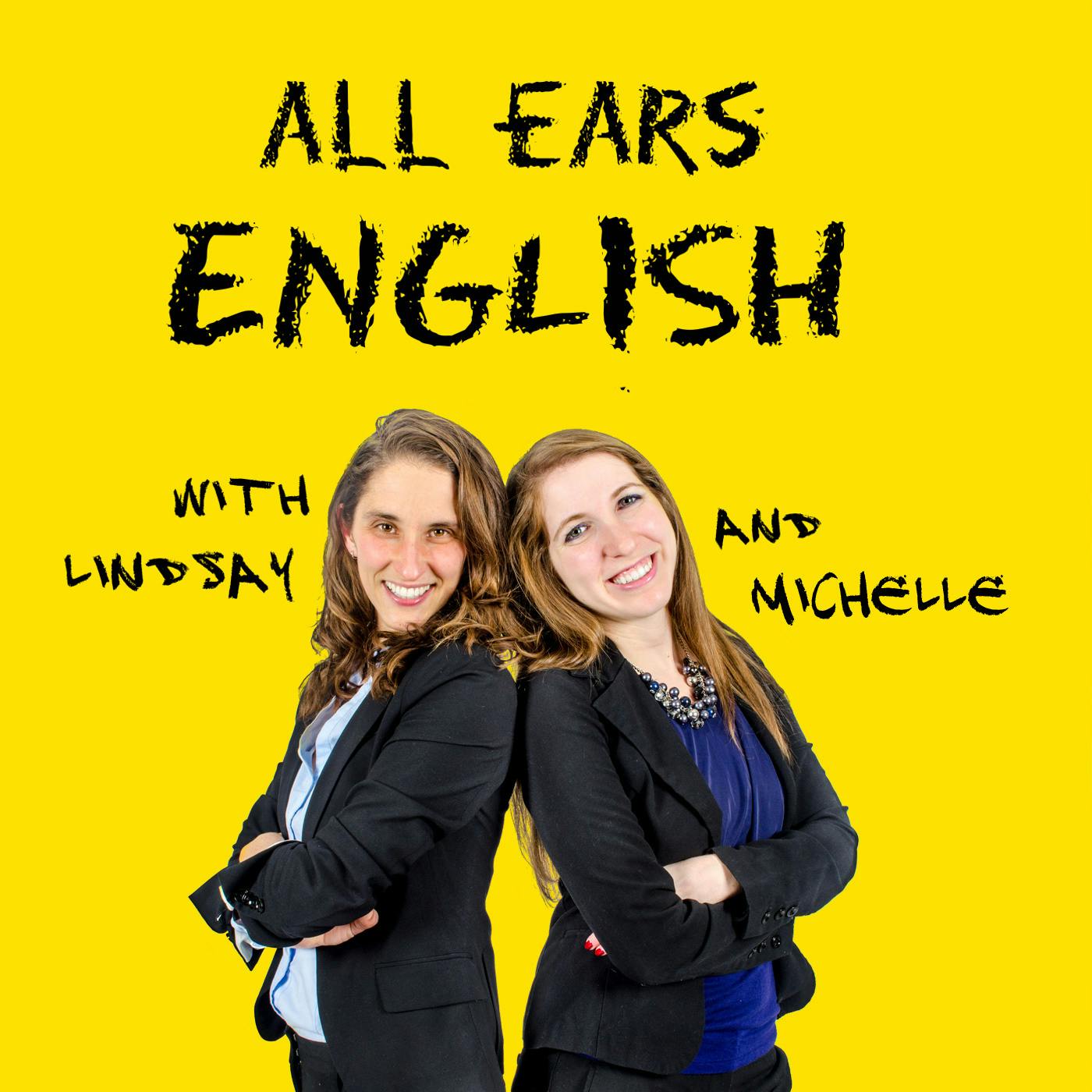
You will see the bright yellow and that is us.
好的。
All right.
问题是这样的。
Here's the question.
纽约的听众说:我是每天的听众,通常会把每期节目重复听上一周。
So, New York says, I'm a daily listener and I usually repeat each episode for about a week.
这太棒了。
That's great.
这
That's
虽然我讲话时还是有点犹豫,但一在实际对话中听到你们用过的表达,我就特别兴奋。
Even though I still feel a bit hesitant when speaking, I get really excited when I recognize your expressions in real conversations.
这让我觉得自己真的在进步。
It makes me feel like I'm making progress.
太棒了。
Beautiful.
这真让人开心。
That's so nice.
你知道吗?
And you know what?
事情就是这样的。
That's what happens.
你懂的。
You know?
你听到某个说法,突然之间,就在生活中到处都能听见了。
You hear something, and then all of a sudden you hear it out in the world everywhere.
对吧?
Right?
没错。
So Yes.
对。
Yes.
挺厉害的。
Pretty cool.
百分之百。
A 100%.
这就是我们保持动力所需要的反馈循环。
That is the feedback loop that we want to stay motivated.
对吧?
Right?
这期关于认同的节目很有帮助。
This episode on agreeing was very helpful.
我经常听到‘说得通’、‘百分百’、‘正面’、‘太好了’、‘酷’、‘没错’或者‘真棒’这类说法。
I often hear phrases like fair enough, 100%, positive, sweet, cool, exactly, or lovely.
这些表达在使用上有什么细微差别吗?
Are there subtle differences in how these are used?
有没有哪些更随意,或者更适合特定场合?
Are some more casual or situational than others?
另外,你有没有什么自然表达同意时更喜欢用的替代说法,而不是光说‘是’或者‘对’?
Also, do you have any favorite alternatives to just saying yes or correct when agreeing naturally?
非常感谢你这么出色的工作。
Thanks so much for your great work.
太好了,谢谢
Great Thank
你太客气了。
you so much.
这其实是个两部分的问题。
So this is really a two part question.
今天我们先回答第一个问题,第二个留到以后的节目再聊。
We're So gonna answer the first question today, and we can do the second in a future episode.
不过今天我们要深入聊聊像‘fair enough’、‘100%’、‘positive’、‘sweet’、‘cool’、‘lovely’这些表达的不同含义和用法,前面我们提到过它们在短信里的使用。
But today, we're going to dive into the different meanings and uses of phrases like fair enough, which we said in the beginning about texting, a 100% positive, sweet, cool, or lovely.
这些词和表达在日常闲聊中经常能听到。
And these are all words or phrases that you will hear in casual conversation.
对。
Yes.
它们特别有助于拉近关系,因为能自然地传达你同意、接受或理解了对方说的话。
And they're really good for connection because they show you agree or you accept or you understand what someone just said.
是的。
Yeah.
现在有些表达比别的更流行。
And some of them are more trendy than others right now.
比如‘100%’,我觉得眼下就挺火的。
Like, 100%, I think, is pretty trendy right now.
你觉得呢,米歇尔?
What do you think, Michelle?
是的。
Yeah.
没错。
Oh, yeah.
完全同意。
100%.
对。
Yeah.
这期节目肯定会很有趣,因为对我们的听众来说特别贴切。
Oh, this is gonna be a fun episode because it's gonna be so incredibly relevant for our listeners.
不过,在继续之前,各位,如果你和我一样,更喜欢听播客的话。
But, guys, before we go any further, if you are more of a podcast listener and you're that's what I am.
我是个音频内容爱好者。
I'm an audio person.
对吧?
Right?
我个人用苹果播客,不过你可能用的是Spotify。
I listen to Apple Podcasts personally, but you might listen to Spotify.
你也可能用Castbox。
You might listen to Castbox.
不管你在哪个平台听,记得在你的播客应用里点关注,这样我们每周五天的内容都会出现在你的列表里。
Wherever you listen, hit the follow button right there on your podcast player so we drop into your queue five days a week.
明白吗?
Alright?
很好。
Good.
是的。
Yes.
我们以前也做过类似的节目。
So we have done similar episodes before.
我先给你讲几个,但我们还是想聚焦在这个听众的问题上。
I'm just gonna give you a couple, but we still wanted to focus in on this listener's question.
我们之前做过一期关于‘同意’的节目。
So we did an episode on agreeing.
那是第2555期,讲的是在英语里如何通过认同来拉近关系。
So that was twenty five fifty five, capture the connection when you agree with someone in English.
对的。
Mhmm.
之前我们已经讲过‘确切’这个词了。
So here, we already talk about exactly.
所以这期我们就跳过这个词了。
So we're gonna skip that word.
好的。
Okay.
没问题。
Good.
是的
Yeah.
那也是最常用的一种说法。
Then That's also kind of the most standard one.
所以今天我们会给大家提供一些更地道的替代表达。
And so we're gonna give some better alternatives today.
对吧?
Right?
没错。
Right.
接下来是单词 'correct'。
And then we have the word correct.
那是商务英语里的用法。
That was business English.
如果你没听商务英语的节目,不妨去关注一下。
So if you're not listening to the business English podcast, head on over there, hit follow.
但第五百五十一集提供了一个清晰又简洁的说法,用来表达某人是对的。
But episode five fifty one, that was a clean and clear way to say someone is right in English.
所以,没错。
So Yes.
一定要去听听那些节目。
Definitely check those out.
那听众林赛问到的这些词,今天到底是什么意思呢?
So but what do today's words mean that our listener asked about, Lindsey?
今天要讲的这几个词特别实用。
So today's words this is great.
第一个是‘fair enough’。
So the first one, fair enough.
有时候我听到人们就直接说‘fair’。
Or sometimes I hear hear people just saying fair.
对吧?
Right?
你也有听到过吗,米歇尔?
Do you you hear that too, Michelle?
是的。
Yeah.
这么说也合理。
Or that's fair.
没错。
Right.
这么说也合理。
That's fair.
这种说法有好几种变体。
There are variations of this.
可以接受。
Fair enough.
对。
Yeah.
这说得通。
That's fair.
有道理。
Fair.
没错。
Right.
意思是我说我听懂了,也接受你的观点。
It means that I understand and I accept your point.
我明白你在说什么。
I'm hearing what you're saying.
这可能不是我的看法。
It might not be my opinion.
对吧?
Right?
你不是在说我很认同。
You're not saying I agree.
对。
Right.
完全没错。
Totally.
好吧?
Okay?
那我们来举个简单的例子。
So let's do a quick example.
是的。
Yeah.
我今天想早点走。
I think I'll leave early today.
我累坏了。
I'm beat.
说得通。
Fair enough.
今天真是够累的。
It's been a long day.
所以呢,取决于我后面怎么说,如果我说‘可以理解’,那可能我是同意的。
So here, depending on what I say after, fair enough, maybe I do agree.
但并不意味着我跟你想的一样。
But it's not necessarily I think the same thing.
我只是想说,我听懂你的意思了。
It's just saying, like, I hear what you're saying.
对。
Right.
这就像是说,这事儿能理解。
It's kind of like that's understandable.
是的。
Yeah.
对吧?
Right?
是的。
Yes.
这说得通。
That's fair.
对吧?
Right?
这说得通。
That's fair.
对。
Yeah.
然后是100%,我们之前提到过,表示强烈同意。
And then there's 100%, which we mentioned is strong agreement.
所以这个态度非常积极。
So this one is very enthusiastic.
非常积极。
Enthusiastic.
而且,你经常会听到这种说法。
And, yeah, you will hear this a lot.
所以我觉得我们都得再多睡点。
So I think we all need more sleep.
完全同意。
100%.
所以这里是在表示认同。
So here it is agreeing.
我和你有同样的感受。
I I feel the same way as you.
对吧?
Right?
是的。
Yes.
是的。
Yes.
对。
Yes.
没错。
Exactly.
接下来这个我很喜欢。
And then I like this next one.
真棒。
Sweet.
这个有点不一样。
This one's a little different.
我不确定它算不算同意类的表达,但确实是一种积极回应的方式。
I'm not sure if it belongs in the same category of agreeing, but it's a way of just responding positively.
对吧?
Right?
是的。
Yeah.
是的
Yep.
这语气特别积极。
It's very upbeat.
对。
Yeah.
就是表示这不错,或者特别棒。
So it just means that's good or it just means great.
对吧?
Right?
没错。
Right.
我刚才
What I'm
听到的,或者在这个角色扮演里,它有点像是我在表示接受。
hearing Or is it could in this in this role play, it kinda means like I accept.
对吧?
Right?
是的。
Yeah.
那我们来模拟一下这个场景吧。
So let's let's try a role play.
我路上可以顺路去接你。
I can pick you up on the way to the dinner.
太好了。
Sweet.
谢谢。
Thanks.
所以,没错,我这是在表示接受。
So, yeah, here I am accepting.
我接受搭车。
I'm accepting a ride.
我在前面等你。
I'll be waiting up front.
对吧?
Right?
你来接我,我真的很期待。
And I'm very excited that you're coming to pick me up.
对吧?
Right?
嗯,好的。
Yes.
对。
Yes.
那下一个是什么?
So what's the next one?
太好了。
Cool.
这种说法在美国英语里太常见了。
Now this is so so rampant in American English.
不错。
Cool.
Michelle,你觉得自己平时说这种话多少次了?
I mean, how many times did you think you say this, Michelle?
我是说,我简直随口就来。
I mean, I I say all the
很多次。
A lot.
我倒想翻翻我们的对话记录,好好看看。
I'd be curious to go through our transcripts and see.
这其实就是表示‘好的’‘行’‘我同意’的意思。
This means okay sounds good or I accept.
对吧?
Right?
这非常随意,其实就是表示你收到了信息,或者同意了安排。
It's very casual, and you are basically acknowledging info or accepting plans in this context.
对吧?
Right?
比如,咱们在咖啡馆外碰面吧。
So for example, let's meet on let's meet outside the cafe.
好啊。
Cool.
待会儿见。
See you there.
好的。
Mhmm.
我觉得 'lovely' 听起来更像英式英语。
And then lovely sounds more British English to me.
我觉得英国人用这个词比美国人多得多。
I think British people will use this a lot more than American people.
我会这么说。
I will say that.
你觉得呢?
What do think?
你不是在伦敦上过学吗?
I mean, you studied in London.
是的。
Yeah.
对。
Yeah.
我也会这么讲。
I will yeah.
我觉得那边的人更常这么说。
I would say that you might hear it more over there.
我觉得我自己用'lovely'的时候,往往是在说反话。
I I I think that I use lovely when I'm being sarcastic.
是的。
Yes.
我可能会说,哎呀,这真不错。
I might be like, well, that's lovely.
对吧?
Right?
是的。
Yes.
那种用法在美国其实可能是反讽。
That that might be the American usage is actually sarcasm.
对吧?
Right?
你也会这样吗?
Do you do that too?
我没那么频繁,但我听过你这么用,我能理解。
Not as much, but I've heard you do it and I get it.
这说得通。
It makes sense.
这是你的风格。
It's your style.
是的。
Yeah.
不是。
No.
不是。
No.
就像你孩子把牛奶洒得满地都是。
Like like your kid spills milk all over the place.
你可能会轻声说。
You might say quietly.
嗯,真不错。
Well, that's lovely.
你马上就要出门了。
You're about to walk out the door.
狗要么去洗澡,要么跑到地板上,类似这样的情况。
The dog goes to the bath or on the floor or something like that.
对吧?
Right?
是的。
Yeah.
没错。
It's true.
但这才是你平时会听到的真实说法。
But this is how you might hear it genuinely.
好的。
Alright.
我给你泡了茶。
I made us some tea.
真好。
Lovely.
听起来太棒了。
That sounds perfect.
是的。
Yeah.
我觉得这确实是英式表达。
And I really think that is a British expression.
对。
Yeah.
也许有些美国人也会用,但我觉得这种用法典型的还是英式,对吧?
Maybe some Americans use it, but I think that one is pretty British for that for that genuine usage Right?
英式的。
Of British.
没错。
Yep.
是的
Yep.
对
Mhmm.
最后,我们来说说正面的表达。
And then finally, we have positive.
我特别喜欢这个说法。
Now I I love this one.
我并不是总这么说,但一听到它,我就想到电影《我的表兄维尼》。
I don't say it all the time, but it makes me think of the movie My Cousin Vinny.
明白。
Okay.
那部电影我超爱。
Love that movie.
因为他在
Because he
他总问:‘你确定吗?’
always says, are you sure?
她就说:‘我百分百肯定。'
And she goes, I'm positive.
是的。
Yeah.
对。
Yeah.
特别特别常见。
Very, very common.
我平时在这种情况底下也总这么说。
And I use this all the time in that context.
对吧?
Right?
比如,你确定今天商店关门了吗,米歇尔?
So for example, are you sure that the store is closed today, Michelle?
肯定的。
Positive.
对吧?
Right?
或者说‘我肯定’,或者就简单说‘肯定’。
Or I'm positive or just positive.
是的。
Yeah.
对。
Yeah.
这就能明确地确认信息了。
So this just solid solidly confirms information.
更像是一种信息交换。
So it's more of a transaction.
没那么温暖或亲切,不像说‘我肯定’那样。
It's not as warm or friendly or just like, I'm positive.
你懂的。
You know?
就是那个‘是’。
The yes.
对吧?
Right?
对。
Yes.
没错。
Exactly.
很好。
Good.
我们先休息一下,待会儿再回来看看其他几个解释。
So we're gonna take a quick break, and then we're gonna come back and check out a few more explanations here.
好吗?
Okay?
展开剩余字幕(还有 203 条)
好的。
Alright.
所以读者和听众都问了,这些词是不是要看场合,当然了,肯定是看场合的。
So the reader, also the listener, also asked if these words are situational, and of course they are.
对吧?
Right?
那我们把这些词按不同的情境分类,归归类,这样听众更容易记住。
So we're gonna break these down into different types of situations, into buckets so our listeners can remember a bit better.
对吧?
Right?
没错。
Yes.
那好,我们继续。
So Alright.
所以我们先来看一种情况:平静的接受。
So we have calm acceptance.
对
Mhmm.
比如‘说得通’、‘行吧’这类词。
So that would be words like fair enough and cool.
所以
So
是的
Yeah.
我们之前说过。
We said before.
就像我们之前讲的,这不一定是强烈认同。
Like we said before, it's not necessarily agreeing strongly.
我们一会儿再谈强烈认同,但现在是平静地表示:我听到了。
We'll talk about strong agreement again in a minute, but it's calmly saying, I hear you.
明白了。
Okay.
是的
Yeah.
我也觉得是这样
I'm like yeah.
我明白你的意思
I'm recognizing what you're saying.
没错
Exactly.
比如说
So for example.
天气真差
The weather is terrible.
咱们改天再约吧
Can we take a rain check?
说得对
Ah, fair enough.
这种天气我也不想开车。
I wouldn't wanna drive in this either.
行吧。
Alright.
好。
Good.
好的。
Okay.
或者,喂。
Or, hey.
我大概一点走。
I'll be leaving around one.
没问题。
Cool.
快到的时候告诉我一声。
Just let me know when you get close.
好的。
Okay.
是的。
Yeah.
所以是平静地接受。
So calm acceptance.
行。
Alright.
对。
Mhmm.
冷静、沉着、有条不紊。
Cool, calm, collected.
我喜欢这种状态。
I like that.
是个很好的性格特质。
Good personality trait.
对。
Yes.
现在我们再进一步,
Now let's bump it up a notch and
转为强烈赞同,那就是百分之百。
move to strong agreement, and that is 100%.
对吧?
Right?
是的。
Yeah.
所以非常热情。
So very enthusiastic.
待在户外真的让我心情更好。
So being outside really puts me in a better mood.
百分之百。
100%.
这让我想到,世界上很多其他文化,甚至包括英语国家,可能都觉得美国人太过热情,或者说是热情得有点过头,还带点讽刺。
And this kinda makes me makes me think I think a lot of other cultures in the world, maybe even, like, English speaking cultures, I think that Americans are overly enthusiastic or overly, I guess sarcastic and enthusiastic.
是的。
Yeah.
我们的说话方式确实如此,也许还真就是这样。
The way we speak, and it might be true.
有时候我们确实有点夸张。
We're a little over the top at times.
完全没错。
100%.
对吧?
Right?
没错。
Yeah.
这让我想起几年前和我兄弟在一起的一件事,我到现在都忘不了。
That makes me think of I remember once I was with my brother years ago, and I never forgot it.
特别搞笑。
Was so funny.
我们碰上了一个他高中时的同学,她特别友善,特别热情。
We ran into a girl that he went to high school with, and she was so super nice and so super friendly.
后来我兄弟跟我说,她对什么事都这么有激情。
And then my brother said to me afterwards, oh, she's enthusiastic about everything.
比如你跟她说你有个手机,她都会惊呼:哇!
Like, you could be like, I have a cell phone, and she'll be like, wow.
是的。
Yeah.
真有意思。
It's so funny.
我想知道为什么会这样,毕竟美国也不是人人都这样。
I wonder why that is that, you know, I mean, obviously, not everyone is the same in The US.
美国那么大,人性格也千差万别。
A huge country with so many different personalities.
但我觉得,当人们想到美国人时,这往往是他们脑海中的一个印象。
But I think when people think about Americans, this is one of the things that they think about.
有点太热情了,简直过了头。
Like, a little too intense, like, over the top.
太夸张了。
Too much.
是的。
Yeah.
也许今天我们可以把这个当成一个投票话题。
Maybe this will have to be our poll for today.
我想知道,你对美国人的印象是不是也这样?
I'm curious if that's the impression you get of Americans too.
好主意。
Good one.
而且,总归还是需要一点温暖又开心的回应的。
And then there's always room for a warm and happy reaction.
米歇尔,那会是什么样的呢?
Michelle, what would that be?
就是温馨、美好、很棒的感觉。
That would be sweet, lovely, cool.
那我给你热一下剩下的饭菜吧。
So I'll heat up those leftovers for you.
太好了。
Sweet.
谢谢。
Thanks.
对吧?
Right?
我们也不会太激动,但确实会让我们很开心。
So we're not going too getting too excited, but we're definitely that makes us happy.
有人会给我们热剩饭剩菜。
Someone's gonna heat up leftovers for us.
这样挺好。
That's good.
对吧?
Right?
然后正面的、明确的信息确认是哪一个,Michelle?
And then positive is and then clear confirmation of info is which one, Michelle?
没错。
That yeah.
这是正面的。
That's positive.
所以这更偏向于事务性的。
So that's more transactional.
对。
Mhmm.
是的。
Yeah.
你把邮件发到我的新地址了,对吧?
So you sent the email to my new address.
没错吧?
Right?
这是正面的确认。
Positive.
是的。
Yes.
我可能会再加上这一点。
And I would probably add there.
通常它会和‘你确定吗?’一起出现。
I I it's often it's in in conjunction with, are you sure?
我很确定。
I'm positive.
说实话,像‘我很有把握’或者‘肯定’这种表达,我们之前就提到过,用得特别多。
Like, that's a really common chunk that we highlighted earlier, which is where I see the phrase I'm positive or positive more often, to be honest.
对。
Mhmm.
我的意思是,如果你特别强调一下,比如发到我的新邮箱。
I mean, I guess if you were really emphasizing, like, to my new address.
对吧?
Right?
对吧?
Right?
而且很明显,你指的是新邮箱,不是旧的那个。
Like and and it was, like, very clear that you meant not the old one.
你当时还挺担心的。
You were worried about it.
不过,我明白你的意思。
But, yeah, I see what you're saying.
这更像是在问,你确定这个是打开的吗?
It is more of, like, the sense of, like, are you sure that this is open?
你确定咱们可以晚点再来取吗?
Are you sure that, you know, we can pick this up later?
差不多就是这个意思。
Something like that.
我听起来更像是这样。
I would hear it more like that.
对。
Mhmm.
是的。
Yeah.
那我们来角色扮演一下,Michelle。
So let's go into a role play, Michelle.
我们现在是新认识的朋友,本来约好喝咖啡,但现在得改时间。
So here we are new friends, and we have plans to meet for coffee, but we need to reschedule here.
对新认识的人,得把握好分寸,别让他们觉得你不喜欢他们了。
So it's a delicate balance when someone new, you don't want them to think you don't like them anymore.
对吧?
Right?
而且你也不想见他们,所以我们得好好商量一下。
And that you don't want to see them, so we have to negotiate this.
对吧?
Right?
是的。
Yes.
那我们明天喝咖啡,不今天,行吗?
So can we grab coffee tomorrow instead of today?
我最近工作实在太忙了。
I'm just so swamped at work.
说得通。
Fair enough.
明天其实更合适。
Tomorrow actually works better.
好啊。
Cool.
我们可以试试我家附近那家新咖啡馆。
We could try that new cafe by our house.
太棒了。
Sweet.
我早就想去了。
I've been wanting to go there.
你介意我带狗一起去吗?
And are you okay if I bring my dog?
当然没问题。
Oh, 100%.
我喜欢小动物。
I love animals.
太好了。
Lovely.
我等不及了。
I can't wait.
对。
Yeah.
记得确认一下你新朋友是否喜欢狗、是否接受动物。
Always double check that your friend new friend likes dogs, likes animals, well, is okay with that.
你懂的。
You know?
不是每个人都喜欢狗,有些人会害怕。
Because not everyone some people are afraid of dogs.
对。
Yeah.
对。
Yeah.
这点确实得留心。
You gotta be careful there for sure.
所以,米歇尔,我们来梳理一下吧?
So, Michelle, shall we break it down?
好的。
Alright.
对。
Yes.
你说,咱们明天喝咖啡,别今天了,行吗?
So you said, can we grab coffee tomorrow instead of today?
我今天工作忙得脱不开身。
I'm swamped at work.
我说,这没问题。
And I said, fair enough.
明天其实更合适。
Tomorrow actually works better.
对。
Mhmm.
然后我说,好啊。
And then I said cool.
所以当我们说‘好啊’的时候,就是一种温暖又开心的回应。
So that's that we said cool was the warm and happy reaction.
对吧?
Right?
对。
Mhmm.
确实挺温暖的。
It's warm for sure.
我们可以试试家附近那家新咖啡馆,你说‘太好了’。
We could try that new cafe by our house, and you said sweet.
这同样也是一种温暖又开心的回应。
That's a again, good also the warm and happy reaction.
对吧?
Right?
是的。
Mhmm.
然后你问,我带狗来你介意吗?
And then you said, and are you okay if I bring the dog?
那时候我真的特别兴奋。
And that's where I really got excited.
你真是个爱狗的人。
You dog person.
对。
Yeah.
从这里就能看出来,我特别喜欢狗。
So here you can tell I really love dogs.
所以我直接说,百分百没问题。
So I said 100%.
我喜欢动物。
I love animals.
真好。
Nice.
然后我说,太棒了。
And then I said, lovely.
我等不及了。
I can't wait.
对吧?
Right?
这又属于那种温暖又开心的反应。
And that was again in the bucket of warm and happy reactions.
在英国更常见,但要是符合你的性格,那就放开了用吧。
More likely to be heard in England than here, but if it's in your personality, go for it.
对吧?
Right?
尽管去做吧。
Go for it.
是的。
Yes.
没错。
Exactly.
那么,林赛,今天的关键点是什么?
So, Lindsey, takeaways for today?
今天的关键点在于,你的回应方式很重要。
Takeaways for today, it matters how you respond.
这会决定整个氛围。
It sets the tone for everything.
当有人问,‘我带狗来可以吗?’
When someone says something like, is it okay if I bring my dog?
你反应的方式——不只是你说什么话,连你的语气都在透露:我们能不能成为朋友?
The way you react, not just the words you use, but your tone of voice says a lot about, are we going to be friends or not?
对吧?
Right?
是的
Yeah.
因为某些人的行为举止,其实也能反映出对方的为人。
Because certain things about people could tell you more about someone else too.
对吧?
Right?
所以光是用词和语气,就藏着很多建立联系的线索。
And so so there's a lot here in terms of connection just in word choice and tone of voice.
明白吗?
Okay?
对
Mhmm.
对
Mhmm.
没错
Yes.
没错。
Exactly.
太棒了。
Love it.
所以,Lindsay,我觉得今天就到这里吧。
So, yeah, Lindsay, I think we're good for today.
你觉得这样可以吗?
And is that cool with you?
我这边没问题。
That's cool with me.
我这边没问题,Michelle。
That's cool with me, Michelle.
听起来不错。
Sounds good.
下次见。
I'll see you next time.
好的。
Alright.
再见。
Bye.
再见了,各位。
Bye, guys.
好的。
Alright.
再见。
Bye.
感谢收听《All Ears English》。
Thanks for listening to All Ears English.
想了解自己的英语水平吗?
Would you like to know your English level?
来做个两分钟的小测验吧。
Take our two minute quiz.
访问 allearsenglish.com/fluency-score
Go to allearsenglish.com forward slash fluency score.
如果你相信连接比完美更重要,那就现在点订阅,别错过任何内容。
And if you believe in connection not perfection, then hit subscribe now to make sure you don't miss anything.
下次见。
See you next time.
关于 Bayt 播客
Bayt 提供中文+原文双语音频和字幕,帮助你打破语言障碍,轻松听懂全球优质播客。