本集简介
双语字幕
仅展示文本字幕,不包含中文音频;想边听边看,请使用 Bayt 播客 App。
这里是All Ears English播客,第2379期,你的日常作息是什么?
This is an All Ears English podcast, episode 2379, What's Your Daily Routine?
晚间版。
Nighttime Edition.
欢迎收听All Ears English播客,下载量已超过两亿次。
Welcome to the All Ears English podcast, downloaded more than 200 million times.
你是否觉得英语学习遇到了瓶颈?
Are you feeling stuck with your English?
我们将向你展示如何通过注重交流而非完美,变得无所畏惧、流利自如。
We'll show you how to become fearless and fluent by focusing on connection, not perfection.
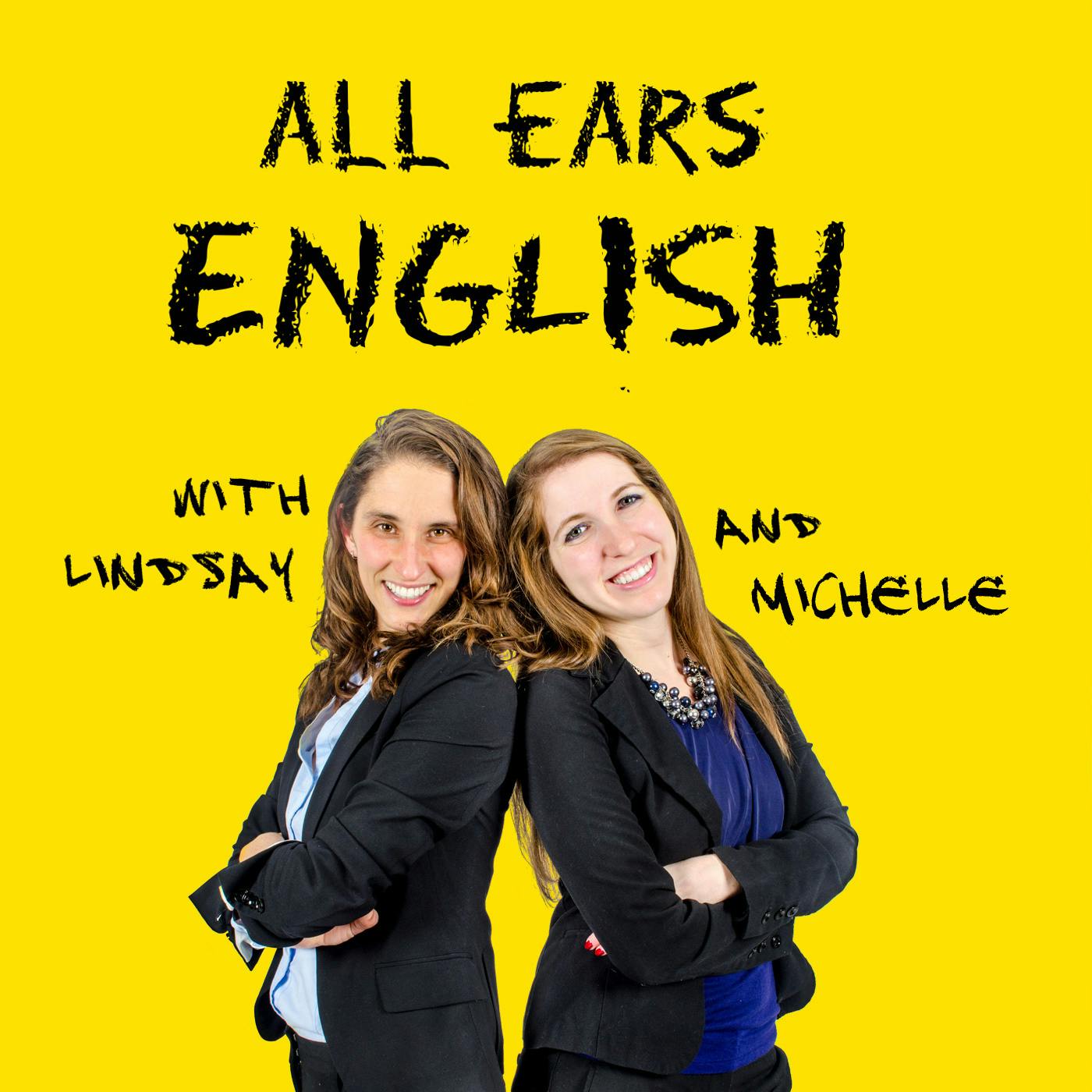
由你的美国主持人林赛·麦克马洪,英语冒险家,和米歇尔·卡普兰,纽约电台女孩,共同主持。
With your American hosts, Lindsay McMahon, the English adventurer, and Michelle Kaplan, the New York radio girl.
节目来自美国科罗拉多州和纽约市。
Coming to you from Colorado and New York City, USA.
想要在手机上获取实时文字记录并创建个性化词汇表,请尝试All Ears English应用,支持iOS和Android系统。
To get real-time transcripts right on your phone and create your personalized vocabulary list, try the All Ears English app for iOS and Android.
在 allearsenglish.com/app 开始你的七天免费试用。
Start your seven-day free trial at allearsenglish.com/app.
母语朋友之间最常聊的话题之一就是睡眠习惯。
One of the most common topics among native-speaking friends is sleeping routines.
今天收听节目,学习用英语谈论你的夜间习惯,创造更多连接时刻。
Listen in today to talk about your nighttime routines in English for more connection moments.
流利不是说英语完美无缺,而是能够舒适地交流,毫无压力地分享想法,在对话中自然反应,并用英语展现你的个性。
Fluency is not about speaking perfectly, it's about communicating comfortably, being able to share your ideas without stress, react naturally in conversations, and express your personality in English.
如果英语仍然让你觉得需要小心翼翼,那你很可能离下一个流利水平非常近了。
If English still feels like something you have to manage carefully, you're probably very close to the next level of fluency.
但一旦你清楚自己的水平,进步就会快得多。
But progress becomes much faster once you know exactly where you stand.
现在就参加我们免费的流利度测试,只需两分钟,了解你的英语水平。
Take our free two-minute fluency quiz and discover your English level today.
前往 allearsenglish.com/fluencyscore。
Go to allearsenglish.com/fluencyscore.
网址是 allearsenglish.com/F-L-U-E-N-C-Y-S-C-O-R-E。
That's allearsenglish.com/F-L-U-E-N-C-Y-S-C-O-R-E.
嘿,米歇尔。
Hey there, Michelle.
今天怎么样?
How's it going today?
挺好的,林赛。
Pretty good, Lindsay.
你呢?
How are you?
我挺好的。
I'm doing well.
你昨晚睡得好吗?
Did you sleep well last night?
睡得还行。
I slept okay.
我发现如果家里人都比平时睡得早,我的状态就会好很多。
I find that if everybody in my house is asleep earlier than usual, then everything goes better for me.
你呢?
What about you?
你睡得好吗?
Did you sleep well?
我睡得还不错。
I slept pretty well.
我把自己裹在被子里。
I was under the covers.
现在丹佛特别冷,所以我喜欢多盖几层被子,这样挺舒服的。
It's very cold in Denver right now, so I like to layer the covers on top of me, and that's nice.
所以我在床上确实暖和得很……那感觉真好。
So I was nice and warm- That's nice ... in bed, for sure.
挺好的。
That's good.
十点就上床了。
In bed by 10:00.
是的。
Yes.
哦,十点就上床了?
Oh, in bed by 10:00?
那是不是——不,大概十点半吧。
So is that- No, more like 10:30, I guess.
好的。
Okay.
那你通常几点睡觉?
So what time do you typically go to sleep?
那是你平常的作息吗?
Is that a typical night?
我觉得是十点。
I think 10:00.
我尽量在十点前上楼准备睡觉,可能十点半左右上床,大概就是这样。
I try to be upstairs and getting ready for bed by 10:00 and maybe in bed by 10:30, something like that.
我最近就是想多睡一会儿。
I'm just trying to get a little bit more sleep these days.
是的。
Yes.
当你只想有点时间放松的时候,这真的很难,但是……是的……
It's so hard when you just want to have some time to relax, but- Yes ...
你有睡眠习惯吗?
do you have a sleep routine?
你刚才说,哦,你十点上楼,可能十点半上床。
You were saying, oh, you're upstairs at 10:00, maybe in bed by 10:30.
你……是的,我试着做点冥想,坐禅大概十五分钟,然后刷牙,准备一下,上床,看会儿书。
What do you- Yeah, I try to do some meditation, some sitting meditation for about 15 minutes, and then I brush my teeth, get ready, get into bed, read my book a little bit.
这是一整套流程。
It's a whole thing.
这算是……一种固定的流程,对吧?
It is- ... kind of a routine, right?
你需要这种流程来告诉你的身体放松下来,然后……对,准备入睡。
You kind of need that routine to tell your body to calm down and- True ... get ready for sleep.
是的。
Yes.
没错。
Exactly.
你是晚上洗澡还是早上洗澡?
Are you a nighttime showerer or a morning showerer?
其实我两个都洗。
I kind of do both, actually.
如果我锻炼了,我会在睡前洗个澡——哦,对。
If I work out, I'll shower- Oh, right.
是的……睡前洗一次,然后早上起来再洗一次。
Yeah ... before bed, and then I'll wake up again and shower again in the morning.
所以那意味着皮肤会很干。
So that means dry skin.
对。
Yes.
好的。
Okay.
所以今天我们要聊一个非常常见的话题,这其实是两期系列节目的第一期。
So today we are going to talk about a very common topic, and this is actually part one of a two-part series.
对。
Yes.
所以这期是关于睡觉时间和睡前习惯的,因为我发现这真的是一个非常常见的连接话题。
So this is about bedtime and bedtime routines because I realized that this is just an- Yes ... extremely common connection topic.
确实如此。
It really is.
我不知道。
I don't know.
对。
Yes.
可能是我年纪大了,但我发现我和朋友们经常聊这个话题。
Maybe it's my age, but I find that I talk about this a lot with my friends.
不是。就是“你几点睡觉?”
No. "Oh, what time do you go to sleep?"
大家都特别兴奋。
Everyone's excited.
我觉得现在关于睡眠重要性的研究越来越多了,对吧?
Well, I just think there's a lot of research coming out on how important sleep is now, right?
大家也都在看这些研究,读相关的内容,然后重新思考自己的作息。
And people are consuming this research and reading about it and rethinking their routines.
大家现在都在这么做。
That's what people are doing.
他们在重新思考自己吃什么、怎么睡、怎么生活。
They're rethinking what they're consuming, how they're sleeping, how they're living.
所以我觉得这成为热门话题很正常,米歇尔。
So I think it makes sense that it's a common topic, Michelle.
你会不会有时候也跟自己的朋友聊这个?
Would you say sometimes you talk about this with your own friends?
当然会。
Absolutely.
因为你也想审视一下自己的生活。
Because you also want to get a check on your life.
我这样正常吗?
Am I normal?
我觉得从哲学层面来说,我们作为人类,在问别人日常安排的时候,其实就是在做这件事——你想知道自己做的事情是不是正常的。
I think that's what we're doing on a very philosophical level as human beings when we're asking other people about their routine, you want to know if what you're doing is normal.
真有意思。
That's funny.
确实有意思。
It's funny.
对,我之前没想过这一点,但确实是这样。
Yeah, I didn't think about that, but I guess that's true.
你就是在确认一下,"好吧,这是不是……" 你在核对。
You're just kind of checking, "Okay, is this-" You're checking in.
对…… "我做的每件事,都正常吗?"
Yeah ... "Everything I'm doing, is that okay?"
嗯,这就是我们今天要聊的。
Well, that's what we're going to talk about today.
我们要聊的是怎么分享这些信息,怎么用英语在这个话题上建立联系,因为这是很常见的话题。
We're going to talk about how to share this information, how to connect over this topic in English, because it is very common.
是的。
Yes.
所以我很期待今天的节目。
So I'm excited for today's episode.
那我们就来聊聊一些表达,你可以用来分享信息,或者询问别人的睡前习惯。
So let's talk about some expressions that you would use to either share information or ask about someone's bedtime routine.
所以——嗯。
So- Mm-hmm.
好的,那我们开始吧。
Yes ... let's go for it.
所以——好吧……
So- Okay ...
我觉得这个其实是受我说过或听到过的一个表达启发而来的。
I think that this was actually inspired by me saying or hearing this expression.
好的。
Okay.
“那已经过了我的睡觉时间了”,或者你也可以说,“那早就过了我的睡觉时间了”。
"That's past my bedtime," or you could also say, "That's way past my bedtime."
你觉得这个怎么样?
What do you think of this?
早就过了我的睡觉时间了。
Way past my bedtime.
我觉得不错。
I like it.
对,所以这个表达的重点是事情发生的时间已经过了你该睡觉的点,到时候你就没法去应付那件事了,对吧?
Yeah, so you're really emphasizing something is happening after you're going to be in bed, so you won't be able to attend whatever it is, right?
比如有人跟你说:‘哦,今晚十点半左右我给你打个电话行吗?’
So for example, if somebody says to you, "Oh, could I give you a call at around 10:30 tonight?"
你就可以说:‘哦,不行啊,那都超过我睡觉的时间了。'"
You could say, "Oh, no. That's way past my bedtime.
我们明天再聊。
Let's talk tomorrow."
哦,米歇尔,这里有个问题。
Oh, here's a question, Michelle.
你怎么看?
What are your thoughts on this?
犀利观点。
Hot takes.
晚上九点以后给别人发短信,你觉得可以吗?
Is it okay to text people after, let's say, 9:00 PM local time?
因为你会假设他们已经把手机调成静音了,他们的短信——
Because do you assume that they have their Their phone silenced, their text-
……这是他们的责任,还是你应该等到第二天再发?
... is it their responsibility or should you not text until the next day?
这个问题问得好。
Such a good question.
对。
Yes.
其实这个问题我经常想,因为我发现……
Something that I think about a lot, actually, because I realize...
这种情况经常发生。
This happens a lot.
所以通常,这不太好,但我白天很难给别人发短信。
So what typically, this is bad, but I have a very hard time texting people during the day.
好的。
Okay.
我就是太忙了。
I'm just busy.
我白天很难及时回复消息,因为我——
I have a hard time responding to messages during the day because I'm-
……到处跑,而且我——
... running around, and I-
当然。
Sure
……尽量不……
... try not to be...
对,我会看手机,但我想给短信应有的重视——
Yeah, I look at my phone, but I want to give a text message the attention it deserves-
是的。
Yes
……如果我真的想回复某人的话。
... if I want to really respond to someone.
所以很多时候,到了晚上我躺下准备睡觉时,我就想着要给一些人回消息。
So, a lot of times what happens is I get into bed at night, and I would just want to write back to some people.
但接着我就会想——
But then I always think-
但接着——
But then-
……‘哎呀,是不是太晚了?’
... "Oh, is it too late?"
天哪。
Oh, my gosh.
对。
Yes.
好问题。
Good question.
所以我们还是没有答案。
So we have no answer, though.
所以我们没有——
So we have no-
你觉得呢?
What do you think?
有时候你能看到别人的通知是不是静音的,对吧?
Sometimes you can see if somebody's notifications are silent, right?
对。
Yes.
然后我就很高兴我能这么做。
And then I'm very happy that I can do it.
有时候我会给他们发消息说“希望没吵醒你”,或者有时候我会等到第二天,但通常第二天就忘了。
Sometimes I'll write to them, "I hope I'm not waking you," or sometimes I'll wait till the next day, but then it usually doesn't happen.
这就是问题所在。
That's the problem.
因为我忘了。
Because I forget.
你可能会忘记这件事。
You might forget about it.
我确实也经常这样。
I've definitely been known to do that.
我也是这样。
I also am the same way.
我不喜欢回消息。
I don't like to text back.
我很忙。
I'm busy.
然后我看到消息,就点开了,这样就不会有那个未读的小红点,但有时候我完全忘了回复别人。
Then I'll see the text, and then I'll open it, so I won't have the little dot that says "Unread," and sometimes I'll forget to get back to people entirely.
哦。
Oh.
这毛病真挺严重的。
It's so bad.
Lindsay,我们俩真的太像了。
Lindsay, we're so similar.
我们真的-
We're really-
那挺好的
That's good
……太糟糕了。
... it's terrible.
不过,这是个很好的问题。
Anyway, but that is a good question.
那我再问一个。
So here's another one.
我通常在某个时间上床,但一般到某个点才睡着。
"I'm in bed by blank, but I usually fall asleep at blank."
挺有意思的。
So, interesting.
对。
Yep.
所以,上床睡觉和真正睡着是两回事,对吧,Lindsay?
So in bed and falling asleep are different, right, Lindsay?
当然。
Absolutely.
十点半上床,通常十一点左右睡着。
In bed by 10:30, usually falling asleep at 11.
再说一遍,这是一句非常标准、常见、日常的话,但我们确实有这方面的共同点。
And again, a very standard, common, everyday sentence, but we do share this stuff.
我们确实会聊这个。
We do talk about this.
你一般多久能睡着?
How fast do you fall asleep, typically?
这对每个人来说都不一样。
That's different for everyone.
我喜欢下一个,夜猫子,早起的人。
I like the next one, night owl, morning person.
我们聊过这个。
We've talked about this.
米歇尔-
Michelle-
...
...
我觉得你是夜猫子。
I think you're a night owl.
对吗?
Is that right?
我是夜猫子。
I'm a night owl.
哦,是的。
Oh, yeah.
你有孩子。
You have kids.
你是个早起的人。
You're a morning person.
我更像是个早起的人。
I'm much more of a morning person.
我大概……
I'm up by...
最近我尽量睡到七点,但之后我会带狗出去,而且我喜欢大清早在户外。
These days, I'm trying to sleep until 7:00, but then I'll take my dog out, and I want to be outdoors early in the morning.
我就是想出去走走,你懂吗?
I just want to go outside, you know?
是的。
Yes.
所以,对,然后你可以问别人,如果你想开启对话的话,'你通常几点睡觉?'
So, yeah, and then you can ask somebody, just if you want to open up the conversation, "What time do you usually go to sleep?"
完美。
Perfect.
或者如果我们想说你在睡觉的时候发生了什么事,一个更有创意、更地道的说法是,'我睡着了。'
Or if we want to say something happened when you were asleep, a more creative way to say it, a more natural native way is to say, "I was out."
是不是很有趣?
Isn't that fun?
这个说法很有意思。
That's a fun one.
是的。
Yep.
我睡着了。
I was out.
我睡着了。
I was out.
或者你也可以说……“我当时睡死过去了。”
Or you could also say- ... "I was passed out."
我当时睡死过去了。
I was passed out.
这可不是说你晕倒了,对吧?
Now, this doesn't mean you fainted, right?
意思是说那时候你睡着了。
It means you were asleep at that time.
对。
Yep.
是的,没错。
Yeah, exactly.
所以你可以说,“哦,我睡死过去了,”或者“我当时睡死过去了。”
So you could say, "Oh, I passed out," or, "I was passed out.
我没听到你的短信。”
I did not hear your text message."
是的。
Yes.
没错。
Exactly.
那米歇尔,你呢?
So Michelle, what about you?
你通常几点睡觉?
What time do you usually go to sleep?
嗯,越来越晚了,但我一直在努力调整。
Well, it's gotten later and later, but I've been trying.
说实话,大概凌晨一点吧。
Honestly, more like 1:00 in the morning.
哇,那可比我的睡觉时间晚多了。
Whoa, that's way past my bedtime.
天哪。
Oh, my gosh.
哦,那可比你的睡觉时间晚多了。
Oh, way past your bedtime.
我也不知道。
I don't know.
所以我12点就上床了。
So I'm in bed by 12:00.
好的。
Okay.
但我通常放下书,大概1点左右才睡着。
But I usually put down my book, and I usually fall asleep at about 1:00.
不过是的,我是个夜猫子。
But yeah, I'm a night owl.
这是真的。
That's the truth.
是的,你确实是。
Yeah, you are.
Lindsay,你呢?
Lindsay, what about you?
你刚才说大概十点?
So you were saying about 10:00?
对,我绝对是早起型的人。
Yeah, I'm definitely a morning person.
所以我希望十点上楼准备睡觉,十点半上床,最好十一点就能熄灯休息。
So I want to be upstairs and getting ready for bed by 10:00, and then in bed by 10:30, and then hopefully lights out by 11:00.
不过确实,这招也不是每次都有用。
But yeah, it doesn't always work.
有时候我入睡比较困难,这也挺正常的。
Sometimes I have a hard time falling asleep, which is normal.
你一般要躺多久?或者你会不会干脆起来做点别的什么事?
How long does it usually take you, or do you ever have to get up and do something else, or...
倒不用起来干嘛。有时候十分钟就能睡着,有时候得半小时左右吧。
No, I usually don't have to get up and do... Sometimes it could be 10 minutes, sometimes it could be half an hour, something like that.
但我尽量做对的事情,比如我最近读了很多文章说不能吃太晚,但我锻炼得比较晚。
But trying to do the right things, like I know I've been reading a lot lately where they say you shouldn't eat too late, but I work out late.
我晚上6点45分锻炼到7点45分。
I work out at 6:45 until about 7:45.
所以之后才吃晚饭,大概8点半、9点才吃——
So then I eat dinner after that, so I'm eating at 8:30, 9:00-
然后洗澡,10点上床,所以改变这个习惯真的不容易,Michelle。
... and showering, and then in bed at 10:00, so it's like changing that routine is not easy, Michelle.
确实。
Definitely.
这确实挺棘手的。
That is tricky.
是的。
Yes.
但问题是早上醒来的时候,我早上真的精神很好。
But yeah, the issue is in the morning when I wake, I'm really out in the morning.
我是-
I am-
你确实很累
You are out
...还是早早地就睡过去了。
... still passed out early.
我女儿都进我房间了,她得看着《丹尼尔老虎》开始唱歌,可我还是完全没醒。
Even my daughter comes into my room, and she has to watch "Daniel Tiger" and start singing songs, and I'm just out.
你确实很活跃。
You are out.
我喜欢你这么说的表达方式。
I love how you said that.
听起来特别地道,特别自然。
That is so native and natural.
我——
I'm-
我就是睡死了。
I am just out.
对。
Yes.
那你早上一般几点起床?
What time do you actually get out of bed then in the morning, typically?
哦,这真的看情况。
Oh, it really depends.
她今天进我们房间的时候,天哪,我想是5点15分。
She was in our room today at, oh, God, I think 5:15.
哎呀,你要是1点才睡,那可不容易。
Ooh, that's not easy when you're going to bed at 1:00.
唉。
Oof.
是啊,那是个问题。
Yes, that's a problem.
所以这就是为什么——
That's why-
好的
Okay
……
...
我其实没那么聪明。
I'm not that smart.
我该早点睡的。
I should be going to sleep earlier.
不过一般来说,我大概六点半起床,如果丹在照顾他们的话,有时候我能多睡会儿,今天就是八点多才起。
But I would say that I usually, I'm out of bed between 6:30, and then if Dan is with them, sometimes I can sleep, today, a little after 8:00.
不错。
Nice.
好的。
Okay.
但那就太晚了。
But that's too late.
那——
That's-
太晚了,然后我总是匆匆忙忙的。
That's too late, and then I'm always rushing.
对我来说,工作日早上能睡到八点听起来太奢侈了。
That sounds luxurious to me to sleep until 8:00 on a weekday morning.
不。
No.
天哪。
Oh, my gosh.
但睡到八点,中间还得应付我女儿过来一趟——
But sleeping until 8:00, that's also with that in-between visit from my daughter-
……我得起来,然后,对。
... where I'm up, and then, yeah.
所以我想让我们的听众知道,我们刚才的这段对话是多么自然。
And so I just want to let our listeners know how natural this conversation was that we've just been having.
我们一直在试着加入我们教你们的几个表达,但这确实是你和母语朋友之间很可能发生的对话,百分之百。
So we've been trying to throw in a couple of the expressions we taught you guys, but this is the conversation you're likely to have with a native speaker friend, 100%.
哦,对。
Oh yeah.
当然。
Absolutely.
太棒了。
Love it.
所以希望你们在记笔记,对吧?
So hopefully you're taking notes, right?
拜托,一定要记。
Please, yes.
好的。
All right.
我们稍微休息一下,马上回来。听懂英语和参与英语对话之间有很大的区别。
Let's take a quick break, and we'll be back There's a big difference between understanding English and participating in English.
听懂意味着你能跟上对话。
Understanding means you follow the conversation.
而参与则是通过加入你的想法、自然地回应,让对话继续下去。
You participate by adding your ideas, reacting naturally, and keeping the conversation moving.
很多英语学习者听力很好,但开口时却犹豫不决。
Many English learners are strong listeners but hesitant speakers.
一旦你了解了自己目前的流利程度,缩小这个差距就容易多了。
Once you know your current fluency level, it becomes much easier to close that gap.
参加我们免费的2分钟小测验,了解你的水平以及接下来该重点提升什么。
Take our free two-minute quiz to discover your level and what to focus on next.
访问 allersenglish.com/fluencyscore。
Go to allersenglish.com/fluencyscore.
就是 allersenglish.com/F-L-U-E-N-C-Y-S-C-O-R-E。
That's allersenglish.com/F-L-U-E-N-C-Y-S-C-O-R-E.
好的,米歇尔,那为什么这对建立联系有好处呢?
All right, Michelle, so why is this good for connection?
我知道这个话题经常出现——
I know it comes up a lot-
……在朋友之间。
... among friends.
还有别的吗?
What else?
对,分享日常习惯可以很有趣,也能让你更多地分享自己的信息,对吧?
Yeah, well, sharing routines can be fun and can also lead to sharing more information about yourself, right?
是的。
Yes.
所以我分享了一件事,然后——
So I ended up sharing one thing, and-
……你就开始讲故事了,比如“哦,今天发生了这个。”
... you end up telling a story, "Oh, this is what happened today."
对。
Yes.
“我周末遇到了什么事。”
"This is what happened to me over the weekend."
这样你就能展示你生活和个性的其他方面——
So you can show other parts of your life and your personality-
——从像你几点睡觉这样看似基本的事情开始。
... from something that seems as something so basic as when do you go to sleep?
对。
Yes.
完全同意。
Totally.
它可以不断扩展——
It can just expand-
对。
Yes
真的是无穷无尽的。
... really endlessly.
而且,就像Lindsay说的,你其实是在看看什么才是正常的,或者如果你和某个人有共鸣,你会发现你们做的事情完全一样,或者完全不一样。
And again, like Lindsay said, you're kind of checking to see what's normal, or if you connect with someone, you do something totally the same or totally different.
这真的能引发很多思考。
That can just really bring up lots of things.
我们会感受到一种很美好的连接时刻。
There's a really nice moment of connection that we feel.
当我们发现生活中有个人和我们有着相似的习惯,用同样的方式看待生活时,那种感觉几乎就像多巴胺飙升一样。
It's almost like a dopamine hit when we realize that we have someone in our life who has a similar pattern, who sees life the same way.
天哪。
Oh, gosh.
是的。
Yes.
这真的很棒,我们不应该低估这种感受。
It's really cool, and we shouldn't underestimate that.
这就是学习一门新语言的魅力所在。
And that's the beauty of learning a new language.
这也是我们在这里的原因。
That's why we're here.
也是这个节目存在的意义。
That's why this show exists.
就是连接。
It's connection.
就是那种连接的时刻,以及它在我们心中和脑海中带来的感受,对吧?
It's the connection moment and how that feels on our hearts and our minds, right?
所以我们分享得越多,就越有可能找到那样的时刻。
So the more we share, the more likely we are to find that moment.
好的。
All right.
说得太对了。
It is so true.
我甚至有个朋友,我们俩都爱咬指甲,然后——
I even have a friend that we both bite our nails, and-
……前几天,有时候我们就因为这事儿聊起来,会说:“哦,你一般什么时候咬?”
... the other day, and sometimes we just connect on it, and we'll say, "Oh, when do you typically do it?"
“你有没有遇到过这种情况?”
"Has this ever happened to you?"
然后我也不知道为什么,就感觉跟她亲近了好多——
And I don't know, I felt so much more connected to her-
……哪怕只是因为这么一件小事。
... even from something as silly as that.
那太棒了。
That is so cool.
这就是作为人类最酷的地方。
That is the cool thing about being human.
就是能用这种方式通过语言来建立联系。
It's being able to connect with words in this way.
我很喜欢。
I love it.
没错,所以——
Exactly, so-
那我们来做一次角色扮演吧,Michelle。
So let's do a role play, Michelle.
好啊。
Love it.
这次是真正的角色扮演,来补充我们之前在这期节目里做过的内容。
A real role play to supplement what we've done before earlier in the episode.
开始吧。
Here we go.
好的,我们现在是健身课上的朋友。
All right, so here we are friends in exercise class.
好的。
All right.
展开剩余字幕(还有 94 条)
哎呀。
Oh, man.
我今天好累啊。
I'm tired today.
真的吗?
Oh, really?
昨晚熬夜了?
Late night?
对,我熬到凌晨两点才睡。
Yeah, I stayed up until 2:00 a.m.
哇,那比我平时的睡觉时间晚多了。
Wow, that is way past my bedtime.
真的吗?
Oh, really?
你一般几点睡觉呀?
What time do you usually go to sleep?
我十点上床,但通常看书看到十一点才睡着。
Hmm, I'm in bed by 10:00, but I usually stay up reading and fall asleep at 11:00.
哦,好的。
Oh, okay.
对,所以我两点才睡。
Yeah, so I was out by 2:00 a.m.
哇,那挺好的。
Ooh, that's good.
我是夜猫子。
I'm a night owl.
我是早起型的人。
I'm a morning person.
我通常九点就困得不行了。
I usually pass out by 9:00.
我要能那样就好了。
I wish.
好的。
Okay.
感觉我们俩角色互换了。
It's like we did a role reversal.
我们确实角色互换了。
We did a role reversal here.
我挺惊讶的,但我喜欢这样。
I was surprised to see it, but I like it.
所以我们用那种方式——
So we use that way-
让你保持警觉。
Keep you on your toes.
让我保持警觉。
Keep me on my toes.
我很喜欢。
I love it.
所以你说的第一件事,我说:“我熬到凌晨两点。”
So the first thing you said, I said, "I stayed up until 2:00 a.m."
然后你说:“哇,那可比我的睡觉时间晚多了。”
And you said, "Wow, that's way past my bedtime."
这个“晚多了”我们可以玩出很多花样,对吧?
And there's a lot of fun we can have with that way, right?
就是那种强调的语气。
That emphatic way.
语气。
Way.
对。
Yep.
然后你把这个当作一个连接点,进一步展开。
And then you picked this up as a connection moment to expand on this.
所以你说:“哦,真的吗?”
So you said, "Oh, really?
你通常几点睡觉?
What time do you usually go to sleep?"
对,然后你说:“我十点就上床了,但通常会熬夜看书,十一点才睡着。”
Yeah, and you said, "I'm in bed by 10:00, but I usually stay up reading and fall asleep at 11:00."
所以这就是一个连接的时刻。
So it is a connection moment.
我们在这里转向了另一个话题,对吧?
We've pivoted into another conversation here, right?
关于我们的日常作息,夜间习惯。
About our daily routines, nightly routines.
然后我说:“对,所以我凌晨两点才睡。”
And then I said, "Yeah, so I was out by 2:00 a.m."
那只是更口语化的说法,意思是“我凌晨两点已经睡得很熟了。”对,这个俚语很重要,对吧?
So that's just a more slangy way to say, "Oh, I was sleeping deeply by 2:00 a.m." Yeah, very important slang to know, right?
你会听到这个说法,如果听到了,你不知道它意思是“你已经睡着了”。
You'll hear that, and if you hear that, you don't know that it means you were asleep.
你可能会想,"你说你出去了是什么意思?"
You'd think, "What do you mean you were out?"
你是要出门。
You were going out.
你是-
You were-
这确实挺让人困惑的,对吧?
It's confusing, right?
...凌晨两点去夜店。
... going to a club at 2:00 a.m.
对。
Yes.
你刚才说你睡着了。
You just said you were sleeping.
所以这确实容易让人搞混。
So it can be confusing.
没错,然后我说:“那挺好的。
Exactly, and I said, "That's good.
我是个夜猫子。”
I'm a night owl."
好的。
Okay.
嗯,然后我说:“我是个早起的人。
Mm-hmm, and then I said, "I'm a morning person.
我通常九点就睡着了。”
I usually pass out by 9:00."
再说一次,这里不是指晕倒或摔倒在地。
And again, we don't mean faint here or fall on the ground.
不不。
No, no.
不是。
No.
当然,在别的语境下,它确实有这个意思。
It does mean that in a different context, of course.
比如你献血的时候,可能会晕倒,对吧?
If you donate blood, you might pass out, right?
你可能会昏过去。
You might faint.
但在这里,它的意思是我通常去睡觉。
But in this case, it means I usually go to sleep.
其实是入睡,对吧?
It's actually fall asleep, right?
不完全是上床睡觉。
It's not really go to bed.
是入睡。
It's fall asleep.
对。
Exactly.
各位,我们非常兴奋,因为我们要做第二期,但这次不是在《All Ears English Podcast》上。
So guys, we are so excited because we are going to do a part two, but it's not going to be on the "All Ears English Podcast."
各位,请前往《Business English Podcast》——
Guys, head on over to the "Business English Podcast"-
对
Yes
在那里,我们会讨论如何与别人分享你的早晨。
... where we are going to talk about how to share your mornings with someone.
是的。
Yes.
如何通过早晨建立联系,尤其是工作日的早晨——
How to connect over mornings, so especially weekday mornings-
那时候事情往往有点混乱。
... when things are kind of crazy.
所以,即使你不需要商务英语方面的帮助,这期节目也值得一听,因为商务英语就是人际英语,对吧?
And so this is if you are not looking for help with business English, you still want to look for this episode because business English is human English, right?
对。
Yes.
我们不只是聊那些只在办公室里用得到的话题。
We don't just talk about things that are only for the office.
我们在那里也会聊很多你在日常生活中能用得上的内容。
We talk about lots of different things in there that you can use in your regular life as well.
所以这期节目对你肯定会有帮助。
So this will be definitely helpful for you.
所以赶紧去关注《商务英语播客》,那期节目很快就会上线了。
So go on over, hit follow on the "Business English Podcast," and that episode will be coming to you pretty soon.
是的,我非常期待去听那期节目,也为我们的听众制作那期节目。
Yes, I'm super excited to listen to that episode and create that episode for our listeners.
没错。
Yep.
所以大家快去关注《商务英语》,我们很快会在这个节目里再见到你们。
So guys, go over and hit follow on "Business English," and we will see you again very soon back here on this show.
好的。
All right.
好的。
All right.
非常好。
Very good.
回头聊,米歇尔。
Talk soon, Michelle.
祝你今天愉快。
Have a good day.
好的。
All right.
再见,林赛。
Bye, Lindsay.
再见。
Bye.
感谢收听《All Ears English》。
Thanks for listening to "All Ears English."
你想知道自己的英语水平吗?
Would you like to know your English level?
来做我们的两分钟小测验吧。
Take our two-minute quiz.
访问 allearsenglish.com/fluencyscore。
Go to allearsenglish.com/fluencyscore.
如果你相信连接而非完美,现在就点击订阅,确保不错过任何内容。
And if you believe in connection not perfection, then hit subscribe now to make sure you don't miss anything.
下次见。
See you next time.
关于 Bayt 播客
Bayt 提供中文+原文双语音频和字幕,帮助你打破语言障碍,轻松听懂全球优质播客。