本集简介
双语字幕
仅展示文本字幕,不包含中文音频;想边听边看,请使用 Bayt 播客 App。
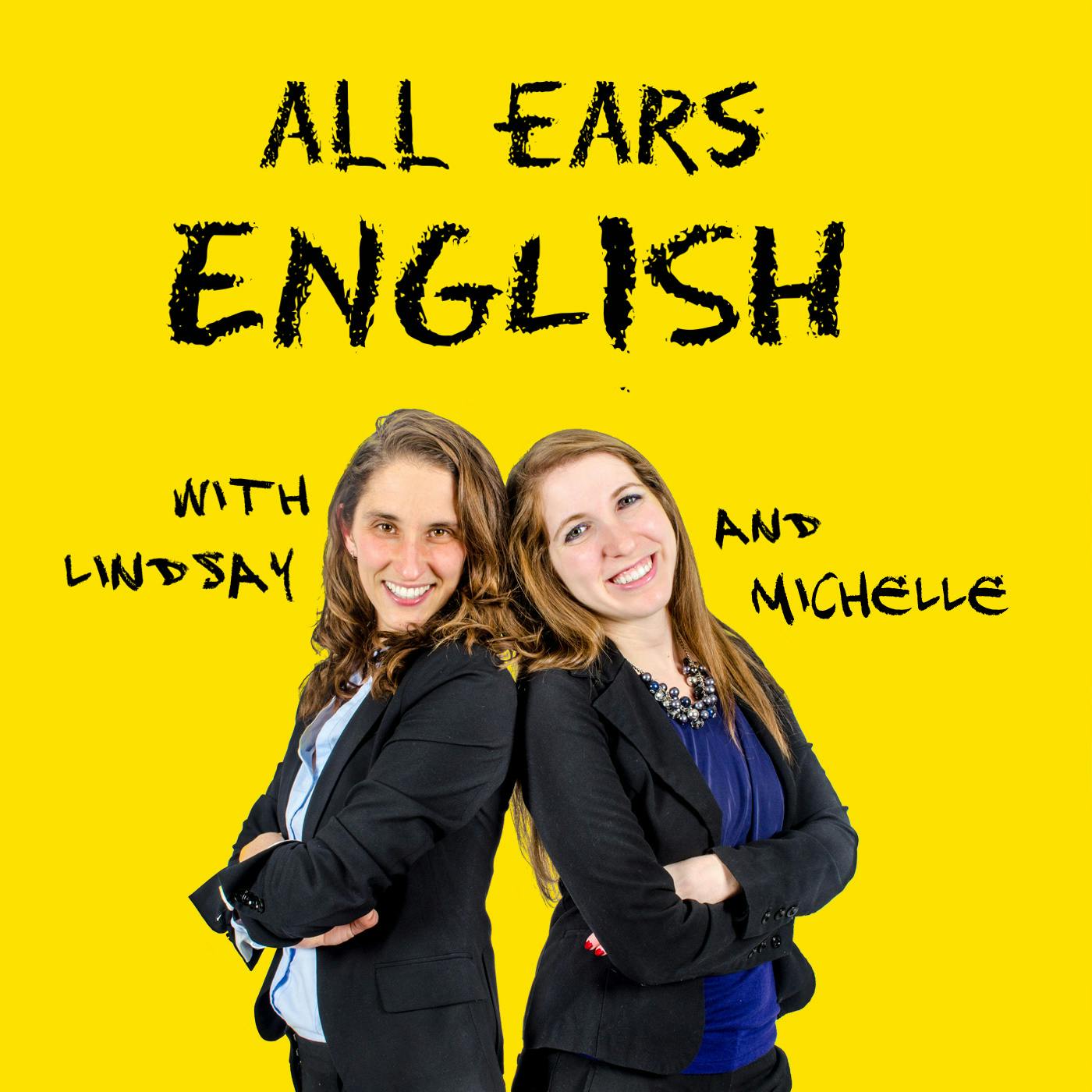
这是All Ears English播客第2578期。
This is an All Ears English podcast episode twenty five seventy eight.
别陷入这些对话陷阱。
Don't fall into these conversation traps.
欢迎收听All Ears English播客,已下载超过两亿次。
Welcome to the All Ears English podcast downloaded more than 200,000,000 times.
你是否觉得自己的英语进步停滞了?
Are you feeling stuck with your English?
我们将教你如何通过注重交流而非完美来变得自信流利,由美国主持人奥布里·卡特、雅思达人林赛·麦马洪为你带来,他们来自美国亚利桑那州和科罗拉多州。
We'll show you how to become fearless and fluent by focusing on connection, not perfection with your American host, Aubrey Carter, the IELTS whiz, and Lindsey McMahon, the English adventurer, coming to you from Arizona and Colorado, USA.
如需每周通过电子邮件接收文字稿,请访问allearsenglish.com/subscribe。
And to get your transcripts delivered by email every week, go to allearsenglish.com forward slash subscribe.
今天是关于‘不该说的话’的一期节目。
Today is a what not to say episode.
了解哪些评论你应该避免,尤其是关于他人外貌的言论——这些话在你自己的文化中或许无伤大雅,但在美国却会给你惹麻烦。
Find out what comments you should avoid, especially about someone's appearance that may be okay in your own culture but will get you into trouble in The US.
你有没有过从会议中走出来,想着‘我本可以表达得更好’?
Have you ever walked out of a meeting thinking, I could have said that better.
你什么都听懂了,但你的回应却简短、模糊,或者不像你平时的样子。
You understood everything but your response came out short or unclear or not quite like you.
也许你的想法很有深度,但你的英语还没能体现出来。
Maybe your ideas are strong but your English doesn't show it yet.
你会忘记那些明明知道的单词。
You forget words you know.
你无法自然流畅地表达,快速的对话让你默默追赶。
You can't explain things naturally and fast conversations leave you quietly catching up.
这种差距可能让人沮丧,但它非常具体,也完全可以弥补。
That gap can be frustrating, but it's also very specific and very fixable.
我们的两分钟流利度测试能帮你了解这种差距在哪里,以及你的水平是B1、B2还是C1。
Our two minute fluency quiz helps you understand where that gap is and whether your level is b one, b two, or c one.
当你清楚自己的水平后,进步会感觉更轻松、更快。
When you know your level, progress feels lighter and faster.
现在就去 allearsenglish.com/fluencyscore 参加测验,更接近用你思考的方式说英语。
Take the quiz now at allearsenglish.com/fluencyscore and move closer to speaking English the way you think.
再强调一次,前往 allearsenglish.com/fluencyscore。
One more time, go to allearsenglish.com/fluencyscore.
你好,林赛。
Hello, Lindsay.
你今天怎么样?
How are you today?
我今天感觉精力充沛,奥布里。
I'm feeling energetic today, Aubrey.
你呢?
How about you?
不错。
Good.
是的。
Yeah.
你看起来不累。
You don't look tired.
有人跟你说过你看起来很累吗?
Does anyone ever tell you you look tired?
我刚刚才想到这一点。
I just got that
就在前天晚上。
like two nights ago.
我知道这个在最近的一集中提到过,对吧?
I know this came up in a recent episode, right?
我们当时提到过,别告诉别人他们看起来很累。
Where we sort of mentioned that like, Oh, don't tell people they look tired.
我们还承诺过要做一个后续内容,聊聊在谈论他人外貌时应该避免使用的表达。
And we promised this follow-up with sort of phrases we should avoid when referring to someone's appearance.
所以,我很期待深入探讨这个话题。
So, I'm excited to get into this.
我很兴奋,因为这一集的主题具有重要的文化意义。
I'm excited because this episode, this concept is so culturally important.
两天前告诉我看起来很累的那个人,我当时正和一个社区冥想小组共进晚餐。
The person that told me I looked tired two nights ago, I was at a dinner with a community meditation group.
那是在一家印度餐厅。
It was an at an Indian restaurant.
那个人其实是来自印度的。
And the guy was actually he's from India.
但他住在美國,也在美國工作。
But he lives in The US and, you know, works in The US.
他只是出于关心才这么说的。
And he just he said it out of care.
对吧?
Right?
他觉得我看起来现在特别累。
Of like, oh, he looks so tired now.
晚上感到疲惫。
Feeling tired in the evenings.
他是个开启话题的人。
And he was a conversation starter.
他想了解我的生活。
He wanted to know about my life.
所以我觉得这真的与文化有关,
So I think it's really cultural,
这一集。
this episode.
当然。
Absolutely.
非常有文化特色。
Very cultural.
所以我们分享的很多内容都关于美国文化。
So a lot of what we're sharing is about American culture.
这在美国是什么样子。
What this is like in The United States.
在你们的文化中,这可能会非常不同。
This could be very different in your culture.
这正是问题产生的原因。
That's sort of what causes the problem.
你可能会比在美国更习惯评论别人的外貌。
You might be a lot more comfortable commenting on someone's physical appearance than you should in The United States.
是的,这真的很有趣。
Yeah, it's really interesting.
对,内容非常好。
Yeah, really good stuff.
所以我很高兴今天我们为听众们探讨这个话题。
So I'm glad we're covering this today for our listeners.
我们正在超越语言,深入文化,当然,始终围绕着连接。
We're going beyond language and into culture, and of course, always sticking with connection.
我们会向你们展示这些行为为何会破坏联系。
We'll show you why these break the connection.
首先,朋友们,请立即点击关注按钮。
First, guys, hit the follow button right here on the show.
无论你是在苹果平台还是在Spotify上,我们都希望你能关注本节目,这样我们每周五期的节目就能准时出现在你的收听列表里了,奥布里,这边。
If you're on Apple, if you are in Spotify, we wanna see you following the show, so we drop into your listening queue every well, we do publish five days a week, Aubrey, over here.
是的。
Yes.
对吧?
Don't we?
我知道。
I know.
太惊人了。
It's amazing.
每周五集。
Five episodes a week.
这肯定是纪录了。
That's gotta be a record.
是的。
Oh, yeah.
这可能是纪录了。
It's probably a record.
我知道别人都这么做。
I know everyone else does it.
这可能是纪录了。
It's probably a record.
另外,如果你喜欢在YouTube上看我们,这也是一个学习的方式。
Plus, if you like to watch us on YouTube, that's another way to learn.
你可以在YouTube上点击订阅。
You could hit subscribe on YouTube.
所以你有很多选择,但一定要经常和我们保持联系。
So you have lots of options, but make sure you are right there with us on a regular basis.
好吗?
Okay?
是的。
Yes.
在YouTube上观看,这样我花时间做发型和化妆才值得。
Watch on YouTube to make it worth me doing my hair and makeup.
非常好。
Very nice.
非常好。
Very nice.
所以,这一集中我们会列出一些你需要避开的类别,然后具体说明你绝对不能说的话。
So, what would be so here in this episode, we have a number of categories of types of things you want to stay away from, and then we'll say exact things you don't want to say.
不是具体该怎么做。
What not Exactly.
要。
To Yeah.
我们第一个要谈的是健康或身体状况。
So the first one we're talking about is health or physical condition.
首先,在美国,这些问题可能会让人觉得非常侵扰或带有评判性。
So this, first all in The United States, these can feel very intrusive or judgmental.
是的。
Yes.
你可能会无意中提及一些人不希望被点明或不愿讨论的私人健康问题。
And that you may accidentally be referring to private health issues that someone would not want pointed out or would not feel comfortable discussing.
是的,当然。
Yeah, for sure.
我同意。
I agree.
侵扰性。
Intrusive.
这有点像是在穿透美国人的隐私界限。
It is sort of, it's penetrating the privacy bubble that in The U.
S.
S.
我们为自己构建了这些界限,对吧?
We construct around ourselves, right?
是的,完全正确。
Yes, exactly.
我们将分享一些具体的例子。
We're going share some specific examples.
而且正如琳赛所说,这些行为很少是出于冒犯的意图。
And a lot of these, like you said Lindsey, rarely is offense intended.
你并不是想说别人看起来生病或疲惫。
You don't mean to tell someone that they look sick or tired.
你只是可能在开启对话,或者只是陈述一些对你来说看似事实的事情。
You just are maybe starting a conversation or just sort of stating something that just seems matter of fact to you.
但在美国文化中,这通常会被解读为批评或侵扰。
But in United States culture, this often would be interpreted as a criticism or as intrusive.
是的,我只是想稍微评估一下这种情况的严重程度。
Yeah, and I just want to like do a little gut check on the intensity of this.
所以如果你说了这些话,并不是说
So if you say these things, it's not like
人们会想,我简直不敢相信你
people are like, I can't believe you
会这么说。
said that.
天啊,我们没法聊天了。
Oh my gosh, we can't talk.
我再也不跟你说话了。
I'll never talk to you again.
这更多是有点冒犯、有点烦人。
This is more an slightly offensive and slightly annoying.
人们对这些问题感到介于冒犯和烦人之间的程度。
Somewhere between offensive and annoying for people to get these questions.
对吧?
Right?
当然。
Absolutely.
是的。
Yeah.
他们可能会想,好吧。
They might be like, okay.
粗鲁。
Rude.
我知道。
I know.
对吧?
Right?
然后他们可能会试图引导这个问题。
And then they might try to steer the question.
他们可能会继续跟你聊下去。
They'll probably keep talking to you.
我觉得这有点让人反感。
It's just a little bit of a turnoff, I would say.
是的,没错。
Yes, exactly.
所以我们之前提到的第一个是,你看起来很累,对吧?
So the first one we mentioned is just you look tired, right?
所以任何可能被视作对他人外貌有负面评价的话,我们都应该避免。
So just definitely any thing that could at all be considered negative about someone's appearance, we would want to avoid.
是的,因为他们没法往任何好的方向说。
Yeah, because they can't go in any good direction.
他们只能说,哦,是啊,是啊,我最近工作很多。
They have to say, Oh yeah, yeah, I've been working a lot.
睡得还不错。
That's sleeping well.
这样说可以吗?这样挺好?
Can that go that's good?
我知道,你知道的,
I know, you know,
哦,我不累。
Oh, I'm not tired.
我只是没穿。
I'm just not wearing
对,或者别的什么。
Right, or something.
我知道,这个人这么说只是因为他们想表现出关心。
I know again that the person's just saying it because they want to show that they care.
表达关心的方式有很多,你一直在认真听。
There are a lot of other ways to show that you care, you've been listening.
你可以问他们上周参与的某件事。
You want to ask them about something you know they participated in last week.
也许他们刚参加了面试,对吧?
Maybe they had a job interview, right?
对,没错。
Right, exactly.
所以你不会想说‘你看起来累了’或者‘你累了吗’,或者‘你是不是生病了’之类的话?
So you wouldn't want to say like, you look tired or are you tired or maybe something like, are you sick?
因为在美國,通常如果有人生病了,比如得了癌症,他们希望由自己来告诉你。
Because if in The United States, usually, if someone is sick, for example, if they have cancer, they would want to be the one to share that with you.
他们不希望因为你指出他们看起来不健康,而被迫分享这个信息。
They wouldn't want to have to share it because you have pointed out that they don't look healthy.
完全正确。
A 100%.
他们应该对这件事拥有完全的自主权。
They should have full agency with that
所以当他们准备好的时候,再给予他们空间。
and so When give them when they're and if they're ready.
是的,下一个我觉得特别烦人的是不太冒犯,但很烦人。
Yeah, the next one that I find extremely annoying is less offensive, more annoying.
呃,真是的。
Just, ugh.
对吧?
Right?
比如,你脸红了,或者你看起来特别红。
Like, your face is red or you look so red.
你还好吗?
Are you okay?
或者你脸泛红了。
Or your face is flushed.
这真的很烦人。
This is annoying.
有时候我喝酒或者感到尴尬时,脸就会变红。
My face gets red sometimes if I'm drinking alcohol or if I'm embarrassed.
而且相信我,我知道自己的脸是不是红了。
And trust me, I know if my face is red.
对吧?
Right?
哦,是的。
Oh, yeah.
我能感觉到。
I feel it.
当我感到尴尬或紧张时,我的脸也会变得通红。
My face also will get so red if I'm embarrassed or nervous.
曾经有人对我说过,还当面指出来,这根本没帮助。
And I've had people say this to me and point it out, and that doesn't help.
我知道。
I know.
通常他们不只是单独对你说,而是在一群人面前对你说。
Usually it's not just they're saying it to you, they're saying it to you in front of a group.
然后每个人都看着你,这让你更脸红了。
Then everyone looks at you, which means you get more red.
变得更糟了。
Makes it worse.
我知道。
I know.
别对人这么说。
Don't say this to people.
比如,我们
Like, let's
做个公益广告吧。
make a public service announcement.
好。
Okay.
是的,我同意。
Yes, I agree.
我这是发自内心地说的。
I'm saying this with my chest.
这是一种说法,意思是我觉得强烈地认为,任何人都不应该对别人说这样的话。
It's a phrase that means like, I really feel strongly that no one should ever say that to someone else.
别管它了。
Just leave it alone.
他们知道发生了什么。
They know what's going on.
他们会冷静下来,就让他们自己待着。
They'll calm down and just let them be.
好的。
Okay.
就这样。
That's it.
然后这很有趣,因为身体状况也包括体重。
And then it's interesting because physical condition also encompasses weight.
即使你试图通过说‘你看起来瘦了很多’来赞美别人。
And even if you're trying to compliment someone by saying something like, Oh, you look like you've lost a lot of weight.
这可以归入我们的下一个类别。
And this can move into our next bucket.
是的,即使你是在赞美某人或告诉他们看起来很健康,他们也可能并不这么认为。
Yeah, even if you're trying to compliment someone or tell them they look healthy, they might not Exactly.
别说了。
Take it
这就像一场赌博。
It would be a gamble.
对有些人来说,他们会喜欢这种话。
This one, with some people, they'd like it.
我的意思是,我喜欢听到这种话,因为这说明这个人很关注我的体重,对吧?
I mean, I like to hear that because it's But then I think this person pays a lot of attention to my weight, right?
我会想太多,而我
I will overthink Which I
不喜欢。
don't love.
对吧?
Right?
因为如果两周后他们再来,她可能会想,哦,她又胖回来了。
Because what about if in two weeks they come in and she thinks, Oh, she's gained it back.
没错。
Exactly.
所以,再次强调,任何表明你非常关注对方体重的言行都最好避免,因为人们确实会这样想,对吧?
So, again, any kind of signal that you're really paying attention to the person's weight is better to avoid because people are Right?
比他们的
More than their
这个健康相关类别中的最后一点是,询问某人是否怀孕,或祝贺他们怀孕。
And the final one in this health bucket is asking someone if they're pregnant or congratulating them for being pregnant.
没有什么比祝贺别人怀孕,结果对方说‘我没怀孕’更尴尬的了。
There's nothing worse than congratulating someone on a pregnancy and then they say, Oh, I'm not pregnant.
我怀孕了。
I'm pregnant.
小心点。
Be careful.
所以,最好永远不要
So, it's just better to not ever
这么做。
do that.
别妄下结论。
Don't assume.
完全正确。
Totally.
电影里有时会发生这种事。
This happens in the movies sometimes.
你可能在现实生活中也见过这种情况。
You may have seen it happen in real life.
当然。
Absolutely.
避免,避免。
Avoid, avoid.
所以,这里的‘桶’指的是实际的生理状态,对吧?
So, bucket here is really physical, right?
健康或身体状况。
Health or physical condition.
下一个桶会是什么?
What would be the next bucket?
是的。
Yeah.
我们之前稍微提到过这一点,因为如果你试图改善健康,这也与之相关。
So we kind of touched in this because it is related to health as well, if you're trying to complement health.
但下一个问题是体型、身材或体重。
But the next one is body size, shape, or weight.
所以,就像我们说的,即使你本意是夸奖,如果说‘哇,你现在好瘦啊’。
So like we said, even if you're trying to complement, if you say something like, Wow, you're so skinny now.
你仍然在拿他们以前的样子做比较。
You're still comparing to maybe what they used to look like.
即使是夸奖,也可能让人不舒服。
Even a compliment could land badly.
是的,确实如此。
Yeah, yeah, for sure.
这个话题特别相关,因为现在很多人正在服用减肥药减肥,这在美国各地都在发生。
And this is a really pertinent episode because a lot of people are losing weight on weight loss drugs right now, It's happening all over The US.
所以我们必须了解这一点,对吧?
And so, we need to know this, right?
可能会遇到正在服用这类药物的同事。
May run into a coworker who might be on something.
当然,绝对不要问他们是否在服用这些药物。
Definitely don't ask them if they're on those drugs, of course.
不,不是那样,根本不是那回事。
No, it's No, something to no.
是的。
Yeah.
别提了。
Just leave it.
没错。
Exactly.
没错。
Exactly.
更糟的是,你发福了。
And then even worse, you've filled out.
我不太明白你的意思,你是说你长胖了,对吧?
I don't know what Essentially, you mean you've gained weight is what you're saying.
对。
Right.
有时候人们会这么说,本意是作为赞美。
And sometimes people will say this meaning it as a compliment.
如果有人非常瘦或者看起来病恹恹的,而现在看起来更健康了,你可以用好几种方式表达,但其实都不该说,对吧?
If someone was really skinny or sickly looking and they look healthier now, there are several ways you could say that, that none of them should be said, right?
你在评论别人的体型或体重,这至少在美国文化中是不受欢迎的。
You're commenting on someone's body size or weight, which at least in American culture is unwelcome.
是的,一个更好的替代说法可能是,你看起来肌肉紧实了不少。
Yeah, I mean, a good alternative there could be, you know, looks like you've gained some muscle tone.
对吧?
Right?
我的意思是,总体上避免谈论体型、形状或体重,但如果你非得说点什么,我宁愿别人对我说:你看起来像是在举重。
I mean, staying away from body size, shape, weight in general, but if you have to say something, I'd rather say, have someone say to me, it looks like you're lifting weights.
比如,你最近在举重吗?
Like, have you been lifting weights?
这很有趣
And it's interesting
要考虑一下你对谁说这句话。
to think about who you could say that to.
我绝对会对我的妹妹或一位非常亲密的朋友这么说。
I would absolutely say that to my sister, a very close friend.
我绝不会对同事说这句话。
I would never say it to a coworker.
同事?不行。
Co worker, no.
因为这仍然是在评论他们的身体,这在美國文化中是非常不受欢迎的。
Because I'm still commenting on their body, which is really unwelcome in U.
美。
S.
国文化。
Culture.
没错,完全没错。
Exactly, exactly.
然后那套衣服会让你看起来更胖或更瘦。
And then that outfit makes you look bigger or smaller.
天哪。
Oh gosh.
有意思。
Interesting
因为有时候我会听到这种话,因为人们以为自己只是在夸衣服。
because I'll hear this sometimes because people are thinking, I'm complimenting the outfit really.
但根据你说话的方式,你实际上可能是在评论他们的体型、身材,或者说类似‘你看起来不像锻炼的人’这样的话。
But depending on how you say it, you could actually be commenting about their size, their body shape, or saying something like, You don't look like you work out.
或者‘显然你不喜欢运动。’
Or, Clearly, you don't like to exercise.
所有这些话,你可能会觉得根本不可能听到,但事实上
Like all of these, you would think you'd never hear them, but then
令人震惊的是,我们有时确实会听到。
shockingly, sometimes we do.
是的
Yeah.
你觉得把这句话改成‘我喜欢你的穿搭’怎么样?
What do you think about flipping that into just like, I love your outfit?
你觉得怎么样?
What What do you think about that?
对。
Yes.
这更多是关于
That's That's more about
服装,对吧?
clothing, right?
这没那么
That's not so
是的。
Yeah.
更多是关于这一点,我们稍后会简单谈一下,比如你可以夸赞些什么?
Much about And we will go into this a little bit just at the very end sort of share like, what can you compliment?
因为确实,有时候我们确实想夸奖别人,但真的不应该针对他们的外貌。
Because yeah, sometimes we do want to pay someone a compliment, but it really shouldn't be about their physical appearance Yeah.
在
At
完全正确。
Totally.
还有,别这么说:‘你看起来不像锻炼过。’
And then saying something don't say you don't look like you work out.
对吧?
Right?
比如说,我下班后要去健身房。
If if if let's say let's say I leave work and I'm going to the gym.
不。
No.
我要去健身房了。
I'm off to the gym.
明天见。
See you guys tomorrow.
你看起来不像经常锻炼。
Oh, you don't look like you work out.
是的。
Yeah.
所以,仅仅是感到惊讶,真的吗?
So even just to be surprised, really?
你经常去健身房吗?
You go to the gym often?
什么?
What?
什么?
What?
我不需要。
Do I No.
看起来我不去
Not look like I go to
这完全是多余的。
It's just unnecessary.
我们有太多其他方式可以建立联系了。
There's so many other things we could say to connect.
然后是年龄。
Then age.
这可能也特别属于美国文化。
Now this might also be pretty unique to American culture.
我们这里只讨论美国文化。
We're only speaking for American culture here.
但避免提及年龄。
But staying away from age.
年龄在我们的文化中是个大问题,天啊,这是个很棘手的话题
Age is such a problem oh gosh, tricky topic in our culture of
大脑。
brain.
对。
Right.
无论是年长的还是年轻的,对吧?
And both older and younger, right?
所以如果你觉得在夸某人看起来年轻,你会说:‘你看起来不像这个年纪。’
So if you think you're complimenting someone looking young, you say, You don't look your age.
天啊,真不敢相信你都40了。
Oh, I can't believe you're 40.
你看起来不像。
You don't look it.
像这样的话仍然让人感到不舒服,正如我们所说,还是有点尴尬。
Something like that is still uncomfortable making, as we say it's still sort of awkward.
是的。
Yeah.
然后可能坐在你旁边的人会问,那你该怎么说?
And then maybe someone sitting next to you is like, so what do you say?
你是说我看起来40岁了吗?
Are you saying I look 40?
是的。
Yeah.
没错。
Exactly.
不。
No.
完全对。
Totally.
别碰这个话题。
Stay away from it.
别说我太年轻看起来却这么疲惫。
Don't say you're too young to look so tired.
你把两个陷阱混在一起了:年龄陷阱和身体健康状况陷阱。
You were blending two traps, the age trap and the physical health status trap.
因为通常当
Because often when
当我们告诉别人他们看起来疲惫时,我们真正想表达的是他们看起来老了,或者至少会被人这样理解。
we tell someone they look tired, what we're really telling them is they look old, or at least that's how that's going to be interpreted.
是的。
Yeah.
这话说得好。
That's a good one.
我喜欢这句话。
I love that.
确实如此。
It's so true.
下一个类别就是皮肤、面部或自然特征。
And then the next bucket would be skin, face, or natural features.
是的。
Yes.
天啊。
Oh my gosh.
所以想象一下,有人可能有瘀青或者其他什么情况?
So imagine someone has maybe like a bruise or some who knows what's going on?
是的。
Yeah.
有人可能会说:‘你的脸怎么了?’
And someone might say like, what happened to your face?
或者那个伤口是怎么回事?
Or where did that cut?
哦,对啊。
Like Oh, yeah.
我根本不会提这件事。
I would just not mention it.
完全同意。
Totally.
他们提供的东西。
What they offer.
真的太对了。
Oh, it's so true.
我知道去年这个时候,我得了严重的带状疱疹,脸上长了很多疹子,眼睛也受影响,持续了一两周。
I know this time last year, I came down with a bad case of shingles and I had like spots on my face, and it was really like, it messed up my eye for a week or two.
如果有人像这样,就会问:‘你的脸怎么这么红?’
And if someone this is similar to like, why is your face so red?
怎么了?
What's going on?
这反而会吸引别人的注意。
It's like it draws attention to you.
这会让你感觉更糟。
It makes you feel worse.
然后会让那个人特别关注自己的脸。
Then it makes the person focus a lot on their own face.
他们只想躲开,专注于自己是否在和同事合作,或者试图
They just want to get out of and focus on whether they're working with their coworker or trying to
熬过这一天。
get it go through the day.
对吧?
Right?
对。
Right.
没错。
Exactly.
永远别说‘你脸上那是什么?’
Don't ever say like, what's that on your face?
展开剩余字幕(还有 209 条)
或者根本别提它。
Or what's Just don't mention it.
我们都看得到。
We all see it.
我们没必要说出来。
We don't need to mention
完全正确。
Totally.
或者别说‘你看起来脸色苍白’。
Or don't say, You look pale.
意思是,是的,
Mean Yeah,
这和说‘你看起来脸红了’是一样的,对吧?
this is the same as like, You look flushed, right?
是的。
Yeah.
这和告诉别人他们看起来生病或脸色不好非常相似。
This is very similar to telling someone they look sick or sickly.
如果我们说他们看起来苍白,最好干脆别说。
If we say they look pale, better to just not say it.
没错。
Exactly.
或者你的皱纹都出来了。
Or your wrinkles are shot.
我不知道谁会这么说。
I don't know who would say this.
我觉得没人会这么说,但别提
I don't think anyone would ever say this, but don't make
关于皱纹的事。
comments about wrinkles.
皱纹、雀斑,说你的头发变稀疏了。
Wrinkles, freckles, saying your hair is thinning.
任何关于外貌变化的评论都是不受欢迎的,至少在美国是这样。
Any kind of statement you could make about a change in appearance is just unwelcome, at least in The United States.
是的。
Yeah.
此外,也要避免夸奖,因为这暗示你一直在留意,可能他们的皮肤前一天或前一周状态更差。
And then avoiding complimenting too, just because that implies that you've been paying attention and maybe their skin was worse the day before or the week before.
你今天的皮肤看起来很棒,这似乎是出于好意的评论。
Your skin looks great today seems like it's a well meaning comment.
我的意思是,我会对
I mean, I would say it to
我的意思是,我昨天看到伴侣状态很差吗?
my That mean partner looked bad yesterday?
是的。
Yeah.
没错。
Exactly.
你可能会对你的姐妹、伴侣这样说。
You would say it to your sister, your partner, maybe.
但再往外,比如同事、朋友,就不行了。
But anything more than that, coworkers, friends, there's
就连我妹妹,我都能想象她会说:这不通常行不通吗?
just And even my sister, I could see her being like, does it not normally work?
是的。
Yeah.
这可能会引发争吵。
It could start a fight.
这根本就是一场争吵。
It's a fight.
这些都是陷阱,
These are traps,
guys.
guys.
陷阱。
Traps.
没错。
Exactly.
避开这个陷阱。
Stay out of the trap.
是的。
Yes.
好的。
All right.
第五点:基于外表的假设。
Number five, assumptions based on appearance.
所以我们已经大致讲过这个了,对吧?
So we kind of already covered this, right?
是的,我们讲过看起来怀孕了,你看起来怀孕了。
Yeah, we covered being pregnant, you look pregnant.
还有,你看起来压力很大,或者一定很累,或者看起来没睡好。
Also, you look stressed, or you must be exhausted, or you look like you didn't sleep.
这种压力
The kind stress
这个点挺有意思。
piece is interesting.
是的。
Yes.
因为,
Because,
你知道,有时候我并没有压力,但有些人还是会这样跟我说。
you know, I feel like some people will say that to me sometimes when I'm not stressed.
人们怎么能真正了解别人内心的情况呢?
And it's like, how can people really know what's going on internally?
而且有时候我确实有压力,
And sometimes I am stressed,
人们不一定能注意到。
and people don't necessarily notice.
就像,他们说的是什么啊。
It's like, what are they yeah.
我不知道。
I don't know.
如果你觉得我看起来有压力,你怎么会觉得指出这一点会有帮助呢?
And if you think I look stressed, how could you think it would help to point it out?
天哪。
Oh my gosh.
没错。
Exactly.
这只会让我更紧张。
It's going stress me out more.
是的,当然。
Yeah, for sure.
然后我会想,也许我确实有压力。
And then I'll think maybe I am actually stressed.
然后我就觉得这样挺好。
Then I It's good.
这是一个恶性循环。
It's a bad spiral.
还有打理外表,比如一个人选择如何打理自己的外表。
And then grooming, like the way someone's chosen to groom themselves.
化妆的话,有什么地方可以改善吗?还是你今天没化妆?
What would be something look to better with makeup or are you not wearing makeup today?
类似这样的事情。
Anything like that.
或者建议换个发型。
Or suggesting haircuts.
你留个鲍勃头会很可爱。
You would look cute with a bob.
我心想,你现在讨厌我的头发了?
I'm like, you hate my hair now?
是的。
Yes.
天哪。
Oh my gosh.
或者你
Or you
你应该剪个金色的发型。
should cut your You should cut blonde.
不。
No.
不。
No.
或者那个发型不适合你。
Or that hairstyle doesn't suit you.
我的意思是,太糟糕了。
I mean Terrible.
而且我觉得这些全是陷阱,这期简直就是‘千万别这么说’的案例。
And I think it's so these are traps these are this is a what not to say episode.
我还想特别强调一下,在职场上,如果一个男人在和女人说话时。
And I also think I want to put special emphasis at the workplace if you're a man talking to a woman.
当然。
Definitely.
干脆把这些话全扔出窗外吧。
Like, just throw these out the window.
根本别
Don't even
想这些话,不幸的是,这些话有时确实带有性别色彩。
think about Unfortunately, these are sort of gendered sometimes.
但尤其是我亲身经历过,这甚至可能构成性骚扰诉讼。
But especially I have had and it can be a sexual harassment suit.
当然。
Sure.
对吧?
Right?
如果你对任何人,无论性别,评论其身体并让对方感到不适,你可能会被叫去人力资源部。
If you say anything about someone's body, either gender, and make them feel uncomfortable, you could wind up in HR.
所以。
So
别做,千万别做。
just Don't don't do do it.
而且,即使这在你的本土文化中完全被接受,也不能成为借口。
And again, even if it's totally acceptable in your home culture, that won't fly as an excuse.
对吧?
Right?
没错。
Exactly.
而且最好也不要给予赞美。
And better to not compliment as well.
这些很多明显更像是批评,但有些看似是赞美的话,比如‘你今天妆容真好看’。
A lot of these are clearly more like criticisms, but some things that seem like a compliment, your makeup looks so great today.
对吧?
Right?
你会想,那昨天呢?
You're like, what about yesterday?
或者当别人说‘你穿这条裙子腿看起来真好看’时,这可能会让人非常不舒服,即使你是想夸他们。
Or things that can be very uncomfortable if someone says like your legs look great in that skirt and you're trying to compliment them.
不,这就是性骚扰。
No, that is sexual harassment.
在职场中要避免这种行为。
Avoid it at the workplace
天啊,确实如此。
Oh at all gosh, yeah.
好了,我们来做一个角色扮演吧,奥布里。
So, all right, let's pivot into a role play, Aubrey.
在这种情况下,我们不在工作场所。
So in this case, we're not in a workplace.
我们是朋友,约好一起看电影。
We are friends meeting to catch a movie.
所以现在我们处于朋友关系的层面,
So we're at the friendship level here,
对吧?
right?
没错。
Exactly.
是的。
Yes.
所以你会看到在这里哪些称赞是可以的,对吧?
So you're going to see here the things you can compliment, right?
是的
Yeah.
不是外表。
Not appearance.
好的。
Alright.
我来开头吧。
I'll start us out.
嘿,我喜欢那件夹克。
Hey, I love that jacket.
你在哪里买的?
Where did you get it?
哦,谢谢。
Oh, thanks.
我找到
I found
我在市中心一家小店找到的。
it at a small shop downtown.
我一开始不太确定,但是
I wasn't sure at first, but
现在我很高兴买了它。
now I'm glad I got it.
太棒了。
It's great.
我喜欢这个颜色,和你的鞋子搭配得非常好。
I love the color and it goes really well with your shoes.
是的,我今天想保持简约。
Yeah, I was trying to keep it simple today.
很合适。
It works.
老实说,我喜欢整套穿搭。
I like the whole outfit honestly.
我很感激。
I appreciate that.
你知道我不是时尚达人。
You know I'm no fashionista.
不错。
Nice.
我喜欢这个。
I love this.
是的,你可以赞美别人的衣服,只要不是在暗示他们身材有问题,对吧?
Yes, you can compliment someone's clothing as long as you're not implying something about their body, right?
对。
Yes.
或者他们的外貌。
Or their appearance.
是的,没错。
Yeah, exactly.
在说‘我喜欢这条裙子’、‘这条裙子穿在你身上很好看’和‘你穿这条裙子很好看’之间,界限很微妙。
And it's a fine line between I love that dress, that dress looks good on you, and like, you look good in that dress.
这里有很多灰色地带。
Like, There's shades of grey here.
这确实是个难题
That's a tricky
对吧?
point, right?
你表达的方式,要么是在赞美他们的实际身材,要么是在赞美他们的衣服。
The way you phrase something is either complimenting their actual body or complimenting the clothing.
这里的一切都完美无缺。
Everything here was perfect.
我喜欢这条裙子。
I love that dress.
这颜色真的太棒了,你知道的。
It is such, you know, what a great color.
但如果你说‘你穿那条裙子很好看’,那你就是在夸赞他们的身材。
But if you say, you look good in that dress, then you're complimenting their body.
是的。
Yeah.
对。
Yeah.
和朋友一起去看电影时,你或许可以这么说,但同样,别养成这个习惯,因为一旦你把这种说法带到工作中,就可能惹上麻烦。
And with a friend going to the movies, you might get away with it, but again, don't make it a habit because then you take it into work and you could get into trouble.
对于那些你根本不熟的人,对吧?
A more, like people you just don't know, right?
比如在社交活动上。
At a networking event or something.
当然。
Definitely.
哇。
Wow.
真棘手。
So tricky.
这是一期
This is a What
《不要做》节目,奥布里。
Not To Do episode, Aubrey.
对。
Yes.
这真的很好。
This is really good.
如果我们的听众喜欢我们的风格,还有其他哪一期节目可以推荐吗?
Is there another episode our listeners could go to if they love our style?
有。
Yes.
如果你错过了25.79美元,往上翻一下看看。
If you missed $25.79 scroll up and check it out.
不要贬低你的英语能力。
Don't undermine your English.
就像你不希望破坏人际关系一样。
Just like you don't want to undermine relationships.
是的。
Yes.
我并不是想贬低什么,但这一集明天就发布了。
Don't want to undermine anything here, but that one's coming out tomorrow.
今天是$25.78,所以各位,
Today's $25.78 So guys,
别忘了。
don't forget.
这是请继续关注。
This is a stay tuned.
一定要收听明天的节目。
Be sure to listen to tomorrow's episode.
我觉得这个电话
I think the call
这里的行动号召是点关注,这样你们就不会错过明天的25.79美元,各位。
to action here is hit follow so you don't miss $25.79 tomorrow, guys.
非常好。
Really good.
喜欢
Love
它。
it.
Ombre,有什么最终的收获吗?
Ombre, any final takeaways?
是的,这对于我们建立联系非常重要。
Yeah, this is so important for connection.
我们经常教你们用来建立联系的表达方式。
Often we're teaching you the phrases to use to connect.
今天我们要分享的是美国文化中一些不应该说的、会破坏联系的话。
Today we're sharing in US culture, things you should not say to break the connection.
不要评论别人的外貌,无论是他们看起来疲惫,还是关于他们身体的任何方面。
Don't comment on someone's physical appearance, whether it's that they look tired or anything about their body.
这在美式文化中可能非常冒犯。
This can be very offensive in American culture.
当然。
For sure.
是的。
Yeah.
在这集结束后,花点时间反思一下,在你们自己的文化中,哪些行为是可以接受的,哪些是不可以的,因为我们知道有些人会直接从自己的语言中翻译过来。
And take some time after this episode to reflect which of these are acceptable and are not in your own culture because we know that some people are translating directly from their own language.
即使我们不认同这种做法,我们也要尽量避免。
Even if we don't agree with that, we try to get away from it.
我们可能只是在直接翻译想法,对吧?
We may be translating thoughts, right?
所以,在某种程度上,我们甚至需要改变自己的思维方式。
So, it's almost like we have to change our thoughts as well in some ways.
是的。
Yes.
如果这些在你的文化中是被广泛接受的,而你听到有人觉得它们冒犯时感到惊讶,那这些内容可能会让你很意外。
A lot of this may have been very surprising to you if it's very accepted in your culture and you're surprised to hear that anyone would find it offensive.
对。
Yeah.
或者你可能会觉得他们想得太多了。
Or you might think they're just reading too much into it.
这并不是我的本意。
That's not what I intend.
在美国,我们常常就是这样。
In The United States, we often we do.
我们会去揣测其中的含义。
We read into it.
我们假设了可能并不存在的意图。
We're assuming intention that's probably not there.
是的。
Yeah.
是的。
Yeah.
是的。
Yeah.
是的。
Yeah.
是的。
Yeah.
所以你只需避免这样说。
So you just have to avoid saying it.
稳妥起见就好。
Just play it safe.
谨慎行事,以获得更多的成功和更深的连接。
Play it safe for more success and more connection.
就是这样,奥布里。
There you go, Aubrey.
没错。
Exactly.
好的。
Alright.
很棒的内容。
Good stuff.
谢谢今天的节目。
Thanks for the episode today.
我们下次再见。
We'll see you next time.
好吗?
Alright?
下次见。
See you next time.
好的。
Alright.
再见。
Bye.
感谢收听《All Ears English》。
Thanks for listening to All Ears English.
你想知道自己的英语水平吗?
Would you like to know your English level?
来做我们的两分钟测验吧。
Take our two minute quiz.
访问 allearsenglish.com/fluency-score。
Go to allearsenglish.com forward slash fluency score.
如果你相信连接胜过完美,那就现在点击订阅,确保不错过任何内容。
And if you believe in connection not perfection, then hit subscribe now to make sure you don't miss anything.
下次见。
See you next time.
关于 Bayt 播客
Bayt 提供中文+原文双语音频和字幕,帮助你打破语言障碍,轻松听懂全球优质播客。