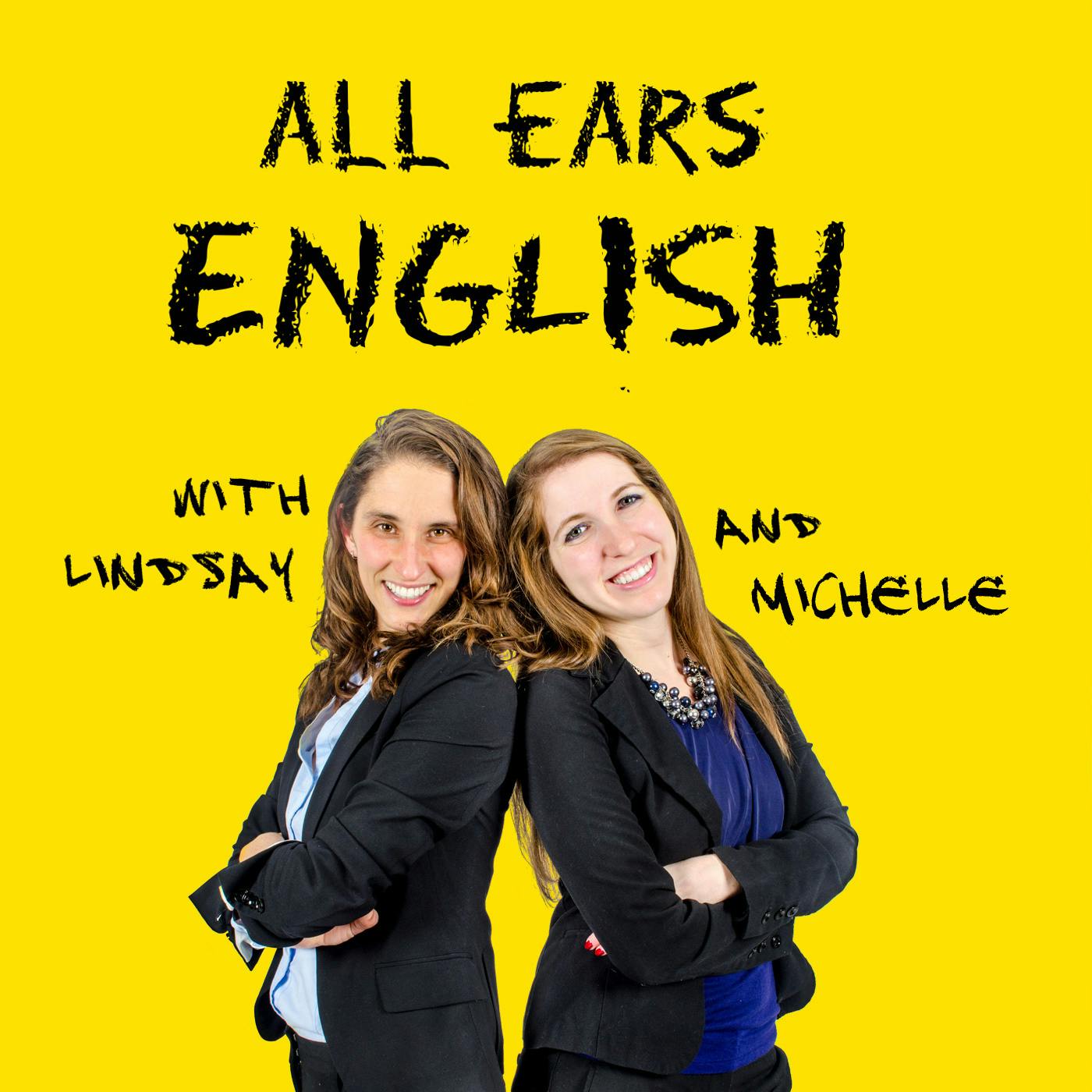
本集简介
双语字幕
仅展示文本字幕,不包含中文音频;想边听边看,请使用 Bayt 播客 App。
这里是All Ears English播客,第2698集,"In a While还是For a While?"
This is an All Ears English podcast, episode 2698, "In a While or For a While?
英语语法难点解析。
Tricky English Grammar Explained."
欢迎收听All Ears English播客,下载量已超过两亿次。
Welcome to the All Ears English podcast, downloaded more than 200 million times.
你是否觉得英语学习遇到了瓶颈?
Are you feeling stuck with your English?
我们将向你展示如何通过注重交流而非追求完美,变得无所畏惧、流利自如,由你的美国主持人奥布里·卡特(雅思专家)和林赛·麦克马洪(英语探险家)共同呈现,她们来自美国亚利桑那州和科罗拉多州。
We'll show you how to become fearless and fluent by focusing on connection, not perfection, with your American hosts, Aubrey Carter, the IELTS Wiz, and Lindsay McMahon, the English Adventurer, coming to you from Arizona and Colorado, USA.
想要每周通过邮件收到文字稿,请访问allearsenglish.com/subscribe。
And to get your transcripts delivered by email every week, go to allearsenglish.com/subscribe.
英语中in a while和for a while有什么区别?
What is the difference between in a while and for a while in English?
今天就和林赛、奥布里一起,通过例子和故事来搞清楚吧。
Find out today with examples and stories with Lindsay and Aubrey.
你好,Lindsay。
Hello, Lindsay.
你今天怎么样?
How are you today?
嘿,我很好,Aubrey。
Hey, I'm doing great, Aubrey.
你坚持做过什么一段时间的事情?
What is something that you've done for a while?
哦。
Ooh.
我玩桨板已经有一段时间了。
I've been going paddle boarding for a while.
我们刚去——
We just went-
哦
Oh
……周日去了盐河,即使在亚利桑那州盛夏的时候,这也是可以在户外进行的活动,所以你会进出……
... Sunday to the Salt River, and even in the dead of summer here in Arizona, this is something you can do outside, so you're in and out of the-
好的
Okay
……河里。
... river.
水面上凉快多了。
It's much cooler on the water.
对。
Yes.
所以现在能做的户外活动不多,但河里人挺多的,不过真的很好玩。
So there's not a lot we can do outside these days, but so the river's kind of packed, but it's really fun.
对。
Yes.
你带着冷藏箱和收音机,还有什么,还有什么……
You've got your cooler and your radio, and what, what else-
就放在你的桨板上。
Right on your paddle board
……音箱。
... speaker.
我喜欢这样。
I love it.
太好玩了。
That's so fun.
对。
Yes.
确实挺棒的。
It's kind of amazing.
你呢?
What about you?
你坚持做过什么事情?
What's something you've done for a while?
我可以说我去Orange Theory已经有一段时间了。
I would say I've been going to Orange Theory for a while.
哦,不错。
Oh, nice.
所以这是一种HIIT训练加一些举重的课程,但当我怀孕的时候,到后期我有点减少了举重,所以现在我需要恢复我的肌肉量。
So it's the way, it's like HIIT training and some weightlifting, but when I was pregnant, I kind of stopped doing a little bit of the weightlifting towards the end, so I need to regain my muscle mass now.
对。
Yes.
是的。
Yes.
我知道。
I know.
我们需要举重。
We need to be lifting heavy.
说到怀孕——
Speaking of pregnancy-
对。
Yes
……这一期节目——
... this episode-
……是受我对米歇尔说的一番话启发的。
... was inspired by something I said to Michelle.
你们知道她刚刚——
You guys know she just-
……如果你们错过了那一期,她有个激动人心的消息。
... and if you missed the episode, she had some exciting news.
听到最后。
Stay to the end.
对。
Yes.
我们会分享这一期的细节,以防你们错过了。
We'll share details about the episode in case you missed it.
但我当时跟她说,我给她发了条短信说“我有一阵子见不到你了”,然后我又改了一下——
But what I was saying to her, I had texted her, "I won't see you in a while," and then I corrected it-
……改成了“我有一阵子见不到你了”,然后我就想,“等等。”
... and changed it to, "I won't see you for a while," and then I was like, "Wait."
对。
Yes.
“让我想想”,这启发了我做这期很棒的节目,因为这真的是个有趣又棘手的语法点。
"Let me think about this," and this inspired this great episode because this is really interesting, tricky grammar.
对。
Yes.
是的,我们今天想深入聊聊这些用法。
And yeah, we want to dive into how we use these today.
我喜欢那些由真实短信或真实对话启发的节目。
I love when episodes are inspired by real text messages or real conversations.
这就是为什么你知道你在All Ears English这里学到的是真正的英语,Aubrey。
That is how you know that you're learning real English right here on All Ears English, Aubrey.
没错。
Exactly.
太好了。
So good.
太好了。
So good.
是的。
Yes.
确实如此。
So true.
所以,大家记得点关注。
So guys, hit follow.
如果你错过了米歇尔的好消息,那可能是因为你没在听这期节目。
If you missed Michelle's exciting news, you might not be following the episode.
你错过了一些很棒的节目。
You're missing amazing episodes.
你完全可以听完这期之后再去听那个。
You can definitely listen to that after this one.
我们会把所有细节都分享出来,但记得点关注,这样就不会错过任何一期节目。
We'll share all of the details, but hit follow so you never miss an episode.
当然。
Absolutely.
好的。
All right.
不错的内容。
Good stuff.
那我们就开始吧。
So let's get into it.
跟我们说说,Aubrey,你当时是对还是错,或者那一刻该说什么才是对的?
Tell us, Aubrey, were you right or wrong, or what was the right thing to say in that moment?
我们来看看这两个问题。
Let's dive into both of these.
所以这得看你怎么理解,对吧?
So it sort of depends on what you mean, right?
你说“for a while”的时候,我们先来看看“for a while”是什么意思。
When you say for a while, let's go into for a while first.
好的。
Okay.
它的意思是在一段时间内,所以重点在于时间的长短。
This means during a period of time, so the emphasis is on the duration of the time.
明白。
Okay.
比如说,“我在芝加哥住过一段时间。”
So for example, "I lived in Chicago for a while."
你是在说——
You're talking about-
……你住在那里多久。
... how long you lived there.
好的。
Okay.
对,我在芝加哥住过一段时间,或者她安静地工作了一会儿才休息。
Yeah, I lived in Chicago for a while, or she worked quietly for a while before taking a break.
所以你的意思是,重点在于时间的长短?
So it's all about duration is what you're telling us?
是的,完全正确。
Yes, exactly.
然后——
And then-
好的
Okay
……而“in a while”更多是关于未来的,对吧?
... in a while is more about the future, right?
好的。
Okay.
“我过一会儿给你打电话”跟时间长短没关系。
I'll call you in a while has nothing to do with duration of time.
好的。
Okay.
它的意思是未来的某个时候,我会过一会儿给你打电话。
It means at some point in the future, I'll call you in a while.
“我过一会儿给你打电话”或者“我过一会儿见你”。
I'll call you in a while, or I'll see you in a while.
好的。
Okay.
所以,“in a while”更多是关于你什么时候到,而“for a while”是你会在那里待多久。
So, in a while, when you'll, is more about when you'll arrive, and for a while is how long you'll stay there.
是的。
Yes.
有趣的是,我给米歇尔发的那条短信其实可能是——
So what's interesting is, what I was texting Michelle really could be-
... 或者,因为如果我说——
... either, because if I'm saying-
...
...
“我一会儿见你”的意思是——
I'll see you in a while means-
... 将来的某个时候,如果我说——
... sometime in the future, and if I say-
... “我有一阵子见不到你”,我说的是我们见不到面的那段时间,对吧?
... "I won't see you for a while," I'm talking about the duration of time that we won't see each other, right?
关键的是——
The key thing is-
所以这取决于情况。
So it sort of depends
... 对,关键是你用了否定形式,所以“我有一阵子见不到你”会更合理,对吧?
... right, the key piece is that you use the negative, so I will not see you for a while would make more sense, right?
如果你说“我过一阵子不会见到你”,那意思基本上就是“我将来不会见到你”。
If you said, "I won't see you in a while," you're saying, "I won't see you in the future," is essentially what-
没错
Exactly
……就是这个意思。
... you're saying.
对。
Exactly.
所以如果你用否定形式,对吧,我一段时间内不会见到你。
So if you're using the negative, right, I won't see you for a while.
我用肯定形式,我过一阵子会见到你。
I will see you, positive, I will see you in a while.
这里有个小技巧。
So here's a pro tip.
如果你能把“for a while”或“in a while”替换成一个具体的时间段,比如30分钟或两个小时,那就用“for a while”。
If you can replace it, the for a while or in a while, with an amount of time, like 30 minutes or for two hours, use for a while.
好的。
Okay.
我们聊了一会儿。
We chatted for a while.
我不会见你——
I won't see you-
好的。
Okay
——一会儿,因为如果说是几周,我可以把时间放进去,但如果是“in a while”,你就不能替换成——
... for a while, because I could say, if it's a few weeks, I could put time in there, but if it's in a while, then you can't replace it-
——具体的时间量。
... with an amount of time.
你会替换成——
You'd replace it with-
——比如将来某个时候——
... like in the future, sometime-
是的
Yes
……在未来,对吧?
... in the future, right?
30分钟或者很快就是替代词,对吧?
In 30 minutes or soon would be replacements, right?
用来替代“过一会儿”。
For in a while.
没错,对。
Exactly, right.
如果你能用……
If you can replace it-
好
Okay
……用“很快”或“未来”、“30分钟”来替代,那你就说“过一会儿”。
... with soon or in the future, in 30 minutes, then you'd say in a while.
明白了。
Got it.
但这里还有另一个棘手的问题。
But here's the other thing that's tricky.
我们有一些关于“a while”的固定表达,我们经常用,但意思各不相同。
We have some fixed expressions with a while that we use really often, which have different meanings.
所以我们也打算分享几个这样的表达。
So we're going to share a couple of those as well.
有意思。
Interesting.
好的。
All right.
我们有一个表达“once in a while”,对吧?
So we have an expression once in a while, right?
所以别搞混了,但在这里它是什么意思呢,Aubrey?
So not to be confused, but what does it mean here, Aubrey?
它的意思是偶尔,对吧?
It means occasionally, right?
哦,我偶尔吃一次快餐。
Oh, I eat fast food once in a while.
所以这和单独用 in a while 的意思很不一样。
So this is a very different-
……意思完全不同。
... meaning than in a while by itself.
是的,没错。
Yes, exactly.
你不能把它们拆开。
You can't split them.
你不能省略这个短语的一部分。
You can't leave off part of this phrase.
你真的需要这个整体,对吧?
You really need this chunk, right?
没错。
Exactly.
或者短语“in a little while”。
Or the phrase in a little while.
“In a little while”意思是过一小段时间。
In a little while meaning in a short amount of time.
所以“我一会儿见你”。
So I'll see you in a little while.
这基本上和“in a while”意思一样,对吧?
That essentially means the same thing as in a while, right?
我们只是把时间缩短了。
We're just shortening the time.
可能更短一些——
It's maybe a shorter-
因为“in a while”可能意味着更久,而“in a little while”意味着时间不长。
Because it could be, oh, in a while could mean further, whereas in a little while, you mean not much time at all.
对。
Exactly.
那“a while ago”是什么意思呢?
And then a while ago, what does that mean?
是的,这表示过去的某个时间。
Yeah, so this means sometime in the past.
我前一阵子见过她。
I saw her a while ago.
你故意说得含糊。
You're intentionally being vague.
你可能都不记得过了多久了,对吧?
You might not even remember how long it's been, right?
所以,所有这些短语我们都用“a while”来表达。
So yeah, all of these chunks we use with these a while.
还有一点也很有意思,这里有个语法小提示,就是我们刚才说的所有短语,“a while”都是写成两个词的。
And this is interesting, too, a little grammar note here, that for all of the phrases we've talked about so far, it's written as two words, a while.
但是我们也有一个词,awhile,是连在一起写的,对吧?
But we also have awhile written as one word, right?
它是一个单词形式的副词,意思是“一小段时间”。
A single-word adverb that means for a short time.
比如——
For example-
对
Yes
……
...
我需要休息一会儿。
I need to rest awhile.
我已经睡了一会儿了。
I've been sleeping awhile.
好在说话的时候没关系,因为它们听起来一样,但写的时候——
And it doesn't matter, luckily, when you're speaking because they sound the same, but when you're writing-
……它们的写法不一样。
... they're written differently.
这绝对是我以前一直搞不清楚该怎么写的东西之一。
This is definitely one of the things that I have been confused about in the past of how to write this.
你不是一个人,Lindsay。
You're not alone, Lindsay.
你是不是——
Do you-
你是不是分开写——
Do you separate-
我经常看到错误,对吧?
I see mistakes all the time, right?
这很常见。
This is very common.
很多人——
A lot of people-
……
...
不知道有区别,或者两种都写,这真的不是什么大不了的事。
don't know there's a difference or just write it both, and it's definitely not the end of the world.
即使在商务邮件里,大多数人也不会在意,对吧?
Even in business emails, most people are not going to, right?
基本上只有语法学家——
It's pretty much just grammarians-
没错
That's true
……和英语老师可能会注意到。
... and English teachers that might notice.
所以不是什么——
So not something-
确实
Exactly
……不用太担心的事。
... to stress about too much.
所以为了说清楚,我们这里的问题是,你写的时候,什么时候把A和while分开?
So just to be really clear, we're asking the question here, when do you separate the A from the while?
就是写的时候,书面形式,什么时候分开?
When you're writing it, right, in a written format, when do we separate it?
所以Aubrey,再说一遍,为了清楚,我们写的时候怎么知道什么时候把A和while分开?
So Aubrey, again, just to be clear, how do we know when to separate A with while when we write it?
所以对于所有这些表达,我们说的所有情况,都是两个词,a while——
So for all of these expressions, everything we've said, it's two words, a while-
中间有空格,对吧?
... with a space between, right?
唯一写成连在一起的时候,是当它是一个单词的副词,用来描述某事持续多长时间。
The only time it's written as one word is when it's a single-word adverb that is describing how long something would happen.
意思是“一小段时间”。
It means for a short time.
好的。
Okay.
比如说,你可以说:“哦,我需要休息一小会儿。”
So for example, you would say, "Oh, I need to rest for a short time."
如果你用“awhile”来替换它,那就要写成……
If you replace that with awhile, then it's written as-
一个词。
... one word.
也就是……
Which is-
他睡了一会儿,意思就是一小段时间或者挺长时间。
He's been sleeping awhile means the same as for a short time or for a long time.
那就是一个词的时候……
That's when it's one word-
写成连在一起的一个词。
... written as one word.
我觉得我通常会说:“他睡了一会儿了。”
I feel like I usually say, "He's been sleeping for a while."
大多数时候我会加上“for”。
I put for in there most of the time.
你是怎么说的?
What do you do?
这确实有点复杂。
So it's tricky.
你说话的时候,倾向于怎么说?
When you speak, what do you tend to do?
哦,这挺有意思的。
Oh, that's interesting.
我觉得——
I think-
……两种都会用。
... both.
我觉得我两种都会用。
I feel like I do both.
你两种都会用?
You do both?
好的。
Okay.
这就是棘手的地方,因为一旦你加上介词,比如 in a while、for a while,它就变成了名词短语。
And that's where it's tricky, because once you add the preposition, in a while, for a while, it becomes a noun phrase.
而这些版本要求 a while 写成两个单词,因为现在你不再使用这个单词形式的副词,而是把它变成了名词短语。
And these versions require that it be a while written as two words, because now instead of this single-word adverb, you've made it a noun phrase.
真有意思。
Really interesting.
真有意思。
Really interesting.
我觉得如果不用介词,直接说 I need to rest awhile,对我来说感觉更随性一点,更有诗意一点。
I feel like just leaving it alone, I need to rest awhile, feels a little more whimsical, a little more poetic to me.
我觉得我可能更会在书或诗里看到这种用法,就我个人而言。
I feel like I'd be more likely to find that in a book or a poem or something, personally.
是的,我明白你的意思。
Yeah, I see what you mean.
听起来确实更——
It does sound more-
……口语化一点,说——
... conversational to say-
对
Yes
……“我需要休息一会儿。”
... "I need to rest for a while."
而且两种说法都对,对吧?
And they're both accurate, right?
对。
Yes.
有趣的是,加上介词之后,语气就变得稍微随意了一些。
It's interesting how it just sort of makes it slightly more casual to add the preposition.
对,所以如果你们在这方面有困难,感到困惑,别担心,你们不是一个人。
Yeah, so if you guys are struggling with that, if you're confused, don't worry, you're not alone.
大多数以英语为母语的人,在写邮件的时候也常常搞不清楚。
Most of the native speaking world is also struggling with that in their emails.
我觉得大多数母语者,他们只会觉得这是个错误——
I have a feeling most native speakers, they just think it's a mistake-
他们不知道。
They don't know.
——如果他们看到这个词是写成两个词还是一个词的话。
... if they see it written as one or two word.
他们——
They-
——可能也说不出为什么。
... probably wouldn't be able to describe why.
有意思。
Interesting.
没错。
That's right.
确实。
Exactly.
好了,Aubrey,我们来做个角色扮演,把这些用起来。
All right, Aubrey, let's do a role play, put these into action.
好的。
Okay.
那谁是Emma?
So who's Emma?
谁是Jake?
Who's Jake?
你和我在这里是朋友,我们有一段时间没见了。
You and I are friends here that haven't seen each other for a while, or in a while.
我来当艾玛,你当杰克。
I will be Emma, and you are Jack.
好的。
Okay.
准备好了吗?
Ready?
好。
All right.
好。
All right.
嘿,感觉好久没见到你了。
Hey, I feel like I haven't seen you for a while.
你最近怎么样?
How have you been?
是啊。
I know.
确实已经——
It has really been-
……确实已经有一阵子了——
... it really has been a while-
这就对了
There we go
……我们好久没好好聊聊了。
... since we caught up.
工作上一直忙得不可开交。
Things have been crazy at work.
我也是。
Same here.
我最近几乎都没什么空闲的晚上。
I've barely had a free evening for a while now.
一直被困在一个接一个的项目里。
I've just been stuck in back-to-back projects.
对,我理解。
Yeah, I get that.
我觉得我们上次见面是在市中心吃晚饭,那已经是很久以前的事了。
I think the last time we hung out was dinner downtown, and that was a while ago.
没错。
Exactly.
那你最近在忙什么呢?
So what have you been up to?
嗯,我下周要出差,之后一段时间都不在。
Well, I'll actually be traveling next week, so I won't be around for a while after that.
哦,真的吗?
Oh, wow.
所以这个周末之后,我有一阵子见不到你了。
So I'm not going to see you for a while after this weekend.
可能吧,但我走之前我们一定要聚一聚。
Probably not, but we should definitely catch up before I leave.
对,我们可能不会那么常用到那个……
Yeah, we probably wouldn't find that-
我们经常用那个。
That we use that a lot of times
……在对话中不常出现。
... quite as often in- ... in a conversation.
我在这个角色扮演里塞了好多。
I crammed a lot of them into this role play.
确实。
We did.
你还给我设了个小陷阱。
And you put a little trick for me there.
我们的角色扮演里有个错误,我得当场纠正,不过我们搞定了——
There was a mistake in our role play, and I had to correct it in real time, but we got it-
对,干得漂亮。
Yeah, well done
……我们最后说对了。
... we got it right.
好了,Aubrey,那我们过一遍吧。
All right, Aubrey, so let's go through it.
我们来分享一些这些内容。
Let's share some of these.
好的。
Yes.
我一开始说:“我好久没见到你了”,所以这里应该写成两个词。
I started and said, "I haven't seen you for a while," so it would be written as two words here.
我指的是时间的长短。
And I'm talking about the duration of time.
意思是已经过了很长时间。
Means it's been a long time.
我好久没见到你了。
I haven't seen you for a long time.
我有一阵子没见到你了。
I haven't seen you for a while.
对,然后杰克说:“我知道,我们确实好久没聚了。”
Yep, and then Jake said, "I know, it really has been a while since we caught up."
已经有一阵子——
It has been a-
——一段时间了,对吧?
... a certain amount of time, right?
很长一段时间。
A long amount of time.
然后我说:“我最近几乎都没什么空闲的晚上。”
And then I say, "I've barely had a free evening for a while now."
我们经常会在后面加上“了”。
We'll often add now.
我们之前在播客里聊过这个——
We've talked about this on the podcast before-
……我们为什么要加“现在”。
... why we add now.
因为其实不一定非要加。
Because it's not necessarily needed for sure.
你可能会直接说:“哦,我好久没有空闲的晚上了。”
You might just say, "Oh, I haven't had a free evening for a while."
这个我们会听到,我会用它来说“for a while now”来强调,对吧?
This we'll hear, and I'll use this to say for a while now for emphasis, right?
我是在强调……
I'm kind of emphasizing-
……这段时间感觉有多长。
... how long the time feels.
好。
Great.
对,我们最近有没有聊过,作为母语者,我们在很多不同的语境下都会加“现在”这个词?
And yeah, did we talk about that recently, how we add now in a lot of different contexts as native speakers?
这真是个很好的播客话题。
That is a great episode topic.
很高兴我们已经做过了。
I'm glad that we've already done it.
我们已经讲过了。
We've already covered it.
是的。
Yes.
我们就是这样。
Typical us.
所以大家,去翻翻我们的往期节目,看看那期吧。
So guys, go back into our archives and check that out.
杰克说:“我觉得我们上次见面是在市中心吃晚饭,那已经是很久以前的事了。”
Jake said, "I think the last time we hung out was dinner downtown, and that was a while ago."
对吧?
Okay?
对,没错。
Yes, exactly.
然后你还说,“那之后我会有一段时间不在。”
And then you also said, "I won't be around for a while after that."
所以你说的是——
So you're talking about-
……一段时间。
... an amount of time here
然后艾玛说,“哦,哇,那我猜这个周末之后又有一阵子见不到你了。”
And then Emma said, "Oh, wow, so I guess I won't see you for a while again after this weekend."
所以这里就开始觉得“一阵子”这个词真的很重复,对吧?
So this is where it starts to feel really repetitive with "a while," right?
对,没错。
Yeah, exactly.
这就是那种你会觉得,也许我们需要换种说法的情况,对吧?
This is one of those where you're like, maybe we need some other ways to say this, right?
因为确实是这样。
Because it's true.
在对话中,我们会尽量避免重复用词、重复同样的短语,会想办法换着说。
In a conversation, we try not to repeat vocabulary, repeat the same phrases, we try to switch it up.
当然,还有其他说法。
And there are other ways to say this, of course.
我本来可以说——
I could've said-
比如,“哦,我永远都见不到你了。”
... "Oh, I'm not going to see you forever."
对,永远。
Yeah, forever.
“我们要过很久才能再见面了。”
"It's going to be ages before we see each other again."
很久,你也可以说相当长一段时间。
Ages, you could say quite a bit of time maybe.
展开剩余字幕(还有 44 条)
这样的说法有很多。
There's a lot of them.
各位,我们今天只是没时间一一列举,但确实还有其他说法。
We just didn't have time to go through them today, guys, but there are alternatives.
也许我们可以做一期后续节目,对吧?
Maybe we'll do a follow-up episode, right?
对,肯定要的。
Yes, definitely.
而且我们想提醒大家,如果错过了,可以往上翻看第2694期。
And we want to make sure that if you missed it, scroll up for 2694.
我们比计划提前了,因为米歇尔有个好消息。
We are ahead of schedule with Michelle's exciting news.
是的。
Yes.
所以我们在这里就不剧透了。
So we won't spoil it here.
如果你错过了那集,回去听听吧,里面有米歇尔的新闻。
Go back and listen to that episode if you missed it, for Michelle's news.
在All Ears English这里,今年真是激动人心的一年,大家都有好消息。
Such an exciting year here at All Ears English with everyone's good news happening.
天哪,真为你们感到兴奋,能听到那集节目。
Oh my gosh, so excited for you guys to hear that episode.
内容真的很棒。
Really good stuff.
奥布里,我们这期的最后要点是什么?
Aubrey, what's our final takeaway here for a while?
这挺有意思的。
This is interesting.
就像我们刚才说的,这些错误连母语者都会犯。
So as we were saying, these are mistakes that even native speakers make.
英语语法中有很多小细节容易让人出错,比如拼写奇怪,或者像“for a while”和“in a while”这样非常相似的短语。
There are so many small details in English grammar that can trip us up, spelling being strange like this, or really similar phrases, for a while, in a while.
差别不大,对吧?
It's not a huge difference, right?
但希望——
But hopefully-
……这个解析能给你更多细节,一些专业建议,告诉你什么时候该用哪个,因为我们经常聊到这个,比如我们有多久没见到某人了,对吧?
... this breakdown gave you some more details, some pro tips about when to use which one, because we often talk about this, like how long it's been since we've seen someone, right?
如果你碰到一个很久没见的朋友,你会想提一下这个。
If you're running into a friend you haven't seen for ages, you want to mention that.
对,而且连接很重要。
Yeah, and connection matters.
别被这个绊住——如果当下你不确定哪个合适,就直接选一个想到的,保持那份连接。
Don't get tripped up with-- If you're not quite sure in the moment which one works, just go ahead and choose whatever one comes to mind and maintain that connection.
你听的人可能也不知道。
Whoever you're listening to probably doesn't know either.
是的。
Yes.
这是个好消息。
That's the good news.
他们也不知道。
They don't know either.
没错。
Exactly.
好的。
All right.
今天的节目很棒,Aubrey。
Great episode today, Aubrey.
我们很快再见。
I'll see you very soon.
我们一会儿见,对吧?
I'll see you in a while, right?
一会儿见。
See you in a while.
待会儿见。
See you in a while.
很快回来。
Back here soon.
好嘞。
All right.
拜拜。
Bye.
保重。
Take care.
再见。
Bye.
感谢收听 All Ears English。
Thanks for listening to All Ears English.
想知道自己的英语水平吗?
Would you like to know your English level?
来做我们的两分钟小测验吧。
Take our two-minute quiz.
访问 allearsenglish.com/fluencyscore。
Go to allearsenglish.com/fluencyscore.
如果你相信连接而非完美,那就现在订阅,确保不错过任何内容。
And if you believe in connection not perfection, then hit subscribe now to make sure you don't miss anything.
下次见。
See you next time.
关于 Bayt 播客
Bayt 提供中文+原文双语音频和字幕,帮助你打破语言障碍,轻松听懂全球优质播客。