本集简介
双语字幕
仅展示文本字幕,不包含中文音频;想边听边看,请使用 Bayt 播客 App。
中国长期以来一直是全球工业强国,得益于大规模基础设施投资和不可阻挡的出口引擎的强力推动。
China has long been the world's industrial powerhouse, fueled by a potent combination of massive infrastructure spending and an unstoppable export engine.
但去年创下1.2万亿美元的创纪录贸易顺差,引发全球贸易伙伴日益增长的反弹,这种高度依赖投资的战略正面临前所未有的考验。
But with a record trade surplus of $1,200,000,000,000 last year, triggering mounting pushback from global trading partners, the limits of this investment heavy strategy are now being tested like never before.
如今,所有人的目光都聚焦在中国消费者身上,期待他们填补这一空缺。然而,消费占GDP的比重仍远低于全球同行,北京能否成功重塑世界第二大经济体的结构?
All eyes are now on the Chinese consumer to pick up the slack, With consumption as a percentage of GDP still lagging far behind global peers, can Beijing successfully rebalance the world's second largest economy?
这一转型对大宗商品价格以及2026年中国股市的动荡前景意味着什么?
And what does this transition mean for commodity prices and the volatile outlook for Chinese equities in 2026?
您正在收听彭博情报出品的《亚洲视角》。
You're listening to Asia Centric from Bloomberg Intelligence.
我是来自香港的李约翰。
I'm John Lee in Hong Kong.
今天加入我们、共同剖析这些宏观逆流的是何鸿,他担任莲华资产管理公司首席投资官兼首席经济学家,是本地区最受关注的经济学家之一。
Joining us today to navigate these macro crosscurrents is Hao Hong, chief investment officer and chief economist at Lotus Asset Management and one of the most followed economists in the region.
欢迎你第二次做客我们的节目。
Welcome to your second appearance on the show.
很高兴来到这里,约翰。
It's great to be here, John.
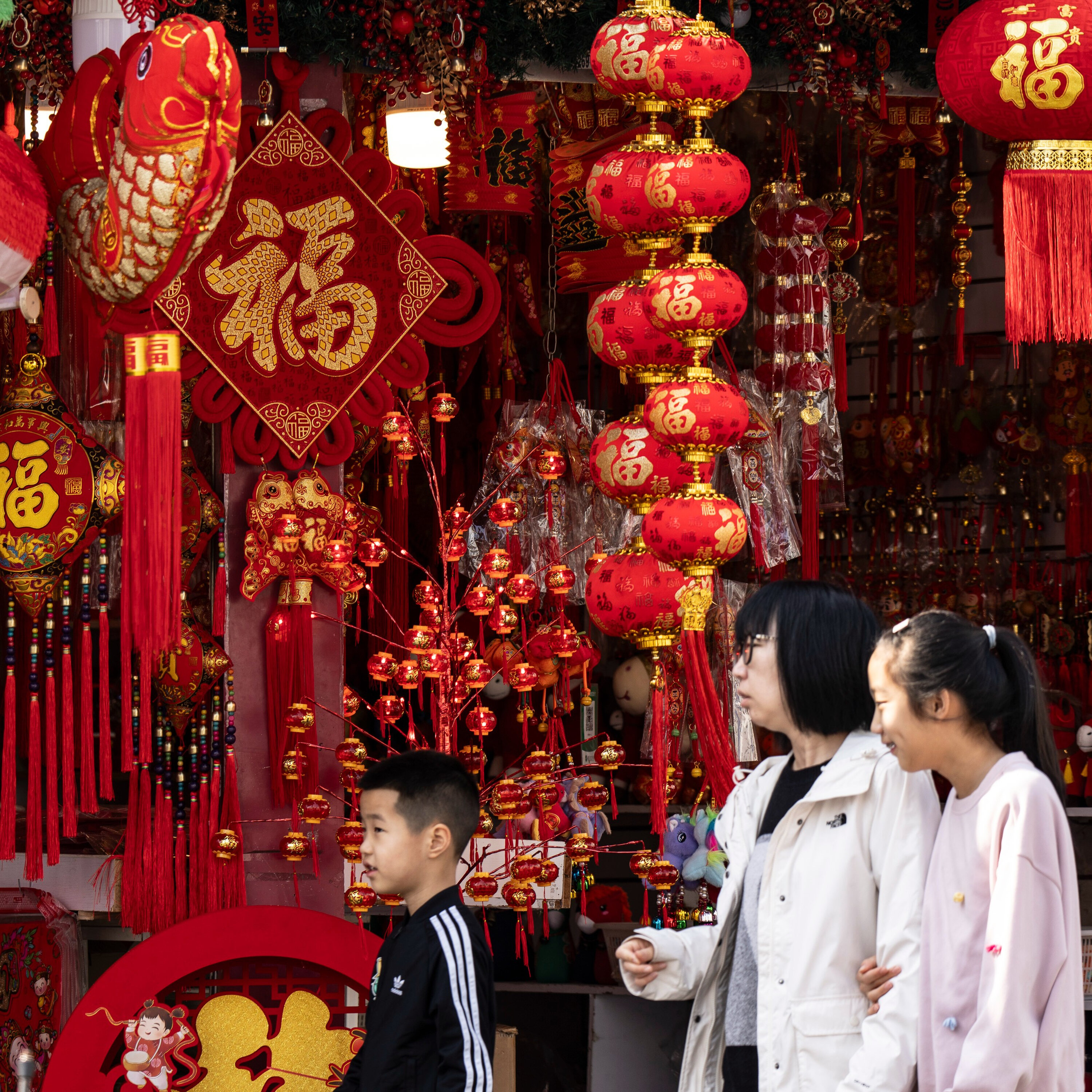
我们刚过完春节或农历新年。
We just finished the Chinese New Year or the Lunar New Year holidays.
这段时间通常被视为衡量今年其余时间消费趋势的指标。
Now this period is often seen as a gauge for consumer trends for the rest of this year.
你的主要观察是什么?
What were your key takeaways?
是的。
Yeah.
春节是中国人都回老家的时期。
The Chinese New Year is a period when Chinese goes back to their hometown.
你知道,大多数在一线城市工作的中国人,通常来自二线城市,有时甚至来自农村。
You know, most of the Chinese working in the tier one cities tend to be the guys, you know, coming from second tier cities, sometimes from the village.
所以,他们在城市里努力工作,一年到头拼命攒钱,然后把所有积蓄带回他们的二三线城市。
So, you know, they work very hard in the city, accumulate money, save very hard during the year, and then they take all the savings back to their tier two, three cities.
所以这是区域内大规模人口流动的时期,对吧?
So it's a period of massive human movements within the region, all right?
所以,你知道,今年的出行次数超过了十亿次。
So, you know, more than a billion trips were made this year.
所以我认为这与几年前的情况相当一致。
So I think it's quite consistent with a few years ago.
但我认为今年一些新的趋势正在浮现。
But I think this year, you know, some of the new trends is actually emerging.
例如,今年我们看到中国游客在海外的消费相当可观。
For example, you know, this is the year when we see quite a bit of spending overseas, you know, for Chinese tourists.
因为通常在春节期间,人们都会花时间与家人团聚。
Because you normally during the Chinese New Year, people tend to sort of spend the time with the family.
但今年,一些年轻的中国人选择在海外度过春节。
But this year, you know, some younger Chinese, they actually spend the Chinese New Year overseas.
这样一来,就与过去几年人们仍在本地消费的情况大不相同。
And in so doing, you know, it's quite different from in the past few years, you know, when people still spend their money at home.
我认为,其中一个原因是消费正在上升,因为海外度假通常要贵得多。
I think, you know, one of the reasons being consumption is picking up, you know, because overseas holidays tend to be a lot more expensive.
其次,我认为人民币最近升值得相当明显。
And I think secondly, because the Chinese Yuan has been appreciating quite strongly.
所以今年我们看到了十年来未曾有过的水平。
So this year we've seen a level we haven't seen for like ten years.
因此,这就是我能想到的为什么年轻中国人选择在国外度过假期的一些原因。
So this is some of the reasons I can think of why the younger Chinese people spending time overseas.
而且我认为他们花钱的方式也在发生变化。
And also I think the way they consume the money is changing as well.
如今,中国的年轻一代更倾向于为体验花钱,而不是为物品花钱。
Now the Chinese, the younger population tend to spend the money for experience rather than things.
过去,人们,尤其是女孩,喜欢买爱马仕包、路易威登包,但现在她们更不愿意花这种钱,而是更愿意把钱花在海外体验上。
So back then, people, especially girls, they like buying the Hermes bag, Louis Vuitton bag, but nowadays they'd rather not spend that kind of money, but rather spend the money on overseas experience.
这样变化一下挺好的。
So it's nice for a change.
好的,这整体上是中国经济的一个积极信号,对吧?
Okay, and this is a overall a positive sign for the Chinese economy, right?
我会这么说,因为过去人们总是从零售角度看待中国消费,对吧?
I would say so, because back then people tend to look at the Chinese consumption from a retail perspective, right?
所以他们会计算特定时期的零售额,但我觉得现在单纯用零售额来衡量中国消费已经不太合适了。
So they calculate how much retail sales they make in In a particular my sort of perception is probably less appropriate now to just account for the retail sales for the Chinese consumption.
还有很多你没看到的消费。
There's a lot more consumption that you're not seeing.
比如,服务业、旅游业以及海外消费等方面的支出要多得多。
You know, for example, much consumption in service industry, in the touristy industry, and also in overseas spending as well.
哦,这挺有意思的,因为最近有些新闻报道,而且说法不一。
Oh, so that's quite interesting because there has been some headlines and they've been mixed.
一些报道聚焦于某些零售额数据相对疲软,而旅客数量却大幅增长。
Some of the headlines has focused on how some of the retail sales numbers have been, you know, relatively weak versus the high passenger growth.
但你持一种不同的观点。
But you're taking a sort of a different view.
他们把钱花在了其他领域,也在海外消费。
They're spending it in other areas and they're also spending it overseas.
是的,我认为人们常常批评这些数据,说你看的是总量,但人均消费实际上更低。
Yeah, I think, you know, people sort of criticize numbers saying that, you see the volume, but you know, per capita spending is actually less.
但在我看来,首先是消费量上升,然后随着收入增加和人民币升值,人们花得更多也就不足为奇了。
But in my view, volume pick up first, then with higher income and also appreciation of the Yuan, then one shouldn't be surprised to see people spend more.
而且如今,如果你留意一下,人们实际上会把储蓄带回二三线城市的家乡,甚至一些更低层级的城市,如果你去那里,会感受到这些地方的活力。
And also these days, if you notice, people actually take the savings back to their hometown in tier two cities and also, you know, in some really low tier cities where if you go there, you will feel the vibrancy of those places.
但在北京和一些传统的一线城市,氛围就没那么活跃了。
But then, you know, in Beijing and some traditional tier one cities is less buoyant, the atmosphere.
你知道,许多经济学家,尤其是位于香港及周边地区的,一直呼吁中国调整经济结构。
You know, many economists, especially based in Hong Kong but around the region, have been calling for China to rebalance its economy.
你看这个数据。
You know, look at this figure.
中国的消费仅占GDP的40%,而美国则是70%。
China consumption only represents 40% of its GDP versus 70% for The US.
我认为日本是50%。
I think it's 50% for Japan.
你知道,中国过去主要依赖强劲的出口以及基础设施和资本支出。
You know, China's obviously, in the past, relied on strong exports, but also infrastructure, CapEx spending.
转型其经济的可行性如何?
How viable is it to transition its economy?
你认为在近期能实现吗?
Do you think it's achievable in the near term?
我认为在几年内是可以实现的。
I think it's achievable over a number of years.
我知道人们希望看到一夜之间的巨大变化。
I know that people want to see a dramatic change overnight.
希望立即转变为以消费为主导的经济,但这太不切实际了。
So instantaneously you change into a consumption based economy, but that is far fetching.
我认为多年以来,人们其实不必太惊讶,因为投资增长远高于消费增长,因此在中国经济中,人们的支出相对较少。
I think over the years, you know, one shouldn't be too surprised to see because investment growth is substantially higher than consumption growth, and therefore, you know, people are spending less in the Chinese economy.
因此,消费占GDP的比重低于外国国家。
So consumption as a percentage of GDP is less than foreign countries.
但话虽如此,如果你想进行公平比较,例如,你应该计算等效业主租金。
But having said that, you know, if you want to compare on an apple to apple basis, for example, you should calculate the owner equivalent rent.
这个概念在中国是不存在的,对吧?
This concept is not available in China, right?
因此,在中国的统计数据中,计算时不会包含这种等效业主租金。
So in Chinese statistics, you don't see this owner equivalent rent in the calculation.
其次,许多医疗消费和医疗支出也没有被计入消费领域。
And secondly, much of the healthcare consumption, healthcare spending is not captured in the consumption space as well.
所以,如果你做出所有这些调整,得到的数字将远高于中国消费占GDP的40%左右。
So if you make all that adjustment, you get a number that's dramatically higher than, you know, 40 odd percent of GDP in terms of Chinese consumption.
所以我认为,如果你广泛旅行考察中国,尤其是现在,我提到很多钱、很多储蓄都被带回了家乡。
So I think if you travel extensively in China, especially just now, I mentioned that much of the money, much of the savings is being taken back to their hometown.
对吧?
Right?
所以这些地方,从纸面上看,往往有一些乡土气息的名字,对吧?
So those places, I think on paper tend to be, you know, they have some rustic names, right?
所以这些名字外国游客可能不熟悉,但由于大量储蓄回流,这些地方其实发展得非常好,对吧?
So names that foreign travelers are not familiar with, but those places, because of so much savings going back, they're very well developed, right?
尽管在中国的定义中,它们可能被归类为农村地区,但你一旦去那里,就会看到非常平整的道路、坚固的桥梁,还有高铁站。
So even though in the Chinese definition, they might be classified as a rural area, but once you go there, you know, you see a very well paved road, well built bridge, high speed railway station in those areas.
所以从外国人的角度看,它们根本不是农村。
So, you know, in a foreign sense, they are not rural at all.
而且这些地方的价格也低得多,对吧?
And also prices are substantially cheaper in those places, right?
比如在上海,你每月可能需要15000到20000元才能支付房租、伙食和社交开销。
So in Shanghai, for example, you probably need 15,000, 20,000 Yuan a month to leave, you know, for rent, for food and for socializing.
但在那些地方,你花不到2000元就能过上非常舒适的生活。
But in those places you need no more than 2,000 Yuan, and you live a very comfortable life.
所以物价水平差异非常大。
So the price level is very different.
所以想象一下,现在大量资金被花在了低线城市,那么你的消费单元看似变小了,但总量却非常庞大。
So imagine this, you know, now you have a lot of money being spent in the lower tier cities, then automatically your sort of consumption cells can be seen as lower, but then the volume is huge.
我认为这有助于解释为什么我们看到消费量激增,但总体销售额仍有些令人失望,因为消费结构已经发生了变化。
And I think this helped to explain, you know, some of the reasons why we're seeing a volume surge, but then in the overall sales level, it is still somehow disappointing because the composition of consumption has been changing.
是的。
Yeah.
你说得对,因为我以前也听过这种说法,即中国人花了很多钱。
And that's a good point you made because I've heard this argument before that, you know, Chinese do spend a lot of money.
是的。
Yeah.
但只是因为商品太便宜了。
But it's just that the goods are so cheap.
以占GDP的百分比来看,并没有你想象的那么高。
As a percentage of GDP, it's not as high as you think.
是的。
Yeah.
没错。
That's right.
我的意思是,过去几年,中国经历了某种程度的通缩甚至通货紧缩。
I mean, in the past few years, China is experiencing sort of a disinflation or even deflation.
所以现在物价这么便宜,香港人甚至周末跑到深圳买菜,然后带回去。
So, these days prices are so cheap, people in Hong Kong actually spend their weekends in Shenzhen buying vegetables and stuff and then coming back.
而且如果你要做牙科手术,比如,价格只有香港的十分之一,但服务却非常好,诸如此类。
And also if you want to do a dental surgery, for example, it's like one tenth of the price in Hong Kong and then you get a really good service, stuff like that.
你知道,是的,我认为很多变化正在表面之下发生。
You know, yes, so I would say that a lot is changing under the surface.
要了解真实情况,就得看 headlines 之外的深层数据。
It pays to look beneath the headline numbers, to get the real picture.
《亚洲视角》由彭博情报制作,该团队拥有500多名经验丰富的分析师和策略师,全天候为您提供及时的全球顶级研究。
Asia Centric is produced by Bloomberg Intelligence, where more than 500 experienced analysts and strategists work around the clock to bring you timely world class research.
我们的覆盖范围包括200个市场指数、货币、大宗商品和行业,以及2000多种股票和信贷产品。
Our coverage spans 200 market indices, currencies, commodities, and industries, as well as over 2,000 equities and credits.
要了解有关彭博情报的更多信息,请访问彭博终端上的BI Go。
To learn more about Bloomberg Intelligence, visit BI Go on the Bloomberg terminal.
如果你喜欢我们所讲的内容,别忘了订阅和分享。
If you like what you hear, don't forget to subscribe and share.
我是弗朗辛·拉克鲁瓦,一位获奖记者,我推出了一个新的播客——来自彭博播客的《弗朗辛·拉克鲁瓦的领袖》。
I'm Francine Lacroix, an award winning journalist, and I've got a new podcast, Leaders with Francine Lacroix from Bloomberg Podcasts.
我采访过从国家元首到时尚偶像等各种人物,探讨当下最热门的新闻。
I've interviewed everyone from heads of state to fashion icons about the news of the moment.
但我一直很好奇,这些人在作为领导者时究竟是怎样的人。
But I've always been curious who are these people as leaders.
我认为,成为领导者并没有唯一正确的方式。
I don't think there's one right way to be a leader.
做出决策。
Make decisions.
一个糟糕的决策,也总比不做决策要好。
A poor decision is always better than no decision.
每周一收听最新一集。
Listen to new episodes every other Monday.
在您收听播客的任何平台关注《与弗朗辛·拉克鲁瓦谈领袖》。
Follow leaders with Francine Lacroix wherever you get your podcasts.
如果我们能退一步看,去年中国的GDP达到了5%的目标。
If we could just, take a step back and if you look at China's GDP last year, it reached its target of 5%.
如果深入分析,我认为可以说,这主要得益于强劲的出口,而非消费。
If you drill down, it was largely would I say be right in saying that it was, largely driven by, like, strong exports and less by consumption.
这导致了创纪录的贸易顺差,我认为是1.2万亿或1.3万亿美元。这种状况能持续多久?
And this led to a record trade surplus of, I think, 1.2 or $1,300,000,000,000 How sustainable is this?
因为您会看到媒体报道,一些贸易伙伴对这一趋势感到担忧。
Because you are seeing press reports that some of its trading partners are worried about this trend.
是的,我认为这不可持续。
Yeah, I don't think it's sustainable.
每年贸易顺差超过一万亿美元,在人类历史上前所未有。
You can't build up trade surplus over 1,000,000,000,000 US dollars a year, you know, in human history, no one has seen this before.
而且积累的速度非常快。
And the accumulation speed is very fast.
所以我认为,到现在为止,人们已经意识到,如果你继续这样下去,一直依赖外国需求来支撑你的生产能力,总有一天会引发不满。
So I think by now, you know, people realize that, wow, if you keep doing this, keep relying on foreign demand for your production capacity, you know, one day it's gonna create resentment.
因为你通过建设大量先进的生产能力来实现这一切,但与此同时,你实际上压低了人民币的价值。
Because you do all this by building a lot of very advanced production capacity, but then at the same time, you actually sort of suppressed the value of the Yuan.
我认为,人民币是全球最被低估的货币之一。
I think, you know, the Yuan is one of the most undervalued currency in the world.
所以我认为,到现在为止,如果你用一种非常廉价的货币来抢占外国市场份额,然后通过积累巨额顺差获得更多的资本来投资制造业,那么用不了多久,你的贸易伙伴就会与你产生分歧。
So I think by now, you know, if you use a very cheap currency to grant foreign market share, and then, you know, by building up huge surplus, you get more capital to invest in your manufacturing sector, then before long, your trade partner is gonna have disagreement with you.
我认为,中美之间的贸易战就是其中一个例子。
And I think, you know, the trade war with The US is one of the examples of that.
而且我认为,用不了多久,欧盟也会遇到问题,因为中国的电动汽车现在已经无处不在。
And I think before long, you know, the European unions would have problem as well, you know, because of the Chinese EVs is all over the place now.
而欧洲计划在几年内全面电气化,但他们自己并不生产电池。
And Europe wants to go all electrified in a couple of years and they don't produce any battery.
所以最终,你们严重依赖中国的供应链。
So at the end, you know, it become heavily dependent on the Chinese supply chain.
所以我认为,所有这些加在一起,导致了贸易伙伴之间的分歧,而且我认为这是不可持续的。
So I think all this, know, adding up to sort of disagreement between the trade partners, and I think it's not sustainable.
而且你不可能年复一年地保持每年超过一万亿美元的顺差,却从不花掉,对吧?
And also you can't just save year after year, you know, over 1,000,000,000,000 US dollars a year in surplus, but then you don't spend it, right?
那么,你打算怎么用这些钱呢?
So what are you going to use those money for?
如果赚了钱却不花,那赚钱的意义何在?
So what's the purpose of making money if you don't spend it?
所以我认为,我们现在正处在一个关键节点,首先需要让人民币的估值恢复正常。
So I think now we get to a critical juncture when it is time to firstly normalize the valuation of the Yuan.
其次,是时候把这些储蓄在国内花掉了,让人民的生活变得更好。
And secondly, think, you know, it's time to spend all those savings domestically and make people's life better.
你认为当局会乐见人民币从此大幅升值吗?还是你更倾向于渐进式的升值?
Do you think the authorities will be happy with the Yuan appreciating significantly from here, or do you have more of a gradual appreciation?
是的,我认为今年中国人民银行的态度明显更宽容了,对吧?
Yeah, I think this year, obviously we've seen a more tolerant PBOC, right?
因为我们知道中国人民银行是决定人民币汇率的关键因素,所以今年我们实际上看到中国人民银行允许人民币升值。
So because we know that PBOC is a determining factor in the Chinese Yuan currency exchange rate, I think this year, we're actually seeing the PBOC allowing the Yuan to appreciate.
人民币升值的速度是多年来最快的之一。
The appreciation speed is one of the fastest in years.
所以当人民币回到6.5左右的水平时,你可能会感到惊讶,但我仍然认为中国人民银行会感到非常安心。
So one should be surprised to see, when we get back to 6.5 ish, the level, I still think the PBOC would be still very comfortable.
我认为中国人民银行试图控制的是升值的速度,因为如果升值太快,你就可能失去控制。
I think what the PBOC is trying to control is the speed of appreciation, you know, because if the appreciation speed is way too fast, then you could lose control.
而且这还会给出口行业带来相当大的压力。
And also it could put quite a bit of pressure on the export sectors.
但我认为,一旦你控制好速度,实现有管理的升值,那么中国人民银行是能够接受的。
But I think, you know, once you manage the speed, it's a managed appreciation, then I think the PPLC is fine with it.
所以你的观点是,未来十年人民币将逐步升值,这自然会平衡其贸易顺差,并促进更强的进口。
So your view is that the yuan will appreciate gradually over the next sort of decade, which will naturally rebalance its trade surplus and also lead to more stronger imports.
是的,我认为这可能是更可能的情景。
Yeah, I think that's probably a more likely scenario.
但当然,人们一直在谈论广场协议,新的广场协议。
But of course, you know, people have been talking about the plaza, the new plaza accord.
所以这是对人民币的一次性重新调整,等等等等。
So it's a one off reset for the Yuan, etcetera, etcetera.
但我认为,人们从日本在那之后的泡沫破裂中学到了教训,日本也因此陷入了数十年的停滞。
But I think, you know, people learn from the lessons from the Japanese bubble burst after that, and also it enters into a decades of stagnation for Japan.
所以我认为,这正是中国政府试图避免的一种情景。
So I think, you know, that's one of the scenario that the Chinese government trying to avoid.
而且在中国哲学中,中国人倾向于循序渐进地做事。
And also in the Chinese philosophy, the Chinese tend to do things gradually.
所以他们不喜欢突然的变化。
So they don't like sudden change.
因此,我认为根据中国哲学,这种方式也是可以掌控的。
So I think according to Chinese philosophy, it's also manageable that way.
对。
Right.
而且如果我可以谈谈大宗商品,因为我知道你最近在其他平台上谈了很多关于大宗商品的话题。
And if I could discuss commodities, because I know you've been talking a lot about commodities recently in other outlets.
金属价格,尤其是工业金属价格一直非常强劲。
Metal prices, especially industrial metal prices have been really strong.
我认为铜价已经上涨了超过30%,根据伦敦金属交易所的价格。
I think copper prices up, I think, over 30% based on the LME prices.
过去,铜价与中国的GDP,特别是中国的建筑行业密切相关。
Now it used to be correlated with China GDP and in particular, China's construction sector.
但中国的房地产市场多年来一直疲软,因此你看不到这种需求。
Now China's housing market has been quite weak for a number of years, so you don't see that demand.
为什么这种相关性会破裂?
Why are we seeing the correlation breakdown?
当中国并没有出现这种活动时,为什么铜价还在上涨?
Why are copper prices rising when, you know, you're not seeing that activity in China?
是的。
Yeah.
我认为出现了一种范式转变。
I think there's a regime shift.
过去,中国一直在花钱、投入资本,为全世界进行投资。
Back then, you know, China has been spending the money, spending the capital, investing on behalf of the rest of the world.
于是,中国自然而然地成为了全球制造业中心和供应链中心。
Then, automatically, China becomes the manufacturing center of the world and the global center of the supply chain.
我认为现在,人们终于意识到,如果你依赖中国的供应链,一旦发生某种自然灾害,比如新冠疫情,你就会陷入困境。
I think right now, you know, people wake up to the fact that if you want to rely on the Chinese supply chain, you know, when some sort of natural disaster happens, for example, COVID, then you'll be in trouble.
过去,美国很长一段时间都无法自行生产口罩,不得不依赖中国进口。
Back then The US wasn't able to produce its own facial mask for a long period of time and has to rely on Chinese imports.
所以我认为现在,人们终于意识到,他们必须自己进行投资。
So I think right now, you know, people wake up to the fact that, you know, they have to invest on their own.
他们必须拥有自己的制造设施,以防万一发生什么情况。
They have to have their own manufacturing facilities just in case something happened.
因此,从去年开始,财政赤字已成为许多西方政府、日本、美国甚至德国的常态。
And so since last year, seeing the physical deficit is becoming a norm for many of the Western governments, Japan, America, and even Germany.
所以我认为,人们现在更倾向于自己投资,而不是让中国代为投资。
So I think people are now investing on their own rather than letting China invest on their behalf.
所以情况正在发生变化。
So things is changing.
中国正逐渐成为大宗商品市场的次要驱动力,而西方对大宗商品和制造技术的需求才是推动大宗商品需求的主要因素。
So China is becoming the lesser driver of the commodities market, and rather is the Western demand for commodities, for manufacturing expertise that is driving the commodity demand.
我认为这解释了为什么中国与大宗商品价格的相关性正在下降,而西方财政赤字与大宗商品价格的相关性却在上升。
I think that explains why the correlation between China is actually decreasing, but then with the Western physical deficit is actually increasing.
我认为这一趋势才刚刚开始。
And I think the trend is only starting.
好的。
Okay.
那么,你对大宗商品价格的前景怎么看?比如贵金属如黄金、白银,以及各种工业金属?
So what's your outlook for commodity prices in terms of maybe, say, precious metals like gold, silver, as well as all the sort of industrial metals?
我认为,除了我刚才提到的所有实物缺口外,人们也意识到,要做人工智能,同样离不开大宗商品材料。
I think besides all the physical deficits I discussed just now, people realise that if you want to do AI, it's all about commodity materials as well.
你需要生产所有的内存芯片、存储设备、数据中心等等。
You have to produce all the memory chips, all the storage, all the commuting centres and all that.
所以我认为需求是惊人的。
So I think the demand is phenomenal.
而且在过去十年里,由于大宗商品价格长期低迷,导致该行业投资严重不足,生产大宗商品变得无利可图。
And also, because in the past decade, commodity sector has been way under invested in a system because commodity price is so low that it's uneconomical to produce commodities.
因此,许多大宗商品巨头公司长期处于休眠状态。
Therefore, many of the commodity giant companies have been asleep for a long time.
而现在,它们终于意识到,由于长期投资不足,大宗商品的产量已远低于实际需求。
And now they wake up to the fact that, because of all this under investment, the production of commodities is now way below the actual demand.
如果你真想发展人工智能,想扩大这些制造能力,就必须大量采购大宗商品。
If you really want to AI, if you want to do all this manufacturing capacities, you have to buy up commodities.
此外,我认为从今年一月开始,地缘政治风险也开始进入视野。
And plus, I think this year, since January, geopolitical risk has entered the picture.
所以人们意识到,你懂的,有很多战略重要材料你必须提前囤积,以防发生战争。
So people realize that, you know, the many strategic important materials that you have to stock up just in case there's a war.
所以我觉得各种因素都凑在一起了,我认为我们正进入一个商品超级周期。
So I think many things set up, you know, I would say that we are entering into a commodity supercycle.
我认为去年夏天,中国在西藏地区启动了一个新的水电项目。
I think last year in last summer, China initiated a new hydropower project in the Tibetan area.
这是自三峡大坝以来最大的水电项目之一。
It's one of the biggest hydropower project since the 3 Gorges Dam.
当时宣布这一消息时,铜、钢铁等所有大宗商品价格当天都飙升了。
During that time, when the announcement was made, copper, steel, you know, all commodity prices actually surged on the day.
许多大宗商品公司在亚洲市场纷纷涨停。
Many of the commodity companies limit up in the Asian market.
自那以后,人们逐渐意识到,我们正进入一场对原材料和大宗商品的激烈竞争,因为你如果想发展新能源,想建设这些大型项目,确保经济发展的能源供应,就需要大量材料。
Ever since that day, people sort of wake up to the fact that we're entering a fierce competition for raw materials and commodities, you know, because if you want to go into new energy, you want to construct all these big projects, make sure that you have enough energy for economic development, you need a lot of materials.
所以我认为,从那时起,如果你看那之后的价格走势图,大宗商品价格就一直上涨。
So I think ever since then, if you look at the chart ever since then, the commodity prices shut up.
所以你突破了多年的交易区间,价格垂直飙升。
So you break out a multi year trading range and go vertical.
我认为,人们正逐渐意识到,对大宗商品的需求实际上远高于原先的预期。
And I think, people are waking up to the fact that demand for commodity is actually substantially higher than original thought.
现在,人们正竭尽全力囤积大宗商品。
And now, people are just trying very hard to stock up on commodities.
你看,很多人把你视为一位世界知名的经济学家。
Look, and a lot of people know you as a, you know, a world renowned economist.
谢谢你的夸奖。
Thanks for the kind words.
但你同时也是首席投资官。
But you are also the chief investment officer.
现在给我们讲讲你的职责吧。
Now tell us about your role.
比如,你也会投资全球市场吗?
Like, you also invest in global markets?
没错。
That's right.
这并不是一个容易的转变,对吧?
It is not an easy transition, right?
那时我只做研究,我会向人们介绍我的研究建议,他们去执行这些想法。
So back then I was doing research only and I tell people about my research recommendation and they go execute the ideas.
而现在,我实际上也能亲自实践自己的建议了。
And now I actually get to, you know, eat my cooking as well.
这种变化挺好的。
So it is nice for a change.
你真的能亲眼看到你的投资分析在现实世界中如何表现。
So you actually get to see how your investment analysis play out in real world.
有时候会成功,有时候不会。
You know, sometimes it play out, sometimes it doesn't.
所以你必须学会管理风险敞口,控制亏损,并规划好来年的投资组合。
So then you have to learn to manage risk exposure, limit your loss, and also how to lay out your portfolio for the coming year.
所以这非常令人兴奋,你知道,因为我们正处在一个巨大动荡的时期,你知道,今年是马年,今天是中国农历正月十五,是元宵节,对吧?
So it is very exciting, you know, because we are at a time of substantial upheaval, you know, in the sense that, you know, this is the year of the horse, today is the fifteenth in the Chinese New Year, is the rice ball festival, right?
所以我们还处在春节时期,但已经,已经,你知道,我们感受到了如此多的变化,你知道,因为今年是火马年,对吧?
So we're still in the Chinese New Year period, but already, already, you know, we're feeling so much change, you know, because this year is a fiery horse, right?
所以过去的火马年在中国历史上往往带来大量波动和重大变革,你知道,很多朝代更替,很多权力更迭,对吧?
So the fiery horse actually bring about a lot of volatility and a lot of significant change in such a year in the past, in the Chinese history, you know, a lot of dynasty has been changed, a lot of power has been always wrong, right?
你可以称之为迷信,但在我看来,这不过是周期在循环转变罢了。
So you can call it superstitious, but in my view, it's all about the cycle that is turning around.
所以我觉得今年已经发生得非常快了。
So I think this year is happening very fast already.
我们还将看到更多重大的变化。
And we're going to see a lot more significant change.
作为一名经济学家,同时也是首席投资官,我代表我的客户管理资金。
As an economist and also as a chief investment officer, I'm managing money on behalf of my clients.
我们现在拥有相当庞大的投资组合。
We now have a rather substantial portfolio.
我们有五亿美元的投资资金。
We have 500,000,000 US dollars on investment.
我们投资于各种资产类别。
We invest in all sorts of asset classes.
今年,你知道,我们自去年以来看到的最大机会是贵金属和大宗商品。
And this year, you know, the biggest opportunity we've seen, well, ever since last year, is precious metals and also the commodities.
你怎么把经济学家的身份和管理资金结合起来?
How do you marry being an economist with managing money?
因为你知道,市场,尤其是这个地区的市场,有时并不理性。
Because, you know, like the markets, especially in this part of the world, are not very rational sometimes.
它变动非常快,你知道的。
It moves really quick, as you know.
没错。
That's right.
你还要戴着经济学的帽子。
And you've got this economics hat.
过去,像经济学家成功转型为非常成功的对冲基金经理这样的例子并不多见,嗯,对冲基金经理之类的。
And there hasn't been, like in the past, there hasn't been that many successful transitions of like an economist becoming, you know, like a very successful hedge Yeah, fund manager or
嗯,我认为所有优秀的对冲基金经理都是优秀的经济学家,但反之则不然。
well, think all good hedge fund managers are good economists, but not all good economists.
不是反过来的。
Not the other way around.
好的。
Okay.
我记得有人说过,我觉得是沃伦·巴菲特,他确实说过:‘你很少看到富有的经济学家到处走动。’
I remember someone said, I think it's Warren Buffett, he actually said that, Wow, you don't see that many rich economists walking around.
呃。
Blah.
所以他想表达的是,经济学家往往无法将他们的投资分析与投资组合结合起来。
So what he means is that, you know, economists can't marry their investment analysis with their portfolio.
我认为最难的部分是把握仓位规模,或者说,对自己的预测有足够信心并据此确定仓位。
I think the hardest part is sizing your bet, or, you know, having the conviction with your forecast and then sizing your bet.
我认为我们投资的一些资产类别由于流动性原因,在某些市场中流动性可能非常稀缺。
I think in some of the assets classes that we invest in because of the liquidity, you know, in some markets, some of the liquidity can be quite scarce.
而且有时你想下大注,却根本没有合适的交易场所。
And also sometimes you want to make a sizable bet, you actually don't have the venue to do it.
那你只能去找替代品来操作。
Then you have to find out the proxies to do it.
同时你还要确定仓位大小,并管理风险,因为有时候即使你的预测是正确的,时机却没把握好。
And also you have to size your bet, and also you have to manage the risk, you know, because sometimes even though you have the right forecast, you don't actually get the timing right.
所以你进场太早,这个交易也是错的。
And so you're getting the trade too early, it's also wrong.
因此你必须处理所有这些相互冲突的考量,而我以前当经济学家时并不需要面对这些。
So you have to manage all this conflicting interests, which I didn't have to back then when I was an economist.
现在我的生活比以前刺激多了,我非常享受这种状态。
Now my life is a lot more exciting than before, and I'm enjoying it very much.
你提到马年在迷信层面上。
You mentioned that the year of the horse is on a superstitious level.
没错。
That's right.
这意味着通常被视为一个动荡之年,也就是巨大的变革之年。
Means that is usually, you know, equated to a year of upheaval, like a big change.
从你对这个地区股票市场的看法来看,这意味着什么?
Like what does this translate in terms of your views on the equity markets in this region?
首先,从年初开始我们就看到了大量波动,如果从个股层面来看,波动性相当巨大。
Well, firstly, we're gonna see a lot of volatility since the beginning of the year, if you look at on the individual stock level, the volatility is quite huge.
如果你看中国互联网股票,它们已经下跌了大约30%,但至今仍未找到底部。
If you look at the Chinese internet names, they are down like 30% and they're still not finding a bottom just yet.
但与此同时,你也会看到其他领域表现良好。
But then at the same time, you're also seeing other things doing well.
例如,商品生产商表现极为出色,许多公司日复一日创下历史新高。
For example, commodity producers doing exceedingly well, many of them are making all time high day after day.
此外,人工智能领域也依然表现非常出色。
And also the AI sector is still doing very fine as well.
在国内市场,许多石油化工类、商品类以及上游企业表现极为出色。
And also in the domestic market, many of the petrochemical names, commodity names, all the upstream names have stood exceedingly well.
但从指数层面整体来看呢?
But then overall on the index level, right?
所以你实际上看到的是波动性显著降低,对吧?
So you're actually seeing a substantially less volatility, right?
这意味着市场表现和板块表现正在分化,对吧?
So what that means is that the market performance, sectoral performance is diverging, right?
因此,今年的关键在于精选个股和板块,而不是单纯押注指数,因为你正看到这种分化。
So this is a year all about stock and sector picking, rather than an index level picking, because you're seeing the divergence.
所以,如果你选对了板块并投入了恰当的资金,就能获得极为优异的回报。
So if you pick the right sector and put the right amount of bet into it, you can do exceedingly well.
但如果你选错了方向,比如把钱投到中国互联网平台公司,它们还在打外卖补贴战,你知道吗?为了争夺外卖市场份额,每单配送只赚20美分,甚至更少,对吧?
But then if you're on the wrong side of the boat, all right, so for example, if you put money in the Chinese internet names, internet platform names, they're still doing the food delivery war, you know, when they want to subsidize for food delivery market share, but each delivery order only make 20¢, even less, Right?
我不明白为什么你要为这种市场份额花钱,但无论如何,互联网平台公司仍在为这种无利可图的市场份额持续烧钱。
So I don't understand why you're spending money for that kind of market share, but nevertheless, the internet platform companies are still burning their money for this kind of unprofitable market share.
所以如果你从今年年初就投入这个板块,可能会损失大量资金。
So if you put money into this sector since the beginning of the year, you could have lost substantial amount of money.
因此,今年由于市场变化深藏于表面之下——各板块和股票表现分化,因此你挑选正确股票和板块、以及把握市场时机的能力今年尤为重要。
So this year, because of the change is also beneath the surface, because the diverging performance of the sectors and stocks, then your skill to pick the right stocks, the right sectors, and your skill to time the market is exceedingly important for this year.
好的,所以你看好的板块是大宗商品板块和人工智能相关股票,但不包括互联网股票。
Okay, so the sectors that you have a positive outlook is the commodity sector and AI related names, but not the internet names.
到目前为止,还没有。
So far, not yet.
我认为我还想补充一点,你知道,一些互联网股票现在看起来挺有吸引力的,因为它们的价格大幅下跌了。
I think I would add that, you know, some of the internet names are looking interesting, you know, because they're substantially cheaper.
但同时,你也知道,一些大型互联网公司可能已经在人工智能领域投入了巨额资本支出。
But also, you know, some big internet names may already have a very high CapEx spending in AI.
比如,阿里巴巴是全球最大的云计算公司之一。
You know, for example, Alibaba is one of the biggest cloud computing company in the world.
阿里巴巴声称,它已经研发出一款非常先进的芯片,性能相当于英伟达生产的H200。
Alibaba claimed that it has make a very advanced chip that is equivalent to H200 produced by NVIDIA.
但不知为何,市场并没有对这类投资给予溢价。
But then for some reason, the market is not paying a premium for this kind of investments.
在你走之前,我们得聊聊上周末中东发生了什么。
And before I let you go, we should talk about, you know, like what's happened in The Middle East, you know, over the weekend.
我们谈话时是3月3日,上周末美国和以色列袭击了伊朗。
And as we talk, it's on the March 3 and the weekend US and Israel attacked Iran.
这对油价产生了深远影响。
It's had a profound impact on oil prices.
它也对股价造成了影响。
It's also had, you know, impact on equity prices as well.
是的。
Yes.
你认为这对该地区会有什么影响?
What do you think will be the impact for this region?
对亚太地区呢?
For Asia Pacific region?
亚太地区,尤其是中国。
Asia Pacific, but or in particular China.
我认为目前市场正在寻找一场战争的快速解决方案。
I think right now the market is looking for a quick solution to the war.
我认为美国市场和以色列市场表现都非常出色。
So I think The US market and also the Israeli market is doing exceedingly well.
人们认为,这消除了对以色列和美国的战略威胁。
People think that, you know, this is a removal of a strategic threat to Israel and also to The US.
因此,如果这两个国家占了上风,股市就该上涨。
And therefore, you know, if these two countries are winning, and then the stock market should go up.
但另一方面,欧洲市场正在下跌,香港也是如此,今天亚洲市场也在下跌。
But then on the other hand, Europe market is tanking as in Hong Kong, and today Asian market is tanking as well.
我认为,由于中国仍然进口相当多的伊朗石油,如果战争持续下去,中国的能源需求可能会受到石油供应的影响。
So I think right now, you know, because China still import quite a bit of Iranian oil, if the war drags on, then the Chinese energy demand could be somehow affected by the delivery of the oil.
而且,由于战争的不确定性,风险溢价正在上升,尤其是在香港,对吧?
And also, you know, because of the uncertainties of the war, risk premium is rising, especially for Hong Kong, right?
所以昨天香港下跌得相当明显,你知道,因为香港是一个自由市场。
So yesterday Hong Kong was down quite substantially, you know, because Hong Kong is a free market.
所以资本账户是开放的。
So capital account is open.
因此,我认为战争等不确定性往往会给香港这样的自由、小型、开放型经济体带来过度压力。
And so I think uncertainties such as war tend to exert undue pressure on a free, small, open economy such as Hong Kong.
而这正是我们目前所看到的情况。
And so this is what we're seeing right now.
我认为风险仍然持续存在。
And I think the risk is still lingering on.
所以目前市场期待美国和以色列方面取得决定性胜利,但目前还没有实现。
So right now the market is looking for a decisive victory by The US side and also by the Israeli side, but now we're not having it just yet.
而且即使在美国阵营内部,战争的时间表仍然不明确。
And also the timeline of the war is still unclear even within The US camp.
所以,人们正在采取观望态度。
So, you know, people adopting a wait and see approach.
与此同时,显而易见,受益者是石油和天然气行业,以及贵金属,尤其是黄金,在不确定性时期表现亮眼。
In this meantime, you know, obviously the beneficiaries, the oil and gas sector, and also the precious metal, especially gold is shining at the times of uncertainties.
好的。
Okay.
这真是一场引人入胜的讨论。
Well, it's been a fascinating discussion.
你还有什么想补充的吗?
Was there anything else that you wanted to add?
从投资组合经理的角度来看,人们,尤其是中国大陆市场的投资者,往往对波动性感到恐惧。
I think from a portfolio manager perspective, people tend to be, especially people in the mainland Chinese market, tend to be afraid of volatility.
多年来,监管机构一直试图抑制市场波动。
I think the regulators for years has been trying to suppress market volatility.
你知道,中国文化认为波动性对市场是极其糟糕的事情。
You know, the Chinese culture, volatility is inanely bad thing for the market.
但我认为,在像今年这样的火马年,人们需要适应波动性,并在波动中寻找机会。
But I think in a year such as this, in the year of fiery horse, people need to get used to the volatility and also need to look for opportunities within volatility.
我忘了是谁说的,波动就是进步。
I forgot who said it, you know, volatility is progress.
如果没有波动,没有重大的变革,你就只能维持现状。
Unless you have volatility, unless you have substantial change, you're always maintaining the status quo.
所以,如果你想转型为以消费为导向的经济,就必须做出剧烈的改变。
So if you want to transform into a consumption based economy, you have to make dramatic change.
你不能一直抱着旧模式,指望某一天它会自动变成消费型经济。
You can't just leave the old life expecting somehow one day turn into consumption based economy.
这不会发生。
It won't happen.
所以人们需要适应这种变化。
So people need to get used to the change.
我认为今年人们会得到相当好的历练机会。
And I think this is the year that people would get a pretty good exposure.
好的。
Okay.
这是一场非常精彩的讨论,也祝你
It's been a great discussion and also good luck on
新基金顺利。
your new fund.
谢谢,约翰。
Thanks, John.
感谢你做客。
Thanks for coming on.
你正在收听来自彭博情报的《亚洲视角》。
You've been listening to Asia Centric from Bloomberg Intelligence.
你可以在苹果播客、Spotify或Rovio Listen上收听我们所有的节目。
You can listen to all our episodes on Apple Podcasts, Spotify, or Rovio Listen.
本集由陈克拉拉制作和编辑。
And this episode was produced and edited by Clara Chen.
感谢收听。
Thanks for listening.
我是卡罗尔·马瑟。
I'm Carol Masser.
我是蒂姆·斯泰内克,邀请您收听彭博商业周刊每日播客。
And I'm Tim Stenevek inviting you to join us for the Bloomberg Businessweek daily podcast.
现在,我们每天为您带来这本杂志的报道,帮助全球领导者保持领先。
Now every day, we are bringing you reporting from the magazine that helps global leaders stay ahead.
我们深入剖析塑造当今复杂经济的人物、公司和趋势。
We've got insight on the people, the companies, and trends that are shaping today's complex economy.
没错,蒂姆。
That's right, Tim.
我们全方位覆盖全球商业、金融和科技新闻,实时跟进最新动态,并全面报道美国市场的收盘情况。
We're all over global business, finance, tech news, all as it is happening in real time, and we've got complete coverage of The US market close.
说白了,只要影响金融市场、公司或正在流行的趋势和叙事,我们都会及时跟进。
Gotta say, basically, if it impacts financial markets, companies, if it's impacting trends and narratives that are out there, we are on it.
我们做这件事的时候也特别开心。
We also have a lot of fun doing it.
《彭博商业周刊》还通过与我们的专家嘉宾对话,为您揭示新闻背后的分析。
Bloomberg Businessweek also brings you the analysis behind the headlines through conversations with our expert guests.
我们每天工作日都会实时进行直播,并将最精彩的分析内容收录在每日播客中。
And we are doing this all live each weekday, and then we bring you the best analysis in our daily podcast.
请在 YouTube、Apple、Spotify 或您收听播客的任何平台搜索《彭博商业周刊》。
Search for Bloomberg Businessweek on YouTube, Apple, Spotify, or anywhere else you listen.
下班回家的路上不妨收听一下,补上您在工作日错过的精彩对话。
Check it out on your way home from work to catch up on the conversations that you miss during the business day.
到了周末,也可以收听,全面回顾您这一周的商业动态。
And on the weekend, check it out for a complete wrap up of your business week.
这就是《彭博商业周刊》每日播客。
That's the Bloomberg Businessweek daily podcast.
我是卡罗尔·马瑟。
I'm Carol Masser.
我是蒂姆·斯坦内维克。
And I'm Tim Stanivek.
立即在您收听播客的平台订阅。
Subscribe today wherever you get your podcasts.
那些没有按照约翰·德·上帝要求行事的人,通常都会消失。
People who didn't do what John of God wanted them to do, they usually disappeared.
约翰·德·上帝曾是巴西最著名的灵性疗愈者。
John of God was once Brazil's most famous spiritual healer.
但在本系列有限播客中,我们将揭开他建立在信仰与恐惧之上的全球帝国背后的黑暗真相。
But in this limited series podcast, we uncover the darker truth behind his global empire of faith and fear.
由Exactly Right和Adonde Media出品,这是《两面人:约翰·德·上帝》。
From Exactly Right and Adonde Media, this is Two Faced, John of God.
在iHeartRadio应用、Apple播客或您收听播客的任何平台收听。
Listen on the iHeartRadio app, Apple Podcasts, or wherever you get your podcasts.
关于 Bayt 播客
Bayt 提供中文+原文双语音频和字幕,帮助你打破语言障碍,轻松听懂全球优质播客。