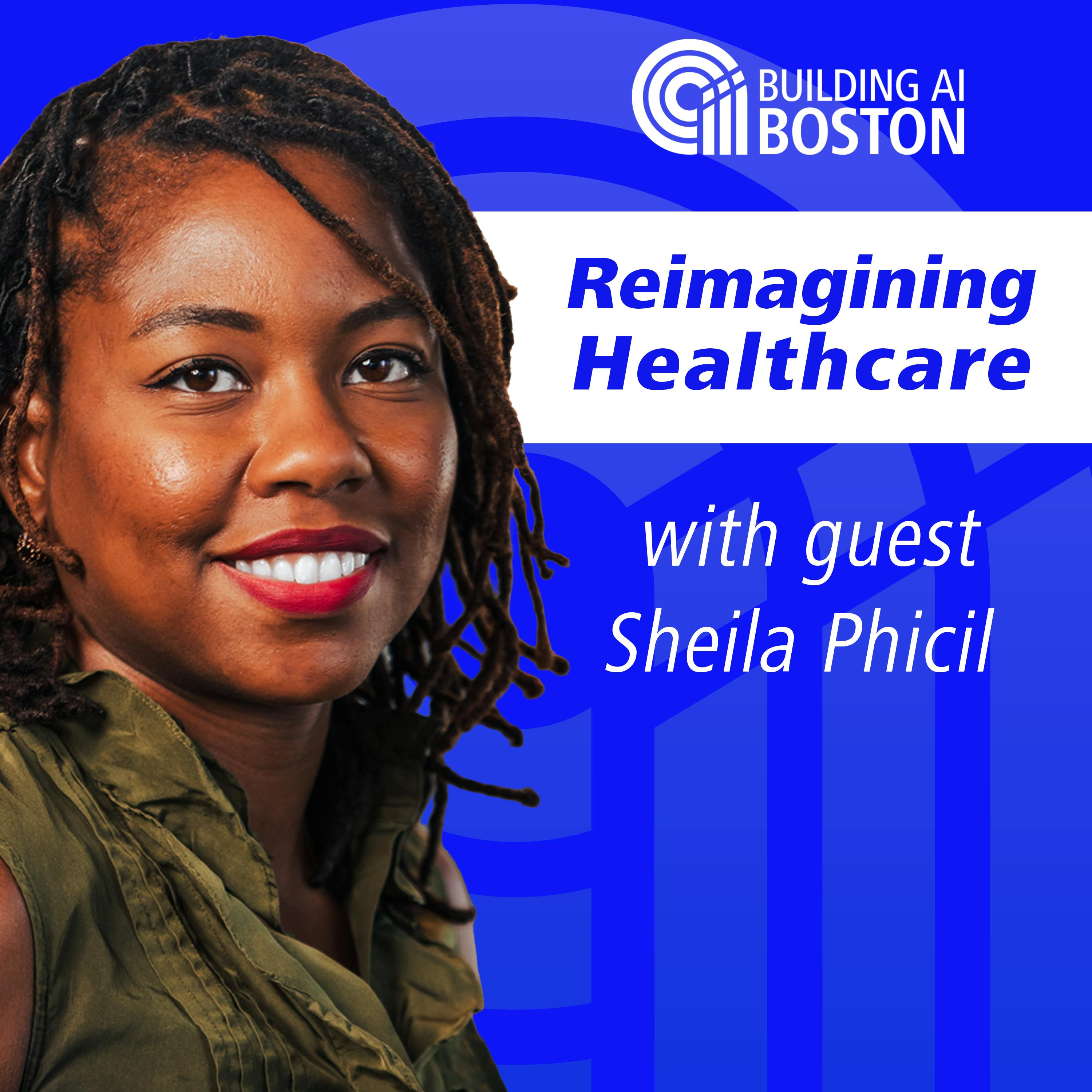
本集简介
双语字幕
仅展示文本字幕,不包含中文音频;想边听边看,请使用 Bayt 播客 App。
欢迎来到波士顿人工智能建设活动。
Welcome to Building AI Boston.
今天我们邀请的嘉宾是希拉·菲西尔。
Our guest today is Sheila Phicil.
她是一位社会变革未来学家,拥有近二十年塑造医疗创新的经验。
She is a social change futurist with nearly two decades of experience shaping health care innovation.
她即将出版的书籍《铭记如何关怀》探讨了在人工智能时代重新构想医疗保健。
Her forthcoming book, Remembering How to Care, explores reimagining health care in the age of AI.
希拉,欢迎来到我们的节目。
Sheila, welcome to the show.
谢谢你们邀请我。
Thank you for having me.
很高兴来到这里。
Happy to be here.
在我们做这个节目的初衷方面,你正好说到点子上了。
You are right in the pocket when it comes to why we do this show.
你曾领导过达纳-法伯癌症研究所和波士顿医疗中心,仅举几例。
You've been a leader at Dana Farber Cancer Institute and Boston Medical Center, just to name a few.
哇,厉害。
Like, wow.
这个背景太棒了。
This is a great background.
还有二十年,抱歉。
And two decades, I'm sorry.
我之前没意识到你的年龄,但这真的非常了不起。
I didn't realize your age, but that's pretty phenomenal.
但你从一开始就是领导者了。
But, you've you've kind of been a leader since the beginning.
我想问你,为什么选择医疗健康领域?为什么是波士顿?
I I wanna ask you, like, why health care and why Boston?
这是一条让我走到今天的有趣道路。
So it was a, interesting path that got me here.
我本科时原本是准备学医的。
I was initially pre med in undergrad.
我父母非常期待我能成为一名医生。
My parents were very excited about me becoming a doctor.
我的选择其实本来就没几个。
I I mean, I only had three options anyways.
实际上,这源于我在大学期间的一次经历,我想应该是大三或大四那年。
And it was actually an experience during my, I think it might've been either my junior or senior year in college.
我有幸参加了一次前往海地的志愿医疗行动。
I had a chance to go to Haiti as part of a volunteer medical mission.
我去了太子港。
Went to Port Au Prince.
这其实是在地震发生之前。
This was actually before the earthquake.
好的。
Okay.
我们当时从事康复专科护理,为有残疾儿童和家人的家庭提供高度专业化的护理,包括假肢、轮椅和其他辅助工具。
And we were doing rehab specialty care, providing families with children and loved ones with disabilities with highly specialized care with prosthetics and wheelchairs and other tools to kind of support them.
而这段经历中有趣的是,过了一段时间后,这些家庭开始归还我们提供的设备。
And what was interesting in that experience was after being there for a little while, the families would begin returning the equipment that we were giving them.
我对这种情况感到非常困惑,于是开始与当地人交谈,因为我能说他们的语言。
And being super baffled about what was going on, I started just talking to people because I spoke the language.
我从他们那里了解到,这并不是因为他们不感激——这原本是我们最初的假设。
And what I learned from them was it wasn't that they were not grateful, which I think was the initial assumption.
而是这些设备对他们来说根本不管用。
Is that it didn't work for them.
他们描述说,回家时必须爬山、过河。
And they described having to walk up a side of a mountain and cross a river to get home.
我们告诉他们,这些设备不能沾水,必须好好保管。
And we had told them, these things can't get wet or to take good care of it.
结果反而让他们更难行动,因为他们得费尽心思学习如何使用拐杖。
And it was actually made them more immobile trying to figure out how to use crutches.
就在那时,我恍然大悟:我们为人们提供了这么多高大上的护理服务。
And that's when a light bulb went off for me because I was like, okay, so we're doing all this great fancy care for people.
这花费了大量资金,而且我们是免费提供的,但其实这并不是人们真正需要的。
This costs a lot of money and we're doing it for free, but it's not actually what people need.
与此同时,我和我的一位导师交谈,向他倾诉了我的挫败感。
And I was talking to a mentor of mine at the same time and I was expressing my frustration to him.
我当时说:
I was like,
你知道吗?
you know what?
我们本可以
We would have
干脆直接给这些人提供滑板,效果会更好。
been better off giving these people skateboards.
如果我们真的和他们好好聊过,问他们为什么这成了问题,就会明白了。
Like if we had actually had the conversation with people and I was like, why is this a problem?
而且看起来贫困在这里也是一个巨大的障碍。
And it seems like poverty is also a big barrier here.
那时他引导我关注了公共卫生领域。
And that's when he pointed me in the direction of public health.
那时他向我介绍了波士顿大学。
That's when he told me about Boston University.
于是我申请了。
So I applied.
我去那里读了研究生,后来还成了那里的员工。
I, you know, went to grad school there and actually became an employee there as well.
之后的事情就顺理成章了。
And then the rest is history.
你和卡拉在医疗领域有一些重叠。
And you and Cara have some overlap in the health care.
对吧,卡拉?
Right, Cara?
是的
Yeah.
波士顿大学
Boston University.
我在波士顿大学公共卫生学院工作了大约八年,我想是吧。
So I worked at the public health the School of Public Health at Boston University for about, I think, about eight years.
我确实认为那是我迄今为止最喜爱的工作。
And I do think it was my favorite job ever.
那是一个非常棒的地方。
It's a really amazing place.
尽管我属于传播团队,但我对公共卫生整体产生了浓厚兴趣。
And even though I was in the communications team, I really became very interested in public health generally.
我认为这正是引导我关注伦理人工智能的原因——人工智能如何真正应对那些如果没有它就难以解决的巨大系统性社会问题。
And I think it's what's led me to sort of having this focus on ethical AI and how AI can really address, like, these giant systemic social issues that are kind of untouchable without it.
关于公共卫生及其重要性,我最喜欢的一个故事是,当时我们的院长桑德拉·加莱亚曾打过一个很好的比方,他以前是一名急诊科医生。
And one thing one of my favorite stories about public health and why it's so important is our dean at the time, Sandra Gallea, had a great analogy that he used to be an emergency medicine physician.
你知道吗,他转行做了公共卫生,他说原因是他发现自己一直在河的下游打捞人们, metaphorically 地把人从河里救出来,一遍又一遍,然后他意识到,我想走到河的上游,看看人们为什么会掉进河里。
And, you know, he switched to public health, and he said the reason was is because he found himself at the end of the river fishing people you know, metaphorically, fishing people out of the river and saving them from drowning over and over and over, and then just realize he's like, I wanna walk up to the top of the river and find out why people are falling in in the first place.
对。
Right.
这就是公共卫生,我觉得这个比喻说得太好了。
And that's public health, which I thought was just so exceptionally well put.
而走向问题的源头,这才是关键。
And, you know, moving up to that source is what it's all about.
所以,希拉,你正在做的就是这样的事,这真的很酷。
So that's what you're doing, Sheila, which is pretty cool.
而且我喜欢的是,你在一个如此遥远的地方获得了这样的认知,然后有了这种意识,因为现在你是FACHE的创始人,这是一家创新工作室,帮助初创公司、投资者和医疗系统实施以患者为中心的伦理解决方案。
And I like that you were informed in such a faraway place and and and then had that awareness because right now, you're the founder of FACHE, an innovation studio helping startups, investors, and health systems implement ethical patient centered solutions.
所以,你的背景听起来正是促成这一切的催化剂。
So your your background was really the catalyst for that, it sounds like.
你能谈谈你在那里的领导角色吗?
Can you talk about your leadership role there?
是的,当然。
Yeah, absolutely.
所以,正如你提到的,Facilitate Change 实际上是那个在海地浮现的问题的 culmination,之后近二十年我在波士顿医疗系统内工作,尽我所能确保自己始终意识到:我们是否在与正确的人交谈?
So Facilitate Change, as you mentioned, like, is really kind of the culmination of that question that surfaced in Haiti and then nearly twenty decades working inside of Boston Healthcare Systems and doing my best to make sure that I was constantly being aware of, are we talking to the right people?
我是否在提出正确的问题,以便触及问题的根源?
Am I asking the right questions so that I'm getting to the root of the problem?
作为一名公共卫生学院的学生,我学到了一句彻底改变我人生的名言:每个系统都完美地设计成产生它当前所得到的结果。
And one of the things that I learned as a student at the School of Public Health, this quote that forever changed my life, every system is perfectly designed to produce the results that it gets.
因此,当我们看到某种结果时,我们必须审视系统本身。
So when we're seeing a result, we have to look at the system itself.
而系统是可塑的,对吧?
And systems are malleable, right?
我们可以改变它们。
We can change them.
我们可以引导它们。
We can redirect them.
如果我们以不同的方式设计它们,就能让它们产生不同的结果。
We can get them to give us different results if we design them differently.
因此,我一生都在不断打磨这些想法。
So I was constantly tinkering with these ideas throughout my career.
我有幸从事了许多有趣的工作,而且全都围绕着技术展开。
And I got to do very interesting work and all of it around technology.
但我也目睹了大量失败,其中包括一些我深感负有个人责任的失败,这些失败导致低收入和边缘化群体无法获得高质量且迫切需要的医疗服务。
But I also got to see a lot of failure, including failure that I feel personally responsible for that led to excluding low income and marginalized communities from high quality and very urgent care.
因此,‘促进变革’正是源于这样一个理念:如果我们真想重新设计医疗体系,就必须理解为什么我们会一再犯同样的错误。
So facilitate change was really birthed from this idea that if we really want to redesign healthcare, we have to understand why we're making these same mistakes over and over again.
我的职业生涯让我明白,很多时候,正是我们对医疗创新的思维方式,导致了高失败率以及与人们真实生活脱节的问题。
My career has taught me that a lot of times it's the way that we think about innovation in healthcare that leads to these high failure rates and the disconnect from what's happening in people's lives.
因此,我们的职责是确保医疗系统的领导者和决策者能够获得他们所需的工具,获取正确的信息,并将最弱势群体的切身经历置于核心位置。
So our job really is to make sure that we're giving leaders and decision makers in systems of care the tools that they need that they're getting access to the right information and centering the lived experience of the most vulnerable populations.
如今,我们进一步将注意力集中在人工智能上,因为这显然是当前创新发生的领域。
And now we've actually gone further and focused our attention on AI because that's obviously where innovation is happening right now.
这些问题正在从医疗系统的前门和后门显现出来,我希望能再多谈一点这方面。
And it's showing up at the front door and in the back door of healthcare systems, I hope to talk a little bit more about that.
我们必须非常清楚,我们正在向本已压力巨大、本已破损的医疗系统中引入什么。
And we really need to be very aware of what we're introducing into already stressed, already like broken health systems.
这是否影响了你开发‘创新种子’框架的方式?
Does this play into how you develop the seeds of seeds of innovation framework?
所以你开发了一个框架,来规避你所察觉到的系统中那些可预测结果的试错过程?
So you've developed a framework to kind of bypass the trial and error that you've sensed that systems were predictive of outcomes?
当然。
Absolutely.
‘创新种子’这个想法最初萌芽于我担任波士顿医疗中心健康公平加速器创新总监的时候。这里有一点背景:新冠疫情、乔治·弗洛伊德事件、黑人的命也是命,我们的机构因此暂停了一下,重新审视我们的成果,发现尽管我们一直以最弱势群体为中心,但黑人和拉丁裔患者的治疗结果依然低得多。
So the first inkling of seeds of innovation actually started when I was working as Director of Innovation for the Health Equity Accelerator at Boston Medical Center, which a little bit of history there, COVID, George Floyd, Black Lives Matter, our institution took a pause and we were looking at our results and we saw the same systemic issues despite having a history of centering the most vulnerable populations where you had black and brown patients outcomes were just much lower.
老实说,我常这样形容:如果每个系统都完美地设计成产生它当前的结果,那么显然,每个系统都完美地设计成缩短黑人的生命。
And honestly, the way that I described this is, you know, if every system is perfectly designed to produce the results it gets, it is definitely evidence that every system is perfectly designed to cut Black lives short.
我们必须思考,如何才能做得不一样?
We had to think about how do we do this differently?
因此,我的关注领域是健康的社会决定因素。
So my domain of focus was around social determinants of health.
这些上游因素包括住房、食物和就业的可及性。
Those upstream things like access to housing and food and employment.
这些才是帮助人们保持健康的关键。
Those are the things that help people stay healthy.
但我们服务的患者涉及76种以上的语言,他们正面临住房不稳定、物质滥用、移民问题等各种挑战。
But we were serving over 76 languages, patients who were dealing with housing instability, substance use, immigration issues, all the things.
因此,我一直在寻找能够满足患者需求的技术。
And so I was really looking for technology that suited what our patients needed.
于是我先与他们交谈,同时倾听我们的医护人员和团队,了解他们面临的障碍。
So I started by talking to them and we started by listening to our providers and our teams understanding the barriers.
然后我们开始寻找合适的技术解决方案。
And then we went out to really source the technology.
当我们实施这项技术时,我要说明的是,我在波士顿医疗中心任职期间,于2023年8月实际部署了首个基于人工智能的技术。
And when we implemented the technology, and I will say this, we actually implemented the first AI based technology while I was at Boston Medical Center in August 2023.
不错。
Nice.
一家公司,当时叫Nutrable。
A company, it was called Nutrable.
我认识了创始人,他们后来改名为Thrive Link。
I met the founder, they since changed their name to Thrive Link.
当时我们正在做一项名为Thrive的调查。
We were doing a survey at the time called Thrive.
我们实际上在我们的老年病诊所部署了它。
And we actually implemented it in our geriatric clinic.
它是一种当时主要使用语音机器人工具。
And it was a tool that essentially was using voice bots at the time.
这是非常早期的语音AI,用于与患者交谈,收集他们申请所需的信息并提交。
This was very early voice AI to talk to patients and gather information for their applications and then submit it.
所以他们不必亲自填写,你有没有填过像医疗补助或医疗保险这样的申请?
So they didn't have to, have you ever filled out an application for like Medicaid or Medicare?
即使你会说英语,这也很难。
And it's hard, even if you speak English, it's hard.
确实如此。
Sure it is.
而且这取得了巨大的成功。
And it was such a great success.
从这个过程中,以及从那些不成功的技术中,我学到了一点:在将技术引入医疗保健时,需要有一种特定的视角来思考决策。
And what I found, what I learned from that process and also from the technologies that didn't work, there is a specific lens to think through how you make decisions around the technology that you bring into healthcare.
这催生了创新框架的雏形。
That's what birthed the seeds of innovation framework.
是的。
Yeah.
我很欣赏这一点,作为技术专家,你仍然从倾听开始。
And it's I love that as the technologist, you still start by talking about listening.
是的。
Yeah.
这太重要了。
That's so important.
我认为这正是一个关键点,你知道,这个节目虽然讲的是人工智能,我们也在讨论人工智能,但在某种程度上,这其实并不是重点。
And I think that's just something that, you know, obviously this show's about AI and we talk about AI, but it's almost in some ways not the point.
不断浮现的主题,你刚才正好点到了,就是彼此倾听和理解问题的重要性。
And the theme that keeps coming up and you just really hit on it is the importance of listening to each other and understanding the problem.
所以我觉得这真的很有意思。
So I just think that's really interesting.
不。
No.
我觉得你从老年医学开始特别好,因为我们都知道。
Me I think it's great that you started in geriatrics because we all know.
你知道的。
You know?
我们看过《周六夜现场》里一些搞笑的小品,讲的是老年人记不住亚历克莎的名字。
We've seen funny Saturday Night Live skits about, you know, older people not being able to remember the name of Alexa.
而且你知道,在2023年那时候技术可能还没那么先进,而你却从那里起步,这真有意思。
And, you know, it's just interesting that at a time when maybe it wasn't as sophisticated 2023, we've come a long way that you started there.
我觉得你说我们取得了成功,这一点很重要。
I think that's the fact that you said we had success.
这非常了不起。
That's pretty impressive.
这真的很
That's pretty
了不起。
impressive.
是的。
Yeah.
我觉得
Think it
从老年科诊所开始也很有策略,因为如果这项技术能适用于我奶奶,那它也一定能适用于我。
was also tactical to start with a geriatric clinic because if the technology will work for my grandmother, it will work for me.
这是一个非常基本的前提。
It's a very basic premise.
即使我们考虑用户体验和用户设计时,围绕最脆弱的人群进行设计,也会产生类似坡道效应,对吧?
And even when we think about user experience, user design, when you design around the most vulnerable populations, everyone It's kind of like the wheelchair ramp effect, right?
当《残疾人法案》出台,为轮椅使用者建造坡道时,它同样也帮助了推婴儿车的母亲或携带行李的乘客。
When the disabilities act came on and you create those ramps for people with wheelchairs, but it also helps the mom with the stroller or the passenger with the carry on bag.
你明白我的意思吗?
You know what I mean?
我们在社会的各个角落都见过这样的例子。
So we've seen this example all over our society.
当我们关注最脆弱的群体时,最终会做出更好的决策。
When we think about the most vulnerable, we end up making better decisions.
是的。
Yeah.
我喜欢波士顿这一点,因为我们曾邀请过珀金斯盲人学校的女性来分享,我特别喜欢谈论无障碍设计。
I love that about Boston because we've had women on from, the Perkins School for the Blind, and I love talking about accessibility.
而且我喜欢你以如此整体的方式来看待这个问题。
And I love that you're looking at it such a in a holistic way.
我认为,当我们彼此贴上标签,说这个问题不影响我,但其实我也有婴儿车。
I think when we label each other and say, this problem doesn't affect me, but yet I have a stroller.
关于波士顿,你说得很有道理。
I mean, that's a a fair point about Boston.
我觉得你确实能从整体角度思考。
I think that you you do think holistically.
在创新时,人们很容易陷入孤立,只关心自己手头的事,但你却像一把大伞一样包容一切。
And the temptation when you're in innovation is to silo and not care about anything but what you're doing, but you're you're such a an umbrella.
卡拉确实点中了关键。
And and Cara really hit on it.
你能谈谈‘先倾听’平台吗?
Can you talk a little bit about the Listen First platform?
因为我认为这确实是你的核心优势。
Because I think that's truly your secret sauce.
是的。
Yes.
所以,Listen First 是我对这个问题的回答:好吧。
So Listen First was my answer to this question of like, okay.
我们该如何帮助那些在创新领域做决策的人——无论是初创公司、医疗系统、政策制定者,还是投资者——帮助他们理解真实的生活体验?
How do we help people who are making decisions around innovation, whether it be startups, health system, even policymakers, even investors, how do we help them understand what the lived experience is?
因为你们面临的一个重大挑战是:如何收集真实的生活体验数据?
Because one of the big challenges that you have is like, how do you collect lived experience data?
当我担任波士顿医疗中心创新总监时,我们经常组织由10到15名患者参与的焦点小组,并使用多种语言进行,包括英语、西班牙语和海地克里奥尔语。
When I was director of innovation at Boston Medical Center, we were running focus groups with often like 10 to 15 patients and we did it in multiple languages, English, Spanish, Haitian Creole.
我有一支团队帮助我完成这项工作。
I had a team to help me do that.
这很难做到,尤其是当你希望接触到那些面临无家可归、药物滥用或其他障碍的患者,以及孕妇和老年人时。
And it was difficult to do, especially if you wanted to make sure that you were reaching patients who were dealing with homelessness or substance use or other barriers, patients who were pregnant, patients who were elderly.
所以我们支付了他们的时间报酬。
So we paid them for their time.
我们还解决了交通问题,对吧?
We covered transportation, right?
我们提供了食物。
We provided food.
我们安排在对他们来说方便的时间。
We booked it at a time that was convenient for them.
我们投入了大量心思,确保真正与人们建立联系。
A lot of thought went into it to make sure that we were really engaging people.
大多数公司要么没有兴趣,要么没时间,要么缺乏资源来有效做到这一点。
Most companies either don't have the interest or the time or resources to do that effectively.
所以这正是解决这一问题的办法。
So this is really the solution to that.
我们如何利用语音AI和与患者的对话,使用能够适应他们识字水平和语言的工具,来理解他们的真实体验,而不仅仅是依赖定量数据?
How can we use voice AI and conversations with patients using tools that can adapt to their literacy, can adapt to their language to understand their lived experience and not just looking at the quantitative data.
因为数据本身虽然能帮助我们了解方向、趋势和从这个角度看发生的事情,但我们向数据提出的问题必然会受到我们自身偏见的影响。
Because data in itself, although it can help us understand kind of directions and trends and what's happening from that perspective, the questions that we ask of data are going to be filtered through our bias.
所以我们得到的答案也会有偏见,对吧?
So the answers that we get are also going to be biased, right?
所以真正的真实来源,是人们告诉你的他们的体验,对吧?
So the only real source of truth is what people are telling you their experience is, right?
因此,我们的工作就是大规模地收集这些信息,利用人类专家和人工智能为你进行分析,然后向你呈现洞察,帮助你理解该如何做出决策。
And so our job then is to collect that information at scale, do the analysis on your behalf using human experts and AI, and then present you with the insights so that you understand how you need to make the decision.
我认为我们的时机真的非常棒,因为我们正从我所说的‘数据经济’转向‘洞察经济’,不再只是寻求一堆答案,而是要辨别出正确的答案。
And I do think our timing is really incredible because we are moving from what I call a data economy to an insights economy, where we're no longer seeking to get a bunch of answers and we're discerning what the right answer is.
想想人们现在从使用谷歌搜索转向聊天对话,对吧?
Think about people switching from a Google search now to a chat conversation, right?
是的。
Yeah.
一种具有复杂性的对话。
A chat with complexity.
现在当你提出一个问题时,你得到的是一个答案,对吧?
Now when you ask a question, you're getting one answer, right?
不是你可以从中选择的一系列答案。
Not a series of answers that you can pick from.
这也是我们看到创新发展的方向:人们现在必须更好地学会提出正确的问题,而我们也帮助人们做到这一点,然后为你提供正确的答案,因为我们从真正了解真相的人那里获取信息——因为他们亲身体验着这一切。
And that's the direction that we're seeing going in innovation as well, where people are now just we gotta get better at asking the right questions, which we also support people with, and then get you the right answers because we're sourcing it from the people who know the truth because they're living it.
对。
Right.
让我觉得有趣的一点是,在这个国家,我们在医疗保健上花费了如此多的钱。
And what one of the things that's interesting to me, like, is, you know, in this country, we spend so much money, right, on health care.
有这么多杰出的人才,包括波士顿医疗中心的人以及其他专家,都在努力解决这个问题,但结果依然很差。
And so many brilliant people, you know, including the people at Boston Medical Center and others are working on this problem, and yet outcomes still are so poor.
你知道吗?
You know?
所以这只是一个巨大的谜团。
So we're it's just one of the great mysteries.
问题是,这个障碍到底是什么?
Know, it's like, what is this barrier?
所以我不是说一个工具就能解决所有问题,但也许你可以谈谈这些洞察与数据如何能帮助我们最终缩小这一差距。
So I'm not saying, you know, one tool will solve it all, but maybe talk a little bit about how this insights versus data could help maybe close that gap a little bit finally for us.
是的。
Yeah.
你提出了一个很好的观点,卡拉,因为这也是我一直在思考的问题:作为发达国家,我们在预期寿命方面却排名垫底,对吧?
You bring up an excellent point, Cara, because this is also something I've grappled with understanding that as a developed country, we're the bottom when it comes to life expectancy, right?
而且我们花的钱是最多的。
And we spend the most.
当你更细致地分层数据时,你会发现,那些有特权的人——通常是白人上层阶级,与社会底层的人之间存在着巨大差异。
And when you stratify the data a bit more, what you realize is happening is you have folks who are privileged, generally white upper class versus the bottom of society who are living there.
他们的预期寿命有显著差别,对吧?
There's drastic differences in life expectancy, right?
甚至在波士顿,从后湾到罗克斯伯里,只隔着几站地铁,预期寿命就相差了二十五年。
So even in Boston, from Back Bay to Roxbury, which is a couple stops on the train, the life expectancy changes by twenty five years.
哇。
Wow.
是的。
Yeah.
二十五年,对吧?
Twenty five years, right?
这些类型的数据和统计数字,我们一直都知道。
Now those kinds of data and statistics we've known all along.
当然,在新冠疫情期间,当我们看到黑人和棕色人种社区遭受的毁灭性影响时,这些问题才真正凸显出来。
And of course, during COVID, it really surfaced when we were watching the devastation in black and brown communities.
当你问为什么会这样时,原因在于那些阻碍人们实现最佳健康状态的结构性体系,对吧?
Now, when you ask about the reason why it is the structural systems that are in place that prevent people from living up to their highest health, right?
那就是食物、住房、交通和就业的获取问题。
That's access to food and housing and transportation and employment.
但除此之外,当你抵达医疗保健机构的大门时,还会面临另一重障碍,对吧?
But beyond that, once you arrive at the doorstep of healthcare institutions, then you're facing a whole nother barrier, right?
那里存在着系统性的偏见、种族主义以及其他问题。
Where you have systemic bias and racism and other things that are in place as well.
但即使没有这一点,即使我们假设每个人都得到了相同的治疗,我们在医疗创新以及用于支持医生、护士和团队提供护理的工具方面,实际上仍然非常落后。
But even without that, even if we assume that everyone was getting the same care, the way that we innovate in healthcare and the tools that we're using to support our physicians and our nurses and our teams in providing care, they're actually quite subpar.
我的意思是,确实如此。
I mean, about it.
我们至今仍在使用传呼机和传真机,把患者的影像资料刻在光盘上送给放射科医生,对吧?
We're still using beepers and fax machines and sending patients radiologists on CDs, Right?
这就是我们现在的医疗状况。
Like, that's our that's our health care right now.
这真的很困难。
That is hard.
这一点我永远无法完全理解。
That one I'll never fully understand.
但没错。
But Right.
对。
Right.
是的。
Right.
这就像古老的技术。
It's like ancient technology.
是的。
Right.
这简直就像我们正在
It's almost like we're
对吧?
Right?
我们正处于一种转型优先级排序的状态。
We're in we're in, like, in in transformation triage.
看起来好像我们得先解决哪个问题?
It just seems like which problem do we solve first?
但幸运的是,你正在应对一个如此关键的问题,正如你所谈到的。
But and thankfully, you're grappling with something so key as you're talking about it.
我忍不住会从整体上来思考我们。
I can't help but think about us as a whole.
你知道的。
You know?
如果我们真能解决这个问题,彻底揭示这种偏见,那就不再是‘我们’和‘他们’的问题了。
If we can really tackle this and really just expose that bias, it's not about us and them.
这实际上是整个系统的问题,我们需要推动必要的变革。
It's it's literally this whole system and facilitating the change that needs to happen.
所以,幸运的是,你是一位备受追捧的公众演讲者。
So, thankfully, you're a sought after public speaker.
你经常外出演讲,谈论这个话题吗?
How often are you on the road just talking about this?
你真的触及到那个平台了吗?
Are you are you really are you reaching platform?
这正是你能够做的令人兴奋的事情吗?
That's that kind of the exciting thing that you get to do?
是的。
Yes.
我显然对这个话题充满热情,也很喜欢谈论它。
I obviously, like, I'm passionate about this, and I love to talk about it.
但我要说,我正逐渐感到自己像一台重复播放的破唱片。
But I will say I am getting to the point where I'm starting to feel a little bit like a broken record.
我也意识到,我们所处的政治环境让人们对这些对话不再那么开放。
And I also like acknowledging that, you know, the political climate that we're in, people aren't as open to these conversations.
但我也越来越意识到,医疗领域目前正在发生一种令人震惊且不安的趋势,这让我比以往任何时候都更加恐惧。
But I'm also realizing that there is a very alarming and disturbing trend happening in health care right now that has me even more terrified than I've ever been.
我认为,人工智能进入我们的医疗系统正以迅速而迅猛的方式推进,这将加速医疗体系的崩溃。
I do think that the introduction of AI into our health systems, is happening rapidly and fast, is going to accelerate the downfall of our healthcare system.
想想2008年的银行业危机,但把这种情景想象成医疗体系的崩溃。
So think about the banking crisis that we saw in 2008, but think about health systems failing.
这其实早已是一个持续存在的趋势。
And this has been a trend that has been going on already.
自新冠疫情以来,我们看到了医院关闭数量的加速增长。
Since COVID, we've seen an acceleration in the number of hospitals closing.
最近通过的这项法案将摧毁全国各地的社区卫生中心,对吧?
The bill that was recently passed is going to devastate community health centers all over the country, right?
因此,你甚至不再有足够资金来保障医疗服务的可及性。
So you no longer even have like the funding coverage to ensure access to care.
失业率上升,我的意思是,Anthropic的首席执行官自己表示,他预计在未来几年内失业率将达到50%。
And rising unemployment, I mean, the CEO of Anthropic himself said he's expecting 50% unemployment in the next couple of years.
我觉得他说得没错。
I don't think he's wrong.
我认为这个数字得到了世界上最具智慧的AI时钟的验证,是的,
I do think that number is validated with the smartest AI in the world clock, Yeah,
谢谢你。
thank you.
我也很喜欢,是的。
I like it too, yeah.
对,所以当你真正思考这意味着什么时。
Right, so when you think about, really think about what that means.
大萧条时期的失业率是25%。
The Great Depression was 25% unemployment.
对吧?
Right?
这是一场我们无法理解的人类灾难。
That is human devastation on a scale we don't understand.
而我们大多数人,对吧?
And most of us, right?
我们的医疗保险福利是与工作挂钩的。
Our health insurance benefits are tied to our job.
所以,如果你失业了,就意味着你无法负担基本生活需求。
So, you're unemployed, which means you aren't able to cover your basic necessities.
你会因此感到压力巨大,而且无法获得医疗保健,因为你还能去哪儿看病呢?
You're stressed out as a result and you don't have access to health care because where are you going to go get health care?
这并没有一个可持续的公共市场。
There's not really a sustainable public market for this.
因此,随着这列火车一路疾驰而去——毕竟它已经开出了车站——我们的医疗系统资金不足,医生疲惫不堪,护士也精疲力尽,专业人才的培养渠道正在萎缩。
So as we're going down that train, because that train has left the station, our health systems that are underfunded with doctors that are burnt out, with nurses that are burnt out, with a pipeline of specialists that is shrinking.
这些问题我们早就知道很久了。
And we've known these problems for a very long time.
另一个令人担忧的趋势是,有钱人正在把医生从公共机构中挖走,让他们成为私人医生,以确保自己能获得医疗服务。
And another alarming trend, people with money are buying doctors out of public institutions to become concierge physicians to ensure that they have access to health care.
我并不责怪他们这么做。
I don't blame them for doing that.
谁愿意等一年才能看专科医生呢?
Who wants to wait a year to see a specialist?
对吧?
Right?
波士顿拥有索尔克研究所附近一些最顶尖的医疗机构,而且就在街角就有一家。
And Boston, have some of the best medical institutions in Thorough Rock and there's one around the corner.
现在做一次乳腺X光检查要等六个月,做一次睡眠研究要等一年。
To get a mammogram right now, you're waiting six months to get a sleep study a year.
我真看到有人在领英上发帖,说他们需要看专科医生,因为他们有一种特殊的内分泌问题。
Literally, I saw someone post on LinkedIn, they needed to see a specialist because they have a special type of endocrine issue.
等一年,等一年。
Year wait, a year wait.
太让人难过了。
So sad.
是的。
Yes.
现在我们正引入人工智能来解决这个问题。
And now we're introducing AI that's supposed to fix this.
但人工智能是通过催生数字医疗的创新引擎发展而来的。
But AI has come through the innovation engine that also produced digital health.
数字医疗公司的失败率高达百分之九十八。
Digital health companies fail at a ninety eight percent failure rate.
那么,我们以为自己将向医疗行业引入什么?
So what do we think we're going to be introducing into healthcare?
一种失败率高达98%的AI。
AI that's going to fail ninety eight percent of the time.
哇。
Wow.
这是一场非常重要的对话。
It's a very important conversation.
是的。
Yeah.
确实如此。
It is.
所以,好吧。
And so okay.
因此,我一直在思考如何最好地阐述这个问题。
So I've tried to figure out the best way to frame this.
你所说的每一点都是准确的,我同意。
So the everything you say is accurate, and I agree.
而整个失业问题真的令人恐惧。
And the whole unemployment thing is is really terrifying.
但如果我们退一步,试着用稍微不同的视角来看待它,我真心想不出比公共卫生视角更好的方式了。
But if we step back and try to look at it through a slightly different lens, and I honestly can't think of a better lens to look at it through the lens of public health.
对吧?
Right?
我不知道公共卫生领域的人是否已经考虑到这一点,但类似的情况会构成一场公共卫生紧急事件。
So I don't know if anyone in public health is thinking about this yet, but something like that would be a public health emergency.
对吧?
Right?
因为它会影响如此多人的福祉。
Because it would affect so many people's well-being.
所以我们现在确实有一个机会。
So we do have an opportunity right now.
这有点过于乐观了,但我们可以重新构想我们的社会契约。
This is a little Pollyanna, but to reimagine our social compact.
对吧?
Right?
是的。
Yeah.
那我们来谈谈这一点。
So let's talk about that a little bit.
这并不意味着,你知道的,会很容易。
And it doesn't mean, you know, it'll be easy.
这将会极其困难。
It'll be exceptionally difficult.
但我们一贯的模式是:哦,几个富人变得更富,而其他所有人则一无所获,当技术发生变化时,情况就变得很糟糕。
But our usual pattern is, oh, you know, a couple of rich guys get richer and everyone else, you know, gets nothing, and it's horrible when technology changes.
对吧?
Right?
但事实上,我们个人可以坚持追求不同的东西。
But we actually, individuals, could insist for something different.
所以,好吧。
So Okay.
想想看。
Think about that.
比如,如果我们想让那些不了解公共卫生、不了解我们如何思考问题的人,帮助我们思考:是的,但如果我们希望重新构想我们的社会及其运作方式,我们可以走这条路吗?
Like, what would you say if if we wanted you know, people who don't know what public health is or how we think about things, maybe help us think of, yes, but we could take this path if if we wanted to reimagine our society and how it functions?
你是否看到一丝希望,能够利用这次巨大的技术变革,真正重新思考个体在这个社会中的生活方式?
Do you see any glimmer of hope there that we could use this massive technology change to actually rethink how individuals live in this society?
这是一个很棒的问题。
That is a lovely question.
我确实对这个问题有很多想法。
And I actually do have a lot of ideas about that.
事实上,我正在写一本名为《记住如何关怀:在人工智能时代重新构想医疗保健》的书,完全围绕这个主题,探讨我们如何从底层彻底重新设计医疗保健。
In fact, I'm writing a book called Remembering How to Care, Reimagining Healthcare in the Age of AI, all about this topic and what it would look like for us to really redesign healthcare from the bottom up.
我有几个想法,但其中一个我认为最具潜力的是数据主权的概念。
Several ideas that I have, but one that is I think the most potent is this concept of data sovereignty.
你以前听说过这个吗?
Have you heard of it before?
因为我一直
Well, because I've
跟你聊过,但你继续说吧
talked to you, but go for
它。
it.
是的。
Yes.
如果我们的听众还不了解的话。
In case our audience doesn't know yet.
对。
Right.
所以现在,一般来说,数据是这样的,对吧?
So right now, data in general, right?
我们生活在一个数据被消费、被分析,并用于向我们推销产品、创建服务或设计干预措施等方方面面的社会中,对吧?
We live in a society where our data is consumed and then it's analyzed and it's used to sell us things or create services or design interventions, all the rest, right?
在医疗领域,有保护隐私和数据访问的法律,比如HIPAA,对吧?
In healthcare, you have laws that protect privacy and access to data, HIPAA, right?
HIPAA告诉我们,作为接收数据的机构,
And what HIPAA tells us is you are essentially like institutions that take the data.
只要数据经过去标识化处理——也就是移除个人健康信息,如姓名、出生日期、邮政编码等其他内容,你就可以自由地传输和使用这些数据,对吧?
You are allowed to move the data and do whatever you want with it essentially, as long as it is de identified, meaning you remove the personal health information, the person's name, date of birth, their zip codes and other things, right?
这实际上催生了一个价值一千亿美元的数据收集、分析和解读基础设施产业,对吧?
And what that has effectively done, it's created a $100,000,000,000 industry of infrastructure around collecting, analyzing and making sense of data, right?
但与此同时,也有高达一千亿美元的创新被浪费了。
But on the other side of that, you also have a $100,000,000,000 in wasted innovation.
这说明了什么?
So what does that tell you?
我们理解和分析数据的方式从根本上就是错误的。
The way that we relate to understand and analyze data is fundamentally flawed.
我甚至会说,你实际上在做的这种事就像一个庞氏骗局。让我解释一下你对数据的实际操作:假设我告诉你,把你的小指给我。
And I would actually go as far as calling it a Ponzi scheme what you're effectively doing, me explain what you're effectively doing with data is like, let's say I tell you all like, give me your pinky.
我要切掉每个人的拇指。
I'm gonna cut off everyone's pinky.
我们把它们捐给研究使用。
We're donating it to research.
好的,太好了。
Okay, great.
现在你把小指给了我,而我做了一点研究后,决定把其中一部分磨成狗粮,或者做成装饰品,或者在黑市上出售,随便什么都行。
Now you've given me your pinky and now I've decided I've done a little bit of research, but now I'm gonna grind up some of it and turn it into dog food or turn it into an ornament or sell it on the black mark, whatever it might be.
对吧?
Right?
你根本不知道我会拿你的数据做这种事。
You had no idea that that's what I was going to do with your data.
是的。
Right.
完全不知道。
At all.
但因为没人能分辨出这是你的小指还是别人的,所以他们可以随意处置它。
But because no one can tell that it's your pinky versus someone else's, they're allowed to do whatever they want with it.
而整个这种循环正是导致创新中出现垃圾进垃圾出问题的原因。
And that whole cycle is what keeps producing garbage in garbage out in terms of innovation.
要解决这个问题,不是需要更好的数据,也不是更多的数据,而是数据主权。
In order to fix that problem, it's not better data, it's not more data, it's data sovereignty.
我的数据必须属于我这个个体。
My data needs to belong to me as an individual.
它是我的身份、我的主权、我的自我的延伸。
Is an extension of my identity, of my sovereignty, of my selfhood.
我应该控制谁有权访问它、如何使用它、以及访问持续多久。
And I ought to control who has access to it, how they are using it, how long they have access to it.
展开剩余字幕(还有 70 条)
而这正是Listen First背后的核心机制。
And that's actually the engine behind Listen First.
我们确保数据主权,任何人与我们分享的信息、叙述或临床数据,他们都完全拥有所有权。
We ensure data sovereignty, any information, narrative or clinical data that people share with us, they retain full ownership of it.
我们只是请求获得许可,以分析这些数据并生成洞察。
We're just asking for permission to analyze that data to generate the insights.
最重要的是,我们为此向人们支付报酬,因为数据是一种资产。
Most importantly, we're paying people for it because it is an asset.
这就像是把钱存在银行里,对吧?
So it's kind of like having money in the bank, right?
那是你的钱。
It's your money.
你把它存入美国银行或其他任何银行。
You put it in Bank of America or any other bank.
如果银行决定将它贷出,你就能获得利息。
And if they decide to loan it out, you get interest.
你的数据也是如此。
Same thing with your data.
直到这种情况改变,记住,AI需要数据才能运行。
Until that changes and remember, AI needs what data to function.
因为数据已经成为新的石油。
Because data is now the new oil.
这是我们亟需改变的第一环,也是我们重新设计医疗保健的方式。
That is the first cog that we need to change and how we think about redesigning healthcare.
因为只有这样,我们才能获得更高质量的洞察,并实现公平竞争,让真正经历痛苦的人主导创新。
Because only then can we get to higher quality insights and level the playing field so so that the people who are experiencing the pain can really drive the innovation.
哇。
Wow.
我明白你为什么被称为社会变革未来学家了。
I can see why you are a social change futurist.
我认为这太棒了。
And I don't think that's I think this is fantastic.
我以前说过,但现在我要再说一遍:我的灵魂不是一个算法。
I've said this before, but I will say it now that, you know, my soul is not an algorithm.
我喜欢数据主权这个理念。
And I I like this idea of data sovereignty.
哇。
Wow.
希拉,有什么最后的话要说吗?
Sheila, any any final words?
因为和你聊天真的很愉快。
Because we've had a good time with you.
而且我觉得,卡拉,我们想再邀请你回来,等你新书发布时一定要再和你聊聊,因为这非常令人兴奋。
And I think, Cara, we wanna have her back, and we definitely wanna talk to you when you do this book launch because this is very exciting.
这件事正在积累势头。
It's gathering momentum.
能听到你的见解是一种荣幸,看到你以这种方式代表波士顿也是一种荣幸。
But, it's a privilege to get your insights, and it's a privilege to see that you represent Boston in this way.
我认为这是一种波士顿的思维方式,就像我一开始说的,你正好说中了我们为什么喜欢做这个节目的关键。
I think it's a a Boston frame of mind, and I think it like I said in the beginning, I think you're right in the pocket of why we love to do this show.
对吧,Cara?
Right, Cara?
哦,是的。
Oh, yeah.
我认为波士顿将成为伦理人工智能的中心。
I I think Boston's gonna be the epicenter for ethical AI.
这是我的预测。
That's my that's my prediction.
它正在兴起。
It's coming up.
我们将来会做很多关于伦理人工智能的节目。
We got a lot of future shows about ethical I AI.
但是,Sheila,谢谢你以如此务实的方式来阐述这个问题。
But, you know, Sheila, thanks for framing some very practical, way of looking at this.
我觉得当我们谈论伦理时,我们忘记了以人为本的故事。
I think when we talk about ethics, we forget the human first story.
你最初是个年轻人这个事实。
The fact that you started out as a young person.
你14岁时就创办了第一个非营利组织。
You were 14 when you did your first, nonprofit.
是的?
Yeah?
是的。
Yes.
哇。
Wow.
对。
Yeah.
你无疑给年轻人树立了榜样,但说实话,像我这个年纪的人,很高兴有你来负责这么多事情。
Well, you're certainly, inspirational to younger people, but I will say for my age, I'm glad you're in charge of so many things.
有什么最后的话要说吗?
Any final words?
我现在就给你。
I'll give you that now.
是的。
Yeah.
我想最后要说的是,主权这个概念是我们需要渗透到整个社会和所有护理体系中的。
I would say the final word is this concept of sovereignty is one that I think we need to permeate throughout society and in all systems of care.
而且,等到这个播客发布时,我可能已经给Anthropic的首席执行官发了一封公开信,我相信我们目前设计人工智能模型的方式正在严重削弱人类的主权。
And probably by the time this podcast released, I would have sent out an open letter to the CEO of Anthropic, where I do believe that the way that we're designing AI models currently is leading to a dramatic undermining of human sovereignty.
我认为这正是问题的核心,无论是在构建人工智能模型,还是设计医疗体系,我们都必须坚持这样一个理念:作为拥有主权的个体,我们有权决定什么是健康。
And I do think that that is the crux of the issue, whether it's in how we build AI models, how we design healthcare, we have to hold on to this idea that as sovereign beings, we get to decide what health is.
我们有权决定什么是隐私。
We get to decide what privacy is.
我们有权决定什么是安全,而这些对每个人来说都会有所不同。
We get to decide what safety is, and it's gonna be different for every person.
而且没有对错之分,对吧?
And there's no bad or right answer, right?
是让个人掌握这种控制权。
It's allowing the individual that control.
所以我认为,我们需要持续传播这一理念,并将其融入当前关于创新以及我们应对这些挑战的讨论中,因为我们正经历着几代人以来最剧烈的变革。
So I think like perpetuating this idea and inserting it into the conversation that's happening around innovation and how we tackle some of these issues as we're going through probably the most dramatic change we've experienced in generations.
我们该如何保护人类的自主权?
How do we protect human sovereignty?
我也希望我们能展开这样的对话。
I hope we have that conversation as well.
卡拉,让我们邀请Anthropic的兄妹组合来参与,让谢丽尔来提问。
Cara, let's, let's get the brother sister duo of Anthropic on, and and we'll have Sheila ask the questions.
我觉得这会很棒。
I think that will be great.
我们会在节目笔记中附上你的公开信链接,我相信人们一定会很想看。
And we'll if it we'll link to the to your open letter in the show notes because I'm sure people will love to see that.
所以
So
百分之百。
100%.
谢谢观众们的收听。
Thank you, audience, for listening.
你知道,这是一期非常特别的节目。
You know, this has been a very special episode.
所以,谢丽尔,感谢你在新年伊始为我们开启这场对话。
So, Sheila, thanks for kicking us off right in the New Year.
请查看附加链接,本月我们还会推出一些特别内容。
Check out the bonus links, and we have some special content coming out this month.
谢丽尔,请一定要回来和我们分享你的进展。
Sheila, please come back and share your progress with us.
很乐意。
Happy to.
好的。
Alright.
谢谢你们两位。
Thanks both of you.
我们下次再见。
We'll see we'll see next time.
是的。
Yeah.
感谢您收看《波士顿人工智能建设》。
Thank you for joining us on Building AI Boston.
敬请关注更多富有启发性的节目,带您走在塑造未来对话的最前沿。
Stay tuned for more enlightening episodes that put you at the forefront of the conversations shaping our future.
关于 Bayt 播客
Bayt 提供中文+原文双语音频和字幕,帮助你打破语言障碍,轻松听懂全球优质播客。