本集简介
双语字幕
仅展示文本字幕,不包含中文音频;想边听边看,请使用 Bayt 播客 App。
几乎是不可能完成的任务。
Almost mission impossible.
你告诉供应商去寻找其他来源。
You tell your suppliers to source other sources of things.
他们能去哪儿呢?
Where are they gonna go?
去月球吗?
To the moon?
特斯拉汽车的物料清单价值中,近75%依赖于与中国生产相关的某种因素。
Close to 75% of bill of material value in a Tesla vehicle is dependent on something to do with Chinese production.
我认为特斯拉在美国的销量将大幅下滑。
I think Tesla will decline greatly in The United States.
空谈是廉价的,但供应链重组的实际行动却昂贵而困难。
Talk is cheap, but real action in supply chain reconfiguration is expensive and difficult.
也许在汽车或整体出行发展方面,我们很可能会看到一种双轨制。
Maybe we're likely to see sort a two track system when it comes to automobile or general mobility developments.
聊天室。
The chat lounge.
聊天室。
Chat lounge.
聊天室。
Chat lounge.
聊天室以更轻松的方式探讨热点问题的观点和看法。
The chat lounge unpacks views and opinions on hot issues in a more casual way.
欢迎来到聊天室。
Welcome to the chat lounge.
我是ChiYun。
I'm Chiyun.
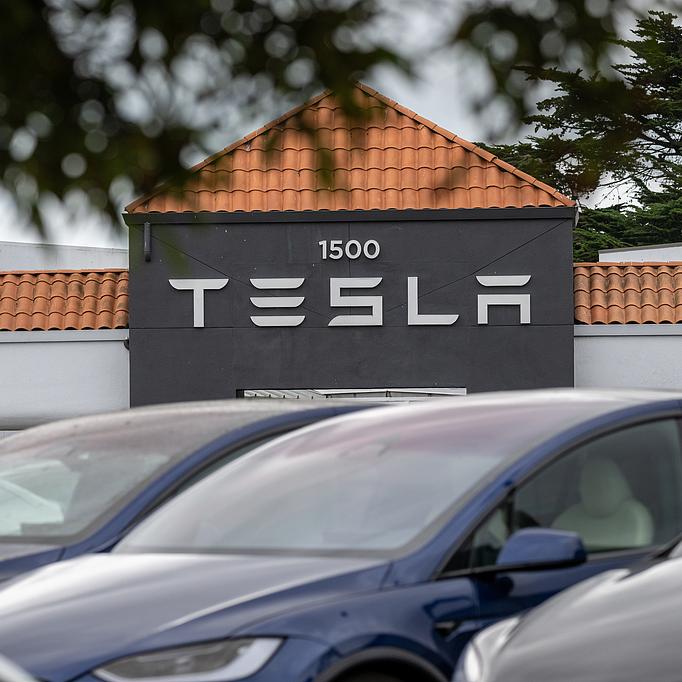
特斯拉正在加速摆脱由中国制造的零部件。
Tesla is accelerating its shift away from components made in China.
据报道,这家美国汽车制造商正要求其供应商在未来一两年内,为在美国生产的汽车消除中国制造的汽车零部件。
The US automaker is reportedly requiring its suppliers to eliminate China made auto parts for cars built in The United States within the next year or two.
所以一起来聊聊这个话题吧。
So join me for a chat on this topic.
严亮,美国威尔海希大学经济学教授。
Yan Liang, professor of economics, Wilhelmich University of the United States.
沃里克·鲍威尔,澳大利亚昆士兰科技大学兼职教授。
Warwick Powell, adjunct professor, Queensland University of Technology Australia.
约瑟夫·西拉库萨,澳大利亚科廷大学全球未来学教授。
And Joseph Siracusa, professor of global futures, Curtin University, also Australia.
热烈欢迎各位教授。
A warm welcome to you all, professors.
首先,我想问大家一个直觉性的问题。
So first things first, a gut question for you all.
特斯拉的使命可能实现吗?
Is Tesla's mission possible?
是或否?
Yes or no?
约瑟夫,我们能从你开始吗?
Joseph, can we begin with you?
我认为不可能将中国这个世界上最大的经济体之一与美国这个世界第二大经济体脱钩。
I think it's impossible to decouple the Chinese economy, which is one of the biggest in the world with The United States, which is the second biggest in the world.
不。
No.
这是不可能的。
It's not possible.
好的。
Okay.
谢谢。
Thanks.
那华威呢?
And Warwick?
不。
No.
好吧。
Alright.
我们有两个否决票。
We got two no's.
严,你的看法是什么?
And Yan, what's your view?
如果非要用一个词回答,那就是否;如果可以有两个词,我会说极不可能。
If I have to say in one word no, if I could have two words, I would say highly unlikely.
好的。
Okay.
谢谢你的分享。
Thanks for that.
我们稍后会对此做更详细的讨论。
And we'll have a more elaboration on that later on.
但让我们转向时机问题。
But let's turn to the timing.
特斯拉实际上长期以来一直依赖中国的供应链。
Tesla has actually long relied on China's supply chain.
但为什么它现在突然要求供应商在两年内移除所有中国制造的零部件?
Yet why is it suddenly demanding suppliers remove all China made components within two years?
嗯,我认为,道格,这并不是第一次了。
Well, I think, Doug, this is not the first time.
对吧?
Right?
我认为在拜登政府时期,为了有资格获得政府补贴,也就是联邦政府提供的7500美元购车补贴,
I think during Biden's time to be eligible to the government subsidies, right, the $7,500 of buyer subsidies from the federal government.
还有一些州级补贴。
And then there are some state subsidies.
特斯拉已经开始了所谓的‘去一体化’操作,对吧?
Tesla already started to do that to so called disunification, right?
他们希望减少对中国零部件的依赖,以符合资格,因为规定要求电动车的零部件和组件中来自中国的比例不得超过50%。
That they wanted to reduce the reliance on China's components to be eligible because the criteria is that the EVs needs to have less than 50% of their parts and components that are, you know, sourced from China.
所以我认为,从那时起,特斯拉就已经开始尝试本地化这些原材料来源。
So I think from there, Tesla already started to try to, you know, localize so called the the sources.
而现在,我认为地缘政治因素、潜在的关税,以及中国可能将供应链武器化,这些可能是特斯拉这样做的原因。
And then now I think the just the geopolitical, I think some sort of tensions, the potential of tariff, and also the sort of so called weaponization of supply chain by China.
我认为这些正是特斯拉这样做的原因。
I think those are probably the reasons for why Tesla is doing it.
但与此同时,我认为很多时候,这可能只是向一级供应商传递一个信号,要求他们将中国零部件从供应链中剔除。
But at the same time, I think a lot of times this could be also just a gesture to tell the first tier suppliers that they should cut the China parts out of the supply chain.
但对于二级、三级乃至更低层级的供应商来说,他们几乎不可能真正脱离中国的供应链,尤其是对于许多电池矿物等材料而言。
But for the tier two, tier three, and even lower tiers of suppliers, I think there's really very, very unlikely that they're going to really turn against, you know, China supply chain, especially for a lot of these battery minerals and so on and so forth.
中国在这些领域确实拥有绝对主导地位。
China really has the complete dominance.
例如,在电池用优质石墨方面,中国占据了93%的加工产能,还有一些稀土元素也会进入电动汽车中。
For example, the graphite, when it comes to the batteries quality graphite, China accounts for 93% of the processing capacity and also some of the rare earths that would find their way to the EVs.
同样,中国在这些领域的加工能力几乎处于垄断地位。
Again, China has the monopoly kind of processing capacity in those areas.
所以,在那个时间段内,这种情况几乎不可能发生。
So it's it's very highly unlikely, at least in that time period.
我们说的是一两年的时间。
We're talking about one or two years.
这几乎是不可能完成的任务。
That is almost mission impossible.
好的。
Okay.
你几乎已经回答了所有问题。
You've almost answered them all.
对。
Right.
可能对约瑟夫来说。
To Joseph, maybe.
所以严刚刚提到,那里存在外部的地缘政治压力。
So Yan just mentioned that there is external geopolitical pressure there.
那么,特斯拉在多大程度上是在为2026年中期选举后特朗普政府可能采取的更激进的美国贸易政策做准备?
So to what extent is actually Tesla acting in anticipation of potentially more aggressive, US trade policies under a Trump administration after the twenty twenty six midterms.
据你所知,美国政府或国会是否存在非正式的压力?
Is there, like, informal pressure from the US government or congress to your knowledge?
我认为这些决定都是基于政治考量的。
I think all these decisions are politically based.
我认为特斯拉试图限制中国供应链——即汽车零部件——这种做法,无非是对特朗普政府的一种荒谬的讨好,意在表明:看,
I regard Tesla's attempt to restrict Chinese, supply chain here that is component parts in this automobile as sort of a a grotesque genuflection to the Trump administration to say that, look.
我们正在努力配合。
We're doing our bid.
我的意思是,这根本行不通。
I mean, it's not gonna work.
通用汽车也在尝试。
General Motors is trying.
这根本行不通。
This is not gonna work.
我年纪大到还记得,当年美国的每一台电视机都是在美国制造的。
I I'm old enough to remember when every television in The United States every television in The United States is made in The United States.
到了1970年,美国已经没有一台电视机是本土制造的,这有其原因。
And by 1970, no television was made in The United States for a reason.
这是因为全球经济以及各国不同的能力和技能共同推动了全球化的生产体系。
It is because of the global economy and the various ability and skills of other nations that contribute to a global economy.
所有这些问题的麻烦在于,反全球化在华盛顿催生了一种愚蠢的思维。
The trouble with all this is this anti globalization has created the kind of this mindlessness in Washington.
我的意思是,那些身居高位的人根本不知道自己在做什么。
And I mean people in high places don't have a a clue about what they're doing.
我这一生一直在争论这一点。
And I have been arguing in my whole life.
我有着长达五十三年的漫长职业生涯和学术生涯。
I have a long career and academic life, fifty three years.
我一直以来都反对制裁和关税,因为它们只会滋生敌意。
And I've been arguing against sanctions and tariffs because they breed ill will.
它们毒害了外国经济政策和外交,还带来了这种荒谬的结局。
They poison foreign economic policy and diplomacy, and they have this kind of nonsense endings.
你知道,如果中国把工厂搬到墨西哥,不再从中国采购,而是从墨西哥或可能从加拿大采购,特斯拉会很高兴。
You know, I I understand that, Tesla would be happy if China took a factory and went to Mexico, so it's not sourced from China anymore, but from Mexico or maybe Canada.
你看,我们现在谈的都是胡话。
You see, now we're talking nonsense.
但我认为这是埃隆·马斯克个人的决定,他在推动这件事。
But I think this is a personal decision by Elon Musk to push this.
他并不是一个出色的政治思想家,但他正试图向唐纳德·特朗普靠拢,而后者深受一种极其原始的经济民族主义驱动。
And, you know, he's not a great political thinker, but he is trying to sidle up to Donald Trump who has a is kind of motivated or informed by a very primitive economic nationalism.
这并不太奏效,但你知道,它能迎合他的基本支持者。
It doesn't work very well, but, you know, it plays to his base.
当然,今天埃隆·马斯克又回到了白宫。
And, of course, today, Elon Musk is back in the White House.
他正与沙特阿拉伯的领导人一同出席一场聚会。
He's part of a party with the leader of Saudi Arabia.
他又回到了特朗普的阵营。
He's back in the the Trump fold.
所以,当他想坐下来与特朗普及其MAGA内阁成员会谈时,他就会做这种事来巩固自己的可信度。
So this is the kind of thing he does to sort of burnish his bona fides when he wants to sit down at the table with Trump and his MAGA secretaries.
你说这是个人决定,但有些人认为,考虑到特斯拉的销量下滑,尤其是在中国市场,其市场份额已从9月的近9%降至10月的约3%。
You said it's a personal decision, but some people are saying maybe, you know, given Tesla's declining sales, especially on the Chinese market, its market share has fallen to around 3%, recently in October from nearly 9% in September.
那么,沃里克,这一决定或去中国化,是否也是为了将业务挑战归咎于他人或管理投资者预期呢?
Now Warwick, is this decision or desynicization also a way to shift blame for business challenges or manage investor expectations then?
嗯,我仍然……抱歉。
Well, I'm still the I'm sorry.
你请说。
Go ahead.
听好了,严和约瑟夫,我认为你们都触及了一些关键的宏观层面。
Look, both Yan and Joseph, I think touched on some of the key macro dimensions.
而且你也提到了,特斯拉的销量下滑不仅发生在中国,实际上在全球范围内都在发生。
And you have met also touched on the fact that Tesla itself is experiencing declining sales, not just in China actually, but globally.
由于各种原因,特斯拉在全球范围内的业务面临巨大压力,正试图讨好美国政府,希望获得财政和其他支持,以帮助缓解其在全球其他市场销量下滑和收入压力。
It's under significant pressure in terms of its global footprint for various reasons and is seeking, I think, curry favor with the American administration with the hopes that it will be able to gain financial and other favor, which would assist Tesla to mitigate some of its sales volume declines and declining and revenue pressures elsewhere in the global market.
如果你仔细查看一辆特斯拉汽车,拆解其零部件、零部件的组成部件以及构成这些子部件的原材料,你会发现特斯拉汽车的物料清单价值中,近75%依赖于与中国生产相关的环节。
If you looked at a Tesla motor vehicle and you broke down that vehicle in terms of the component parts and the component parts that make up the component parts and the raw materials that then feed into the sub component parts, you will actually find that close to 75% of bill of material value in a Tesla vehicle is dependent on something to do with Chinese production.
这些现实是无法回避的。
There is no avoiding these realities.
我认为,所谓减少依赖的说法只是政治上的遮羞布,其本质是政治作秀;但在实际操作中,特斯拉会通过让更多的部件看似在某一地区生产,来模糊现实——而实际上,大部分子部件仍来自其他地方。
And I think the talk of reducing dependency is an administrative fig leaf, which is the politics of it, but in practical terms it will seek to fudge the reality by perhaps having more things appear to be made in one jurisdiction when in fact most of the subcomponent parts come from elsewhere.
这对特斯拉来说是一个极其困难的问题。
This is a very, very difficult problem for Tesla.
它此前建立的商业模式完全依赖于中国的供应链、生产体系和专业知识。
It had built a business model around Chinese supply chains and Chinese production ecosystems and know how.
如今,它正面临全球性的竞争压力,而这种压力在六七年前它根本无法预料。
It is now confronting global competitive pressures that I suspect six, seven years ago, it simply did not anticipate.
而现在,它身处一个政治氛围浓厚的环境,既需要美国政府的政治支持,又必须保留其现有供应链所带来的经济竞争力。
And is now in a politically charged environment where it needs the political support of the American administration, whilst at the same time, it needs to preserve what economic competitiveness it gets from having these supply chain linkages that it currently does.
说实话,这真是个糟糕的处境。
It's a terrible position to be in, frankly.
而且我不确定它的创始人是否最适合应对这些困难。
And I mean, I'm not sure that its founder is necessarily the best placed person to navigate these difficulties.
但它必须先采取一些行动,对吧?
But it has to make some move first, right?
来多元化它的采购来源。
To diversify its sourcing places.
理论上,是的。
Well, in theory, yes.
如果它想实现这个特定目标的话。
If it wants to achieve this particular objective.
别忘了,多元化本身并不是一种经济或商业策略。
Let's not forget that diversification in and of itself is not an economic or a business strategy.
有人可能会说,多元化是一种风险缓解手段。
It could be argued that diversification is risk mitigation.
拥有多个供应来源可以使你缓冲供应链网络不同部分的任何波动。
Having multiple supply sources enables you to cushion any ups and downs from different parts of the supply chain network.
但到目前为止,关于多样化的讨论完全是政治性的。
But so far, the talk of diversification is entirely political.
这意味着,从经济、商业和成本控制的角度来看,多样化很可能会失败,或导致显著的不经济,无论是通过整合不良,还是新上游供应商与下游需求之间的协调不一致。
And that means that from an economic and a business and a cost control point of view, there is every likelihood that diversification will either fail or lead to significant diseconomies, whether it is through poor integration, misaligned coordination between new upstream suppliers and downstream requirements.
事实上,它将面临替代上游市场的物理限制,这些市场根本未准备好应对任何新的大规模需求增长。
And in fact, it will come up against physical constraints in alternative upstream markets that simply have not been set up to cater for any new high volume demand growth.
这不是一件容易改变的事情。
This is not an easy thing to change.
没错。
Right.
也许从理论上讲,如果一切顺利,你可以在七到十年内实现这一点。
Maybe it's something in theory that you could accomplish in seven to ten years if everything goes right for you.
但这些供应链是在过去三到四十年间以有机方式形成的。
But these supply chains emerged in an organic fashion over the course of the last thirty to forty years.
指望靠当下的政治风向打个响指,就能逆转三四十年持续优化、适应和积累的经验,这根本是不切实际的。
Clicking your fingers because of the political flavor of the day in the hopes that somehow you can unwind thirty to forty years of continual optimization, adaptation and learning is simply not a realistic proposition.
好的。
Okay.
约瑟夫,你刚才说啥?
Joseph, you were saying?
我想说的是,特斯拉和通用汽车一样,正试图减少对中国的供应链依赖,或者说减轻对它们的债务负担。
Well, I was gonna say that, I I think Tesla, like General Motors, is trying to, sort of reduce its dependency or it's kind of, the debt it owes to the Chinese supply chains.
这种情况从新冠疫情以来就一直在进行,不只是这里的政治因素。
This has been going on since COVID, not just a political thing here.
我认为他们正在努力做某些事情,以便获得一些原本无法掌控的主动权,因为在这样一个国际经济环境中,要完全掌控一切真的很难。
And I think they're they're trying to do certain things so that they could have control that they may not have control because in a an economy like this, an international economy, it's really hard to have control over everything.
但他们正试图掌握一定的主动权,能够随时开关控制。
But they're trying to have some control, and they're trying to be able to turn it on and off.
他们试图增强韧性,而不仅仅考虑最便宜的选择。
They're trying to have some resiliency without just thinking about the cheapest option.
换句话说,他们正试图同时做很多事情。
In other words, they're trying to do a whole bunch of things at once.
请记住,我多年前曾是纽约美林证券的一名股票经纪人。
And keep in mind the and I'm gonna put on my my stock market had a you know, many years ago, was a stockbroker from Merrill Lynch in New York.
我可以告诉你们,你们的两位嘉宾都已经知道,美国的商业经济厌恶不确定性,以及政治这类因素。
And I can tell you what both your guests already know that the business economy in America abhors uncertainty, and politics and that kind of thing.
因此,许多公司正在尝试玩一种他们无法玩的游戏。
And so a lot of these companies are trying to play a game that they can't play.
我的意思是,他们已经着手减少对最便宜、最优部件的依赖。
I mean, they've engaged in reducing dependency on the cheapest best parts.
我的意思是,如果我们能暂时把政治抛开十分钟,我们就会回到原来的状态。
I mean, if we we blocked out politics for ten minutes, we'd go back to where we were.
但我认为,通用汽车甚至马斯克都无法真正做出绝对的决定,因为正如之前提到的,当涉及到二级和三级供应商时,他们不会采取这种行动,因为这会让他们亏钱。
But I I don't think, General Motors or even, Musk can actually get, absolute, decision on this because when you get down as, as has been mentioned, the tier two and tier three suppliers, they're not gonna be making this kind of move because, it's gonna cost them money.
但你说得对。
But you're right.
你知道,这其实是一个有机的过程,最初以某种方式开始,就像把一个活体动物拆开,试图拼出一个更好的版本。
You know, they works right about the this is an organic process that began a certain way, and it's it's sort of like taking a live animal apart and trying to make a better one.
我的意思是,事情并不是这样运作的,它本来就是有机发展的。
I mean, it doesn't work that way and it is organic.
我认为,一旦你把政治因素引入商业计划等事项中,你可能会收获大量热情的支持者,尤其是美国的军工复合体。
And I I think soon as you introduce politics into the business plan, etcetera, you may have a lot of enthusiastic cheerleaders, particularly, you know, the military industrial complex in America.
只要你一提到中国这个词,美国某些股票就开始上涨,因为人们对军工产业有巨大的投入。
As soon as you mentioned the word China, you can start buying certain stocks in The United States because of the the large commitment to the military industrial community.
问题是,这根本行不通。
The thing is it it just doesn't work right.
美国人非常喜欢中国的运动鞋、电脑、电视等等。
Americans like very much Chinese sneakers and computers, televisions, you know.
如果你开始把这些零部件加到这些产品上,人们是不会愿意为此多付一倍价钱的。
And if you started to put, these kinds of components on these things, they're not gonna pay twice as much for this.
我不知道特斯拉在中国遇到的问题是什么,但我觉得埃隆·马斯克并没有花多少心思去思考他的中国市场。
And, I don't know what Tesla's problems are in China except, I don't think, Elon Musk has spent much attention thinking about his Chinese market.
他过多地参与了美国国内政治,也过多地卷入了太空竞赛。
And he's been too much involved in American domestic politics, too much involved in the space race.
我的意思是,我认为他的注意力并没有放在应该在的地方。
I mean, I don't think he has his head in the same where where it should be.
所以那里的情况可能有一些特殊条件。
So there might be very special conditions about what's going on there.
但在美国进行经济和政治竞争,这是一项非常难以延续的壮举。
But this idea of trying to compete economically and politically in The United States, it's a very difficult act to follow.
聊天室。
The chat lounge.
聊天室剖析各种观点和意见。
The chat lounge unpacks views and opinions on
你提到了通用汽车。
You mentioned General Motors.
对于这些公司来说,有时很难抵抗来自政府,尤其是来自政府的压力。
Sometimes it's quite hard for those companies to resist some pressure from especially from the government.
但是,严,正如约瑟夫提到的,通用汽车实际上指令其数千家供应商在2027年前彻底淘汰所有中国制造的零部件。
But, Yan, like Joseph mentioned, General Motors actually instructed its thousands of suppliers to eliminate all China made parts by 2027.
我不确定其他汽车制造商,比如福特,是否也有同样的计划。
I'm not sure about other automakers like Ford if it's also got the same plan.
这是否表明美国汽车制造商正在朝着一种统一的‘无中国’供应链战略靠拢?
Does this suggest US automakers are converging on a, like, a unified China free supply chain strategy?
嗯,我认为我们需要做一个区分。
Well, I think we have to make a distinction.
我认为,即使是特斯拉,他们也提到要更多地采用本地采购。
I think even for Tesla, right, that they talked about being more locally sourced.
但这其中有两个前提条件。
There are two caveats to that.
一是他们实际上是在要求一些供应商将部分生产转移或在墨西哥等国家开设新的工厂。
One is that they literally basically telling some of their suppliers to move some of the productions or open up some, you know, foreign shops in countries like Mexico, for instance.
对吧?
Right?
所以,他们实际上的意思是,由于政治压力,我们必须剔除这些中国制造的零部件。
So essentially what they say is, you know, we, again, because of the political pressure, we have to cut out these sort of made in China components.
但事实并非如此。
But it really, it's not that.
对吧?
Right?
我的意思是,其实是中国的制造商将部分生产转移到了墨西哥等地。
I mean, it's the Chinese makers that move part of the production to, let's say, Mexico.
那么,你怎么能说这不再是中文零部件呢?
And so how do you define that as not Chinese components?
我想之前有人提过这个问题。
And I think that there was some kind of question about that.
对吧?
Right?
这其实是一种规避手段,当你看特斯拉时,他们正是试图绕过这种基于地理位置的来源限制。
Which is, I think it's a kind of a lubeo that essentially when you look at Tesla, that's what they trying to circumvent sort of this kind of locational based, right, in terms of the source.
但这项技术来自中国。
But the technology is through Chinese.
对吧?
Right?
宁德时代的电池,不仅仅是在中国生产的。
The CATL batteries, they're not just, you know, made in China.
它们现在在全球各地开设工厂。
They're now opening shops all over the world.
对吧?
Right?
你在匈牙利、泰国、墨西哥都有。
You have in Hungary, you have in Thailand, you have in Mexico.
所以某种程度上,这不过是利用所谓的‘去中国化’供应链时玩弄区域规则罢了。
So in a way, think that is just playing those kinds of great zone when it comes to the so called cut China out of the supply chain.
这是第一点。
That's number one.
第二点是,我们知道这些公司,比如通用汽车或特斯拉,很可能采用这种双轨制。正如我们所知,特斯拉上海超级工厂的产量一夜之间就达到了10万辆,几乎相当于其在美国的两家工厂产量之和。
Number two is we know that it's very likely potentially for these companies, GM or Tesla, they seem to likely to develop this kind of two track system where, as we know, Tesla's Shanghai Gigafactory, it accounts for overnight 100,000 units, which is pretty much the number combined for the two its factories in The United States.
对吧?
Right?
一家在加利福尼亚,一家在德克萨斯州奥斯汀。
One in, California, one in Austin, Texas.
所以这两家工厂的总产量与上海超级工厂的产量大致相当。
So those two factories combined produce about the same amount of cars as the Shanghai Gigafactory.
你猜怎么着?
And guess what?
在上海,它们的本地化率达到了95%。
In Shanghai, they have 95% of localization rate.
它们在中国拥有超过400家供应商为上海超级工厂供货,其中60家供应商还同时为特斯拉的全球生产提供零部件。
They have over 400 suppliers in China to supply their Shanghai Gigafactory, and 60 out of those 400, they actually supply to Tesla's global production.
所以,我的感觉是,特斯拉希望与这些供应商合作,尤其是在上海,同时也为其美国工厂服务。
So, again, my sense is that Tesla wanted to work with these suppliers, especially in Shanghai and for its American ones.
他们不会完全切断与中国供应商的合作,但可能会以某种方式请求——我不知道该用什么词——要求这些供应商在墨西哥或其他地方设立子公司,如果他们已经这么做了的话。
They're not gonna cut really China suppliers out, but they will, I don't know what would be the right word, plea to request, right, some of these suppliers to open subsidiaries in in Mexico or elsewhere, right, if they have already done so.
所以我认为,这才是他们所谓‘将中国排除出供应链’的真正做法。
So I think this is the way for them to go about the so called cut China out of supply chain.
但再次强调,这仍然是一个非常昂贵的方案,因为中国的供应链非常完整。
Now, again, that is still a very costly proposition because China's supply chain is so complete.
它高度一体化。
It's so integrated.
仍然具有巨大的成本优势。
It still has tremendous amount of cost effectiveness.
所以即使中国电池制造商迁往墨西哥,特斯拉也能从墨西哥采购,成本依然很高。
So even if a Chinese battery makers move to Mexico and Tesla is able to source from Mexico, that's still as to cost.
我认为这正是问题所在:如今特斯拉的市场份额正在下滑。
And I think that is really the problem where, you know, Tesla right now, you know, the market share is declining.
在美国市场,特斯拉在全球总销量中的份额约为35%。
The US market share when it comes to its global total sales, it's about 35%.
换句话说,如果采用这种双轨制,特斯拉在美国的市场份额可能还会继续下滑,因为现在为这个市场提供产品对特斯拉来说成本会更高。
So in other words, if it were to develop this two track system, then its US market share could still continue to decline because now things are going to be more expensive for Tesla, right, to serve that market.
所以我认为他们可能希望获得某种政治支持。
And so I think they may want it to sort of have some kind of political support.
他们可能希望在本土市场上做一些不同的尝试,但这改变不了一个事实:他们65%的销量来自美国以外的市场,而这些销量高度依赖上海超级工厂和中国供应链。
They may want it to kind of trying to do things differently a bit on the domestic market, but it doesn't change the fact is that, you know, 65% of their sales are outside of The US market, and that relies very much on the the Shanghai Gigafactory and also the Chinese supplies.
因此,当你思考所谓的多元化战略时,这些都只是需要警惕的限制条件——这种战略试图在美国市场内周旋,并做出一些减少中国零部件的表面姿态。
So I think all these are caveats when you think about really the so called diversification strategy, right, that is trying to maneuver within The US market and made some gesture to cut the May in China components.
但归根结底,当你真正考虑这种转变时,我觉得这更多是虚张声势,而非实质行动。
But the end of the day, I think it's really a lot more smoke than actual fire when you think about the shift.
对。
Right.
吴,你认为正如严所说,特斯拉要做到这一点,唯一的办法是彻底剔除所有在中国制造的零部件吗?
And, Wu, do you think it's like Yan just said, the only way for Tesla to do this is to maybe they can cut out all made in China, the physically made in China components.
但对于那些在海外设厂、由中国资本投资生产的部件,他们就会说,这不是中国制造,是被允许的。
But for those made in factories invested in China overseas, they will just say, it's not made in China, it's allowed.
这是唯一的方法吗?
Is it the only way to do this?
这个过程会如何发生?
And how would this process happen?
在这种体系中,规则越多,企业就越会利用监管套利,表面上合规,却降低变革成本。
Well, the more rules that get created in these sorts of systems, the more regulatory arbitrage is entered into by companies that seek to comply on the surface but reduce the costs of change.
在涉及供应链组件原产地的问题上,最大的争议在于原产地认定和标签的合规性。
When it comes to these issues around the origins of supply chain components, the biggest issue revolves around the compliance on country of origin determination and labeling.
我敢保证,原产地的定义将是一个模糊不清的问题,这将为特斯拉等公司提供空间,使其在名义上尽可能合规,同时实际上并不做太大改变。
Guarantee you that how country of origin will be defined will be a slippery proposition and that will give room for companies like Tesla to notionally comply to the extent that they can, whilst at the same time fundamentally not changing too much.
它们根本负担不起这样的变革,更不可能快速实现这种改变。
They simply can't afford to make the change and certainly can't actually achieve the change quickly.
无论你投入多少钱解决这些问题,物理限制、上游能力、以及具备足够产能和财力来扩大或提升生产以满足新客户需求的企业,都无法迅速到位。
Doesn't matter how much money you throw at some of these problems, the physical constraints, the upstream capabilities, the availability of enterprises with sufficient capacity plus financial capability to expand or augment their production to meet new customer requirements simply doesn't materialise quickly.
这一切都像是政治作秀,而非反映真正的运营需求或企业经济现实。
And all of this smacks of politicking and very little of this reflects fundamental operational requirements or enterprise economics.
是的。
Yes.
正如严刚才提到的,如果特斯拉使用美国制造的零部件,其成本可能会大幅上升。
Like Yan just mentioned, if Tesla use components made in The US, it could raise Tesla's costs by a lot.
但是,严,你有没有估算过,如果特斯拉从生产线上剔除中国制造的零部件,其汽车成本会增加多少?
But, Yan, did you have any estimation that, how much would Tesla cars, cost or how much would its cost rise if it cuts, China made components out of its production line?
我认为我的比较基准是特斯拉在上海超级工厂生产的车型与在美国生产的车型。
Well, I think my basis of comparison is, again, the cars Tesla made in in Shanghai, right, in the Gigafactory versus in The US.
所以我认为他们掌握的数据是2024年的。
And so I think the data they have, was back in 2024.
你知道,上海生产的特斯拉Model 3平均价格是3.3万美元,而在美国则是4.8万美元。
You know, an average price for those Tesla models, three, is 33,000 in Shanghai, whereas in in, The US is 48,000.
因此,价格差异在30%以上不等。
So anywhere between, you know, 30 or above, differentials is the the price differences.
对吧?
Right?
所以,即使生产从中国转移到墨西哥,也不会像在美国本土市场那样昂贵,但我认为这仍然会增加相当大的成本。
So even if, let's say, the production moves from China to Mexico, not exactly same as expensive as in The United States domestic market, I think that's to add substantial amount of of cost.
而且我认为,我们还需要以更动态的眼光来看待这个问题,因为目前我们知道,美国在采用电动汽车方面非常缓慢。
And I think, you know, we also need to look at this in a more dynamic way because right now, we know that The US is is very slow in adopting EVs.
当你看看其他国家,中国现在的新车销量中,电动汽车占比已超过50%,欧洲也在迅速追赶。
When you look around other countries, China now is over 50% of its new car sales are in EVs, and Europe is also catching up really quickly.
美国今年在新车销量中电动汽车的渗透率可能将低于10%。
The US's, you know, adoption of EVs in new car sales this year is probably gonna be less than 10%.
而且在其他国家,我认为电动汽车与燃油车之间的价格差距也在迅速缩小。
And now and also in other countries, I think the price gap between EVs and their internal combustion cars, they're they're also quickly narrowing.
对吧?
Right?
中国已经实现逆转。
China is already flip.
电动汽车的平均价格实际上已经低于燃油车的价格。
The the EVs average price is actually cheaper than ICE prices.
在欧洲,价格差距也在迅速缩小,部分原因是有很多中国的插电式混合动力车帮助降低了新能源汽车的价格。
In Europe, they're also quickly shrinking partly because, you know, there are so many Chinese plugging hybrids that help to bring down the NEV prices.
但美国并没有出现这种情况。
But The US is is not seeing that.
美国过去一直认为新能源汽车的价格要高得多。
The US used to see the NEV's price are much higher.
对吧?
Right?
电动汽车的平均价格为6万美元,而传统燃油车为4.6万美元。
60 k on average for EVs versus 46 k for the traditional, you know, internal combustion cars.
所以我想说的是,价格差异对消费者采用电动汽车至关重要。
So what I'm trying to say is that the price increase matters for consumers' adoption of EV.
因此,消费者因价格差异而不愿采用电动汽车的程度越低。
And so the less that the consumers are willing to adopt EV because of the price differentials.
我们讨论的是不断扩大的价格差异。
And we're talking about rising price differentials.
对吧?
Right?
因此这将进一步抑制消费者对电动汽车的采纳。
And so that would further disincentivize the EV adoption by consumers.
因此,电动汽车的市场份额必然会进一步缩小,或者至少不会在生产规模上增加。
And so that inevitably is going to shrink even more, the market share of of EVs or at least not, you know, increasing, in terms of a scale of production.
所以这将导致未来的生产成本更高,对吧?
So that would lead to even more costly, right, production down the road.
所以这并不是一个静态问题,仿佛价格只需调整一次就完了。
So it's not a static problem that as if, you know, one time there's a price adjustment.
我认为这种循环——越贵、采纳越少、成本就更高——很容易就会形成。
I think the kinds of cycle, right, the downward cycle, the more expensive, the fewer adoption, then even, you know, more costly and and so on and so forth, that could easily, you know, materialize.
所以我认为,从更大的格局来看,这确实是个大问题。
So I think that is really a a big problem when we think about the bigger scheme of of things.
但另一方面,你认为美国政府或政策制定者会接受来自墨西哥或越南的、由中国资助的工厂生产的产品吗?还是会让情况变得更糟?
But on the other side, do you think the US government or or those policymakers would accept that it source from other places like Mexico or Vietnam from China funded factories would, you know, fit into the political demand from the government, or would that make make things worse?
嗯,我认为我同意斯瓦里克的观点,这种国家或地区层面的监管非常难以执行。
Well, I think I agree with Swarwick that this whole, you know, countries or region kinds of regulations, it's it's very difficult to enforce.
由于《美墨加协定》,也就是北美与墨西哥的贸易协议,他们要求汽车生产的本地化率达到75%,才能有资格享受关税优惠。
And because of the USNCA, right, this North American and Mexico's trade deal, they wanted to have the localization of their auto productions to 75% for their to be able to eligible to the tariff benefits.
所以我认为中国车企在墨西哥已经是一个现实。
So I think Chinese car companies in Mexico, it's already a reality.
对吧?
Right?
我的意思是,墨西哥销售的新车中,每四辆就有一辆是中国车。
I mean, one in four new cars sold in Mexico is Chinese car.
那么,他们到底能在多大程度上真正执行这种国家或区域规则呢?
So to what extent they can really enforce that country of regional rule.
对吧?
Right?
此外,对于二级、三级供应商,需要达到多高的本地化率才算合格?
And also how much is sort of the localization rate you need to get for those second tier, third tier suppliers?
我觉得这真的不明确。
I think that is really unclear.
对吧?
Right?
所以这 definitely 是一个灰色地带。
So that is definitely the gray zone.
换句话说,如果是一家中国公司,但它们能在墨西哥本地采购50%的材料,这足够吗?
So in other words, if it's a Chinese company, but they're able to source 50% of their materials locally in Mexico, would that be sufficient?
对吧?
Right?
还是必须达到75%?
Or it has to be 75%.
所以我觉得这里有各种各样的复杂性。
So I think there are all these complications.
而且这里关键的是,还有一些核心技术。
And also the key is here also that there's some core technologies.
对吧?
Right?
这些汽车制造商或墨西哥的工厂仍然需要从中国进口一些核心零部件。
There's some core components that these car makers or factory makers in in Mexico, they still have to import from China.
所以我认为,问题不在于数量,而在于什么是关键瓶颈,什么是真正不可或缺的——尤其是当涉及到中国的技术、产品和服务时。
So I think it's sometimes it's not in terms of the quantity, but really when it comes to what is the choke point and what is really indispensable, right, when it comes to Chinese technologies, its products, and its services that come in.
这比简单地说‘我希望这三国的本地企业生产这么多美元产值,且75%的零部件在当地采购’要复杂得多。
It's a much, much more complicated question than simply to say, dollar wise, I want this much dollar made in these three countries by the local firms that have, again, 75% of the components sourced locally.
我认为这种定位非常困难,执行起来也很困难,而且实际上并没有帮助这些公司或美国汽车工业。
I think that is very difficult to position and very difficult to enforce, and it's not really helping any of these companies or The US auto industries.
这里是聊天室。
This has been the chat lounge.
接下来,看看去敏感化趋势如何影响美国汽车制造商的全球优势。
Up next, check out how the push for desensitization may affect US automakers' global edge.
别走开。
Don't go away.
《中国儿童故事》是爱迪丝·伊顿创作的一部童话与寓言集,她是二十世纪初最早的亚裔美国女性作家之一。
Tales of Chinese Children is a collection of fairy tales and fables written by Edith Eaton, one of the first Asian American women writers from the turn of the twentieth century.
爱迪丝关注那些被珍视的孩子,他们是最甜蜜的礼物。
Edith focused on children who were treasured They are the sweetest gift of all.
迷失了
Lost
离我远点。
Get away from me.
离我远点。
Get away from me.
或被误解了:我的孩子,你妹妹体内的邪灵几乎让你离我而去。
Or misunderstood My son, the evil spirit in your sister had almost lost you to me.
在复杂的大人世界中,还有更多。
In the complicated adult world and much more.
在 radio.cgtn.com 以及所有主要播客平台搜索《探索书籍与更远》。
Search for Books and Beyond on radio.cgtn.com and all major podcast platforms.
深入一段音频之旅,让声音在你周围和上方萦绕,带来震撼的沉浸感。
To delve into an audio journey which allows the sound to linger around and above you for stunning realism.
欢迎回到聊天室。
Welcome back to the chat lounge.
我们继续讨论特斯拉为摆脱对中国依赖而做出的新汽车赌注。
We continue our chat on Tesla's new auto gamble to drive without China.
早在这一消息曝光之前,特斯拉就已经要求供应商减少对中国零部件的依赖。
Tesla has asked its suppliers to diversify away from Chinese components long before this news was broken.
现在,它决定进一步推进这一行动或计划,无论你怎么称呼它。
Now it decided to push further this campaign or this plan, whatever you call it.
那么,约瑟夫,你认为这对特斯拉在北美市场的短期和长期影响会是什么?
Then, Joseph, what do you think the short term and long term impact would this have for Tesla in North America?
嗯,我认为这会影响股东。
Well, I I think it's gonna affect, stockholders.
我的意思是,基于目前的情况,我无法心安理得地推荐特斯拉。
I mean, I I couldn't, in good conscience recommend Tesla tomorrow because of what's going on right now.
我的意思是,我知道他们一直在努力多元化,也在试图加强供应链。
I mean, I know they've been trying to diversify and they're trying to, shore up their supply chains.
但归根结底,这关乎经济。
But, you know, you're at the end of the day, it's economic.
而不是政治。
It's not politics.
水往低处流。
Water seeks its own level.
明白吗?
Okay?
一旦他们谈到了去风险化、脱钩等等,这些事情都会融入到你从世界各地采购的零部件中,最终还是会流向那里。
Once they've talked about derisking and decoupling and all the rest of it, These are things that fit in in your whatever you're building from across the world are gonna go there.
我想对我们的嘉宾说一下,几年前我参加过澳大利亚的奥瓦隆空军基地航展,他们展示了所有的F-35战机。
I I wanna just say to our guests, I attended an air show in Australia a couple years ago, the Avalon Air Force Base, and they had all these f 30 fives they were showing the Australians were showing off.
在飞机飞行展示区旁边,他们设有一个展台,特别强调了35家澳大利亚中小型制造商为F-35专门设计各种零部件的贡献。
And, they had a an exhibit next to the, where the planes are flying, and it highlighted the contribution of 35 small to midsize Australian manufacturers who were able to design exclusively various components for the f 35.
这架F-35,作为一面飘扬在全球的美国国旗,竟然有35个零部件来自澳大利亚一些无人知晓的小公司,这简直让我震惊。
Kinda blew my mind that this f 35, which is sort of like a flag, an American flag all over the world, had 35 component parts coming from various parts of Australia that nobody had ever heard of.
重点是,经济因素压倒了政治因素——这可不是双关语。
And the point is is that economics trumps, no pun intended, trumps politics.
所以我认为,我们最终还是会回到经济决策上来。
So I I think we're gonna kinda get back to the economic decision.
我认为,要求你的供应商去找一个不是来自中国工厂的产品,这想法太荒谬了。
I think this idea of asking one of your suppliers to find some product that's not coming out of a Chinese factory.
我的意思是,这太疯狂了。
I mean, that's that's nuts.
这完全违背直觉。
It's counter it's counterintuitive.
我的意思是,这行不通。
I mean, it doesn't work.
所谓减少对中国供应商依赖的整个想法,实际上正是承认了脱钩根本行不通。
I mean, this whole idea of reducing dependency on Chinese suppliers is really an admission that decoupling doesn't work.
所以现在他们谈论的是降低风险。
So now they're talking about derisking.
你知道,他们并没有与中国市场脱钩。
You know, they're not divorcing from the Chinese market.
他们只是试图让这种情况对美国人更稳定,并能声称自己在这方面更安全了。
They're just trying to make it more stable for the Americans and be able to say that they're being more secure about it.
所以这实际上是一种退而求其次的策略。
So this is really kind of the the fallback position.
我认为,当唐纳德·特朗普最终离任后,下一届政府不太可能像现在这样热衷于这些要求。
I think when if Donald Trump when he finally leaves office, I I doubt the next administration is gonna be as gung ho as about these kinds of requirements.
还有,像埃隆·马斯克这样的人,他的数十亿美元财富正是源于每天早上起床时就去试探风向。
And, you know, someone like Elon Musk, he made his billions of dollars by, you know, testing the wind when he got up in the morning.
我认为,2028年之后,这些风向将会发生截然不同的变化。
And I think these winds will blow in a very different direction after 2028.
是的。
Yeah.
也许他能与美国政府建立某种亲密或紧密的关系。
Maybe he can gain some, intimacy or or closeness to the US government.
但在中国,特斯拉的这一举动对它在中国的运营影响有多大,相比沃里克呢?
But here in China, how may Tesla's move affect its operations here than Warwick?
看。
Look.
关于上海的超级工厂,我认为这根本不会对它产生太大影响。
In terms of the Gigafactory in Shanghai, I don't think it'll affect it very much at all.
它实际上是特斯拉的王牌,如果没有它,正如严先生提到的,特斯拉将无法像现在这样满足全球市场的产能需求。
It's actually the jewel in Tesla's crown, and without it, it would be as Yan mentioned, it wouldn't have the capacity to service the global market that it currently services in the way that it does.
所以我认为,上海超级工厂的实际情况不会发生根本性变化。
So I don't think it will fundamentally change what's going on in the Shanghai Gigafactory in any real terms.
至于其在中国的供应链合作伙伴,对于中国以外的工厂或组装设施,我再次重申我之前的观点,也是其他人都认同的观点:空谈容易,但供应链重组的实际行动既昂贵又困难。
Insofar as its Chinese supply chain partners are concerned for plants outside or assembly facilities outside of China, again, I repeat the point that I made earlier and the one that I think is echoed by the others and that is that talk is cheap, but real action in supply chain reconfiguration is expensive and difficult.
等到一年后的中期选举时,整个环境很可能会发生变化。
Come the midterm elections, which is twelve months away, the entire environment is likely to change.
政治格局可能会发生变化。
The political dynamics are likely to change.
但考虑到特斯拉在市场份额下降和相对竞争力减弱方面的问题,尤其是其创始人迫切希望拓展公司获取美国政府补贴和补贴渠道,这完全可以理解。
But given Tesla's problems with market share decline and diminishing relative competitiveness, it's totally understandable that its founder in particular is keen to find ways to expand the company's access to American government largesse and Synacures.
这实际上是一种填补财务缺口的方式,因为特斯拉的商业模式原本建立在它是全球独一无二的电动汽车制造商的基础上,但如今中国制造商在产品质量和价格上已经赶上并超越了特斯拉,从而削弱了这一模式。
It is really a way of plugging financial gaps that are emerging because Tesla's business model, which was premised on it being the unique standout EV manufacturer globally, has been undermined by the fact that the Chinese manufacturers caught up and overtook Tesla in terms of product quality and product price.
对。
Right.
也许它的计划或计划的可行性并不高,但其关于将制造环节移出中国的言论或叙事,可能会激怒中国政府。
Maybe its plan or the feasibility of the plan is not that high, but its talks or its narrative to move away from China made components could upset the Chinese government here.
特斯拉长期以来一直受益于中国提供的优惠政策。
Tesla has long benefited from preferential policies in China.
这种推动在美国实现去中国化运营的举动,是否会促使北京方面缩减这些优势,甚至为该公司设置一些障碍呢?
Could this push to desynosize operations in The US prompt Beijing to scale back those advantages or even introduce some hurdles for the company then?
我认为北京方面不会这么不成熟。
Think Beijing is more mature than that.
展开剩余字幕(还有 306 条)
它
It
明白目前正发生着大量的政治博弈。
understands that there is a lot of politicking going on at the moment.
但它在全球市场的总体战略上一直非常稳健。
But it has been very steady in its broad strategic approach to the global market.
那就是它力求成为房间里的成年人。
And that is that it seeks to be the adult in the room.
它正在日益开放其市场,持续提升中国整体经济体系的开放质量与标准。
It is increasingly opening up its market, continuing to raise the quality and standard of the openness of the Chinese economic system at large.
它正在改善本地和外国企业的经营环境。
It is enhancing the operating environment for companies, both local and foreign.
它致力于确保人们认识到,在当前全球充满高度不确定性和波动性的环境下,中国是一个确定、稳定、可靠的国家,是企业家和投资者可以做出长期资本承诺、在中国市场建立稳固业务的可靠之地——无论从生产角度,还是从销售与分销角度来看都是如此。
And it is seeking to ensure that people understand that in a current environment globally marked by significant levels of uncertainty and fluidity, that China is a place that is sure, stable, reliable and through that a dependable place where entrepreneurs and financiers can make long term capital commitments and develop solid businesses in the China market, both from a production point of view and also from a sales and distribution point of view as well.
因此,我无法想象北京会仓促行事。
So I can't imagine Beijing acting with undue haste.
它显然在密切关注当前局势。
It obviously is watching the circumstances closely.
它将根据特朗普政府在贸易和投资领域的战术与战略举措来调整其应对措施。
It is going to be calibrating its responses to the Trump administration's both tactical and strategic moves on the trade and investment fronts.
但我怀疑针对这些举措会有什么仓促的反应。
But I doubt that there would be any hasty reactions to any of this.
约瑟夫,你同意吗?
Joseph, you agree?
我想补充一点判断,当他说北京对此更加成熟时,这涉及外交政策和经济政策。
I I wanna, second works of judgment there, when he says that, Beijing is is more mature about this, and this goes in terms of foreign policy and economic policy.
北京总是着眼于长远。
Beijing always plays the long game.
他们不会像华盛顿或椭圆形办公室那样玩短期博弈。
They don't play the long game in the wash in Washington or in the Oval Office.
你知道的?
You know?
他们考虑的是六个月后、一年后,不管是什么时候。
They're thinking six months ahead, a year ahead, whatever it is.
所以中国拥有这种着眼于长远的优势。
So China has this this advantage of thinking about the long game.
美国人有短期优势,因为他们可以为所欲为。
Americans have short term advantage because it can do what it wants.
我认为华盛顿,我认为美国会挺过这一关。
I think Washington, I think America will kind of survive this.
还有就是美国电动汽车的未来。
And the other thing too is is the future of these cars, electrical cars in The United States.
大约有三千万到四千万美国人,不管怎样。
Are about three or 40,000,000 Americans, whatever.
我们正在回归内燃机,因为美国并没有对电动汽车表现出极大的热情。
And we're going back to the internal combustion engine because America isn't really jumping up and down about electric cars.
我的意思是,特别是在某些地区之外,农村地区的美国人并没有积极拥抱电动汽车,因为它们还没有证明自己的可靠性。
I mean, particularly outside of certain areas, the rural America is not jumping into electric cars because they they haven't proven themselves.
维修起来很困难。
It's hard to service.
我甚至不知道一辆好的电动车的残值是多少,但我认为这个市场会稍微下滑。
And I don't even know what the resale value of a good electric car is, but I think that market's gonna decline a little bit.
请记住,美国买家并不是都有充足现金。
And keep in mind that the American purchaser is not all cashed up.
70%的美国人是月光族。
70% of Americans live from paycheck to paycheck.
大约五分之二的美国人属于贫困劳动者。
About two fifths of American are working poor.
他们靠打两份工来维持生计。
They're working two jobs just to put food on the table.
美国人没有储蓄,因为世界其他地区的储蓄都流入了美国。
Americans don't have any savings because the rest of the world pours their savings in The United States.
所以,他们没有储蓄,也不会因为某天突然想拯救地球就跑去买这些昂贵的车,他们对这个已经不感兴趣了。
So, you know, they don't have the savings and think they're not gonna go out and buy these expensive cars because they decided one day they're gonna save the save the world, and they're not interested in that anymore.
嗯,在特朗普执政下不会。
Well, not under Trump.
所以,你知道,各种事情都在发生,马斯克这里出了问题。
So, you know, you got all kinds of things going on, and Musk has got a problem here.
他在国际上有一笔交易。
He's got a deal internationally.
你看,马斯克在全球化背景下操作,而像华盛顿或白宫这样的地方已经不再以全球化思维考虑问题了。
See, Musk plays the globalization game in a place like Washington or in the White House that doesn't think in terms of globalization anymore.
他们认为自己已经脱离了全球体系,但事实完全不是这样。
They think they've disengaged from the global world, and it's not true at all.
事实上,他们现在所做的一切都只是作秀。
In fact, what what they're doing now is it's about theater.
只要你在市场上为了表演目的而采取任何行动——无论你试图向人们证明自己是什么样子——我认为这都会在投资者、国际社会以及美国金融界制造不确定性。
And anytime you start to do anything for theatrical reasons in the marketplace that is whatever you're trying to persuade people you you are, I think it creates uncertainty in the investor and in the international or in the banking community in America.
他们非常不愿意完全投入这种事,因为这看起来就是它本来的样子。
And they're they're very reluctant to go all the way with this kind of thing because it looks like what it is.
这看起来像是B计划。
It looks like plan b.
这看起来像是华盛顿的一种标准操作流程。
It looks like it's some kind of a SOP to Washington.
你知道,你会告诉供应商,比如寻找其他来源的物资。
You know, you tell your suppliers like sort of source other source other sources of things.
他们能去哪儿?
Where are they gonna go?
去月球吗?
To the moon?
我的意思是,中国拥有庞大的工业基础和各种规模的生产能力,能做别人做不到的事,而美国人也能做别人做不到的事。
I mean, Chinese with its vast industrial base, that is with its various scales of things, can do things that nobody else can do, and Americans do things that nobody else can do.
当然,美国和中国应该是互补的经济体。
And, of course, the America and and China should be complementary economies.
它们曾经互补了二十年,直到某一天,有人突然认为这些人终将走向战争,这太荒谬了。
They they were for twenty years until someone decided that one day, you know, these people are headed for war, which is ridiculous.
对。
Right.
所以,很多这都是关于政治的。
So, know, a lot of this is about politics.
你是在说,完全脱钩不太可能发生。
That you you are are saying that the complete complete decoupling is unlikely to happen.
但如果最坏的情况发生,整个美国汽车行业都会走这条路。
But if the worst scenario happens, The entire US auto industry follows this path.
那么,这对中国的汽车行业和美国汽车行业会带来什么更广泛的影响呢?
What are the broader consequences for both, you know, China's auto industry and US auto industry then?
严?
Yan?
嗯,我认为,这个问题可能需要从两个不同的角度来回答。
Well, I think, you know, this question probably should be addressed in two different ways.
对吧?
Right?
一方面,我认为就全面脱钩而言,美国确实尝试过,比如发动贸易战,征收高达34%的关税。
One is, I think, in terms of complete decoupling, I think, again, The US has tried that, right, with all these tariff war and over a 100 you know, 34% of tariff.
他们的本意是制造某种局面,但很快就退缩了。
It's meant to kinda create a scenario, but they very quickly walk back.
所以,这就是特朗普获得‘反复无常’名声的原因。
So that's you know, Trump got his toggle name.
对吧?
Right?
他们意识到自己对中国的供应链依赖如此之深。
They realized that they're so dependent on the Chinese supply chain.
因此,这种全面脱钩根本是不可能的。
And so this whole decoupling it's really impossible.
所以他们又回到了老办法,对吧?
And so that's why they revert back to the old playbook, right?
也就是所谓的‘去风险化’。
The so called de risking.
而这主要集中在科技领域。
And that is mostly in the tech sectors.
同样,还有一些他们认为具有战略意义的其他领域。
And again, in some of the other ones that that they consider as very strategic.
对吧?
Right?
而某种程度上,这取决于他们如何定义‘战略’,这可能涵盖从大蒜、电动机到电动汽车,再到半导体芯片的任何东西。
And somehow, again, depends on what they define as strategic, and that really could be going anywhere from garlic to extravagators or to EVs, right, to semiconductor chips.
但无论如何,我认为目前的整体策略仍然是‘去风险’这一思路。
But nonetheless, I think the overall playbook right now is still this idea of de risking.
我们在半导体行业和人工智能领域看到了这一点,而且很可能将形成一种并行的双轨体系,其中美国追求的是‘登月计划’。
We see that in the semiconductor industry in AI space, and it's likely that it's going to create a kind of two parallel system where The United States is, you know, going for the moonshot.
他们正努力在人工智能领域,例如生成式人工智能,抢占技术制高点和核心科技,而中国则采取开源策略,致力于将人工智能技术融入更广泛的经济和社会体系,以真正实现生产率增长。
They are trying to, you know, strive for the cutting edge, the core technologies in AI, for example, the generative AI, whereas China is open source and trying to integrate AI technologies to the more broader economy and society to really gain from productivity growth.
因此,我们在人工智能领域看到了一种正在形成的双轨体系。
So we kind of see the kinds of two track system that is forming in the AI space.
在半导体芯片方面,中国在这些GPU技术上仍然略微落后。
And in terms of semiconductor chips, China is still slightly behind when it comes to these GPUs.
我认为,英伟达在第三季度财报超出预期后,股价又上涨了5%,这说明他们还有进一步发展的空间。
And I think, you know, Nvidia has two has another leg to go when their third quarter earnings actually beat the expectation and that's on their stock value up by again, 5%.
但即便如此,我认为中国的方式非常聪明。
But still, I think China is doing it in a very smart way.
他们持续研发高性能、高端AI芯片,同时另一方面,也采用了一种巧妙的工程方法:将性能较低的芯片堆叠起来,仍能获得相同的计算能力。
They're continuing to develop the high capacity, high end AI chips, but on the other hand, they're engaging in this smart engineering where they can stack up the lower performing chips and still get the same kind of computational power.
因此,我们再次看到了这种不同的发展路径。
And so, again, we see the kinds of different tracks.
我认为在汽车行业,美国出于保护主义,试图摆脱中国的技术,重新发明轮子。
And I think in the auto industry, I think, again, with The US's protectionism, as they try to deviate from China's technologies and try to reinvent the wheel, so to speak.
对吧?
Right?
因为他们长期以来在开发LFP电池方面进展非常缓慢。
Because they really are very slow in developing this LFP batteries for a long time.
他们依赖MCM电池,成本要高得多,等等。
They rely on the MCM battery, which are much more costly and so on and so forth.
因此,我认为受保护的美国市场在采用电动汽车和创新电动汽车技术方面都非常缓慢。
And so I think it seems that the protected US market is very slow to adopt EVs, and it's very slow in innovate for EV technologies.
我几年前买了一辆特斯拉,那时还处于早期阶段。
I mean, I have a Tesla that I bought a few years back that was quite at the beginning.
我还试用过一段时间的自动驾驶功能。
And I also had a trial for the, auto driving for a while.
但我决定不再继续使用,因为它实际上并不够智能,也不够聪明。
And I decided I didn't wanna keep it because it was actually not that smart and not that intelligent.
所以,已经过去好几年了。
And so, I mean, it's been years.
我们真的没有在这些电动汽车技术上看到重大突破。
We have not really seen major breakthroughs in any of these EV technologies.
今天人们的续航焦虑和四年前相比并没有什么改变。
People still have the same range anxiety today than, you know, four years ago.
我的意思是,在中国,情况已经突飞猛进,我们现在谈论的是十分钟充电就能跑个三四十万公里之类的。
I mean, in China, things have changed by leaps and bounds, that we're talking about ten minutes charging that gives you, I don't know, 300 some thousand miles or whatever.
对吧?
Right?
而且现在你还有电池更换技术。
And now you have also battery swap technologies.
你根本不需要充电。
You don't even charge.
你只需要把旧电池换掉,换上新的,成本还比加满一油箱汽油便宜。
You just, you know, get rid of your own battery and you get new ones, and the cost is cheaper than a full tank of gas.
还有这种快充技术等等。
And you got this fast charging and so on and so forth.
我只是觉得,也许在汽车或整体出行技术的发展上,我们很可能会看到一种双轨并行的体系。
I just think that maybe we're likely to see sort of a two track system when it comes to automobile or generally mobility kind of developments.
对吧?
Right?
美国还在坚持过去的技术,而中国则在采用未来派的技术。
The US is sticking to the technology of the past where China is for to have was futuristic technologies.
对吧?
Right?
我们这里谈的不是自动驾驶汽车。
We're not talking about self driving cars.
我们现在谈的是低空经济。
Now we're talking about your low altitude economies.
我们谈的是这些垂直领域。
We're talking about those verticals.
我们谈的是所有这些其他我认为具有未来潜力的出行方式。
We're talking about, you know, all these other, I think, you know, futuristic mobility potentials.
所以,是的,我的意思是,我们确实可能看到这种双轨系统正在形成。
So, yeah, I mean, it it is possible that we see this kind of two track system developing.
但同样,我认为这并没有以任何方式帮助美国。
But again, I think that it's not really helping The United States in in any ways.
如果没有技术创新,它们也可能会失去全球市场的立足之地。
And without, you know, technological innovations, they're also likely to lose foothold in the global market.
对吧?
Right?
你知道,特斯拉如今已经是全球第二大电动汽车品牌。
The global footprint, as you know, Tesla now is already the second top EV brands in the world.
市场份额已经下降了。
The market share has gone down.
现在只剩下12%了。
Now it's only 12%.
在前十名纯电动车型中,中国占了六个品牌。
And out of the top 10 BEVs, China has six, top brands.
欧洲有两个,美国有一个,韩国有一个。
Europe have two, US has one, and South Korea has one.
所以,我认为只要这种保护政策持续下去,我们可能会暂时看到一种双重体系:一种在美国境内,一种在美国境外。
So, again, I think we could see temporarily this kind of two track system, one within The United States, one outside of The United States, as long as, you know, that protection lasts.
但再说一次,我认为总有一天,如果美国决定更加放眼全球,他们会发现世界已经完全不同了。
But, again, I think one day, if The United States decide to look more outward, they would find the world is completely different.
对。
Right.
我的意思是,我很为许多美国消费者感到遗憾,包括我自己。
I mean, I'm really sorry for a lot of US consumers, right, myself included.
我们得不到这些,你知道的,高科技汽车。
We don't get these, you know, high-tech cars.
它们超级智能、超级环保,等等。
They're super intelligent and super environmental friendly and so on and so forth.
所以你的意思是,对于特斯拉自身而言,这相当于自我 sabotaging,或者至少是其在美国市场衰退的开始。
So you're saying that, for Tesla itself, it's kind of like a self sabotage or it's the beginning of its decline, at least in the American market.
绝对如此。
Absolutely.
我认为这是完全自找的伤害。
I think it's totally self inflicted wound.
聊天室。
The chat lounge.
聊天室以更轻松的方式探讨热点问题的观点和看法。
The chat lounge unpacks views and opinions on hot issues in a more casual way.
还有,伍利奇,你对此的期待是什么?
And, Woolwich, your anticipation here.
什么?
What?
关于特斯拉的未来?
In terms of Tesla's future?
对。
Right.
以及未来两三年全球汽车行业的整体格局。
And the the the whole picture for the the global, auto industry maybe in the next, two or three years.
听好了。
Look.
有一些宏观结构上的变化。
There there are a number of, I guess, macro structural changes.
其中之一是严先生之前提到的,即电动车和燃油车的价格均衡点,这个点现在在中国已经实现了。
One is and Yan mentioned this earlier, and that is the price equalization point between EVs and ICE vehicles, which has taken place in China now.
这正在加速电动车的销售。
And that is accelerating the sale of EVs.
随着燃油车自身供应链的运营规模逐步缩小,这将进一步加剧燃油车在价格上的缺乏竞争力。
And that will actually compound the relative price uncompetitiveness of ICEs as the operational volume for its own supply chains progressively diminishes.
因此,这将加速燃油车在中国的淘汰,并加速电动车的普及。
So it will accelerate the fading away of ICE vehicles and accelerate the adoption of EVs in China.
我认为欧洲市场仍将是一个棘手的市场,很大程度上是因为欧洲的政治和监管环境仍然不确定。
The European market, I think, is going to remain a problematic one in large part because the European political and regulatory environment remains uncertain.
它在环境相关问题上存在相互竞争或矛盾的目标。
It has competing or contradictory ambitions in relation to environmentally related issues.
但与此同时,它又在寻求保护现有制造商,特别是那些仍依赖燃油车技术获取收入的制造商。
But at the same time is seeking ways to protect incumbent manufacturers, particularly those that are still reliant on ICE technologies for their revenues.
在全球范围内,拉丁美洲、亚洲和非洲部分地区将见证电动汽车的显著增长,这既包括大量从中国工厂进口电动汽车,也包括中国生产基地在这些地区的持续扩张。
Globally, Latin America, Asia, parts of Africa will see significant growth in EVs, both in terms of importing EVs largely from Chinese factories, but also seeing the continued expansion of Chinese production facilities in these parts of the world.
与此相伴的是,中国在可再生能源能力方面的出口迅速扩张,构建支持快速电气化的基础设施和系统。
Combined with that, the rapid expansion of Chinese exports in renewable energy capabilities, building out the infrastructure and the systems that enable rapid electrification.
我认为,我们将看到这些其他市场向电动汽车的转变进一步加剧。
We're going to see a, I think, intensified shift towards electric vehicles in these other markets.
北美市场将成为一个异常的例外。
The North American market really is going to be the odd one out.
因此,像特斯拉这样的公司将面临重大挑战,而它目前已经处于财务压力之下。
And there are going to be, as a result of that, I think significant challenges for companies like Tesla, and it's already under financial stress.
它的净利润率正在被压缩。
Its net margins are being squeezed.
它依赖政府安排来维持其基本财务状况。
It is dependent on government arrangements to prop up its basic financials.
但如果它在试图进行这些供应链调整的同时变得越来越昂贵,它作为商业提案的吸引力将会下降。
But if it is to continue getting more expensive as it tries to make these supply chain changes, it will become less attractive as a business proposition.
例如,它押注了自动驾驶的未来,而这一愿景是否能实现,将是值得关注的有趣事情。
It's banked a lot on the future of self drive, for example, whether or not that comes to fruition will be an interesting thing to watch.
但毫无疑问,六年前特斯拉作为整个行业和产品类别的绝对领导者地位,如今已成往事。
But certainly I think Tesla's position as the out and out sector and product category leader six years ago is very much ancient history now.
汽车行业面临的挑战之一是,随着这些压力不断累积,企业通过现有现金流或信贷应对竞争的能力正在减弱。
And part of the challenge in the automotive sector is that as these pressures compound, the ability for the enterprises to actually meet competition through available cash flow or credit becomes diminished.
中国企业推出新车型的速度,远超西方汽车制造商构思新车型的速度。
Chinese enterprises are actually turning out new models faster than Western autos are able to dream up new models.
这对试图进入这一新领域的传统燃油车制造商来说,始终是一个挑战。
And that's always going to be a challenge for the incumbent ICE manufacturers who are trying to find their way into this new space.
燃油车制造正面临艰难时期。
Tough times for ICE manufacturing.
电动汽车制造的前景会更好。
Better times for EV manufacturing is the future.
那么,对于美国汽车工业的整体竞争力而言,情况又如何呢?
Then what about for the general US auto industry's competitiveness?
它们能否只专注于北美市场,而不是全球市场,从而在该地区仍保持竞争优势,或者
Can it they can just focus on North American market instead of the globe and they can have a still have competitive advantages there or
嗯,这完全是,抱歉。
Well, it's completely I'm sorry.
我的优势是阻断了所有其他人,从而独占整个市场。
I'm advantage is blocking everyone else and that can have the market all to itself.
这就是正在发生的事。
That's what's happening.
对。
Right.
约瑟夫呢?
And Joseph?
我想说,特斯拉在美国的市场份额将大幅下滑。
I was gonna say the I think Tesla will decline greatly in The United States.
让我告诉你埃隆·马斯克没有在美国长大所错过的一点:美国人对内燃机的热爱。
Let me tell you what Elon Musk missed not growing up in The United States, and that is America's love affair with internal combustion.
就像18世纪和19世纪的美国牛仔热爱他们的马一样。
The same way the American cowboys love their horses in the eighteenth and nineteenth century.
美国人热爱他们的内燃机和他们的机器。
Americans love their internal combustion and their and their machines.
我爸爸五十年代常带我去芝加哥汽车展,我们能看到所有汽车和未来的车型。
My dad used to take me to the Chicago automobile show in the fifties and we got to see all the cars and all the cars of the future.
当然,大多数未来汽车都失败了,因为美国人不这么想。
Most of the cars of the future failed, of course, because Americans don't think that way.
他们更喜欢实用的汽车,越大越好,镀铬越多越好,等等。
They they sort of like cars that work and bigger, better, more chrome on them, etcetera.
马斯克最初有个好点子,但他注定只能是个小众品牌。
And Musk had a good idea initially, but he he was always gonna be kind of niche.
美国永远不会迅速接受这些汽车,因为他始终无法战胜人们对内燃机的热爱。
America was never gonna rush to these cars because he's never been able to beat that love affair with the internal combustion engine.
我认为这些举措是为了某种程度上提升特斯拉在其他电动车中的竞争力。
And I think these moves are to sort of, well, maybe to increase the competitiveness of Tesla among other electrical vehicles.
但从整个美国市场来看,我认为他只能甘居第二,因为他从未理解美国人对汽车的情感。
But in terms of the overall American market, I think he's gonna have to settle for second fiddle because he never understood the what America felt about its automobiles.
我不认为埃隆·马斯克在十年、二十年后还能主导这个领域。
And I I I do not see Elon Musk dominating the field in ten, twenty years.
没有人会像谈论亨利·福特那样谈论他。
No one's gonna talk about him in the way they talked about Henry Ford.
我的意思是,这个传奇和浪漫太深厚了,难以超越。
I mean, it's just too great a legend and too much of a romance to overcome.
没错。
Right.
但你们都稍微提到了中国供应商或汽车制造商。
But you've all touched a little bit on, you know, Chinese suppliers or automakers.
是的。
Yes.
他们可能不会受到太大影响,但这种脱钩或去风险化的趋势仍在继续。
They may not suffer that much, but this decoupling or derisking trend, if you will, is still happening.
对吧?
Right?
所以我们中国人总是说要做好最坏的打算。
So we Chinese always say prepare for the worst.
那么在最坏的情况下,严,你认为中国供应商、汽车供应商或整车制造商能够应对这场即将到来的逆风吗?
So in the worst scenario, Yan, do you think Chinese suppliers, auto suppliers or automakers, they can weather this upcoming headwind?
还是说他们具备在短期内或长期内克服这些可预见困难的能力?
Or do you think they they have this capability to eventually fare through this foreseeable difficulties, be it in the short term or the long term?
对。
Right.
嗯,就电动汽车市场而言,美国总是强调他们拥有最大的消费市场。
Well, I mean, as far as the EV market is concerned, right, I mean, The US always, you know, the biggest leverage is to say that they have the largest consumer market.
但让我们看看,中国并没有向美国销售多少电动汽车。
But let's look at China doesn't sell many EVs to The United States.
对吧?
Right?
这仅占他们电动汽车出口的1%。
That's like only 1% of their EV exports.
这就是美国作为中国电动汽车市场的地位,对吧。
That's where The US is sort of as a market, right, for Chinese EV is.
因此,在这方面,我不认为特斯拉或其他公司采取的任何重大举措会对中国产生影响。
So in that regard, I don't think anything Tesla or other companies do a great stand would affect, you know, China.
当然,还有一个非常庞大的全球销售市场也在以非常快的速度采用电动汽车。
And, of course, you know, there is a very large global sales market that is also adopting EVs, you know, in a very rapid pace.
事实上,我认为国际能源署刚刚发布了2025年电动汽车前景报告,其中几乎都谈到,全球范围内电动汽车的价格正在下降,比如在泰国、巴西以及所有这些市场。
As a matter of fact, I think the International Energy Agency just published a 2025 EV outlook, and pretty much it talks about how globally, right, we're seeing the prices EV has been going down, you know, in Thailand, in in Brazil, in all these markets.
这得益于中国的出口,还有墨西哥。
Thanks to China's exports and Mexico as well.
我们看到电动汽车价格下降,使得消费者更容易负担得起。
We're seeing that EV price has gone down and that make it a lot more affordable for consumers to adopt them.
我同意约瑟夫的观点。
And I agree with Joseph.
我认为,美国有着喜欢大型、嘈杂汽车的传统文化。
I think, you know, The US has the traditional culture of liking big loud cars.
对吧?
Right?
比如耗油的SUV和皮卡。
Gas guzzler like SUVs and pickup trucks.
但我认为世界其他地区似乎没有这个问题。
But I think the rest of the world doesn't seem to have that problem.
而且我认为,公平地说,美国的年轻一代也更加环保意识。
And I think actually, to be fair, I think the younger generation in The US, they are also much more environmental conscious.
他们愿意接受电动汽车。
They're willing to accept, you know, EVs.
但同样,价格差异,电动汽车比传统汽车贵30%。
But again, that price differentials, right, the much more expensive, 30% higher price for an EV than a traditional car.
我认为这仍然是一个巨大的障碍。
That I think remains to be a big barrier.
还有缺乏创新,技术发展不足,未能缓解续航里程焦虑,以及在寒冷和极端高温天气下的性能问题等等。
And the lack of innovations, lack of technological developments to ease the road range, the range anxiety, and also some of these sort of the performance in cold weather and extreme hot weather, things like that.
我认为这仍然是一个障碍。
I think that is still a barrier.
但对于世界其他地区来说,他们正在迅速采用电动汽车。
But for the rest of the world, they're very quickly adopting EVs.
当你想想我们所看到的巨大增长时,你知道,2020年的时候,全球市场上几乎没有任何电动汽车销量。
When you just think about the tremendous growth, I think that we have seen, you know, back in 2020, there's barely sort of any EV sales in the global market.
如今,2024年全球电动汽车的销量已达1700万辆。
Now, you know, electric car has the sales as it is 17,000,000 globally in 2024.
因此,其市场份额超过了20%。
And so that's a market share of more than 20%.
而且,创新的步伐确实非常迅速。
And, again, with innovation that is really sort of fast paced.
对吧?
Right?
我同意华为的观点。
And I agree with with Huawei.
当你看中国时,中国电动汽车制造商开发一款新车或对旧车型进行重大改款只需要十八个月。
When you look at China, eighteen months is what the Chinese EV makers need to develop a new car model or have a major redesign of the old model.
对吧?
Right?
十八个月。
Eighteen months.
当你将这与传统汽车制造商相比时,他们进行产品升级通常需要一到五年不等。
When you compare this with the traditional car makers, when they do a product upgrade, that takes, like, somewhere between one point six to five years.
所以我们确实看到了非常快速的产品开发——新的设计、新功能、新特性、新技术,而且产品正变得越来越实惠。
So we're really seeing this very fast product development, right, new design, new features, new functions, new technologies, enterprises, you know, becoming more affordable.
气候变化正在加速,这进一步推动了企业、政府和消费者加快绿色转型。
And climate change has been accelerating, which again push companies, governments to and and consumers, right, to accelerate that green transition.
所以我认为,即使没有美国市场,仅凭全球南方和欧洲不断增长的市场,中国的电动汽车产业也会表现得很好。
So I think that even without The US market, I think, you know, with this growing market in global south in Europe, I think, you know, Chinese EV industries, is it going to do well?
我认为,现在其中一个挑战当然是市场仍在不断酝酿。
I think now, you know, one of the challenges, of course, is, there's still a lot of market fermentation.
如今在中国,电动汽车品牌比几年前多得多。
There are so many EV brands still in China now, you know, compared to a couple years ago.
现在数量更多了。
There are a lot more now.
虽然在某些方面已经有所整合,但仍然有数百个不同的汽车品牌。
It's already in some ways consolidated, but was still talking about, you know, three digits of different car brands.
因此,未来汽车的竞争可能会更多地集中在技术、功能和新设计上,而不是价格上,这有助于稳定汽车价格,并提升部分汽车制造商的盈利能力。
So it's possible that, you know, cars going forward, they're gonna compete more on technologies, on the features, on the new designs rather than on prices, right, which could help to stabilize, you know, these car prices and also profitability of some of these car makers.
但同样,我认为在中国,汽车行业或电动汽车行业的主要激励因素仍然是努力让产品更实惠,推动更大规模的采用和市场占有率,而不是限制产量以提高价格等等。
But, again, I think in China, this auto industry or the EV industries, the predominant, I think, incentive is still trying to make things affordable, trying to have larger adoptions, market share of these products rather than, you know, keep the products limited quantities so that you can raise higher prices and so on and so forth.
对。
Right.
以利润为导向的激励。
For profit driven right incentives.
我认为,中国车企具有竞争力。
I think, you know, Chinese carmakers, they have the competitiveness.
他们有正确的激励机制。
They have the right incentives.
他们拥有真正的创新优势。
They have the really innovative edge.
我认为,即使没有美国市场,他们也会表现得很好。
And I think without The US market, they will be just doing fine.
而且我认为,归根结底,这是美国的损失。
And I think, again, this is ultimately, I think it's The US's loss.
对吧?
Right?
这是消费者的损失,因为他们无法拥有这些真正环保且智能的汽车。
It's the consumer's loss that they're not able to to have these really environmentally friendly and intelligent cars.
还有一件事,关于埃隆·马斯克,我同意约瑟夫的观点。
And just one thing about, oh, I think Elon Musk, I agree with Joseph.
我觉得,你知道,他实际上对自家的电动车造成了很多损害。
I think, know, he actually does a lot of damages to its own EV.
对吧?
Right?
我身边有很多人都贴着这种贴纸。
There are many people around me that have the stickers.
对吧?
Right?
我在埃隆发疯之前买了这辆特斯拉。
I bought this Tesla before Elon gets crazy.
那种贴纸至今仍出现在很多人的车上。
That still, right, stays in many people's cars.
更不用说,我觉得他获得了一万亿美元的补贴,并掌控了特斯拉25%的股份。
Not to mention, I think this whole idea of him getting a $1,000,000,000,000 package and control 25% of the stake of Tesla.
对吧?
Right?
尽管确实有一些条件他可能无法满足。
Even though, yes, there are some conditions that he probably won't be able to meet.
但想想这个观念:一个自称科技企业家的万亿富翁。
But still, think just that notion of having a trillionaire who is supposed to be a tech entrepreneur.
对吧?
Right?
他本应追求更高级的技术和优质产品。
And and sort of search for the next level of technologies and good product.
然而,我们却在谈论给他价值一万亿美元的巨额套餐。
And yet, you know, we're talking about $1,000,000,000,000 of of package for him.
我认为这对许多消费者,尤其是在美国,是个很大的反感点。
I think that is a big turnoff for many of consumers, I think in The US.
好的。
Okay.
在华威,你有不同看法吗?
At Warwick, do you have a different opinion here?
好吧,我来总结一下。
Well, look, I'll summarise it like this.
世界其他地区的市场将以需要扩大电动汽车生产能力的速度增长。
The rest of the world market is going to grow at a rate that will require an expansion of productive capacity for EVs.
这种扩张将来自中国,既包括中国本土的设施,也包括在中国以外地区日益增长的中国工厂——无论是合资企业还是全资工厂,都是为了满足这些不断增长的市场。
That expansion is going to come from China, both in terms of facilities in China itself and also an increasing growth in Chinese factories, whether they're joint ventures or fully owned that are being developed elsewhere in the world to meet those growing markets.
特斯拉的做法将完全取决于特斯拉自身。
What Tesla does is really going to be a matter for Tesla.
长期以来,美国市场对中国的制造商来说根本无足轻重。
The US market hasn't been important for Chinese manufacturers forever and a day, basically.
就供应链而言,如果特斯拉真的成功摆脱了对中国上游零部件的依赖——我认为这不可能,但假设它做到了——那么由于全球其他市场(包括中国自身市场)的增长所带来的需求增长,将完全足以弥补这一损失。
Insofar as the supply chain is concerned, if Tesla does successfully wean itself off Chinese upstream component supplies, which I don't think it can, but if it does, the expanded demand requirements as a result of growth in the rest of the market, including China's own market, will more than readily compensate for that.
中国只会适应,供应链也会继续运转。
China will simply adapt and the supply chain will move on.
美国消费者可以继续享受他们嘈杂、有异味的汽车。
American consumers can continue enjoying their noisy, smelly cars.
对。
Right.
最后一个问题是给约瑟夫的。
And last question for Joseph.
有些人说,如果地缘政治紧张局势缓和,特斯拉和其他美国汽车制造商可能会重返中国的供应链。
Some people are saying that, if geopolitical tensions cool, Tesla and other US automakers may come back to China's supply chain.
既然您是全球未来学教授,您认为地缘政治紧张局势何时会缓和?或者这有可能吗?
So since you're a professor of, global futures, when do you think that this geopolitical tensions may cool or is it possible?
我觉得,我觉得我们会没事的。
I I I think, I think we're gonna be okay.
在华盛顿,他们每年在情报上花费大约700亿美元,覆盖18个机构,而这些机构都得出一个结论:中国是当今世界头号竞争对手,俄罗斯是第二,这真是白花了这么多钱。
Know, in Washington, they spend about 18, I'm sorry, about $70,000,000,000 a year on intelligence and across 18 agencies and they've all come up with the idea that the conclusion that, China is the number one competitor in the world today and Russia is the second one so much for all the money spent on it as a matter of fact.
他们的观点是,中国会将经济实力转化为军事实力,并在全球各地挑战美国。
And, the notion is that, China will translate its economic strength into military strength and challenge United States everywhere.
但这种情况不会发生。
Well, that's not gonna happen.
中美关系中没有任何一个问题值得引发一场热核战争。
There is not a single issue in Sino American relations worth one one minute of thermonuclear war.
明白吗?
Okay?
尽管华盛顿和精英阶层发出大量噪音,但台湾问题绝不会引发战争,美国社会主流更不会如此。
There's gonna be no war over Taiwan despite all the noise that comes out of Washington and among the elites, certainly not in the the body politic of America.
其他地方或许会有冲突,但认为中美势不两立、并将因此阻断一切的想法是错误的。
And, there might be conflict in other places, but this idea that, China and America are at loggerheads, and it it will stop everything else.
我的意思是,唯一可能拖垮中国经济的,就是与美国开战,而只要理智的人掌权,这种情况就绝不会发生。
I mean, only thing that's gonna screw up the Chinese economy is war with The United States, and it's not gonna happen so long as cooler heads prevail.
当然,归根结底,那些敲响战争鼓点的人,把中国称为潜在对手,但实际上中国是经济竞争对手。
And and, of course, at the end of the day, these people who are beating the war drums talking about they talk about China as a a potential adversary when in fact China is an economic competitor.
在这一点上,我认为美国和中国将继续共存。
And on that level, I think The United States and China will go on.
我认为,由于经济联系紧密,双方将避免冲突,而不是不顾经济联系而避免冲突。
I think they will avoid conflict because of the economic connections, not in spite of the economic connections.
这就是为什么我不愿看到外国经济政策被拖入民族主义狂热和诸如此类的东西,因为这适得其反。
That's why I hate to see foreign economic policy dragged down into nationalistic jingo and the rest of it because it it is counterproductive.
但我认为这两个经济体将继续增长。
But I think these two economies will continue to grow.
我认为,一旦我们度过特朗普时期,人们开始意识到全球化中确实有许多合理的部分,我们将在未来几年重新融入全球化。
I think we will reengage with globalization in the years ahead as soon as we're past the Trump experiment as, and, you know, as soon as people start to realize that there were parts of globalization that made a great deal of sense.
你知道,八十年代的问题在于,没人向美国民众解释清楚什么是全球化。
You know, the problem with in the eighties was someone forgot to explain to the American people what globalization was.
所以当他们的工作被转移到委内瑞拉、墨西哥或其他地方时,他们就开始给全球化赋予非常负面的含义。
So when they lost their jobs to Venezuela or some other Mexico or someplace, they started to give it a very negative connotation.
当他们把全球化与美国精英的外交政策政治联系起来时,就失去了商业的本质。
And when they identified it with American elite foreign policy politics, they lost the the point of the business.
你知道吗?
You know?
所以我们必须重新回到定义本身。
So we're gonna have to go back to the definition.
全球化是不可逆转的。
The globalization is here to stay.
它将继续支撑中美关系。
It will continue to underwrite Sino American relations.
我认为,中美经济联系将在未来多年持续增长,直到有一天,它们真的不再需要彼此。
And I think the economy, the Sino American economic connection will grow and grow over the years until such time that, you know, they don't really need each other.
我的意思是,它们确实需要。
I mean, they do.
它们现在完全相互交融,就像我用我的中国电脑跟你说话一样,彼此互通互联。
They're they're completely interchanged right now, and they they're interoperational as I talk to you on my my Chinese computer.
但除非有一天有人决定开战,否则我们不可能倒退回去。
But there's just no way we're going back on this unless someone decides to go to war one day.
在理性世界里,这种情况不会发生。
That's not gonna happen in a rational world.
好的。
Alright.
就此打住,我们本期对话到此结束。
On that note, we wrap up our chat for this session.
衷心感谢约瑟夫·西拉库萨教授,全球未来学专家,科廷大学。
Many thanks to Joseph Siracusa, professor of global futures, Curtin University.
沃里克·鲍威尔,昆士兰科技大学客座教授,以及梁 Ian,瓦米奇大学经济学教授。
Warwick Powell, adjunct professor, Queensland University of Technology, and Ian Liang, professor of economics, Wamich University.
感谢您的参与和收听。
Thank you for joining us and tuning in.
我们非常期待听到您的看法。
We'd love to know what you think.
随时发送邮件至 radio@cgtn.com 与我们联系。
Drop us a line anytime at radio@cgtn.com.
我是田音。
I'm Tiyin.
下周请继续关注聊天室的更多对话。
Join us for more chat at the chat lounge next week.
很快再聊。
Talk to you soon.
强风呼啸着。
The strong wind was howling and whistling.
他是十九世纪中期首位从耶鲁大学毕业的中国公民。
He was the first Chinese citizen to graduate from Yale University in the mid-nineteenth century.
手。
Hand.
他在两种截然不同的文化之间游走,进一步实现自己的梦想,促进中美人民之间的理解。
He navigated between two vastly different cultures and moved further to realise his dream and promote understanding between the people of China and The United States.
杰民兴是汉阳人,没有意识到任何危险。
Jieminxing was a native of Hanyang and realised no danger.
中国真的觉醒了。
China is really awakening.
来和我们一起探索翁勇在其自传《我在中美两国的生活》中的非凡旅程吧。
Come and join us in discovering the incredible journey of Yong Weng in his autobiography, My Life in China and America.
请在 radio.cgtn.com 和所有主流播客平台收听 Audible 故事。
Check out the Audible stories on radio.cgtn.com and all major podcast platforms.
只需搜索播客《Books and Beyond》,即可找到《我的中国与美国人生》。
Just search for the podcast Books and Beyond and find My Life in China and America.
关于 Bayt 播客
Bayt 提供中文+原文双语音频和字幕,帮助你打破语言障碍,轻松听懂全球优质播客。