本集简介
双语字幕
仅展示文本字幕,不包含中文音频;想边听边看,请使用 Bayt 播客 App。
与交易员的对话由Trade The Pool为您提供。
Chat with traders is brought to you by Trade The Pool.
您知道吗?每十年市场都会自我革新一次。
Did you know that every decade the market reinvents itself?
在线经纪商打开了大门,移动应用让交易变得无缝流畅,零佣金交易消除了障碍。
Online brokers open the doors, mobile apps made trading seamless, and commission free trading erased barriers.
如今,一个新时代已经开启。
Now a new era has begun.
欢迎来到Trade The Pool的限险交易,现在您拥有无限的时间来实现盈利目标。
Meet Trade The Pool limited risk trading, and now you also have unlimited time to reach the profit target.
从现在起,您的交易风险被限制,而交易机会则是无限的。
From now on, your trading risk is capped, and your trading opportunities are limitless.
Trade The Pool为居家股票交易员提供高达20万美元的交易资金。
Trade The Pool funds home based stock traders with up to $200,000 in buying power.
这意味着您可以交易更大的仓位,并扩展您的策略,而无需冒险动用自己的储蓄。
That means you can trade larger positions and scale your strategies without risking your own savings.
是时候用更多资金交易了,让您的时间和努力真正值得。
It's time to trade with more capital, making it truly worth your time and effort.
准备好交易池了吗?
Ready to trade the pool?
点击描述中的链接,今天就加入股票交易革命。
Click the link in the description and join the stock trading revolution today.
您准备好认真对待交易了吗?
Are you ready to get serious about trading?
那就加入Tasty Trade吧,这是Investopedia评选的2026年最佳期权交易平台。
Then join Tasty Trade, Investopedia's best platform for options trading in 2026.
股票、期权、期货,还有更多。
Stocks, options, futures, and more.
Tasty Trade将您交易的所有品种都整合在一个平台上。
Tasty Trade has everything you trade all in one platform.
享受低佣金,包括股票零佣金,让您保留更多收益。
Get low commissions, including zero commissions on stocks so you can keep more of what you earn.
通过高级图表工具、预设策略选择器、风险分析工具等功能,更聪明地交易。
Trade smarter with advanced charting tools, a prebuilt strategy selector, risk analysis tools, and more features.
访问 tastytrade.com/chat 了解有关 Tasty Trade Inc. 的更多信息。
Visit tastytrade.com slash chat for more for Tasty Trade Inc.
是经 FINRA、NFA 和 SIPC 注册的经纪交易商。
Is a registered broker dealer and member of FINRA, NFA, and SIPC.
金融市场的交易存在亏损风险。
Trading in the financial markets involves a risk of loss.
由《与交易员聊天》制作的播客节目及其他内容仅用于信息或教育目的,不构成任何交易或投资建议。
Podcast episodes and other content produced by Chat with Traders are for informational or educational purposes only and do not constitute trading or investment recommendations or advice.
人们认为自动化交易是无情绪的。
People think that trading automated is, you know, unemotional.
但实际上充满情绪,这正是你刚才描述的情况。
There's a lot of emotion and it's exactly what you just described there.
我该怎么办?
What do I do?
在这里,我正处于回撤中。
Here, I'm in this drawdown.
我该怎么办?
What do I do?
这是一件充满情绪的事。
That's an emotional thing.
你并不是在当天做这个决定,但这绝对是一个情绪化的决定。
You're not making the decision during the day about that, but it's definitely an emotional decision.
每一个放弃交易的交易员,都是在回撤期间放弃的。
And every trader that ever quit trading did so during a drawdown.
他们并不是在创历史新高时放弃的。
They're not quitting at all time highs.
所以,交易中最难的部分就是有信心在回撤中坚持交易。
So that's the hardest part of trading is having the confidence to trade through a drawdown.
市场、投机与风险。
Markets, speculation, and risk.
这是与交易员聊天的播客。
This is the chat with traders podcast.
嘿,交易员们。
Hey, traders.
我是泰莎。
Tessa here.
一如既往,感谢您收听《与交易员聊天》。
As always, thank you for tuning in to chat with traders.
自2015年以来,我们是全球最持久的专注于交易的长篇播客之一。
You know, since 2015, we're one of the longest running long form podcasts in the world dedicated to trading.
我们与专业交易员和行业专家进行了深入对话,探讨市场的现实、投机、风险以及实现持续表现真正需要什么。
We've had in-depth conversations with professional traders and industry experts exploring the realities of markets, speculation, risk and what it truly takes to achieve sustained performance.
今天的第318期节目就是这一理念的又一有力例证。
Today's episode three eighteen is another strong example of that.
当你所坚信的交易优势、你的直觉,被你自己的回测击败时,会发生什么?
What happens when the thing you believe is your edge, your intuition, gets beaten by your own backtest?
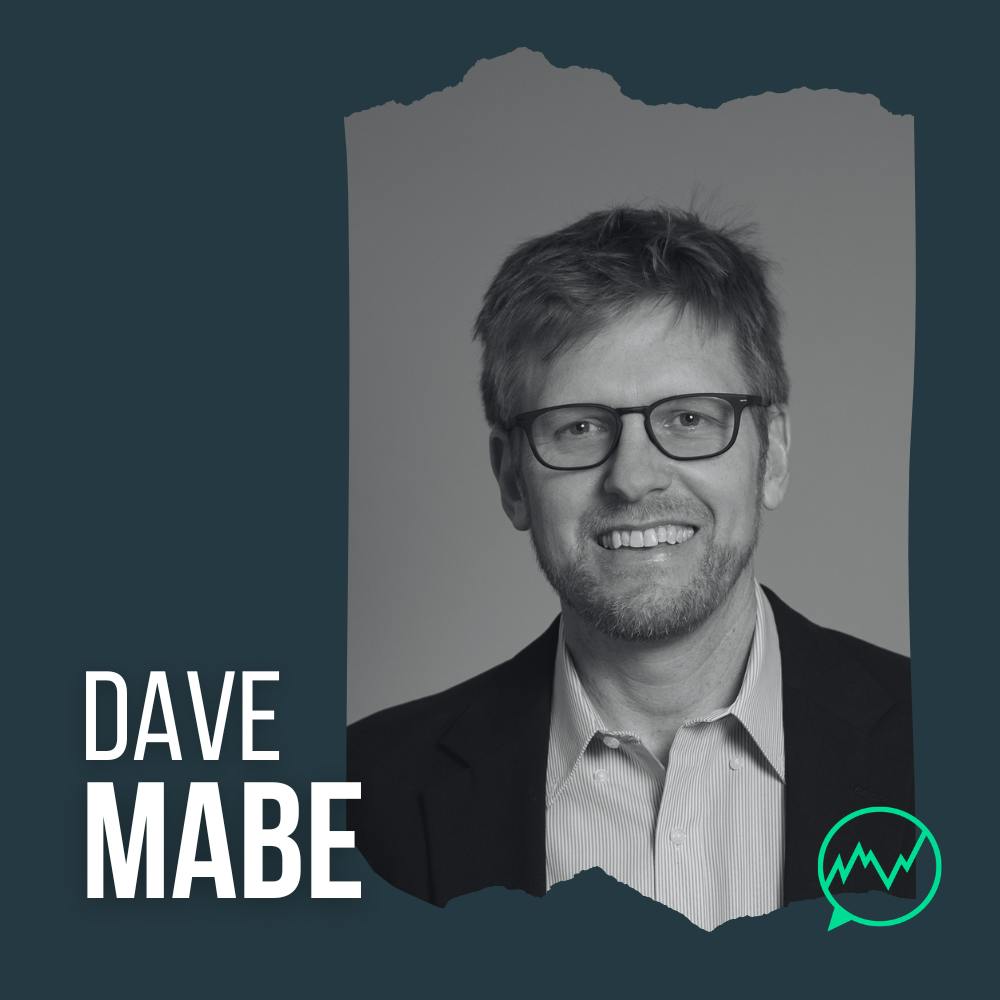
今天,我的联合主持人伊恩与戴夫·马布交谈,他是一位拥有二十多年交易经验的交易员,早在互联网泡沫时期就开始交易,从摆动交易转向日内交易,并建立了一个以明确风险、头寸规模和期望值为核心的规则化跳空突破交易体系。
Today, my cohost, Ian, speaks with Dave Mabe, a trader of over two decades who began trading during the .com era, moved from swing trading into day trading and built a rule based gapping breakout framework centered on defined risk, position sizing and expectancy.
但他职业生涯真正的转折点并不是这个策略本身。
But the real turning point in his career wasn't the strategy itself.
而是当他测试这个策略时,发现了一个系统化版本,其表现超越了他自己的主观交易。
It was the moment he tested it and discovered a systematic version that outperformed his own discretionary trading.
这一令人谦卑的领悟促使他走向自动化,将年交易量从数百笔提升到数千笔,并重新思考如何管理回撤和分散风险。
That humbling realization pushed him toward automation, scaling from hundreds of trades a year to thousands and rethinking how to manage drawdowns and diversification.
我们还深入探讨了跳空突破、R倍数、交易员为何常常误解回测、模拟与实盘结果之间的差距,以及在加仓前如何真正建立对系统的信心。
We also dig into gapping breakouts, r multiples, why traders often misunderstand backtesting, the gap between simulation and live results, and how to build real confidence in the system before sizing up.
你可以在节目说明中找到戴夫的更多背景资料和资源。
You'll find additional background and resources from Dave in the show notes.
现在,让我们进入对话。
Now let's get to the conversation.
女士们、先生们,我们非常高兴为大家介绍来自北卡罗来纳州的戴夫·马布。
Ladies and gentlemen, we're so pleased to present Dave Mabe from North Carolina.
好了,戴夫,欢迎你来到Chat With Trade-Ideas。
Well, Dave, I'd like to welcome you to Chat With Trade-Ideas.
非常感谢你们邀请我。
Thanks very much for having me.
这真是莫大的荣幸。
This is quite an honor.
是的。
Yeah.
那你现在住在哪里?你是在哪里长大的?
So where where are you at now, and where did you grow up?
我住在北卡罗来纳州的卡罗博,就在教堂山外边,靠近罗利。
I live in Carrboro, North Carolina, which is just outside of Chapel Hill, which is sort of near Raleigh.
我是在附近一个叫波普敦的小城镇长大的,靠近北卡罗来纳州的温斯顿-塞勒姆。
I grew up not far away in a small town called Pophtown, which is near Winston Salem, North Carolina.
所以,是的,我是个土生土长的北卡罗来纳人。
So, yeah, I'm a lifetime North Carolinian.
嗯嗯。
Uh-huh.
还有口音呢。
With the accent too.
是的。
Yeah.
对。
Yep.
你是怎么第一次接触到金融市场的?
How did you first get introduced to the financial markets?
我父亲一直以某种方式投资。
So my dad was always investing in some way.
事实上,我们曾经养了几年牛作为投资。
In fact, we had cattle for a couple of years as an investment.
所以他总是时不时地尝试一下。
So he was always kind of dabbling around.
他对待金钱非常保守,但一直对投资略加涉猎,并且非常注重储蓄,这种观念深深影响了我。
He was very conservative with money, but always sort of dabbling around investing and very much a saver instilled that mindset in me.
所以我从小就接触到了这些。
So I had to sort of exposed to it at kind of an early age.
当我上大学时,我去了宾夕法尼亚大学。
And when I went to college, I went to uncorough heels.
当时我有一笔 modest 的奖学金。
I had a modest scholarship at the time.
我爸爸说:‘如果你拿到奖学金,等你毕业时,我会把原本为你存的钱给你。’
And my dad said, Hey, if you get a scholarship, I'll give you the money that we've saved for you when you graduate.
他确实这么做了,这真是个好主意。
So he did that, which was a great idea.
我也对我的女儿做了同样的事。
I did the same for my daughter.
我毕业后做的第一件事就是把这笔钱投入了一只共同基金。
And the first thing I did when I graduated was put it into a mutual fund.
所以,这可以说是我第一笔真正的交易。
So that was my first real trade, so to speak.
多年来,我的交易时间间隔越来越短。
And over the years, my timeframe just got shorter and shorter.
但那确实是我第一次接触市场。
And but but that was my very first interaction with the markets.
那你多年来对它的表现满意吗?你经常关注它的动态吗?
And were you pleased with its performance over the years, and and did you track it frequently?
我持有它大约一年。
So I I held it for about a year.
这正好是互联网泡沫时期。
This is right during the .com era.
是的。
So Mhmm.
它的表现相当不错。
It worked pretty well.
但我内心深处总感觉我没有掌控感。
But I I something in the back of my mind, I felt like I didn't have control.
我只是希望更多地掌控正在发生的事情。
I I wanted I just wanted to be more in control of what was going on.
那时,我开始做一些研究,并开始进行波段交易。
At that point, I started doing a little bit of research and started swing trading.
那你当时有密切关注那场互联网热潮吗?
And were you following much what was going on there in the in the .com mania?
你都投资了哪些股票?
And what kind of stocks did you get into?
你懂的,我父亲一向非常保守,所以我以前根本不敢冒险。
You know, growing up with my father who's, like I said, very conservative, I wasn't very risky at all.
所以这次购买共同基金对我来说是个大事。
So this mutual fund purchase was kind of a big deal.
我知道,每当我越来越靠近交易时,我爸爸就会皱起眉头,心想:你到底在搞什么名堂?
So knew that my dad, the more I started inching toward trading, the more he was going to sort of raise his eyebrows and like, what in the world are you doing?
这看起来太疯狂了。
This seems so crazy.
所以我一直非常怀疑,总是极度谨慎,不断思考最坏的情况。
So I was always very skeptical, very just uber prepared, like thinking through worst case scenarios all the time.
但我开始做波段交易,当时只是跟着一个人提供的选股建议,对吧?
But I started swing trading and I actually was just following somebody who has given me picks, right?
就像当时的一个交易群组。
Like a trading room sort of at the time.
效果还不错,但突然那个人去度假了。
It worked pretty well, but all of a sudden the guy went on vacation.
于是就没有了股票推荐。
So there were no stock picks.
我想,这样下去不行啊。
I was like, well, this is not going to work.
我不能依赖别人的日程来决定是否交易。
Like, I can't be reliant on somebody else's schedule to take trades or not.
这让我开始思考,下一步该做什么呢?
So that got me just thinking about, okay, what might the next step be?
我记得当时有一笔特定的交易。
And I remember a particular trade at the time.
我当时买了,我觉得应该是RFMD,是一家位于北卡罗来纳州的本地公司,当时是备受追捧的明星企业,我尊敬的一些人也说,是的,这真是个不错的买入机会。
I was in, I think I'm pretty sure it was RFMD, was a local North Carolina company, sort of a darling company at the time and people that I respected were, it's, oh yeah, this is a great thing to buy.
所以我买了一些,就在财报公布前,然后财报出来了。
So I bought some, I think, right before earnings and earnings came out.
结果,他们的业绩超出了预期。
Lo and behold, they beat earnings.
我当时想,天啊,这下可太棒了。
And I was like, man, this is going to be great.
但紧接着,股价却暴跌了。
And then, of course, the stock tanks.
于是我心想,好吧,这完全说不通。
So I'm like, okay, this makes no sense.
我永远无法预测这种情况。
I'll never be able to predict that.
所以就像这一笔交易一样,我想:好吧,我需要换一种方法,一种我能真正理解并觉得有某种优势的方法。
So just like with one trade, I was like, okay, I need to take some other approach that I can really get my mind around and feel like I have some sort of edge.
我知道我永远不可能在预测市场对财报的反应上拥有优势。
I knew I was never going to have an edge in predicting how the market was going to react to an earnings thing.
这对我来说完全说不通。
That just didn't make any sense to me.
当时,有一个非常活跃的交易博客圈。
So at the time, there was sort of a vibrant, a very vibrant trading blogosphere.
有很多人分享不同的想法。
And there are a lot of people sharing different ideas.
于是我深入其中,与当时一些知名的博主交流想法,发现了他们正在交易的一种日内交易系统。
So I sort of dove in there, exchanged ideas with some well known bloggers at the time and came upon this day trading system that they were trading.
于是我仔细研究了这个系统,心想:好吧,让我看看这个方法会如何运作。
So I looked closely into that and said, okay, let me see how this would work.
正如我所说,我有保守的背景。
And like I said, conservative background.
我知道我要告诉爸爸,我打算开始日内交易了。
I knew I was going to tell my dad I was going to be day trading now.
所以我真的想把所有细节都考虑周全,认真思考一下:这真的合理吗?
So I really wanted to cross my Ts, dot all my Is and really think through, okay, does this make sense?
那里有很多骗人的东西。
There's a lot of snake oil out there.
让我仔细思考一下,确保我能考虑到所有可能发生的情况。
Let me think through this and make sure I think of every sort of scenario that could happen.
其中很多内容对我来说都是有道理的。
A lot of it made sense to me.
当我开始交易时,那大概是2005年,我做了第一笔日内交易。
When I started making trades, this was probably 2005 when I made my first day trade.
我真的觉得那是我真正意义上的第一笔交易。
And I really feel like that was kind of the first real trade I made.
我越思考,越和别人交流,就越觉得这很有道理,因为我不会持仓过夜。
The more I thought about it and the more I was interacting with other people, was like, well, this makes so much sense because I'm not holding overnight.
当时盘后交易很少,所以所有新闻都是在盘后发布的。
At the time, there was not much after hours trading, so that's when all the news came out.
我知道总会有一些时候无法避免持仓过夜的跳空风险。
I knew there was going to be times where I couldn't avoid an overnight gap.
这显然更有道理得多。
It just made a lot more sense.
而且,日内交易的买入杠杆是隔夜交易的四倍。
And then plus, you have four times your equity buying power intraday versus overnight.
所以我想,哇,这对我来说太有道理了。
So I was like, wow, this makes a ton of sense to me.
于是我开始非常谨慎地这么做,从一开始就取得了不错的效果。
And so I started doing that very cautiously to start, and it worked well right from the beginning.
什么叫‘不错’?
Define well.
比如,它和你过去几年的交易表现相比怎么样?
Like like, how how did it perform compared to your previous trading that you had done in the preceding years?
我之前做的波段交易其实并不差。
So the swing trading I had done was actually it was not bad.
但我很快意识到,要积累足够多的交易机会,真正验证这种方法是否有效,可能需要好几个月的时间。
But what I realized pretty quickly was it was gonna be many months really before I could get enough at bats or enough trades to really see if it works or not, really convince myself that it works.
所以,吸引我转向日内交易的另一点是:我可以获得大量的交易机会,或者至少有获得大量交易机会的潜力。
So that was another thing that drew me to day trading was, okay, I'm going to get a ton of at bats or the potential for a ton of at bats.
我能更快地看出某种策略是否有效。
I could see much more quickly whether something was going to work or not.
这真的让我非常认同。
And that just really resonated with me.
尽管波段交易表现也不错,但我真的觉得这条路径更适合我,而且能让我摆脱追随大师,完全掌控自己的交易。
So even though the swing trading did fine, it did well, I really felt like this was a better path for me and I could get away from following a guru and really taking full control of what I was doing.
你是怎么选择日内交易的股票的?
How did you go about the stock selection of what to day trade?
你是直接等这个群体告诉你该交易哪些股票,还是自己独立探索?
Did you just wait for this group to tell you what to day trade or did you venture out on your own?
他们交易的是一个非常具体的系统。
So they were trading a very specific system.
我的意思是,规则都是公开的,我就开始遵循这些规则,并与当时这个系统的某位博主互动,他那时算是我的导师。
And I just mean, the rules were out there and I just started following the rules and interacting with one of the bloggers who was somewhat of a mentor at the time for this system.
我开始交易这个系统,并在每天结束时向交易员、也就是导师汇报:今天是好是坏。
I started trading this system and I would follow-up with the trader at the end of the day, the mentor, Hey, it was a good day or bad day.
你觉得这笔交易、那笔交易怎么样?
What do you think about this trade, that trade?
所以当时我并没有意识到,但这个过程其实相当系统化。
So while it was, I didn't realize at the time, but it pretty systematic.
里面还是有一点主观判断,比如根据直觉决定把哪些股票加入或移出名单。
There was a little bit of discretion in there and what trades you would, what names you would put on the list or take off the list based on some intuition.
但拥有这些规则真的很有帮助。
But it was really good to have these rules.
回过头来看,最关键的是那些规则让我在交易日里不需要做太多决策。
Thinking back, the big part of it was rules that I didn't have to make decisions during the day or that many decisions during the trading day.
人类如果没有计划,天生就会做出最不盈利的选择。
Humans are just hardwired to do the least profitable thing if you don't have a plan.
那为什么会这样呢?
Now why is that?
人类的心理机制到底是什么?
What is it about human psychology?
为什么我们会倾向于做出最无利可图的
Why would we want to do the most unprofitable
选择?
path?
我认为,金钱会引发强烈的情绪,人们看待金钱的方式以及他们与金钱的过往经历都如此。
I think that there's just so much emotion with money and the way people think about money and their history with money.
你总是想早早离场,或者持得太久。
You're always wanting to get out early or hold on too long.
制定一个计划很难。
And coming up with a plan is hard.
你必须分析大量数据,找出在大量交易中有效的策略。
You have to look at a lot of data and figure out what works across a large number of trades.
想想看,这需要多少额外的时间。
Just think about how long that takes after hours.
现在,如果你在交易过程中试图这样做,看着你的盈亏波动,等待你做决定,那你就是在临时制定策略,这真的太难了。
Now, if you try to do that during the day when you're in a trade and you've seen your P and L bounce up and down waiting on you to make a decision, you're really coming up with a strategy on the fly which is really that's just too hard.
这行不通。
It's not going to work.
它可能暂时有效,但对很多人来说,这是一种困难得多的方法。
It may work for a little bit, but it's just a way harder approach for a lot of people.
这个群体早期有哪些所谓的规则或系统性方法,是你学到的?
What were some of the kind of so called rules or systematic approaches that this group had that you learned early on?
直到今天,我仍然在交易这个策略的一个版本。
I actually trade a version of this strategy still to this day.
他们基本上交易那些跳空开盘的股票,寻找开盘后价格波动收窄的时机,一旦价格突破这个收窄区间就入场,并在收窄区间的另一侧设置止损。
So they're basically trading gapping stocks and looking for a narrowing range after they open, after they've they're gapping up, looking they would get in on a breakout of the range and use a stop on the other side of the tightening range.
然后他们就会全天持有。
And then they would just hold all day.
称这个群体为一个‘群体’其实有点过誉了。
And it wasn't a group to call this group a group was sort of maybe a little too much.
当时它只是松散地聚集在一些博客上,很遗憾,那个博客圈后来消失了。
It was sort of just a loose conglomeration of blogs at the time, which is kind of a shame that that blogosphere disappeared.
我的意思是,许多社交媒体已经取代了它,但当时那个博客圈非常活跃,很多人在分享想法。
I mean, lot of social media has sort of taken the place of that, but it was a pretty vibrant blogosphere with a lot of people sharing ideas at the time.
你对仓位管理,以及何时或是否加仓,有什么方法或学到的经验?
What was your approach to, or what did you learn about position sizing and when or whether to add to a position?
在我进行第一笔日内交易之前,我就从研究中明白,必须把仓位管理做到极致。
That's one of the things that I knew from my research before I even made the first day trade that I had to get position sizing down pat.
这一点是绝对不可妥协的。
There was no that was like non negotiable.
所以,我事先充分准备的一件事就是如何计算仓位大小。
So that's one of the things I was uber prepared for is how to compute position size.
这也是这个策略有效的原因之一:当价格区间非常窄时,你可以持有较大的仓位。
And that's sort of the one of the reasons this strategy works is when the range is pretty tight, you get to take a large position size.
你承担的风险金额是一样的。
You're risking the same amount of money.
随着区间收窄,你可以买入大量股票。
And with the tightening range, you could take a lot of shares.
因此,你最终会持有相当大的仓位,即使价格小幅波动,也能赚不少钱。
So you end up with these pretty large position sizes for and and you can make a lot of money on a pretty small move.
这就是这个策略有效的关键原因。
That's sort of the reason this strategy works.
在开始交易之前,我还彻底掌握了期望值和R倍数的概念,并用R来评估自己的表现。
You know, another thing that I had down pat before I made the trade was the concept of expectancy and r multiples and evaluating your performance in terms of r.
这一点非常重要,这样做有太多好处了。
So important, and there's just so many benefits to doing that.
这种特定的策略非常适合采用这种方法来评估。
And this particular strategy lends itself really well to using that approach for evaluating it.
那么你的风险管理策略是什么?
And so what were your risk management strategy?
你是简单地将止损设在当前价格下方的一个百分比,还是根据当时图表上的情况动态调整,差异很大?
Did you just set a stop at a percentage below your current price, or was it contingent on what you saw in the in the charts at that moment and it would vary significantly?
于是交易信号会陆续出现并形成。
So the setups would come along and and materialize.
然后,交易形态会决定止损距离。
And then the setup was would determine the stop distance.
我的标准是每笔交易承担一定的美元风险金额。
And then my criteria was I was going to risk a certain dollar amount per trade.
随着时间推移,随着我越来越有信心,我会慢慢提高这个金额。
And then over time, as I got more confident, I would raise that over time slowly.
是的。
Yeah.
一旦信号出现,就没有任何余地去犹豫该做什么。
Once the signal came along, it was there was no discretion about what to do.
好的。
Okay.
你以固定规模x执行交易。
You take it you take it with size x.
所以你曾经一段时间内一直交易这个策略。
So you you traded this one strategy for a while.
你对表现满意,于是持续利用它,直到发生了什么变化吗?
You were you happy with the performance and just kept milking it until something happened?
所以
So
我确实继续交易它,大概交易了三四年,虽然不是每个月都赚钱,但每年都是盈利的。
I, yeah, kept trading it and I traded it for probably three or four years and it wouldn't make money every month, but it was making money each year.
我会注意到一些事情。
And I would notice some things.
我最早意识到的一件事是,我所接触的人实际上都在交易差不多相同的系统。
Like one of the first things that I realized was the people that I was interacting with were essentially trading the same system, sort of.
但有些日子我会说,好吧,天哪,我们今天真是惨不忍睹。
But there were days where I would say, okay, here, you know, man, we had a really bad day today.
而另一个人会说,哦,我赚钱了。
And the other guy would say, oh, I made money.
怎么回事?
What happened?
我意识到自己说:‘你是不是没做XYZ交易?’
And I realized that I said, well, you didn't take trade XYZ?
他会说:‘不,不,我有个规则,会根据某种条件排除这类交易,我记得好像是相对成交量超过三之类的。’
And he would say, no, no, I've got a rule that where I exclude trades like that based on, I think it was like relative volume above three or something.
我当时想:‘哦,这挺有意思的。’
And I was like, oh, well, that's interesting.
那你这个规则是怎么想出来的?
So how'd you come up with that rule?
他告诉我,就是基本的直觉或者一些经验,诸如此类。
And he told me, just basic intuition or some experience, blah, blah, blah.
但这让我意识到,为什么那些以为自己在交易同一系统的人,最终结果却大相径庭。
But it made me realize that that's why people who think they're trading the same system can end up with so much different results.
因为有些人更擅长跳过正确的交易,也更擅长抓住正确的交易。
It's because some people are better at skipping the right trades and taking the right trades.
对吧?
Right?
所以当你看到人们使用基本相同的策略却获得不同的结果时,说明有人更擅长判断哪些交易该跳过,哪些该执行。
So when you see people trading basically the same strategy and having different results, somebody just has a much better way of figuring out which trades to skip and which ones to take.
那么,你有多少次在事后回顾时,觉得即使符合策略标准,那些交易其实本该跳过?
So how often were you taking trades that in retrospect, you felt you should have skipped even though they met the criteria for that strategy?
我认为,整个游戏的关键,也是我后来意识到的,正是这一点。
I think the whole name of the game and what I what I came to realize was that is the entire point.
比如,我制定策略的路径就是先提出一个初步的想法。
Like, that that was that was a path for me to come up with strategies was come up with the initial idea.
别太担心应用太多规则。
Don't really worry about applying too many rules.
你有一个大致的概念,然后找出哪些规则可以帮助你判断:哪些交易要跳过,哪些要进行。
Like you've got a general concept and then figure out what rules to apply to figure out, okay, I'm skipping these, but I'm taking these.
直到我开始回测时,我才真正意识到这是创造自己策略的一种方法。
And it wasn't until I started backtesting where this really dawned on me as a way to really create my own strategies.
当时,回测还稍微有点被看不起。
At the time, backtesting was a little bit, I would say, frowned upon.
它不能反映现实。
It didn't reflect reality.
所以这个群体中的很多人对回测都持消极态度。
So a lot of the people in this group were sort of kind of down on it.
为什么会这样?
Why is that?
为什么他们会反对收集更多数据来改进自己的系统?
Why would they be down on collecting more data to improve their system?
我认为他们觉得这根本不足以反映现实。
I think they thought that it just didn't reflect reality enough.
而且他们可能有一些直觉性的判断,觉得无法被重现。
And probably they had some discretionary intuition that they didn't feel like could be recreated.
我当初也是这么想的。
And that's kind of what I thought too.
我会遇到一些符合宽松标准的股票。
I would have stocks that would meet the loose criteria.
我会凭直觉判断,这个应该列入名单。
I would sort of use my intuition to say, this one should go on the list.
这个不应该列入名单。
This one shouldn't go on the list.
我当时是实时这么做决定的。
And I was doing that in real time.
我的假设是,我已经这么做了很久,一直靠它赚钱。
My assumption was, I had been doing this for a while, been doing it, you know, making money with it.
所以我想,你根本不可能用回测来捕捉我这种出色的直觉,对吧?
So I was like, well, there's no possible way you could capture my awesome intuition with the backtest, right?
当时我还在AT&T兼职工作,做了很多自动化相关的工作。
So also at the time I was working for AT and T, a job on the side, and I was doing a lot of automation work there.
于是我做了大量开发,越做越觉得回测非常合理。
So I was doing a lot of development and the more I did that, the more I realized backtesting makes a ton of sense.
我为什么不这么做呢?
Why would I not do that?
我为什么不试试呢?
Why would I not try?
我想,管别人怎么说呢。
I was like, okay, I don't care what these other people are saying.
我就要试试看。
I'm going to try it.
我花了功夫创建了我的第一个回测,试图重现我原本的做法。
I did the work to create my first backtest and I was trying to recreate what I was doing.
我的想法是,是的,我确实有一些主观判断,但让我看看。
And my thought process was, well, yeah, I've got some discretion in there, but let me see.
我想到的任何回测结果都不可能比我的直觉更好,但让我试试看。
And whatever backtests I come up with can't possibly be as good as that, but let me see.
也许我能从中学习到一些可以应用到这里的技巧。
Maybe there's something I can learn to apply to this.
让我震惊的是,我运行的第一个回测结果竟然优于我的手动交易。
So what shocked me was the very first backtest I ran was better than my manual trading.
为什么会这样?
Why is that?
我认为我找到的是一种系统化的方法,用来判断哪些交易该跳过、哪些该进行,并将这与我的直觉进行对比。
I think what I found was just like a methodical way to figure out which trades to skip and which ones to take and comparing that to my intuition.
我详细记录了我进行的所有交易。
And I was keeping meticulous records of all the trades I was taking.
我还详细记录了我在判断时的主观依据,比如:这笔交易是否符合标准?
And I was keeping meticulous records of the discretion I was using for, okay, does this meet the criteria?
难道不是吗?
Does it not?
这通过我的直觉检验了吗?
And does this meet my sniff test?
我发现我的主观判断远没有我以为的那么好。
And what I found was my discretion wasn't nearly as good as I thought it was.
所以我想,好吧,正如你所能想象的,这相当令人谦卑。
So I was like, okay, which as you can imagine, is pretty humbling.
就在这里,
Right here,
无论如何,你还是做得不错,对吧?
I'm You were still doing good with it anyway, right?
你在回测中觉得它更好?
You thought in your backtesting, it was better?
它确实更好。
It was better.
所以我的想法是,好吧,这太疯狂了。
So my thought was, okay, well, this is crazy.
我从未想过,我做的第一次回测会是这样的结果。
I never thought this would be the outcome, the very first backtest I did.
这看起来太荒谬了。
That seems insane.
但它真的让我意识到,哇,外面有一个我因为不回测而完全忽略的世界。
But it really opened my eyes to, wow, there's a whole world out here that I'm ignoring by not backtesting.
而且通过深入研究并采用完全自动化的交易方式,我找到了新的交易策略路径,以及改进我当前交易策略的途径。
And there's paths to new strategies, paths to improve the strategies I'm trading by really diving in and taking a fully automated approach with how I was trading.
你准备好认真对待交易了吗?
Are you ready to get serious about trading?
那就加入Tasty Trade吧,这是Investopedia评选的2026年最佳期权交易平台。
Then join Tasty Trade, Investopedia's best platform for options trading in 2026.
股票、期权、期货,还有更多。
Stocks, options, futures, and more.
TastyTrade 将你交易的所有内容都整合在一个平台上。
Tastytrade has everything you trade all in one platform.
享受低佣金,包括股票零佣金,让你保留更多收益。
Get low commissions, including zero commission on stocks, so you can keep more of what you earn.
TastyTrade 配备了先进的图表工具、回测功能、预设策略选择器、风险分析工具,以及更多帮助你更聪明交易的功能。
Tastytrade is packed with advanced charting tools, backtesting, a prebuilt strategy selector, risk analysis tools, and more features to help you trade smarter.
通过其预设的自选列表,查看高交易量的股票和衍生品、股息、即将发布的财报等信息。
See equities and derivatives with high trading volumes, dividends, upcoming earnings reports, and more with their pre built watchlist.
或者创建自定义自选列表,密切关注对你重要的公司和行业。
Or create a custom watch list to keep an eye on the companies and sectors that matter to you.
使用高级交易模式、一键交易和智能订单追踪,快速精准地管理你的仓位。
Manage your positions with speed and precision using active trader mode, one click trading, and smart order tracking.
此外,Tasty Trade 的卓越交易支持团队在交易时间内提供实时协助。
Plus, Tasty Trade's stellar Trade Desk team offers live support during trading hours if you need it.
访问 tastytrade.com/chat 了解更多信息。
Visit tastytrade.com slash chat for more info.
Tasty Trade Inc.
Tasty Trade Inc.
是一家注册经纪交易商,同时也是FINRA、NFA和SIPC的成员。
Is a registered broker dealer and member of FINRA, NFA, and SIPC.
你有没有看过一只股票暴涨,却心想:要是我有足够资金就好了,或者因为账户余额太小而袖手旁观?
Have you ever watched a stock explode and thought, if only I had the capital or sat on the sidelines because your account balance felt too small to matter?
好消息,通过Trade The Pool的有限风险平台,你无需数百万甚至数千美元就能开始交易美国股市。
Good news, with Trade The Pool's limited risk platform, you don't need millions or even thousands start trading The US stock market.
绕过PDT规则,交易超过12,000只美国上市股票,从仙股到大盘股、ETF,甚至最新的IPO,并可做空任何你感兴趣的标的,且无需支付定位费或难借股票费。
Bypass the PDT and tap into over 12,000 US listed equities, from penny stocks to big caps, ETFs, even the newest IPOs, and short anything you like, with zero locate or hard to borrow fees.
开始你的评估,获得最高20万美元的交易资金,让你大胆交易而不必动用自己的储蓄。
Start your evaluation, get funded with up to $200,000 in buying power, so you can go big without risking your own savings.
而且现在,你还可以拥有无限时间来达成盈利目标。
And now you can also have unlimited time to reach the profit target.
这简直是革命性的改变。
It's a game changer.
还没准备好交易吗?
Not ready to trade yet?
Trade The Pool 提供免费演示和教育资源。
Trade The Pool offers a free demo and educational resources.
在真实数据上练习,掌握平台,甚至在支付任何费用之前就能无风险地建立信心。
Practice on live data, master the platform, and build confidence risk free before you even pay a cent.
点击节目说明中的链接,开始使用 Trade The Pool 的资金交易。
Click the link in the show notes to start trading with Trade The Pool's Capital.
是的。
Mhmm.
说到回测,一个回测的核心要素是什么?
So speaking of so for backtests, what are the essentials in a backtest?
我们怎么知道是不是在回测中塞了太多东西,总是想不断优化和调整呢?
And how do we know if we're just cramming too many things in the backtest, always trying to perfect it and tweak it and what have you?
对。
Yeah.
这有点像一门艺术。
It's a bit of an art.
我认为最好的方法是创建一个与你当前交易策略相关的回测。
I I think the the best way to approach it is to do to create a backtest that's sort of tangential to what you're already trading.
许多交易员试图完全取代已经有效的方法。
A lot of traders will try to completely replace what's already working.
比如,他们可能是主观交易员,想彻底放弃现有的交易方式,但我不认为这是正确的做法。
Like maybe they're a discretionary trader, they want to completely replace what they're doing, but I don't think that's the right approach.
更好的方法是继续坚持有效的方式,从零开始构建一个自动化的系统。
A much better approach is to keep doing what's working, create something from the ground up to be automated.
这样它就能完全补充你现有的交易,而不会出现一个明确的转折点,比如今天我还是主观交易,明天就完全转为自动化交易,用同样的策略。
And so that way it's completely additive to what you're doing and there's not this cutoff point where you say, okay, I'm discretionary now and then tomorrow I'm going be automated with the same thing.
这就像一般的软件项目。
It's like software projects in general.
它们花费的时间远比你想象的要长。
They take way longer than you imagine they will.
总会有一些你没考虑到的问题出现。
There's always going to be problems that come up that you haven't thought about.
所以压力很大,尤其是当你手头已经有成功的方法,却想切换过去的时候。
So there's just a lot of pressure, especially with something that's working already and you wanna cut over.
我接触过的许多主观交易员并不意识到,要从零开始创建自动化策略,需要多少直觉和经验。
And a lot of discretionary traders I work with will, they don't realize how much intuition and experience they have to create ideas that are automated from the ground up.
如果你能成功地进行主观交易,那你所拥有的直觉和经验比人们想象的要多得多。
If you've been able to trade discretionary and you've had some success, you have more intuition and experience that you can draw from than people realize.
所以,在你做完第一次回测之后,你说:哇。
So after you did this first backtest and you say, wow.
这比我目前的做法更好。
This is better than what I'm doing now.
你是直接就采用了,觉得太好了吗?
Did you just run with that, say, great.
我找到了解决方案,那就这么办吧。
I've I found the solution, and and here we go.
让我们也许甚至增加仓位规模。
Let's let's let's maybe even increase the position size.
我当时的做法是并没有一夜之间就切换,但我意识到:好吧,这必须比我目前的做法更好。
What I did there was I didn't do it overnight, but I realized, okay, this is gonna this is this has to be better than what I'm doing.
所以我没有一夜之间切换,但我开始逐步自动化我操作中的一些部分,以更接近那个回测结果。
So I didn't switch overnight, but I did start gradually automating some parts of what I was doing to get closer to that backtest.
我会先自动计算仓位规模一段时间,然后在开仓后自动输入出场指令。
I would automatically compute the position size for a while, and then I would automatically enter my exit orders after entering a position.
接下来的一步可能是让计算机自动提交入场指令,但仍需我手动点击经纪商的‘发送’按钮才能真正执行。
Then maybe another step would be actually entering the entry orders and have those submitted by the computer, but then have to manually hit transmit in my broker to actually make them live.
因此,我经历了一整套逐步推进的步骤,以不断增强信心,避免一觉醒来就让写好的软件直接用大仓位全权交易。
So there was this whole series of steps that I was going through to sort of get more and more confident so that it wasn't just wake up day one and have the software that I'd written try to make all the trades with a lot of size.
对吧?
Right?
我足够了解软件,知道那样做是不对的。
That would I knew enough about software to know that that would it was not the right approach.
那么,早期的实盘交易体验与回测结果相比如何?
And so how did the early live trading experiences compare to what the backtest showed?
它们非常接近,但永远不可能完美。
They were they were pretty close, but it's never gonna be perfect.
我对此早有心理准备。
And I knew that going in.
我知道,回测是一个很好的参考,但我也明白,你永远无法获得回测中那种完美的成交价格。
Like, I knew that having a backtest is a was a great reference, but I also knew that, you know, you're never gonna get all those fills that the backtest can get.
但回测的结果已经足够好,让我知道自己有很大的容错空间。
But the backtest was good enough where I knew I had a lot of leeway there.
所以,即使只获得其中一部分成交,也已经值得了。
So even if I got just some portion of them, it was going to be worth it.
当时,我创建了一个在线交易日志。
At the time, I had created an online trading journal.
据我所知,这是第一个在线交易日志。
This was the first online trading journal that existed as far as I know.
它叫Stock Ticker。
It was called Stock Ticker.
所以我为它开发了一个API,并将我的软件与之连接。
So I had an API for that and I hooked up my software to it.
因此,所有滑点都被计入,交易会自动录入我的交易日志。
So it was automatically entering trades into my journal with all the slippage accounted for.
它还让我能够轻松地在每天结束时进行回测,并将实际交易与回测结果进行对比。
And it gave me a way to very easily do a backtest at the end of the day and compare my actual trades to the backtest.
因此,我可以通过一份自动生成的报告看到:这些是你在回测中错过但实际未执行的交易。
So I could see in a report that was automatically generated for me, here's the trades you missed that were in the backtest.
然后我会回去查看,想想:我怎样才能抓住那一笔交易呢?
And then I would go back and look and see, okay, well, how could I have gotten that one?
比如,我能否调整入场订单,以捕捉之前错过的那笔交易?
Like, could I adjust my entry order to be able to capture that trade that I missed?
我为什么会错过它?
Like, why did I miss it?
展开剩余字幕(还有 327 条)
这只是一个我为自己建立的反馈循环,我知道这是通往自信的路径。
It was just this feedback loop that I created for myself that I knew was a path to confidence for me.
因为如果你想想主观交易,你唯一的参考只有你的经验或别人告诉你的东西。
Because if you think about discretionary trading, don't really have Your only reference is your experience or what somebody's told you.
拥有通往自信的路径非常重要。
And it's really important to have a path to confidence.
比如,如果你用少量资金交易,交易其实并不难,但一旦你真正开始试图扩大规模赚大钱,事情就会变得非常困难。
Like to say that trading is not super hard if you're trading with small amounts of money, but as soon as you start really trying to scale up to make lots of money, that's when things get really difficult.
为什么会这样?
Why is that?
我的意思是,为什么不应该是一样的呢?
I mean, why shouldn't it be the same?
是因为我们试图交易相对于这些证券来说过大的规模吗?
Is it because we're trying to trade large sizes relative to these securities?
或者我的意思是
Or I mean
原因有很多。
There's a whole host of reasons.
那是其中一个原因。
That's that's one of them.
但另一个原因是您对金钱的看法。
But another is just the way you think about money.
您交易的规模越来越大,数字也变得越来越大。
You trade higher and higher, the numbers get bigger and bigger.
要应对这种情况,需要特定的心态。
It takes a certain kind of mindset to be good with that.
而且,一旦达到某个规模,有时您必须先在这个规模上证明自己的价值,花一些时间适应,才能继续提升。
And still, at some point, once you reach a certain size, sometimes you sort of have to earn your keep at that size before you and spend some time at that size before you can go higher.
很多时候,当您提升到更大规模时,之前犯过的错误会再次出现。
A lot of times you'll see mistakes that you made earlier kind of crop back up when you go to a higher size.
自动化交易的错误与主观交易的错误是不同的。
And the mistakes with automated trading are different than discretionary.
许多交易员会尝试完全自动化交易,以消除他们认为影响交易的情绪。
A lot of traders will try to go completely automated to get rid of their emotions that they think is affecting their trading.
但你知道,即使在自动化交易中,也会出现很多与情绪相关的仓位管理错误。
But, you know, there's a lot of sizing mistakes that are emotional and can crop up when even with automated trading.
我经常听到人们谈论进行实盘交易训练的重要性,并将其与回测进行比较,以及两者之间可能存在的巨大差异。
Often I hear people talk about how important it is to get a live to do the live training and compare it to the the backtesting and how how often how different it can be.
人们可以使用哪些场景来缩小这种差异?
What are the scenarios that people can use to narrow that difference?
你认为为什么有些人会在实盘和回测之间经历巨大的差异?我们如何让这两者更接近?
Why do you think that some people experience huge differences between the live and the backtest, and how can we get those two to be more similar?
这在很大程度上取决于交易策略。
So it varies a lot by strategy.
有些策略非常快速。
So some strategies are really fast.
有些则比较缓慢。
Some are slow.
因此,你所看到的差异会因策略而有很大不同。
And so the differences you see are going to vary a lot by strategy.
但通常你可以采取一些措施来掌控情况,并做出调整,以捕捉回测中执行了但你实盘中可能错过的交易。
But there's typically things you can do to get a handle on it and make some adjustments to capture more of the trades that the backtest is taking that maybe you're missing live.
在进行第一次自动化交易之前,一定要建立一个对账流程,至少能让你看到这些差异,并思考:‘我在这里本可以做些什么不同的事?’
Really before you make your first automated trade, have a process for reconciling so you're at least seeing the differences and brainstorming, okay, what could I have done differently here?
或者,我该如何调整我使用的入场方式,以捕捉更多这类交易?
Or how can I adjust the the entry technique I'm using to capture more of these?
那么,一次回测通常就足够了吗?
So is one backtest usually good enough?
或者,我的意思是,要获得足够的统计显著性,多少次才最合适?
Or, I mean, to get some statistical significance of how many would be optimal?
我认为应该从回测中的交易次数来考虑,当然,这会因策略而有很大不同。
Well, I think about it as the number of trades in the backtest, and that varies a lot, of course, by strategy.
根据你的交易信号产生的交易数量,你可能需要回溯更久的历史数据,以建立足够大的样本集,从而制定出一个良好的策略。
And depending on the number of trades that your signal produces, you may have to go further back in history to create a big enough sample set to really come up with a good strategy for.
这些就是你可以调整的方面。
Those are the things you can vary it by.
但一般来说,一个系统中的交易越多,它可能就越盈利。
But in general, the more trades you have in a system, the more profitable it could be.
当我刚开始引入这种自动化时,我很快就意识到它不会出错。
And I realized that pretty quickly when I was introducing this automation, it was making no mistakes.
我所犯的所有错误,它都没有犯。
All the mistakes that I was making, it was not making.
你可能曾经下过一笔交易,手数多了一个零或少了一个零。
You've probably made a trade with a size that has one too many zeros or one too few zeros.
你会想,天啊,少一个零比多一个零更让人沮丧。
You're like, wow, this is I think the one too few zeros is a lot more frustrating than one too many zeros.
所有这些错误都被消除了。
So all those mistakes were eliminated.
它获得了更好的成交价,因为它比我本人快得多。
It was getting better fills because it's just much faster than I could have been.
我感觉在能执行多少笔交易这件事上,我正逐渐遇到一个人为的瓶颈。
It felt like I was coming up on a ceiling discretionarily with how many trades I could take.
突然间,自动化让这一切都消失了。
All of a sudden that went away with automation.
所以我能做的交易量大幅增加,我最近回顾了一下我的结果,有一年我做了大约300笔交易,而下一年我做了3000笔。
So I could take like I was taking, I was just looking at my results recently and there was one year where I took, I don't know, 300 trades and then the next year I took 3,000.
这正好是我引入自动化的时间点。
And it was right around the time that I introduced the automation.
因此,它为我打开了无数新的思考空间,让我能够更高效地利用我的购买力,这种方式非常好,也深深打动了我。
So it just opened up so many things for me to think about and it allowed me to use my more efficiently use the buying power I had in a way that was just great and really resonated with me.
在实施这套策略之前和之后的一年,你的表现有什么变化?
How did your performance vary bit just prior to implementing this and then the year after using the your your strategy?
对,没错。
What Yeah.
那其中的差异是什么呢?
You know, what was the difference there?
我的意思是,利润大概是原来的五倍。
I mean, it was probably five times the profit based on this.
太多了。
It was a lot.
是的。
Yeah.
我当时并没有意识到这一点,但现在回想起来,我实际上是在拓宽规模,而不是提升规模。
And it was I think about I wouldn't think about this at the time, but really I was scaling wide versus scaling up.
我喜欢这样理解。
That's the way I like to think about it.
你可以只有一个系统,不断加大仓位,变得越来越大、越来越大。
You can have one system and just keep increasing the position size, the better does, and just get bigger and bigger and bigger and bigger.
这就是我所说的提升规模。
That's what I call scaling up.
但你也可以采取另一种方法,即拓宽规模。
But then you could also take another approach and scale wide.
这是扩大你的交易业务的另一种方式。
That's another way to scale your trading business.
多做几笔交易。
Just take more trades.
找到更多盈利的交易。
Find more profitable trades.
也许保持同样的仓位大小,但多做几笔交易,这就是另一种扩张方式。
And maybe at the same size, but just take more trades and you that's that's another way to scale.
嗯。
Uh-huh.
使用相同的策略,还是说,显然你对那个单一的突破策略非常满意。
Using the same strategy or oh, I mean, you were very content, obviously, probably with that that single breakout strategy.
对吧?
Right?
是的。
Yeah.
所以我只是觉得,能够进行更多交易会是一个更好的长期策略。
So I just felt like being able to take more trades would be a better long term approach.
我记得有一年这个特定策略出现了大幅回撤,最终我挺了过来,于是降低了仓位,之后做了回测,心想:天啊,如果我没减仓,我本可以赚更多钱。
So I remember having a significant drawdown one year in this particular strategy and I finally came out of it and I scaled back my size and I ran the backtest afterwards and I thought, man, if I had not reduced my size, I would have made a lot more money.
到了第二年,回撤又来了。
And so the next year, drawdown comes.
但我心想:不,我已经吸取教训了。
But I was like, no, I've learned my lesson here.
我不会减仓,因为我知道,等我从这次回撤中恢复时,重新把仓位加回去需要很长时间。
I'm not reducing my size because I know that it's going to take me a while to get my size back up when I come out of this drawdown.
所以我不会减仓。
So I'm not gonna reduce my size.
当然,你可以想象接下来会发生什么。
And of course, you can imagine what happens.
回撤只会越来越深,对吧?
The drawdown just gets deeper and deeper, right?
所以那可以说是我职业生涯的最低谷,因为我差点就放弃了。
So that was kind of the low point of my career, I'd say, because I almost quit.
我的意思是,想象一下,我只有这一个策略,投入了大量精力,并从中赚了很多钱。
I mean, imagine I had this basically this one strategy and I put a lot of work into it and made a lot of money from it.
这就是我当时的状况。
This is what I was.
这就是我所做的事情,对吧?
This is what I did, right?
然后我遭遇了巨大的回撤。
And then I've got this huge drawdown.
所以我真的想过放弃,因为你付出了这么多努力,却在亏钱。
So I really, I thought about quitting because here you are doing all this work and you're losing money.
这太糟糕了。
That's terrible.
我的意思是,这种感觉太糟糕了。
I mean, it's a horrible feeling.
所以我意识到,我需要找到一种方法来增加更多的策略。
So I knew that I needed to come up with some way to have more strategies.
那么,找出回撤原因有多重要呢?
So how important is it to find the reason for the drawdowns?
你知道,我不知道为什么,但统计数据说,这种情况发生了,差不多就行了?
You know, when is, I don't know why, but the stats say, you know, it happens, you know, good enough?
我认为,你回测得越多,回测的时间窗口越长,就越容易做出这方面的决策。
I think the the more backtesting you do and the longer your backtest window, the better and easier it is for you to make decisions about that.
这也是主观交易和自动化交易之间的一个巨大区别。
And that's another huge difference between discretionary trading and automated trading.
你根本没有参照依据来判断,这是否异常。
You just don't have that reference to see, okay, is this unusual or not?
而且,匹配回测结果和回撤之间有时会带有一些随机性。
And sometimes there's a bit of a randomness element to matching the backtest and drawdowns in general.
这就是为什么我说这有点像一门艺术,尽管人们希望它是一门科学,但在这种交易中,总有一些无法完全量化、无法用数字完全解释的东西。
That's why I say it's a bit of an art And as much as people want it to be a science, there's still some kind of unknowable or something that you just can't reduce down to numbers sometimes in trading like this.
是什么让你有信心坚持下去的?
What what gave you the confidence to stick stick with it?
我的意思是,你是通过新的回测发现了什么,还是创建了新的策略?
I mean, did you discover something in a new backtest, or did you create a new strategy?
还是说,我猜你可能曾有过想要调整系统的冲动?
Or was did I imagine you probably felt tempted to tweak the system.
对吧?
Right?
当然。
Sure.
是的。
Yeah.
我经常在调整这个系统。
I was tweaking the system pretty regularly.
我觉得很多交易员在这方面行动得太慢了。
I I think a lot of traders are aren't quick enough to do that.
他们固守某种系统,不敢改变,害怕过度拟合。
They get stuck with a certain system and don't wanna change it for fear of curve fitting.
我经常看到有些人过于害怕过度拟合,我觉得是这样。
I see people all the time that are sort of too scared of curve fitting, I think.
只要我认为过度拟合并不难避免,但你需要从一个包含大量交易的回测开始。
And as long as I I don't think curve fitting is that hard to avoid, but you need to start from a backtest with a lot of trades.
每当你为策略添加一条规则时,你都需要确保——我称之为——它能讲出一个连贯的故事。
And each rule you add to the strategy, you need to make sure I call it it needs to tell a coherent story.
因此,你需要深入思考你应用于策略的规则,以及你为何添加它们,是什么让你相信它们在未来仍会有效。
So you need to think deeply about the rules you apply to the strategy and why you're adding them and what makes you think they're going to continue into the future.
是的,这确实是关键所在。
Yeah, that's such a critical piece.
在那段回撤期间,我意识到每个放弃交易的交易员,都是在回撤期间放弃的。
I realized during that drawdown, every trader that ever quit trading did so during a drawdown.
他们不会在历史高点时退出。
They're not quitting at all time highs.
对。
Right.
对。
Right.
所以,交易中最难的部分就是有自信在回撤期间继续交易。
So that's the hardest part of trading is having the confidence to trade through a drawdown.
我们是否提前设定回撤的幅度,比如百分比?
Do we set the amount of the drawdown, like the percentage in advance?
比如说,好吧。
Say, okay.
如果我的回撤达到百分之十、十五或二十,一旦达到这个回撤水平,我就会采取行动。
If I have a a ten, fifteen, 20% drawdown, once it hits that level of drawdown, then I will do this.
你会不会提前规划好,以免情绪受到影响?
Do you preplan that ahead of time so that you don't get your emotions involved in?
这确实有很大帮助,因为就像我之前说的,人们以为自动化交易就是没有情绪的。
That's definitely helps a lot because, you like I said earlier, people think that trading automated is unemotional.
这里面有很多情绪,正是你刚才描述的那样。
There's a lot of emotion and it's exactly what you just described there.
我该怎么办?
What do I do?
我正处于这次回撤中。
Here, I'm in this drawdown.
我该怎么办?
What do I do?
这是一件充满情绪的事情。
That's an emotional thing.
你并不是在每天做这个决定,但这绝对是一个情绪化的决定。
You're not making a decision during the day about that, but it's definitely an emotional decision.
而且,只要能提前规划好应对方式,那就再好不过了。
And yeah, anytime you can have some sort of preplanned way to handle that is great.
你能给我们举个具体的例子,说明回测一个策略时,有哪些关键步骤吗?
Can you give us a concrete example of backtesting a strategy, like just a few of the things that go into that?
对。
Right.
所以,我最初交易并据此创建回测的这个策略,其实规则已经基本是系统化的了。
So the this original strategy that I traded and I created a backtest from, you know, the rules were already it was pretty much a systematic strategy already.
我只是应用这些规则,并意识到:是的,我确实掺杂了一些主观判断,但好吧,如果必须在没有主观判断的情况下交易,那会是什么样子?
It was just applying the rules to it and realizing that, yeah, I had this discretion involved, but okay, if I had to trade it without the discretion, what would that have been?
于是,我在Amibroker中创建了一个回测,这是我一直用来回测和交易的软件,直到今天我仍在使用它。
So, I created a backtest in Amibroker, which is software that I use to backtest and trade, and I still use that same software to this day.
然后,关键在于清晰地定义规则。
And then it's just about clearly defining the rules.
很多时候,交易者最难的部分就在这里。
Oftentimes, traders, that's a hard part.
但真正优秀的交易者对哪些想法可以建模、哪些想法是主观的,有着敏锐的判断力。
But the really good traders really have a keen sense of what ideas are modelable and which ones are discretionary.
他们一直在寻找可以建模的想法,把这些想法单独列出来,实现自动化,并将其纳入自己的交易体系中。
They're constantly looking for ideas that could be modelable that they could put to the side and automate and have that be part of their business.
拥有编程思维很有帮助,但并不是必需的,尤其是现在有了大语言模型、ChatGPT这样的工具。
It's helpful to have a programming mindset, but it's not a requirement, especially these days with LLMs and chat gbt and such.
这容易多了。
It's a lot easier.
我的意思是,从未有过比现在更容易进行回测的时候。
I mean, it's never been an easier time to do backtesting.
哦,我明白了。
Oh, I see.
所以你最近几年有使用人工智能吗?
So do you use AI currently or in the recent years?
如果有,你具体是怎么使用的?
If so, how do you use it exactly?
当然。
Sure.
我经常使用。
I use it all the time.
我觉得你不使用它简直有点傻。
I think you're kinda silly to not use it.
作为程序员,能够审计AI的行为并在它出错时介入,这非常有帮助。
It's really helpful as a programmer to be able to sort of audit what it does and step in when it's doing the wrong thing.
如今我看到很多人用LLM写出了大量混乱的代码。
I see a lot of people kind of create spaghetti code using LLMs these days.
但你需要对你要它做什么有基本的理解,你对它的理解越深,使用它得到的结果就越好。
But because they don't You need to have a basic understanding of what you're asking it to do and the more understanding you have of it, the better your outcomes are going to be from using it.
所以是的,我用它来写代码。
So yeah, I use it to create code.
我的意思是,我已经写了三十年代码了,但现在我完全依赖ChatGPT和云工具来为我编写代码。
Mean, I've created code for thirty years now but I absolutely use ChatGPT and Cloud to create code for me now.
你提到过关于和交易员合作的事。
You mentioned about something about working with traders.
我不知道你是否与传统的自营交易员合作过,他们转向系统化交易时可能面临哪些挑战?
I don't know if you've worked with traditional prop traders and some of the challenges that they might have transitioning to a systematic trading?
是的
Yeah.
因此,我与一些在自营交易公司交易的交易员合作,他们的水平各不相同。
So there are traders that trade with proprietary trading firms that I work with at varying levels.
过去几年里,自营交易领域发生了巨大变化。
The prop space has changed pretty dramatically over the last several years.
这个领域中的参与者多了很多。
There's a lot more players in the space.
是的,我认为这是一个有趣的模式。
Yes, I think it's an interesting model.
我与S and B Capital的许多交易员合作,这是一家知名公司。
I work with a lot of traders at S and B Capital, is a well known firm.
是的
Yeah.
用自有资金交易和用公司资金交易,心态上确实完全不同。
And it's definitely a different mindset to trade prop versus trading your own money.
这样做有优点也有缺点。
And there's advantages and disadvantages of doing it.
但我觉得,这是一种许多交易员都能从中受益并值得考虑的方法。
But yeah, I think it's an approach that a lot of traders could benefit from and should think about.
在我看过的你的一些早期视频中,你提到大部分利润来自做空。
In some of your earlier videos that I saw, you mentioned that the majority of your profits come from shorting.
你认为做空在实际操作中有哪些回测常常忽略的独特问题?
What do you think are the unique practical problems of shorting that backtests often ignore?
比如,借券成本、可借券的可用性、难以借到的波动以及强制平仓。
Like, for example, borrow costs, locate availability, hard to borrow spikes, and buy ins.
当然。
Sure.
是的。
Yeah.
这些确实是问题。
Those are definitely issues.
我对它的看法是,回测应该像你追求的完美状态。
The the way I think about it is a backtest should be like the perfection that you're trying to achieve.
你永远无法完全实现完美,但我喜欢有一个近乎完美的回测。
You're never going to achieve it perfectly, but I like having a backtest that is sort of pristine.
所以我在回测中会包含佣金,但不会直接在回测中模拟滑点。
So I include commissions in the backtest, but I don't try to model slippage directly in the backtest.
我只是知道,在回测之后,我会因为滑点和错失交易而损失一些资金,但这些是事后才考虑的。
I just know that after the backtest, I know that I'll lose some money to slippage and miss trades, but I'm doing that after the fact.
定位成本也是同样的道理。
And the same thing with locate costs.
你无法在回测中准确预测定位成本会是多少,但这没关系。
You can't predict exactly with your backtest what the locate costs are going to be, but that's fine.
你可以在事后处理这些问题。
You can do that after the fact.
至于是否会有显著的定位成本,则取决于你的交易策略。
And depending on the strategy, you may or may not have significant locate costs.
所以这会因策略而异。
So that's gonna vary by strategy.
所以是的,我觉得最好把回测看作是一种我力求达到的纯净状态,明知自己永远无法完全实现,但我觉得这是更好的方法。
So yeah, I find it better to have the backtest as sort of this pristine thing that I'm trying to achieve, knowing that I'll never quite achieve it, but I think that's a better approach.
很多人卡在试图以完美方式模拟滑点,想让回测完全反映现实。
A lot of people get stuck trying to model slippage in the perfect way and try to make their backtest reflect reality exactly.
但我认为这有点徒劳无功。
But I think there's sort of a fool's errand.
你永远无法完全模拟它。
You're never going be able to model it exactly.
但这没关系。
But that's fine.
你不需要精确模拟。
You don't need to model exactly.
你不需要完美的模拟就能赚钱,也不需要百分百的把握才能上线交易。
You don't have to have a perfect simulation to make money and you don't need to have perfect confidence to go live with something.
所以当你真正开始实盘交易时,会学到很多东西。很多人以为回测完成就大功告成了,但其实那才是工作的真正开始。
So a lot of what you learn when you go live, a lot of people think that their work is done when the backtest is complete, but really that's when the work starts.
即使你只是用很小的仓位进行实盘交易,也会学到很多东西。
You're going to learn a lot after you even take tiny amounts of, you know, tiny position sizes trading live.
你具体会学到哪些东西?然后你会怎么做?
What what what are some of the a few things that you learn, and then what what do you do?
你会不会回去做更多的回测,调整这个那个?
Do you do you do more backtests and tweak this and that?
这个过程大致是什么样的?
And, like, kinda what what's that process look like?
有一位在杜克大学工作的经济学家,对此有一个非常好的类比。
So there's an economist that works at Duke University that's got a really good analogy here.
他提出一个思想实验:假设你正在建造一所大学。
He's got a thought experiment that says, okay, let's say you're building a university.
你已经有了宏伟华丽建筑的规划。
You've got plans for the big ornate buildings.
你有规划好校园草坪和美丽的绿地。
You've got plans for your quads, your grassy areas that are so beautiful.
但人行道该放在哪里呢?
But then where are going put the sidewalks?
你可以组建一个由教授和学生组成的委员会,通过投票决定人行道该建在哪里。
So one thing you could do is you could form a committee of the professors and the students and have them sort of vote by committee where the sidewalk should go.
或者你可以雇一名工程师来决定该建在哪里,对吧?
Or you could hire an engineer to figure out where this should go, right?
但他表示,有更好的方法。
But he says, no, there's a much better way to do it.
那就是先建好大学,到处铺满草坪,不建任何人行道,等两年,然后去看人们踩出的褐色痕迹,再沿着那些痕迹铺设人行道。
And that's build a university, put a bunch of grass everywhere, no sidewalks, wait two years, and then go and look at where the brown spots have formed for people walking and put the sidewalks there.
人行道就应该建在那里。
That's where you should put them.
这和交易策略之间有一点相似之处。
So there's a little bit of an analogy there with trading strategies.
很多人想要找出完美的回测,不断调整以达到精确完美。
A lot of people want to really come up with the perfect backtest, tweak it to get exactly right.
但你其实做不到,如果不实际上线交易,而只是执着于打造一个完美的回测,你会错过大量学习机会。
But you're not going to be able to, you're missing out on a lot of learning by not going live and trying to make a perfect backtest.
你越早以极小的资金上线交易,就越快能学到东西,并将从真实交易中发现的特征反馈到你的回测中,即使交易规模微乎其微。
The quicker you can go live, at very tiny amounts, the quicker you're gonna learn and be able to apply back to your backtest some things you discover by seeing the live traits, even at minuscule size.
在你做回测时,发现哪些常见的所谓‘常识’其实是错误的?
What are some of the common wisdoms that you found that you debunked when you did backtesting?
你会发现,外面充斥着大量胡说八道。
You find that there's a lot of BS out there.
回测对交易者来说是一种超能力。
Backtesting, felt like is a superpower for traders.
你不需要盲目相信,也不必接受你到处听到的那些说法。
Like, don't have to believe, you don't have to take things at face value that you hear everywhere.
我的意思是,交易者或所谓大师们说的很多东西,根本就是完全错误的。
I mean, there's all sorts of things that traders say or gurus say that are just completely false.
我最喜欢的一个例子是,假设你正在进行一笔盈利的交易,但不确定该怎么办。
Like one of my favorite ones is, let's say you're in a profitable trade and you're not sure what to do.
很多人会说,好吧,先平掉一半仓位,把止损移到盈亏平衡点。
A lot of people will say, all right, take half off, move your stop to breakeven.
这就是你应该做的,比如获取部分利润。
And that's what you should do, like take a partial profit.
但如果你真的去对这种做法进行回测,并与不获取部分利润的情况进行比较,你会发现两者天差地别。
But if you ever go and do the backtest on that and compare it to not taking a partial profit, it's like night and day.
你因为这样做而损失了大量资金,没有让完整仓位一直持有到自然出场点。你只要去回测一下就会发现,反复这么做是个糟糕的策略。
You're losing so much money by doing that and not carrying your full position size to a natural your natural exit, you can just go and do the backtest and see that it's a terrible idea if you do that over and over and over.
那设置止损呢?
And what what about setting stops?
关于这一点,你学到了什么?
Is what have you learned about that?
所以我发现,一般来说,止损会让交易策略变得更差。
So I learned that stops in general make strategies worse.
当然,对于普通人来说,交易策略时必须设置止损。
Of course, they're required to actually for mere mortals to to trade a strategy.
对吧?
Right?
是的。
Mhmm.
你必须控制风险。
You have to limit your risk.
但我喜欢在回测时,先确保不使用止损和目标位的情况下策略也能运行。
But one of the things I like doing with the backtest is making sure the backtest works without stops and targets initially.
比如,先运行一个没有止损的版本。
Like run a version without stops.
然后它应该能正常运作。
And it should work then.
它必须能正常运作,因为一旦你加上止损——而你确实应该总是加上止损——策略表现会变得更差。
It better work then because applying stops, which you should always do, is going to make that worse.
但我喜欢不设止损来运行回测,因为这样可以避免回测中出现的一些偏差。
But I like running it without stops because you're going to avoid some of the biases that come with backtesting.
使用非常严格的止损,很多时候会让你的策略看起来不错,但实际上是因为你用了极严格的止损。
Using a very tight stop, a lot of times you could make a strategy appear to be good when you use a really tight stop.
但事实上,你的止损会被触发,而回测结果却没显示出这一点。
But in reality, you're gonna get that stop is gonna get hit, but the backtest doesn't suggest that it would.
为什么会这样?
Why is that?
这是因为回测的精度不够高。
It's because the precision on the backtest isn't precise enough.
比如说,如果你在一分钟K线上进行回测,而且设置了非常严格的止损。
So like, let's say you're backtesting on one minute bars and you've got a really tight stop in there.
那么在入场K线时,你必须做出一个决定。
Well, the entry bar, there's a decision you have to make.
在回测中,你是让策略在初始K线就被止损出局,还是等下一根K线再处理?
Are you gonna let yourself in the backtest get stopped out on that initial bar or are you going to wait one bar?
许多交易员选择等待一根K线,如果他们在入场K线上设置了非常严格的止损,那么在下一根K线上,这个止损就根本不会被触发。
A lot of traders choose to wait one bar and if they got a really tight stop that would have gotten hit on that entry bar, in the next bar, it's not going to get reached.
所以,许多在现实交易中会被止损的交易,在回测中却看起来表现良好。
So a lot of those trades that you would get stopped at in real life end up looking good in the backtest.
理解这一点非常重要,许多交易员会说:好吧,我需要做一个逐笔回测。
Understanding that is really important, and a lot of traders will say, okay, well, I need to create a tick by tick backtest.
这就是答案。
That's the answer.
确实存在一些这样的回测工具,但创建它们非常困难且资源消耗巨大,因此需要权衡成本与收益。
And there's some backtesters like that that exist, but it's a really hard and resource intensive thing to create, so there's a cost benefit analysis there.
只要你理解回测的工作原理,以及这些精度问题有时会让回测显得过于乐观,你就可以不必追求这种极端的精度。
You could get by without that extreme level of precision as long as you understand how the backtest works and how those precision issues will sometimes make the backtest look too optimistic.
抱歉刚才打断了一下。
Excuse the last interruption here.
我是Tessa。
This is Tessa.
希望到目前为止你们喜欢这一集。
We hope you're enjoying this episode so far.
如果你喜欢这个播客,请在你收听的平台上为我们留下最好的评价。
If you love the podcast, please give chat with traders the best review you can on whatever platform you're listening from.
这将帮助我们持续制作更多集数。
This will help us to keep the episodes coming.
另外,如果你还没有订阅我们的邮件列表,请访问 chatwithtraders.com 并点击订阅,以便我们及时向你发送可能重要的信息。
Also, if you haven't subscribed to our email list, please hop on to chatwithtraders.com and click on subscribe, so we can keep you posted of information that may be of importance.
谢谢。
Thank you.
现在回到与嘉宾的对话。
Now back to the chat with our guests.
你做过前瞻性测试吗?
Do you ever do forward testing?
我的意思是,如果做过,你对前瞻性测试有什么看法?
I mean, if so, kinda what are your thoughts on forward testing?
我认为正向测试其实就是用很小的仓位进行实盘交易。
I I think about forward testing as just taking live trades with really small size.
只要你有一个良好的流程来核对并发现回测未能反映的问题及其原因,你就能快速学习,并更快地建立信心。
As long as you have a good process for reconciling and and noticing where the the backtest isn't measuring up and why, then you can learn very quickly and you have a much quicker path to confidence.
我只知道两种方法来获得对交易系统的信心。
I only know of two ways to gain confidence in a trading system.
一种是长时间反复交易它,另一种是回测。
One is just trade it over and over for a long period of time and the other one is backtesting.
所以这是一种通往信心的捷径,而信心非常重要,因为如果你对策略没有信心,你就无法以足够的仓位交易,而这是赚大钱所必需的。
So it's sort of a shortcut to confidence And confidence is really, that is so important because if you don't have confidence in strategy, you're not gonna be able to trade it with significant size, which is required to make a lot of money with it.
所以我经常谈到通往信心的路径。
So having a, I talk a lot about a path to confidence.
你的信心路径是什么?
Like what is your path to confidence?
那你为什么现在不用全部账户资金交易这个策略呢?
Why are you not trading the strategy now with your full account size?
你之所以不这么做,可能有很好的理由。
There's probably good reasons why you're not.
弄清楚这些原因,看看能否找到一些答案来缓解这些担忧,从而让你对策略越来越有信心。
Figure out what those are and see if you can get answers for some of those to alleviate those concerns and continue to get more and more confident in your strategy.
那关于回撤和多元化呢?
What about, like, drawdowns and, say, diversification?
你对使用多个不同策略有什么看法?这样或许能拥有不相关的策略,从而平滑收益曲线。
What are your thoughts on having multiple different strategies and so that maybe you have uncorrelated strategies hopefully to smooth out that equity curve.
是的。
Yeah.
这正是我在经历大幅回撤时意识到的,那就是我需要的东西。
That's exactly why when I was in that big drawdown, I knew that's what I needed.
我当时太依赖这个特定策略了,而它可能会失效。
Like, I was too reliant on this particular strategy that could go away.
所以我意识到我需要更多的策略,而且需要一种快得多的方式来开发它们。
So I knew I needed more strategies and I needed a much faster way to come up with them.
所以我认真投入,为自己开发了工具,能够快速产生想法并迅速回测,找出可以投入实盘的策略。
So I really buckled down and created tools for myself to be able to quickly come up with ideas and quickly backtest them and figure out how to create strategies that I could go live with.
这对我来说是一个关键的洞察。
So that was really a key insight for me.
现在我经常看到,交易员一旦有了一个不错的策略,比推出第一个盈利策略更难的,就是推出第二个,因为你觉得自己已经搞懂了,于是心想:好吧,别管别人怎么说。
And I see it so frequently now, traders that have one good strategy, the only thing harder than coming up with their first profitable strategy is coming up with your second because you feel like you have it figured out and you're just like, okay, well, don't care what anybody says.
这个策略现在对我有效。
This is working for me now.
交易就是这么运作的。
This is how trading works.
你甚至没意识到,你根本不再允许自己去想其他想法。
And you kind of, you can't even, you don't even realize it, but you're not even allowing yourself to think of other ideas.
你不知不觉中被固化在一种思维方式里,但真正实现规模扩张的方法,是增加一些不相关的策略。
You kind of get fossilized in one way of thinking, but really the way to scale is to add additional strategies that are uncorrelated.
而这,我日复一日地看到。
And and that's you know, I see that day in, day out.
但对那些靠单一策略取得成功的人来说,要想到第二个策略确实出乎意料地困难。
And but it but it is really surprisingly hard for people that have are successful with a single strategy to come up with that second one.
不过,市面上不是有很多现成的策略吗?那些已经有人开发出来的,人们完全可以拿来用,说:嘿。
Well, there's a aren't there a lot of strategies off the shelf that one that's already been created that one could tap into and say, hey.
这个策略看起来不错。
This strategy here looks good.
让我加进去。
Let me add that.
为什么一定要总是自己开发策略,而不是直接采用市场上已有的呢?
Why is it why would it be necessary to always have to come up with your own strategy as opposed to adopting one that's already on the shelf?
因为市面上已有的策略很可能并不怎么样,否则它也不会被公开放出来。
Because the one that's already on the shelf probably isn't that good because it wouldn't be on the shelf otherwise.
那么,那些一度失效的策略,会不会重新流行起来呢?
Well, do they ever come back into does a strategy that goes dead for a while, does it ever come back into vogue?
你有没有见过这种情况?
Have you ever seen that?
当然。
Sure.
看那个。
See that.
我知道,我为自己开发的工具让我能够随着时间推移对策略进行调整,这样当策略表现变差时,我就能应用另一条规则来剔除系统中最差的交易。
I see you know, the tools that I created for myself basically give me a way to make adjustments to a strategy over time so that as it deteriorates, I've got a way to apply another rule to get rid of the poorest trades in the system.
所以当我把策略投入实盘时,我已经完成了优化过程,选定了我的规则,然后选定了要实盘使用的那一组。
So over time, when I go live with a strategy, I've gone through my optimization process where I've selected my rules and then I've selected the set that I'm gonna go live with.
但我仍然继续进行优化过程。
But then I continue with the optimization process.
所以我另有一条规则随时待命,这样几个月后,或者无论多久,当策略进入回撤时,我可以说:好吧,我不会措手不及。
So I've got another rule kind of in my back pocket so that a few months from now or however long when the strategy goes in drawdown, I can say, okay, I'm not like caught flat footed.
那次大回撤的问题就在于此。
That was the problem with that big drawdown I was in.
我当时措手不及。
I was flat footed.
我当时陷入了僵局,不知道该往哪里走。
I was at a dead end and didn't know where to go.
我再也不想感受那种滋味了。
And I never wanted that feeling again.
所以我总是保留一条备用规则,一旦需要就可以应用,因为我已经做过相关研究,而不是从零开始重新构建策略。
So I keep kind of a rule in my back pocket that, okay, here's one that I I could apply because I've already done the research for that, and I'm not completely starting from ground zero with the strategy at that point.
这是一种好得多的心态。
And that's just a much better it's a much better mindset.
对于主观交易者来说,本周可以采取的最简单的第一步,是什么来实现自动化或更加系统化?
For discretionary traders, what's a simple first step toward automation or being more systematized they can do, say, this week to get started?
是的。
Yeah.
我会建议你头脑风暴一些你可能早已潜意识里存在的、与你当前交易策略相关的点子。
So I would say brainstorm some ideas that you probably already have beneath the surface related to the strategy you're already trading.
比如,有哪些交易组合几乎符合你的标准,但又差那么一点?
Like, what's some set of trades that almost meet your criteria but not quite?
这是个不错的方向,因为你可能已经对这个领域相当熟悉了。
That's a good area because you're already probably pretty familiar with that universe.
想办法从这些想法中制定出一个策略。
Figure out how to create a strategy from those.
先提出一个初步的想法,然后做一个回测。
Come up with just an initial idea and create a backtest from it.
养成这种习惯:不断提出这样的想法,列成清单,并优先排序,决定接下来先着手哪个。
Get in a habit of coming up with ideas like this and creating a list and prioritizing those ideas for which ones to work on next.
很多交易者其实拥有比他们意识到的多得多的想法。
A lot of traders have lots more ideas than they realize they do.
很好。
Great.
所以总结一下,对于想要开始回测但又不是程序员的人,你有什么特别推荐的软件吗?
So to wrap up, for those wanting to get into backtesting and who are not programmers, any particular software that you'd recommend?
我有一个免费的回测课程,会详细介绍我推荐的那些工具。
I have a free backtesting course that goes through the ones I recommend.
它叫Better Backtesting。
It's called Better Backtesting.
你可以访问betterbacktesting.com并注册这个课程。
So you can go to betterbacktesting.com and sign up for that.
但我推荐的那些工具都在上面。
But the ones I recommend are on there.
Amibroker是我非常喜欢的一个。
Amibroker is one I really like.
Trade Ideas,我曾多年担任Trade Ideas的首席技术官。
Trade ideas, I worked for I was a CTO for Trade Ideas for many years.
它很棒,因为你不需要写代码,还能在里面进行一些回测。
It's great because you don't have to write code and you can do some backtesting in it.
另一个是RealTest。
The other one is RealTest.
唯一的问题是它只支持日线数据。
The the only problem is it's daily data only.
如果你需要日内数据并希望基于日内数据进行回测,那么你就无法用它来实现这一点。
If you need intraday data and you need to backtest on intraday data, then you're not gonna be able to use it for that.
但这些是我推荐的工具。
But, yeah, those are the ones I recommend.
这可能是入门的最佳方式。
That's that's probably the best way to get started.
好了,戴夫,我想感谢你做客《交易者对话》。
Well, Dave, I'd like to thank you for coming on Chat with Traders.
是的。
Yeah.
我很感谢你邀请我参加。
Well, I appreciate you having me on.
多年来,我曾在车库里骑着自行车,反复收听这个播客,花了无数个小时。
Have been many hours where I've spent cycling in my shed, listening to this podcast over the years.
所以,能登上这个节目,我感到非常荣幸。
So, yeah, it's an honor to be on here.
感谢邀请。
Appreciate the invite.
是的。
Yeah.
我们的听众该如何联系您?
And how can our listeners reach you?
是的,最好的方式是报名参加那个邮件课程。
Yeah, the best way is to sign up for that email course.
完全是免费的。
It's totally free.
您会直接收到我个人邮箱发来的邮件。
You'll get emails directly from my personal email.
那就是 betterbacktesting.com。
And that's better backtesting dot com.
而且,欢迎随时回复。
And, yeah, feel free to reply.
而且,我会阅读所有这些邮件。
And, yeah, I'll read all those emails.
太棒了。
Fantastic.
感谢你参加这个节目。
Thanks for coming on the show.
谢谢。
Thank you.
你已到达本期《与交易员对话》的结尾,但请放心,更多充满真实市场洞察、毫无炒作的节目即将推出。
You've reached the end of this episode of chat with traders, but rest assured, there are more episodes loaded with real market insight and zero hype on the way soon.
因此,为了及时获取每期精彩新内容,请在 iTunes 上订阅本播客,我们非常希望你能留下评分和评论。
So to stay updated with each great new release, subscribe to the podcast in iTunes, and we'd love it if you'd leave a rating and review.
我们下次《与交易员对话》再见。
We'll catch you next time on chat with traders.
关于 Bayt 播客
Bayt 提供中文+原文双语音频和字幕,帮助你打破语言障碍,轻松听懂全球优质播客。