本集简介
双语字幕
仅展示文本字幕,不包含中文音频;想边听边看,请使用 Bayt 播客 App。
在今天这期节目开始前,你会听到一些广告,正是这些广告让我能靠做这个节目谋生。不过如果你愿意支持我,又不想听广告,我也完全理解。
Before today's episode you're going to hear some advertisements which help make it possible for me to do this as my job, but if you want to support me and would rather not hear adverts I completely understand.
你可以试试《Easy Stories in English Premium》。
You should try Easy Stories in English Premium.
所谓高级版,就是额外特别的内容。加入之后,你不仅能免广告收听所有剧集,还能获得额外的独家内容,比如更多故事和对话类播客。
Premium means extra special and by joining you not only get all the episodes without adverts but also extra special bonus content like extra stories and conversational podcasts.
直接访问 easystoriesinenglish.com/supportsupport,即可开启七天免费试用。
Just go to easystoriesinenglish.com/supportsupport to start your seven day free trial.
如果你是在苹果播客上收听,只要点开剧集列表顶部的‘免费试用’按钮就能加入。
If you're listening on Apple podcasts just click try free at the top of the episode list to join.
接下来,让我们听听赞助商的消息。
And now a word from our sponsors.
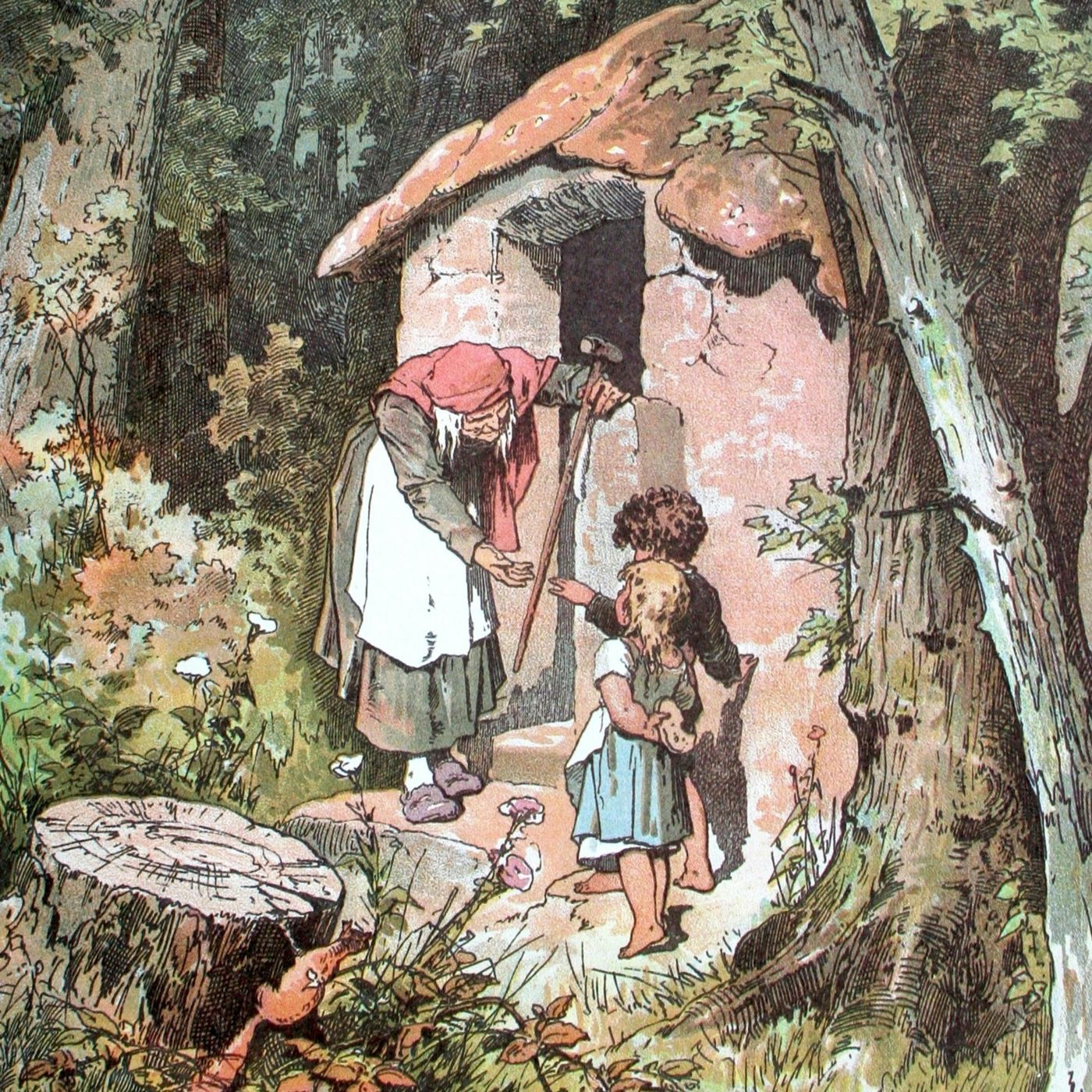
有两个孩子被父母遗弃在森林里,结果意外发现了一座用糖果盖成的小屋。
Two children are left in the forest by their parents and end up finding a witch's house made of sweets.
这个故事你肯定知道。
You know the story.
但如果那个女巫是中国人的呢?
But what if the witch was Chinese?
那一切就都不一样了。
That would change everything.
继续听,来学英语。
Keep listening to learn English.
你好,亲爱的英语学习者们,欢迎收听《Easy Stories in English》,这个节目将帮助你的英语从还行提升到不错,再从不错进步到出色。
Hello, my lovely learners, and welcome to Easy Stories in English, the podcast that will take your English from okay to good and from good to great.
我是你们的主持人阿里尔·古德贝迪。
I am Ariel Goodbody, your host for this show.
今天的故事是中级偏低水平的《汉塞尔与格蕾特》。
Today's pre intermediate story is called Hansel and Gretel.
和往常一样,文本和PDF文档都可以在easystoriesinenglish.com上找到,链接在简介里。
As always, the transcript and PDF are available at easystoriesinenglish.com, and you can find the link in the description.
汉塞尔与格蕾特是一个非常经典的童话故事。
So Hansel and Gretel is a really classic fairy tale.
至少在欧洲,这通常是父母小时候讲给孩子的第一个故事。
At least in Europe, it is one of the first stories that your parents tell you when you're a child.
但在这里好像没那么流行,所以我这个版本其实是根据我在中文课堂上给学生布置的作业改编的。
It doesn't seem to be so popular over here, so this version of the story is actually based on some homework I made for my students here in China.
我当初给他们的版本更简单,分成了好几部分,但核心还是想让他们了解《汉赛尔与格蕾特》这个经典故事,顺便加点中国元素。
The version I gave them was much simpler and broken into multiple parts, but essentially, I wanted to give them the classic story of Hansel and Gretel with a little Chinese twist.
后来我问了问他们,才发现很多人根本没听过原版故事,原来如此。
However, I discovered upon asking them that many of them were not familiar with the original story, so there you go.
我想大概是因为还没有迪士尼版的改编吧。
I guess it's probably because there hasn't been a Disney version of it.
在原版故事里,这两个孩子家境非常贫寒,父母决定把他们丢在森林里。
So in the classic version of the story, these two children have very poor parents, and their parents decide to abandon them in the woods.
这样的事发生了三次。
Three times it happens.
第一次,他们靠一路撒下的石子、绳子,或者别的什么东西,找到了回家的路。
The first time, they get back by following a trail of rocks or string or, you know, they drop something on the ground to lead them home.
第二次,他们还是用了同样的办法。
The second time, they do the same thing.
但第三次,他们用了面包屑,这个我待会儿会讲。
But the third time, they use breadcrumbs, which I'll talk about later.
或者干脆说吧。
Or you know what?
我现在就告诉你,免得你听不明白。
Let me talk about it now so you know what I'm talking about.
这样更清楚些。
That would be useful.
面包屑,c-r-u-m-b,就是一小块面包、蛋糕或者饼干。
So a crumb, c r u m b, is a small piece of bread, cake, or biscuit.
吃面包的时候,总会掉下一些小碎屑,落在盘子里。
When you eat breads, little bits of the bread break off and fall on your plate.
这些小碎屑就叫面包屑。
These are crumbs.
面包屑在烹饪中经常用到。
Breadcrumbs are often used in cooking.
比如,你先把肉蘸上蛋液,再裹上一层面包屑,然后下油锅炸。
For example, you might dip a piece of meat in egg, then coat it in breadcrumbs, and then deep fry it.
特别香。
Delicious.
所以说到第三回,汉塞尔和格蕾特的父母又想把他们丢在森林里时,他们就用面包屑做标记好回来,结果却不行,因为鸟把面包屑全吃光了。
So anyway, the third time Hansel and Gretel's parents try to leave them in the forest, they use breadcrumbs to get back, but it doesn't work because birds eat all the breadcrumbs.
天哪。
Oh, no.
接着他们发现了一座用甜食盖的房子,像蛋糕、巧克力、糖果之类的。
And then they go and find a house that's made of sweets, like cake, chocolates, candy.
如果你是美国人,就说糖果。
If you're American, candy.
他们一看,惊呆了。
And they are like, oh my god.
一座用糖果做的房子。
A house made of sweets.
我们是孩子。
We are children.
我们特别爱吃甜食。
We love sweets.
于是他们走过去,开始吃那些糖果。
And they go, and they eat the sweets.
然后女巫说:‘进来吧,孩子们。’
And then the witch says, oh, come inside, children.
但她把汉塞尔关进笼子,天天喂他吃东西,让他越长越胖,打算把他吃掉。
But then she puts Hansel in a cage, she traps him, and keeps giving him food so he gets fatter and fatter, and she plans on eating Hansel.
后来女巫打开烤箱,想把汉塞尔扔进去,格蕾特却把她推了进去,女巫就这么死了。
But then when she opens the oven to put Hansel inside, Gretel pushes her in the oven and she dies.
这就是这个童话的经典版本。
That's the classic version of the fairy tale.
但和往常一样,我的版本加了个转折,结局可要可怕得多。
But as always, my version has a little twist, and it does have quite a horrible ending.
原版故事里,女巫是被活活烧死在自己的烤箱里的。
Now the original story dies with a witch being burned alive in her own oven.
这画面够血腥的。
That's pretty gruesome.
也够暴力的。
That's pretty violent.
而我的版本,结局还要更骇人。
But my version has an even more horrible ending.
所以,给小孩子听的时候,最好小心点。
So just maybe be careful about listening with young children.
我觉得十岁以上的孩子应该还能接受,但要是孩子更小,我建议你先别让他们听,或者你自己先听一遍,确认一下适不适合他们。
I think maybe any child from the age of 10 onwards will be okay, but I would say with younger children, maybe maybe don't listen to this episode or maybe listen yourself first and make sure it's suitable for your child.
也许你本来就喜欢给孩子讲特别血腥、吓人的故事。
Maybe you like telling your child really violent, gruesome stories.
如果我是个家长,我肯定天天给孩子们讲些吓人的故事。
I certainly know if I was a parent, I would tell my children horrible stories all the time.
保准让他们夜夜做噩梦。
I would give them so many nightmares.
好在我不是个父亲,这倒也是件好事。
It's probably a good thing I'm not
啊
a
父亲。
father.
好吧。
Okay.
我来解释一下今天故事里的一些词。
I'll just explain some words that are in today's story.
伐木工就是专门砍树、劈柴的人。
A woodcutter is a person whose job it is to cut down trees and cut up wood.
现在伐木工都用大型机器砍树,我们通常也用机器把木材切成块。
These days, woodcutters use big machines to cut down trees, and we usually use machines to cut wood into pieces.
但过去,伐木工是用斧头砍树的,把木头劈开是家常便饭,因为那时候家里都烧火取暖。
But in the past, woodcutters would use axes to cut down trees, and cutting up wood was a normal job because people made fires in their homes.
如果你爱吃甜食,那就说明你有甜食瘾。
If you have a sweet tooth, you love sweet food.
如果你一直听这个播客,那我有甜食瘾应该一点都不让你意外。
If you've been listening to the podcast for a while, it will not surprise you to learn that I have a sweet tooth.
蛋糕、糖果、巧克力,我都喜欢。
Cake, sweets, chocolate, I love it all.
有一种甜食你可能听说过,叫邦邦糖。
One type of sweet that you might know is a bonbon.
邦邦糖其实就是指那种小巧、通常是圆形的糖果。
Bonbon really just means any small, usually round, sweet or candy.
小时候我特别喜欢那种软糯的苹果味邦邦糖。
I particularly liked soft chewy apple bonbons when I was a child.
在这个故事里,我提到两个人都有甜食瘾,当时我不确定该用哪个复数形式。
Now in this story I talk about two people having a sweet tooth and I wasn't sure what plural to use.
通常我们会说‘two teeth’。
Normally, we say two teeth.
‘tooth’的复数形式是不规则的。
Tooth has an irregular plural.
但‘sweet tooth’并不是真的指牙齿,而是一种比喻,所以也许可以用规则的复数形式。
But because sweet tooth isn't a literal tooth but a metaphor, maybe it can take a regular plural.
我只好去查了一下,结果发现正确的说法其实是‘sweet tooths’,因为它指的不是真正的牙齿,而是人。
I had to Google this, and I found out that the correct form is in fact sweet tooths because it is not referring to literal teeth but people.
所以现在你知道了。
So there you go.
就连我这个母语者,有时候也不太确定英语的正确用法。
Even for me as a native speaker, I sometimes am not quite sure what the correct English is.
一根小树枝,拼写是 t-w-i-g,就是一小段木头。
A twig, t w I g, is a small piece of wood.
树木的树枝很长,当枝条末端折断时,就变成了小树枝。
Trees have a long branches and when the end of a branch breaks, it becomes a twig.
你可以在森林里的地上找到这些小树枝。
You can find twigs on the ground in the forest.
当你放弃某样东西时,意思是永远把它丢在那里了。
When you abandon some something, a b a n d o n, you leave it somewhere forever.
比如,如果你的车在荒郊野外抛锚了,可能只能弃车,徒步走到有帮助的地方。
For example, if your car breaks down in the middle of nowhere, you might have to abandon it and walk until you can find help.
或者你刚开始一个项目,后来觉得无聊,就干脆撂挑子不干了。
Or you might start a project, get bored, and then abandon it.
有时候父母会抛弃孩子,孩子之后就被别人收养了。
Sometimes parents abandon their children, and the child is adopted by someone else.
半途而废的人,就是那种遇到困难就放弃的人。
A quitter is someone who quits, who gives up.
我们通常会说‘别当逃兵’,或者‘我妈可没养出个半途而废的’,意思就是我不会轻易放弃。
Usually, we use this in the expression, don't be a quitter, or my mother didn't raise a quitter, which you say to mean, I'm not going to give up.
我会继续努力。
I'm going to keep trying.
当然,有些事情还是放弃比较好,比如香烟或者毒品。
Of course, there are also things that are good to quit, like cigarettes or drugs.
当你信任一个人,但他们做了伤害你的事,那就是背叛了你。
When you trust someone, but they do something to hurt you, then they have betrayed you.
比如,你跟朋友分享了一个秘密,结果他告诉了你的敌人,这就是背叛你。
For example, if you tell your friend a secret and then they tell that secret to your enemy, they have betrayed you.
如果你在军队里打仗,朋友从背后开枪打你,那就是在背叛你。
If you are fighting in the army and your friend shoots you in the back, he is betraying you.
名词形式是‘背叛’,b-e-t-r-a-y-a-l。
The noun form is betrayal, b e t r a y a l.
我们也可以更广泛地谈论背叛。
We can talk about betrayal more generally.
比如,我在商店看到糖果袋买一送一的促销,就拿了两袋。
For example, when I saw a buy one get one free offer on bags of bonbons at the shop, I got two bags.
但我去结账的时候,他们说这个优惠已经没了。
But when I went to pay, they said the offer wasn't on anymore.
这简直太坑人了。
What a betrayal.
你可能已经知道了,但女巫就是会施魔法的邪恶女人。
You probably know this one by now, but a witch is an evil woman who does magic.
女巫养黑猫当宠物,戴大黑帽,骑着扫帚飞来飞去。
Witches go, they have black cats as pets, they wear big black hats and they fly on broomsticks.
Belly 是‘肚子’的非正式说法。
Belly is an informal word for stomach.
我们平时聊身体外部时经常用这个词。
We use it a lot when talking about the outside of the body.
比如有人喝太多啤酒,可能会有个啤酒肚,就是圆滚滚的大肚子。
For example, if someone drinks a lot of beer they might get a beer belly, a big round belly.
如果你双臂伸直跳进游泳池,这叫‘肚子拍水’,因为肚子先砸到水面,通常特别疼。
If you jump into a swimming pool with your arms stretched out, it's called a belly flop because your belly hits the water first and it usually hurts a lot.
一根长条状的木头或金属叫作吧条。
A bar is a long thin piece of wood or metal.
在监狱里,囚犯会被关在铁栏后面。
In prisons, prisoners go behind bars.
他们住在牢房里,其中一堵墙是一排排铁栏杆。
They sit in cells where one of the walls is a series of metal bars.
监狱的铁栏。
Prison bars.
在很多经典电影里,人们会想办法弯折或打断铁栏逃出去。
In many famous films, people find ways to bend or break the prison bars to get out.
明白了。
Okay.
接下来请认真听,好好享受。
So listen and enjoy.
汉塞尔与格蕾特。
Hansel and Gretel.
从前,有一个小男孩叫汉赛尔,还有一个小女孩叫格蕾特。
Once upon a time, there was a young boy called Hansel and a young girl called Gretel.
汉赛尔和格蕾特跟父母住在一片树林边的小村庄里。
Hansel and Gretel lived in a small village by the woods with their parents.
妈妈是老师,爸爸是伐木工。
Their mother was a school teacher and their father was a woodcutter.
村里人人都喜欢他们。
Everyone in the village loved them.
但每年,村子里的人越来越少。
But every year, the village got smaller.
很多人搬走了。
Many people moved away.
他们搬去了城镇和大城市。
They moved to towns and big cities.
因此,汉赛尔和格蕾特的父母活儿越来越少,钱也越来越少。
So Hansel and Gretel's parents had less and less work and less and less money.
最后,村里只剩下寥寥几人,这家小日子也过得越来越艰难。
Eventually, there was only a handful of people left in the village and things got miserable for the small family.
吃饭的时候,常常只能啃干面包。
At dinner, they often had nothing but dry bread to eat.
遇到这种情况,汉塞尔和格蕾特从不哭闹,也不抱怨。
When this happened, Hansel and Gretel never cried or complained.
他们是懂事又聪明的孩子,总是乖乖听父母的话。
They were good, clever children, and they always did what their parents told them.
但有一样东西能让他们瞬间变成小恶魔——糖果。
But there was one thing that could turn them into little monsters, Sweets.
他们对甜食的渴望,简直比脑袋还大。
They had sweet tooths bigger than their heads.
该说‘甜牙’还是‘甜齿’呢?
Or is it sweet teeth?
要是让他们在三道菜和一颗糖果之间选,他们每次都毫不犹豫选糖果。
And if they had the choice between a three course meal and a single bonbon, they would pick the bonbon every time.
每个星期六,汉塞尔和格蕾特都会问:‘爸爸妈妈,今天能给我们点甜食吗?’
Every Saturday, Hansel and Gretel would ask, mom, dad, can we have some sweets today?
以前家里还有钱的时候,他们每星期六都会进城,买回一大袋一大袋的糖果。
In the past, when the family had had money, they went into town every Saturday and bought big heavy bags of sweets.
孩子们会坐在花园里的树下,花上好几个小时慢慢吃糖果。
The children would spend hours eating the sweets, sitting under the tree in the garden.
有一阵子,他们没钱去买糖果了,但妈妈至少还能在家烤点蛋糕,或者在面包上撒点糖屑。
For a while, they didn't have the money to go and buy sweets, but their mother could at least make cakes at home or put bits of sugar on their bread.
可现在连买糖果和糖的钱都没有了,孩子们每到星期六就只剩下抱怨。
But now they had no money for sweets or sugar, and the children spent every Saturday complaining instead.
有一晚,汉塞尔饿得睡不着觉。
One night, Hansel was so hungry he couldn't sleep.
他半夜爬起来找吃的,却听见父母在卧室门后说话。
He got up in the night to look for food, and he heard his parents talking through their bedroom door.
我早就跟你说过,咱们早该离开这个村子了,”他妈妈说。
I told you we should have left this village a long time ago, said his mother.
我不会去你家住。
I won't go and stay with your family.
这太丢人了。
It's embarrassing.
要么是我,要么是孩子。
It's me or the children.
你怎么能这么说?
But how can you say that?
汉塞尔的父亲说。
Said Hansel's father.
还有孩子呢。
There are children.
我从来就没想要过孩子。
I never wanted them.
你说过我们在这儿能过上好日子的。
You said we would have a good life in this village.
你看看我们现在成什么样了。
Look at us now.
我听说别的人也干过同样的事。
I've heard of other people doing the same thing.
要是运气好,他们会被女巫吃掉,谁也不会多问。
If we're lucky, they'll be eaten by a witch, and nobody will ask any questions.
第二天早上,汉塞尔和格蕾特的父母告诉他们,要去树林里捡坚果和浆果。
The next morning, Hansel and Gretel's parents told them they were going into the woods to look for nuts and berries.
但汉塞尔知道他们的真实打算。
But Hansel knew what their plan was.
那天晚上,他捡了一堆小树枝。
In the night, he had collected twigs.
他们越往森林深处走,他就越在路上撒下树枝。
And as they went deeper and deeper into the forest, he dropped the twigs along the path.
最后,母亲说:我们只是去打点水,孩子们。
Finally, their mother said, we are just going to get some water children.
我们马上回来。
We will be right back.
他们的父母把他们丢在了森林里。
Their parents left them in the forest.
汉塞尔和格蕾特一边玩,一边吃着采到的坚果和浆果。
Hansel and Gretel played and ate the nuts and berries they had found.
五分钟过去了。
Five minutes passed.
十分钟过去了。
Ten minutes passed.
接着是十五分钟。
Then fifteen.
他们怎么还不回来?
When are they coming back?
格蕾特问道。
Said Gretel.
汉塞尔叹了口气。
Hansel sighed.
昨晚我想跟你说这事,可你睡得死死的。
I wanted to tell you about this last night, but you were sound asleep.
汉塞尔解释说,父母打算把他们丢在森林里,而他早就捡了小树枝一路撒下来做标记。
Hansel explained their parents' plan to abandon them in the forest, and how he had collected and dropped the twigs.
走吧,他说。
Come on, he said.
他们顺着小树枝走,走了很久,终于回到了家。
They followed the twigs, and after walking for a long time, they came home.
他们父亲正在外面砍柴,看到他们回来,一脸惊讶。
Their father was outside cutting wood, and he looked very surprised to see them.
哎呀,你们回来了,他说。
Oh, you're back, he said.
真是太好了。
How wonderful.
我们迷路了。
We got lost.
你看吧。
You see?
我们本来打算去找你的。
We were going to go and look for you.
汉塞尔和格蕾特笑了,问什么时候吃午饭。
Hansel and Gretel laughed and asked when lunch was.
他们以为这事就这么结束了。
They thought that this was the end of things.
说到底,每个父母都曾有过想抛弃孩子的念头。
Surely, all parents try to abandon their children sometimes.
毕竟,他们以前也试过离家出走,结果一样没成功。
After all, they had tried running away from home before, and that was just as unsuccessful.
但那天晚上,格蕾特起床去上厕所时,无意中听到了父母的谈话。
But that night, when Gretel got up to go to the toilet, she overheard their parents talking.
我们再试一次,”母亲说。
We'll try again, said their mother.
他们这次纯属运气好才逃出来的。
They just got out by good luck.
这次我们一定要往森林深处走。
We'll go really deep into the forest this time.
好的,亲爱的。
Yes, dear.
于是格蕾特去捡了些石头,塞满了口袋。
So Gretel went and collected rocks and filled her pockets with them.
第二天一早,父母带他们进了森林,和前一天一样,格蕾特一路撒下石头做标记。
The next morning their parents took them into the woods, and just like the day before, Gretel dropped rocks along the path.
汉塞尔担心父母会发现她的举动,就不停地问问题,每个回答后面都追着问:为什么?
Hansel was worried that their parents might see her, so he asked his parents lots of questions, following each answer with, why?
为什么?
Why?
为什么?
Why?
父母又一次把他们丢在了森林里,说他们现在长大了,可以自己去找坚果和浆果了。
Again, their parents abandoned them, saying they were big children now and could look for nuts and berries by themselves.
汉塞尔和格蕾特等了一会儿,然后顺着石头路回到了家。
Hansel and Gretel waited for a while and then followed the rocks back home.
这次他们发现门锁着,只好使劲敲了好一阵子,妈妈才开门。
This time they found the door locked, and they had to bang on it for a long time before their mother opened it.
你们真是聪明的孩子啊,她冷冷地说。
You are such intelligent children, she said coldly.
那天晚上,晚餐静悄悄的。
Dinner was quiet that night.
他们只能吃干面包。
They only had dry bread to eat.
格蕾特一口都没吃自己的那份。
Gretel didn't eat hers.
她实在太害怕了。
She was far too scared.
她觉得一定会出什么事。
She felt that something bad was going to happen.
于是她把面包藏在了口袋里,留着第二天吃。
So she hid the bread in her pocket, saving it for the morning.
幸好她这么做了,因为母亲整晚都盯着,不让他们出门,第二天早上,屋外连一根树枝都没留下。
It was just as well because their mother kept watch during the night to make sure they didn't go outside, and the next morning they found no twigs, or anything near the house.
母亲比他们起得还早,把所有东西都清理干净了。
Their mother had got up before them and cleared everything away.
我们该怎么办,格蕾特?
What are we going to do, Gretel?
汉塞尔说。
Said Hansel.
别担心,汉塞尔,格蕾特说。
Don't worry, Hansel, said Gretel.
我昨晚还留着面包呢。
I have my bread from last night.
我们可以撒面包屑,而不是树枝或石头。
We can drop breadcrumbs instead of twigs and rocks.
虽然小了点,但应该管用。
They're smaller, but it will work.
他们沿着小路走的时候,格蕾特从口袋里掏出面包屑,一路撒下去。
So as they walked along the path, Gretel pulled breadcrumbs out of her pocket and dropped them.
妈妈一直在盯着他们,但面包屑太小了,她根本没注意到。
Their mother was watching them carefully, but the breadcrumbs were too small for her to notice.
这次他们走了好几个小时,直到树木变得又密又挤,连路都难走。
This time they walked for hours until the trees stood close together and it was hard to move.
可他们还是继续往前走。
And still, they walked more.
最后,爸爸说:‘孩子们,去那边看看吧。’说完又把他们丢下了。
Finally, their father said, go and look over there, children, and abandoned them again.
汉塞尔和格蕾特没等多久。
Hansel and Gretel didn't wait long.
他们不想待在这个可怕的森林里。
They didn't want to be in this scary forest.
但当他们试着沿面包屑走时,发现面包屑全没了。
But when they tried following the breadcrumbs, they found that the breadcrumbs were gone.
我明明就在这里掉了一块,格蕾特说。
I'm sure I dropped one here, said Gretel.
他们又走了一段路,看见一只鸟正在吃地上的面包屑。
They walked for a while, and then saw a bird eating some of the bread crumbs.
走开。
Shoo.
走开。
Shoo.
汉塞尔说。
Said Hansel.
天哪,格蕾特。
Oh, no, Gretel.
所以我们才找不到面包屑了。
That's why we can't find the breadcrumbs.
都被鸟吃光了。
The birds have eaten them all.
事情就这样了。
So that was that.
他们被父母抛弃了,真的在森林里迷了路。
They had been abandoned by their parents, and they were truly lost in the woods.
但汉塞尔和格蕾特都不是轻易放弃的人,也不软弱。
But Hansel and Gretel were not quitters, and they were not weak.
也许是因为妈妈当过老师,才教会他们不要轻言放弃。
Perhaps having a mother who was a school teacher taught them not to be quitters.
她总对学生们说,别当逃兵。
She always said to her students, don't be a quitter.
而父亲是伐木工,也让他们变得坚强,因为他们经常帮父亲砍柴。
And having a father who was a woodcutter taught them to be strong as they often helped him cut wood.
所以尽管父母抛弃了他们,却也教会了他们如何坚持下去。
So although their parents had abandoned them, they had also taught them how to keep going.
汉塞尔和格蕾特在树林里走了好一会儿,汉塞尔突然说:‘格蕾特,你看,那边有烟冒出来。’
Hansel and Gretel walked for a while in the woods, and then Hansel said, look, Gretel, there is smoke coming from over there.
真的有烟。
It was true.
远处确实飘着烟,有烟的地方,就一定有火。
There was smoke coming from somewhere in the distance, And where there is smoke, there is fire.
于是两个孩子朝着烟的方向走去。
So the children followed the smoke.
走着走着,感觉时间好像永远停住了。
As they walked, it felt like time went on forever.
他们仿佛走了好几年,可太阳却还高高挂在天上。
They could have been walking for years, although the sun stayed high in the sky.
那片森林有点古怪,带着一股魔力。
There was something strange about that forest, something magical.
他们走着走着,空气变得不一样了,更暖和,也更潮湿。
The air felt different as they walked, warmer, more humid.
最后,他们终于找到了烟的来源。
Finally, they found where the smoke was coming from.
那是一座小房子。
It was a small house.
但这可不是普通的小屋。
This was no ordinary house, however.
房子是用蛋糕做的。
It was a house made of cake.
墙壁是柔软的棕色蛋糕体,烟是从里面的一个烤箱里冒出来的。
It had soft brown caky walls, and the smoke was coming from an oven inside.
也许有人在烤更多的蛋糕,也可能有人在烤更多的房子。
Maybe someone was baking more cake, or maybe someone was baking more house.
不管怎样,孩子们饿极了,根本没多想。
Either way, the children were so hungry that they didn't think twice.
他们冲到房子前,张口就咬了上去。
They ran to the house and stuck their teeth into it.
但很快他们就发现,这东西一点也不甜。
But as they soon discovered, it wasn't sweet at all.
这蛋糕真怪,格蕾特说。
This cake is strange, said Gretel.
一点都不甜。
It's not sweet.
我知道,汉塞尔说。
I know, said Hansel.
每咬一口,我都指望会甜一点,可就是不甜。
Every bite, I hope it'll be sweeter, but it's not.
平时他们是不会抱怨的。
Normally, they would not complain.
毕竟,饿肚子的时候,能填饱肚子就是好东西。
After all, food is food when you're starving.
但对于爱吃甜食的人来说,看到明明看着甜,吃起来却完全不是那么回事的东西,那种失望感简直比被父母抛弃还要严重,至少对汉塞尔和格蕾特来说是这样。
But for someone with a sweet tooth, to see something that looks sweet, but is in fact not, is a greater betrayal than being abandoned by your mother and father, or at least for Hansel and Gretel it was.
格蕾特大叫起来。
Gretel screamed.
汉塞尔转过身,看见一位老妇人站在房子门口。
Hansel turned around and saw an old woman standing at the door of the house.
她穿着破旧的衣服,脸又脏又丑。
She had old worn clothes and an ugly dirty face.
是女巫!格蕾特尔喊道。
It's a witch, cried Gretel.
毕竟,独自住在树林里的丑陋老妇人都可能是女巫。
Ugly old women who lived alone in the woods were always witches after all.
她在说某种巫婆语,汉塞尔说,两个孩子转身就跑。
She's speaking some kind of witch language, said Hansel, and the two children ran away.
但孩子们已经跑远了。
But the children were already far away.
这真是可惜。
It was a shame too.
那位老太太根本不是巫婆,只是一个孤单的老人,特别想有孩子陪着。
The old woman was not a witch, but a lonely old woman who would have loved to have children.
她讲的根本不是什么巫术语言,而是中文——这也解释了为什么那座糖果屋不够甜。
The witch language she was speaking was in fact Chinese, and that was the same reason the cake house was not sweet enough.
传统中餐讲究甜味不能太浓,老太太一向坚持这么做菜。
In good traditional Chinese cooking, sweets should not be too sweet, and the old woman liked cooking the traditional way.
要是孩子们肯进屋,她能给他们端出一大堆美味佳肴。
If the children had come inside, she could have given them so much delicious food.
汉塞尔和格蕾特一直跑到森林边缘。
Hansel and Gretel ran until they reached the edge of the forest.
幸运的是,他们远远就看见了一座城市。
And to their luck, they could see in the distance a city.
而且不只是随便哪座城市,是无锡。
And not just any city, but the city of Wuxi.
森林里发生了某种奇妙的事,孩子们不知不觉就到了中国。
Something magical had happened in the forest, and somehow the children had arrived in China.
他们看见无锡城,第一反应就是找吃的,找个地方睡觉。
They saw the city of Wuxi and thought of food and somewhere to sleep.
在路上,他们经过一些进城来卖东西的人。
On the road, they walked past people carrying things into the city to sell.
潮湿的空气里,他们闻到了糖的味道。
In the humid air, they smelled sugar.
但当他们想跟人搭话时,所有人都说着和那位老太太一样的奇怪语言。
But when they tried to talk to the people, they all spoke the same strange language as the old woman.
如果汉塞尔和格蕾特会说中文,问起这座城,也许有人会这么说。
If Hansel and Gretel had spoken Chinese and asked about the city, perhaps someone would have said this.
哦,无锡城。
Oh, the city of Wuxi.
我们这座城市以糖出名。
Our city is famous for sugar.
糖沾在嘴唇上,甜在舌尖上,甜到肚子里。
Sugar on our lips, sugar on our tongues, sugar in our bellies.
对一个无锡人来说,一堆糖就是一堆宝石。
To a man from Wuxi, a pile of sugar is a pile of gems.
我们往面条里加糖,往肉上撒糖,往鱼上也放糖。
We put sugar in our noodles, on our meat, on our fish.
冬天下的不是雪,是糖粉;秋天落的不是雨,是糖浆。
In the winter it snows sugar, and in the autumn it rains sugar.
在无锡,拖完地,抹布上沾的不是灰尘,是糖。
In Wuxi, when you clean the floor, you find not dust but sugar on your cloth.
没错。
Yes.
对于任何爱吃甜食的孩子来说,这里简直是天堂。
This is the perfect city for any child with a sweet tooth.
但孩子们根本不用等太久就能自己发现真相。
But the children didn't have to wait long to find out themselves.
一到城里,他们就顺着糖的香味走进一家餐馆,然后靠指指点点点了一桌菜。
When they reached the city, they simply followed the smell of sugar into a restaurant and then used the universal language of pointing at things to order food.
不一会儿,一桌丰盛的饭菜就摆到了孩子们面前。
Soon a feast had arrived in front of the children.
如果把看起来不甜却实际是甜的食物给人,算是欺骗甜食爱好者,那把看起来普通却甜得惊人的食物端上来,简直就是天堂般的惊喜。
And if giving food that looks sweet but isn't is a betrayal to someone with a sweet tooth, then giving them food that looks normal but is actually sweet is the most wonderful thing.
孩子们吃着面条、鱼和牛肉,发现它们甜得像蛋糕、糖果和巧克力,顿时兴奋得不得了。
When the children ate their noodles, fish, and beef and found that they were as sweet as cake, sweets, and chocolate, they were thrilled.
天啊,我真想一天到晚吃这个,”格蕾特说。
Oh, I could eat this all day, said Gretel.
我不知道这是哪儿,”汉塞尔说,“但我一点都不想走。
I don't know where we are, said Hansel, but I never want to leave.
可等他们吃完饭,服务员拿来账单时,心情就一下子跌到了谷底。
But when they finished their meal and the waiter brought over the bill, they were not so happy.
格蕾特,这
Gretel, how
我们怎么付钱啊?
are we going to pay for this?
哦,我们只是穷孩子,格蕾特说。
Oh, we are just poor children, said Gretel.
我们没钱。
We have no money.
她翻遍了口袋,给他们看里面空空如也。
She opened her pockets and showed them that they were empty.
服务员脸色不太好看,但还是走了。
The waiter did not look happy, but he left.
太好了。
Great.
现在快跑,汉塞尔说。
Now let's run, said Hansel.
但他们吃得太饱了,脚步沉重,根本跑不快,才刚走出没几米,就被两只大手一把抓住。
But they were so heavy from all the food that they could not run fast, and they were only a few meters down the street when two large hands grabbed them.
还没等他们反应过来,一个大汉就把他们拎起来,带走了。
And before they knew what was happening, a big man had picked them up and carried them away.
他把他们押到镇上的监狱,扔了进去,锁上了铁栏杆。
He took them to the town prison and threw them inside, locking them behind bars.
等等。
Wait.
你不能把我们关进监狱,”格蕾特说。
You can't put us in prison, said Gretel.
我们只是孩子。
We're just kids.
但那个中国警察根本听不懂,也根本不关心。
But naturally, the Chinese policeman did not understand, and he certainly didn't care.
那天晚上,汉塞尔和格蕾特紧紧相拥,哭了起来。
That night, Hansel and Gretel hugged each other and cried.
他们并不觉得冷。
They were not cold.
那座城市又热又潮湿,但他们吃太多糖,胃里难受,牙齿也疼。
It was hot and humid in that city, but they felt sick from all the sugar, and their teeth hurt.
第二天早上,他们饿醒了,幸运的是,牢房外站着一位好心的老太太。
The next day, they woke up hungry, but fortunately, there was a kind old woman waiting on the other side of the prison bars.
和他们在森林里遇到的女巫不一样,这位老太太很漂亮。
Unlike the witch they'd met in the forest, this woman was beautiful.
她穿着红色丝绸衣服,面容干净,长发乌黑。
She had red silk clothes, a clean face, and long black hair.
她笑起来像他们的妈妈。
She smiled like their mother.
她把一些米糕从牢笼缝隙里递进来,孩子们毫不犹豫地吃了下去。
She passed some rice cakes through the prison bars, and the children didn't think twice before eating them.
他们真是幸运。
How lucky they were.
接下来的几周里,孩子们一直被关在牢里,但那位善良的老太太每天都会来三次,给他们送饭。
Over the next few weeks, the children stayed in prison, but the kind old woman came three times a day to give them food.
因为没法运动,孩子们越来越胖,可他们在这儿过得挺开心。
With no way of doing exercise, the children got fatter and fatter, but they were happy there.
饭很好吃。
The food was good.
从牢房的窗户往外看,能看见外面有烟冒出来。
Through the window of the prison, they could see smoke outside.
大概是老太太在烤东西,炉子冒的烟吧。
Smoke from an oven, perhaps, where the old woman was cooking.
他们总说:‘明天就逃出去。’
We'll escape tomorrow, they would say.
可第二天,老太太做的饭实在太香了,他们立马就把逃走的事忘得一干二净。
The next day, the old woman's food was so good that they quickly forgot about escaping.
妈妈从小教他们不能半途而废,但有一样东西,他们怎么也放不下——那就是糖。
Their mother had raised them to not be quitters, but there was one thing they would never quit, sugar.
展开剩余字幕(还有 43 条)
嗯,你大概知道这个故事怎么收场了。
Well, you probably know how this story ends.
结局并不好看。
It isn't pretty.
女巫就是女巫,不管长得美不美,是欧洲的还是中国的。
A witch is a witch, whether beautiful or ugly, European or Chinese.
有天早上,监狱外的烟突然大了两倍,监狱也空了。
On one particular day, the smoke outside the prison grew twice as big, and the prison finally became empty.
那天,女巫吃了一顿美餐,连糖都不用加,肉里 already 满是甜味。
On that day, the witch ate a delicious meal, and she didn't even have to add sugar to her meat.
肉里早就甜透了。
It was already full of it.
故事讲完了。
The end.
谢谢您听这个故事。
Thank you for listening to this story.
希望你们喜欢这个故事。
I hope you enjoyed it.
我不确定无锡是不是真的那样。
I don't know if WuXi is really like that.
我知道无锡以甜食出名,但应该没那么夸张。
I do know that WuXi is well known for its sugary cuisine, but they are probably not so dramatic about it.
我猜无锡也不会有漂亮的女巫给孩子们送糖果,不过我也没去过那里。
I also imagine Wuxi does not have beautiful witches who feed children sweets, but then again, I've never been there.
也许真有。
Maybe it does.
在中国,什么事都可能发生。
In China, anything is possible.
我问学生无锡在哪,很多人根本不知道,看来在中国也没那么出名。
When I asked my students about WuXi, many of them did not know where it was, so I don't think it's even, like, that famous within China.
但一想到有个城市所有食物都特别甜,我就觉得挺有意思。
But the idea of a city where all the food is really sugary kind of amuses me.
我觉得这真的特别有趣。
I think that's just very funny.
这个点子挺有意思的。
It's a fun idea.
在童话里,这设定简直完美。
It certainly works well in a fairy tale.
Anyway,如果你喜欢这个故事,想支持我,还想获取一些独家内容,那就加入《Easy Stories in English Premium》吧——这是个没有女巫、也没有广告的特别版本。
Anyway, if you enjoyed this story and you want to support me and you want to get some bonus content, you should join Easy Stories in English Premium, the special magical no witches version of the podcast where you also get no advertisements.
天哪。
Oh my god.
这期节目正好赶在除夕前发布,我通常都会为除夕做一期特别节目,但这个月实在没想出什么有年味的故事。
This episode is coming out just before New Year's Eve, and I normally do a special episode for New Year's Eve, but I was lacking inspiration for a New Year's themed story this month.
不过呢,我会做一期加更,回顾一下整个2025年,顺便聊聊我的Spotify年度听歌报告。
However, I am going to do a bonus episode where I reflect on the whole year of 2025, and I go through my Spotify Wrapped.
你知道Spotify每年都会出一个叫‘Wrapped’的报告,总结你一整年的听歌数据吧?
So you know how Spotify makes this report called wrapped that tells you about all of your listening for the year?
对我们做播客的人来说,Spotify 也会给我们一份播放报告,显示有多少人听了、听众来自哪里、最受欢迎的是哪一集,等等。
Well, for us podcasters, we also get a Spotify wrapped for our podcast, telling us about how many people listened, where they're listening from, what the most popular episode was, and so on.
所以在这期附加节目中,我会跟大家分享我的 Spotify 年度报告,内容挺有意思的,不过可能对大多数听众来说没那么关键。
So in this bonus episode, I am going to go through my Spotify Wrap and talk about it with you because it's interesting, but it's maybe not super important to, like, everyone on the podcast.
相对来说,会更偏技术一点。
It's maybe a bit more technical.
正如我所说,这期附加节目里我会回顾整个 2025 年,因为天哪,2025 年真是太疯狂了。
And as I said, I will reflect on the whole year of 2025 in this bonus episode because, oh my god, 2025 has been a crazy year.
我今年搬到了中国,就是其中一件事。
I moved to China for one thing.
就这样吧。
So there we go.
再次感谢大家收听。
Thanks again for listening.
如果你想加入 Easy Stories in English Premium,收听无广告的剧集和这些独家内容,就去 easystoriesinenglish.com/support 吧。
And if you want to join Easy Stories in English premium and get ad free episodes and this bonus content, just go to easy storiesinenglish.com/support, support.
就是 easystoriesinenglish.com/support,直接输这个网址,或者在下方描述里找链接就行。
That's easystoriesinenglish.com/support, support, or just find the link in the description below.
这样更方便。
That's much easier.
哇哦。
Whoo.
我是在上班前录的这段,现在情绪特别激动。
I am recording this before work, and I'm in such a crazy mood.
待会儿去上班,不是把孩子们逗哭,就是把他们吓一跳。
I'm going to go to work and make all the kids cry or go, ah.
总得选一个。
One of the two.
总得选一个。
One of the two.
我肯定会让孩子情绪大起大落。
I will cause the children to have a strong emotional reaction.
可能是正面的,也可能是负面的。
Maybe positive, maybe negative.
咱们走着瞧吧。
We will see.
好了,再见。
Okay, bye.
关于 Bayt 播客
Bayt 提供中文+原文双语音频和字幕,帮助你打破语言障碍,轻松听懂全球优质播客。