本集简介
双语字幕
仅展示文本字幕,不包含中文音频;想边听边看,请使用 Bayt 播客 App。
欢迎收听《食物心理学》,这是一档致力于批判饮食和健康文化,并解答您关于直觉饮食和反饮食方法问题的播客。
Welcome to Food Psych, a podcast dedicated to critiquing diet and wellness culture and answering your questions about intuitive eating and the antidiet approach.
我是您的主持人克里斯蒂·哈里森,我是一名注册营养师、认证直觉饮食顾问、记者,也是《反饮食》《健康陷阱》以及新书《情绪性进食、慢性节食、暴食和身体形象工作手册》的作者,这些书在各大购书平台或 christyharrison.com/books 上均可购买。
I'm your host, Christy Harrison, and I'm a registered dietitian, certified intuitive eating counselor, journalist, and author of the books Anti Diet, The Wellness Trap, and the new emotional eating, chronic dieting, binge eating, and body image workbook, which are all available wherever you get your books or at christyharrison.com/books.
网址是 christyharrison.com/books。
That's christyharrison.com/books.
顺便说一下,在本节目中,我们会避免提及体重、卡路里等饮食文化细节,但不会屏蔽脏话或其他成人用语,敬请听众自行判断。
And by the way, on this show, we avoid diet culture details like weight and calorie numbers, but we don't censor swear words or other adult language, so listener discretion is advised.
你好。
Hey there.
欢迎回到《食物心理学》。
Welcome back to Food Psych.
这一集的内容是我在我另一个播客《重新思考健康》中分享的问答环节。
This episode is a Q and A I shared on my other podcast, Rethinking Wellness.
它早在一年多前就在那里发布了,现在我很高兴把它带到这里与你们分享。
It went live there over twelve months ago, And I'm excited to bring it to you here now.
如果你想获取我最新的内容,请在 rethinkingwellness.substack.com 成为付费订阅用户。
If you want to get my most up to date content, please become a paid subscriber at rethinkingwellness.substack.com.
同时,我迫不及待地想马上与你分享这次问答内容。
Meanwhile, I can't wait to share this Q and A with you in just a moment.
我创建的《直觉饮食基础》在线课程,旨在帮助你与食物和解,现已作为永久性自主学习课程上线,提供终身访问权限。
Intuitive Eating Fundamentals, the online course I created to help you make peace with food, is now available as an evergreen self paced course with lifetime access.
这门课程教你如何识别并拒绝饮食文化,享受食物并停止与自己的欲望抗争,重新感知身体的饥饿与饱足信号,打破限制-暴食或限制-反弹的循环,应对情绪性进食,并学习新的应对技巧。
It teaches you how to recognize and reject diet culture, take pleasure in food and stop fighting your desires, tune back into your body's signals of hunger and fullness, and the restrict binge or restrict rebound cycle, navigate emotional eating and learn new coping skills.
最重要的是,我认为要避免将直觉饮食变成一种隐蔽的节食方式。
And most importantly, I think, avoid turning intuitive eating into a sneaky diet.
立即注册,即可获得数百小时的支持性内容,包括13个关于直觉饮食原则的模块、深入探讨在与食物和解过程中常见问题的解决方案、特别冥想、日记练习等。
Sign up now for instant access to hundreds of hours of supportive content, including 13 modules on the principles of intuitive eating, deep dives into how to handle common issues that come up when you're trying to make peace with food, special meditations, journal exercises, and more.
了解更多详情并注册,请访问 christyharrison.com/course 或点击节目说明中的链接。
Get all the details and sign up at christyharrison.com/course or click the link in the show notes.
如果你从这里的对话中有所收获,请考虑每月支持几美元来资助这个播客。
If you've gotten something out of the conversations here, please consider supporting the podcast for a few bucks a month.
最好的方式是在 Substack 上注册为付费订户,网址是 rethinkingwellness.substack.com。
The best way to do that is by signing up as a paid subscriber on Substack at rethinkingwellness.substack.com.
如果你这么做,你还将获得更长的访谈、独家附加内容、无广告的剧集、仅限订户的文章和问答,以及其他更多内容。
If you do, you'll also get extended interviews and bonus segments, ad free episodes, subscriber only essays and q and a's, and more.
只需前往 rethinkingwellness.substack.com 并输入你的邮箱地址。
Just go to rethinkingwellness.substack.com and enter your email address.
非常感谢你的支持。
And thank you so much for your support.
那么,不多说了,我们开始吧。
And now without any further ado, let's get into it.
今天的问答是关于饮食规则的。
Today's Q and A is about food rules.
第一部分是我过去遵循的饮食规则。
The first part is about food rules I used to follow.
第二部分是我现在仍然努力践行的饮食原则,而不是规则。
And then the second part is about the eating principles, not rules I do still try to live by.
现在来看这个问题。
Now here's the question.
这个人写道,饮食文化向我们灌输了大量不同的饮食规则。
The person writes, diet culture feeds us a ton of different food rules.
你曾经遵守过什么样的饮食规则?
What is a food rule you used to stand by?
你是什么时候意识到这些规则是荒谬的?
And when did you realize it was nonsense?
在回答之前,我要提醒一下,这些回答仅用于教育和信息目的,不能替代医疗或心理健康建议,也不构成医患关系。
Before I answer, just a reminder that these answers are for educational and informational purposes only, aren't a substitute for medical or mental health advice, and don't constitute a provider patient relationship.
大约十年前到二十年前,当我正挣扎于饮食失调和长期节食时,我遵循了那么多饮食规则,简直难以只挑一个来谈。
A decade or two ago when I was struggling with disordered eating and chronic dieting, I followed so many food rules that it's hard to pick just one to talk about here.
但其中有几条规则,即使其他规则来来去去,它们却一直持续了相当长的时间。
But there were a couple that persisted more or less throughout those years, even as others came and went.
第一条是,我不被允许在一天中的某个时间之前进食,或在夜晚的某个时间之后进食。
The first was that I wasn't allowed to eat before a certain time of day or after a certain time of night.
基本上,这是一种我在间歇性禁食流行之前很久就自己发明的版本,灵感来自那些同样有饮食失调问题的朋友给的饮食建议。
Basically, a version of intermittent fasting that I made up long before that diet went mainstream based on diet tips from friends who were equally disordered eaters.
我会跳过或推迟用餐,直到饿得头晕眼花,然后试图在其余时间只吃少量食物,希望借此减重并变得所谓健康。
I would skip or delay meals until I was too ravenous to think straight and then try to eat small portions the rest of the time in the hopes of losing weight and being quote, unquote healthy.
难怪我几乎每天都会暴饮暴食。
It's no wonder I ended up binge eating most days.
难怪我总是感到饥饿,总是想着食物。
It's no wonder I was constantly hungry and constantly thinking about food.
这当然适用于大多数饮食方式,而不仅仅是间歇性禁食。
That's true of most diets, of course, not just intermittent fasting.
尽管支持者声称限时饮食能让你不那么饿,但这种说法缺乏科学依据;任何类型的节食都往往导致饥饿感增加,并可能引发暴食。
Despite proponents claims that a time restricted diet somehow makes you less hungry, which is not supported by scientific evidence, diets of any kind tend to lead to increased hunger levels and can trigger binge eating.
对某些人来说,这些副作用可能因为所谓的健康益处而显得值得承受。
For some people, those and other side effects may feel worthwhile for the purported health benefits.
但与许多饮食方式一样,间歇性禁食的这些宣称在数据中并未得到证实。
But with intermittent fasting, as with many diets, those claims aren't borne out in the data.
正如我之前在这里提到的,2021年的一项考科蓝系统性综述分析了18项研究,涉及1125名参与者,考察了包括减重、血糖以及胆固醇、甘油三酯和血压等心血管疾病风险因素在内的结果。
As I reported here before, a 2021 Cochrane systematic review analyzed 18 studies, including eleven twenty five participants, looking at outcomes including weight loss, blood sugar, and cardiovascular disease risk factors like cholesterol, triglycerides, and blood pressure.
该综述发现,在短期内,间歇性禁食比不节食者的体重略低一些。
The review found that in the short term, intermittent fasting led to slightly lower body weight than not dieting.
但这种差异小到不足以被视为具有临床意义。
But the difference wasn't big enough to be considered clinically significant.
收缩压的情况也是如此,但舒张压则没有明显差异。
The same was true for systolic blood pressure, but not diastolic blood pressure.
在血糖或其他任何测量的心血管风险因素方面,均未发现显著差异。
There were no differences in blood sugar or any of the other cardiovascular risk factors measured.
而且,现有证据的质量被评定为低至极低。
And the quality of the available evidence was deemed low to very low.
换句话说,间歇性禁食的潜在益处远不及其可能带来的负面影响。
In other words, the potential upsides of intermittent fasting are far outweighed by the likely downsides.
在我多年饮食紊乱期间,我断断续续遵循的另一条饮食规则是避免摄入麸质。
The other food rule I followed on and off through my years of disordered eating was avoiding gluten.
早在2003年我患上饮食失调初期,就出现了一系列健康问题,让医生们感到困惑。
Early in my eating disorder back in 2003, I developed a host of health problems that left my doctors mystified.
我患有桥本甲状腺炎,当时被诊断并接受了治疗。
I have Hashimoto's thyroiditis, which was diagnosed and treated around that time.
但即使我的甲状腺水平已恢复正常,我仍持续出现无法解释的症状,如疲劳、便秘、脑雾、消化问题、皮肤干燥和痤疮。
But I had persistent symptoms that couldn't be explained by my now normalized thyroid levels, fatigue, constipation, brain fog, digestive issues, dry skin, acne.
当我继续在传统医疗体系中寻求帮助时,一位熟悉替代医学的家人朋友建议我关注麸质问题。
As I continued to seek help in the conventional health care system, a family friend who was into alternative medicine urged me to look at gluten.
她最近自我诊断为麸质敏感,并认为这可能是我所有问题的根源。
She'd recently self diagnosed with a gluten sensitivity and thought that might be at the root of my problems.
当我开始在非循证网站和患者论坛上查阅相关信息时,尽管多次检测排除了乳糜泻,我仍深信不疑。
And when I started reading up on it on non evidence based web sites and patient message boards, I became convinced that was true despite multiple tests ruling out celiac disease.
我尝试了两周的无麸质饮食,但不确定是否有效。
I tried a gluten free diet for two weeks and wasn't sure if it helped.
但我此后多年断断续续坚持这种饮食,坚信它一定有效,因为所有我读到和听到的信息都支持这一点。
But I continued doing it on and off for years, convinced it had to have some effect based on everything I was reading and hearing.
我还撰写了多篇文章,宣扬无麸质饮食对非乳糜泻人群的所谓益处,助长了这一新兴的无麸质潮流。
I also wrote several articles about the supposed benefits of the gluten free diet for people without celiac disease, fanning the flames of the nascent gluten free trend.
现在当我看到媒体上的各种饮食潮流报道时,我经常反思这一点。
That's something I think about a lot now when I see diet trend pieces in the media.
这些记者中有多少人正在与自己的饮食关系作斗争,并将他们的饮食失调传播给大众?
How many of those journalists are struggling in their own relationships with food, broadcasting their disorder to the masses?
当我开始认真应对自己的饮食失调并接受心理治疗时,我逐渐意识到那些饮食规则并不适合我。
I started to realize those food rules weren't working for me when I began seriously addressing my disordered eating and therapy.
但起初,我并不认为这些规则是无稽之谈,或者至少不是缺乏科学依据的。
But at first, I don't think I actually viewed them as nonsense or at least non evidence based.
我只是觉得它们可能不适合我,或者在我频繁的自我批评时刻,认为自己没能正确执行它们。
I just thought maybe they weren't the right fit for me or in my frequent self critical moments that I was somehow doing them wrong.
我觉得自己身上一定有什么独特的问题或缺陷,才让我无法像其他人那样成功坚持这些饮食。
That there was something uniquely wrong and broken in me that prevented me from sticking with these diets that so many other people seem to be quote unquote succeeding with.
我开始接受自己不适合节食的事实,但对此我并不感到真正开心。
I started to feel resigned to the fact that I wasn't cut out for dieting, but I wasn't exactly happy about it.
几年后,当我开始专注于饮食失调以及我作为营养师和记者的工作时,我才终于意识到,这不仅仅是我个人的问题。
A few years later, when I started focusing on disordered eating and my work as a dietitian and journalist, it finally dawned on me that this was not just a me problem.
于是,我开始运用在研究生院学到的研究方法技能,深入剖析关于麸质、禁食和整体饮食的科学依据。
Then I started applying the research methods skills I'd learned in grad school to critically unpack the science on gluten, fasting, and diets in general.
我真正认识到,过去十年里我断断续续试图遵循的那些规则,背后几乎没有可靠的科学证据。
And I truly came to understand just how little good evidence there was behind the rules I'd tried to follow on and off for a decade.
就在那时,我确信自己再也不想节食了。
That's when I knew for sure I was done with dieting.
我的个人经历让我质疑饮食规则,而科学证据则最终让我下定决心。
My personal experience made me question diet rules, but the science sealed the deal.
这正是我如今的工作聚焦于深入挖掘科学研究的重要原因。
This is a big part of why my work today focuses on deep dives into scientific research.
我希望帮助那些已经对饮食和其他健康潮流产生怀疑的人,理解它们为何无效,并建立起更持久的抵抗力。
I want to help people who are already questioning diets and other wellness trends to understand why they don't work and develop a more durable resistance to them.
我知道,科学并不能改变每一个人。
I know science won't move the needle for everyone.
但对于那些大脑与我类似的人,我希望它或许能产生类似的效果。
But for those whose brains are wired similarly to mine, I hope maybe it can have a similar effect.
如今,我不再遵循任何饮食规则或节食计划。
Today, I no longer follow any food rules or diets.
不过,我仍会实践一些与食物相关的原则,不是以僵化的方式,而是因为它们有助于自我照顾。
Still, there are a few food related principles I practice, not in a rigid way, but because they're helpful for self care.
第一条是,当我饿了,我会尽量尽快进食。
The first one is that when I'm hungry, I try to eat as soon as possible.
这并不意味着我只在饿的时候才吃东西。
This doesn't mean that I only ever eat when I'm hungry.
有时我会提前进食,因为在我通常的用餐或加餐时间我会很忙。
Sometimes I eat preemptively because I'm going to be busy during my usual meal or snack time.
有时我会为了享受而进食,比如在生日派对上吃蛋糕,或者饭后即使不饿也吃甜点。
Sometimes I eat just for pleasure, such as having some cake at a birthday party or dessert after dinner even though I'm full.
但在日常生活中,每当我注意到饥饿的迹象,我都会努力停下正在做的事,去吃点东西。
But on a day to day basis, whenever I notice signs of hunger, I make an effort to wrap up whatever I'm doing and get some food.
偶尔,到了该吃饭的时候,我很难从工作或其他活动中抽身出来。
Occasionally, it can be hard to tear myself away from work or other activities when it's time to eat.
但我认为这既是为继续投入活动提供能量,也是为了避免因饥饿导致的崩溃而破坏我的乐趣。
But I think of it as essential both for fueling my continued engagement in the activity and for preventing any hunger related crashes that would derail my fun.
第二点是我尽量吃那些能让我维持体力并感到满足的食物。
The second thing I do is I try to eat foods that sustain and satisfy me.
每次吃饭时,我都尽量让自己吃够,直到真正感到饱足、满足,并能安心去做其他事情。
Each time I eat, I attempt to serve myself enough to feel truly full, content, and ready to move on to things other than food.
在我节食的时候,我常常只吃最少的食物来缓解饥饿,但这让我感到不满足,总想着下一顿饭,也很难真正投入生活。
In my dieting days, I often used to eat just the bare minimum to take the edge off the hunger, but that left me unsatisfied and yearning for my next meal and rarely fully present in my life.
而且这还容易让我暴饮暴食。
And it also set me up to binge.
除了吃够分量,我也会尽量吃各种我真正喜欢的食物。
In addition to eating enough, I do my best to eat a variety of foods that I actually enjoy.
每顿饭和每次零食都做到十分完美,这既不可能,也不现实。
It isn't possible or realistic for every meal and snack to be a 10 out of 10 smash hit.
追求这种完美本身可能形成一种紊乱,一种饮食上的完美主义,它会干扰生活并掩盖限制性行为。
And aiming for that can be its own form of disorder, a sort of gastronomic perfectionism that can interfere with life and mask restrictive behaviors.
但在我的日程和预算允许的范围内,我会尽量准备一些我喜欢并期待享用的食物。
But to the extent possible within my schedule and budget, I try to have foods available that I like and look forward to eating.
我很幸运能稳定地获得这类食物,因此我努力不将这一切视为理所当然。
I'm fortunate enough to have reliable access to these kinds of foods, and I try not to take that for granted.
第三点是我已经内化了直觉饮食的其他原则。
The third thing is that I've internalized the other principles of intuitive eating.
我上面提到的两个目标就是这些原则的一部分。
The two aims I mentioned above are among those principles.
直觉饮食是一种与食物和身体活动建立关系的框架,不受节食文化的影响。
And intuitive eating is a framework for relating to food and physical activity without the influence of diet culture.
我在与本集配套的Substack文章中提供了这十大原则的链接。
And I have a link to the 10 principles in the Substack post that goes with this episode.
这些原则在我从饮食失调中康复的过程中也极为有帮助,这也是为什么我在获得注册营养师资格后,最终成为了一名认证的直觉饮食顾问。
I also found those principles incredibly helpful in my recovery from disordered eating, which is why I eventually went on to become a certified intuitive eating counselor after getting my registered dietitian's license.
我如今通常遵循直觉饮食的原则,尽管除非我在向客户或学生讲授这些原则时,否则我并不总是主动去思考它们。
I generally live by intuitive eating principles today, though I don't always actively think about them unless I'm teaching them to clients or students.
例如,我不再需要在自己的生活中挑战‘食物警察’了,因为经过十多年康复后,这些声音已经 thankfully 不再出现在我的生活中。
For example, I don't really need to challenge the food police anymore in my own life because after more than a decade of recovery, those voices thankfully are no longer present for me.
关于直觉饮食,存在许多误解,我在2020年为《自我》杂志撰写的一篇文章中探讨过直觉饮食的迷思。
There are many misconceptions about intuitive eating as I covered in a twenty twenty piece for self about intuitive eating myths.
如果你想更深入地了解这些细节,这篇文章值得一读。
So that's worth reading if you want to learn more about the finer points.
至于直觉饮食背后的科学依据,其中也有不少细微之处。
As for the science behind intuitive eating, there are nuances to that too.
目前关于直觉饮食及相关框架的随机对照试验数量并不多,但已有少数研究显示,与传统节食相比,直觉饮食在某些指标上能带来更好的健康结果,在其他指标上则效果相当,且长期依从性远优于节食。
There isn't a huge number of randomized controlled trials of intuitive eating and related frameworks, but there are a few that show intuitive eating results in better health outcomes than conventional diets on some measures and similar outcomes on others and far better adherence over time than dieting.
大量观察性研究证据也表明,直觉饮食与积极的身材认同、自尊、幸福感相关,并能降低饮食失调、焦虑和抑郁症状的发生率。
A strong body of observational evidence also links intuitive eating to beneficial outcomes like positive body image, self esteem, and well-being, and lower levels of disordered eating and anxiety and depression symptoms.
但当然,对于观察性数据,我们无法确定这些关联究竟是因果关系,还是仅仅相关。
But of course, with the observational data, we can't know for sure if those associations are cause or effect.
有可能那些对自己和身体感觉更好的人,自然就会更倾向于直觉饮食。
It's possible that people who already feel better about themselves and their bodies just naturally eat more intuitively.
而他们的健康状况更多源于整体幸福感,而非饮食方式本身。
And that their good health has more to do with their overall well-being than their eating style.
我认为两者都有一定道理。
I'd say it's probably a bit of both.
直觉饮食在某些方面是一种有益的方法。
Intuitive eating is a helpful approach in some ways.
而在其他方面,它或许只是更高幸福感的一种体现。
And in others, it's maybe simply a marker of greater well-being.
最终,我认为直觉饮食是一种保守的 Approach。
Ultimately, I think of intuitive eating as a conservative approach.
不是政治上的保守,而是医学上的保守。
Not politically conservative, but medically conservative.
这是一种减少干预、少做为先的方法。
It's an approach of doing less, intervening less.
考虑到大多数干预措施背后的科学依据尚不稳固,我认为这是一件好事。
And given the shaky state of the science behind most interventions, I think that's a good thing.
直觉饮食比节食的侵入性更小。
Intuitive eating is less invasive than diets.
它并不规定该吃什么或不该吃什么、何时吃、吃多少。
It doesn't dictate what to eat or not to eat, when to eat, how much to eat.
它也不会强迫人们压抑饥饿感和欲望,从而导致反弹式暴食。
And it doesn't force people to override their hunger and their desires and end up rebound bingeing as a result.
它不支持限制热量、碳水化合物、脂肪或其他任何东西。
It doesn't endorse restricting calories, carbs, fat, or anything else.
它也不规定两餐之间应该间隔多少小时,或者每周该吃多少种植物性食物。
It doesn't prescribe how many hours you should go between meals or how many plants to eat in a week.
在大多数干预措施(如节食)缺乏坚实证据的情况下,尤其是当许多现有干预措施伴随着显著风险(如节食引发的饮食失调风险)时,我认为保守的方法通常是最佳选择,因为它往往带来最少的伤害可能性。
In situations where there's no solid evidence for most interventions as with diets, and especially when many of the available interventions carry significant risks like the risk of disordered eating posed by diets, I think the conservative approach is often the best because it tends to carry the least likelihood of harm.
因此,在当前证据水平下,对我而言,直觉饮食比节食更安全。
So to me, given the state of the evidence, intuitive eating feels like a safer bet than dieting.
最后,我实践的第四个普遍原则是,我尽量不把我的症状归咎于食物。
Finally, the fourth general principle I practice is that I try not to blame food for my symptoms.
把下午偶尔的疲倦归因于午餐吃的意大利面,这很容易。
It would be easy to pin my occasional afternoon fatigue on the pasta I ate for lunch.
但当我真正深入探究时,通常会有更好的解释。
But when I really get curious, there's usually a better explanation.
我昨晚熬夜照顾生病的小孩。
I was up late with a sick toddler.
我凌晨三点被一阵噪音吵醒,之后再也睡不着了——这是昨晚真实发生的事。
I woke up to a noise at 3AM and couldn't fall back asleep, which is a true story that happened to me last night.
我已经在PubMed上查阅了几个小时的文献,大脑需要休息一下。
I've been slogging through PubMed for hours and my brain needs a break.
我熬夜看了太多生活小技巧。
I stayed up too late watching hacks.
而且,有些日子我午餐吃意大利面,下午却状态很好;另一些日子我吃的是 supposedly 更提神的餐食,却反而精疲力尽。
Plus, there are days when I eat pasta for lunch and feel fine in the afternoon and other days when I eat a supposedly more energizing meal and feel wiped out.
食物与能量水平之间的关系远没有我们被引导相信的那样简单。
The relationship between food and energy levels isn't nearly as simple as we've been led to believe.
正如我之前在这里分享过的,当我的肠易激综合征和其他消化问题发作时,我会努力识别除了食物之外影响我消化的所有因素。
Similarly, as I've shared here before, when my IBS and other digestive issues flare up, I try to recognize everything other than food that affects my digestion.
压力、睡眠不足、慢性疾病如桥本氏病、药物的副作用、荷尔蒙波动,以及任何其他日常变化或干扰。
Stress, lack of sleep, chronic conditions like the Hashimoto's, side effects from medications, hormonal ups and downs, and any other changes or disruptions in routine.
我会尽我所能去应对这些其他因素,而不是把责任归咎于食物。
I make an effort to address these other factors to the extent that I can instead of pointing the finger at food.
当然,确实存在一些罕见情况,真正的食物过敏或不耐受确实是症状的根源,我并不想忽视这些情况。
Of course, there are rare cases where genuine food allergies or intolerances truly are to blame for symptoms, and I don't want to discount those.
但除了这些情况之外,我认为值得考虑的是,你的症状可能由其他非食物因素引起。
But barring those experiences, I think it's worth considering that something other than food is probably the cause of your symptoms.
不幸的是,也有很多人因为错误信息或来自替代医疗提供者的不可靠诊断,误以为自己对某种食物过敏或不耐受,而实际上并非如此。
There are also sadly many cases where people come to believe they have a food allergy or intolerance because of misinformation or dubious diagnosis from an alternative provider when they actually don't.
而这种情况非常复杂且令人困扰,我对此再熟悉不过了。
And that's a messy and difficult situation that I know all too well.
要对自己进行科学的分析真的很难,尤其是多年来饮食和健康文化一直让我们相信,食物是我们所有困扰的根源,是每个症状的罪魁祸首。
It's really hard to be scientific about ourselves, especially when diet and wellness culture have conditioned us for decades to believe that food is the source of all our struggles, the root cause of every symptom.
但如果我们能尽量抽身出来,以相对中立的方式观察自己,就会发现,许多困扰我们的原因其实与食物毫无关系,这种认知往往非常有力。
But to the extent that it's possible to step back and observe ourselves in a somewhat neutral way, it can be powerful to recognize that there are potential explanations for what ails us that have nothing to do with food.
非常感谢提出这个问题的人。
Thanks so much to the person who asked this question.
如果你想提出自己的问题,并有机会在未来的问答中得到解答,可以访问 christyharrison.com/questions。
And if you wanna ask one of your own for a chance to have it answered in an upcoming q and a, you can go to christyharrison.com/questions.
如果你觉得这个播客有帮助,我将非常感激你花点时间在 Apple 播客或你收听的平台订阅、评分和评论。
If you found this podcast helpful, I'd be so grateful if you take a moment to subscribe, rate, and review it on Apple Podcasts or wherever you listen.
你可以在 christyharrison.com/subscribe 查看所有订阅渠道。
You can see all the places to subscribe at christyharrison.com/subscribe.
地址是 christyharrison.com/subscribe。
It's christyharrison.com/subscribe.
如果你正在寻找帮助改善自己与食物的关系,可以获取我的免费音频指南《七种简单策略,助你与食物达成和平与自由》。
If you're looking for help healing your own relationship with food, grab my free audio guide, seven simple strategies for finding peace and freedom with food.
只需前往 christyharrison.com/strategies 即可获取。
Just go to christyharrison.com/strategies to get it.
就是 christyharrison.com/strategies。
That's christyharrison.com/strategies.
要获取本集的完整节目笔记和文字稿,请访问 christyharrison.com/foodpsych。
To get full show notes and a transcript of this episode, go to christyharrison.com/foodpsych.
要获取文字稿,请找到该集页面并向下滚动至底部,输入您的电子邮件地址。
And to get the transcript, find the episode page and scroll down to the bottom to enter your email address.
衷心感谢 Softer Sounds 负责音频编辑和制作,也感谢行政助理 Julian Wittasek 帮助我处理制作本节目所需的各项事务。
A big thanks to Softer Sounds for audio editing and production and to administrative assistant Julian Wittasek for helping me out with all the moving parts that go into producing this show.
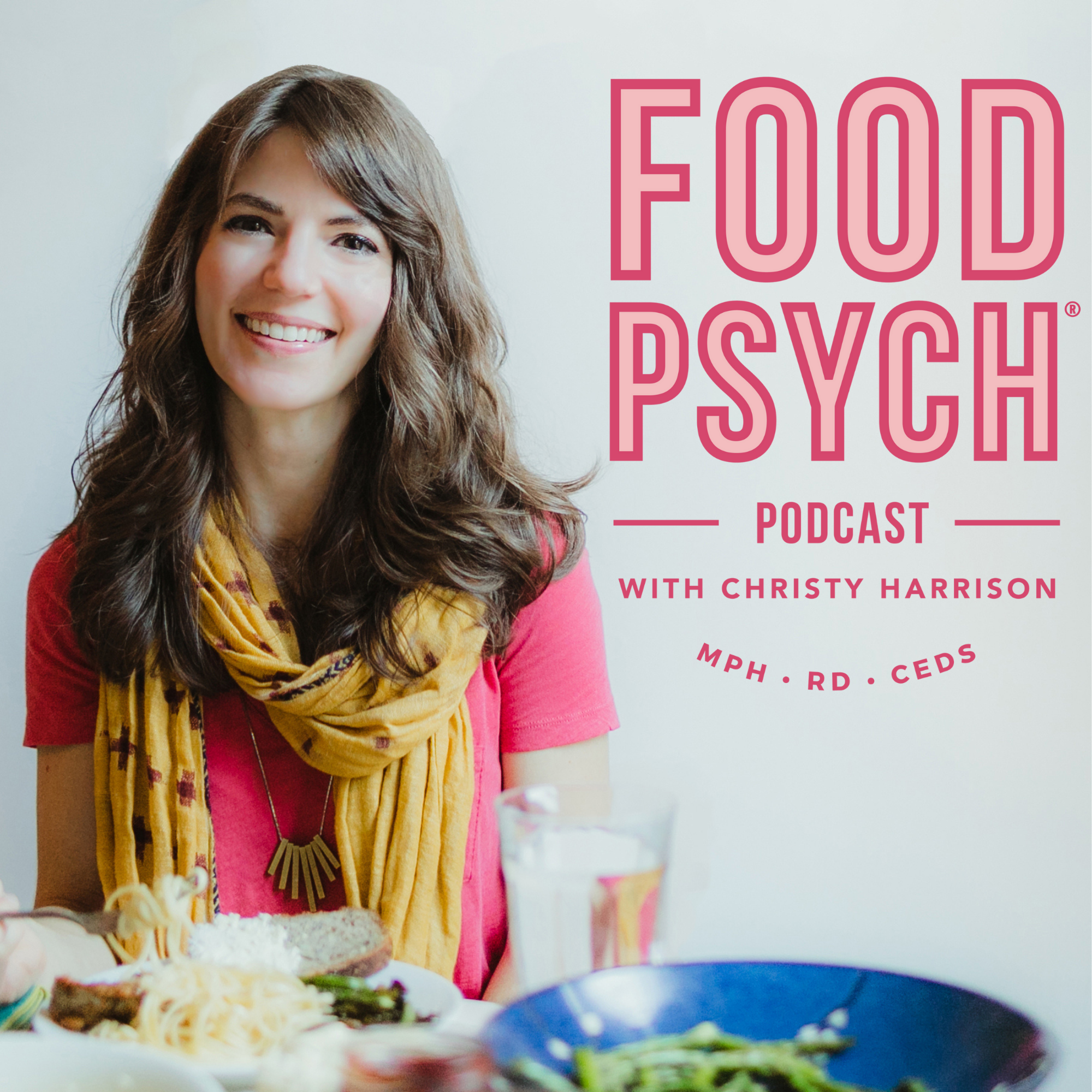
我们的专辑封面由 Abby Moore Photography 拍摄,标志由 Melissa Alam 设计。
Our album art was photographed by Abby Moore photography, and the logo was designed by Melissa Alam.
我们的主题曲由 Carolyn Pennypacker Riggs 创作并演唱,我是您的主持人兼执行制片人 Christy Harrison。
Our theme song was written and performed by Carolyn Pennypacker Riggs, and I'm your host and executive producer, Christy Harrison.
再次感谢收听,我们下期再见,保持热情。
Thanks again for listening, and until next time, stay psyched.
关于 Bayt 播客
Bayt 提供中文+原文双语音频和字幕,帮助你打破语言障碍,轻松听懂全球优质播客。