本集简介
双语字幕
仅展示文本字幕,不包含中文音频;想边听边看,请使用 Bayt 播客 App。
如果你有个时间机器,能把2001年人们看到的那些可能性带回1995或1996年,那时候的人们对看到的东西也不会觉得特别惊讶。
If you have a time machine to get people to see what's possible in 2001 and then bring that back to 1995 or 1996, people will not be super surprised on what they see.
但如果你用同一个时间机器,再往回推六年,那就是2019年。
But if you take that in the same time machine, go back six years, and that's 2019.
那简直是难以想象,就连写过Transformer论文的人,也想不到今天我们在做的事,而在旧金山,这些都已经成了理所当然。
It's unimaginable, including people that wrote the transformer paper would not think that what we're doing today and probably taken for granted in San Francisco.
在我看来,自动化和呼叫中心并不是两回事,而是一个整体系统。
From my perspective, I do not see automation and the call center as separate thing, but rather system.
我们的信念是,打造一个统一的AI平台,帮助呼叫中心的所有员工,全面掌握数据和在Cresta上运行的工作流程中发生的一切。
That's our belief that we build one AI platform that helping all the humans in the contact center, getting visibility, observability of everything that's happening in the contact center in terms of the data, in terms of workflows deployed on Cresta.
欢迎来到Grip。
Welcome to Grip.
我是Kleiner Perkins的合伙人Joubin,这个节目不只展示光鲜的高光时刻,更深入探讨打造划时代公司背后那些个人与职业上的挑战。
I'm Joubin, partner at Kleiner Perkins, a show where we go beyond the highlight reel and explore the personal and professional challenges of building history making companies.
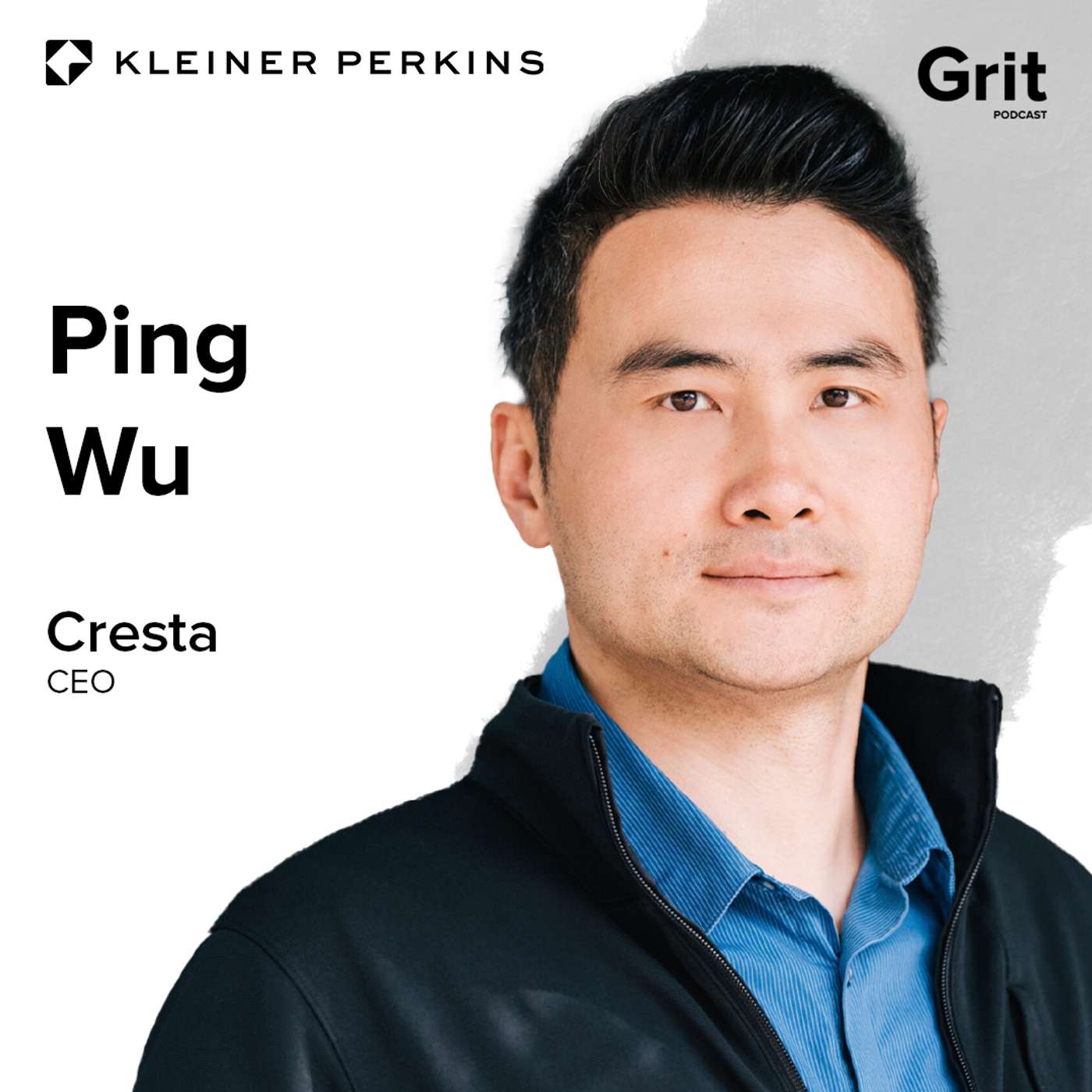
今天节目里,我们请到了Cresta的首席执行官吴平。
Today on the show, we have Ping Wu, CEO of Cresta.
在谷歌深耕九年打造对话式AI后,Ping现在将生成式AI引入客服中心,让人类与客服人员能够实时协同工作。
After nine years at Google building conversational AI, Ping is now bringing generative AI to the contact center so humans and agents can work together in real time.
我们聊了聊为什么客户服务这么难实现自动化,以及未来混合型团队会是什么样子。
We talk about why customer service is so hard to automate and what the hybrid workforce looks like next.
欢迎收听本期节目。
Enjoy the episode.
你们现在做的事情,
What you guys are doing,
我是说,你们实际上
I mean you're kind of
现在同时在多个方向上发力。
playing in many flanks right now.
比如其中一个方向,就是核心的呼叫中心。
Like one flank is, you know, the the core call center.
对。
Mhmm.
然后你又开始切入客户支持这一块。
And then, you know, you're moving into the customer support side.
比如说,你直接进了西erra那块领域。
Like, it's, you know, you go into, like, the Sierra.
你现在真的处在AI风暴的中心,尤其是在西erra和Decagons这些地方,你们所有人都是。
Like, you're really in the, like, eye of the of the AI hurricane right now in the Sierra and the Decagons and you all.
对。
Mhmm.
所以你其实是在多个领域同时发力。
So you're kinda, like, playing in many flanks.
对。
Mhmm.
我之前在想一件事,就是,回到人才这个问题上,我觉得这事儿不是简单的倒退。
One of the things that I was thinking about before this was, like, you know, I don't think it's, like, going back to the engineering talent point.
是的。
Yes.
你觉得,不管是工程师还是公司里的其他人才,他们有多在乎自己正在做的事情?对。
Like, do you feel how much do you think that whether it's engineering or any other talent at the company Mhmm.
是更在乎自己在攻克什么技术难题,还是更在乎解决客户面临的实际痛点?
Cares about what they are working on versus solving just a hard customer problem?
我可以把问题问得更具体一点。
I can be more specific about the question.
我观察到,现在很多工程师,对。
Like, I have observed that a lot of folks today, in engineering Mhmm.
得经历这种转变,先去做那些听起来很酷、很吸引人的项目。
Need to go through this, like, metamorphosis of working first on the cool sexy thing.
对。
Mhmm.
你明白我的意思吧?
You know what I mean?
比如,解决大语言模型的内存问题。
Like, solving memory for LLMs, for example.
是的
Yeah.
过一阵子就会发现,这技术问题虽然挺酷,但其实并没有解决客户的实际需求。
And then after a while, okay, like this is cool as a technical problem, but like it's not actually solving a real customer problem.
然后他们才慢慢意识到,我真正想做的其实是解决客户的问题。
And then they kind of come back around to actually what I really wanna do is solve a customer problem.
对
Yeah.
再用一些有趣的技术手段来实现它。
And then apply interesting technology
是的
Yeah.
用这些技术去解决它。
In ways to solve that.
你有没有一个合适的视角来看待这个问题?
I wonder if you have a framing on that.
我觉得加入我们的人都是自己选的,他们特别热衷于解决我们面临的那些复杂技术问题,同时也愿意应对真正能落地的客户问题。
It's really I think folks that join us self selected to be the ones that are really exciting about solving, yeah, hard technical problems that we have a lot, and as well as solving custom problem that can apply for real world.
没错,这样能带来投资回报,效果也看得见。
Right, and that can drive ROIs and you can see the benefit.
我们不是拿着锤子到处找钉子那种做法。
It's not just we have a hammer and looking for nails and that type of thing.
我觉得,一旦有了这样一群人,形成了这样的文化,大家当然喜欢挑战难题,但关键是这些难题必须围绕为客户创造价值、提升客户满意度来展开。
And I think that, yeah, so once you have that group of people and then have that culture, so of course, I mean, people love to solve hard problems, but it's in the context of driving towards customer value and customer happiness.
在客服中心这个领域,特别容易证明价值,因为几乎所有指标都能量化——效率、一次解决率、坐席效能、流失率、客户满意度,如果是销售场景,还有每通对话的营收,这些数据都很清晰,这也是我觉得客服中心特别有意思的原因。
And in contact center as a whole, it's very easy to demonstrate because everything, almost everything's measured, efficiency and the call containment and the agent efficiency, attrition rate, and customer satisfaction, the revenue per conversation, if it's a sales use case, all these things are, you know, contact center is being a to me, it's that's why it's very interesting.
在企业环境中,它的影响是完全可以衡量和量化的。
In the enterprise, it's something that's, you know, it's very measurable and quantifiable in terms of impact.
对,确实如此。
Mhmm.
是的。
Yeah.
是的
Yeah.
我们刚才在聊你董事会的那些人。
You're you're we were just talking about your folks that are on your board.
对
Mhmm.
我之前还不知道呢。
So I didn't know.
塞巴斯蒂安联系了我,对。
So Sebastian reached out to me Uh-huh.
他上过我们的节目。
Who has been on the show.
是的
Yeah.
他显然是人工智能领域的奠基人之一,还创办了Wemo。
And obviously, like, one of the godfathers of of AI and and basically started Wemo.
所以
So
是的
Yeah.
我觉得他最早是做谷歌广告的,后来才去工作的
Think he started with Google Ads and why he worked
在谷歌工作,然后卡尔,现在是Workday的CEO。
with Google And then Carl, I'm Esherbach, now the CEO of Workday.
是的
Yeah.
我很好奇,你平时会问他们些什么呢?
I'm curious, like, what do you what do you ask them?
比如开董事会的时候,你到底想从他们那里得到什么?
Like, when you, like, when you go into board meetings, what are you digging from them?
你最希望从他们那里获得哪些方面的见解?
Like, what are the types of insights that you want from them?
这得看是哪位董事会成员,但我认为
I think depends on which board member, but I think
先说说那两位。
Go through those two.
卡尔已经不在董事会了。
Karl is no longer on the board.
明白了。
Okay.
他以前是在董事会的。
He used to be on the board.
明白了。
Okay.
他去Workday当CEO了。
He left for work day as CEO.
这说得通。
Makes sense.
比如,莉亚尼接替了他在红杉资本的席位。
Liani, for example, took his seat and from Sequoia.
至于道格,他见过太多不同公司,尤其是SaaS领域的,经历过好几个周期,所以他对公司建设、失败模式和成功模式这些问题特别有见解。
And for Doug, because he has seen so many different companies and especially around SaaS and, you know, he had been through so many cycles, so a lot of questions about company building and the failure patterns and the success patterns and for company building related questions.
塞巴斯蒂安则可以分享他从技术角度看到的趋势。
And Sebastian is allowed to get his advice on where he sees the trend, you know, from the technology perspective.
而且他在创业圈也非常活跃。
And then what and he's also very active in the start up world.
所以我们聊得最多的,还是技术层面,以及他怎么看未来的走向。
So, you know, our conversation is mostly from the technology perspective and what does he see down the road.
是的。
Yeah.
至于卡尔,他有着非常深厚的运营经验。
But for Carl, he's Carl has a very, very deep operation experience.
他当董事的时候,讨论大多围绕市场推广、数据、如何搭建销售漏斗,以及怎么通过渠道合作伙伴扩大规模这些方面。
So when he was on the board, a lot of discussion is around the go to market side and the numbers and how do you build a funnel and and then, you know, how do you scale up through channel partners, stuff like that.
是的
Yeah.
现在业务正朝着我之前提到的方向发展,也就是在当前AI竞争的核心战场之一——客户服务场景上展开较量。
The business is evolving into like what I was saying earlier about competing on what is like one of the core AI battlefields right now, which is the customer support use case.
对
Yeah.
没错
Yeah.
比如你是一家像联合航空这样的公司。
Which is like if you were a company like United.
没错
Yes.
当你客户想更改联合航空的航班时。
And you know, you you customer wants to change their flights with United.
没错
Yes.
他们在和真人交流。
They're talking to a person.
这种情况应该交给AI代理处理。
That should probably be a AI agent.
是的。
Yeah.
对。
Yeah.
联合航空就是我们的客户之一。
United Airlines for example is our one of our customers.
没错。
Yeah.
我们和他们有多年的合作关系。
And we have multi years partnership with them.
所以和他们的合作非常深入。
So we're very deep with them.
现在有大约九千个智能助手在Cresta平台上运行。
So every, you know, 9,000 agents is deployed on Cresta.
我们有个AI助手,能帮他们处理聊天和语音渠道里的各种事情,比如做笔记、自动完成工作流程,还有质量检查和数据分析——这些功能都是为联合航空量身打造的。
So we have assistant, AI assistant, to help them on every aspect of ways through chat channels and voice channels to help them, for example, taking notes, automating workflows, and then also doing a lot of QA and insights, you know, those products that deploy for United.
是的。
Yeah.
特别是有个专门的洞察到行动团队,全天候在Cresta上工作,专注分析运营数据,搞清楚客户为什么打电话进来,甚至可以通过解决问题来直接避免来电,而不是只靠自动化或辅助。
Especially, have insight to action team that just spend their time, all their time on Cresta to servicing operation insights, that you know why people call in, that you can potentially even eliminate a call by fixing the problems instead of having automation or augmentation.
对。
Mhmm.
在我看来,自动化和呼叫中心根本不是两回事,AI助手和传统客服也不是割裂的,它们本质上是一个整体系统。
So from my perspective, I do not see automation and the call center as separate thing, or AI agent and the traditional call center as separate thing, but rather one system.
我们的理念是打造一个统一的AI平台,既帮助呼叫中心的每一位员工,又能全面掌握中心里发生的每一件事——无论是数据还是工作流程。
That's our belief that we build one AI platform that helping humans and all the humans in the contact center, and also getting visibility, observability of everything that's happening in the contact center in terms of the data, in terms of workflows.
同样的AI底层技术,也在驱动我们的智能助手自动处理那些适合自动化的对话。
And then the same AI substrate is powering our AI agents to automate those conversation as well and for the type of conversation we wanna automate.
很多这类客服公司的营销宣传,对,
A lot of the marketing around a lot of these customer support companies Mhmm.
都在说他们能自动化处理90%的客服工作。
Talks about, you know, or how they're automating whatever 90% of all support.
但如果你真的深入了解一下底层逻辑
But if you really dig in under the hood
对。
Mhmm.
大概能解决最初那些比较容易的应用场景,占了九成左右。
It's like 90% of the initial earlier easier use cases to solve.
对。
Yeah.
比如,如果模型技术不再进步了,对吧。
Like, if the models do not advance anymore Mhmm.
比如,假设这些AI模型就停在今天这个水平,对吧。
Like, if these AI models were to remain static today Mhmm.
你觉得还能再推进多远?
How much further do you think you could go?
对。
Yeah.
这么说吧,我是这么看的:首先,从互动的角度来说。
So look, I think the way I think about it so first of all, from the interaction perspective.
对吧?
Right?
我们目前看待客服中心在聊天、邮件和电话这些渠道上的互动,其实可以分成三类。
And, the way we think about the current interaction to contact centers across channels, chat, email, or call, right, it really fall into three different buckets.
第一类是根本不需要自动化或辅助的对话。
The first bucket are the conversation that shouldn't even be automated or augmented.
这类对话根本就不该存在。
They should not even exist.
它们之所以出现,是因为你们的流程有问题、产品有缺陷,或者账单写得太混乱。
So those are conversations that come in because you have failed processes or broken products or your bill statement's confusing.
所以,AI 在这里创造价值的正确方式,是真正实现对现有呼叫中心或全渠道联络中心百分之百的可见性,弄清楚客户为什么打电话进来,然后找到根本原因。
So the right way that AI to add value here is to really have a 100% observability into existing call center or contact center, omnichannel, and understand why people call in, and then tie that, find the root cause.
如果这些问题反映出运营上的缺陷,那就应该去修复这些缺陷。
And then if that's reflecting some operation deficiency, you should fix that.
联合航空正是这么做的,他们从根源上消除那些电话,从而彻底减少来电量。
So that's what United Airlines is actually doing, is that eliminate by, you know, those calls from the root cause, and then eliminate altogether.
然后,第二类对话是双方都不愿意互相沟通的情况。
And then the second bucket of the conversations are the one that neither party want to talk to each other.
比如,客户其实并不喜欢排队等着跟真人客服沟通。
Like, the customer do not really enjoy waiting in the line to talk to even a human.
他们只想快速解决问题,比如重置密码或者查询物流状态。
They just want to get the get it done, like password reset or tracking my shipment.
如果有AI代理能自动化处理这些交互,或者通过网站自动完成,那就完美了。
If you can have an AI agent that can automate the interaction or even a website to automate that interaction, perfect.
企业其实也不愿意投入精力去处理这类对话,因为情感价值很低。
And a business doesn't really want to engage in the conversation either because it's low emotion value interactions.
第三类情况,我们认为自动化才是正确的解决方案,这类情况绝对应该交给系统自动处理。
And then the third bucket, we think that and by the way, for that, you know, automation is the right solution, and we should absolutely automate that.
而第三类情况在现实中,确实有很多高情感价值的通话,比如客户因为悲痛或极度焦虑才打电话过来。
And then for the third bucket, are some of those in the real world, there are lot of high emotion value conversations that people really call in in grief or in in really stress out.
想象一下,你给保险公司打电话,说家里被水淹了,或者在联合航空的飞机上丢了外套。
And, you know, imagine calling insurance company, your house got flooded, or I lost my blazer jacket on United Airlines' closets on the plane.
在这种情况下,客户更希望和真人交流,这也是他们真正想要的。
And in those situations, you probably want to have a human interaction that customers actually prefer that.
要么是因为对话太复杂,目前还无法自动化,要么就是客户本身——作为人——就是希望被另一个人听见。
And then either maybe due to the conversation nature's too complex today to automate or just the customer, again, humans, want to get heard by another human.
这里面蕴含着情感价值。
There are emotion value in there.
所以对于这类情况,我们认为AI的角色应该是辅助专业人员,帮他们更高效地工作,腾出手来,从而能更专注地回应客户的情感需求。
So for those, we believe that the role AI should play is to really augmenting the expert humans and make them really do a good job and free up their hands and so that they can be more emotional available to the customer.
这就是我们对整个转型方向的整体思考。
So that's how we think about holistically what the transformation should be.
这是基于一个根本原则:互动应该是什么样子的。
It's from the first principle of, you know, what the interaction should look like.
要么你彻底消除这些情况,因为它们反映的是流程或产品出了问题;要么直接自动化,因为大家其实都希望快速解决、自助服务;但也有一些互动比较复杂。
Either you eliminate them because it's reflect broken process or product, or automate them altogether because, you know, actually, every party want to, you know, fast resolution and then self serve, or there are tricky part of interactions.
要么现在自动化还做不到,要么就是因为情感价值高,企业需要通过人工服务来建立客户忠诚度。
Either it's not either ready or, you know, by automation today, or it is just high emotion value actually for business benefit of business to actually build a loyalty with the customer to provide the human expert service.
所以我们认为,单靠自动化并不能真正实现客户体验的转型。
And then so that's what we think about automation alone is not, you know, the right solution to to transform CX.
对吧?
Right?
你看,不同类型的场景,需要AI扮演不同的角色。
You see, you need different AI for to play different roles in each different of those buckets.
还有你刚才提到的那个比例问题,对吧?
And then the other thing that you mentioned about what's the percentage, right?
很多人都对这个特别感兴趣。
And a lot of people are actually very curious about that.
每次他们跟我聊,都会问:你觉得客服中心还会留下多少人工?
Whenever they talk to me and they ask, so how many humans do you think will still remain in contact center?
两年前,有人断言两年内客服中心就一个人都不会有了。
Two years ago, there are people who said that within two years, will be no one in contact center.
全得交给AI来搞定。
It should just AI take everything.
可直到今天,还有公司声称他们已经自动化了90%。
And still today, you know, they're a company that's saying we automate 90%.
但现实是,情况参差不齐。
And the reality is it's uneven.
在我看来,这取决于三个因素。
Depends on three things, from my view.
第一,对话的复杂程度,或者业务本身的复杂性。
One is the complexity of the conversations, or the complexity of the business.
你我如果开个Shopify电商网站,卖点玩具在线上卖。
You and I start an e commerce website on Shopify, and we buy toys and sell online.
对话很简单,基础设施也很简单。
Very simple conversation and very simple infrastructure.
说实话,我们完全有可能实现百分之百的自动化。
We can probably automate 100%, to be very frank.
另一个维度是你的IT系统复杂程度。
And then the other dimension is the complexity of your IT stack.
对吧?
Right?
抱歉,说到第一个方面——对话的复杂性,另一端则是非常复杂的互动和业务。
And sorry, so for the first one, the complexity of the conversation, on the other hand of the spectrum is really complex interactions, a very complex business.
比如一些航空公司,每年要服务数亿乘客,全球运营航线,还每年新增新航线。
If you're a business like some of the airlines touch hundreds of millions of people, and then you run routes globally, and you also start new routes every year.
现实世界中,各种情况都可能出岔子,问题多得数不清。
You know, all these combination in real world, there are so many shit can ways that shit can happen.
所以,对话可能会变得极其复杂。
So, you know, the conversation can be very, very complicated.
有些医疗方面的对话,尤其是面对老年群体,可能会持续好几个小时。
Some health care conversation lasts hours for you know, with very old demographics.
所以对于这类情况,我觉得就算模型再怎么进步,也还不是能完全自动化的程度。
So for those, I think, you know, even the model gets better, you know, there are potential you know, it's not ready to get automated.
第二个维度,抱歉,说的是IT基础设施的问题。
The second dimension, sorry, is really about the IT infrastructure.
比如我们的电商网站建在Shopify上,所有功能——发货、退款、支付——都是通过现代API打通的,AI代理可以直接调用,路径早就铺好了。
So, again, if our ecommerce site built on Shopify, it's everything, it's a modern API, you know, the shipment, the refund, the payments, is all you can, you know, call, and these are the rails already ready for AI agent to roll.
但另一方面,据我了解,大多数财富500强企业的客服中心,人工坐席还得在九到十个不同的系统之间来回切换。
But on the other hand, if you most of the Fortune 500 from as far as I understand, in contact centers, agents, humans, have to deal with multiple systems, sometimes, like, you know, nine to 10 different systems.
很多系统还是自己开发的,根本没有开放接口。
A lot of those systems are homegrown, do not have APIs.
对吧?
Right?
所以,这条路现在还走不通。
So the rail is not there yet.
对吧?
Right?
所以另一端是极其复杂的IT系统,这些系统完全是为人类设计的。
So that's the end the other side of the spectrum is very complex IT infrastructure that's optimized for humans.
人类还能通过图形界面操作这些不同的系统,但AI要这么做就困难多了。
Human can still interact with all these different systems through graphic user interfaces, but it's very hard for AI to do the same thing.
第三个影响自动化难度的因素是客户群体的特征,比如航空公司的客户,或者医疗保险的客户。
And then the third factor that determine the complexity of how much you can contain is the demographics of your customers, like your the airline customer, for example, or health care insurance customers.
这些客户中,有些人就是更喜欢和真人打交道。
So those customers, some are just prefer humans.
如果你面对的是年轻群体,他们可能更愿意通过数字渠道互动,比如和聊天机器人对话;但如果是年纪大的群体,就不一样了。
And, you know, if you're dealing with the young demographics, they're probably more open to digital channel interaction, chatbot, talking to chatbot, versus much older demographics.
他们更倾向于面对面的交流。
They will potentially or really prefer in person interactions.
所以我认为,这三个维度共同决定了:你能自动化多少、现在能自动化多少,以及你的客户到底更倾向哪种服务方式,最终决定哪些对话适合自动化。
So I would think that all these three dimensions determines, first of all, how many you want to automate, you can automate today, and how many of your customer actually prefer what's the amount of conversation that should be automated.
希望我说清楚了。
Hope that makes sense.
对。
Yeah.
确实有道理。
It does make sense.
如果我要深入了解一下,你现在用大模型做不到的是什么?
If I were to, like, double click on it, what do you want to do with the LLMs today that you can't?
在你刚才说的整个生命周期里,哪些地方你遇到了瓶颈,需要模型进一步提升?
Like, where are you running into shortcomings that the models need to continue to advance across that life cycle that you just described?
你现在应该很清楚,听听关于AI代理的讨论就知道了,指令遵循方面还有很多不足,尤其是复杂指令,还有多模态能力——不能只靠文本理解东西。
You should know today, right, if you listen to the intercapacity conversation, right, about AI agents, and there are still a lot of areas that need to be improved around instruction following, especially complex instructions, and around multimodality that understands things that just not only text.
对吧?
Right?
另外,如果没有工具或API,模型能不能看懂屏幕内容,并据此采取行动?
And then around, you know, if there's no tools or APIs, can the model understand a screen and be able to kind of take action on top of that?
如果这一点能实现,自动化就会容易得多。
And if that becomes possible, then the automation will become much, much easier.
对吧?
Right?
现在呢,你还是得花很多心思做上下文设计,才能在特定时刻把对的信息传给模型。
And then today, still, you have to do a lot of context engineering to bring the right information at particular interaction to feed into the model.
对吧?
Right?
而且,这真是一门艺术——得判断该从知识库中调用什么操作,当然,前提是知识库已经存在。
And then that is really an art, and to determine what action to bring in from a knowledge base, assuming the knowledge base is there, by the way.
这又是另一个问题。
So that's another thing.
对很多小企业来说,服务流程其实早就有了。
A lot of time, for simpler businesses, the service procedure is already there.
如果流程简单,那就会非常清晰明确。
It's very clean and clear if it's simple.
但对于真正复杂的业务来说,很多知识库根本不存在,或者根本没法直接给AI用。
But for real complex businesses, a lot of those knowledge base, there's no clean knowledge base ready to be consumed by AI.
这些信息通常分散在各个地方,你得先整理清楚,再想办法在对的时间找到对的信息,喂给模型。
You know, they are usually scattered across multiple sources, and then you need to first clean them up, and then be able to kind of find bring the right context to find the right piece of information that feeds into the model to at the right time.
语音交互就更难了,出错的环节也更多,而且很多人根本信不过AI,宁愿转去跟真人沟通。
And the voice is, of course, even harder, and then you introduce more way for error to propagate, and then for humans that just fundamentally sometimes do not trust AI and want to just move on to other humans.
我觉得这些都会随着模型的进步慢慢改善。
So so all these things that I think will get better over time with the model improvements.
但还是有不少限制,比如那些没写进知识库的隐性经验。
But, you know, there are still limitations on, for example, tribe knowledge not in the knowledge base.
还有些工具是为人类设计的,AI根本用不了。
The tools that is not available for AI to use in the environment that optimize for humans.
所以我们的方式是顺着客户现有的状态来,而不是强求他们改变。
So that's why our approach is really meeting the customer where they are.
自动化只是其中一个功能,不是唯一方案,我们打造的是一个完整的平台——AI助手可以在人类必须接手通话时,真正帮上他们的忙。
Automation is one product, not the only product, but rather the entire unified platform where the AI agents or agent assistant, they can also help humans when actually humans still need to take the call.
但如今,呼叫中心的大部分通话仍然由人工处理。
And still, majority of the contact center contact happen today is still through humans.
当通话必须由人工接听时,该怎么提升他们的工作效率呢?
And how do you maximizing the productivity when the calls actually need to be handled by humans?
还有一块很大的价值,人们很少提到,那就是:如果你运营着数万名客服人员的呼叫中心,很可能有好几百人专门负责质量监控。
And then not another piece, a large piece of, you know, value in the contact center that people haven't really talked about is that, you know, if you run tens of thousands of human agent contact center, you probably have thou hundreds of people doing quality assurance.
你知道这些人具体做什么吗?
You know what those people do?
他们人工听录音,但最多只能覆盖1%到2%的通话。
They listen to the calls manually, and then they can only cover one or 2% of calls.
如果你管着一大群人,就得清楚他们到底在说什么、在做什么,有没有按标准流程来,有没有遵守合规要求,诸如此类。
Again, if you manage a lot of people, you need to know what people are really talking about, what are they doing, are they following the playbook, are they following compliance requirements, and all that.
通常这些工作都由质检团队手动完成。
So there's quality assurance teams that usually do that, and then that do manually.
而且这不是实时的。
It's not real time.
覆盖率太低了。
It's low coverage.
AI能自动化的工作远不止这些,还能彻底重塑整个工作流程。
AI can automate way more than those folks, and then to really just reshape those workflows.
说到自动化,这就是为什么它涉及多个层面——你可以实现从头到尾的全程自动化。
So in terms of automation, so that's why it's multifaceted, that, you know, you can automate the conversation end to end.
这就是AI代理所做的事情。
That's what AI agent do.
对于更复杂或情绪价值高的情况,依然可以为人工坐席带来巨大帮助:比如前20%的流程可以自动化,包括身份验证、自动录入订单信息、自动生成通话摘要等。
And for the more complex ones or for the ones that are with high emotion value, you can, you know, still bring a lot of value to the humans to make them you maybe you can automate the first 20% by handling authentication, the order after call works by automatically doing the data entry and then take away the summaries.
在需要提供知识支持、直接向坐席推送答案、自动生成邮件或自动化数据录入等环节,也能大幅节省时间和成本。
And in the moments that bring knowledge, answers directly to the human agents, or automates the email draft, or automates the workflows like data entry, that can also do a lot of savings.
通话结束后,还有很多像质检这样的流程,同样可以实现自动化。
And then after a call, and there are so many other workflows that like QA that you can also automate.
所以我们看待呼叫中心全面转型的方式,不只是在AI代理层面做自动化,而是从整个呼叫中心的层面来重构。
So the way we think about the full transformation of contact center is not just automation and at AI agent level, but the entire, you know, contact center level.
所以你的意思是,模型本身不需要再有什么突破了?
So you're saying you don't need any more advances in model in
模型?
in models?
当然需要。
Of course, we need.
为什么?
Why?
这样能让很多客服工程的工作变得简单得多。
That can make a lot of the contacts engineering much, much easier.
对吧?
Right?
还有,你围绕模型搭建的其他层,如果能把整个电信公司的知识库都接入上下文,让模型实时消化,精准找到相关信息——在理想情况下,严格遵循指令,再结合人工介入,随着对话越来越长,上下文也能持续累积。
And then, like, you know, the other layers that you build around the models and to feed the right information into if you can have the entire if you imagine you can have the entire telco knowledge base into the context, and then the model can digest in real time and find the relevant piece in the ideal world, and follow the instruction religiously, and if you can do that, and then with the human interaction, and then as the conversation gets longer and longer, that context also included.
没错。
Right.
那问题就会简单得多。
Then then, you know, the the problem become much much simpler.
但现在离那个目标还差得远。
But right now, it's it's nowhere close to there.
是的。
Yeah.
对。
Yeah.
这说得通。
That makes sense.
嗯哼。
Mhmm.
你们做的很多工作都是在像全球巨头这样的大公司里。
And a lot of the work that you all are doing is in big big companies like the Uniteds of the world.
嗯哼。
Mhmm.
我花了不少时间接触这些公司的首席信息官,发现他们对做AI的需求简直停不下来。
My observation spending a bunch of time with these types of CIOs in these companies is like there is quite an insatiable demand to just, like, do AI Yes.
这在大公司里可不常见,他们居然这么主动。
Which is abnormal for them to be on such a front foot for big companies.
没错。
Yes.
我不确定这种势头能持续多久。
I wonder how long that lasts.
我觉得这股热潮迟早会停,到时候他们就会收缩战线,集中精力把少数项目做深,而不是到处撒网、遍地开花。
Like, that music feels to me like it's gonna stop at some point where they will focus on less projects and going deeper on those projects than letting a thousand flowers bloom across the entire organization.
对。
Right.
是啊。
Yeah.
你怎么看这个问题?
I wonder how you think about that.
是的。
Yeah.
我觉得,就在几年前,那时候有很多不同的AI试点项目。
I think, you know, just a few years ago, right, there are a lot of different AI pilots.
就像你说的,他们当时在多个方向上同时探索。
And as you said, they are pursuing many different directions.
但随着时间推移,大家开始聚焦于那些能带来明确可观回报的场景,代码生成可能就是其中之一。
But I think as time goes by and people are starting to converge on use cases that will drive very concrete undeniable ROIs, coding's probably one of them.
对吧?
Right?
还有客服中心的客户体验转型,这绝对是另一个重点。
And then contact center CX transformation is definitely the other one.
我经常提到的那些应用,比如能带来实实在在价值的自动化工具。
It's just all the, you know, things I talk about, that there are automation that can bring very concrete value.
有些AI技术在辅助销售和客服人员,能带来非常具体的效益。
There are AI that are helping humans, and for sales, for for support can bring very concrete values.
现在有些AI能够大规模自动化质量管控,带来巨大价值。
There are AI that automate the quality management at scale that can bring a lot of value.
这些都是实实在在的收益。
Those are concrete values.
它们不仅替代了原有的支出,还扩大了管理者的工作覆盖范围,甚至可能取代传统的质检团队。
They're replacing existing spending and also increasing the span of control of your managers and replacing, you know, potentially your QA workforce.
它们通过分析客户声音,深入挖掘互动数据,提供过去根本无法获取的洞察。
They are, you know, voice of customer, like, driving insights and to really do deep research interactions that can give you the insights that you wasn't able to get before.
这绝对是无可否认的价值。
So that's undeniable value.
有些情况甚至能省下调研费用,因为客户已经主动告诉了你所有你需要的信息。
Some cases that may even replace survey spending because you can get everything your customer already telling you to
我明白了。
I get it.
我明白了。
I get it.
对。
Yeah.
对。
Yeah.
我明白。
I get it.
是的。
Yeah.
我就是想说,是的。
So all I'm just saying Yeah.
音乐要停了吗?
Is the music gonna stop?
我觉得我们更关心的不是音乐停不停,而是聚焦在能带来长期价值的事情上。
I think we care less about the music, a stop or not, but rather just focus on the thing that we think that will drive the long term value.
就像以往每一种新技术一样,总会有一些泡沫,在我看来,这跟人性有关。
And and then just like every technology before this, there are always bubbles that's, in my view, tied to human nature.
但每次都会有一些公司从这种浪潮中冒出来,因为人们对这些技术的长期潜力通常看得挺准。从整体来看,这种趋势很可能带来比现在多得多的经济增长。我们只希望,自己也能成为其中一员,专注于创造真正有价值的东西,让客户真心喜欢我们,然后专心致志地把事情做好。
And and then, you know but every time there are companies that emerge out of it, because people are usually right on the long term potential of those technology, in aggregate, you will probably drive a lot more GDP compared to today, and we just want hopefully, we are one of those that can emerge out of it, and just try to make sure that we are doing the things that have in the indeniable value and our customer love us, and then we just keep our heads on building.
是的。
Yeah.
硅谷那边,融资的热度也一点没减。
The the music is definitely still playing in Silicon Valley around funding too.
对。
Mhmm.
你看,我们有些公司一年内就完成了好几轮融资。
Like does like as you see, you know, like we're seeing some of our companies getting multiple rounds of funding done like in a year.
对。
Mhmm.
简直不可思议。
Like insane.
我猜你那儿现在也快被各路风投踩破门槛了吧。
I'm sure you're getting your door beat down by every VC.
比如说,你怎么权衡这样的取舍:现在多融资,把估值做上去?
Like, how do you weigh the trade offs of, okay, I could capitalize the business more now, take a good valuation.
你有没有一套方法或者思维框架来应对这种问题?
Like, how do you do you have a framework for that or a mental model?
我们去年这个时候刚完成了1.25亿美元的D轮融资。
We just raised our series d a $125,000,000 this time last year.
而且
And
那如果有人现在又来找你,想再投1.25亿美元呢?
And so what if someone came to you with another 125,000,000?
我们账上还有很多余钱,是的。
And we still have lot of that in the bank Yeah.
说实话,
To be frank.
所以我们现在一直在不断评估各种机会,说实话。
So I think right now, we're constantly evaluating opportunities, to be frank.
但是
But
那你具体怎么评估呢?
But how do you evaluate them?
对的
Yeah.
我觉得,嗯,得看多个因素。
I think, you know, just multiple factors.
一个是用现有资金能创造多大价值,能带来多少股权增值,再对比一下资本成本。
One is how much value we can create with the existing funding, equity value that we can create, and versus the cost of capital.
也就是说股权稀释。
So like dilution.
没错。
Yeah.
稀释是在什么估值水平上进行的?
Dilution at at what valuation?
是的
Yep.
对
Yeah.
而且,我觉得一味追求高估值并不总是对的。
And also, I'm not sure driving high valuation is always the right thing to do.
而且,我想你在这些权衡计算上肯定比我懂得多。
And, you know, I think you you probably know a lot more than I do in those in those trade off calculations.
是的
Yeah.
我同意你的看法。
I agree with you.
我的意思是,理论上听起来确实不错。
I mean, I think in theory, it sounds good.
没错。
Mhmm.
但在实际操作中,确实如此。
But I think in practice Yes.
当你是个创业者的时候
When you're an entrepreneur
对。
Yes.
你的上一轮融资估值是多少?
And I I is your last round public evaluation?
不是。
No.
那轮不是公开的。
It wasn't public.
我随便编个数字吧。
Let's just I'll just make up a number.
对。
Mhmm.
我们就假设你上一轮估值是三十亿。
Let's just say your last round was 3,000,000,000.
对。
Mhmm.
好吧。
Okay.
我这纯粹是随便编的数字。
I'm just making up numbers.
对。
Mhmm.
假设现在有人来找你谈Z轮融资,估值六百亿。
And let's say someone comes to you now for a series z, it's 6,000,000,000.
对。
Mhmm.
从逻辑上讲,你肯定会说,行吧。
Like, logically, you'd say, okay.
现在我要签的是那种极难实现的增长。
Now I'm signing up for, growth that is very, very difficult to achieve.
对。
Mhmm.
我们要花不少时间才能跟上这个估值。
It's gonna take us a while to, fill into that valuation.
没错。
Right.
是吧?
Right?
你的薪资会自然地越来越高,因为钱多了,大家心里都清楚。
Your salaries will naturally start to become more and more inflated because there's more money there and everybody kind of knows it.
是吧?
Right?
所以你可以这么说,好吧,这个新工程师,我们可以多给五千一百K。
And so you you can say, alright, well for this new engineer, can pay an extra 5,100 ks.
展开剩余字幕(还有 241 条)
这个客户成功经理,我们可以多给一点,毕竟现在资金更充裕了。
For this AE, we can pay a little bit more because we have more money.
对吧?
Right?
这样一来,我们的支出就开始上升了。
And so then your your burn starts to go up.
我们在这方面非常谨慎。
We're very careful about that.
我觉得我们的一个运营原则就是精简。
And I think one of our operating principle is lean.
以前我们说‘保持精简’,现在把‘保持’删掉了。
Used to be stay lean, we remove the stay.
实际上我们把‘保持’划掉了,等于‘保持’被裁了。
It's actually cross out stay, so stay got laid off.
不需要‘保持’,直接精简就行。
We don't need stay, Just lean.
所以我们的理念一直如此,不管银行里有多少钱,从战略上讲,是否想加速发展,或者是否实现现金流正向,确实会有些影响。
So our philosophy has always been, doesn't matter where how much money we have in the bank, but strategically, may actually make a little difference if we want to accelerate things, or whether we are cash flow positive or not.
你始终得保持精简。
You always need to stay lean.
这不只是为了控制资金消耗,我觉得这么做本身就很对,因为确实如此。
It's not just from money burn perspective, but also I feel like it's just a good thing to have because Yeah.
一旦不够精简,其他问题就会接踵而至。
Once you're not lean, other trouble will come.
是的。
Yeah.
明白。
Okay.
不过这确实是个好例子。
But like, it's a good example.
对吧?
Right?
所以你得保持精简。
So like, you wanna be lean.
对。
Uh-huh.
有人来投E轮,直接把你估值翻倍。
Somebody comes in for a series e, doubles your valuation.
是的。
Yeah.
你几乎不用怎么稀释股权,就能拿到钱。
You take very little dilution to get
是的。
Yeah.
这要看你融了多少,以及融来的钱能不能给你留出足够的缓冲空间,让你能跟上预期的增长。
It depends on how much you raise and whether the amount of you raise give you enough cushion, margin of safety to get to, to grow into that expectation.
融资轮次越多,越接近公开市场,你就越得小心,得拿自己跟上市公司做对比,对吧?
The more rounds you go, and the closer you are to the public market, the more careful you need to be comparing it with the public market, right?
你能看到公开市场的估值和私人市场的估值之间的差距,说实话,市场估值是由优先股决定的,它其实是债务和股权的结合,并不是纯粹的公开市场估值。
And you see where public market valuation is versus private market valuation, and frankly, market valuation is set by preferred, and it's really a combination of debt and equity, and it's not pure public valuation.
所以,这是需要考虑的一个因素。
So, you know, that's one factor to consider.
另一个问题是,当你招聘时,如果已经把未来几年所有努力和完美执行的成果都折现到今天,那对新加入的人公平吗?
The other one is when you hire, if you already price in all the hard work and flawless execution for the next few years, and bring that mortgage debt to today, is that fair for the people that joining?
聪明的人可能会想,与其加入你的公司,不如我自己创业,因为即使我未来几年完美执行,这些成果现在已经被定价了。
And the smart people may think that, I may actually bring my own stock versus versus joining joining your company because even if I execute perfectly over the next few years, that already pricing for today.
所以,这也是另一个需要考虑的地方。
You know, so that's another consideration.
是的。
Yeah.
我觉得你说得特别到位。
I think it's actually really well said.
相当于把未来的希望,全押在了可能实现的完美执行上。
Like, mortgaging your future towards perfect execution of what could be.
是的。
Yeah.
谢谢。
Thank you.
如果你看看公开市场,数据已经很清晰了,对比起来也很方便,接下来的问题就是,你能不能把更高的ARR和增长潜力加进去,又该怎么解释这个估值呢?
Because if you look at the public market and you can do the comparison and the data's already there and, you know, then the question is, can you add that ARR with that growth probably higher, and how do you justify the valuation?
你有多大把握能实现这样的增长?
And, you know, you confident enough to grow into that?
是的。
Yeah.
但反过来想,总有一天资本不会再这么轻易地流入市场了。
But the the inverse case of that is like, okay, at some point, capital won't be flowing Yeah.
不再那么自由了。
This freely.
对。
Yes.
我得再融一轮。
And I will have to take another round.
对。
Mhmm.
而且这时机把握起来,
And, you know, timing that
是的。
Yes.
挺有意思的,是不是?
Is, know, it's an interesting dance, isn't it?
是啊。
Yeah.
没错。
Yeah.
确实如此。
It is.
确实是。
It is.
所以这不仅仅是产品执行和市场推广的执行,还包括融资方面的执行。
So it's not just execution in terms of the product and execution in terms of the GTM, but also execution in terms of capital raise.
这就是为什么打造一家优秀的企业如此困难。
And that's that's why, you know, building great companies is very hard.
你觉得很难吗?
Does it feel hard?
你看看那些数据。
You you look at the numbers.
有多少公司能上市呢?
How many company getting to public?
你知道,十亿、百亿,甚至更多。
You know, 10,000,000,000, a 100,000,000,000, and so on.
对吧?
Right?
这非常少见。
It's very rare.
所以,建立一家能长期持续增长的公司,从统计上来说,根本不容易。
So that's why, you know, building enduring company that can compound for many many years is not very it's not easy at all, statistically.
是的。
Yeah.
但你觉得很难吗?
But does it feel hard?
对我而言,我们离我刚才说的那些数字还差得远呢。
For me, look, we're not anywhere close to those numbers I mentioned.
但对我来说,我现在做的事让我感到挺开心的。
But for me, I just feel pretty happy in doing what I'm doing right now.
你在日常经营公司的时候,能感受到快乐吗?
Do you feel do you experience happiness on a day to day building the company?
你是把这种感觉称为快乐吗?
Like, you describe it as happiness?
哦,是啊。
Oh, yeah.
你看。
Oh, look.
如果这是痛苦,那就意味着有煎熬。
If it's pain, there are sufferings.
我的意思是,大概每个CEO都会告诉你,有高光时刻,也有低谷,但你说能怎么办呢?
I, you know, I mean, probably every CEO will probably tell you, and there are are highs and there are very lows and but, like, what's the alternative?
要我放弃挑战,只图安逸?我可不干。
Alternative, I'm very happy and, you know, not taking challenges.
我也没什么太多爱好,不觉得换个方式就能真正放松下来。
And I'm not I don't have too many hobbies, and I don't think that will be relaxed and rest and anywhere.
如果我真过那种日子,我肯定不会开心,心理状态也不会好,尤其现在这种时候。
And I don't think I'll be happy or into my my mental state will not be good if I'm in those positions, especially with all these going.
我们知道,正处在一场范式转变的中心。
We're in knowing that we're in the middle of the paradigm shift.
事情太多了。
There's so much happening.
我不在那个场子里。
I'm not in the arena.
我觉得我不会开心。
I I don't think I would be happy.
我常跟团队开玩笑说,我很乐意跟你们飞去任何地方见客户,但就像金毛寻回犬追球一样,球本身从来不是目的。
And I I I actually jokingly tell my team is that, look, I mean, I'm really happy to fly to anywhere to to go to meet customer with you guys, and it's just like, you know, golden retriever, the ball is never the goal.
重点从来不是那个球。
It's not never about a ball.
如果你把一只金毛关在房间里,周围堆满全世界的球,它反而会变得抑郁。
I mean, if you lock the golden retriever in the room and with all the balls in the world, the golden retriever will get depressed.
所以我真的觉得,能身处这场范式转变的中心,扮演这样的角色,我特别幸运,也特别享受。
So I do feel like, you know, very blessed to be in the middle of this paradigm shift and we have this role to play and I I'm really enjoying it.
太有意思了。
Super interesting.
你刚加入公司的时候,对吧?
When you when you joined the company Mhmm.
当时你负责产品和工程,对吧?
You led products and engineering Mhmm.
后来呢,发生了什么事?
Then at some point, what happened?
你是怎么当上CEO的?
They like, how how does that you become the CEO.
对。
Mhmm.
你当时还好吗?
Were you like, okay.
是的。
Yeah.
我 definitely 想这么做。
I definitely wanna do this.
你当时想继续留在工程团队吗?毕竟你是在工程部成长起来的。
Did you wanna stay, like, your core your you grew up in the engineering org.
是的。
Yeah.
你是怎么权衡这个选择的?
Like, how did you weigh that?
这对你来说是显而易见的决定吗?
Like, was it a no brainer?
你心里是不是立刻就决定了?
Were you like, yes?
有意思的是,我加入Cresta之前,在谷歌工作了十四年,最后五年在谷歌云的云人工智能团队,负责为企业打造AI产品。
It's interesting because I before I joined Cresta, I spent fourteen years at Google, and the last five years at Google, I was at Cloud AI in, you know, Cloud artificial intelligence team in the Google Cloud that building AI products for enterprise.
我主导创建了谷歌联系中心AI平台。
So I started the Google Contact Center AI platform.
我是联合创始人之一。
I co founded it.
所以对我来说,这挺有意思的,因为我之前在谷歌也参与创建过类似的产品,花了四年时间打造,之后还带领整个团队。
So that's you know, to me, it's interesting because I kind of co founded a similar effort within Google, and building that for four years, and then led the organization.
到了Cresta之后,撇开我身上这件球衣不谈,其实我觉得这完全是同一使命的延续——虽然那时候大模型还没出现,但目标是一样的:用人工智能和技术来重塑客服中心的客户体验和员工工作方式。
And then at Cresta, if you just take out forget about the jersey I'm wearing, it's really I feel it's the continuum of the same mission that, you know, of course, is prior to LM, but it's the same goal of using AI and technology to transform customer experience and workforce working in the contact center.
所以对我来说,这是一段非常连贯的旅程。
So for me, I think it's it's a pretty consistent journey.
当时我运气不错,董事会在做高管搜寻时,也考虑了我的兴趣和我能带来的价值。
And I was on a very fortunate at that time, a board did a search and also consider, you know, my interest and then what I I'm potentially I can do.
于是他们决定任命我为CEO,我非常感激这个机会。
So at that time, they made a decision that to make me CEO, and I'm very grateful for that opportunity.
是的。
Yeah.
你准备面试CEO这个职位的时候,是怎么准备的?
When you were preparing for that interview to get ready for the CEO job Mhmm.
你当时心里有没有一些比较有争议的想法,希望对方能接受?
What was your like, what were the things that you were like, these are controversial ideas that I hope they like?
哦。
Oh.
顺便说一下,我当初是代理CEO,大概干了一个季度。
By the way, so I I was an interim CEO, so for like a quarter.
所以我其实已经
So I kinda already
这就像先试用再决定要不要正式聘你。
It was a try before you buy.
没错。
Right.
我已经和团队一起工作过,以代理CEO的身份领导公司了。
So I already kinda worked with the team and leading company as the interim CEO.
所以董事会有足够的时间来观察和评估。
So so the board had enough time to look at Evaluate.
评估我实际工作时的表现。
Evaluate me in action.
所以我觉得这根本不算一场正式的面试。
So so that's there's I don't think there is a strict interview.
更像是一场持续好几个月的考察过程。
Probably, it's just multi month interview process.
而且
And
这就像是一个超长的CEO试用期。
It was like a very long CEO work trial.
没错。
Right.
是的。
Yeah.
我觉得我们当时做了一些事,比如拓展了产品线。
I think one a few things that we did, you know, just we expand our product portfolio.
所以我认为,打造一个能持续积累的平台非常重要。
So I do think that having a compounding platform is very important.
你们有多个产品,它们之间协同性很强。
You have multiple product that they have a lot of synergy.
它们共用同一套数据和智能底层,比如一边辅助人类当副驾驶,一边自动完成任务。
They share the same data substrate and intelligence substrate that, for example, you're assisting human as a co pilot, but also at the same time automating.
支撑这两者的,其实是同一个AI系统。
That's the same AI that's feeding both.
这带来了巨大的机会,因为形成了一个反馈循环——你能看到AI代理哪里出错,也能观察人类是怎么解决问题的。
That has huge opportunity because it kind of formed a feedback loop that you can see where AI agent fail, and then you can see how human get to resolution.
对吧?
Right?
然后这些数据能不断优化,推动AI代理升级,还能利用人类行为数据,全面提升AI代理的构建质量:比如发现哪些流程适合自动化,什么样的对话路径最有效,怎样模拟来电者来压力测试AI,以及如何通过观察人类如何绕过AI的失败点,来迭代下一代AI。
And then that can really improve, get to next version of AI agent, and have access to human data that can improve every aspect of building a best AI agent in terms of discovery, what are the auto workflow or conversation flow to automate, what are the best way to simulate a caller that can stress test your AI agent, what are the ways that can optimize by observing how humans get to resolution where AI agents fail and get to the next iteration of AI agents.
所以,无论构建AI代理平台需要哪些要素,这些都能被人类数据和对人类互动的持续观察大大增强。
So all these aspects that you need for building an AI agent platform anyway is supercharged with human data and a constant observation into the human interactions.
所以,当时我非常坚信一点:我们必须转向多产品平台,这不只是为了提升产品落地的效率。
So so that's, you know, what, you know, I believe very strongly at that time, is that we need to evolve into multi product platform, and that's just for GTM efficiency perspective.
我完全同意帕克和里普利说的那些话。
You know, I subscribe to everything Parker said Ripley.
里普利提到的,GTM会更简单,用户体验统一,数据也能共享。
From Ripley, that, you know, GTM get easier, unified UX, and share the same data.
再往上,对于AI来说,数据和工作流程都是打通的。
And then on top of it, for AI, the data and the workflows, they're all connected.
你为人工客服搭建的知识库,和用来支持AI集成的知识库,其实是同一个。
You do the same knowledge base you need for human agents, helping them to get better, surfacing the knowledge with AI versus the same knowledge base for integrating with AI is the same.
AI助手需要听的语音流,和AI代理需要处理的内容,虽然不是完全一样的集成方式,但非常相似,中间有很多协同效应。
You know, the audio stream that, you know, the AI assistant need to listen to versus, you know, the AI agent need to do, it's not same integration, but it's very, very similar, and there are a lot of synergy there.
所以,早点打造一个多产品平台,能带来很多协同价值和复利效应。
So there's just a lot of synergy and compounding value to build a multi product platform a little early.
这大概就是我带来的一个改变。
So that's, I guess, one of the changes I brought.
早一点?比如在年经常性收入还只有几百美元的时候?
Little early, like, in the hundreds of ARR?
不是。
No.
你为什么说有点早?
Why do you say a little early?
大概在一千萬到三千万美元这个区间。
Like probably in the 10,000,000, 20,000,000, 30,000,000 range.
是的。
Yeah.
这说得通。
That makes sense.
对。
Yeah.
如果你现在是负责工程的,有机会去当CEO,有人来问你,‘Ping,你给我列个清单,告诉我哪些事情是我没想到的,可能会让我惊讶,或者我根本不该接这个职位?’
If somebody was in your spot leading engineering and had the chance to go be the CEO and they ask you like Ping, what are the things that like write me a bullet list of the things that I am not expecting that will surprise me or maybe I should not take this job?
我觉得你得真的对商业感兴趣。
You know, I guess you you you you need to be really interesting in business.
你明白我的意思吧?
You see what I'm saying?
就是从头到尾看清楚整个销售的价值链条。
Like selling and see the value end to end.
这本身没有对错,只是有些人对这个感兴趣,另一些人则更想攻克那些难啃的、持久性的问题,找到解决方案。
But there's nothing good or bad about it, but just someone, some people are interested in that, and some people are really interested in figuring out the hard enduring problems and finding a solution.
他们可能不太关心业务端或者人际互动,比如跟不同方、合作伙伴、客户打交道,还得说服别人。
They may not that interested into you know, the business side or the human side, and dealing with different parties and partners and customers and convincing people.
这其实取决于你的性格和兴趣——你到底喜不喜欢做这些事。
And that just requires a set of personality and your interest, whether you're interested in doing that or not.
如果你真有这方面的兴趣,我觉得很多东西都可以学,我们董事会里有很多优秀的导师,还有不少顾问,你都能向他们学习,包括你的播客。
And if that is the interest, I feel, you know, a lot of these things can learn by, you know, very fortunate that we have a lot of great mentors on the board and, you know, a lot of advisers and you can learn from, And also your podcast.
和其他播客交流,你也能学到很多。
And and with other podcasts, you can learn a lot.
所以最关键的是,你有没有那种感觉——你是不是真的享受做业务、跟人打交道的这部分?
So I think the most important thing is whether you just feel you're in the business side or, you know, interacting with a lot of human that aspect of the business?
如果是的话,我觉得当CEO对你来说会是个挺有意思的挑战。
If yes, then I think that, you know, CEO can be a interesting challenge for you.
真的很感谢你做这个访谈,兄弟。
I appreciate you doing this, man.
哎呀,谢谢你。
Oh, thank you.
是的。
Yeah.
谢谢邀请我。
Thank for having me.
对。
Yeah.
你接下来有什么打算?
What's next for you?
接下来就是继续把我们现在做的事做好。
The next just keep on building what we're building.
你觉得客户体验有变化吗?
And you see customer experience changed?
大概没有吧。
Probably not.
对吧?
Right?
你看很多公司,你上谷歌搜他们的名字加上客服,最热门的搜索几乎都是怎么联系人工客服。
Like, if you look at lot of businesses, you search on Google, that business name with custom service, almost always you see among the most popular searches is how do you get to a human agent?
怎么才能找到真人?
How do I get to a live person?
对吧?
Right?
所以我觉得,未来五到十年,这个领域会经历很大变化。
And so I think, you know, that area is gonna go through a lot of changes over the next five to ten years.
硅谷真是个疯狂的时代。
A crazy time in the valley.
百分之百。
A 100%.
这确实是个疯狂的时期。
It is a crazy time.
对。
Yeah.
没错。
Yeah.
那时候我还没出生,或者虽然出生了,但还太小,不懂九十年代末到两千年初互联网泡沫时期是什么感觉。
I was not alive or I was alive, but I was not old enough to understand what it felt like during the .com boom days in in the late nineties and early two thousands.
但确实。
But Yeah.
这感觉太疯狂了。
This feels crazy.
我确实觉得是这样。
I do think that legitimately so.
而且你知道,那些在互联网泡沫时期出现的东西,现在人们都不会觉得惊讶了。
And, you know, like, the stuff that look, the stuff that .com timed and then people will not get surprised.
如果你有个时间机器,能把2001年能实现的技术带回1995或1996年,那时候的人其实已经讨论过信息高速公路之类的想法了。
And if, you know, if you have a time machine to get people see what's possible in 2001 and then bring that back to 1995 or 1996, they already talked about at that time, like, information highway or something like that.
对吧?
Right?
人们看到这些技术,根本不会特别吃惊。
People will not be super surprised on what they see.
对吧?
Right?
哪怕只过了六年,他们就说:哦,你有浏览器了。
And even it's six years, and they say, oh, you have browser.
你现在能看到这些网页了。
You can now see these pages.
但要是拿我们现在看到的东西来说,我觉得这都是你带来的。
But if you take what we're seeing today, I think it was you.
你当时在日本跟我们的OpenAI聊天机器人交流,对吧?你还提到在伦敦的那次经历。
You were in Japan talking to our OpenAI chat GPT, right, you mentioned on Yeah, one of the in London.
就连今天,不在硅谷的地方,很多人觉得这简直疯狂。
And then people, even today, and not in Silicon Valley, outside of Silicon Valley, where people think that's crazy.
但如果你坐上时间机器回到六年前,也就是2019年,那时候就连写Transformer论文的人都想不到,今天我们习以为常的这些功能,在旧金山居然能这么自然地实现,简直像魔法一样。
But if you take that in the same time machine, go back six years, and that's 2019, It's unimaginable, including people that who wrote the transformer paper would not think that what we're doing today and taking probably taking for granted in San Francisco, you do a thing that's magical.
对吧?
Right?
很多体验你都感受到了,现在的消费级技术和六年前相比,已经领先太多了,甚至在世界某些地方,人们根本想象不到电脑能这么流畅地对话。
And a lot of experience that, you know, just I think that there's some the stuff that we're having today on consumer and the technology side is so far advanced just compared to six years ago, and even compared to some part of the planet that people not even cannot imagine a computer can have that conversation so smooth.
对吧?
Right?
所以我相信,这次的变革会比以往任何一次技术范式转变都要更大。
So I do think you'll feel like this transformation is gonna be probably bigger than a lot of the previous transformations, paradigm shifts.
是的。
Yeah.
大家都这么说。
That's what everybody's saying.
这正是我深信不疑的。
That's what everybody is Oh, I really believe in.
对。
Yeah.
没错。
Yeah.
是啊。
Yeah.
确实如此。
Yeah.
我也是。
Me too.
我也是。
Too.
百分之百。
100%.
我也是。
Me too.
对。
Yeah.
我觉得我们整个硅谷的人都这么认为。
I think all of us here in in the valley believe it.
说实话,我觉得企业数字化转型中的很多挑战,根本不在模型本身。
Look, I just feel like a lot of the enterprise transformation, the challenges are not from the models.
就算模型暂时没进步,这也不可能一直持续,它只会越来越强。
Just if you have the model that stay not improving, which is not gonna be possible, it's gonna get better and better.
所以就算它现在没提升,也只是时间问题。
So even if that not improving, it just takes time.
不像消费端,普及速度特别快。
Not like consumer side, adoption is going fast.
这需要时间去找到合适的使用场景,融入现有的工作流程,并由合适的人来主导这些转型项目。
It just takes time for it to find the right use case, get into existing workflows, and get into existing use case with the right people overseeing those transformation projects.
这确实需要时间。
And that just takes time.
在某些行业里,可能要五到十年才能充分释放当前模型所能带来的全部价值。
And probably in some verticals, it'll probably take five to ten years to really even saturate the benefit that can bring by the current model's capabilities.
先把数据清理干净,升级基础设施,搭建实时可用的API体系,把轨道铺好。
Get the data clean, get infrastructure modern with the right set of APIs in real time that can work with the model, set up the rails.
是的。
So yeah.
机会巨大。
Huge opportunities.
没错。
Yeah.
确实如此。
It is.
太不可思议了。
It's insane.
对。
Mhmm.
你们在招人吗?
Are you hiring?
当然了。
Oh, yeah.
是的。
Yeah.
我们在招聘。
We're hiring.
我们在招聘。
We're hiring.
所有岗位?
Everything?
在全球多个不同领域跨职能地开展。
Cross functionally in many different parts of the world.
是的。
Yeah.
听到‘毅力’这个词,你会想到什么?
When you hear the word grit, what do you think of?
我的意思是,埋头苦干,明白每一天都会有起有落。
I mean, just keep your heads down and knowing that every day, you know, there will be up and downs.
过程中会有很多痛苦和煎熬,但只要你对方向有坚定的信念,就继续往前走,一个接一个地克服困难。
There are a lot of pain and suffering, but, you know, as long as you, you have high conviction of the direction that you're going, you just keep on doing and overcome one challenge after the next.
那些成就、经验和痛苦最终都会得到回报,知识和动力会不断积累。
Those success and the knowledge and pain will pay off, and, you know, the knowledge and the momentum will compound.
很多天之后,你回头一看,会发现那些成就,其实每天做着的时候根本察觉不到。
And after many, many days later, you look back, and you will probably see that the accomplishment is, on a day to day basis, you do not realize.
但只要时间够长,你一定会感到特别自豪。
But over a long period enough time, you will be really proud.
我觉得这挺好的。
I think that's probably great.
回答得不错。
That's a good answer.
谢谢兄弟。
Thanks, man.
真的很感谢你。
I appreciate this.
谢谢你。
Thank you.
今天就先到这里。
That's it for now.
如果你喜欢这期节目,欢迎给我们留个评价,或者回溯一下往期内容,我们已经做了两百多期,邀请了很多很棒的人。
If you like the episode, please leave us a review or go back into the archives where we've done more than 200 episodes with some fantastic folks.
本播客由 Kleiner Perkins 出品,我是朱宾。
This podcast is a Kleiner Perkins production, and I'm Joubin.
谢谢收听。
Thanks for listening.
关于 Bayt 播客
Bayt 提供中文+原文双语音频和字幕,帮助你打破语言障碍,轻松听懂全球优质播客。