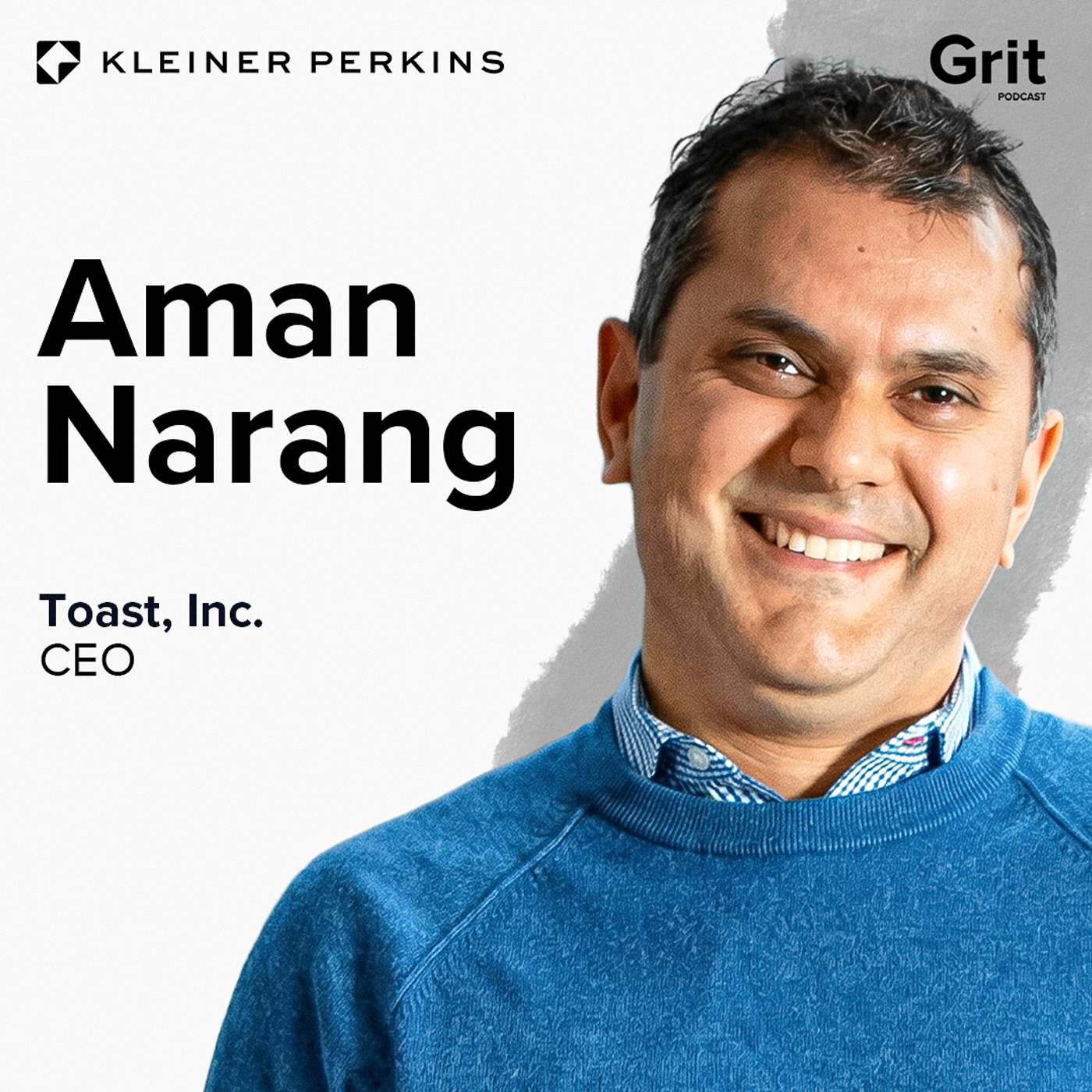
本集简介
双语字幕
仅展示文本字幕,不包含中文音频;想边听边看,请使用 Bayt 播客 App。
你还记得以前的有线电视吗?
Remember cable TV back in the day Yeah.
再看看现在的Netflix?
Versus Netflix today?
是的。
Yeah.
Netflix现在真的很懂你爱看什么。
Like, Netflix turned out, it kinda knows what you wanna watch.
那为什么餐厅不能也这样呢?
Why shouldn't that be in restaurants?
服务员当然该知道你的名字,还该知道菜单上哪些菜你会感兴趣。
Why shouldn't the server, of course, know your name and then know what on this menu you're gonna care about?
比如你的过敏源、你的口味偏好,然后据此给你推荐合适的菜品。
Like, what your allergies are, what your preferences are, and then use that to actually recommend stuff.
要是现在从零开始开一家餐厅,有现在这些技术,谁还会按老办法来设计呢?
Like, you were building a restaurant today, imagine no restaurants existed, we wouldn't build it like this given the tech we have to.
没错。
Totally.
对吧?
Right?
咱们来看看你的需求模式。
Let's go look at your demand patterns.
再看看天气情况。
Let's go look at the weather.
只要有空闲时段,我们该怎么填补呢?不管是外卖、自取还是堂食?
Anytime you've got slots open, what are ways in which we can fill those, whether it's for delivery or pickup or in store?
因为他们有这么多固定成本。
Because they've got all these fixed costs.
餐厅是少数几个根本没人认真思考过如何提升利用率的行业。
Restaurants are one of the few categories where there's, like, no concept of, like, how to think about yield.
欢迎来到《坚韧》。
Welcome to Grit.
我是乔宾,凯鹏华盈的合伙人。这个节目不只展示光鲜的一面,更深入探讨打造划时代公司背后的人与挑战。
I'm Joubin, partner at Kleiner Perkins, a show where we go beyond the highlight reel and explore the personal and professional challenges of building history making companies.
今天节目的嘉宾是Toast的联合创始人兼首席执行官阿曼·纳兰。
Today on the show we have Aman Narang, co founder and CEO of Toast.
Toast最初是一家以移动端为主的支付公司,如今已发展成为覆盖餐厅各项业务的综合运营系统。
Toast started as a mobile first payments company and has now become the operating system for restaurants across basically every facet of their business.
我们会聊聊创业初期的经历、他接任CEO的心路历程,以及公司未来的发展方向。
We talk about what it was like in the early days, stepping into the CEO role and what the future of the business looks like.
敬请收听。
Enjoy.
本集录制于2月3日。
This episode was recorded back on February 3.
现在Toast的规模有多大?
How big is Toast now?
市值大概有多少?
How many, like what's the market cap ish?
大约二百亿美元。
About 20,000,000,000.
二百亿美元?
20,000,000,000?
是的。
Yeah.
对。
Yeah.
二百亿美元。
20,000,000,000.
应该是波士顿最大的公司之一。
A big probably one of the biggest companies in Boston.
是的。
Yeah.
真的吗?
Is it?
就像你提到的,DraftKings。
It's like you, DraftKings.
HubSpot。
HubSpot.
还有
There's
好多呢。
a bunch.
在科技行业,我觉得应该是现在。
In tech, I would say probably now.
我觉得这些年,波士顿这边好像也没出过多少家,可能吧。
I think over the years, there's actually not been as many, I think, in Boston, maybe.
TripAdvisor。
TripAdvisor.
对。
Yeah.
对。
Yeah.
我觉得
I think
除了科技行业,还有好多生物科技和其他领域的公司。
outside tech, there's a bunch of biotech and other categories.
不过科技行业确实是这样。
But in tech, agree.
对。
Yeah.
你有没有
Did it
想过,好吧。
ever cross your mind to be like, alright.
比如,因为到了某个阶段,你规模够大了,完全可以只做一个赞助商。
Should we like because you like at some point, you're big enough where you could just like be a sponsor.
你知道的,你可以做那些大公司才会做的事。
You know, you could like do the like cool, like big company things.
你什么意思?
What do you mean?
我也说不准。
I don't know.
比如当个赞助商之类的,我也不太清楚。
Like, sponsor like, sponsored like, I don't know.
比如争取把名字印在球衣上之类的。
Like, try and get the naming rights to their jerseys or something.
你懂的。
You know?
我也说不好。
Like, I don't know.
比如跟爱国者队合作做点什么。
Like, do something with Toast and the Patriots.
我也不清楚。
I don't know.
搞点酷的吧。
Do something cool.
比如搞点大公司那种
Like, do some, like, cool big company
对。
Yeah.
有钱公司的那种操作。
Like, rich company thing.
你懂的。
You know?
把你们的标志贴到一些很酷的东西上。
Like, put your logos on some cool stuff.
你懂的。
You know?
不行。
No.
从来都没有?
Never?
不算吧。
Not really.
是的。
Yeah.
我的意思是,从根本上说,这跟我们的本质有关。
I mean, like, we know, fundamentally, like, goes back to who we are.
我们本质上是一家B2B公司。
Like, we're fundamentally a b two b company.
我们有朝一日想做B2C,但现在还是B2B。
We have aspirations to be b two c company one day, but we're a b two b company.
是的。
Yeah.
所以这根本不是资本的最佳用法。
And so that's just not the best use of capital.
我从小在家就养成节俭的习惯,能省则省,这已经融入我的骨子里了。
I also grew up in a household where, you know, being frugal and doing more with less is, like, a big part of, like, my DNA.
所以没错。
And so yeah.
其实我挺抠门的,团队老拿这事开玩笑,觉得我平时太节省了。
So I'm actually, the team always give me a hard time because I'm always I think they think I'm always too frugal in general.
举个例子吧。
Give me an example.
我现在好一些了,但以前好多年,我特别讨厌付停车费。
I've gotten better, I'd say now, but for years, I hate paying for parking.
我们出去的时候,现在不这样了。
And so we're, like, going out, like, you know, not anymore.
但以前好多年,一出门就想着找路边免费停车位。
But, like, for for years, be like, oh, we just find a parking spot on the street.
妮可说,咱们得去吃个晚饭。
Nicole's like, you know, we need to go to this dinner.
我们要迟到了。
We're gonna be late.
不行。
Like, no.
再给我两分钟。
Give me two more minutes.
这就是其中一个例子。
So that's one example.
你是在哪儿长大的?
Where'd you grow up?
我出生在印度。
I was born in India.
对。
Mhmm.
我在印度住过好几个地方。
I lived in bunch of place in India.
我爸爸在一家公司上班,经常被派到不同地方,但我一直待到七岁。
My dad worked for a company that kinda posted a few areas, but I was there till seven.
后来我爸爸在尼泊尔开了自己的生意。
Then my dad built this business in Nepal, actually.
所以我从八岁左右开始待在那里,一直到十三岁。
And so I was there from when I was maybe eight, actually, till when I was 13.
十三岁那年,我搬到了纽约州北部的罗切斯特。
And then I moved to Upstate New York, Rochester, New York, when I was 13.
对。
Mhmm.
我在那里读完高中,之后去波士顿上大学。
And then I was there in high school and moved to Boston for college.
你父母还健在吗?
Are your parents still around?
是的。
Yeah.
他们就住在隔壁。
They actually live next door.
真的吗?
Come on.
我父母也住在隔壁。
My parents live next door.
对。
Yeah.
我们共用一个车道,我孩子每天都能见到他们。
Like And we've shared driveway and my kids see them every day.
当然。
Absolutely.
所以你是特意买了隔壁的房子给他们住?
So you bought the place next door for them?
是的。
Yeah.
对。
Yeah.
你不用非得回答,但你伴侣当时是怎么想的?
And you don't have to answer this, but, like, how did your partner feel about that?
你的公婆住得也太近了吧。
Like, your in laws are dangerously close.
你看过《人人都爱雷蒙德》吗?
You you've seen the show Somebody Loves Raymond?
人人都爱雷蒙德。
Everybody loves Raymond.
人人都爱雷蒙德。
Everyone loves Raymond.
有意思的是,我们当时请了菲尔·罗斯坦来帮忙。
It's funny because I we had we had Phil Rosenthal Uh-huh.
我们今年的启动会几周前在奥兰多举行的。
Do our kickoff this year just a few weeks back in Orlando.
他还有另一个节目,叫《有人喂菲利普》。
He's got another show called Somebody Feed Phil.
所以我就想,他这节目说话方式跟美食节目挺像的。
So I was just you know, that he that he talks like a food show.
所以他当时就在那儿。
So he was there.
在那个节目里,有雷蒙德,有住在隔壁的父母,还有那个总在身边的兄弟,对吧?
And so in that show, you've got, like, you know, Raymond, you got the parents next door, and you've got the brother, right, who's around a lot.
这不就是我们家的写照吗。
And that's our family.
简直一模一样。
It's like exactly that.
来吧
Come
开着呢。
on.
是的。
Yeah.
但真的很不错。
But it's great.
真的很不错。
It's great.
我哥哥也在科技行业。
My brother's also in tech.
他早就入行了。
He's been there.
他比我大十岁。
He's been he's been ten years older than me.
他在科技圈待很久了。
He's, like, in tech a long time.
所以能跟他交流一下经验,听听他的看法,真的很不错。
And so it's nice to, you know, compare notes with him and and get perspective.
还有尼科尔,我觉得自己挺幸运的,很多事别人可能也跟你说过,但对我来说,最幸运的一点就是,我身边一直围着一群特别好的人。
He and and then, yeah, Nicole, I think I'm I'm lucky to be you know, one of things that and I'm sure many people have talked to you about this, but one of the best things that's happened to me is, like, I've just been very fortunate.
也许我本身也够聪明,但更重要的是,我能一直和优秀的人在一起。
Maybe as I've been smart too, but, like, to just be surrounded with good people.
而尼科尔就是这样的人。
And with Nicole, that's the case in
你妻子?
Your wife?
是的。
Yeah.
百分百。
100%.
她就是我妻子。
That's my wife.
是的。
Yep.
我觉得我父母真的非常无私。
And my my parents, I think, were really selfless.
大多数父母都这样,尤其是我妈妈,我们成长过程中她特别无私。
I mean, most parents are really and my mom, especially, you know, how selfless she was as we grew up.
一切都为了我们。
It was just about us.
还有史蒂夫和约翰,我的联合创始人,以及我们身边的整个团队,我觉得我最幸运的就是能和这么好的人在一起。
And and then even with Steve and John, my cofounders, really the team around us, like, of the best parts about of things that's been, I think, I've
我真的很幸运,身边都是好人。
been blessed with is just been lucky to be with good people.
你给父母买房的时候多大年纪?
When how old were you when you bought the house for your parents?
是在Toast成立多久之后买的?
How long into Toast?
2019年。
2019.
好的。
Okay.
所以大概六七年的时间。
So six six, seven years.
是快要上市了,还是已经上市了?
Almost public or public?
差不多是在上市前后?
Almost public in
那个时期?
that time?
在2021年。
In '21.
2021年。
'21.
好的。
Okay.
就在那之前。
So just before.
对。
Yeah.
对。
Yeah.
他们从小在印度长大,儿子却住在隔壁,这感觉有多荒诞?
How surreal was that for them growing up in India, like, having their son by the house next door?
而且那房子估计也不难看。
It's probably, like, not an ugly house either.
儿子就住在隔壁。
Like, having the son by the house next door.
对。
Yeah.
那确实挺酷的。
That was pretty cool.
我觉得更重要的是靠得近。
I think it was more about being close.
你要知道,如果看整个印度的情况,确实如此。
You know, I think if you look at India in general Yeah.
我小时候就搬到这里了,那时候才十三岁。
And obviously, like, you know, I moved here when I was a kid, and so I was 13 years old.
说真的,你在高中时的经历也会深深影响你,塑造你成为什么样的人。
And so, you know, I it's it's many ways, like, you know, I like, your experience in high school also really shapes you and who you are.
我七岁或八岁就离开了印度。
And so many ways, I left India when I was seven or eight.
所以,印度文化在我小时候对我有些影响,但成年后就没那么大了。
So it's like, you're not quite like, you know, like, the Indian culture shaped me down as a little kid, but not really when I was into adulthood.
我妻子当然是本地人,对他们来说,考虑搬来这里时,最大的挑战之一是,他们来得比较晚。
And and my wife obviously is from here, and and so for them, I think one of the challenges when they were considering moving here, came here a lot after, a lot later.
其实,如果你愿意,我们可以聊聊这个。
Actually, we can talk about that if you want.
但他们刚搬来的时候,有个很大的疑问,就是他们都65岁了。
But when they first moved here, one of the big questions was like, hey, Like, they were 65.
我爸爸那时候65岁。
My dad was 65.
我妈妈搬来的时候是60岁。
My mom was 60 when they moved here.
他们怎么适应,怎么融入呢?
Like, how are they gonna settle and assimilate?
结果他们做得特别好。
And and and they've actually done an amazing job.
现在他们聚会可多了。
Like, now they're bigger parties.
他们比我们还忙,聚会也比我们多。
They're they're busier, and they have more parties than we do.
真的不少呢。
Like, quite a lot.
你半夜十一点还给他们发消息。
You're, like, texting them at 11PM.
喂,
Like, hey.
把音乐声调小点。
Turn the music down.
我不太清楚。
I don't know
至于音乐,我不太懂,但他们有时候会把车停在咱们家车道上。
about music, but they've got they've got cars blocking our driveway sometimes.
但在印度文化里,几代人住在一起很常见,比如说,一栋房子。
But but in Indian culture, it's very common, right, like, to have multigenerational households where you've got, like, let's say, like, a home.
想象一下,三层楼,兄弟住一层,父母住一层,另一个孩子住另一层。
Like, imagine, like, three floors and, like, the, you know, the brother might live on one floor, and the parents might live on one floor, and, you know, another sibling might live on another floor.
所以这种近距离的相处,对他们来说非常重要。
And so having that proximity was something that they deeply valued.
当然,他们从来没跟我提过,但我心里明白,这对我来说意义重大。
And I did of course, they never brought it up to me, but but but I knew that something that would mean a lot.
我觉得这真的特别好。
And I think it's been amazing.
我儿子诺亚现在,怎么说呢,他和我爸爸的关系,反而比以前和我更亲近一些。
Like, my son now, Noah, he's got, in many ways, a better relationship that is not like, he's got he's almost closer to my dad than he used to me sometimes.
这真的挺棒的。
That's really cool.
是的。
Yeah.
这真的挺棒的。
That's really cool.
是的。
Yeah.
是的
Yeah.
他现在特别迷上这些活动了,全是受我爸爸影响——突然间下棋下得特别好,接着又爱上了桥牌,还有其他一堆他们喜欢做的事,他也都跟着一起玩。
They're, like, they're really into, like like, somehow he's gone into he's, like, a good chess player now because of my dad and then into like, and then bridge and a bunch of stuff that they like to do and that he does it with them.
挺有意思的。
It's kinda funny.
太棒了。
That's awesome.
对。
Yeah.
在硅谷有件挺奇怪的事,你不能说你创业是为了赚钱。
Do you like, there's this weird thing in Silicon Valley where you're not supposed to say that you started a company for money.
这简直像种禁忌,对吧。
Like, it's like a it's like this taboo thing Yeah.
你得说你是冲着使命去的。
Where you're like, it has to be about the mission.
是的。
Yeah.
你懂的。
You know?
如果达不到这一点,就显得动机不纯。
And anything less than that is just like not a pure intent.
是的。
Yeah.
但说实话,我不确定。
But like, I don't know.
如果你白手起家,又开了第二家公司呢?
Like, if you come from nothing and you're like starting a company, it was your second company.
说真的,我也说不准。
Like, I don't know.
难道就不能有点别的动力吗?比如,我也想赚钱养家?
Can't it like, aren't you allowed to like also have some motivation that's like, yeah, I wanna like make money for my family?
百分之百。
100 percent.
这话说得在理。
Like, that's fair.
对吧?
Right?
当然了。
Of course.
好吧。
Okay.
我觉得这对大多数人来说都是真的。
And I think that that's true for most people.
但你觉得,是不是有这么个奇怪的现象,就是你根本不能明说?
But do you think do you agree with me that it's like this weird thing that you're, like, not allowed to say?
对啊。
Like, oh, yeah.
我当初创业,就是为了赚钱。
I, like, started a company to, like, make money.
什么时候开始,赚钱变得不被接受了?
Like, when did that when did that become not okay?
是的。
Yeah.
对。
Yeah.
说实话,我记得刚起步时,有一件事挺有意思,就是还得勤俭节约。
I mean, I I just remember actually, one of the things that was interesting when we got going was back to being frugal.
史蒂夫和我一直以来都有个分歧,他更对,我更错——我们成长的年代,利率低,资金也便宜。
One of the things that Steve and I always struggled with, and he was more right and I was more wrong, was, you know, we grew up in a world of low interest rates and cheaper capital.
我记得以前常跟他坐在一起,听他讲。
And I remember I'd sit with him at dad.
当然,他从小就是这么过来的,还一直提醒我这一点。
Of course, he grew up, like, and he pushed me on this.
他总会参加一些会议,说什么‘嘿’。
And he it'd be some conference of something on the lines of, like, hey.
难道做生意不就是为了赚钱吗?
Like, isn't the point of a business at some point to also make money?
因为我们扩张的时候,一直在烧钱。
Because we're we're burning cash as we were scaling and growing.
没错,完全对。
And and so, yeah, absolutely.
我觉得你得真想做一家企业。
I think you wanna build a business.
这跟做任何事都一样。
I think in order to it's like anything else.
要想把一件事做好、取得成功,不能只把赚钱当成唯一目标。
In order to be good at something and be successful, it can't be that can't be a primary motivation and the only motivation.
你得真正精通自己做的事,只有这样,财务回报才会自然到来。
It's gotta be that, like, you've gotta be really good at whatever, you know, you do, and that ultimately is what drives the financial outcome.
我觉得做生意也是这样,你得真正投入进去,想解决那些值得解决的问题,因为竞争太激烈了,做起来也特别难。
And I think it's the same thing with business where you've gotta get in and wanna actually solve the problems that are worth solving because it's competitive and it's hard.
当然了,如果结果顺带成功了,那当然再好不过。
And, of course, if the byproduct is that it, you know, it's successful, that's that's great.
史蒂夫,你的联合创始人,你们之前在上一家创业公司就一起共事过吗?
And Steve, your cofounder, you guys worked together at the previous startup that you were at?
对。
Yeah.
我记得我认识史蒂夫是在2006年夏天,那时候我刚毕业。
So we I remember we I met Steve, I think 2006, summer two thousand six, Just graduated.
那是他第一份真正的工作,不是实习,是第一份正经工作。
And his first job first first, regardless of internship, but first real job.
我记得那家公司叫Endeca。
And I remember it was this company called Endeca.
我第一天去报到,那天是中午,然后一直到下午两点、四点、五点、六点,一直到午夜。
And I showed up, and the first day first day ever, right, at this place, like, you know, it was, like, noon, 02:00, 02:00, 04:00, 05:00, 06:00, midnight.
当时团队里没人离开过。
Like, nobody on the team had left.
你知道的。
You know?
我加入的这个团队叫特别行动组。
Because there was this team that I joined where it was it was called special operations.
对。
Mhmm.
那会儿做的是电商。
And that was ecommerce.
我根本没意识到自己接了个什么样的活儿。
And this this this job this team's I didn't really know what I'd gotten myself into.
这个团队的任务是探索这个平台在电商之外的其他领域和细分市场怎么开创新局面。
This team's job was to go figure out how to break new ground with this platform beyond ecommerce in other verticals and other segments.
他们实际上是在Endeca内部打造一个初创团队。
And so they were, like, basically building a startup within Endeca.
是的
Mhmm.
就是在那里我认识了史蒂夫。
And that's where I met Steve.
我跟他一直合作,说起来真有点不可思议。
And and I've kind of, like, worked with him through like, it's kinda crazy.
我觉得我整个职业生涯都在和他共事。
I feel like I've worked with him throughout my professional career.
他几乎一直在,可能我记错了,但中间也就隔了一两个季度。
Like, he's been on this maybe I'm wrong about this, but except maybe a quarter or two here and there.
我们差不多已经合作了二十年了。
We've kinda worked together for, like, I don't know, two decades now.
这太了不起了。
That's amazing.
对。
Yeah.
而且,他算是那个所谓的技术型人物吧?
And, like, maybe, like, he's the technical one in air quotes?
其实我们还有个联合创始人叫约翰,约翰和史蒂夫都是那种传说中的十倍工程师。
Actually, we had a third founder, John, who was John and Steven are both, you know, the proverbial 10 x engineers.
是的。
Yeah.
我觉得约翰是CTO,真正帮我们搭建并扩展这个平台的人。
And just I'd say John was the CTO, the the the one who really helped us build and scale this platform.
约翰当初也在这家初创公司吗?
And John was also at the startup?
在的。
Yes.
明白了。
Okay.
约翰那时候我们常开玩笑说,我和史蒂夫是搞创业的,史蒂夫比我更懂技术,但我也不是完全不懂。
John was we used to joke around that Steve and I, we were entrepreneurial, and and Steve was more technical than me, but, you know, I I was also
你上过麻省理工。
You went to MIT.
搞开发。
Building.
是的。
Yeah.
学历高并不等于技术能力就一定强。
That's not always means you're actually effective technically.
这话有道理。
That's fair,
但这确实是个门槛。
but it's a you it's a bar.
是的。
Yeah.
这确实是个门槛。
It's a bar.
说得对。
Fair.
而且不管怎样,我们当时一直在捣鼓、做东西,我老开玩笑说,我们总是拿约翰打下的基础,往上加功能、做成产品。
And, anyways, we were tinkering and building, and I would joke around that we would always take John's, you know, foundational capabilities and build on top and productize these things.
所以约翰真的是帮我们实现规模扩张的关键人物。
So John was really, like, the one who helped us scale.
史蒂夫呢,他特别有激情,真的非常热衷于创新。
Steve is, like, you know, very much, I'd say, very deeply about passion about innovation.
他不仅看重工程,更关心我们怎么创新、怎么产生影响,他总是想得很宏大、很大胆,不断推动我们思考:行业未来会怎样?为什么?我们怎么才能领先?
So as much as engineering, he also cares deeply about, like, how are we going to innovate and make an impact, like, for for the for the and and he always is thinking very big and bold, like and pushing us in terms of, like, where's the industry going and why and why how can we lead?
所以我觉得,有时候我可能更务实一点,总在琢磨怎么平衡各方,制定出一条合理的路线图。
And so I think sometimes I'm maybe more of the pragmatist in terms of trying to figure out how do you balance everything to have a road map that makes sense.
你觉得
What do you
三个人一起创业的组合怎么样?
think about the three person founding configuration?
我在这儿孵化了一家公司,叫KPG,进展还不错。
Like, I have been incubating a company here KPG, and it's we're making good progress.
有三个地方在修复CPQ的问题。
There's three Fixing CPQ.
对吧?
Right?
这就是说
That's what
我的意思是。
I mean.
是的。
Yeah.
对。
Yeah.
不错。
Cool.
是的。
Yeah.
对。
Yeah.
没错。
Yeah.
值得去修一下。
It's worth fixing.
对。
Yeah.
我猜在你公司里情况可能很糟糕,如果我有
It's probably terrible in your company if I had
来猜的话。
to guess.
在 Salesforce 之上构建确实很难。
It's hard to build on top of Salesforce.
这根本不可能。
It's impossible.
在学习中。
Learning.
是的。
Yeah.
这根本不可能。
It's impossible.
是的。
Yeah.
这只是一个老旧的遗留系统。
It's it's just an old legacy platform.
你知道,当成千上万的客户经理拼命想促成交易,而底层系统却卡在加载界面,一等就是半小时的时候……
And, you know, when you have thousands of AEs trying to, like, get deals done and, like, the underlying system is, like, stuck in loading screen hell for thirty minutes
是的。
Yeah.
因为整个架构都快五十年了,页面之间根本跳转不了。
Because it's, like, can't get from one page to another because the architecture is, like, 50 years old.
是的。
Yeah.
对我们来说,难点在于,我们当初是从中小企业做起的。
I think for us, the hard part has also been, like, you know, we started an SMB.
对。
Mhmm.
后来才慢慢扩展到中型和大型企业市场。
And then we grew up into mid market enterprise.
还拓展到了国际市场。
We grew in international.
我们在这些不同领域同时增长,不断扩展平台,这才变得越来越难。
We're doing so all the growth in these different segments, expanding the platform, that's where it's gotten hard.
是的。
Yeah.
因为你得兼顾低端市场,要做电商,但企业销售又完全是另一回事。
Because you've got, like, down market, you want to power ecommerce, but then you also got, like, enterprise sales are very different.
再加上进入国际市场,每个地方都有自己的需求,要把这一切都整合起来,真不容易。
And then and then, you know, going to international markets, that has its own needs and, like, making all that work.
我觉得对我们来说,最难的就是这一点。
I think part of it is is what's been hard for us.
是的。
Yeah.
我觉得这正是我们的优势所在,我们正切入核心领域——公共科技公司。
I think I mean, that's also why our, like, sweet spot, like, we're going into the belly of the beast, which is, like, public tech companies.
我们选择从这里入手,因为你不是特例。
Like, that's where we're starting because you're not unique.
意思是,当你发展到一定阶段,各种定制化需求就会大量涌现。
Like, meaning, you start to get to the point where skews proliferate a lot.
然后就会有一大堆人不停地向系统提需求。
Then you have, like, a bunch of people banging on the system.
展开剩余字幕(还有 480 条)
没错。
Right.
你既要面向低端市场,又要兼顾高端市场。
And you're, like, down market and up market.
随着往高端市场走,销售代表们要处理的交易也变得更复杂了。
Then you have, like, AEs as you go up market that are trying to do deals that are more complex.
没错。
Right.
然后又来了一拨全新的销售代表,根本不知道怎么搞定这些大单。
Then you have a brand new set of AEs that have no idea how to do those deals.
于是他们到处打电话求助。
So then they're calling everybody.
这些流程都应该系统化才行。
That should all be like systematized.
没错。
Right.
你懂的吧?
You know?
然后他们肯定会感到挫败。
Then inevitably they get frustrated.
他们干脆直接打开个电子表格,拿给客户看。
They just go into a spreadsheet and just show a customer a spreadsheet.
确实如此。
Yeah.
然后他们就陷入了一堆审批流程里。
Then they go into like approval hell.
确实是这样。
Yeah.
稍微改个小地方,结果整个流程就被打回重头再来。
Where like they change one little thing and then it gets kicked down to the bottom of the thread.
对吧?
Right?
这个问题再乘上大量的业务量,确实挺头疼的。
And that problem times a bunch of volume Yeah.
没错,慢慢就变得特别繁琐了。
Right, starts to become quite cumbersome.
我有个关于审批的故事。
I have a story about approval.
我们当初在扩张的时候,就觉得得更规范一点。
We have, like, when we were trying to grow and scale, we're like, we gotta get more disciplined.
于是定了一大堆规则,规定谁该证明什么。
And we created all these rules about who proves what.
有一天我们看了下所有数据,发现99.9%的情况下,所有申请都通过了。
And we went to one day and looked at all this data, and it was like, 99.9% of time everything gets approved.
那我们到底在忙活啥?
Like, what we do?
对啊。
Yeah.
因为你的前线经理,比如销售经理,都会说:当然。
Because because your frontline managers, like the sales managers, are like, yep.
批准。
Approve.
批准。
Approve.
批准。
Approve.
那当然。
Of course.
没错。
Yeah.
那当然。
Of course.
没错。
Yeah.
实际上,根本不是从上到下这么操作的。
Not at all the way up the chain, actually.
他们得去展示、去证明。
They had to see had to prove.
对。
Yeah.
没错。
Yeah.
我的意思是,也许我有点夸张了,但我觉得,一路下来学到的是,给团队多一点自主权反而更好。
I I mean, maybe I'm exaggerating, but I think, like, what I've learned along the way is you're way better off giving teams a little bit more autonomy.
对。
Yeah.
因为真正起作用的是那些边界和限制,比如销售计划、配额之类的,而不是别的,那些反而会拖慢进度。
Because I use the guardrails and constraints that drive, like, the cut plan or the, you know, the quota or whatever it may be versus because that can slow you down.
尤其是在商业和市场推广中,时间真的特别关键。
And, like, in in, you know, in business and go to market, especially, the time is really important.
关键是速度很重要。
Like, speed is important.
尤其是在中小企业里。
And so especially in SMB.
对。
Yeah.
所以,不管怎样,回到刚才说的,没错。
And so, anyways, back to, like Yeah.
这话说得真到位。
That resonates.
是的。
Yeah.
没错。
Yeah.
确实如此。
Yeah.
所以,我其实挺好奇这个三人配置的。
So anyway, I was I was kinda curious about the the three person configuration.
对。
Yeah.
我就在用这个三人配置呢。
Like, I'm living the three person configuration.
我觉得挺好的。
I really like it.
是的。
Yeah.
我想了解一下,这种配置有什么优缺点?
I'm curious, like, what were the pros and cons of it?
现在可能没那么重要了。
Now it's probably matters less.
对。
Yeah.
但话说回来,那个
But then I mean, the
最棒的地方是我们彼此互补。
thing that was best was we were fairly complimentary.
我主要负责产品和市场推广。
And, you know, I was more on, like, I'd say, product and go to market.
那才是我最有干劲的地方。
That's like where I got the most energy.
我记得,史蒂夫主要负责创新和产品开发。
And I remember and and, like, you know, Steve was, I'd say, innovation and product.
他显然更偏技术一些。
Much more technical, obviously.
史蒂夫和约翰大概搭建了平台的大部分内容。
And Steve and John, I'd say, probably built the bulk of the platform.
约翰则是个地道的技术专家。
And then John was John was, you know, the the the technologist.
所以我觉得,只要大家能互补,而且每个人都很靠谱,因为很多时候团队都会遇到承诺不到位的问题。
And so I think as long as people are complementary, and you've got folks that are very good, because, like, often you've got issues with commitment.
对吧?
Right?
如果团队规模大了,要协调各方的投入,我们当时根本没遇到这种困扰。
If you've got bigger team alignment commitments, we just didn't have that.
我们之前就已经认识六七年了。
We'd known each other for six, seven years before.
而且都是特别好的人,就像我前面说的那样。
And just good people, like, I was back to what I said earlier.
我觉得重要的不是合作了两三年,而是人本身。
I think that that's what is important more than whether it's two or three year.
事实上,对我们来说,说实话,我们其实根本没怎么提过,但当时几乎就像一个创始核心团队。
In fact, for us, like, we we don't talk about this enough, but it was actually almost like a founding core group.
很早的时候,有个人加入了我们,那时候我们还在我家地下室折腾,他却已经在哈佛商学院了。
Like, very early on, there's this there's this guy, who joined us, and he was at HBS while we were, like, in my basement.
他当时在HBS的地下室实习,帮我们把这件事推起来。
And he interned at HBS Basement, getting this thing getting this thing off the ground.
他在产品和市场匹配方面起了关键作用,简直就跟联合创始人一样。
He was very instrumental in, like, helping us find product market fit and, like, know, practically a founder.
史蒂夫的弟弟蒂姆,其实是DECA的工程师。
Steve's brother, Tim, was actually an engineer in DECA.
他是我们第一个重要的技术 hires,可以说是第一位工程骨干。
He was our first, I'd say, first key hire, engineering hire.
而且很多早期成员,其实都是大家一起把这事干起来的。
And even the first, like, a lot of these folks, like, you know, we all build this together.
这事儿可不只是我们三个人的事。
It wasn't just about the three of us.
是的。
Yeah.
你们花了多久才把第一个产品推到市场上?
How long did it take you to get the first product out into the wild?
嗯,故事得从头说起,咱们稍微回溯一下。
Well, the story so so maybe back up a little bit.
那时候是2012年夏天。
So we we it's like the summer of twenty twelve.
甲骨文刚刚收购了Endeca。
We Oracle had just bought Endeca.
我们刚加入的时候,这家公司也就几百人,后来迅速发展壮大。
And, you know, we'd seen this company kinda when we joined, it was a couple 100 people that grew and scaled.
我们当时在一支特别行动小组里,专门负责打造新产品。
You know, it seemed like, you know, we'd worked on this team, special ops, trying to build new new products.
事实上,iPhone刚出来的时候,史蒂夫和我就一起做了移动端的业务,那项目还挺成功的。
In fact, when the iPhone came out, Steve and I built in that because mobile business that was that was successful.
所以我们就觉得,现在正是该去探索下一步的时候了。
And so we're like, you know, now is a good time to go explore, like, what's next.
这事儿其实发生在2012到2013年之间。
And and and so we you know, we're this is, like, not this is, like, 2012, twenty third 2012.
所以那时候不像手机或者云计算刚出来那样,明显能看出方向。
And so it wasn't, like, you know, unlike, oh, wait, with the mobile phone or mobile or, like, you know, with cloud earlier.
我们不太清楚到底该去搞什么、建什么。
Like, was not as obvious, like, what we should go work, go build.
比如人工智能,其实一直都有公司在做,时不时就冒出一家。
Like, like, for example, AI, there's always AI companies, right, that are that are they've spun up.
我们以前常去楼下一家店碰头。
And so we we used to meet at this place downstairs.
那地方叫Firebrand Saints。
Well, you know, called Firebrand Saints.
就在MIT斯隆商学院对面。
It was, like, across the street from MIT Sloan School.
我们办公室就在那儿。
It's where our office was.
我们每周碰一两次,聊点想法,头脑风暴,但好几个月都没什么进展。
And we'd meet, like, once or twice a week, and we'd talk about, like, you know, ideas and and and brainstorm things, and kinda didn't get anywhere for, like, a couple months.
然后,我倒想不起来是誰提的了。
And then, like, I think why don't I forget who it was?
但我們注意到一件事:每當我們準備走的時候,那地方的戶外露台總是人山人海。
But, like, one of things we picked up on was, like, oh, like, when we're ready to leave, this place was a busy outdoor patio.
那是一家大餐廳的戶外酒吧區。
It's like a big restaurant bar, outdoor patio.
我們每次想走,都得花上二十分鐘才能擠出去。
Took us, like, twenty minutes to leave.
對吧?
Right?
我們就只想快點回家。
And we wanna just go home.
於是有人提議,說:要不我們做個有趣的小項目?
And so one of us said, like, what about as a fun project?
能不能開發個功能,讓你用手機就能輕鬆離開?
What have we just built, like it's like you use your phone to just leave?
结账居然花了二十分钟,还得等他们
Twenty minutes to, like, close out the tab and get
忙得根本顾不上你。
out of because you're just busy and they don't
人手不够。
have stuff.
对吧?
Right?
其实挺有意思的。
It's actually it's funny.
这现在可是个关键的卖点。
It's a big part of value proposition today.
真有意思,这种事总能卷土重来。
It's funny how these things come around.
所以我们一开始做了个应用,让你用手机就能直接结账。
And so we we started off by building this app where you could use your phone to, like, check out, basically.
那就是核心的使用场景,你知道的。
That was the, like, you know, core core use case.
我记得当时我们讨论要创业的时候,史蒂夫和唐就说,咱们干脆辞职干这个吧。
And and I remember, like, when we're talking about building this business, Steve and Don are like, let's go quit and build this.
我说,我可不辞职。
And I'm like, I'm not quitting.
我之前一直在做企业级软件和后端开发。
I I worked on, you know, enterprise software and deck end.
那时候我觉得这事儿简直太疯狂了。
This just seemed crazy to me at the time.
我们到底要搞个啥啊?
Like, what are, you know, what are we gonna build?
给中小餐馆做个结账应用?
Like, a checkout app experience for SMB restaurants?
结果他们真辞职了,我只能在晚上和周末帮他们起步。
And so they actually quit, and I was helping them nights and weekends to get get going.
但我们就是一点起色都没有。
But one thing we we we we and we got no traction.
所以头一年左右吧。
So the first, like, I'd say, year or so.
一年?
Year?
是的。
Yeah.
大概九个月左右。
Probably, like, maybe nine months.
一点进展都没有。
No traction.
挺长时间的。
A long time.
对。
Yeah.
我们当时基本上是在摸索,你大概能感觉到这个过程。
And we were trying to basically I mean, took us, you get an idea.
你得花上三四个月的时间才能
It takes you three to four months to get
至少。
At least.
才能拿到
To get a
至少市面上有这种产品。
product out there At least.
客户那边。
The customers.
而且我们做这款应用时发现,大部分行业都是这样,毕竟我们在波士顿和剑桥接触过不少餐厅。
And the but the thing we realized with this app was most of the industry, right, because we got to know restaurant tours in Boston and Cambridge.
他们用的那些运营系统,要么是九十年代建起来的,要么还得靠实体硬件,比如得在地下室放个服务器。
And they were using these systems to run their businesses that were, like, you know, built in the nineties or they were, like, on premise systems with physical hardware, like a server in your basement.
他们根本连不了网,也没法用API,所以我们没法开发。
They didn't have connectivity, right, with APIs, so we couldn't build.
这才是最大的障碍。
That was, like, the biggest blocker.
我们根本没法扩展,这东西根本没法扩展。
We couldn't scale this thing because there's no way to scale this thing.
后来我们试着去推销一个点子,就是用手机结账。
And so and when we the other thing that was, like, interesting was we'd go pitch this idea of, like, using your phone to check out.
但客户根本没给我们多少时间。
Like, you know, we got barely any time from customers.
但当我们把话题转到,比如说,
But when we pivoted the conversation to talk about, like, hey.
你对整体技术有什么看法?
How do you like your technology more broadly?
这才慢慢有了一些回应。
And a couple teams emerged.
首先,他们都不喜欢自己的旧系统。
One, none of them liked their legacy platforms.
很明显,这俩根本合不来——餐厅老板又不是技术专家。
They're like you could tell it was like oil and water because they're not you know, restaurateurs are not technologists.
像Salesforce这样的平台,现在。
Salesforce today.
是的。
Yeah.
对。
Yeah.
你真得好好想想Salesforce。
You really think about Salesforce.
是的。
Yeah.
没错。
Yeah.
总之,他们对自家的技术根本谈不上喜欢。
Anyways, it was like they they it was like they didn't love their technology.
对。
Mhmm.
另一个让我惊讶的是,他们用的技术远比我想象的多。
The other thing that jumped out was they were using, like, a lot more technology than I expected.
比如,很多餐厅还记得我们早期的一个客户,叫Finale。
Like, a lot of these restaurants remember one of our early customers is this place called Finale.
那是我们最早接触的正经餐厅之一,早于那些餐车和咖啡馆。
It's like the first, I'd say, first or second, maybe, like, real restaurant before that we got some, like, food trucks and cafes to get going.
我们当时还专门去跟他们开了个会。
And we sat down to have a meeting with them.
我们就跟他们说,
It's like, hey.
你懂的。
You know?
我记得有个很棒的人,叫克里斯·凯恩。
I remember a great guy, Chris Cain.
他一开始就说,我有个收银系统。
And he started off by saying, well, I've got this point of sale.
然后我们看到了厨房和餐厅里各种各样的工作流程。
And then we saw, like, you know, all the workflows around the kitchen and the restaurant.
接着他们说,现在我们还做电商了,因为订单都从网上来了。
And then they was like, well, I've got ecommerce now because, like, orders coming online.
那是2013年。
This is 2013.
顺便说一句,订单那时候还是通过传真机接收的。
Orders were coming into a fax machine, by the way.
对吧?
Right?
什么系统都没连在一起。
Not nothing was integrated.
他们那时候有个网站,就是那种特别老派的、2010年就过时的网页。
They had, like, well, I have a website, and it was, like, this old school 10/24 by July website.
线上礼品卡、门店礼品卡,全都有。
I've got, like, online gift cards, and I've in store gift cards.
还有一个积分打卡的会员计划。
I've got this punch card loyalty program.
然后还有员工排班系统。
Then I've got, like, staff scheduling.
还有发工资的系统。
I've got payroll.
库存管理也有一套。
I've got, like, inventory.
会计系统也单独搞了一个。
I've got accounting.
反正就是一堆乱七八糟的系统。
It's like a big list.
我当时就想,那你怎么管得了这么多事啊?
And I was like, well, how do you manage all this stuff?
他说,没错。
And he's like, yeah.
全靠手动在各个系统之间导出导入数据。
It's manually exporting and importing data across systems.
对吧?
Right?
这样的话,整个系统就活起来了。
Like, this would bring it to life.
你可以想象一下,比如一家特别忙的餐厅。
Like, you would have like, imagine, like, it's a busy restaurant.
一家在哈佛广场。
One's in Harvard Square.
另一家在波士顿的后湾。
One's in Back Bay in Boston.
想象一下,午餐时间门外排着长队,网上还不断有订单进来。
And imagine you got a line out the door because at lunch, and you've got, like, orders coming in online.
那时候传真订单的频率还没现在这么高。
It was less frequent than they are today on a fax.
门外排着队,你还得把每笔订单手动重新录入一遍。
And you got a line out the door, and you got to rekey the entire order.
想象一下那种大订单。
Imagine the big order.
对吧?
Right?
这根本说不通。
It's like, makes no sense.
所以后来我们才明白,因为那时候还没有云技术,整个系统根本跟不上需求。
And so the thing that the realizations were, like, because cloud didn't exist, the technology just hadn't kept up.
有几家公司在尝试打造一种更通用的解决方案,能跨多个行业适用。
And there are a couple companies that had, like, you know, that had tried to build, I'd say, more of, a horizontal solution that could work more broadly in many verticals.
我们当时意识到,不如就专注做餐厅,尽可能把更多餐厅都拿下。
And, like, I think our realization was, let's just go deep on restaurants, and let's go nail as many, right, of the restaurants as we can.
我们的想法是,只要有食物被端上桌,就应该用 Toast。
Like, the vision the mindset was any more food is served.
Toast 应该成为这个领域的平台。
Like, Toast should be the platform.
这正是早期产品与市场契合的起点。
And and that's really what led to the, like, the early, at least the beginnings of the product market fit.
背后当然还有更多细节,关于真正需要什么,但至少早期的产品市场契合是从这里开始的。
There's a more to the story in terms of, you know, what it really took, but, like, at least the beginnings of product market fit early on.
非常有意思。
Super interesting.
对。
Yeah.
所以这九个月,什么事都没发生。
So nine months, nothing's happening.
然后你就开始有这样的对话。
Then you have conversations like this.
对。
Mhmm.
你会慢慢调整表达方式,让餐馆老板们觉得有道理。
You, like, start to tune the messaging in a way that starts to make sense to the restaurateurs.
没错。
Yep.
接着你就能回去,慢慢调整产品,让它更贴近他们的需求。
Then you can, like, go back and start, like, you know, like, shaping the product to, like, conform to what they want.
对。
Mhmm.
然后你开始接触到一些流动餐车,还有更多人加入。
Then you start, like, getting maybe a couple food trucks, a few more people around.
还是你们三个人在做吗?
It's still you three?
没有。
No.
我们当时确实有这么个情况。
We had we had so this this on
关于融资这块,也许我们可以聊聊资金的事。
the funding side, maybe we can talk about capital.
可以。
Sure.
正如我之前提到的,我们是从这家公司出来的。
So we we we had come out of this company, as I mentioned.
所以我们当时就想,你知道的,史蒂夫·帕帕——Endeca的创始人——一直支持我们,我们之前也为他做过不少事,于是我们就引荐给好几位风投。
So we're like, well, you know and we were those Steve Papa, who was the founder of Endeca, was, like, a supporter of us, you know, done good work for him, and so we made a bunch of intros to a bunch of VCs.
简而言之,直到史蒂夫·帕帕率先投了第一笔钱,我们才真正融到资。
And and maybe long story short, we, like, couldn't really raise capital until we got Steve Papa to put in the first check.
他说要投五十万美元,结果那十万美金很快就到账了。
And he said, I'm gonna commit 500 k, and the 100 k showed up in our account.
我就问了,你不是说五十五十万吗?
And I said, I thought you said 500 k?
他说:我会投五十五十万,但每次只给十万,而且每招一个人,都得我点头。
And and he said, well, I'm gonna give you 500 k, 100 k at a time, you and also need to approve every hire by me.
对吧?
Right?
早期就是这样。
Early on.
别逗了。
Come on.
我觉得他是想帮忙,毕竟他自己也走过这条路,想确保我们别走弯路。
I think I think he was trying to be helpful in in terms of, like, in terms of in terms of, you know, he he making sure that, you know, he was he'd he'd he'd just been through the journey.
不管怎样,这些年他的建议,处处都留下了痕迹,帮了我们大忙,才有了今天。
Anyways, the actually, his his advice throughout the years, his imprints are all over the company in many ways that really helped us get to where we are today.
太棒了。
Awesome.
但他帮我们拉到了一些投资。
But but he so we raised some funding through him.
所以我们其实还没什么产品就开始招人了。
So we actually started to hire people without really any product.
之前我们确实做过一个应用,但那只是内部用的。
Any product mean, we had this app before that we had built inside.
后来我们决定转型,要做一个完整的平台,那可就复杂多了。
But then, like, when we were pivoting to, like, wanna build this whole platform, it was a much bigger undertaking.
所以我们招了伊芙。
And so we had hired Eve.
我们还招了蒂姆。
We hired Tim.
当时也有一两位早期工程师。
We had a couple early engineers.
所以那时候我们还是有几个人的。
So we did have some people.
是的
Yeah.
我们确实有支团队
We did have some team.
有一些团队成员
Some some team members.
我觉得我们后来意识到的一件事是,这绝非易事
And I think one of the things, like, realizations we did have was it was not gonna be trivial.
很多人找投资人聊Toast的时候都会说,餐馆怎么可能在线上买东西
Like, a lot of people, when you go to investors and talk about Toast, they would say, like, restaurants will buy online.
他们并不擅长科技
They're not tech forward.
而且经常关门倒闭
They go out of business.
再说,这事儿看起来也太重了
Like and also, it's like, this seems very heavy.
这里需要做的事情太多了。
There's a lot to build here.
我们足够清醒,知道要做的工作量很大,所以需要一些支持。
And we were, I think, self aware enough to realize that there's a lot to build, so we needed some support.
对。
Mhmm.
我们还意识到另一点,就是不能做太宽泛的东西。
And and so the the other thing we realized was back to, like, not being horizontal.
就连最初那十到二十家餐厅,我们也接触了各种类型,比如流动餐车和咖啡馆。
We we even our first, like, I'd say, 10 or 20 restaurants, we had, like, you know, food trucks and cafes.
还有一些快餐类型的餐厅。
We had some quick serve, like, you know, restaurants.
也有正经的正餐餐厅。
We had sit down, full serve.
还有一些档次较高的高档餐厅。
We had some nicer fine dining style restaurants.
我们还开了酒吧。
We had a bar.
我们甚至开过夜总会。
We even had a nightclub.
我记得在麻省理工附近有个地方叫Flat Top Johnny's,那儿有酒吧,还有台球桌。
I remember there's a place called Flat Top Johnny's, like, around MIT, where they had, like, a bar, and they had, like, the pool tables.
那时候得想办法怎么计费台球桌的使用时间,因为它们是按平台统一计时和使用时长来收费的。
It's, like, to figure out how power the pool tables, sir, because they had one platform before terms of, like, timing and how many hours you're using it.
这类特殊情况太多了。
So there's there's a lot of these edge cases.
实际上,我们现在公司市场推广中用的术语是:正是这成千上万的细节,造就了Restaurant Tech的独特之处。
We in fact, the terminology we use in marketing now in the company, our branding is is like the thousand little things that make Restaurant Tech what it is.
Toast就是为忙碌的餐厅量身打造的。
And, like, Toast is built for busy restaurants.
你的意思是,在你最初的二十家客户那里,餐厅内部就存在无数种特殊情况,你都得把这些需求融入平台里,对吧?
And you're saying just like within restaurants, there was a million edge cases just across your first 20 customers that you had to basically build into the platform.
我觉得这是个有意的策略。
And I think that was a deliberate strategy.
我们可不是随便干点啥,别人可能会问,你们这是在干嘛?
It wasn't like we were just like, you know, some people might say, what are you doing?
干嘛不专注一点?
Why don't you focus?
对吧?
Right?
然后直接搞定某一个细分市场。
And then go nail this one segment.
我觉得这正是我们的思路——而且不同类型的餐厅之间其实有很多共性,我们的想法是,说到底,我们的策略是什么?
And I think that was, like, our and and there was enough overlap between restaurant types, and our perspective was, like, at the end of the day, what was our strategy?
我们的策略就是派人实地走访。
It was like, we're gonna put people on the ground.
事实上,很多人都在问,你们真要派人遍布全国各地和各个城市吗?
In fact, a lot of people were questioning, are you gonna put people over the country and cities?
但我们已经在全球多个城市部署了人员。
Not when we got people, you know, all over the world in cities.
而且餐饮从业者都很喜欢我们能在他们身边提供销售和服务支持。
And people, restaurateurs love the fact that we have sales and service near them.
对吧?
Right?
然后我们决定打造一个平台,能通用适配各种类型的餐厅。
And then we said, like, we're gonna build this platform that can work universally across these different restaurant types.
另外我们还意识到,尤其是如果想吸引风投的话,商业模式必须做出调整。
And then the other thing we realized, like, especially if we make it VC fundable, like, we realized, like, the business model had to evolve.
我们慢慢摸索出经验,作为这个行业里第一个这么做的人,我们在餐厅里率先整合了支付功能,增加了软件支持,同时大幅降低了硬件和服务的成本——相比那些动不动就收高额前期费用的传统平台,我们优势明显。
And so we we we we and, you know, we'd learn we're the first ones to do this, but, like, we we, within restaurants, I think we were in terms of embedding payments, embedding more of the software, and making the hardware and the service a lot cheaper than these legacy platforms that had, like, on the upfront costs and such.
所以我觉得有三点很关键:云平台、安卓硬件,还有内置支付,这三者结合起来才让商业模式跑通了。
And so I think those are three things that matter was, like, the, you know, cloud platform, Android as the hardware, and then embedded payments to make the business model work.
我们还决定,如果要组建销售团队,他们不能只盯着餐厅行业里的一小部分,必须能覆盖各种类型的餐厅。
And we said, like, if we're gonna hire sales team, they gotta be able to sell not just to the small segment of the restaurant industry, you gotta sell across different restaurant types.
所以,这本身就是我们当初有意制定的战略的一部分——服务各种类型的餐厅,直面其中的复杂性。
And and so that that was part of the deliberate strategy back to strategy to go serve all these different restaurant types and lean into the complexity.
我们觉得这反而会成为我们的优势,事实也确实如此。
We felt like that would actually be an advantage, and it is an advantage for us.
即使我们现在扩展到了零售领域,我们的核心策略依然是聚焦本地商业,也就是那些实体的线下门店。
Like, even as we've actually now expanded into retail, a big part of our strategy is, like, you know, we are all about local commerce, like physical brick and mortar stores.
我们特别喜欢处理像杂货店、便利店,或者带加油泵的加油站这类复杂场景。
And we like the complexity of, like, a grocery store, for example, or a convenience store or gas station that has a fuel pump.
从一开始,这就在我们的基因里——我们就是要拥抱这些复杂性,
And like and that's really been in our DNA from day one is to lean into some of
让本地商业运转起来,先从餐厅做起。
that complexity of making local commerce work, starting with restaurants.
非常有意思。
Super interesting.
你们是怎么招聘第一批团队成员的?
How so you hire the first set of team members.
是的
Yeah.
大概八到十个人去搭建平台。
Call it eight to 10 of you to go build the platform.
对
Mhmm.
再配一两个人负责销售。
And couples and and couple of people to help sell too.
再配一两个人负责销售。
Couple of people to help sell.
是的
Yeah.
你那时候还靠着第一单在撑着呢。
And so and you're still riding on that first seat check basically.
对
Yes.
哦,是啊。
Oh, yeah.
对。
Yeah.
那时候我们都在我地下室里,特别节省。
Very, very, very we were in my basement and like, after being frugal.
因为真的,我们特别抠,谁都没拿工资,具体细节记不清了,但总之我们对开支管得特别严。
Because it is Oh, we were we were mean, we didn't take any salaries or I forget exact details, but I think we were very, very careful about, like, you know, burn.
早期我们更倾向于给员工股权而不是现金,因为我们一心只想把那50万美元的账户做成,毕竟不确定以后还能不能再有钱。
We lean a little bit more, which has worked out well into equity than cash early on with employees because we'd really wanna make that 500 k account because we don't know if you'd ever have more money.
我记得最早招的那几个销售,都是刚毕业的小年轻,他们问:‘那我们的薪酬方案是怎样的?’
And I remember the first couple of sales reps we hired, they're like kids out of school and, you know, and they're like, well, you know, we and what's the comp plan?
其实后来才落实,他们基本工资也就四万美元左右。
Like, actually happened years later because they were on, like, some base salary of, like, I think, 40 k or something.
我记得好几年后,他们回来找我,专门坐下来跟我谈。
And, like, I remember, like, years later, they came back to me, sat me down.
他们说,我们发现了一件事。
They're like, we found something.
大概是过了一两年吧。
It's, like, two years later or a year later.
我记不清了。
I forget.
他们说,原来销售人员是有提成的。
They're like, we found that salespeople make commissions.
我们早期真的特别抠门。
But we were very, very frugal early.
没办法,只能这样。
We had to be.
但我们当时只想把平台搭起来,尽快找到产品和市场的契合点。
We but because we wanted to make sure that we could build as much as platform, find some early product market fit.
最难的是,哪怕我们后来做到了十万美元的年经常性收入,有了十来个客户,要扩大业务还是得投入更多钱。
And the hard thing was, like, even when we got, like, the first 100 k ARR or so, and we had, like, maybe 10 or 15 customers, the thing was scaling in our business required more investment.
实际上,史蒂夫·帕帕在那段时间帮了大忙,让我们没停下脚步。说来好笑,我们刚拿到那批早期客户,就想着:赶紧踩油门,冲起来。
And, actually, Steve Papa was really helpful there to keep keep us going because the funny thing is we got these early customers, and it's like, let's go put, you know, put the pedal down.
想试着扩大一点规模。
Let's try to scale a little bit.
但我们根本没准备好。
And we were, like, totally not ready.
比如,我们的软件根本不能离线使用。
Like, because, like, one, like, our software didn't work offline.
你想啊,大多数SaaS应用,网络一断就完蛋。
Like, so imagine, like, you have most SaaS application, the Internet's out.
可这没关系。
Doesn't matter.
餐厅晚上九点网络断了,照样得正常运转。
Restaurants, like, Internet's out 9PM.
你得能继续经营下去。
You need to be able run the restaurant.
所以我们得重新打造整个平台,让它能在离线状态下运行。
So to rebuild a lot of that platform would work offline.
还有我们的硬件,记得吗?因为客户需求猛增,我们得在很多地方部署设备。
Then, like, our hardware, like, remember, we're, like, like, we're having more hardware to deploy all these sites because there was a of customer pull.
那你们自己生产硬件吗?
And you build the hardware yourself?
没有。
Nope.
我们用的都是市面上常见的硬件。
We were using commodity hardware for it.
想自己造硬件,难度真的很大。
It's very hard to Yeah.
要自己组装一百套硬件,根本不现实。
100 kit checks to build hardware.
所以我们就在亚马逊或者阿里巴巴上直接采购。
And so we were buying on Amazon or wherever, Alibaba.
我们买了大量的硬件设备。
We're buying a lot of hardware.
都是普通的商品,比如宏碁、安卓系统的平板电脑。
It was just like commodity, Acer, Android, bunch of tablets.
我们还买了那种金属支架,我记得有些平板更新后,原本有两个接口,现在只留了一个。
We were buying these physical, like, metal stands to I I remember the the some of the the the updated the the some of these tablets were instead of having two ports.
对吧?
Right?
比如原来的Micro USB和USB接口,现在合并成一个了。
Like, micro USB and USB, like, moved to one port.
所以我们当时的解决方案是:不行。
And so our solution was, like, no.
这根本不是个好办法。
This is not a good solution.
你想啊,开餐厅的时候,你总得插上刷卡机吧。
It was like, well, when you're running the restaurant, you you should, like, plug in the credit card reader.
到了晚上,你得把设备插上电,让它们整夜充电。
And, like, when you're at night, you should plug in the power so they can charge it at night.
结果硬件根本没法支撑大规模使用。
And and and so the hardware, like, wasn't ready for scale.
对吧?
Right?
我记得有个数据说,我们第一代推出的硬件,100%都在180天内全退回了,根本没做好规模化准备。
In fact, I remember one of the stats was, like, all the hardware the first iteration that we launched with with 100% of the hardware come back within, like, hundred and eighty days or something because it just wasn't ready for scale.
软件也不支持离线使用。
The software didn't work offline.
至于售后支持,我们有销售和产品,但真没人管这事儿。
And and then for support, right, it was like, we had sales and product, but, like, we didn't really have any any help in this.
餐厅老板们需要的是全天候支持,随时能解决问题。
Like, restaurateurs need support with this with, you know, with the platform, like, 247 support.
晚上十一点出问题了,比如小费结算功能卡住了,找谁去?
They have an issue at 11:00 because tip out is not working.
所以我当时查了客服电话,居然是个谷歌语音号码。
So I've Google the support number was like a Google voice number.
对吧?
Right?
电话一响,公司里每个人都能接到。
They just rang for everyone in the company.
其实我可以跟你说个事儿。
In fact, maybe I'll share this.
有个早期客户,是一家特别忙的酒吧兼夜总会,他带我穿过俱乐部后头的一条小巷,那地方在波士顿,我当时还去了。
There was a early customer, and it was like this busy bar nightclub, and and it walked me through, like, this back alley in this this club in Boston or what I was yeah.
走进去的时候,我还有点紧张。
I was I was a little bit nervous walking in.
我跟老板坐下来聊了聊。
I sat down with this owner.
他叫比利。
His name is Billy.
他跟我说:嘿。
And he said, like, hey.
我们对微软的产品不满意。
We're not happy with micros.
你们能做点什么?
Like, what can you do?
我就跟他说,我们的手持设备基于安卓系统,可以直接在桌边下单和收款。
And I said, told him, like our handhelds because the Android form factor allowed for these mobile devices, you could take orders and payments, like, you know, at the table.
这样能加快翻台速度,提升效率,赚得也更多。
You could as like, you can improve your your turns and be more successful, more more efficient in terms of your turn, and you you'll make more money.
他问:那你们的支持服务怎么样?
And he said, what about support?
我现在的本地支持太差了。
Like, I'm not happy with the support I'm getting locally.
我就说:用Toast的话,我们虽然规模不大,但服务特别到位。
And so I said, well, you've got with Toast, we're small, but, like, we've got great support.
我们提供247小时全天候支持。
We got 247 support.
我们一定会全力支持你。
We got your back.
他挺聪明的,就问我说,你们的网站是什么?
And so he was smart, and he, like, he's like, what's your website?
然后他去网站上,直接拨了客服电话。
And then he goes to the website, and he he, like, calls the number, right, on the support side.
当时你就坐在他旁边。
While you're sitting with him.
是的。
Yeah.
我口袋里的手机突然响了。
And my phone starts ringing in my pocket.
于是我悄悄把手机静音,然后说,好吧。
And so I, like, you know, muted the phone, and then I was like, okay.
我知道电话响几声之前,还没转到语音信箱。
I knew how many rings it was before, like, before it would go to voice mail.
我真不希望它转到语音信箱。
I did not want it to go to voice mail.
我盼着有人能接起来。
And I was hoping someone would pick it up.
结果没办法,我只好自己接了,跟他说:你看。
And, unfortunately, I had to pick it up, and I told him, I said, look.
我不是跟你说过吗,我们的服务特别棒。
I told you, we have great support.
我们一定会站在你这边。
I've got your back.
他们到现在还是我们的客户。
They're they're still a customer today.
这真是太棒了。
Oh, it's amazing.
但这一切的重点是,我们以为自己已经准备好扩张了。
But the point of all this was, like, we thought we were ready to scale.
但问题是,硬件太复杂了,没错。
But, like, because of the complexity of the hardware Right.
软件也好,支持也好,我们真的完全没准备好。
The software, the the it's the support.
我们根本还没到能撑起规模的地步。
Like, we we just really were not ready.
我记得当时有过一次对话。
I remember having conversation.
我们觉得,因为客户主动找上门,他们还是喜欢这东西能移动使用的特点。
We're like because we were getting customer pull because people liked like, the customers still liked the fact that it was mobile.
它是基于云的。
It was cloud.
你随时随地都能访问你的业务,随时修改,这优势太明显了。
It was so much better that you could access your business from anywhere, make changes from anywhere.
他们以前从来没见过这样的东西。
They'd never had access to that.
他们喜欢这些手持设备。
They liked the handhelds.
他们喜欢它更便宜这个特点。
They liked the the fact that it was cheaper.
通常来说,新开一家餐厅,花不到五千块就能上线运营,而有些情况下来回要花五万甚至更多。
Often, if you're a new restaurant, you could, you know, get up and running for, like, under 5 k versus spending 50 k in some cases or more.
所以销售团队那边客户反馈很好,但我记得跟史蒂夫和史蒂夫坐下来谈过。
And so there's a lot of customer approval from the sales team we had, but I remember sitting down with Steve and Steve.
史蒂夫·弗雷特是我的联合创始人,还有史蒂夫·帕帕。
So Steve Fredett was my cofounder, and Steve Papa.
我记得,他们俩当中至少有一个说,咱们得放慢脚步。
And I remember, I think one of them both of them saying, like, we need to slow down.
我们现在还没准备好全力冲刺。
Like, we are not ready to put the pedal down.
我们得退一步。
We need to step back.
所以我们不得不回头,把很多基础功能重新修一遍。
And and so we had to, like, go back and fix a lot of these foundational capabilities.
这真不容易。
And and it's hard.
对吧?
Right?
一方面呢,你当然想继续扩张,毕竟收入增长特别重要,尤其是在早期,想想公司文化,还有是什么在激励大家——比如从10个客户发展到50个,再到100个。
Because on the one hand, like, you want to keep scaling because revenue growth is so important when you think about, like, you know, the culture and, like, what motivates people in the early, especially got, like, the going from, like, 10 customers to 50 to a 100.
我记得我们当时有个东西。
I remember we had this thing.
就是个温度计似的玩意儿。
There was, like, this thermometer.
等客户数达到100的时候,我们打算搞个庆祝活动,你知道的。
Was, like, when you get to a 100 customers, we're gonna have, like, a you know?
我那时候发现了个东西。
It was, like, I found something.
我和阿曼一起玩得挺开心的。
I was, we're have fun with Aman.
他们问我那是什么,我就跟他们说了其中一个事。
Was, like, one of the things they had because they they asked me what it is.
我不太确定。
I'm like, I'm not sure.
咱们可以轻松一下。
We'll have some fun.
放慢脚步很难,但我们必须这么做。
And and so it was hard to slow down, but we had to.
然后过一阵子再回头接着做。
And and then and then and then, you know, pick that back up later.
你能把
Can you put
你能再具体说说,为什么收入增长对早期公司这么重要吗?
a finer point on, like, why revenue growth is so important for early stage companies?
除了钱很重要这个显而易见的原因之外。
Like, besides the obvious of, like, money matters.
我觉得这在很多方面都特别关键。
I just think it is so important for all sorts of reasons.
首先,你得看用户实际使用情况。
Like, first of all, you want customer usage.
不只是收入好看,更重要的是用户真正在用。
Like, you want and not just revenue good.
平台的使用量非常、非常关键。
The usage of platform is very, very important.
对吧?
Right?
我刚起步的时候,定价是个大话题,但我根本不在乎定价。
I remember early on to ask my pricing was a big topic, and I don't care about pricing.
我们只需要有人在用它。
We just need people using it.
你可以把平台定价比谁都低。
You can make the platform cheaper than everybody else.
这没问题。
That's fine.
因为我们得让更多人用平台,毕竟使用量对学习来说是根本。
Because we need a lot of people using the platform because usage obviously is, like, fundamental to learning.
所以这一点真的非常关键。
And so that's that's that's, like, really, really important.
然后呢,话说回来。
Then there was, like, okay.
如果你想让人信服,想招到人才,
If you want people to buy in, you go you wanna recruit talent.
第一个问题通常是:你们有进展吗?
What are the like, one of the first questions is, like, do you have traction?
跟我说说你的进展吧。
Like, tell me about your traction.
对吧?
Right?
你想融资的话。
You wanna raise capital.
说的都是同一套话。
It's like the same conversation.
对吧?
Right?
你明明没有那些资源,却总得想办法突破限制。
And you're like, you don't have it's like, you're always trying to punch above your weight.
对吧?
Right?
创业初期没多少信誉,你只能不断想办法突破限制。
When you're a startup, you don't have credibility, and you're always trying to figure out how can you punch above your weight.
收入增长是一个很好的方式,能真正体现产品与市场的契合度,以及你所做事情带来的实际影响。
And revenue growth is a good way to really, like, it's like one of the more purest ways to do that, to talk about, like, the product market fit and, like, the impact you're having for for, you know, whatever you're doing.
所以我才觉得这特别重要。
That's why I think it's really important.
是的。
Yeah.
我同意。
I agree.
这些公司其实非常脆弱,而保持前进,几乎是让它们变得抗脆弱的唯一办法。
It's like these companies are so fragile that, like, one of the ways to almost be, like, antifragile is just to keep moving.
对。
Like Mhmm.
势头对一家公司来说,就像氧气一样关键。
Like, momentum just feels like such an important, like, oxygen to the business.
是的。
Yeah.
就是势头。
Just momentum.
对。
Yeah.
工程上的势头、前进速度、招聘的势头、客户的势头、收入。
Engineering momentum, velocity, hiring momentum, customer momentum, revenue.
只要是能带来融资势头的方式都行。
Like, any way that you can funding momentum.
不管用什么办法,只要能为业务找到势头就行。
Any way that you can, like, find momentum in the business.
是的。
Yeah.
我觉得这就像一种存款,可以存给团队里的人,因为事情正在朝着好的方向发展。
It's like it's just like a the way that I think about it is it's like a deposit that you can put into the people that are there Yeah.
这说明事情在起作用。
That, like, it's something is working.
是的
Yeah.
然后,这样就能帮我们达成下一个里程碑了。
And then, like, that'll get us to the next milestone.
是的
Yeah.
你懂的。
You know?
就像是沿途一点一点地积累。
It's like just little deposits along the way.
没错。
Right.
没错。
Right.
对。
Yeah.
而且你知道吗,从内部来看,其实一切都比外表看起来要混乱得多,也破碎得多。
And and and, you know, I think on the inside, as you all is is, you know, it's it's a lot more chaotic and broken than even it might feel from the outside.
是的。
Yeah.
对吧?
Right?
所以大家总在寻找那些能带来认可的里程碑。
And so people are looking for those, you know, those mile markers of validation.
比如我后来明白的一点是,史蒂夫和我关系特别近,我们经常激烈地讨论策略、优先级,甚至公开争论。
Like, one of the things I learned, for example, was, you know, Steve and I, we had this relationship where we were super close, you know, we would we would, like, debate and discuss strategy or, like, priorities or or, like, openly.
有时候我们会坐在地上,周围可能围着二三十号人,甚至更多。
And, like, we'd be sitting on the floor, I'll be at, you know, maybe twenty five, thirty, forty people.
别人就会问:你们这是在干嘛?
And people be like, what's going on?
你们怎么还吵起来了?
Like, why are you guys fighting?
不是这样的。
It's like, no.
我们没有。
We're not.
我们是付出了代价才明白的。
So we learned the hard way.
如果有什么分歧要解决,我们就避开大家,免得让人误会。
Like, you know, if we've got disagreements to work through, we're gonna go away so people are distracted by what
我们在忙什么。
we're doing.
这太搞笑了。
That's hilarious.
你们花了多久才达到第一百万的年度经常性收入?
When when how long did it take to get to your first million of ARR?
我们是在2013年夏天推出的产品。
So we launched the product summer of twenty thirteen.
而且
And
更广泛的产品。
The broader product.
更广泛的产品。
The broader product.
是的。
Yeah.
对。
Yeah.
最早是在2012年秋天。
The first thing was fall of twenty twelve.
当时产品和市场的需求还挺匹配的,我们很快就解决了这些问题。
And there's actually a pretty good product market fit, and, like, we were able to fix this stuff relatively quickly.
所以到2014年底——具体时间记不清了,但记得那时候我们差不多快达到两百万了。
So by the end of I don't remember exactly when, but I remember the end of twenty fourteen, we were, like, approaching 2,000,000.
一年半。
Year and a half.
对。
Yeah.
那时候你们已经完成A轮融资了吗?
And had you raised the a at that point?
史蒂夫当时更深入地参与了,不仅投了初始资金,还通过可转换债务等方式追加了一些投资。
So Steve had leaned in, and he had gone a bit beyond the initial check and had given up given us some some some additional funding through, like, think convertible debt or something.
我记不清了,这笔钱本该在下一轮融资时转为股权。
I forget that would convert the next round.
所以我们手头多了些资金。
So we had some more capital available.
我们还没完成融资,我想我们第一轮机构投资……希望我没记错。
We hadn't raised I think we raised our first I hope I don't get this wrong.
我们的第一轮机构投资,应该是2015年底吧。
Our first first institution round I think it was, like, late twenty fifteen, end of twenty fifteen.
关于 Bayt 播客
Bayt 提供中文+原文双语音频和字幕,帮助你打破语言障碍,轻松听懂全球优质播客。