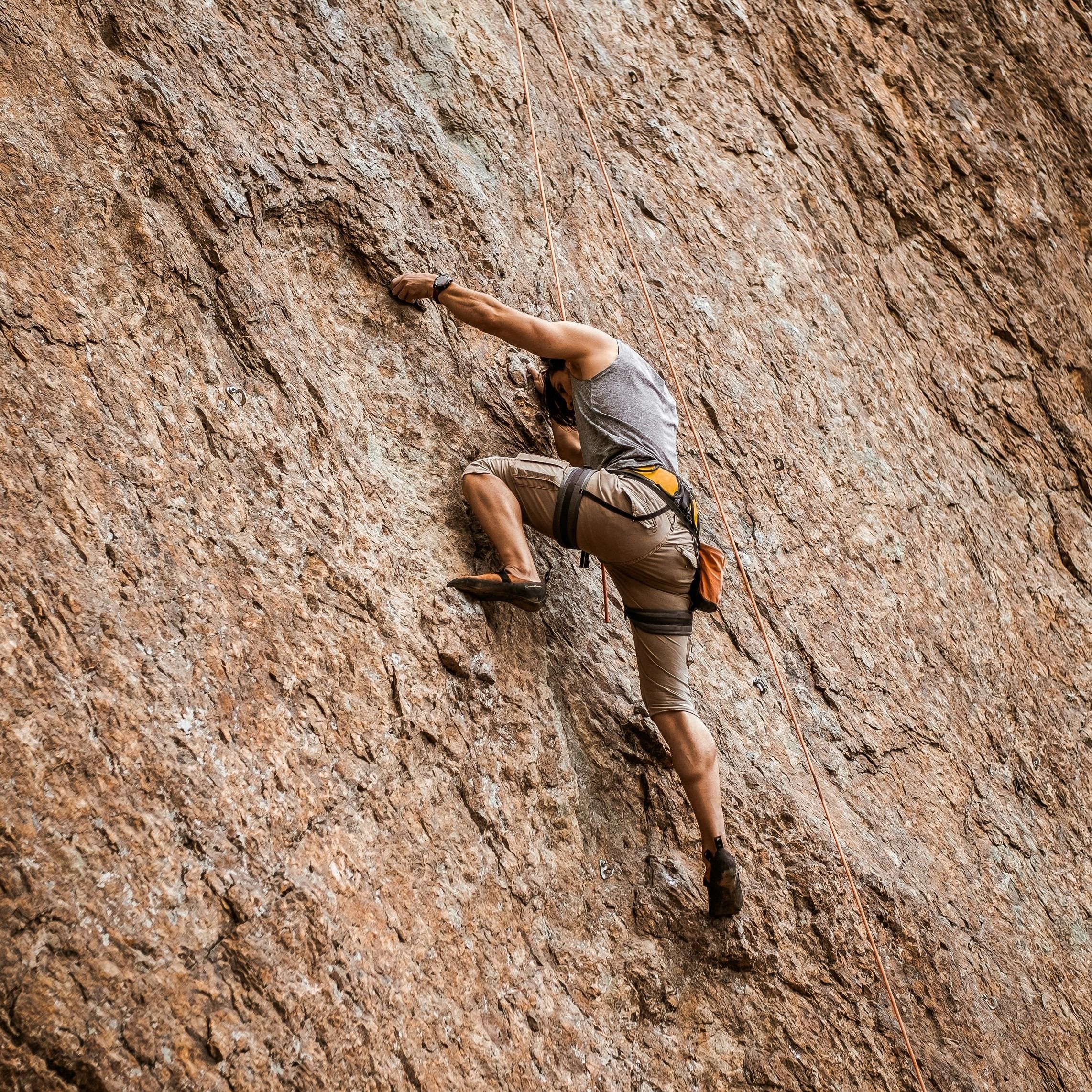
本集简介
双语字幕
仅展示文本字幕,不包含中文音频;想边听边看,请使用 Bayt 播客 App。
大家好,我是尚卡尔。这个夏天我将穿梭全国进行一系列现场演出,分享《隐藏大脑》第一个十年中的七个关键洞见。这些想法让我的生活变得更美好。
Hey there. Shankar here. I'm crisscrossing the country for a series of live shows this summer. I'll be sharing seven key insights from the first decade of Hidden Brain. These ideas have made my life better.
我认为它们对你也会有同样的效果。这次被我称为'感知之旅'的巡演站点包括佛罗里达州的克利尔沃特和劳德代尔堡、波特兰和丹佛、明尼阿波利斯和芝加哥、奥斯汀和达拉斯、波士顿、多伦多、菲尼克斯等地。查询我是否来到你附近的城市,请访问hiddenbrain.org/tour。如果你已听了我多年的声音,来现场见面会很有趣。再次提醒,网址是hiddenbrain.org/tour。
I think they'll do the same for you. Stops on what I'm calling the Perceptions Tour include Clearwater and Fort Lauderdale in Florida, Portland and Denver, Minneapolis and Chicago, Austin and Dallas, Boston, Toronto, Phoenix, and more. To see if I'm coming to a city near you, please visit hiddenbrain.org/tour. If you've heard my voice for years, it's going to be fun to come see me in person. Again, that's hiddenbrain.org/tour.
这里是《隐藏大脑》,我是尚卡尔·韦丹塔。人类天生追求快乐,我们都渴望充满喜悦、舒适与安逸的生活。但与此同时,许多人也对某些形式的不适感到好奇。
This is Hidden Brain. I'm Shankar Vedanta. Human beings are wired to seek pleasure. We all want lives filled with joy, comfort, and ease. At the same time, many of us are also curious about some forms of discomfort.
我们会坐吓人的过山车,吃辣到流泪的食物,看恐怖电影时尖叫连连。上周节目中,我们通过迷你系列的第一部分探讨了某些痛苦体验的吸引力。
We go on scary roller coaster rides, eat food so spicy it makes us cry, and we shriek in terror as we watch horror movies. Last week on the show, in the first part of a miniseries, we explored the attraction of some kinds of suffering.
我们确实喜欢快乐,但也追求意义。我们渴望奋斗,想要保持道德。这一切让我们的心智远比单纯追求快乐时有趣得多。
We do like pleasure, but we also like meaning. And we like struggle. We want to be moral. And all of that makes our minds a lot more interesting than if we were to simply seek out pleasure.
若你错过了那期节目,可在本播客订阅中查找,标题为《痛并快乐着》。今天我们将探讨痛苦-快乐连续体中的一个特定维度——艰难之事本就艰难:学习乐器、照顾病童、尝试跑马拉松...
If you missed that story, you can find it in this podcast feed. It's titled Ouch, That Feels Great. Today on the show, we explore one specific dimension of the pain pleasure continuum. Doing hard things is hard. Learning to play a musical instrument, caring for a sick child, trying to run a marathon.
这些事总伴随着沮丧、痛苦与失望。不出所料,如果有选择,许多人会说'谢绝'。但为何这可能是个错误?本周《隐藏大脑》为您解析。
These things involve frustration, pain, and disappointment. Unsurprisingly, if given the choice, many of us say, No thanks. Why that might be a mistake? This week on Hidden Brain.
在Target进行返校购物时,我们相信最佳选择是'全都要'——从开学日的紧张到期末击掌的喜悦,以及其间所有时刻,价格绝对让你满意。'全都要'的返校季,尽在Target。
When it comes to back to school shopping at Target, we believe the best choice is all of the above. From first day butterflies to last day high fives and everything in between at prices that will definitely make your day. For all of the above, it's back to school at Target.
你可曾见过那些宣称'只需现身'的度假广告?之后一切都会安排妥当——躺在沙滩或泳池边,美食、按摩和娱乐唾手可得,唯一需要费力的就是伸手拿冰镇玛格丽特或涂点防晒霜。
Have you seen those ads for vacations that tell you that all you need to do is show up? Everything after that will be taken care of. You'll just lounge by the beach or by a swimming pool. Delicious food, massages, and entertainment await you. The most effort you'll have to expand is to reach for that frozen margarita or apply a little sunscreen.
听起来很幸福对吧?当然。但事实并非如此简单。多伦多大学的心理学家迈克尔·因斯利特研究动机、努力与奖励的科学。他发现我们以为能带来快乐的事物往往事与愿违。
Sounds blissful, right? Well, sure. But it turns out this is not the whole story. At the University of Toronto, psychologist Michael Inslicht studies the science of motivation, effort, and reward. He's found that what we think will make us happy often does not.
迈克尔·因斯利希特,欢迎来到《隐藏的大脑》。
Michael Inslicht, welcome to Hidden Brain.
非常感谢邀请我参加,尚卡尔。
Thank you so much for having me on, Shankar.
迈克尔,社会科学仅能识别出少数几条所谓的人类本性法则。其中一条是在一个多世纪前提出的,被称为最小努力法则。这条法则是什么?
Michael, social science has managed to identify only a few so called laws of human nature. One of these was developed a little more than a century ago. It's called the law of least effort. What is this law?
这很有趣,因为心理学——我们喜欢说——是一门年轻的科学,我们没有很多法则。我找到了关于这条最小努力法则的三种描述。有时它被称为较少工作法则,有时是最小努力法则,有时是最小努力原则。
This is funny because psychology, we like to say, is a young science, and we don't have very many laws. I found three accounts of this law of least effort. Sometimes it's called the law of less work. Sometimes the law of least effort. Sometimes it's the principle of least effort.
三位独立的科学家发现了这一点。这条法则表明,在其他条件相同的情况下,我们测试过的每一种生物,每一种动物,都倾向于为同样的奖励付出更少的努力而非更多。
And three independent scientists discovered this. And this law suggests that all else being equal, every organism we ever tested, every animal we ever tested, prefers to work less than to work more for the same reward.
因此,人们在有选择时会选择更省力路径的观念,在现实生活和心理学实验中一再得到验证。例如,当我们观察自己的社区时,会发现人们经常忽视精心设计的街道和人行道,而是选择走捷径。我猜这在你的大学校园里也一定如此。那里一定有规划整齐的道路,但学生们还是会穿过草地,选择最短的路径去上课。
So the notion that people given the choice will take the less effortful path has been shown over and over again both in real life and in psychological experiments. When we look in our own neighborhoods, for instance, we find that people routinely ignore neatly laid out streets and walking paths and instead take shortcuts. I I expect this must be the same on your university campus. They must be neatly laid out streets, and you have students cutting across the grass to take the shortest path to their classes.
是的。事实上,这是全世界所有公园和田野的普遍现象。而且,显然不仅仅是人类会踩出这些小路,动物也会。这里的观点是,尽管景观设计师设计了美丽的路径,但人类和其他动物,比如羊,会用脚踩出自己的路径,连接a点和b点之间的两个地点。
Yes. In fact, it is a universal feature of of all parks and fields across the world. And, apparently, it's not just humans that carve these paths. Animals will carve these paths too. And and the idea here is that even though, there's a beautiful path laid out by a landscape architect, people and other animals like sheep, for example, they will carve out their own path with their feet connecting two spots between a and b.
我记得不久前与行为经济学家理查德·塞勒交谈时,他说他反复看到的一条规则是,用他的话来说,人们是懒惰的。在有选择的情况下,我们会选择最省力的路径。事实上,经济学家已经利用这一假设重塑了我们为退休储蓄的方式,使其自动化,而不是需要我们思考的事情。
I remember talking to the behavioral economist Richard Thaler some time ago. He said the one rule that he's seen over and over is that people, in his words, are lazy. Given the choice, we will choose the path of least effort. And economists, in fact, have deployed this assumption to reshape the way we all save for retirement by making it automatic rather than something we have to think about.
没错。行为经济学家以使用“助推”而闻名。他们利用所谓的“选择架构”使美德选项成为简单选项。例如,如果你难以储蓄退休金,那么如果一定数额的钱自动从你的账户中扣除并存入储蓄账户,而无需你动手,会怎么样?行为经济学家发现并利用最小努力法则拯救生命的一个有趣领域是器官捐赠。
That's right. So economists, behavioral economists, famously, use nudges. They use what they call choice architecture to make the virtuous option the easy option. So for example, if you struggle to save, for your retirement, what about if a certain amount of money is withdrawn from your account, put into a savings account automatically without you having to lift a finger? So an interesting area where behavioral economists have discovered and have used the law of least effort to save people's lives is in the context of organ donation.
因此,即使是人们需要做出的关于是否选择器官捐赠的简单决定,也可以通过让懒惰的路径——即默认情况下你捐赠器官——变得更容易。然后你需要付出努力才能选择不捐赠。给他们提供简单、懒惰、不费力的路径意味着更多人会这样做,从而有更多人在以后捐赠器官。
So even the simple choice that people need to make about whether they should opt into organ donation, it can be made easier where the lazy route, you know, the default is that you donate your organs. And then you need to expend effort to opt out, to not donate. Giving them the easy, the lazy, the effortless route means that more people do it and more people then donate organs later.
所以减少工作的吸引力几乎在我们的书籍和流行文化中随处可见。比如《每周工作四小时》这样的书,它们之所以成为畅销书,是因为它们承诺我们可以每周只工作几小时,然后就能放松休息。迈克尔,你在文化中还看到其他这样的例子吗?
So the appeal of working less shows up in our books and popular culture almost everywhere. There are books like The four Hour Workweek, for example, and they become bestsellers because they promise we can work a few hours a week and then kick back and relax. Do you see other examples of this in the culture, Michael?
到处都是。我永远忘不了。我在加拿大出生长大。小时候有个寿险产品的广告,宣传的不仅是寿险,还有退休储蓄的方式。他们称之为‘55岁自由计划’。
Everywhere. I will never forget. So I'm born and raised in Canada. And I grew up with a commercial for a life insurance product that was, advertising, you know, not just life insurance, but also a way to save for retirement. And they called it Freedom 55.
这个理念是到55岁时,你存够了钱,就能过上奢华的生活。广告里总有人在沙滩上悠闲地躺着,手里拿着杯椰林飘香。我小时候看到这个就特别向往,想要那样的生活。
And the idea was that at 55, he saved enough. You could live a life of luxury. And the commercials always had someone on the beach kicking back with a, you know, a pina colada on their hand. And I remember seeing that as a child and was just in awe. I want that life.
我渴望拥有那样的生活。所以当人们想象一个理想、有趣、愉悦的未来时,那一定是关于放松、慵懒、在海滩上闲坐的场景。这种现象我们随处可见。
I want to have that life. So definitely people, you know, when they think about, a future that's desirable, that's fun, enjoyable, it's about relaxation. It's about being lazy. It's about being at the beach and just kind of sitting. So we see this all the time.
疫情期间,迈克尔,我们都听说了‘安静辞职’和‘懒女孩工作’的潮流。你自己遇到过这些网络梗吗?
During the pandemic, Michael, we all heard the trend of quiet quitting and lazy girl jobs. Did you come by these memes yourself?
当然遇到过。‘安静辞职’、‘大辞职潮’,劳动力市场紧张到即使员工没有充分发挥潜力也不一定会被解雇。所以确实出现了人们不再那么拼命工作的趋势。在加拿大,我们可能会说他们‘敷衍了事’。由于雇主选择有限,这似乎成了一种潮流。
Oh, definitely. Quiet quitting, the great resignation, the labor force was so tight that people wouldn't necessarily get fired even if it only worked not quite to their full potential. So, yeah, you saw this trend where people were not working as hard. In Canada, we might say half assed their job. And because, you know, employers didn't have many options, This was seemed to be a trend.
嘿,你也可以只保住工作却不用太卖力。当然,我们不想太辛苦,不愿付出努力,因为努力是我们不喜欢的事。我们天生懒惰。
Hey. You too can just, you know, have your job and and not work so hard. And, of course, we don't wanna work so hard. We don't wanna expend effort because effort is something we don't like. We are lazy.
我好奇你是否在生活中观察到这点。迈克尔,你发现自己在做选择时会遵循‘最小努力法则’吗?
I wonder whether you've seen this in your own life. Do you see the law of least effort playing out in the choices that you make, Michael?
我经常看到。最近我刚从日本旅行回来,临近旅程尾声时——我和妻子一生都渴望体验日本春天的樱花。那天我们走了很久,已经看过一些樱花,但那时我只想赶紧回酒店房间。
I see it regularly. So, I just returned recently from a trip to Japan, and it was toward the end of our trip. And one thing that I've, my wife and I have want to experience our, really our entire lives are, the cherry blossoms that occur in the spring in Japan. And we had a long day and we'd seen a few blossoms already. And I, at that point, just, I just wanted to get back to the hotel room.
回酒店想干什么?其实也没什么,就是想放松。可能上上网、看看新闻、刷刷手机。而我妻子——她是个对美和植物树木充满热爱的人——则做了更明智的选择。
What did I wanna do in the hotel room? Not much. I just wanted to relax. Probably want to surf the internet, read the news, doomscroll a little bit. My wife, wisely, who just loves is moved by beauty and plants and trees.
是的。她明智地决定去东京的代代木公园欣赏美丽的樱花。显然,那是我们整个旅程中见过的最美的樱花,而我却错过了。为了什么?真的,什么都没得到。
Yeah. She wisely decided to go to, Yoyogi Park in Tokyo to to witness beautiful, cherry blossoms. And, apparently, they were the most beautiful that we had seen our entire trip, and I I missed it. For what? For for really for nothing.
我理解这种情况也发生在有社交场合时,你必须决定是否参加派对或聚会。
I understand this also plays out when there are social occasions at hand, and you have to decide whether to go to a party or a gathering.
没错。我应该说我是个非常外向的人。事实上,我计划在这之后马上出去和朋友喝啤酒。尽管我善于社交,尽管我真的很享受社交场合,但几乎每次我都会告诉自己,我希望今晚不用出去。我希望我能待在家里,看看电视,或者做什么呢?
Yes. And I should say that I'm a I'm a very extroverted person. I I in fact, I planned right after this to go out, for beers with friends. And I find myself, despite being social, despite truly enjoying social occasions, almost invariably, I tell myself, I wish I didn't have to go out tonight. I wish I could just stay in and watch do what?
看电视,又刷手机消磨时间。我有这种惰性,就是不想出门。
Watch television, doom scroll again. I have the impetus. I had this laziness in me to, like, not want to go out.
人们会选择最简单、最不费力的选项,这似乎是人性的一条定律。但正如我们在节目中反复看到的,人类是极其复杂的。稍后回来,我们将探讨努力悖论:为什么这么多人故意违反最小努力法则,以及快乐与意义之间的奇妙关系。您正在收听《隐藏的大脑》。
The notion that people will choose the easiest, least effortful option seems to be a law of human nature. But as we have seen over and over again on the show, humans are endlessly complicated. When we come back, the effort paradox. Why so many of us deliberately violate the law of least effort and the curious relationship between pleasure and meaning. You're listening to Hidden Brain.
我是尚卡尔·韦丹塔。这里是《隐藏的大脑》。我是尚卡尔·韦丹塔。迈克尔·林兹利克是多伦多大学的心理学家,研究我们如何看待努力以及为何常常倾向于选择阻力最小的路径。他还研究当我们选择为某事付出努力时会发生什么。
I'm Shankar Vedanta. This is Hidden Brain. I'm Shankar Vedanta. Michael Linzlik is a psychologist at the University of Toronto who studies how we think about effort and why we often gravitate to the path of least resistance. He also looks at what happens when we choose to work hard at something.
迈克尔,我们发现人类天生对付出努力有抵触,这种倾向又以各种方式被文化强化。你指出,做困难事情的不愉快有时会让我们忽视无所事事的不愉快?
Michael, we've seen that we have a natural bias against exerting effort, a bias that is then reinforced by our culture in all kinds of ways. You point out that the unpleasantness of doing things that are hard sometimes leads us to overlook the unpleasantness of doing nothing at all?
没错。无所事事会让我们感到无聊。我们发现这种体验很不愉快。事实上,有时当我们无聊时,会对自己和他人做出非常糟糕的事情。有个著名实验,人们被单独留在只有电击机器的房间里几分钟,他们宁愿电击自己也不愿什么都不做。
That's right. So doing nothing leads us to feel bored. We find this experience unpleasant. And in fact, sometimes we'll do really bad things to ourselves and other people when we're bored. There's a famous experiment where people who are left in a room with nothing other than a shock machine for a few minutes, they decide to shock themselves instead of just being alone doing nothing.
我们实际做过一项研究,给人们两个选择:付出一点点努力(不用太多),或者干脆坐着,享受十秒钟的假期,什么都不做。结果发现,人们并非总是想逃避努力。事实上,如果对比是完全无所事事,人们更愿意付出努力,因为无所事事很无聊,而无聊让人感觉无意义、无目的,人们真的不喜欢。但我们研究的关键在于,人们反复做出这个选择,并体验了努力和无聊的感觉。事实证明,他们更愿意做点什么,而不是什么都不做。
We ran a study, in fact, where we gave people an option of exerting a little bit of effort, not much effort, but but a little bit, or just sit there, take a ten second holiday, and do nothing. And what we found was that it was not clear that people wanted to avoid effort all the time. In fact, people preferred exerting effort if the contrast was doing nothing at all because doing nothing is boring and and boring feels meaningless, feels purposeless, and people really don't like it. But the the key to our study is that people made this choice over and over and over again, and they got to experience what the effort was like, what boredom was like. And it turns out they preferred doing something than doing nothing.
所以除了避免无聊,付出努力还有其他好处。努力与成功之间有什么关系?
So in addition to staving off boredom, exerting effort has other benefits. What is the relationship between effort and success?
益处颇多。经常这样做的人会获得更多回报。举例来说,如果你想学钢琴,练习得越多,越是坚持那些枯燥重复的和弦弹奏训练,你的琴艺就会越精进,只要你重视钢琴,这种回报就会越显著。学习越用功,成绩就越好,可能获得的职业机会也就越多。但这一点非常有趣。
There are many benefits. So people who do this regularly experience more rewards. So for example, if you want to learn the piano, the more you practice, the more you try and do the dull repetitive work of playing your chords, practicing your chords, the better you get a piano, the more rewarding that will be to the extent that you, again, value piano. The more you study, the higher grades, and the maybe greater entry into various vocational opportunities will be available to you. But now this is really interesting.
这不仅适用于人类。
This is true not just for humans.
所以
So
付出努力的动物最终会更繁盛。比如昆虫,企鹅或海狗这类动物,它们越努力觅食、捕猎,身体就越健康,饮食越多样,基因传递到下一代的可能性也越大。蚂蚁也是如此。可见,付出努力的意愿与你获得的回报之间存在关联。
animals that exert effort end up flourishing more. So, insects, you know, animals like penguins or fur seals, the more effort they exert to, you know, forage for food, to hunt for food, the healthier they are, the more varied their diet, and the more likely they are to pass on their genes to the next generation. Ants. Ants show this as well. So there's a connection between a willingness to exert effort and the rewards that you get.
所以这是有道理的。明白吗?从概率上讲,付出努力意味着你更可能获得更好的东西。
So it makes sense. You know? Exerting oneself makes sense, just in the sense that, probabilistically, you will likely get better stuff.
你研究过付出努力与能力感、掌控感之间的关系。迈克尔,请描述你开展的相关研究。
You've looked at the relationship between exerting effort and a feeling of competence and mastery. Describe the studies that you have conducted for me, Michael.
我们需要让人们完成枯燥甚至乏味的任务,观察他们在投入努力后是否觉得有所收获。例如,我们会给受试者一个四位数,让他们给每位数字加三——无聊、无意义但需要费力的任务。另一组则得到同样的四位数,但任务毫不费力。
So what we needed to do was to kind of give people dull tasks, boring tasks even, and see if the extent to which they work on them and exert effort on them, they will feel like it was worthwhile in some way. So for example, we'll give people a four digit number and we'll have them add three to each digit of that four digit number. Boring, meaningless, yet, effortful. In contrast, we'll give another group the same four digit number, but this time the task is not effortful. Full.
他们只需给数字加零(结果当然不变),记住并复述这个数字。之后我们询问受试者认为任务的重要性和意义程度。结果发现,人们会赋予这些客观上无意义的愚蠢任务更高价值。我们可能还会问他们任务引发了什么感受?
They have to add zero to that four digit number, which of course is the exact same number. They just have to remember that number and spit it back to us. Afterwards, we ask people to what extent that task was important, to what extent it was meaningful. And what we find is that people will imbue these silly, you know, objectively meaningless tasks as being more important and more meaningful. And then afterwards we might ask them, like what other feelings did, did, did this task generate in them?
研究发现,至少在某些情况下,人们会觉得自己在学习和掌握某些东西,获得某种能力。这非常重要,因为自我实现感的要素之一就是感到自己在世界上有能力、能掌控某些领域。或许付出努力能让人体验这种感受,获得平时无法触及的成就感。
And what we found is that it led, at least in some cases, for people to feel like they're learning something, that they're mastering something, that they're kind of, attaining some competence in something. And this is actually really important because one of the ingredients of feeling self actualized is feeling like you're competent in the world, feeling like you can master certain domains. So perhaps exerting effort allows people kind of to to play with this feeling, to to to attain some of these feelings that you wouldn't otherwise get.
这是否解释了为什么当我组装完宜家书架时,会比直接买现成的书架更感到自豪?
Is this a reason why when I finish building my IKEA bookshelf, I feel prouder of the bookshelf than if I just bought a bookshelf, you know, straight off the bat?
是的。这其中确实有原因。原因在于,至少事后看来,我们往往会发现,尽管付出努力代价高昂,或许正因为其代价高昂,我们反而觉得那件事更有意义。我们甚至可能对那件宜家家具多几分珍爱。
Yes. There there there is a reason. The reason for that is that, at least after the fact, we we tend to find working, exerting effort despite it being costly or maybe because it's costly. We find that thing to be more meaningful. We even might cherish that IKEA furniture a little bit more.
有个经典研究叫'宜家效应'——当人们被要求亲手组装一个小宜家盒子时,他们往往会更看重这个盒子。他们认为它更好,相比专家组装的同类盒子会索要更高价格。有趣的是,香卡,我确信你生活中也组装过宜家家具,然后你就知道经常会出现这种情况:组装完后发现'嘿,这里还剩几个螺丝'。对吧?
And there's a classic study called the IKEA effect whereby people who are assigned to build their own little IKEA box, they tend to value that box more. They think it's better, and they demand more money for it than another box built by an expert. And what's funny about this is that I'm sure you've built some IKEA furniture in your life, Shankar, And you then know that oftentimes you'll build something and, hey, I've got a few extra screws here. Exactly. Right?
完全正确。所以我们亲手制作的东西并不完美,常有瑕疵。但我们却视其为杰作并深深依恋。
So Absolutely. Right. So the things we build are not perfect. They're often imperfect. Yet we think they're masterpieces and we are attached to them.
部分原因或许在于我们为之倾注了努力,从而赋予其价值、意义与目的。
And part of that story might be because we've exerted effort on them, and we then imbue value and meaning and purpose to it.
迈克尔,我了解到你多年前在土耳其旅行时有过类似经历。当时你做了什么?最终对自己有了什么新认知?
I understand that you had one such experience years ago on a trip to Turkey, Michael. What did you do there, and what did you end up learning about yourself?
是的。那是二十多岁时,很多很多年前的事。我们在地中海沿岸土耳其段——当地人称为绿松石海岸的绝美地带徒步。导游是个新手,对路线不太熟悉,但本身是经验丰富的徒步者。当时还是我女友的妻子与我决定参加这场预计2-4小时的徒步。
Yes. This was, many, many years ago, in my twenties. And we went on a hike, somewhere off the Mediterranean Coast in beautiful, beautiful parts of Turkey on the they call it the Turquoise Coast. And, our tour guide was someone new to the job and didn't know the route, himself that well, but was an experienced, hiker. So my wife and I, my girlfriend at the time, but now wife, we decided to go on this hike, which we expected it to be a two to four hour hike.
结果走了6个多小时。哇。顶着酷暑。我记得当时感觉简直是折磨,主要不是体力消耗——多走几小时我能坚持——而是那种迷失感,不知道方向何在,觉得'付出这么多努力,此刻我只想躺在沙滩上放松'。
It ended up being like six plus hours Wow. In the burning heat. And I remember feeling it was torture, not too much the physical strain because, okay, I could, I could walk a few more hours. It was more, we felt like we were lost and we felt like we didn't know where we were going or we felt like, you know, we're exerting all this effort and I just wanna be on the beach right now. I wanna be sitting and relaxing.
结束时我们精神彻底透支。但至少第二天(如果不是刚结束时就)记得心想:哇,原来我也能做到。没有专业登山鞋、没有合适衣物、没有全套防晒装备,我照样完成了这样的旅程。我仿佛重新认识了自己,意识到'原来我比想象中更坚韧'。
And by the end of it, we just felt mentally exhausted. But I also remember, you know, the next day at the very least, if not like, you know, immediately after, I felt like, wow, I can do that too. I too can go on a trip like this without great shoes, without great clothing, without all the sun gear that I needed. And I felt like I'd learned something about myself. I'd learned that like, okay, I'm resilient.
我心理承受力比自己预想的强些。感觉虽然参加不了《幸存者》那种节目,但也没原先以为的那么脆弱。
I'm a bit tougher than, you know, tougher mentally than I thought. And I felt like, okay. Maybe, you know, maybe I couldn't do survivor, but maybe I'm I'm not quite as weak as I I I thought I was.
是啊。某种意义上你正在发现自身蕴藏着未知潜能。用'愉悦'形容可能不准确,但这种认知确实会带来深层次的满足感。
Yeah. I mean, in some ways, you're you're learning that you have capacities inside you that you actually didn't know you had before. And that has to be you know, maybe pleasurable is the wrong word, but it it is sort of deeply satisfying.
这无疑令人满足且意义非凡。用‘愉悦’来形容绝对不合适,因为过程充满痛苦——无论是身体还是精神上的煎熬。我记得和妻子面面相觑时,那种‘天啊,我们到底在干什么’的感觉。
It's definitely satisfying and meaningful. And it was pleasurable is definitely not the right word because it was painful. And physically, mentally, I mean, the anguish. I remember looking at my wife being like, we were to kind of like, oh my god. What are we doing here?
但正是经历了这种痛苦和努力,如果事情轻而易举,就像海滩漫步那样轻松,我们根本不会从中获得任何人生教训。
But having gone through that that pain, and that effort, if if it was easy, if it was just a walk on the beach, we wouldn't have left that moment with any lessons whatsoever.
你们开展过一系列研究,让人们列举日常生活中各种常规任务,发现人们对任务获得的愉悦感和从中汲取的意义感存在有趣的差异。迈克尔,能谈谈这项研究吗?
So you've run a number of studies where you ask, people to think of a number of different tasks, routine tasks that they do in their daily life. And you find there's an interesting, in some ways, distinction between the amount of pleasure and joy that people take from tasks and the amount of meaning and satisfaction they derive from those tasks. Can you talk about this work, Michael?
是的。我们做过多项研究,其中一项是让人们完成艰巨却无意义的任务,结果发现事后人们会赋予其意义——他们不觉得有趣,但认为很有意义。
Yes. So well, we've done a number of studies. I've already mentioned one of them where we've kind of we give people these arduous tasks that are really meaningless. And then we find that afterwards people ascribe meaning to them. They don't necessarily think they're fun, but they, but they do think it's meaningful.
我们还研究了这种现象在真实任务中的体现。我们列出40-50项日常活动:参加派对、报税、写作业、健身、洗澡等,让受试者评估每项任务的费力程度、愉悦感以及意义感、重要性和目的性。
And then we also, what we did is we want to see to what extent this plays out in real tasks, not just these made up tasks that we give them. And what we did is we kind of gave people a list of 40 to 50 kind of everyday things you could be doing, going to a party, doing your taxes, doing your homework, working out, what have you, bathing. And and then we we gave people this list of tasks and then we asked them, how effortful each of these tasks are typically. We asked them how pleasurable, how much joy they derive from each of these tasks. And then we also asked them how, how meaningful, how important, how significant, how purposeful each of these tasks are.
结果非常有趣:任务越费力,愉悦感越低;但与此同时,任务越费力,意义感却越强。就像我在土耳其的徒步,到第六小时已经毫无乐趣可言——但后来我将其描述为充满意义的重要经历。
And what we found was very, very interesting. We found that, the more effortful a task was, the less pleasure we seem to derive from it. But at the same time, the more effortful a task was, the more meaning we derive from it. Effortful tasks are not necessarily pleasurable. So remember my hike in Turkey, that was not pleasurable, especially by hour six.
愉悦与意义有时并存,但‘费力’会将二者分离。我们似乎会给费力之事注入额外价值,这种价值是纯粹愉悦的活动所不具备的。
But later on, I described it as being meaningful and important. So so joy and meaning sometimes go together, but effort breaks that apart. And it seems like effortful things, we seem to imbue them with meaning and purpose. We have this extra value that things that are merely pleasurable don't have.
这或许能解释关于育儿体验的矛盾数据:如果每隔几小时询问幼儿家长‘现在开心吗’,他们常表示并不快乐——
I'm wondering if this might explain some of the seemingly paradoxical data we get when we ask parents how much they enjoy parenting. So if you ask parents every few hours, especially parents with small children, you know, you having a good time now? Are you having a good time now? What about now? People will often say they're not very happy.
他们忙着做家务、收拾孩子弄乱的房间、忍受睡眠不足、精疲力尽和压力重重。
You know, they're doing chores. They're picking up after their kids. They're sleep deprived. They're exhausted. They're stressed.
但若问‘养育这个生命对你有多重要’,人们又会认为这是无与伦比的意义源泉。这再次印证:极度费力、每时每刻未必愉悦的事,反而可能蕴含深刻意义。
But then if you also ask people how meaningful is it to you that you have this child, that you're caring for this other human being, people report it being an incredible source of meaning. And here's another example of something that's very effortful, takes a lot of effort, might not be pleasurable on a moment to moment basis, but is deeply meaningful.
是的,完全正确。这是个经典案例。我认为有时会出现一种修正主义历史观,认知失调会驱使我们把养育子女的艰辛任务描述得富有意义且重要。这在某种程度上是我们保持信念的方式,以此证明那些付出是值得的。
Yes. Absolutely. So that's a classic one. So I think sometimes there's a revisionist history going on where we might, you know, cognitive dissonance pushes us to describe the arduous task of of parenting as being meaningful and important. And that's a way for us to kind of save faith to some, to some extent, to kind of say that effort was worth it.
是啊。
Yeah.
对吧?所以我认为努力与回报之间的关联有时可能是种幻觉。可能是我们为了坚持下去而耍的小把戏,但也不尽然,因为很多时候后续确实会有与努力相关的真实回报。
Right? So I think sometimes the connection between effort and, and reward might be an illusion. It might be something a trick we we do to kinda keep us going, but not always because oftentimes there actually are real rewards that that are connected with that effort later.
迈克尔,你在土耳其的旅行是否也属于这种情况?实际上那次经历相当糟糕,但回顾时认知失调重塑了你的记忆,使其显得更有意义。
Is it possible that your trip to Turkey was also the same thing here, Michael, which is that in fact it was pretty horrendous. But in retrospect, cognitive dissonance is basically reshaping your memory of the event to make it more meaningful.
完全正确。认知失调真是种强大的麻醉剂。我们渴望保持一致性——我本可以在土耳其喝着迈泰或亚力酒,却选择在烈日下徒步。所以努力与价值之间的联系是由多重因素决定的。
Absolutely. I think cognitive dissonance is a hell of a drug. I think we want to be consistent. You know, I could have been sipping Mai Tais, or Arak in Turkey, but instead I was hiking on the, under the hot sun. So the connection between effort and value is multiply determined.
我认为其中部分像是种把戏或幻觉,但同时也确实存在与之相关的真实依据和意义节点。
I think some of it is like a bit of a trick, an illusion, but I also think there are real sources and points that are attached to that as well.
即便这真是你所说的把戏,是认知失调的事后合理化——'我居然强迫自己完成六小时徒步,这肯定是件极有意义的事'——就你现在的认知而言,它已然成为有意义的事,无论这种意义是如何产生的。
And I suppose even if it is a trick, what you're calling a trick, you know, if it is cognitive dissonance, post hoc rationalizations, you know, I can't believe I made myself go through that six hour hike, it must have been a really meaningful and important thing. As far as your mind is concerned now, it is now a meaningful thing, regardless of the mechanism that produces that meaning.
千真万确。这点极其重要,因为我们时刻面临着行为选择。既然我已将土耳其那次艰苦徒步编码为'值得且有价值'的经历,我的大脑就建立了努力与价值的关联。当下次需要决策时,我就会想:虽然困难,但努力也可能创造价值。
Absolutely. And that's really, really important because, of course, as, you know, we're we're constantly facing choices about what to do and what not to do. So if I've now encoded that really arduous and difficult hike that I did in Turkey as being worth it, as being valuable. Now I have a connection in my mind that effort and value go together. And so now when I make, I have a new decision to make, I'm like, yeah, I think it's difficult, but oh yeah, effort can also be valuable.
努力也可能很重要。这样我就开始领悟到,比如说,辛勤工作的价值。
It can also be important. So I start learning the value of of, you know, doing a hard work, for example.
作为大学教授,你现在肯定要面对那些发现捷径的学生——他们用ChatGPT等AI工具完成作业。某种程度上这些系统确实能产出高质量成果,但你讲述的这个故事让'AI代写作业'这件事变得复杂起来。
I'm wondering as a college professor, you must deal with students now who have figured out that there are very easy ways of completing their assignments. They can ask ChatGPT or another AI to basically help do the work for them. And at some level, it is the case that these systems are very, very good at coming up with high quality work. But I think the story that you are telling complicates what it means for the student to actually have an AI do their homework for them.
确实如此。我认为这让事情变得复杂很多。事实上,我们进行了一项研究,比较人们自己写论文与让ChatGipity代写的体验。我们的发现相当惊人——他们自己写的论文质量平平。
Absolutely. I think it complicates it a lot. In fact, we've run a study with comparing people's experience of writing an essay themselves versus prompting ChatGipity to write one for them. And what we found is like, I think quite extraordinary. What we found is their essays were middling.
当我们评分时,这些自写论文大概只有六十多分。而让Che Cipi代写的论文质量要高得多,能达到八十多分。但事后调研时,自己写论文的参与者认为这个过程更有意义、更重要。这向我表明:撰写论文的体验本身就是价值所在。
They were like, I don't know, when we graded them, they got, I think, somewhere in the high sixties, for their little essays. And then when they prompted Che Cipi to write, Che Cipiti wrote much, much better essays, more like in the eighties. But then afterwards, when we asked these participants about their experience, people who wrote for themselves found the experience more meaningful, more important. So what this suggests to me is part of the experience of writing an essay is the experience of writing an essay, of of doing it. And you might find that meaningful and important, and then you might wanna do it more.
你不仅仅是为了最终分数而写作——你在培养某种技能,而技能培养本身就有内在回报。正如我之前所说,这很有意义。当你做这类事情时,你会感受到生命的存在感,这比简单外包给机器要丰富得多。
And you're not just doing it just for the end goal of getting a grade. You're doing it because you're cultivating some skill, and cultivating skill is intrinsically rewarding. As I mentioned earlier, it's meaningful. You feel like you're alive in the world when when you're when you're doing something like that. It's more to kind of just outsourcing it to to a machine.
所以,是的,这确实让学生们面临更复杂的选择。
So, yes, it does complicate things for students.
迈克尔,这项研究揭示了一个悖论不是吗?我们总是千方百计逃避努力,选择阻力最小的路径。但你的多角度研究表明,做困难的事情能带来益处——赋予我们自豪感、意义感和满足感。
So there's something of a paradox in this work, isn't there, Michael? Which is we go to great lengths to avoid effort, to choose the path of least resistance. But as you've shown in multiple ways, doing hard things can produce benefits. It gives us pride and meaning and satisfaction.
完全正确。多年前我和同事讨论过这个悖论,我们创造了'努力悖论'这个词。一方面像理查德·塞勒这样的经济学家认为努力是需要规避的,因此设计出最大化我们惰性的工具;但另一方面,我们却总在主动从事需要努力的事情。
Absolutely. And, you know, a number of years ago, my colleagues and I, we we we talked about this paradox. We coined the term the effort paradox, to describe this very thing, where on the one hand, you have got economists like Richard Thaler, but many others who look at as effort as something we need to avoid, or something that people avoid. And as a result, you know, design, you know, tools and products that maximize our laziness. But at the same time, we do things all the time that require effort.
事实上,努力似乎才是做这些事情的唯一意义。这两种现象同时存在确实显得很矛盾。
In fact, effort seems to be the only point of doing it. And it just seems odd that both of these things exist at the same time.
广告回来后,我们将听到一位女性与努力悖论的生动遭遇。这里是《隐藏大脑》,我是尚卡尔·韦丹塔。(节目宣传语重复)
When we come back, one woman's vivid encounter with the effort paradox. You're listening to Hidden Brain. I'm Shankar Vedanta. This is Hidden Brain. I'm Shankar Vedanta.
我们都会被迫做些困难的事。有时目标很明确:攻读多年研究生是为学位,去健身房是为强健体魄,勉强吃下讨厌的西兰花是因为知道它有益健康。
We are all compelled to do difficult things from time to time. Sometimes those things serve a clear purpose. You push through years of grad school to get a degree. You go to the gym to get stronger. You eat the broccoli even though you hate broccoli because you know it's good for you.
但有些事看似没有实际目的——它们纯粹因为困难而存在。可我们依然会做,有时甚至为自己完成这些事所付出的努力感到惊讶。
But there are some things we do that don't seem to serve a practical purpose. They are hard for the sake of being hard. And yet we do them anyway. At times, we may even surprise ourselves with the lengths we'll go to in order to finish those things.
我叫潘玛丽,是一名家庭医学医生,居住和工作在华盛顿州西雅图。
My name's Mary Pan. I am a family medicine physician who lives and works in Seattle, Washington.
我在一次太平洋西北地区的旅行中认识了玛丽。她和几位同事准备进行清晨徒步,友善地让我一同加入。当我们穿越西雅图多雨地区有些泥泞的山路时,玛丽给我讲了一个故事。
I met Mary on a trip to the Pacific Northwest. She and some colleagues were going on an early morning hike, and they were kind enough to let me tag along. As we made our way through the hilly hike, which was slushy in some places it is Seattle, and it rains a lot Mary told me a story.
是的。我成年后一直坚持跑步,这是减压、锻炼和接触大自然的好方式。几年前,我正经历人生低谷,想尝试些不同的事情。挑战自我尝试新鲜事物似乎是个不错的选择。
Yes. So I've been running my whole adult life. It's a great way for me to de stress and also get some exercise, get outside. And a few years ago, I wanted to do something different. I was just going through a lot of difficult season in life, And so challenging myself to try something new, something different, seemed like a good thing to do.
那你当时有什么具体想法?
And so what did you have in mind?
我在秋天报名了最近的越野跑比赛。这种比赛是在徒步小径上进行,在太平洋西北地区这种树木繁茂的自然环境中奔跑。与以往公路赛不同,地形崎岖但景色优美,是逃离城市的好方式。
So I signed up, in the fall for the next trail run that was available. And a trail run is, you know, on, like, a hiking trail, often, in the middle of you know, around here in the Pacific Northwest, lots of trees, nature, a place where people would go hiking, but running on that path. So it's much more uneven. It's beautiful often, but but it's a nice way to get out into nature, out of the city. And that's how it's really different than a lot of the races I had done previously.
比赛在十二月举行。临近日期时玛丽开始关注天气。赛前一晚她看到预报有雪,这将使比赛更具挑战性。
The trail run was in December. As the date neared, Mary began watching the weather. The night before the race, she saw that snow was forecast. This would make the run even more challenging.
早晨我醒来望向窗外——我住在西雅图北部——地面没有积雪。于是我全副武装穿上越野跑鞋,戴好手套和头带,驱车穿越华盛顿湖前往起点。但行驶约20分钟后,我发现郊区积雪越来越厚。
I woke up in the morning, looked out my window, here in North Seattle where I live, and there was no snow. So I thought, okay. Great. I'm gonna still bundle up, get on my trail running shoes, you know, get my gloves, headband, headed out to, across Lake Washington to where the start of the race was. So as I was driving, though, about twenty minutes away to the suburb of Seattle suburb, I realized there was some more I've seen more and more snow as I was driving.
到达接驳车站时,停车场已有零星积雪。虽然有些犹豫,但我决定坚持参赛。
And I went to the park And ride where the shuttle bus was picking us up to take us to the all of the runners to the trailhead. And I realized there were patches of snow at the park And ride. And I thought, okay. Well, I'm just gonna keep I'm still gonna do this.
玛丽登上接驳车。当载着选手们驶向小径起点时,她忧心忡忡地望着窗外。
Mary got on the bus. As she and the other runners were taken out to the trailhead, she looked out the window with apprehension.
随着海拔升高,积雪越来越厚。下车后我发现地面覆盖着几英寸厚的雪。我完全没有心理准备——虽然常在西雅图的雨中跑步,但从未在雪地里奔跑过。
As we're moving up to the trailhead, there's more and more snow. And once we get up there and I get off the the shuttle bus, I realize it is there's several inches of snow on the ground. And I wasn't prepared for this. I'd never really run-in snow. I run-in the rain a lot in Seattle, but not in the snow.
而其他跑者似乎没像我这么担忧。有些人带了鞋底钉,可能他们更有雪地跑步经验,但我没有。不过景色很美,我想,就这样跑吧,反正我有手套。
And the other runners, no one else seemed as concerned as I did. Some of them had brought, you know, spikes to put on the bottom of their shoes. Maybe they were more experienced in running in the snow, but I wasn't. But it was beautiful, and I thought, I I'm just gonna do this. I've got my gloves.
我也穿了多层衣服。我准备开始跑,看看情况如何。
I've got my layers. I'm gonna gonna start the run and see where it goes.
我在想你的不安是否部分源于医生身份。某种程度上,你常看到人们因运动损伤送医。玛丽,这是你担忧的原因之一吗?
I'm wondering if some of your trepidation was because you are a doctor. And in some ways, you see people coming into the hospital after they have, let's say, not had the best run of their lives. Could that have been part of your trepidation, Mary?
肯定是。我天性谨慎,职业生涯见过太多伤病。虽然常锻炼,但四十五岁左右时特别怕扭伤脚踝或骨折。之前说过,越野跑地形不平,就算徒步也需格外留神。
I'm sure it was. I tend to be a pretty cautious person and, and because I've seen so much illness and injuries in in my life and in my work. And, you know, I exercise a lot, but, you know, early to mid forties, I didn't wanna twist my ankle or break my leg. And as I mentioned before, trail runs are different in that they're very uneven. And so you've gotta gotta pay attention to that even when just hiking.
有没有想过直接坐接驳车回停车场?
Did the possibility of just getting back on that shuttle bus and going back to your car occur to you?
起跑时没这念头。我特意为比赛买了越野跑鞋——虽不是雪地专用,还戴了手套,我冬天跑步总会戴。
It didn't at the start. I will tell you. I had, you know, I had bought in anticipation of this race some some running shoes that are more for trails, but not for snow. And I had, you know, my gloves. I run with gloves in in the winter regardless.
但环顾四周后,发现其他人似乎不太担心,装备也和我差不多:跑鞋、手套、帽子。于是我想,或许我也不该过度担忧。
But I sort of looked around too, and I think I thought, well, these people don't seem too concerned. They some of them have the similar, you know, just running shoes, gloves, hat that I had. So I I also, I think, thought, okay. I I maybe I shouldn't be too concerned either.
这简直是同辈压力的经典案例。说说比赛怎么开始的?发生了什么?
This sounds like the classic story of peer pressure. So tell me how the race began. What happened?
起跑后我立刻变得小心翼翼。不习惯雪地跑步,速度比平时慢很多,步步留神。有山坡、不平地形,部分积雪泥泞,部分结冰。
So I started the race, and I realized right away I was very tentative. Again, I'm not used to running on the snow, so I'm running much more slowly, I realized, than I normally would, much more carefully, paying attention to my steps. There were hills, uneven terrain. The snow was very slushy at parts. Other parts are very icy.
确实滑了几次,但起跑时大部队都挤在一起。跑着跑着我想:虽然会比预期慢,但我能做到。
So I did slip a few times, but I'm with a big group at the start. We're sort of all bunched together. And, you know, I start running, and I think, okay. There's I can do this. I'm gonna be slower than than I thought, but I can do this.
我不知道自己跑了多远,直到发现自己已经浑身湿透。我的脚,你知道的,脚趾麻木,手指也冻僵了。我抵达第一个急救站时,完全不清楚跑了多少距离。心想,哦,至少得有六英里或更远了吧。
I didn't know how far I'd gone, and I realized I was already soaked through. My feet were you know, toes were numb, fingers numb. And I hit the first aid station. And I don't know how far I've gone. I think, oh, I must have gone at least, you know, six miles or more.
我问那个分发水和能量胶的可怜少年:'这是多少公里了?能告诉我跑多远了吗?'他四处询问后说:'大概五公里吧。'我顿时泄了气——才跑了三英里多。明明感觉花了更长时间。
And I asked the poor teenager there who's handing out water and these gel packs, well, how far is this? Can you tell me how far I've gone? And he asked around, and he says, I think it's about five k. And I am just dismayed because, you know, I've only run a little over three miles. I know it's taken me much longer.
当时我已精疲力竭,冻得发抖。肌肉酸痛大概是因为在雪道上要保持平衡,动用了平时用不到的肌群。其实那个位置离同事家很近,他曾说过:'要是遇到麻烦就发消息,我来接你。'
I'm already exhausted and freezing. And my muscles are aching, I think, because I'm using different muscles to balance on this snowy trail than I normally would. And at again, at that point, you know, I'm in sort of it's up adjacent to actually. But I have a coworker who lives in that neighborhood. And he had said, hey, if you get stuck or anything, you know, feel free to just text me, and I'll come and pick you up.
但我没停下。接过水后想:继续往前看看吧。就这样跑过了五公里标记。
But I didn't stop. I grabbed my water, and I thought, okay, I'll just keep going and see where this goes. And I kept going, just past that five ks mark.
脚趾失去知觉时跑步是什么感觉?只是脚趾吗?还是后来整只脚都麻了?
What was it like to run where you couldn't feel your toes? And was it just your toes, or was it your feet that became numb after some time?
脚趾和大部分脚掌,还有手指都麻了。我习惯跑步时脚趾发冷发麻,但这次严重得多。双脚和双手完全没知觉,站都站不稳。
It was my toes and most of my feet and also my fingers. I'm used to running with, you know, some cold or numb toes, but it was much more pronounced. It was both my feet, and my my hands were completely felt really numb. And I didn't again, I didn't feel as as stable or steady on my feet.
脚趾和脚掌没知觉其实很危险吧?怎么控制落脚呢?
I mean, if you can't feel your toes, you can't feel your feet, that's actually quite, unsafe because how do you plant your feet?
确实危险。记不清具体怎么控制的,可能靠痛感吧。有几次滑倒后重新找回平衡,会放慢速度,等恢复点信心再加速。但每次滑倒后都会变得格外谨慎。
It probably is. I I'm not I don't recall, how I I mean, I guess there was maybe some sensation, if maybe just pain, that I was able to do that. And there were several times where I'd slip, and I'd sort of, you know, gain my balance again. And I would slow down for a little bit, and then I would speed up again when I think I gained a little more confidence. But right after every time I lost my balance and slipped, I was much more hesitant and cautious, I think, right after that.
玛丽,这段地狱般的半马过程中,你心里在想什么?内心的声音是怎样的?
I'm wondering what thoughts went through your mind as you were doing this, Mary. What was your internal voice saying to you as you're going through this essentially half marathon from hell?
不断想着'要不要放弃'。但更多时候——我意识到这是人生模式——面对挑战或承诺时,就算再艰难痛苦也想完成它。既然开始了。
I kept thinking, should I just stop? I think there were these moments of should I stop? But for the most part, I and I realize this is just a pattern in my life. Whenever I meet a challenge, or I commit to something, I tend to wanna finish it, to complete it, even if it's very challenging and painful. I had started it.
我已经承诺要完成它,而且我确实想坚持到底。那条小径在视觉上美得令人窒息,你知道吗?那真是个美妙的早晨,从许多方面来说都是如此。但我无法完全享受这一切,因为我的身体正承受着巨大的痛苦。
I had committed to it, and I I wanted to finish it. And it was so beautiful visually. You know? It was really a gorgeous, morning, on that trail in many ways. But I couldn't really enjoy it fully, because my body was was really in a lot of pain.
玛丽继续前进。无论她承受多少痛苦,无论跌倒多少次,她始终能听到内心那个声音:你必须完成。当她跑到比赛后半程时,发生了一件事,仿佛连跑步之神都在密谋阻挠她。
Mary kept going. No matter how much pain she was in, no matter how many times she slipped, she kept hearing that voice inside her. You must finish. As she reached the back half of the race, something happened that certainly made it seem like the running gods were conspiring against her.
没错。当时我正在爬坡,离终点还有两英里。我注意到天气变暖了,常青树的枝条被积雪压弯。我开始看见周围有雪块坠落。就在我奋力上坡时,一根满载积雪的树枝突然把雪全倒在我头上,浇了我一身。
Yeah. So I'm running up the hill. I have about two miles left in the race, and I'm noticing it's warming up and the the evergreen tree branches are heavy with snow. And I'm starting to see some of the snow drop around me. And as I'm running up this hill, one of the branches full of snow just dumps snow right over my head and all over me.
那时周围空无一人,我惊叫出声又忍不住笑了出来。临近终点时被树枝积雪淋成落汤鸡实在太荒谬了。那一刻我甚至能自嘲——不仅坚持参赛的决定可笑,连被积雪突袭的时机都精准得像在戏弄我。
And no one else is around at this point, and I exclaim and sort of let out a bit of a laugh too. I'm nearing the end, and it was just so ridiculous that I I got soaked by this by this snow on the branch, at the near the very end of the race. And at that point, I could sort of look at it and laugh at myself a little bit, for for even making the decision to continue on with this and the timing that I would just just got dumped on by this this snow at the very end.
这简直像是神明在向你传递某种讯息,玛丽。
It's almost as if the gods were trying to tell you something, Mary.
也许吧。确实如此。后来的赛程里,我最终还是完成了比赛。气温升高导致积雪大多变成了泥泞的雪浆,跑起来特别容易打滑。
Maybe. Yes. That's true. So the rest of the race, I I, I was able to finish the race. It was warming up, so it was very slushy snow for the most part at that point, which can also be very slick to run on.
抵达终点时,我如释重负又浑身酸痛。拿了热巧克力就登上接驳车,返回停车的地方。
And I made it to the end and, and felt a lot of relief and a lot of soreness. And I, you know, grabbed my hot chocolate and got on the shuttle bus and, headed back to my car.
我很好奇,回顾这段在极度痛苦中完成比赛的经历,这个成就在你看来揭示了什么?你从自己身上听到了怎样的心声?
I'm wondering, looking back on it, how your accomplishment of having finished this race under these very difficult circumstances in a lot of pain, What did that tell you about yourself? What was the message you heard from yourself?
我想这证明我能克服艰难——完成挑战、穿越困境是我的核心价值观。勇于接受挑战就是我本质的一部分。这让我想起初中时参加跨栏赛的往事。
I think that I can do difficult things. That's a core value of mine is to completing and making it through challenges and difficult experiences. This is just a core of who I am. This this taking on challenges. And, I was thinking of you know, I ran hurdles when I was in middle school.
人生第一场田径赛上,我记得自己起跑后越过第一栏,第二栏时踢到栏架摔倒流血,看着所有选手跑远,爬起来继续。撞倒下一栏,再爬起来,就这样跌跌撞撞完成比赛。赛后教练走过来对我说(那时我才11、12岁):'天啊玛丽,从没见过有人流血不止还能坚持到底。'
And my first track meet, I remember I started the race, ran over the first hurdle, second hurdle, hit it with my foot, fell down, was bloody, and, saw all the other runners in front of me, got up, and kept going. Hit the next hurdle, fell down, got up and kept going. Hit the next hurdle, kept going, finished the race. And I remember the coach came up to me after, and I was only, you know, 12 years 11, 12 years old and said, wow, Mary. I've never seen anyone, you know, finish something, you know, when they're bleeding like that.
我把玛丽的故事分享给了多伦多大学的迈克尔·因斯利希特。我询问他对这个故事的看法。
I shared Mary's story with Michael Inslicht at the University of Toronto. I asked him what he made of it.
我是说,我在这故事里处处看到努力悖论的影子。首先,她想跑半程马拉松,而跑马拉松这件事仔细想想真的很令人费解——基本上就是绕圈跑,既痛苦又未必对身体有益。
I mean, I hear the effort paradox written all over that story. So first, she wanted to run a half marathon, which the the act of running a marathon is a really, really puzzling thing if we come to think about it. Running in a circle, more or less. And, you know, it's painful. It's not necessarily good for you.
对脚部伤害很大,膝盖也遭罪。但人们却经常这么做。玛丽体验到了跑步的真正艰辛——且不说它本身多痛苦,当时还下着雪,树枝上的积雪不断砸在她身上。
Bad bad on your feet, bad bad on your knees. Yet people do this regularly. And Mary, she experienced the true hardship of running. It's forget about it being painful. Normally, also had snow, you know, branch with snow falling on top of her.
听起来她全程毫无乐趣,非常煎熬。但事后她却将其评价为重要而有意义的经历,甚至联想到年轻时跑跨栏的往事,由此构建出自己作为坚韧者的形象——一个总能克服困难的人。
Didn't sound like she was having a good time at all. It sounded very unpleasant. But yet afterwards she appraised it as this important experience, this meaningful experience. And she even connected then to a story of herself running hurdles when she was younger. And she kind of built this story of herself as being a persistent person, a person who, you know, overcomes things.
我认为生活中这些需要努力的情境就像试验场,让我们证明自己的本质。它们允许我们在自己的人生故事里成为英雄。不跑马拉松就得不到这种体验,唯有置身困境与挑战才能获得。那些谈论努力愚蠢性和人类懒惰本质的经济学家或心理学家,其实忽视了大多数人如何讲述自我——我们多少都希望自己的人生故事带点英雄色彩。
So I think, you know, these effortful situations in our life give us these, like, testing grounds, these testing grounds to show what we're made of. And they allow us kind of to be a hero in our own life story. And you don't get that by not running the marathon. You only get that by putting yourself in hard places, in challenging places. And that's why, you know, the economist who or the psychologist who talk about, you know, the silliness of effort and how we're all lazy is not paying full attention to, you know, the rest of us and how we we tell stories about ourselves, and and we want those stories to be, to some extent, a hero story.
而努力正提供了这种可能,让我们成为自己生活中的英雄。
And effort allows for that, allows us to be a hero in our lives.
努力虽痛苦艰难,但也可能带来回报。迈克尔和其他心理学家建议,当身边人付出努力时——无论是否达成目标——我们都可通过赞扬来帮助他们培养勤奋品质。
Effort is unpleasant and painful, but effort can also be rewarding. Michael and other psychologists suggest that we can help other people in our lives cultivate industriousness by offering praise when the people around us display effort regardless of whether it achieves a goal.
这是为人父母可以做的——教会孩子尝试才是关键。我们要奖励努力尝试的人。如果某人只是敷衍参与,我不确定该给予多少奖励;但若全力以赴,结果如何还重要吗?
That's something we can do as parents, to teach our children that trying is the key. We want people to be rewarded for trying. So you've got someone who just kind of participated but didn't do much. I'm not sure how much reward they need. But if they participated and they've tried and gave it their all, and who cares what the outcome is at that point?
这时你会说:你尽力了,我要为此奖励你。这样我们就能学会:勤奋是有回报的。逼自己一把、全力尝试、忍受不适感(这感觉本就不愉悦)——这些都是可以习得的,事实上很多文化都在传授这个道理。
Now you're like, you tried hard, and I'm gonna reward you for that. So we're learning that to be industrious is rewarding. To push yourself, to try, to give it your all, to, like, to tolerate that feeling because it is not necessarily a pleasant feeling. And that's something that we can learn. And in fact, many cultures teach this.
我们接受过各种关于尝试价值的教育,现在也可以把这些理念搭建给正在努力的孩子或学生们。
We we receive all kinds of lessons about the value of trying, and we can scaffold that in in our children or our students, when when they're trying for things.
是否有证据表明,在一个领域学会勤奋会迁移到其他领域?
Is there any evidence that learning to be industrious in one domain transfers over to other domains?
确实有。事实上,我实验室的最新研究表明,如果人们先前认识到努力会带来回报,那么面对全新任务时确实会付出更多努力。这个观点最让我欣赏的是它暗示着——我们可以将耐受努力培养成一种通用能力。因为努力的感觉本身就是一种普遍体验。是的。
Yes, there is. In fact, there's some research that I've just done in my lab that people, in fact, exerted more effort on a brand new task that, that they had not experienced if previously they'd learned that effort is rewarding. So what I love about this idea is it suggests that, you know, we can learn to tolerate effort as a general thing. And the reason for that is because, you know, the feeling of effort is, is a generalized feeling. Yes.
当我苦练钢琴时,虽然那些具体动作确实只与钢琴相关,但那种努力的感觉是共通的。这些感受能够迁移。如果我们能学会将这些感受视为回报将至的信号,你就会变得勤奋起来。
When I try hard on my piano, of course, there's something strictly attached to the piano and the finger movements and what have you, but the the experience of effort is common. These these feelings transfer. And then if we can learn that these feelings signal reward is coming, you then become industrious.
我了解到您本人就践行了您的研究发现,而且早在多年前——甚至在进行这项研究之前,您和当时的女友(也就是后来成为您妻子的那位)在印尼旅行时就有过深刻体会。迈克尔,请讲讲那次旅行的故事吧。
I understand that you yourself have absorbed the lesson of your research, and you did so many years ago, even before you had conducted the research during a trip to Indonesia with your then girlfriend, who again was the was the woman who became your your wife. Tell me the story of what happened on that trip, Michael.
没错。我注意到自己总爱讲旅行故事——显然我和妻子都热衷旅行。印尼确实是我们最钟爱的地方之一。那是研究生刚毕业时,我们在东南亚度过了大概两个半月。
Yes. So I'm also cognitive of of I've met lots of stories around trips. Clearly, you could see that my wife and I like to travel. And Indonesia is, is truly one of our, our favorite places. And we had, this is, you know, after graduate school and we'd spent, this is I think probably about two and a half months now in Southeast Asia.
旅程尾声时,我们来到了我称之为天堂之岛的巴厘岛——那里有美丽的人民、文化和自然风光。但我妻子想去爪哇岛(巴厘岛西侧的邻岛),这意味着要经历漫长的舟车劳顿:乘船转巴士,全程超过24小时。
And at the end of our trip, we were kind of on what I call the, the paradise island of Bali. Bali is one of my favorite places, beautiful people, beautiful culture, beautiful nature. And my wife wanted to go to Java, which is the neighboring island just to the west of Bali, but it involved a long series of trips, on boat, on, on various buses. You know? I think it involved like over twenty four hours of of of travel.
当时我已疲惫不堪。想到要在没有智能手机娱乐的年代(车内闷热难耐)长时间坐巴士,我实在提不起劲。
I just was tired. I just you know, the idea of sitting on a bus, being bored. This is well before smartphones and entertainment on a bus. And and also, you know, the heat, and it's not it's not pleasant to be on a bus for for for so long. I just didn't wanna do it.
但最终我还是决定启程。我们抵达爪哇后,在日惹见证了令人惊叹的景观。但真正让我永生难忘的,是初见布罗莫火山的时刻——那是座活火山,其景象之震撼前所未见。
But I decided, okay, let's let's just go ahead. And we then continued on to Java. We then experienced Yogyakarta, which I witnessed, you know, incredible sights there. But truly, the thing that I will never forget as long as I live is the moment I saw Mount Bromo. Mount Bromo is a is an active volcano on Java, and I'd never seen something like this in my life.
虽然和多数人一样没去过月球,但那里的地貌恍如月表。被火山群环绕,地面窜动着火焰,这种超现实体验太震撼了。我们停留了整整36小时,现在回想,所有艰辛都物超所值。
I'd never been to the moon as most people have and not been to, but the landscape was seemed like it would be, you know, what you'd be like on the moon. And I was surrounded by volcanoes all around me, fires kind of just coming from the ground, and it was an otherworldly experience. It was tremendous. And we we spent a good thirty six hours there. And I now see that the effort was so worth it, to see this site.
若当初畏惧艰辛就会错过这一切。当然记忆或许美化了当时的感受,但我仍要说:若有机会亲临这类异界奇境,千万别犹豫。那些付出绝对值得,我至今无悔。
And if I had not had that pain, I wouldn't have seen it. Now, of course, maybe I'm exaggerating how beautiful it was, because, again, I you know, cognitive distance can can play these tricks on you. But I do think that, if anyone ever gets a chance to see this this this kind of otherworldly place, go. The effort was truly, truly worth it. And and and and I I do not regret that whatsoever.
那是我人生中最精彩的时刻之一,能亲眼目睹这一切。
It was, one of the highlights of my life to to to to see that.
迈克尔·因斯利希特是多伦多大学的心理学家。迈克尔,非常感谢你今天做客《隐藏大脑》。
Michael Inslicht is a psychologist at the University of Toronto. Michael, thank you so much for joining me today on Hidden Brain.
非常感谢邀请,这真是我的荣幸。
Thank you so much for having me. It's been a real pleasure.
《隐藏大脑》由Hidden Brain Media制作。我们的音频制作团队包括安妮·墨菲·保罗、克里斯汀·黄、劳拉·夸雷尔、瑞安·卡茨、奥顿·巴恩斯、安德鲁·查德威克和尼克·伍德伯里。塔拉·博伊尔是我们的执行制片人。我是《隐藏大脑》的执行编辑。如果您喜欢《隐藏大脑》,请订阅我们的播客会员服务Hidden Brain Plus。
Hidden Brain is produced by Hidden Brain Media. Our audio production team includes Annie Murphy Paul, Kristen Wong, Laura Quarrell, Ryan Katz, Autumn Barnes, Andrew Chadwick, and Nick Woodbury. Tara Boyle is our executive producer. I'm Hidden Brain's executive editor. If you love Hidden Brain, please join our podcast subscription, Hidden Brain Plus.
您的支持将帮助我们持续进行节目每期所需的研究、报道和采访工作。此外,您还能收听到独家剧集。订阅请访问support.hiddenbrain.org。若通过Apple Podcasts收听节目,可前往apple.co/hiddenbrain注册。我是尚卡尔·韦丹塔。
You'll be helping to support the research, reporting, and interviewing that go into every episode of the show. Plus, you'll have access to episodes you won't hear anywhere else. To sign up, go to support.hiddenbrain.org. If you listen to the show via Apple Podcasts, you can sign up at apple.co/hiddenbrain. I'm Shankar Vedanta.
下次见。
See you soon.
关于 Bayt 播客
Bayt 提供中文+原文双语音频和字幕,帮助你打破语言障碍,轻松听懂全球优质播客。