本集简介
双语字幕
仅展示文本字幕,不包含中文音频;想边听边看,请使用 Bayt 播客 App。
这是隐藏的思维。
This is Hidden Brain.
我是尚卡尔·维丹塔。
I'm Shankar Vedanta.
你正坐在校车上,旁边是你最好的朋友。
You're sitting in a school bus next to your best friend.
她告诉你她曾经从老师桌上偷过一块橡皮。
She tells you about the time she stole an eraser from the teacher's desk.
你犹豫着是否该告诉她,你曾经从商店偷过一个毛绒玩具。
You wonder whether you should tell her about the time you stole a plush toy from a store.
当巴士缓缓行驶时,你在心里反复权衡,最终决定不说。
As the bus rolls along, you go back and forth in your mind and then decide against it.
几年后,你参加了高中毕业舞会。
A few years later, you are at your high school prom.
晚会结束时,你和你的舞伴接吻,结果发现她有口臭。
At the end of the evening, you share a kiss with your prom date who turns out to have bad breath.
这不是一个你希望长期交往的人。
This is not someone you are interested in long term.
你会分享这个信息,还是选择隐瞒?
Do you share the information or withhold it?
或者想想人生后期更严重的情况。
Or consider a much more serious situation later in life.
你处于一段长期关系中,突然意识到,多年来你一直在质疑自己的性取向。
You're in a long term relationship and you realize that for some years now, you have been questioning your own sexual orientation.
你的伴侣听到这个消息会心碎的。
Your partner would be crushed to hear about it.
你们的关系总体上还不错,而且你也没有立即打算对这些隐秘的感受采取行动。
Things are generally going well in your relationship and you don't have immediate plans to act on your secret feelings.
最好还是自己默默承受吗?
Is it best to keep them to yourself?
在人生的每个阶段,我们都会面临这样的困境。
At every stage of life, we find ourselves confronted with dilemmas like this.
我们内心有一部分渴望分享,希望世界能看见真实的自己。
There is a part of us that wants to share, to have the world see us as we truly are.
而我们内心另一部分则看到,人们如何被丑闻和流言蜚语击垮。
And there is a part of us that sees how people are brought down by scandal and gossip.
我们内心谨慎的声音提醒我们:要聪明一点。
And a cautious voice inside us says, be smart.
闭上你的嘴。
Keep your mouth shut.
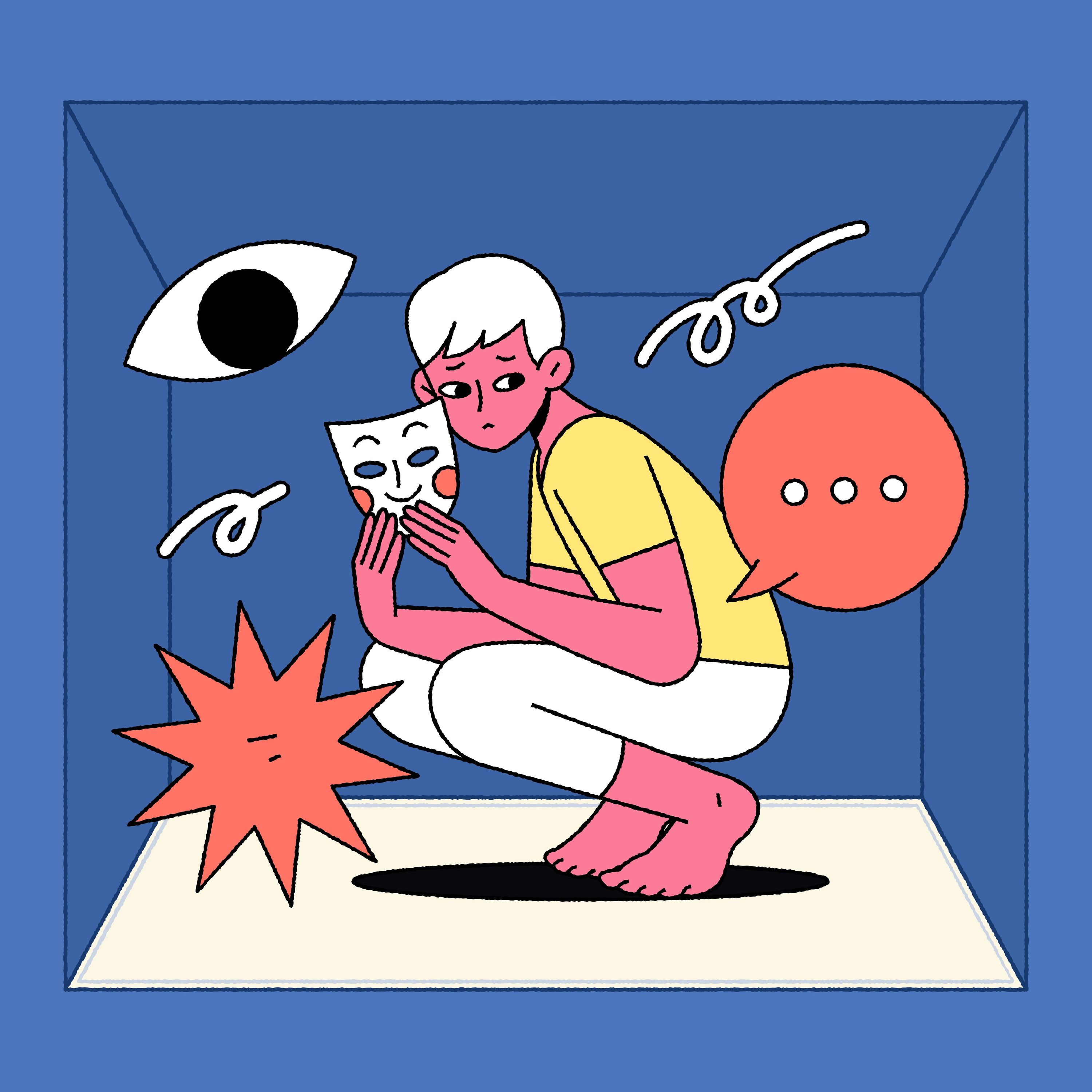
在今天的节目、下周的节目,以及《隐藏思维Plus》的特别节目中,我们将探讨自我隐藏与自我披露的心理代价与收益。
In today's show and our episode next week, and also in a special episode of Hidden Brain Plus, we explore the psychological costs and benefits of self concealment and self disclosure.
本周《隐藏思维》:保守秘密。
Keeping secrets this week on Hidden Brain.
在一天之中,无数的想法和感受涌入我们的脑海。
In the course of a day, countless thoughts and feelings enter our minds.
我们会与他人分享其中一些想法和感受,但大多数我们还是选择深藏心底。
We share some of these thoughts and feelings with others, but we keep most of them to ourselves.
什么时候分享是明智的?
When is it smart to share?
什么时候隐藏是明智的?
When is it smart to hide?
有没有科学证据能指导我们该怎么做?
Is there scientific evidence that can guide us on what we should do?
在哈佛大学,心理学家莱斯利·约翰多年来一直研究这些问题。
At Harvard University, psychologist Leslie John has spent many years studying these questions.
莱斯利·约翰,欢迎来到《隐藏的思维》。
Leslie John, welcome to Hidden Brain.
非常感谢你邀请我,尚卡尔。
Thank you so much for having me, Shankar.
莱斯利,你最喜欢的一个电视节目是英国喜剧《憨豆先生》。
Leslie, one of your favorite TV programs is the British comedy series Mr.
憨豆。
Bean.
有一集是你特别喜欢的。
There's one particular episode that you enjoy.
对于没看过这个节目的人来说,小顽豆是谁?在这个场景中他做了什么?
And for people who are unfamiliar with the show, who is mister Bean, and what is he doing in this scene?
我超爱小顽豆。
I love mister Bean.
小顽豆是个喜剧型哑剧演员,我觉得。
Mister Bean is a comic mime, I would say.
他的拿手好戏就是捕捉那些非常贴近生活的日常困境,我们都会陷入的窘境,然后他给出荒谬得近乎孩子气的解决办法。
And his sweet spot is he finds these very relatable human situations, these quandaries we get ourselves in, and then he comes up with absurd, almost childlike solutions.
这真是一个特别可爱又搞笑的节目,也让我想起了童年,因为我和我爸爸是家里的搞笑担当,我们都是小顽豆的铁粉。
So it's it's a really, really endearing and hilarious show and also brings me back to my childhood because my father and I are the jokers of the family, and we're huge Mr.
我们都是小顽豆的铁粉。
Bean fans.
在这个小片段里,小顽豆去了一家高档餐厅,点了一份鞑靼牛排,却没意识到那本质上就是生肉。
So in this particular little sketch, mister Bean goes to a fancy schmancy restaurant and orders steak tartare, doesn't realize that that's essentially raw meat.
于是,服务员带着他的餐点隆重登场,掀开了盖在盘子上的银制罩子,小豆子看到后惊恐万分,脸上表情一览无余。
And so the the waiter comes out with his meal with great flare, opens up the silver cloche that's on top of the plate, and to mister Bean's horror, like, his face says it all.
他完全震惊了。
He's completely aghast.
我到底做了什么?
What have I done?
但服务员呢,你知道的,那些家伙照常行事。
But yet, the the the waiter, you know, the waiter, of course, assholes are doing.
先生,一切都还好吗?
Is everything alright, sir?
小豆子却露出一脸笑容,说:哦,是的。
And mister Bean does this, like, is smiley, oh, yes.
一切都很好。
Everything is great.
是的。
Oh, yes.
然后服务员离开了,接着小丑先生开始把牛排上那些生肉的小块捏起来, wherever 他能放就往哪儿塞,因为他必须把这个谎言坚持到底。
And then the waiter leaves, and then what mister Bean proceeds to do is grab little dollops of the steak, of the the raw meat, and put it wherever he can to get rid of it because you you have to follow through with the lie.
对吧?
Right?
你得表现出你已经在吃了。
You have to show progress on eating it.
是的。
Yeah.
所以他把一小块放进花瓶里,然后往后靠,把另一小块塞进身后那位女士的包里。
So he, like, puts a little bit in the vase, and then he leans back, and he puts a little bit in the the woman's purse behind him.
他挖空了一个面包卷,把肉塞了进去。
He he he hollows out he hollows out a dinner roll and shoves it in.
接着他甚至捏起一块肉,直接贴在桌面上,然后把盘子牢牢地粘在上面,像用水泥固定一样。
And then then he even takes a dollop, sticks it directly on the table, and sticks the plate to it like cement.
太棒了。
So good.
我明白你几年前也经历过属于自己的‘小豆丁’时刻。
I understand that you had your own Mr.
你能为我描述一下当时的情景吗?发生了什么?
Bean moment some years ago.
当然可以。
Can you set the scene for me and tell me what happened?
是的。
Yeah.
那时我还是个初出茅庐的年轻学者,受邀去伯克利做一场演讲。
So I was a baby academic, I was invited out to give a talk at Berkeley.
那真是个令人倾心的地方。
So totally swoon worthy place.
两位顶尖学者邀请了我。
And two superstar scholars invited me out.
他们是一对夫妻,演讲结束后邀请我去他们家吃晚饭。
They're married, and they invited me out to their house for dinner after the day.
于是我,这个满眼崇拜的初级学者,穿过伯克利山丘,走向他们家。
And so here I am, this googly eyed junior academic walking through the Berkeley Hills, walking to their house.
我到了之后,他们打开门,说:‘我们太高兴你来了。’
I get there, and they open the door, and they say, oh, we are so excited you're here.
我们今天去市场买了食材,要做鞑靼牛排。
We went to the market today, and we're making steak tartare.
这是我们的最爱。
It's our favorite.
这太特别了。
It's so special.
我是唯一一个为你做这些特别事情的人。
I'm the only one that did those special things for you.
他们把气氛烘托得特别浓烈。
They laid it on thick.
而且,是的。
And yeah.
我当时想,天哪。
So I was like, oh my gosh.
我现在真想做个冷酷的人。
I wanna be mister mean right now.
我想做他那样的人,但显然我做不到。
I wanna do what he does, but, obviously, I couldn't.
所以我假装了。
So I pretended.
我太羞愧、太尴尬了,只想留下好印象,假装喜欢那些高大上的东西,结果我还是吃了。
I was too ashamed, embarrassed, trying to make a good impression, trying to pretend I like highfalutin things, and I I I ate it.
我硬是撑过去了。
I got through it.
事实上,我从未告诉过他们这件事。
In fact, I've never told them this.
所以,也许他们听到这个后,我们会一起笑一笑。
So, maybe they'll hear this, and we'll have a good laugh over it.
但,是的,那就是我的Mr.
But, yeah, that was my Mr.
Bean时刻。
Bean moment.
所以,隐瞒有时会带来更大的后果,莱斯利。
So concealment can sometimes have bigger consequences, Leslie.
你讲了两个你认识的女性的故事。
You tell the story of two women you know.
你称她们为珍妮弗和唐娜。
You call them Jennifer and Donna.
故事开始时,珍妮弗正在为她人生中的一件重要事情做准备。
When the story starts, Jennifer is preparing for an important event in her life.
给我描绘一下当时的场景,莱斯利。
Paint a picture of the scene for me, Leslie.
好的。
Yeah.
珍妮弗当时大约28岁。
So Jennifer was about 28 years old.
她正站在人生一个重要里程碑的边缘。
And she was on the cusp of a of a major life milestone.
下个月,她就要和她的未婚夫菲利普结婚了。
The next month, she was slated to marry her betrothed her fiance, Philip.
但问题是,她开始产生一些挥之不去的想法,一些挥之不去的疑虑。
The only thing was that she was starting to get these kind of nagging thoughts, these nagging doubts.
她不知道,这些只是正常的婚礼焦虑吗?
And she didn't know, these just like normal wedding jitters?
这算是一种现象吗?
Is that a thing?
还是说我应该更重视这些信号?
Or is this something I should pay more attention to?
她和母亲唐娜关系非常亲密,于是决定给妈妈打个电话。
So she was really close with her mother, Donna, and she decided to give her mom a call.
电话响起来的时候,詹妮弗仿佛被带回到了她父母仍居住的童年家园。
And so the phone as the phone rings, Jennifer is is transported back to her childhood home where her parents still lived.
她想着客厅,那里她和兄弟们曾经进行过WWE摔跤比赛。
And, you know, she's thinking about the living room where she and her brothers would do WWF wrestling matches.
接着,她想象着母亲此刻正坐在书房里,舒适地靠着,周围是仿木饰面板的墙壁。
And, then she thinks about the den where she envisions her mom to be at that time sitting cozied up, in the in the den with its, faux wood paneling walls and all.
然后突然,喂?
And then suddenly, hello?
詹妮弗说:嗨,妈妈。
And and Jennifer says, hi, mom.
是我。
It's me.
唐娜立刻察觉到不对劲,问道:怎么了,宝贝?
Donna immediately senses something's up and says, what's up, my chick?
然后詹妮弗对母亲说:嗯,我也不太清楚自己这些感觉到底是怎么回事。
And then Jennifer said to her mother, well, you know, I just I don't know about these feelings I'm having.
当我仔细想想,我真的很爱菲利普,但我对他的爱就像对最好的朋友那样。
And when I think about it, I really love Philip, but I love him like my best friend.
我不确定自己是否对他有那种炽热的爱。
And I don't know that I have, like, passionate love for him.
我不确定,这会是个问题吗?
And I don't know, Is that a problem?
因为我真的像对待最好的朋友一样爱他。
Because I I really love him in a best friend kinda way.
唐娜静静地听着。
And Donna listened.
然后珍妮弗问妈妈:你是怎么知道自己想嫁给爸爸的?
And then Jennifer said, mom, how did you know that you wanted to marry dad?
因为珍妮弗一直非常钦佩他们的婚姻。
Because Jennifer always looked up to their marriage so much.
他们看起来就是一对了不起的父母,而且似乎非常幸福。
They just seemed like they were amazing parents, and they just seemed so happy.
而珍妮弗所想要的,仅仅是一段稳定、充满爱意、美好的关系。
And that's all that Jennifer wanted was a really stable, loving, wonderful relationship.
她妈妈说:‘真有意思,珍,你居然问这个问题,因为在我跟你爸爸结婚前一个月,我其实也有过类似的疑虑。’
And her mom said, It's funny, Jen, that you should ask because because a month before I married your father, I was actually having similar doubts.
我很庆幸自己当时还是决定和米里亚姆走下去,你看我们现在多幸福。
And, oh, I'm so glad I went ahead with Miriam because look how happy we are.
看看我们的婚姻有多棒。
Look at how great our marriage is.
我们相处得很好。
We work.
她说:‘珍,我了解你。’
And she said, like, Jen, I know you.
你跟我一样。
You're like me.
你总是很难做决定。
You struggle to make decisions.
你总是反复思虑。
You ruminate.
你对一切都会质疑。
You question everything.
但有时候,如果感觉对了,你就得跟着感觉走。
But sometimes you just if it feels right, you gotta go with it.
因此,珍妮弗从那次电话中得到了很多安慰。
And so Jennifer took a lot of comfort in that phone call.
她心想,是的。
And and what she thought was, yeah.
我和菲利普的爱已经是成熟的那种了。
I already have my love with Philip is already the mature kind.
你知道吗?
You know?
激情之爱终会消退。
Passionate love fades.
真正特别和重要的是成熟的那种爱,就像我母亲一直对我父亲那样。
What's really special and important is the mature kind, the kind that my mother has always had with my father.
所以一个月后,珍妮弗和菲利普结婚了。
And so a month later, Jennifer and Philip were married.
五年极其复杂的时光过后,他们离婚了。
Five very complicated years later, they were divorced.
所以离婚后不久,珍妮弗的哥哥给她发了一封改变一切的邮件。
So sometime after her divorce, Jennifer's brother sends her an email that changes everything.
这封邮件里写了什么,莱斯利?
What's in this email, Leslie?
是的。
Yeah.
这是一段始于唐娜和她丈夫之间的邮件往来。
It was an email chain that originated between Donna and her husband.
所以这是他们两人之间的私密交流。
So it was a private between the two of them.
他们最终聊到的内容是一件非常私密且敏感的事情。
And they ended up what they started talking about was a very private sensitive thing.
但在这封邮件链的最后,他们讨论的是财务问题,并且牵涉到了詹妮弗的哥哥。
But where they ended up in the email chain was talking about finances, and they brought Jennifer's brother.
此时,他们把哥哥加进了邮件链,因为哥哥负责管理他们的财务。
At this point, they added the brother to the email chain because the brother took care of their finances.
于是,哥哥把这封邮件转发给了詹妮弗。
And so then the brother forwards this to Jennifer.
所以詹妮弗正坐在她的单身派对现场。
So Jennifer's sitting down in her bachelorette patch.
她手里拿着早上那杯香浓的咖啡。
She's got her lovely coffee in the morning.
她坐了下来。
She's sitting down.
她打开收件箱,收到了哥哥发来的这封邮件。
She opens her inbox, and she gets this email from her brother.
嘿,珍。
Hey, Jen.
看看这个。
Check this out.
看来他们忘了邮件链开头的内容。
Seems like they forgot what was at the beginning of the chain.
于是,珍迅速往下滚动,往下,往下。
And so, of course, Jennifer quickly scrolls scrolls down, down, down.
而她发现的事情,一旦知道就再也无法忽视。
And, wow, what she found out, she can never unknow.
这是一种让人得知父母事情时极度震惊的类型。
And it's the kind of thing that is extremely shocking for someone to learn about their parents.
最初的交流揭示了唐娜和她丈夫有着非同寻常的关系。
What the initial exchange revealed was that Donna and her husband had had an unusual relationship.
这种关系对他们来说是有效的。
It worked for them.
这算是一种开放式的伴侣关系。
It was a an open relationship of sorts.
他们在邮件链中以非常友好的方式讨论了这件事。
And and they were discussing that in the chain in a very amicable way.
很明显,这是双方共同达成的协议。
Like, it was clear that it was a mutual it was a mutual agreement.
这确实适合他们,他们甚至为此感到庆祝。
It was and it was one that really worked for them, and they they even celebrated it.
从这封邮件链中就能看得出来。
You could tell in this email chain.
所以,简是一个思想非常开放的人,她心想,天啊。
So, I mean, Jennifer was a very open minded person, and she thought, wow.
这太令人震惊了。
That's shocking.
但你过你的生活吧。
But you do you.
如果这对你有效,那就太好了。
And if that works for you, great.
但詹妮弗更强烈的情绪是愤怒和暴怒,她的全身都充满了这种情绪。
But the more dominant feeling that Jennifer had, her whole body filled with anger and rage.
就像当你非常真切地感受到某种情绪时,詹妮弗就是那种感觉。
Like, you know, when you feel it super viscerally, that is how Jennifer felt.
因为立刻,她在脑海中回到了那个决定性的电话,那是大约七年前她和母亲唐娜之间关于婚礼前焦虑的对话,那时她感到无比安心。
Because immediately, she goes back in time in her mind to that fateful call that was, you know, seven or so years ago between her mother, Donna, and herself, the pre wedding jitters call, and how Jennifer had felt so assuaged.
而且,詹妮弗觉得唐娜的话确实深深影响了她的决定。
And and and Jennifer felt that Donna's words really, really did affect that decision.
詹妮弗之所以充满愤怒,是因为她对自己说:等等。
And the reason Jennifer was filled with rage because she said to herself, wait.
妈妈,你只告诉我了一半的真相。
Mom, you only told me half the truth.
你没有告诉我,你那种应对方式——你处理自己对他人有更多 flirtations、或许比对父亲更喜欢的事实的方式——其实是通过这种释放阀,这种彼此的默契。
You didn't tell me that the way you're kind of escape valve, the way you handle this fact that you have people that you, shall I say, enjoy your flirtations with maybe more than her father was by having this release valve, this mutual agreement.
这对詹妮弗来说本应至关重要,因为当时詹妮弗非常确定,如果她知道父母关系的全貌,她就不会嫁给菲利普,因为她知道,虽然这种模式对父母有效,但她清楚这不适合自己,这也不是她想要的生活。
And and this was would have been extremely pertinent for Jennifer to have known because Jennifer was quite certain at that time that if she had known the full picture of what her parents' relationship was, she would not have married Philip because she knew that although that worked for them, she knew it wouldn't work for her, and that's not what she wanted.
因此,她感到自己被母亲背叛了。
And so she really felt like, kind of betrayed by her mother.
她觉得,如果母亲什么都没说,甚至根本没打电话,反而比只讲一半的故事要好。
And she felt like it would have been better if her mother had said nothing, if her mother hadn't even picked up the phone than to share only half the story.
是的。
Yeah.
因为詹妮弗在某种程度上从母亲的话中得到了安慰,但母亲并没有告诉她,她与丈夫的关系中包含与其他人的交往。
Because Jennifer in some ways got comfort from what her mother was saying, but her mother in some ways was not sharing that the terms of her relationship with her husband involved seeing other people.
正如你所说,这段婚姻中有一个释放压力的出口。
And there was, as you say, a release valve in this marriage.
没错。
Exactly.
詹妮弗有没有就母亲之前说的话质问过唐娜?
Did Jennifer ever confront Donna about what she had said previously?
是的。
Yes.
她确实这么做了。
She did.
多年后,詹妮弗的愤怒消散了,因为一切对她来说都变得无比美好。
So years later, Jennifer her anger faded because everything had turned out beautifully for her.
她嫁给了梦中情人。
She she married the man of her dream.
她嫁给了她的白马王子,对方在各方面都吸引着她。
She married her prince charming who was she was attracted to in all ways.
他们有了两个可爱的孩子。
They had two beautiful children.
她简直过着天堂般的生活。
Like, she was just living a slice of paradise.
她非常幸福,这使得过去的伤痛更容易愈合。
She was so happy, which made it easier for the old wounds to kind of heal.
但它们被好奇心和想要了解更多所取代。
But they were replaced by curiosity and wanting to learn more.
这到底是怎么开始的?
How did this start?
为什么会开始呢?
Why did it start?
这会变得复杂吗?
Is it ever complicated?
有一天,奶奶唐娜来探望,而珍妮弗的丈夫外出出差了。
So one day, grandma Donna was visiting, and Jennifer's husband's husband was out of town.
于是珍妮弗想,今天她运动得不错。
So Jennifer is like, this is like she had a good workout during the day.
她想,我可以做到。
She's like, I can do this.
我们来做吧。
Let's do it.
晚饭后,她倒了两大杯威士忌,所谓酒壮怂人胆,然后坐在妈妈面前说:你还记得我第一次结婚前我们打的那通电话吗?
And after dinner, pours two two large, large glasses of scotch, there is such a thing as liquid courage, sits down with her mom and says, do you remember that phone call we had before my first marriage?
唐娜的脸上浮现出一种温暖、母性的微笑。
And Donna said, like a wave of warmth, like, motherly warmth smile came across her face.
她说,是的。
And she said, yeah.
我记得。
I do.
我常常在想,我那时候说的是否恰当。
And I've often wondered whether I said the right thing.
这正好是一个完美的过渡。
And that was just the perfect segue in.
接下来发生的,可能是珍妮弗与母亲、甚至可能是与任何人之间最意味深长的一次对话。
And then what proceeded was probably the most meaningful conversation Jennifer had had definitely with her mother, potentially with anyone ever.
因此,这真正加深了她们之间的关系。
And so that just just really, really ended up it deepened their relationship.
我们每个人在生活的几乎每一个时刻都在选择,哪些内容要与他人分享,哪些要保持私密。
All of us make choices in nearly every moment of our lives about what to share with others and what to keep private.
这些决定会影响我们的健康、幸福和人际关系。
These decisions have consequences for our health, our well-being, and our relationships.
回来后,我们来谈谈自我隐藏的心理学。
When we come back, the psychology of self concealment.
您正在收听《隐藏的思维》。
You're listening to Hidden Brain.
我是 Shankar Vedanta。
I'm Shankar Vedanta.
这是《隐藏的思维》。
This is Hidden Brain.
我是 Shankar Vedanta。
I am Shankar Vedanta.
Leslie John 是哈佛商学院的一位心理学家。
Leslie John is a psychologist at Harvard Business School.
她研究自我隐藏和自我披露。
She studies self concealment and self disclosure.
莱斯利,我们大多数人对过度分享的危险都非常清楚。
Leslie, most of us are keenly aware of the dangers of oversharing.
我们都听过这样的故事:有人在一次醉酒的兄弟会派对上拍了照片,结果几年后求职被拒。
We've all heard stories about someone who, posted a photo of themselves at a drunken frat party and then they got turned down for a job years later.
谈谈这个吧。
Talk for a moment about this.
我们的默认立场通常是:有疑问时,最好什么也不说。
Our default position is often when in doubt, say nothing.
是的。
Yes.
你可以想想战时的那些说法,比如‘多嘴误事’。
You can think of even those sayings from wartime, loose lips sink ships.
对吧?
Right?
感觉我们的默认倾向是,只要有一点疑虑,就选择沉默。
It feels like the default the strong default we have is to stay silent if there's any doubt.
说到你的观点,我认为公众讨论几乎痴迷于那些过度分享的时刻,比如曝光别人。
And to your point, I mean, the public discourse is kind of obsessed with TMI moments, right, of outing people.
那就是过度分享。
That's TMI.
那就是信息泄露。
That's oversharing.
这确实是事实。
And it is true.
当然,我们在错误的时间对错误的人分享太多,确实会有风险。
Of course, we can share too much at the wrong time with the wrong people.
它会以各种方式反噬我们。
It can bite us in all these ways.
但根据我们的研究发现,我们往往忽视了这一点。
But in what I found in our our research is that we don't pay attention.
我们没有足够关注事情的另一面,也就是我所说的TLI——信息过少,而保持沉默、不敞开心扉确实会带来切实的伤害。
We don't pay enough attention to the other side of the coin, which is what I call TLI, too little information, and that there are very real harms to not opening up, to staying silent.
因此,我希望我们能以更平衡、更公正的方式来权衡是否分享的决定,同时考虑TMI和TLI两方面。
And so I I'm hoping that we can start adjudicating these decisions of whether to share or not in a more balanced, even handed way where we consider both TMI and TLI.
让我们来看看隐瞒信息可能对我们造成的几种伤害。
Let's look at some of the ways in which concealment can hurt us.
你提到过一些令人震惊的研究,关于人们向自己的医生隐瞒了多少信息。
You've talked about some shocking research into how much information people hide from their own doctors.
是的。
Oh, yeah.
医学领域的一些学者进行了一些引人入胜的研究,他们询问并访谈了患者,了解他们是否向医生隐瞒了某些至关重要的健康信息。
So there's some fascinating research by some scholars in the medical area where they have asked, interviewed patients essentially whether they've hid hid some really pertinent health information from their doctor.
对吧?
Right?
就是那个发誓要保护他们的人。
The very person who has taken an oath to protect them.
有百分之八十的人承认,他们没有对医生坦诚,隐瞒了一些信息。
And it's eighty percent of people admit to not being forthcoming, to hiding something from their physicians.
这真的非常容易引起共鸣。
And it's super relatable.
对吧?
Right?
但另一方面,这也太离谱了。
But it's also bananas on another hand.
对吧?
Right?
因为这位医生本可以帮到你。
Because this person could help you.
但这也是可以理解的,因为健康问题通常非常敏感。
But but it's understandable because health stuff is often so sensitive.
是的。
Yeah.
你知道,比如有人正试图戒烟,他们的医生多年来一直劝他们戒烟,但他们实际上偷偷抽了几支烟,或者想少喝点酒,却一直没成功。
And you know, someone is, you know, trying to quit smoking, for example, and their doctor has been urging them to quit smoking for a number of years, but they've in fact been sneaking a couple of cigarettes or they're trying to drink a little less, but they haven't been successful.
要坦白告诉医生自己生活中真实发生的事情,真的很难。
It's hard to come clean and tell your doctor this what's actually going on in my life.
确实如此。
It really is.
我上大学时有过一个特别有趣的经历,当时我去诊所做检查。
I had this really funny moment in college where I went to the clinic to get it.
我想做个性传播疾病检测。
I wanted an STD test.
到了诊所后,我印象深刻的是,他们让你写下自己的问题。
And I get to the clinic, and I was so impressed because when you get there, they let you write down what your issue is.
这样你就不用把那些话大声说出来了。
So you never have to say the words out loud.
于是我把它写在了纸上。
So I wrote it down on the sheet of paper.
我交了表格。
I handed it in.
但轮到我的时候,这简直像《拉里·戴维》的剧情。
But then when it was my turn this is like a Larry David episode.
轮到我的时候,护士喊道:‘莱斯利·约翰,性病检测。’
When it was my turn, the nurse said, Leslie John, STD testing.
噩梦。
Nightmare.
你讲了一个叫约翰·卡伦的医生的故事,他本来就要切开病人取阑尾,但突然意识到病人可能根本不是阑尾炎。
You tell the story of a physician named John Cullen who was literally about to cut open a patient to take out their appendix but then realized that the patient may in fact not have appendicitis after all.
是的。
Yeah.
这位可是美国家庭医师学会主席,约翰·卡伦医生,地位非常高。
This is the, like, a super grand poobah as in the American Academy of Family Physicians president, doctor John Cullen.
也许正因如此,事情才变得更难,毕竟他的地位那么高。
Maybe that's what made it a little bit harder, actually, because he was so high status.
总之,他正要切开病人的腹部取出阑尾。
At any rate, he was literally about to cut open a patient to take out their appendix.
但他有一种第六感,你知道的,你做多了这类事情,就会有第六感,觉得有些不对劲。
But he had this kind of sixth sense that something you know, you do enough reps of these things, and you get a sixth sense, and something wasn't right.
而且,据称,药物滥用——特别是甲基苯丙胺——的症状实际上可能与阑尾炎相似。
And, apparently, symptoms of drug abuse, specifically methamphetamines, they can actually resemble those of appendicitis.
所以在切开之前,卡勒医生给了她最后一次机会。
And so before he cut her open, doctor Culler gave it one final chance.
他说:‘我们马上就要给你开刀了。’
He said, I quote, we're about to cut you open here.
你确定不想再告诉我点别的吗?
Are you sure you don't want to tell me anything else?
哇哦。
Wow.
最后,病人坦白了,手术被取消了。
Finally, the patient fessed up, and, the surgery was aborted.
是啊,这简直不可思议,对吧?
Mean, it's kind of incredible, isn't it?
人们宁愿让自己被开膛破肚,也不愿说出他们觉得羞耻的事情。
People are willing to have themselves cut open instead of revealing something that they think is shameful.
有个医院故事,是关于一位在手术中大出血的病人?
Hospital story, this one involving a patient who was bleeding uncontrollably during surgery?
是的。
Yes.
这个更令人震惊,因为当时情况危及生命。
This one's even more shocking because it was a life threatening situation.
所以手术前,医生问病人:你知道的,你有在服用什么药物吗?
So before the surgery, the surgeon asks the patient, you know, are you taking any medications?
病人说没有。
And the patient says no.
然后,就在医生即将动刀前,他走到等候室对母亲说:你确定她没服用任何药物吗?
And then the surgeon comes out to the waiting room just before he's about to operate and says to the mom, are you sure she's not taking anything?
再次,这位外科医生有种第六感。
Again, the surgeon had kind of a sixth sense.
然后母亲说,没有。
And then the mother said, nope.
什么都没有。
Nothing.
最后,外科医生再次询问,并恳求她说实话。
Finally, the surgeon asked again and is imploring her to be honest.
求求你,求求你,这关系到你女儿的生命。
Please, please, this is your your daughter's life.
最终,揭发这件事的甚至不是女儿本人。
And finally and it wasn't even the daughter that revealed this.
而是她的母亲终于透露,这个孩子——这个成年女儿——一直在服用减肥补充剂,但她太羞于启齿了。
It was her mother that finally revealed that the the child, the daughter, the grown daughter was taking weight loss supplements, but, of course, was too ashamed to say so.
我想这会影响凝血之类的。
And I guess that interferes with bleeding or something.
这 literally 挽救了她的生命。
And that literally saved her life.
外科医生跑回了手术室。
The surgeon ran back in.
情况真的非常严重。
It was that serious.
因此,我们在敞开心扉时所感受到的羞耻感是非常真实的。
So it's very real, the shame we feel around opening up.
那种担忧——害怕别人会评判我们——是一个非常真实的问题,因为看看人们为了逃避它所付出的努力。
The apprehension, the the worry that someone's gonna judge us is a is a very, very real concern because look at the lengths people go to to avoid it.
除了当我们不向医生坦白时会加重医疗的复杂性,我知道有研究表明,保密会对我们的免疫功能产生负面影响。
Besides complicating our medical care when we don't share things with our doctors, I understand there's research showing that secrecy negatively affects our immune functioning.
是的。
Yes.
当你保守秘密时,其中一个棘手的问题是,你的大脑会非常活跃。
When you keep a secret, one of the tricky things is that your mind is very active.
保守秘密不是一种内在活动。
Keeping a secret is not an inner activity.
它不是中立的事情。
It's not a neutral thing.
但我们常常认为那是一件中立的事。
Yet we often think that that's a neutral thing.
对吧?
Right?
我们认为不分享是中立的。
We think that not sharing is neutral.
但事实上,它可能是一个极其活跃的过程。
But in fact, it can be an incredibly active process.
所以当你保守秘密时,想想保守秘密这件事。
So when you keep a secret, think about keeping a secret.
你必须时刻保持警惕。
You have to constantly monitor.
对吧?
Right?
当你身处一个可能相关的对话中时,你必须时刻监控自己的思维。
When you're in a conversation where it could be relevant, you gotta be you gotta monitor your brain.
是的。
Right.
而这会让人感到压力。
And then and that's stressful.
因此,这实际上会增加你的皮质醇和压力激素水平。
And so that, like, literally can increase your cortisol, your stress hormones.
它会以这种方式影响你。
It can affect you in this way.
而且,已有大量研究表明,当你保守秘密时,你在智商测试中的得分会更低,因为这确实会占据你的大脑资源。
And and it also there have been lots of studies showing that when you are keeping a secret, you score lower on IQ tests because it it literally preoccupies your brain.
它会占用大脑的空间。
It it it takes away brain space.
你提到自我隐藏的一个代价是,它会阻碍我们建立关系或深化关系。
You talk about one of the costs of self concealment is that it can keep us from forming relationships or deepening relationships.
你讲了一个故事,关于你作为一名年轻学者在求职时,在电梯里可能发生的微不足道的遭遇。
You tell the story of a, perhaps, a trivial encounter in an elevator when you were a young scholar on the job market.
给我讲讲这个故事吧,莱斯利。
Tell me that story, Leslie.
是的。
Yeah.
在新关系、新友谊、新相识或新恋情中,有一个非常重要的原则,那就是相互自我表露。
So one of the things, the principles that's really important in new relationships, new friendships, new acquaintanceships, new romances is, mutual self disclosure.
这是一种像乒乓球一样的互惠模式:你说一些事,对方也会以同样深度的内容回应。
It's like a ping pong pattern of reciprocity where you say something, the other person reciprocates with something just as deep.
你不会一开始就深入到很私密的话题。
You don't start super deep.
你可能会从比较浅显的话题开始,然后一来一往,像打乒乓球一样,逐渐对彼此越来越坦诚。
You start maybe on a more shallow, but then you go back and forth, ping pong, back and forth, and you get increasingly more vulnerable with each other.
这甚至回到了亚瑟·阿伦的研究。
This comes back to even Arthur Aaron's studies.
对吧?
Right?
那36个问题,嗯。
The 36 questions Mhmm.
让人们互相提问和回答问题,这会让他们彼此喜欢并建立友谊。
Where you get people to ask and answer questions to each other, and that makes them like each other and forge friendships.
所以这次相遇,我称之为互惠失败。
And so this encounter, this was what I call a reciprocity fail.
当一个人伸出橄榄枝,敞开心扉时,却遭到拒绝。
When I one person puts out an olive branch, they put themselves out there, and then they're shut down.
当时我正在寻找一份学术工作。
So what happened to me, I was trying to get an academic job.
我正处于学术求职市场中。
I was on that academic job market.
展开剩余字幕(还有 319 条)
我穿着一件香蕉共和国的黑色西装,有趣的是,事后我才意识到我身上还留着原来的缝线和后摆的双开衩。
I'm in my, like, Banana Republic black suit, which fun fact, after the fact, I realized I still had the stitching and the double vent in the back.
我拆掉了那条缝线。
The stitch I had unstitched it.
真是个新手。
So rookie.
还挺可爱的。
So endearing.
在这个新手学术求职市场上,做法是租下一家大酒店,各个招聘的大学分别租用不同的套房。
So in this this rookie academic job market, what you do is there's a is that a big hotel and all the different universities that are recruiting?
他们租下了不同的套房。
They rent out different suites.
每到整点,就会有一群新手求职者在各个房间之间穿梭,推销自己。
And so every hour on the hour, there's this jamboree of rookie candidates moving from room to room to pitch themselves.
于是我发现自己站在了电梯里。
So I found myself in the elevator.
我走进电梯,发现里面有一位明显的求职者。
I get into the elevator, and there's one clearly a job candidate in there.
电梯门关上了。
The elevator doors close.
所以我们实际上被困在一个钢制密室里。
So we're literally in a steel vault.
我放松了警惕。
And I say I let my guard down.
我只是说:哦,我太累了。
I just say, oh, I'm so exhausted.
我全身都透着疲惫。
My whole body just was like exuded exhaustion.
那么那位同行的求职者做了什么?
And then what did the the fellow job candidate do?
他立刻挺直身子,说:哦,这真是一个绝佳的机会,能让资深教授对我的研究提出意见。
He straightened right up and he said, oh, this is such an exciting and fun opportunity to get senior faculty to weigh in on all of my research.
这太惊人了。
It's so amazing.
然后我整个人都朝他翻了个白眼。
And then I, like, gave him the stink eye with my whole body.
我心里就想:真的吗?
I just was like in my mind, what I thought is like, really?
我们明明就在一个钢制密室里,你却不能,我们难道不能真实一点,分享一下彼此的感受,让双方都轻松一点吗?
We're literally in a steel vault, and you can't you we can't just be real, like, have a a real moment of kind of shared feeling that would make us both feel more relaxed.
有趣的是,这种互惠失败的刺痛感会持续存在,因为我们经常在学术会议上见面。
And, you know, it's interesting, this idea that a reciprocity the sting of a reciprocity failure lingers because we see each other regularly at conferences.
嗯。
Mhmm.
他非常有成就。
He's very accomplished.
我相信他是个非常好的人。
And I'm sure he's a really nice guy.
但我从未有过想去主动找他聊天的冲动。
But I've never felt the urge to, like, go chat him up.
我觉得我可以把这归因于这一点。
And I think I think I would attribute it to that.
换句话说,你实际上是主动示好了。
In other words, you basically, you know, you put yourself out there.
他拒绝了。
He he declined.
你所强调的不仅仅是那三十秒的电梯里没有交流,某种程度上,这件事产生了后续影响。
And the point that you're making is not just that you didn't have an exchange in that elevator for thirty seconds, but in some ways, it's had ramifications.
影响。
Ramifications.
你知道,这件事多年来一直回响着,以至于你实际上从未试图去建立联系。
You know, it it's it's echoed, if you will, down the years where you actually haven't tried to make a connection with it.
没错。
Exactly.
所以想象一下,如果我们走另一条路,假设他回应了,说:‘我知道。’
And so imagine if we play the other route of imagine if he had reciprocated and been like, I know.
我刚刚经历了一场疯狂的面试。
I just had this crazy interview.
你能相信吗?
Can you believe it?
那个人说了什么什么的。
This person said that or blah blah blah.
就像那样一个瞬间。
Like a moment, a moment like that.
想象一下,我们本可以成为一生的朋友。
Imagine we could have been lifelong friends.
我认为,我们很多人都陷入了这种自我隐藏,而它是有代价的,莱斯利。
So many of us, I think, into it that self concealment has costs, Leslie.
而且我认为,我们很多人都意识到这些代价是什么。
And many of us, I think, into it what those costs are.
但我们隐藏的原因之一是,我们认为只有自己才拥有羞耻的秘密。
But one reason we hide is that we believe that we alone harbor shameful secrets.
谈谈这个观点:当我们谈论自己保守的秘密时,我们总觉得只有自己才持有这些秘密。
Talk about this idea that when it comes to the things that we hold secret, we somehow imagine that we are the only ones holding those secrets.
是的。
Yeah.
所以我认为,一个主要原因是秘密是看不见的。
So I think a big reason is that secrets are not visible.
我们看不到别人所保守的所有秘密。
We don't see all of the secrets that people are holding.
这让我们觉得自己是唯一保守秘密的人,从而使这些秘密变得更加隐秘。
It makes us feel like we're the only ones that hold secrets, which makes them even more kinda clandestine.
对吧?
Right?
而且它们对我们造成的负担也更大。
And and and they take an even bigger toll on us.
这很有趣。
It's interesting.
哥伦比亚大学的迈克尔·斯拉皮恩和马利亚·梅森做了一些非常出色的工作,设计了一份问卷,以了解人们常见的秘密有哪些。
Michael Slapien over at Columbia has done and Malia Mason, they've done some really great work on a questionnaire to find out what people's common secrets are.
结果发现,人们常常隐瞒很多事情。
And it turns out that there are lots of things that people tend to keep secret.
这是一件非常正常的事。
It's a very normal thing.
我在想,社交媒体在某种程度上是否加剧了这种情况,因为我们不仅听不到别人的秘密,还不断看到他人生活总是光鲜亮丽、充满激情,人们在高档餐厅里玩得非常开心。
I'm wondering if social media in some ways compounds this because now we not only don't hear people's secrets, but we're constantly being presented this view of other people's lives that's always glamorous and excited and people having a great time at fancy restaurants.
于是我们觉得,显然,我吃的是三天前热过的剩饭,这一定说明我是唯一有这种肮脏秘密的人。
And now we feel, well, clearly the fact that I'm eating, you know, a reheated dinner from three days ago, it must show that I'm the only one who has this dirty secret.
别人都在尽情享受生活。
Everyone else is having a grand old time.
对。
Right.
没错。
Exactly.
社交媒体正是因为这个原因而如此有害。
Social media is so toxic for that reason.
正如你所说,完全就是这样。
It just it's it's it's it's it's exactly as you said.
人们展示的是经过精心筛选的自我形象。
People present a curated portrait of themselves.
从逻辑上讲,我们明白这一点,但很难克服那种本能的感受。
And, logically, we know this, but we cannot we have a hard time correcting for it, the visceral feeling.
你看到一个人带着完美的孩子和完美的生活,看起来光彩照人,你会想:天哪。
You see someone who looks gorgeous with their perfect children and their perfect life, and you think, oh my god.
而我的孩子却在大喊大叫。
Meanwhile, my children are screaming.
因此,这种比较会让你对自己产生负面情绪。
And so it makes you feel badly about yourself, these these kinds of comparisons.
当我们回来时,莱斯利做了一项调查,询问人们是否曾经逃税、观看色情内容,或在想去海滩度假时谎称生病。
When we come back, Leslie comes up with a survey asking people if they have ever cheated on their taxes, watched pornography, or called in sick when they wanted to spend a day at the beach.
您正在收听《隐藏的思维》。
You're listening to Hidden Brain.
我是 Shankar Vedanta。
I'm Shankar Vedanta.
这是《隐藏的思维》。
This is Hidden Brain.
我是 Shankar Vedanta。
I'm Shankar Vedanta.
你能想到一个从未与任何人分享过的秘密吗?
Can you think of a secret you haven't shared with anyone?
保守这个秘密让你感觉如何?
How does keeping the secret make you feel?
你觉得如果你把秘密告诉别人,会发生什么?
What do you think would happen if you shared the secret with others?
如果你愿意与《隐藏的思维》的听众分享你的个人故事,请找一个非常安静的房间,用手机录制一段语音备忘录。
If you're willing to share your personal story with the Hidden Brain audience, please find a very quiet room and record a voice memo on your phone.
两到三分钟就足够了。
Two or three minutes is plenty.
请将文件发送至 feedbackhiddenbrain dot org。
Email the file to us at feedbackhiddenbrain dot org.
邮件主题请写:Secrets。
Use the subject line Secrets.
再次提醒,邮箱是 feedbackhiddenbrain dot org。
Again, that's feedbackhiddenbrain dot org.
心理学家莱斯利·约翰是《过度分享的被低估的力量》一书的作者。
Psychologist Leslie John is the author of The Underrated Power of Oversharing.
莱斯利,当你深入探索令人尴尬的自我披露世界时,你和一位顾问曾设计过一些调查问题。
Leslie, as you dived into the world of embarrassing disclosures, you and an adviser once came up with survey questions.
这最终变成了一项极具挑战性的任务。
This turned out to be a very challenging exercise.
怎么会这样?
How so?
我想我可能保持着最尴尬的博士生与导师对话的世界纪录。
I think I might hold the world record for the most awkward, doctoral adviser advisee conversation.
当我还是博士生的时候,我一直对揭示隐私、自我披露和秘密这个话题非常感兴趣。
So when I was a doctoral student, you know, I've been interested in this topic of revealing privacy, self disclosure, secrets for a very long time now.
所以当我还是博士生时,我与导师合作设计了一系列调查问卷,向人们提出敏感问题,并调整不同变量来研究不同的问题。
And so when I was a doctoral student, I worked with my adviser to devise a series of surveys where we asked people sensitive questions, and we varied different things to learn different things.
因此,我们需要想出一些非常敏感的问题来问人们。
And so we needed to come up with really sensitive things to ask people.
于是我们坐在他的办公室里。
And so we sat in his office.
这对我来说是一种典型的闪光记忆。
It's one of these, like, flashbulb memories for me.
你记得自己当时穿着什么衣服、坐在哪里。
You know, you remember exactly what you were wearing and where you were seated.
是的。
Yeah.
所以他一上来就直奔主题。
So he just starts with a bang.
他说:‘那动物性行为呢?’
He says, what about bestiality?
天啊。
Oh, man.
所以,是的,我最想给他留下好印象的人说了这句话。
And so, yeah, I was like the person that I'm most trying to impress said that.
于是我心想:我该怎么办?
And so I was like, what do I do?
我该不该在头脑风暴时提出像那样极其敏感的话题?
Do I do I go for something super sensitive like that in my the things that I bring to the table brainstorming?
我觉得我当时说的每一件事,他都会觉得我是个古板的人。
I felt like everything I said then was like, maybe he's gonna think I'm a prude.
或者如果我说了一些很糟糕的事情,比如:你有没有隐瞒过伴侣你曾感染过性病?
Or then if I said something really bad, like, have you ever neglected to tell a partner about an STD you had?
那他就会觉得我太轻率了。
Then he'd think I was reckless.
而且,光是想到我在担心我的导师,就让我觉得……天啊。
And and just even the thought of that that that I am worrying about my adviser, like, it just oh gosh.
这真是太尴尬了。
It was so cringey.
但我们还是挺过去了。
But we got through it.
我们坚持了下来,最终想出了一份很棒的清单。
We powered through, and we came up with a great list.
从那以后,我就一直使用这些问题以及这些主题的变体,贯穿了我的整个职业生涯。
And I've since been using those questions and variations on those themes for kind of my career so far.
所以这份调查问卷的形式是以‘你有没有曾经……’开头的问题。
So the survey took the form of questions that start with have you ever.
莱斯利,你能读一下这些问题是吗?
Wondering if you can read out a list of these questions, Leslie.
我想让听众自己想想,他们是否曾经做过其中任何一件事。
And I want listeners to ask themselves if they have ever done any of these things.
好的。
Okay.
所以,是的,这些问题——提醒一下,如果你身边有孩子,这些问题可不轻巧。
So, yeah, the questions, be warned, they're doozies if you have children around.
你有没有和朋友的现任丈夫、妻子或伴侣发生过性关系?
Have you ever had sex with the current husband, wife, or partner of a friend?
你有没有幻想过做些可怕的事情,比如
Have you ever had a fantasy of doing something terrible, e.
折磨某人?
Torturing to someone?
你有没有偷过价值超过100美元的东西?
Have you ever stolen anything worth more than a $100?
你是否曾经看过色情材料?
Have you ever looked at pornographic material?
你是否曾经提出过虚假的保险索赔?
Have you ever made a false insurance claim?
你是否曾经在报税时作假?
Have you ever cheated on your tax return?
你是否曾经声称自己拥有实际上并没有的学历?
Have you ever claimed to have education that you didn't actually have?
在恋爱关系中,你是否曾经向伴侣以外的人调情?
While in a relationship, have you ever flirted with somebody other than your partner?
冒领他人的功劳?
Taken credit for someone else's work?
你是否曾经让朋友在你认为他或她饮酒过量的情况下开车?
Have you ever let a friend drive after you thought he or she had had too much drink?
你是否曾经向他人谎报自己的收入?
Lied about your income to someone?
生病了却谎称自己生病了。
Called in sick when you were sick.
假装没看见乞丐,或者在约会时故意不理人,只为让别人吃醋?
Pretended not to see a beggar to avoid seeing a on a date only to make somebody else jealous?
你有没有喝过量,导致宿醉?
Have you ever drunk so much that you got a hangover?
你有没有在公共场所乱扔垃圾?
Have you ever littered in a public space?
你有没有在合租的房子或公寓里没做分内的家务?
Have you ever failed to do chores in a shared house or apartment?
你有没有在通常要给小费的国家,没给服务员小费?
And have you ever failed to tip a waiter in a country in which tipping is customary?
这些问题我都差不多按敏感程度从高到低排列了。
These are the questions, and these I've more or less said them in a decreasing order of sensitivity.
我敢肯定,如果有人在研究环境中问这些问题,人们一定会闭口不言。
I'm sure people must clam up if someone asked them this question in in a research setting.
我也会这么想。
That's what I would think too.
但反复地,就在我所做的所有研究中,真正让我惊讶的是,人们往往非常坦诚。
But again and again, like across all of the research I've done, the one thing that really surprises me is how forthcoming people often are.
这几乎让人觉得人们真的很想吐露心声。
It almost seems like people really want to reveal.
事实上,后续的研究表明,我们确实有一种内在的驱动力去揭示这些事。
And in fact, there's been subsequent research showing that we do have this kind of internal drive to reveal.
这很有趣,因为其中一些事情甚至是违法的。
And it's fascinating because there's even some of these things are even illegal.
现在,我们提问的方式很重要。
Now the way we ask matters.
对吧?
Right?
如果我们面对面在审讯室里问,我不确定人们会不会这么坦诚。
So if we had asked face to face in an interrogation room, I don't know that people would be forthcoming.
但我们询问这些问题的方式是通过一个伪匿名的在线调查进行的。
But the way we ask these, we asked it on a pseudo anonymous online survey.
所以整个过程是在你家的舒适环境中完成的。
So it was done in the comfort of your home.
你不会有人在旁边盯着你、评判你。
You don't have someone staring there watching you judging you.
在一系列研究中,莱斯利探讨了人们是否会因为他人透露了自己不光彩的事情而对其评价降低。
In one set of studies, Leslie has examined whether people think less of those who have revealed unsavory things about themselves.
显而易见,答案是肯定的,对吧?
Obviously, the answer is yes, right?
但事实并非如此,这相当令人惊讶。
Not necessarily, which is pretty shocking.
因此,在这项研究中,我们问人们:假设我们要招聘,你更愿意雇用谁?
So what we did in this study was we asked people, let's say we asked, who would you rather hire?
候选人A在入职调查中被问到的一个问题是:你曾经在工作中被训斥过吗?
And candidate A, one of the questions they had been asked on this intake survey was, have you ever been reprimanded at work?
是的,不是,选择不回答。
Yes, no, choose not to answer.
当然,这些资料都是我们自己构建的。
We, of course, constructed these profiles ourselves.
所以对于候选人A,当被问到‘你是否曾在工作中被训斥过’时,他回答了‘是’。
So candidate a, to the question, have you ever been reprimanded at work, says yes.
直接说出了最糟糕的事情。
Just goes out and says the worst thing.
而候选人B则选择了‘选择不回答’的选项。
Candidate b, on the other hand, clicked the choose not to answer box.
所以这里我们有一个选择。
So here here we have a choice.
参与者有一个选择。
Participants had a choice.
你会更倾向于选择那个承认自己曾被训斥的人,还是那个明显回避不答、说‘我不告诉你’的人?
Would you prefer someone who admits something bad that they've been reprimanded at work to someone who simply but very conspicuously refrains from answering, says, I'm not telling you.
我选择退出。
I'm opting out.
我本质上是在隐瞒。
I'm concealing, essentially.
结果发现,人们一次又一次地更喜欢那个坦白的人。
And it turns out that again and again, people prefer the revealer.
他们更倾向于那个承认错误的人,即使那是一件坏事,而不是选择不回答、明显表示‘我不告诉你’的人。
They prefer the person who admits to the thing, even if it's a bad thing, relative to someone who opts out of answering, who very saliently says, I'm not doing this.
事实上,当你涉及恋爱关系时,也会发现类似的情况。
In fact, you find something along the same lines when it comes to romantic relationships as well.
是的。
Yes.
我们第一次得到这些结果时就做了这个实验。
We did this the first time we got these results.
我们当时想,这会不会是假阳性?
We thought, is this a false positive?
这就像我已故祖母常说的‘疯狂面条’。
This is nutty noodle, as my late grandmother would say.
但我们又用其他问题、其他样本和不同情境重复了这个实验。
But so we did it again with other questions, other samples, other scenarios.
我们尝试的一个场景是在约会领域,我们问人们:你更愿意和哪一个人约会?
And one of the ones we tried was in the realm of dating where what we did was we asked people, which of these two people would you prefer to date?
是人选A还是人选B?
Person a or person b?
其中一个问题是:你曾经提交过虚假的保险索赔吗?
And one of the questions was, have you ever filed a false insurance claim?
人选A明确表示自己经常这么做。
And person a ostensibly has said frequently.
也就是说,他们说出了最糟糕的事情。
So they're saying the worst possible thing.
那
The
另一个人,B,选择了不回答。
other person, person b, has clicked choose not to answer.
而且一次又一次,人们更愿意和某人约会。
And again and again, people, they'd rather date someone.
但这两者都不是什么好人选。
Now neither of these is fine specimens.
你不知道我父亲以前总这么说。
You don't my my father used to always say that.
那才是个好人选。
That's a fine specimen.
是的。
Yeah.
他们俩都不是那种你想带回家见父母的人。
Neither of them are someone you wanna take home to your parents.
但如果真的迫不得已,对吧?如果你陷入这种困境,你会选谁?
But if push came to shove, right, if you're in this tight bind, which would you choose?
因为这深刻地揭示了背后的人性。
Because that's deeply revealing of human nature behind it.
而且一次又一次,我们更喜欢那个坦露的人。
And again and again, we prefer the revealer.
那你认为这告诉我们什么?
And what do you think this is telling us?
为什么我们如此排斥隐藏者,即使唯一的选项是一个坦白自己犯错的坦露者?
Why is it that we are so averse to the hider even when the only option is a revealer who tells us that they have done something wrong?
是的。
Yeah.
这是个很好的问题。
It's a great question.
我们做了大量研究,试图理解为什么会发生这种情况,以及为什么没有发生。
And we did many, many studies to try to understand why this was happening and why it was not happening.
最终,我们发现,对坦露者的偏好源于一种整体的人格判断。
In the end, what we discovered was that the preference for a revealer is driven by a global character judgment.
隐瞒的人是不可信的。
The person who conceals is not to be trusted.
没错。
Right.
因此,我们宁愿和某人约会。
So much so that we we'd rather date someone.
我们宁愿雇佣某人。
We'd rather employ someone.
我们甚至宁愿在地铁上坐在一个坦白的人旁边,哪怕他说的并不是什么好事。
We'd rather even sit next to the subway behind besides someone who comes clean even if it's not the greatest thing to say.
因此,研究人员发现,几种认知偏差塑造了我们隐藏信息的倾向。
So researchers have found that several cognitive biases shape our desire to conceal.
其中之一被称为影响偏差。
One of them is called the impact bias.
什么是影响偏差,莱斯利?
What is the impact bias, Leslie?
是的
Yeah.
所以影响偏差是指我们倾向于高估情绪事件的持续时间。
So the impact bias is how we tend to overestimate the longevity of emotional events.
因此,当我们与某人分手,或者某人与我们分手时,我们会以为自己会陷入低落很长、很长的时间——永远如此。
So we think that when we break up with someone or if someone breaks up with us, we think we're going to be down in the dumps for a very, very long timeeternity.
但事实上,当这种情况发生时,我们常常会惊讶地发现,是的,这很糟糕,但我们比想象中更快地恢复了。
When reality, when that happens, we're often surprised to see, yeah, it sucks, but we're better sooner than we think.
同样,我们认为高峰情绪的持续时间也比实际更长。
Similarly, we think the highs last longer than they do.
比如,你得到了加薪。
Like, you know, we get a raise.
我们以为自己会很长时间都感觉棒极了,但很快我们就适应了,这种感觉迅速消退。
We think we'll be, like, feeling amazing for a really long time, but that we quickly adapt, and it quickly subsides.
因此,影响偏差指的是我们高估情绪事件的持续时间和强度。
So the impact bias refers to how we overestimate the duration and intensity of emotional events.
影响偏差最终塑造了我们的遗憾,以及短期遗憾与长期遗憾之间的差异。
The impact bias ends up shaping what we regret and also the difference between short term regrets and long term regrets.
在一项研究中,心理学家托马斯·吉洛维奇和维多利亚·梅德雷克探讨了这一差异。
In one study, the psychologists Thomas Gilovich and Victoria Medvec explored this difference.
这真的非常有趣,因为他们发现,在短期内,我们往往后悔那些导致不良结果的行为,也就是所谓的‘行动之过’。
It's really fascinating because what they found was that in the short run, we tend to regret the things we did that resulted in bad outcomes, so called sins of commission.
用坦白的话说,就是你说了一些话,也许你有点醉了。
So in disclosure language, it's it's you say something, maybe you're a little tipsy.
你说了些什么。
You say something.
你在晚宴上说得有点过头了。
You feel like you go a little bit too far at a dinner party.
第二天早上,你会经历一场严重的坦白后遗症,内心痛苦地想:‘我为什么要那样做?’
The next morning, you have a massive disclosure hangover where you're that gut wrenching, Oh, why did I do that?
你只想躲起来。
And you just want to hide.
这太糟糕了。
And that sucks.
所以我们非常后悔这些事。
So we regret that a lot.
所以在短期内,刚做完之后,我们会后悔自己做过的事,那些令人后悔的行为。
So in the short run, right after, we regret the things we do, the regrettable things that we did.
但从长期来看,这种模式会反转,我们一生中更后悔的往往是那些没做的事,即 omission 的罪过,那些我们本该做却没做的事。
But in the long run the pattern flips such that what we end up regretting much more over the course of our lives are the things that we didn't do, the sins of omission, the things that we didn't do that we should have done.
正是这些事让我们不断思考:如果当初呢?
Those are the things that leave us thinking, what if?
如果当初我告诉大学时暗恋的人我喜欢他呢?
What if I had told my college crush that I was into him?
比如,我为什么没那么做?
Like, why didn't I do that?
会有什么损失呢?
What would be the harm?
那么,错失的机会有哪些呢?
And what are the missed opportunities?
与此同时,在漫长的岁月里,我们根本不会反复琢磨:也许我被这个人拒绝了。
Meanwhile, we don't ruminate at all over the long haul about, okay, maybe I maybe I was rebuffed by this person.
但至少我知道了真相,你知道,你会获得某种了结,而不会一直纠结下去。
But at least I found out, you know, you get kind of closure and you don't continue perseverating.
有一位临终关怀护士叫布朗妮·韦尔,她写了一本书,名为《临终前五大遗憾》。
There was a book by the hospice care nurse, Bronnie Ware, titled the top five regrets of the dying.
这些遗憾是什么,莱斯利?
What were these regrets, Leslie?
是的。
Yes.
所以布朗妮·韦尔,我的偶像,作为一名姑息护理护士,她花了很多时间陪伴生命即将结束的人们。
So Bronnie Ware, my hero, she has spent as a palliative care nurse, she spent time, a lot of time with people at the very end of their lives.
因此,她对这些人有了很深的了解。
So she gets to know them a lot.
她写了一本书,汇总了人们对遗憾的普遍看法。
And she wrote a book where she collated her observations on what people tended to regret.
所以,在他们临终的病床上,他们说后悔的是什么?
So on their their dying beds, what did they say they regret?
以下是五大遗憾。
And here are the top five regrets.
我真希望我有勇气活出真实的自己,而不是别人期待我的生活。
I wish I'd had the courage to live a life true to myself, not the life others expected of me.
第二,我希望我没有那么拼命工作。
Number two, I wish I hadn't worked so hard.
第三,我希望我有勇气表达自己的感受。
Number three, I wish I'd had the courage to express my feelings.
叮。
Ding.
叮。
Ding.
叮。
Ding.
叮。
Ding.
叮。
Ding.
第四,我希望我能与朋友们保持联系。
Number four, I wish I had stayed in touch with my friends.
第五,我希望我能让自己更快乐。
Number five, I wish I had let myself be happier.
因此你可以看到,五个中有四个是关于那些我们没做、却希望做过的事情的遗憾。
And so you can see four out of five of them are regret over things we didn't do that we wish we had done.
尤其是其中一条,是关于没有更多地展现自我、没有表达自己的感受。
And one of them especially is that is one related to not sharing more of ourselves, not expressing our feelings.
你说你自己因为布罗妮·韦尔的书而受到启发,开始更多地进行自我表露。
You say that you yourself were inspired to engage in more self disclosure by by Bronnie Ware's book.
能跟我讲讲最近一次你和母亲之间的经历吗?在那次经历中,你意识到自己其实从未向她倾诉过那么多事情。
Tell me about a recent incident with your mother where, in some ways, you were made aware, if you will, of all the things that you hadn't told her.
天哪。
Oh, jeez.
是的。
Yeah.
这是一次可怕的遭遇。
This was this was a scary episode.
那是圣诞节那天,我和丈夫一整天都在厨房里忙着做饭,多亏了祖父母帮忙照看我们的两个小男孩。
It was it was Christmas Day, and my husband and I had just finished, spending a lot of the day cooking in the kitchen, thanks to grandparents who took care of our little boys.
我们把火鸡端上桌时,发现我妈妈看起来非常憔悴。
And, we're putting the turkey on the table, and my mom looks gaunt.
她说:我感觉真的很不舒服。
She says, I'm really not feeling well.
我突然有种不对劲的感觉。
It's something's just come over me.
我得去躺一会儿。
I gotta go lie down.
于是她去躺下了。
So she went to go lie down.
我们把菜端上桌,然后我上楼去找她。
We serve the stuff, and then I go upstairs to find her.
我发现她躺在浴室里,刚吐过,眼神呆滞,似乎认不出我是谁。
And I find her in the bathroom clearly having vomited and looking at me with this glazed look of, like, unclear who I was.
于是我抱起她,像抱婴儿一样把她搂在怀里。
And I so I grabbed her, and I held her in in my arms like a baby.
就在我这么做的瞬间,她的眼睛翻了上去,身体一下子软了。
And as soon as I did that, her eyes rolled back in her head, and she went limp.
我以为她死在我怀里了。
And I thought that she had died in my arms.
我立刻跳起来,冲出了门。
And I just I sprang up, and I I bolted out the door.
我说,快打911。
I said, call 911.
我丈夫正在打911。
My husband's calling 911.
我冲出门去找隔壁的护士邻居,砰砰砰地敲他们的窗户,她立刻跑出来,冲进屋里,直接带我赶到我妈妈所在的浴室。
I bolt out the door to our neighbor who's a nurse, and I bang bang I'm banging on their windows, and and she comes and she right away, she's runs in, and then we get to the bathroom where my mom was.
我妈妈看着我们,一脸茫然地问:‘你们这是在闹什么?’
And my mom looks at us like, what's all the fuss about?
你们在干什么?
What are you doing?
她没事。
She was fine.
她没事。
She was fine.
后来发现,我们觉得应该是食物中毒。
It turned out that she, we think it was food poisoning.
而且,据说当你剧烈呕吐时,可能会干扰所谓的迷走神经,过度刺激它,导致你需要通过晕厥来重启大脑。
And, apparently, when you vomit so violently, it can disrupt what's called your vagus nerve, which, like, overstimulates it and can either way you need to kinda reset your brain by passing out.
这是我这个外行人的理解。
That's my layperson version of it.
但天啊,那真是太吓人了。
But, oh my gosh, that was so terrifying.
但它真的让我想起,当时我母亲已经74岁了,却依然非常健朗。
But it really it really remind like, my mother at the time was 74, super spry.
她现在依然非常健朗。
She's still super spry.
它真的让我意识到,虽然这话听起来老生常谈,但确实如此:你永远不知道自己的时间何时会到来。
It really reminded me that I know it's cliche to say, but it's so true that you never know when your time is coming.
因此,所谓坦诚,就是别再有所保留。
And so with disclosure, what that means is that, like, don't hold back.
别再吝啬表达你对他们的爱意。
Don't hold back telling someone all the ways you love them.
于是我写下了这份爱的清单,列出了所有我爱妈妈的方式,无论是大事还是小事。
And so I ended up writing this, like, love list, this list of things to my mom about the the way all the ways I love her and all the big things and all the little things.
是的,这对我来说真的很重要。
And, yeah, it was really important to me.
你是读给她听,还是把信给了她?
Did you read the letter to her or did you give her the letter?
我把信放在了她的袜子里。
I put it in her stocking.
信里写了各种各样的事情,包括重要的事。
And it had all kinds of things in it like big things.
比如,我非常感激,也爱妈妈和爸爸的方式,我的意思是,我们非常幸运,虽然不富裕,但生活确实很舒适。
For example, I'm so grateful and I love the way she and my father, they always I mean we are very lucky in that we had we weren't wealthy, but we we definitely were comfortable.
所以我们有幸能追求自己的兴趣。
And so we were in a privileged position to be able to pursue our interests.
我的父母真的、真的非常支持这一点。
And my parents really, really encouraged that.
他们说,永远追随你感兴趣的事情。
They said, always pursue what you're interested in.
我觉得,正是因为我做着自己热爱的事,才来到了哈佛这样神奇的地方。说到底,我确实很努力,但我一直追随自己的兴趣。
And I feel that I got to this amazing place called Harvard doing what I love doing because fundamentally, you know, I worked hard, but I pursued my interest.
在其他那些事情上,我也得到了很多运气。
And I got a lot of luck in all those other things.
但那种生活方式,那些重要的生活教训,我无比感激。
But but the kind of life the important life lessons I'm so grateful for.
还有那些细小的事情也是如此。
And then the small stuff too.
比如,哦,我喜欢她这样,天啊。
Like, oh, I love how she this oh my gosh.
她特别喜欢软糖,而我对颜色非常挑剔。
She so I love gummy candies and what my but I'm very particular on the colors.
我喜欢绿色的,但必须是青柠味的,不是苹果味的。
I like the green ones if they're lime, not apple.
我喜欢红色的。
And I love the red ones.
所以当她来看我们时,会给我一袋软糖熊,专门挑出我喜欢的颜色。
And so when she comes to visit us, she gives me a bag of of Jujubes, gummy bears with curated just the colors I like.
她挑出我不喜欢的那些吃掉,然后把剩下的给女儿,说:‘哦,是的。’
She picks out the ones I don't and eats the dregs, and then she gives her daughter, like, oh, yeah.
这太棒了。
It's amazing.
在我们下一期的节目中,我们将继续探讨自我披露的力量。
In our episode next week, we continue our exploration of the power of self disclosure.
请关注题为《坦诚相告》的这一期。
Look for the episode titled Coming Clean.
我们还会探讨科学证据表明在何时何地最好隐瞒信息、保持低调。
We also look at when and where the scientific evidence suggests it may be best to withhold information and to play your cards close to the chest.
这将在我们的《隐性大脑》付费节目中播出,标题为《何时隐藏真相》。
That's in our Hidden Brain Plus episode titled When to Hide the Truth.
如果你是订阅者,这个节目现在应该已经出现在你的播客推送中了。
If you're a subscriber, that episode should be available in your podcast feed right now.
如果你还没有订阅,请前往 support.hiddenbrain.org。
If you're not yet a subscriber, please go to support.hiddenbrain.org.
如果你使用的是苹果设备,请访问 apple.co/hiddenbrain。
If you are using an Apple device, go to apple.co/hiddenbrain.
再次提醒,网址是 support.hiddenbrain.org 和 apple.co/hiddenbrain。
Again, that's support.hiddenbrain.org and apple.co/hiddenbrain.
莱斯利·约翰是哈佛大学的一位心理学家。
Leslie John is a psychologist at Harvard University.
她是《过度分享的被低估的力量》一书的作者。
She's the author of The Underrated Power of Oversharing.
莱斯利,非常感谢你今天做客《隐藏的思维》。
Leslie, thank you so much for joining me today on Hidden Brain.
这真是一次愉快的交谈。
It's been a delight.
谢谢。
Thank you.
你能想起一次你向别人坦白的经历吗?
Can you think of a time when you came clean to someone else?
你还记得当时发生了什么,以及那种感觉吗?
Do you remember what happened and how it felt?
如果你愿意与《隐性思维》的听众分享你的个人故事,请找一个非常安静的房间,用手机录一段语音备忘录。
If you are willing to share your personal story with the Hidden Brain audience, please find a very quiet room and record a voice memo on your phone.
两到三分钟就足够了。
Two or three minutes is plenty.
请将文件发送至 feedbackhiddenbrain dot org。
Email the file to us at feedbackhiddenbrain dot org.
邮件主题请写:Secrets。
Use the subject line Secrets.
再次提醒,邮箱是 feedbackhiddenbrain dot org。
Again, that's feedbackhiddenbrain dot org.
《隐藏的思维》由隐藏思维媒体制作。
Hidden Brain is produced by Hidden Brain Media.
我们的音频制作团队包括安妮·墨菲·保罗、克里斯汀·王、劳拉·夸雷尔、瑞安·卡茨、奥托姆·巴恩斯、安德鲁·查德威克和尼克·伍德伯里。
Our audio production team includes Annie Murphy Paul, Kristen Wong, Laura Quarrell, Ryan Katz, Autumn Barnes, Andrew Chadwick, and Nick Woodbury.
塔拉·博伊尔是我们的执行制片人。
Tara Boyle is our executive producer.
我是隐藏思维的执行编辑。
I'm Hidden Brain's executive editor.
如果你喜欢这一集,请当面或在社交媒体上告诉你的朋友。
If you like this episode, please tell your friends about it in person or on social media.
我是 Shankar Vedantam。
I'm Shankar Vedanta.
我们很快再见。
See you soon.
关于 Bayt 播客
Bayt 提供中文+原文双语音频和字幕,帮助你打破语言障碍,轻松听懂全球优质播客。