本集简介
双语字幕
仅展示文本字幕,不包含中文音频;想边听边看,请使用 Bayt 播客 App。
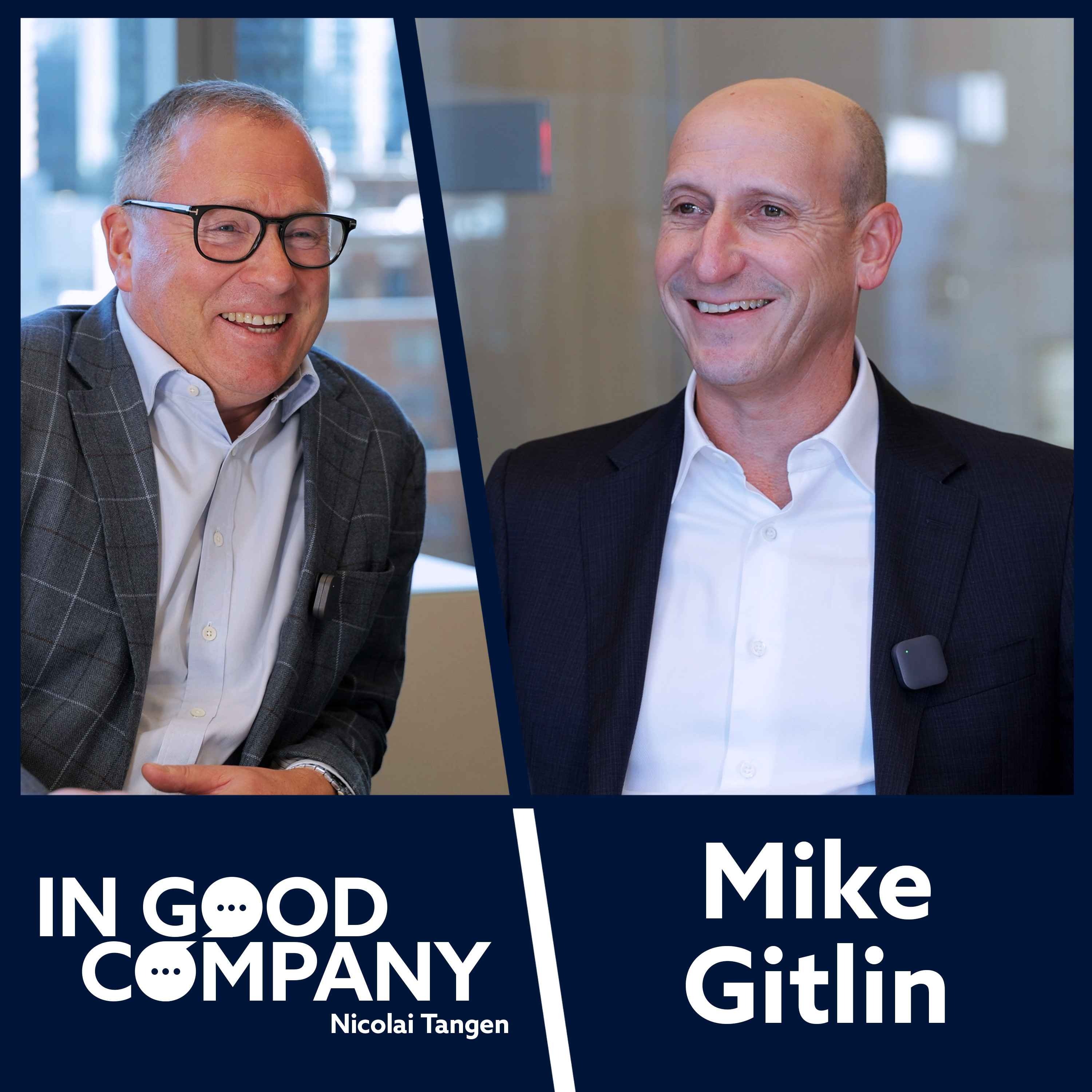
大家好,我是挪威主权财富基金的首席执行官尼古拉·塔金。
Hi everybody, I'm Nikola Tangin, the CEO of the Norwegian sovereign wealth fund.
今天,我邀请到了资本集团的总裁兼首席执行官迈克·吉特林,资本集团是全球最大的资产管理公司之一,管理资产超过3万亿美元。
Today I'm joined by Mike Gitlin, President and CEO of Capital Group, which is one of the world's largest investment managers with more than 3,000,000,000,000 in assets.
更重要的是,资本集团采用了一种由员工主导的独特投资方式。
Now, more importantly, Capital Group has a unique approach to investing, by its employees.
我认为,迈克,你在投资领域堪称黄金标准。
And I kind of think that you are the gold standard in investing, Mike.
非常高兴你来到这里。
So great to have you here.
嗯,谢谢。
Well, thank you.
我们可以在那里结束。
We can end it there.
不可能。
No way.
不可能。
No way.
Capital Group已经存在了近一百年。
Capital Group, you've been around for nearly one hundred years.
但对于不了解的听众来说,你们具体是做什么的?
But for those of the listeners who don't know, what do you do?
我们为全球各地的人管理资金。
So we manage money for people around the world.
这些客户可能通过理财顾问获得服务。
And those people may be served by financial advisor.
他们也可能是大型机构的一部分,比如主权财富基金、确定收益计划或确定缴费计划。
And they may be a part of a large scale institution like a sovereign wealth fund, a defined benefit plan, a defined contribution plan.
因此,这既是财富管理业务,也是机构业务,但归根结底,所有这些都是为人们管理资金。
So it's both a wealth management business and an institutional business, but at the end of the day, all of that is managing money for people at the end of the day.
你们为很多人管理退休基金。
And you've got a lot of you run the retirement funds for a lot of people.
你们服务多少人呢,嗯,
How many people are you Well,
例如,在美国就有超过两千万个家庭持有资本集团的产品,无论是共同基金、ETF、集合投资信托,还是其他任何形式的服务,全球范围内也有数百万人。
there's over 20,000,000 families in The US, for example, that own something that Capital Group does, whether it's a mutual fund, an ETF, a collective investment trust, whatever way they consume that service and globally millions of people as well.
是什么让你们与众不同呢?
What is it that make you guys unique?
我觉得是两点。
I'd say it's two things.
当然,除了有一位非常出色的首席执行官。
Apart from a really great CEO of course.
哇,那我们这里就可以结束了。
Well, jeez, we can end there.
所以我认为有两点让我们与众不同。
So I think two things make us unique.
一是我们管理业务的方式,二是我们管理资金的方式。
One is how we manage our business and the other one is how we manage our money.
在管理我们的业务方面,我们不必考虑公开市场中的季度收益。
So in terms of managing our business, we don't have to think about quarterly earnings in the public space.
我们内部的股东都理解,我们是在为长期发展进行投资。
And we have shareholders internally who understand that we're investing in the business for the long term.
即使标普500指数下跌了20%,我们仍然可以投资那些在其他公司可能被叫停的技术项目。
So the S and P 500 can be down 20% and we can still invest in that technology project that at another company might just get stopped.
因此,我们能够在整个经济周期中持续投资自己的业务,这有助于我们的客户,因为我们保持稳定。
So we're able to invest through the cycle in our own business which helps our clients because we're stable.
在这方面,我们不会对市场状况做出过度反应。
We're not super reactive to the market conditions in that regard.
而在资金管理方面,1958年我们推出了一个名为‘资本体系’的机制。
And then how we manage our money in 1958 we launched something called the capital system.
这是一种与世界上其他人都不同的资金管理方式。
It's just a different way to manage money than everybody else in the world.
可以谈谈这个。
Can about it.
我当时还没出生。
I wasn't alive yet.
这是一个了不起的构想,但它诞生于一个充满挑战的时刻。
Was a brilliant concept, but it came out of a moment of challenge.
当时,我们的创始人心脏病发作。
At that time our founder had had a heart attack.
但他挺过来了。
Survived.
当他回到办公室时说,我们不能以关键人物风险的方式来管理资金。
When he came back to the office said we can't manage money with key person risk.
这对客户来说是不好的。
It's just not good for the clients.
因此,我们建立了资本体系,在这个体系中,分析师本人就是投资者。
And so the capital system was formed where the analysts themselves are investors.
他们不是信用评级员或股票评级员。
They're not credit raters or stock raters.
他们投资的是真实的客户资产。
They invest real client assets.
然后,多个投资组合经理共同协作管理一个投资组合,而不是由一个人独自管理所有资金。
And then you have multiple portfolio managers collaborate in a portfolio as opposed to just one person managing all the money.
为什么这样更好?
Why is that good?
这样做的好处是
It's good for
有几个原因。
a few reasons.
一是,管理资金的分析师也把自己的利益投入其中。
One is an analyst who manages money has skin in the game.
这是真实的客户资产,而不是买入评级或卖出评级,而是真金白银。
That's real client assets it's not a buy rating or a sell rating its money.
当你真正管理资金时,这种责任是完全不同的。
That's a very different responsibility when you're actually managing money.
所以你确保更多人晚上睡不好觉。
So you make sure that more people sleep badly at night.
当分析师管理资金时,你可以做到的一点是,他们理解投资组合风险、了解分散投资,也知道如何参与新股或IPO市场。
So one thing you can do when an analyst manage money is they understand portfolio risk, understand diversification, they understand how to participate in the new issue or the IPO market.
他们处理这些问题的方式,与只负责信用分析的分析师截然不同。
They just have a different way they go about them than an analyst who raised credits.
对于投资组合经理来说,我认为最大的区别在于,你不会只依赖某一个人的第三百个最佳想法。
And then for portfolio managers, I think the biggest difference is you're not left with one individual's three hundredth best idea.
你会从同一策略中的多位经理那里获得最强有力的见解。
You get the strongest convictions from several managers in the same strategy.
所有信息都是公开的。
Everything's open.
每个人都能看到一切。
Everybody can see everything.
但你可以表达自己的观点,而不会觉得整个投资组合的重担都压在你个人肩上。
But you can express conviction without feeling like the weight of the entire portfolio is on your individual shoulders.
但每个投资都由一个人负责吗?
But one person is responsible for each investment?
每个投资策略都有一个主要投资官。
Each investment strategy has a principal investment officer.
他们是乐队的指挥,负有责任,但同时会有一个研究组合,还有其他在同一策略下的投资经理共同表达他们的信念。
They are the conductor of the orchestra and they have accountability but there will be a research portfolio and there will also be other portfolio managers alongside all in the same strategy all expressing their conviction.
只是方式不同而已。
It's just different.
所以如果某个产品表现不佳,你们是解雇整个团队,还是只解雇一个人?
So if one product does badly, do you fire the whole team or you fire one person?
还是你们会怎么做?
Or what do you do?
嗯,我们其实不会这样想。
Well, we don't really think about it that way.
我们关注的是谁参与了投资组合,他们的风险特征是什么,我们会尝试将具有互补技能的人组合在一起。
We think about who's participating in the portfolio, what are their risk characteristics, we try to combine people with complementary skills.
我们对他们有大量数据,因此了解他们的上行捕捉能力、下行捕捉能力,以及他们如何管理资金。
We have so much data on them so we know their upside capture, downside capture, we know how they manage money.
作为分析师,记住他们是如何管理你的资金的。
As an analyst, remember How they manage your
股价上涨时,你实际能捕捉到多少涨幅?
much of an increase in a share price do you actually manage to?
或者在整个市场大幅上涨或下跌时,你参与了多少?
Or the overall market, when the market is going up a lot or down a lot, how much do you participate?
你是更偏向防御型,还是更偏向……
Are you more defensive or are you more So
你希望在上涨时充分参与,而在下跌时尽量不参与?
you want to participate a lot on the upside and when it goes down you don't want to participate?
是的,没错。
Well that's right.
但并不是每个人都能在两个方面都做得很好。
And not everyone can do that well both sides.
正在努力弄清楚这一点。
Trying to figure that out.
这如何促进知识传递?你们这些人一起工作,这一点有帮助吗?
How and does it help knowledge transfer, the fact that you have these people working together?
我认为你们的情况是,一群人坐在某个投资团队的桌旁,所有信息都是公开的。
I think what you have is you have people sitting around the table in a certain investment unit and everything's open.
没有等级之分。
There's no hierarchy.
你是投资组合经理,我是分析师。
You're a portfolio manager, I'm an analyst.
这并不是等级分明的。
It's not hierarchical.
所以我们共享所有想法,所有投资组合都是开放的,每个人都能看到。
And so we all share ideas, all the portfolios are open so everybody can see them.
这样做的效果是,把所有想法都摆在桌面上。
And what it does is it gets the ideas all on the table.
因为你可以表达你的观点,我也可以表达我的,这并不会营造一种从众的氛围。
And because you and I can express our convictions it doesn't promote an environment of group thing.
你可能对这些股票有强烈的信心,而我则对其他股票有坚定的看法,我们可以在投资组合中这样做,因为从客户整体角度来看,这会带来一些分散风险的好处。
You might have serious conviction in these names, I in different names and we can do that in the portfolio because we'll have some diversification benefits from the client on an overall perspective.
所以这使得桌面上的讨论变得非常开放。
So it just makes a really open conversation at the table.
这些投资经理们是不是都待得很久啊?
These portfolio managers they hang in there for ages right?
平均任期超过二十年,是这样吗?
Mean is it right that the average tenure is more than twenty years?
我们的人留得很久。
Our folks stay.
为什么?
Why?
他们留下来是因为文化,因为持股的性质,也因为他们热爱资本集团。
They stay because of the culture, stay because of the nature of the shareholding and they stay because they love Capital Group.
我的意思是,他们真的来了。
I mean they come.
我们在面试时会告诉人们,如果你不认为你会在这里度过整个职业生涯,那就别来。
We tell people when we're interviewing if you don't think you're going to be here for your entire career don't come.
因此,我们的投资专业人士流失率保持在个位数的低位。
So our attrition rate for investment professionals is in low single digits.
我的意思是,他们确实是为职业生涯而来的。
I mean they do come for their careers.
那么,谁在资本集团表现最好呢?
Now who does best at capital?
最优秀的投资组合经理具备哪些特质?
What are kind of the quality characteristics of the best portfolio managers?
那些随着时间推移越来越聪明、但不会偏离投资风格的投资组合经理。
Portfolio managers who get smarter and smarter over time but don't engage in style creep.
他们清楚自己是什么样的经理、什么样的投资者,当市场极端偏向某一方向时,他们不会偏离自己的风格,因此当市场回归均衡时,他们不会处于不利位置。
They know the kind of manager they are, the kind of investor they are, and when markets are really skewed one way or the other, they don't engage in style creep so that when the market re centers, they're not caught offsides.
这非常重要。
That's really important.
我们可以应对,因为我们从自上而下的角度,将不同的投资经理和分析师组合到投资组合中,以此来管理这种风险和波动性。
Can take care of because we put different portfolio managers and analysts into portfolios, From a top down perspective, we can manage that kind of risk and volatility.
难以处理的是,如果他们在中途改变风格,就会成为一个问题,因为这样会导致投资组合出现非预期的偏差。
What's hard to do is if they change their style midstream, that becomes a problem because then you get a skew in the portfolio that was unintended.
当你说到风格时,是指像价值型投资者或成长型投资者这样的区别吗?
When you say style, mean things like value investor or growth investor?
是的,你是更偏向成长型,还是更注重价值、股息和收益?
Yeah, you're more growthy, are you more value and dividend and income focused?
在强劲的牛市中,你是否彻底改变了风格,以至于我们不再认得出你是我们当初认为的那位投资者?
In a roaring bull market, have you shifted that style so dramatically that you no longer recognize as the investor we thought you were.
因为如果每个人都这么做,整个投资组合就会变得过于偏向成长型。
Because if everyone did that the overall portfolio would become way too growthy.
所以我们试图通过市场教育,帮助人们逐步调整风格,而不是在中途根本性地改变,因为那样会带来更多问题。
So trying to get people to tweak their styles with education in the markets over time but not fundamentally change it midstream because that becomes more problematic.
您如何定义资本的投资理念?
How would you define the investment philosophy of capital?
我认为并没有一个单一的理念。
I'd say there is not one single philosophy.
每个人都有自主权。
Every individual has autonomy.
如果你和我都在同一个投资组合里,各自管理50亿美元,我们都会讨论投资想法,然后各自离开,你去做你认为最好的事,我去做我认为最好的事。
If you and I are in one portfolio and we're both managing $5,000,000,000 we're all gonna talk about ideas you're gonna go away and you're gonna do what you think is best and I'm gonna go away and I'm gonna do what I think is best.
但你们有没有像《圣经》一样的准则?
But do you have like a Bible?
有没有一种固定的做法?
Do one way of doing things?
这不是《圣经》。
It's not a bible.
我们尽量保持低换手率,因为高换手率在统计上并不能证明能带来更好的投资回报。
We try to have low turnover because there's no such thing as high turnover proving in correlation terms to produce better investment results.
所以总的来说,从风格上讲,我们的换手率通常比其他管理者和基金更低。
So in general if you were thinking stylistically we tend to have lower turnover than other managers of people and also the portfolio.
我们的人通常待得很久,而不是短时间就离开。
We tend to have people come a long time stay a long time and not a short time.
我们必须进行大规模管理。
We have to manage at scale.
我们管理着3.2万亿美元的资产,因此必须进行大规模管理。
We do manage $3,200,000,000,000 of assets so we have to manage at scale.
我认为这些是最重要的因素。
I think those are the biggest factors.
长期主义在这里如何体现?
Long termism, how does that come into play here?
这很有趣。
It's interesting.
激励机制是非常有趣的一件事。
Incentive systems are a very interesting thing.
我相信激励机制。
I'm a believer in incentive systems.
它们决定行为,就是这样。
They drive behavior period.
分析师或投资组合经理量化薪酬的最主要驱动因素是他们的八年表现数据。
The number one driver of an analyst or portfolio manager's quantitative compensation is their eight year number.
那是一段很长的时间。
That's a long time.
确实很长。
It's a long time.
在一个短期主义可能被推崇、并导致额外波动的世界里,如果你的八年表现排第一,然后是五年、三年,而一年表现只是最小的组成部分,这就意味着:别当对冲基金经理。
Well and in a world where short termism can be favored and create additional volatility when you're eight years first and then five and then three and your one year is the lowest component, smallest component of your compensation, it says don't be a hedge fund manager.
着眼于长期管理。
Manage for the long term.
在我的播客中,第一位嘉宾是罗布·洛弗莱斯。
In my podcast the first guest I had was Rob Lovelace.
他在资本集团已经工作了四十年。
He's been at Capital Group forty years.
他还是创始人的孙子。
He's also the grandson of the founder.
他的投资业绩非常出色。
He has excellent investment results.
我问他,你的优势是什么?
And I said to him, what's your edge?
你的优势是什么,罗布?
What's your edge, Rob?
他的回答很简单。
His answer was simple.
他说,时间。
He said, time.
我有足够的时间去等待正确的结果。
I have the time to be right.
因此,你可以逆流而行,拥有一个起初未必完美、但随着你的投资逻辑逐步展开而显现优势的坚定信念,而时间的优势是巨大的。
And so you can go against the grain, you could have a conviction that might not start off perfectly but come into play as your thesis comes into play, but the benefit of time is a huge benefit.
如果你的年度数字决定你的量化奖金,你就没有这种优势。
You don't have that if your one year number drives your quantitative bonus.
没错。
No.
但八年是
But eight years is
很长一段时间。
a long time.
为了更清楚地说明,我们直到最近还以三年作为滚动考核周期。
And just to put it into perspective, we until recently had three years as the rolling number.
而我们部分受到你们的启发,已将部分周期延长至五年。
And we have partly inspired you guys moved some of it to five year.
但在这个越来越快的世界里,让人们关注五年期的表现,这很有趣。
But to have people think about five year results, you know, in this faster and faster moving world, that's interesting.
但我想到你们的团队和目标,从三年延长到五年,从统计上看,如果在未来十年、二十年、三十年内衡量,我相信更长一点的时间跨度会带来更好的投资成果。
But I think about your people, and I think about your goals, going from three to five years, statistically, if you measure that over the next ten, twenty, thirty years, I bet you have better investment results by having that slightly longer time horizon.
这能让人们更有信心坚持自己的信念,而不是对一时一事做出过度反应,而是持之以恒。
It gives people confidence to have conviction and not be so knee jerk reactive to one thing or another but stick with it.
这正是我们的计划。
Well that's the plan.
为什么长期主义这么难做到?
Why is it so difficult to be long term?
确实很难。
It's difficult.
我认为这可能源于客户的期望。
I think it can be difficult because of client expectations.
我认为整个世界,所有事情都变得越来越短期化。
I think the world in everything is so much more short term.
人们的注意力时长、新闻周期,无一不是如此。
In people's attention span, the news cycle, everything.
所以当你试图说我们在为退休储蓄时,这不能陷入短期主义的浪潮中。
And so when you're trying to say, well, we're saving for retirement, that can't fall into the wave of short termism.
我们试图想象你38岁时的情景,以及你70岁、80岁、90岁时将如何生活。
We're trying to think of you when you're 38, how you're going to live when you're 70 and 80 and 90.
因此,盯着每一个季度报表并根据一家未来二十五年将以12%复合增长率增长的公司做出反应性决策,对我们毫无益处。
And so it does us no good to look at every single quarterly and make a reactive decision based on a business that's going to grow 12% compounded for the next twenty five years.
据说,与三十年前相比,我们的说话和走路速度都快了10%,因为人们会测量城市中的平均步行速度。
Supposedly compared to thirty years ago we both speak and walk 10% faster than we did because they measure average walking speed in cities.
当你回看年轻时喜欢的电影,现在看来却像打哈欠一样,对吧?
And when you look at the movies that you liked when you were young, mean now they are just like a yawn, right?
什么都没发生。
Nothing happens.
所以剪辑的时长已经从分钟缩短到了秒。
And so kind of the cuts have gone from minutes to seconds.
速度在加速,这真有意思。
It's just interesting how speed is accelerating.
这就是为什么所有流媒体内容都是四十三分钟。
Well, that's why everything streaming is forty three minutes.
是的。
Yeah.
我的意思是,这关乎注意力时长。
I mean, it's the it's the attention span.
对。
Yeah.
或者像TED演讲,也是同样的道理。
Or the TED Talks, like Same thing.
十八分钟或者类似的时间。
18 or whatever.
也是同样的道理。
Same thing.
现在另一件发生变化的事情是整个主动与被动投资策略。
Now another thing which has changed is the whole kind of active passive strategy.
那么,你认为这会对资产管理行业产生什么影响?
So how do you see that impacting the asset management industry?
嗯,三十年前,甚至更久一点以前,被动投资还不存在。
Well, thirty years ago, a little more than thirty years ago, passive didn't exist.
现在,它在股票市场中约占了一半。
So now it's about half the marketplace in equities.
因此,它的影响非常巨大。
So it's massively impactful.
而被动投资的资金流入,使得基准更加集中。
And what it's done with flows into passive is it makes a benchmark even more concentrated.
当我观察我们的机构业务时,我们发现客户的提案请求(RFP)越来越多。
When I look at our institutional business, we're seeing our requests for proposals, our RFPs go up to the right.
为什么会这样?
So why is that?
首先,我认为这是因为人们意识到,由于一半的资产都流入了被动投资,相对而言,主动管理的资产规模变小了,导致基准高度集中。
One, I think it's because people recognize the benchmarks are super concentrated with half of the assets going into passive and fewer amount of assets in active management in relative terms.
这扭曲了市场,使得这种集中的基准让人们真正寻求从集中基准中分散投资。
That skews the market and it makes this concentrated benchmark so people are literally looking for diversification away from a concentrated benchmark.
我从未想过,被动投资的整个理念竟然是为了实现分散化。
I never thought I'd say that the whole concept of passive was to be diversified.
所以被动投资,我。
So passive I.
E。
E.
你只是买入指数。
You just buy the index.
只是买入指数。
Just buy the index.
对我们来说,我想说的是,有53,007家上市公司,而不是只有七家。
And so for us I mean I like to say there's 53,007 public companies there's not seven public companies.
因此,能够摆脱这种扭曲的基准,在全球范围内寻找基准之外的机会,是主动管理者的巨大优势,我认为你会看到这一点。
And so having the opportunity to move away from the skewed benchmark and find opportunities outside of that globally is a great advantage for active managers and I think you're gonna see that.
现在这取决于基金经理,我相信我们稍后会谈到这一点,但并不是所有基金经理都能跑赢基准,人们看到低费用和主动型基金经理无法战胜被动型基金,于是部分资产被推向了被动型投资,而现在他们意识到必须在主动型基金经理之间做出选择。
Now it depends on the manager and I'm sure we'll talk about that But not all the managers have strong results versus the benchmarks and I think people were seeing low fees and active managers not beating passive and that pushed some of the assets into passive and now they realize they have to pick and choose between the active managers.
告诉我,为什么击败指数这么难?
Tell me, why is it so difficult to beat the index?
嗯,过去十年之所以困难,是因为基准变得过于集中了。
Well, was difficult in the last decade because of how skewed it became.
而且在一些规则中,尤其是在美国和40号法案关于基金如何管理的规定里,对单只股票的持仓比例有集中度限制。
And in some rules around, especially in The US and 40 Act rules around how funds can be managed you had concentration limits of how much you can actually own in a single stock.
因此,当基准变得更加集中时,即使你想要这样做,也无法实现,这就成了一个问题。
So as the benchmark got more skewed you weren't even able to do that if you wanted to And that became an issue.
随着市场变得更加广泛,主动型基金经理没有理由再跑不赢基准了。
As the market broadens there's no excuses for active managers not to beat benchmarks.
我认为你会看到市场变得更加广泛。
And I think you will see a market broadening.
你已经开始看到这种趋势了。
You're already starting to see that.
市场越广泛,无论是在一个国家还是全球范围内,主动管理者的机会就越多。
The more the market broadens whether it's in a country or globally the more opportunities there are for active managers.
我们现在正进入这样一个时期,但从2010年到2020年,基准高度集中,结果也高度集中在少数几只股票上。
And we're heading into one of those periods now, but from 2010 to 2020, heavily skewed benchmark, heavily skewed results into a small number of stocks.
接下来谈谈人工智能,你们如何在资本中使用人工智能?
Moving on to AI how do you use AI in capital?
这要看情况。
Well it depends.
这取决于具体的团队。
It depends on the group.
运营团队将那些标准化的功能自动化,让相关人员将时间投入到更高价值的活动中去。
The operating group taking commoditized functions, having them go away, and having those individuals spend their time on higher value added activities.
全世界都在这么做。
And the world is doing that.
在这方面,我们并没有什么不同。
I don't think we're any different in that regard.
在客户团队中,当你去见财富管理方面的理财顾问时,点击‘准备好了’按钮。
In the client group, you're going in to see a financial advisor on the wealth management side, hit the Prep Me button.
它会告诉你所有你已录入系统中关于这位理财顾问的信息,让你与顾问的互动更加高效。
It tells you everything about that financial advisor that you've already put in the system so you can make it a more productive interaction with the advisor.
你不是盲目地去见他们。
You're not going in there blind.
你查看所有内容,AI会阅读你的所有笔记,而‘准备好了’会话让整个过程变得更有价值。
You look at all AI reads all of your notes and the Prep Me session just makes it so much more valuable.
翻译。
Translation.
我们为客户提供大量增值内容。
We put together lots of value added content for our clients.
翻译功能能让全球各地的客户立即以自己的语言获取这些内容。
Translation makes it available immediately for everybody around the world in their language.
这些都只是一些非常简单的应用场景。
These are just really easy use cases.
在投资管理方面,想想九十四年的数据。
On the investment management side, think about ninety four years of data.
我们已经数字化了过去九十四年的整个资料库。
We've digitized our entire library over ninety four years.
资本集团历史上关于每一只股票的每一份报告。
Every single report on every single stock ever written at Capital Group.
这是一种专有优势。
That's a proprietary advantage.
我们如何利用和结构化这些数据,以及投资者的数据。
How we utilize that data and structure that data and investors as well.
我是一名投资者。
I'm an investor.
我在资本集团已经工作了三十年。
I've been at Capital Group thirty years.
这个环境中的利率正在下降。
This environment has rates that are coming down.
估值相对较高。
Valuations are relatively high.
在过去类似的环境中,我犯过哪些错误?
What mistakes have I made in the past in the similar environments?
它涉及
It goes
通过我管理资金的所有数据,它告诉我需要注意的事情,因为这一周期可能相同也可能不同,但至少它让我了解到过去我做过的一些事情。
through all of my data managing money and it tells me things to be aware of as this cycle may be the same or different but at least it gives me an indication of some of the things I've done in the past.
因此,尝试利用我们所有的数据来做出更好的决策,这个领域有很多机会。
So trying to use all the data we have to make better decisions there's a lot of opportunities in that space.
另一个正在变化的是私募市场,你们刚刚与凯雷达成了合作。
Another thing which is changing is of course the private market and you just entered a partnership with KKR.
你们为什么选择这样做,而不是自己从头开始?
Why did you decide to do that instead of starting on your own?
是的,这
Yeah it's a
很好的问题,我们当时有三个选择:可以收购一个,可以自己开发,也可以选择合作。我并不是在批评别人,但人们选择自己开发或收购的主要原因通常是想保留100%的经济收益。
great question I mean we had three choices we could have bought something we could have built it ourselves or we could have partnered and I'm not being critical of others but one of the main reasons you would build it yourself or you would buy something is to retain a 100% of the economics.
但这并不是我们的主要驱动力。
That wasn't the driving force for us.
如果要自己开发,你就得愿意拿客户的资金来做实践,对吧?
To build it ourselves you would then have to be willing to practice on your clients' money, right?
因为你还没有现成的产品。
Because you don't have it yet.
而且你还得愿意要么引进一个新团队——这可能带来文化上的挑战,要么让你现有的团队成员去做不同的事情,而这会分散他们对当前管理的3.2万亿美元的注意力。
And you'd also have to be willing to either bring in a team, which could be a cultural challenge, or take people on your existing team and tell them to do something different, which would distract them from the $3,200,000,000,000 we're already managing today.
所以我们不愿意这么做。
So we weren't willing to do that.
收购方面同样存在文化上的挑战。
The acquisition side again was a cultural challenge.
因此,我们唯一能相信合作的原因是,无论和谁合作,对方都能比我们做得更好。
So the only thing we had to believe in partnering is whoever we partnered with could do it better than us.
我们进行了一轮尽职调查,整个团队对多家管理公司进行了评估,最终选择了KKR。
We went through a diligence process, we had a whole team do diligence on a range of managers and we ended up with KKR.
他们已经做了五十年,我们让他们负责私募部分。
They've done it for fifty years, We'll let them do the private portion.
我们负责公开市场部分。
We'll do the public portion.
我们会将两者结合,为客户打造一个符合他们需求的解决方案,并确保提供充分的教育支持。
We'll blend it together in a client friendly solution that meets their needs and we'll make sure we provide education.
所以,这并不是为了获取全部收益,而是为了提供更好的解决方案。
So it was just about not needing to achieve all the economics but be able to deliver a better solution.
这正是我们之前讨论的内容。
It's literally what we were talking about.
这并不是销售话术。
It's not a sales pitch.
这是我们管理委员会讨论为什么选择这条路的原因,因为这对我们的客户来说是最好的方案。
That was part of our management committee discussion of why we did it because it was the best solution for our clients.
我认为这非常直接,但未必是每个人都会选择的道路。
I think that's very straightforward but it's not necessarily the path that I think everyone's going to take.
不。
No.
你们的另一个差异化之处在于你们的股权结构,对吧?
Another way you are differentiated is the way you are owned, right?
你们是由合伙人持有的。
So you are owned by the partners.
这具体是怎么运作的?
How does that work?
有多少人会持有股份?
How many people would own it?
我认为这是由所有者租赁的。
I would say it's rented by the owners.
意思是,所有者在退休前拥有它,然后将其卖回给下一代。
Meaning the owners own it until they retire and they sell it back to the next generation.
这位创始人,很难想象九十四年前,他创立了这家公司,并说三代之后,他当时连孙子都还没出生,却已经想到当那一代人离去时,我们家族将不再拥有任何股票,所有股份都将由当时在资本集团工作的员工持有。
The founder, this crazy to think about ninety four years ago, but ninety four years ago he found this business and says in three generations from now, so he was thinking about his grandkids who weren't born and saying when that generation passes none of this none of my family will own any of this stock it will all be owned by the people who work at Capital Group at the time.
九十四年前,谁会想到这一点呢?
Who would think that ninety four years ago?
这真是
It's It's
非常酷。
very very cool.
这实际上传递了一种理念:如果你整天在挑选股票和债券,全天候服务我们的客户,那么这一切都是为你而存在的,而不是为那些已经退休或五十年前为公司做出过重大贡献的人。
Well it's really cool and what it does is say the mentality is if you're in it, if you're picking stocks and bonds all day long and servicing our clients all day long, It's about you, not necessarily the people who are retired or the people who were integral to the business fifty years prior.
所以,你在资本集团工作期间拥有它,然后当你离开时再把它卖回去,我们重新开始。
So you own it during the period of time you're at Capital Group and then you sell it back and we start again.
你认为这有多重要
How important do you think
呢?
this has been?
我觉得这非常重要。
I think it's huge.
洛弗斯家族的做法就是这样,现在我们可以说,没有人持有超过资本集团约1%的股份。
The way the Lovelace family did it, and now we can say no one owns more than about 1% of Capital Group.
因此,所有权实际上非常分散。
So the ownership is really widely dispersed.
这意味着所有这些作为股东的个人都在参与成果,并且在走进大楼时,会感受到自己的名字也挂在门上。
It just means that all of those individuals who are owners then are participating in the outcome and feeling as if their name is also on the door when they walk into the building.
我觉得这真的很重要。
And I think that's really important.
并不是每个人都能成为股东,所以我们确保有一个大规模的利润分享计划,让我们的9400名员工在客户表现良好时也能受益。
And not everyone can be an owner so we make sure we have a large profit sharing program where all of our 9,400 associates do well if our clients do well.
所以我们两者都做,但两者都很重要。
So we do both, but both are important.
现在许多合伙企业都已经上市并在股票交易所挂牌了,对吧?
Now many partnerships have gone public and listed on a stock exchange right?
高盛之类的公司。
Goldman Sachs and so on.
你们为什么一直没这么做?是做不到吗?
Why have you been close to doing that or is it something you cannot do?
我们其实可以做到。
Well we could do it.
如果你希望的话?
If you wanted to?
我们是可以做到的。
We could do it.
但我们不会这么做。
We wouldn't do it.
为什么要把可能最大的优势之一主动放弃呢?
Why would you take what may be one of your biggest advantages and willingly give it away?
像一些这种自动化的合伙企业,他们做得非常好
Well, with some of these auto partnerships and they've done it really well
也是如此。
as well.
对吧?
Right?
当时他们这么做时,各有不同的原因。
At the time they did that there were different reasons why they all may have done that.
这并不是要评判他们当时的选择,我们不必那样做,我们拥有极其稳健的资产负债表,没有任何长期债务,也没有必要出售业务——顺便说一句,过去的任何一代人都本可以套现获利。
That's not to judge their decisions at that time we don't have to do that we have an incredibly strong balance sheet we have no long term debt we don't need to sell the business any one of the past generations by the way could have monetized Any one of them.
他们本可以为了自身的财务利益套现。
They could have monetized for their own financial gain.
这关乎一种心态。
It's a mentality thing.
我们的职责是守护这份事业,让它比今天更好,并交给下一代继续传承。
We're supposed to take care of the business, make it even better than it is today, and pass it off to the next generation to do the same.
我们喜欢说,写好《资本集团》这本书中的某一章,然后交给下一个人去写下一章。
We like to talk about writing a chapter in the Capital Group book and then passing it on for someone else to write the chapter.
我认为,如果你从加入公司的那一天起,到退休那天都这样看待,这会是一种非常有趣的关于公司生命周期的心态。
And I think if you think of it that way from the day you join until the day you retire it's a really interesting mentality of the life cycle of a company.
你两年前当上CEO时,就开始写新的一章了。
Now you started a chapter like two years ago when you became the CEO.
你接手后第一件事做了什么?
What were the first thing you did when you took over?
你知道,资本集团还有另一个特别之处,那就是我们没有等级制度,也就是说,作为CEO,我并不比你刚才暗示的更重要。
You know capital groups and another thing that makes this interesting is we're not hierarchical meaning I'm much less important than you just insinuated as a CEO.
我们有三位高级领导者。
We have three senior leaders.
我们有一个由十人组成的管理委员会。
We have a management committee of 10.
于是,我们十个人与整个组织一起共同制定了长期战略规划。
So the 10 of us got together and collectively with the rest of the organization wrote the long term strategic plan.
因此,2031年是我们成立一百周年的纪念年。
So 2031 is our centennial.
我们聚在一起,说我们是一个新的领导团队。
We got together as a group and said we're a new leadership team.
蒂姆·阿姆斯特朗已经退休了。
Tim Armour had retired.
罗布·洛弗莱斯仍然在资本集团工作,但已退出管理委员会。
Rob Lovelace still works at Capital but came off the management committee.
我们有一批新的高级领导者,管理委员会也增加了几位新成员,于是决定一起制定长期战略计划。
We had a new group of senior leaders and a couple additions to the management committee and said let's write the long term strategic plan together.
这正是我们作为团队做的第一件事。
It's literally the first thing we did as a group.
这真的非常自由,离职的领导们说:不要只是照搬我们做过的事。
Which is really liberating and the departing leaders said, don't just do what we did.
不要原地重复。
Don't rinse and repeat.
要做得不同,做得更好,持续进化。
Do it differently, do it better, keep evolving.
你开始规划你的
Have you started to plan your
百年派对了吗?
one hundred year party?
我知道我发了一张请柬。
I know I sent one invite.
你收到了吗?
Did you get it?
是的。
Yeah.
所以我们还没开始规划。
So we haven't started plan.
对。
Yeah.
但你到时候还会在的。
But you'll still be around.
所以我们还没开始计划派对,但我们已经制定了策略。
So we haven't we haven't started planning our party, but we planned our strategy.
跟我说说这个策略吧。
And tell me about the strategy.
策略分为四部分,我会说得快一点,因为没人喜欢听别人讲策略,也不想被策略烦到。
Strategy has four parts and I'll make it quick because no one likes to bore anybody with a strategy or be bored.
好的,用三点说。
Okay, in three points.
我来
I'll do
三点五点。
three and a half.
第一,我们必须管好钱。
One is we have to manage money well.
这正是我们做的。
That's what we do.
所以继续投资于资本体系。
So keep investing in the capital system.
第二,与客户共同进化。
Two, evolve with clients.
我们拥有智力资本。
We have intellectual capital.
他们希望如何使用它——机构单独账户、集合投资信托、单独管理账户、ETF,这些都是他们的事。
How they want to consume it, institutional separate account, collective investment trusts, separately managed accounts, ETFs, that's their business.
我们只需要确保,当他们希望使用这些服务时,我们能够为他们提供。
We just have to make sure that as they want to consume that, we're able to do that for them.
当他们希望我们将被动投资和私募市场融入我们以主动管理为核心的战略时,我们能够提供解决方案。
And when they want us to blend passive and private markets into our active at the core strategies, we're able to deliver solutions.
所以持续与我们的客户共同进化。
So keep evolving with our clients.
第三,简化并扩大我们的业务,任何企业都在一定程度上被自身的官僚主义拖累。
Three is simplify and scale our business every business to some extent is bloated by its own bureaucracy.
展开剩余字幕(还有 156 条)
就这样。
Period.
那么,我们如何才能更高效、更有效地运营呢?最后一点是投资于员工体验。
So what can we do to operate more efficiently and effectively And the last one is invest in our associate experience.
我们的离职率只有行业的一半。
We have half the attrition rate of the industry.
所以我们希望培养人才,留住他们。
So we wanna develop people, keep them.
每两年就替换一次人,这种做法会造成很大干扰。
It's disruptive to keep replacing people every two years.
因此,你必须为他们提供职业发展的机会,让他们愿意留在公司。
So you have to give them opportunities to develop their careers and want to stay at the company.
我们在这一点上还不够完美,但必须做得更好。
We're not perfect at that, but we have to get better at it.
我们能再深入聊聊文化方面吗?
Can we drill down a bit more on the culture side?
所以我现在真的很幸运,能在资本公司找到一份工作。
So now I'm really lucky I get a job at Capital.
我,你知道,这
I, you know It's
面试过程很长。
a long interview process.
你有耐心吗?
Are you patient?
我们先从这一点开始。
Let's start with that.
那么这个过程有多长?
So how long is it?
很长。
Long.
我的意思是,可能需要六个月到十二个月不等。
I mean it can be anywhere from six to twelve months.
而且,你知道吗,曾经在某个论坛上有人问我:你们有没有因为流程太长而失去过候选人?
And, you know, I was asked a question in one forum, someone said, Have you ever lost a candidate because the process was too long?
我说:是的,我们当然有过。
And I said, Yeah, of course we have.
但这是值得的。
But it's worth it.
从长远来看,花这些时间是值得的。
Over the long run to take that time
每个人都能否决并说:嘿,我不喜欢那个人的长相吗?
And can everyone veto and say listen I don't like the look of that person?
好的一点是,没有人拥有任何否决权。
The good thing is nobody has veto power on anything.
所以情况并不是那样的。
So it's not like that.
每个人都有发言权,都可以发表意见,但没有人拥有否决权,这很重要,因为你也希望他们来面试我们。
Everyone has a voice, everyone can weigh in but nobody has veto power but it's important because you want them to interview us also.
如果他们将在这里度过整个职业生涯,那么他们也应该像我们面试他们一样来面试我们。
If they're gonna be there for the rest of their career they should be interviewing us as much as we interview them.
我认为这非常重要,但我们的面试流程很长。
I think that's super important but we have a long interview process.
如果你是一名投资专业人士加入,你需要进行行业研究,也就是说,我们要求你第一天不要急于产出。
If you're an investment professional and you're joining, you conduct an industry review meaning we tell you don't be productive day one.
花三到六个月的时间,研究某个行业,然后向整个团队汇报你作为投资者未来的投资组合会是什么样子。
Take three to six months, look at a certain industry, research it and come to the whole group and tell them what your portfolio going to look like as an investor.
因此,我们给予人们足够的时间来做这件事,而不是催促他们立即投入组合管理。
And so we give people time to do that instead of rushing them into a portfolio management.
这只是我们体系中的另一项内容。
It's just another thing that's part of the system.
还有哪些其他文化方面的做法?
What are the other cultural things?
如果你看看文化,文化是个有趣的东西,因为有些人一听到文化这个词就会失去兴趣。
If you look at culture, culture is an interesting thing because some people their eyes glaze over when you talk about culture.
他们觉得这是如此虚无缥缈,真的有那么重要吗?
They feel like it's so intangible does it really matter?
这是一切重要的事情。
It's everything that matters.
这是一切重要的事情。
It's everything that matters.
我同意你的看法。
I agree with you.
因此,对我们来说,这一切都体现在核心价值观中。
And so from us it's all in the core values.
诚信。
Integrity.
如果你看看财务顾问,我们在信任度上排名第一。
If you look at financial advisors we're rated number one in trust.
你必须具备诚信。
You have to have integrity.
这就是你所做的事情。
It's what you do.
我们的整个业务都是建立在诚信之上的。
It's our whole business is built on integrity.
多元的视角。
Diverse perspectives.
资本市场是建立在多元视角之上的。
The capital system's built on diverse perspectives.
从长期来看,我们谈过以八年为周期来驱动量化奖金。
Long term, we talked about eight year number driving quantitative bonuses.
社区。
Community.
我们希望人们不仅投资于资本社区,也投资于他们所生活的社区,这样我们才能在社区中负起责任。
We want people to invest in the capital community but also the community they live in so we can be responsible in that community.
第五个是以客户为中心。
And the fifth one is client focus.
你是以客户为中心,还是只专注于自己的损益,而忽略了客户?
Are you client focused or are you so focused on your own P and L that you're not?
这非常重要。
That's a huge thing.
你试图改变或改进文化中的哪些方面?
What are the aspects of the culture that you try to change or try to improve?
我们越来越擅长的一件事,就是不再把卓越与快慢挂钩。
You know the one thing that we're getting better and better at is not associating excellence with speed or the lack thereof.
意思是,在过去,我们有时因为过于谨慎而行动迟缓,甚至为此感到自豪。
Meaning at times in our past, we would be so slow to do something because we were so measured that we ended up at times priding ourselves on slowness.
现在,整个组织都意识到,我们完全可以快速行动,同时保持卓越。
I think now the whole organization recognizes we can move at pace and still be excellent.
这正是我们今天越来越多在做的事情。
That's one of the things we're doing more and more today.
我认为这真的很重要。
I think that's really important.
你能做好吗?你能快速完成吗?
Can you do it well and can you do it at pace?
因为市场在不断变化,我们之前也谈过,市场变化如此之大,你必须快速行动,但不能放弃把事情做到极致。
Because the market is evolving, you and I talked about it a time before, the market is evolving so much you have to move at pace but you can't give up being really good at it.
我看到一些研究显示,平均而言,做出快速决策的组织往往能做出更好的决策。
I saw some research showing that organizations which take fast decisions on average take better decisions.
我们正在变得更快,但我们永远不会快到缺乏研究的程度,我们正在越来越擅长快速推进。
And we're getting faster, we'll never be so fast that we're not researched but we're getting better at moving at pace.
你真的那么软弱吗?
Are you like really soft?
你总是那么友善和温和吗?
Are you just like really nice and kind all the time?
谁,资本集团还是你?
Who, Capital Group or me?
是的,你知道的,你每个周五都喝热巧克力,还吃肉桂卷之类的
Yeah, know, you like drink hot chocolate every Friday and have kind of cinnamon buns all
不,我认为人们不会这样描述资本集团,他们也绝对不会这样描述我。
over No, the I don't think that's how people would describe Capital Group and they certainly wouldn't describe me like that.
我觉得我们很好,只是没有热巧克力。
I think we're nice but minus the hot chocolate.
你们在团队内部如何共享信息?
How do you share information internally between the teams and
我们尽可能通过面对面和口头交流。
As much as we can in person and verbally.
在资本集团,我们每周在办公室工作四天。
We're in the office four days a week at Capital Group.
我们把星期五定为居家办公日。
We have Friday as a work from home day.
我们喜欢人们围坐在桌旁交谈。
We like when people sit around the table together and talk.
这比仅仅发邮件要好得多。
It's much better than just sending emails.
我认为,通过面对面的协作,我们的员工经常前往其他办公室和公司进行交流。
And I think that in person collaboration our folks travel all the time to other offices and to see companies.
我希望,在人工智能和其他非面对面的沟通方式日益普及的世界里,虚拟世界不会压倒我们在会议室里共同协作所能取得的成果。
I hope in the world of AI and other ways to communicate rather than in person, the virtual world doesn't overwhelm what we can do together in a conference room.
在很多情况下,你们也扮演着企业的顾问角色,对吧?
You are in many cases also a bit of an advisor to companies, right?
他们会向你们寻求建议吗?
They ask for your advice?
他们确实会。
They have.
如果公司邀请我们出席,我们的员工会定期参加企业的董事会会议,分享我们的见解。
Our folks will present at company board meetings regularly if they ask us to come and do so to ask us to share.
我说的‘我们’,指的是我们的投资专业人士,而不是我本人。
And I say us, I mean our investment professionals, not me.
他们会邀请我们分享对行业的看法,对这家企业卓越之处的见解,以及他们可以改进的地方。
But they ask us to share our views on the industry, our views on what makes that company excellent, what they can do better.
所以我们为许多邀请我们的首席执行官们参加了大量的董事会会议。
So we do a lot of those board meetings for different CEOs that ask us to do them.
只要不是在星期五就好?
As long as it's not on Fridays?
嗯,
Well,
大概因为星期五没人上班。
probably because probably no one's working on a Friday.
告诉我,这一直是你们的惯例吗?
Tell me is that something you always had?
这种星期五在家办公的做法,是疫情留下的习惯吗?
The Friday work from home or is that something left from COVID?
疫情之后。
Post COVID.
如果取消这个安排,改成五天上班加两天休息,而不是四天上班加一天休息,会不会引发一场变革?
And if you cancel that and went to five plus two instead of four plus one would you get a revolution?
我们不会引发革命,但我认为这也不会得到我们所有员工的高度认可。
We wouldn't get a revolution but I don't think it would win super high marks from all of our associates.
但从三休四过渡到疫情后,四天工作制很重要。
But four days going from three to four post COVID was important.
我很高兴我们这么做了。
I'm glad we did that.
不。
No
没有遗憾。
regrets.
我认为我们的员工对此也没有遗憾。
I don't think our people have regrets on that either.
不,但一天很重要。
No, but one day is important.
拥有一天的灵活性很重要。
It's important to have one day flexibility.
我认为这种灵活性是疫情前我们很多人没有考虑到的。
And I think that flexibility is something not a lot of us considered pre COVID.
这可能是疫情后的好处之一,但只有一天。
It may be one of the benefits post COVID but one day.
你早上几点起床?
When do you wake up in the morning?
四点。
Four.
哇。
Wow.
你起床后做什么?
What do you do when you wake up?
我梳头花不了多久,所以很快准备好就去办公室。
It doesn't take me a long time to do my hair, so I quickly get ready and go into the office.
我五点就到办公室了。
I'm in the office by five.
对于那些没有看到视觉形象、只听到声音的人,他的发型很短。
For the people who are not on any visual hair or just on sound, he's got a pretty short haircut.
是的,很短。
Yeah, short.
自从我29岁以来就一直留短发,但我喜欢早起做事。
It's been short since I've been 29, but I like doing the early stuff.
晚上我不太清醒。
I'm not too bright at nighttime.
你几点睡觉?
When do go to bed?
八点半,九点。
08:30, nine.
好的。
Alright.
你怎么放松?
How do you relax?
我和我妻子一起度过时光。
I spend time with my wife.
我们当空巢老人已经六年了。
We've been empty nesters for six years.
我经常散步。
I walk a lot.
我读书。
I read.
和那些已经不再是孩子的孩子们在一起,他们已经是成年人了。
Spend time with the kids who are no longer kids, they're adults.
所以更多是家庭活动。
So more family things.
你平时
What do
读什么书?
you read?
所以有很多事情。
So a bunch of things.
我非常喜欢小说,而不是非虚构类作品。
I'm a big fan of fiction as opposed to non fiction.
我的生活本身就是一部非虚构的故事。
My life is a non fiction story.
所以我读很多小说。
So I read a lot of fiction.
只要是杰弗里·阿彻、史蒂夫·贝里、丹尼尔·席尔瓦写的作品,我都特别喜欢。
Anything that Jeffrey Archer writes, Steve Berry, Daniel Silva, I love those kind of books.
我会读金融行业所有人都会看的常规出版物。
I read the regular publications that all of us in the finance industry read.
所以我读《金融时报》、《华尔街日报》和《巴伦周刊》。
So I read the Feet, Wall Street Journal, Barron's.
然后我还会读资本集团内部的资料。
And then I read stuff inside a Capital Group.
我们有一个叫做Capital Connect的系统,所有的研究都集中在那里。
We have something called Capital Connect where all of our research is.
我曾经花了很多时间阅读外部研究,但后来我发现,阅读内部研究同样能获得多元的视角,而且不会被海量的信息淹没。
I once spent a lot of time reading external research and I realized reading the internal research I can still get that diverse perspective but I don't have the world of volume coming at me.
我可以在我们自己的资本系统里有针对性地查找信息。
I can hunt and peck within our own capital system.
如果你没有从事资产管理,你觉得你会做什么?
If you were not in asset management, what do think you'd be
做什么?
doing?
大概会当老师吧。
Probably be a teacher.
我刚大学毕业时,第一份工作是在澳大利亚教书,我非常喜欢那份工作。
Right when I left university, my first job was teaching in Australia and I loved it.
那段时间虽然不长,
It was a short period of time,
但我可能也会当老师。
but I'd probably be a teacher.
你会教什么?
What would you teach?
我大概不会教我们今天在业务中所做的事情,你和我。
I probably wouldn't teach the kind of thing we're doing today in our business you and I.
也许我会教英语或历史,就像我以前教的那样,但我认为我不会进入金融教学的领域。
Maybe English or history like I taught back then but I don't think I would get into the world of teaching finance.
首先,我可能懂得不够多,其次,我想做些不同的事情。
First of all I probably don't know enough and second of all I'd want to do something different.
对于这些年轻学生,关于他们的生活,你有什么建议?
And what would be your advice to these young students generally when it came to their lives?
是的,这很有趣,我认为当你年轻刚进入职场时,你会有两种想法:一是你觉得自己必须知道未来,但其实我们谁都不知道。
Yeah it's interesting I think when you're young and just getting into the workforce you think two things you think you have to know your future then which none of us do.
四十年前,你大概想不到自己今天会坐在这里。
I don't think you saw yourself sitting in the seat you're sitting in today forty years ago.
部分原因是这个基金当时还不存在。
Partly because the fund didn't exist.
没错。
There you go.
我当然也没想到自己会坐在这里。
And I certainly didn't see myself sitting in this seat.
所以我告诉人们,在刚开始时,不要对长远未来想得太清楚。
So I tell people try not to be too bright in terms of the long term future at inception.
第二点是,在你认为自己有能力做下一件事之前,先在当前的事情上做到卓越。
The second part is be excellent at what you do before you assume that you're capable to do the next thing.
所以要在你当前做的事情上做到卓越。
So be excellent on what you do.
如果你做得出色,自然会脱颖而出。
You'll stand out if you're excellent.
保持好奇心,不要计划得太远。
Be curious and don't plan too far ahead.
好吧,迈克,你显然在自己所做的事情上非常出色,所以当你成为老师时,我一定报名上你的课。
Well Mike you clearly are excellent in what you do and so when you become a teacher I'll sign up for your class.
只要你愿意学习历史和英语。
As long as you're willing to learn history and English.
谢谢。
Thank you.
我很感激。
I appreciate it.
关于 Bayt 播客
Bayt 提供中文+原文双语音频和字幕,帮助你打破语言障碍,轻松听懂全球优质播客。