本集简介
双语字幕
仅展示文本字幕,不包含中文音频;想边听边看,请使用 Bayt 播客 App。
文学与历史,格兰卡。
Literature and history, Glanca.
大家好,欢迎收听《文学与历史》第122期:阿拔斯王朝早期。
Hello, and welcome to literature and history, episode one twenty two, the early Abbasid Caliphate.
在本期节目中,我们将探讨阿拔斯王朝从公元750年建立之初,直到第十任哈里发穆塔瓦基勒于861年去世期间的历史与社会。
In this program, we will discuss the history and society of the Abbasid Caliphate from its inception in the year July and up until the end of the reign of the tenth Abbasid Caliph al Mutawakil in August.
实际上,阿拔斯王朝一直延续到1258年蒙古人攻陷巴格达,这一天被传统上视为阿拔斯权力终结的标志。
The Abbasid Caliphate actually endured all the way up until the sack of Baghdad by the Mongols in December, the traditional date given for the extinction of Abbasid power.
然而,从750年到861年这段时期,已经足够我们在一期音频节目中深入探讨。
However, the years between July and August will give us plenty to discuss in one audio program.
因此,今天我们将以750年至861年作为时间范围。
So July to August will be our time frame for today.
在750年至861年间,伊斯兰历史的黄金时代拉开了序幕。
Between July and August, the golden age of Islamic history began.
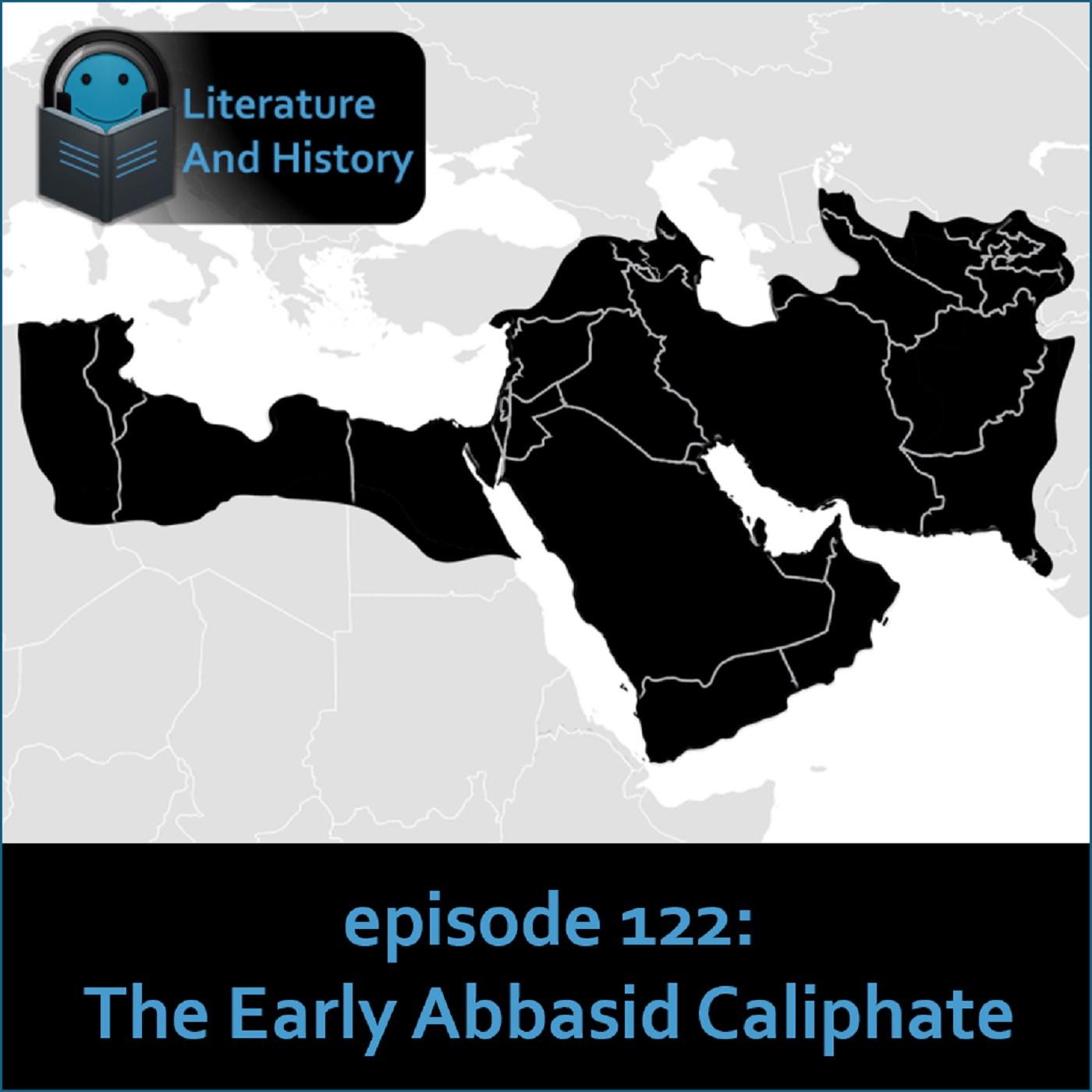
从突尼斯到吉尔吉斯斯坦,一个由十位哈里发组成的王朝统治着地球上人口最稠密的众多地区。
From Tunisia to Kyrgyzstan, a dynasty of 10 caliphs held sway over many of the most densely inhabited regions of Earth.
巴格达城与智慧宫一同建立,后者是历史上最著名的图书馆和学术中心之一。
The city of Baghdad was founded along with its house of wisdom, one of history's most famous libraries and academies.
哈里发马蒙发起了一场大规模的翻译运动,将希腊哲学、医学和科学的知识译为阿拉伯文。
The caliph al Mamun launched a major translation movement to bring knowledge of Greek philosophy, medicine, and science into Arabic texts.
在至今仍广为阅读的作家笔下,散文与诗歌文学蓬勃发展。
Literature flourished in prose and verse under the pens of writers still widely read today.
阿拔斯王朝统治下的社会广阔而多元,倭马亚阿拉伯人的霸权逐渐让位于更加多元的贵族与知识阶层。
Society under the Abbasid caliphs was sprawling and diverse with the Umayyad Arab hegemony slowly giving way to a more heterogeneous patrician and intellectual class.
如果我们把伊斯兰黄金时代想象为漫长而明亮的一天,那么761年之间的岁月便是它的清晨,这一时期建立了推动此后数世纪伊斯兰艺术与科学繁荣的社会与经济体系。
If we imagine the Islamic golden age as a long, bright day, the years between July and eight sixty one were its morning and the time when social and economic systems were established that catalyzed the flowering of Islamic art and science over the next few centuries.
尽管这些世俗发展对后来的伊斯兰历史至关重要,伊斯兰教本身在早期阿拔斯王朝时期也经历了重要发展。
And while these secular developments were central to later Islamic history, Islam itself underwent important developments during the early Abbasid caliphate as well.
正如耶稣去世一个半世纪后基督教仍在发展中一样,在761年,伊斯兰教仍在通过远比《古兰经》更庞大的文本传统进行体系化和巩固。
Just as Christianity was still very much in development a century and a half after the death of Jesus, In the year July, Islam was still being codified and buttressed by a textual tradition far larger than the Quran.
伊斯兰教法的四大法学家活跃于早期阿拔斯时期。
The four doctors of Islamic law worked during the early Abbasid period.
这些人分别是阿布·哈尼法、马立克·伊本·阿纳斯、沙斐仪和艾哈迈德·伊本·汉巴尔,他们的法律体系至今仍划分着逊尼派的世界。
These being Abu Hanifa, Malik ibn Anas, Ashafi'i, and Ahmad ibn Hanbal, thinkers whose legal frameworks still subdivide the world of Sunnism today.
伊玛目贾法尔·萨迪克,穆罕默德的玄孙,什叶派和苏菲派的主要人物之一,其生涯结束于阿拔斯王朝早期几十年。
The Imam Jafar al Saddiq, Muhammad's great great grandson and one of the main figures in Shi'ism and Sufism, concluded his career in the early decades of the Abbasid caliphate.
大约在七月至八月期间的末尾,一些最重要的逊尼派圣训汇编已开始成形,这些汇编此后在逊尼派中永远仅次于《古兰经》。
Around the end of the years between July and August, a number of the most important Sunni hadith compilations were well underway, compilations that would prove second only to the Quran in Sunnism forever after.
关于早期伊斯兰历史的基础性著作也在此时问世,包括伊本·伊斯哈格、伊本·希沙姆、瓦基迪和伊本·萨德的著作。
Foundational works on early Islamic history came into being as well, including those of Ibn Issaq, Ibn Hisham, Al Waqidi, and Ibn Saad.
在七月至八月期间的末尾,穆尔太齐赖派运动兴起,该派致力于将理性应用于神学难题,成为阿拔斯帝国争议的焦点。
And toward the end of the period between July and August, the Mutazilite movement, a movement focused on applying reason to theological conundrums, became a flashpoint of controversy in the Abbasid Empire.
关于阿拔斯王朝早期最需要理解的是,在这一王朝的第一个世纪里,我们今天所知的伊斯兰早期历史被书写出来,同时伊斯兰的后期历史也由此启动。
What is perhaps most important to understand about the early Abbasid era is that during this caliphate's first century, the early history of Islam as we know it today was written just as the later history of Islam was set in motion.
今天我们仍在阅读的穆罕默德早期传记,以及至今仍被研究的蒙昧时代文献与历史,都源自阿拔斯王朝早期的作家。
The early biographies of Muhammad that are still read today and the jahili literature and history still studied today comes down to us from early Abbasid writers.
阿拔斯王朝早期的作家还制定了法律体系、经注学、神学辩论,并提出了许多至今仍对伊斯兰至关重要的圣训传统。
And early Abbasid writers also formulated the law codes, exegesis, theological debates, and many of the prophetic traditions still central to Islam today.
因此,在七月到八月之间,伊斯兰教的现在同时创造了伊斯兰教的过去与未来。
Between July and August then, the Islamic present created the Islamic past and future simultaneously.
很少有其他王朝能像阿拔斯王朝的前十位哈里发那样,统治一个对世界历史如此关键的时期。
Few other dynasties have presided over a period as pivotal to world history as the first 10 Abbasid caliphs.
他们统治着一个幅员辽阔、地形多样的帝国。
They ruled over a gigantic and topographically diverse empire.
它当然包括了阿拉伯半岛以及底格里斯河与幼发拉底河的萨瓦德(或称黑土地)。
It included the Arabian Peninsula and the Sawad or Black Land of the Tigris and Euphrates, of course.
但哈里发国还囊括了扎格罗斯山脉的雪峰与奥克苏斯河周边的崎岖地带、印度河口的丰茂湿地、寒冷的伊朗草原与酷热的埃及尼罗河流域、里海南岸的葱郁海岸与赫尔曼德河的绵长流域、格鲁吉亚的黑海沿岸以及黎凡特地区的多元族群。
But the caliphate also held the snow capped peaks of the Zagros and the rugged territory around the Auxes, the lush wetlands around the mouth of the Indus, the chilly Iranian steppe and the sweltering Egyptian Nile, the leafy southern shore of the Caspian Sea and the long miles of the Helmand River, the Georgian Black Sea Coast and the heterogeneous populations of the Levant.
阿拔斯王朝的旗帜是一面统一的黑色矩形旗帜。
The flag of the Abbasid Caliphate was a rectangle of uniform black.
审视它时,我们可能会想象一个从突尼斯延伸至吉尔吉斯斯坦的帝国,性质上同样统一,由一个王朝和一种宗教统治。
Looking at it, we might imagine an empire stretching from Tunisia to Kyrgyzstan, similarly uniform in nature, ruled by one dynasty and one religion.
但阿拔斯哈里发国,如同之前的罗马帝国一样,是一个拼凑而成的统治区域,在城市和驻军中呈现出许多层次和色调,但在乡村地区薄弱,边境地带则漏洞百出。
But the Abbasid Caliphate, like the Roman Empire before it, was a patchy dominion with many gradients and hues staked into cities and the garrisons, but thin in the countryside and leaky along the borders.
那么,让我们迈出进入伊斯兰黄金时代的最初几步,这段史诗般的历史我们最终将用多个季度来讲述。
So let's take our first few steps into the Islamic golden age, an epic on which we'll ultimately spend multiple seasons.
我们将从七月到八月这段时间开始讲述阿拔斯王朝的故事,不是从开端讲起,而是略微回溯到开端之前,并回顾我们上次学到的关于阿拔斯革命的内容。
We will begin the story of the Abbasid Caliphate from July to August, not at the beginning, but just a bit before the beginning and review what we learned last time about the Abbasid revolution.
那一系列事件在7月的下半月终结了倭马亚王朝的统治。
That series of events that over the second half of the July ended the power of the Umayyad dynasty.
从6月到7月统治的倭马亚人最终犯了两个错误。
The Umayyads who ruled from June to July ultimately made two mistakes.
第一个错误是任人唯亲。
The first mistake was nepotism.
第二个相关的错误是常常忽视伊斯兰教的平等主义教义,创造了一个某些穆斯林比其他穆斯林更平等的文明。
The second related mistake was often ignoring the egalitarian doctrines of Islam and creating a civilization in which some Muslims were more equal than other Muslims.
特别是在伊拉克和东部地区——即当今伊朗与阿富汗交界处,对倭马亚王朝政策差异的不满在740年代末已达到了沸点。
Especially in Iraq and in the eastern region where present day Iran and Afghanistan come together, discontent at the Umayyad regime's discrepant policies had reached a boiling point by the late seven forties.
倭马亚王朝是一个叙利亚政权,他们凭借宗族关系和古老的阿拉伯血统在帝国中凌驾于所有人之上。
The Umayyads were a Syrian regime and they lorded their clan ties and old Arabian roots over everyone in the empire.
他们的地方官员从各地搜刮税收,全部流入倭马亚王朝的国库。
Their provincial appointees sucking tax revenue from all over and channeling it into Umayyad coffers.
许多臣民因各种原因反对他们,但正是在七十年代末,不满情绪终于爆发为一场成功的革命。
Many subjects were opposed to them for many reasons, but it was again the late seven forties when discontent finally flared into a successful revolution.
阿拔斯革命有着漫长而复杂的根源。
The Abbasid revolution had long complex roots.
在整个倭马亚时期,从六月到七月,哈里发国的臣民越来越将倭马亚统治者视为腐败的篡位者,他们窃取了伊斯兰世界的领导权。
Throughout the Umayyad period, more and more from June to July, subjects of the caliphate had begun to look at Umayyad rulers as corrupt interlopers who had usurped the leadership of the Islamic world.
反对倭马亚哈里发的反对者们对谁该坐上王位有着多种看法。
Dissidents of the Umayyad caliphs had many ideas about who should be on the throne.
一方面,有些人遵循古老的阿拉伯习俗,认为新统治者应当通过部落间的共识选出,宗教领导权并不一定是哈里发的专属权利。
On one side, there were those who, following ancient Arabian customs, thought that each new ruler ought to be selected through inter tribal consensus and that religious leadership was not necessarily the prerogative of the caliph.
另一方面,则是一群多元的政治群体,随着时间推移,他们陆续支持穆罕默德的不同后裔,相信真主赋予了这些后裔兼具神圣与世俗领导的资格。
On the other side was a diverse polity who, as decades passed, rallied behind different descendants of the prophet Muhammad believing that God had invested these descendants with the capacity for both sacred and secular leadership.
这一群体可以宽泛地称为阿里派(Shi'at Ali),或在现代学术中常被称为阿里德家族。
This second group can loosely be called Shi'at Ali or the party of Ali, often called the alids in modern scholarship.
在拉希顿哈里发时期(公元661年),阿里党可被简单理解为先知穆罕默德的堂弟兼女婿阿里·伊本·阿比·塔利卜及其两个儿子哈桑和侯赛因的支持者。
Shi'at Ali during the Rashidun caliphate of 06/1961 can be understood fairly simply as supporters of Ali ibn Abi Talib, the prophet's cousin and son-in-law, and his two sons, Hassan and Hussein.
然而随着倭马亚哈里发王朝数十年间的延续,阿里党开始转而支持不同的领导人,包括穆罕默德的玄孙栽德·伊本·阿里,以及阿里兄弟贾法尔的后裔阿卜杜拉·伊本·穆阿维叶——此人实际上并非穆罕默德的直系血亲后代。
As the decades of the Umayyad Caliphate stretched onward though, Shi'at Ali began to rally behind different leaders, including Zayd ibn Ali, a great great grandson of Muhammad, and then Abd Allah ibn Muawiyah, a descendant of Ali's brother Jafar, and thus not actually a genetic descendant of Muhammad.
尽管他们支持的候选人代代更迭,但什叶派阿里派共同拥有一种革命乐观主义,相信一旦拥立合适的领袖,就能开启伊斯兰历史上更公平、更正义的新纪元。
While the candidates that they backed changed from generation to generation, what Shi'at Ali shared was a revolutionary optimism that leaders existed who once enthroned would begin a fairer and more righteous era of Islamic history.
因此,从661年到750年的倭马亚哈里发时期,穆斯林臣民中既有希望以共识推选贤能领导的人,也有我们可称之为支持政教部分分离的群体。
There were then throughout the Umayyad caliphate of six sixty one to seven fifty Muslim subjects who wanted new meritocratic leadership selected by consensus and what we might call a partial partitioning of church and state.
此外,还有一些穆斯林臣民相信,穆罕默德的后裔一旦被迎立为伊玛目来领导,就能让事情走上更好的轨道。
And then there were Muslim subjects who believed that Muhammad's descendants, once brought in to lead as imams, would set things on a better course.
尽管这两派在阿巴斯革命前夕对于谁应该领导伊斯兰帝国有着显著不同的看法,但他们强烈一致认为,倭马亚哈里发不应掌权。
While these two groups, just prior to the Abbasid revolution, had significantly different ideas about who ought to lead the Islamic empire, they strongly agreed that the Umayyad caliphs should not be in charge.
阿巴斯革命发生在七世纪四十年代末,当时什叶派阿里党的千禧年思想与倭马亚帝国内其他群体的广泛不满汇聚在一起。
The Abbasid revolution took place during the late seven forties when the millenarian ideas of Shi'at Ali converged with the broader descent of other groups in the Umayyad empire.
阿巴斯革命得名于穆罕默德的叔父阿巴斯·伊本·阿卜杜勒·穆塔里布,因为正是这位叔父的后裔——第一位阿巴斯哈里发阿萨法,以及随后阿萨法的兄弟曼苏尔——在阿巴斯革命后掌握了领导权。
The Abbasid revolution took its name from Muhammad's paternal uncle Abbas ibn Abd al Muttalib as it was the descendants of this uncle, the first Abbasid caliph Asafa and then Asafa's brother Al Mansur who assumed leadership after the Abbasid revolution.
因此,7世纪时,成为伊斯兰世界新统治者的并非穆罕默德本人,而是他叔叔的后裔。
It was thus the descendants of Muhammad's uncle rather than Muhammad himself who in the year July became the new kings of the Islamic world.
他们的登基令什叶派心碎,因为他们已经为一个世纪之久,一直寻求由先知直系后裔担任伊斯兰领袖。
Their enthronement was heartbreaking to Shi'at Ali who wanted the same thing they had already sought for a century, Islamic leadership held by the genetic descendants of the prophet.
阿拔斯政权同样令伊斯兰教中的纯粹派别,如哈瓦利吉派和伊巴德派感到失望,在他们看来,阿拔斯革命不过是阿拉伯一个家族从另一个家族手中窃取权力,动机仅为世俗利益,而非伊斯兰教的复兴。
The Abbasid regime was equally dissatisfying to purist sects of Islam like the Harajites and Ibadis, to whom the Abbasid revolution simply looked like one clan of Arabs pirating power from another clan of Arabs and for the sake of worldly gain rather than any revitalization of Islam.
新来的贪婪老板,和旧的贪婪老板一模一样。
A new greedy boss same as the old greedy boss.
然而,尽管在7世纪时,伊斯兰世界中的一些群体对阿拔斯领导层感到震惊,但许多人并不这么认为。
However, although some groups within the Islamic world in the year July reeled at the thought of Abbasid leadership, many did not.
阿拔斯王朝至少带来了一个全新的开始。
The Abbasids were, if nothing else, a clean start.
阿拔斯家族从未像旧乌玛亚家族的族长阿布·苏富扬那样反对过先知。
The Abbasids had never opposed the prophet like the old Umayyad patriarch Abu Sufyan had.
阿拔斯家族从未像乌玛亚家族那样杀害过先知的孙辈。
The Abbasids had never killed the prophet's grandchildren like the Umayyads had.
阿拔斯家族或许不是穆罕默德的直系后裔,但他们仍然是哈希姆人。
The Abbasids might not have been the direct descendants of Muhammad, but they were still Hashemites.
换句话说,他们是穆罕默德本族的领袖。
In other words, leaders from Muhammad's own clan.
因此,基于这些原因,当阿拔斯家族的首位领袖于749年10月在库法自立为哈里发时,他们比任何其他集团都更有机会统治这个庞大的帝国。
For all of these reasons then, the Abbasids, when their first leader declared himself caliph on October '49 in Kufa, had as decent a chance as any group at holding power in the gigantic empire.
他们立场居中,出身可接受,并且总体上体现了哈里发国许多人心中所期望的代表性。
Centrist, of acceptable pedigree, and otherwise embodying a reasonable cross section of what many had wanted across the caliphate.
阿拔斯王朝最终成为历史上最成功的王朝之一。
The Abbasid regime would ultimately be one of the most successful dynasties in history.
真正的政治革命总是非常混乱的。
Real political revolutions are very messy.
它们因各种力量的偶然聚合而爆发,随后达成一个目标,通常是推翻了某种旧秩序。
They begin due to fortuitous coalesces of forces, Then a goal is achieved, usually something is overthrown.
接着进入一段平衡期,常常出现倒退,促成革命的联盟内部出现裂痕,使得旧政权中的强势成员得以保留部分原有权力。
Then there is a period of equilibrium and often recidivism and fissures appear in the coalition that catalyzed the revolution such that powerful members of a previous regime are able to retain some of what they had before.
阿拔斯革命的情况正是如此,说得非常刻薄一点,它就是用一个新的贪婪氏族君主制取代了一个旧的贪婪氏族君主制,只不过新政权更善于领导,且背负的道德包袱更少。
All of this was the case with the Abbasid revolution which to put it very cynically, replaced an old avaricious clan monarchy with a new avaricious clan monarchy, somewhat more adept at leading and with less ethical baggage.
阿拔斯哈里发国最初的成功,在7月这一年间,得益于倭马亚王朝令人震惊的不得人心。
The initial success of the Abbasid caliphate was helped along over the course of the year July by the staggering unpopularity of the Umayyads.
在750年7月的扎布河战役之后,末代倭马亚哈里发马尔万二世逃亡,即使在倭马亚传统的权力中心叙利亚,他也发现支持和援助都极其短缺。
Following the Battle of Zab in July '50, the final Umayyad Caliph Marwan the second fled, finding support and succor in short supply even in the traditional Umayyad power center of Syria.
在躲避阿拔斯新当局半年之后,马尔万二世最终于750年7月在埃及被杀。
After evading new Abbasid authorities for half a year, Marwan the second was finally killed in Egypt in July '50.
阿巴斯王朝的接管行动遭遇了数年的零星抵抗,但到公元752年7月,这些抵抗已被扑灭。
There were pockets of resistance to the Abbasid takeover for several years, but by the July '52, these had been extinguished.
尽管到7月时,倭马亚王朝的势力已成为过去,尽管首位阿巴斯哈里发阿萨法已宣布自己为统治者,但这个哈里发国幅员辽阔,各个地区都想要走自己的路。
Although, Umayyad power was a thing of the past by July, And although the first Abbasid caliph, Asafa, had declared himself ruler, the caliphate was a gigantic landmass with various regions that wanted to go their own way.
在扎格罗斯山脉的西侧,阿巴斯王朝将政府变成了家族事业,控制了最重要的政府和军事职位。
On the West Side of the Zagros Mountains, the Abbasids made government a family business, taking control of the most important governmental and military posts.
并非所有人都对这个家族在西部多方攫取权力感到欣喜。
Not everyone was elated at the clan's manifold seizures of power in the West.
在昔日倭马亚王朝的中心叙利亚,一些有权势的家族强烈怀念被推翻的统治者。
Powerful families in the old Umayyad headquarters of Syria keenly missed the ousted leadership.
但总体而言,对于一个新政权来说,阿拔斯王朝对帝国西部地区保持着相当程度的控制。
But by and large, for a new regime, the Abbasids had a reasonable degree of control over the western half of the empire.
而东部,则是另一番景象。
And then, there was the East.
在扎格罗斯山脉以东,阿拔斯革命领袖阿布·穆斯林早在750年代初,便已像一个自治王国一样统治着今天伊朗的大部分地区。
On the East side of the Zagros Mountains, the Abbasid revolutionary leader Abu Muslim, as of the early seven fifties, ruled much of what is today Iran as an autonomous kingdom.
阿布·穆斯林富有魅力、精明能干,而正如历史很快将证明的那样,他深受许多波斯本土民众的敬仰,对前两位阿拔斯哈里发构成了重大威胁。
Charismatic, shrewd, and as history would soon prove, revered by many native Persians, Abu Muslim was a significant threat to the first two Abbasid caliphs.
就在第一位哈里发阿萨法去世的那年七月,阿拔斯王朝初期的局势便是如此。
This was the state of the very early Abbasid caliphate in the year July when its first caliph, Asafa, died.
西部地区由古老的古莱什部落统治。
The western half was ruled by an old Qurayish clan.
东部地区则由阿布·穆斯林掌控——这位曾帮助阿拔斯家族夺权的革命者,此后却悄然而谨慎地维持着自己的权力。
The eastern half was ruled by Abu Muslim, the revolutionary who had helped the Abbasids to power, but then quietly and carefully maintained power.
现在让我们暂停一下,谈谈阿拔斯帝国的一个特定地区。
It is worth pausing here for a moment and talking about a specific region of the Abbasid Empire.
这个地区被称为呼罗珊。
This region is called Khurasan.
理解呼罗珊是什么以及它在哪里,对于理解早期的阿拔斯哈里发国至关重要。
Understanding what and where Khurasan is is essential for understanding the early Abbasid caliphate.
让我们在脑海中明确一下。
So let's get it in our minds.
呼罗珊,呼罗珊,呼罗珊,拼写为 K-H-U-R-A-S-A-N。
Khurasan, Khurasan, Khurasan, spelled K H U R A S A N.
在公元750年代初期,呼罗珊是阿拔斯帝国东北部的一个广阔地区。
Khurasan, in the early seven fifties, was an immense region in the northeastern Abbasid Empire.
今天的呼罗珊范围包括伊朗东部炎热干燥的地带、里海南岸、土库曼斯坦东南部的低地,以及几乎整个阿富汗北部,毗邻阿姆河。
Its boundaries today encompass the hot and dry stretches of Eastern Iran, the Southeastern shore of the Caspian Sea, and lowlands of Southeastern Turkmenistan, and almost all of Afghanistan to the north abutting the Aksis River.
它历来是一个生态多样、自然资源丰富的地区。
It was and is an ecologically diverse region with many natural resources.
尽管缺乏像尼罗河或底格里斯河与幼发拉底河冲积平原那样的核心农业支柱,呼罗珊不仅拥有丰富的独特矿产资源,它也是丝绸之路商品进入伊斯兰帝国的门户,正如它们此前进入波斯帝国一样。
Though lacking a central agricultural cash cow, like the Nile or Tigris and Euphrates Flood Plain, Khorasan not only had a wealth of unique minerals, it was also the region where silk road goods entered the Islamic empire just as they had previously entered the Persian Empire.
就在呼罗珊之外,有一个被古代历史学家称为河中地区或乌浒水北岸的区域。
Just beyond Kurosan was a region that historians of antiquity often call Transoxiania or the North Bank across the Oxus River.
河中地区拥有由塔吉克斯坦山脉水源灌溉的优质农田。
Transoxiania included excellent farmland fed by water coming out of the mountains of Tajikistan.
而它的城市,在中世纪时有时被伊斯兰帝国控制,有时被其他群体控制,是东亚商品运往西方的枢纽。
And its cities, sometimes controlled by Islamic empires during the Middle Ages and at other times other groups, were hubs for East Asian goods on their way to the West.
因此,位于早期阿拔斯帝国东北边陲的呼罗珊,尤其是在七百年之后,是中世纪时期一个极其重要且具有影响力的地区。
Kurosan then, which was at the northeastern extremity of the early Abbasid Empire, was especially after the seven hundreds, an extremely important and influential place during the medieval period.
早期的伊朗王朝扎根于此,并且在整个中世纪,直至蒙古人在十二月入侵之前,呼罗珊一直是波斯的文化中心,是阿维森纳、比鲁尼、奥马尔·海亚姆等思想史上的巨擘的故乡。
Early Iranian dynasties were rooted there and from end to end of the Middle Ages all the way up until the Mongols invaded in the December, Khorasan was the cultural epicenter of Persia, the home of Avicenna, al Biruni, Omar Hayam, and other heavyweights of intellectual history.
呼罗珊的疆域时而扩张至乌浒河北岸,时而又不在此范围,它是一个广袤而富有弹性的地区,即使在阿拔斯王朝的巴格达处于鼎盛时期,也能走自己的路,正如事实上的东方革命领袖阿布·穆斯林在七月那年掌控呼罗珊时那样,他并不太关心一千英里以西正在发生的事情。
Sometimes expanding to the North Bank Of The Oxus and at other times not, Khorasan was a gigantic, spongy region capable of going its own way even when Abbasid Baghdad was at its mightiest, as was the case when the de facto Eastern revolutionary leader Abu Muslim in the year July held power in Khorasan, not particularly concerned with what was going on 1,000 miles over to the west.
所以,这再次说明了呼罗珊,其中心再次位于现代伊朗、阿富汗和土库曼斯坦的交界处。
So that again is Khorasan, again centered at the juncture between modern day Iran, Afghanistan, and Turkmenistan.
呼罗珊是阿拔斯革命的发源地。
Kurosan was where the Abbasid revolution began.
每当阿拔斯早期历史发生重大事件时,呼罗珊通常都牵涉其中。
And whenever major events happened in early Abbasid history, Kurosan was usually involved.
当第一位阿拔斯哈里发萨法于七月去世后,他的兄弟阿布·贾法尔,即更为人熟知的曼苏尔,登上了权力之位。
When the first Abbasid caliph, Asafa, died in July, his brother Abu Jafar, better known as Al Mansur, came to power.
曼苏尔是所有阿拔斯哈里发中最著名、最成功的一位,他的统治从七月持续到七月。
Al Mansur, one of the most famous and successful of all the Abbasid caliphs, would be on the throne from July to July.
尽管曼苏尔在其漫长的统治期间成就卓著,在许多方面可被视为真正的第一位阿拔斯哈里发,但在曼苏尔于七月从兄长手中继承哈里发之位时,他宝座上的油漆都还没干透。
While al Mansur achieved a lot during his long reign and in many ways can be thought of as the first Abbasid caliph proper, As of July, when al Mansur inherited the Abbasid throne from his brother, the paint on his throne had barely had a chance to dry.
第二位阿拔斯哈里发曼苏尔在扎格罗斯山脉以西拥有敌人,这些人因经济原因对他心怀不满。
The second Abbasid caliph al Mansur had foes on the West Side of the Zagros who resented him for economic reasons.
在伊朗,阿布·穆斯林统治着哈里发国的整个东部地区,而遥远呼罗珊的波斯大家族则热衷于支持一个独立的东方国家。
And in Iran, Abu Muslim ruled an entire hemisphere of the caliphate with powerful Persian families in far off Khorasan keen on backing a separatist Eastern state.
无论在东方还是西方,许多曾在阿拔斯崛起期间(从七月到七月)暗中期待的穆斯林——正如历史学家休格斯·肯尼迪所言——发现,他们并没有迎来一个以《古兰经》、正义和所有穆斯林平等为基础的新社会,而只是用一个新的统治精英取代了旧的,而且旧精英中的相当一部分实际上已被吸纳进了新政权。
And everywhere, east and west, many Muslims who had crossed their fingers during the Abbasid Ascension from July to July, as historian Hugues Kennedy puts it, found that instead of a new society based on the Quran, justice, and the equality of all Muslims led by a divinely elected imam, they had simply replaced one ruling elite with another and that a substantial section of the old elite had actually been incorporated into the new.
引文结束。
Close quote.
因此,曼苏尔哈里发统治的早期岁月都花在了巩固权力上。
The early years of Al Mansur's caliphate then were spent trying to shore up power.
他的一位叔叔在整个7月的下半月从叙利亚进军到阿拔斯王朝在伊拉克的主要权力基地,试图争夺王位。
One of his uncles made a bid for the throne throughout the second half of July marching from Syria to the main Abbasid power base in Iraq.
这场早期叛乱根植于前叙利亚倭马亚贵族后裔,最终未能成功,因为曼苏尔的东方盟友阿布·穆斯林为哈里发提供了军事支持。
This early rebellion with roots in descent from the former Umayyad aristocracy of Syria was ultimately unsuccessful with al Mansur's eastern ally Abu Muslim offering the caliph military support.
然而,几乎就在曼苏尔叔叔的叛乱被镇压后不久,一场新的冲突又爆发了。
Yet almost as soon as al Mansur's uncle's rebellion was quelled, a new conflict flared up.
正如之前提到的,革命领袖阿布·穆斯林在推翻帝国东部广阔领土上倭马亚政权的过程中发挥了核心作用。
As mentioned earlier, the revolutionary leader Abu Muslim had been central to the fall of Umayyad power in the empire's enormous eastern territories.
革命之后,阿布·穆斯林非正式地统治了这个新哈里发国的一半领土,该地区的人口结构和地理特征使其看起来与古老的波斯帝国惊人地相似。
After the revolution, Abu Muslim had unofficially ruled half of the new caliphate, a half whose demographics and geography made it look suspiciously like the old Persian empire.
尽管曼苏尔野心勃勃,但他并非像阿拉伯的戴克里先那样愿意接受一位帝国共治者。
As ambitious as al Mansur was, he was no Arab Diocletian amenable to an imperial co ruler.
曼苏尔采取措施让阿布·穆斯林安分守己。
Al Mansur took steps to put Abu Muslim in his place.
他们的冲突始于一次挑衅。
Their conflict began with a provocation.
曼苏尔向这位东方革命者阿布·穆斯林提供了一个总督职位。
Al Mansur offered to the eastern revolutionary Abu Muslim a governorship.
阿布·穆斯林可以统治富庶的埃及或叙利亚行省。
Abu Muslim could govern the rich province of Egypt or of Syria.
阿布·穆斯林拒绝了。
Abu Muslim declined.
他并不想翻越扎格罗斯山脉,去统治哈里发国的一个省份。
He did not want to come over the Zagros Mountains and rule a single province of the caliphate.
他已经统治了整个东部地区。
He already ruled its entire eastern half.
曼苏尔对此拒绝早有准备。
Al Mansur was prepared for this rejection.
阿拔斯王朝的哈里发得以迫使阿布·穆斯林与他进行会面。
The Abbasid caliph was able to compel Abu Muslim into a meeting with him.
在会面中,哈里发对这位曾助他掌权的革命者提出了叛国指控。
At the meeting, the caliph leveled treasonous accusations against the revolutionary who had helped him to power.
而阿布·穆斯林——没有他阿拔斯革命就永远不会发生——于公元755年7月被处决。
And Abu Muslim, without whom the Abbasid revolution would never have taken place, was executed in July '55.
他的死亡标志着阿拔斯哈里发国诞生阵痛的结束。
His death marked the end of the Abbasid Caliphate's birth pangs.
阿布·穆斯林在阿拔斯王朝的历史编纂中仍是一个被掩盖的、有些神秘的人物。
Abu Muslim remains a somewhat mysterious figure swept under the rug by Abbasid historiography.
对许多七世纪五十年代的波斯人来说,阿布·穆斯林之死标志着一个短暂梦想的终结——这个梦想是建立一个由穆斯林领导的自治波斯国家,其统治者位于现今的伊朗,是一位比远在伊拉克或叙利亚的哈里发更了解前萨珊领土微妙之处的波斯族裔。
To many Persians in the mid seven fifties, Abu Muslim's death marked the end of a short lived dream of the return of an autonomous Persian state led by a Muslim seated in present day Iran and an ethnic Persian more sensitive to the nuances of former Sassanian territories than a caliph enthroned in faraway Iraq or Syria.
然而,从哈里发曼苏尔的角度来看,阿布·穆斯林拒绝在西方任职意味着他对阿拔斯王朝的统治构成了生存威胁。
From the caliph al Mansur's perspective though, Abu Muslim's refusal to govern in the West meant that Abu Muslim was an existential threat to Abbasid rule.
正如我们稍后将看到的,曼苏尔有着宏大的计划,而这些计划中容不下一个半自治的帝国东部区域,那里绝大多数居民都说波斯语。
Al Mansur, as we'll see in a moment, had big plans and there was no place in these plans for a semi sovereign eastern division of the empire with an overwhelming majority of Persian speaking citizens.
当阿布·穆斯林于755年初去世时,爆发了一场起义,表明许多波斯人将阿布·穆斯林视为波斯独立的希望。
When Abu Muslim died again in early seven fifty five, an uprising occurred which demonstrated the extent to which many Persians saw Abu Muslim as a way forward for Persian independence.
一位名叫桑达布的伊朗人领导了一场叛乱,其目标不仅是恢复波斯人的统治,复兴拜火教,甚至最终摧毁天房本身。
An Iranian named Sandab led a rebellion which aimed to do nothing less than restore Persia to Persian rule, revitalize Zoroastrianism, and eventually to destroy the Kaaba itself.
桑达布的叛乱迅速获得支持,占领了现代德黑兰以南的一个城镇,并得到了塔巴里斯坦地区的支持——大致相当于里海南岸的崎岖地带。
Sundab's rebellion got traction quickly, taking over a town just south of modern day Tehran and receiving support from an area called Tabaristan, roughly speaking the rugged southern shore of the Caspian Sea.
这场叛乱预示着更多反抗即将到来。
This rebellion heralded more to come.
萨珊帝国的旧贵族、虔诚的拜火教徒,以及对新阿拉伯伊斯兰霸权心怀不满的普通波斯人,都有理由反抗阿拔斯王朝的统治,正如他们曾反抗拉希德和伍麦叶王朝一样。
Old families of the Sasanian Empire, faithful Zoroastrians, average Persians alike resentful of the new Arab Islamic hegemony, all had cause to rebel against Abbasid rule just as they had had cause to rebel against Rashidun and Umayyad rule.
对这些波斯叛乱者而言,阿布·穆斯林之死意味着他们曾在阿拔斯革命中发挥的重要作用,最终只换来了远方阿拉伯穆斯林政权的持续掌权。
Abu Muslim's death to these Persian rebels meant that the significant role they had played in the Abbasid revolution had resulted in nothing more than the continued ascendancy of an Arab Muslim regime from far away.
波斯人的起义,以及阿拔斯帝国东部的其他反抗,将成为哈里发国历史上长期存在的常态。
Persian insurgencies and moreover insurgencies in the Abbasid East would be a fixture for long durations of the caliphate's history.
然而到了七月,波斯革命者桑达布的军队被击败,整整一代人对波斯复兴的希望都彻底破灭了。
In July, however, the Persian revolutionary Sandab's army was defeated and hopes for a Persian resurgence were decisively disappointed for a generation.
那么,现在让我们把全部注意力转向曼苏尔。
So let's turn our full attention to Al Mansur now.
再次强调,他是历史上最著名的哈里发之一,于七月登基,七月离任。
Again, one of the most famous caliphs in all history on the throne from July to July.
正如我们刚刚了解到的,曼苏尔登基时立即面临军事挑战。
Al Mansur, as we've just learned, had immediate military challenges to contend with when he ascended to the throne.
他还面临着意识形态方面的挑战。
He also faced ideological challenges.
在新生的哈里发国中,最具爆炸性的意识形态力量之一,我们可以称之为救世主主义。
One of the most volatile ideological forces in the newborn caliphate was what we can call messianism.
换句话说,就是对一位即将降临的救世主的信仰。
In other words, the belief in a coming messiah.
阿拔斯革命的重要推动力之一,就是认为一位救世主将接管哈里发政权,带领人们走向更美好的明天。
A main accelerant of the Abbasid revolution was the notion that a savior figure would take the reigns of the caliphate and lead people to a better tomorrow.
曼苏尔并不是阿里·本·阿比·塔利卜的后裔,而后者正是各种阿里派起义所寻求的人物。
Al Mansur was not the descendant of Ali ibn Abi Talib that the various Alid uprisings had sought.
除了他的阿拔斯继任者之外,曼苏尔还发现阿里的后裔及其他群体的救世主信仰尤为顽固。
And Al Mansur, in addition to his Abbasid successors, found the messianic beliefs of the Alids and other groups to be especially intractable.
在我们的播客中,我们了解过许多帝国继位的故事,皇帝通常会安抚、流放或处决明显的对手,然后就能顺利统治并推进事务。
We have in our podcast learned about many imperial ascensions, after which an emperor placates, exiles, or executes his obvious rivals and then is able to rule and get things done.
然而,阿拔斯政权在面对阿里后裔时面临一个独特的挑战,因为阿里有许多后裔,他们的支持者在不同时期和不同地点纷纷拥戴他们。
The Abbasid regime faced a unique challenge with the Alids, however, because there were many descendants of Ali and their supporters rallied behind them at different times and different places.
而每一个阿里后裔,根据其支持者的说法,都拥有神圣赋予的统治权主张。
And each one, according to his backers, had a divinely ordained claim to sovereignty.
如果一位阿拔斯皇帝 favor 一位阿里后裔及其支持者,那么这位阿里后裔就会在帝国中变得更为危险和显赫。
If an Abbasid emperor favored a descendant of Ali and his supporters, then that alid rose to more dangerous prominence within the empire.
如果一位阿拔斯皇帝迫害或处决一位真正的阿里后裔,那么这位皇帝就会陷入一个可怕的境地:伤害先知穆罕默德的后裔,这不仅在道德上不可接受,还会制造殉道者,并激发出更多针对阿拔斯政权的救世主式支持。
If an Abbasid emperor persecuted or executed a real alid, then the emperor found himself in the dreadful position of harming a descendant of the prophet Muhammad, which was not only morally unconscionable, but also created a martyr and catalyzed more messianic support against the Abbasid regime.
曼苏尔尽其所能应对这一复杂问题。
Al Mansur dealt with this complicated issue as best he could.
在七月到七月之间,两位阿里后裔兄弟——再次说明,阿里后裔指的是阿里子孙——先是逃避,随后又发动了反对哈里发曼苏尔的叛乱。
Between July and July, two alid brothers, alid again meaning descendants of Ali, first evaded and then rebelled against the caliph al Mansur.
一位兄弟最终从麦地那领导了一场叛乱,并在与阿拔斯军队的战斗中阵亡;另一位兄弟则在巴士拉发动了城市起义,经过更艰难的镇压,最终在七月被平息。
One brother eventually led a rebellion from Medina and died fighting Abbasid forces And the other led an urban revolt in Basra, which with more difficulty was put down in July.
一位历史学家塔巴里的文献中保存了一封信,信中阿拔斯·曼苏尔驳斥了阿里后裔对阿拔斯王位的主张。
A letter survives in the historian Atabari in which al Mansur decries alid claims to the Abbasid throne.
需要明确的是,所有阿里后裔都是先知女儿法蒂玛的血统后代。
To be clear, all alids were genetic descendants of the prophet's daughter, Fatima.
在你即将听到的这封信中,曼苏尔强调,阿拔斯家族作为穆罕默德男性亲属的后裔,比作为穆罕默德女儿后裔的阿里家族更适合作为统治者。
And in the letter you're about to hear, al Mansur emphasizes that the Abbasids descended from Muhammad's male relatives were better suited to rule than the Alids descended from Muhammad's daughter.
曼苏尔在信中对他的阿里对手写道:‘若你们因女性血统而自傲,企图以此愚弄无知民众聚集为乌合之众,但真主并不会让女性与父系叔伯及祖先同等,也不会视她们与父系亲属和男性血亲相等。’
Al Mansur states in the letter to his Alid challenger quote, now if your pride glories in the kinship of women in order to delude thereby the uncouth into their rabble, still God does not make women the equal of paternal uncles and forefathers nor like the paternal relatives and male kindred.
因为真主使父系叔伯如同父亲一般,并在经文中赋予母亲较低的地位。’
For God has made the paternal uncle like a father and in his book gives the mother a lower place, close quote.
尽管曼苏尔或许真相信阿拔斯统治相较于阿里统治具有某种神学正当性,但早已支持阿里及其后裔的什叶派并不认同这一观点。
While al Mansur perhaps did believe that there was some theological justification for Abbasid rule rather than Alid rule, The Shi'at Ali who had already been backing Ali and his descendants did not agree.
镇压他们的叛乱虽十分艰难,但阿拔斯政权最终成功做到了。
The suppression of their rebellions was arduous but Abbasid leadership managed it.
尽管弥赛亚式的阿里派情绪永远不会消失,但随着63年7月过渡到春季,哈里发曼苏尔终于带领阿拔斯哈里发国度过了其初创阶段。
Although messianic Alid sentiments were never going to go away, As the July '63 gave way to spring, the caliph al Mansur had finally guided the Abbasid caliphate past its nascency.
这个由一群革命者拼凑而成的新帝国,花了相当长的时间才稳定下来。
Born out of a patchwork of revolutionaries, the new empire had taken a while to stabilize.
其不稳定的东部和内部派系斗争,使阿拔斯王朝的王位在其头十年里岌岌可危。
Its volatile East and internal factionalism making the Abbasid throne precarious for its first decade.
然而,曼苏尔即使在统治初期,也远不止于勉强巩固权力。
Al Mansur, however, even during his initial years of rule had done more than grimly shoring up power.
曼苏尔虽然在登基头几年面临诸多挑战,但他的目标是留下一份令人印象深刻的遗产,而在这方面,他确实成功了。
Al Mansur, though he had some hurdles to jump during his first few years on the throne, intended to leave an impressive legacy behind And in this, he certainly succeeded.
让我们来谈谈曼苏尔在担任阿拔斯帝国第二任哈里发期间,从7月到7月之间所取得的一些成就。
Let's discuss some of the things that Al Mansur accomplished between July and July as the second caliph of the Abbasid Empire.
我们已经讨论过曼苏尔在统治初期必须应对的军事和政治混乱。
We've already discussed the military and political snafus that al Mansur had to navigate during his first years on the throne.
因此,我们可以先简要谈谈第一个阿拔斯军队。
And so we can begin by quickly talking about the first Abbasid military.
从早期阿拔斯王朝日益详尽的编年史中,我们可以开始了解这个哈里发国的军队是如何构建和运作的。
From the increasingly detailed annals of early Abbasid history, we can begin to get a sense of how the caliphate's army was structured and how it worked.
有趣的是,在帝国王朝之下,存在着我们可以视为军事世袭体系在运作。
There were interestingly what we can think of as military dynasties at work beneath the imperial dynasty.
被称为'将领'的军事领导人负责统率部队,而阿拔斯王朝的将军们会将军事领导权传给他们的继承人。
Military leaders known as qawad or generals oversaw divisions of troops and Abbasid generals passed military leadership down to their heirs.
因此,早期阿拔斯哈里发国中根深蒂固地存在着一种等级制度:哈里发任命将领(通常是阿拔斯家族的成员)担任领导职务,而这些将领又会将军事领导权的细分部分传给他们的继承人。
A hierarchy was thus ingrained in the early Abbasid caliphate wherein the caliph appointed leadership to generals, often members of the Abbasid clan who themselves handed subdivisions of military leadership down to their heirs.
早期哈里发国的政治和军事机构在很大程度上是家族事务,相对隔绝于外来者的野心。
The political and military apparatus of the early caliphate then was largely a family affair, somewhat insulated from the ambitions of interlopers.
曼苏尔还给予军队优厚的报酬,并为服役者分配土地。
Al Mansur also paid the military well and he appointed land to those who served.
早期的阿拔斯王朝记录证实,正规军中每位士兵每月可获得80迪拉姆。
Early Abbasid records attest 80 dirhams a month for each soldier in the regular army.
相比之下,在现今伊拉克地区建造城市的劳工每月仅能赚取一到两迪拉姆。
By contrast, laborers building cities in what is today Iraq were making just one or two dirhams per month.
因此,从军服役是一项收入丰厚的职业。
So military service was a lucrative line of work.
尽管曼苏尔为军队提供了充足的资金,但阿拔斯家族更广泛地与整个七月期间既有的利益集团结盟合作,使得前述叛乱在七月平息后,哈里发国迎来了一段相对和平的时期。
While Al Mansur funded the military well, the Abbasid clan more generally was able to align and collaborate with extant interests throughout the July, such that after the aforementioned insurrections wound down in July, the caliphate enjoyed a period of relative peace.
曼苏尔最著名的事迹是在七月份,他在伊拉克底格里斯河中游附近建立了一座城市,这座城市我们现在称之为巴格达。
The most famous thing that al Mansur ever did was that in July, he founded a city about halfway down the Iraqi Tigris, a city that we now call Baghdad.
巴格达的地理位置各方面都合情合理。
Everything about Baghdad's location made sense.
它位于中心地带。
It was centrally located.
伊拉克是七月份伊斯兰世界的中心。
Iraq was the heart of the Islamic world in July.
同样重要的是,伊拉克与埃及一样,是哈里发国两大农业创收地区之一。
Just as importantly, Iraq was one of the two big agricultural moneymakers in the caliphate alongside Egypt.
倭马亚王朝曾从叙利亚统治,并长期受到某个富裕的伊拉克总督崛起的威胁。
The Umayyads had ruled from Syria and been perennially threatened by the ascendancy of this or that wealthy Iraqi governor.
然而,阿拔斯王朝直接统治着底格里斯河和幼发拉底河流域,将永远不会面临这个问题。
The Abbasids though, ruling directly from the Tigris and Euphrates, would never have that problem.
此外,这座城市的选址地原本只有几个零散的村庄,其中一个名为巴格达,这允许了一个全新的开始。
Further, the site of the city, home to only a few scattered villages, one of which was named Baghdad, allowed for a clean start.
曼苏尔想要的是一个易于防守的地方,一个中央宫殿兼堡垒的城镇,能够抵御任何可能发生的叛乱。
Al Mansur wanted something that was defensible, a town where a central palace that was also a fortress could help withstand any insurrection to come.
曼苏尔还希望建立一个城镇,用来安置所有军事人员,其中许多人来自阿拔斯帝国的东部地区,他们迄今为止对阿拔斯王朝至关重要。
And Al Mansur wanted a town where he could settle all of the military personnel, many from the eastern parts of the Abbasid Empire, who had been so valuable to the Abbasid dynasty thus far.
巴格达靠近阿卡德、巴比伦和泰西封的古遗址,坐落在一个统治者们数千年来一直管辖美索不达米亚的地区。
Close to the ancient sites of Akkad, Babylon, and Catasafon, Baghdad was seated in a place where rulers had overseen Mesopotamia for thousands of years.
在接下来的一个世纪里,随着它发展成为一个庞大都市,巴格达所在地区的中心位置和自然资源将继续带来收益。
As it grew into a vast metropolis over the next century, the centrality and natural resources of Baghdad's immediate region would continue to pay dividends.
巴格达的核心是圆形城市,那里有曼苏尔的宫殿、军营以及容纳政府各部门的建筑物。
Baghdad's heart was the round city, home to al Mansur's palace, military quarters, and buildings that housed wings of the governmental administration.
在城市的西北部,军事将领们被授予土地,很快城市也扩展到了底格里斯河的东岸。
To the city's Northwest, military leaders were given plots of land and soon the city spread to the East Bank Of The Tigris as well.
巴格达于7月建城后至该世纪末,该地区人口激增,到8月可能已增长至约50万居民。
The area exploded in population between Baghdad's founding in July and the end of the century, growing to perhaps half a million inhabitants by August.
在阿拔斯王朝早期,各种卫星宫殿不断涌现,而远在叙利亚幼发拉底河沿岸、靠近现今拉卡城的地方,曼苏尔建立了拉菲卡城,这很可能是一个以军事为主的前哨站,旨在管理沿拜占庭边境调动的部队。
Various satellite palaces grew over the early Abbasid period and way up along the Syrian Euphrates, near the present day city of Raqqa, al Mansur founded the city of Rafiqah, likely a predominantly military outpost designed to manage the circulation of troops up along the Byzantine frontier.
阿拔斯王朝的巴格达,尤其是早期的阿拔斯巴格达,是历史上最著名的地方之一,可与伯里克利时代的雅典、奥古斯都时代的罗马以及十八世纪的巴黎相媲美。
Abbasid Baghdad, especially early Abbasid Baghdad, is one of history's most famous places comparable to Periclean Athens, Augustan age Rome, and eighteenth century Paris.
因此,值得花点时间谈谈这座城市最初的一个世纪。
So it's worth pausing for a moment to talk about the city's first century.
巴格达的中心位置使其成为当时世界历史上几乎独一无二的商业与奢侈品枢纽。
The centrality of Baghdad allowed it to become a hub of commerce and luxury nearly unique at that point in world history.
作为欧亚交界处的国际化大都市,在巴格达的街道上可以遇到来自世界各地的人们。
A cosmopolitan metropolis at the seam between Europe and Asia, you could meet people from all over the world on the streets of Baghdad.
在七月(注:此处可能指特定历史时期,保留原时间表述)的后期几十年,中国旅行家杜娟(注:音译,原名为Du Juan)访问巴格达后评论道:‘那里应有尽有,地上产的所有东西都能找到。’
In the later decades of the July, the Chinese travel writer, Du Juan, after visiting Baghdad, remarked that quote, everything produced from the earth is available there.
锦缎、刺绣丝绸、珍珠和其他宝石在市场和街边店铺中随处可见。
Brocade, embroidered silks, pearls, and other gems are displayed all over markets and street shops.
引述结束。
Close quote.
正如巴格达充满了各种各样的商品,它在神学上也同样具有多样性。
Just as Baghdad was full of diverse goods, it was also theologically diverse.
建在底格里斯河一处风景优美的河湾处,这座城市成为景教和犹太教的运营中心。在巴格达的第一个世纪里,南伊拉克的学院迁至巴格达,使其成为犹太学术的中心。
Built in a scenic bend of the Tigris, the city became a center of operation for Nestorian Christianity and Jews over Baghdad's first century moved academies from Southern Iraq up to Baghdad which became a center for Jewish learning.
巴格达建城约一个世纪后,历史学家塔巴里不经意地提到,在八月,穆斯林的开斋节、基督教的棕枝主日和犹太教的逾越节恰巧重合。
About a century after Baghdad was founded, the historian Atabri notes offhandedly that in the year August, quote, the festival of sacrifice of the Muslims, Palm Sunday of the Christians, and Passover of the Jews coincided.
引文结束。
Close quote.
这里有一种感觉,即这些是众所周知的公共假日,它们恰好在同一天发生,这种巧合足以让城中所有亚伯拉罕宗教的信徒们注意到。
There is a sense here that these were public holidays that everyone knew about and that their falling on the same day was a coincidence curious enough for all practitioners of Abrahamic religion living in the city to note.
第二位阿拔斯王朝哈里发曼苏尔在七月建立巴格达和七月去世之间还做了另一件事。
The second Abbasid caliph al Mansur did something else between founding Baghdad in July and his death in July.
那就是资助了大量的写作。
This was funding a great deal of writing.
历史上最雄心勃勃的皇帝不仅试图控制现在和未来,还努力控制过去。
The most ambitious emperors in world history have not only tried to control the present and future, they have also endeavored to control the past.
我们这一季的文学与历史播客以伊斯兰教前阿拉伯诗歌的概览开始。
We began this season of the literature and history podcast with a synopsis of pre Islamic Arabic poetry.
这些诗歌的大部分是由文学史学家穆法德尔·阿德-达比应哈里发曼苏尔的委托整理而成的。
Much of this poetry was assembled by the literary historian, Mufaddl ad Dabi, on behalf of the caliph al Mansur.
曼苏尔还资助了传记作家伊本·伊沙克,我们在关于先知穆罕默德生平的节目中多次听到他的名字。
Al Mansur also sponsored the biographer Ibn Issaq whose name we heard so often in episodes about the life of the prophet Muhammad.
伊本·伊沙克于七月去世,他在曼苏尔统治的巅峰时期完成了对穆罕默德的传记。
Ibn Issaq who died in July completed his biography on Muhammad at the apex of al Mansur's reign.
下一位重要的传记作家瓦基迪也是在这一时期成长起来的,他在一些最著名的阿拔斯王朝哈里发统治下撰写了他自己的先知传记。
And the next major biographer, Awakidi, came of age during this same reign, writing his own Sirah or prophetic biography under some of the most famous Abbasid caliphs.
正如我们在以往节目中讨论的那样,关于先知穆罕默德的传记文献的历史真实性最终难以确定。
The historical accuracy of the Sira or biographical literature about the prophet Muhammad as we've discussed in past episodes is ultimately hard to determine.
其中相当多的内容听起来像是圣徒传记,因此我们可以推断,这些阿拔斯时期对穆罕默德的传记中包含了不少虚构成分。
Enough of it sounds like hagiography that we can assume a fair amount of fiction went into these Abbasid period biographies of Muhammad.
早期传记作者伊本·伊萨格和瓦基迪最有可能进行创新的部分,是他们传记中涉及穆罕默德叔父阿巴斯·本·阿卜杜勒·穆塔里布的内容。
Where the early biographers, Ibn Issaq and Al Wakiti most likely did create some innovations are sections of their biographies dealing with Muhammad's uncle, al Abbas ibn Abdulmutallab.
阿拔斯人自认是其后裔的阿巴斯,在阿拔斯王朝时期的传记中成为了重要人物,这些传记至今仍广为流传。
Al Abbas, from whom the Abbasids traced their lineage, became a prominent figure in Abbasid period biographies that are still popular today.
穆罕默德的叔叔伊本在瓦基迪的笔下成为了一位深谙古兰经真谛的贤哲形象。
Muhammad's uncle in ibn and Al Waqidi becomes a sagely figure in tune with the meaning of the Koran.
而在传记作者瓦基迪的记述中,叔叔阿巴斯比穆罕默德的女婿阿里更配得上领导地位。
And in the biographer Al Waqidi, uncle Al Abbas is more worthy of leadership than Muhammad's son-in-law Ali.
我们之前在不同的历史政权下也见过这类修正主义的历史操作。
We have seen these sorts of revisionist history moves before under different historical regimes.
奥古斯都希望他的尤利乌斯-克劳狄王朝祖先成为古罗马历史奠基时期的人物,诗人维吉尔为他做到了这一点。
Augustus wanted his Julio Claudian ancestors to be figures at the very foundations of ancient Roman history and the poet Virgil took care of that for him.
君士坦丁希望成为基督教宇宙历史的巅峰,而优西比乌使之成为现实。
Constantine wanted to be the summit of Christian cosmic history, and Eusebius made it happen.
同样地,阿拔斯王朝希望他们的统治看起来是神圣认可的,而历史学家们愿意给阿拔斯王朝的始祖阿拔斯增添一些额外的光彩和亮点,他们这样做有着强大的动机。
In much the same way, the Abbasids wanted their rule to appear divinely consecrated, and historians willing to give the Abbasid patriarch Abbas a bit of extra sheen and sparkle had powerful incentives to do so.
曼苏尔及其成功的继任者委托了历史学家塔伊卜·阿尔-希布里所称的‘塑造伊斯兰文本性与文化最关键的阶段’。
Al Mansour and his success successors then commissioned what historian Tayyip al Hibri calls, quote, the most critical phase in the shaping of Islamic textuality and culture, close quote.
我们将在未来的许多节目中更深入地讨论早期阿拔斯王朝的文学文化。
We'll talk more about the literary culture of the early Abbasid caliphate in lots of future episodes.
诗人巴沙尔·伊本·布尔德和翻译家伊本·穆卡法的工作,两人均活跃于早期阿拔斯时期,都是在伊拉克度过职业生涯的波斯裔人士,展现了美索不达米亚地区波斯与阿拉伯文化的交融,这种交融深刻地塑造了阿拔斯帝国第一个世纪的特征。
The work of the poet Bashar ibn Burd and the translator Ibn al Muqafa, both active during the early Abbasid period and both ethnic Persians who spent their careers in Iraq shows the confluence of Persian and Arab culture in Mesopotamia that so thoroughly characterized the Abbasid Empire's first century.
在建立巴格达并击退主要对手之后,第二任阿拔斯哈里发曼苏尔的统治并非一帆风顺。
It wasn't all smooth sailing for the second Abbasid caliph Al Mansur after he founded Baghdad and fended off his major rivals.
曼苏尔于七月建立巴格达后大约一年,直至其统治的大部分时间里,他都面临一个复杂的问题。
About a year after al Mansur founded Baghdad in July and for much of the remainder of his reign, he faced a complex problem.
这就是继承权问题。
This was the issue of succession.
曼苏尔的兄弟、第一任哈里发萨法,为曼苏尔选定了一位继承人。
Al Mansur's brother, the first caliph, Asafa, had chosen a successor for Al Mansur.
这位继承人是两位兄弟的侄子,一位名叫伊斯ai·伊本·穆萨的年轻男子。
This was the nephew of the two brothers, a young man named Isai ibn Musa.
当时,在动荡的750年代初,备用的继承计划旨在确保阿拔斯王朝权力的长久延续。
At the time, in the turbulent early seven fifties, the backup succession plan had been geared to ensure the longevity of Abbasid power.
然而,一旦阿曼苏尔在巴格达坐稳王位并铲除了主要的权力对手,他就希望自己的儿子在他死后继任哈里发,而不是他的侄子。
However, once al Mansur had settled into his new throne room in Baghdad and eliminated the major rival movements to his power, al Mansur wanted his son to take over as caliph after he died rather than his nephew.
阿曼苏尔的儿子穆罕默德,即今天所称的马赫迪,虽然年轻,但在军队中颇受欢迎。
Al Mansur's son, Muhammad, known today as al Mahdi, though young, was popular in the military.
随着阿拔斯王朝持续繁荣,阿曼苏尔的儿子马赫迪在许多人看来,象征着持续的繁荣前景。
And as the Abbasid caliphate continued to flourish, Al Mansur's son, Al Mahdi, seemed to many like a ticket to continued prosperity.
于是,阿曼苏尔试图说服他的侄子伊萨·伊本·穆萨放弃对王位的主张。
Al Mansur then attempted to convince his nephew, Isa ibn Musa, to relinquish his claims to the throne.
阿曼苏尔尝试了多种策略,但最终促使伊萨·伊本·穆萨放弃王位主张的,是阿拔斯军队对儿子而非侄子的坚定支持。
Al Mansur tried several different strategies, but eventually it was the Abbasid military's strong support of the son rather than the nephew that led Isa ibn Musa to give up his claim to the throne.
第三任阿拔斯哈里发马赫迪继位的道路如今已畅通无阻。
The way for the third Abbasid caliph al Mahdi was now clear.
阿曼苏尔于775年7月在率领朝觐麦加途中去世。
Al Mansur died in the July '75 while leading a pilgrimage to Mecca.
这位哈里发在六十多岁时,已统治超过二十年,在此期间,他将阿拔斯王朝带向了健康的成熟期。
In his mid sixties, the caliph had reigned for more than twenty years, and in doing so, he had brought the Abbasid state to healthy maturity.
曼苏尔并非许多人期盼的救世主。
Al Mansur had not been the Messiah that many had wanted.
他沿用了上个世纪的制度和遗产,这些制度和遗产使一些穆斯林远高于其他所有人。
He had left in place systems and legacies from the previous century that privileged some Muslims greatly above all others.
但第二位阿拔斯王朝哈里发曼苏尔对帝国务实、克制、智慧的监督,促进了稳定与安全。
But the second Abbasid caliph al Mansur's practical, restrained, intelligent oversight of the empire had fostered stability and security.
而当他的儿子阿尔·马赫迪于公元775年7月登上王位时,这位年轻人继承了一个运转良好、健康的国家。
And when his son, al Mahdi, took the throne in July '75, the young man inherited a functional healthy state.
总而言之,阿尔·曼苏尔在754年至775年间证明了自己是一位精明能干、才华横溢的领袖,一个在革命后混乱局面中巩固王朝的严酷强人,同时也是一位兼具远见与克制力的明智君主。
Al Mansur, between seven fifty four and seven seventy five, all told, had proved a deft, talented leader, a harsh, strong man who consolidated a dynasty in the disorderly aftermath of a revolution, but also an intelligent emperor with both foresight and restraint.
事后看来,他以威权与谋略的结合、对官僚和任命者的授权与精心挑选,以及愿意事无巨细地管理并亲自参与国家琐务而著称。
He is, in hindsight, noted for his combination of authoritarianism and guile, his delegation as well as careful selection of bureaucrats and appointees, and his willingness to micromanage and involve himself in the minutiae of the state.
他为自己的子孙后代奠定了和平繁荣的统治基础。
He set his sons and grandsons up for peaceful, prosperous reigns.
在接下来的三十五年里,他的直系后代统治着一个繁荣的帝国。
And over the next thirty five years, his immediate descendants presided over a flourishing empire.
七月,第三任阿拔斯哈里发马赫迪登基。
In July, the third Abbasid Caliph Al Mahdi ascended to the throne.
他当时三十多岁。
He was in his thirties.
他的职业生涯早在青少年时期就开始了,最初驻扎在今天德黑兰附近地区,是一名军人。
His career which had begun early during his teenage years had been a military one based at the beginning near what is today Tehran.
同年七月,宣布马赫迪将成为他父亲的继承人,于是马赫迪西行前往巴格达,与父亲曼苏尔团聚,以获得更大的安全保障。
In the year July, the announcement went out that al Mahdi would be his father's heir and al Mahdi came west to join his father al Mansur in the greater security of Baghdad.
父子共同执政十一年,因此当马赫迪在七月继任哈里发时,他已具备足够的军事和政治经验来胜任这一角色。
Father and son ruled together for eleven years such that when al Mahdi became caliph in July, he was militarily and politically experienced enough to be prepared for the role.
他的十年统治在哈里发的在位时间中相对短暂,但却非常成功。
His reign of ten years was relatively short as far as caliphal reigns go but it was also successful.
马赫迪登基的过程十分平稳。
Almadi's ascension to the throne was a smooth one.
阿尔马迪在军队中很受欢迎,并因慷慨使用哈里发国库资金修建和扩建一些重要清真寺而受到赞誉。
Almadi was well liked in the military and appreciated as liberal with the caliphal treasury funding the construction and enlargement of some important mosques.
作为精神领袖,阿尔马迪与他的父亲截然不同,他父亲更像是一位世俗君主,而非积极的穆斯林精神象征。
As a spiritual leader, al Mahdi was a different creature than his father who had been a secular monarch more than an active Muslim figurehead.
阿尔马迪资助改善了从伊拉克到麦加的道路,使朝圣者能更安全地在水源和驿站停留,并下令拆除清真寺内普通信徒与领祷者及权贵之间的隔断。
Al Mahdi funded improvements to the road between Iraq and Mecca so that pilgrims could more safely stop at watering holes and way stations and he ordered the elimination of partitions in mosques between regular worshippers and then leaders and potentates in the audience.
然而,这些为伊斯兰教服务的仁慈举措,也伴随着一些不那么仁慈的行为。
These benign acts in the service of Islam, however, were counterbalanced by less benign ones.
阿尔马迪支持对拒绝伊斯兰教的人进行零星迫害,并给予一支名为图加利布的基督教阿拉伯部落选择:皈依或死亡。
Al Mahdi supported sporadic persecutions of those who rejected Islam and gave a Christian Arab tribe called the Tughalib the choice between conversion and death.
尽管如此,他似乎仍依照《古兰经》中关于仁慈的教义对待基督徒公民。
Although, he seems otherwise to have treated Christian citizens according to Quranic precepts for clemency.
从公元775年到776年再到777年,阿尔马迪面临着与他父亲相似的一些挑战。
Al Mahdi, as seven seventy five turned to seven seventy six and seven seventy seven, faced some of the same challenges that his father had.
这位新哈里发希望将权力传给自己的儿子,尽管他的堂兄易斯·伊本·穆萨此前已被许诺为下一任继承人,正如当初他本人本应继位而非阿尔马迪一样。
The new caliph wanted to pass power onto his son, although his cousin, Isai ibn Musa, had been promised the throne next just as he had been the one intended to take the throne rather than al Mahdi himself in the first place.
伊萨·伊本·穆萨再次获得一笔补偿金并被掩盖起来,在如今的伊拉克北部度过了余生。
Isai ibn Musa was given another payoff and swept under the rug once more, living the rest of his life out in what is today Northern Iraq.
除了伊萨·伊本·穆萨,马赫迪还需要处理与阿里德派的关系,这些阿里和先知穆罕默德的后裔,帝国中许多人认为他们应该登上哈里发宝座。
In addition to Isa ibn Musa, al Mahdi also had to manage relations with the Alids, those descendants of Ali and the prophet Muhammad who many in the empire thought should be on the caliphal throne.
在阿拔斯王朝早期,有许多阿里德派活跃人物。
There were numerous alids active during the early Abbasid dynasty.
一些像备受尊敬的伊玛目贾法尔·萨迪克这样的人远离政治,传承先知家族内部的传统,并通过他们留下的圣训和其他著作对伊斯兰历史做出贡献。
Some, like the revered imam Jafar Asaddiq, stayed out of politics passing on the traditions of the prophet's inner family and contributing to Islamic history with the hadiths and other writings that they left behind.
其他阿里德派成员在政治上更为活跃。
Other alids were more politically active.
哈里发阿尔-马赫迪(他于七月再次登基)似乎以积极主动的慷慨而非偏执的严苛对待关键的阿里德派成员。
The caliph al Mahdi who again came to the throne in July seems to have treated key alids with proactive generosity rather than paranoid harshness.
麦地那,如同一个世纪前一样,是阿里德派活动的中心。阿尔-马赫迪向这座城市及其与阿里德派有关的家族慷慨解囊,以表明他乐于让他们留在帝国内。
Medina, as it had been a century before, was a center of alid activity And Almadi showered money on the city and its Alid connected families in order to demonstrate that he was glad to have them in the empire.
阿尔-马赫迪对阿里德派的慷慨并未解决阿拔斯王朝长期面临的帝国内什叶派阿里德派存在的问题,但对阿里德派的外交手段可能保护了阿尔-马赫迪免受任何严重的阿里德派挑战者的威胁。
Almadi's largesse to the Alids didn't solve the Abbasid dynasty's long term problem with the presence of Shi'at Ali in the empire, but diplomacy toward the alids probably protected almadi from any serious alid challengers.
除了成功地对阿里后裔进行外交接触外,马赫迪的统治还带来了一些长期持续的行政和人口变化。
In addition to successful diplomatic overtures to the alids, almadi's reign also resulted in some governmental and demographic changes that would last for a long time.
马赫迪任命了一位名叫雅库布·伊本·达伍德的中间人,协助他与阿里后裔进行谈判。
Almadi employed an intermediary named Yaqub ibn Dawud to help him negotiate with the alids.
雅库布获得了维齐尔的头衔。
Yaqub taking the title of wazir or vizier.
哈里发的维齐尔,就像墨洛温王朝和加洛林王朝时期的宫相一样,最终成为他的得力助手,处理国家的诸多事务。
The caliphate's vizier, like contemporary major domos under the Merovingians and Carolingians, eventually became his right hand man, handling many of the affairs of state.
正如维齐尔逐渐演变为重要的政治职位,政务局(库塔布)也开始在帝国中固化为一个权力集团。
And just as the vizier grew into an important political office, the Qutab or Bureau of Government Officials also began to solidify into a power block within the empire.
政府官僚体系这个话题乍一听可能并不吸引人。
The subject of a government bureaucracy doesn't sound like a thrilling one at first glance.
换句话说,坐在隔间里数着文件的公务员,通常不像骑兵冲锋或海军炮击那样令人兴奋。
Beam counters in cubicles, so to speak, aren't stereotypically as exciting as cavalry charges or naval salvos.
然而,在阿拔斯王朝早期,政府部门中发生了许多有趣的变化。
However, during the early Abbasid period, a lot of interesting things were happening in the world of government departments.
马赫迪统治的年份,同样是七月到七月,见证了昔日倭马亚和拉希顿时期阿拉伯穆斯林与其他穆斯林之间的区别逐渐淡化。
The years of al Mahdi's reign, again, July to July, saw the old Umayyad and Rashidun distinctions between Arab Muslims and other Muslims softening.
在政府官僚体系层面,当行政部门需要任命邮政、税收或运输部门的主管时,该主管并不需要是出身高贵的阿拉伯穆斯林。
At the level of government bureaucracy, when an administration needed a director of postal service or taxation or transportation, that director didn't need to be an esteemed Arab Muslim of noble extraction.
事实上,阿拔斯政权往往更倾向于找一位被释放的奴隶或出身低微的帝国臣民。
In fact, it was often better for the Abbasid regime to just find a freedman or otherwise low born imperial subject.
如果你作为哈里发聘用了一个无名之辈,那么这个人的忠诚将只属于你和他们的事业,而不是去提升他们家族或氏族的利益。
If as a caliph you hired a nobody, that nobody's allegiances were going to be toward you and toward their career rather than toward enriching their familial or clan connections.
当时的库塔布,即政府官员局,以及其下的阿拔斯官僚体系,成为了一种基于功绩的晋升渠道,让来自各种背景的勤奋之士得以施展才华,这当然有利于帝国的繁荣。
The kutab then or bureau of government officials and beneath them the Abbasid bureaucracy became a meritocratic vehicle for hardworking individuals of various extractions, which of course was good for the health of the empire.
正如学者休·肯尼迪所言,库塔布迅速成为一群‘高度受过教育的行政秘书精英,早期伊斯兰世界的‘文官’,他们的权力与财富源于唯有他们才能管理政权赖以生存的税收体系。'
As scholar Hugh Kennedy writes, the Qutab quickly became quote, a highly educated elite of administrative secretaries, the Mandarins of the early Islamic world whose power and wealth were based on the fact that they alone could administer the revenue collecting machinery on which the regime depended.
他们同时也是诗人和散文作家的重要赞助者。
They were also important as patrons of poets and prose writers alike.
引文结束。
Close quote.
特别是,一个名叫巴尔马赫的伊朗家族在马赫迪的官僚体系中蓬勃发展。
In particular, an Iranian family called the Barmah kids flourished in Almadi's bureaucracy.
这些具有古萨珊王朝背景的波斯人在阿拔斯王朝各级文职机构中脱颖而出。
These Persians of old Sasanian extraction distinguished themselves at various echelons of the Abbasid civil service.
到马赫迪十年统治结束的七月,巴格达已形成一个中央政府,其整体哈里发利益有时与地方总督和军事领袖的利益相冲突。
By the end of Almadi's ten year reign in July, a central government had emerged in Baghdad whose general caliphate wide interests were sometimes at odds with those of regional governors and military leaders.
尽管马赫迪统治期间发动了两次针对拜占庭的远征和一次远至现代巴基斯坦的军事行动,但他的统治总体上是和平的。
Al Mahdi's reign, in spite of two expeditions against the Byzantines and one further afield in modern day Pakistan, was generally a peaceful one.
后来的历史学家将马赫迪在位的十年描绘为政治和平且平淡无奇,而马赫迪本人似乎是一位慷慨、博学、好奇且友善的人,热衷于狩猎。
Later historians memorialized al Mahdi's ten years on the throne as politically peaceful and unexciting and al Mahdi seems to have been a generous, sophisticated, inquisitive, friendly person fond of hunting.
他最著名的轶事之一是买下了一位来自麦地那的著名歌手和音乐家,并让她成为自己的妾室。
One of his most famous exploits was purchasing a famous singer and musician from Medina and making her his concubine.
他与这位妾室生下了一个名叫乌莱娅·宾特·马赫迪的女儿,她后来也成为一位诗人和音乐家,并成为下一代阿拔斯宫廷生活中的重要人物。
And with this concubine, siring a daughter named Uleyah bint al Mahdi who would herself be a poet and a musician and a fixture in the next generation of Abbasid court life.
在七月,年过四十的哈里发马赫迪有两个适龄的儿子,他同时任命他们为继承人。
The caliph al Mahdi in his forties in the July had two sons eligible to rule and he named both of them as successors.
使用他们后来的哈里发名字,年长的兄弟哈迪将首先继位,若哈迪去世,则拉希德将接替他登上王位。
To use their later caliphal names, the older brother al Hadi was to rule first and then in the event of al Hadi's death, a Rashid was to take his place on the throne.
这种安排总是存在问题,但不深入细述,当哈里发马赫迪于七月在狩猎事故中去世时,他的长子哈迪,约22岁,如其父马赫迪所愿登上了王位。
This sort of arrangement is always problematic but without going into any great detail, when the caliph al Mahdi died in a hunting accident in July, his older son, al Hadi, about 22 years old, ascended to the throne as his father al Mahdi had intended.
而他的幼子拉希德则过上了远离公众视线的安逸生活。
And the younger son, Arashid, settled into a life comfortably away from the public eye.
长子哈迪的哈里发任期很短,仅一年多。
The older son Al Hadi's caliphate was brief, little over a year.
他对待阿里德家族——即穆罕默德女婿阿里后裔——比他父亲更为严厉,结果在麦加爆发了一次小规模的阿里德叛乱,被阿拔斯王朝于公元85年七月镇压。
He treated the alids, again, descendants of Muhammad's son-in-law Ali, more strictly than his father had and a minor alid rebellion in Mecca resulted which the Abbasids squashed in the July '85.
叛乱之后,一位名叫伊德里斯·本·阿卜杜拉的阿里德领袖、穆罕默德的后裔逃往今天的摩洛哥,并于七月建立了伊德里斯王朝,这个王朝在摩洛哥和阿尔及利亚延续了近两百年,并推动了伊斯兰教在西北非洲的传播。
Following the rebellion, an Alid leader and descendant of Muhammad named Idris ibn Abdallah fled to what is today Morocco where the Idrisid dynasty was soon established in July, a dynasty which would endure in Morocco and Algeria for almost two hundred years and abet the spread of Islam in Northwest Africa.
然而,除了无意中助长了现今摩洛哥的伊德里斯王朝外,哈里发哈迪在其短暂的统治期间未能取得太多成就。
Other than unintentionally abetting the Idrisid dynasty dynasty in present day Morocco though, the caliph al Hadi was unable to achieve a great deal in his brief time on the throne.
哈迪和我们迄今所见的每一位阿拔斯哈里发一样,无法接受任何人——而非自己的儿子——继承王位,尽管此前已有家族安排,他在即位一年后便开始策划废黜他的兄弟。
Al Hadi, like every Abbasid we have met thus far, could not endure the thought that anyone but his own son would inherit his throne in spite of previous familial arrangements and a year into his reign he was planning to ouster his brother.
然而,哈迪在正式宣布其幼子为继承人之前就去世了。
Al Hadi died, however, before he was able to formally declare his young son as his chosen heir.
他可能患有溃疡,也可能遭到了暗杀。
He may have had an ulcer and he may have been assassinated.
关于这一事件的阿拔斯王朝历史记载,聚焦于哈迪和他的弟弟拉希德的母亲,她更偏爱小儿子,并显然有自己的政治抱负。
Stories about this episode in Abbasid history focus on al Hadi and his brother, Arashid's mother, who preferred the younger son over the older and evidently had some political aspirations of her own.
然而,事情发生在公元886年7月,第四位短暂在位的阿拔斯哈里发哈迪去世了,拉希德的支持者迅速行动,强行将拉希德推上王位。
However, it happened in July '86, the fourth short lived Abbasid caliph Al Hadi was gone and his brother, Arashid's supporters acting quickly, strong armed Arashid onto the throne.
拉希德将拥有阿拔斯王朝早期最长的哈里发任期。
Arashid would have the longest caliphate of the early Abbasid period.
总计二十三年,从七月到2009年8月。
All told, twenty three years between July and 08/2009.
拉希德将见证阿拔斯帝国早期最辉煌的黄金时代。
Arashid would preside over the most golden era of the early Abbasid Empire.
因此,让我们花更多时间来了解拉希德。
So let's spend a bit more time getting to know A Rashid.
展开剩余字幕(还有 480 条)
如果你曾听说过一位哈里发的名字,那很可能就是哈伦·拉希德。
If you have ever heard the name of a caliph, there's a good chance that that name is Haruna Rashid.
作为《一千零一夜》中的人物、艺术的慷慨赞助者,以及阿拔斯王朝历史上一个和平繁荣时期的领导者,哈伦·拉希德既慷慨又冷酷。
A character in the 1,001 nights, a lavish patron of the arts, and the leader of a peaceful and flourishing period of Abbasid history, Harun al Rashid was as generous as he was ruthless.
尽管阿拔斯王朝的资料和19世纪业余的东方学家对他长达二十三年的哈里发统治赞誉有加,但这一时期也经历了不同的阶段和起伏。
And his twenty three year long caliphate, although lauded to no end by Abbasid sources and dilettantish nineteenth century orientalists had some different phases and some ups and downs.
在《一千零一夜》中,他与首席大臣贾法尔漫步在巴格达街头,悠闲度日、耍弄诡计的形象颇具吸引力。
The image of him and his chief minister, Jafar, strolling through the streets of Baghdad engaged in leisure and chicanery is an appealing one in the 1,001 nights.
但我们的拉希德,当然,是一个真实的人物,拥有漫长而复杂的政治生涯。
But our Rashid, of course, was a real person with a long and complex political career.
从他的哈里发生涯之初,即公元7月(年份应为786年,根据上下文推测)开始说起,像历史上许多世袭君主一样,哈伦·拉希德在年轻时登上了王位,大约在18到20岁之间。
To begin at the outset of his caliphate in the year July, like many hereditary monarchs in history, Harun al Rashid came to the throne at a young age, somewhere between 18 and 20.
作为一名年轻的统治者,他需要很多
As a young ruler, he needed a lot
的
of
帮助。
help.
幸运的是,他可以从一个规模庞大且经验丰富的官僚体系中获得帮助。
Fortunately for him, help was available in the form of a sizable and seasoned bureaucracy.
早期阿拔斯王朝哈里发的背后,是我刚才提到的一个群体——巴尔马克家族。
Behind the early Abbasid caliphs was a group I mentioned a moment ago, the Barmakids.
巴尔马克家族是一个伊朗家族,最初来自哈里发国遥远的东北部,即今天阿富汗中北部的巴尔赫城。
The Barmakids were an Iranian family that originally hailed from the caliphate's far Northeast, the city of Bakk in the North Central part of what is today Afghanistan.
从第一位阿拔斯王朝哈里发起,巴尔马克家族就在行政体系的各个层级为阿拔斯王朝的哈里发效力。
From the first Abbasid caliph onward, the Barmakid family served the Abbasid caliphs at every level of the administration.
最终,在公元786年,巴尔马克家族甚至获得了哈里发的印章,并有权代表他做出行政决策。
Eventually, in the year July, the Barmakids even acquired the caliph's seal and the power to make executive decisions on his behalf.
当年轻的哈伦·拉希德于786年登基时,巴尔马克家族已经在阿拔斯官僚体系的各个层级中占据要职。
When young Haruna Rashid came to the throne in July, the Barmakids were already in the midst of taking desks at every echelon of the Abbasid bureaucracy.
哈伦·拉希德乐于将统治帝国的责任委托给巴尔马克家族,与这个官僚王朝保持着共生关系。
Haruna Rashid, content to delegate the responsibilities of ruling the empire to the Barmakids enjoyed a symbiotic relationship with this bureaucratic dynasty.
哈里发哈伦·拉希德与巴尔马克家族的关系实际上非常亲密,甚至可以说是亲如一家。
The caliph Haruna Rashid's relationship with the Barmakids was in fact so close that it can be described as familial.
他将巴尔马克家族的领袖叶海亚·伊本·哈立德视为父亲般的人物,而叶海亚的儿子贾法尔则是哈里发的挚友。
He saw the leading Barmakid, Yahya ibn Khalid, as a paternal figure and Yahya's son, Jafar, was the caliph's dear friend.
这些巴尔马克家族的执事者使年轻的哈里发哈伦·拉希德离不开他们,尤其擅长从帝国东部地区巧妙征税。
These Barmakid handlers made themselves indispensable to the young caliph Harun al Rashid, deftly collecting taxes from the empire's eastern regions in particular.
哈里发拉希德的祖父曼苏尔建立巴格达城时,就意在让这座富庶的首都坐落于庞大伊斯兰帝国的中心。
The caliph al Rashid's grandfather al Mansur had founded the city of Baghdad with the intention of having a rich capital at the heart of the gigantic Islamic empire.
拉希德统治期间继续推行中央集权。
Arashid presided over a period of continued centralization.
在拉希德统治的前半段(2009年7月8日),阿拔斯政权及其巴尔马克家族代理人巩固了中央权力。
The Abbasid regime and its Barmakid operatives for the first half of Arashid's reign of July 08/2009 shored up power at its center.
在拥有能干且忠诚的大臣辅佐下,阿拉希德得以削弱各省总督的重要性,逐步收购或以其他方式获取苏菲土地(即国有土地),使得帝国战略区域的佃农和农民直接向哈里发缴纳赋税。
With adept and loyal ministers at his disposal, Arashid was able to diminish the importance of provincial governorships, slowly buying up and otherwise acquiring suafi or state lands such that tenants and farmers paid dues directly to the caliph in strategic areas of the empire.
阿拉希德自身的权力不断增长,而紧随其后的便是他的巴尔马克家族总督们的权力。
A Rashid's own power grew and just beneath him, the power of his Barmakid viceroys.
乍一看,巴尔马克家族在拉希德统治的头十五年间的崛起似乎是一场政变的前奏。
At first glance, the Barmakid ascendancy during the first decade and a half of our Rashid's reign appears to be a recipe for a coup.
毕竟,一个在帝国中心窃取官职的影子政权很可能会孤注一掷,试图夺取哈里发之位。
After all, a shadow regime occupied in seizing bureaucratic posts in the imperial center might naturally go for broke and attempt to nab the caliphate for itself.
然而,巴尔马克家族更像是一群文职官员,而非军事强人,他们的权谋也仅限于一定限度之内。
However, the Barmakids were more white collar careerists than military crackerjacks and that they were Machiavellian only up to a point.
当哈里发国在七月到七月之间爆发多起叛乱时,人们清楚地看到,军事统御并非巴尔马克家族的专长。
When a number of rebellions flared up in the caliphate between July and July, it became clear that military superintendents was not a barmakid specialty.
七月之后,此时已年过三十的哈伦·拉希德越来越依赖他的巴尔马克大臣们。
And after July, Haruna Rashid, by that time over 30 years of age, leaned on his barmakid ministers less and less.
拉希德所做的并非全是复杂繁琐的官僚政治。
Not everything Arashid did involved bureaucratically convoluted statecraft.
刚才我们了解到,拉希德的祖父曼苏尔曾鼓励编撰最早的先知传记。
A moment ago, we learned that Arashid's grandfather Al Mansur had encouraged the creation of the earliest prophetic biographies.
拉希德也对伊斯兰教的过去感兴趣,他身边聚集了一群学者和法学家,共同致力于正确诵读《古兰经》,并依据《古兰经》、圣训和法律先例制定伊斯兰法律。
Arashid was also interested in Islam's past, surrounding himself with a group of scholars and jurists together focused on the correct recitation of the Quran and the drafting of Islamic laws based on the Koran, hadiths, and legal precedents.
拉希德认识现代逊尼派法律的四位奠基人中的两位——马立克·本·阿纳斯和沙斐仪,而他的两个后来都成为哈里发的儿子曾随马立克·本·阿纳斯学习圣训。
Al Rashid knew two of the four architects of modern Sunni law, Malik ibn Anas and Ashafi'i, and his sons who would both be caliphs studied hadiths with Malik ibn Anas.
拉希德为未来编纂逊尼派教法的真诚愿望,与一种关于宗教如何与政治戏剧相辅相成的共同认知相契合。
A Rashid's genuine desire to help codify Sunnism for the future was matched by a shared sense of how religion can dovetail with political theater.
哈里发从巴格达南行前往麦加的旅程中,会在人口中心停留,以便出现在他的臣民面前。
The caliph's southbound journeys from Baghdad to Mecca involved stops at population centers to appear before his subjects.
我们的拉希德的妻子祖拜黛资助修建了一条从库法到麦加、长达875英里的公路,沿途设有数十个供水站,以确保朝圣者能够安全地从阿拔斯哈里发中心前往希贾兹中部。
Our Rashid's wife, Zubaydah, funded the creation of an 875 mile long highway between Kufa and Mecca with dozens of watering stations to make sure pilgrims could get down to the Central Hijaz safely from the Abbasid caliphate center.
拉希德统治中期许多重大事件都发生在帝国的中北部地区。
Many of the major events from the middle part of our Rashid's reign happened in the empire's Central North.
穿过现代亚美尼亚南下的可萨掠夺者侵入了阿拔斯王朝领土,而哈里发国的军队成功击退了他们。
Khazar raiders coming down through modern day Armenia descended into Abbasid territories and the armies of the caliphate were able to rebuff them.
更贴近我们的话题是,我们的拉希德在七月期间似乎对巴格达这座大都市产生了反感,他将住所迁至今日叙利亚境内的拉卡,越来越彻底地避开巴格达。
Closer to home, our Rashid over the course of the July seems to have developed an aversion to the metropolis of Baghdad, and he made his residence up in Raqqa in present day Syria, increasingly avoiding Baghdad altogether.
此外,拉希德还积极致力于管理拜占庭边境,巩固阿拔斯王朝对边界的控制,并不时领导军事行动。
Additionally, al Rashid worked spiritedly to manage the Byzantine frontier, buttressing Abbasid control of the border and leading the occasional campaign.
到八月时,哈伦·拉希德已年近四十。
By the year August, Harun al Rashid was in his late thirties.
他统治生涯还剩九年,但此时他已登基十四年。
He still had nine years left in his reign, but he had also by this point been on the throne for fourteen years.
在这十四年里,他的统治风格发生了变化。
His style of governance over these fourteen years had evolved.
他早年曾大量依赖巴尔马克家族的官僚,但此后逐渐疏远了他们。
From relying on the Barmakid bureaucrats extensively early on during his caliphate, he had increasingly pulled away from them.
在拉卡,统治后期,尽管他已离开巴格达,却通过建设省城并设立阿拔斯军队的周边基地,日益将权力集中于哈里发国的核心。
In Raqqa, toward the end of his reign, though he had left Baghdad, the emperor was gathering power increasingly at the center of the caliphate by building out provincial towns with nearby bases for Abbasid troops.
到八月时,拉希德已经开始思考未来。
By the year August, al Rashid was thinking about the future.
和每一位前任阿拔斯领袖一样,拉希德希望将权力传给他的儿子们。
Like every Abbasid leader before him, al Rashid wanted to pass power onto his sons.
但与以往所有阿拔斯领袖不同的是,拉希德计划将哈里发国一分为二:让长子统治西部,幼子——这位长子的同父异母兄弟——统治东部。
Unlike every Abbasid leader before him, Arashid planned to divvy the caliphate up and to have his older son rule the western half and his younger son, a half brother of the first, rule the eastern half.
将帝国一分为二的决定在很多方面都显得颇为奇怪。
The decision to divide the empire up was a strange one in many ways.
毕竟,我们的拉希德哈里发国以及他之前的阿拔斯王朝哈里发国都以中央集权为特征。
Our Rashid's caliphate after all and the caliphates of his Abbasid predecessors had been characterized by centralization.
阿拔斯帝国之所以强大,是因为巴格达的中央集权有助于遏制其离心力。
The Abbasid Empire had become strong because centralization in Baghdad helped keep its centrifugal forces in check.
特别是将哈里发国分为东西两部分,更会凸显东部地区早已存在的、长期倾向于成为一个文化上波斯化的分离国家的趋势。
Dividing the caliphate into East and West in particular would underscore the Eastern half's already perennial tendency to turn into a culturally Persian breakaway state.
此外,还有一个更明显的问题,那就是王子们很难和睦地分享权力,尤其是当每个王子背后都有强大且动机明确的支持者,这些支持者想利用他来推动自己集团的政治抱负。
Then there was the more obvious problem that princelings do not share power well with one another, especially when each princeling has powerful motivated backers who want to use him to further their group's political aspirations.
尽管同时将君主权力传给两位继承人存在诸多问题,但截至八月那年,哈伦·拉希德已将一个大约13岁的儿子安置在巴格达,另一个同样大约13岁的儿子则安置在帝国东北部的呼罗珊。
In spite of the manifold problems of trying to pass monarchical power down to two heirs simultaneously, As of the year August, Haruna Rashid had set one son, about age 13, up in Baghdad, and the other son, also about age 13, up in Khurasan in the empire's Northeast.
权力分享协议在八百年代的最初几年起草,到803年,即将到来的共同统治条款已经确立,并在麦加天房的契约中公开展示。
Power sharing agreements were drafted in the first few years of the eight hundreds, and by 08/2003, the terms of the coming co rule had been established, and they were on display in contracts in the Kaaba in Mecca.
而在803年8月,哈里发哈伦·拉希德做了一件与为他的两个儿子安排共治同样具有争议性的事情。
And in August 2003, the caliph Harun Arashid did something every bit as controversial as setting both of his two sons up for Korul.
他迅速而残酷地清洗了巴尔马克家族,这些大臣和官僚在他早期统治的成功中起到了至关重要的作用。
He expedited a quick and ruthless purge of the Barmakid dynasty, those ministers and bureaucrats who had been so instrumental to the success of his early reign.
这次清洗的高潮是监禁叶海亚·伊本·哈立德,他曾是哈里发拉希德的父亲般的人物,以及处决并肢加法拉,叶海亚的儿子兼拉希德的密友。
The crescendo of this purge was the imprisonment of Yahya ibn Khalid, who had been a father figure to the caliph al Rashid, and the execution and mutilation of Jafar, Yahya's son and al Rashid's close friend.
历史学家,无论是过去还是现在,都对这次大规模处决的动机提出了许多理论。
Historians, past and present, have theorized many motivations for this mass execution.
为什么一个通常头脑冷静的哈里发会转而对付那些在他统治的前十九年里一丝不苟地维持帝国运转的波斯白领同僚呢?
Why would a generally level headed caliph turn on the white collar Persian fellows who had kept the empire running so punctiliously for the first nineteen years of his reign?
最可能理论的一种综合解释如下。
A synthesis of the most likely theories is as follows.
截至2003年8月,巴马克家族可能最终变得比哈里发所期望的更加强大了。
The Barmakids as of 08/2003 had perhaps finally become a bit more powerful than the caliph preferred.
到2003年8月,已在政府多个部门任职的巴尔马克家族可能已发展成阿拔斯帝国内部一个过于强势的半自治权力集团。
Installed in many branches of government, the Barmakids may, by 08/2003, have finally developed into a semi autonomous power block within the Abbasid state that had become too aggressive.
尽管这个东方家族颇具实用价值且赞助艺术科学,却已然成为对其亲手参与创立的阿拔斯政权的生存威胁。
A house from the East that, in spite of its usefulness and its patronage of the arts and sciences, had become an existential threat to the Abbasid administration that it had helped to create.
当哈伦·拉希德年轻时,他依赖巴尔马克家族帮助他熟悉自己的职责。
When Haruna Rashid was young, he counted on the barmakids to help him learn the ropes of his job.
但当他年岁渐长,更熟悉权力运作,并希望将统治权传给儿子们时,他就再也无法容忍帝国境内存在如此强大的组织。
When he was older though and he knew the levers of power better and sought to pass rule onto his sons, he could no longer brook the existence of such a potent organization within the empire.
对强大巴尔马克家族的清洗使政府许多重要职位空缺出来。
The purge of powerful barmacids left many important posts open in the civil service.
在08/2003年之后的几年里,这些职位开始由更多元化的官僚群体填补。
And in the years after 08/2003, they began to be filled with a more diverse array of bureaucrats.
还流传着一个污秽而香艳的故事,称拉希德因贾法尔与他妹妹的不正当关系而杀害了这位朋友。
There is also a scurrilous and steamy story that survives about a Rashid killing his friend, Jafar, because of Jafar's illicit relationship with the caliph's sister.
根据这个故事,贾法尔和哈伦的妹妹阿巴萨都是拉希德圈子里的常客,经常与他一起出入。
According to this story, Jafar and the caliph's sister, Abbasah, were part of Arashid's circle and they hung out with him often.
由于帝国中出身高贵的女性必须严加监视以防丑闻,拉希德便安排了阿巴萨与贾法尔名义上的婚姻,以便自己能同时与好友和妹妹相处。
Because high born women in the empire had to be carefully monitored in order to avoid controversy, A Rashid had drawn up a nominal marriage between Abbasah and Jafar so that the caliph could hang out with his buddy and his sister at the same time.
然而,据传在某个时刻,这段名义上的婚姻变得太过火热,阿巴萨怀孕了。
However, so the story goes, at some point, the nominal marriage got a bit too heated and Avasa got pregnant.
她设法秘密生下了孩子,但阿拉希德发现了这件事。
She managed to have the baby in secret, but Arashid found out about it.
因此,还是根据这个故事的说法,阿拉希德在2003年8月突然发狂,杀死了贾法尔并将巴尔马克家族逐出政府。
Hence, again, according to this story, Arashid suddenly going berserk in 08/2003 and killing Jaffar and getting the Barmah kids out of government.
这是一个多汁的、苏埃托尼乌斯风格的宫廷阴谋故事,所以我刚才只给你讲了简短版本。
It's a juicy, Suetonius style tale of imperial intrigue, which is why I've just offered you the short version.
但阿拉希德的妹妹阿巴萨实际上在七月就去世了,因此五年后发生的清洗不太可能与一位公主的性丑闻有关。
But Arashid's sister, Abbasah, actually died in July, and so it's unlikely that a purge that happened five years later had to do with a princess' sexual indiscretions.
在08/2003年将主要的巴尔马克家族成员从政府中清除后,哈伦·拉希德在08/2003年至08/2009年间的统治末期,专注于管理帝国两个最动荡边境的事务。
Following the purge of leading barmakids from government in 08/2003, Harun al Rashid spent the final years of his reign between 08/2003 and 08/2009 absorbed in managing the affairs of the empire's two most volatile frontiers.
08/2005年,拉希德资助了一次对拜占庭帝国的大规模进攻,以报复新任拜占庭皇帝尼基弗鲁斯的入侵。
In 08/2005, Arashid funded a major attack on the Byzantine Empire in retaliation for an incursion by the new Byzantine Emperor, Nikephoros.
这次报复性战役虽然只为阿拔斯王朝带来了一个新城镇的收获,但对哈伦·拉希德来说却是极佳的宣传素材。
This retaliatory campaign, though it didn't result in much more for the Abbasids than the acquisition of a single new town, made excellent press for Haruna Rashid.
除了拜占庭帝国,正如阿拔斯人所熟知,在中西欧和北地中海的森林与山脉中,还有更多的基督徒。
Beyond the Byzantine Empire, as the Abbasids well knew, in the forests and the mountains of Central And Western Europe and the Northern Mediterranean, there were a lot more Christians.
自曼苏尔与矮子丕平互派使节以来,阿拔斯王朝就与法兰克君主保持联系,这些外交活动在查理曼和哈伦·拉希德时期得以延续。
The Abbasids had been in contact with Frankish monarchs since Al Mansur had exchanged embassies with Pepin the short and these embassies continued under Charlemagne and Haruna Rashid.
法兰克外交官于七月抵达巴格达,而阿拔斯外交官则于801年和807年先后抵达比萨。
Frankish diplomats arrived in Baghdad in July, and Abbasid diplomats arrived in Pisa in 08/2001 and later in 08/2007.
801年的使团在拉丁文献中极为著名,他们带来了一头可能从突尼斯运来的大象,更不用说还有黄铜水钟、精美纺织品和丝绸长袍,所有这些都超出了中世纪早期拉丁西方世界的认知。
The eight zero one embassy, very famously in Latin sources, brought with them an elephant probably shipped over from Tunisia, not to mention a brass water clock, exquisite textiles, and silk robes, all unlike anything the Latin West of the early medieval period had ever seen.
查理曼的宫廷历史学家艾因哈德曾描述哈伦·拉希德对首位神圣罗马皇帝的极大尊崇,其措辞可能有所夸大。
Charlemagne's court historian, Einhard, wrote of Haruna Rashid's great esteem for the first holy Roman emperor in terms that are probably exaggerated.
实际上,阿拔斯王朝和查理曼帝国出于不同原因都对拜占庭帝国怀有敌意,对安达卢斯的敌意则稍轻一些。
In reality, the Abbasid Caliphate and the Kingdom of Charlemagne shared for different reasons hostility to the Byzantines and to a lesser extent, Al Andalus.
因此,这两个帝国有一些实际理由来维持彼此间牢固的外交关系。
And so the two empires had some practical reasons to maintain strong diplomatic relations with one another.
对哈伦·拉希德职业生涯末期而言,比法国遥远寒冷的森林更紧迫的是始终动荡不安的呼罗珊东北部地区。
More pressing to Haruna Rashid at the tail end of his career than the faraway frosty forests of France was the ever volatile Northeast Of Khorasan.
阿拔斯王朝诞生于呼罗珊,而呼罗珊一直有成为与伊拉克抗衡的权力中心的威胁。
The Abbasid caliphate had been born in Khorasan and Khorasan always threatened to become a power center to rival Iraq.
拉希德于2008年底率领了一次远征,由他的儿子马蒙陪同,马蒙此前一直在呼罗珊接受统治培养。
A Rashid led a campaign there toward the end of 08/2008 accompanied by his son Al Mamun who had been groomed to rule in Khorasan.
尽管这位经验丰富的哈里发可能计划在东北部取得一系列决定性胜利,但拉希德最终未能抵达边境。
Although the seasoned caliph probably planned a series of decisive victories in the Northeast, Rashid never made it to the frontier.
他在现今伊朗东北部靠近土库曼斯坦边境的地区病倒了。
He sickened near the northeastern part of present day Iran, near the border with Turkmenistan.
当哈里发军队继续向前线推进时,年仅四十出头的拉希德因不明疾病去世。
And while the caliphal army proceeded onto the front, Rashid, in his early forties, died of an unknown illness.
在2009年8月初,拉希德去世后,他不同寻常的继任计划受到了考验。
In the early part of 08/2009, following Arashid's death, his unusual succession plans were put to the test.
他的两个儿子当时都大约22岁。
His sons were both about 22.
一个被后世称为阿明(Al Amin)的儿子,已在帝国权力中心巴格达稳固登基。
One son whom history would know as Al Amin was securely enthroned in Baghdad at the empire's center of power.
另一个儿子马蒙(Al Mamun)则身处呼罗珊的东部边境,被一支庞大的军队所环绕。
The other son, Al Mamun, was out on the eastern frontier in Khurasan surrounded by a large military.
结果,阿明和马蒙和平共治,所有人都过上了幸福的生活。
As it turned out, Al Amin and Al Mamun shared power together peacefully and everyone lived happily ever after.
开玩笑的。
Just kidding.
两位共治哈里发,尽管出于不同原因,最终都反目成仇。
Each co caliph, albeit for different reasons, turned on the other.
哈伦·拉希德一去世,双方的武力威胁便立即开始,阿拔斯王朝辉煌的前半个世纪迅速走向终结。
The saber rattling began almost immediately upon the death of Harun al Rashid, and the immensely successful first half century of the Abbasid caliphate quite quickly came to its end.
无论拉希德生前对身后之事有何设想,他似乎都忘记了一个阿拔斯王朝早期的根本准则。
Whatever our Rashid had imagined happening upon his death, he seems to have forgotten a cardinal rule of the early Abbasid dynasty.
那就是,任何新任阿拔斯哈里发只要一坐上哈里发宝座,哪怕只坐了半秒钟,无论之前达成过何种协议,都会立刻口吐白沫般渴望将权力传给自己的儿子,而非任何其他曾被认可的继承人。
And that is that when any new Abbasid caliph sat down on the Abbasid throne for more than half a second, no matter what sorts of agreements had been brokered, that Abbasid caliph would begin foaming at the mouth with desire to pass power onto his own son rather than any other previously discussed heir that made sense for the empire.
每一次继位都毫无例外地发生过这种情况,当我们的拉希德之子阿明在公元809年8月坐上巴格达的宝座时,也再次上演了这一幕。
It happened every single time with every succession and it happened when our Rashid's son, Al Amin, plopped down onto the throne in Baghdad in 08/2009.
阿明根本无法容忍同样具备资格的兄弟成为继承人,因为他的兄弟曾被培养为继承者,而阿明自己已经有了一个幼儿。
Al Amin couldn't possibly tolerate his equally qualified brother as a candidate for a throne for which his brother had been groomed because Al Amin had a toddler.
而宇宙中最重要的事情是,无论阿尔·阿明之前发过什么誓言,也无论人类伤亡的代价有多大,这个蹒跚学步的孩子都必须安全地坐上阿拔斯王朝的王座,以便这个孩子能在它的软垫上呕吐和流口水。
And the most important thing in the universe was that no matter what Al Amin's previous oaths had been and no matter the cost in human carnage, this toddler had to be seated safely on the Abbasid throne so that the child might vomit and drool on its cushions.
毕竟,当一个仍裹着尿布、无法控制排泄的小婴儿的后代尚未被保证拥有绝对权力时,父子和兄弟间的纽带以及帝国的整体福祉又算得了什么呢?
What did paternal and fraternal ties and the general well-being of an empire matter after all when a small infant posterior still clad in diapers and unable to control its emissions had not yet been guaranteed absolute power.
当一个只会整天呜咽着啃玩具、毫无领导能力的婴儿尚未被册封为未来国家元首时,所有人的生命又算得了什么?
What worth was all human life when an infant with literally no leadership capacity whatsoever who spent his days whimpering and mouthing his toys had not been consecrated as the future head of state?
阿明希望自己的儿子成为哈里发,于是他发动了一场很快演变为大规模内战的事件——第四次菲特纳。
Al Amin wanted his son to be caliph, so he began what would soon turn into a massive civil war called the Fourth Fitna.
第四次菲特纳是哈里发拉希德的两个儿子之间的战争,西边的阿明与东边的马蒙。
The Fourth Fitna was a war between the caliph al Rashid's two sons, Al Amin to the West and then Al Mamun to the East.
我们现在要讨论的第一阶段,从2009年8月持续到2013年8月,历时四年。
Its first phase, which we will now discuss, lasted for four years between 08/2009 and 08/13.
它付出了巨大的人力代价。
It had an enormous human cost.
尽管最终领导两派的兄弟都有煽风点火的拥护者,但这场战争如同任何继位争端一样本可避免,这就是我刚才过度夸张的讽刺所在。
And although the two brothers who ended up leading the factions had backers who stoked the fires of the conflict, the war was tragically as preventable as any succession dispute, hence my overcooked sarcasm a moment ago.
战争始于两兄弟之间的一场不愉快的书信往来,阿明要求马蒙前往巴格达,因为他需要阿明的建议。
The war began with a testy exchange between the two brothers via letters with Al Amin asking Al Mamun to come to Baghdad because Al Amin needed al Amin's advice.
阿明拒绝了,并问阿明是否可以让阿明的家人和亲属前往东部?
Al Amin declined and asked al Amin if maybe, could al Amin send his family and relatives out to the East?
阿明拒绝了,因为这些家人将成为有价值的筹码。
Al Amin declined as these family members would be valuable hostages.
战争于公元809年8月爆发时,阿明掌控着主要的阿拔斯中枢,并在那里宣布,他前述的婴儿儿子将成为下一任哈里发。
Al Amin held the main Abbasid control room when hostilities began in 08/2009, and there, he declared that his aforementioned baby son would be the next caliph.
在山脉的另一边,马蒙在冲突初期做出了几项富有远见的举措。
On the other side of the mountains, Al Amin made some farsighted moves at the beginning of the conflict.
马蒙自封为伊玛目。
Al Mamun proclaimed himself as imam.
也就是说,他是伊斯兰教的神授精神领袖,借此试图借助帝国境内流传的救世主情绪为自己争取一些支持。
In other words, the divinely guided spiritual leader of Islam and in doing so, trying with some success to get some wind in his sails from the messianic sentiments circulating throughout the empire.
马蒙还切断了他兄弟阿明通往东部的通信线路,使阿明与扎格罗斯山脉伊朗一侧发生的事情完全隔绝。
Al Mamun also cut off his brother Al Amin's lines of communication to the East, thus keeping Al Amin insulated from what was going on over on the Iranian side of the Zagros Mountains.
各方开始围绕这两位年轻人形成联盟,但为简化这段纷繁复杂的政治史,这些联盟更多是出于暂时共同利益的权宜之计,而非建立在真正忠诚基础上的伙伴关系。
Coalitions began to form behind each of these young men, but to simplify a great welter of political history, the coalitions were expedients of momentary shared interests more than partnerships anchored in real loyalty.
在东方,古老的波斯家族和被统治的臣民普遍将马蒙视为实现政治独立的潜在途径。
In the East, old Persian families and colonized subjects more generally saw al Mamun as a potential path to political independence.
在西方,各种反对东方势力的坚定支持者则聚集在阿明周围。
In the West, various stalwarts opposed to easterners lined up behind al Amin.
两位兄弟之间的武装冲突始于公元811年8月,一支效忠阿明的西方军队越过扎格罗斯山脉。
Armed hostilities between the two brothers began in August '11 when a western force in the service of al Amin crossed over the Zagros Mountains.
一支东方军队在战场上迎击他们,在这场首次交锋中,马蒙的东方军队取得胜利。
An eastern force met them on the battlefield and in this first engagement, the eastern forces of Al Mamun were triumphant.
东方的兄弟马蒙,此前已自封为伊玛目,此时也宣布自己为哈里发。
The eastern brother, Al Mamun, who had already proclaimed himself Imam, around this point also proclaimed himself Caliph.
而在巴格达,西方的兄弟阿明怒不可遏,因为他企图独揽大权的计划并未立即成功。
And back in Baghdad, the western brother Al Amin fumed seeing that his bid for absolute power had not immediately succeeded.
雪上加霜的是,东方的兄弟马蒙的军队继续发动追击,迫使阿明的部队撤回山脉以西,到811年结束时,帝国的东部地区已完全落入马蒙之手。
To add insult to injury, the eastern brother Al Mamun's army made follow-up attacks on Al Amin's forces chasing them back over the mountains such that as eight eleven came to its conclusion, the eastern half of the empire belonged squarely to al Amin.
随着11年8月的深入,巴格达那边的情况每况愈下。
As the August '11 deepened, over in Baghdad, things went from bad to worse.
事实证明,阿明为了追求至高权力,竟把自己的幼子立为继承人,但他既缺乏领导才能,也没有勇气支撑自己咄咄逼人的野心。
Al Amin, as it turned out, who had reached for the stars by setting his baby son up as an heir, had neither the leadership skills nor the courage to back up his pugnacious ambition.
曾经支持他的联盟开始出现裂痕。
The coalition that had amassed in his favor showed fissures.
这些裂痕中最重要的一处发生在西部军队内部。
The most important of these fissures occurred in the western military.
这支军队长期以来由伊朗血统的军官和士兵组成,他们的家族为阿拔斯王朝军队效力已超过半个世纪,是一支曾保护过多位阿拔斯哈里发军事利益的杰出先锋力量。
This military was for a long time staffed by lieutenants and regulars of Iranian stock whose families had served in the Abbasid military for more than half a century, an impressive vanguard that had protected the military interests of a number of different Abbasid caliphs.
这些伊朗军人在11年的冲突中失利了。
These Iranian military men had failed in the conflicts of eight eleven.
当西部哈里发国试图组建新军队时,长期以来对巴格达伊朗先锋的偏见浮出水面。
And as the western half of the caliphate tried to field armies thereafter, long held prejudices against Baghdad's Iranian vanguard came to the surface.
西部哈里发阿明很快发现,尽管有不同背景的军人愿意为他作战,但他们未必愿意协同合作。
The western caliph Al Amin soon found that although he had military men willing to fight for him for different reasons, they weren't necessarily willing to work together.
同年,试图在叙利亚获得更多军事支持的努力也失败了。
An attempt to drum up more military support in Syria that same year also failed.
当东部哈里发马蒙于公元812年8月下令入侵伊拉克时,东部军队遭遇的西部军队抵抗微乎其微。
And when the Eastern Caliph Al Mamun ordered an invasion of Iraq in the August '12, the eastern armies met with little effect of resistance from the splintered western military.
随着东部哈里发马蒙的军队横扫美索不达米亚直逼巴格达,巴格达城内爆发了一场政变,西部哈里发阿明被逮捕,但随后戏剧性地获释。
As the army of the eastern caliph al Mamun slashed upward through Mesopotamia toward Baghdad, in Baghdad itself a coup broke out, The western caliph Al Amin was arrested, but then released in a dramatic turnabout.
侥幸逃脱后,阿明仍需面对入侵军队的存在。
Having escaped by the skin of his teeth, Al Amin still had to deal with the presence of an invading army.
此时已是公元812年8月,从812年8月到813年8月,巴格达一直处于围城之中。
It was by this time the August '12, and between August '12 and August '13, Baghdad was under siege.
由第二任阿拔斯哈里发曼苏尔为防御而建造的圆形城市,在其玄孙时代,却沦为一场决定性的、消耗战的战场。
The round city built for defensibility by the second Abbasid Caliph al Mansur was by the time of his great grandsons, the site of a terminal conflict and war of attrition.
巴格达的市民本身被武装起来,充当了防御力量。
The citizens of Baghdad themselves were armed and acted as a defense force.
但最终,来自东方的进攻者压倒了巴格达人。
But eventually, assailants from the East overpowered the Baghdadis.
西方哈里发阿明不仅挑起了这场战争,还严重管理不善,最终投降并被处决。
The western caliph Al Amin, had both instigated the war as well as mismanaged his side of it, surrendered and he was executed.
公元813年8月阿明之死,标志着第一次菲特纳的结束。
The death of al Amin in 08/13 marks the end of the first half of the fourth fitna.
尽管东方哈里发马蒙已成为阿拔斯王位的唯一继承人,但他本人仍远在今天伊朗的东部地区。
Although the Eastern Caliph al Mamun had emerged as the sole heir of the Abbasid throne, Al Mamun himself was way over in the Eastern part of what is today Iran.
从813年8月到814年8月,一年时间过去,帝国内部各派系之间的紧张局势迅速升级。
A year passed between the August '13 and the August '14 and tensions quickly rose between several different factions in the empire.
东方哈里发马蒙虽然赢得了与兄弟的内战,但截至814年底,他仍滞留在呼罗珊,似乎有意从遥远的东方统治整个伊斯兰帝国,完全无视巴格达过去五十年来建立的中央集权体系。
The Eastern Caliph Al Mamun had won the civil war with his brother, but he was also by late eight fourteen still in Khorasan and seemed to want to rule the Islamic empire from the distant East, never mind all the centralization that had taken place in Baghdad for the past fifty years.
对于许多居住在今天伊拉克地区的阿拔斯臣民而言,一位呼罗珊哈里发,尤其是伊朗士兵在底格里斯河与幼发拉底河平原上横行,是难以接受的。
The idea of a Kurasani caliph and moreover Iranian military boots stomping around at the Tigris Euphrates Flood Plain was unpalatable to many Abbasid citizens who made their homes in modern day Iraq.
因此,东西对立构成了第四次菲特纳(第四次伊斯兰内战)余下部分的核心矛盾。
Thus, a simple East West division lay at the heart of the rest of the Fourth Fitna or Fourth Islamic Civil War.
在东部,有一位哈里发和占据东方的军事占领者,他们曾围攻并攻破了巴格达。
On the right side, there was a caliph in the East and Eastern military occupiers who had besieged and broken Baghdad.
在左侧或西方,是伊拉克人以及更远的叙利亚、埃及和阿拉伯地区的阿拉伯家族,他们对波斯势力的夺权心存警惕。
On the left side or west, there were Iraqis and beyond them Arab families in Syria, Egypt, and Arabia leery of a Persian power grab.
尽管帝国东西两部分之间的不和在08/14年之后仍持续点燃内战的火焰,但更直接的动荡源头则是阿里的后裔。
While discord between the empire's eastern and western halves kept the fires of civil war burning after 08/14, a more immediate source of disruption were the Alids.
在08/15年的头几周,一场阿里的后裔叛乱在伊拉克爆发,控制了包括库法在内的若干重要南方城市。
An Alid rebellion flared up in Iraq during the first weeks of 08/15, taking control of some important southern cities including Kufa.
这场叛乱最终被驻扎在巴格达的呼罗珊军事领导层艰难地镇压了。
The rebellion, not without difficulty, was put down by the Kurasani military leadership present in Baghdad.
截至08/15年,巴格达由一对名为萨拉德的兄弟领导。
Baghdad, as of 08/15, was under the leadership of a pair of brothers called the Salads.
萨拉德兄弟是伊朗人之子,他们的父亲原为拜火教徒,后改信伊斯兰教,他们在第四次菲特纳的剩余时期是一股重要势力。
The Salads were the sons of an Iranian who had converted to Islam from Zoroastrianism and they were an important power block during the rest of the fourth fitna.
这两兄弟名义上效忠胜利的哈里发马蒙,但他们也在巴格达谋求自身权力,通常努力让哈里发马蒙留在遥远的呼罗珊,以免他察觉到阿拔斯王朝核心地带伊拉克的混乱局面。
The brothers nominally served the victorious caliph al Mamun, but they also sought power for themselves in Baghdad, generally endeavoring to keep the caliph Al Mamun way over in Khorasan so that he wouldn't know how dysfunctional things had grown in the Abbasid epicenter of Iraq.
而情况确实已经变得混乱不堪。
And things had indeed grown dysfunctional.
到116年8月,一场从巴格达爆发的叛乱将目标对准了萨拉德兄弟。
By the August '16, a rebellion out of Baghdad had set its crosshairs on the Salad brothers.
同年晚些时候,东部占领者与愤懑的巴格达人在巴格达下游约一百英里的地方展开了一场无果的战斗。
And later that year, the eastern occupiers and the resentful Baghdadis fought an inconclusive battle a 100 miles downriver from Baghdad.
接下来的一年,伊拉克陷入一片混乱,巴格达叛军的组织性和军事统一性仅略优于他们的萨拉德压迫者。
A year of messy history followed in Iraq with the Baghdadi rebels being only slightly less organized and militarily unified than their Salad oppressors.
然而到了117年8月,名义上效忠哈里发马蒙、实则为自己谋权的萨拉德兄弟,已掌控了巴格达及其下的美索不达米亚地区。
By August '17 though, the Salads nominally serving the caliph Al Mamun and definitely serving themselves, had Baghdad and beneath it Mesopotamia under their control.
与此同时,在与伊拉克冲突无关的事件中,胜利的哈里发马蒙做了一件非凡的事。
Around the same time and in events unconnected with the conflict in Iraq, the victorious caliph Al Mamun did something remarkable.
在117年8月,年约三十、掌权已三年半且历经重重动荡的马蒙,宣布了他的继承人。
In August '17, Al Mamun, around 30 years of age, who had been in power for three and a half very rocky years, announced his successor.
这位继承人并非一个口齿不清、毫无资格的婴儿,而是一位成熟的成年人。
This successor would not be a drooling and unqualified infant, but instead a full grown adult.
继承人的名字是阿里·本·穆萨·本·贾法尔,他更广为人知的名字是阿里·阿里达。
The successor's name was Ali ibn Musa ibn Jafar and he is better known as Ali Aridha.
阿里·里达是一位阿里德,即先知穆罕默德的后裔,如今被尊为什叶派十二伊玛目中的第八位。
Ali Aridha was an alid or a descendant of the prophet Muhammad revered today as the eighth of 12 or Shi'ism's 12 imams.
阿里·里达比获胜的哈里发马蒙年长,大约50岁,而马蒙当时30岁。
Ali al Rida was older than the victorious caliph Al Mamun, about 50 years old in comparison to Al Mamun's 30.
马蒙似乎是几代以来第一位并非出于对儿子的偏爱,而是为了帝国健康而指定继承人的阿拔斯王朝哈里发。
Al Mamun, it seems, was the first Abbasid caliph in several generations who made a succession appointment, not out of fondness for his own son, but for the health of the empire.
让我们稍作回顾,以防你在这军事与政治历史的旋风中迷失方向。
Let's review for a moment just in case you're lost in this whirlwind of military and political history.
阿拔斯王朝一直与阿里德派存在矛盾。
The Abbasids had always had trouble with the Alids.
在阿拔斯帝国内,总有一批现成的支持者,随时准备追随先知穆罕默德的女婿阿里的后裔。
There was always a ready made contingent in the Abbasid Empire who were ready to get behind a descendant of Muhammad's son-in-law Ali.
尽管阿拔斯王朝的哈里发们精心致力于在巴格达建立持续的王朝,但支持阿里德派的弥赛亚式热情在帝国内制造了一种持续的紧张氛围,一种感觉是哈里发宝座距离某位阿里德派成员仅一步之遥,而这位阿里德派成员将突然为伊斯兰世界开启一个 dramatically 更好的未来。
Against the careful efforts of the Abbasid caliphs to establish a continuous dynasty in Baghdad, The messianic energy in favor of the alids created an ambient tension in the empire, a sense that the caliphal throne was just one succession away from this or that alid who would suddenly recommence a dramatically better future for the Islamic world.
因此,通过指定一位阿里德派成员——阿里·阿里达——作为他的继承人,而不是,天哪,我不知道,他自己的幼子,这位30岁的哈里发马蒙能够一举达成许多目标。
Thus, by naming an alid, Ali Ariddah, as his successor instead of, gosh, I don't know, his own baby son, The 30 year old caliph Al Mamun was able to accomplish a lot of things at once.
首先,阿里德派与阿拔斯人是近亲。
First, the alids and the Abbasids were close kin.
这两个群体都属于先知穆罕默德的哈希姆氏族,两个家族都完全有资格担任哈里发,这使得阿里·里达成为一个非常合理的选择。
Both groups were part of the prophet Muhammad's Hashemite clan and both families were eminently eligible for the caliphate, making Ali Aridah a very reasonable choice.
此外,哈里发马蒙知道就在两年前库法刚刚发生过一次阿里德派叛乱,而阿里德派看到一位阿里德继任者被选为下一任阿拔斯哈里发,将会支持现任的阿拔斯哈里发。
Moreover, the caliph Al Mamun knew that there had just been an Alid rebellion out of Kufa two years prior and that the Alids, seeing an Alid successor chosen as the next Abbasid caliph, would line up behind the current Abbasid caliph.
马蒙是否真的将他亲自挑选的阿里德继任者视为实际继任者,这一点尚存疑问。
Whether or not Al Mamun saw his handpicked Alid successor as an actual successor is open to question.
再次强调,阿里·阿里达大约50岁,阿尔马蒙很可能将这个所谓的继承人视为一种政治权宜之计。
Again, Ali Arida was around 50, there's a good chance that Al Mamun saw this quote unquote air as a political expedient.
总之,为了推进并最终结束第四次菲特纳,让我们谈谈接下来发生了什么。
Anyway, to move forward and finally wrap up the fourth fitna, let's talk about what happened next.
重复一下,在817年8月,正当马蒙的呼罗珊军队锁定对伊拉克的控制时,马蒙任命了一位阿里德作为他的继承人。
To repeat, in the August '17, just as the Kurosani forces of al Mamun locked down control of Iraq, Al Mamun named an alid as his successor.
我们可能以为战争就此结束,但事实证明,底格里斯河与幼发拉底河沿岸的黑土地上仍有大量的内斗尚未平息。
We might expect that this was the end of the war, but as it turned out, the black lands along the Tigris and Euphrates still had plenty of infighting left in them.
马蒙在伊拉克的主要军事长官仍是萨利德兄弟,当巴格达再次爆发起义时,他们的无能依旧如故。
Al Mamun's main military superintendents in Iraq were again the Salid brothers and their incompetence continued when another Baghdadi insurrection broke out.
尽管哈里发马蒙任命了一位阿里德作为他的继任者,但以库法为中心的帝国亲阿里德派民众并不确信权力会顺利过渡到他们自己人手中。
In spite of the caliph Al Mamun appointing an alid as his successor, the pro alid population of the empire centered in Kufa were not confident that a soft power transition to one of their own was actually going to happen.
随着公元817年在美索不达米亚地区的混乱局势逐渐走向糟糕的结局,萨利德兄弟及其更大的氏族显然正在失去控制权。
The Salid brothers and their greater clan, as eight seventeen rumbled to an ugly end in Mesopotamia, were obviously losing control.
另一位阿拔斯王朝的皇室成员突然在两河流域被拥立为哈里发。
Another Abbasid dynast was suddenly hailed as caliph in the land between the rivers.
伊拉克正处于分崩离析的边缘。
Iraq was coming apart at the seams.
这场内战时期令人惊讶的是,远在呼罗珊的哈里发马蒙几乎对西部动荡的程度一无所知。
What's surprising about this period of civil war is that the caliph al Mamun, way over in Khorasan, had hardly known about the extent of the tumult to the West.
当他得知此事后,最终在818年初离开呼罗珊,真正前往他帝国的核心地带。
When he learned of it, he finally, at the beginning of 08/18, left Khurasan to actually come to the heart of his empire.
在他抵达巴格达之前,这座纷争不断的城市已基本恢复和平。
Before he reached Baghdad, the fractious city had largely been restored to peace.
叛变的哈里发逃走了,巴格达落入了一位忠于哈里发马蒙的将军控制之下。
The rebel caliph fled and Baghdad fell under the control of a general loyal to the caliph Al Mamun.
公元819年8月,马蒙以哈里发的身份进入巴格达城,结束了阿拔斯王朝长达十年的普遍动荡时期。
It was on August '19, that Al Mamun entered the city of Baghdad as caliph, ending a ten year period of general strife for the Abbasid caliphate.
第四次菲特纳(内战)结束了,尽管马蒙原本计划的共治已持续十年,但他作为哈里发的统治生涯仍大有可为。
The fourth fitna was over and Al Mamun, though already ten years into what had been intended as a co rule, still had much of his caliphate ahead of him.
马蒙作为唯一哈里发的任期始于813年,结束于八月。
Al Mamun's tenure as sole caliph began in 08/13 and it concluded in August.
他在位时期是一个妥协与渐进式成功并存而非突然取得戏剧性胜利的阶段。
His era on the throne was a period of both compromise and incremental success rather than sudden dramatic victories.
他通过一系列让步缓慢地成为了第四次内战的胜利者。
He emerged as the victor of the fourth fitness slowly and through a series of concessions.
他原本希望从呼罗珊进行统治,但最终妥协同意前往巴格达。
He had wanted to rule from Khurasan but eventually conceded to come to Baghdad.
他或许曾想以果断的军事力量镇压伊拉克境内的各种叛乱,但最终却是通过消耗战和任命阿里德继承人的方式来实现的。
He may have wanted to squelch the various rebellions in Iraq with decisive military force, but instead did so through attrition and the appointment of an alid heir.
可以说,穆阿台绥姆像他的一些前任一样,登基时准备统治一个帝国,却发现自己实际上在管理一个由不同地区组成的拼凑体,这些地区对哈里发的控制程度各不相同。
One might say that al Mamun, like some of his predecessors, came to the throne prepared to rule an empire, but instead found himself overseeing a patchwork of regions under varying degrees of caliphal control.
最近这场持续了十年、强度时有起伏的内战,导致阿拔斯家族在帝国中的权力和影响力大幅削弱。
The recent civil war, which had grinded on with varying degrees of intensity for ten years, had resulted in the Abbasid House losing much of its power and clout in the empire.
随着帝国东西方利益冲突的尘埃落定,突厥人乃至伊朗家族在哈里发军队中的主导地位逐渐丧失。
As the smoke cleared in what had in some ways been a clash between eastern and western interests in the empire, Kurosani and moreover Iranian families lost primacy in the caliphal military.
阿拔斯王朝的官僚体系在穆阿台绥姆统治的后半期依然健康运转,而穆阿台绥姆与他最信赖的将领塔希尔·伊本·侯赛因的关系也得以维持。
The Abbasid bureaucracy survived healthily into the second half of al Mamun's caliphate and so too did al Mamun's relationship with one of his most trusty generals, a man named Tahir ibn Hussein.
塔希尔·伊本·侯赛因在漫长的内战期间一直对穆阿台绥姆忠心耿耿。
Tahir ibn Hussein had served al Mamun loyally over the course of the long civil war.
作为对这位值得信赖将领的奖赏,哈里发穆阿台绥姆派他前往遥远的东方治理呼罗珊。
As a reward for his trusted general, the caliph Al Mamun sent his general Tahir to the distant East to govern Khorasan.
这一任命富有远见,且极为成功。
This appointment was farsighted and extremely successful.
此后,塔希尔王朝在呼罗珊统治了五十多年,既支持了巴格达的阿拔斯政权,也在过程中壮大了自身,成为波斯文化史上的决定性力量。
The Tahirids would rule in Khorasan for more than fifty years afterward, supporting Abbasid power in Baghdad, enriching themselves in the process, and becoming a defining force in Persian cultural history.
尽管塔希尔本人在被任命后不久便去世,他的儿子接任了呼罗珊总督之职,而塔希尔家族的其他成员也占据了阿拔斯政府的重要职位,包括巴格达总督。
Though Tahir himself died shortly after his appointment, his son took over the post of governor in Khurasan just as other members of Tahir's family occupied important posts of Abbasid government including the governorship of Baghdad.
虽然在内战结束、局势逐渐明朗的过程中,马蒙发现塔希尔家族是忠诚的支持者,但他也得到了弟弟阿布·伊萨克的强力支持,后者在马蒙去世后继任为哈里发。
While al Mamun found the Tahirids to be loyal supporters over the course of the August as the smoke cleared from the recent civil war, Al Mamun also found a strong backing from his brother, Abu Issaq, who would later become caliph after Al Mamun's death.
不过,我们现在还是先聚焦马蒙,谈谈他在内战结束后执政的这段时期。
Let's stick with Al Mamun for now though and focus on his time on the throne following the civil war.
再次强调,这段时期是公元819年至833年之间。
Again, years between 08/19 and August.
在这一时期,马蒙需要尽可能多的帮助。
Al Mamun during this period needed all the help he could get.
十年的内战导致哈里发国的许多地区陷入混乱。
Ten years of civil war had allowed many regions of the caliphate to grow unkempt.
埃及已经陷入分裂。
Egypt had become divided.
叙利亚到处都是本地叛军势力,而阿塞拜疆则落入了波斯民族主义反抗者的控制之中。
Syria had been polka dotted with indigenous rebel groups, and Azerbaijan had fallen under the control of Persian nativist freedom fighters.
马蒙的执法者首先控制了叙利亚,对那里的叛乱团体采取了宽大处理。
Al Mamoun's enforcers first locked down Syria, treating rebel groups there with clemency.
接下来是埃及,它已经分裂成多个不同的地区。
Next on the list was Egypt, which had become subdivided into several different territories.
到827年,通过外交和军事干预,哈里发国的西部地区已重新归巴格达领导,而阿塞拜疆的情况则更为复杂。
By 08/27, the western part of the caliphate, through diplomacy and military interventions, had been brought back under the leadership of Baghdad, Azerbaijan presented a more complicated situation.
在七月和八月期间,阿塞拜疆位于伊斯兰世界的北部边缘。
Azerbaijan during the July and August was at the northern periphery of the Islamic world.
那里曾发生过殖民,但与其他伊斯兰帝国最贫困的地区一样,阿拉伯移民谨慎地对待当地讲不同语言并继续实践自身宗教的人群。
Colonization had taken place there, but as with other poorest areas of the Islamic empires, Arab settlers dealt carefully with extant populations who spoke different languages and continued to practice their own religions.
在809年至819年之间,巴格达因第四次菲特纳而衰弱,阿塞拜疆落入了一位名叫巴巴克·胡兰丁的领袖手中,他是一位革命者,主张向东回归波斯昔日的辉煌,包括恢复拜火教。
With Baghdad enfeebled between 08/2009 and 08/19, by the fourth fitna, Azerbaijan had fallen under the control of a leader named Babak Huramdin, a revolutionary extraction who supported an eastern return to the glories of the Persian past, including Zoroastrianism.
当摩苏尔总督在827年左右与基于阿塞拜疆的分离主义运动交战中被杀时,哈里发马蒙派遣一名将军前往稳定摩苏尔,然后向北进攻巴巴克·胡兰丁。
When a governor of Mosul was killed around 08/27 during clashes with the separatist movement based in Azerbaijan, The caliph Al Mamun dispatched a general to secure Mosul and then attack Babak Huramdin further to the north.
巴巴克的叛军利用北部崎岖的地形优势,成功迂回包抄阿拔斯军队,导致阿拔斯将军阵亡。
Using the rugged northern terrain to their advantage, Babak's rebel forces outmaneuvered the Abbasid army and the Abbasid general was killed.
哈里发阿尔·马蒙决定止损。
The caliph Al Mamun decided to cut his losses.
在阿尔·马蒙统治的剩余时间里,阿塞拜疆被放弃,就像在八月的最初几十年里,阿拔斯王朝失去了对北非西部的控制一样。
Azerbaijan was abandoned for the remainder of Al Mamun's caliphate just as over the opening decades of the August, the Abbasids had lost control over Northwestern Africa.
让我们花点时间谈谈公元八月前后阿拔斯世界遥远的边陲地区。
Let's talk for a moment about the distant peripheries of the Abbasid world around the year August.
正如我们在文学和历史中所观察到的,帝国如同水流一般运动。
Empires, as we've observed in literature and history, move like water.
最初的军事征服如同水花四溅,随后往往伴随着潮水退去,被殖民的民众重新主张他们的主权权利。
An initial splash of military conquest is often followed by a receding of tides as colonized populations reassert their rights to sovereignty.
当帝国的潮水退去,人们才清楚地看到,并非所有地方都真正被征服了;原住民的文化与制度坚韧不拔,只吸收了极少的外来帝国文化。
As the waters of empire recede, it becomes clear that not everything was actually conquered and that indigenous cultures and institutions, resilient and obdurate, have sponged up only a small amount of the invading imperial culture.
在帝国潮水较浅的地方,权力更迭频繁,混合的意识形态与族群交融,形成新的群体。
Where the waters of empire are shallow, power changes hands often and hybrid ideologies and ethnicities commingle into new populations.
随着时间推移,昔日军事征服的潮水完全蒸发,留下的是一片由内部政体构成的新拼图,它们各自为政,难以受中央帝国控制。
In time, the waters of a past military conquest evaporate altogether and what is left behind is a new patchwork of internal polities, self interested and intractable to central imperial control.
这一过程——征服,以及随之而来的文化融合与文化抵抗——在伊斯兰哈里发国中始终存在。
This process, conquest, and then simultaneous cultural synthesis and cultural resistance was always at work in the Islamic caliphates.
特别是在830年,非洲的中北部地区——阿拔斯王朝称之为伊夫里基亚——表现得非常难以驾驭,正如帝国另一端的呼罗珊地区早已显现的那样。
In 08/30, in particular, the North Central territories of Africa, a region called Ifriqiya by the Abbasids, proved very unruly, just as Khorasan, all the way on the other side of the empire already had.
让我们从8月30日的呼罗珊开始,因为我们已经讨论过帝国东北部的这个地区了。
Let's start with Kurasan in 08/30 since we've already discussed this northeastern region of the empire.
如果罗马人,比如说在图拉真时期的1月,巩固了他们从现代土耳其到现代伊拉克的所有省份,将其命名为类似‘罗马斯坦’的名字,然后祈祷它不会爆发,那他们就会拥有类似呼罗珊这样的地方。
If the Romans had, say in the time of Trajan in January, consolidated all of the provinces that they possessed from modern day Turkey to modern day Iraq, given it a name like Roma Stan and crossed their fingers and hoped that it wouldn't explode, they would have had something like Khurasan.
在阿尔-马蒙哈里发统治末期,即830年,呼罗珊是一个东西绵延一千英里的省份,涵盖了兴都库什山脉及其他山脉、河流、绿洲、沙漠、荒地、大城市,以及中世纪早期中亚可见的几乎所有宗教和民族。
Khurasan by the tail end of Al Mamun's caliphate in 08/30, was a province that ran a thousand miles from east to west and included the Hindu Kush and other ranges, rivers, oases, and deserts, wastelands, and large cities, and pretty much every religion and ethnicity to be found in Central Asia in the early medieval period.
在呼罗珊,阿拉伯穆斯林在大城市中趾高气扬,但古老的伊朗贵族仍然财力雄厚,并拥有大量的社会和政治权力。
In Khorasan, Arab Muslims walked tall in big cities, but old Iranian aristocrats still had deep pockets and a lot of social and political power.
在山区,强大的家族网络与自给自足的牧民和游牧民族可能或多或少地漠视巴格达的阿拔斯王权,度过他们的一生。
Up in the mountains, checkerboards of powerful families along with subsistence pastoralists and nomads might live out their lives more or less indifferent to the Abbasid throne in Baghdad.
呼罗珊始终是特殊的,是一个名字旁带有星号的地区。
Khurasan was always special, a region with an asterisk next to its name.
不同的阿拔斯哈里发以不同的方式处理呼罗珊地区。
Different Abbasid caliphs dealt with Khurasan in different ways.
在整个阿拔斯哈里发时期,呼罗珊本身就是一个内部帝国,有着自己的派系斗争和内讧,以及本土主义和弥赛亚式的叛乱。
Throughout the Abbasid caliphate, Khurasan was an internal empire into itself with its own factionalism and infighting and its own nativist and messianic rebellions.
在第四次菲特纳内战中胜出的哈里发马蒙,似乎将呼罗珊视为阿拔斯王朝真正的权力中心,因为他在那里度过了长达九年的大内战初期。
Al Mamun, the caliph who emerged victorious from the fourth fitna, seemed to think of Kurasan as the Abbasid caliphate's real power center as he spent the first nine years of the great civil war there.
马蒙深知呼罗珊是其祖先得以掌权的跳板,呼罗珊的军事力量是阿拔斯王朝实力的关键,而且更重要的是,公元830年左右哈里发宝座的实际权力与遥远的木鹿、巴尔赫和撒马尔罕等城市密不可分——这些当今土库曼斯坦、阿富汗和乌兹别克斯坦的核心城市,它们的后裔正是以巴格达为总部的伟大伊斯兰帝国的重要权力掮客。
Al Mamun knew that Kurasan was the region that had catapulted his forefathers to power, that Kurasani military forces were keys to Abbasid's strength, and moreover, that the real power of the caliphate's throne around 08/30 was inextricably tied to the faraway cities of Maril, Balkh, and Samarkand, that kingpins of modern day Turkmenistan, Afghanistan, and Uzbekistan, and their descendants were major power brokers for the great Islamic empire so famously headquartered in Baghdad.
正如我多次强调的,早期阿拔斯王朝的故事必然涉及呼罗珊和东方地区,因为该地区是早期伊斯兰世界中一个动荡且不断演变的中心。
The story of the early Abbasid caliphate, as I've emphasized several times, is a story that necessarily involves Kurosan and the East as the region was a volatile and evolving center of gravity in the early Islamic world.
但一个名为伊弗里基亚的不同地区同样难以驾驭。
But a different region called Ifriqiya was equally unruly.
阿拔斯王朝很早就失去了对其遥远西部地区的控制。
The Abbasids had lost control of their far western regions early on.
首先,大约在七月左右,安达卢斯地区脱离出去,成为一个独立的酋长国,由一位名为阿卜杜勒·拉赫曼一世的倭马亚王子统治。
First, Al Andalus, around July, had broken away into an independent emirate ruled by an Umayyad prince named Abd al Rahman the first.
七月之后,安达卢斯成为科尔多瓦酋长国,持续了几个世纪,其历代乌玛亚统治者名义上承认阿拔斯王朝的宗主权,但实际上在西班牙南部和中部享有完全的主权。
After July, al Andalus became the Emirate Of Cordoba for a couple of centuries and its various Umayyad leaders dealt with the Abbasid throne as nominal subordinates, though in reality they enjoyed sovereignty in Southern And Central Spain.
安达卢斯的第一位埃米尔,在其统治整整三十年时,见证了哈伦·拉希德大哈里发于七月登基。
The first emir of al Andalus, precisely three decades into his reign, saw the ascension of the great caliph Haroun al Rashid in July.
同年七月,安达卢斯的埃米尔开始建造科尔多瓦大清真寺。
And in July, the emir of al Andalus began the construction of the Great Mosque Of Cordoba.
今天仍屹立于此的建筑就是梅斯吉塔,它是安达卢斯脱离阿拔斯王朝独立的象征。
The building that still stands there today is the Mesquita, an emblem of the independence of al Andalus from the Abbasids.
既然西班牙早在七月就已实质脱离,阿拔斯王朝还必须应对北非中部地区也纷纷宣布独立的局面。
With Spain having essentially broken off back in the July then, the Abbasids also had to deal with Central North African regions also asserting their independence.
让我们转向伊夫里基亚这个话题,首先来定义这一地区。
To turn to the subject of Ifriqiya, let's first define this region.
伊夫里基亚可以大致理解为今天的突尼斯、阿尔及利亚东北部和利比亚西部。
Ifriqiya can loosely be understood as modern day Tunisia, Northeastern Algeria, and Western Libya.
这一地区,如同遥远的呼罗珊一样,位于帝国的边陲。
This region, like faraway Khurasan, was on the empire's outer edges.
伍麦叶和阿拔斯王朝的驻军以及在其影响下发展起来的城镇,形成了阿拉伯穆斯林的殖民群体。
Umayyad and Abbasid garrisons and the towns that expanded under them created colonial populations of Arab Muslims.
但在哈里发国的飞地之外,还存在着自罗马时代之前就居住在此的柏柏尔族群。
But beyond the caliphate's enclaves were Berber groups that had been there since pre Roman times.
在七月到八月之间的这一百年里,这些柏柏尔族群的经历对北非——即马格里布地区——产生了深远影响,这种影响至今仍清晰可感。
What happened with these Berber groups during the century between July August had a formative effect on North Africa or Al Magherib Al Adna or the Maghreb that can still be felt today.
几集之前,我们首次接触了一个名为哈瓦利吉派的群体。
Several episodes ago, we first met a group called the Harajites.
哈瓦利吉派出现在六月的第一次内战期间。
The Harajites appeared during the first fitna of June June.
在中世纪伊斯兰文献中,他们被描述为极端分子,一个毫不妥协的群体,其最显著的特征是认为伊斯兰领导权应基于宗教虔诚,而非氏族、部落、血统或民族。
They are in medieval Islamic sources described as extremists, an uncompromising group characterized most of all by the belief that Islamic leadership should be based on Islamic piety and not on clan, tribe, paternity, or ethnicity.
哈瓦利吉派是一个多样化的群体,随时间不断演变;但在整个伍麦叶王朝及阿拔斯王朝的大部分时期,他们始终是每一位新哈里发必须面对的力量。
The Harajites were a diverse group that evolved over time and yet even as they evolved for the entire duration of the Umayyad and much of the Abbasid caliphate, they were a force with which each new caliph had to reckon.
哈里发将权力传给家族成员。
Caliphs passed the throne down to family members.
相反,哈瓦利吉派认为,哈里发的权力应归属于虔诚和忠信之人,而非出身高贵者。
Harajites, on the contrary, taught that power in the caliphate should go to the devout and faithful and not the highborn.
哈瓦利吉派信奉的是功绩制领导,而非世袭君主制。
Harajites then believed in meritocratic leadership rather than hereditary monarchy.
对国王和王子感到厌倦,对那些穆斯林明显分为不同等级的王国深感不满,哈瓦利吉派宣扬了‘在上帝面前人人平等’这一极具吸引力的主张,他们在早期哈里发国中始终是一股强大的力量。
Tired of kings and princes and dissatisfied with kingdoms in which some Muslims were clearly more equal than others, The Harajites preached the appealing message of equality before God and they were perennially a very powerful force in the early caliphates.
到我们历史叙述暂停的公元730年时,哈瓦利吉派已在北非活动了一个世纪。
By the year 08/30, where we've paused in our historical narrative, the Harajites had been active in North Africa for a century.
在那里,他们宣扬伊斯兰教的平等主义,以及更广泛的救赎性一神论的吸引力信息。
There, they preached Islamic egalitarianism along with more generally the appealing messages of salvific monotheism.
柏柏尔人和其他早期阿拔斯帝国中的被殖民群体一样,深知自己作为二等公民的处境。
The Berbers, like other colonized groups in the early Abbasid Empire, knew what it was like to be second class citizens.
在730年至780年间,哈瓦利吉派的演说者向柏柏尔听众明确指出,殖民者根本没有权利统治他们。
Between 07/30 and 08:30, Harajite orators told Berber listeners that indeed colonizers did not have any right to rule over them.
柏柏尔人听进去了。
The Berbers listened.
七月爆发了一场叛乱,受哈拉吉派鼓动的柏柏尔人试图摆脱阿拔斯帝国的统治。
A rebellion exploded in July in which Berber rebels catalyzed by Harajites attempted to throw off the yoke of the Abbasid Empire.
此后数十年间,一位又一位哈里发试图以不同程度的成功镇压中北非地区。
For decades afterward, caliph after caliph tried to subdue Central North Africa with varying degrees of success.
最终,在七月,一位中年政治世家子弟被推举为易弗里基亚的总督。
Eventually, in July, a middle aged scion of a powerful political family was elevated to the position of governor of Efriqiya.
他名叫易卜拉欣一世,伊本·阿格拉布,是阿格拉布王朝的第一位埃米尔。
His name was Ebrahim the first, Ibn al Agalab and he was the first emir of the Agalabid dynasty.
当他于812年去世时,阿明和马蒙已陷入内战,因此第一位阿格拉布埃米尔将权力传给了他的儿子,此后百年间一直如此传承。
When he died in 08/12, Al Amin and Al Mamun were already busy with their civil war and so the first Agalabid emir passed power down to his son and so it went for the next century.
到830年,阿格拉布王朝已进入上升期,定都突尼斯的凯鲁万。
By the year 08/30, the Agalabid dynasty had reached the period of its ascension, seated in Kairouan in Tunisia.
阿格拉布统治下的易弗里基亚与其他处于阿拔斯帝国边缘的地区一样,是几代殖民者与被殖民者融合形成的新文化与国家。
Agalabid Ifriqiya was like other regions at the edges of the Abbasid Empire, a place where several generations of colonizers and colonized had hardened into a new culture and state.
信奉伊斯兰教,但对哈里发政权的归属感却仅限于部分。
Islamic, but only partly attached to the caliphate.
到830年,在平等主义的哈瓦利吉派影响下日益改信伊斯兰教的柏柏尔人,已成为伊弗里基叶的主要人口,而种族多元的哈瓦利吉信徒的意识形态也渗透到伊弗里基叶的街头巷尾和农田之间。
Berbers, who had increasingly converted to Islam under the influence of the egalitarian Harajites, formed Ifriqiya's majority population by the year 08/30, and the ideology of the ethnically diverse Harajite believers pervaded Ifriqiya's streets and crop fields.
统治阶级是自倭马亚时期就定居于此的阿拉伯移民与新兴的呼罗珊军事精英的混合体。
The dominant classes were a hodgepodge of Arab settlers who had been there since the Umayyad period and the newer Kurasani military elite.
首任阿格拉比德埃米尔——易卜拉欣一世·伊本·阿格拉布,和他的后代一样,都是呼罗珊与阿拉伯血统的混血。
The first Aglab iD Emir, again, Ibrahim the first Ibn al Aglab, was of mixed Kurasani and Arab stock as were his descendants.
我们今天所知的北非中部地区,正是源自730年至830年间发生的这种融合。
The Central North Africa that we know today came from this confluence that transpired from 07/30 to 08/30.
首先是柏柏尔人,阿拉伯定居者、哈瓦利吉派传教士以及远离家乡三千英里的呼罗珊军人。
Berbers first and foremost, Arab settlers, Harajite proselytizers, and Kurasani military men, 3,000 miles away from home.
如今,在英语世界中学习哈里发国的征服史时,常常会给人一种印象:阿拔斯王朝的黑旗,以及之前的倭马亚王朝和正统哈里发时期的旗帜,都是为了将伊斯兰教传播到全世界而展开的。
When we learn about the conquests of the caliphates today in the English speaking world, it is too often with the sense that the black flag of the Abbasid caliphate and before it the flags of the Umayyad and Rashidun caliphates unfurled to spread Islam across the world.
当然,代表伊斯兰教进行意识形态传播是每个哈里发国扩张的部分原因。
And, of course, ideological proselytization on behalf of Islam was part of the reason for each caliphate's expansion.
倭马亚王朝和阿拔斯王朝早期的统治阶级是穆斯林,而阿拉伯穆斯林占据了财富和权力的绝大部分。
The ruling classes of the Umayyads and early Abbasids were Muslims, and Arab Muslims enjoyed a lion's share of wealth and power.
但关于哈里发国是伊斯兰帝国这一传统说法,存在重要的反例。
But there are important counterpoints to the conventional truism that the caliphates were Islamic empires.
首先,正如我们在前几集中所了解的,即使在公元750年即将终结时,倭马亚帝国也只有约10%的人口是穆斯林。
First, as we learned in previous episodes, the Umayyad Empire, even its twilight in July, was only about 10% Muslim.
其次,伊斯兰教本身也削弱了哈里发及其帝国的统一性。
Second, Islam also worked against the caliphs and the unity of their empires.
毕竟,这一宗教最初是一种平等主义意识形态,直指麦加六月时期那些强大的氏族霸权。
The religion after all began as an egalitarian ideology aimed squarely at the powerful clan hegemonies of Mecca in the June.
数代之后,当哈拉吉派在北非及其他地区传播他们的教义时,伊斯兰教迅速分裂成不同教派,证明了它既能迅速建立省份,也能同样迅速地瓦解它们。
Generations later, as when the Harajites preached their gospel in North Africa and elsewhere, Islam, was quickly subdividing into different denominations, was proving that it could dismantle provinces just as quickly as it had helped build them in the first place.
早期哈里发国最著名的教派分裂,当然是我们现在所称的逊尼派与什叶派之间的分裂。
And the most famous denominational schism in the early caliphates was, of course, that between the groups that we now call Sunnis and Shiites.
尽管这一分裂是伊斯兰历史上最具决定性意义的,但长期以来在伊斯兰文献中一直被误解。
While this schism has been the most historically pivotal one in Islam, it has also been misrepresented in Islamic sources for a long time.
简单来说,尽管逊尼派和什叶派如今分割了伊斯兰世界,但这两个主要派别却经历了许多代才最终分道扬镳。
Put simply, while Sunnism and Shiism divide the Islamic world today, these two parent groups took many generations to part company.
正如我们在之前的节目中所了解的,逊尼派和什叶派的基本区别如下。
As we've learned in prior episodes, the basic difference between Sunnism and Shiism is as follows.
逊尼派认为,研究穆罕默德的言行(逊奈)并达成共识(伊制玛尔)是穆斯林个人和集体行为的最佳方式。
Sunnis believe that studying the ways or Sunnah of Muhammad and coming to an Ijma or community consensus are the best ways for Muslims to conduct themselves individually and collectively.
相反,什叶派认为,一位由神指引的伊玛目——即穆罕默德的男性直系后裔——才是伊斯兰社群的合法领袖;如今大多数什叶派信徒相信,穆罕默德·马赫迪,这位约在八月出生的真实人物,是人类的救世主,他已于八月进入隐遁状态。
Shiites, on the contrary, believe that a divinely guided imam, a male genetic descendant of the prophet Muhammad, is the rightful leader of the Islamic community and the majority of Shias today believe that a distant grandson of the prophet, Muhammad al Mahdi, a real person born in about August is the savior of humanity with Muhammad al Mahdi having gone into occultation or hiding in August.
在当今什叶派最大的分支中,穆罕默德·马赫迪被视为第十二任伊玛目,由上帝神圣任命来领导人类。
Muhammad al Mahdi in the largest branch of Shiism today is understood as the twelfth imam divinely anointed by God to lead humanity.
什叶派十二伊玛目派的十二位伊玛目始于阿里·本·阿比·塔利卜,他们在早期哈里发王朝动荡的几个世纪中艰难前行,要么被哈里发们忽视,有时甚至遭到迫害。
These 12 imams in 12 verse Shi'ism began with Ali ibn Abi Talib and forged their way ahead through the bumpy centuries of the early caliphates, ignored at best by the caliphs and sometimes persecuted by them.
在关于伍麦叶和阿拔斯哈里发王朝的这些节目中,我通常使用‘阿里派’一词,而非‘什叶派’,这是学术界的惯例。
During these programs on the Umayyad and Abbasid caliphates, I've most often used the word alid rather than Shiite as is the convention in scholarship.
这一惯例的原因在于,从阿里于六月去世到穆罕默德·马赫迪在八月隐遁之间,许多不同的人曾支持过阿里·本·阿比·塔利卜的不同后裔,而这些后裔并未被当今多数什叶派尊为十二伊玛目之一。
The reason for this convention is that between Ali's death in June and the vanishing of Muhammad al Mahdi in August, a lot of different people lined up behind a lot of different descendants of Ali ibn Abi Talib, descendants not numbered among the 12 imams revered by the majority of Shiites today.
到了七世纪,阿里的后裔人数众多,帝国中时常出现弥赛亚情绪,某些人被推举为领袖,引发叛乱和紧张局势,各哈里发不得不应对这些挑战。
The descendants of Ali were by the seven hundreds large in number and messianic sentiments in the empire sometimes propped one of them up resulting in rebellions and tensions that various caliphs had to deal with.
晚期古代的阿拉伯人非常重视氏族纽带,因此先知的家人(即‘圣裔’)自然是一个必须慎重对待的群体。
Late antique Arabs felt clan ties keenly and so naturally, al al Bayt or the people of the house of the prophet were a group who had to be reckoned with carefully.
现代什叶派的根源,无疑在于公元6月至8月期间形形色色、神学多元的阿里后裔群体。
The roots of modern Shiism by all means lie in the sundry and theologically diverse population of the Alids of the June, July, and August.
但作为一种具有自身教义的制度化教派,什叶派是阿拔斯王朝中后期的产物,而非我们当前所关注的早期时期。
But Shiism as a codified denomination with its own doctrines is the product of the middle and later Abbasid caliphate rather than the early period which now concerns us.
说到不同的教派,既然我们已经暂停片刻,思考了大约公元830年帝国东西两端之间的复杂互动,并探讨了阿里后裔作为什叶派的雏形,现在是时候了解伊斯兰历史上另一场最重要的思想地震了——穆尔太齐赖派。
And speaking of different denominations, now that we've paused for a moment to consider the complex interplay between the empire's eastern and western extremities in about the year 08/30 and considered the alids as proto Shiites, it's time for us to learn about another one of the most important ideological earthquakes in Islamic history, a movement called Mutazalism.
要理解穆尔太齐赖派及其起源,就必须了解公元9世纪初的智力史。
To understand Mutazalism and where it came from, it's important to understand the intellectual history of the early eight hundreds.
哈里发马蒙在公元813年击败其兄弟,赢得了第四次菲特纳。
The caliph Al Mamun won the fourth fitna, defeating his brother in 08/13.
在接下来的二十年里,马蒙尽管面临诸多试图瓦解帝国的力量,仍设法维系了帝国的统一。
And for the next twenty years, al Mamun held the empire together in spite of the considerable forces working to disintegrate it.
然而,马蒙最著名的事迹,或许是创办了‘智慧宫’,并支持将希腊语、叙利亚语及其他语言的文献翻译成阿拉伯语的运动。
The most famous thing that al Mamun ever did, however, may have been founding the Beit al Hikma or the house of wisdom and backing a translation movement to render texts in Greek, Syriac and other languages into Arabic.
阿尔·马蒙并非第一位支持学术研究或文本收藏的阿拔斯王朝统治者。
Al Mamun was not the first Abbasid ruler to support intellectual research or the warehousing of texts.
从阿尔·曼苏尔开始,阿拔斯王朝领导层的理念似乎包含了对科学、数学和医学知识的开放态度,无论其来源如何。
The spirit of Abbasid leadership from Al Mansur onward seemed to involve openness toward scientific, mathematical, and medical knowledge regardless of its source.
正如学者塔伊布·阿尔·希布里所写:'赞助翻译伟大著作的项目始于巴格达建城之初。'
As scholar Tayyip al Hibri writes, quote, the project of patronizing the translation of great works began in the founding days of Baghdad.
在整个阿拔斯王朝早期,我们从未见过哈里发与科学家之间的冲突、哲学与虔诚之间的对立,更不用说对那些翻译文本者的抵制,或试图根据宗教归属或专业领域排除某些科学家或翻译学者的尝试。'
Throughout the early Abbasid period, we never encounter a clash between caliph and scientists, philosophy and piety, and much less a backlash against those translating texts or an attempt to exclude certain scientists or scholars of translation based on their religious affiliation or specialization, close quote.
早期的阿拔斯王朝哈里发是统治着以基督教和琐罗亚斯德教为主的帝国的穆斯林,其各个边缘地带富含中国、印度、希腊和拉丁文化,其核心则是阿拉伯与波斯文化的交融。
The first Abbasid caliphs were Muslims ruling over a majority Christian and Zoroastrian empire, its various fringes rich with Chinese, Indian, Greek, and Latin culture, its heart the commingling of Arab and Persian culture.
因此,从七月起,巴格达并非一个助长任何特定沙文主义或仇外情绪的地方。
Accordingly, Baghdad from the July onward was not a place conducive to any particular jingoism or xenophobia.
正如奥古斯都统治下的罗马和美第奇家族早期的佛罗伦萨一样,早期的阿拔斯王朝巴格达在思想领域对任何种族和信仰都持开放态度。
Like Rome under Augustus and Florence under the early Medicis, early Abbasid Baghdad was, intellectually speaking, open for business regardless of race or creed.
简单的实用主义在很大程度上推动了阿拔斯帝国对知识的渴求。
Simple pragmatism drove a lot of the Abbasid Empire's desire for knowledge.
哈里发国家需要建设和优化灌溉网络,计算税收比例,开辟通往中国的新贸易路线,从而完善航海技术和仪器,建造建筑和规划城市,标准化制图流程,收集、大规模生产和销售奢侈品,以及磨砺军事技术。
The caliphate had irrigation networks to build and optimize, tax percentages to calculate, new trade routes to China, and thus nautical techniques and instruments to perfect, buildings to build and cities to plan, cartographic processes to standardize, luxury goods to collect, mass produce, and sell, and military technologies to hone.
在所有这些情况下,知识都是一种极其宝贵的商品。
And in all of these cases, knowledge was a tremendous commodity.
因此,当阿拔斯王朝在与拜占庭人作战时入侵安纳托利亚并偶然发现大量手稿时,这些手稿成为了他们最珍贵的宝藏之一。
Thus, when the Abbasids made incursions into Anatolia while fighting the Byzantines and happened on troves of manuscripts, these manuscripts were among their greatest treasures.
哈里发马蒙在九世纪二十年代及之后,尤其是奥古斯都时期,特别推动了希腊化时期希腊科学的研究。
The caliph al Mamun in the eight tens and more so the August promoted in particular the study of Hellenistic Greek science.
当托勒密的《天文学大成》在这几十年间被翻译成阿拉伯语时,古希腊天文学在伊斯兰思想史中蓬勃发展,巴格达还建造了一座天文观测台。
And when Ptolemy's almagest was rendered into Arabic during these decades, ancient Greek astronomy blossomed within Islamic intellectual history, an astronomical observatory being built in Baghdad.
因此,与他的阿拔斯王朝前辈们一样,阿尔·马蒙也是思想史的赞助者,因为这样做对他这样地位的人来说既实用又有利。
Al Mamun then, like his Abbasid predecessors, was a patron of intellectual history because doing so was practical and advantageous to a person in his position.
在巴格达,来自世界各地的人们汇聚一堂,共同推动知识的前进。
And in Baghdad, people from all over the world were around to help nudge the train of knowledge forward.
但马蒙似乎比之前的阿拔斯王朝统治者更具知识上的探索精神。
But al Mamun also seems to have been a bit more intellectually restless than the Abbasids who came before him.
这种不安分甚至让他对伊斯兰历史上相对较新的某些神学难题产生了兴趣。
Restless to the point of being interested in some theological conundrums relatively new to Islamic history.
在这一时期的帝国境内,有一个名为穆太凯里姆的教派。
Within the empire at this juncture, there was a sect called the Mutazila.
穆太凯里姆派本质上是思辨性的宗教哲学家。
The Mutazilaites were essentially speculative religious philosophers.
穆太凯里姆派对亚伯拉罕宗教神学中的一些核心议题很感兴趣。
The Mutazilaites were interested in some of Abrahamic theology's greatest hits.
例如,自由意志如何与神的公正相协调?
For instance, how did free will square with divine justice?
宿命论是否存在?
Did predestination exist?
我们该如何理解诸如上帝之言这样的概念?
How can we understand things like the word of God?
我们如何避免将上帝人格化?
How can we resist anthropomorphizing God?
但还有另一个问题,一个关于《古兰经》的问题,它成为了九世纪伊斯兰世界核心的神学议题。
But there was another question, a question about the Koran that became the cardinal theological question of the ninth century in the Islamic world.
这个问题如下所述。
This question was as follows.
《古兰经》是上帝在某个时间点创造的,还是超越时间、永恒存在的?
Was the Quran created by God at a moment in time or was the Quran always in existence outside of time?
穆尔太齐赖派的立场是《古兰经》是被创造的。
The position of the Mutazilites was that the Quran had been created.
哈里发阿尔·马蒙成为了穆尔太齐赖派的赞助人。
The caliph Al Mamun became a patron of the Mutazilites.
在公元827年,阿尔·马蒙宣布他信奉《古兰经》是被创造的观点。
In 08/27, Al Mamun declared his adherence to the idea that the Quran had been created.
大约在八月,阿尔·马蒙关于《古兰经》被创造的立场变得更为强硬。
And around August, al Mamun's position on Quranic createdness hardened.
仅仅阿尔·马蒙本人相信穆尔太齐赖派的这一核心教义是不够的。
It was not enough that al Mamun himself believed in this central doctrine of Mutazalism.
古兰经受造论如今在整个帝国成为强制性教义。
The doctrine of Quranic createdness was now required throughout the empire.
马蒙推行了一项名为“米纳”的运动,可译为“宗教审判”。
Al Mamun enacted a program called the Minna, which can be translated as Inquisition.
所有圣训学者都被要求支持古兰经是受造的穆尔太齐赖派教义,若拒绝则会被监禁。
Hadith scholars were all required to endorse the Mutazilist doctrine that the Quran had been created and if they refused they were imprisoned.
我们需要问的问题是:为什么在八月,古兰经受造性突然成为一个有争议的问题?
The question we need to ask is this, why had Koranic createdness suddenly become a controversial issue in August?
为什么哈里发马蒙如此热衷地支持这一相当抽象的神学观点?
Why was the Caliph Al Mamun zealously backing this rather abstract theological idea?
正如基督徒在长达五百年的基督论争论中为耶稣的精确本质而疯狂,突然间,一场类似的争议在伊斯兰世界的政治理论中心引发了地震。
Just as Christians had been losing their minds over the exact nature of Jesus for five hundred years of Christological debates, all of a sudden a comparable controversy was causing earthquakes in the political center of Islam.
作为真主之言的古兰经,是与真主永恒共存的,还是在某个特定时间点被创造出来的?
Was the Quran, as the word of God, effectively co eternal with God or had the Quran actually been created at a fixed point in time?
例如,当它的经文作为启示降临给穆罕默德时。
For instance, when its verses came to Muhammad as revelations.
正如神学史上其他抽象且无解的争议一样,《古兰经》被造论之所以引发激烈争论,是因为其背后涉及政治利益。
As with other abstract and insoluble questions in theological history, the issue of Quranic createdness was contentious because political interests lay behind it.
哈里发马蒙支持《古兰经》被造论,用历史学家休·肯尼迪的话说:'如果《古兰经》是在时间中被创造的,那么它就是为那个时代服务的,可以由神圣指引的哈里发根据变化的环境进行解读甚至可能修改。'
The caliph al Mamoun backed Quranic createdness because in historian Hugh Kennedy's words, quote, if the Quran was created in time, then it was for that time and could be interpreted or even possibly modified by a divinely guided caliph to suit changing circumstances, close quote.
换句话说,马蒙的立场可能是:虽然《古兰经》是安拉的话语,但它只是安拉话语的一个实例,而一位出身高贵且与安拉有直接联系的哈里发,自己也可能获得新的启示,从而使乌里玛(伊斯兰学者阶层)的所有共识和学术成果变得过时。
In other words, al Mamun's position may have been that while the Quran was the word of God, it was one instance of the word of God and a high born caliph with a direct line to God might himself receive a new revelation that made all of the consensuses and scholarship of the ulama or Islamic scholarly class outdated.
毕竟,这个学者阶层,他们的书架上堆满了圣训和其他材料,将先例和传统视为帝国中的最高权威,而非哈里发本人。
This scholarly class, after all, with their bookcases full of hadiths and other materials, saw precedent and tradition as the paramount authorities in the empire rather than the caliph himself.
与哈里发马蒙和穆尔太齐赖派的新奇思想不同,主流乌理玛教导说《古兰经》是永恒且不可更改的,因此注释家和宗教学者的工作是确定如何过虔诚生活、成为好人的最坚实途径。
The mainline ulama, unlike the caliph al Mamun and the newfangled ideas of Mutazilism, taught that the Quran was eternal and unmodifiable and thus that the work of exegetes and religious scholars was the sturdiest way of determining how to live a pious life and be a good person.
乌理玛——即八月的宗教学者们——看到哈里发与穆尔太齐赖运动结盟,认为这是国家侵入了教会的领域。
The Ulama, again religious scholars of the August, saw the caliph aligning himself with the Mutazilite movement as the state lumbering over into the terrain of the church.
因此,穆尔太齐赖争议在顶峰时期是一场国王与神职人员之间的争斗。
And thus, the Mutazilite controversy was at its apex, a feud between the king and the clergy.
通过对《古兰经》被造论采取强硬立场并强制执行这一立场,马蒙正在测试他权威的最终极限。
By adopting a hard line position on Quranic createdness and then enforcing this position, al Mamun was testing out the ultimate limits of his authority.
他从未有机会得知自己的强制推行是否成功。
He never got to find out whether or not his imposition was successful.
马蒙于833年8月在安纳托利亚远征期间去世,死因可能是食物中毒。
Al Mamun died, probably of food poisoning, in August '33 while on a campaign in Anatolia.
他统治了二十年,尽管因试图篡夺乌莱玛的宗教权威而招致他们的鄙视,但他仍是历史上最具影响力的领袖之一。
He had ruled for twenty years and in spite of incurring the disdain of the ulama for his attempted usurpation of their religious authority, he was among the most impactful leaders in history.
从8月13日到8月,马蒙永久地改变了伊斯兰世界的力量重心。
Between 08/13 and August, al Mamun altered the Islamic world center of gravity forever.
他的哈里发学徒生涯始于呼罗珊,统治也从呼罗珊开始,他对中亚的根源与忠诚培育了遍及整个帝国的波斯政治与军事精英。
His caliphal apprenticeship had been in Kurasan and he had begun his rule from Khurasan and his roots in and dedication to Central Asia nurtured the careers and ambitions of an empire wide Persian political and military elite.
伍麦叶王朝试图将世界大部分财富集中在单一大家族手中,最终将帝国拖垮。
The Umayyads had run an empire into the ground by trying to hoard the wealth of much of the world into the hands of a single extended family.
在马蒙更具多元色彩的统治下,一个务实、官僚化且求知若渴的国家将权力下放给边缘地区,从而强化了其核心。
Under al Mamun's more polychromatic administration, a practical, bureaucratic, intellectually voracious state relinquished power to satellite areas and in doing so, strengthened its core.
拉希顿和伍麦叶时期曾是阿拉伯人的王国。
The Rashidun and Umayyad past had been Arab kingdoms.
在阿尔·马蒙之后,哈里发国将日益变得伊朗和中亚化,与阿拉伯化程度相当,最终导致了来自突厥中亚的新权力集团的崛起。
After Al Mamun, the caliphate would increasingly be Iranian and Central Asian as much as it was Arab, eventually leading to the rise of a new power block from Turkic Central Asia.
阿尔·马蒙对科学的赞助以及后来对穆尔太齐赖派理性主义的接纳,使他在思想史上占据了特殊地位。
Al Mamun's patronage of the sciences and later his embrace of Mutazilist rationalism have given him a special place in intellectual history.
在他去世大约十年后,关于他的言论集开始流传,其中马蒙被描绘成一位苏格拉底式的人物,主持沙龙并滔滔不绝地讲出令人印象深刻的格言。
Sayings collections sprung up about him a decade after his death in which Al Mamun is a Socratic figure presiding over salons and rattling off impressive sounding aphorisms.
在这些场景中,马蒙是一位厌世的智者,准备放弃哈里发之位,过上普通人的生活。
In such scenes, al Mamun is a world weary wise man ready to relinquish the caliphate for the life of an ordinary person.
无论他究竟是谁,尽管他带头对同为穆斯林的人进行宗教迫害,马蒙显然是一个非常独特、非常聪明的人,他特立独行,我行我素。
Whoever he actually was and in spite of the religious persecution he spearheaded against fellow Muslims, al Mamun was clearly a very unique, very intelligent person who marched to the beat of his own drum.
关于他众多未解之谜中,最后一个与833年有关。
Among the many enigmas that remain about him is a final one pertinent to the year August.
目前尚不清楚马蒙是希望由他的儿子还是他的同父异母兄弟来继承。
It is not clear whether al Mamun sought a succession by his son or by his half brother.
而这个继承问题将我们带到今天故事的最后一部分。
And that succession takes us to the final part of today's story.
在本节目即将结束对早期阿拔斯哈里发国的讲述时,我们需要了解另外三位哈里发。
As we wrap up the story of the early Abbasid Caliphate in this program, we need to learn about three more caliphs.
同样是前一位哈里发马蒙的同父异母兄弟,名叫穆塔西姆,以及穆塔西姆的两个儿子。
Again, the half brother of the previous caliph Al Mamun, whose name was Al Mutasim, and then two of Al Mutasim's sons.
如果曼苏尔在750年标志着阿拔斯哈里发国的开端,而拉希德和马蒙从786年到833年标志着其曲折而辉煌的鼎盛时期,
If Al Mansur back in July to July marked the beginning of the Abbasid Caliphate, And then, Arashid and Al Mamun from seven eighty six to 08:33 marked its bumpy and eventful high noon.
今天我们故事中的最后三位哈里发,则是它的黄昏与傍晚。
The final three caliphs in our story today are its late afternoon and evening.
他们彼此之间非常不同,但都继承了早期阿拔斯哈里发们在位时展现出的总体智慧与能力。
They were very different from one another, but they shared the earlier Abbasid caliph's overall intelligence and competence on the throne.
让我们从马蒙去世后的公元833年开始讲述。
Let's begin in the year August following the death of al Mamun.
在833年,马蒙的同父异母兄弟穆塔西姆登上了王位。
In the August '33, al Mamun's half brother al Mutasim ascended to the throne.
穆塔西姆的统治从833年持续到842年。
Al Mutasim would rule from August to August.
穆塔西姆延续了哈里发国家赞助科学的传统,并继续推行他同父异母兄弟的穆尔太齐赖派热忱,通过国家主导的宗教审判强迫伊斯兰神学家接受《古兰经》被造说。
Al Mutasim continued the caliphate's traditions of sponsoring the sciences and al Mutasim persisted with his half brother's Mutazilist zeal forcing Quranic creationism on Islamic theologians through state sponsored inquisitions.
这些名词听起来很相似,如果你之前没听过的话。
These are confusingly similar nouns or if you haven't heard them.
所以再重复一遍:穆尔太齐赖派是九世纪伊斯兰理性主义的一个运动,而穆塔西姆是公元833年至842年间在位的哈里发,这个运动并非以他命名。
So just to repeat, Mutazilism was a ninth century movement in Islamic rationalism and Al Mutazim was a caliph who ruled between August and August and the movement is not named after him.
穆尔太齐赖派,一个神学运动;穆塔西姆,一位信奉穆尔太齐赖派但并未创立该运动的哈里发。
Mutazilism, theological movement, Mutasim, caliph who embraced Mutasim although he did not found it.
接下来,哈里发穆塔西姆在历史上最著名的是打造了一个更具军事色彩的阿拔斯帝国。
Moving on, what the caliph al Mutasim is most known for historically is forging a more militaristic Abbasid empire.
在这个帝国中,税收收入用于供养一支以新哈里发要塞萨马拉为中心的职业军队,萨马拉位于巴格达以北约60英里的上游地区。
One where tax revenue went to a professional soldiery anchored in a new caliphal stronghold in Samarah, about 60 miles upriver from Baghdad.
新哈里发穆塔西姆军队的民族构成,是他统治时期的一个显著特征。
The ethnic makeup of the new caliph al Mutasim's army was one of the defining features of his caliphate.
在帝国最右侧的远方是呼罗珊,而呼罗珊以北则是河中地区。
Way out to the right hand side of the empire was Khurasan and North of Khurasan was Transoxiania.
更北边,大致在如今哈萨克斯坦南部平原地区,出现了一群人,历史书籍传统上称他们为突厥奴隶士兵。
From further north still than this distant region, roughly speaking, the Southern Plains of present day Kazakhstan, came a population that history books have traditionally called rilmen or Turkic slave soldiers.
这些士兵是骑射手,与穆塔西姆统治时期大致同时代的史料记载了他们精湛的射术、勇气和骑术。
These soldiers were horse archers and sources roughly contemporary to al Mutasim's reign attest to their powers of marksmanship, bravery, and skill in the saddle.
在八月,这些来自中亚的骑兵在波斯-阿拉伯核心地带伊拉克显得格外异域。
They were in the August an exotic presence in the Perso Arab heartland of Iraq, these mounted warriors from Central Asia.
当这些突厥部队在9世纪30年代初开始进入巴格达周边地区为新哈里发穆塔西姆效力时,当地的麦地那巴格达人纷纷惊愕皱眉。
When these Turkic forces began riding into the region around Baghdad to serve the new caliph Al Mutasim in the early eight thirties, the Median Baghdadi gawked and winced.
骑射手在首都光鲜的林荫大道上嘚嘚作响?
Horse archers clopping around at the glitzy boulevards of the capital?
出于务实考虑以及安全原因,穆塔西姆决定再次将统治中心迁至萨马拉,距离巴格达约三天步行路程。
Out of pragmatism and also for reasons of security, Al Muhtasim decided to move his center of operations once again to Samarah, about three days walk from Baghdad.
萨马拉及其 fortified 宫殿群有效地将哈里发穆塔西姆与巴格达的世界隔离开来。
Samarah and the fortified palace complex there effectively insulated the caliph Al Mutasim from the world of Baghdad.
在后续哈里发的统治期间,这座城镇建起了宏伟的宫殿,并成为一种融合了波斯与中亚影响的伊斯兰艺术风格的发源地。
The town became home to gigantic palaces during the reigns of future caliphs and a place where a new style of Islamic art inflected with Persian and Central Asian influences came into being.
哈里发穆塔西姆的一位继任者资助建造了萨马拉清真寺,这座建筑的规模几乎是科尔多瓦大清真寺的两倍,拥有一个至今仍屹立不倒的巨大螺旋宣礼塔,成为早期中世纪最令人惊叹的建筑遗迹之一。
One of the caliph Al Mutasim's successors funded the construction of the Mosque Of Samarah, a building almost twice the size of the Great Mosque Of Cordoba with a gigantic spiral minaret that still stands today as one of the most astonishing architectural remnants of the early Middle Ages.
从830年代中期开始,萨马拉成为一个充满奢华、壮观与政治表演的地方。
Samurah from the mid eight thirties onward was a place of luxury, spectacle, and political theater.
这里成为一支新的突厥军事先锋队的家园,他们保护着新一代阿拔斯哈里发,而这些哈里发对自己的王朝实力比以往任何时候都更有信心。
A place where a new Turkic military vanguard protected new generations of Abbasid caliphs more confident than ever about the prowess of their dynasty.
尽管穆塔西姆在830年代末期赞助建立了这座奢华的新权力中心,但他本质上仍是一名军人。
Though al Mutasim in the late eight thirties sponsored the creation of a lavish new center of power, he was a military man at heart.
据说这位哈里发体格强壮、精力充沛,但并不十分聪慧。
The caliph was allegedly strong, vigorous, and not very intellectual.
他的父亲拉希德从未预料到穆塔西姆会成为哈里发,因此早在三十年前就同时指定了阿明和马蒙为继承人。
His father, Arashid, had never expected al Mutasim to be caliph, hence the co nomination of Al Amin and Al Mamun three decades earlier.
然而,拥有一位富有军事头脑的皇帝也有其优势。
Yet there were advantages to having a militarily minded emperor.
穆塔西姆成功镇压了巴巴克·科拉明在837年的叛乱,而此前马蒙早已放弃了对阿塞拜疆的平叛努力。
Al Mutasim managed to put down the rebellion of Babak Koramdin in August, a decade after Al Mamun had given up on Azerbaijan.
同样具有重大意义的是,穆塔西姆同年洗劫了拜占庭皇帝狄奥斐卢斯的家乡,并带回了该城的一座城门,将其重新用作自己宫殿的入口。
And just as momentously, Al Mutasim sacked the Byzantine emperor Theophilus' hometown the same year, bringing back one of the city's gates and reusing it as an entrance to his own palace.
穆塔西姆于八月因病去世,他在位九年,期间军事行动大多取得成功。
Al Mutasim died of an illness in August after nine largely successful militarily minded years on his throne.
他创建一支突厥职业军队,是他一生中最具深远影响的决定。
His creation of a Turkic professional military was easily the most consequential decision he ever made.
正如研究后期罗马历史的学生所知,蛮族雇佣军是个绝佳的主意,直到那些装备精良、文化上未被同化的下属群体决定不再听从皇帝的命令。
As students of later Roman history know, barbarian mercenary forces are a great idea right up until the point that those heavily armed and culturally unassimilated subaltern groups decide to stop taking orders from the emperor.
穆塔西姆未能亲眼看到希尔曼或突厥奴隶士兵开始自行其是,他的儿子、继任的哈里发瓦提克也没有看到。
Al Mutasim did not live to see the Hilmen or Turkic slave soldiers start doing their own thing and nor did his son, the next caliph, Al Wathiq.
但希尔曼以及后来伊斯兰历史中由移民附庸组成的其他职业军队,对世界历史产生了深远影响。
But the Gilman and after them other professional soldieries in Islamic history made up of immigrant vassals would have a far reaching impact on world history.
穆塔西姆就是那位热衷军事、建造萨马拉的哈里发。
Al Mutasim was the militarily minded caliph who built Samurah.
他的儿子、第九任阿拔斯哈里发瓦提克,于八月至八月在位,更像是一位学者而非军事统帅。
His son, the ninth Abbasid caliph Al Wathiq, on the throne from August to August was more of a scholar than anything else.
阿尔·瓦西克大约30岁时登基,他对地理学和考古学充满好奇。
First seated on the throne at about 30 years of age, Al Wathic was curious about geography and archaeology.
他致力于埃及金字塔的发掘工作。
He worked on excavating the Pyramids in Egypt.
他资助了远途探险,以寻找《古兰经》中提及的遥远地点、据称由亚历山大大帝建造的城墙,以及安纳托利亚的一处神圣洞穴。
He funded far flung expeditions to look for far off locations mentioned in the Koran, a wall allegedly built by Alexander the Great, and a sacred cave in Anatolia.
在位仅约六年后,他因水肿去世,王位顺利传给了他的兄弟阿尔·穆塔瓦基勒,这是我们今天介绍的第十位也是最后一位阿拔斯王朝哈里发。
He died of edema after only about six years on the throne and the succession passed smoothly onto his brother, Al Mutawakil, our tenth and final Abbasid caliph for today.
穆塔瓦基勒主持了阿拔斯王朝统治百年庆典,他在位约十四年,从八月到八月。
Al Mutawakil presided over the hundred year anniversary of Abbasid rule and he was on the throne for fourteen years from about August to August.
虽然穆塔瓦基勒就像我们介绍过的每一位哈里发一样,是一位有大量史料留存的重要君主,但就本次对阿拔斯王朝早期的概述而言,我们只需了解关于他的几个关键点,就能为这个长篇故事画上句号。
While Al Mutawakil is like each caliph we've covered an important emperor about whom a lot of information survives, for the purposes of this overview of the early Abbasid period, there are just a few key things that we need to know about him to wrap up this long story.
第十任阿拔斯王朝哈里发穆塔瓦基勒终止了他父亲马蒙强制推行穆尔太齐赖派的政策。
The tenth Abbasid caliph, al Mutawakil, ended his father al Mamun's policy of enforcing Mutazilism.
穆塔瓦基勒宣布,八月之后伊斯兰学者将不再被强制要求承认《古兰经》的被造性。
Islamic scholars, al Mutawakil, declared after August would no longer be corralled and forced to admit to Koranic createdness.
伊斯兰学者和圣训专家如果不想参与思辨神学,就不再需要这样做。
Islamic scholars and Hadith specialists no longer needed to engage with speculative theology if they didn't want to.
他们可以继续专注于研究圣训,提炼圣行(先知的行事方式),并通过伊制玛尔(集体共识)而非帝国诏令得出结论。
They could stick with studying the Hadiths as they had been and with distilling the Sunnah or the ways of the prophet and coming to conclusions through Ijma or collective reasoning rather than imperial proclamation.
穆塔瓦基勒放弃穆尔太齐赖派思想,是逊尼派历史上的一个转折点。
Al Mutawakil's abandonment of Mutazalism was a watershed moment for Sunnism.
国家自愿与教会分离,可以说如此。
State voluntarily pried itself away from church, so to speak.
伊斯兰神学和教法可以不受阻碍地继续发展,九世纪之后的进程回到了穆尔太齐赖派干预之前的状态,成为逊尼派教义形成最关键的世纪。
Islamic theology and jurisprudence could continue their development unhindered and the ninth century thereafter proceeded on the path on which it had been before the Mutazilist interference as being the most formative century Sunni doctrine ever had.
穆塔瓦基勒放弃穆尔太齐赖派的专制主义,对哈里发国而言是一大利好。
Al Mutawakil's abandonment of Mutazilist authoritarianism was a net gain for the caliphate.
但第十任阿拔斯哈里发也有一个坏习惯。
But the tenth Abbasid caliph also had a bad habit.
简单来说,穆塔瓦基勒花钱如流水。
To put it most simply, Amuta Akhil spent money.
意识到先祖的成就,阿穆塔·阿希尔建造了巨大奢华的宫殿,其建筑情结的巅峰是建造了一座以他命名的新城,城中有着他迄今为止资助建造的最大、最俗丽的宫殿。
Conscious of the achievements of his forefathers, Amuta Akhil built giant extravagant palaces, the apex of his edifice complex being the construction of a new city named after him which had the largest and most garish palace he had yet funded.
因此,正如你可能想象的那样,那些在伊拉克待了一二十年、久经沙场、由阿尔·穆塔瓦基尔军事头脑的父亲引进的突厥奴隶士兵,与阿尔·穆塔瓦基尔本人之间存在着显著的文化冲突。阿尔·穆塔瓦基尔或许并非完全无能的皇帝,但他是个挥霍者,更关心自己的城堡而非帝国的军事需求。
There was thus, as you might imagine, a pronounced culture clash between the Turkic slave soldiers who had been in Iraq for a decade or two, battle hardened and brought in by al Mutawakil's militarily minded father and al Mutawakil himself, a not entirely incompetent emperor perhaps, but a spendthrift, more concerned with his own castles than with the martial needs of the empire.
阿尔·穆塔瓦基尔哈里发统治的岁月,再次从八月到八月,在成就与失误交织中向前推进。
The years of al Mutawakil's caliphate, again, August to August, rattled onward with a mixture of achievements and blunders.
尽管他建造了当时历史上最大的清真寺,结束了对主流逊尼派学者的迫害,并且袖手旁观,让他精锐的突厥部队成功处理边境安全。
Though he built the largest mosque in history up to that point, ended the persecution of mainline Sunni scholars, and stood by and let his Turkic crack troops handle frontier security successfully.
穆塔瓦基尔还毫无必要地激怒了帝国境内的琐罗亚斯德教徒,下令摧毁先知穆罕默德之孙位于卡尔巴拉的陵墓,从而无端激怒了帝国众多阿里派信徒,并耗空国库为自己修建宫殿,据称在其中豢养了4000名性奴。
Al Mutawakil also needlessly antagonized Zoroastrians in the empire, ordered the destruction of the prophet Muhammad's grandson's grave in Karbala, thus pointlessly enraging the empire's many alids, and drained the treasury building himself palaces where he allegedly kept 4,000 sex slaves.
尽管创作了大量九世纪伊斯兰历史著作的逊尼派学者因穆塔瓦基尔终结了穆尔太齐赖派对他们的迫害而对其无限尊崇,他也常被称为最后一位伟大的阿拔斯王朝哈里发。
While the Sunni men of letters who wrote so many works of ninth century Islamic history revered al Mutawakil to no end for ending the Mutazilist persecutions against them, and he is often called the last great Abbasid caliph.
或许用‘平庸’这个词更能概括他执政期间的复杂局面。
Ordinary is probably a word that better describes the mixed bag of his tenure on the throne.
而在帝国内部涌现众多精明且野心勃勃的新势力时,平庸是行不通的。
And ordinary, with so many adept and hungry new powers in the empire, wasn't going to cut it.
发生这件事时,穆塔瓦基勒年仅39岁。
Al Mutawakil was 39 years old when it happened.
哈里发穆塔瓦基勒的长子担心,自己的继承人地位因弟弟而受到威胁。
The caliph Al Mutawakil's oldest son was worried that his status of chosen heir was jeopardized by his younger brother.
长子与突厥奴隶士兵取得了联系,或者反过来,这些士兵主动接触了他。
The oldest son got into contact with the Turkic slave soldiers or they got into contact with him.
在一场国王与朝臣们纵情饮酒、享受阿拔斯王朝奢华生活的宴会上,一队突厥士兵冲进穆塔瓦基勒的一座宫殿,将他杀害,从而如长子所愿,将他推上了王位。
At a party where the king and his courtiers were drenching themselves with wine and enjoying the Abbasid highlife, a band of Turks burst into one of al Mutawakil's palaces and killed him, thus elevating the oldest son to the throne as the oldest son had desired.
这开启了一个历史学家称为“萨马拉无政府状态”的时期,正如其名所示,那并非一个和平的年代。
This began a period historians call the Anarchy at Samarah and as the name implies, it was not a peaceful period.
到此时,突厥军事势力已牢牢扎根于巴格达以北的阿拔斯权力中心,成为拥立君主的关键力量。
The Turkic military, by this point thoroughly installed in the Abbasid seat of power North of Baghdad, became kingmakers.
仅在八月期间,就有四位阿拔斯傀儡皇帝相继登基。
Four Abbasid puppets ruled in the August alone.
没人能决定哈伦·拉希德的哪位曾孙应当继位。
No one could decide which great grandsons of Harun al Rashid ought to rule.
至于突厥人,随着八月阴郁岁月的推进,他们也分裂成多个派系,各自支持不同的阿拔斯继承人。
As for the Turks, they were also fissured into groups with different regional routes backing different Abbasid heirs as the grim years of the August advanced.
前一任哈里发庞大的后宫也卷入了这些权谋之中,因为一些已故哈里发的妃嫔本身就是有影响力的权力玩家。
The vast harem of the previous caliph was also involved in the intrigues as some of the dead caliph's concubines were power players in their own right.
在两位穆塔瓦基勒之子平定伊拉克南部一场大规模叛乱后,阿拔斯王朝最终在八月勉强恢复了生机。
The Abbasid dynasty eventually sputtered back to life in August under the guidance of two sons of al Mutawakil who put down a major revolt in Southern Iraq.
但即便在哈里发权威得以恢复之后,大势已去的迹象已显而易见。
But, even after this restoration of caliphal authority, the writing was on the wall.
这个帝国太过庞大,而中亚地区又过于动态且人口稠密,无法由一个世袭君主制有效统治。
The empire was too big and Central Eurasia was too dynamic and populous to be ruled by a hereditary monarchy.
从七月到八月,一连串能力出众的阿拔斯哈里发相对稳定地延续,但随着第十位哈里发的上台,这一序列戛然而止。
The serendipitous series of competent Abbasid caliphs that had stretched fairly consistently from July up to August had sputtered to a stop with the arrival of number 10.
尽管阿拔斯王朝一直延续到1258年蒙古征服为止,但在这些后期世纪里,巴格达只是一个小得多的帝国的首都。
And while the Abbasid dynasty endured until the Mongol conquests of twelve fifty eight, Baghdad, during these later centuries, was the capital of a much smaller empire.
在八月的后半段,阿拔斯帝国逐渐收缩。
During the second half of the August, the Abbasid Empire contracted.
它的收缩实际上从一开始就一直在发生。
Its contraction really had been happening since the beginning.
我们已经了解了科尔多瓦埃米尔国在七月如何走上了自己的道路。
We've already learned about how the Emirate of Cordoba went its own way in July.
如何在今天摩洛哥地区建立的伊德里斯王朝在七月基本实现了自治。
How the Idrisid dynasty headquartered in what is today Morocco became largely autonomous in July.
以及伊夫里基亚在八月如何落入阿格拉布王朝的掌控之中。
And how Ifriqiya came to be under the command of the Agalabid dynasty in August.
这一趋势在整个八月持续发展。
The trend continued throughout the August.
在821年,呼罗珊地区出现了一个名为塔希尔王朝的政权,由马蒙的一位信任将领建立。
A dynasty had begun in Khorasan called the Tahirids under one of al Mamun's trusted generals in 08/21.
与此同时,在中亚的河中地区,一个名为萨曼王朝的帝国崛起,这是一个主要由伊朗血统贵族统治的波斯逊尼派穆斯林帝国。
In Transoxiania around at the same time, an empire called the Samanids arose, a largely Persian Sunni Muslim empire ruled by noblemen of Iranian extraction.
在八月萨马拉动乱初期,萨法尔王朝开始统治今天的伊朗地区,而一个名为图伦王朝的突厥王朝则在八月期间掌控了埃及和黎凡特。
In August, at the outset of the anarchy in Samarah, a dynasty called the Safarids began ruling over what is today Iran and a Turkic dynasty called the Tolonids secured power in Egypt and The Levant over the course of the August.
伊斯兰中央领导权的这种长期分裂,是各种臣属民族对一个过度扩张的国家主张自身权力的自然结果。
This long fragmentation of centralized Islamic leadership was the natural result of various subject peoples asserting themselves against an overstretched state.
安达卢西亚的哥特后裔、摩洛哥和伊夫起亚的柏柏尔人、呼罗珊骄傲的古老波斯家族,以及为阿拔斯王朝赢得战争的突厥神射手,所有这些群体乃至更多,都有充分理由支持反对阿拔斯霸权。
The quantum Visigoths of Al Andalus, the Berbers of Morocco and Ifriqiya, the proud old Persian families of Khurasan, and the crack shot Turkic archers who won Abbasid wars, all of these groups and more had plenty of reason to back opposition to Abbasid hegemony.
那么,正如我们在本节目中所了解到的,早期的阿拔斯帝国是一个辉煌的、世界性的复杂国家,完全配得上当今世界许多地方对其的文化尊崇。
The early Abbasid Empire then, as we've learned in this program, was a splendorous cosmopolitan complex state that absolutely deserves the cultural esteem that it enjoys in so much of the world today.
但所有帝国都是撒在古老而顽固的土著文化地形之上的网。
But all empires are nets cast over the old and indurate topographies of indigenous cultures.
当这些网络磨损断裂时,文化便会回归原本的面貌,尽管仍带着曾覆盖其上的网络印记。
And when those nets fray and break, the cultures go back to being the way they were before, albeit with some marks from the nets that covered them.
就阿拔斯帝国及其之前的倭马亚和拉希德哈里发国而言,最终的变迁描述起来相当简单。
In the case of the Abbasid Empire and before it, the Umayyad and Rashidun caliphate, the ultimate change is quite simple to describe.
安达卢斯和伊德里斯王朝的摩洛哥、阿格拉比德王朝的突尼斯、图伦王朝的埃及、萨法尔王朝的伊朗、塔希尔王朝的呼罗珊、萨曼王朝的乌兹别克斯坦。
Al Andalus and Idrisid Morocco, Agalabid Tunisia, Telanid Egypt, Safarid Iran, Tahirid Khurasan, Samanid Uzbekistan.
随着八月临近尾声,这些位于阿拔斯帝国伊拉克行省的中世纪王国,全都处于伊斯兰领导之下。
These medieval kingdoms in the provinces of Abbasid Iraq as the August drew to a close, they were all under Islamic leadership.
当阿拔斯帝国的早期杰出哈里发们在833年相继离世时,伊斯兰教已经存在了两个世纪。
When the Abbasid Empire's string of talented early caliphs was spent in eight thirty three, Islam was two centuries old.
尽管需要时间来沉淀,但到九世纪中叶,伊斯兰教本身已经进入了一个独立于帝国或地理界限的黄金时代。
Though it had taken time to bake in, the religion itself by the mid ninth century had risen into a golden age independent of empire or geography.
随着《古兰经》发挥其作用,圣训研究和伊斯兰教法在阿拔斯王朝之后继续迎来其历史上最辉煌的世纪,伊斯兰教不再只是外来阿拉伯殖民者的陌生意识形态,而成为地球上许多地区持久的一部分。
And as the Koran did its work, as hadith scholarship and Islamic law continued their all time greatest century after August, the religion was no longer the alien ideology of intruding Arab colonists, but instead an enduring part of much of the earth.
好了,各位,我们关于早期伊斯兰历史的主线内容即将接近尾声。
Well, everybody, we're almost finished with the central part of our season on early Islamic history.
在这核心系列的剧集中,我们有三集讲穆罕默德,三集讲《古兰经》,然后三集讲前三任哈里发。
Over this core series of episodes, three on Muhammad, three on the Quran, and then three on the first three caliphates.
你们已经了解了这一宗教是如何诞生的,《古兰经》是什么以及它如何运作,以及在610年至833年间,一群麦加市民及其后代如何改变了世界。
You've learned how the religion came to be, what the Quran is and how it works, and how a single generation of Meccan townspeople along with their descendants between six ten and eight thirty three changed the world.
在未来的剧集中,我们会多次回到阿拔斯王朝早期的历史时期。
In future episodes, we'll return a number of times to the early Abbasid period.
特别是哈里发曼苏尔、马赫迪、哈伦·拉希德、马蒙和穆塔西姆统治时期,见证了古典阿拉伯文学的辉煌时代。
In particular, the caliphs al Mansur, al Mahdi, Harun al Rashid, al Mamun, and al Mutasim presided over a wonderful period of classical Arabic literature.
关于 Bayt 播客
Bayt 提供中文+原文双语音频和字幕,帮助你打破语言障碍,轻松听懂全球优质播客。