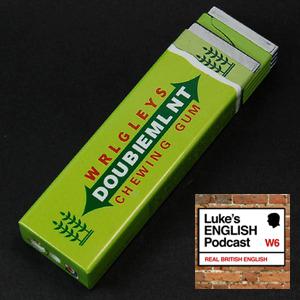
本集简介
双语字幕
仅展示文本字幕,不包含中文音频;想边听边看,请使用 Bayt 播客 App。
你正在收听卢克的英语播客。
You're listening to Luke's English podcast.
如需更多信息,请访问 teacherluke.podomatic.com。
For more information, visit teacherluke.podomatic.com.
大家好,女士们、先生们。
Hello, ladies and gentlemen.
还有所有其他收听这个播客的人,如果房间里有狗或猫,也向它们问好。
And, anyone else out there who listens to this podcast, maybe if there's a dog or a cat in the room, hello to the to the dog or the cat as well.
向可能正在聆听的鱼,或者其他任何在播放我声音时恰好在房间里的宠物问好。
Hello to maybe any fish that might be listening or any other pets at all that happen to be in the room while my voice is playing through the speakers.
总之,大家好。
Basically, hello.
向所有正在收听的朋友们问好。
Hello to everyone out there who's listening.
我是卢克,来自卢克的英语播客。
This is Luke from Luke's English podcast.
这很意外,不是吗?
That's a surprise, isn't it?
我猜你没料到这一点。
I bet you weren't expecting that.
是的。
Yeah.
我希望你一切都好。
So I hope you're well.
我已经有段时间没为你录制音频播客了,但现在我正在录制。
It's been a little while since I recorded an audio podcast for you to listen to, but I'm doing one now.
明白吗?
Okay?
你现在正在听它。
And you're listening to it now.
所以这很好,对吧?
So that's good, isn't it?
是的。
Yeah.
确实如此。
It is.
今天的播客完全关于轶事。
This podcast today is all about anecdotes.
轶事。
Anecdotes.
什么是轶事,卢克?
What's an anecdote, Luke?
你是在问我这个问题。
That's what you're asking me.
嗯,轶事基本上就是你在日常对话中讲的小故事。
Well, an anecdote is like, basically, a little story which you tell as part of a normal conversation.
比如,它可能是一个关于你经历的有趣或搞笑的故事,也可能是一个关于你遭遇的尴尬事情的故事。
So it could be like, for example, an amusing or funny story about an experience that you've had, or it could be perhaps like an embarrassing story about something that happened to you.
我们在日常对话中经常使用轶事,来描述我们经历过的事情。
We use anecdotes a lot in our general conversation just to basically describe things that have happened to us.
可以把它们看作是我们在和朋友聊天时讲的有趣小故事。
Think of them as amusing little stories which we tell our friends when we're having conversations.
对吧?
Right?
人们随时随地都在使用轶事。
People use anecdotes all the time.
所以这个播客是关于轶事的。
So this this podcast is about anecdotes.
这个词有点难念,但我可以慢慢说给你听,你可以跟着模仿。
Difficult word to say, but I'll say it slowly for you so you can copy it.
轶事。
Anecdotes.
轶事,或者一个轶事,或者一个轶事。
Anecdotes or an anecdote or an anecdote.
所以这个播客完全是关于轶事的。
So this podcast is all about anecdotes.
我会谈谈它们是什么,轶事有哪些特点,然后我们还会听几个轶事,你会学到很多非常地道的英语表达,以后可以用这些来让遇到的人都对你印象深刻。
And I'm gonna talk about, you know, what they are and what the features of an anecdote are, And then we're gonna listen to a few anecdotes as well, and you'll pick up lots of really brilliant English, which you can go on to use and impress everyone that you meet.
那么,我最近都在忙些什么呢?
So anyway, what have I been doing recently?
让我跟你讲讲我吧,好吗?
Well, let me just tell you about me, shall I?
我最近一直在工作,你知道的,我最近一直在工作。
Well, I've been working, you know, I've been working recently.
我最近教了一群学生上BEC高级课程。
I recently taught a group of students on a BEC Vantage course.
那是商务英语证书。
That's a business English certificate.
他们都是非常好的学生,非常优秀。
They were all very good, very good students.
他们几周前参加了考试,我希望他们考得不错。
They did their test a couple of weeks ago, and I hope that they did well.
我预计他们考得很好,因为他们完全有能力通过这次考试。
I I expect that they did because they're all definitely capable of passing the exam.
所以我期待着收到他们的成绩。
So I'm looking forward to getting their results.
让我们看看。
Let's see.
我最近也在玩音乐。
I've also been playing music.
学校乐队上星期五举办了一场音乐会,非常有趣。
The school band did a concert last Friday, and that was really good fun.
看着很多人随着音乐跳舞,真的特别棒。
It was just really good to watch lots of people dancing to the music.
你知道的?
You know?
我坐在鼓组后面打鼓。
I was sitting behind the drum kit, playing the drums.
我们演奏了大约两个小时。
We played for about two hours.
所以我一直在不停地打鼓,持续了很长时间。
So I was just playing, you know, constantly for, you know, for a long time.
但对我来说,最棒的部分就是坐在那里打鼓,看着人们随着音乐跳舞,玩得很开心。
But the best part of it for me was just sitting there playing and watching people dancing to the music and having a really good time.
这真是太棒了。
It's just fantastic.
所以我也一直在搞我的喜剧表演。
So also I've been doing my comedy.
这目前是我生活中的一项实验。
This is kind of like an experiment that I'm doing in my life at the moment.
我正在尝试学习如何成为一名单口喜剧演员,并努力让观众发笑。
I'm just trying to learn how to be a stand up comedian, and I'm trying to make audiences of people laugh.
这真的很有意思。
And that's been really interesting.
我觉得进行得不错。
It's going well, I think.
我让人们笑了。
I'm making people laugh.
人们真的笑了,这有点出乎意料。
People are actually laughing, which is kind of a surprise.
站在满屋子的人面前,拿着话筒跟他们说话,真的让他们笑出来,这种感觉非常激动人心。
It's very exciting standing up in front of a room full of people with a microphone and talking to them and actually making them laugh.
这是一段相当令人兴奋的经历。
It's quite an exciting experience.
它也可能非常吓人。
It can be very frightening as well.
它会让你非常紧张。
It makes you very nervous.
所以你要付出大量的精力才能做到这一点,因为我相信你能想象,应对紧张和压力是非常耗费精力的。
And so you need lots of energy just to do it because I'm sure you can imagine just dealing with the nerves, dealing with the tension takes a lot of energy.
所以这相当累人。
So that's quite exhausting.
但即便如此,你知道,这还是很有趣的。
But, that's still, you know, it's fun.
而且,你知道,我确实明白了,生活中你必须享受乐趣。
And, you know, I've definitely learned that you just have to have fun in life.
你得好好享受,因为你知道,这其实是生活的第一准则。
You've got to enjoy yourself because, you know, that's the first rule of life, really.
好好享受生活吧。
Just enjoy yourself.
不过,仔细想想,这可能是生活的第二准则。
Well, actually, it's probably the second rule of life when you think about it.
因为生活的第一准则其实是——别死掉,真的。
Because the first rule of life is, well, don't be dead, really.
所以生活的第二条规则就是,好好享受生活。
So second rule of life, just enjoy yourself.
第一条是,别死。
So first, don't be dead.
第二条是,好好享受生活。
Second, enjoy yourself.
其实啊,'好好享受生活'可能是第三条规则。
Well, actually actually, that enjoy yourself is probably the third rule.
因为第一条是,别死。
Because first, you got don't be dead.
第二条是,弄点吃的。
Second is, well, get food.
对吧?
Right?
所以第一条,别死。
So first, don't be dead.
第二,弄到食物。
Second, get food.
但实际上,现在要弄到食物,你需要钱,对吧?
Well, actually, first, know, these days, to get food, you you need money, really, don't you?
所以我猜最重要的应该是第一条:别死。
So I guess it's probably number one, don't be dead.
第二条:弄到钱。
Number two, get money.
对吧?
Right?
第三条:弄到食物。
Number three, get food.
第四条:享受生活。
Number four, enjoy yourself.
所以生活的第四条准则,就是享受生活。
So the fourth rule of of life, just enjoy yourself.
其实仔细想想,这更像是第五条规则,因为凭空弄到钱真的很难。
Well, actually thinking about it, you know, it's probably more like the fifth rule because it's really difficult just to get money from nowhere.
对吧?
Right?
所以,你需要一份工作。
So, I mean, you need a job.
你得先有一份工作,对吧?
You need a job first, really, don't you?
所以我想应该是:别死掉。
So I guess it would be, don't be dead.
先找份工作,然后弄到钱,再搞到食物,最后享受生活,我想是这样。
Get a job, then get money, then get food, then enjoy yourself, I suppose.
不过,当你只有工作和一点食物的时候,要真正享受生活恐怕挺难的。
Although thought it's probably quite difficult to just just enjoy yourself when all you've got is is like just a job and some food.
我的意思是,我觉得你真正需要的其实是朋友,对吧?
I mean so I guess I mean, what you need really is friends, don't you?
你需要一些朋友。
You need some friends.
具体来说,你知道,特别是你需要一个伴侣,真的。
Well, specifically, you know, particularly you need you need like, you know, a romantic partner, really.
一个能和你分享生活的人。
Someone that you can just share your life with.
比如,你知道,一个女朋友或男朋友。
So like, you know, like a girlfriend or boyfriend.
所以,我想就是这样了。
So, you know, I guess that's it.
这就像第一条规则:别死掉。
It's like rule number one, don't be dead.
第二条规则是,嗯,找份工作。
Rule number two would be, let's see, get a job.
对吧?
Right?
第三,赚钱。
Three, get money.
第四,弄到食物。
Four, get food.
第五,找一个人生伴侣。
Five, you know, find a life partner.
找一个女朋友。
You know, find a girlfriend.
第六,结婚。
Number six, get married.
和那个人结婚。
Get married to that person.
对吧?
Right?
嗯,然后呢,我想,你既然结婚了,就得安定下来,不是吗?
Well, then as well, I guess, you've got to, you know, it is you know, once you got married, you got to settle down, haven't you?
所以接下来,大概是第七点吧,就是买房子,买个好地段的好房子。
So probably next, what, like, seven, I guess, would be like, you know, buy a house, buy a nice house in a good neighborhood.
对吧?
Right?
basically 就是上车买房。
You know, get on the property ladder, basically.
就是,买个房子嘛。
You know, you know, just buy a house.
所以这就是第七点。
So that's number seven.
然后我想第八点就是享受生活。
And then I guess it would be number eight, enjoy yourself.
不过现在嘛,说实话,你其实也做不了什么真正的事情。
Although, I guess these days, I mean, you you know, you you can't really do anything, really.
如果你没有好的网络连接,你又怎么享受乐趣呢?
You can't even how can you even have fun if, you know, you haven't got a good Internet connection?
我的意思是,现在一切都依赖互联网了。
I mean, you know, everything's on the Internet now.
说实话,我真的无法想象没有互联网的生活。
So and I can't imagine, you know, life without it, to be honest.
所以,实际上,第八点就是弄一个宽带互联网连接。
So I suppose that, really, that would be number eight, you know, get a broadband Internet connection.
而且,现在你可能还需要一台高清电视,毕竟,如果你想好好享受生活的话。
And, well, you'd probably need like an HD TV these days as well, really, just, you know, if you're gonna have a good time.
所以,要搞宽带,还要买高清电视。
So get broadband, get an HD TV.
我想,另一个必需品是手机。
Well, I suppose another essential item was like a mobile phone as well.
所以,一旦你有了宽带、电视,接下来就设法谈一个划算的手机合约。
So and once you got the you know, maybe get the broadband, get the TV, then just manage to negotiate a good mobile phone contract.
然后呢?
Then what?
第十条?
Number 10?
第十条:好好享受生活。
Rule 10, enjoy yourself.
我的意思是,仔细想想,其实还有其他一些事情。
I mean, there's actually, thinking about it, there are other things too.
我的意思是,你得照顾好你的牙齿,对吧?
I mean, you've got to you've got to look after your teeth, haven't you, really?
因为你知道,牙疼的时候根本笑不出来。
Because, you know, I mean, it's very difficult to laugh when you've got a toothache.
所以要照顾好你的牙齿。
So look after your teeth.
我想,还有健康。
And I guess, well, you know, health.
你得照顾好自己的健康。
You gotta you gotta look after your health.
多吃纤维。
Eat lots of fiber.
对吧?
Right?
每天吃五份水果或蔬菜。
Eat five portions of fruit or vegetables every day.
这很重要。
That's essential.
天啊,我在想这个。
God, I'm thinking about it.
有很多事情。
There's lots of things.
你得保证充足的睡眠,至少六小时。
You gotta get you gotta get a lot enough sleep, at least six hours sleep.
你知道的?
You know?
我的意思是,他们说性生活很重要。
I mean, that they say that sex is important.
你知道,你知道,在你真正快乐之前,你得先把饮食调整好。
You know, you know, before you before you can be truly happy, you know, you gotta you gotta get your diet fixed.
你得有规律的性生活。
You gotta get regular sex.
天啊,我的意思是,如今考虑到碳排放和全球变暖,我们每个人都有责任减少自己的碳足迹。
God, I mean, I guess these days, what with the carbon emissions, global warming, I mean, we all have a responsibility to sort of, you know, reduce our carbon the carbon footprint.
所以接下来可能是给你的房子做隔热。
So I guess next would be like insulate your home.
给房子做隔热后,你就可以享受生活了,我想。
Insulate your home, then you can then you can enjoy yourself, I suppose.
是的。
Yeah.
那么,第一条规则是什么?我想这是第13条或第14条规则——就是好好享受生活。
So what's like rule rule number I think that's rule number 13 or rule number 14, just enjoy yourselves.
所以我认为这就是我学到的。
So I think that's what I've learned.
你知道的吧?
You know?
享受自己是非常重要的。
It's very important to enjoy yourself.
这至少是人生的第十四条准则。
It's at least the the fourteenth rule of life.
所以,你知道,是的。
So, you know yeah.
总之,我们继续吧。
So anyway, let's move on.
我们继续吧,好吗?
Let's move on, shall we?
够了,这些荒唐的废话。
Enough ridiculous nonsense.
让我跟你讲讲轶事。
Let me tell you about anecdotes.
好的。
Okay.
那么什么是轶事呢?
So what is an anecdote?
我其实已经解释过了。
I've kind of already explained that.
它就是你通常在自然对话中讲给朋友听的小故事,一般关于你亲身经历的事情。
It's the little story, which you tell your friends usually as part of a natural conversation, and it's it's usually about an experience that you've had.
因此,轶事的特点通常是相当有趣。
And so characteristics of anecdotes are that usually they're quite funny.
它们的目的是让人发笑。
They're meant to be amusing.
它们包含一个故事。
They contain a story.
这意味着当你讲述一个轶事时,你会描述某种叙事。
So that means that when you're telling an anecdote, you describe some kind of narrative.
所以可能需要用到过去时态,也就是叙事时态。
So probably it would involve using, like, past verb tenses, narrative verb tenses.
有时人们会用现在时来讲述轶事,以让故事显得更生动、更激动人心。
Sometimes people tell anecdotes using present tenses as a way of making the story more immediate and and more exciting.
但总的来说,它们通常包含某种故事。
But, basically, they usually contain some kind of story.
它们包含大量描述性细节,比如具体发生了什么、看起来是什么样子等等。
They include lots of descriptive details, like, for example, exactly what happened, exactly what it looked like, and so on.
这意味着要使用大量描述性词汇,让你的播客或轶事听起来更有趣、更有趣味性。
That means using lots of descriptive vocabulary in order to make your podcast, make your anecdote sound more interesting and amusing.
对吧?
Right?
所以需要很多描述性细节。
So lots of descriptive details.
它们还包括对相关人物思想和感受的描述。
They also include descriptions of the thoughts and feelings of the person involved.
所以,你知道,这能让听众真正理解讲述这个趣事的人当时是什么感受。
So it's you know, it really allows the listener to get an understanding of what it felt like for the the the person who was telling the anecdote.
因此,要描述思想和感受。
So descriptions of thoughts and feelings.
趣事中的一些细节会被夸大。
Some details in anecdotes are exaggerated.
‘夸大’意味着这些细节被渲染得比实际情况更大,这是趣事的一个常见特征。
Exaggerated means that they they are made bigger than they actually are, and this is a common feature of an anecdote.
通常,当一个人多次讲述同一个趣事时,每次讲述都会比上一次稍微夸大一点。
Often when someone tells the anecdote many times, each time they tell it, they exaggerate it a little bit more.
所以,这些经历会变得更大、更刺激、更生动、更详细,最终可能变成一个非常有趣的故事。
So the experiences become a little bit bigger, a little bit more exciting, a bit more descriptive, a bit more detailed, and until eventually, it becomes quite a quite a hilarious story, for example.
夸大你的趣事是可以接受的,因为实际上你这么做的主要原因是它能让对话更精彩。
And it's quite acceptable to exaggerate your anecdotes Because, really, the main reason you're doing it is because it just makes good conversation.
这只不过是有趣的对话。
It's just funny conversation.
所以,轶事中的细节常常被夸大。
So often, the details in anecdotes are exaggerated.
而且,轶事通常会在结尾加上一些评论。
And often, an anecdote will involve some kind of comments at the end.
比如,你从这段经历中学到了什么,或者你现在对这种情况的看法,又或者这让你对那段人生有了什么新的认识之类的。
For example, you know, what you've learned from the experience or what you think of the situation now or maybe, you know, like, what that helped you to learn about that time of your life or something.
所以,你们接下来要听的是一个轶事,实际上,你们将听几位BBC广播电台主持人讲的几个轶事。
So what you're going to do now is listen to an anecdote by well, in fact, you're going to listen to a couple of anecdotes by a couple of b a couple of BBC radio DJs.
他们叫亚当和乔,我基本上是从他们的播客里截取了这段录音。
Now they're called Adam and Joe, and, basically, I've stolen this little recording from their podcast.
我知道这样有点作弊,我用自己的播客播放别人的播客内容。
So I know that that's kind of cheating, that I'm using someone else's podcast on my podcast.
但你知道的,就把我当成播客界的罗宾汉吧,从BBC偷来内容,分享给全世界。
But, you know, just think of me as like the Robin Hood of podcasts, stealing from the BBC and giving to the world.
而且我认为这没什么问题,因为实际上这个播客并没有在BBC播出。
And I've you know, actually, I think it's it's alright because this in fact, this podcast wasn't broadcast on the BBC.
它是在另一个电台播出的,大概是三四年前吧。
It was broadcast by another radio station quite let's see, about three or four years ago.
它是作为免费播客提供的,所以我觉得没问题。
It was provided on a free podcast, so I think it's alright.
总之,亚当和乔是来自英国的电台主持人和喜剧演员。
Anyway, Adam and Joe, they're DJs and comedians from The UK.
他们现在每周都在BBC播出一档播客。
They they broadcast a podcast now every week on the BBC.
我会提供一个播客链接,方便你们去收听。
I will add a link to the podcast so you can check it out.
为了让你对亚当和乔有一些背景了解,他们从小就开始认识,是很好的朋友。
Basically, to give you a bit of background information to Adam and Joe, they have known each other since they were children, so they're very good friends.
他们一起在伦敦长大,因制作喜剧电视节目和广播节目而闻名。
They both grew up together in London, and they became famous for making comedy television programs and radio shows.
亚当·巴克斯顿也是一位演员,出演过一些英国电影,比如《热血警探》、《星尘》和《兰博之子》。
Adam Buxton is also an actor who has been in some British films like Hot Fuzz, Stardust, and Son of Rambo.
你可能没听说过这些电影,但它们在英国相当有名。
You've probably never heard of those films, but they're quite famous here in Britain.
乔·科尼什在好莱坞担任编剧,目前正在为新电影《丁丁历险记》撰写剧本。
Joe Cornish works in Hollywood as a screenwriter, and he's currently writing the screenplay for the new the new film Tin Tin.
因此,他们两人在本国都是相当知名的喜剧演员,你将听到他们讨论轻微犯罪。
So they're both quite well established comedians in this country, and you're gonna listen to them having a conversation about petty crime.
轻微犯罪指的是低级别的犯罪,不是特别严重的犯罪。
Petty crime just means kind of low level crime, not very important crimes.
不是谋杀,也不是贩毒。
So not murder, not drug dealing.
我们说的是像小偷小摸这样的事情。
We're talking about things like little cases of theft.
比如孩子从商店偷了一根巧克力棒,你知道,这被认为是轻微犯罪,低级别的犯罪。
So maybe like when a child steals a chocolate bar from a shop, you know, that's considered to be petty crime, low level crime.
明白吗?
Okay?
所以你要做的就是听这段对话,首先听亚当的轶事。
So what you're going to do is listen to the conversation, and first, you're going to listen to Adam's anecdote.
亚当讲述了一个他童年时经历的轻微犯罪故事。
And Adam tells a story about a petty crime experience that he had when he was a child.
我希望你能试着回答这些问题。
And I'd like you to try and answer these questions.
我也会把这些题目印在播客里。
I'll also print these questions on the podcast.
题目在这里。
Here they are.
第一,亚当当时在哪里?他为什么在那里?
Number one, where was Adam when this happened, and why was he there?
第二,亚当怎么知道这件事发生在他还很小的时候?
Number two, how does Adam know this happened when he was incredibly young?
第三,地上有什么东西,它是怎么到那里的?
Number three, what was lying on the floor, and how did it get there?
第四,亚当为什么觉得它是免费的?
Number four, why did Adam think it was free?
他为什么觉得它是免费的?
Why did he think it was free?
第五,当亚当的父亲发现他时,亚当在做什么?
Number five, what was Adam doing when his dad found him?
第六,当亚当的父亲意识到亚当偷了口香糖时,他说了什么?
Number six, what did Adam's dad say when he realized Adam had stolen the chewing gum?
对吧?
Right?
所以当亚当的父亲意识到亚当偷了口香糖时,他说了什么?
So what did Adam's dad say when he realized Adam had stolen the chewing gum?
第七,亚当的父亲是如何传达他的观点的?
And number seven, how did Adam's dad make his point?
第八个问题,口香糖到底发生了什么?
And number eight, what exactly happened to the chewing gum?
这些问题都印在网站上了。
So those questions are printed on the website.
你可以去查看,网站是 teacherluke.podomatic.com。
You can check them out, teacherluke.podomatic.com.
你可以看到这些问题。
You can see the questions.
所以听的时候,试着回答这些问题。
So try to get answers to those questions as you listen.
明白吗?
Okay?
好了,现在开始。
So here it is.
这是亚当的趣闻。
Here's Adam's anecdote.
哦,对了,顺便说一下,我会在录音结束时给出这些问题的答案。
Oh, and and by the way, I'll give you the answers to those questions at the end of the recording.
另外,我会解释亚当在故事中使用的很多词汇,因为我猜你们不会理解所有内容。
And also, I'll explain a lot of the vocabulary that Adam uses in his story because I expect you won't understand everything.
如果你们没听懂所有内容,别担心。
Don't worry if you don't understand everything.
你们可以再听一遍,我会为你们解释一切,然后一切都会好起来的。
You can listen to it again, and I will explain everything for you, and then everything will be fine.
好了,这就是亚当·巴克斯顿的故事。
So here it is, Adam Buxton's story.
这周,我在想一些轻微的犯罪行为,乔·科尼什。
And this week, I was thinking about about about petty crime, Joe Cornish.
你一直都在想这些轻微的犯罪行为。
Now you were always thinking about petty crime.
没错。
That's true.
小偷小摸啊,巴克斯顿。
Light fingers, Buxton.
你是不是觉得我
Do you think of me as
有点
a bit
阴沉?
of a grim?
不是。
No.
不是。
No.
好吧。
Okay.
很好。
Good.
好。
Good.
关于从别人家里偷东西之类的事。
About any kind of stealing from people's houses or anything like that.
我们只是在谈论低级别的犯罪活动。
We're just talking about low level criminal activity.
讲讲你的故事吧,亚当。
Hit us with your story, Adam.
嗯,我第一次接触犯罪的阴暗世界,大概是在我四五岁的时候。
Well, my my first my introduction to the shady world of crime came when I suppose I must have been four or five.
这是我的一个关键记忆。
This is one of my formative memories.
对。
Right.
我大脑里储存的最早的记忆。
Earliest memories that I've got stashed away in my brainium.
我们在街角的小店。
And we were at the corner shop.
那是我爸妈还抽烟的年代。
This is in the days when my mom and pop used to smoke.
你知道街角小店吧。
Know the corner shop.
是的。
Yeah.
所以我们住在厄尔尔斯考特,当时我们在街角的小店。
So we were we lived in Earl's Court, and we were at the corner shop.
我爸爸在买香烟。
My dad was buying some cigs.
我记得我当时特别小,因为唯一能看到的货架就是最下面那一层。
And I I know that I was incredibly young because the only shelf I could see was the absolute bottom shelf.
我看不到那上面的任何东西。
I couldn't I couldn't see anything above that.
所有的糖果都在那儿。
And that's where all the sweeties were.
有人把一包Wrigley薄荷口香糖碰掉了,它就躺在地上。
And someone had knocked a packet of Wrigley spearmint gum off the shelf, and it was just lying on the floor.
在召唤着你的名字。
Calling your name.
是的。
Yeah.
在那个高度,只有我一个人。
And I was the only one down there at that level.
我盯着它看。
I was looking at it.
我在想,免费的口香糖。
I was thinking, free gum.
免费的口香糖。
Free gum.
它不在货架上。
It's not on the shelf.
我清楚地记得我当时用来欺骗自己、为这种偷窃行为找借口的逻辑过程。
And I remember very clearly the logic process that I used to lie to myself to justify this theft.
因为即使在那时,我也知道这算是偷窃。
Because even at that stage, knew that it would be stealing.
但我记得自己想,它从货架上掉下来了。
But I remember thinking, it's fallen off the shelf.
他们已经不要它了。
They they don't want it anymore.
它坏了,他们没法卖了。
It's broken, and they they can't sell that.
是的。
Yeah.
地板就是无人认领的区域。
The floor is put the the floor is no man's land.
是的。
Yeah.
那在法律上真的成立吗?
Isn't that actually legally true?
我觉得任何地方地面上的东西都属于任何人。
I think that anything on any floor anywhere is anybody.
是的。
Yeah.
如果现在它在货架上,那就不同了。
If it's on a shelf now it's different.
它属于店主。
It belongs to the owner.
但一般来说,地面的东西是免费的。
But generally, floors are free.
它们就像海滩一样。
They're like beaches.
是的。
Yeah.
你知道的,还有大海。
You know, and the sea.
那是
That's
我认为,这是朗尼·比格斯在辩护时说的话。
what Runny Biggs said in his defense, I believe.
是吗?
Is it?
谁在地板上?
Who's on the floor?
枪掉到了地板上。
The gun fell on the floor.
看。
Look.
我是个专业人士,我以为自己出了问题。
I was a pro I thought I was having a problem.
它掉在地板上了。
It was on the floor.
所以,总之,长话短说,我把那些蠕虫塞进兜里,回家后就进了……你知道的,我这么做还挺大胆的,因为我根本不觉得自己犯了大罪。
So, anyway, cut a long story short, I shoved the the wriggles in my pockels and got home and went into went into my you know, and I was fairly brazen about it because I didn't believe I'd committed a massive crime.
但我爸以为你干了。
But my dad though you had.
尽管我确实干了。
Even though I had.
我确实偷过一些蠕虫。
I've done I've done a bit of stealing of wriggles.
我爸爸发现我正开心地嚼着一些蠕虫。
And my dad found me happily chomping some wriggles.
要销毁证据可真不容易。
Tricky to get rid of the evidence.
对吧?
Right?
是的。
Yeah.
嚼一嚼。
Chew it.
你不该吞下去。
You shouldn't swallow
也不能吞,因为它会直接...
it either because it just comes
从另一端原封不动地排出来。
out the other end exactly the same.
没错。
Exactly.
警察可以做 forensic 检测。
And the police can forensic it.
是的。
Yeah.
他问:‘这口香糖你从哪儿弄来的?’
And he said, where did you get this gum?
我没给你买过口香糖。
I didn't buy you any chewing gum.
你不准吃口香糖。
You're not allowed gum.
我说,它是在一个
And I I said, it was in a
哦,我是在地上捡到的。
oh, I got it in it was on the on the floor.
它已经碎了。
It was broken.
他说:‘你这是偷了东西。’
And he said, you've just stolen something.
展开剩余字幕(还有 480 条)
这是偷窃,亚当。
This is stealing, Adam.
你偷了这个。
You stole this.
你没有付钱。
You didn't pay for it.
我们可能会坐牢。
We could go to prison.
如果警察发现了,你可能会坐牢。
If the police found out, you could go to prison.
有孩子因为偷口香糖而进了监狱。
There are kids in prison for stealing gum.
是的。
Yeah.
是的。
Yeah.
而且你知道,他们出狱后
And, you know, they come out
他们被关在瑞格利监狱。
and they're at Wrigley's prison.
没错。
That's right.
是的。
Yeah.
他们出狱时全都垮了。
And they're all messed up when they come out.
而且,据说确实如此。
And, apparently yeah.
瑞格利监狱里条件太糟糕了。
It's it's awful in the Wrigley's prison.
到处都是口香糖。
There's gum everywhere.
到处都是口香糖。
There is gum everywhere.
总之,我当时吓坏了。
Anyway, so I was very freaked out.
为了更有力地说明他的观点,我爸爸把口香糖烧了。
And and to make his point even more forcefully, my dad burnt the gum.
嗯,你爸爸总是在最后做些奇怪的事。
Well, your dad always does weird things at the end.
他为什么要把口香糖烧了?
Why did he burn the gum?
口香糖根本不可燃,不是吗?
Gum's not even flammable, isn't it?
没错。
Exactly.
花了好长时间。
Took ages.
所有的口香糖我都坐在上面了
All the gum kind of I sat
在那里。
there.
你为什么要烧掉它?这简直像是一种地狱般的反应,
Why did you burn it's like a sort of a hellfire response,
不是吗?
isn't it?
他就像个浸信会牧师。
It's like he's a Baptist minister.
没错。
That's right.
你不可以嚼
You shall not chew
口香糖。
the gum.
看着它燃烧吧,我的小偷朋友。
Watch it burn, my thieving friend.
然后想想你是否还想再来一些箭牌口香糖。
And then consider whether you would like some more Wrigley's.
看着口香糖融化,锡纸却烧不掉,然后好好想想。
Watch the gum melt and the the foil fail to burn, and then consider.
那就是它的样子。
If and that's what it was like.
锡纸它只是
The foil wouldn't it just
锡纸完全变黑了,口香糖则像果冻一样融化了。
the foil just went all charcoaly, and the gum just kind of melted in gum.
有种
Had a kind
烧烤的味道。
of barbecue flavor.
它甚至更好了。
It was even nicer.
它闻起来有薄荷味。
It smelled minty.
是吗?
Did it?
它确实有薄荷味。
It does smell minty.
薄荷味的火焰。
Minty flames.
是的。
Yeah.
而且那薄荷味的火焰持续了很长时间。
And the and the minty flames went on for ages.
薄荷味的火焰。
Mint flavored flames.
如果它被烧过的话,我会说,任何其他长度的口香糖都翻倍。
Double any other length of gum, I would say, if it was burned.
总之,我很想知道是否还有其他人有过
Anyway, so I'm curious to know if if anybody else has
所以这简直是你偷过最可怜的东西了。
So this is kinda like the most pathetic thing you've ever stolen.
是的。
Yeah.
可怜。
Pathetic.
是吗?
Is it?
还是说它像是
Or is it like
你偷的东西作为
the thing you stole as
有没有哪个孩子让你明白了偷窃是错误的?
a child that made you understand that stealing was wrong?
因为我偷了一个蝙蝠直升机。
Because I stole a Batcopter.
你偷过吗?
Did
你偷过吗?
you?
好的。
Okay.
我们就停到这里。
We'll stop there.
如果你没明白,别担心,我现在会为你逐一解释一切。
Now if you didn't understand that, don't worry because, I'm gonna explain everything for you now.
首先,我会回答我之前提给你的那些问题,然后我会用自己的话讲述这个故事,接着我会解释亚当在故事中使用的一些词汇。
First thing, I'm going to answer those questions that I gave to you, and then I'll explain the story in in my words, and then I'll actually explain some of the vocabulary that Adam used in his story.
所以,这就像是一场两个母语为英语的人之间非常自然的对话,非常真实、语速很快,而且他们有一种特定的幽默感。
So that was, if you like, just a really natural conversation between two native English speakers, very, very authentic, quite fast, and they've got quite a specific sense of humor.
所以如果你没听懂,也没关系。
So if you didn't understand, that's alright.
这很正常。
That's normal.
这很自然。
That's natural.
希望在听完这个播客后,你能理解内容,并能再听一遍,真正像母语者那样享受它。
Hopefully, at the end of this podcast, you will understand it, and you'll be able to listen to it again, and then really enjoy it like, you know, a native speaker would enjoy it.
好的。
Okay.
所以第一个问题是,亚当发生这件事时在哪里?他为什么在那里?
So first question was, where was Adam when this happened, and why was he there?
事情发生在街角的小店,他当时和父母在一起,因为那时候他父母还抽烟,他们正去街角的小店。
Well, it happened at the corner shop, and he was at the corner shop with his parents because this is this was in the days when his parents used to smoke cigs or smoke cigarettes, and they were at the corner shop.
他当时和他爸爸在一起,我想,因为在那儿买香烟。
He he was with his dad, I think, at the corner shop because he was buying some cigarettes.
明白吗?
Okay?
所以第二个问题是,亚当当时还很小,他是怎么知道这件事的?
So the second question is, how does Adam know this happened when he was incredibly young?
那是因为他记得自己当时能看见的只有最下面一层货架。
Well, it's because he could remember that the only shelf that he could see was the bottom shelf.
对吧?
Right?
货架呢,就是你用来放书和杂志的那种东西。
So the shelf is like, you know, what you use to put books and magazines on.
对吧?
Right?
商店里都有这种货架,最下面一层通常放着报纸和杂志。
You get them in shops, get the bottom shelf, and the bottom shelf usually has newspapers and magazines on it.
所以,他能看见的唯一一层货架就是最底下的那一层。
So, you know, the only shelf he could see was the absolute bottom shelf.
这就是他知道自己当时非常年幼的原因。
So that's how he knew he was very young when this happened.
下一个问题是,地上有什么东西,以及它是怎么到那里的?
Next question was what was lying on the floor and how did it get there?
那是一包箭牌薄荷口香糖或箭牌双薄荷口香糖。
Well, it was a packet of Wrigley's spearmint gum or Wrigley's double mint gum.
基本上,就是一包口香糖,有人把它从货架上碰掉了。
Some basically, a packet of chewing gum, and someone had knocked it off the shelf.
所以可能有人不小心用手或胳膊碰到了它,导致它掉到了地上。
So maybe someone by accident had, you know, touched it with their hand or with their arm and it had fallen onto the floor.
所以有人把它从货架上碰了下来,那是一包口香糖。
So someone had knocked it off the shelf, and it was a packet of chewing gum.
好的。
Okay.
下一个问题是,亚当为什么觉得它是免费的?
Next question was, why did Adam think it was free?
因为他觉得,任何掉在地上的东西,都属于任何人。
Well, he thought it was free because he just assumed that anything that was on the floor, belonged to anyone.
对吧?
Right?
因为他觉得地板是无主之地。
Because he thought that the floor was no man's land.
无主之地通常用在战争中,指的是两军之间的土地,没有人拥有那片土地。
No man's land means like, usually, we use no man's land in a war, and it's, the land between the two armies, and nobody owns that land.
所以,那片土地上的任何东西,都属于任何人。
So it's kind of like anything on in that land is owned by anyone.
对吧?
Right?
因为他年纪小,觉得口香糖掉在地上,地板就像无主之地,因此没人拥有那口香糖,所以他以为自己拿走是合法的。
So because he was young, he thought that because the chewing gum was on the floor, that the floor was like no man's land, and therefore, nobody owned the chewing gum, so he he thought that he could just take it legally.
他错得有多离谱。
How wrong he was.
下一个问题。
Next question.
第五个问题是,当爸爸发现亚当的时候,他在做什么?
Question number five is what was Adam doing when his dad found him?
亚当说,他正在嚼那些黏糊糊的东西。
Well, Adam said that he was chomping the wriggles.
意思是他在咀嚼。
That means he was chewing.
他正在嚼口香糖,这时他爸爸发现了他。
He was chewing the chewing gum and when his dad found him.
所以你知道,他嘴里含着口香糖,正嚼着的时候,他爸爸发现了他。
So he, you know, he had the chewing gum in his mouth, and he was chewing it when his dad found him.
下一个问题。
Next question.
第六题。
Number six.
当亚当的父亲意识到亚当偷了枪时,他说了什么?
What did Adam's dad say when he realized Adam had stolen the gun?
嗯,他父亲说:‘这是偷窃,亚当,你可能会进监狱。’
Well, his dad said, this is stealing, Adam, and you could go to prison.
偷窃可能会让你进监狱。
You could go to prison for stealing.
所以,基本上,他父亲相当严厉,对亚当偷口香糖的反应非常强烈。
So, basically, his his dad was quite, what's the word for it, quite strict, and, he reacted quite strongly to Adam stealing the chewing gum.
他还说你可能会进监狱,但这并不属实。
And he said, you could go to prison, which is not true.
他们不会因为偷口香糖就把小孩子送进监狱。
They don't send little children to prison for stealing chewing gum.
我认为他们不会这么做。
I don't think they do anyway.
接下来,第二个问题,第七题。
Then, next question, number seven.
亚当的父亲是如何表达他的观点的?
How did Adam's dad make his point?
他通过烧掉口香糖来表达他的观点。
Well, he made his point by burning the chewing gum.
他把口香糖烧了。
He burned the gum.
对吧?
Right?
第八题,口香糖到底发生了什么?
Number eight, what exactly happened to the gum?
基本上,口香糖并没有真的烧起来。
Well, basically, the gum didn't really burn.
它只是融化了,而银色的包装纸则变得焦黑。
It just melted, and the the silver wrapper just went charcoaly.
炭就像东西燃烧后留下的那种黑色残留物。
Charcoal is like the kind of black residue that you get when something burns.
比如,当你烧木头时,得到的黑色物质就叫炭。
You know, like, when you burn wood, the black stuff that that you get, that's called charcoal.
当你烧金属时,会得到类似泥土的黑色残留物,覆盖在金属表面,也可以称之为炭。
And when you burn metal, you get, like, black residue, like dirt, black dirt on the metal, and you can call that charcoal.
或者金属会变得像炭一样。
Or it kind of the metal goes charcoaly.
所以口香糖只是融化了,而包装纸则变得像炭一样。
So the the chewing gum just melted and the the wrapper went charcoaly.
就这样了。
So that's it.
这基本上就是发生的事情。
That's basically what happened.
对吧。
Right.
为了帮你更好地理解这个故事,我会再讲一遍,用更简单的英语。
In in order to just help you understand the story, I'm going to tell the story again, but in kind of plain English.
明白吗?
Okay?
我们来看看。
So let's see.
我会这么做。
I'll I'll do that.
我会用简单的英语给你复述一遍故事,然后我再重新讲一遍,解释亚当讲故事时用的一些词汇。
Just explain the story in plain English for you, and then I will go through the story again and explain some of the vocabulary that Adam used when he told his story.
明白吗?
Okay?
基本上,亚当第一次接触犯罪是在他四五岁的时候。
So, basically, what happened was that Adam's first introduction to crime happened when he was about four or five.
当时他和爸爸在街角的小店,那是他爸妈还抽烟的年代。
He was at the corner shop with his dad, and this is when his mom and dad used to smoke cigarettes.
他们住在伦敦西部一个叫厄尔尔斯考特的地方。
They lived in a in a place called Earl's Court, which is in West London.
他们当时在街角小店,他爸爸正在买香烟。
And, they were at the corner shop, and his dad was buying some cigarettes.
他知道那时自己非常小,因为当时他能看到的唯一一层货架就是最底下的那层。
He knows or he he knows that he was incredibly young because the only shelf that he could see was the absolute bottom shelf.
而所有糖果——用美式英语说就是sweets——都放在那层货架上。
And and that was where all the sweets, all the the the candy in American English, all the sweets were.
所有的糖果都在最底层的货架上。
They were all on the bottom shelf.
他注意到地上有一个口香糖包装。
And he noticed that there was a packet of chewing gum on the floor.
它就那样放在地上,躺着不动。
It was just sitting on the floor, just lying there.
它之所以在地上,是因为有人不小心把它碰到了地上。
And it was lying there because someone had, by accident, knocked it onto the floor.
所以亚当看到地上的口香糖,心里想:天哪。
So Adam saw the chewing gum on the floor and, he thought to himself, my god.
这是免费的。
It's free.
这口香糖是免费的。
This is free gum.
我可以直接拿走。
I can just take this.
因为很明显,它掉在地上了,没人想要它。
Because, obviously, because it's fallen on the floor, nobody wants it.
所以它是免费的。
So it's free.
于是,他基本上是在骗自己,说服自己拿走口香糖是没问题的,因为他只是说:既然没人要,那它肯定是免费的。
So, basically, he kind of lied to himself and convinced himself that it was okay to take the gun because he just said, well, it must be free because no one wants it.
于是他捡起口香糖放进口袋,然后回家了。
So he took the gum and put it in his pocket, and then he went home.
他正嚼着口香糖时,他爸爸走进了他的卧室,发现他在嚼口香糖,这才意识到亚当根本没付钱买这口香糖。
And he was chewing the gum when his dad walked into his bedroom and found him chewing the gum, and he he realized that Adam had not paid for the chewing gum.
他很生气,对亚当说:亚当,你在干什么?
And he got angry with him, and he said, Adam, what are you doing?
你没付钱买这口香糖。
You didn't pay for that chewing gum.
你偷了它。
You stole it.
这是犯罪。
That's a crime.
你可能会因此坐牢。
You could go to prison for that.
我们来看看。
And and let's see.
然后,亚当的父亲为了惩罚他,证明自己的观点,把口香糖烧了。
And then Adam's dad, in order to punish Adam, just to prove his point, he burned the gum.
他点燃了它。
He set fire to it.
但其实没什么效果。
But it was kind of it didn't really do anything.
这根本没什么看头,因为口香糖只是融化了,并没有真正燃烧起来,而银色包装纸只是变得焦黑。
It was really not very impressive because the gum just melted and didn't really burn properly, and the the silver wrapper just went charcoaly.
所以这个故事的结尾让人感到有些失望。
So it's just a kind of disappointment at the end of the story.
就这样了。
So that's it.
而且,据他回忆,那股气味是薄荷味的,因为那是一种薄荷口香糖。
And and, apparently, the the smell, he remembers the smell that it smelled minty because it was kind of mint gum.
他能闻到,味道是薄荷的。
He could he could smell it, and it smelled minty.
就这样了。
So that's it.
故事就到这里结束了。
That's the end of the story.
说实话,我觉得这个故事很有趣,但并不是因为发生了什么。
Now, to be honest, I think it's a funny story, not really because of what happens.
虽然我觉得亚当爸爸烧掉枪这件事还挺搞笑的。
Although, I think it's quite funny that Adam's dad burned the gun.
这反应有点荒谬。
It's kind of a a ridiculous reaction.
但真正有趣的并不是故事里的那些事件。
But it's not really the events in the story.
而是亚当讲述故事的方式让人觉得好笑。
It's more just the way in which Adam tells the story that makes it funny.
他用了一些特定的描述性语言和词汇。
He just uses certain kinds of descriptive language, certain bits of vocabulary.
他还很好地运用了语调,提到一些特定的事物,让这个故事变得很有趣。
He also uses his intonation, like his his voice quite well and just makes references to certain things that make it an amusing story.
如果你不太了解这些细节,可能就不会觉得好笑。
Now if you don't kind of understand the details, you probably don't think it's funny.
但我了解所有细节,我认为任何母语者听到这个故事都会觉得挺有趣的。
But I understand all the details, and I think that any native speaker listening to that would find it quite amusing.
所以为了帮你体会到其中的趣味,我打算解释一下亚当在故事中使用的某些语言表达。
So to help you to find it amusing, I'm gonna try and explain some of the language which Adam used in the story.
明白吗?
Okay?
我会先播放一小段故事,然后进行解释。
So I'll play a little bit of the story and then explain it.
明白吗?
Okay?
这是第一部分。
So here's the first bit.
这周我在想一些轻微的犯罪行为,乔·科尼什。
And this week, I was thinking about about about petty crime, Joe Cornish.
你一直都在想那些小罪行。
Now you were always thinking about petty crime.
没错。
That's true.
你觉得 bucks to
You think bucks to
你觉得我有点像罪犯吗?
Do you think of me as a bit of a crim?
不。
No.
你觉得我有点像罪犯吗?
Do you think of me as a bit of a crim?
嗯,crim 就是罪犯的另一种说法。
Well, a crim is just another word for a criminal.
这是一种类似俚语的说法,指罪犯。
It's kind of like a sort of slang way of saying criminal.
所以他问乔:乔,你觉得我有点像罪犯吗?
So he's saying to Joe, Joe, do you think that I am a bit of a criminal?
你觉得我有点像
Do you think of me as a bit of
一个
a
罪犯吗?
crim?
乔说不觉得。
And Joe says no.
不觉得。
No.
好吧。
Okay.
很好。
Good.
好。
Good.
因为你知道,我曾经也干过一些偷窃的事。
Because, you know, I I've done I've done a bit of, I've done a bit of theft in my time.
我这一生也干过一些偷窃的事。
I've done a bit of theft in my time.
偷窃只是偷的另一种说法。
Theft is just another word for stealing.
所以他的意思是,他这一生也偷过东西。
So he means I've he's done some stealing in his time.
'我这一生'的意思是,你知道的,就是在我生命中,基本上就是我的经历,这解释得不太好,就是在我生命中,你知道。
In my time just means, you know, in my life, basically, in my in my history, not a good explanation, in my life, you know.
所以当我们谈论自己的经历时,会用这种说法,比如,你知道,我这一生旅行过很多地方。
So, you know, we use that when we're talking about our experience, you know, things like, you know, I've I've done quite a lot of traveling in my time.
我们用它来炫耀自己的经历,'我这一生'。
So we use it to to kind of boast about our experiences in my time.
好吧?
Okay?
我们现在不是在谈真正的盗窃。
We're not now we're not talking about real theft.
对。
No.
当然。
Absolutely.
不是
Not
我们在谈童年时的小偷小摸。
Talking about childhood petty theft.
我已经解释过什么是小偷小摸或轻罪了。
Well, I've already explained what petty theft or petty crime means.
petty 就是说不太严重。
Petty just means not very serious.
所以是一种不太严重的盗窃,不太严重的犯罪。
So kind of not serious theft, not serious crime.
亚当说,这些是你在一种本能基础上犯下的罪行。
And Adam says, these are crimes which you commit on a kind of instinctive basis.
所以当你本能地做某事时,意味着你只是不加思考地去做。
So when you do something instinctively, it means you just do it without thinking.
对吧?
Right?
就是,是的,有点像动物做事的方式,你知道的,比如鸟儿冬天会本能地飞往南方。
Just, yeah, a bit like the way animals do things, you know, like birds will fly south, in the winter on an instinctive basis.
它们只是不加思考地去做。
They just do it without thinking about it.
所以这是一种有点有趣的方式来解释,有时候你小时候会不假思索地犯罪。
So it's kind of a funny way of explaining the way in which sometimes when you're a child, you commit crimes without really thinking about it.
你只是本能地去做。
You just do it instinctively.
你是在本能的基础上做的。
You do it on an instinctive basis.
我们并不纵容这种行为。
And we don't condone it.
事实上,如果你参加这个文字比赛,
In fact, we may if you enter this text competition,
我们可能会把你的信息交给警方。
we might pass your details onto the coppers.
我们并不纵容这种行为。
We don't condone it.
纵容某事意味着支持它,也就是说,我们同意这件事,认为它是好事。
Well, to condone something means to support something, you know, effectively to say that, yes, we agree with this and we think it's a good thing.
所以我们不纵容犯罪。
So we don't condone crime.
我们不纵容盗窃,意思是说我们不鼓励或支持盗窃或犯罪。
We don't condone theft means we don't encourage or support theft or crime.
明白吗?
Okay?
乔说,如果你怎么样?
And Joe says, if you what is it?
如果你发送你的
If you send your
如果你参加这个短信比赛,
If you enter this text competition,
我们可能会把你的信息转交给
we might pass your details onto the
是的。
Yeah.
如果你参加这个短信比赛,我们可能会把你的信息转交给警察。
If you enter this text competition, we might pass your details onto the Koppers.
所以他们在谈论一个短信比赛。
So they're talking about a text competition.
这只是一个广播竞赛,你需要发送短信参与。
That's just a radio competition in which you have to send SMS text messages.
乔说,如果你参加这个短信竞赛,我们可能会把你的信息转交给科珀斯。
And Joe said, if you enter this text competition, we might pass your details onto the Koppers.
他只是在开玩笑。
That just he's joking.
他的意思是,任何提交犯罪故事的人,他都可能把他们的信息提供给警方。
He means that he might give you know, anyone who sends in a crime story, he might give their details to the police.
科珀斯指的是警察。
The Koppers means the police.
明白吗?
Okay?
是的。
Yeah.
没错。
Exactly.
我们当然不希望听到任何关于入室盗窃或类似事情的报道。
We certainly don't wanna hear about any kind of stealing from people's houses or anything like that.
我们只是在谈论低级别的犯罪活动。
We're just talking about low level criminal activity.
亚当,讲讲你的故事吧。
Hit us with your story, Adam.
嗯,我第一次接触犯罪的阴暗世界,大概是在我四五岁的时候。
Well, my my first my introduction to the shady world of crime came when I suppose I must have been about four or five.
这是我的一个关键记忆。
This is one of my formative memories.
对。
Right.
我脑海中储存的最早的记忆。
Earliest memories that I've got stashed away in my brainium.
这是我的一个关键记忆。
This is one of my formative memories.
形成性记忆就像是你最早的一些记忆,通常是你小时候经历的、对你人格塑造产生影响的事件,比如你早期生活中一件非常重要的事。
A formative memory is like, you know, one of the one of the earliest memories that you have, and it's usually a memory of something that happened when you were a very young child that kind of shaped you as a person, you know, like a memory of a very important event in your early life.
你知道吧?
You know?
所以对很多人来说,形成性记忆可能是上学的第一天,那种第一次上学时的震撼感。
So it could be you know, for for many people, a formative memory would be like their first day of school, you know, the kind of shock of going to school for the first day.
或者有时候,形成性记忆也可能是……
Or it could be a formative memory sometimes.
比如童年时经历的一场意外,那种年幼时的震惊感,会伴随你一生,成为你早期生活中极其重要的事件,也就是形成性记忆。
It's like an accident that you have as a child and just, you know, that that shock that you have as a when you're a young child and you remember it for the rest of your life, And it somehow is a very important event in your early life, a formative memory.
他说,这是我脑海中最早的记忆之一,我想。
And he said it's one of the earliest memories I have inside my brainium, I think.
我脑海里储存着的最早的记忆。
Earliest memories that I've got, stashed away in my brainium.
我脑海里储存着的最早的记忆之一。
One of the earliest memories I've got stashed away in my brainium.
嗯,'stashed' 就是说,藏起来。
Well, stashed just means, like, kept.
你知道的,你会把某样东西藏在某个地方。
You know, you'd stash something somewhere.
就是说把东西放在某个地方。
Just means keep it somewhere.
比如,你会把一些巧克力藏在橱柜里。
Like, you know, you would stash some chocolate in a in your cupboard, for example.
而'brainium',说实话,这不是一个正常的词。
And your brainium, well, brainium is like, to be honest, not a a normal word.
他其实就是指大脑,但这是亚当为了搞笑而故意改的词。
He just means brain, but this is just Adam kind of like changing the word just to be funny.
对吧?
Right?
所以,与其说'这是我大脑里最早的回忆之一',那样太无聊了。
So rather than saying, this is one of the earliest memories I have in my brain, that's kind of boring.
所以他才说,这是我脑海中珍藏的最早的记忆之一。
So he said, it's one of the earliest memories I have stashed away in my brainium.
对吧?
Right?
brainium并不是一个常见的词。
So brainium is not a common word.
没人会说brainium,只有亚当会这么说。
No one else says brainium, just Adam.
但他指的就是大脑。
But he means brain.
所以,这基本上就是我大脑里最早的回忆之一。
So it's one of the earliest memories I have in my brain, basically.
我们当时在街角的小店。
And we were at the corner shop.
那是我爸妈还在卖我的时候。
This is in the days when my Ma and Pa used to sell my Yeah.
所以我们住在厄尔尔斯考特,当时在街角小店。
So we were we lived in Earl's Court, and we were at the corner shop.
我爸爸在买一些香烟。
My dad was buying some cigs.
所以街角小店其实就是便利店。
So the corner shop is just like a convenience store, basically.
就是一家小店铺,卖报纸、香烟、面包、牛奶,就是这类必需品。
It's just like a little shop, and they sell newspapers, cigarettes, bread, milk, just essential things like that.
而且通常,它们都开在街角。
And often, they are on the corner, basically.
两条街的拐角处,就会有一家这样的小便利店。
So the corner of two streets, you get, like, a little convenience store.
在英国,我们常称它为街角小店。
We call it in The UK, we often call it the corner shop.
他说他当时和父母在一起。
And he said he was there with his ma and pa.
那只是指他的妈妈和爸爸。
That just means his mom and dad.
那是我爸爸还抽烟的年代。
And, this is in the days when my dad used to smoke cigs.
烟卷。
Sigs.
这又是香烟的非正式说法。
That's just, again, an informal word for cigarettes.
一包烟就是指一支香烟。
A cig means a cigarette.
明白吗?
K?
我记得我当时特别小,因为我能看到的只有最下面一层货架。
And I I know that I was incredibly young because the only shelf I could see was the absolute bottom shelf.
我看不到那上面的任何东西。
I couldn't I I I couldn't see anything above that.
所有的糖果都在那儿。
And that's where all the sweeties were.
Sweeties 就是糖果的一种孩子气的说法。
Sweeties, that's just a word like a childish word for sweets.
在美国,他们叫它糖果。
In America, they call it candy.
糖果。
Candy.
糖果。
Candy.
对吧?
Right?
在英国,我们叫它 sweets,小孩子则叫它们 sweeties。
In The UK, we call it sweets, and little children call them sweeties.
有人把一包箭牌薄荷口香糖从货架上碰了下来,它就躺在地上。
And someone had knocked a packet of Wrigley spearmint gum off the shelf, and it was just lying on the floor.
叫你的名字。
Calling your name.
是的。
Yeah.
它就躺在地上。
It was lying on the floor.
那只是说它在地上。
That just means it was on the floor.
对吧?
Right?
叫你的名字。
Calling your name.
所以,你知道,这有点像,如果你想象一下,你看到一包口香糖就躺在地上,它几乎像是在叫你的名字,说,你知道的,亚当。
So, you know, that's a bit like if you can imagine, if you see a packet of chewing gum just lying on the floor and it's, you know, it's almost like it's it's calling your name going, you know, Adam.
亚当。
Adam.
亚当。
Adam.
偷走我。
Steal me.
带我走。
Take me.
你知道吗,亚当。
You know, Adam.
就是这种感觉。
That kind of thing.
你知道吧?
You know?
我希望你知道我想表达什么,不然就有点奇怪了。
I I hope you know what I mean because otherwise, it's just a bit strange.
但你知道,如果你看到一样东西在呼唤你,它就是特别想让你带走它。
But, you know, if you see something and it's calling your name, it just really wants you to take it.
是的。
Yeah.
好吧。
Alright.
给你。
There you go.
所以他看到了口香糖。
So he saw the chewing gum.
它在呼唤他的名字。
It was calling his name.
所以它就像是非常想让他偷走它。
So it was like it really wanted him to steal it.
亚当。
Adam.
亚当,偷走我。
Adam, steal me.
我自由了。
I'm free.
就是免费的口香糖。
Just free gum.
为什么不
Why don't
你干脆把我偷走带回家吧?
you just steal me and take me home?
就是这种事。
That kind of thing.
对。
Right.
那时候我是那个楼层唯一在场的人。
And I was the only one down there at that level.
我一直在看着它。
And I was looking at it.
我在想,免费的口香糖。
Was thinking, free gum.
免费的口香糖。
Free gum.
它不在货架上。
It's not on the shelf.
我清楚地记得我当时用来欺骗自己、为这种偷窃行为找借口的逻辑过程。
And I remember very clearly the logic process that I used to lie to myself to justify this theft.
因为即使在那个时候,我也知道这算是偷窃。
Because even at that stage, I knew that it would be stealing.
但我记得自己当时想,它从货架上掉下来了。
But I remember thinking, it's fallen off the shelf.
他们已经不想要它了。
They they don't want it anymore.
它坏了,他们没法卖这个。
It's broken, and they they can't sell that.
是的
Yeah.
地板是无人管辖的地带。
The floor is put the the floor is no man's land.
是的
Yeah.
这在法律上真的成立吗?
Isn't that actually legally true?
我认为,任何地方地面上的东西,谁都可以拿。
I think that anything on any floor anywhere is anybody.
是的
Yeah.
乔其实并不是那个意思。
Now Joe doesn't really mean that.
你知道的。
You know?
他并不真的认为任何地板上的东西都属于任何人。
He doesn't really think that anything on any floor belongs to anyone.
他并不真的这么想。
He doesn't really think that.
他只是在讽刺。
He's just being ironic.
他只是在开玩笑。
He's just joking there.
他只是在对我不清楚的某事进行讽刺。
He's just being ironic about I don't know.
我认为这与童年时的经历有关,当你看到地板上的东西时,你就会默认没人拥有它们。
I think something to do with the fact that perhaps when you're a child, when you when you see things on the floor, you just assume that, you know, nobody owns them.
所以他其实是在拿这个观点开玩笑,即如果东西在地板上,就没人拥有它。
So he's just making a joke about about that really, about the eye the the idea that if something is on the floor that nobody owns it.
所以他并不是认真的。
So he's not really being serious.
他只是在讽刺。
He's just being ironic.
这会不会是神秘的英式幽默?
Could this be the mysterious British sense of humor?
有可能。
Possibly.
有可能。
Possibly.
但绝对不是完全认真的。
But certainly not completely serious.
那里有点讽刺的意味。
A little bit ironic there.
好的。
Okay.
如果它放在架子上,
If it's on a shelf,
那是不同的。
that is different.
它属于主人。
It belongs to the owner.
但一般来说,地板是免费的。
But generally, floors are free.
它们就像海滩。
They're like beaches.
是的。
Yeah.
你知道的,在海里。
You know, in the sea.
那就是
That's what
我相信,罗尼·比格斯在他的辩护中这么说过。
Ronnie Biggs said in his defense, I believe.
是吗?
Is it?
它在地板上。
It was on the floor.
金子掉在
The gold fell on
地板上。
the floor.
看。
Look.
有什么问题?
What's the problem?
我以为我说过有问题。
I thought I said a problem.
它在地板上。
It was on the floor.
所以,好吧。
So Okay.
他说亚当提到过罗尼·布里格斯。
He's saying that he he Adam there talks about Ronnie Biggs.
罗尼·布里格斯在这个国家非常有名,因为他是个著名喜剧演员。
And Ronnie Biggs is quite famous in this country because he's a famous comedian.
他不是喜剧演员。
He's not a comedian.
他是个著名的罪犯。
He's a famous criminal.
罗尼·布里格斯是个大名鼎鼎的火车劫匪。
And Ronnie Biggs was a great train robber.
曾经发生过一起非常著名的火车抢劫案,哦天哪,大概是三十年前,或者更久以前,我想。
And there was a very famous train robbery kind of oh, god, about thirty years ago or more more than thirty years ago, I think.
基本上,这是这个国家历史上最大的抢劫案之一。
And, basically, it was one of the biggest robberies in that ever happened in this country.
一群罪犯从火车上偷走了大量钱财。
And a group of criminals stole lots of money from a train.
然后亚当开玩笑说,罗尼·布里格斯的辩护理由是他只是在地板上找到了这些钱。
And they then Adam then made a joke saying that Ronnie Biggs' defense was that he just found the money on the floor.
他只是在地板上找到了所有的黄金和所有现金。
He just found all the gold and all the money on the floor.
就在地板上。
It was on the floor.
它就在
It was
地板上。
on the floor.
就像那样。
You know, like that.
还有另一个笑话。
Another joke there.
太好笑了。
Hilarious.
总之,长话短说,我把那些扭动的东西塞进了口袋里。
Anyway, cut a long story short, I shoved the the wriggles in my pockels.
总之,长话短说。
Anyway, to cut a long story short.
长话短说。
To cut a long story short.
这是一个非常常见的表达,尤其当你在跟朋友讲故事或描述某件事的时候。
Very common expression, particularly when you're telling your friend a story or you're describing something that happened.
你只需要说:长话短说。
You just say to cut a long story short.
这基本上意味着还有更多细节。
And that basically means there are a lot more details.
我可以给你更多关于这个故事的细节,但我就直接跳过了。
I could give you more detail about this story, but let me just move on.
让我直接说重点。
Let me just get to the main point.
所以,长话短说,这是一个人们在讲述故事时只想告诉你基本内容的常用表达。
So to cut a long story short, it's just a very common expression that people use when they are trying to just tell you the basic details of a story.
他说,长话短说,我把那些小虫子塞进了口袋里。
He said, to cut a long story short, I I stuff the wriggles in my pockels.
不过,这又是亚当在故意换词,让它们听起来更有趣。
Now, again, this is Adam just changing words to kind of make them sound funny.
‘Wriggles’其实就是‘Wrigglies’的意思。
Wriggles just means wrigglies.
‘Wrigglies’是一个非常非常著名的口香糖品牌。
Wrigglies is a very, very famous brand of chewing gum.
‘Wrigley’s’口香糖。
Wrigley's gum.
所以他没说‘Wrigley’s’。
So he didn't say Wrigley's.
他说的是‘Wriggles’,而‘Pockels’只是他用来表示‘口袋’的词。
He said Wriggles, and Pockels is just his word for pockets.
显然,你的口袋就是大家牛仔裤上都有的那种口袋。
Obviously, your pockets are you know, everyone has pockets in their jeans.
我们用它们来装钱和钥匙,装在口袋里。
We use them to keep our money and our keys in our pockets our pockets.
对吧?
Right?
但亚当只是为了搞笑,故意把词改得不一样。
So but Adam just being funny is kind of changing the word to make it sound different.
我把‘Wriggles’放进我的‘pockels’里。
I put the wriggles in my pockels.
意思就是我把‘Wrigley’s’口香糖放进了口袋。
Just means I put the Wrigley's gum into my pockets.
对吧?
Right?
回到家后,我就进了我的——你知道的——我这么做还挺大胆的,因为我并不觉得自己犯了什么大罪。
And got home and went into, I went into my you know, and I was fairly brazen about it because I didn't believe I'd committed a massive crime.
我对这件事还挺大胆的。
I was fairly brazen about it.
如果你对某事很大胆,意思就是你对此相当傲慢且过度自信。
If you're brazen about something, it just means you're kind of quite arrogant and overconfident about it.
所以这意思是,尽管他偷了一些口香糖,但他表现得好像根本不在乎。
So this just means that, you know, although he had stolen some chewing gum, he just acted like he didn't really care.
他觉得没必要躲躲藏藏。
He didn't feel like he had to hide it.
他对此有点傲慢又漫不经心。
He was, you know, slightly arrogant and care careless about it.
大胆。
Brazen.
你可以想象一下,比如一个胆大包天的银行劫匪。
If you can imagine, for example, a brazen bank robber.
那会是一个银行劫匪,他大摇大摆地走进银行,不戴面具,直接掏出枪指着说:把钱都交出来。
That would be a bank robber who just walks very confidently into the bank without wearing a mask and just points a gun and says, give me all the money.
然后银行把钱都给了他,他却扛着钱、拿着枪,悠哉地走在街上,还吹着口哨。
And then the the bank gives him all the money, and then he just sort of walks down the street with the money over his shoulder and the gun in his hand kind of whistling.
就是这样。
Like that.
就好像他根本不在乎似的。
Like, as if he doesn't care.
所以他对此表现得非常大胆无畏。
So he was brazen about it.
当有人做了坏事或犯了错,却以一种漫不经心、过度自信又傲慢的方式行事时,我们就用‘大胆无畏’这个词来形容。
So we use the word brazen when someone does something bad or does something wrong, but in a kind of carefree and overconfident and arrogant way.
明白吗?
Alright?
我爸爸虽然你有。
My dad Even though you have.
尽管我有。
Even though I have.
我偷过一些蠕虫。
I've done I've done a bit of stealing of wriggles.
我爸爸发现我正开心地嚼着一些蠕虫。
And my dad found me happily chomping some wriggles.
很难销毁证据。
Tricky to get rid of the evidence.
对吧?
Right?
是的。
Yeah.
销毁证据很难。
It's tricky to get rid of the evidence.
这意味着很难隐藏证据。
That means it's difficult to, like, hide the evidence.
举个例子,在一起谋杀案中,假设凶手用枪杀了人。
Just to give you an example of that, in a murder, let's say a murderer kills someone with a gun.
对吧?
Right?
为了隐藏证据,他们会把枪扔进河里。
And what they do in order to hide the evidence, they will throw the gun into a river.
明白吗?
Okay?
他们这么做是为了销毁证据,把证据扔掉。
And what they're doing is they're getting rid of the evidence, throwing the evidence away.
证据就像证明,能向警方表明你犯了罪的东西。
Evidence is like proof, something that will show the police that you committed the crime.
对吧?
Right?
这就是证据。
So that's evidence.
所以当警察调查犯罪时,他们会寻找证据。
So when police are investigating a crime, they search for evidence.
这些信息包括像带有指纹的枪支或DNA之类的线索,所有这些都可以用来证明某人实施了犯罪。
And this is like bits of information, things like a gun with fingerprints on it or maybe DNA, and it's all evidence which can be used to prove that someone committed the crime.
所以他是在说,口香糖很难销毁证据。
So he's saying, with chewing gum, it's difficult to get rid of the evidence.
他意思是,比如你不能吞下去。
So what he's saying is that, for example, you can't swallow.
你不能吃口香糖,因为口香糖是不能吃的。
You can't eat the gum because you you can't eat chewing gum.
有一种说法是,当你把口香糖吞进胃里,胃无法消化它,口香糖会原封不动地随粪便排出,这其实是个误解。
This is kind of a myth that when you swallow chewing gum into your stomach, that your stomach doesn't digest it, that actually the chewing gum just comes out exactly the same in your poo.
对吧?
Right?
所以你知道,销毁证据是很困难的。
So, you know, it's difficult to get rid of the evidence.
你不能通过吃掉口香糖来隐藏证据,因为口香糖会原封不动地从另一端排出,警方就能对它进行法医分析。
You can't hide the evidence by eating it because the chewing gum will just come out the other end exactly the same, and the police will then be able to forensic it.
对某物进行法医分析,指的是对其进行某种特殊的科学检测,以识别DNA或指纹等信息。
To forensic something means to do some, like, special scientific analysis on it in order to identify things like DNA or fingerprints.
如果你看过美剧《犯罪现场调查》,就会发现那里面全是关于法医证据的内容。
If you watch the American drama CSI, then that's all that involves, like, forensic evidence.
你知道的吧?
You know?
就是以科学的方式仔细检查大量证据,来对某物进行法医分析。
Like, looking at lots of evidence in a scientific way to forensic something.
嚼一嚼。
Chew it.
你不该吞下去
You shouldn't swallow
它,因为它会从另一端原样排出
it either because it just comes out the
另一端完全一样。
other end exactly the same.
没错。
Exactly.
警察可以对它进行法医鉴定。
And the police can forensic it.
是的。
Yeah.
他说,你这口香糖是从哪儿来的?
And he said, where did you get this gum?
我没给你买过口香糖。
I didn't buy you any chewing gum.
你不准吃口香糖。
You're not allowed gum.
我说,它是在一个
And I I'd said, it was in a
关于 Bayt 播客
Bayt 提供中文+原文双语音频和字幕,帮助你打破语言障碍,轻松听懂全球优质播客。