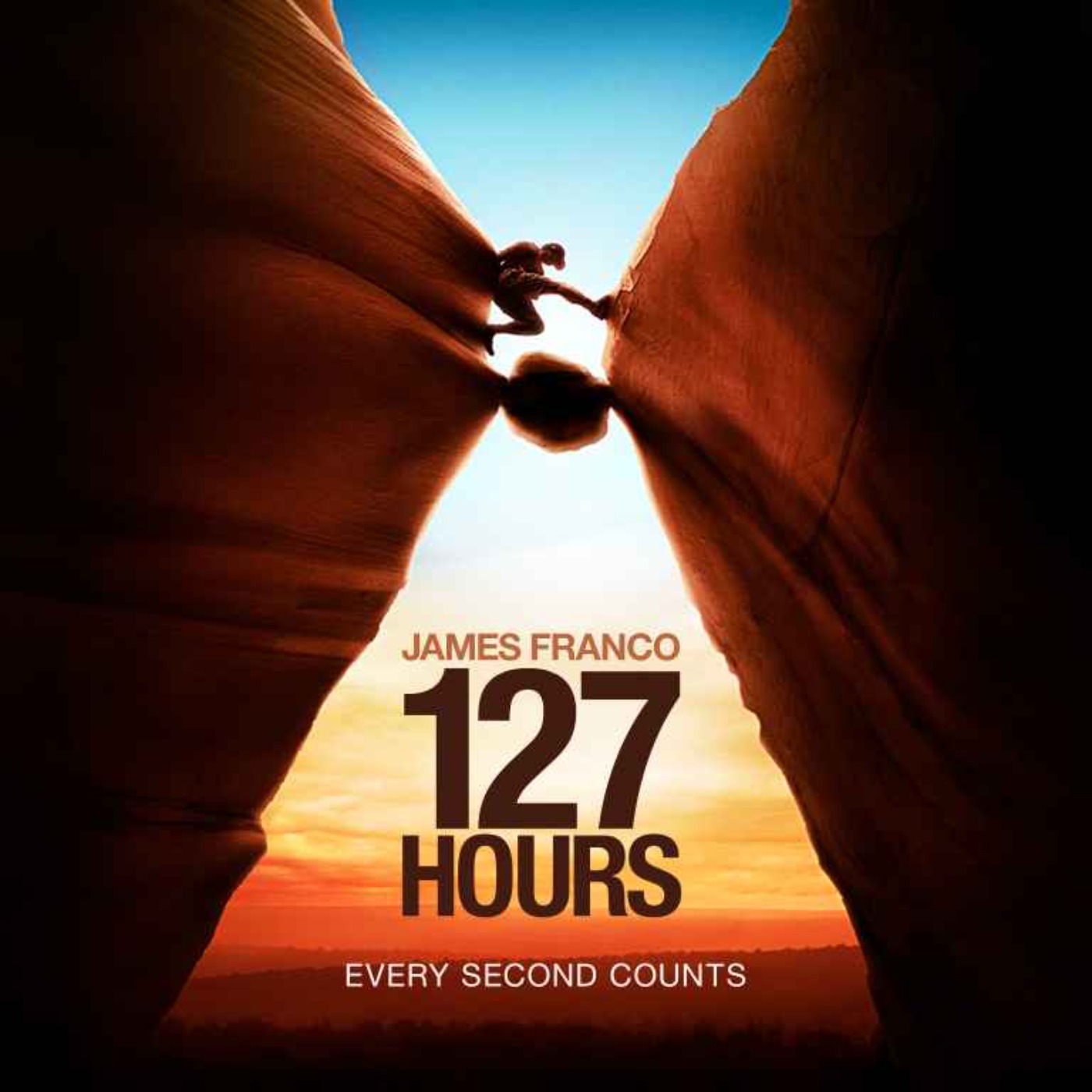
本集简介
双语字幕
仅展示文本字幕,不包含中文音频;想边听边看,请使用 Bayt 播客 App。
你正在收听卢克的英语播客。
You're listening to Luke's English podcast.
如需更多信息,请访问 teacherluke.podomatic.com。
For more information, visit teacherluke.podomatic.com.
大家好,女士们、先生们。
Hello, ladies and gentlemen.
欢迎来到卢克英语播客的又一期节目。
Welcome to another edition of Luke's English podcast.
三月的伦敦今天天气格外晴朗。
It's an absolutely beautiful day here in March in London.
春天真的来了,阳光明媚,简直太棒了。
Spring has truly started and the sun is out and it's absolutely fantastic.
所以你现在正在收听卢克的英语播客,这可能是世界上最棒的播客,不仅对于学习英语来说,而且总体而言也是最棒的播客,我觉得。
So you're listening to Luke's English podcast, which is probably the best podcast, not just for learning English, but just generally the best podcast in the world, I'd say.
我还没有做过任何研究。
I haven't done any research.
我其实还没问过其他人。
I haven't actually asked anyone else.
我只是假设这是你能听到的最好的播客。
I'm just assuming that this is the best podcast that you could listen to.
我的意思是,从Podomatic上的排名来看,它排在第53位。
I mean, it's in terms of the ranking on Podomatic, it's at number 53.
明白吗?
Alright?
但这可不是第一名。
Now that's not number one.
我明白这一点。
I realize that.
但即便如此,这其实没什么意义。
But nevertheless, it doesn't really mean anything.
但它依然是世界上你能听到的最好的播客。
It's still this is still the best podcast you could listen to in the world.
现在,你知道,在这个我们称之为地球的疯狂世界里,如果你有三十分钟到一小时的时间,对吧?
Now, you know, if you've got sort of thirty minutes to one hour of time in this crazy world that we call Earth, Right?
如果你有一小时可以花,为什么不花在听卢克的英语播客上呢?各位女士们先生们,这能满足你所有学英语的需求。
If you've got an hour to spend, why not spend it listening to Luke's English podcast for all your learning English needs, ladies and gentlemen?
你选择收听这一集是正确的,因为你将进行一些听力练习。
Well, you've made the right choice by listening to this episode because you're going to do some listening.
你将练习听力,这对你非常有用,因为你会听到一些非常自然、真实的材料,比如母语者的对话。
You're gonna practice your listening, which will be really useful for you, like really natural, authentic things to listen to, native speakers.
你还会学到一些习语和非常实用的惯用表达,这会有帮助。
You'll also then learn some idioms, some really useful idiomatic expressions, and that'll that'll help.
这肯定会有帮助。
That's definitely gonna help.
那么,这一集你要听什么呢?
So the what are you gonna listen to in this episode?
首先,我要谈一部叫《127小时》的电影。
First of all, I'm going to be talking about a movie called a hundred and twenty seven hours.
对吧?
Right?
一百二十七小时。
One hundred and twenty seven hours.
是过去一两年里一部大获成功的电影。
Big successful movie of the last year or so.
今年它获得了奥斯卡奖提名。
It was nominated at the Academy Awards this year.
这是一个真实的故事,讲述了一位名叫亚伦·罗尔斯顿的人,他去沙漠徒步时遭遇了严重事故,这让他重新审视自己的人生,以不同的方式看待生命中的一切。
It's the true story of a man called Aaron Rolston who went on a trek into the desert and had a terrible accident, which then causes him to kind of reevaluate his life and look at all of the things in his life in a different way.
这是一部非常有趣的电影,也非常出色。
It's a really interesting film, really good film as well.
所以在这集中,首先我们将听一段对亚伦·罗尔斯顿的真实采访,他就是电影中的那位人物。
So in this episode, first of all, we're going to listen to an interview, a real interview with Aaron Ralston, who was the guy in in the movie.
不是演员,而是那个真实经历这一切的人。
Not the actor, but the real person who it really happened to.
你会听到一段与他的访谈。
You're going to listen to an interview with him.
他会描述他经历的那场事故。
He's going to describe the accident which he experienced.
之后,我会教你一些与‘hand’相关的非常有用的习语和短语。
And after that, I'm going to teach you some really useful idioms and phrases all related to the word hand.
明白吗?
Okay?
如果你看过这部电影,你就知道为什么了。
Now if you've seen the movie, you'll know why.
所以,实际上,在这一点上,我想给你两个提醒。
So, actually, at this point, I'd like to give you two warnings.
对吧?
Right?
第一个提醒是,我会透露一些故事情节。
Now warning number one, I will reveal some of the story.
我会谈谈这个故事的一些细节。
I I will talk about some details of this story.
如果你知道接下来会发生什么,其实并不会影响你看电影的体验,对吧?
Now it doesn't really affect the enjoyment of the movie, right, if you if you know what's gonna happen.
这并不会真正破坏电影的观感,但如果你还没看过这部电影,通过听这段内容,你可能会无意中了解到一些剧情细节。
It doesn't really spoil the movie, but still you you might not if you haven't seen the film yet, you might kind of find out some details of what happens in the story by listening to this.
所以,先看电影再听这段内容可能更好,但说实话,我觉得这也没那么重要。
So it might be a better idea to watch the movie first then listen to this, but, really, I don't think it matters that much.
如果你知道剧情发展,这并不会影响你对电影的享受。
If you know what happens, it doesn't spoil your enjoyment of the film.
对吧?
Right?
事实上,知道会发生什么反而能帮你更好地应对,因为这基本上讲的是一个男人遭遇了严重事故的故事。
In fact, knowing what happens can help you deal with it a little better, because, basically, this is about a man who has a terrible accident.
对吧?
Right?
而且这部电影包含了一些非常血腥和血腥的场景。
And it does feature some the movie features some really explicit and graphic scenes with blood.
对吧?
Right?
如果你容易感到不适,可能很难承受。
Now if you're squeamish, you you might not handle it very well.
事实上,很多在电影院里的人曾晕倒,还有很多人实在受不了,不得不中途离场。
In fact, lots of people in cinemas have fainted, and lots of people just couldn't take it and had to leave the movie.
对吧?
Right?
因为实在太可怕了。
Because it's so kind of horrific.
我当初是和女朋友一起去看的,她看电影前特别害怕。
Now I went to see it with my girlfriend, and she was really scared before we saw the film.
事实上,她害怕得都不敢进电影院。
She was, in fact, too scared to even enter the cinema.
对吧?
Right?
但我还是说服她进去了。
But I managed to convince her to come in.
我有点担心她受不了那些残酷的场景,但你知道的,她表现得很好。
I was a bit worried that she wouldn't be able to deal with the the difficult scenes, but, you know, she did well.
在那些痛苦的时刻,她躲在我怀里。
She she kinda hid in my arms at the painful moment.
我们前面的一对情侣不得不离开,但她一直陪在我身边。
A couple ahead of us in the cinema had to leave, and but she stayed with me.
我们实际上非常喜欢这部电影,觉得它非常感人、富有情感,最终也很积极。
And we actually really enjoyed the film, and we found it to be quite moving and emotional and ultimately quite positive.
所以这是第一个提醒:听下去可能会听到一些剧情剧透。
So that's the first warning you might get some plot spoilers by listening to this.
第二个提醒是,接下来会描述一些相当血腥的场景,比如可怕的事故。
Second warning is there will be a few descriptions of quite graphic scenes, so quite horrible sort of accidents.
你会听到一些关于这些事情的描述,这会涉及一些血液和痛苦,基本上是这样。
You will listen to some descriptions of those things, and that will involve some blood and pain, basically.
对吧?
Right?
所以如果你对这些感到不适,那么听的时候要小心,因为它可能会让你觉得有点不舒服。
So if you if you're uncomfortable with that, then just be careful when you're listening to this because it might make you feel a bit uncomfortable.
对吧?
Right?
但我认为这并不比《实习医生格蕾》或《犯罪现场调查》这类剧集的普通一集更糟糕。
But I think this is nothing worse than the average episode of, like, Grey's Anatomy or CSI or something like that.
只是这些事情真的发生了。
It's just that it actually happened.
好的。
Okay.
现在你将听到一段与亚伦·拉尔斯顿的真实访谈,他正是这部电影的主人公。
So now you're going to listen to a real interview with Aaron Ralston, who is the the subject of the movie.
在这次采访中,他将详细描述自己是如何遭遇这场可怕的事故的。
And in this interview, he's going to describe exactly how he had this terrible accident.
明白吗?
Okay?
所以先听采访,之后我会读一些是非题给你,你可以判断它们是对还是错。
So listen to the interview first, then afterwards, I'm going to read you some true or false, statements, and you can decide whether they're true or false.
先听采访,然后试着判断这些陈述是对还是错。
So listen first, then try and decide whether the statements are true or false.
之后我会帮你确认正确答案。
After that, I will help you to get the answers right.
明白吗?
Okay?
那么我们开始吧。
So here we go.
当我回想2003年4月26日至5月1日那一周时,那之前和之后的生活截然不同。
When I think about the the week of April 26 to 05/01/2003, there was what came before and there's what came after.
这对我来说是一个巨大的转折点,它不仅切断了我的手臂,更将我的人生截然分为‘之前’和‘之后’,也就是‘蓝约翰’之前和之后。
It was such a watershed for me that it it literally cleaved not only my arm, but my life into this kind of before and after, this pre and post Blue John.
我走进那个峡谷时,不仅带着两只手,更抱着一种外出郊游、放松心情的冒险心态。
Is that I walked into that canyon not only with two hands, but but just as an adventure out on a day trip for kind of a a a vacation of sorts.
在这次徒步中,考虑到我当时的生活状态,这本是一次非常轻松的行程,但当我走到南犹他州一片偏远沙漠中的狭窄峡谷断崖时,我松动了一块巨石。
And midway through this hike that was pretty low key for the kinds of things that I was doing at that time in my life, I I got to a drop off in this slot canyon in the middle of a very remote desert in Southern Utah, and I dislodged a boulder.
我在下降时把那块石头拉了下来。
I pulled it down as I was descending this drop off.
巨石从我头顶落下,而我正身处其下,我赶紧举起双手想挡住它砸向我的头颅,结果一只手被砸得粉碎。
The boulder fell from my head as I was now underneath it, and as I put my hands up to try to block it from crashing into my skull that my hands, one, got smashed.
接着,巨石反弹时,我的右手被卡在了两面狭窄岩壁之间,被这块石头死死压住。
And then as the boulder ricocheted, my right hand became trapped by this rock as it it slammed into a new spot between these very narrow walls.
这块像公交车轮胎一样大的巨石,现在把我困在了一个50英尺深的峡谷里,离最近的土路有五英里远,几小时之内都找不到电话、公路、水源或任何帮助。
So this, like, bus tire sized boulder now is trapping me in a 50 foot deep slot canyon, five miles from the nearest dirt road and hours from a phone or pavement or running water or help.
我当时一个人在那儿。
I was by myself.
我没告诉任何人我去了哪里。
I hadn't told anyone where I was going.
没有留下任何行程安排。
Didn't leave any kind of an itinerary.
所以我一个人被困在那里,几乎就像站在自己的坟墓里。
And so it was it was just me stuck and trapped basically standing in my grave.
由于无法脱身,我肯定会在那里死去,要么因为感染,要么脱水或饥饿,也可能遭遇山洪,或者在极其寒冷的夜晚因失温而死。
And without being able to get free, I was definitely going to die there via via one or the other kind of mechanisms, either infection or dehydration or starvation, perhaps a flash flood, or or just by succumbing to hypothermia during the very cold nights.
我经历了这些各种身体和精神上的折磨,不只是度过了一天一夜,而是两天两夜、三天三夜、四天四夜,到了第五天和第五个夜晚,我知道自己已经试过了所有能试的方法,包括试图砍断自己的手臂来脱困。
I I suffered through all of these various bodily and mental degradations over not just one day and one night, but two days, two nights, three days, and three nights, four days, four nights, five days, and the fifth night, I knew that at this point I've tried everything there is to try including trying to cut my arm off to get myself free.
在那之后,我在肩膀上方的峡谷岩壁上刻下了自己的名字、出生月份,以及我认为自己将死去的月份。
And being there that I I etched my name and my birth month and my what I thought was my death month in the wall of the canyon above my shoulder.
我用一台手持摄像机,把它放在面前的石头上,固定住我的手,录下了我的遗嘱。
I I used this handheld video camera, sat it on the rock in front of me, strapping my hand, and recorded my will and testament.
我的告别,说给我的家人和所爱的人听。
I mean, my goodbyes to my family and my loved ones.
我或许已经认命了,或者说内心平静了,接受了自己将死在这里的事实。
And I've I was resigned perhaps or or at peace with maybe another way to say it, the fact that I was gonna die here.
我的前方已经没有生命了。
There was no more life in front of me.
我也发现了生命中许多遗憾,但同时,我逐渐与自己达成了某种和解,允许那些遗憾存在,不再纠结。
And I I found a lot of regrets in my life too, but also I came to to I think an understanding with myself about it to let some of those regrets, just let them be.
但结果证明,这并不是终点。
But as it turned out, it was not the end.
在最后一个夜晚,也就是我在那里的第五个夜晚,我看到了一个幻象:一个男孩,我看到未来的自己,右臂缺失,正抱着一个金发三岁的小男孩,把他举起来放在髋部,我们目光相接的那一刻,我知道那是我的儿子。
I had a vision during that last night, that fifth night that I was there of a little boy that I saw myself at some point in the future with with a handless right arm playing with this little blonde haired three year old and lifting him up and holding him on on my hip and and the the eye contact that I had with him told me that this was my future son.
如果我将来会有个儿子,那就意味着我还会拥有未来。
And if I was to have a future son then that meant I was gonna have a future.
我会从这个地方走出去。
I was gonna get out of this place.
几个小时后,太阳再次升起,迎来了我在峡谷中的第六天。
A few hours later the sun came up yet again on my sixth day in the canyon.
但这一次,带着这种重新燃起的希望——我会离开这里,我实际上陷入了一种愤怒之中。
But this time, with this renewed hope that I would get out of there, I I actually fell into a rage of sorts.
我失去了对之前一直非常克制的体验的控制。
I I lost control of of what had previously been a very controlled experience for me.
在这股怒火中,我感觉到我的骨头在弯曲。
And in this rage, I felt my bones bend.
当它们弯曲时,我意识到自己或许真的能折断这些骨头。
And as they bent, I realized that I might actually be able to break the bones.
如果我能折断它们,我或许就能用那把刀——虽然它太钝,无法切断骨头,但可以用来切割软组织。
And if I could break them, I might be able to then use the knife, which was too dull to cut through the bones, but to use that just on the soft tissues.
一种微笑浮现在我脸上。
And the smile came over me.
我欣喜若狂,先折断一根骨头,然后扭曲身体折断第二根骨头,再用刀割开各种组织,包括神经,那痛苦远比巨石压住我的手强烈千倍。
I I was euphoric as I went about first breaking one bone and then contorting my body to break the second bone and then using the knife to cut through the various tissues and including the nerve, which was a thousand times worse than having that boulder crushing my hand.
但即使在经历最剧烈的疼痛时,我也知道我一定会离开这里。
But even as I got through that most intense pain, I knew that I was gonna get out of there.
我迟早会死,但我不会死在这里。
I'm gonna die at some point, but I'm not gonna die here.
我一定会离开这个地方。
I'm I'm gonna get out of this place.
果然,经过大约一小时五分的截肢过程,我自由了。
And sure enough, after about an hour and five minutes of of working through the amputation, I I was free.
那是我一生中可能经历过的最极致的狂喜。
It was the most euphoric ecstasy that I'll probably ever feel in my life.
我深呼吸几次后整理好自己,拿起绳索、攀爬装备,还有那个现在装满尿液的水瓶,拍下了最后一张照片。
And I gathered myself after a few deep breaths and picked up my rope, picked up my climbing gear, picked up my water bottle that now is full of urine, and I took a last photograph of this.
这张照片是对我那只几乎困住我、差点让我丧命的手的告别,然后我开始沿着峡谷下行。
It was a good riddance photograph of the hand that nearly trapped that nearly killed me in the boulder, and and I started hiking down the canyon.
我走了几百码的三、四级峡谷,直到到达一个我之前设置好的下降点,从六十英尺的高度滑降下去。
I I made it through a few 100 yards of, like, third and fourth class canyon, until I got to a a rappel that I I set up and rappelled the 60 foot drop.
我来到一处水池,喝了大约十五分钟的水,然后继续徒步。
And, I got to a pool of water, I drank from that for about fifteen minutes and then started hiking.
我接着走了将近七英里,体力逐渐耗尽,肾上腺素消退,加上长期睡眠不足和其他累积的压力影响。
I walked for almost seven miles then, slowly losing energy as the adrenaline and and just the the effects of all of this sleep deprivation and everything else that had been mounting on me.
在这段徒步的尽头,我离我的卡车只剩下一英里,但那里需要攀爬约800英尺的垂直高度才能离开峡谷底部。
And at the end of of this hike, I was just a mile away from my truck, where I had to leave the canyon bottom, about 800 vertical feet of climbing.
就在此时,一架一直在搜寻我的直升机从天而降,将我从峡谷中救出,随后我们直飞医院。
And at this moment now, a helicopter came out of the sky that had been searching for me and plucked me out of the canyon, and off we fly to the hospital.
这简直是一种非凡的巧合:我刚把自己救出来、到达开阔地带,直升机就在几分钟内赶到——如果再晚一点,我可能就因失血过多而死了。
It was such a remarkable synchronicity of me getting myself free and out into the open where then I could be found and that helicopter being there within minutes of when I would have otherwise bled to death.
对我来说,这依然是一个令人震惊的奇迹:我确实做到了我所做的一切,但更不可思议的是,我竟然活了下来,并及时得到了医疗救助。
That it was, to me still an astonishing miracle that that, yeah, I did what I did, but actually that I survived the effect of it and got to medical attention.
在那之后重新拼凑我的人生,又是一次‘之前’与‘之后’的分水岭——它定义了我走向那个时刻之前的一切,也定义了之后的人生轨迹。
Putting my life back together after that again is this before and after of everything that had happened leading me up to that that place and then where I would go after that.
即使到现在,我已经结婚并有了一个六个月大的儿子利奥,蓝约翰峡谷的那次经历依然是我生命中最重要的分水岭,划分了过去与未来。
It still stands even now with being married and having a little six month old boy, Leo, that the experience back in Blue John is is still the defining moment in my life of what came before and what came after.
我准备了一些是非题。
I've prepared a few true or false statements.
明白吗?
Okay?
这样可以帮助你更专注地仔细聆听这次访谈。
So this can help you to really focus your attention on listening to this interview in in detail.
现在我将为你朗读这些是非题,但它们也会刊登在网站上:http://teacherluke.podomatic.com。
Now I'm going to read the true or false statements to you now, but they will also be printed on the website, which is httpcolon//teacherluke.podomatic.com.
你可以在那里看到这些是非题。
You can see the true or false statements there.
所以我建议你在听访谈时,一边看这些是非题,一边判断它们是对还是错。
So I recommend that as you listen to the interview, you look at the true or false statements and decide, are they true or are they false?
明白吗?
Okay?
但让我现在先为你读一遍。
But let me read them to you now.
好的。
Okay.
第一题。
Number one.
对还是错?
True or false?
第一题。
Number one.
2003年4月26日至5月1日这一周将他的生活分成了两部分。
The week of April 26 to 05/01/2003 divided his life into two parts.
2003年4月26日至5月1日这一周将他的生活分成了两部分。
The week of April 26 to 05/01/2003 divided his life into two parts.
第二题,他去徒步的那条路线是他经历过最极端、最危险的徒步路线之一。
Number two, the hike he went on was one of the most extreme and dangerous hikes he had ever done.
他去徒步的那条路线是他经历过最极端、最危险的徒步路线之一。
The hike he went on was one of the most extreme and dangerous hikes he had ever done.
第三题,当他在峡谷中徒步时,他撞落了一块巨石,两人一起坠入了峡谷。
Number three, as he was hiking in the canyon, he dislodged a boulder, and they both fell into the canyon.
那块巨石砸中了他的手臂,将他困在峡谷中。
The boulder landed on his arm and trapped him in the canyon.
巨石是非常、非常、非常大的石头。
Now a boulder is a very, very, very big rock.
明白吗?
Okay?
所以第五点,当他穿越峡谷时,他弄松了一块巨石,结果两者都坠入了峡谷。
So number three, as he was hiking through the canyon, he dislodged a boulder, and they both fell into the canyon.
那块巨石砸中了他的手臂,将他困在峡谷中。
The boulder landed on his arm and trapped him in the canyon.
第四点,他离文明社会有五个小时的路程。
Number four, he was five hours from civilization.
他离文明社会有五个小时的路程。
He was five hours from civilization.
第五点,他没有告诉任何人自己计划去那个区域徒步。
Number five, he hadn't informed anyone of his plan to trek in that area.
他没有告诉任何人他计划去那个地区徒步。
He hadn't informed anyone of his plan to trek in that area.
第六,他几乎立刻意识到自己会饿死。
Number six, he realized almost immediately that he was going to starve to death.
他几乎立刻意识到自己会饿死。
He realized almost immediately that he was going to starve to death.
第七,到第五天时,他已经尝试了所有可能的逃生方法。
Number seven, by the fifth day, he'd already tried every possible way to escape.
到第五天时,他已经尝试了所有可能的逃生方法。
By the fifth day, he'd already tried every possible way to escape.
第八,到第五天时,他仍然不确信自己会死在那里。
Number eight, by day five, he was still not convinced that he was going to die there.
到第五天时,他仍然不确信自己会死在那里。
Number eight, by day five, he was still not convinced that he was going to die there.
第九,他无法面对自己对人生的遗憾。
Number nine, he wasn't able to deal with regrets that he had about his life.
他无法应对自己对人生的遗憾。
He wasn't able to deal with regrets that he had about his life.
第十,他梦见了自己小时候,想要回去向当时的自己道歉。
Number 10, he had a dream about himself as a boy, and he wanted to go back to apologize to himself.
他梦见了自己小时候,想要回去向当时的自己道歉。
He had a dream about himself as a boy, and he wanted to go back to apologize to himself.
第十一,他非常愤怒,因为他觉得自己辜负了自己。
Number 11, he got really angry because he felt he'd failed himself.
他非常愤怒,因为他觉得自己辜负了自己。
He got really angry because he felt he had failed himself.
第十二,他冷静地决定折断自己的骨头并砍掉手臂。
Number 12, he made a controlled decision to break his bones and cut his arm off.
他冷静地决定折断自己的骨头并砍掉手臂。
He made a controlled decision to break his bones and cut his arm off.
第十三,尽管疼痛,他却对砍掉手臂感到非常欣慰。
Number 13, he was very happy to cut off his arm despite the pain.
尽管疼痛,他却对砍掉自己的手臂感到非常高兴。
He was very happy to cut off his arm despite the pain.
第14点,他离开前拍了一张非常清晰的手部照片。
Number 14, he took a really good quality photo of his hand before he left.
他离开前拍了一张非常清晰的手部照片。
He took a really good quality photo of his hand before he left.
第15点,他从60英尺高处坠入一池水中。
Number 15, he fell 60 feet into a pool of water.
他从60英尺高处坠入一池水中。
He fell 60 feet into a pool of water.
第16点,尽管他不断失去力气,他还是徒步走了七英里。
Number 16, he hiked seven miles even though he was losing strength all the time.
尽管他不断失去力气,他还是徒步走了七英里。
He hiked seven miles even though he was losing strength all the time.
第17点,他爬了800英尺到达他的卡车,然后联系了直升机来救援他。
Number 17, he climbed 800 feet to his truck and then contacted a helicopter to rescue him.
他爬了800英尺到达他的卡车,然后联系了直升机来救援他。
He climbed 800 feet to his truck and then contacted a helicopter to rescue him.
第18件事,他在蓝约翰峡谷的经历彻底改变了他的一生。
Number 18, his experience in Blue John Canyon totally changed his life forever.
所以这些就是判断正误的题目。
So those are the true or false statements.
你也可以在网站上找到这些题目的打印版,这样你可以边听边看。
You can also find them printed, on the website, so you can read them while you listen.
但为了给你机会尝试答对,或者核对你的答案,我们再听一遍采访。
But, just to give you a chance to try and get them right or to check your answers, let's listen to the interview again.
明白吗?
Okay?
然后我会给出答案并进行解释。
Then I will give you the answers and explain them.
明白吗?
Okay?
我们在这里
Here we
当我回想2003年4月26日至5月1日那一周时,那之前和那之后截然不同。
When I think about the the week of April 26 to 05/01/2003, there was what came before and there's what came after.
那对我来说是一个巨大的分水岭,它不仅砸断了我的手臂,更将我的人生一分为二——蓝约翰之前和蓝约翰之后。
It was such a watershed for me that it it literally cleaved not only my arm, but my life into this kind of before and after, this pre and post Blue John.
我走进那个峡谷时,不仅带着两只手,更抱着一种轻松的度假心态,只是出来进行一天的探险。
That I walked into that canyon not only with two hands, but but just as an adventure out on a day trip for kind of a a a vacation of sorts.
就在那次徒步途中,那对我来说本是相当平淡的活动,我来到一个位于犹他州南部偏远沙漠中的狭窄峡谷断崖处,不小心松动了一块巨石。
And midway through this hike that was pretty low key for the kinds of things that I was doing at that time in my life, I I got to a drop off in this slot canyon in the middle of a very remote desert in Southern Utah, and I dislodged a boulder.
我往下攀爬时,拉下了那块石头。
I pulled it down as I was descending this drop off.
石头从我头顶落下,而我正处在它下方,我赶紧抬手想挡住它砸向头部,结果一只手被砸得粉碎,接着石头反弹,我的右手被卡在两壁之间的一处狭窄缝隙里。
The boulder fell from my head as I was now underneath it, and as I put my hands up to try to block it from crashing into my skull that my hands, one, got smashed, and then as the boulder ricocheted, my right hand became trapped by this rock as it it slammed into a new spot between these very narrow walls.
于是,这块像公交车轮胎一样大的巨石,将我困在了50英尺深的峡谷中,距离最近的土路有五英里,离电话、公路、水源或任何援助都数小时之遥。
So this, like, bus tire sized boulder now is trapping me in a 50 foot deep slot canyon, five miles from the nearest dirt road and hours from a phone or pavement or running water or help.
我一个人在那儿。
I was by myself.
我没告诉任何人我去了哪里。
I hadn't told anyone where I was going.
也没有留下任何行程计划。
Didn't leave any kind of an itinerary.
所以我就这样被困住,几乎像是站在自己的坟墓里。
And so it was it was just me stuck and trapped basically standing in my grave.
如果不能脱身,我肯定会在那儿死去,要么因为感染,要么脱水或饥饿,也可能遭遇山洪,或者在极其寒冷的夜晚因失温而死。
And without being able to get free, I was definitely going to die there via via one or the other kind of mechanisms, either infection or dehydration or starvation, perhaps a flash flood, or just by succumbing to hypothermia during the very cold nights.
我经历了这些各种身体和精神上的折磨,不只是度过了一天一夜,而是两天两夜、三天三夜、四天四夜,直到第五天和第五个夜晚。
I suffered through all of these various bodily and mental degradations over not just one day and one night, but two days, two nights, three days, and three nights, four days, four nights, five days, and the fifth night.
我知道,到那时我已经试过所有能试的方法,包括试图砍断自己的手臂来脱困,我还在肩膀上方的峡谷岩壁上刻下了自己的名字、出生月份,以及我认为自己死亡的月份。
I knew that at this point, I've tried everything there is to to try including trying to cut my arm off to get myself free and being there that I etched my name and my birth month and my what I thought was my death month in the wall of the canyon above my shoulder.
我用一台手持摄像机,把它放在面前的石头上,固定住我的手,录下了我的遗嘱。
I I used this handheld video camera, sat it on the rock in front of me strapping my hand, and recorded my will and testament.
我是在向我的家人和亲人告别。
I mean, my goodbyes to my family and my loved ones.
我或许已经接受,或者说,平静地接受了自己将死在这里的事实。
And I I was resigned perhaps or or at peace with, maybe another way to say it, the fact that I was gonna die here.
我面前已经没有了未来。
There was no more life in front of me.
我也发现了自己的许多遗憾,但同时,我似乎与自己达成了某种和解,允许这些遗憾存在,不再纠结。
And I I found a lot of regrets in my life too, but also I came to to I think an understanding with myself about it to let some of those regrets, just let them be.
但结果证明,这并不是终点。
But as it turned out, it was not the end.
在最后一个夜晚,也就是第五个夜晚,我看到了一个幻象:我看见自己未来的一个场景,右臂残缺,正抱着一个金发三岁的小男孩,把他举起来放在髋部,我们目光相接的瞬间,我知道那是我的儿子。
I had a vision during that last night, that fifth night that I was there of a little boy that I saw myself at some point in the future with with a handless right arm playing with this little blonde haired three year old and lifting him up and holding him on on my hip and and the the eye contact that I had with him told me that this was my future son.
如果我会有个未来的儿子,那就意味着我还会拥有未来。
And if I was to have a future son, then that meant I was gonna have a future.
我会从这个地方走出去。
Was gonna get out of this place.
几个小时后,太阳再次在我的第六天峡谷中升起。
A few hours later, the sun came up yet again on my sixth day in the canyon.
但这一次,带着我能够离开这里的全新希望,我实际上陷入了一种愤怒之中。
But this time, with this renewed hope that I would get out of there, I I actually fell into a rage of sorts.
我失去了对原本一直非常克制的体验的控制。
I lost control of of what had previously been a very controlled experience for me.
在这股怒火中,我感觉到我的骨头在弯曲。
And in this rage, I felt my bones bend.
当它们弯曲时,我意识到自己或许真的能折断这些骨头。
And as they bent, I realized that I might actually be able to break the bones.
如果我能折断它们,我或许就能用那把刀——虽然它太钝了,无法切断骨头——但可以用来切割软组织。
And if I could break them, I might be able to then use the knife, which was too dull to cut through the bones, but to use that just on the soft tissues.
我脸上浮现出笑容。
I and the smile came over me.
当我先折断一根骨头,然后扭曲身体折断第二根骨头,再用刀切割各种组织,包括神经时,我感到无比兴奋,那种痛苦远比巨石压碎我的手还要强烈一千倍。
I I was euphoric as I went about first breaking one bone and then contorting my body to break the second bone and then using the knife to cut through the various tissues, including the nerve, which was a thousand times worse than having that boulder crushing my hand.
但即使在经历最剧烈的疼痛时,我也知道我一定能离开这里。
But even as I got through that most intense pain, I knew that I was gonna get out of there.
我终将死去,但不会死在这里。
I'm gonna die at some point, but I'm not gonna die here.
我一定要离开这个地方。
I'm gonna get out of this place.
果然,在花了大约一小时五分钟完成截肢后,我自由了。
And sure enough, after about an hour and five minutes of working through the amputation, I was free.
那是我一生中可能感受到的最极致的狂喜。
It was the most euphoric ecstasy that I'll probably ever feel in my life.
我深呼吸几次后整理好自己,拿起绳索、攀爬装备,还有那个如今装满尿液的水瓶。
And I gathered myself after a few deep breaths and picked up my rope, picked up my climbing gear, picked up my water bottle that now was full of urine.
我拍下了这张最后的照片。
And I took a last photograph of this.
这是一张告别之照,告别那只几乎将我困住、几乎让我丧命于巨石下的手,然后我开始沿着峡谷下行。
It was a good riddance photograph of the hand that nearly trapped that nearly killed me in the boulder, and and I started hiking down the canyon.
我艰难地走过了几百码的三、四级峡谷,直到到达一个我事先设置好的绳降点,下降了60英尺。
I I made it through a few 100 yards of, like, third and fourth class canyon, until I got to a a rappel that I set up and rappelled the 60 foot drop.
我来到一处水池,喝了大约十五分钟的水,然后继续徒步前行。
And I got to a pool of water, I drank from that for about fifteen minutes and then started hiking.
接着我走了将近七英里,体力逐渐耗尽,肾上腺素消退,加上长期睡眠不足和其他累积的压力让我越来越虚弱。
Walked for almost seven miles then, slowly losing energy as the adrenaline and and just the the effects of all of this sleep deprivation and everything else that had been mounting on me.
走到徒步终点时,我离我的卡车只有区区一英里,但还得爬升约800英尺的垂直高度才能到达。
And at the end of of this hike, I was just a mile away from my truck where I had to leave the canyon bottom, about 800 vertical feet of climbing.
就在此时,一架一直在搜寻我的直升机从天而降,把我从峡谷中救出,直接送往医院。
And at this moment now, a helicopter came out of the sky that had been searching for me and plucked me out of the canyon and off we fly to the hospital.
这简直是一种惊人的巧合:我刚把自己救出、来到开阔地带,直升机就在几分钟内赶到,而那时我再晚一点就会因失血过多而死。
It was such a remarkable synchronicity of me getting myself free and out into the open where then I could be found, and that helicopter being there within minutes of when I would have otherwise bled to death.
对我来说,这依然是一个令人震惊的奇迹——不仅是我完成了那些举动,更在于我活了下来,并及时得到了医疗救助。
That it was, to me still an astonishing miracle that that yeah, did what I did, but actually that I survived the effect of it and got to medical attention.
从那以后重新拼凑我的人生,又是一段前后的对比:一切导致我陷入那场绝境的经历,以及之后我将走向的未来。
Putting my life back together after that again is this before and after of, everything that had happened leading me up to that that place and then where I would go after that.
即使到现在,我已经结婚并有了一个六个月大的儿子莱奥,当年在蓝约翰的经历仍然是我生命中划分过去与未来的决定性时刻。
It still stands even now with, being married and and having a little six month old boy, Leo, that the experience back in Blue John is is still, the defining moment in my life, of what came before and what came after.
好的。
Okay.
现在让我向你解释答案。
So let me now explain the answers to you.
第一,4月26日至5月1日这一周将他的生活分成了两部分。
Number one, the week of April 26 to May 1 divided his life into two parts.
这是对的。
That's true.
第二,他进行的这次徒步是他经历过最极端、最危险的一次。
Number two, the hike he went on was one of the most extreme and dangerous hikes he'd ever done.
这是错误的,因为他曾说这是一次相当平淡的徒步,相当平淡。
That's false because he said it was a fairly low key hike, Fairly low key.
‘平淡’意味着风险不高,相当轻松,没什么大不了的。
Low key means kind of not particularly risky, quite kind of, quite easy, not a big deal.
不惊险。
Low key.
所以他提到这是一次相当平缓的徒步,不是那种他预期会特别危险或有风险的行程。
So he said it was a fairly a fairly low key hike, so not one that he expected to be particularly dangerous or risky.
第三,当他徒步穿越峡谷,或在峡谷上方行走时,他弄落了一块巨石,两人都坠入了峡谷。
Number three, as he was hiking through the canyon, or as he was hiking above a canyon, he dislodged a boulder, and they both fell into the canyon.
巨石砸中了他的手臂,将他困在峡谷中。
The boulder landed on his arm and trapped him in the canyon.
这是对的。
That's true.
第四,他距离文明社会大约五个小时的路程。
Number four, he was about five hours from civilization.
这不对。
That's not true.
这是错误的,因为他表示自己离文明社会有数小时的路程。
It's false because he said he was hours from civilization.
距离文明社会数小时路程。
Hours from civilization.
我认为他说过,他离自己的卡车有五小时路程,但离文明社会只有数小时。
I think he said he was five hours from his, truck, but hours from civilization.
第五,他没有告诉任何人他计划去那个区域徒步。
Number five, he hadn't informed anyone of his plan to trek in that area.
这是真的。
It's true.
他完全独自一人,没人知道他在那里。
He was completely, alone, and nobody knew he was there.
第六,他几乎立刻意识到自己会饿死。
Number six, he realized almost immediately, that he was going to starve to death.
这是假的,因为他意识到自己会有其他死法。
Well, that's false because he realized that there were other ways that he he was going to die.
他意识到自己会死,但并没有意识到会饿死,因为他提到还有其他死法,比如感染、脱水或山洪暴发。
He realized he was going to die, but he didn't realize he was going to starve because he said there are other ways he could die, like infection, dehydration, or flash flood.
山洪是一种突如其来的洪水,发生在沙漠地区,当短时间内降下大量降雨时,就会引发大规模洪涝。
A flash flood is like a very sudden flood which happens in the desert when there's a large amount of rain in a short period of time, and it causes large scale flooding.
所以第七点,到第五天时,他已经尝试了所有可能的逃生方式。
So number seven, by the fifth day, he'd already tried every possible way to escape.
这是真的。
That's true.
第八点,到第五天时,他仍然不相信自己会死。
Then number eight, by day five, he was still not convinced that he was going to die.
这是错的,因为他其实已经相信了。
That's, that's false because he was.
他确信自己会死,正是在那时,他开始回顾自己的人生。
He he was sure that he was going to die, and that's when he started sort of thinking about his life.
第九点,他无法面对自己人生中的遗憾。
Number nine, he wasn't able to deal with regrets that he had about his life.
这是错的。
That's false.
他实际上成功地处理了这些痛苦的回忆。
He actually managed to deal with a lot of these painful memories that he had.
他基本上与自己和解了。
Just he kind of made peace with himself, basically.
他与自己和解了。
He made peace with himself.
这就是你处理所有遗憾的地方,直到你感到内心平静。
That's where you deal with all your regrets until you feel like you're at peace.
所以他真的已经准备好去死了。
So he really was ready to to die.
第十,他做了一个关于自己童年的梦,想回去向自己道歉。
Number 10, he had a dream about himself as a boy, and he wanted to go back to apologize to himself.
这是错误的,因为他梦见的是一个男孩,但那是他未来儿子的幻象。
That's false because he had a dream about a boy, but it was a vision of his future son.
这也是他最终决定不想死的原因之一。
And that was one of the reasons why he kind of decided he he didn't want to die.
第11点,他非常生气,因为他觉得自己辜负了自己。
Number 11, he got really angry because he'd felt he'd failed himself.
这是错误的。
That's false.
据我回忆,他并没有觉得自己辜负了自己。
And as far as I remember, he didn't feel he'd failed himself.
他觉得自己辜负了未来的儿子。
He felt he'd failed his future son.
第12点,他做出了一个有控制的决定,折断自己的骨头并砍掉手臂。
Number 12, he made a controlled decision to break his bones and cut his arm off.
这不真实。
That's not true.
这是假的。
It's false.
这根本不是一个有控制的决定。
It it wasn't a controlled decision.
他当时暴怒了。
He was in a rage.
当你暴怒时,意味着你非常、非常生气且失去控制。
When you're in a rage, it means you're really, really angry and out of control.
所以他当时在暴怒中,并非冷静可控。
So he was in a rage and not controlled.
第13号,尽管疼痛,他却非常乐意砍掉自己的手臂。
Number 13, he was very happy to cut off his arm despite the pain.
这是真的。
That's true.
他说自己欣喜若狂。
He said he was ecstatic.
他说,当他成功砍下自己的手臂时,感到无比、无比、真的非常开心——如果你仔细想想,这确实是事实,因为他突然重获了生命。
He said he was really, really apparently, really happy when he managed to cut his arm off, which, if you think about it, is true because he suddenly got his life back.
他本将死去,但通过获得自由,他又重新找回了生命。
He was going to die, but then by becoming free, he got his life back again.
第14个人,在离开前拍了一张他手的高质量照片。
Number 14, he took a really good quality photo of his hand before he left.
这是假的。
This is false.
那是一种廉价的相机,所以照片质量不好。
It was a kind of cheap camera, so it wasn't good quality.
他说那是一张‘再见了’的照片。
And he said it was a kind of a good riddance photo.
再见了。
Good riddance.
当你说到‘再见了’,意思是扔掉了某样你不再想要的东西。
Now when you say good riddance, it means you've thrown something away, something you didn't want anymore.
就像说,太好了,我们终于把那张旧沙发扔掉了。
It's like, oh, thank god we finally got rid of that old sofa.
再见了。
Good riddance.
摆脱某物意味着把它像垃圾一样扔掉。
To get rid of something means to throw something away like rubbish or trash.
所以,一张‘好走不送’的照片,就是你在终于要扔掉某物时拍下的照片。
So a good riddance photo is a photo you take of something when you're finally going to throw it away to get rid of it.
于是你会说:‘好走不送。’
So you go, oh, good riddance.
第15个人从60英尺高处掉进了一池水中。
So number 15, he fell 60 feet into a pool of water.
这是假的。
It's false.
他实际上是用绳索下降,然后才找到水的。
He actually rappelled and then found the water.
‘rappel’是美式英语。
To rappel is American English.
在英国,我们会说‘abseil’,意思是指用绳索从悬崖上慢慢下降。
In Britain, we'd say to abseil, and it's when you kind of climb down a cliff using a rope.
所以你用一根绳子从悬崖面下降。
So you use a rope to descend a kind of cliff face.
所以他首先爬下了这60英尺,然后才找到了水。
So so he first of all, he climbed down the the 60 feet, and then he found the water.
第16条,他徒步走了七英里,尽管他一直在失去体力。
Number 16, he he hiked seven miles even though he was losing strength all the time.
这是真的。
That's true.
第17条,他爬了800英尺到达他的卡车,然后联系了直升机来救援他。
17, he climbed 800 feet to his truck and then contacted a helicopter to rescue him.
这是假的,因为他离他的卡车其实有一英里远,但要到达卡车需要爬800英尺。
That's false because he he was one mile away from his truck, but it was an 800 foot climb to get to the the truck.
然后,巧合的是,一架直升机注意到了他。
And then, just by coincidence, a helicopter noticed him.
所以直升机找到他纯粹是巧合。
So it's just a total coincidence that the helicopter found him.
他非常幸运。
He was very lucky.
然后是第18个,他在蓝约翰峡谷的经历彻底改变了他的一生。
And then number 18, his experience in Blue John Canyon totally changed his life forever.
这是真的。
That's true.
好的。
Okay.
就这样了。
So there you go.
这个采访就解释完了。
That's the interview explained.
现在我要教你们一些非常有用、很棒、自然的表达和习语,都与‘手’这个词有关。
Now I'm going to teach you some super useful, wonderful, natural expressions and idioms all related to the word hand.
我觉得这很合适,因为127个小时讲述的是一个失去手的人的故事。
I thought it would be appropriate considering a hundred and twenty seven hours is about a man who loses his hand.
展开剩余字幕(还有 211 条)
我当时觉得,讲一些包含‘hand’这个单词的习语和表达是很合适的。
I thought then it would be appropriate to do some idioms and expressions all with the word hand in the idiom.
有很多很多使用‘hand’这个词的表达,而且它们实际上非常常见。
And there are loads loads of expressions that use the word hand, and they're really common actually.
如果你仔细想想,手是你身体最常用到的部位之一。
If you think about it, your hand is one of the most common commonly used parts of your body.
我们用手做几乎所有事情,包括彼此交流、付钱、收钱、触摸东西等等。
We use our hands to do absolutely everything, including kind of communicate with each other, pay money and accept money and touch things and so on.
所以自然有很多表达都包含了‘hand’这个词。
So of course, there are lots of expressions which have the word hand as part of them.
那么我们开始吧。
So here we go.
我现在就教给你们。
I'm going to teach them to you now.
你们应该试着去掌握并使用它们,记住它们,这样你们就会成为出色的英语使用者。
You should try and go away and use them and remember them, and then you'll become an excellent speaker of English.
好的。
Okay.
现在来学习一些与“手”相关的习语和表达。
So it's time for some hand idioms and expressions.
太多了。
And there are so many.
有非常多使用“手”或“hands”的表达。
There are so many expressions that use the word hand or hands.
简直多得数不清,实在太多了。
There are just loads and loads, too many really.
所以我打算挑出我觉得比较有用的,读给你听,并为每个提供例子和定义。
So what I'm going to do is pick out the ones that I think are quite good, and then read them to you, give you an example and a definition of each one.
明白吗?
Okay?
那么我们开始吧。
So here we go.
第一个是手巧。
First one is to be to be good with your hands.
比如,我不惊讶他成了艺术家。
For example, I'm not surprised he's become an artist.
他一直都很手巧。
He's always been good with his hands.
或者,比如,嘿,约翰。
Or, for example, hey, John.
你很手巧。
You're good with your hands.
你能帮我装一下这些架子吗?
Can you help me put these shelves up?
所以如果一个人手巧,意思是他们在动手实践方面很有技巧,擅长用手做事。
So if someone's good with their hands, it means that they are skillful with practical things, skillful at doing things with your hands, to be good with your hands.
明白吗?
Alright?
另一个是动手实干。
Another one is to get your hands dirty.
动手实干。
Get your hands dirty.
就像这样,是的,他不怕脏手。
And it's like so, yeah, he's not frightened of getting his hands dirty.
或者来吧,一起动手实干。
Or so come and get your hands dirty.
这意味着做一些体力劳动。
To it means to do some physical work.
所以,如果你比如在花园里干活,你可能会说:我需要帮忙。
So if you, for example, doing some work in the garden, you might say, I need some help.
谁想来动手实干?
Who wants to come and get their hands dirty?
谁想做一些体力劳动?
And who wants to do some physical work?
我们来看看。
Let's see.
别碰。
Hands off.
别碰。
Hands off.
或者把手拿开。
Or get your hands off.
或者别碰。
Or keep your hands off.
别碰。
Hands off.
所以当你告诉别人不要碰某物时,就是这个意思。
So that's when you're telling someone not to touch something.
所以你会说,这些蛋糕是下午茶吃的,所以别碰。
So you'd say something like, these cakes are for tea, so hands off.
或者,你知道的,别碰。
Or, you know, keep your hands off.
请别碰我的工具。
Keep your hands off my tools, please.
意思是别碰它。
It means don't touch it.
明白吗?
Okay?
举起手来。
Hands up.
你可能会在黑帮电影之类的地方看到这种场景。
You might see that in, like, a gangster movie or something.
如果你拿着枪威胁某人,想让他们把双手举到空中,你就会说‘举起手来’。
You say hands up if you're trying to, like, threaten someone with a gun and you want them to put their hands in the air.
你会说‘举起手来’。
You'd say, hands up.
比如,这是一起银行抢劫案。
This is a bank robbery, for example.
如果你希望人们举手回答问题或自愿参与某事,你也会说‘举手’。
You you also, might say, hands up, if, you want people to raise their hand, to answer a question or raise their hand to volunteer for something.
所以,这就像这样,对吧。
So it'd be something like, right.
谁想去动物园?
Who wants to go to the zoo?
举手。
Hands up.
如果你想去动物园,就把手举起来。
And if you want to go to the zoo, you put your hand up.
所以,举手。
So hands up.
谁想去动物园?
Who wants to go to the zoo?
例如。
For example.
手头满载,意思是,我很抱歉。
To have your hands full, it's like, I'm really sorry.
我今天下午不能过来。
I can't come over this afternoon.
我今天带着孩子,真的忙得不可开交。
I've really got my hands full with the kids.
所以如果你手头满载,就意味着你非常忙。
So if you've got your hands full, it means you're really busy.
我忙着照顾孩子,所以不能去你家。
I've got my hands full looking after the children, so I can't come over to your house.
让我们看看。
Let's see.
在某人手中,或在某人的掌控之下。
In in someone's hands or in the hands of someone.
例如,好吧。
For example, okay.
我把这件事交给你处理。
I'll leave the matter in your hands.
或者,工业的未来掌握在政府手中。
Or the future of industry lies in the hands of the government.
所以,如果某事在某人手中,意思就是由他们掌控。
So if it's in someone's hands, it means it's in their control, basically.
处于安全良好的状态,即处于安全的手中或良好的手中。
To be in safe good to be in safe hands or to be in good hands.
例如,当孩子和我妈妈在一起时,我知道她处于安全的照顾中。
For example, when the child is with my mother, I know she's in safe hands.
这是一家不错的医院。
It's a good hospital.
我确信他处于安全的照顾中。
I'm sure he's in safe hands.
或者我会把这件事交给我的搭档约翰,让他来照管。
Or I'm going to leave you in the safe hands of my partner John, for example.
明白吗?
Okay?
这意味着由一个负责任的人或组织来照顾,不太可能受到伤害或损坏。
And it means to be taken care of by a responsible person or organization and unlikely to be harmed or damaged.
所以我会把它交给值得信赖的人,比如我把钱存进银行时,我知道它很安全。
So I'm gonna leave it in safe hands or that when I put my money in the bank, I know that it's in safe hands.
有句谚语说:众人拾柴火焰高。
There's a saying, is many hands make light many hands make light work.
众人拾柴火焰高。
Many hands make light work.
当我们想表达如果很多人分担工作,任务就会很容易完成时,就会用这句话。
And we use that when we want to say that a task is done very well or a task is done easily if a lot of people share the work.
所以如果有很多人共同承担某项任务,你可以说:众人拾柴火焰高。
So if lots of people share some kind of task, you could say many hands make many hands make light work.
我们来看看。
Let's see.
从某人手上脱离或在某人手上。
Off someone's hands or on someone's hands.
对吧?
Right?
从某人手上脱离意味着这件事不再由某人负责。
Off someone's hands means that it's no longer the responsibility of someone.
现在孩子们不再由我照顾了,我有更多时间做其他事情。
So you might say, now that the children are off my hands, I've got more time for other things.
现在孩子们不再由我照顾了,我有更多时间做其他事情。
Now that the children are off my hands, I've got more time for other things.
所以现在孩子们不再是我的责任了,我有更多时间做其他事情。
So now that the children are no longer my responsibility, I've got more time for other things.
还有‘在某人手上’这个说法。
And then you've got on someone's hands as well.
这意味着你必须做这件事,或者你对此负责。
It means that you have to do it or you're responsible for it.
我目前手头有很多工作,或者今天下午我得照看邻居家的孩子。
I've got a lot of work on my hands at the moment, or I've got the neighbor's children on my hands this afternoon.
对吧?
Right?
让我们看看。
Let's see.
不在某人的掌控之中。
Out of somebody's hands.
意思是,很抱歉,但这已经不归我管了。
It's like, I'm sorry, but it it's out of my hands.
这意味着这件事不再由某人控制或负责。
And that means that it's no longer the con in control of or the responsibility of someone.
所以我很抱歉,但这真的不归我管了,意思是我很抱歉,但我对此无能为力。
So I'm really sorry, but that's out of my hands means I'm really sorry, but there's nothing I can do about that.
我们看看。
Let's see.
从某人手中接过某物。
To take something off somebody's hands.
从某人手中接过某物。
To take something off someone somebody's hands.
所以,比如说,我希望有人能把这张旧桌子从我这儿搬走。
So that would be, for example, I wish somebody would take this old table off my hands.
我没地方放它。
I haven't got room for it.
这意味着从不再想要它的人那里接手某物。
That means to take something away from someone who no longer wants it.
对吧?
Right?
所以你看。
So look.
你和托尼周末放松一下,我来帮你们带几天孩子。
You and Tony relax at the weekend, and I'll take the children off your hands for a couple of days.
好吗?
Okay?
让我想想。
Let's see.
好的。
Okay.
你用空手。
You've got, with your bare hands.
用你的空手。
With your bare hands.
你的空手就是指你没戴手套的手,比如。
Your bare hands are just your your hands without any gloves on them, for example.
所以说,你用空手做了某事,就意味着你没有使用任何武器、工具或手套就完成了它。
So it to to say that you did something with your bare hands would suggest that you'd done it without any kind of weapon or a tool or without any gloves.
所以你可以说他徒手与熊搏斗。
So you could say that he fought the bear with his bare hands.
这个例子不太合适,因为用了‘熊’这个词。
That's kind of a bad example because of the word bear.
他徒手与狮子搏斗。
He fought the lion with his bare hands.
或者让我们看看。
Or let's see.
他徒手做了某件事。
He did something with his bare hands.
是的。
Yeah.
手里什么都没拿。
Without any anything in his hands.
好的。
Okay.
再来看一些。
Here's some more.
给他鼓鼓掌。
So give him a hand.
各位女士们先生们,给他热烈的掌声。
Give him a big hand, ladies and gentlemen.
所以‘给某人鼓掌’意思是为某人鼓掌。
So to give someone a hand means to clap for someone.
比如,他就是播客界的世界冠军。
So it'd be like, here he is, the world champion of podcasting.
他是卢克·汤普森。
It's Luke Thompson.
比如,各位女士们先生们,给他热烈的掌声。
Give him a big hand, ladies and gentlemen, for example.
好的。
Alright.
给他鼓掌。
Give him a hand.
你不得不佩服他。
Well, you've got to hand it to him.
他确实制作了一档出色的播客。
He certainly has produced an excellent podcast.
“你不得不佩服他”意思是,你得给他一些尊重。
You've got to hand it to him means, like, you've got to give him some respect.
你得承认他做得很好。
You've got to, acknowledge that he did something well.
你不得不佩服他。
You've got to hand it to him.
他做得非常出色。
He did an excellent job.
你可以说把某物递给某人。
You could say to hand something to someone.
把某物递给某人。
To hand something to someone.
这仅仅意味着把某物给某人或把某物传递给某人。
And it just means to give something to someone or pass something to someone.
你能把那些文件递给我吗?
So could you hand me those papers, please?
好吗?
Okay?
然后你得发出去,'hand out' 的意思是分发东西,比如把某种东西的副本给很多人。
Then you got to hand something out to hand something out, and that means to give things, like to give, like, copies of something to lots of people.
所以你可能会说,为了推广我的喜剧之夜,我在莱斯特广场发了一些传单。
So you might say, to promote my comedy night, I handed out some flyers in Leicester Square.
所以'发传单'意味着把传单分发给所有人,在这个例子中,就是在莱斯特广场。
So to hand out some flyers means to give flyers to all of the people, in this case, in Leicester Square.
课程开始时,老师分发了一些练习表。
At the beginning of the lesson, the teacher handed out some worksheets.
所以在这里发一些练习册,意思是老师给了班上每个人一份练习册。
So to hand out some worksheets there means the teacher gave a worksheet to everyone in the class.
他发了一些练习册。
He handed out some worksheets.
你也可以把‘handout’用作名词。
You can also say a handout as a noun.
一份handout就是被分发出去的东西。
A handout is something which has been handed out.
对吧?
Right?
所以在英语课上,这通常就是你的练习册。
So typically in an English class, that would be your worksheet.
所以老师给了我们一份材料。
So the teacher gave us a handout.
或者你能找到我昨天给你的那份材料吗?
Or can you find the handout which I gave you yesterday?
另一个名词是‘二手衣物’。
Another noun is a hand me down.
二手衣物。
A hand me down.
二手衣物基本上是指你从家里年长的家人那里得到的衣物。
A hand me down is basically an item of clothing which you you get from someone older in your family.
因为我有一个比我大两岁的哥哥,小时候我总是穿他的旧衣服。
So because I've got an older brother who's two years older than me, when I was a child, I used to inherit all of his clothes.
当他穿不下的时候,我就接过来穿。
So when he was too big to wear them, I would get them.
所以他们会把衣服传给我。
So, they would hand the clothes down to me.
这些衣服就被称为二手衣物。
So those clothes were called hand me downs.
对吧?
Right?
你也可以将某物代代相传。
You can also hand something down from generation to generation.
例如,这个钻石戒指已经传了几代人。
So for example, let's see, this diamond ring has been handed down through the generations.
对吧?
Right?
好的。
Okay.
Handy 作为形容词。
Handy as an adjective.
Handy 就是方便、有用的含义。
Handy just means useful.
对吧?
Right?
你可以说,我的iPhone非常实用。
So you could say, my iPhone is really handy.
或者说,约翰很能干,因为他能做很多家里的活儿。
Or you could say, John is really handy because he he can, like, do lots of different jobs in the house.
他真是个 handy 的人,有他在很方便。
He's really useful to have around.
我们来看一下。
Let's see.
另一方面,当你表达观点、想论述某个问题的正反两面时,我们会用这样的表达,比如:一方面,我们来看。
On the other hand on the other hand so that's a way of kind of when you're giving your opinion on something, if you want to describe both sides of the argument, we use expressions like, well, on the one hand let's see.
你打算讨论什么呢?
Kind of what would you be talking about?
一方面,将软性毒品合法化可能使它们更安全,但另一方面,这会鼓励人们吸食更多毒品,这对社会可能并不好。
On the one hand, legalizing soft drugs could on on the one hand, legalizing soft drugs might make them safer, but on the other hand, it would encourage people to take more and more drugs, and that's probably not very good for society.
明白吗?
Okay?
所以一方面,另一方面,我对这个就像对我的手掌一样熟悉。
So on one hand, on the other hand, I know it like the back of my hand.
我对它了如指掌。
I know it like the back of my hand.
所以如果你对某事了如指掌,就意味着你非常、非常、非常熟悉它。
So if you know something like the back of your hand, it means you know it really, really, really well.
手背是你手的另一面,不是用来握东西的那面,而是另一面。
The back of your hand is the the part of your hand the like the other side of your hand, not the side you use the other side of your hand, not the side you use to hold something, but the other side.
而且,如果你对某事了如指掌,就意味着你非常了解它。
And apparently, if you know something like the back of your hand, you know it really well.
你可以说:我对伦敦了如指掌。
So you could say, I know London like the back of my hand.
我可以带你去看看所有好玩的地方。
I'll show you all the good places to go.
明白吗?
Okay?
那就是我的手背。
That's the back of my hand.
显然,我们得握个手。
Obviously, we've got to shake hands.
最后,让我们来结束这个表达。
And finally, let's let's end with this one.
牵手或手牵手走路。
Holding hands or to walk hand in hand.
这是恋人们才会做的事,对吧?
That's the sort of thing that lovers do, isn't it?
你可以想象,如果你在一个非常浪漫的地方,比如在巴黎的河边散步,你可能会和女朋友或男朋友牵着手,或者手牵手走路。
You can imagine if you're in a very romantic location, maybe walking down, by the river in Paris, you might walk with your girlfriend or boyfriend holding hands, or you'd walk hand in hand.
对。
Right.
就是这样。
That's it.
本期就到这里。
That's it from this.
我希望你们觉得这很有帮助,并继续收听卢克的英语播客,满足你们所有学英语的需求。
I I do hope that you found that useful, and do keep listening to Luke's English podcast for all your learning English needs.
今天我就说到这里。
That's it from me today.
祝你今天过得愉快。
Have a lovely day.
祝你今晚过得愉快。
Have a lovely evening.
祝你今天早上过得愉快。
Have a lovely morning.
祝你今晚睡个好觉。
Have a lovely night.
不管是什么,不管你正在做什么。
Whatever it is, whatever you're doing.
再见。
Cheers.
再见。
Bye.
再见。
Bye.
再见。
Bye.
再见。
Bye.
再见。
Bye.
感谢收听卢克英语播客的另一期节目。
Thanks for listening to another episode of Luke's English podcast.
如果你愿意,可以给我发邮件至 luteteacher@hotmail.com。
If you'd like to, you can email me at luteteacher@hotmail.com.
如果你喜欢这期英语播客节目,不妨订阅卢克英语播客高级版。
If you enjoyed this episode of English podcast, consider signing up for Luke's English podcast premium.
你会定期收到我提供的优质剧集,内容包括故事、词汇、语法和发音教学,以及一贯的幽默与乐趣。
You'll get regular premium episodes with stories, vocabulary, grammar, and pronunciation teaching from me, and the usual moments of humor and fun.
此外,通过你的订阅,你将直接支持我的工作,让整个播客项目成为可能。
Plus, with your subscription, you will be directly supporting my work and making this whole podcast project possible.
如需了解关于Luke的英语播客高级版的更多信息,请访问teacherluke.co.uk/premiuminfo。
For more information about Luke's English podcast premium, go to teacherluke.co.uk/premiuminfo.
关于 Bayt 播客
Bayt 提供中文+原文双语音频和字幕,帮助你打破语言障碍,轻松听懂全球优质播客。