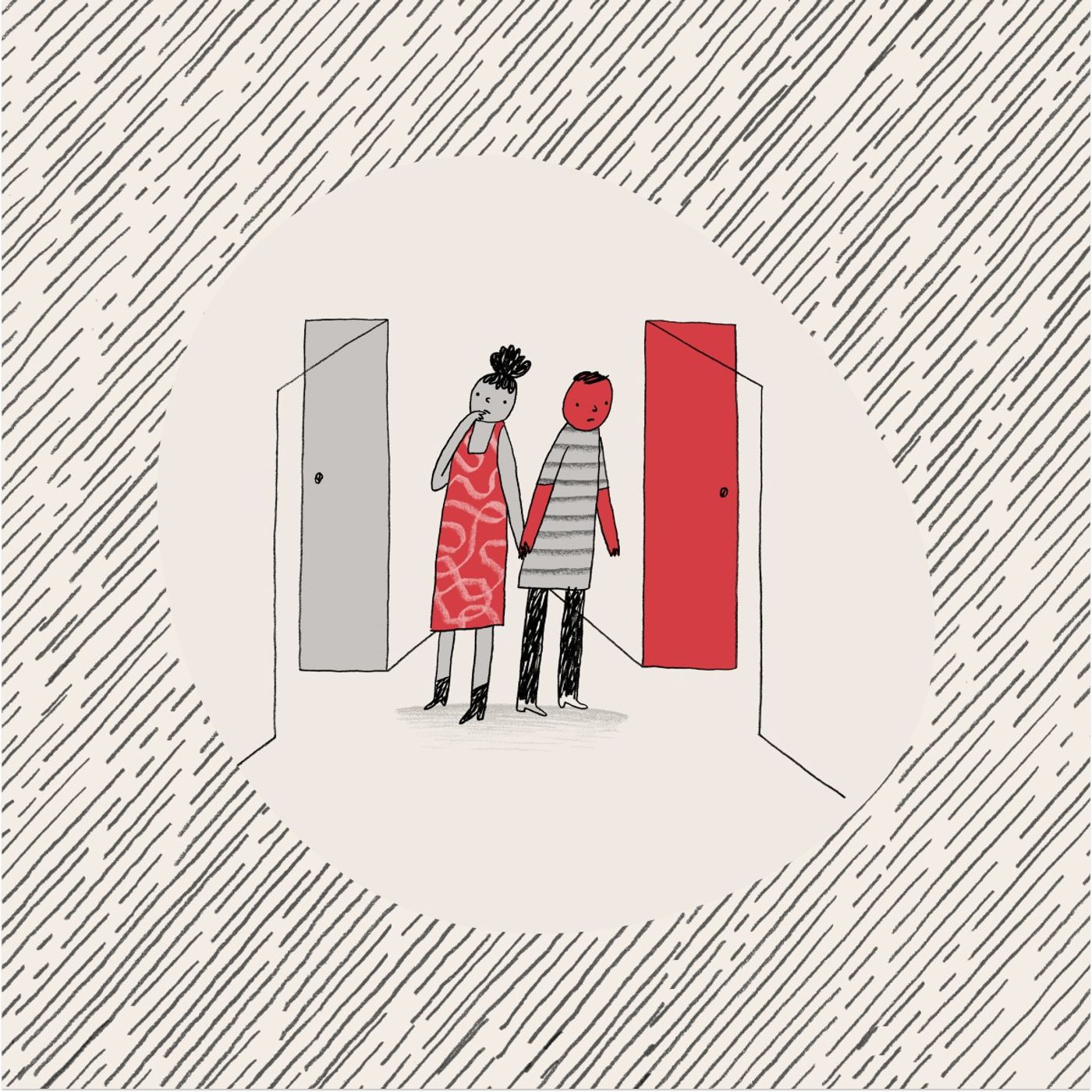
本集简介
双语字幕
仅展示文本字幕,不包含中文音频;想边听边看,请使用 Bayt 播客 App。
嗨。
Hi.
我是《纽约时报》烹饪版的亚历克莎·韦贝尔。
It's Alexa Weibel from New York Times Cooking.
我们有很多简单的周中晚餐食谱,今天我要做的是我的五种食材奶油味噌意面。
We've got tons of easy weeknight recipes, and today, I'm making my five ingredient creamy miso pasta.
你只需要用煮意面的淀粉水,和一点味噌、黄油搅拌在一起,直到变得 creamy。
You just take your starchy pasta water, whisk it together with a little bit of miso and butter until it's creamy.
然后加入面条和一点奶酪。
Add your noodles and a little bit of cheese.
这就像升级版的奶酪通心粉,但感觉像是餐厅级别的菜。
It's like a grown up box of mac and cheese that feels like a restaurant quality dish.
《纽约时报》烹饪版为你准备了忙碌周中的简单菜肴。
New York Times cooking has you covered with easy dishes for busy weeknights.
你可以在 nytcooking.com 找到更多内容。
You can find more at nytcooking.com.
嘿,大家好。
Hey, everyone.
我是安娜。
It's Anna.
好的。
Okay.
在开始今天的对话之前,我想对正在收听的新纽约时报订阅用户说声谢谢。
Before we get into today's conversation, I wanna talk to the New York Times subscribers who are listening right now, and I wanna say thank you.
你们的支持支撑着这个节目,也支撑着时报推出的其他故事和新闻报道。
Your support powers the show, empowers all the other storytelling and journalism coming out of The Times.
现在我想对那些还没订阅的朋友说几句。
Now I wanna talk to the people who are not subscribers yet.
我有个好消息要告诉你们。
I have something exciting for you.
现在,当你第一次下载纽约时报应用时,第一个月是免费的。
Now when you download The New York Times app for the first time, your first month in the app is free.
那就是三十天免费访问我们的新闻报道,包括所有《现代爱情》的每一集,完全免费,不需要信用卡。
That's thirty days of access to our journalism, which includes every Modern Love episode ever made, totally free, no credit card required.
现在下载《纽约时报》应用就可以开始了。
Download The New York Times app now to get started.
现在爱,你会陷入
Love now and You'll fall in
比我更深的爱。
love less than I love.
爱比什么都强大。
Love was stronger than anything.
为了爱,爱。
For the love Love.
而我爱你胜过一切。
And I love you more than anything.
爱。
Love.
爱依然存在。
There's still love.
爱。
Love.
来自《纽约时报》,我是安娜·马丁。
From The New York Times, I'm Anna Martin.
这里是《现代爱情》。
This is Modern Love.
听我说。
Look.
生活中有些时刻,会发生大事,而且毫无预兆。
There are moments in life where something big happens, and it comes out of nowhere.
你可能正在杂货店看土豆,或者正在客厅吸尘,然后突然收到一条短信或电话,一切就都变了。
You're just, like, at the grocery store looking at potatoes or vacuuming your living room, and then you get a text or a call or whatever, and suddenly everything changes.
而你可能还站在杂货店里。
And you might still be at the grocery store.
吸尘器可能还在你手里,但突然间,生活就分成了之前和之后,而且永远都是这样。
The vacuum might still be in your hand, but suddenly, life divides into before and after, and it stays that way forever.
我今天的嘉宾是布莱克·马丁。
My guest today is Blake Martin.
他是一位心理学家,最近写了一篇《现代爱情》的文章。
He's a psychologist, and he recently wrote a Modern Love essay.
布莱克在二十四小时内经历了两次那样的时刻。
Blake had that moment happen twice within twenty four hours.
他原本对自己未来的设想,很快就彻底改写了。
And the story he'd been telling himself about what his future was gonna look like got rewritten really fast.
布莱克·马丁,欢迎来到《现代爱情》。
Blake Martin, welcome to Modern Love.
谢谢。
Thank you.
很高兴来到这里。
It's great to be here.
我得说,布莱克·马丁,我们不是亲戚。
I should say, Blake Martin, we are not related.
对吧?
Correct?
你可以确认一下。
You can confirm that.
据我所知不是。
Not to my knowledge.
我没查过ancestry.com,但据我所知不是。
I haven't been on ancestry.com, but, not to my knowledge.
不是。
No.
布莱克,你最近写了一篇Modern Love的文章,讲的是你在二十四小时内收到两条改变人生的消息。
Blake, you recently wrote a Modern Love essay about how you got two life changing pieces of news within the span of twenty four hours.
第一条是你发现你妻子怀孕了。
The first was finding out that your wife was pregnant.
你能给我讲讲那个故事吗?
Can you tell me that story?
当然可以。
Sure.
没问题。
Absolutely.
我们和很多夫妻一样,以为一旦开始尝试,很快就会怀孕。
We assumed, as many couples do, that once we started trying, we would get pregnant pretty quickly.
这是我们脑子里一直有的想法。
That was the narrative we had in our heads.
那时候我还在读研究生,所以我们并不急着要孩子,因为我不想在靠博士津贴过日子的时候养小孩。
I was in graduate school at the time, and so we weren't in a huge rush to have kids because we didn't want to have a young kid while I was still existing on a PhD stipend.
有道理。
Makes sense.
但当我们开始尝试后,却一直没什么动静。
But then as, we started trying, nothing was happening.
一开始只是有点疑惑,但随着时间的推移,担忧越来越多,差不多一年后,我们去看了不孕不育专科医生。
And what started as just kind of mild questioning over time grew to more and more concern to the point where probably about a year in, we went and saw a specialist who dealt with infertility.
我们开始尝试各种不同的方法,看看能不能奏效。
We started kind of multiple different things to try and see if it would work.
大多数方法干预程度都比较低,也不算太贵。
Most of them were relatively low intervention, not that expensive.
但当我们快满两年的时候,还是没有任何效果。
But then when we had nearly hit the the two year mark, still nothing was working.
所以我们基本上已经放弃了自然怀孕的想法。
And so we had kind of given up the idea that we were gonna get pregnant, at least not naturally.
摆在我们面前的选择是试管婴儿,你知道的,这帮助了很多人。
And the option in front of us, was IVF, which, you know, has helped a lot of people.
我们其实没那么多钱,但当时想着总能想办法解决。
We didn't really have the money for it, but we were gonna figure it out.
然后差不多两年后,我在一次远程医疗会诊中。
And then after almost two years, I was in a telehealth session.
疫情期间,我在我们临时搭的卧室办公室里做心理治疗,然后奥黛丽,我妻子,叫我过去,说,有东西想给你看。
I was doing therapy in the middle of COVID in our makeshift bedroom office, and Audrey called me over, my wife, and said, I have something I wanna show you.
她把我叫到我们一居室公寓的浴室里。
And she called me into the the the bathroom of our one bedroom apartment.
我记得,验孕棒就放在台面上,上面是那两条漂亮的蓝线。
And as best I can remember, the pregnancy test was just sitting there on the counter, and it was just those two beautiful blue lines.
你知道,之前一次又一次的测试,都是没怀孕,没怀孕,还是没怀孕。对。
You know, after having test after test of not being pregnant, not being pregnant, not being pregnant Sure.
看到那两条线,真的挺让人震惊的。
To see those two lines was was pretty startling.
然后,我们就在浴室里拥抱,流了一些眼泪,是开心的泪水。嗯。
And then, we just hugged there in the bathroom, and there were some tears, happy tears Mhmm.
庆祝了一下,然后,当然,开始想象那个我们以为很久都无法拥有的未来。
And celebrated, and then, of course, began imagining this future that felt like it had been foreclosed to us for a long time.
那个拥抱,真的。
I mean, that hug.
那个拥抱里包含了太多东西。
There's so much in that hug.
两年的努力,失望,现在,你知道,期待这个宝宝的希望。
Two years of trying, disappointment now, you know, hope looking forward to this baby.
你们还做了什么来庆祝?
What else did you do to celebrate?
当然,我们很开心地给家人们惊喜,他们一直陪着我们经历想要组建家庭却未能如愿的旅程。
Well, of course, we had a lot of fun surprising our families, right, who had been along with us on this journey of wanting to start a family but not being able to.
所以能够分享这个消息,拿出验孕棒,庆祝,出去吃饭,我们最终都做了。
And so being able to, you know, share the news, pull out the pregnancy test, celebrate, go out to dinner, We we did all of that eventually.
但一开始,这就像我们口袋里的一枚闪亮的硬币,只有我们知道,它改变了一切,即使别人还不知道。
But at the beginning, it was kind of just like this this shiny coin we had in our pockets that only we knew about, and that changed everything, even if no one else knew yet.
你看到这个阳性的验孕棒。
You see this positive pregnancy test.
你脑海中关于未来的画面是什么样的?
What was the picture you had in your head about what the future would look like?
对。
Yeah.
感觉就像一扇对我们关闭的门正在打开。
It felt like a door that had been closed to us was opening.
甚至取消试管婴儿预约,把那些钱用来买尿布,感觉在某种程度上,我们经历过的那些艰难困苦,那一章已经结束了。
Even canceling the IVF appointment, allocating those funds to diapers, right, it felt like in some ways, this very difficult, hard thing that we had dealt with, that chapter was now over.
所以我觉得有很多如释重负的感觉。
And so I think there's a lot of relief.
我想知道你是不是那种,年轻的时候会想象和未来的孩子一起做什么的人。
I wonder if you were the kind of, younger younger person who would think about stuff they'd like to do with their future kid.
你会这样做吗?
Was this something that you did?
比如,等不及带他们去钓鱼之类的。
Like, oh, I can't wait to take them fishing or something like this.
是的。
Yes.
我确实想过这些。
I did think about that.
我喜欢户外活动。
I like to be outdoors.
所以,比如第一次父子露营旅行这样的想法。
So the idea of, like, the first father child camping trip.
对。
Mhmm.
对吧?
Right?
做棉花糖,睡帐篷。
Making s'mores, sleeping in a tent.
我觉得那些都是我已经喜欢、觉得很平常的事情,而让人兴奋的是能分享这些。
I think it was all the things that I already loved that felt ordinary, and the thing that felt exciting about it was getting to share that.
那奥黛丽呢?
What about Audrey?
她有没有跟你分享过,她对未来这个孩子有什么期待的事情?
Did she share with you what she was excited to do with this future child?
有。
Yes.
奥黛丽特别喜欢看电影。
Audrey loves movies.
超级爱看电影。
Loves movies.
所以对她来说,就是——我等不及要带孩子去电影院,给他们买最大桶的爆米花,还有他们想吃的任何糖果。
And so for her, it was, I can't wait to, like, take my kid to the movie theater and get them the biggest bucket of popcorn and whatever candy they want.
我想要个孩子妈。
I want children's mom.
对,就是这样。
Exactly.
然后一起享受,就一起享受那种快乐。
And enjoy and just enjoy that together.
所以,问题还是怎么把这些年轻人融入我们已经喜欢的事情里。
So, again, it's how do we incorporate these young people into the things we already love?
好的。
Okay.
所以你得到了这个惊人的消息,这个改变人生的惊人消息。
So you get this incredible news, this life changing incredible news.
对。
Yeah.
再跟我说说你得到的另一个消息吧。
Bring me into the other piece of news you got.
好。
Yeah.
那是周四晚上。
So that was a Thursday evening.
然后第二天,周五,你知道,我去上班了。
And then the next day, Friday, you know, I went to work.
我当时在医院工作。
I was working at the hospital at the time.
我正处于博士项目的最后一年,那环境压力真的很大。
I was in the last year of of the PhD program, and it was a really stressful environment.
那是在一个大型学术医疗中心,正值新冠疫情高峰期,对每个人来说都是相当艰难的时期。
This was at a big academic medical center in the middle of the COVID nineteen pandemic, and, that was a a pretty challenging time for everyone.
但与此同时,我口袋里揣着这个闪亮的新消息。
But at the same time, I had this bright, shiny coin in my pocket, write this news.
我们决定像年轻的教师、研究生、穷人们那样庆祝——买了个披萨。
And we decided to celebrate as young teacher grad student poor people do, which is get a pizza.
听我说。
And Listen.
我就喜欢用披萨庆祝。
I love a pizza celebration.
没错。
That's right.
没错。
That's right.
周五晚上的披萨。
A Friday night pizza.
我就在那个商业街的停车场里。
And I'm there in the parking lot of the strip mall.
奥黛丽在公寓里。
Audrey's back at the apartment.
等披萨的时候,我坐在车里,手机突然收到一条通知,说健康门户里有新的检查结果。
And, as I'm waiting for the pizza to be ready, I'm just sitting in my car, and I get a a notification on my phone of you have a new result in your in your health portal.
好的。
Okay.
我打开一看,具体措辞记不清了,但大概是什么诊断面板,旁边写着阳性。
That's when I open it, and I see and I don't remember the wording exactly, but it was something like diagnostic panel and then the word next to it, positive.
我往下翻,看到多发性硬化症的诊断面板,结果是阳性。
And and I scrolled down, I saw there was a a diagnostic panel for multiple sclerosis, positive.
当然,我的心一下子沉了下去。
And, of course, my stomach dropped.
我能想象,我的心跳大概开始加速,脑子也开始飞速运转,试图理清这一切到底意味着什么。
I can imagine my heart probably started racing, and my mind started spinning trying to tease out, okay, what are all the ramifications of this?
然后我处于一种难以置信的恍惚状态。
And kind of in a suspended state of disbelief Sure.
同时我也意识到,我现在已经知道了这个消息。
While also reckoning that I now have this information.
我得想清楚接下来该怎么办。
I have to figure out what am I gonna do with it.
然后我就进去拿了我的披萨。
And then I went in and picked up my pizza.
我们马上回来。
We'll be right back.
我是乔纳森·奈特,纽约时报游戏部门的总经理。
I'm Jonathan Knight, and I'm the general manager of New York Times games.
如果你玩我们的游戏,你可能会觉得它们有点不一样。
If you play our games, you probably know there's something a bit different about them.
就像《纽约时报》的文章背后有作者一样,我们每天的谜题背后也有创作者。
Just like there are writers behind the articles you read in The Times, there are creators behind our daily puzzles.
特蕾西·班尼特负责挑选每天的Wordle答案,让游戏保持生动有趣。
Tracy Bennett curates the day's Wordle solution to keep it lively and varied.
当阿卢创作每个连接板,包括那些试图难住你的所有分类时,萨姆·阿祖斯基会仔细检查拼字蜜蜂中的每一个字母、单词和全字母句,让各种水平的忠实玩家都能享受其中。
When Aloo creates each connections board, including all those categories that try to stump you, Sam Azurski combs through every last letter, word, and pangram and spelling bee so that loyal players of all skill levels enjoy it.
我们的谜题每天都是人工制作的,符合你对《纽约时报》的期望标准。
Our puzzles are human made every day with the standards you'd expect from The New York Times.
这很重要,因为当你选择花时间在我们的游戏上时,这段时间应该花得值得,用来解那些有挑战性、出人意料又令人愉快的谜题,这些谜题是为你精心打造的。
And this matters because when you choose to spend time with our games, it should be time well spent solving puzzles that are challenging, surprising, and joyful, Puzzles handcrafted for you.
我们认为这值得投入,也值得付费。
We think that's something worth investing in and something worth paying for.
现在就订阅,享受我们所有游戏的特别优惠,访问nytimes.com/joingames。
Subscribe now for a special offer on all of our games at nytimes.com/joingames.
我是说,你去做过这个诊断检查。
I mean, you had gone to do this diagnostic panel.
我能问一下,为什么吗?
Can I ask, like, why?
是什么促使你去做检测的?
What had motivated you to get testing done?
这得往回说一点。
So this is jumping back a little bit.
但那时候,我是长跑运动员。
But at the time, I was a long distance runner.
大概六个月前,我在一次长跑中。
And so probably six months prior, I was on a long distance run.
我注意到,当我跑过水泥地上某个地方时,感觉像是失去了抓地力。
And I noticed, as I kind of went across this spot in the concrete, it felt like I was losing traction.
我就说,这真奇怪。
And I said, that's weird.
我的鞋没湿啊。
My shoes aren't wet.
对。
Mhmm.
地面也不滑。
It's not slick.
这是怎么回事?
What's going on?
于是我停下来,然后又跑了起来。
And so I stopped, and then I ran again.
大概跑了半英里之后,那种感觉又出现了。
And maybe half a mile later, the same sensation came back.
你以前有过这种感觉吗?
Had you felt something like this before?
没有。
No.
从来没有。
Never.
其实在那之前不久,我刚跑完一场马拉松。
I had actually run a marathon not too long before that.
嗯,对。
And Uh-huh.
所以跑步时其他疼痛我都习惯了,但这次不一样。
And so I was used to other pains when it came to running, but but not this.
确实。
Sure.
然后我继续跑的时候,慢慢感觉到脚上有点发麻,就在两只脚的袜子边缘那个位置。
And then as I kept running, I kind of noticed some some creeping numbness coming on my feet, kind of at the sock line on both feet.
然后呢?
And
所以我就走走跑跑,最后到家了。
so I kinda walked a little bit, ran a little bit, made it home.
而且我得说,一开始我一点都不担心。
And I should say, at the beginning, I wasn't concerned whatsoever.
我是说,你是个跑者,受伤太常见了,有些日子就是比别的日子糟。
I mean, you're a runner that so many injuries happen, some days are worse than that.
有道理,对。
That makes sense Yeah.
对。
To
对。
Yeah.
然后我上网查了一下,结果当然就是说你的鞋子太紧了。
And I I Google it, and of course, it's like your shoes are too tight.
对吧?
Right?
如果血液循环被切断了。
If you cut off circulation.
所以我心想,好吧。
So I say, okay.
嗯,也许真是这样。
Well, maybe that's it.
行吧。
Sure.
估计就是压到神经了,或者我做了什么动作之类的。
I probably just pinched a nerve or I did something, whatever.
我打算去找物理治疗师看看。
I'm gonna go see a physical therapist.
我去他办公室的时候心想,好吧。
I went to his office thinking, okay.
我想着能拿到一些锻炼方法和解答,这毛病就能好。
I'm gonna get some exercises and some answers, and this is gonna go away.
对。
Right.
他做了一次非常全面的评估。
And he did a really thorough evaluation.
他做得很好。
He did a a good job.
最后他很随意地说,为了保险起见,最好还是去看看神经科医生,排除一下可能性。
And he said at the end, very offhandedly, said, you know, just to be safe, it might be worth going to see a neurologist just to rule it out.
我觉得他当时已经察觉到是神经方面的问题了。
I think he knew something neurological was going on.
但我还是一头雾水。
I still had no clue.
我仍然觉得这只是暂时的神经压迫之类的问题。
I was still in the world of this is some temporary pinched nerve whatever.
对。
Sure.
显然,你和安德烈是一起经历这件事的。
Obviously, you're you and Andre are sort of going through this together.
跟我说说,当时诊断还不明确的时候,你们俩是怎么聊这件事的?
Tell me a bit how you two were talking about this when the cause, when the diagnosis was, you know, still unknown.
对。
Yeah.
你们俩之间的那些对话是什么样的?
What were those conversations between you two like?
说实话,我觉得我们俩当时都没太担心。
I think, to be honest, neither of us were that concerned.
我们俩大概都觉得,你知道,我当时还年轻。
I think we both kind of assumed, you know, I'm young at the time, I think.
我那时候30岁。
I'm 30 years old.
对吧?
Right?
而且我们俩除了不孕的问题,之前都没什么健康问题。
And and neither of us had had any health problems to speak of besides the the infertility issues.
所以我们当时以为这就像我们处理过的其他事情一样,就是你去解决它,他们找出问题,然后解决掉,继续往前走。
And so we assumed that it would be like anything else we had dealt with, that this is something that you address and they figure out and solve and move on.
有道理。
It makes sense.
你去了神经科门诊。
You went to the neurology clinic.
对。
Yeah.
神经科门诊。
The neurology clinic.
那是在我当时读博士的同一个医疗中心。
It was at the same medical center where I was getting my PhD at the time.
所以我直接从工作的医院走到门诊楼,还穿着手术服,戴着工牌。
So I literally walked from the hospital that I was working at to the Outpatient clinic building, still in my scrubs, wearing my badge
哇。
Woah.
我觉得这潜意识里是想传达:嘿,我是你们中的一员。
Which I think subconsciously, was trying to communicate, hey, I'm one of y'all.
别,别担心。
Don't, don't worry.
我们会解决的。
We'll figure this out.
我是说,你穿着手术服和工牌去就诊这个细节,是不是说明……
Can I I mean, I think it's so that detail of you wearing your scrubs and your badge to this appointment?
你是在指出穿手术服背后更深层、可能更情感化的原因。
You're pointing at this sort of deeper, maybe more emotional reason for wearing the scrubs.
说它几乎像盔甲,会不会太夸张了?
Would it be too much to say it was almost like armor?
这样理解是不是太简单了?
Is that too simple?
是的。
Yes.
那是盔甲,但它是纸糊的。
It was armor, but, it was made of paper mache.
对吧?
Right?
后来我才明白,疾病并不会区分谁是照顾别人的人,谁是被照顾的人。
Like, what I learned later is illness doesn't differentiate between people who provide care and people who receive it.
但当时,那是我能抓住的最好的东西了。
But at the time, it felt like the best thing I had.
所以我去看了那个门诊,最后他们用那个反射锤测我的膝跳反射。
So I went to that appointment, and at the very end, they tested my knee reflexes with that reflex hammer.
好的。
Sure.
我的一条腿踢得比医生预期的要厉害,她有点惊讶地说,这有点奇怪。
And one of my knees, kicked stronger than she was expecting, and she kinda said, that's odd.
然后她叫来了一位主治医生,他们低声交谈起来。
And then she brought in one of the attendings, and they talked in hushed tones.
那是我第一次觉得,好吧。
And that was the first time that I thought, okay.
这开始不符合我脑子里那种‘一切都好’的设定了。
This is now not starting to fit this narrative in my head of, like, everything's fine.
所以几周后,你得到了关于怀孕的好消息。
So several weeks after, you get this amazing news about the pregnancy.
然后不到二十四小时之后,我们发现你在车里等披萨,收到了那个通知。
And then less than twenty four hours after that, we find you in your car, you know, waiting for the pizza, getting this notification.
对。
Mhmm.
对于那些不了解多发性硬化症会怎么表现的人,接下来可能会出现哪些症状?
For those people who don't know how MS can manifest, what were some of the symptoms that could come down the line?
好的。
Sure.
我会尽力,但前提是,请咨询医疗专业人士,而且每个人的病情经历都不同。
I will do my best, although with a caveat that talk to a medical professional and, you know, everyone's experience with the illness is different.
所以想预测它会怎么影响一个人,真的非常非常难。
So trying to project how it's gonna affect someone is very, very tricky to do.
这是一种自身免疫性疾病。
It is a autoimmune disease
对。
Mhmm.
也是一种神经系统疾病,免疫系统会变得混乱。
And a neurological disease in which the immune system gets confused.
它混乱的方式是开始攻击身体,对吧?
And the way that it gets confused is it begins attacking the body, which right?
这是自身免疫性疾病的一部分。
Which part of autoimmune diseases.
但在多发性硬化症中,它通常攻击大脑和脊髓。
But in MS specifically, it usually attacks the brain and spinal cord.
所以每个人的症状组合都各不相同。
And and so everyone has such different constellations of symptoms.
所以对一些人来说,他们的症状可能是视力模糊。
So for some people, their symptoms could be blurry vision.
有些人对热特别敏感。
Some people are really sensitive to heat.
有些人在平衡方面有困难。
Some people have difficulties with balance.
一个可能的结果是行动能力丧失。
One potential outcome is loss of mobility.
对吧?
Right?
所以可能有些人用拐杖,有些人用助行器,还有些人坐轮椅。
And so there may be some people, who are using a cane or maybe people who are using a rollator, some people who are using a wheelchair.
我想说清楚一点。
And I wanna be really clear.
我觉得有很多方式仍然可以过上充实、有意义的生活。
I think there's many ways to still have a full, meaningful life.
当然。
Of course.
而且,在30岁这个年纪,作为一名长跑运动员,要面对这些变化,确实很难接受,现在也依然如此。
And still, at the age of 30, being a long distance runner, trying to contemplate those changes, is a lot to grapple with and still is.
我本来想多告诉你一些关于晚期的情况,但说实话,我故意没有去查过那些。
And I would tell you more about, like, end stage, but the truth is is that I have not looked that up on purpose.
是的。
Yeah.
所以,我基本上不知道最坏的情况会是什么样,这是我刻意为之的。
So I I don't know the worst case scenarios kinda by design.
你收到通知,说确诊了多发性硬化症。
You get this notification that the diagnostic is positive for MS.
是的。
Yeah.
你知道吗,我特别感慨的是,你收到这个通知,然后还得去拿你的披萨,因为披萨已经做好了。
You know, I'm just struck that you get this notification, and then you gotta go get your pizza because your pizza's ready.
我是说,这两种体验之间的差距实在太大了。
I mean, it's just like the discrepancy between these two experiences is so vast.
我很好奇你当时是什么感觉。
I'm I'm curious how that felt for you.
对。
Yeah.
从某种程度上说,世界好像照常运转。
In some ways, it's like the world just continues on.
对吧?
Right?
而且几乎就像是在说,嘿,各位。
And and it's almost like, hey, guys.
这不太礼貌吧。
This is impolite.
就好像刚刚发生了什么大事。
Like, something big has just happened.
我们能不能先承认一下?
Can we can we acknowledge?
对。
Yeah.
那种情况有很多。
There was a lot of that.
但当然,我的脑子里真正想的是,好吧,这对我妻子和我们未来的孩子会有什么影响?
But, of course, my mind, what it really went to is like, okay, how is this gonna affect my wife and our future kid?
我该怎么应对这件事?
And how am I gonna navigate this?
我该怎么告诉她?
How am I gonna navigate telling her?
你是怎么考虑分享这个消息的?
How are you thinking about sharing this news?
你怎么把这个消息说出口?
How do you share this news?
对。
Yeah.
说实话,我当时真没什么策略。
I I gotta be honest, I don't think I had much strategy.
我太震惊了。
I think I was so shocked.
我真的不知道该怎么办,该做什么,但我知道我得把披萨带回家。
I didn't I didn't really know what to do, what I was gonna do, but I knew I had to bring the pizza home.
不过我记得走进去看到奥黛丽的时候,她那么投入,我就想,她就在这儿。
I do remember, though, walking in and seeing Audrey, and she was so in she was so in I was just like, here she is.
她不知道出了什么事。
She doesn't know that anything's wrong.
我该怎么鼓起勇气,把这个消息告诉我最爱的人?
How do I brace myself for sharing this news to the person that I love most?
感觉就像,我不想这样对她。
And it felt like, I don't wanna do this to her.
我的意思是,我回想起你得知怀孕消息的时候,你把它藏在心里了。
I mean, I'm I'm just recalling when you got the news of the pregnancy, you kept it to yourself.
对吧?
Right?
那只是属于我们两个人的事。
It was just for us.
然后你收到了这个毁灭性的、改变人生的消息,你自己选择把它藏起来,但原因却不同。
And then you receive this devastating, life changing, you pick the word news, and there's a different reason that you wanna hold it for yourself.
对我来说,这真的很触动人心。
I mean, it's it's it's really visceral to me.
你看到她,就好像我告诉你之后,你的生活也会彻底改变。
You seeing her, and it's almost like after I tell you, your life will be fundamentally changed too.
我几乎能保留这一刻吗?
Can I preserve this moment almost?
没错。
That's right.
你怎么跟她说?
How do you how do you tell her?
我们到了。
We're there.
我们打开披萨盒。
We're opening the pizza box.
每人拿了一块。
Both have a slice.
没过多久,因为我知道我不能再憋着不说,我就直接说了。
And, and not long into it, because I just know I I can't go on not saying it, I just say it plainly.
我就转向她,说:奥黛丽,我觉得我得了多发性硬化症。
And I I just turn to her and say, Audrey, I think I have MS.
我就那样直接说了出来。
And I just say it just just like that.
当然,她的第一反应是:你在说什么?
And, of course, her immediate reaction is, what what are you talking about?
我们之前知道这有很小的可能性,对。
We had known this was, like, a a remote possibility Sure.
神经科医生提过,但我们不知道具体是什么,也觉得不太可能。
From the neurologist, but we didn't know what it was, and we didn't think it was likely.
所以我们就把它放到一边了。
And so we had set it to the side.
然后我给她看了健康门户里的通知,当她意识到的时候,我记得她眼里泛起了泪花,她只说了一句:我很抱歉。
So I showed her the the notification in my health portal, and and then as it hit her, I just remember tears forming in her eyes, and she just said, I'm so sorry.
对不起。
I'm sorry.
我说:我也很抱歉。
And I said, I'm sorry too.
然后我把她拉过来拥抱,我们抱了很久。
And then I pulled her in for a hug and and we, hugged for a long time.
又是一次长久的拥抱,但这次的感觉完全不同。
Another long hug, but a very different Different one.
一。
One.
没错。
That's right.
Blake,我想问一下,你为什么说对不起?
Blake, I mean, can I ask why you were sorry?
因为我觉得,就像我们刚才说的,我知道这件事也会影响她的生活。
Because I think as as we were saying, I knew this was gonna affect her life too.
而且我知道这会把一个艰难的故事带进她的生活,这不是我们任何一个人选择的,但不管我愿不愿意,都是我带进来的。
And I knew that it was bringing in a difficult story into her life that neither of us had chosen, but that I like it or not, was introducing.
我想我说对不起,也是因为我真的很在乎她。
And I think I was also sorry just because I I care about her.
我不想让她为此感到沉重。
I didn't I didn't want it to weigh on her.
虽然那一刻这并不理性,但感觉就像是,哦,我让你失望了。
And even though it was not rational, in the moment, it was kinda like, oh, I've let you down.
就是那种感觉,好像自己有问题,然后为此感到难过。
Like, kinda that feeling like, oh, there's something wrong with me, and I feel bad about that.
我觉得你是在听到一个天大的好消息之后,紧接着又听到了这个可怕的消息。
I mean, it does strike me that you got this terrifying news after this absolutely joyful news.
同时承受这两件事,你是怎么做到的?
Holding those two things, how were you doing it?
你是怎么想的?
How were you thinking about that?
对。
Yeah.
我觉得我根本没法同时接住它们,一直在掉。
I feel like I wasn't I was dropping them constantly.
对吧?
Right?
是的。
Yeah.
展开剩余字幕(还有 303 条)
对。
Yeah.
因为我觉得这种对比让两者都更鲜明。
Because I think the contrast made each of them sharper in a way.
跟我说说这对你意味着什么。
Tell me what that means to you.
好。
Yeah.
对。
Yeah.
诊断结果让风险显得更高了。
The diagnosis, the stakes felt higher.
我记得当时有种感觉,等等。
And I remember having these feelings, wait a second.
就像,你们找错人了。
Like, you got the wrong guy.
对吧?
Right?
我差不多是个心理学家了。
Like, I'm a almost psychologist.
我走进那些房间。
I go into these rooms.
我提供护理,而且我马上就要当爸爸了。
I provide care, and I'm about to be a dad.
马上就要
About to be
你把我跟别人搞混了。
a You've got me mixed up with someone else.
对。
Yeah.
这不是我的故事。
This isn't my story.
没错。
That's right.
所以我觉得,知道我们要组建家庭,这让风险变得更高,感觉更不稳定。
And so I think the the difficulty knowing that we were starting a family made the stakes higher, made it feel more precarious.
反过来,现在知道了我们生活中的这件难事,也让组建家庭、有好事发生这个想法变得更加重要和关键。
And conversely, knowing now about this difficult thing in our life, also made the idea of starting a family of something good happening that much more important and vital.
两者都有。
It was both.
哇。
Wow.
这种对比放大了彼此。
The the contrast amplifies each
没错。
That's right.
情绪。
Emotion.
你这么说,我完全理解了。
I I I you put it in this way that makes total sense.
你说你要放下它,但我不太确定。
And you're saying you're dropping it, but I don't know.
这对你来说意味着什么?
What what does that mean to you?
那是什么感觉?就像你,你知道,我也不太清楚。
What does that was it like you were, you know, having I don't know.
比如,你当时在哭,那放下它对你来说意味着什么?
Like, you were crying in the like, what does that mean to you that you were that you were dropping it?
对。
Yeah.
我只是在摸索怎么处理这件事,而且没有现成的指南。
I'm just figuring out how to do this, and there's no manual for it.
对吧?
Right?
而且我不是要戴上心理学家的帽子。
And not to put on my psychologist hat.
那就戴上吧。
Put it right on.
我们说到,比如悲伤,其实有一个双重过程。
We talk about, like, with grief, there's kind of a a dual process.
对吧?
Right?
一方面是要完成悲伤的任务,另一方面还有生活的任务。
There's the tasks of grieving, but then there's also the tasks of living.
而悲伤的一部分,就是不断在这两个世界之间来回切换。
And and part of grief is going between those two worlds constantly.
我的意思是,你打开通知之后,还是去拿了披萨。
I mean, you're picking up the pizza after opening the notification.
对吧?
Right?
对。
Yeah.
没错。
That's right.
我觉得当时的情况就是,我学会了如何为这两项任务都留出空间。
And I think that that's what happened is learning how to make space for both of those tasks.
但我觉得我做的另一件事,就是尽一切可能让自己和别人相信,生活还是正常的。
But I think the other thing that I was doing is doing whatever I could to convince myself and others that life was still normal.
是的。
Yeah.
对吧?
Right?
所以就去上班,让自己忙起来,其实这也是在试图逃避现实。
So go to work, stay busy, really as also as a way of trying to avoid the reality.
对吧?
Right?
因为另一部分是,我们不知道现实意味着什么。
Because the other piece is we didn't know what the reality meant.
而且某种程度上,我们现在还是不知道。
And in some ways, we still don't.
对。
Yeah.
对。
Yeah.
因为那时候,你的医生也没法给你一个大概的病情发展时间线。
Because at this point, your doctors couldn't give you, like, a projected sort of timeline of progression.
真的就是,只能走一步看一步。
It really was like, we have to just see.
对。
Yeah.
至少对于多发性硬化症,你得根据你的状况轨迹来推测。
With MS, at least, you're trying to to extrapolate based on a trajectory of, like, how are you doing.
对吧?
Right?
好的。
Okay.
所以需要时间来观察,你的症状是否保持稳定?
And so it takes time to see, are are your symptoms staying stable?
有没有进一步的恶化?
Are you having any additional progression?
而且时间越长,如果没有明显变化,当然。
And then the longer that that goes, right, without notable developments Sure.
理论上来说,这是个好迹象。
That's theoretically a better sign.
对吧?
Right?
这意味着,你可能比那些病情快速恶化的情况要好一些。
It means that, okay, you might be on a better trajectory than something where it's progressing pretty rapidly.
当然。
Sure.
有道理。
Makes sense.
但一开始,我们只是数据不够。
But at the beginning, it was it was we just didn't have enough data.
我的意思是,如果你愿意再分享的话,我想问一下,你提到脚部麻木?
I mean, you know, as much as you wanna share again, can I ask, like, you mentioned the the numbness in the feet?
还有其他症状让你注意到吗?
Were there other symptoms that you were clueding into?
或者
Or
对。
Yeah.
脚部麻木。
The numbness in the feet.
我试着跑步的时候,腿会有点僵硬。
My legs would get a bit stiff when I would try and run.
所以我就改成了骑自行车,到现在也还在骑。
And so I I had to to switch to to cycling, which I still do today.
我加入了那个叫Peloton的狂热组织。
I'm part of this cult called Peloton.
哦,我们可以聊聊
Oh, we can talk
这个以后再说。
about that later.
这个以后可以聊。
Can talk about that later.
虽然挺不错的,但我确实很想念跑步。
Which which has been great, although I I I do miss running.
然后另一个症状,在多发性硬化症里很常见,是在麻木之后出现的,有点尴尬,但没关系,就是膀胱急迫感。
And then the other symptom, which is pretty common in MS that came after the numbness is, it's a little embarrassing, but it's okay, bladder urgency.
好的。
Okay.
作为心理学家,这挺有意思的,因为可能有人正在跟你分享一些很深刻的事情。
Which is interesting being a psychologist because someone could be in the middle of like, hey, I'm sharing this, you know, deep thing.
我就会说,嘿,你能先暂停一下吗?
I'm like, hey, can you pause for a second?
对。
Yeah.
布莱克,我真的想再次感谢你这么坦诚。
Blake, I I really wanna say thank you again for being so open.
在你逐渐接受这个消息,了解更多关于多发性硬化症的同时,奥黛丽怀孕了。
As this news is sinking in to whatever extent, as you're learning more about MS, at the same time, Audrey is pregnant.
没错。
That's right.
我们之前聊过你和奥黛丽对你们未来孩子的设想,比如爆米花、露营那些。
We talked about the sort of vision that that you and Audrey had had for your future kids, the popcorn, the camping.
那个画面在你心里有没有什么变化?
Was that picture changing in any way for you?
我觉得变化在于,它从一种理所当然的确定感,
I think the way it changed is it changed from one of kind of assumed certainty
嗯哼。
Uh-huh.
变成了一种期待。
To one of hoping.
对。
Yeah.
在确诊之前,我心里那些当父母的路标,都是理所当然的。
Before diagnosis, these different, like, mile markers in my head of parenthood were assumed.
比如呢?
Like what?
比如带他们去打棒球,或者第一天上学,或者幼儿园毕业,或者应付那些情绪化的青少年——我自己当年就是那样。
Like, you know, taking them to t ball or or, you know, first day school or kindergarten graduation or or dealing with moody teenagers, of which I was one.
那些都是理所当然的。
And those were just assumed.
就像,我们一路上会经历这些里程碑,我期待每一个。
Like, we're gonna hit these mile markers along the way, and I looked forward to each and every one of them.
我觉得变化的是,现在这些不再那么确定了。
And I think what just changed is that that now felt not a given.
我们马上回来。
We'll be right back.
最近,我们问大家是怎么分享纽约时报账号的,你们对纽约时报的游戏有很多话要说。
Recently, we asked about how you share your New York Times account, and you had a lot to say about New York Times games.
我需要自己的纽约时报登录账号,因为我姐姐填字游戏比我差多了。
I need my own New York Times login because my sister is so much worse at the crossword than I am.
我发现他那天已经完成了 Connections。
I discovered that he's already finished connections that day.
我就说,Jonah,今天轮到我了。
And I'm like, Jonah, it was my day.
它不让我们玩彼此相同的游戏。
It doesn't let us play the same games as each other.
我玩数独。
I play the Stoku.
我做填字游戏。
I do the crossword.
我玩拼字蜜蜂。
I do the spelling bee.
我玩Wordle。
I do the Wordle.
请帮帮忙。
Please help.
我的孩子们想玩Wordle,但要用Wordlebot。
My kids want to be able to play Wordle, but with the Wordlebot.
我们希望能有自己的谜题。
We would love to be able to have our own puzzles.
我很喜欢纽约时报的游戏。
I love New York Times games.
我希望可以玩自己的游戏。
I want to be able to play my own games.
听众朋友们,我们听到了你们的声音。
Listeners, we heard you.
这就是我们推出纽约时报游戏家庭订阅的原因。
It's why we created the New York Times games family subscription.
一份订阅,最多四个独立账号,你现有的成绩和连胜记录都会跟着你。
One subscription, up to four separate logins, and your existing stats and streaks come with you.
更多详情请访问 nytimes.com/family。
Find out more at nytimes.com/family.
最终
Eventually
对。
Mhmm.
你的儿子出生了,迈尔斯。
Your son is born, Miles.
你能告诉我第一次见到他是什么感觉吗?
Can you tell me what it was like to see him for the first time?
是的。
Yeah.
那真是太不可思议了。
It was incredible.
对吧?
Right?
他出生的时候,分娩过程很长,但还算顺利。
When he when he was born and got delivered and it was a long delivery, but it went relatively smoothly.
就好像所有的希望和期待一下子都变得真实可感了。
It was like all this hope and expectation was now tangible.
他就在那里。
He's there.
而且我觉得其他人也会这么说。
And I I think other people say this too.
别以为只有我这样,但真的很奇怪,因为我以前对别人的爱、信任和关心都是随着时间慢慢建立起来的。
Don't think this is unique to me, but it was so strange because my life had always been building love and trust and care for people gradually over time.
对吧?
Right?
我的友情、亲情、婚姻都是这样。
My friendships, my family, my marriage.
然后迈尔斯出生了,那种感觉一下子就来了。
And then Miles is born, and it's instant.
对吧?
Right?
就是那种,我愿意为你做任何事,而你才刚出生五秒钟。
It's it's just there's nothing I would not do for you, and you're five seconds old.
是的。
Yeah.
那感觉真的很美好。
It was it was lovely.
布莱克,我不知道是不是每个人都这么说。
Blake, I don't know if everyone says that.
我是说,你刚才说的听起来好像很简单,但其实一点都不简单。
I mean, the way the way that you just put it is so, like, deceptively simple sounding and anything but.
然后你把迈尔斯带回家,你知道,那时候是疫情期间。
I mean, so you take Miles home again, you know, it's the pandemic.
你有一个新生儿。
You have a newborn.
据我所知,我自己没有孩子,但这是一段非常紧张、疲惫的时期。
From what I've heard, I don't have one myself, but this is a very intense, tiring time.
你和奥黛丽是怎么撑过来的?
How are you and Audrey holding up?
对。
Yeah.
我觉得刚开始的时候,有帮助的一点是,头两个星期他们基本上一直在睡觉。
I think at the beginning, the helpful thing is, like, the first two weeks, they just sleep all the time.
这几乎就像是设计好的,比如,嘿,父母们,我们知道你们需要喘口气,所以他们头几个星期不会真的像人一样醒着。
It's almost like by design of, like, hey, the parents, we know you need a breather, so they're gonna, like, not really be awake as humans for a couple
嗯。
of Mhmm.
然后之后呢,他们就开始醒过来了,当然,那些不眠之夜、换尿布什么的都跟着来了。
And then after that, you know, they start to wake up and, of course, all the sleepless nights and changing diapers and all of that came with it.
但是我们有了这个漂亮的小男孩,我们好多年都不知道能不能有孩子。
But we had this amazing, beautiful little boy who we didn't know if we would be able to have a kid for years.
所以从很多方面来说,我觉得我们当时是欣喜若狂,这个词的两个意思都有。
And so in in many ways, I think we were, like, deliriously happy in both senses of that phrase.
我们既疲惫又缺觉又紧张,但也特别迷恋他,能让他出现在我们的生活中。
We were delirious and sleep deprived and stressed, and also just so smitten, to to have him in our life.
我喜欢这个。
I love that.
高兴得晕头转向,但真的,重点是那个“晕”字,因为我也没睡好,我是说,这也是意料之中的,但你知道,在那段缺觉的日子里,当然会有矛盾。
Deliriously happy, but really, like, emphasis on the delirious because of the I sleep wonder too, I mean, it's also to be expected, but, you know, there, of course, in that sleep deprived time come conflicts.
我想知道,你和奥黛丽之间有没有过摩擦?
I wonder, you know, was there friction ever between you and Audrey?
还有,你觉得那些摩擦是从哪里来的?
And how did you where was that friction coming from, I guess?
是的。
Yeah.
当然有,我觉得生孩子对一段关系来说确实是个考验。
Of course, there's I think I think having a kid is hard on a relationship.
我们也不例外。
We were no exception to that.
但我觉得,实际上,在那背后,可能——至少对我来说,对奥黛丽可能也一样——有一种感觉,就是生活中还有很多事情不在我们掌控之中,包括我的健康,包括有个新生儿。
But I think, actually, underneath that, there was probably I know for me, probably for Audrey too, feeling like, hey, there's still a lot in our life that is not in our control, including my health, including having a newborn.
是的。
Yeah.
所以那时候就想,好吧,那我们该怎么应对呢?
So then it was like, okay, What is our response to that?
我觉得奥德丽的应对方式就是,咱们把一切变得高效、精简,把能控制的事情都控制住,特别是关于迈尔斯的。
And I think Audrey's response was, well, let's get really efficient and streamlined and and and control all the things we can with with Miles.
然后如果我做错了什么,她只是给出,说实话,就是很实际的反馈。
And then if I did something wrong, and she was just giving, like, honestly, just realistic feedback.
她并不是在苛责我。
She wasn't being harsh.
当然。
Sure.
当然,关键是我们不想影响到我们那个特别棒的小孩。
Of course, the stakes are we don't wanna affect our amazing little kid.
对我来说,有时候这就会触动我那个按钮,就是那种“哎呀,我不行”的感觉。
What would happen for me is sometimes that would hit that button of, like, oh, I'm not capable.
我没能力。
I'm incapable.
我觉得自己做得不够好,我想这跟诊断结果有关。
I'm not doing a good enough job, which I think got brought up because of the diagnosis.
我其中一个担心就是,我是不是没法给我的家人足够的支持?
One of my fears was about, am I not gonna be able to be enough for my for my family?
是的。
Yeah.
你还记得具体是哪一次发生过这种情况吗?
Do you remember a specific time where that happened?
记得。
Yeah.
有一个周末,奥黛丽出门去参加一个她非常需要的姐妹周末,那是我第一次独自带娃整整一个周末。
So, one weekend, Audrey went out of town for a much needed girls weekend, and this was my first weekend solo dadding for a full weekend.
那时候迈尔斯多大?
How old was Miles at the time?
哦,我想想,大概一岁半吧。
Oh, I I don't I wanna say he was, like, maybe 1.5.
这只是个大概的猜测。
This is just a rough guess.
你知道,作为独自带娃的爸爸,奥黛丽开玩笑说,这有点像替补四分卫。
And, you know, being solo dad, Audrey makes the joke, it's kinda like the backup quarterback.
他们知道怎么干活,但一上场,大家都有点紧张。
Like, they know how to do the job, but when they come in, everyone gets a little nervous.
所以,我进入这个周末,显然,我和迈尔斯在一起的时间很多,但总是团队合作。
And so, I go into this weekend, and, obviously, I'd spent a ton of time with Miles, but it was always kind of a team a team effort.
对。
Yeah.
那是个愉快的周末。
And it was a lovely weekend.
我们玩了所有最经典的项目。
We played all the greatest hits.
我们去了植物园。
We went to the Botanical Garden.
我们吃了好多不健康的零食。
We ate lots of unhealthy snacks.
对。
Yep.
我正想问这个呢。
I was wondering about that.
嗯。
Mhmm.
我们还去了巴斯普洛商店。
We went to Bass Pro Shops.
那里有个大鱼缸。
They have a big fish tank.
看着鱼就挺有意思的,我平时不太去那种店,但有了小孩就不一样了。
And it's just fun to, like, look at I I don't usually go to Bass Pro Shops, but having a toddler changes things.
不是说巴斯普洛商店不好啊。
No shade to Bass Pro Shops.
完全不会。
Not at all.
完全不会。
Not at all.
我们还去了我跟他说的动物园,但其实是我们当地的宠物超市,因为那里免费。
And and we went to what I told him was the zoo, but really was our our local PetSmart because it's free.
他可以看到金鱼,还有那个……
And he could see the goldfish and the That
太可爱了。
is so cute.
蛇、鸟,还有猫。
The snakes and the birds and the cats.
我是说,这是最棒的周末了。
I mean, best weekend ever.
最棒的周末。
Best weekend ever.
最棒的周末了。
Best weekend ever.
然后他玩得很开心。
And he goes swimmingly.
所以现在是星期天,奥德丽回家了,我迫不及待想告诉她这件事。
And so now it's Sunday, and Audrey's come home, and I can't wait to tell her about it.
你知道吗,我就是特别想跟她分享我和迈尔斯之间那些小小的、有趣的瞬间。
You know, I just cannot wait to tell her about all these small, funny moments that Miles and I had.
而且我也挺自豪的,你知道,作为父亲,我在做这件事。
And I'm also feeling proud, you know, that that I'm doing this thing as a as a father.
对。
Yeah.
但她一进门,状态完全不一样。
But she comes in, and she's in a much different headspace.
很明显,她眼睛有点湿润。
It's clear to see her eyes are kinda watery.
我能感觉到出事了。
And I could tell something's wrong.
她整个人都慌了。
She's just shaken up.
我再一问,才知道她刚和一群认识很久的朋友去了一趟女生旅行。
And I ask more, and she'd just been on this girls' trip with friends that she's known forever.
她们关系特别好。
They're really close.
那天早上出发前,她们都花时间分享了各自生活中的难处,以及怎么互相支持。
And that morning before they left, they all took time to kinda share about the difficult things in their life and how they could support each other.
她提到了我的健康状况和诊断,她们大概知道基本情况,但我们当时没透露太多细节。
And she shared about my health and diagnosis, which they already knew the basics of, but we didn't give a ton of information at the time.
她很难过,因为这正好证明了这件事确实影响了其他人,包括奥黛丽。
And felt sad because it's like, here's proof that it's it really is affecting other people, including Audrey.
它影响了我关心的人。
It's affecting people that I care about.
我记得奥黛丽说过类似这样的话,她说,我害怕,万一这是最好的我们呢?
And and I remember Audrey saying something along the lines of, like, I'm I'm scared that, like, this is the what if this is the best version of us?
对吧?
Right?
万一以后不会比现在更好了呢?
Like, what if it doesn't get better than this?
万一这是一条单行道呢?
What if this is a one way street?
你知道,万一这就是我们人生中最好的版本呢?因为患有一种进行性的慢性病,对吧,这就像一条单行道,你没得选。
You know, what if what if this is the best version of our life that we're gonna have With having a chronic illness that's progressive, right, the idea is that it's kind of a one way street, and you don't get to choose.
希望你能慢慢开下去,但你不能倒车。
Hopefully, you drive down it slowly, but you don't get to reverse.
我觉得她做的是,把我也在想的事情说了出来,对吧,就是我们在一起的这个版本太好了,我不想让它改变。
And I think what she did is she said out loud something that I was thinking too, right, which is like, this version of our life together is so good, and I don't want it to change.
可怕的是,我对此没有答案。
And the scary thing is I didn't have an answer for that.
对吧?
Right?
我本来可以试着安慰她,我也确实这么做了。
And I could try and provide reassurance, and I did.
但有时候那些话听起来很空洞。
But sometimes the words ring hollow.
是的。
Yeah.
我的意思是,这确实很矛盾,就像你说的,你患的是那种会随时间越来越严重的多发性硬化症。
I mean, it's also such a dissonance where it's like, you know, as you said, you have the type of MS that gets worse and worse over time.
我知道有些类型是时好时坏的,但你说过这是一条单行道。
I know there are types where things go up and down, but, I mean, you said it's it's a one way street.
对吧?
Right?
时间流逝意味着你的残疾程度会加重。
Time passing means more disability for you.
对。
Mhmm.
而且,在你应对这一切的同时,你还有一个新生儿。
And then also, as you're grappling with all of this, you have this new baby.
对吧?
Right?
时间流逝意味着这个宝宝逐渐长大,有了自己的个性,会笑,会学认字,还会讲笑话。
Where, like, time passing means this baby's becoming a person and developing a personality and laughing and learning to read and telling jokes.
所以时间的流逝对你来说意味着两件完全不同的事情。
And it's like the passing of time means two completely different things to you.
这真是喜忧参半。
It's a both end.
对吧?
Right?
时间流逝意味着疾病有机会发展,但同时也意味着我的孩子们有机会长大。
Time moving on means the chance for, the illness to do its thing, but time moving on also means the chance for my kids to grow up.
而且我还能亲眼见证这些,看到这些。
And and and I'm getting to witness that and see that.
这两件事都是真实的,而且不会互相抵消。
And they're both true and don't cancel each other out.
总有一天,你知道,现在你的孩子们——我是说,他们知道多发性硬化症吗?
There will come a time, you know, right now your kids I mean, do they know about about MS?
他们知道你的病吗?
Do they know that about your disease?
他们不知道。
They don't.
迈尔斯现在四岁了。
Miles is four now.
好的。
Okay.
朱莉娅两岁了。
Julia is two.
所以,是的,他们还不知道。
And so, no.
他们确实不知道。
They they don't know.
将来总有一天需要告诉他们,我和奥黛丽还在摸索和应对这件事。
Eventually, there will come a time for that, and and Audrey and I are still figuring that out and navigating that.
但现在,世界简单而美好。
But right now, the world is beautifully simple.
我觉得以后也会一直美好下去。
And I think it will continue to be beautiful.
只是之后会变得不同。
Afterwards, it'll just be different.
文章发表后,我收到了很多邮件。
After the essay came out, I got a lot of emails.
但最触动我的是那些家里有患多发性硬化症的人,包括几个现在已经成年、但小时候父亲患有多发性硬化症的人。
But some of the ones that touched me the most were people who had family members with MS, including a couple of now adults, but who grew up with dads with MS.
哇。
Wow.
我收到的信息是,他仍然是我的爸爸。
And the message that I got was he was still my dad.
他是个很棒的父亲。
He was a wonderful father.
听到这些真的很美好。
And it was a really beautiful thing to hear.
是的。
Yeah.
即使我没有多发性硬化症,即使疾病不是其中的一部分,这也是任何父母都会以某种方式面对的故事,就像没有人能永远留住孩子,孩子也不能永远留住父母。
Even if this wasn't even if I didn't have MS, even if illness wasn't part of the picture, this is a story that any parent deals with in some way, which is like no one gets to keep their kids forever, and kids don't get to keep their parents forever.
我们所有人的生活都充满变数。
And things are precarious for us all.
这并不会减轻我特殊情况的影响,以及它对我们造成的影响。
That doesn't diminish my particular situation, how it affects us.
显然,这确实会带来影响。
Obviously, it takes a toll.
但我觉得随着时间的推移,慢慢意识到,这其实只是我们所有人都会面对的现实的一种具体形式,这让我感到安慰。
But I think over time, it's been comforting to realize, well, this is just a specific version of a reality that we all face in some way.
可能,注意是可能,但总有一天你会无法像现在这样和迈尔斯、朱莉娅做所有的事情。
There may may being an operative word, but eventually come a time for you where you can't do all the things with Miles and Julia that you can now.
是的。
Yeah.
我想知道这会影响你现在和他们相处的方式。
And I I wonder how that affects how you operate with them in the present.
所以我经常思考这个问题。
So I think about this a lot.
我觉得我可以往两个不同的方向走。
I think there are two different directions I can go down.
一个方向是,考虑到未来的不确定性,以及他们可能以后见不到现在的我,就陷入某种绝望和恐惧之中。
The one direction is, given the uncertainty and the possibility that they may not get the version of me that I am now later, is to, sink into kind of despair and and, fear.
心情不好的时候,我就会往那个方向想。
And on my bad days, I go there.
心情好的时候,我觉得这反而让一切变得更加珍贵。
On my good days, I think what it does is it makes it all the more precious.
这有点像——虽然例子有点傻——但我和奥黛丽结婚十周年的时候,去了一家我们这辈子去过的最好的餐厅,那家是米其林星级餐厅。
It's, it's kinda like, it's kind of a silly example, but Audrey and I, for our ten year anniversary, went to the nicest restaurant we've ever been to, has a Michelin star.
我们从来没去过米其林餐厅,但看了《熊家餐馆》之后,我们就说,行吧。
We'd never been to Michelin star, but we watched The Bear, and we were like, alright.
我们得见识见识这米其林到底是怎么回事。
We gotta see what this Michelin thing's about.
然后那是一顿十道菜的晚餐。
And as a 10 course meal
天哪。
Oh my.
大概吃到第四五道菜的时候,我开始有点难过,因为我突然意识到,等等。
And by, like, course four or five, I started to get sad because I realized, wait a second.
已经吃了五道菜了。
Five courses are down.
如果只剩五道,那这顿饭就要结束了。
Like, if only five to go, this is gonna end.
然后到第七道菜左右,我突然意识到,等等。
And then around course seven, it shifted to, wait a second.
这顿饭要结束了,所以我真的需要好好品味。
This is gonna end, so I really need to savor this.
这是个很微妙的变化,但我觉得这就是我在生活中努力做到的——生活不是理所当然的。
And it was a subtle thing, but I think that's what I try to do in my life is this is not guaranteed.
无论如何,它不会永远持续下去。
No matter what, it's not gonna last forever.
是的。
Yeah.
我是要为此感到苦涩,还是把它当作一个机会,去珍惜这段美好时光中的美好呢?
Am I gonna be bitter about that, or am I gonna use that as an opportunity to savor the goodness that's in this in this really sweet time?
布莱克·马丁,非常感谢你今天和我聊天。
Blake Martin, thank you so much for talking to me today.
谢谢你,安娜。
Thank you, Anna.
如果你想读布莱克的《现代爱情》文章,那篇文章启发了我们今天的对话,我们会在节目笔记里放上链接。
If you wanna read Blake's Modern Love essay that inspired this conversation, we'll have the link in our show notes.
《现代爱情》团队包括戴维斯·兰德、艾丽莎·古铁雷斯、林恩·莱维、里瓦·戈德堡和莎拉·柯蒂斯。
The Modern Love team is Davis Land, Elisa Gutierrez, Lynn Levy, Riva Goldberg, and Sarah Curtis.
这一集由戴维斯·兰德和艾米·珀尔制作。
This episode was produced by Davis Land and Amy Pearl.
编辑是林恩·莱维和戴维斯·兰德。
It was edited by Lynn Levy and Davis Land.
我们的混音工程师是丹尼尔·拉米雷斯。
Our mix engineer was Daniel Ramirez.
我们的节目由麦迪·马谢洛、尼克·皮特曼、凯尔·格兰迪洛和萨曼莎·温特录制。
Our show was recorded by Maddie Masiello, Nick Pittman, Kyle Grandillo, and Samantha Winter.
特别感谢布鲁克·明特斯。
Special thanks to Brooke Minters.
本期节目的原创音乐由帕特·麦卡斯克、马里昂·洛萨诺和丹·鲍威尔创作。
Original music in this episode by Pat McCusker, Marion Lozano, and Dan Powell.
丹还为我们创作了主题音乐。
Dan also composed our theme music.
《现代爱情》专栏由丹尼尔·琼斯编辑,米娅·李是《现代爱情》项目的编辑。
The Modern Love column is edited by Daniel Jones, and Mia Lee is the editor of Modern Love Projects.
如果你想向《纽约时报》投稿一篇散文或一个微小的爱情故事,我们的节目说明里有具体指引。
If you'd like to submit an essay or a tiny love story to The New York Times, we've got the instructions in our show notes.
我是安娜·马丁。
I'm Anna Martin.
感谢收听。
Thanks for listening.
关于 Bayt 播客
Bayt 提供中文+原文双语音频和字幕,帮助你打破语言障碍,轻松听懂全球优质播客。