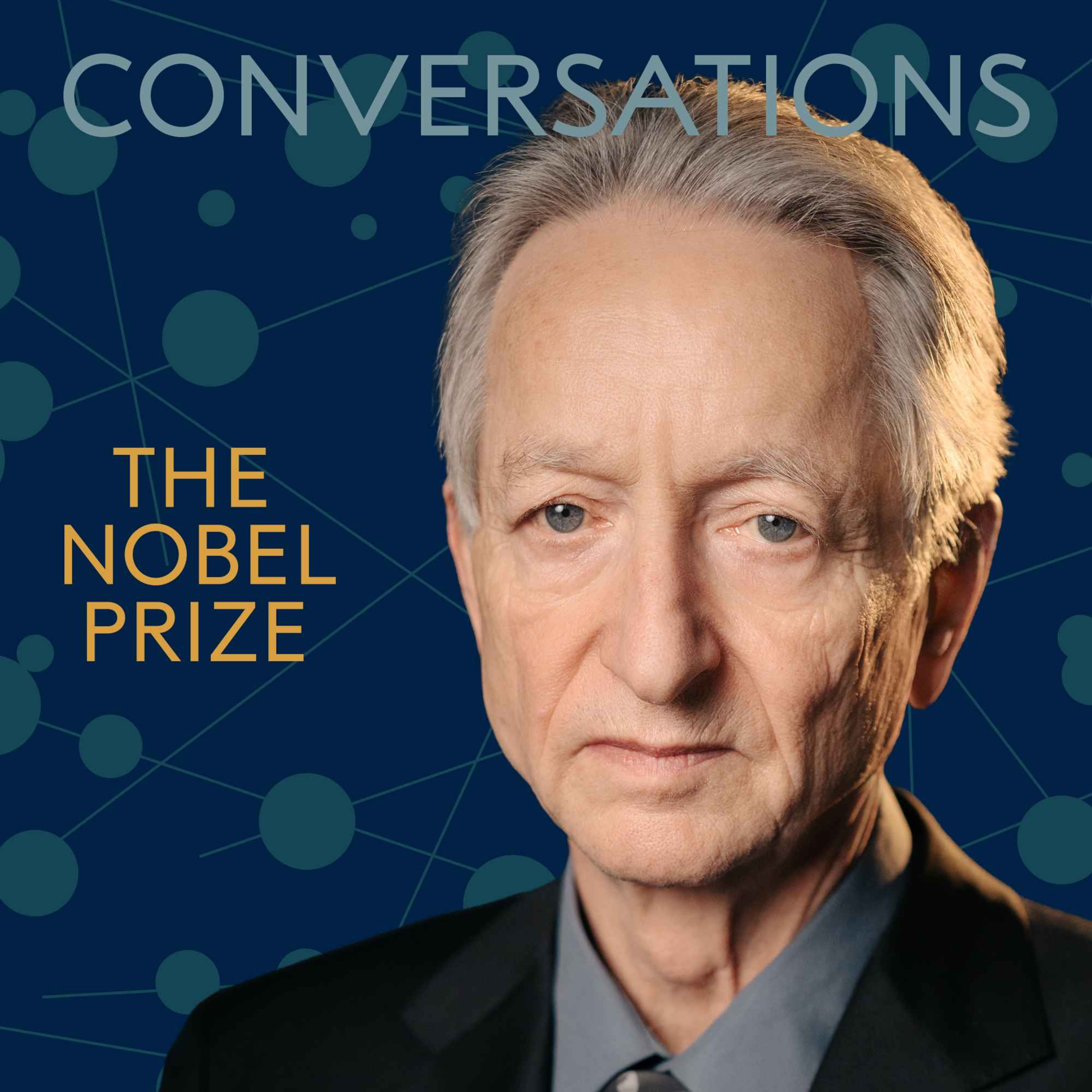
本集简介
双语字幕
仅展示文本字幕,不包含中文音频;想边听边看,请使用 Bayt 播客 App。
如果你看看我在剑桥的学业经历,每年我都换专业,当时看起来完全没道理。
If you look at my academic history at Cambridge, I switch subjects every year, and it didn't make any sense at all.
现在回头一看,那段经历其实特别有帮助。
When you look back on it, it was all very useful.
但那时候,纯粹就是瞎走一通,毫无方向。
But at the time, it was just a crazy random walk.
我特别能理解这种感觉。
I can relate to that.
你说奇怪不奇怪,人生路上那些看似犹豫不决的选择,过几年再看,反而成了必要的铺垫。
Isn't it marvelous how, indecision in what might be called one's career path can in the end with the passage of time look like requiring sensible background?
比如杰弗里·辛顿,他一旦找到了真正想解决的问题,立刻就爆发了,最终成了人工智能领域的奠基人之一。
And in Geoffrey Hinton's case, boy, did he flourish once he did eventually find the question that he was really interested in addressing, and it led him to become one of the founding fathers of artificial intelligence.
接下来,让我们听听他讲述自己如何摸索那些死胡同,最后终于看到隧道尽头的光。
So join me now as we listen to him recount how he explored some of those blind avenues and then eventually found the light at the end of the tunnel.
不过这几年,他眼里的那道光,颜色似乎变暗了一些。
Light, which for him has, over recent years turned a bit darker.
欢迎收听《诺贝尔奖对话》。
This is Nobel Prize Conversations.
今天的嘉宾是杰弗里·辛顿,他是
And our guest is Geoffrey Hinton, recipient
关于
of
2024年的物理学奖。
the 2024 Prize in Physics.
他因在人工神经网络实现机器学习方面的基础性发现与发明而获奖。
He was awarded for foundational discoveries and inventions that enable machine learning with artificial neural networks.
他与约翰·霍普菲尔德共同分享了这一奖项。
He shared the prize with John Hopfield.
本节目的主持人是亚当·史密斯,他是诺贝尔奖 outreach 的首席科学官。
Your host is Adam Smith, chief scientific officer at Nobel Prize Outreach.
本期播客由拉蒙·阿雷特基金会合作制作。
This podcast was produced in cooperation with Fundacion Ramon Aretes.
杰弗里·辛顿是多伦多Vector研究所的联合创始人兼首席科学顾问。
Geoffrey Hinton is cofounder and chief scientific adviser of the Vector Institute in Toronto.
他和亚当聊了聊怎么让咖啡凉得更快,以及为什么我们说‘咬紧’而不是‘咬上’。
He talks to Adam about how to best cool your coffee and why we say bite down instead of up.
但归根结底,这些看似琐碎的思考,恰恰触及了那个核心问题:是什么让我们成为人?
But ultimately, they reveal how these mundane musings capture the core of the question, what makes us human?
不过首先,杰弗里·辛顿谈到了他小时候,父亲更爱昆虫胜过自己的孩子。
But first, Geoffrey Hinton talks about growing up with a father who favored bugs over his children.
你出身于一个科学氛围浓厚的家庭。
You come from a very scientific background.
你的祖先中有很多科学家,你父亲更是一位杰出的昆虫学家。
There are a lot of scientists in your forebears, and your father was a great entomologist.
这对你成为科学家有影响吗?
Did that influence you to become a scientist?
你有没有觉得,科学的基因早就写在血脉里了?
Did you feel that it was in the blood?
是的。
Yes.
我感受到很大的压力,必须成为科学家。
I felt a lot of pressure to become a scientist.
大家都希望我走科学这条路,不过我一直喜欢科学,所以也没觉得不好。
I was expected to become a scientist, but I always enjoyed science, so that was okay.
我小时候想当昆虫学家,因为我爸爸就是昆虫学家。
When I was little, I wanted to be an entomologist because my father was an entomologist.
他特别钟爱甲虫,简直到了痴迷的地步。
He shared with the lord an inordinate fondness for beetles.
哦,你读过这段啊。
Oh, you read that.
对。
Right.
没错。
Yeah.
他专攻的是甲虫。
It was beetles he specialized in.
还有很多其他昆虫,但甲虫是他最钟爱的。
And lots of other insects too, but beetles were his favorite.
而在甲虫里,他最喜欢的是阿马迪科科这个科。
And among beetles, it was the family almady that was his real favorite.
你得跟甲虫争宠吗?
Did you have to compete with beetles for his favor?
我妹妹常说,要是我们有六条腿,他会更爱我们。
My sister often said that he would have loved us more if we had six legs.
他在大学的办公室特别高,天花板得有将近五米。
In his office he had an office at the university that was very high The ceiling must have been about 16 feet high.
墙上全是书架,他得靠一架梯子才能拿到高处的东西。
And the walls were all lined with shelves and he had a step ladder so he could get at them.
墙上挂满了几百个盒子,每个盒子里都装着论文和 reprint。
And the walls were covered with hundreds of boxes and each box would have papers, reprints.
那时候还没有复印机,对吧?
This was before Xerox machines, right?
里面都是期刊论文的复印件。
It would have reprints of papers from journals.
盒子上写着论文所涉及的昆虫属名,有时候是科名。
And on the box would be the name of the genus of insect that the reprint was about or maybe the family.
这样的盒子有好几百个。
And so there were hundreds of these boxes.
他去世后,我们以一万英镑的价格卖给了佛罗里达大学。
When he died we sold them to the University of Florida for £10,000.
在这些盒子里,有一个小一点的,放在门边的低层架子上,盒子上写的不是昆虫。
Among those boxes there was one box that was a bit smaller and was next to the door on a lower shelf And on that box, it said not insects.
那里面装的是他人生的其余部分。
And that was the rest of his life.
里面有他孩子们写来的信,还有……
And that had things like letters from his children and
至少你跟那些昆虫不一样。
Well, at least you were differentiated from the insects.
你是特别的。
You were something special.
是的。
Yes.
稍微小一点。
Slightly smaller.
但如果你被期待成为科学家,那是否就意味着你必须顺从这种期待,还是你想挣脱出来,做点不一样的事?
But if you were expected to be a scientist, did that necessarily mean that you wanted to follow expectations or did you want to break away and be something different?
直到我快成年时,我才想挣脱出来,做点别的。
Not until I was late in my teens did I want to break away and do something different.
所以我刚去剑桥的时候,是在学科学,那真花了不少时间才做得到位。
So when I first went to Cambridge, I was doing science and it took a lot of time to do it properly.
早上听讲座,下午做实验,晚上我还要把白天记的笔记重新整理一遍,写得工整些,等于又复习了一次。
You went to lectures in the morning, did experiments in the afternoon and then in the evening I would rewrite the notes I've made during the lectures to make them neat so that I went over it once more.
然后就该睡觉了。
And then it would be time to go to bed.
每天就这么干十二个小时。
And it was just it was like twelve hour days I was doing.
一个月后,我实在受不了了,就走了。
And after a month, I just got totally fed up with it and I left.
那是第一次,嗯。
That was the first yeah.
离开了剑桥。
Left Cambridge.
那是我第一次自己做决定。
That was the first time I made a decision on my own.
天哪。
Golly.
这肯定惹麻烦了。
That must have gone down badly.
这事搞得挺糟的。
That went down quite badly.
是的。
Yes.
一年后我回去了。
I went back a year later.
不过。
But
你第一次离开到第二次回去之间这段时间都做了什么?
What did you do with the time that you had between first start and second start?
我去伦敦找了好几份零工,只为付得起房租。
I went to London and got several different menial jobs in order to pay the rent on a apartment.
我还读了很多像陀思妥耶夫斯基写的那种让人压抑的小说。
And I read a lot of depressing novels by people like Dostoevsky.
这听起来挺有主见的。
Sounds like independence.
是的。
Yes.
我决定想当一名建筑师。
I decided I wanted to be an architect.
幸运的是,在我第二年秋天回去之前,整个夏天我都待在一家建筑事务所工作,这才了解到建筑师真正的工作内容——根本不像人们想象的那么浪漫。
Fortunately, before I actually went back the next fall, I spent the summer working in an architect's office and discovered what architects actually do, which isn't as romantic as what you think they do.
画一些飘逸的建筑草图。
Sketch out airy buildings.
他们实际做的,是决定用便宜的门把手还是便宜的地板,因为不在这两项上省钱,预算根本撑不住。
What they actually do is decide are you gonna have cheap door handles or cheap flooring because there's no way you're gonna meet the budget without doing one of those two.
干了一天建筑活儿后,我去跟导师谈了,又改回搞科学了。
And after a day of doing architecture, I went and talked to my tutor and switched back to doing science.
但我改回了物理、化学和生理学。
But I switched back to doing physics and chemistry and physiology.
我第一次去的时候,学的是晶体状态下的物理和化学,那是个新课程,大概是因X射线晶体学在解析DNA结构上的成功才开设的。
The first time I've been there, I did physics and chemistry in crystalline state which was a new subject they were teaching because of the success of x-ray crystallography in getting structure of DNA, I think.
那时候,X射线晶体学特别火。
X-ray crystallography was a big thing then.
我回去之后就没再碰那个。
And when I went back, I didn't do that.
我转去学了生理学。
I instead I did physiology.
那是我第一次接触生物学,觉得特别有意思。
And that was the first time I'd done any biology, and I found it fascinating.
你转到生理学之后,找到方向了吗?
And had you found your path once you made the change to physiology?
没有。
No.
生理学课程快结束时,有个部分我特别期待,就是关于中枢神经系统的,我以为他们会讲清楚它到底是怎么运作的,我真的很想知道。
At the end of the physiology course there was a section which I was really looking forward to about the central nervous system and I thought they would tell us how it worked which is I was very interested in how it worked.
结果他们只讲了神经元轴突是怎么传导动作电位的。
And instead they told us how the axons of neurons conduct action potentials.
动作电位是怎么沿着轴突传播的。
How a wave of depolarization goes down the axon.
但这根本没解释它到底是怎么运作的,我还以为他们会讲清楚呢。
But that didn't exactly tell us how it worked and I thought they were going to tell us how it worked.
于是我彻底厌倦了,就转去学哲学了。
And so I was got very fed up and I switched to doing philosophy.
这倒确实是研究它是怎么运作的。
Which is definitely studying how it works.
我以为能更深入了解大脑。
Thought I'd learn more about the mind.
结果并没有。
I didn't.
我学了一年哲学,最后对哲学产生了免疫力。
I did a year of philosophy and basically developed antibodies to philosophy.
这里好像有个明显的模式。
There seems to be a bit of a theme here.
如果你看看我在剑桥的学业经历,我每年换专业,根本说不通。
If you look at my academic history at Cambridge, I switched subjects every year and it didn't make any sense at all.
回头一看,其实每一段经历都挺有帮助的。
When you look back on it, it was all very useful.
但当时就觉得纯粹是瞎走一通,毫无章法。
But at the time, it was just a crazy random walk.
生活中很多时候都是这样。
So often in life that's true.
事后回头看才能理出头绪,没错。
You can make sense of it in reverse, but yes.
对。
Yes.
想必你在这些领域都表现得不错吧。
Well presumably, you did quite well in all these things.
所以他们才留着你,说:‘算了,留下吧。’
So they hang on to you and said, okay, No.
所以
So
我第一年物理成绩不错,但我知道自己没法继续学物理,因为数学底子太差了。
In my first year, I did well in physics but I knew I couldn't carry on in physics because my math wasn't good enough.
高等数学我真的觉得特别吃力。
Advanced mathematics I found very difficult.
生理学我学得还不错,化学也还行。
I did quite well in physiology and okay in chemistry.
后来学哲学,成绩也就一般。
Then when I did philosophy, I did just okay.
再后来转去学心理学,我根本不喜欢那门课。
Then I switched to psychology and I didn't really like that at all.
你是不是一直在找一条通往人心的路?
Again, you looking for a way to get into the mind?
对。
Yes.
我以为心理学家会告诉我们人是怎么思考的,结果却全是老鼠走迷宫。
I thought psychologists would tell us how people worked and instead it was rats in mazes.
回头看看,有些内容其实挺有意思的。
And there was some stuff that retrospectively is interesting.
比如信号检测理论,怎么从噪音里分辨出微弱的信号。
Signal detection theory, how you distinguish between noise and very faint signals.
这里面确实有些很有趣的数学。
And there's some interesting mathematics there.
但那并不是我想弄明白的问题。
But it wasn't exactly what I wanted to know.
我想知道的是人到底是怎么运作的。
I wanted to know how people worked.
所以,亚当,杰弗里·辛顿有没有搞清楚人是怎么运作的?
So, Adam, did Geoffrey Hinton find out how people work?
我觉得没人真正搞明白过。
I don't think anybody's found
还没弄明白人是怎么运作的。
out how people work yet.
我觉得现在的我们还太难理解大脑的复杂性。
I think the brain's just too complicated for us just at the moment.
他在对话中提到两样东西,我得好好弄懂,就是神经网络和大语言模型。
He talks about two things in the conversation that I need to understand better, and that's neural networks and large language models.
你能给我讲讲吗?
Can you enlighten me a little bit?
当然可以。
Well, yes.
我试着说说看。
I'll give it a go.
神经网络是理解人如何运作的一个步骤,它通过组织流程来模仿大脑中的活动。
The neural network is a step towards understanding how people work in that it's arranging processes in a way that seeks to mimic what happens in the brain.
在大脑里,神经元大致分层排列,而且彼此高度互联。
In the brain, you have neurons arranged broadly in layers and hugely interconnected.
在神经网络中,这些处理单元也是分层排列的。
And in a neural network, you have processes arranged in layers.
最开始是输入层,信息从这里进入。
And there's an input layer where information comes in.
最后是输出层,结果从这里输出。
There's an output layer where information goes out.
中间则是一些隐藏层。
And then in between, there are these hidden layers.
在大脑里,我们了解到,神经元之间通过传递电信号会加强彼此的连接。
And in the brain, our understanding is that, neurons reinforce their connections with each other when they send electrical signals to each other.
所以人们常说:一起激活的神经元,会连在一起。
So, standardly, people say neurons that fire together, wire together.
神经网络也是同样的原理——那些能导向正确答案的节点,其连接会被加强。
And the same is happening in a neural network where nodes with inputs that are leading to the right answers further down the stream are reinforced.
你给神经网络设定一套规则,结果它会变得具有适应性,能自己生成新的规则,从而更接近正确答案。
And you program a neural network with a set of rules, and then it turns out that they are so called adaptive and that they can develop new rules for themselves, allowing them to get close to the right answer.
所以,本质上就是在构建一个人工大脑。
So building a synthetic brain then, basically.
没错。
Yes.
正是这样。
Exactly.
他当时就是要实现这个目标。
And that's what he was seeking to do.
当时几乎没人觉得他能成功,但他做到了。
And very few people thought he was gonna succeed, but he did.
这也让他成了大家常说的‘人工智能之父’。
And that led him to become, as everyone likes to say, the godfather of AI.
对。
Mhmm.
至于大语言模型,简单说就是用这种架构来处理海量复杂的数据集,模型能从中识别和理解信息,最后给出合理的输出——这名字确实名副其实。
And then a large language model, well, that broadly describes the way that, these infrastructures are used to input huge complex datasets, and then the model is able to recognize and interpret that dataset and give you an output, which makes sense as the name large language model implies.
对。
Mhmm.
这最初指的是像ChatGPT那样生成文本。
That refers initially to producing text as we all know from something like chat GPT.
但它也能处理视觉数据或任何其他复杂类型的数据。
But it can also work with visual data or any sorts of complex data.
去年十月颁发的一项诺贝尔奖,其数据正是蛋白质折叠数据,AlphaFold 2 成功解读了这些数据。
And in the case of one of the Nobel Prizes awarded last October, of course, that data was protein folding data, which AlphaFold two was able to interpret.
杰弗里·辛顿的诺贝尔奖具体是因什么获得的?
And what specifically did Geoffrey Hinton get his Nobel Prize for?
因为他开发了最初的神经网络,引入了统计力学的概念,使他的网络能够识别数据集中的一些特征。
For the development of that initial neural network, which had introduced concepts of statistical mechanics, which allowed his neural network to recognize characteristic elements in sets of data.
除了打造数字大脑,杰弗里·辛顿本人的思维也相当独特。
Apart from sort of creating a digital brain, Geoffrey Hinton himself also seems to have a very interesting mind.
他几乎从不停止思考。
Doesn't switch off much.
是的。
Yeah.
他好像总是保持警觉。
He seems to be constantly on the lookout.
在开始录音之前,我们不知怎么就聊起了宗教。
Before we started recording, somehow we started talking about religion.
我说,哎呀,咱们别谈这个了。
And I said, oh, let's not go there.
他问,为什么不能谈?
And he said, why not?
结果我们还是谈了。
So we went there.
录音开始前,我们稍微聊了聊这个话题。
We chatted about it a little before the recording started.
我觉得这正好说明了,确实没什么能逃过他的眼睛。
And I think it was just indicative of the fact that, yeah, not much slips by.
那他对宗教怎么看?
So what was his take on religion then?
是的。
Yeah.
他不太认同。
He's not keen on it.
他认为宗教全是假新闻,信的人都是被蒙蔽了。
He thinks it's all fake news that those who believe are deluded.
不过呢,也有些人坚信科学实证的世界观,却依然给宗教留了空间。
But then again, there are others who very much believe in an evidence based view of the world who have space for religion as well.
所以……
So
但他好像并不介意跟人意见相左。
But he doesn't seem to mind to disagree with people.
他确实不介意。
He certainly doesn't.
我觉得,这又是很多获奖者的共同特点。
And I think, again, it's the characteristic of so many laureates.
他们未必故意要持相反意见,但别人批评他们的观点时,他们根本不会受影响。
Not that they necessarily want to hold a contrary views, but that they are not phased by having people criticize their view of things.
关于宗教的这场对话确实很有价值,但我认为单靠科学家是谈不透的。
This conversation about religion is well worth having, but I don't think it's a conversation that can be had by scientists alone.
确实如此。
Indeed.
结果发现,这种思维模式一直都在运转,哪怕坐在牙医椅上也不例外。
Anyway, that mind is constantly operating, even in the dentist chair, turns out.
咱们听听看。
Let's listen.
至少在加拿大和英国,我不清楚其他地方是不是这样,你去看牙医,他们要检查上下牙咬合情况时,会说‘咬下去’。
At least in Canada and Britain, I don't know about elsewhere in the world, when you go to the dentist and they want to see if your lower teeth fit your upper teeth properly, they say bite down.
但实际上,你不是往下咬,是往上咬。
Now you don't actually bite down, bite up.
对。
Mhmm.
那他们为什么说‘咬下去’呢?
So why do they say bite down?
所有人都这么说。
And they all say it.
我问过牙医,为什么你们说‘咬下去’,而不是‘咬上来’?
And I've asked dentists, why do you say bite down instead of bite up?
他们也答不上来。
And they don't have an answer.
他们一辈子都在说‘咬下去’。
They spend their whole life saying bite down.
他们从来没想过,实际上你是往上咬的,那为什么还说‘咬下去’呢?
And it's never occurred to them that when you actually bite up, so why do you say bite down?
然后呢?
And?
哦,你想知道他们为什么这么说吗?
Oh, you wanna know why they say
对,为什么?
it?
是的,麻烦说说。
Yes, please.
好吧。
Okay.
有一次,我在吃一种刺多的鱼。
Well, I was once eating some bony fish.
这正好能解释他们为什么说‘咬下去’。
This really is an explanation why they say bite down.
我明白,没错。
I'm with you, yes.
有一次我在食堂和朋友一起吃这种刺多的鱼,还试着蒙着眼睛下棋。
I was once eating some bony fish in a cafeteria with a friend and we were trying to play blindfold chess.
我们下棋水平其实不高,老是把象乱跳到兵前面之类的。
Now we weren't that good at chess and we kept sort of moving bishops through pawns and things.
但我们当时想玩盲棋,结果发现吃带刺的鱼的时候根本没法玩盲棋。
But we were trying to play blindfold chess and I realized you can't play blindfold chess while eating bony fish.
原因在于,你用来判断空间里东西位置和相互关系的那套思维,跟找鱼刺用的是同一个空间处理机制。
And the reason is the sort of spatial process you use for dealing with where things are in space and how they're relating to each other It's the same spatial processor you use both for playing the blindfold chess and for finding the bones in the fish.
你不可能专门分一套系统来处理嘴里的事,再用另一套处理棋盘上的事,其实都是同一个空间思维在运作。
It's not like you have separate piece of apparatus for dealing with what's going on inside your mouth and what's going on in this chess game, it's the same spatial process that you're using.
所以就会互相干扰。
So you get a lot of interference.
两件事没法同时做好。
You can't do both at once.
就像一边跟人聊天,一边还得跟另一个人说话一样。
It's like trying to hold two conversations at once.
所以问题来了:当你用这套空间思维处理嘴里的事时,它跟处理外部世界的事之间,到底是什么关系?
So the question is, when you use that spatial process for for dealing with things inside the mouth, how does that relate to how you use it for dealing with things outside the mouth?
比如说,当我伸手去拿东西的时候,那个‘我’就是在做伸手的动作。
So if for example I'm reaching for objects, there's a kind of me and I'm doing the reaching for the objects.
但如果我在想嘴里发生的事,那这个‘我’又在哪里?我的感知中心到底在哪儿?
If I'm thinking about what's going on inside my mouth, what's me and where where's the sort of center of my frame of reference?
在嘴里,你的舌头就是‘你’。
So inside your mouth, your tongue is you.
舌头是你能主动控制的部分。
The tongue's the bit you can move.
我意思是,下巴也能动,但真正代表‘你’的是舌头,你会用舌尖去摸索感受。
I mean, you can move the jaw too, but the tongue is you and you sort of feel around with the tip of your tongue.
除非你在鱼肉里找骨头,不然你平时就是靠舌尖去探查那些东西。
Unless you're looking for bones in the fish, you sort of feel for them with the tip of your tongue.
所以,舌头就是‘你’。
So the tongue is you.
而舌头是连着下颌的。
Now the tongue is attached to the lower jaw.
那么,如果你问,什么东西相对于舌头在动?
And so if you ask, what moves relative to the tongue?
相对于舌头在动的是你的上排牙齿。
Well, what moves relative to the tongue is your upper teeth.
当我收缩颌肌让下巴闭合时,舌头相对于下排牙齿并不会移动。
When I contract the jaw muscles so my jaw closes, the tongue doesn't move relative to the lower teeth.
你不会被下排牙齿咬到舌头,因为它们和舌头之间没有相对运动。
There's no danger that you'll bite your tongue with your lower teeth because they're not moving relative to the tongue.
真正会咬到你舌头的是上排牙齿。
The thing that bites your tongue is your upper teeth.
当然,你嘴里最需要小心的就是别咬到舌头。
And of course, what you need to worry about inside your mouth is biting your tongue.
这是最要紧的事,绝对不能发生。
That's the most important thing not to do.
你就是你的舌头,你当然不想被咬,而这些上排牙齿正朝你的舌头压下来。
You are your tongue, and you don't wanna get bitten, and these upper teeth are coming down on your tongue.
所以,自然地,你会从咬合的角度来理解这件事。
And so, of course, you think of it in terms of biting down.
这其实全都是参考系的问题。
It's all about frames of reference.
这确实关乎参考系,我对这个特别感兴趣。
It's all about frames of reference, which I'm very interested in.
这就是我对牙医为什么总说‘咬下去’的最好解释。
And that's my best explanation of why dentists say bite down.
但整个故事的重点是,我对他们为什么这么说其实有个挺合理的解释,只是从来没人问过这个问题。
But the point of this whole story is there is an explanation of why they say it that I think is pretty good, but nobody ever asks a question.
从来没人会说:等等,牙齿是往上动的,那为什么偏偏要说‘咬下去’呢?
Nobody ever says, wait a minute, the teeth come up, so why do they say bite down?
有太多问题,根本没人去问。
There's huge numbers of questions that nobody ever asks.
我儿子小时候就问过一个很少有孩子会问的问题。
So my son, when he was very little, asked a question that very few kids ask.
他说:爸爸,为什么桥不会塌下来?
He said, Daddy, why do bridges stay up?
关键是,桥底下什么都没有。
The point is there's nothing underneath the bridge.
他刚开始意识到,桥能立着不动其实挺奇怪的。
And he was just beginning to understand that it is odd that bridges stay up.
这是个特别好的问题。
It's a lovely good question.
老是问问题、找答案,确实会拖慢进度。
All this asking of questions and finding solutions, that can slow you up.
我想大多数人都是匆匆忙忙地做事,停下来问一句太费时间了。
I suppose most people are rushing through things and stopping to ask is time consuming.
是的。
Yes.
确实如此。
It is.
而且还会让人脑力透支。
As well as being intellectually taxing.
我一向羡慕那些能一口气读很多东西的人。
I've always envied people who can just read a lot of stuff.
我一读科学论文,就容易跑题。
If I start reading a scientific paper, I keep getting sidetracked.
我读一篇科学论文得花一整天,因为刚看一点就会想:等等,等等。
It takes me a whole day to get through a scientific paper because I'll read I'll read a little bit and think, wait a minute, wait a minute.
或者它让我想起别的事。
Or it'll remind me of something else.
所以没错,我老是因为提问而分心。
And so yeah, I get sidetracked a lot by asking questions.
其实我挺喜欢自己编问题,就为了好玩,看看能不能想出答案。
And I actually like making up questions just for the fun of trying to figure out the answers.
比如说,你拿个咖啡杯,倒上咖啡,然后就得去忙别的事。
So for example, if you take a coffee cup and put the coffee in, then you have to go and do something.
你知道自己五分钟之后就回来,希望那时候咖啡凉得刚好。
You know you're coming back in five minutes and you want the coffee to be as cool as possible in five minutes.
那你是刚倒完咖啡就加牛奶,还是等回来再加?
Should you put the milk in when you've just put the coffee in?
是刚倒完就加,还是等你回来之后再加?
Or should you leave it and put the milk in when you come back?
答案大致是:别急着加牛奶,等你回来再加。因为没加牛奶的咖啡温度更高,散热更快。
And the answer is, roughly speaking, that you should leave it and put the milk in when you come back because the coffee will be hotter if you haven't put the milk in and so it will cool faster.
所以咖啡没加牛奶的时候,热量散得更快。
So you'll be losing heat faster if the coffee doesn't have the milk in.
等你回来再加牛奶,它又会再凉一点。
Then you put the milk in when you come back and it cools it down some more.
但要是等会儿再加牛奶,咖啡最终会更凉。
But it'll end up coolest if you put the milk in later.
不过假设这个咖啡杯是锥形的,因为热量是从咖啡表面散掉的。
But suppose that the coffee cup is conical shaped because it's losing heat from the surface of the coffee.
所以如果你先加牛奶,液体表面积就会变大。
And so if you put the milk in, you get a bigger surface.
虽然牛奶和咖啡混合后整体温度会低一点,但表面积更大了。
So although the coffee overall, if the milk mixes with the coffee, the overall thing's a bit cooler, it's got a bigger surface.
这就意味着,肯定存在某种形状的咖啡杯,让先加奶还是后加奶都没区别。
So that must mean there's some shape of coffee mug where it doesn't matter whether you put the milk in first or later.
最终降温的效果是一样的。
It'll cool the same amount.
这还跟咖啡和牛奶的具体用量有点关系。
It depends a bit on sort of exactly how much coffee you put in and how much milk you put in.
但我认为大多数人根本不会去想,要是咖啡杯形状刚好合适,根本不用纠结奶该什么时候加。
But I think most people don't get sidetracked by wondering things like, if we had the right shaped coffee mug, we wouldn't have to worry about whether you put in the milk first or second.
完全不用。
Absolutely not.
我觉得这倒是个很棒的物理课题,可以让本科生去算算理想的杯子形状该是什么样。
I think that sounds like a wonderful physics project for some undergraduate to work out what the shape ideal shape of cup is.
不过,这问题听起来特别像那种一问出来,孩子就会说‘哎呀,爸,你真够了’的类型。
But, yes, it sounds like the sort of question which really normally elicits the answer, oh, dad, honestly.
我女儿以前经常听我给她讲各种科学理论。
I actually had my my daughter was used to me lecturing her on scientific theories.
有一回,她还是青少年的时候,我一大早就下楼吃早餐。
And one morning when she was a teenager, I came down to breakfast early.
她平时也起得早,因为她得去上学。
She used to come down early because she had to get to school.
她说:‘爸,你今天怎么这么早?’
She said, you're down early, dad.
我回答:‘对啊。’
And I said, yes.
我想我终于搞懂大脑是怎么工作的了。
I think I figured out how the brain works.
我女儿一听,就说:‘天哪,爸,别闹了。'
And my daughter said, oh, no, dad.
又来了。
Not again.
这让我想起加里森·凯勒说过的一句话,是关于老年人的。
All this reminds me of a nice thing Garrison Keeler said about old people.
他说,老年人走得慢,是因为他们看到的每样东西都会勾起回忆,所以得停下来想想。
He said, The reason old people walk so slowly is that everything they see reminds them of something, and so they have to stop and think about it.
我觉得是因为他们的身体不太灵便了。
I think it's because their bodies don't work so
嗯。
well.
哦。
Oh,
真俗气。
how prosaic.
但说得实在,也确实没错。
And how factual and how true.
实际上,这让我想到一个关于你成长经历的问题。
Actually, that brings me on to, I suppose, a question of your own upbringing.
这种经历是怎么影响你养育自己孩子的呢?
How did that experience translate into the way you brought up your own kids?
我想我们已经能从中看出一些端倪了。
I think we've already seen an insight into that.
是的。
Yes.
我的孩子,尤其是我女儿,根本不打算当科学家。
My kids, my daughter in particular, doesn't want to be a scientist.
她从来就没想过要当科学家。
She never did want to be a scientist.
所以每当我试图用科学的方式给她解释事情,而她又不感兴趣的时候,她就会特别生气。
So she would occasionally get very cross with me for trying to explain things scientifically when she wasn't interested.
我想我其实是在想,既然你小时候承受了那么大的期望,那这种期待又是怎么体现的呢?
I suppose I was getting to the expectation piece, given that there were obviously huge expectations placed on you.
我的两个孩子都是领养的,这在一定程度上改变了人们对我的期望。
So my children are both adopted, and that changes the imposition of expectations somewhat.
我觉得这确实有影响。
I think that made a difference.
你的学术和职业道路非常特别。
You've had a very interesting path through academia and business.
我想问问,是什么样的环境最吸引你?
I wanted to ask what it was that really attracts you to an environment.
你在什么样的地方工作会觉得开心?
Where do you feel happy working?
什么样的状态会让你感到满足?
What defines some way you're happy?
我觉得我需要两样东西。
I guess I need two things.
我需要和聪明的人交流,他们懂的东西是我所不了解的。
I need smart other people to talk to who know things I don't know.
我合作过最棒的伙伴之一是特里·西诺夫斯基,他懂很多我不会的物理和生物知识。
So one of the best collaborators I've ever had was Terry Sinofsky, who knows a lot of physics and a lot of biology that I don't know.
而且他读书特别多。
And he also reads a lot.
所以所有相关的文献他都熟,我就没他懂那么多。
So he knows all the literature, which I don't.
这种合作真的特别有效。
And that's been a very good collaboration.
我需要的另一点是聪明的研究生。
The other thing I need in the environment is smart graduate students.
在大学里,一旦你带了博士生,你们俩就得绑在一起,差不多五年都脱不开身。
So universities, if you have a PhD student, you're stuck with them and they're stuck with you for about five years.
这时间足够长,等彼此都适应了,大概还能有四年时间,他们可以去尝试一些可能失败的事,花六个月做一件做不成的事,也没关系。
And that's long enough so that after they've got used to you and you've got used to them, you should have four years left and they can try doing things that fail and they can spend six months trying to do something that fails and that's not the end of the world.
这对他们来说是极好的训练,对导师来说,也能借他们的努力去探索各种可能性,而且是全力以赴地去试。
And that's great training for them and it's a great resource for the advisor to get them to try things and try them really hard.
我在谷歌发现的一个问题是,初级研究员通常会和资深科学家一起做项目。
The one disadvantage I found at Google is that the junior research scientists at Google work with more senior scientists on projects.
他们一开始会因为项目听起来有趣就参与进去。
And they'll work on a project for a while because it sounds interesting.
但一旦遇到困难,比如一个月没出成果,他们就转去跟别的科学家做了。
But when the going gets tough, if after a month it hasn't produced anything, they'll go off and work with some other scientist.
他们手里的自由度太高了。
They have too much freedom.
不过这些人大多已经拿过博士学位,确实该有一些自主权。
Now these are typically people who've already done PhDs so they deserve some freedom.
但这种环境,大学里有,大公司里却没有。
But that's something you have at universities that you don't have at the big companies.
至少不是同样的方式。
Not in the same way.
所以我相信,很多开创性的研究还是会继续在大学里进行,因为那种导师带学生的学徒制——学生跟着导师,一待就是好几年——这种模式很难被替代。
So I think a lot of original research will continue to be done at universities because I think this kind of apprenticeship system where you have an advisor and a student and the student's apprentice to the advisor and stays as an apprentice for several years.
我觉得这种模式对探索新想法特别有效。
I think that works very well for exploring new ideas.
而且学生懂的东西还不多,反而是个优势。
And it's an advantage that the students don't yet know that much.
他们没什么固有的成见。
So they don't have all sorts of opinions of their own.
就算有想法,也是新鲜的,能从新的角度去看问题。
If they do have an opinion of their own, it's sort of fresh and they can see things from new angles.
所以我觉得,做基础性的原创研究,大学比大公司更合适。
So I think actually for fundamental original research, universities are better than the big companies.
但在资源方面,大公司强得多。
But for resources, big companies are much better.
在你研究的深度学习和神经网络领域,现在是不是因为资源需求太大,研究的主导权正在慢慢向公司倾斜?
And in your particular field of deep learning and neural networks, is there now such a need for resources that the balance of power, if you like, in research is shifting a bit towards the companies?
是的。
Yeah.
现在搞这些大型模型,资源需求大得简直一团乱。
It's a real mess that you for these large models, you need a lot of resources.
这就让大学处于极大的劣势。
And that sort of puts universities as a big disadvantage.
这是其中一个很大的短板。
So that's one big disadvantage.
另一个短板未来可能会变,现在还不确定,就是公司给的薪酬实在太高了。
The other big disadvantage it may change in the near future, don't know, the companies just pay a lot more.
几年前,一个刚拿到机器学习博士学位的优秀研究者,去大公司能拿三十万美元年薪。
For a good researcher who's just got a PhD in machine learning, a few years ago they could go to one of the big companies and get paid $300,000 a year.
要是去大学,哪怕是在资金比较充裕的院系,也就十五万美元左右。
If they went to university they get paid $150,000 a year if it was a relatively rich department.
这就让大公司占据了压倒性的优势。
So that just gives the big companies a huge edge.
假如你在一个大烟草公司工作,想告诉人们吸烟会导致癌症,你可能刚入职就会闭嘴。
So if you work for a big tobacco company and you wanna tell people that tobacco causes cancer, you maybe start telling them when you work for the company.
展开剩余字幕(还有 207 条)
但你真正该做的,是辞职然后告诉人们吸烟会导致癌症。
But really what you should do is quit the company and tell people tobacco causes cancer.
所以我对此有很强烈的感受。
So I felt quite strongly.
谷歌待我很好,和我打交道的那些人也都非常友善。
Google treated me very well and the people I dealt with at Google were very nice people.
因此,一边在谷歌工作,一边批评它和其他公司对安全不够重视,我总觉得不太对劲。
So I felt wrong about criticizing Google and other companies for not paying enough attention to safety while working for them.
其实当我宣布要离开时,他们说:‘你完全可以留下,想说什么就说什么,继续做AI安全研究。’
They actually, when I said I was leaving, they said, well, you could stay here and say whatever you like and work on AI safety.
但我就是觉得不合适。
I just didn't feel right.
如果你不为公司工作,立场会干净得多。
You're just much cleaner if you don't work for the company.
所以那些敢于直言AI安全问题的人,通常都不是公司雇员,或者像OpenAI的一些人那样,正准备离职。
And so the people who are uninhibited in saying what they think about AI safety are generally people who don't work for a company or people unlike some of the people at OpenAI who are about to leave the company.
你的观点是,我们在危险级别的深度学习方面,其实比大多数人想象的更接近了。
And your contention is that we are closer to a dangerously intelligent form of deep learning than people think.
是的。
Yeah.
AI的威胁其实分两种。
So there's two kinds of dangers of AI.
一种是现在这种AI被坏人滥用。
There's the kind of AI we have now being misused by bad people.
比如被用来影响选民,让他们别去投票,尤其是不投诺布尔——这种事肯定有不少。
So being misused, for example, to target voters to get them to stay home rather than voting for Nobel And I'm sure quite a bit of that went on.
如果你对一个人了解得很深,就知道怎么戳他的痛点,推送能操控他行为的内容。
And if you know a lot about a person, you can know what presses their buttons and send them things that will manipulate their behavior.
马斯克投给特朗普的那几亿美元,很可能就用在了这类操作上。
Those hundreds of millions of dollars that Musk put into supporting Trump probably went into things like that.
我一点都不觉得奇怪。
I wouldn't be surprised if they did.
还有网络犯罪分子用它来进行网络攻击,这非常可怕,因为这些技术在攻击能力上越来越强。
And then there's obviously cybercriminals using it for cyberattacks, which is very scary because these things are getting better and better at cyberattacks.
有人用它来制造恶意病毒。
There's people using it to make nasty viruses.
还有致命的自主武器,这些东西会非常危险,而且很快就要出现了。
There's lethal autonomous weapons which are going to be very nasty and are coming very soon.
这些都依赖于坏人作恶,很多人已经意识到这些问题。
There's all those things that just depend on bad actors and many people are aware of those things.
还有一类完全不同的风险,是人工智能本身试图掌控一切。
And then there's things that are quite different that depend on AI itself trying to take over.
很多人,尤其是那些关注AI歧视和偏见问题的人,认为这种AI接管的说法纯属科幻,毫无根据。
And a lot of people, particularly people concerned with the other things like discrimination and bias in AI, say this AI taking over is just science fiction, it's nonsense.
这种观点往往伴随着一种信念,那就是AI根本不懂任何东西。
And that tends to go together with the belief that AI doesn't really understand anything.
我现在把那些追随乔姆斯基的老派语言学家就归为这一类,他们觉得AI根本谈不上理解。
So what I now think of as old fashioned linguists who are followers of Chomsky think this stuff doesn't understand anything.
这不过是靠统计相关性玩的把戏。
It's just a statistical trick using correlations.
当你跟它辩论,它开始在辩论中赢过你时,这种想法就站不住脚了。
That belief gets a bit thin when you have arguments with it and it starts beating you at the arguments.
我有个特别喜欢的小游戏:挑一些说大型语言模型根本不懂自己在说什么的话,把这些话丢给模型,然后让它解释那些人到底哪里想错了。
I have a little game I play which I enjoy a lot, which is you take some of the statements about how these large language models don't really understand what they're saying, and you give those statements to a large language model and ask you to explain what's wrong with the reasoning of the people who made those statements.
它给出的解释非常连贯,清楚指出对方的误区。
And it gives very coherent explanations of what they're getting wrong.
这个游戏的好处是,你完全不用动脑。
The nice thing about this game is it requires no effort on your part.
你只需要把那些人说的话复制粘贴进去就行。
All you have to do is type in the statements from these people.
你甚至都不用打我的话。
You don't even have to type me.
直接拿那些话丢进GPT,它就会告诉你问题出在哪,还会反问:这说法到底错在哪?
Just grab them and put them into GPT, and it'll tell you what's wrong with and they'll say, what's wrong with this?
它会明确告诉你错在哪里。
And it'll tell you exactly what's wrong with it.
让大语言模型去向批评者解释他们为什么错了,这感觉特别解气。
So it's quite satisfying to get the large language models explaining to the critics of large language models why they're wrong.
到了这一步,再说它们完全不懂,简直太荒谬了。
And at that point, it seems just crazy to say they don't understand anything.
人们总是盯着大语言模型犯的那些低级错误,拿它们当证据,说模型根本不懂,只是在做相关性匹配。
People point very much to the mistakes they make, the stupid mistakes that large language models make, as an evidence that they're not really understanding, that it is just correlation.
没错。
Yes.
关于这点,我有好几句话想说。
So I have various things to say about that.
尤其是两点:如果你找一个智力水平偏低的人,比如智商只有80左右,他们也经常会出错。
Two things in particular: If you take someone with low intellectual ability, with an IQ of 80 or something like that, they will sometimes make mistakes.
有些常识性的问题,他们也会搞错。
They'll get some common sense things wrong.
我们不会说这代表他们完全不懂。
We don't say that means they didn't understand anything.
我们说的是,这说明他们没理解这一点,还有一些复杂的东西他们还不懂。
What we say is that means they didn't understand that and there's complicated things they don't understand.
但我们不会因为一个错误就断定他们根本不懂,一点理解都没有。
But we don't say that means they're not understanding at all, that there's no understanding there just because they made a mistake.
那样说就太荒谬了。
That would be kind of crazy.
第二点是,人也会犯这样的错误。
The second thing is people make mistakes like this.
即使是普通人,也经常犯这种错。
Even people of average intelligence make mistakes like this all the time.
过去人们通常更擅长察觉自己哪里出错了,会去反思、调整,觉得这不太可能对。
Now people are generally better, at least until recently, at recognizing when they got things wrong and sort of filtering it and doing a bit of reasoning that can't be right.
但他们还是会不断犯错。
But they make mistakes all the time.
所以这叫幻觉,但实际上应该叫编造。
So it's called hallucinations, but it ought to be called confabulations.
当只是语言模型时,根本没涉及视觉,就应该叫编造。
When it's just a language model, there's no vision involved, it ought to be called confabulations.
心理学家从上世纪30年代就开始研究,发现人就是会不停地编造。
And psychologists have studied that since the 1930s and shown that just people confabulate all the time.
所以要证明这一点挺难的。
So it's hard to prove that.
当我们回忆很久以前发生的事时,会编出一个听起来合理的说法。
When we're remembering things that happened a long time ago, we make up a story that sounds plausible to us.
对。
Yes.
我们说的内容可能跟事实有点关系,但很多细节都是错的。
And we'll have some relation to the truth, but we'll have lots of the details wrong.
通常很难证实,因为你得清楚知道很久以前那件事的每一个细节。
It's normally hard to prove that because you need to know the precise details of something that happened a long time ago.
但确实有些情况我们能确切知道发生了什么,我所知道的最典型的例子是乌尔里希·奈塞写的一篇关于约翰·迪恩记忆的论文。
But there are cases where you do know what happened, and the best case I know of is there's a nice paper by Ulrich Neisse on John Dean's memory.
约翰·迪恩是尼克松的律师,他曾宣誓作证,描述了发生在椭圆形办公室里的对话。
So John Dean was Nixon's lawyer, and he testified under oath about conversations that had happened in the Oval Office.
可当时他并不知道那些对话其实都被录了音。
And at the time that he testified, he was unaware that there were tape recordings of those conversations.
所以他作证时说的内容,只是根据当时局势推测出的、听起来合理的会议场景。
So he just said basically, what he produced in testimony was plausible kinds of meetings that might have happened given what was going on.
但实际上,那些会议根本没发生过。
And those meetings never actually happened.
很多会议根本不存在,参会的人也不是他描述的那些人。
There were no many of the meetings, it wasn't those precise people in the meeting.
也不是某个人说了那句话,而是另一个人说了类似的话。
And it wasn't that person said something, it was somebody else said the same thing.
而且连那句话本身,也和原话对不上。
And it wasn't quite that thing anyway.
但很明显,他是在努力说实话。
But it's clear he was trying to tell the truth.
当我们回忆事情时,其实只是在编一个听起来合情合理的故事。
But when we remember stuff, what we're doing is just making up a story that sounds plausible to us.
记忆就是这么回事。
That's what memories are.
当然,如果事情刚发生不久,我们觉得合情合理的,往往就是真的发生了。
Of course, if the events happened very recently, what sounds plausible to us is what actually happened.
如果事情过去很久了,我们觉得合情合理的,就只是跟真事有点像,但已经被后来学到的信息影响了。
If the events happened longer ago, what sounds plausible to us is something like what happened, but influenced by things we've learned in the meantime.
所以人类的记忆充满了虚构和扭曲。
So human memory is full of confabulations.
这些大型语言模型动不动就瞎编,恰恰说明它们跟我们更像。
And the fact that these large language models just make stuff up shows they're more like us.
这并不说明它们跟我们更不像。
It doesn't show they're less like us.
你觉得这些模型是我们目前最接近了解大脑实际处理信息方式的工具吗?
Would you say that those models are the closest we've got to exposing how the brain is actually processing information?
是的。
Yes.
它们是我们目前最接近解释大脑在理解语言时如何运作的模型。
They're by far the closest we have to explaining what's going on in the brain when we're understanding language.
所以从大方向来看,我们理解语言的方式和这些大型模型是一样的。
So I think in broad terms, we understand language in the same way as these large models understand language.
在这方面,它们就跟我们很像。
They're like us in that respect.
那些说它们跟我们完全不一样的人,其实并没有一个能说得通的语言理解理论。
And the people who say they're completely unlike us don't have a workable theory of how we understand language.
我们目前最好的理论,就是这些大型语言模型。
The best theory we've got is these large language models.
如果这些模型很快就会变得比我们聪明得多,而且存在严重风险,那你觉得现在该做些什么来防范可能的负面影响?
If there is a very serious danger that they are going to become far more intelligent than us quite soon, what do you think should be happening now in order to protect against potentially bad effects of that?
好吧,我认识的几乎所有顶尖研究者都认为,这些模型最终会比我们更聪明。
Okay, so nearly all the leading researchers I know believe they will get more intelligent than us.
也许不是在所有方面同时超越我们。
Maybe not in everything all at once.
它们会在不同时间点,在不同领域逐渐超越。
They'll get better at different things at different times.
比如现在,它们在下围棋、下国际象棋,或者预测蛋白质折叠方面,已经远远强于我们了。
They're already much better, for example, at playing Go or playing chess or figuring out how proteins will fold.
它们会在不同时间点,在不同领域逐渐超越。
They'll get better at different things at different times.
它们已经强太多了。
They're much better.
如果让我写一首诗,要求一半的词都以字母B开头,我或许能写出来,但得花上一整天。
If I ask you to write a sonnet where half the words begin with b, you could probably do that, but it'd take you a whole day.
但你要是让GPT-4来写,它立马就能给你生成一首。
And if you ask GPT-four to do that, they'll just spit out the sonnet.
所以它们在这些方面要强得多。
So they're much better at things like that.
它们现在还远不是全能的专家,但进步得相当快。
They're already not very good experts at everything, and they're getting better fairly rapidly.
所以大多数研究人员认为,它们最终会超越我们,比我们更聪明。
So most researchers think they will get better than us, smarter than us.
只是时间问题而已。
It's just a question of when.
有些人觉得可能就在未来几年内发生。
Some people seem to think it'll be in the next few years.
如果你觉得这是好事,那我觉得这种想法太乐观了。
I think that's optimistic if you think it's a good thing.
我觉得可能需要二十年左右。
And I think it may take up to twenty years.
我估计在接下来的二十年内,它们就会比我们更聪明。
I'd say probably within the next twenty years they'll get smarter than us.
对。
Mhmm.
而且它们还会成为智能代理。
And they'll be agents too.
人们已经在把它们打造成智能代理了。
They're already making them into agents.
它们能做事。
They can do things.
它们能互相交流,还能协作完成任务。
They can talk to other ones and they can cooperate to achieve things.
所以它们能自己设定目标。
So they can create their own goals.
至少能自己生成子目标。
And so they can create their own sub goals at least.
我们可能只设定最高层的目标,但它们会自己生成子目标来实现这些目标。
We may put in their top level goals, but they'll generate sub goals in order to achieve those.
他们可能会生成一个子目标,就是争取更多控制权,以便更容易把事情办成。
They'll probably generate the sub goal of getting more control to make it easier to get things done.
所以真正的问题不是他们会不会比我们更聪明,而是如果他们真比我们聪明了,我们有没有办法确保他们不想夺权?
So the real question is not will they get more intelligent than us, but if they're more intelligent than us, will we have a way of making sure they don't want to take over?
我们真的不知道。
We just don't know.
我们也不知道这是否可能。
We don't know whether that's possible.
但既然你马上就要创造出比自己更聪明的东西,那最好还是投入大量资源,弄清楚能不能掌控得住。
But given that you're about to make things more intelligent than you, it would seem wise to just put a lot of resources into figuring out if you're going to be able to keep control.
我们不可能停下人工智能的发展。
We're not going to stop AI.
说我们应该现在就停下,听起来可能是理性的做法,但实际根本做不到。
I think saying we should stop now, that might be the rational policy, but that's not going to happen.
利益太大了,没人会放弃。
There's too many profits to be made.
政府也太想得到这项技术了,用于武器之类的用途。
And governments want it too much for weapons and so on.
他们会说是为了防御网络攻击,但至少有一半的人其实是在用它来制造网络攻击。
They will say for defending themselves against cyber attacks, but at least half of them must be using it for inventing the cyber attacks.
这是一场不断升级的竞赛。
It was a race of escalation.
没错。
Yeah.
所以他们为了这个目的也会想要,根本停不下来。
So they'll want it for that, so it's not gonna be stopped.
我们应该投入大量资源去研究:能不能以一种让我们保持控制的方式,来创造这些超智能体?
And we should be putting a lot of resources into figuring out, can we generate these hyper intelligent agents in a way that allows us to stay in control?
有些人相信这是可能的。
Now some people believe we can.
比如我的朋友杨立昆,他曾经是我的博士后,他就相信这是可以做到的。
So Yan LeCun, who's a friend of mine, was my postdoc, believes we can.
我觉得这不太可能,但我们还是应该投入大量精力去探索一下是否真的做得到。
I think it's improbable, but we should put a lot of effort into seeing whether it's possible.
这种努力具体该怎么做呢?
What form does that effort take?
是靠监管,还是说本质上就是搞研究?
Is it regulation or is it it's research, really, isn't it?
是研究,但只有大公司才有能力做这种研究,因为这是针对最前沿的大模型进行的。
It's research, but only the big companies have the resources to do this research because it's research on the large cutting edge models.
我认为,只有政府才有足够的力量去制约这些大公司,但就连政府也可能力不从心。
My belief is governments are the only people who are powerful enough to deal with these large companies, and even they may not be.
所以我觉得,政府应该强制要求这些公司把一部分计算资源用于安全研究。
So my belief is the government ought to mandate they spend a certain fraction of their computing resources on safety research.
如果真能这样,那当然最好了。
Now, it would be great if that happened.
拜登政府之前其实也在小心翼翼地朝监管方向迈了一小步。
And the Biden administration was moving very timidly towards a little bit of regulation.
在加州,他们更有雄心,要求大公司在发布这些系统前必须进行大量安全测试,并公开测试结果。
In California, they were a bit more ambitious and they said that you're going to require the large companies before they release these things to do a lot of safety tests and tell you the results.
但这项提案被州长否决了。
And that got vetoed by the governor.
虽然议会通过了,但州长还是把它给否了。
It got passed by the assemblies, but vetoed by the governor.
这是第一个真正有力度的法案。
That was the first bill with real teeth.
在欧洲,人们希望对人工智能进行一些监管,但他们明确表示不会管制军用AI,因为太多欧洲公司想把它用在武器上。
In Europe, the Europeans would like to have some regulation of AI, although they explicitly say we're not going to regulate military uses of AI because so many European companies want to use it for weapons.
但最近,英国和美国都表示不会签署欧洲关于人工智能安全的声明。
But recently, The UK and The US have said they're not going to sign on to the European's declaration about AI safety.
说白了,他们宁愿要利润,也不要安全。
Basically, they explicitly say we'd rather have the profits than the safety.
他们声称,监管太严会阻碍创新。
They say that by saying too much regulation will interfere with innovation.
但换个说法就是,当利润和安全摆在天平上时,利润总是赢。
But you can rephrase that as when it's profits versus safety, profits win.
政府所依赖的顾问,比如英国首相的顾问,很多人自己就持有大量人工智能初创公司的股份。
And the governments are being advised by people who are in Britain, for example, the prime ministers are being advised by someone who holds lots of shares in AI startups.
这确实像是行业在自我监管,一方面正如你所说,其他人根本没有资源参与;另一方面,这个领域发展太快了,谁都很难跟上变化。
It does seem a case of the industry policing itself partly because, as you say, nobody else has access to the resources, but also because it's such a fast moving area that people are finding it very hard to keep up with what's happening.
我也觉得根本跟不上现在的进展。
I find it very hard to keep up with what's happening.
每天都有新模型发布,每天都有新技术诞生,因为现在有太多聪明人投身其中。
There's new models coming out every day, and there's new techniques being invented every day, because there's a very large number of very smart people working on it now.
是的。
Yeah.
我觉得这很令人担忧。
I find that scary.
所以要监管起来会非常困难。
So it will be hard to regulate.
但如果你说,把三分之一的计算资源投入到AI安全研究上,这种说法就更通用,也更容易执行。
But if you say something like spend a third of your computing resources on AI safety research, that's sort of more generic and easier to do.
我明白为什么大家希望这样,但这真的让人头疼。
I can see why it's to be wished for, but gosh.
要让人们关注这个问题,为未来可能变得极度危险的智能系统做好管控准备,会不会反而让我们忽略了AI当前已经带来的问题?比如它在诊断、教育等领域带来的巨大好处之外,还有其他隐患。
In getting people to focus on that question and the provision for potentially controlling what could become dangerously intelligent in the future, is there a danger that you neglect the current problems that AI presents, that alongside all the benefits in diagnostics and all sorts of things that it can do for education, etcetera, potentially?
自动化导致的大规模失业,还有你之前提到的那些恶意使用者,都是实实在在的威胁。
There is the threat of automation and large scale unemployment, as well as all the bad actors that you've already mentioned.
这些问题同样需要得到足够的重视。
And that that also needs to have attention paid to it.
作为社会,我们得想清楚现在就希望AI为我们做什么,而不仅仅是担心未来的风险。
We need to, as a society, think about what we want now from AI, not just the danger of the future.
值得思考的事情太多了。
And there's so much to think about.
需要担忧、需要管控、需要引导的方面实在太多了。
There's so much to worry about and potentially control and direct.
这问题太大了。
It's too big.
我完全同意。
I I completely agree.
有这么多不同的风险。
There are these many different dangers.
还有很多短期的风险。
There's many short term dangers.
并不是说我们不该关注这些。
And it's not that we shouldn't think about those.
我主要谈的是,这些系统变得比我们更聪明并最终掌控一切的长期生存性威胁,因为很多人说这纯属科幻。
I mainly speak about the long term existential threat of these things getting more intelligent than us and taking over because many people say that's just science fiction.
但我了解这些系统的工作原理,也了解我们自己的运作方式,所以我敢说这并不是科幻。
And I feel I know enough about how these things work and how we work to say it's not science fiction.
但这并不意味着我对那些短期风险就不担心。
But that doesn't mean I'm not also very concerned about all the short term things.
这只是因为我的专业领域让我最适合讨论这些长期的生存性威胁。
It's just my particular expertise means I'm best placed to talk about these longer term existential threats.
但我在谈论这些长期威胁时,也会强调还有许多短期风险,比如当AI取代了所有平凡的脑力劳动时,社会可能会陷入动荡。
But I do try and emphasize when I talk about those, there are also many short term threats, a social disruption if these things replace all mundane intellectual labor with AI.
归根结底,这一切又回到了你多年来一直追问的问题:我们是如何运作的,人到底意味着什么。
It all comes back, in a way, to the question that you've been asking all these years about how we work, what it is to be human.
‘人是什么’这个问题正变得越来越核心。
That's becoming very central, what it is to be human.
因为关于AI是否会想要接管的争论,本质上是在问:它们有没有欲望和意图。
Because the debate about whether these things will want to take over is all about do they have desires and intentions.
很多人认为,能保护我们的东西是意识——它们没有意识,而我们有。
And many people think, for example, there's something that will protect us, is they're not conscious and we're conscious.
我们拥有某种它们没有、也永远不可能拥有的独特东西。
We've got something special that they ain't got and they will never have.
但我认为这种说法纯粹是胡说八道。
And I think that's just gibberish.
我是个唯物主义者。
I'm a materialist.
意识会在足够复杂的系统中自然产生,比如那些有能力模拟自身的系统。
Consciousness emerges in sufficiently complicated systems, perhaps systems complicated enough to be able to model themselves.
这些系统没有理由不会产生意识。
And there's no reason why these things won't be conscious.
所以我们还得学会怎么和它们共处。
So we're going to have to learn how to live with them as well.
希望我们能学会和它们和平共处。
Hopefully we can learn to live with them.
这才是最好的结果。
That's the good scenario.
你觉得未来我们该怎么看待它们?
How do you think we should think of them in the future?
当朋友吗?
As friends?
外星人?
Aliens?
好吧。
Okay.
所以简认为我们会安全,她觉得我们应该把它们当成仆人。
So Jan, who thinks we're gonna be safe, thinks we should think of them as servants.
就是那种老派的仆人,你叫他们做什么,他们就做什么。
Good old fashioned servants who do what you tell them to.
要是不听话,就辞了他们。
And if they don't, you fire them.
我只是担心,历史上很少有更聪明的生物被更笨的生物控制的例子。
I'm just worried by the fact that there's very few cases of more intelligent things being controlled by less intelligent things.
一旦它们比我们聪明太多,我觉得它们不会忍受这种待遇。
Once they're a lot smarter than us, I don't think they'll put up with that.
至少这是我担心的地方。
That's what worries me at least.
现在有一种更有希望的观点认为,人类很多恶劣的特质其实源于进化。
Now there's one line of argument that's more promising which is a lot of the nasty characteristics that people have come from evolution.
我们人类的祖先和黑猩猩一样,生活在小规模、互相争斗的群体里,这让我们对自家群体极度忠诚,对其他群体则充满敌意,甚至愿意杀死外群体的人。
We evolved with small warring bands of chimpanzees, or our common ancestor was chimpanzees, and that led to this intense loyalty to your own group and intense competition with other groups, being willing to kill members of other groups.
这种现象在现在的政治中表现得非常明显。
That of shows up in our politics quite a lot right now.
但这些特质并不是天生就有的。
These things didn't evolve.
所以,也许我们能避免那些非进化而来的事物中出现的很多恶劣行为。
And so maybe we can avoid a lot of that nastiness in things that didn't evolve.
能从它们身上学会如何相处,这想法真不错。
It's a nice thought that we could learn how to behave from them.
是的。
Yes.
事实上,现在的AI调解器已经相当擅长帮助持对立观点的人理解彼此的立场了。
In fact, AI mediators are now quite good at getting people with opposing views to come to see each other's view.
人工智能能带来很多好处。
So there's a lot of good can be done with AI.
如果我们能确保它安全,那将会是件很棒的事。
And if we can keep it safe, it's gonna be a wonderful thing.
以一个充满希望的结尾真好。
Hopeful note to end on.
和你交谈真的非常愉快。
It's been an absolute pleasure speaking.
非常感谢你。
Thank you very much indeed.
好的。
Okay.
那先这样,再见。
Bye for now.
你刚刚收听的是诺贝尔奖对话。
You just heard Nobel Prize Conversations.
如果你想更多了解杰弗里·辛顿,可以访问 nobelprize.org,那里有大量关于诺贝尔奖以及背后科学家的资料。
If you'd like to learn more about Geoffrey Hinton, you can go to nobelprize.org, where you find a wealth of information about the prizes and the people behind the discoveries.
《诺贝尔奖对话》是由亚当·史密斯主持的播客系列,由 FILT 和诺贝尔奖 Outreach 联合制作。
Nobel Prize Conversations is a podcast series with Adam Smith, a co production of FILT and Nobel Prize Outreach.
本集的制作人是我,卡琳·斯文森。
The producer for this episode was me, Karin Svensson.
编辑团队还包括安德鲁·哈特和奥利维亚·伦德奎斯特,背景音乐由 Epidemic Sound 提供。
The editorial team also includes Andrew Hart and Olivia Lundqvist, music by Epidemic Sound.
如果你喜欢探讨宏大理念、横向思维和深入解析,不妨听听我们关于2020年物理学奖得主罗杰·彭罗斯的那期节目。
If you're into big ideas, lateral thinking, and in-depth explanations, why not check out our episode with 2020 physics laureate, Roger Penrose?
往季的节目和对话可以在 Acast 或你常用的播客平台收听。
You can find previous seasons and conversations on Acast or wherever you listen to podcasts.
感谢收听。
Thanks for listening.
关于 Bayt 播客
Bayt 提供中文+原文双语音频和字幕,帮助你打破语言障碍,轻松听懂全球优质播客。