本集简介
双语字幕
仅展示文本字幕,不包含中文音频;想边听边看,请使用 Bayt 播客 App。
深度访谈科技领域最具影响力的创新高管,独家解析全球主要及新兴生态系统的数据与洞见,聚焦全球科技与开放式创新的热点动态——每期节目都将为您呈现这些精彩内容。欢迎收听《开放式创新对话》,与行业领袖共话桥梁建设。
In-depth interviews with the most influential innovation executives of the tech arena. Exclusive data and insights on major and emerging ecosystems all around the world, the hottest news on technology and open innovation at a global level, this and much more in every new episode. Welcome to Open Innovation Talks. Mind the bridge chat with industry leaders.
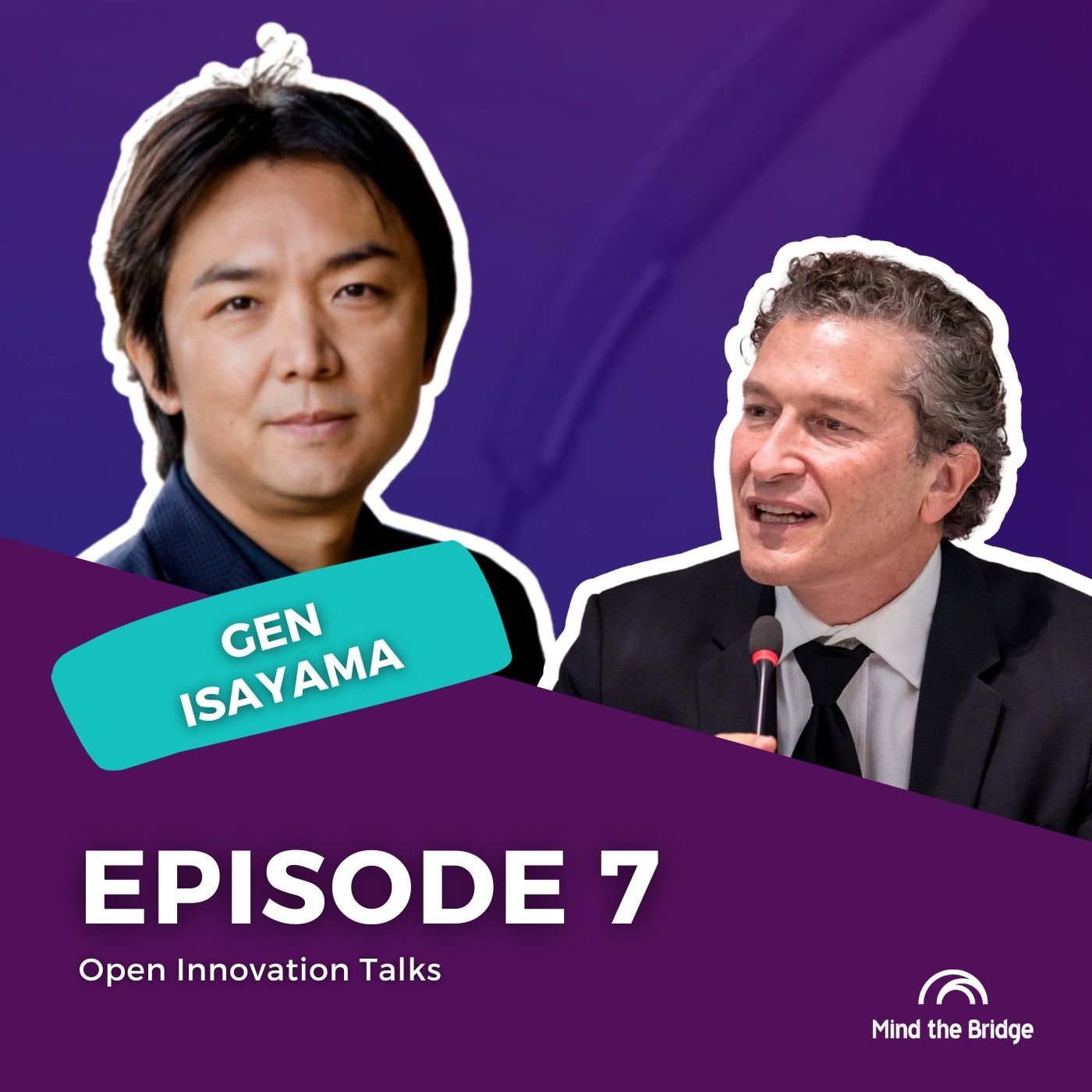
好的,欢迎大家。我是Mind the Bridge的Marco Maranucci,欢迎再次来到《开放式创新对话》节目,本期我们将与开放式创新领域的行业领袖展开对话。今天与我同席的是来自WILL的Jen Izayama。WILL代表世界创新实验室。
Alright. Welcome, everybody. This is Marco Maranucci with Mind the Bridge, and welcome to another episode of our Open Innovation Talks, Mind the Bridge chat with industry leaders in open innovation. Today I'm sitting with Jen Izayama with WILL. WILL stands for the World Innovation Lab.
他是硅谷在风险构建与投资领域的重要人物之一,与日本产业界联系紧密但远不止于此。本期节目不容错过,相信会带来许多有趣的见解。现在请允许我介绍世界创新实验室联合创始人兼CEO山先生。最近怎么样?
He's one of the major players here in Silicon Valley in both venture building and investing. Very much connected with the Japanese industry here but not only don't miss the episode, I think there are a lot of interesting insights. All right. Let me introduce Yama, co founder and CEO of World Innovation Lab. How are doing?
很好,早上好Marco。你最近如何?
Good. Good morning, Marco. How are you?
非常好。非常高兴你能来。我认为在了解企业创新世界(尤其是与日本相关领域)的发展方向方面,很难找到比你更合适的嘉宾了。让我们先从你的背景开始聊起,因为你在硅谷的时间和我差不多,大约二十年,先是在斯坦福商学院就读,之后进入WILL工作。
Very good. We're very glad to have you here. I don't think we could have thought of a better speaker to get a sense of where the world of corporate innovation, in particular when it relates to Japan, is going. Very happy to have you here. Let's start with a little bit of your background, because I think you've been in Silicon Valley pretty much the same amount of time, around twenty years, went to Stanford here at Business School, and then from there into Will.
那么让我们聊聊你的职业历程吧。
So let's cover a little bit of your journey.
是的,在来美国攻读斯坦福研究生之前,我曾在商业银行工作(现属瑞穗金融集团),当时我的使命之一就是思考如何助力产业发展。我对新兴产业的形成特别感兴趣,而我那个时代正是信息技术蓬勃发展的时期。作为一名银行从业者,我认为必须了解硅谷的动态——从通信技术到半导体,许多创新似乎都发生在大洋彼岸。经过严格的选拔程序后,我获得了公司资助来到这里。在学习创新生态系统的过程中,我深深着迷,原本两年的学业结束后应该回国,但我觉得仅靠案例研究和教科书远远不够,必须亲身实践。
Yeah, what brought me to Silicon Valley was before I came to The United States for graduate Stanford education, was working for a commercial bank, now part of Mizuho Financial Group, and one of my missions was how can I help industry thrive? And particularly I was interested in formation of new industries, and my era was all about information technology. So as a banker, I said I have to figure out a way to learn what's happening in Silicon Valley because it looks like telecommunication to semiconductors, a lot of the innovation seems to be happening across the ocean, and I wanted to have the opportunity. So I was sponsored from my company after all this rigorous selection process. I was able to come here, got fascinated about learning about innovation ecosystem, and then while I was supposed to go back after two year education, I said I really need to do something beyond just studying on case studies and textbooks.
我想加入初创企业。
I wanted to be part of the startup.
先确认下时间线,我们说的是2000年初对吧?2002年你从斯坦福商学院毕业时,
And just to get time reference here, we're the beginning of 2000, right? 2002, by the time you graduated from Stanford Business Yes,
我是2003届的。2001年入学,2003年毕业。你知道那时候校园外几乎一片死寂,正值互联网泡沫刚破裂。初创企业远没有现在这么热门。
so I'm in class of 2003. So I started school in 2001, 2003. And as you know, that time, at least outside of campus was kind of dead. I mean, was at right after the bubble. Startup was not as popular as today.
当时人人都挤破头想进投行和咨询公司,但我只对创业感兴趣。所以我来到硅谷,在校园里学到很多后,就想出去看看真实世界。于是我决定留在硅谷,最终加入了DCM风投基金,在那里花了十年时间学习风投。特别幸运的是,期间我有机会为公司在华开设办事处,并在东京设立办公室。这让我开始思考:当我在硅谷生活时,东京正在发生什么?
Everyone was thriving for investment bank and consulting, but my interest is all about entrepreneurship. So I came here, learned a lot on campus, and then I wanted to go out and see the real world. So I decided to stay in Silicon Valley and eventually started to work for one of the venture capital fund in Sam Gairo, DCM, and I spent ten years learning about venture. And particularly what was fortunate during that time was that I had an opportunity to open this firm's office in China and also open an office in Tokyo. That's when I saw, okay, what's been going on in Tokyo while I was living in Silicon Valley?
这真正激发了我的思考:天啊,我在美日两国学到这么多,既然日本创业市场变化不大,我需要做些事情来影响和改变日本社会对创新及创业者的认知。这最终促使我走上了现在这条路。
And that really sparked me to think, oh gosh, I learned so much in The United States and Japan, since not much has changed in the Japanese entrepreneur market, I need to do something to impact and change the way people think about innovation and entrepreneurs in Japanese society. So that kind of led me to do what I'm doing right now.
我很喜欢我们之前聊到的你从日本历史中获得的灵感——建立贸易站点的构想,借鉴出岛的历史。要不你谈谈这个?我觉得特别有意思。
And I love when we talked before your idea that was brought from the history of Japan, of building a trading post, right? And poaching it from the history of the Djima. Maybe why don't you mention that? Because I thought it was particularly interesting.
是的,在DCM工作十年后,我意识到有机会以某种方式影响日本。想出好点子不难,最难的是如何落地执行?这和创业一样,对吧?大家都有相同的想法——我们来做这个服务或产品。
Yeah, so after I worked for ECM ten years and thought there is the opportunity for me to impact Japan, in a certain way you come up with a great idea, but the toughest part is how do you implement it? It's same as a startup, right? Everyone has the same idea. Let's do this. Let's come up with this kind of service or product.
但实施层面,如何创造一个能引起人们共鸣的故事线对确保企业成功至关重要。经过至少十年帮助初创企业的经历后,我思考过这个问题——如果要创办公司,我清楚需要做什么。当我试图成为日本社会的变革推动者时,灵光一现:我需要一个能打动日本民众——尤其是年长群体的叙事。因为我想影响的对象是日本企业高管团队CEO们(他们大多比我年长)以及政府高层人士。为此我必须构思一个能真正触动他们、让他们觉得‘这或许可行’的故事。于是我回溯日本历史,想到17世纪德川时代曾有过长达两百多年的锁国时期。
But implementation, how do you create a storyline that resonates people is so important to make sure that your venture is successful. So I thought about this after at least I spent ten years helping startups, I know what I need to do if I were to start a company. And the idea struck where, so if I'm trying to change or become a change agent for the Japanese society, I needed a storyline which would resonate with Japanese people, particularly Japanese senior people because the constituent I'm trying to influence are the Japanese corporate management team CEOs, a little bit older than I am, and also government people which are also very senior. So I had to come up with a storyline which really can impact and make them think, wow, maybe this makes sense. So I went back to the Japanese history and I thought, oh well, in 17 centuries during the Tokugawa era, there was a period where Japan completely isolated the country for over two hundred years.
本质上,这种闭关锁国是为了防止过度受到外来影响(尤其是基督教),但在这两百年间日本变得极度封闭。用现代术语来说,就是‘封闭式创新’——所有事情都要自力更生。唯一例外是长崎的出岛,这个人工岛作为贸易站允许有限的外国人与日本人交流。这个贸易站最有趣的是:虽然只是弹丸小岛,却是当时日本人学习西方科技的唯一窗口。
And basically that isolation was to prevent getting too much foreign influence, particularly Christianity, but during that two hundred years Japan became very closed. Yeah, in today's term, closed innovation style where you have to do everything yourself. But one exception was this place in Nagasaki. They created an artificial island called Dejima, which was acting as a trading post for limited foreigners to come and interact with Japanese. And the interesting history about this trading post was it was such a small island, yet this was the only place where Japanese were able to learn western technology and science.
那里曾是人们学习先进医学技术的地方。我顿时联想到:这简直像极了当今的大企业——它们封闭自守,自以为能包办一切,虽隐约知道需要向新世界学习却无能为力。于是我想,与其试图让整个国家开放,不如建立这个‘出岛前哨站’,让大企业内有创业精神的人能出来获取新思想,最终影响主体机构走向开放。
So that was a place where people learned about advanced medicine, tech, and I said, Wow, okay, this just looks like big corporations today. They're very close. They think they can do everything themselves. They kind of know they have to learn from the new world, but they can't. So instead of trying to open up an entire country, I said, let me build this Tejima outpost where entrepreneurial mind inside of the big company can come out and get all these new ideas and try to influence eventually the mainland to open up.
比起直接对企业说‘让我们在硅谷做些有趣的事’(这种谁都会讲的故事),我认为这个历史典故更有说服力。2014年创立公司时,我就运用了这个话术:‘让我为贵司建立一个出岛,逐步影响你们的行事方式、创新思维,并帮助你们连接那些最终将为组织带来伟大创意的创业者。’
So I said, maybe this story is much more interesting than me coming up to the corporate and saying, 'Hey, let's do something interesting in Silicon Valley,' which is a storyline that anyone can tell. But this Tajima concept referring to a particular historical event in Japan, I thought is much more compelling. And so I used that rhetoric to start my firm in 2014 where I said, 'Let me open up a dejima for your company and try to eventually influence the way you do things, the way you think about innovation, and also help you connect with these entrepreneurs which would eventually bring great ideas into your organization.
显然这个故事引起了强烈共鸣——快进到现在,你取得了巨大成功:与大量企业保持深度合作,管理近10亿美元资产。你建立的模式不仅对日本极具借鉴意义,对许多面临相似核心问题的地区同样如此,对吧?比如如何突破那些通常难以加速的固有节奏,以及企业架构中难以打破的流程壁垒。今天我们就来聊聊WIL模式。
And obviously I think the story resonated very well because fast forwarding now, you're extremely successful. You have a very high engagement with a very high number of corporates. You have almost $1,000,000,000 under management and you're definitely, I think, established a model that must be really something to follow clearly for Japan, but honestly for a number of other geographies where really the core issues are pretty similar, right? How to break down some of the natural speed that is typically not accelerated and some of the processes that are a little bit too hard to break once you are a corporate structure. So let's talk about WIL model today.
你构建的支柱体系非常有趣,在此之前或许先谈谈投资规模——特别是你目前在日本市场(尤其是企业合作伙伴方面)的参与程度。
Think it's extremely interesting in the pillars that you built up, and before that, maybe just high numbers on parts of the investments and, in particular, the size of involvement that you have today with the Japanese market, in particular with corporate partners.
是的,六年前我们创立时就立志成为众多企业的创新实验室。与传统企业风投(CVC)及之前提到的前哨站不同,我们不是作为某家特定公司的专属机构,而是想打造一个能让各行业人士自由进出的活力实验室。这很棘手——企业风投通常由单一公司主导或赞助,而我的实验室却聚集了20多家日本企业,涵盖消费电子、航空、汽车、零售、消费品等行业,必须设法协调它们的利益诉求。
Okay, yeah so know we always started six years ago with the intent to become an innovation lab for a lot of the corporates. One distinct difference between traditional CVC and some of the outposts you mentioned earlier is that instead of me acting as a particular company, single company outpost, I wanted to create a very cheerful lab where various industry people can come in and come out. And this part is very tricky because when you look at corporate venture capital, you rarely see corporate venture capital composed of multiple companies. Typically run by one company or sponsored by one firm and run by someone else, and we see that all the time. But whereas my lab consists of 20 plus Japanese corporates, you know, including consumer electronics, airline companies, automotive companies, retail companies, consumer companies, and I had to figure out a way how they can align their interests.
这种模式之所以常常行不通,原因在于人们认为我们彼此竞争——我不想让公司知道你的特殊交易,因为我想独占利益。我必须思考如何建立一个创新实验室,让每个人无论来自何方,都能学到对竞争对手无用的宝贵知识。我当初或许过于理想化甚至天真地期望,这些竞争对手最终能携手创业。毕竟世界正变得越来越小,行业界限逐渐模糊——看看谷歌、Facebook等科技公司纷纷进入汽车和医疗领域,固守行业垂直思维已毫无意义。正因如此,我们组建了由多元机构构成的独特实验室。
Because the reason why this format doesn't work often time is that people think, we are competing each other and I don't want this company to know your special deal because I want to take it all to myself. And I had to figure out how do we create an innovation lab where everyone, regardless of where you come from, feel like they're learning something valuable that is irrelevant to their competitors. And eventually these competitors, I was idealistic and maybe naive to think, I was hoping these different industry people would come together to start a new business because, you know, the world is becoming smaller and smaller and these industry differences becoming meaningless when you see Google and Facebook and all these tech companies entering in automotive industry and healthcare industries, I think there's and just thinking about this industry vertical didn't make any sense. So from that spirit, we are a very unique type of lab where we consist of various institutions. That's a little bit of background of why I think this is unique.
我主要聚焦三项业务:首先是企业风险投资。我们管理着近十亿美元的基金,专门投资初创企业。为什么要这样做?
And there are three activities I focus on. One is, you know, corporate venture capital activity. We have a close to billion dollar fund. We invest in startups. And why do we do that?
诚然,这是重要的财务驱动力。但在企业创新层面,关键在于如何向企业输送创新想法与技术趋势。虽然可以通过撰写报告或咨询来实现,但真正能激发变革的,是亲眼见证同类人创办企业、将创意落地的过程——这远比阅读报告更具冲击力。书本知识固然有趣,但当你看到与自己相似的人勇于冒险尝试新事物时,才是真正的蜕变时刻。
Because, yes, it is a very important financial driver for us to run a business. But when you think about corporate innovation, I need to figure out how do I feed interesting ideas, how do I feed the tech trends to corporates. And I can do that as a consultant, writing a report, doing a research, but we all know the best moment where people get influenced is when you see someone like yourself running a startup or the same live people coming up with an idea and implementing it. That's when you get so inspired instead of reading a report. Reading books report is interesting, but you truly change yourself when you see someone like you taking risks, trying new things.
因此我将投资视为催化剂,让初创企业CEO与我们的企业合作伙伴碰撞,激发创新思维,最终培养出企业家精神。企业风投的意义不仅在于投资,更在于改变企业思维模式。这是第一项业务。第二项是我们称为'商业创造'的初创工作室。
So I said, I want to use this investment as a catalyst to bring startup CEO and mass them with our corporate partners such that they can get stimulation and think creatively and hopefully act like an entrepreneur one day. So corporate venture investment, it's important. Yes, we invest in start up, but it was meant to be a catalyst to change corporate mindset. So that's one activity. Second part is we have a start up studio called business creation.
我们协助企业伙伴像初创公司那样从零打造新业务。企业拥有丰富资源,只要下定决心'我要开展这项新业务',即使缺乏从零开始的经验,我们的团队——许多成员曾是创业者——会全程协助,从启动到规模化发展,直至业务腾飞。
We help these corporate partners launch new business just like startup, you know, launch business from scratch. But corporate has a lot of resource, so I think it's much more advantageous if the corporate became serious about, okay, let me start this business, but I just don't have experience building this business from scratch. So our team would help. A lot of our team are former entrepreneurs who found the company. So we actually worked with our corporate partners to launch business and scale it up and observe it will be part of it until it takes off.
这是第二项业务。第三项源于企业运作与创业的本质差异——我们认为需要特定技能培养体系,尤其是借鉴硅谷初创公司的方法论。为此我们在东京和硅谷设立培训项目,通过定制课程帮助企业高管转型为具有企业家精神的创新领导者,在大组织内部推动变革。这三项构成核心业务。
So that's the second part of business. And the third part of business we do, it's fundamentally how we work in a corporation is very different from doing an entrepreneurship. We sometimes think that there's particular skill set and most importantly, needs to be educated through a particular curriculum or specific tools that Silicon Valley startups use. So we have a little bit of this educational program in Tokyo and also here in Silicon Valley where we bring corporate executives and train them and hopefully transform them to become an entrepreneur, meaning an entrepreneurial person inside of the big organization who can lead innovation, who can try new things. So those three are core activities.
通过这三项独特业务,我们已超越传统企业风投和创新前哨的范畴。过去六年的实践验证了这个模式——基金运作非常成功,实验室不断孵化出新业务。
And by having those distinct activities, we think we are much more than traditional corporate venture capital. We're much more than traditional innovation outposts. And it seems to be working at least this past six years. We've been quite fruitful. Our fund operation is very successful and we're seeing new business come out of our lab.
我认为这正处于一个极具爆发性的混合阶段,因此我觉得这很可能应该被视为一个值得效仿的典范。我想深入探讨三个方面:企业风险投资部分本身不言自明,但或许可以分享你们的投资方向、典型投资规模,以及我认为能作为进入日本全市场切入点的价值主张。众所周知,日本是庞大的消费市场,全球第三大GDP体量,对于硅谷的规模扩张企业而言,如今这里蕴藏着巨大的融资机遇。
And I think it's in a very explosive mix, That's why I'm thinking that it's something that should be probably taken as a role model to follow. I want to go a little deeper in three areas. The part of the corporate venture capital, the venture fund is pretty self explanatory, but maybe some ideas of where you guys invest there, what's the typical size of investment, what's the value proposition that I suspect is also providing an entry point for the full Japanese market. As we know, it's a huge consumer market, it's the third GDP of the world, so big opportunity for a scale up here in Silicon Valley as option today to raise money.
是的。正如我之前提到的,我们的投资必须财务导向明确——既要确保团队有足够动力,也要对我们的企业合作伙伴负责。他们投资我们不是为了亏钱,也不是单纯让我挥霍资金换取些所谓洞察。这远远不够。我必须确保基金运营盈利,同时还要让企业合作伙伴从运营中有所收获。那么在进行投资时,我该如何平衡这两者呢?
Yeah. And like I mentioned earlier, our investment, yes, it has to be financially driven such that our team is motivated enough and actually our investors, our corporate partners, they're not investing us just to lose money or for just for me to spend money and give them insightful information. That's not enough. So I have to make sure that our fund operation is profitable, yet I also have to entertain these corporate partners that they're learning something from this operation. So how do I combine those two when I do investment?
我们采取的策略是:在10亿美元的投资组合中,超半数资金投向美国(主要集中在硅谷),其余主要投向日本初创企业。对美国市场,我们聚焦于中后期成熟企业——那些产品或技术已获验证、至少在硅谷本地实现增长、并准备进军日本市场的公司。如你所说,日本是全球第三大GDP体,在IT支出方面更是全球第二。自然所有人都想进入日本市场。
The one strategy we take is that of the 1,000,000,000 investment, a little bit more than half goes into The United States, mostly in Silicon Valley, and the rest of the investment goes primarily to Japanese startups. For U. S, we focus in mid to late mature companies, so called mid to later stage companies, where their growth, their product or technology is already proven and they're growing at least locally here in Silicon Valley, and they're ready to go to Japan. Like you said, Japan is the third largest GDP, and when you come to IT spending, it's the second largest country. So everyone wants to go to Japan, of course.
但为何如今我们看不到这种趋势?始终是语言文化壁垒在作祟。日本是少数几个本土语言在商界具有极高价值的国家之一,其独特的商业文化让外国人几乎难以涉足——除非你是日本人。我们团队半数成员驻日,加上我本人的日本背景,可以说我能完美担任向导:带企业进入日本、引荐关键人脉、以恰当节奏开展业务。因此我们专注于那些准备进军日本的成熟企业,这个定位引起了许多初创企业的共鸣。
But why aren't we seeing that trend today? It's always the language and cultural barrier. Japan is one of those few countries that the local language has so much value in terms of business world and this unique business culture, which for the foreigners it looks almost impossible to get in unless you're Japanese. So us having half of our team in Japan and myself being Japanese, I said okay I can be a perfect tour guide to take you to Japan, introduce you to the right people, and get the business running at the right pace. So we focus on mature companies ready to go to Japan, and that resonates to a lot of startups.
他们的反应都是:太棒了!如果能获得你们的指导和团队支持进入日本,当需要在10家风投中做选择时,至少会把我们纳入候选——因为在中后期融资时通常会联合两三家风投,而我们很少会被淘汰。这很关键:人人都想参与竞争激烈的交易。但若没有能打动创业者的独特优势或价值,就永远无法入选。最难的点就在于此:募资是一回事,入围优质交易是另一回事。我们正以日本市场规模及其创新需求为钩子,借此参与美国的顶级交易。
They were like, great, if I can get your guide and your team's support to enter Japan, if they had a choice to pick from 10 VCs, they at least include us as one of them, because you syndicate two or three VCs when you do a funding at mid stage, late stage, and we rarely get kicked out. And this is important because you want to get into deals that is very competitive. But if you don't have an edge or value that resonates with the entrepreneur, you never get selected. And that's the toughest part, you know, raising funds is one thing, but getting into a good deal is another. And we are using this Japanese market size, the appetite for innovation in Japan as a hook to get into great deals in The United States.
美国本土多数交易天然聚焦B2B软件公司——毕竟约70%的美国风投市场都围绕企业级软件业务,结合当前形势,这个领域增长空间巨大。
And a lot of the deals in U. S. Inherently is focused around B2B software companies because that's, you know, obviously 70% of The U. S. Venture market is somewhat software business for the enterprises, and that has huge growth given what's going on right now.
我认为所有人都在推动全面数字化——即所谓的数字化转型,这也是我们当前的主要投资方向。在日本,我们的投资阶段覆盖从早期到后期,但核心理念是:如何将现今仍属模拟态的领域数字化(包括金融科技)。在日本,办理特定金融业务仍需亲临分行,购买特定商品仍须到店。我们能否实现这些场景的数字化,让人们足不出户就能完成所需事务?
I think everyone is trying to digitize everything, so called digital transformation, and that's majority of the investment we focus today. In Japan, it's a mix from early stage to late stage, but the thesis we have is how do we digitize what is then analog today, including the fintech. You know, in Japan, you still have to go to a branch to do particular financial transaction. You'll still have to go to the shop to buy particular things. But can we digitize these things such that you can complete a lot of the things you need to get done from home?
由于新冠疫情,这一趋势加速了,你无法真正与人进行实体接触。数字化转型进展神速,这成为我们过去几年的关注重点。疫情在全球爆发的时机对我们来说很诡异,但讽刺的是,它帮助了我们半数公司加速业务发展。我们正处在一个非常有趣的时代,我一直在思考技术如何帮助世界变得更好,以克服我们当前面临的挑战——这个挑战还将持续数年。这将驱动我未来几年的投资理念。
And that trend accelerated because of corona, you can't really physically contact people. This digital transformation just accelerated so fast, and that has been our focus this past few years. And corona hit the world in a bizarre timing for us, but it actually ironically helped half of our companies accelerate their business. So we're living in a very interesting time, and I'm always thinking how can technology help make this world better to overcome this challenge we're facing today, which is going to go for the next few years? And that would drive my investment thesis for the next few years.
最后关于投资话题,你是否倾向于主导那些通常需要或建议获得董事会席位的投资?也想了解你与这些成长型企业的具体合作方式。
Just to finish on the topic of investment, do you tend to lead investments that typically require or suggest a board seat also to get an understanding of what's your involvement with the scale ups here.
是的,我常开玩笑说。我总是告诉美国团队,我们应该成为美国优秀传统风投的最佳伙伴。考虑到我们的基金规模,我们可以尝试与红杉、Accel或光速等大基金竞争。但尽管我很想通过竞争满足自尊心,我深知与这些在硅谷拥有深厚根基和人脉的老牌机构竞争有多难。所以务实地说,我们更希望成为他们的最佳合作伙伴,因为他们缺乏进入日本市场的经验。
Yeah, so I joke a little bit here. I always tell my US team that we should become a best buddy for good traditional VCs in The US. Given our fund size, we can try compete with big funds like Sequoia, or Accel, or Lightspeed. But as much as I would like to fulfill my ego by competing with them, I know how hard it is to compete with these firms with legacy and a lot of networks already established in the Valley. So my realistic side of me says, you know, we want to be a best partner for them because they don't have expertise about entering Japanese market.
在某些阶段我们可以成为极具互补性的投资者。比如A轮阶段,早期风投会包揽所有机会,我们能提供的价值有限,因为公司太年轻。但在中后期,当他们加倍下注、寻求跟投或新投资方时,我们必须在场。当沙丘路或Sandhill Road的某家基金考虑对其顶级投资组合进行下一轮融资时,必须想到'去找Will吧'——因为他们知道这家公司已准备好进军日本,而日本是个大市场,我们在这方面比任何人都专业。这种品牌定位是我们绝不能输给任何竞争对手的,毕竟说'我能帮你进入日本市场'很容易,但真正协助企业设立办公室、组建团队、实现可观销售额绝非易事。
And you know we could be a very complementary investor at some point. Mean series A, those early stage VCs are going to take everything, and we don't have a lot of to add because the company is too young. But mid stage, late stage, when they double down, you know, follow invest and they're looking for a new investor ad, we have to be there. We have to be one of those firms when, let's say, some Silkam, Sandhill Road, BC thinks about the next funding on one of their top portfolios, have to think, oh let's go Will, because you know this company is ready for Japan and Japan is a big market and they do this best than anyone else. And that's a branding and positioning we cannot lose against any other players because, I mean, saying, oh I can help you enter Japanese market is easy, but really doing this and helping them enter, opening an office, establishing a team, generating meaningful sales, this is not easy.
我必须确保在为企业提供基础设施方面远超竞争对手。因此我的策略是成为最佳联合投资者。当然联合投资不意味着被动——我们有些合伙人会担任董事,因为他们拥有丰富的美国创业经验,有时初创公司CEO会主动要求,我们也乐于提供帮助。但我们不会固守'既然是风投就必须争取董事会席位'这种观念。
And I have to make sure I am way ahead of the competition providing that infrastructure for any startup. So my strategy is to become the best co investor. Obviously co investor doesn't mean we're going to be passive investors. Some of our partners become a board member because they have rich experience as an entrepreneur in The United States, and sometimes the startup CEO demands that and will be happy to provide any help. But we're not stuck with the concept of, oh, we are a VC, we have to take board seat kind of thing.
我们始终致力于帮助创业者。创业者优先,而不是为了满足我们的虚荣心——比如在董事会露脸或假装主导公司方向。我们需要为企业做正确的事,助力创业者成功,并坚持这一立场。
We're trying to help entrepreneurs. It's always entrepreneur first, and it's not our ego thing where we look good on the board or we look like we're taking initiative on a corporate direction. We need to do the right thing for the corporates, entrepreneurs to thrive and want to stick to that position.
你之前提到过,你们实际上并非传统意义上的典型风投机构对吧?甚至你们的条款都与常规风投截然不同。某种程度上你们在投资阶段存在竞争,但实质上你们的架构方式完全不同。
You alluded to that before, but you're not really structured as a typical and a classic VC, right? So even the terms that you have are drastically different from a typical VC. When you talk about competition to some extent, right, in the investment phase, but really the way that you're structured is dramatically different.
是的,这仍然是资金池。你知道,人们又问,你们是风投基金吗?我说既是也不是,因为我们更像企业会员俱乐部。所以我总说把我们想象成高尔夫会员俱乐部。你需要缴纳保证金,规则是十年后你能拿回这笔钱,而且我可以自由支配这笔保证金。
Yeah, it's still the pool of capital. You know, people ask again, are you a VC fund? And I said yes and no, because we're like a corporate membership club. So I always refer us as, oh, think of us like a golf membership club. You have to put a deposit, and the rule here is that you get my deposit back after ten years, and I can do whatever I want with the deposit.
我希望自己能确保十年后返还的金额超过当初的投入。这就是我的简单原则。虽然结构上看与传统十年期风投基金相同,但我管理的资金池比传统风投更灵活。我们仍主要投资初创企业并追求资本增值,但基金投资者——有限合伙人的投资意图和目标与传统模式大不相同。
And hopefully, I'm always trying to make sure that I return more than you deposited ten years ago. And that's the simple rule I have. So yes, the structure look identical to a ten year traditional venture capital fund, but the pool fund that I manage is quite flexible than traditional VC funds are. But we still primarily invest in startups and we want to generate capital gains from the investment. But the kind of the intent and the objective of the limited partners who are the investors of the fund are quite different.
传统风投只关心数字和内部收益率。他们会要求不断投资优秀公司并快速退出,尽快返还资金。我没有这种压力,能够充分考虑什么对有限合伙人、企业合作伙伴是正确的,也能为创业者做正确的事。如果他们需要更多时间,我就会给予时间。
I mean, you are a traditional VC fund, all they care is about numbers and IRRs. Therefore, they will ask, just keep investing in great companies and just exit fast and return all the money to us as fast as you can. I don't have that pressure. I have a luxury to really think through what is right for, obviously, our LP partner, corporate partners, but also I can do the right thing for the entrepreneurs. If they need more time, I'm going to give them time.
我不会催促他们匆忙上市或接受并购邀约来套现。我不必这么做。这让我能真正聚焦于优先帮助创业者,而不是总想着作为基金经理如何成功。当然基金经理的成功很重要,但我能确保在我们所有行动中,创业者永远是第一优先级,毕竟他们才是承担风险的人。我们提供资金,但他们才最值得尊重,荣誉应该属于他们而非我们。
I'm not going to rush them to get out and go public or take this M and A offer just to liquidate my holdings. I don't have to do that. So that really helped me centralize my interest in helping entrepreneurs first, not about, oh, how can I be successful as a fund manager? I mean, is important, of course, but I can always make sure that the entrepreneur is the first priority in whatever we do because they are the people who are taking risks. And yes, were providing money, but you know, they have to be most respected and I think they should be taking all the credits, not us.
我有时觉得风投仅作为投资者就攫取了过多荣誉,这让我很不认同。因此我希望确保那些真正承担风险、付诸行动的人获得全部荣誉,不仅是荣誉还包括经济回报,因为这才公平。
I sometimes thought that VCs are taking too much credit for just as an investor, and I really didn't like that. So here, I wanted to make sure that whoever is taking the risk, who are doing things, get all the credits and also not just credits, but financial reward as well, because that to me feels a fair thing.
这让我想到你业务的另一部分——实验室名称中包含的板块。我想深入探讨这个创业工作室模式,企业孵化这种形式已存在多年。我记得连雅虎都长期实践过,谷歌至今仍在做。虽然形态各异,但还没有像Y Combinator在加速器领域那样可复制的统一模式。
That takes me to the other part of your business, the part that is also part of your name in the lab. So I want to talk about that a little deeper because what goes under the name of startup studio, company creation is the model that has been around for some time. I remember even the tech companies, I remember Yahoo was working on it for quite some time. Google itself is actually still doing it. And there's all different shapes or forms, but there's not a single model that I think has been to be replicated, like Y Combinator in the world of accelerators.
我想深入了解你们的孵化流程:从创意萌芽阶段如何创建这些实体、企业合作伙伴的参与方式,以及最终如何决定将某个实体独立拆分出来。
I would like to get a little deeper in your processes, how you create those entities, those spin out from the beginning of the idea, the involvement of some of your corporate partners, and then how you then decide to spin out one entity rather than the other.
好的,现在在与创业者会面并了解技术趋势的过程中,许多企业会将他们被允许分享的部分信息带回企业总部的研发部门。这种化学反应在研发端产生了有趣的变化——他们开始宣称手头有100项新技术正在研发,并将某些技术转化为产品或服务原型。但作为企业方,他们必须从中挑选一两项进行规模化,有时不得不放弃部分研发项目,仅仅因为这些项目在优先级评选中落选。但在我看来,其中一些被搁置的项目与硅谷正在发生的情况惊人地相似。我常会说:这项技术和这类服务正在硅谷变得非常流行。
Okay, so now during the process of meeting with entrepreneurs and understanding the tech trend, a lot of the corporate would take some of the information that they're allowed to share back to corporate headquarter R and D. And that chemical reaction creates some interesting action in the R and D side where they start to say they have 100 new technology they're working on and they have prototype certain technology into a product or service. Yet as a corporate side, they have to pick one or two to scale up And they sometimes have to give up some of the R and D projects just because they were just not selected in the priority in the selection process. But some of these abandoned projects, I say, look quite similar to what's happening in the Silicon Valley. I sometimes say, hey, this technology and this kind of service is becoming very popular in Silicon Valley.
你们已经研发出来了,但这个项目从未被选中。是否觉得有点浪费资金?你们已经投入资金开发,却未将其商业化。让我们将其分拆上市吧,因为大洋彼岸就有成功范例,而且这套模式在美国似乎行之有效。我们应该在日本做点什么。
You already created it, but this project was never selected. Do you think it's a little bit of waste of your money? You already spent some money to develop this, yet you're not launching it commercially. Let's spin it out and launch it because we have a great role model across this ocean and it seems to be working in The United States. We should do something in Japan.
这套说辞非常有效,因为当人们被说服时...你知道,我总可以试着说'这项技术太棒了,我们开公司吧'。但这还不够,最好能证明这项技术或产品具有特定价值。而最有说服力的论据就是:它在美国可行,在欧洲可行——这时候日本人就会兴奋起来,他们会想'哇,这在美国已经成功了,或许在日本也能行'。过去我们称这种策略为'时间机器战略',即利用已在世界其他地区验证的技术或商业模式作为参照,说服日本企业分拆他们已在研发的业务或创意。这是我们Will内部进行业务创新时非常重要的一个环节。
So that narrative works quite well because when people get convinced, you know, you know, I can always try to say, oh, this technology, great, let's start a company. But that is not enough because it's better if you have a proof that this technology or product has certain value. And the best way to communicate that is it works in The United States, it works in Europe, and that's when Japanese people get excited because it's like, wow, it works, it's working in The United States, maybe it might work in Japan. So I used this and in the old days we used to call this a time machine strategy, where certain technology or certain business that is already working in some other parts of the world, I will use that as a reference to convince Japanese corporate to spin out particular business or ideas they were already working on. So that's kind of the very important process that happens when I think about any business creation that we do inside of Will.
经过这个流程后,我们会去挑选那些被放弃的项目——企业方往往会说'可以免费拿走任何项目,如果你们认为有商业机会,可以继续投资'。我们经常与拥有强大研发设施的大公司合作,比如消费电子公司有顶尖的研发团队,我们合作的电信公司也拥有致力于前沿技术的专业团队。我们会去他们的实验室筛选技术,早期项目中很多都是与索尼合作的。
So after that process, we go and we obviously have to pick some projects, these abandoned project, because the corporate says again, okay, it's free, you can take any of our projects and you can keep financing the project if you think there is an opportunity for business. And we often do that with big companies who have very strong R and D facilities. In our case, consumer electronic company has a very strong R and D team, also telco companies we work with, they have a very strong technical team in working on novel technologies. So we go to their R and D lab and select some technology. One of the early projects that we did, so we did a lot with Sony.
索尼作为大型集团,研发了大量技术却束之高阁,因为他们不可能把所有创意都打上索尼商标推向市场。我们提取了一些有趣的专利技术创建公司——2017年在Will的第一个项目就是智能锁公司。本质上我想用智能手机取代实体钥匙,这个实体运用索尼专利像初创公司般独立运营,Will持股70%,索尼持股30%。经过两年发展后,索尼最终回购了我们的股份。
Obviously Sony is a big conglomerate, they have a lot of technologies that they bake, but they keep it in the closet because they cannot take every idea into a real product with Sony logo onto it. So we took out some interesting IPs and created one company that the very first project we did at Will in 2017 was a smart lock company. You know, basically, I just wanted to get rid of home keys and use my smartphone to unlock. And that entity, we use Sony IP to and run it just like a startup outside of Sony, so and Will invested about 70% of the company, and Sony owned 30% of the company. We grew the business for two years, and then eventually Sony bought back our ownership.
现在这个业务已回归索尼继续成长。这是在母公司体外孵化成功的典范:我们帮助运营业务、组建团队、聘请CEO,待时机成熟时回归母公司。第二个财务表现极佳的项目源自NTT研发部门,有三名工程师来找我说他们的项目被搁置了。
So it's now part of Sony growing the business. So one great success of incubating outside of your corporate, we help them run the business. We hired all the people, we hired the CEO, and then bring it back to the parent when they think the timing is right. Second product we did very well financially was an R and D product out of NTT, R and D. Three engineers came to me, hey my project was somewhat abandoned.
他们说:如果能找到赞助方,就可以...
They said I can do you know, if I can find a sponsor, I can go
抱歉,那些是来自企业合作伙伴的工程师,对吧?
to Sorry, those are the engineers from the corporate partner, right?
是的,没错,NTT实验室。是NTT实验室的三位博士,非常优秀的工程师,我恰好认识他们。他们来找我们说,肯,帮帮我们,我们想真正完成这个项目,我认为可以将其商业化。最终我们决定投资。那三位离开NTT成为了这个实体的联合创始人,我们通过威尔进行了投资。
Yes, yes, NTT Lab. Were three PhD guys from NTT lab, very great engineers, I happened to know them as a friend. They came to us, they said, Ken, help me, I want to really finish this project and I think I can commercialize this. So eventually we decided to fund it. Those three guys left NTT to be the three founders of this entity, which we funded through Will.
两年后,这家公司以数亿美元的价格被另一家企业收购。作为投资非常成功,作为一个项目案例也很成功——这个从大企业NTT剥离出来的知识产权或项目,经过两年左右的培育变得极具价值。我的意思是,它最初只是原材料,但显然我的工作是确保它成为真正的业务,最终具有实际商业价值。回顾起来,从零到数亿美元只用了两年时间,这让我深感震撼并大开眼界——日本大企业的人才库和技术储备如此丰富,我们只需找到有效释放它们的方法。正如你所说,这个概念已存在数十年,但真正做好却异常困难。
And two years later, this business was sold for a few $100,000,000 to another corporate. So great success as an investment and a great success case as a project where an IP or a project spun out from a big corporation, NTT, became very valuable after two years of kind of cooking, right? I mean, was raw material when it came out, but obviously my job was to make sure that this become a real business such that it has a real business value eventually. And in retrospect, it only took two years from something zero to become a few $100,000,000, which is somewhat fascinating and eye opening to me that to really think how rich the talent pool and technical pool of big corporations in Japan is, we just have to figure out how do you unlock it in a very effective way. And the concept is, like you said, it has been there for decades, and it's just so hard to do this right.
有时是财务安排问题,有时是自尊心作祟,有时只是市场尚未准备好。但这个早期获得的重大成功让我意识到,我必须找到方法更频繁地复制这种模式,因为这与投资优秀初创企业并帮助他们在日本和美国市场发展同样重要。但同样重要的是,我该如何让这些被雪藏的项目或技术重见天日,将其商业化,并让这些工程师成为明星?
Sometimes it's just, you know, financial arrangement, sometimes it's ego, sometimes it's just market is not ready, but this one big success we were fortunate to have early on made me think I have to be, I have to figure out a way to do this more frequently because this is equally important to investing in greater startup and helping them thrive in Japanese market and U. S. Market. That's important activity. But equally important is that how can I shed light to these abandoned project or technology that is sitting inside of a closet, bring it out, commercializing it, and making these engineers a superstar?
这正是我需要更多实践的领域,因为当普通人看到'他能做到,她能做到,我也可以'时,创业动力就会逐渐渗透到企业中去。那时这些大企业才能变得富有创造力与创新精神,而非沦为全世界常见的保守僵化机构。
That's what I need to do more because that's when average people think, oh if he can do it, if she can do it, I can do it. And then this entrepreneurial momentum would eventually expand into the corporation and that's when these large corporates can become very creative and innovative instead of becoming very conservative and dull in a boring organization, which happens everywhere in the world.
你举的这个案例很有说服力,我有很多后续问题。正如你提到的,如何将其规模化形成可复制的流程才是真正的难题。但今天想先确认:你们是否有专人负责对接合作伙伴的研发团队作为内部触角?还是说目前尚未形成固定机制,主要由各企业自行对接?
A bunch of follow-up questions there because the example that you gave are very telling And then how to scale that into processes that can be replicable, as you mentioned, I think, is the billion dollar questions. But today, again, do you have people dedicated to industry internal people that are your antennas into the R and D of your partners, or is that something that is not structured or maybe is dedicated by corporate, by partners?
是的,我考虑过的一种模式是传统做法:雇佣一批专家来对接企业。但这就像专家对专家交流,很难碰撞出新创意。产生突破性想法的最佳方式是引入终极通才——那些思考如何让世界变得更美好的人。让他们与半导体工程师、通信工程师对话,尽管存在技术理解鸿沟,却能相互启发,这种火花往往能催生新实体。所以我致力于组建由优秀沟通者组成的团队,他们不问出身但善于激励工程师——这些工程师往往因长期埋头实验室而略显腼腆,对吧?他们总被困在实验室里。
Yeah, so one of the models I thought about is that the traditional model is you hire a bunch of experts in my side who can interact with this company, But that's almost like, look, you have this expert talking to expert and there's- you're not going to come up with new creative ideas by doing it. The best way to come up with a creativity that you never thought of is you bring in someone, it's like an ultimate generalist who is thinking of something interesting, so who is thinking how to change the world for the better. Talk to the semiconductor engineer, talk to the telecom engineer, and share the big gap in technical understanding, yet there's so many things we can learn from each other, and that sometimes sparks that leads to creating these entities. So I'm trying to make sure that we have the right people who is a very good communicator regardless of the background, and who knows how to inspire these engineers who tend to be a little bit shy sometimes because they're always working inside of the lab and they never see the sunlight, right? They're always stuck in the lab.
当他们的产品成为现实后,会交由销售团队或产品团队负责,他们转而开展其他项目。因此需要优秀的沟通者去影响实验室里的天才们,激励他们并说服他们成为创业者。在我们的流程中,我们青睐那些具有亲和力、善于沟通、能鼓舞人心的人,由他们前往实验室进行交流,至少要让科研人员了解外界存在的问题和需求。比如在后疫情时代,有太多需要修复的事情可以做,但如果只待在实验室就看不到这些。作为企业实验室,我们的使命就是分享——这些是需要解决的问题,而你们拥有实现它的技术和能力。
Once their product becomes real, it goes to the sales team or the product team and, you know, they work on a different project. So you need a good communicator to influence these genius inside of the lab and bring them up and convincing them to become an entrepreneur. So from our process, we like people who are likable, good communicator, good cheerleader, to go to these labs, communicate, and share at least what are the issues and needs out there in the world. Like right now post corona, there's so many things we need to fix, so many things we can do, but if you're just sitting in the lab you don't see that world. So our mission as a corporate lab is to share, here are the things we need to fix, and you guys have technology and skill to do it.
那么在实际操作层面,你们会定期前往合作伙伴实验室和总部实验室,安排你们所谓的'啦啦队员'去激发创意火花?
So on a practical level, so you go to those labs of your partners, lab in the headquarters on a regular basis, and so you have your cheerleaders, as you call them, to just spark the ideas.
没错,而且某种程度上这并不枯燥。因为一旦建立关系,最终会形成良性循环——好创意会主动找上门,我们就不再需要定期会议了。现在他们都知道,当有未被选中的有趣项目时,可以直接联系威尔团队。这就像给了落选项目第二次机会的安慰赛,如果甘或威尔团队认可,产品仍有机会面世。我们做的其实很简单,就是给大企业里那些想成为明星工程师的人多一次机会。总部流程没选中你的项目,并不意味着终结。
Yeah, and it's not as tedious in a sense because once you establish the relationships, what happens eventually is that good ideas come to us so we don't have to do this periodical meeting anymore because now they know, oh, when we have a project that is interesting that didn't get selected in this selection process, let's bring it to Will. We have like a second chance, consolation match, to get my product out there if Gan likes it or the Will team likes it. And we're just doing something simple, right? We're giving a second chance to a lot of engineers inside a big corporation to become a superstar. It's like you're not done when the headquarter process didn't select your project.
我们会成为第二双眼睛,或许我们会青睐某个项目,它甚至可能更优秀——毕竟没人能预见十年后哪种技术会成功。企业决策并非总是正确,我也经常犯错。但我们想为那些试图改变世界的工程师们创造更多机会,为坚持梦想的人提供额外支持。
We will become a second, you know, set of eyes, and maybe we like it and we might, and that project might be better, because no one knows which technology is going to work, you know, ten years from now. And sometimes corporate decision is not always right, and I'm not always right as well, but we're only providing these more chances for engineers, people who are trying to change the world, and we're trying to provide extra support for those people who want to keep doing it.
经过这个流程的项目成功率是多少?我知道会有构思、验证、参与等不同阶段,但最终启动的项目成功率如何?
What's the rate of success of those that go through that process? I'm sure there are going to be different stages of idea, confirmation idea, involvement, but what's the rate of success of the ones that eventually get started?
我们创业工作室的成功率相当高,因为正如之前所说,通过这套流程我们已经确认了市场需求。问题可能在于技术实现难度,或是定价成本过高。我们从不盲目启动没有市场验证的新项目。
Yeah, so success on our startup studio is quite high simply because we already like I said from our process, we already know that there's a demand in the market. It's just sometimes it's just technically challenging. Sometimes it's just the pricing. The cost is too high. And we're not trying to start something new that we don't know there is a market.
因此产品市场匹配度很高,成功率大概在70%到80%之间。不过有时在完成概念验证后就会终止项目——当我们为创意兴奋地做出首个原型,经过小范围测试获得社会反馈后,可能会决定就此打住,不再给第二次机会。
So the chances of the market product fit is quite high. So the success ratio is probably above 70% and maybe 80%. But sometimes we just shut down the project after a proof of concept. After we get excited with that idea, we created a first prototype, we share that to a limited set of people and we get a social reaction, I'll just say, okay, let's call off of the day. I'm not going to do a second chance.
我们启动新项目吧,这是我们的职责所在。而在企业环境中,如你所知,他们会不断修改计划、持续调整却仍坚持推进,因为一旦项目启动就很难叫停。这就是企业项目的思维定式——对于企业管理者而言,终止项目意味着职业污点。但我现在没有这种束缚,我正努力为社会和市场做正确的事。
Let's do a new project because that's what we're supposed to do. Whereas if this was a corporate, as you know, they keep revising the plan, they keep changing, they keep going because once they start a new project, it's very hard for them to shut down. And that's the mentality of any project in corporate, because there is a stigma to shutting down a project as a corporate officer. But I have nothing to do. I'm trying to do the right thing for the society, for the market.
当我们发现某个创意不符合市场需求时,就会果断决定不浪费时间,转而尝试新方向。确实有些项目在半年后被迫终止,但幸运的是我们无需持续投入大量资金到无效项目,能及时将资源转向有潜力的方向。按当前模式运作,我们的成功率相当高——对我而言,成功标准要么是动用合理资本后通过母公司收购或项目出售获得回报,要么至少确保投资本金产生收益。目前这个回报率确实很可观。
So if the idea we came up with didn't fit the market, we said, okay, let's not waste our time, let's try something new. And so we have some project that we had to shut down after six months, and good thing is that we didn't have to spend a lot of money to keep investing in the project that didn't work and shift the focus to a project that is working. So the success ratio so far under current style is quite high, And in my term success is either we use enough capital and we at least got more back when we, you know, when the parent company acquired the entity or when we sold this project to other companies. We get, you know, we got at least some interest or return on whatever we invested in this project. So it's quite high so far.
这些项目确实更成熟。你们通常投入的资金范围是多少?这个合作模式很有意思,部分资金来自基金,部分则来自决定共同投资的企业方。
And the projects are more mature. What's the kind of range of capital that you deploy there? Because the arrangement is pretty interesting. So there is part of the fund and part is from the corporate that decides to be the co investor.
没错,这里有个有趣的现象:当合资企业成立首日拆分出某个项目时,该实体可能已沉淀了数千万美元的沉没成本。但企业方不会要求我们追加这笔投资,因为他们已经支出过了。这让我们能奢侈地以成熟技术起步,有时免费获取技术,有时只需支付许可费。我们与母公司签订协议约定:每售出含该技术的产品就分成X%。
Yeah, so one interesting element of this is that when you spin out the day of, okay, day one of this joint venture, the project, sometimes this entity has a sunk cost worth of tens of millions of dollars. You know, when you spin out, the corporate is not going to ask me to invest that money. They already spent that money. So we have a luxury to head start with a very mature technology, and sometimes we get those technology for free, sometimes we get this technology as paying a licensing fee. When we use it, we arrange a licensing agreement with this parent company such that every time we sell a product with this technology, I'll give you x, right?
这非常简单。初创企业融资最困难的是可能需要20.3亿美元研发技术,而我们首日就拥有现成技术,这是巨大优势。我想强调的是,我们的资本需求远低于传统初创企业,因为起步就拥有成熟技术。其次,即便项目转为合资后,总部仍会持续支持——就像对待自己的孩子。
So it's very simple. The toughest part about funding the startup is it takes sometimes $2,030,000,000 dollars to create this technology, but we start with the technology from day one, and that's a huge advantage. So what I'm trying to say is that the required cost of capital is going to be significantly less than traditional startups, because we are already having a head start of having a mature technology, that's one. And two, even after the project is launched as a joint venture, the headquarter always wants to help. It's like your baby, right?
他们免费开放实验室资源,提供创意支持,以极低成本甚至免费出借工程师,认为这是培养工程师参与风险项目的绝佳方式。许可支付条款也极其优惠,考虑到初创企业的现金流困境,他们常说'等你们盈利再付款'。这种先销售后付款的模式在初创阶段极为珍贵——通常你需要先投入再生产,而我们多数项目都能在支付母公司前先行上市。现金流管理对企业运营至关重要。
They're gonna give us free access to their lab, they're gonna give us ideas, they're loan engineers for very low cost, sometimes for free, since they think this is a great way to train their engineers in a venture project, and sometimes these licensing payment terms are very favorable. They said you don't have to pay me, I know this startup is in a cash trap, so pay me when you get the income. So sometimes we have a luxury to play around with these cash flow issues with start up typically when you want to build something you have to pay first and then sell it to the market, whereas most of my projects I have a luxury to launch these products or services before I pay to the parent company. And they said again, just pay me back when you make money. And it's easy to say this, but it is so important when you're running a company to manage a cash flow.
能在收到款项后再支付是多么宝贵。因为多数融资其实都是为了填补营运资金缺口,任何产品都需要先投入后销售。而我们能最大限度延迟付款,被允许在结算前就销售产品,这具有重大意义。因此我们的项目规模通常在数百万美元量级。
You know, you're allowed to pay after you get a check. It's so valuable. I mean, and because pretty much a lot of the financing you do, you do it to gap finance these working capital, right? Whatever you do, it costs, you have to pay upfront to create something and sell something, whereas I have a luxury to postpone the payment as much as I can, and they're allowing us to sell stuff before I pay, and that's quite significant. So our project is typically in single digit million.
我是说,我们的许多项目如果按传统初创企业来算,轻松就能耗资10.2亿美元,但我们最终只投入了区区几百万美元,还不到传统风险投资的一半。而效果却相当显著。
I mean, a lot of our projects would have cost, you know, $1,020,000,000 dollar easily if they were a traditional startup, but we end up investing, you know, single digit million, less than half of traditional venture investing. And the outcome is quite effective.
更不用说其他那些更有兴趣支持这项事业的企业投资者了,对吧?因为他们与这段旅程的股权和回报息息相关。新冠疫情对你们业务目前有何影响?你怎么看?
Not to mention also the rest of the other corporate investors that have a better interest in supporting this venture, right? Because they're and related to the equity and return of that journey. How is the COVID-nineteen pandemic affecting your business today? What's your take?
幸运的是,有些人会坚持,尽管核心业务因疫情严重受损,但维持硅谷这个前哨站——我们都知道这里的生活成本高得离谱。所以他们有时不得不削减开支,有时甚至关闭前哨办公室,这很不幸。不仅如此,我们还面临移民问题。当每个州(包括加州)都出现大规模失业时,很难再派人来硅谷。我的意思是,他们不会再给你签证和绿卡了。
Fortunately, some will, just because their core business has hurt so much through this COVID and keeping this outpost in Silicon Valley, we all know that the cost of living here is ridiculous. So sometimes they have to cut back on the cost and sometimes they shut down the outpost office, which is unfortunate. And not only that, we have this immigration issue. When you have such a huge unemployment happening in every state, including California, it's very hard to send people to Silicon Valley. Mean, they're not going to give you a visa and green card anymore.
所以这里既有经济因素,更多是移民问题,使得日本企业更难在硅谷维持运营。是的,我们将看到一些撤退现象。我在经济动荡时期见过这种情况,在泡沫时期也见过,所以这次也会发生。正因如此,我认为需要像我这样的本地人,能够持续推动这一切,而不用担心‘天哪,我得撤回外派人员,因为他们的签证要到期了’或‘总部经营困难’。只要他们还是俱乐部成员,我就能代表众多企业继续这项工作。我认为这是我创办此事的关键原因之一。
So there is a little bit of that economical issue and more of an immigration issue that makes it harder for Japanese companies to keep their operation here in the valley. So yes, we're going to see some retreat happening. I saw that happen during the vehement, I saw that happen during the bubble, so it would happen. And that's why I think we need to have some locals like myself who can keep this keep going like this without worrying about, oh my gosh, I have to retreat my expats because their visa is expiring or because our headquarter is hurting, I can just keep doing this on behalf of many corporates as long as they're members of a club. And I think that's one of the key reasons why I started this.
但不幸的是,我们确实会看到一些撤退。不过考虑到过去十年产生的能量和关注度,我要确保这股势头永不停止。如果半数公司撤离,对我们国家将是巨大浪费。我不想看到这种情况发生。我的职责就是确保在必要成本削减的同时,不熄灭创新之火。这很重要。
But unfortunately, yes, we are going to see some retreat, but again given how much energy and interest generated this past decade, I want to make sure that this, you know, this momentum never stops. I mean, it would be a big waste for our country if a lot you know, half the company retreats. I don't want to see that happen. My job is to keep making sure, hey, yes to whatever cutting costs necessary, but let's not stop the heat of innovation. I mean, is important.
设立‘天线’(前哨站)的想法其实成本相对较小,却能带来非常宝贵的上升空间。让我转到最后一个问题,这更偏向政策制定。我知道您作为顾问为日本多个省厅提供建议。您有什么建议?我们还没谈到您业务中赋能这部分。
And the idea of having antennas is actually a very relatively small cost into an upside that is very valuable. So let me turn into the very last question and it's more on policymaking. I know that with your experience you're an advisor also to a number of ministries in Japan. What is your advice? We didn't talk about the empowerment piece of your business.
这部分更多涉及培训方面,但您最近给各省厅提了什么建议?特别是关于创新或技术发展方面的?
It is kind of more on the training side, but what advice are you giving these days to ministries, I mean, particular, you know, related to innovation or technology development?
是的,过去几周我一直在强调两件事。你知道吗,现在很多政客都习惯了Zoom会议,这很有趣。过去几周我有幸与许多政客交谈。我一直告诉他们两点:一是请推动日本基础设施数字化。众所周知,政府机构是日本社会中最‘模拟化’的存在——他们还在使用传真机,CEO们也无法摆脱这些传统业务流程,最终影响了企业。企业不得不适应这些模拟流程。但如果政府实现数字化,企业就能数字化,我们的生活和社会也将数字化。所以我告诉他们:别再拿‘人们仍爱用现金’当借口了。
Yeah, I've been saying two things this past few weeks when I, you know, it's interesting that a lot of the politicians these days are getting used to doing Zoom meetings, I had the luxury to talk to many politicians these past few weeks. Two things I've been telling, one is please digitize the infrastructure of Japan. As you know, the government agencies are at the most analog species in Japanese society, and when you have a government agency so analog, meaning they still use taxamil and, you know, you know, in CEO, so they just cannot get rid of these analog process in the business that eventually influence the corporate. So then the corporate has to comply with the analog process, but if the government becomes digitized, then the corporate can be digitized, and our life, our society will be digitized. So I told them, hey, no more excuses that people still love cash.
淘汰现金,让所有政府服务电子化,这样我们才能真正转型为更高效的文化。只有这样,日本的企业家才能真正蓬勃发展。因为如果这些被特定群体把持的传统流程存在,我们能做的很有限。但如果一切数字化,我们就能通过创新力量改善无数领域。第一点就是:能否通过这次困境推动社会数字化转型?第二点正如你所说,是创新。
Get rid of cash, make every government service electronically available such that we can, you know, we can truly transform our culture to be more efficient. And that's when these entrepreneurs in Japan can truly thrive because if you have this analog process that is owned by particular constituents, there's so much we can do. But if everything is digitized, there's so much areas we can improve through the power of innovation. So that's one, can you digital transform the society through this hardship? Another thing, like you said, is innovation.
若论推动重大变革所需的资本量,风险投资是最有效的方式。修建道路、大坝需要巨额资金——我理解这点。有时刺激政策确实有必要维持就业率,但最大的回报可能来自扶持企业家创新。而且这并不需要数十亿美元的资金。
If you think about amount of capital required to make big changes, venture investment is the most efficient. Building roads and streets and dams, it requires a lot of money. And I get it. Sometimes those, you know, stimulus policy is necessary to keep the employment rate up, but the biggest return can come from helping entrepreneurs, you know, building innovation. And you don't need billions of dollars to do that.
我们只需投入一小部分资本,用GDP的微小比例,就有可能在十年后创造20%的GDP价值。永远不要忘记资本在风投领域能产生的实际效力——这远胜于将资金注入传统行业。当然各国都会帮助传统行业渡过危机,但不是说完全放弃传统行业,我们需要明智地分配资金。不能把所有资源都投入传统行业。如果能将部分资本用于支持风险投资和创新,十年后社会面貌将大不相同。
We only need a small fraction of capital, small fractions of GDP to potentially create 20% GDP value ten years from now. And you should never forget the factfulness of how the power of capital can buy in the venture world, instead of pouring money into traditional industries. As you know, every country would try to help traditional industries overcome this crisis, but not to say that forget all the traditional industry, we need to be smart about spending money. We can't just pour everything into traditional industry. If we can provide a fraction of that capital into venture and supporting innovation, your society could look very different ten years from now.
德文,就是这两点。
Those two are things, Devin.
太精彩了。再次感谢您的深刻见解。
Excellent. So again, highly appreciated your insight.
谢谢。
Thank you.
我想再次祝贺这个模型及其所有成功。我们真的很期待在未来几年里也能看到威尔的表现。再次感谢大家,祝你们今天过得愉快。谢谢。
And I think congratulation again for the model and all the success. I think we're looking forward really to see Will also in the next few years. So thanks again, everybody, and have a good rest of your day. Thank you.
好的。再见。谢谢。
Yeah. Bye. Thank you.
好的。希望你们喜欢今天的对话。我们期待在领英Mind the Bridge主页上收到你们的评论、想法和建议,以便进行更多访谈。请前往领英Mind the Bridge主页留言。下一期节目,我将与AEI HorizonX的合伙人兼负责人Brian Shetler一起探讨企业风险投资(CVC)未来的热门话题。
Alright. I hope you appreciated the conversations today. We are looking forward to receiving your comments, your thoughts, your ideas for more interviews on our LinkedIn profile. So, go to LinkedIn, Mind the Bridge profile and, add your comments there. Next episode, I'll be sitting with Brian Shetler, a partner and the head of AEI HorizonX and we'll be talking about a hot conversation of the future of CVC, the corporate venture capital.
特别是我们将讨论CVC是否有必要与其企业根源保持距离,以及品牌重塑与CVC即服务模式的利弊。请关注我们,我们很快会再次上线。
In particular we'll be talking on the topics of whether or not it makes sense for CVCs to distance themselves from their own corporate roots and the pros and cons of rebranding versus a CVC as a service. So follow us, we'll be online again.
感谢大家今天的参与,我们下期《开放创新对话:Mind the Bridge与行业领袖访谈》再见。
Thank you for being with us today and see you in the next episode of Open Innovation Talks Mind the Bridge Chat with Industry Leaders.
关于 Bayt 播客
Bayt 提供中文+原文双语音频和字幕,帮助你打破语言障碍,轻松听懂全球优质播客。