本集简介
双语字幕
仅展示文本字幕,不包含中文音频;想边听边看,请使用 Bayt 播客 App。
我特别痴迷于学习。
I'm obsessed with learning.
半夜我都不睡觉,光听播客、看书、研究分析师报告,琢磨哪里出了问题。
I'll stay up in the middle of the night watching podcasts, reading books, studying analyst notes, and understanding what went wrong.
听好了。
Listen.
我们靠资本赢不了。
We're not gonna win on capital.
我们靠资源也赢不了。
We're not gonna win on resources.
我们只能靠速度取胜。
We're gonna win on speed.
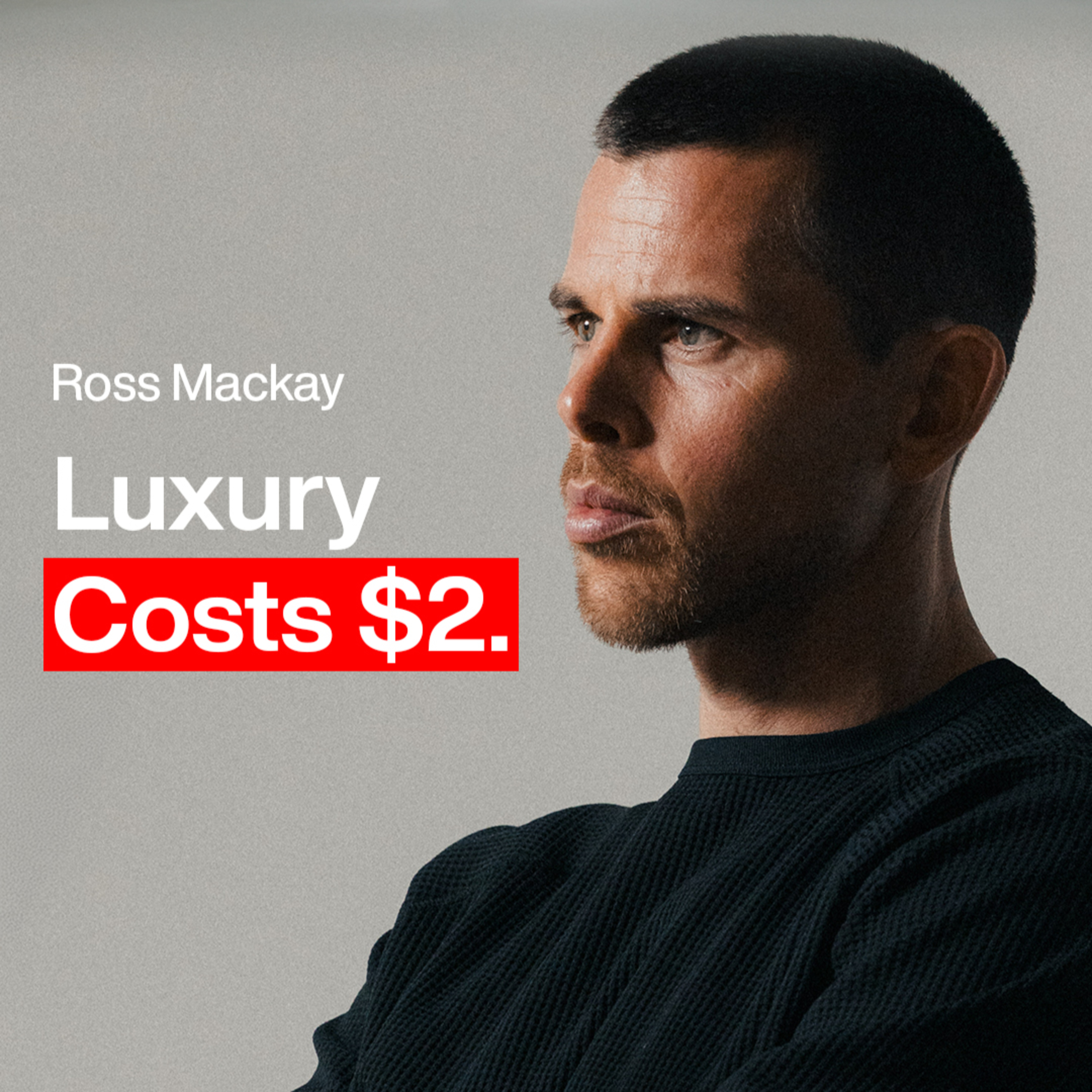
这是凯登斯品牌的创始人罗斯·麦凯。这个品牌正在打造全球首款定价两美元的奢侈品。
That's Ross Mackay, founder of Cadence, a brand that's building the world's first $2 luxury products.
但罗斯真正的优势不在产品,而在于定位。
But Ross' real advantage isn't product, it's positioning.
强大的品牌能消除一个品类中的混乱。
Strong brands remove confusion from a category.
它们不会制造噪音。
They don't add noise.
我们的第一款罐子跟那个极简的DDC罐子一模一样,但上架后根本卖不动。
Our first can is just like the minimal DDC can, but it didn't work on shelf.
我们发现,换了新包装,液体一点没变,销量却翻了三倍。
We saw that When we launched the new can in, same liquid, sales were three times.
这纯粹是个包装上的决定。
It was literally a packaging decision.
我对自律的要求极高,现在很少再被外界的压力激发或激励了。
I have an extremely high tolerance for discipline, so I don't like get inspired or motivated by external pressures too much anymore.
我需要你们所有人相信我。
I'll need you all to believe in me.
我就想跑去Target买一罐。
I just need to go to buy this at Target.
你在六百天内做到了将近一千万美元的销售额,现在大家都知道了。
You've done just under $10,000,000 in six hundred days and the cat's out of the bag.
明年你肯定能做到四千万美元。
You're gonna do 40,000,000 next year.
今天我们要分享这套方法。
We're gonna share that playbook today.
我个人觉得,主要原因在于品牌定位,我们之前在镜头外也聊过这个。
I personally think a big reason is the branding positioning, we were talking about it off camera.
我们就从这儿开始吧。
Let's start there.
你怎么把一个两美元的产品做成奢侈品?
So how do you make a $2 product luxury?
是的,我们用的标语是,消费品类里,价格低于两美元——或者按不同地方买,最多不超过三美元的,就只有这一款奢侈品了。
Yeah, we use that tagline where like the only thing in consumer good that's under $2 or at least under $3 depending where you buy at this luxury.
我刚才在聊天框里搜了GBT,真没找到任何三美元以下的产品。
I actually put that in chat, GBT, and I could not find anything under $3.
这确实是事实。
So that's that's factual.
你知道吗?
You know what?
我觉得,所谓的高端并不一定要靠价格来体现。
You know, I think premium as it stands doesn't need to exist through price point.
关键在于品牌定位、内容打造、合作联名,还有你在哪里销售、在哪里亮相。
It comes to positioning, comes to content, comes to brand partnerships, it comes to where you sell the product, where you show up.
你可以看看这个领域里的品牌,我对这种大规模实现高端感的现象特别着迷。
You can look at brands in the space and I'm obsessed with this seeing a premium at scale.
想同时做到极致高端和大规模扩张,真的很难。
And it's very hard to build something that's ultra premium and build scale at the same time.
目前做得比较成功的例子,跑鞋品牌算是一个。
Very few brands have done it on running as a good example.
我的牙医也上过节目。
My dentist was on.
是的
Yeah.
世界上最好的运动员都用过。
The best athletes in the world were on.
他们在伦敦邦德街和纽约的门店都是顶级的。
They have the best stores on Bond Street, New York.
你怎么同时做到这两点?
How do you juggle the both?
这正是我们一直在追求的目标,现在不管是内部还是外部,大家都说这是‘2美元的奢侈’,或者说是电解质里的香槟。
That's something that we are constantly striving for, but internally and now externally, people are saying it's $2 luxury or like the champagne of electrolytes.
那它是怎么起步的?
And how did it start?
是不是从深入研究货架上其他品牌的做法开始的?
Did it start with just an obsessive research at looking at the aisle and what is everybody else in the market doing?
是的
Yeah.
我就是那种会花大量时间在货架前观察消费者的人,看他们多快拿起商品,怎么才能做出区别,空白点在哪里,价格该定在多少。
I am that individual that will spend a ridiculous amount of time in an aisle watching consumers, how fast they pick up something, how we can differentiate, what's the white space, what's the price point.
我觉得价格定位通常取决于产品类别。
I think price point is often a determining factor based on category.
当你面对的消费者已经习惯了某个品牌、某个品牌、某个品牌的时候,很难跳出这个品类去定价。
So it's hard to price outside of the category when you're essentially selling to a consumer that is used to this brand, this brand, this brand.
你一般没法直接卖给他们贵两倍、三倍的东西。
You can't generally give them something that's twice or three times as much.
以前确实有人试过,但在34美元以下,这种产品根本不存在。
And it's been done before for sure, but under $34, it doesn't really exist.
所以我认为,价格必须贴合消费者已经习惯的预期。
So you have to align your price point to the consumer what they're used to, I believe.
但我们当时深入研究了这个品类里我们认为缺失的东西,人人都说饮料市场没空间再进新品牌了,但我们觉得还有机会。
But it was an obsessive deep dive into what we felt was missing in the category and everyone will say there's no room for another beverage brand, but we believe there was.
所以
So
所以你们是从价格开始的。
So you started with price.
而且我们之前在镜头外聊了很多。
And again, we were talking a lot off camera.
后面节目里会更深入讲产品,但我觉得品牌也很重要。
We'll get way more into product deeper into the episode, but I think also the branding.
品牌的灵感是从哪里来的?
What went into the branding kind of inspiration?
说实话,这完全反映了我愿意为之骄傲的东西。
Honestly, it was a true reflection of what I would be proud of to represent.
我第一次创业时,纯粹是因为市场有空白。
When I built my first business, it was purely because it was a gap in the market.
这次创业,坦白说,如果我要花接下来五到十年,甚至更久的时间做点什么,我一定要特别为它感到骄傲。
This business, I mean, naively said, if I'm going to do anything for the next five, ten, fifteen, whatever, however many years, I wanna be super proud of it.
我希望能为这个品牌感到自豪。
I wanna be proud of the branding.
我现在真想拿一罐给你看,你一看就会说,哇,这真厉害,让我眼前一亮。
I wanna bring you a can right now and you're like, wow, that's impressive and I want it to light me up.
所以,虽然想法有点天真,但我做这个品牌,就是按我自己想看到的样子来的,包括饮料本身,我也觉得市场上缺了这种东西。后来和乔治——我们公司的联合创始人——一起头脑风暴,觉得我们确实做出了点东西:一是我们自己特别喜欢,二是觉得在货架上能脱颖而出。
So I think as naive as it was, I built the brand on what I wanted to see, also the liquid, what I felt was missing in the category and then through, you know, ideation with George, who's, you know, a co founder of the business, we felt like we had something that one we loved and then two, we felt that would differentiate on shelf.
你还得从整体上设计品牌,让它能落在你想要的位置上。
I think you have to also design the architecture of the brand to where you want it to sit.
对我们来说,2026年重点在零售,消费者会在货架上买这个产品,所以它必须在货架上站得住脚。
And for us, 2026 is about retail, where the consumer is gonna buy this product and it has to work on shelf.
所以中间改过好几次。
So there's been some iterations.
差不多三百天里,这已经是第三次重新 branding 了。
This is the third rebrand we've had since three hundred days almost.
可以说,它一直在不断进化。
So it's been in a constant evolvement for sure.
是的。
Yeah.
我是真的喜欢。
I mean, I love it.
特别简约,特别流畅。
Just super minimalist, super sleek.
经历了三次改版,现在要进入零售市场,你从中学到了什么?
What have you learned in that rebrand with three different iterations now going into retail?
现在这个罐子的设计,它的形状和理由到底是什么?
Where are you sitting at now as far as how and why was that can designed how it is?
我觉得强大的品牌,就是要让品类里不再让人困惑。
You know, I think strong brands remove confusion from a category.
它们不会制造噪音。
They don't add noise.
我们做这个罐子和这个设计,就是为了做到这一点。
And that's what we wanted to do with this can and this design.
我们想消除体育营养、运动补水、运动饮料这些领域里本来就存在的混乱。
We wanted to remove confusion from what is a very confusing category of sports nutrition, sports hydration, sports drinks, beverage.
我们希望它特别简单,重点思考独特的卖点,比如口味之类的。
We want it to be super simple, wanted to ideate on unique selling points, flavor, etcetera.
虽然第一代罐子和现在的看起来差不多,但其实差别巨大。
But our first can to this can is to some extent would look the same, but it's wildly different.
尤其是现在进了更多商店,顾客只有几毫秒的时间决定要不要拿,这到底是什么口味?它不含什么?
It's positioning, especially as we've moved into more stores, people have milliseconds to pull it off the shelf, what flavor is it, what is it not?
现在我们加了半英寸宽的彩色边框,突出无糖、无咖啡因这些卖点;以前只是极简的直销款罐子,但在货架上根本不起眼。
Now we have a huge, you know, half inch colored rim, we have unique selling points like no sugar, no caffeine and before it was just like the minimal DTC can, but it didn't work on shelf.
我们看到了这些数据。
We saw that data.
刚进维生素商店和GNC那两家店的时候,我们就发现销量远达不到预期。
When we launched into our first two stores, Vitamin Shoppe and GNC, we could see the feedback that it wasn't turning at the velocity we wanted.
换了新包装之后,液体一点没变,销量直接翻了三倍。
When we launched the new Canon, same liquid, sales were three times.
这纯粹是个包装决策。我想对任何正在打造品牌的创业者来说,设计一定要围绕产品最终要落地的场景来定。
So it was literally a packaging decision and I think for any founder that's out there building a brand, like build the design for where you want the product to sit.
所以呢,它就是
So So it's
尤其是对做电商的人来说,以前我们更像是品牌曝光,挺酷的,但现在几乎变成直接促成购买了。
almost like, especially for the people from an e com perspective, formally, you were very kind of like top of the funnel, cool, and now it's like almost like direct response.
对。
Yeah.
这就是罐子里装的东西。
Like, this is what is in the can.
没错。
Yeah.
某种程度上,要把高端感和规模化一直结合起来。
To some extent, marrying the premium and the scale factor always.
罐子上有些东西是不能随便改的。
So there's just general things on a can you cannot change.
我们内部经常为此争执,说真的,连我团队的人都会笑,比如我的质控同事非要改掉‘碳酸饮料’和‘12液量盎司’的标注,说FDA规定必须用这个尺寸。
We have battles internally, like no joke, my team will laugh at this, where my QA guy wants to change the call out of carbonated drink and the 12 fluid ounce bigger because FDA regulation will say it needs to be this size minute.
我觉得这样看起来不太行。
I'm like, nah, it doesn't look good.
所以我们总在平衡能做什么和看起来怎么样之间。
So we always juggle that line of like what you're allowed to do and what looks good.
很多时候这两者完全是相反的,说实话,这个罐子上大约35%的地方我们根本动不了。
And often they're in complete polar opposites, like genuinely speaking, like pretty much for 35% in this can, we cannot touch it.
条形码、UPC码、产品说明这些地方,还有生产地标识,如果你只追求设计感,罐子一半的面积都不会用上,但你得优先考虑哪些是允许的、哪些是不允许的。
The barcode, the UPC, the callouts, etcetera, where it's made, you know, like if you're if you're optimizing for design, half that can wouldn't be on it, but you're optimizing for what's allowed and what's not allowed.
这一直是个不断演变的讨论,但数据同样会影响设计。
So it's been an evolving, you know, discussion, but data informs design as well.
具体来说,从产品的角度,
So specifically from a
结合品牌和定位来看, obviously 产品上的文字、视觉形象、颜色这些都很重要,那像含量多少毫克这样的信息呢?
product perspective in relation to the branding and positioning, obviously the words on it, the visual identity, the colors, what about like, you know, how many milligrams are in it?
至于罐子的容量,基本上都是标准的355毫升。
In terms of can size, you know, it's a fairly standard three fifty five ml.
就像Celsius、Bloom Energy,或者其他的新型Ollipop罐子那样。
That's what, you know, a Celsius or a Bloom Energy or, you know, other, you know, new Ollipop cans would be.
当你在打造一个新品类,或者在现有品类里做创新时,其实只需要改一两个百分点就够了。
I think when you're building a category and you're building within a category, you really only have to change one or 2%.
我最近刚提到过这一点。
I talked about this recently.
没必要重新发明轮子。
You don't have to reinvent the wheel.
对我们来说,我们不想改罐子的大小,因为消费者早就习惯了他们熟悉的样子。
I think for us, we didn't wanna change size, can, because consumers are so used to what they're used to.
给他们一个熟悉的框架,再稍微优化一点点,对我们来说就够了。
Give them something they're familiar with and just make it that little bit better for us.
优化体现在设计上,体现在品牌定位上,也体现在液体本身上。
Better was design, better was positioning and better was liquid.
太多运动饮料品牌来了又走,归根结底,它们没成功是因为产品本身不够好,哪怕设计再漂亮,逻辑再通顺也没用。
I think so many brands have come and go within the sports drinks category because ultimately why they haven't worked is they haven't delivered on a great product and all of the design and everything makes sense.
但首先得打开喝一口,味道必须够好,让人上瘾,这样才能促成重复购买,不管是直接面向消费者还是零售渠道。
But what first thing to do is you crack it open, you drink it and it has to be delicious, has to be craveable and that allows for repeat purchase, both D2C and in retail.
我们花了很多心思在包装设计上,但花在饮料本身的时间更多。
So we spent a lot of time on design, but we spent a lot more time on the liquid itself.
这很有道理。
Makes a lot of sense.
从品牌的角度来看,有哪些大品牌对你们影响比较大?
From a a branding perspective, what are some of, like, the big brands that have inspired you?
当然,乔治是联合创始人。
Obviously, George is a cofounder.
Think Represents,我们有时候开玩笑说,就是把‘代表’这种感觉装进罐子里。
Think Represents, it's like, we joke sometimes, it's like, represent liquid in a can.
还有哪些其他大品牌是你们参考过的?
What are some of those other, like, big brands that you've looked to?
因为说实话,每次和你们聊,我根本不会觉得你们是个快消品或者饮料公司。
Because I do think, you know, when when we speak, I don't look at you guys as like a CPG or like a drink company.
这更像一个生活方式品牌,差不多就跟时尚或服装品牌一样。
It's way more of like a lifestyle brand, almost like a fashion or apparel company.
对。
Yeah.
没错。
Yeah.
从生活方式的角度来看,说到像红牛这样的品牌,听起来可能有点老套,但我确实受它们启发。
It's gonna sound cliche, I think, from a lifestyle perspective when I look at brands like a Red Bull.
它们有自己的F1车队,现在世界上有人戴着红牛帽子、举着红牛冲浪板,在四十英尺高的巨浪上冲浪。
They have a Formula One team, someone's surfing a 40 foot wave out there in the world right now with a Red Bull cap on and a Red Bull board.
有人穿着红牛装备,从阿尔卑斯山跳伞后空翻,而它们每年却能卖出一百亿美元的碳酸饮料。
Someone's back flipping off the Alps in a Red Bull, you know, parachute like, but yet they sell $10,000,000,000 of carbonated beverage every year.
所以我欣赏那些真正把生活方式做实的品牌,很多品牌都说自己是生活方式品牌,但你一听就觉得不对劲。
So I'm inspired by brands that, and I think a lot of brands will say we're a lifestyle brand and you're like, really?
你搞个跑步俱乐部,就真成极限生活方式品牌了?但我们是真想为有目标的运动员提供动力。
You do a run club, are you really a rock lifestyle brand, but like we really want to fuel the goal oriented athlete.
而我们的创新正是为了让个人能够实现这一点。
And our innovation is the means to allow that individual to do that.
所以不管是有人像几个月前威尔那样横穿澳大利亚,还是其他类似的情况,我们都在助力他们的雄心壮志。
So whether it's someone running across Australia, like they did a few months ago when Will did the same, we fueled his ambitions.
不管是她横穿塞浦路斯,还是他跑遍希腊或黑山,我们都在为这些个人提供动力。
Whether it's her and he's running across Cyprus or Greece or Montenegro, we're fueling those individuals.
所以我们把自己看作是一个生活方式品牌,面向那些希望在跑步、骑行或其他运动中取得成就的消费者。
So we do see ourselves as a lifestyle brand for consumers who want to achieve things within the sport of running, cycling, or whatever may be eventually.
像On这样的品牌,在保持大规模运营的同时依然维持高端定位,打造了数十亿美元的商业帝国。这其实挺难的,因为很多品牌一旦成功,反而容易陷入‘成也萧何败也萧何’的困境,对吧?
There's brands like On who are premium at scale that have built a multi billion dollar business, maintaining a premium positioning, but yet achieving scale, which is wildly once a brand becomes a victim of its own success, right?
当所有人都开始穿它的时候,
Everyone's wearing it.
你就可能不再想要它了。
You don't want it anymore.
很少有品牌能做到这一点,并且还能持续进化。
Very few brands have been able to do that and continue to evolve.
我特别容易腻,要是总看到同一个跑步品牌或服装品牌的T恤,我就再也不想穿了。
I'm a sucker for if I keep seeing the same t shirt from a running brand or a clothing brand, I don't want to wear it anymore.
我觉得这正是服装行业普遍存在的问题。
I think that's the issue which people have within apparel.
但饮料就不一样了,越多人喝,我反而越想喝。
Yet within beverage, it's almost seen the more people are drinking it, the more I want it.
像红牛、George和Represent、Two Four Seven这些品牌在跑步圈里确实做得不错,但真正厉害的反而是那些不太起眼的品牌,比如奈斯派索。
So I think on Red Bull, obviously, George and Represent and two four seven, you know, brands like Bandit and Satisfye have done something great in the running scene, but it's honestly obscure brands like Nespresso.
奈斯派索是个高端内容品牌,包装和理念都特别有品位。
Nespresso is such a premium content brands, beautiful education.
咖啡大玩家,我完全同意。
Big coffee guy, completely agree.
机器确实不错,但咖啡本身味道一般。
But yeah, the machine arguably is great, but the coffee's pretty terrible.
不像拉美尔佐卡那样,做工精致,质感一流。
It's not like a Lamer Zocca, beautiful crafted yet.
它是在大规模基础上保持高端感。
It's premium at scale.
门店的体验简直让人惊叹。
The shops are insane.
产品内容也非同凡响。
The contents insane.
包装精美,但你只要花90美元就能买到,在美国这算是大众价位了。
The packaging is beautiful, but you can get one for $90, which relatively is is mass America.
所以我一直在想这个问题。
So I think about that.
我特别佩服那些能实现数亿甚至上百亿美元营收,却依然保持高端定位的品牌。
I'm really inspired by brands that can achieve hundreds and hundreds of millions, if not billions of revenue, but yet maintain a premium positioning.
说得对。
Yeah.
到目前为止,你已经做得非常出色了。
I think you've done a great job of that thus far.
你都在扩张了,可看起来还是像个小公司似的。
The fact that you're scaling and I still it's almost like you want to look like you're small.
对。
Yeah.
你们给人的感觉比实际规模小多了。
You guys look like smaller than you are.
你告诉我你们的营收时,我真是大吃一惊。
Like, when you told me how much revenue you were doing, was very, very surprised.
说实话。
To be completely frank
跟你讲实话。
with you.
我还以为你们一年才做两三百多万呢。
I thought you guys were doing $2.03, $4,000,000.
我以为你们还很小,正等着发力一搏,没想到你们早就做到这个规模了。
You guys were super, super small and you were waiting to take that big swing, but I was surprised that you were you were already at where you were, to
说实话。
be completely frank.
你知道吗?
You know what?
我觉得饮料这个品类增长得特别快。
I think the category scales so quickly within beverage.
我看到有些品牌,两年内销售额就从五万涨到五百万。
When I look at the brands that I'm saying they did 50 to 500 in two years.
现在我站在饮料行业的另一边,真正理解了,因为我亲自做销售。
Now being on the other side of beverage and understanding, because I'm doing sales.
我来这儿前三十分钟刚开完沃尔玛的会,明天还要飞去奥斯汀见一家大零售商。
I mean, I'm just off a Walmart call like thirty minutes before I came in here, I'm flying to Austin tomorrow to meet a big retailer.
看到零售端的销售速度,再看饮料杂货品类的数据,我才明白为什么有些品牌月销售额能到一亿美元——因为全美大约86%的人都会买冷饮碳酸饮料。
When I see the velocity of retail and I see the data within the category of beverage grocery, I'm like, now I understand why brands are doing a $100,000,000 a month because 86% of people roughly in this country today will buy a cold carbonated beverage.
真的吗?
Wow.
这太惊人了。
It's insane.
这个品类的周转速度简直不可思议,当我转到新业务时,我想做几件事。
The category turns an insane rate and when I moved into a new business, I wanted to do a couple of things.
第一,进入一个有这种周转速度的品类。
One was be in a category that had that velocity.
因为买家会说,这个领域发展这么快,如果你占了货架,就必须达到这样的周转率——这正是我业务里最让人害怕的部分。
Expectations are higher because buyers are saying, that space is moving so quickly, if you're gonna take that shelf space, you have to turn at that rate, which is the scariest part of my business.
我们该怎么做到这一点?
How do we do that?
但一旦做到了,那些单日销售额高达3.04美元或500万美元的情况就出现了。
But once you do that, this is where $3.04 or $5,000,000 days exist.
所以我们真正关注的是两件事。
So we really look at two things.
你想啊,零售其实就是渠道加营销,就这么简单,但衡量成败的标准是每家店每周卖多少件。
Think, you know, retail is distribution marketing, that's all it is, but units per store per week is how you measure success.
渠道本身并不重要。
Distribution doesn't matter.
如果有人跟你说,你进了上万家门店,听起来不错,但你在这些门店里的表现到底怎么样?
If someone comes on you and says, in 10,000 doors, you're like, great, but how are you doing in those 10,000 doors?
你赢了吗?
Are you winning?
关键看每周每家店能带来多少销售额,或者零售商关心的其他指标——你每周在他们的货架上能卖出多少钱?
So dollars per store per week or another KPI that a retailer is gonna look for, how much doll how many dollars are you bringing into my store on my shelf a week?
在零售行业,你每三十天就得重新赢一次。
And you basically win in retail every thirty days.
三十天后,你拿到数据,就得调整:可能降价,可能加促销,可能搞买二送一之类的,但我们在这一类里定价很合理,所以我们的策略是先吸引尝试,再靠产品本身赢得消费者,因为我们有强大的供应链和独特的成本结构,才能这么打。
After thirty days, you get your data, you make changes, you might drop price, you might add promotion, you might do two for four, etcetera, but we're priced so fairly in the category that we think success to us is driving trial and then winning consumers over that way because we have such great supply chain and unique economics that we're able to compete like that.
我们在洛杉矶,七美元的饮料很常见,但一旦扩展到全美大众市场,两美元都算贵了。
I think we live in LA where $7 matches are normal, but like once you scale mass America, like $2 is expensive.
所以我们得跟全球最大的饮料公司正面竞争。
So we have to compete with the biggest drinks businesses in the world.
佳得乐是个庞然大物,一瓶才不到一美元
Gatorade is a is a monster and it's like sub $1 for a
喝的那玩意儿,说白了就是垃圾。
bottle of, you know, crap.
对。
Yeah.
我想再深入聊聊零售这一块。
I wanna dive a little bit deeper into retail.
我们在每一期节目里都反复提到这个话题。
We talk about it all the time in all of the episodes.
你对这个的理解比谁都透彻。
I think you know better than anybody.
关键看实际卖出去多少,而不是摆上了多少货架。
It's about the sell through, not the sell in.
如果有人跟我说他们进了上万家店,这对我而言根本毫无意义。
If someone tells me they're in 10,000 stores, that means absolutely nothing to me.
没什么。
Nothing.
对你来说这感觉怎么样?
How has that been for you?
你有主动接触过这些零售商吗?
Have you been approaching these retailers?
是他们主动来找你的吗?
Have they been approaching you?
具体情况是怎样的?
What does that look like?
两种情况都有。
It's been a mixture.
我上一家公司,虽然这可能不重要。
My last business we were in not that it matters.
我们当时进入了大约六万家终端点,包括星巴克、沃尔玛、好市多,几乎全美所有零售商,除了山姆会员店,我们基本也进了BJ's和山姆。
We were in about 60,000 TDPs, Starbucks, Walmart, Costco, pretty much every every retailer in the country other than Sam's Club, we were pretty much in BJ's and Sam's Club.
我这次做这个,是作为第二次创业的人,对零售市场的输赢模式已经有了一套清晰的判断,毕竟我们之前也有没做成功的零售商。
So I've come at this from us as a second time founder with the pattern recognition of what it takes to win in retail and what it looks like to lose in retail because there was retailers we didn't win in.
不过我在行业里有些关系,不管是直接联系零售商,还是通过我们合作的经销商来打通渠道。
But I have some relationships in the game, whether it's direct relationships with retailers or with brokers that we utilize to to access distribution.
同时,我们圈子里也有朋友在做饮料分销,人脉网络就是这样,他们自然也会帮上忙。
At the same time, we have friends in the world which are selling beverage into retailers that just the way your phone book and your network is built, you're gonna have them help you as well.
所以是多种方式结合。
So it's a combination.
我主要找的是以前合作过的那些人。
I'm going at people that we've done business with in the past.
我们也在借助人脉和投资人的资源来拓展渠道,更让人惊喜的是,很多零售商开始重视运动补水和营养品这个品类,因为他们注意到越来越多的跑步俱乐部、骑行比赛、全程和半程马拉松在兴起。
We're also utilizing our network and our investors to help us access distribution, but it's been amazing to help retailers build the category of sports hydration and sports nutrition because a lot of retailers are seeing this emerging trend of run clubs and run groups and cycling competitions and marathons and half marathons.
当你跟零售商说:你们在怎么支持这些顾客的运动旅程?
When you turn around to the retailer and you say, what are you doing to support that customer on their journey?
我刚去过芝加哥,走进了一家当地的CVS。
Like I was just in Chicago, I go into a local CVS.
芝加哥马拉松前一天,成千上万的跑者根本没得选。
There's literally thousands of runners the day before Chicago marathon with no choices.
我给CVS打电话,说:让我们成为消费者的那个选择。
I call CVS and say, let us be that choice for a consumer.
我们正在做这些事。
Here's what we're doing.
我们办过好多精彩的活动。
Here's all the cool events we've done.
这是我们合作过的所有跑团的合集。
Here's the collage of all the run clubs we've done.
这是我们的精彩片段集锦。
Here's the sizzle reel.
让我们成为你们的首选品牌。
Let us be that brand for you.
作为他们的策略伙伴,这正是他们特别感兴趣的地方。
So being a thought partner and then that's what they've been really excited about.
现在我们必须证明这一点。
Now we have to prove it out.
这很有道理。
Makes a lot of sense.
对于第一次做提案的人来说,这个零售方案具体该怎么做?
What does that retail pitch actually look like for people that are going into their first pitch?
没错。
Yeah.
那份提案材料里该包含什么?你能带来哪些关键优势?
What is in that deck and what is kind of that that leverage that you can bring in
展示给他们看。
and show them?
最出色的提案,总是有数据支撑的。
The best pitches are always informed by data.
第一次提案时,你手头可能没有任何数据。
The first pitch, you're gonna have no data.
理想情况下,第二次推销时我们会说:我们在这家店卖出了这么多,你也可以做到。
So ideally pitch two is we are selling this much in this store, this could be you.
零售商可能会惊讶地说:天啊,我错过了这么好的机会。
Retailers can be like, wow, I'm missing out on that.
如果我看看自己店里其他商品的销售情况,把这部分换成你们的产品,我的销量还能再提升。
If I look at what else I'm selling, okay, if I take that away and I get that, I'm going to get incrementality.
非常好。
Great.
这就是第二次推销的核心。
That's pitch two.
第一次推销要难得多,因为你没法跟零售商说:我们已经在这些店卖得这么好了,你也可以像他们一样。
Pitch one is much harder because you're not able to turn around to a retailer and say, we're performing at these numbers, this could be you.
所以第一次推销的重点是:我们如何在品类中脱颖而出,能为你带来多少增量销售,以及我们庞大的直面消费者群体——这部分我们不会全塞进零售渠道。
So pitch one is essentially, here's how we differentiate in the category, here's the incrementality we can bring you, here's our large d to c audience potential that we have that we're not gonna shove into retail.
看看Bloom这个品牌,Greg,他们的直面消费者业务规模非常大。
Look at brand like Bloom, Greg, huge d to c business.
一上线Target,就立刻停掉线上,全力转向Target,专注Target,盯住Target,死磕Target。
The minute launch it to Target, turn that off, go to Target guys, go to Target, go to Target, go to Target.
我们就是这么操作的,已经用过这套打法了。
So you're taking that and we've kind of played that playbook.
我们之前线上的业务基础相当扎实。
We had a pretty solid d to c business.
现在我们的网站订阅率大概在65%到66%左右。
I think right now we're about 65, 66% subscription on our website.
现在我们决定停掉线上,转而引导消费者去Target买,就在二月。
We're now turning that off and saying go to Target and buy in February.
因为最终,真正的无限增长空间就在那里。
Because ultimately that's where the unlimited scale is.
真正的无限增长空间就在那里。
That's where the unlimited scale is.
只有在那里,才可能做到单季十亿美元、单月十亿美元的业绩,现在饮料品类已经看到了这样的势头——因为我们能把消费者引过去,带来新增量,推动试用。
That's where you can achieve a $100,000,000 quarters, $100,000,000 months, which we're seeing in beverage today because we're able to drive our consumer into that space, add incrementality, drive trial.
所以问题就在这儿。
So that's where it is at.
到目前为止,大家的提案都是说我们可以把我们的用户群体带过去,这简直太离谱了。
Today's pitches so far have been, we can bring our community, which is ridiculous.
现在这种情况越来越明显,我们要把消费者引导到你们的零售门店。
It's becoming very, very strong and drive them into your retail doors.
从经济角度来说呢?
What about from an economics perspective?
他们希望什么样的利润率?
What type of margin profile are they looking for?
什么样的
What type of
你们这边需要什么样的利润空间?
profile do need on your side?
说实话,你们得定一个建议零售价。
Take genuinely, you're gonna give a recommended retail price.
对我们来说,目标货架价是2.79美元。
So for us in you take a target, we're $2.79 on shelf.
一般来说,中间价位会比较多。
Generally speaking, there'll be middles around.
可能会有人卖到5美元左右,比如Air One,但这种例子咱们别提了。
You're gonna have people in like an Air One at like $5 but like eradicate that from the conversation.
沃尔玛的价格会比塔吉特更低,他们可能是最低的。
Walmart is gonna be lower than Target, they're probably gonna be your lowest.
大家都想要45%到50%的毛利。
Everyone's looking for 45 to 50%.
拿2.79美元的售价,减掉50%,就是你卖给零售商的价格。
So you take $2.79, subtract 50% from that, that is your selling price to the retailer.
然后还得再扣掉物流、运输这些成本,剩下的才是你从生产成本到销售价之间的利润空间。
Then you have to subtract distribution costs, shipping costs, etcetera, and then that gives you your margin from cost of goods into your selling price.
所以现在做快消品的,你真得靠50%以上的毛利来撑,毕竟运营成本摆在那里。
So anyone in CPG today, you really wanna be building off like a 50 plus percent gross margin because cost of doing business.
大多数品牌都忽略了一个最大的支出项,那就是渠道促销费用。
The biggest line item on most brands that no one talks about is trade spent.
为了推动和配合零售商,通常要拿出百分之二十到三十。
20 to 30% in order to activate and work with that retailer.
所以我们这个生意,本质上是建立在对零售成本的深刻理解之上的,利润空间非常扎实。
So we've built this business ultimately with the very, very strong economics understanding the cost of doing business in retail.
零售价减去一半,就是你卖给零售商的价格。
So retail price minus 50%, that's your selling price.
零售商一般都希望拿到百分之五十的毛利,才愿意上架你的产品。
Retailers are gonna want 50% margin generally for for getting in.
你指的是端架陈列、街头推广,或者各种线下活动这类促销方式,对吧?
And for promotional marketing, you mean like end caps or maybe like street teams coming in any type of event, anything?
对。
Yeah.
甚至包括渠道本身的促销活动。
And it could be even trade promotion.
当你走进沃尔玛,看到两件四块钱,通常这笔钱是品牌在承担。
So when you go into a Walmart and you see two for four, the brand often is paying for that.
如果平时售价是2.5美元,现在搞两件四块,等于每件便宜一美元,品牌一般得贴一半,甚至全额承担这一美元。
If everyday price is $2.50, and now you're down for two for four, so dollar off, you're generally paying for that dollar as a brand 50%, maybe a 100%.
所以一年里,六十天、一百二十天,可能长达十二周,品牌都在为这种促销买单。
So that over sixty days, a hundred and twenty days a year, potentially twelve weeks of the year, the brand is paying for that promotion.
这种促销能带动试用,而你期待的是,试用之后,基础销量会明显提升。
So it drives trial and what you're going to expect is after that trial, your velocity base jumps.
不断推动试用,不断推动试用,确保你的商业模式能撑得住,不然你就是在亏钱;但你也得赚钱才行。
So drive trial, drive trial, drive trial, make sure you're building a business that allows for that because if not, you're gonna be losing money, but you have to making money too.
促销结束后,价格回到日常低价,比如2.79美元,而不是原来的2美元。
And then after that promotion goes back to an EDLP everyday low price, maybe of two seventy nine instead of $2.
当消费者再次回来时,你已经积累了足够的试用量,让基础销量在原价基础上也涨上去了。
When consumers come back, you've driven enough trial for that velocity at base price to jump up.
这其实就是零售业的玩法。
That's kind of the game of retail.
但你得先把基础打牢,供应链、独特的盈利模式都得跟上,才能玩得转这个游戏。
But again, you have to build the foundations, the supply chain, the unique economics to allow for this game.
所以我坚信,你的产品肯定能卖得很好,而且能迅速做大。
So I am radically confident that you're gonna have great sell through and you're gonna scale in a big way.
我从不觉得进军零售业太晚,但有些人觉得太早了。
I I I never think it's too late to go into retail, but some people think it's too early.
对那些正在听的消费品品牌方来说,你们觉得要做到什么程度,才有足够信心进入零售渠道?
For people out there listening that have any CPG brands, where do you think you need to be to be radically confident that you can go into retail?
在零售行业,谁都想一上来就打个全垒打,但要是第一次卖得不好被下架了,再想回来就难了。
And obviously, in retail, like, you wanna hit a home run on your first swing, it's very, very tough to have not a good sell through, get taken out and then be put back in.
你当初决定进军零售的时候,是凭什么觉得可以放手一搏的?
How and why were you comfortable going into retail when you were?
问得好。
Good question.
我们经常聊这个。
We talk about a lot.
我经常跟我的顾问们讨论这个问题,我觉得关键在于你愿意承担多大的风险,来把生意做到你想要的规模。每个人给出的答案都不一样,有些人听了可能会说,你必须达到某个水平才行,这其实涉及两个问题。
I talk to my, I guess, advisors about this question a lot and I think it comes down to how much do you the risk you want to take to make the business as big as you want it and people will give you a different answer for that and there'll be people who listen to this and say, oh, well you got to be achieving this and there's two questions.
第一个是,你的单件利润是否支持你扩张?
One is do you have the unit economics to allow you to scale?
也就是说,如果其他所有条件都成立——产品上架后销量爆棚,等等——你有没有能力打造一个能支撑这种规模的业务?
So if everything else is true and velocity is incredible and it pumps on shelf and blah, blah, blah, could you build a business that is ready for that scale?
所以在你还没准备好应对这种规模之前,别急着进零售渠道。
So don't go into retail until you're ready for that scale.
从生产角度来说?
From a production perspective?
从生产和供应链的单件利润角度来看。
Production perspective and a supply chain unit economics perspective.
我能不能把产品卖进沃尔玛和塔吉特,同时在拓展批发供应链的过程中还能赚钱?
Can I sell this into Walmart and Target and still make money, while while building that supply chain out wholesale?
最坏的情况是,你可能在营销和分销上勉强保本,只是为了撑到下一天,但之后你显然可以
At a worst case, you would maybe say breakeven from a marketing distribution and just to to live another day now, but then maybe later you're obviously
没错。
gonna Yeah.
随着时间推移,你会找到各种效率提升的空间。
You're gonna find efficiencies over time.
对。
Yep.
不过说到底,你订得越多,成本自然会降下来。
But, you know, eventually, you know, costs will come down as you order more, of course.
但总的来说,在没搞清楚供应链的底气之前,别急着进零售渠道——得确保万一真达到那个规模,你的毛利、贡献毛利这些指标都能撑得住。
But generally speaking, you should not be aiming and going into retail until you've built the visibility into the supply chain that if this happens and we achieve this scale, we will be achieving this gross margin, contribution margin, etcetera.
我刚才问的第二个问题,其实我正是在考虑这个,因为今年我们有机会跟CVS、沃尔格林、沃尔玛、塔吉特合作。
The second question I just asked is I asked this exact thing because we have an opportunity with CVS, Walgreens, Walmart, Target this year.
这说的是渠道铺货。
This is the distribution.
非常小众。
Very obscure.
新品牌会先上农夫市场、Air One、Sprouts、全食超市和布里斯托尔农场。
New brand would go farmer's market, Air One, Sprouts, Whole Foods, Bristol Farms.
在城里,你看到的就是这样的情况。
That's what you would see in the city.
这种事你已经见过好多次了。
You've seen it happen dozens of times.
这本来就是顺理成章的路子。
It's the natural route.
疫情把天然产品和普通产品的区别给打乱了。
COVID screwed that differentiator between natural and conventional.
现在大家只在乎方便。
Now anyone only what what everyone cares about is convenience.
我们只想二十分钟内拿到东西。
We want something in twenty minutes.
管你是哪个零售商,我大概率会直接在Instacart、亚马逊或者别的平台下单,就希望二十五分钟内送到。
I don't care if you're in that retail, that retailer, I'm probably going to order off Instacart, Amazon, or wherever else I shop and I want it in twenty five minutes.
所以对我们来说,唯一重要的就是产品的可及性。
So the only thing really matters to us is accessibility.
所以我打算进军佳得乐这个市场。
So I want to go after Gatorade.
佳得乐不在Sprouts和Air One这些地方卖。
Gatorade don't sell in Sprouts and Air One.
它们在沃尔玛、塔吉特、好市多这些地方卖。
They sell in Walmart, Target, Costco.
这正是我想要切入的方向。
That's what I'm going after.
我很受大卫·巴尔创始人的启发,他们当时就在想,为什么不走传统的快消品渠道呢?
I'm very inspired by the founder of David Barr, where they were like, why not going the traditional CPG route?
农民市集、Air One、布里斯托尔农场。
Farmers Market, Air One, Bristol Farm.
你已经见过这种模式反复出现很多次了。
Like, you've seen that pattern happen so many times.
他说,我不在乎那些,我在乎的是士力架。
He's like, I don't care about them, care about Mars Bar.
我不在乎你爸妈在自家厨房做的那种健康能量棒。
I don't care about the healthy snack bar that your mom and pop made in their village kitchen.
我就这么做事。
Like, that's how I run
因为我就经常去CVS买一包大卫蛋白棒,反正就在那儿,特别方便。
by this.
我每天差不多都去CVS买一包大卫蛋白棒,就在那儿,特别方便。
Because I walk to get a David protein bar from CVS like every other day because it's right there and just super convenient.
所以,抱歉,我压根没想搞个十五亿二千万美元的大企业。
That's so, I'm an apology, I am not looking to build a $1,520,000,000 dollar business.
我想打造下一个佳得乐。
I want to build the next Gatorade.
那我们该怎么做?
And how do we do that?
我们让产品走进普通美国人的生活。
We make it accessible to mass America.
这真是很有价值的反馈,说明你在价格和生产方面,一旦需求上来,完全有能力应对规模化。
So that's that's great feedback, just understanding and knowing that from a price and a production perspective, you can handle scale if and when it comes.
我们之前只简单提过一次,我想再深入聊聊,因为你现在正亲身经历着直接销售和通过分销商之间的选择。
We only talked about it once and I wanna dive a little bit deeper because you're like right in this mix right now about you briefly touched on it about going direct versus using distributors.
各自的优缺点,还有利润空间。
The pluses, the minuses, the margin profile.
如果通过第三方,你对渠道的控制力确实会弱一些。
Obviously, you have a little bit less control if you go through a third party.
在Daring和Cadence这两段经历里,你和零售商、分销商打交道,有什么心得?各自的利弊是什么?
What have you learned through daring and now Cadence with retailers versus distributors, pluses and minuses?
说到底,最终你得赢得零售商的认可,是他们决定你的供应链模式——要么要求你直接供货,要么让你通过分销商,可能是一个人、五个人,或者别的什么形式。
Well, ultimately, the end is you always have to win over the retailer, and then they're gonna determine your supply chain and they're gonna ask for us to be direct distribution, or they're gonna ask us to go through a distributor, which may be like one or five guys or whatever.
直接供货能帮你保住利润,还能把成本优势让给消费者,让价格更低,从而提升销量,这当然很棒;或者把这部分钱留着,投到营销上也行。
Direct distribution allows you to maintain margin, potentially pass it on to the customer and make it cheaper, which drives velocity and that's amazing, or have that money in your own pocket to spend on marketing, etcetera.
展开剩余字幕(还有 480 条)
问题是你要往很多地方发很多卡车、很多罐子,供应链风险很大。
The issue with that is you're delivering a lot of trucks, a lot of cans into different and it's a big supply chain risk.
通过分销商的话,你通常只需要把产品运到一个地方,剩下的他们全包了。
When you work through a distributor, you're generally deploying your cans or beverages into one location and they're handling all of that.
缺点是利润空间更小,运营成本可能更高。
The con is less margin, potentially more expensive cost to do business.
不过从直接销售的角度来看,你不是还得承担三P成本吗?比如仓库、高额的销售和管理费用,还得雇人来管。
Is there less margin though under the notion that you're gonna have to incur on the direct side, you know, that three p l, the warehouse, like you're gonna have heavy s g and a and humans managing as well.
不过这些我们全都外包了。
And we outsource all of that regardless.
总的来说,直接分销对利润表更有利。
Generally speaking, direct distribution is, you know, better for the p and l.
没错。
Yep.
从我们的经验看,分销商的利润率一般在15%到25%之间。
From our perspective, what we've seen, and distributor margins can work on anywhere between 15 to 25%.
所以做这行的成本还是很高。
So it's still very expensive cost to doing business.
不过这也是没办法的事,因为他们还掌握着你没接触过的其他客户,只要你做得好,他们就能帮你打开这些渠道,这整个就是一场游戏。
However, this kind of a necessary evil because they also have other customers that you might not be talking to that they can unlock for you because you're doing well and it's a whole game.
两者缺一不可,你最好还是两个都保留。
You can't have one without the other and you probably wanna have both.
我正在慢慢了解这个行业。
So I'm learning this world.
以前我从来没接触过直接分销这一块。
I didn't deal with any direct distribution before.
我们以前只跟思科、优斐、京美这些大公司合作,现在才开始了解像百事可乐这类公司的直销网络,这地方简直太复杂了,但让我特别兴奋。
We only worked through Cisco, Unifi, Keihi, like the big mafia guys, and now we're understanding the DSD network of like big Doctor Peppers of the world and it's like, it's a crazy landscape but it gets me super excited.
我真的很想好好普及一下这方面的知识。
I wanna really, really educate.
现在肯定有人在听。
There's a guy out there listening.
我其实认识好几个关注你的人,他们做的蛋白饼干年销售额都达到一千两百万美元了,就想请你上他们的播客。
I actually I know a bunch of them that follow, and they wanted you on the podcast that are doing $12,000,000 in protein cookies or something like that.
你能不能再多讲讲这个分销渠道的事?
Tell them a little bit more about this distributor game.
因为按我理解,你之前提到过‘黑手党’这个词。
Because from my understanding, you you mentioned mafia.
好像就那么几个人控制着整个分销网络,他们完全可以把你挡在门外;但这种分销模式不一样,是给外面那些听众机会的。
There's a finite amount of people that are controlling all the distribution, and they could basically block you from getting in anywhere versus this distribution is basically for people out there listening.
这简直就像一家营销公司。
It's almost like a marketing agency
是的。
Yeah.
他们手底下有若干客户,谁给的钱多,他们就全力推谁。
Where they have x amount of clients and whichever client is bringing them the most amount of money, they're gonna push that as much as possible.
所以你能不能再详细说说这一点?
So if you could just speak on that a little bit.
对。
Yeah.
我觉得应该把经销商当成只是搬箱子的。
I would say let's underwrite distributors to be box movers.
他们就只是干这个的。
That's all they are.
他们根本不会帮你卖产品。
They're never gonna sell your product for them.
而经纪人则是代表你的品牌去销售的。
Brokers on the other hand are sales agents on behalf of your brands.
但问题是,经纪人手里有好几个品牌,总偏爱其中几个,会优先花时间推那些,直到你证明自己能成。
The issue with a sales agent is they've got other brands that are their favorite child, and they're more willing to spend time with them until you prove it out and successful.
现在有些做饼干的,一年能卖一千两百万美元,他们想进塔吉特超市。
So think some individuals right now with a cookie business doing $12,000,000 a year, they want to get into Target.
你得自己去赢得最终消费者的认可,这才是关键。
You have to be the one, I would say to win over the end customer.
只要你做到了这一点,分销商和代理商都会乐意跟你合作。
Once you do that, a distributor, a broker will be happy to take your business.
但在你拿下关键客户之前,你很难直接去找分销商,让他们进货,然后说:加油,把货卖出去吧。
But until you win over that anchor customer, it's very hard for you to turn up and knock on the door of a distributor and say, hey, take inventory, Good luck selling it.
他们肯定会问:你的销售团队是什么情况?
They're gonna be, well, what's your sales team look like?
你愿意垫付库存吗?
Are you gonna underwrite the stock?
如果卖不掉,你愿意回购吗?
Are you gonna buy it back if it doesn't sell?
我手上已经有六款蛋白饼干卖得特别好了。
Because I've got six other protein cookies that are selling really, really well.
我为什么要选你的产品?
Why would I take yours?
你根本没给我带来任何客户。
You have no customers for me.
我们一直专注的是先拿下终端客户。
What we've always been focused on is let's win the end customer.
等我们有了客户,再回头对分销商或经纪人说:这笔生意给你们了。
Let's turn around to a distributor or a broker and say, we'll give you that business.
你们负责运营就行。
I want you to manage it.
你们可以按自己的利润空间来定价,但我们也有一些基本要求。
You can take your margin profile on it, but here's some expectations for us.
所以,任何正在做这件事的人,先自己去搞定那个关键客户。
So anyone out there that's building that, go win over the anchor customer yourself.
不管用什么办法,都要让产品落到客户手里。
Do whatever it takes to get that product to that customer.
等你真有了客户,再回头跟对方说:我们已经带来了客户,现在轮到你们了。
Once you wanna optimize, turn around to said party and say, we have this customer, now you can have them.
所以,谢谢您澄清了这一点——真正的分销商只是负责发货,而销售经纪人呢,通常是以前沃尔玛的采购,现在对任何想进沃尔玛的快消品品牌说:来找我,我收你们一笔佣金,大概就是这样。
So, yeah, thank you for clarifying that, the difference between the actual distributor, which is just shipping the product versus the sales broker, which is a guy that was probably formerly a buyer of Walmart that says, any CPG brand wants to get into Walmart, come to me and I'm gonna take a fee, something like that.
我太了解那个采购了,以前总以为只要把事情交给他,他就会为你奔走,但其实你回头一看,他压根没在为你做事。
I know the buyer really well, used to say, and then you turn around and you're like, don't go to sleep at night thinking that this guy, girl is doing anything on your behalf.
我最大的教训之一就是,以为我们有那么多中介,等着他们打电话来,结果根本没人联系。
That's one of the biggest mistakes I've ever learned is like, oh, we've got all these brokers out there, like, wait for my phone, no one's calling.
不如自己组建一个销售团队。
Like, build your own sales team.
我自己就是销售。
I am my own sales guy.
你这么说真让我震惊,因为马克·曼森那期节目里讲过,千万别把你的核心优势外包给别人,而我之前就把赞助和合作的事全交给了别人。
Bro, it is so crazy that you say that because in the Mark Manson episode, he talked about the importance of not outsourcing your zone of genius to someone else, and I was outsourcing our sponsorships and partners to somebody else, I.
一个销售中介,差不多就像个代理公司,但他们根本不会问:成功到底是什么样子?
E, a sales broker, almost like an agency, and they weren't asking the questions like, what does success look like?
他们根本不在乎。
And really, really caring.
我觉得对我,对听我们聊天的每个人来说,你都能想象,一个销售中介在沃尔玛开会,跟罗斯本人去谈,完全是两个世界。
And I feel like for me, and for the people out there listening, like, I can just imagine a sales broker in a meeting with Walmart versus Ross in It's a a fucking different universe.
作为品牌所有者,你不能让任何人替你说话。
You cannot allow anyone else to speak on your behalf as the brand owner.
没错。
No.
当然,时间久了,这种方式很难规模化。
And obviously, over time, that's hard to scale.
但作为创始人,我的工作就是销售——说服团队加入我的使命,说服客户,说服买家,说服投资人,我就是一个销售。
But my job as a founder is to sell, sell to my team, to join me on the mission, sell to the customer, sell to the buyer, sell to the investor, I'm a salesman.
你要相信这个使命,相信这个产品,然后加入我们,一起走下去,直到你真的能分身乏术,那时才该组建销售和分销团队。明天我还会去奥斯汀,亲自去跟零售商谈。
Believe in the mission, believe in the product, come and join us on the journey until you achieve you can't be in two places at once, only then do you unlock a sales and distribution team, but tomorrow I'll be in Austin selling to a retailer.
我们是有销售团队,但我还是要亲自去,因为我想见到买家,建立关系,搞清楚什么叫成功,这才是关键,也是我从全球最顶尖的品牌身上看到的。
We have a sales team, but I'm the one going because I wanna meet the buyer, I wanna build the relationship, I wanna understand what success looks like and that is what's key, and that's what I've seen from the best brands in the world.
创始人依然要亲自去卖货。
The founder is still out there selling.
对。
Yeah.
我们来聊聊创始人亲自做内容吧,你在这方面做得特别棒,我觉得这和参加销售会议时顺便拍下来是相辅相成的。
We're gonna I wanna jump into founder led content because you've done a great job with that, and I think that goes hand in hand with being in a sales meeting and filming it.
这儿有好多人。
You got a bunch of people here.
不过说到零售扩张,你觉得在为Cadence拓展零售渠道时,最大的意外是什么?不管是好是坏。
To tie a bow on retail though, what do you think has been like the biggest surprise, good or bad, when scaling retail for Cadence?
毕竟,这已经是你的第二次创业了。
Under the notion, this is this is your second ride here.
你上一家公司不是已经进了五万多家门店吗?
I mean, you went into, what was it, 50,000 plus stores with your last company?
最大的意外是什么?
Biggest surprise.
我之前提过规模的问题,我们再过两周就要上Target的货架了。
I talked about scale a little bit and when we sell into our we're we're loading into Target in two weeks.
还要进沃尔玛。
Loading into Walmart.
就在我们开会前,刚收到沃尔玛的订单。
We just got the order from Walmart just prior to this call.
我始终对食品饮料品类的销量预测和实际销售数据感到惊讶。
And I continue to be amazed at the demand planning data and sell through of the grocery beverage category.
看到Olipop和Poppy这样的品牌能做到八亿、五亿的销售额,我真的有点不敢相信。
When you see brands like Olipop and Poppy doing 800,000,000, 500,000,000, I'm like, really?
再看每家店每周卖十到二十罐,三千家店加起来,一算账,就这一个蜜瓜莓果味的罐装饮料,单这一家客户就能卖两千万美元。
And then when I look at 10 to 20 units a week per store in 3,000 stores and you model back from that and you do a top down build, you're like, that's $20,000,000 for this melon berry can in one account.
我们这次上了三个口味,还有这么多渠道,我这才明白,品牌是怎么做到年入十亿的。
We have three flavors going in and we have all these, I'm like, that's how brands get to a billion dollars.
我到现在还是觉得不可思议,因为以前我做的那个品类,增长慢得要命。
I continue to be amazed by that because in the business before my category turned so slow.
你就算进了上万家店,每周每家也才卖一罐。
So you can be in 10,000 doors, but you're turning one unit a week.
但这个品类,每周每家店能卖到二十罐。
This category can turn at 20 units a week.
同样的门店数量,每周卖20件,这生意简直太棒了。
Same amount of doors at 20 is is is an incredible business.
我始终觉得惊讶,每天有这么多人买饮料。
So I'm just continuously amazed about how many people buy beverages every single day.
现在大家都在抢着进超市。
So it's a race to grocery.
这才是销量的关键所在。
That's where the velocity is.
听我说。
Listen,
你有没有在网上买过饮料?
you ever bought a drink online?
节奏。
Cadence.
除了节奏之外。
Other than Cadence.
在Instacart上买斯莱特牛奶。
Blate milk on Instacart.
我特别喜欢斯莱特牛奶。
I love Slate milk.
真是个不错的人。
Great guy.
给个赞,老兄。
Shout out, man.
我真的很爱你,宝贝。
I love you, baby.
每天有86%的人会买饮料。
86% of people a day will buy a drink.
但其中几乎没人
Almost none of them
是在线上买的。
are buying them online.
所以回答你的问题,你要去客户在的地方。
So to answer your question is be where your customers.
人们买饮料,一般不是在网上买,而是在店里买,比如路上经过的便利店,可能是7-Eleven,可能是CVS,可能是Air One,可能是沃尔格林,也可能是星巴克,具体在哪不确定,但对大多数人来说,买饮料还是去超市。
People buy drinks, not online, generally, they buy them in stores, they buy them in convenience on the way here, it might be in a seven Eleven, might be a CVS, might be an Air One, might be a Walgreens, might be a Starbucks, don't know where it is, but for the most of the people out there, you buy your drinks in a grocery.
所以我得把我的饮料放到超市里。
Therefore, I need to put my drinks in grocery.
我得把饮料摆在货架上,放在水旁边,红牛旁边,Celsius旁边,还有其他各种饮料旁边,在尽可能多的门店都摆上,这就是饮料行业的玩法。
I need to put my drinks in the aisle, beside water, beside Red Bull, beside Celsius, beside whatever else it may be in as many stores as possible, that's the game of beverage.
现在我还有一整套创新策略,主要聚焦在直接面向消费者和亚马逊上,因为没人会去沃尔玛买能量胶,他们是在网上买,在亚马逊买,在cadence.com上买。
Now I have a whole other range of innovation that is largely focused on D to C and on Amazon because people don't go and buy running gels in Walmart, they buy them on the feed, they buy them on Amazon, they buy them on cadence.com.
所以我们总是根据客户当前的购买习惯来定位创新。
So we always position our innovation for where the customer is today.
别想着把客户拉到沃尔玛去买能量胶。
Don't try and drive a new customer into Walmart to buy a running gel.
他们去沃尔玛不是为了买能量胶,是为了买水、鸡蛋和Cadence。
They're not going there to buy running gels, they're going there to buy water, eggs, and Cadence.
这真的非常重要。
It's really important.
你是怎么学会并理解这些的?
How did you learn and understand about all of this?
说实话,我也不清楚。
No idea, honestly.
我也不知道。
I don't know.
我就是特别投入,直接一头扎进去了。
Obsessive, I jumped in.
我经历了一个飞速的成长过程,因为当初在Daring公司,业务增长得太快了,身边全是顶尖的人才,尤其是团队和投资人,我别无选择,只能逼着自己上路。
I got an incredible learning curve because my business grew so quickly the first time around at Daring and I was surrounded by such excellence, specifically around team and investors that I had no option and is that saying sink or swim?
那时候我其实有点快撑不住了,但又勉强挺了过来,因为发展实在太快了。
I I was kind of sinking and maybe surviving at the same time because we grew so quickly.
我们当时有大量资金。
We had so much capital.
我们身边有太多充满热情、眼光犀利的人,让我慢慢悟出了很多道理。
We had so many great people around us with so much passion and recognition of excellent businesses that I figured out.
犯过不少错,也有不少做得好的地方,当然也有失败的教训。
A lot of mistakes, some good stuff, some bad stuff.
这次我把这些经验全都带进了下一家公司。
This time I'm taking all of that into the next business.
我还身边围绕着一群特别棒的智囊,都是有过实战经验的人。
I'm also surrounded by some really great thought partners, people that have done this before.
我觉得我这种人,天生就对学习上瘾。
And I think I'm the type of individual that is obsessed with learning.
半夜不睡觉,刷播客、看书、研究,连Beyond Meat上市时的分析师报告我都翻来覆去地看,琢磨哪里出了问题。
Like, I'll stay up in the middle of night watching podcasts, reading books, studying, you know, analyst notes from the public offering of Beyond Meat and understanding what went wrong.
我就是那种偏执的创业者。
Like, I'm an obsessive founder.
我常说,最危险的创业者,我完全同意你的看法。
I say it all the time, the most dangerous founders, I'm with you.
我和那些二次创业、第一次没打出全垒打、心里憋着一股劲的创始人是一类人。
I'm on the same boat as those second time founders that didn't hit a big home run on the first one and have a chip on their shoulder.
心里憋着一股劲
Chip on
这股劲。
their shoulder.
哥们,我第一次跟你聊天的时候就感觉到了,你整个人都带着股愤怒和专注的劲儿。
Dude, I could tell the first time I spoke to you, I'm like, this dude is angry and focused.
我跟别人说我既愤怒又专注的时候,我老婆总劝我别这样。
And when I tell people I'm angry and focused, my wife is like, you should chill with that.
但我跟她说,不不不,这正是我想结交和投资的特质。
I'm like, no, no, no, That is the exact type of weapon that I wanna associate with and invest.
既愤怒又专注,而你简直就是这方面的典型代表。
Angry and focused, and you are literally the poster child.
对。
Yeah.
我第一次创业时,确实带着一股不服气的劲儿。
I built this I built my first business with a chip on my shoulder, for sure.
至于家庭这些私事,或者别人不看好我之类,现在我都无所谓了。
More personal stuff, family, you know, people not believing in me and that stuff doesn't bother me anymore.
我不需要你们相信我。
I'm like, I don't need y'all to believe in me.
我只希望有人在塔吉特超市愿意买我的产品。
I just need people to buy this at Target.
这次不一样了,虽然还是带着点不服气,但没那么愤怒了,更冷静、更精准,像狙击手一样。我融资的方式也更克制了,心里就一句话:嘿,你看着吧,这生意会涨起来。
But this time is a different positioning where it's a chip on my shoulder, less angry, more methodical, more sniper, underwritten how I've taken capital onto this business a little bit more, a bit more like fuck yeah, you know, watch this grow.
我不再对谁都点头答应,但你说得对。
Not saying yes to so many people, but I agree.
我愿意押注那些经历过教训、有东西要证明的创始人。
I'll make bets on founders that have got a bit of a lesson to teach.
你刚才那句话,说得挺微妙的。
You said something very subtly there.
我觉得这也是乔治的一项超能力,而我也是通过很多教训才慢慢学会的——学会说‘不’的力量。
I think it's one of George's superpowers as well, and it's something that I've learned the hard way that I'm just getting better at is the power of no.
你绝对是那种要先拒绝二十次,才会答应一件事的人,这一点我特别欣赏。
You most definitely are a guy that's saying no 20 times before you say yes to one thing, which I love that.
我猜你第一个生意之所以那么难,可能和你在零售行业遇到的障碍类似,都是因为产品教育这块不容易做,而你又这么严谨。
One of the reasons why I would imagine the first business was hard and it might be the same kind of hurdle that you might have in retail period, it's just like the education on the product because you're so methodical.
我收到过你们家的一个包裹,就是那个RACE-Recover,里面一堆产品。
Like, I got a package of yours, this like RACE-Recover, it was a bunch of products.
我还特意把它们转寄给了Mad Rabbit那边的人。
I actually sent it to the mad rabbit guy.
包装里附了一张精美的图解,清楚标出了每种成分的毫克含量和服用方法,我当时就想,从来没见哪个产品能把‘怎么用、为什么用、什么时候用’讲得这么清楚。
It came with this beautiful illustration outlining many milligrams were in each thing when you take it, and I was like, I have never seen a product be so informative and educational in telling me how and why and when I should take product.
这种执着,我觉得就是你最大的护城河。
That obsession is I think is is a huge moat that you have.
咱们聊聊产品吧。
Let's talk about products.
如果你只靠社交媒体做内容,那你根本没拥有你的受众,你只是在借人家的流量,算法决定谁能看到,这根本不是个靠谱的生意。
So if you are only building on social, you do not own your audience, you are borrowing it, the algorithm decides who sees it, that is a bad business.
Beehiiv 改变了我们的情况。
Beehiiv changed that for us.
我们的通讯刊物就是通过 Beehiiv 运营的,今年我们最重要的目标就是把这份刊物做起来。
It's where Open Residency runs our newsletter, and growing our newsletter is the number one initiative for us this year.
一个地方就能实现增长、互动和变现,平台不收任何费用。
One place to grow, engage, and monetize with zero platform fees.
他们甚至自带广告网络,赞助商直接通过平台找上门来。
They even have a built in ad network where sponsors come to you directly through platform.
我对 Beehiiv 相信到什么程度?我 personally 投了钱进去,当了投资人。
Guys, I believe in beehive so much that I put my own money in as an investor.
团队顶尖,愿景一流,产品是为实干家设计的,不是给外行玩的。
The team is elite, the vision is world class, and the product is built for operators, not amateurs.
如果你想试试,去 beehive.com/openresidency,前三个月能打七折。
If you wanna give it a try, head to beehive.com/openresidency for 30% off your first three months.
结账时记得输入代码 mark30。
Make sure you enter the code mark30 at checkout.
就是 beehive.com/openresidency,结账时用 mark30。
That's beehiiv.com/openresidency, mark30 at checkout.
别再租用你的受众了,开始真正拥有他们。
Stop renting your audience, start owning it.
你不到两年时间推出了多少个产品?
You've launched how many SKUs in in in under two years?
13个。
13.
13个产品。
13 SKUs.
能跟我讲讲你们的产品迭代节奏吗?
Just walk me through that kind of innovation cadence.
你们是怎么看待产品开发的?
How do you look at product?
是的。
Yeah.
我觉得我对产品的总体看法是,SKU越少越好,别搞一堆杂七杂八的东西。
I think my general consensus on on on product is fewer SKUs are better than bloated ranges.
说白了就是,挑出真正管用的,往深了做,别摊太广。
That's like kind of the punchline, go really narrow and deep on what's working.
总的来说,我们的使命一直都是为目标明确的运动员提供支持。
Generally speaking, our mission always has been to fuel the goal oriented athletes.
咱们先从最宏观的角度来看。
So let's take like the highest level approach.
这类运动员在训练前后需要什么,才能达成他们的目标?
What does that athlete need in and around their workout to achieve their goals?
对我们来说,跑步的、骑车的,都需要在训练前、中、后补充碳水和水分。
For us, the runner, the cyclist, they need pre during and post carbohydrate and hydration.
我们是一家运动营养公司。
We're a sports nutrition company.
我们坚信,科学的营养从科学补水开始。
We just believe that proper nutrition starts with proper hydration.
你可以优化肠胃、大脑健康、皮肤状态、骨密度,不管是什么方面。
You can optimize your gut, your cognitive health, your skin, your bone density, whatever it may be.
但如果你没喝够水,这些都显得没那么重要了。
But if you're not hydrated, we believe that none of that really matters as much.
所以每天早上第一件事,先喝一杯水,然后你要明白,光喝水还不够,得补矿物质,最好用Cadence的电解质产品。
So first thing you do in the morning, you drink a glass of water and you understand water is not enough, you add minerals, hopefully it's electrolytes through Cadence.
我们从全天24小时的角度来设计用户的使用流程,打造了‘备战’‘恢复’两大核心体系。
So like we underwrite the customer journey from twenty four hours of the day and we built a system of core race and recover.
备战靠能量,恢复靠睡眠。
Race is energy, recover is sleep.
我们围绕这三个核心,根据不同渠道的策略,推出相应的产品线。
We take those three pillars and we launch assets under each of those pillars depending on channel strategy or whatever it may be.
比如即冲型饮品、能量胶、能量棒,大部分精力都放在饮品上,因为这样才能最大规模地拓展B2B市场。
So can, for example, ready to mix sashi, gel, bar, 90% of the focus is on the beverage because that allows us to scale the most into B2B.
另一个创新点是高利润的订阅模式、聚焦渠道的分销方式,以及持续创新。
And the other innovation is high margin subscription, channel focused distribution and innovation.
一年半以来,我们推出了13款产品,核心还是饮品,而其他创新则始终让我们牢记客户是谁、品牌是谁打造的。
It's been a year and a half, we've launched 13 SKUs, the main focus being on the beverage and then the other innovation just keeps us grounded in who our customer and who built the brand.
我很受RXBAR这类品牌的启发,他们一直深耕CrossFit社群,从未离开过。
I'm very inspired by brands like RXBAR who continue to build the brand within the CrossFit community and stayed there.
他们所有的创新,都是为这群客户量身打造的。
They always built the innovation for that customer.
即使后来扩张到大规模渠道,Cliff Bar也是这样——我和他们前CEO关系很好,他以前还做过我的董事会成员,情况完全一样。
Even when they got widespread distribution, Cliff Bar, very good friends with the ex CEO there who sat on my board previously, same thing.
他们的产品是为越野跑者、骑车出游、带家人徒步的人设计的。
They built that for the trail runner, the guy on the bike with his family hiking.
哪怕已经做到大规模分销,他们依然坚持为这群核心用户不断创新。
Even when they built mass distribution, they continue continue to innovate for that customer.
所以,哪怕我们未来扩张得再广,也绝不会忘记这群客户。
So we'll never lose sight of that customer even when we get more widespread distribution.
是的。
Yeah.
对我来说,我觉得你们从一开始就搭上了Hirax这趟车。
Like for me, I do feel like you guys were like early on like the Hirax train.
跑步显然是一个重要场景。
I think running is obviously a big one.
我对Hirax非常看好。
I'm so, so bullish on Hirax.
所以对所有正在听的人说,你们现在有三个核心场景,对应一天24小时里什么时候吃,然后这是你们的目标用户,再结合渠道布局,你们是围绕这些来开发产品的——比如先有几款核心产品,我。
So for anybody out there listening, you have these three kind of core pillars as far as when in the twenty four hours of a day you would take it, and then these are my ICPs, and then it's fitting in this distribution, and you're just building products based around, let's just call there's some core products, I.
E.
E.
凝胶、蛋白棒、红牛能量饮,你们先从这些入手,然后接下来呢?
The gel, the protein bar, the red so you're starting there, and then what?
我知道你们特别较真,健身的时候肯定把所有产品都试了个遍。
Because I know that you're a savage and you're definitely testing all these out when you're working out.
那你想开发一款能量棒的时候,整个流程是怎样的?
What does that process look like where like, okay, I want to create a bar?
你第一步会从哪儿开始?
Where do you start?
我们以前完全不一样。
We have a very in the beginning it's different.
那时候就是,我想做个能量棒,那就干吧。
It was like, I want to create a bar, let's do it.
找家代工厂,做样品,确认能赚钱就直接上线。
Find a manufacturer, run samples, make sure we can make money and launch it.
现在我们完全不一样了。
We're very different now.
我们现在有明确的阶段评审流程,管理得很严格。
We have a stage gate, it's tightly run.
我们必须先搞清楚产品的定价和市场规模。
We have to understand size of the price.
我们来谈一个新口味吧。
So let's take a new flavor.
比如说,一个橙味罐装产品。
Let's take a, let's take an orange can.
这不属于全新的品类。
It's not a net new category.
如果是全新的品类,比如我们不该做什么?
So if it's a net new category, which could be, what do we not do?
我们不会做那种装在桶里的粉状产品。
I mean, we don't do like a powder in a tub.
我们必须搞清楚,这产品到底在哪里生产?
We have to understand like, okay, where are we going to manufacture it?
需要达到什么样的利润率?
What are the margin requirements required?
最低起订量是多少?
What is the MOQ?
做这笔生意的成本是多少?
What is the cost to do business?
交货周期是多久?
What's the lead time?
渠道策略是什么?
What's the channel strategy?
然后我们得找一个核心客户来背书这个项目。
And then we have to try and underwrite that with an anchor customer.
对我们来说,现在已经在印数百万个这种罐子了。
So for us, we're printing millions of these cans now.
我们必须先锁定一个核心客户,才能启动生产线。
We have to unlock that press go with an anchor customer.
否则,这个生意就存在财务风险。
Otherwise, there's a financial risk to the business.
所以在零售商明确说他们会六月上架橙味产品之前,我们不会批准投产。
So we won't press yes on our orange flavor until the retailer has said we will launch orange in June.
我会回到制造商那里,说:可以开始了。
I go back to the manufacturer and say, go.
所以我们现在用有保障的客户来分担一部分风险。
So we're underwriting some of our risk now with like guaranteed customer.
刚开始的时候,我们积压了大量库存,盼着能直接卖给消费者或者卖给企业,这显然很冒险,因为库存占着现金,而现金是运营公司命脉。
In the beginning, it was basically like very inventory heavy, sitting on inventory, hoping we can sell it d to c or b to b, which obviously is a scary game because inventory is cash and cash you need to run a business.
但我们有一套严格的阶段评审机制,每个新产品都必须经过审核,除非我亲自否决——这种情况一年大概就一次。
But we have a very rigorous stage gate where we underwrite every innovation unless I veto it, which is like once a year.
如果真有一个创新项目我觉得必须推进,那通常只涉及一两件事。
If there's an innovation I truly believe is a yes, must go, which pulls back to one or two things.
要么是这项创新改变了行业格局,但别人都没注意到;要么是它让我们重新回到初心,哪怕这个项目规模很小。
One is it's a company changing innovation I think no one is paying attention to or two, it grounds us back to our mission even when the size of price is small.
比如一种碳水化合物粉剂。
An example would be a carbohydrate powder.
这是一个很小的业务,也很小的品类。
Very small business, very small category.
大多数人不会买,但它让我们始终聚焦于产品性能,我坚信我的核心客户需要我们提供这个。
Most people won't consume it, but it grounds us back in performance and I truly believe my core customer needs it from us.
但不会成为
Yet, not gonna be a
一亿美元销量的单品。
$100,000,000 SKU.
更像是用二八法则服务好核心客户,提升品牌价值,巩固市场定位,而不是拼命卖罐子。
Almost like an eighty twenty feed your core ICP, elevate the brand, cement the positioning versus let's sell a shit fuck ton of cans.
完全正确。
A 100%.
很有道理。
Makes a lot of sense.
所以对任何想做这件事的人来说,你之前也提到过,这种即饮饮料,我猜你们90%的业务都会来自它——关键是把成熟的东西做扎实,再在某个差异化点上赢。
So for anybody out there and you kinda you you touched it on it earlier, like this RTD drink, which I'm sure you'll end up doing 90% of your business with this, is just take something tried and true and then win on something differentiated.
对你们来说,液体产品固然重要,但更重要的是品牌和定位。
And for you guys, it's I would say liquid is great, but brand and positioning.
是的
Yeah.
完全正确
100%.
运动补水这个领域并不新鲜,早就存在了
Sports hydration is not new, it's been around for a long time.
你看饮料行业的每一个品类,酒精类都被非酒精或更健康的酒精饮品颠覆了,比如低度酒什么的,再看碳酸饮料,两大巨头都被收购了
Look at every single category in beverage, alcohol disrupted by non alcohol or better for you alcohol, low ABV, whatever it may be, take soda, two big brands completely disrupted that category were acquired.
能量饮料领域,Celsius甚至Alani都冲击了红牛和魔爪,最后都被收购了
You look at energy, you look at Celsius, even Alani disrupted Red Bull and Monster acquired.
那谁真正大规模地颠覆了运动饮料市场呢?
Who's disrupted sports drinks at scale?
都是一些挺可爱的小品牌,我不是瞧不起它们
It has been some cute little brands, no disrespect to them,
但确实没人能实现大规模铺货,从佳得乐手里抢走货架空间
but like no one has achieved mass distribution and taken shelf space from Gatorade.
这正是我们的使命所在。
And that's really what our mission is.
你提到了一些新人面临的最小起订量问题。
You mentioned MOQs for some of the newbies out there.
MOQ,也就是最小起订量。
MOQs, minimum order quantities.
这是你为了启动生产必须下的采购订单。
It's the PO that you have to put in to get the ball rolling on the production side.
是的。
Yeah.
你的起步阶段,
I mean, you start,
你没有来自渠道的现成订单。
you don't have that built in PO from distribution.
你没有任何议价能力。
You have no leverage.
你对刚入行的人一般会怎么说?
What do you say out there to people that are starting?
有什么好办法能降低最小起订量?
What are the best things you can do to kind of chop those MOQs down?
饮料行业更难,因为不
With beverages harder because not to
具体来说,我们用的是印刷罐。
get into the specifics, we have a printed can.
印刷罐比套标罐贵。
Printing cans are higher than sleeve cans.
你可以做一些具体调整,降低风险,别一上来就追求高端的两美元产品。
Like, there's specific things you could do to maybe derisk the business and not go for the $2 luxury off the bat.
比如用套标罐,它的起订量只有印刷罐的十分之一。
Like, you could do a sleeve can, which is a a tenth of the MOQ of a printed can.
要分清楚哪些是必需的,哪些只是锦上添花。
So understand what's nice to have and what's must have.
印刷罐头不是必需的。
Printed cans are not must have.
大多数初创饮料品牌都会选择套标罐,比如这样。但不管你是做蛋白饼干、饮料还是披萨,只要你进入这个领域,作为创始人,你就得去跟厂家说:我是在认真做这个生意的,我目标是进Target和沃尔玛,我会做到这个规模,你需要跟我一起成长。
Most startup beverages will do a sleeve can, for example, but within any any category, whether it's protein cookies, beverage, pizzas, whatever it is you wanna do, it's your job as the founder to go to the manufacturer and say, I'm in your business, I am going to get Target and Walmart, I'm going to achieve this scale, I need you to work with me.
我是个二次创业者,所以当我联系饮料厂家时,他们一听就挺兴奋的。
Helps that I'm a second time founder, so when I called my beverage manufacturer, they were like, oh, okay, that's exciting.
我们因此得到了非常友好的接待。
And we got very warm introductions.
但第一次联系厂家时,我真就告诉他们我有沃尔玛的订单。
But the first time I called my manufacturer, I genuinely just told them I had a Walmart peel.
其实我根本没有沃尔玛的订单。
I didn't have a Walmart peel.
我只是说:我马上要跟星巴克开会,我要彻底改变你们的生意。
I just told them, oh, I've got a meeting with Starbucks and I'm gonna change your business.
我正要把产品从原来的厂家转过来,现在正在发招标需求。
I'm moving my product away from my other manufacturer, I'm RFP ing this over.
这是我第一次说这个事。
It's It's the first time I've told this.
我刚才骗了他们。
I just lied.
我跟制造商说,我比实际规模大得多,还在保密阶段,马上就要发布,还有一堆大客户在等着。
I just told the manufacturer that I was way bigger than I was, and I was in stealth mode, and we're about to launch here and all these exciting customers.
他们就相信了我,还专门为我做了创新方案。
So then they trusted me, and they made me innovation.
他们给我做了样品,愿意跟我合作,因为他们相信我迟早能拿下那些客户,赢得时间。
They made me samples, and they were willing to work with me knowing that I was going to bet on myself that one day I would get these customers and buy time.
作为创始人,你的任务就是说服制造商,因为他们每天都会接到几十个像你这样的创业者打电话,说‘我想推出新产品’,如果他们对每个人都投入时间,就没法顾及核心客户了。
But as a founder, it's your job just to win over that manufacturer because they're getting dozens of calls a day from the next Cadence to say, hey, I want to launch this and like, if they invest their time into everyone, they're never gonna have time for their core audience.
所以说实话,你得是个特别会说的人。
So honestly, you just have to be a really good salesman.
你说得既深刻又简单。
I mean, said something very profound and very simple.
我还记得差不多十年前,我直接去了德克萨斯州奥斯汀,敲开了他们的门。
And I remember the day almost ten years ago when I just showed up in Austin, Texas at my productions door.
是的。
Yeah.
面对面地出现,真的能传达出你的认真态度。和人当面聊聊,喝杯咖啡,坐上一个小时,这种事怎么强调都不为过。
There I can't say enough about face to face showing how serious you are and meeting people in person, having a cup of coffee with them, sitting in for an hour.
光是这么做,就能带来意想不到的好处。
You can get crazy benefit of just doing that.
只要面对面聊上十五分钟,让他们了解你是谁、你的目标是什么,这样的对话就能让他们愿意为你赌一把。
Fifteen minutes in person, help them know who you are, what your goals are, and this kind of a conversation, and you're gonna hope they're gonna make a bet on you.
归根结底,人们是跟人做生意的。
So people buy from people.
我也不觉得那算撒谎。
And I wouldn't say that was a lie either.
那更像是一种善意的夸张。
It was like a white lie to you.
你知道吗,你现在在这幅图里已经占了优势。
You know, you're getting some leverage in this picture.
你正在勾勒一个宏大的蓝图。
You're painting a big picture.
我不觉得。
I don't
我没说那是谎言。
say that's a lie.
你觉得吧,这其实有点自我欺骗,确实,我们都在自我催眠,因为你真的相信这些。
You think that, there's a level of delusion, you know, we're delusion for sure because you you do believe it.
我刚去奥斯汀的时候说过一些很夸张的话,结果一年后和他们一起吃晚饭,他们说,你当时说的每一件事都实现了。
I said some wild shit when I went into Austin and then I just remember like a year later having dinner with them and they're like, everything you said has happened.
这时候你就有了更大的空间,因为你知道,这就像是康纳·麦格雷戈。
And then that's where you get you get even more rope because, you know, it's the Conor McGregor.
你说你要在第二回合就KO他,结果真就第二回合KO了他。
Say you're gonna knock him out in the second round, knock him out in second round.
没错。
100%.
你肯定会赚大钱。
You're gonna get you're gonna get big bucks.
你场场都售罄。
You're you're always sold out.
所以需求规划就很重要。
So demand plan.
你已经售罄了两百多天。
You've sold out two hundred plus days.
这是好问题还是坏问题?
Good problem or bad problem?
那你怎么解决这个问题?
And how are you solving for that?
这是个大麻烦。
Terrible problem.
我们卖的产品,宣传的是每天都要用的。
We sell a product that we promote as a daily consumption.
如果你没法每天用上,那就跟我们的宗旨对不上了。
When you can't consume it every day, it's not aligned to your mission.
比如你做服装限量发售,卖光了确实挺酷的。
So like if you're doing a clothing drop, I think it's quite cool to be sold out.
我不是说一开始卖光不好,那说明产品确实有市场,但长远来看这其实是个问题:第一,我们没把客户想要的产品供应好,
And don't get me wrong, in the beginning it's great because it shows that product market fit exists, but ultimately it's a problem because one, we're not doing a good enough job of supplying our customers with product they want, I.
E.
E.
我们也没做好需求预测,这点回头再说。
We're not demand planning, we come back to that.
第二,如果你的品牌是建立在每日补水、每日习惯和每日自律上的,结果用户每天买不到,这就有问题了——他们喜欢这东西,自然会去别处找。
And then two, when you're building a brand based on daily hydration and daily pattern recognition and daily discipline, and you can't have it every day, again, there's a problem and if people love it, they're gonna get it from somewhere else.
别以为用户会有多忠诚。
Don't think anyone's loyal.
我觉得品牌最大的误区就是以为用户会忠诚。
I think that's a massive mistake brands make is they believe that brands are loyal.
我是经常换新品牌尝试的。
I mean, I try new brands all the time.
我确实会订阅几个品牌,但只要有机会,我随时愿意换,如果买不到,我肯定就换别的了。
I subscribe to a few brands, but I'm willing to switch and if I can't get it, I'll definitely switch.
这一点是我一直在思考的问题。
So that's one thing I think about all the time.
同时,我们之前囤了一年的量,结果一个月就快喝完了。
At the same time, we bought enough cans to last us a year, last us a month.
昨天我还在想,
Like yesterday I think
首先,问题又回来了。
First of all, problems, back.
没错,然后我们上星期五下了单,每种口味都订了一百万罐。
That's true and then we made an order on Friday for a million of each flavor.
这太疯狂了,我为了进一家零售商,下了这么大的赌注。
That's wild, I'm making those big bets to launch into one retailer.
我们现在有了需求预测团队,也有运营团队,他们分析数据,跟零售团队沟通接下来有什么新品、当前的销售速度,然后把销量和现金流、库存平衡起来,看看能支撑多长的供货周期。
So we have a demand planning team now, we have an operations team now that are looking at data and informing with our retail team what's coming in the pipeline, what's our current velocity, let's measure it up, let's balance that against cash and inventory, how much we can support lead times.
这就像拼图一样复杂,但需求预测绝对是生意里最重要的部分,尤其是在B2B领域。
It's a whole puzzle, but demand planning is ultimately the most important thing in your business, especially when you're in B2B.
你不可能打电话给沃尔玛说:再给我几周时间。
Can't call Walmart and say, give me another couple of weeks.
他们肯定会直接拒绝。
But they're gonna say absolutely not.
两周时间,四千家门店每家都卖这么多,你错过的就是每周上百万的销售额。如果你没赶上,我就让Celsius顶上。
That's two weeks of 4,000 doors selling that many, I'm missing millions of dollars a week if you're not on and if you're not on, I'll put Celsius on.
就这么简单。
That's it.
再说一遍,没人会对你品牌忠诚。
Again, no one's loyal to your brand.
所以我觉得供应链和需求预测是最难搞的事情之一,但对企业来说也最重要。
So I think supply chain demand planning is one of the hardest things to do, but it's one of the most important things to your business.
你刚才那句话说得太到位了,我得专门提一下,真的很重要。
You dropped the subtle gem there, I just wanna put a pin in and really, point it out.
这跟产品类别关系特别大。
It's very, very dependent on the category.
没错。
Totally.
比如服装类,你不可能每天都穿同一件衣服。
Because from a clothing perspective, you know, obviously you're not wearing it every single day.
Sea Globe 和 Stable 就是很好的例子。
You know, Sea Globe and Stable is a great example.
我朋友马克斯,他刚起步的时候就是这样。
My my buddy Max is just like I mean, he started in the beginning.
他每批只做二十顶帽子。
He was doing, like, 20 hats a run.
我懂。
I know.
你上网站一看,发现22顶帽子都卖光了,只剩一顶。
And you just went on the website and, you know, there's there's 22 hats sold out and one available.
这时候人的心理就容易被影响。
Human psychology gets to you at that point.
没错。
Totally.
你见过多少这样的情况?
How many how many things you've seen?
这个品牌今年卖断货五次了,我真是服了。
This brand sold out five times in 20 I'm like
我老看到这个广告。
I get that ad all the time.
这个品牌今年已经卖断货五次了。
This brand sold out five times this year.
我就在想,这到底是什么意思?
I'm like, does that what does that even mean?
我看着它,心想,每次都订一百件,这挺不错的。
I'm looking at it and being like, ordered a 100 every time, which is great.
然后五百个人抢购了,确实厉害,但我敢说,B2B卖断货绝对是个大问题。
Then 500 people bought bought it and kudos to them, but I don't believe so that I guarantee you b to b sold out is a massive issue.
是的。
Yeah.
这才是你该重点关注的问题,而D2C卖断货,如果是限时发售,那倒还好。
It's a problem that you should be focused on and then d to c sold out is nice on a limited time offering.
比如我们和247合作搞新品发布,卖光了反而挺酷的。
Like we're doing a drop with two four seven, selling out is cool.
但如果这产品进了沃尔玛——其实它不会进,那就不妙了。
If that product goes into Walmart, which it's not, so that is not good.
这会对你的公司造成严重冲击。
That's disruptive for your company.
那场247的视觉效果简直炸了。
Visuals go crazy in that two four seven.
他刚给我看了。
He just showed it to me.
看起来太棒了。
Looks amazing.
从供应链和生产的角度,你最想跟别人分享的最大教训或错误是什么?
What's the biggest kind of mistake or learning that you could share with someone based on supply chain and production?
你刚才提到的,你的生意核心其实是库存规划,这点说得特别好。
I think a great call out that you said as well too was your business is about inventory planning.
是的。
Yeah.
还有哪些其他重要的错误或经验是你想分享的?
What are some other big key mistakes or learnings that
你会建议别人注意什么?
you would share with someone?
我觉得一下子推出太多产品是个问题。
I think launching too many products.
我特别着迷那些靠单一产品就能做到几亿美元营收的公司。
I'm obsessed around businesses that can build a several $100,000,000 business with one SKU.
这难道不厉害吗?
How great is that?
把所有资源都押在一件事上,意思就是:如果我把全部资金都交给这家罐头厂商,他就能买更多罐子、更多盐、更多水、更多香料,还有更多包装材料。
Putting all your wood behind one arrow, what that means is if I can give this can manufacturer all my capital, the more cans he can buy, the more salt he can buy, the more water, more flavor, whatever they can do, the more packaging.
只要我持续把资金投入这个单一产品,成本就会不断下降。
Like if I just keep funneling my capital into this SKU, the more cost is going to come down.
但如果我把订单分散给好几家不同的厂家,每家的订单量都不大,条件也不一样,那就会把自己搞得筋疲力尽。
If I say some of that and some of that and some of that and some of that different manufacturers, different terms, different like volume, it starts to spread you too thin.
所以,哪怕新点子看起来很诱人,我也建议你:只要这个产品已经做到了一千万美元的销售额,就别急着推下一个。
So even though it's cute and nice to launch something else because it tickles your fancy, I would generally say and still this SKU has reached $10,000,000 Don't worry about the next SKU.
别总想着下一个、再下一个、下一个了。
Don't worry about the next one and the next one, next one.
零售商确实希望看到两到三个选择。
Retailers do want to see two or three options.
所以我们一开始推出了几种不同口味。
That's why we launched with a few different flavors.
但我们创业时只做了一款产品、一种口味。
But we started the business with one SKU, one flavor.
然后花了一年时间专注打磨这一款产品、一种口味。
And then we spent a year building one SKU, one flavor.
后来零售商说:‘挺好,我们喜欢柑橘味,你们还有别的口味吗?’
Then when retailers said, Okay, we like citrus, what other flavors have you got?
这时候,我们才配得上往更多方向拓展。
We earned the right to get more horizontally ambitious.
所以,先赢得这个资格。
So earn the right.
别因为一款产品卖得不好,就急着推新的,只是因为你自己想买。
Don't just do it because that one's not working and you want to do more because you want it as a customer.
你得把足够的资金和效率都押在这一款产品上,直到它达到某个关键指标。
You have to put as much capital and efficiency behind the one SKU till it reaches a certain KPI.
对我们来说,就是得等到它做到一千万美元的销售额,才值得去推下一个口味。
And for us, it's like until that's doing 10,000,000, there's no point of doing the next flavor.
对。
Yeah.
而且还能积累复利效应。
And you get all the compound effect.
从客户关系、沟通,还有销售和管理成本的角度来看都是这样。
I mean, from a relationship perspective, communication and SG and A perspective.
我想提醒一下正在听的朋友们,我以前也犯过这种错误。
A big thing to touch on there too for people out there listening, I've made this mistake before.
你提到的,比如先推一款产品、一个口味,然后再慢慢扩展其他口味。
You talked about, let's just say, one product, the can, one flavor, and then you're iterating to more flavors.
如果你真要扩展到这些次要产品来触达核心用户、打造品牌,一定要尽量用同一个生产线。一旦你开始跟德国的约翰尼和奥斯汀的马克分别打交道,事情就完全变成两码事了,管理起来会特别麻烦。
It's so important that if you do do these tertiary kind of ones to hit that, you know, core ICP to build brands, try and find a way to keep it with that same production facility because the second you deal with Johnny in Germany and Mark in Austin, it's just two completely different things that you have to manage.
完全不一样。
Different a 100%.
不同品类的问题在于,有些制造商只擅长做某一件事。
The issue you're gonna have within different categories is some manufacturers just the best at doing one thing.
是的。
Yeah.
你懂的。
You know?
不过,
But, you
你知道,每件事都有利有弊,我同意你的看法。
know, everything has pros and cons, but I would agree with you.
要专注。
Stay focused.
那罐装、小袋装和能量棒呢?
What about the cans, the sachets, the bars?
在审视这个品类组合时,有哪些地方比你预期的更难,又有哪些地方让你感到意外地惊喜?
What's been harder than you expected and where have you been pleasantly surprised as far as looking that at the category mix?
大家都说,你居然要进军饮料行业,这太疯狂了。
I think everyone said you're gonna launch a beverage business that's crazy.
需要多少资金啊,你知道的,得融多少钱,成本有多高,利润率有多差。
How much capital that needs, like, you know, how much money you're gonna have to raise, how expensive that is, you know, how bad the unit economics are.
我对饮料渠道和B2B、D2C业务的盈利能力感到非常意外。
Like, I'm wildly surprised about how profitable the the the the channel and B2B, D2C in beverages.
我觉得我们在配方上真的做得很到位。
I think we've nailed it on a formulation standpoint.
说白了,就是水加盐,但定价在高端区间。
You know, it's water and salt at a premium price point ish.
我们设计的配方让我们能保持非常扎实的毛利,每次跟投资人聊,他们都说:这不可能吧。
So we've allowed to build we built a formula that has allowed us to make really, really, really solid gross margins that when I speak to an investor, they're like, surely not.
简直不可思议。
Like, that's incredible.
我真的很惊讶,居然有这么多人劝我别做饮料这行。
So I'm pretty, I'm pretty amazed by how many people told me don't do beverage.
同时,我们通过拓展产品线降低了风险——我们不只是卖罐装电解质,还有即溶小包装,网站上65%的销量都来自订阅模式。
At the same time as we've leveraged or de risked the business to some extent by saying we're not only a canned electrolyte, we also have ready to mix sachets that are again 65% subscription on our website.
我们的能量胶是跑者最爱,在官网和各大渠道都是销量第一,另外还有其他高订阅率、高销量、高毛利的新品,正在为整个业务提供支撑。
We have gel innovation for the runner that is number one selling on the feed and on our website, and we have other innovation that is extremely high subscription, very high volume and very high margin that is feeding the rest of the business.
这些产品彼此配合,形成了一种联动效应。
So they kind of work in tandem, it's like a halo effect.
很可能有人是在布鲁克林半程马拉松的Bandit店里试过我的能量胶。
Chances are someone's tried my gel at Brooklyn half marathon in the Bandit store.
后来他们去Target购物,顺手就买了我的罐装饮料。
They pop into Target, they buy my can.
情况完全一样。
Same thing.
这些产品相互促进,我们觉得正好踩在了最理想的那个点上。
So they're kind of married against each other and we feel like we're hitting a really good sweet spot there.
你可以在这几类产品之间互相推荐、交叉销售。
You can upsell and cross sell across all of those.
那真正的液体部分呢?
What about the actual liquid?
我喝这个可乐的时候,真的觉得和可口可乐一模一样,我们之前在镜头外还开玩笑说,现在可口可乐和佳得乐对我来说就跟甜点一样。
Cause when I drink this cola, it literally tastes like Coca Cola to me, and we joked off camera, like Coca Cola and Gatorade to me is like dessert at this point.
这才是我真正想喝的高端饮品。
This is like the actual premium fuel that I want to drink.
对于那些不想做白牌、也不想随便贴个标签卖个普通产品的品牌,他们该怎么打造自己的定制产品呢?
For people out there that don't want to do the white label and just some cool branding, stick a random product that everybody does, how should they approach making their own custom product?
我可以从我的角度分享一下,为什么我觉得这种方式行得通。
I can give you it from my perspective and why I've seen it to work.
我们找了一位配方师合作。
We've contacted and worked with a formulator.
我觉得大多数品牌都会直接去找制造商,说:‘我想做个补水品牌,给我你们那三四个现成方案,我灌装一下、贴个标签就能卖了。’
I think one of the things that 90% of brands will go to a manufacturer and say, hey, I want to launch your hydration brand, give me your three or four options, I'll bottle it, I'll sticker it and we'll go.
这没什么不对,能让你快速把产品推上市场。
And there's nothing wrong with that, allows you to get to market.
再说,快消品的核心竞争力其实是品牌,那你为什么要把所有资金都押在配方上呢?
Again, the moat in CPG is brand, so like ultimately why are you focused on investing all your capital into formulation?
对我们来说,情况不一样。
For us it was different.
我们是先有配方,品牌紧随其后,排在第二位。
We were a formulation first and brand very, very, very, close second.
我们特别重视配方,因为我们对外说:我们是最棒的,独一无二,通过了InformSport和NSF认证,是全球最出色的运动饮料创新。
And we cared about our formulation because we went out and said, we are the best, we're unique, we're InformSport approved or NSF approved, we're the best in the world, we're the best innovation in hydration beverage.
大多数创业者如果想做出独特的产品,会去找配方师,市面上有不少这样的专家,你跟他们说:‘我想要一个定制项目’,他们会给你做样品,你付他们时间和样品的费用,然后带着这些样品去找生产商,通常那个配方师认识人,你就说:‘帮我把这个放大生产。’
Most founders, if you want to build something unique, you go to a formulator, there's a bunch of them out there and you say project based, I want you to build me this, they'll build you samples, you pay for their time, you pay for samples and you take those samples to a manufacturer, chances are that developer knows someone and you say, I want you to scale this up.
好处是你拥有知识产权。
The pros are you own your IP.
我拥有Cadence Cola的配方。
I own the Cadence Cola formula.
我现在拿着这个配方去找制造商,直接让他们生产。
I take that formula to my manufacturer now and say, run this.
他们没必要操心,这配方不是他们开发的,也不归他们所有。
They don't need to worry about it, they didn't develop it, they don't own it.
所以当可口可乐、百事可乐、博士皮普或者别的大公司想收购时,你手握知识产权,有保障。
So when it comes to that big payday from Coca Cola or Pepsi or Doctor Pepper or whoever it may be, you have IP and you have protection.
我们可以把技术交给代工厂来运作,而不是让代工厂贴牌生产,而你什么实质资产都没有。
So there's a way for us to transfer that technology to a co man and they run it for us rather than the co man white labeling for you and you really own nothing other than your logo.
我们就是这么看待这个问题的。
We've looked at it that way.
我们所有的配方都是量身定制的。
Every formulation we have has been custom formulated.
我们现在内部还配备了专职的研发人员。
We actually have full time developers now in internal.
我一直很好奇,我知道你跑的里程数多得离谱,所以你的样本数据肯定比别人多得多。
I've always been very curious and I know you run an absurd amount of miles, so you would have like a bigger sample set than others.
比如你做这款饮料,想决定加多少镁,这个过程是怎么样的?
Like if you're making this drink and you're trying to figure out how much magnesium to put in it, how does that go?
你是先试四百毫克,再试五百毫克,就像电商里的A/B测试那样吗?
Are you doing a run with four hundred milligrams and then doing a run with five hundred milligrams, like almost like a split test on ecom, is that what you're doing?
我们一直都是从数据角度来做的。
We've always approached it from a data perspective.
我们当初研究这个的时候,说来有趣,昨天刚聊过这事。
So when we looked at the cam, it's funny, had this conversation yesterday.
我们有个专门负责创新营养的负责人,叫马特·琼斯。
We have a head of innovation nutrition called Matt Jones.
他以前是波士顿凯尔特人队夺冠期间的运动科学与营养主管。
He's the head of sports science nutrition for the Boston Celtics championship winning team.
他对运动营养和运动科学有非常深入的理解,我们所有产品都基于已有的研究,比如补水研究、汗液检测,或者其他经过临床验证的数据,我们把这些数据整合起来,最终做出了配方。
So he's got deep, deep understanding of sports nutrition, sports science and everything we do has been informed from studies out there in hydration or from sweat testing or from other data points that are clinically proven and we've taken that data and we've built a formulation.
举个例子,这罐饮料里有五百毫克钠,为什么是五百?
So for example, this can has five hundred milligrams of sodium, why five hundred?
佳得乐含100毫克,条形码产品含60毫克。
Gatorade has a 100, barcode has 60.
我举这些数字只是举例,具体数字我不确定,但总的来说,我们的钠含量是偏高的。
I'm using those example numbers, don't actually know, but generally speaking, we're over index in sodium.
原因在于,如果我现在和你各自跑一小时,平均而言,我们流失的汗液量是由基因和气候等因素决定的,大概会流失800到1000毫克的钠。
The reason why is because the average sweat loss, if me and you both go for a one hour run right now, the average we will both lose is genetically based, genetics and climate, etcetera, is we'll probably lose around 800 to a thousand milligrams of sweat.
真的吗?
Wow.
你之前不知道吧。
You didn't know that.
这还只是你跑步的一半时间,才三十分钟。
This is half of your run, this is thirty minutes.
美国普通跑步俱乐部的平均里程是多少?
What is the average run club in America?
三英里。
Three miles.
平均需要多长时间?
What's the average time it takes?
三十到四十分钟。
Thirty to forty minutes.
所以,基于三十到四十分钟的中高强度运动,你需要补充五百毫克的钠。
Therefore, you need five hundred milligrams of sodium based on thirty to forty minutes of high to moderate activity.
这是根据数据得出的结论。我们可以去跟零售商说,我们的不同之处在于,你们其他饮料里的钠含量只有五十到六十毫克。
So that's pulled back from data and we're able to go to a retailer and say, we're different because all your other drinks are using fifty to sixty milligrams.
这就好比我跑来说,我有一杯五克的蛋白粉。
That's like me coming to you and say, I have a five gram protein shake.
你肯定会说,才五克啊。
You're gonna say five grams.
我现在需要五十克。
I need 50 now.
我现在需要四十克。
I need 40 now.
我需要十五克肌酸,不是五克。
I need fifteen grams of creatine, not five grams of creatine.
所以我们从不打算在创新上妥协。
So we're never gonna dumb ourselves down in innovation.
我们只是希望,未来一两年里,消费者、零售商和采购人员会慢慢意识到:我怎么会去进货含五十克钠的饮料?
We just expect over time, the next one to two years, consumers and retailers and buyers to eventually evolve to the point and say, why was I stocking a 50 gram sodium drink?
这太离谱了。
That's pathetic.
这就好比卖五克蛋白粉的摇摇杯。
That's like a five gram protein shake.
我们在这一块是行业顶尖的,而且所有决策都基于数据。
So we're the best in class there and, it's all informed by data.
除了每天跑步一小时的人之外,普通人的日常钠摄入量应该是多少?
Outside of the people that are running one hour a day, just the average human being, how many milligrams should they have a day?
他们每天喝一瓶这种饮料合适吗?
Should they be drinking one of these a day regardless?
没错,百分之百正确。
It's very, yes, a 100%.
我觉得盐的名声实在太差了。
I think salt is such a, has such a negative connotation.
你跟爸妈说,我搞了个主打钠的牌子。
Tell my mom and dad, I'm launching a brand around sodium.
哦,钠对身体不好,对吧?
Oh, sodium's bad for you, right?
是的。
Yeah.
你肯定也听过这种说法。
And you've probably heard the same thing.
我们的定位根本不是给普通人用的,而是给有目标的人,比如那些进行高强度运动的人,之后再慢慢扩展到更广的群体。
Again, our positioning is not for the average, it's for the goal oriented, it's the person running hydroxy activity and then over time we scale that.
不过,普通人普遍低估了自己有多缺水。我觉得,随着饮食越来越健康——比如未来钠含量更低、植物油更少——这种趋势已经很明显了,人们从食物中摄取的钠会越来越少,那就需要从其他地方补充,比如小包装、罐装产品、营养补充剂之类的矿物质。
However, the general population massively underestimate how dehydrated they are and I think whether it through food now becoming, you know, potentially over time, more cleaner, less sodium, less seed oils, you've seen that movement pretty aggressively, we're generally indexing that people will start to consume less sodium in their food and they're gonna need that sodium from other things, sachets, cans, etcetera, supplements, minerals.
所以我们坚信,随着时间推移,我们能帮运动爱好者弄清楚他们到底需要多少钠,因为补水不足会影响静息心率,让强度训练变得更难。
So we truly believe that over time we'll be able to educate consumers on how much sodium they actually need specifically within the world of sport because I think poor hydration can affect resting heart rate and makes threshold sessions harder.
现在越来越多业余运动员在挑战身体极限,他们更需要了解钠、出汗量和体液流失这些知识。
Like now with the adoption of people pushing their bodies even further within sport, amateur sport, they're going to need more education around sodium, sweat intake, sweat loss, etcetera.
如果能把这个过程变得有趣,人们就更愿意反复使用。
And goes back to the fact that if you can make that an enjoyable experience, they're more likely to come back time and time again.
但如今普通美国人其实并不需要额外补钠,一般来说够用了。
But mass America today probably don't need more sodium, generally.
他们从日常饮食里已经摄取足够了。
They have enough through their diet.
但在某些特定群体里,我们的目标人群足够大,足以支撑起我们想做的生意。
But in certain key pockets, we have a big enough demographic that we can scale a business to where we wanna get to.
彻底透明。
Radical transparency.
他在说,有些人某些情况下根本不需要补钠。
He's saying some people don't need it in some context.
太棒了。
Love it.
说实话,真没必要。
Honestly, don't.
有些人确实不需要。
Some people don't.
我能想象,有些食物里
I can imagine how with some
含盐量有多高。
of these foods, how much salt.
对我来说,这一切都归结为内容。
This all backs into, for me, content.
我认为这是你巩固品牌定位的关键因素之一。
I think that's one of the key drivers in how you've solidified your brand positioning.
你是怎么把内容融入整体品牌定位策略的?
How do you look at content into your overall kind of positioning strategy?
关于 Bayt 播客
Bayt 提供中文+原文双语音频和字幕,帮助你打破语言障碍,轻松听懂全球优质播客。