本集简介
双语字幕
仅展示文本字幕,不包含中文音频;想边听边看,请使用 Bayt 播客 App。
欢迎来到深度探索。
Welcome to the deep dive.
我们深入挖掘各种有趣的资料,寻找那些真正引人入胜的洞见。
We sift through fascinating sources, looking for those really compelling insights.
今天我们要讨论的是一个非常普遍的话题,对吧?
And today we're tackling something pretty universal, right?
不只是活得更久,更要活得更好,让这些多出来的时间充满活力与健康,而不是一味地衰退。说实话,过去那种觉得健康状况一成不变的想法,现在真的很难让人信服了,对吧?
This idea of not just living longer, but actually living better, filling those extra years with, you know, vibrancy and health, not just decline because honestly, the thought that our health is just like set in stone, that doesn't really feel right anymore, does it?
确实如此。
No, it doesn't.
这正是关键所在。
And that's where this really fits in.
没错。
Exactly.
对。
Yeah.
今天为我们做引导的是彼得·阿提亚医生。
And guiding us today is Doctor.
他的大作《活得更久:长寿的科学与艺术》。
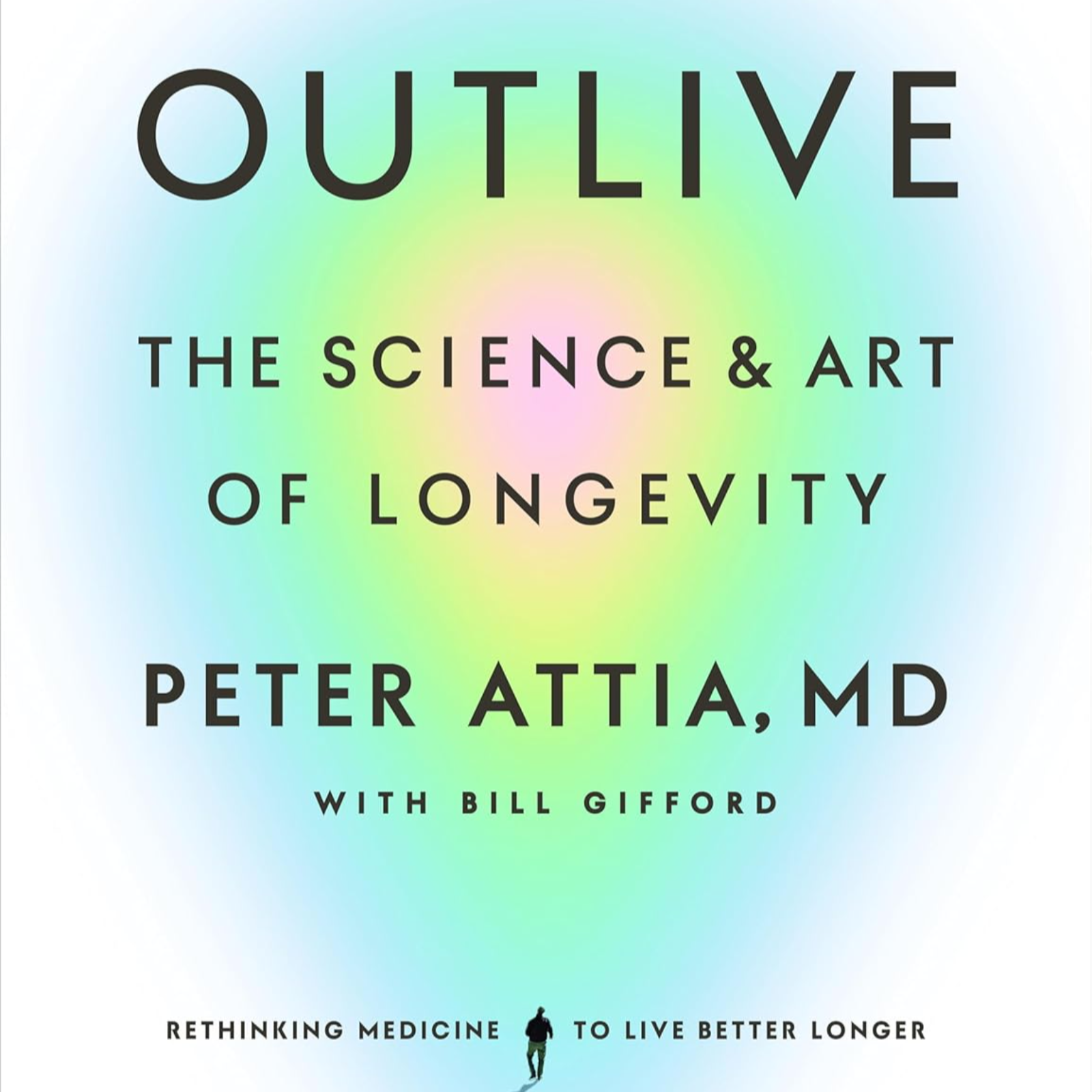
Peter Attia's big book, Outlive The Science and Art of Longevity.
这不是一些零散的建议。
It's not just random tips.
而更像一套框架,一条延长寿命和他所说的‘健康寿命’的路线图。
It's more like a framework, a roadmap for extending both lifespan and what he calls healthspan.
没错。
Right.
健康寿命这部分才是关键。
That healthspan piece is key.
重点在于生活质量,而不只是活得久。
It's about quality of life, not just quantity.
阿提亚一开始就把这个问题讲得很清楚。
And Attia really starts by framing the problem.
他提到了现代疾病的四大杀手。
He talks about these four horsemen of modern disease.
这些不是突然发生的,而是那些最终导致他直言不讳所说的‘缓慢死亡’的慢性病。
These aren't sudden things, they're the chronic conditions that lead to what he bluntly calls a slow death.
我们说的是心脏病、癌症、像阿尔茨海默病这样的神经退行性疾病,还有二型糖尿病或代谢功能障碍——这些才是主要的威胁,随着年龄增长,我们面临的最大挑战,而他的核心观点是,我们完全可以主动出击应对它们。
We're talking heart disease, cancer, neurodegenerative stuff like Alzheimer's and type two diabetes or metabolic dysfunction these are the big ones, the main challenges as we get older and his whole point is we can be super proactive against them.
而这种主动的应对方式,他称之为医学3.0。
And that proactive approach, that's what he calls medicine three point zero.
没错。
Precisely.
这感觉像是一场根本性的转变。
It feels like a fundamental shift.
不再是等生病了再治疗,而是全力预防,抢在问题发生之前就行动。
Instead of waiting to get sick and then treating it, it's all about prevention, getting ahead of it.
正是如此。
Exactly.
而且它还非常个性化。
And it's also really personalized.
它把你当作独一无二的个体,而不是又一个数据点。
It treats you as an individual, not just another data point.
是的,这种个性化确实很关键。
Yeah, that personal aspect seems crucial.
他还谈到评估风险,包括无所作为所带来的风险。
And he talks about assessing risk, even the risk of doing nothing.
没错。
Absolutely.
你得诚实地审视自己的风险,接受它们,包括因不作为而带来的风险。
You have honestly look at your own risks and well, accept them, including the risk that comes from inaction.
但对我来说,最重要的转变是不再只追求延长寿命,而是最大化健康寿命,确保这些岁月真正充实、充满活力和意义。
But I think the biggest thing for me, the real shift is moving beyond just adding years to maximizing health span, making sure those years are actually good ones, full of energy, purpose.
这正是核心目标。
That's the core goal.
那好,我们来仔细梳理一下。
So, okay, let's unpack this.
今天我们的目标,就是提炼出阿蒂亚观点中最实用、甚至可能让你意想不到的洞见。
Our mission today, pull out the most actionable, maybe even surprising insights from Attia.
帮你快速掌握如何开启属于自己的长寿、健康、更有意义的人生之路。
Give you a kind of shortcut to understanding how you can start charting your own course for a longer, healthier, more fulfilling life.
就从现在开始。
Starting now.
好吧,阿蒂亚说得非常明确。
Okay, well Attia is really clear.
这种主动管理的方式,首先要靠数据了解自己的身体。
This proactive approach, it starts with knowing your own body using data.
这可不是泛泛而谈,而是指一些远超常规年度体检的具体检测项目。
And this isn't just general advice, it's about specific diagnostics that often go way beyond your standard annual physical.
具体是哪些检查呢?
Like what kind of tests are we talking about?
比如,他非常推崇每年做一次双能X光吸收测定法扫描。
Well, for instance, he's a big proponent of an annual DEXA scan.
DEXA,是吧。
Okay, DEXA.
我第一反应就是骨密度。
I think of bone density.
大多数人也这么想,它确实能测骨密度。
Most people do, and it does measure that.
但阿蒂亚主要用它来评估另外两项非常关键的指标——内脏脂肪。
But Adia uses it primarily to assess two other really critical things, visceral fat.
就是那种有害的体内脂肪。
The dangerous internal fat.
对吧?
Right?
没错。
Exactly.
就是围绕你内脏的脂肪,还有你的肌肉量。
The stuff around your organs and also your lean muscle mass.
这两项加起来,比单纯站上体重秤能更清楚地反映你的身体成分和代谢健康状况。
Together, those give you a much, much clearer picture of your body composition and metabolic health than just stepping on a scale.
没错。
Right.
关注的是体内的实际情况,不只是一个数字。
It's the internal landscape, not just the number.
明白了。
Okay.
心血管疾病,是其中一个主要威胁。
So cardiovascular disease, one of the horsemen.
他对深入理解这个问题有什么建议?
What does he suggest there for a deep understanding?
他强烈推荐做CT血管造影,而不是更常见的冠状动脉钙化扫描,也就是SA扫描。
So here he makes a really strong case for a CT angiogram over the more common coronary artery calcium scan, the SA scan.
为什么呢?
Why is that?
这两者有什么区别?
What's the difference?
关键在于,CT血管造影能真正检测到你动脉里的软性非钙化斑块。
The key insight is that the CT angiogram can actually detect the soft non calcified plaque in your arteries.
这种软斑块通常是后来钙化斑块的前身,而钙化斑块是TAL扫描才能发现的。
And this soft plaque, it's often the precursor to the hard calcified plaque that the TAL scan picks up later.
啊,所以这是更早的预警信号。
Ah, so it's an earlier warning sign.
早得多,也更灵敏。
Much earlier, more sensitive.
它能让你在问题刚出现时就看到隐患,远在它变成钙化现实之前。
It lets you see potential trouble when it's just starting long before it becomes, you know, a calcified reality.
关键是要在早期就发现它。
It's about catching it really early.
这么说确实有道理,早点发现才行。
That makes a lot of sense, catching it earlier.
对。
Yeah.
明白了,他特别推崇的另一个检测是AOP检测。
Okay, and then there's this test he really champions, the AOP test.
我之前还真没听说过这个,是看了他的资料才知道的。
I know I hadn't heard of it before reading his stuff.
为什么他对这个检测这么看重?
Why is that such a game changer for him?
对,就是ApoB。
Right, ApoB.
全称是载脂蛋白B。
It stands for Apolipoprotein B.
简单说,就是测量你血液里那些可能有害的脂蛋白颗粒的数量。
And basically it measures the number of these potentially harmful lipoprotein particles in your blood.
这些颗粒才是真正的运输车,它们携带胆固醇,真正能进入动脉壁并开始形成斑块。
These particles are the actual delivery trucks you know they carry cholesterol and they're what can actually get into the artery wall and start forming plaque.
所以关键不是车里装了多少货,而是有多少辆车。
Okay so it's the number of trucks not just how much cargo they're carrying.
传统上医生用的低密度脂蛋白胆固醇,也就是坏胆固醇,只测量这些车里头的胆固醇含量。
Traditional LDL C, the bad cholesterol number most doctors use just measures the amount of cholesterol inside those trucks.
但你可能胆固醇数值正常,却有很高的载脂蛋白B水平,意味着体内有大量这样的小车在四处奔波,可能造成损伤。
But you could have a good LDL C number but a really high APO B count meaning you have tons of these little trucks bumping around potentially causing damage.
真的吗。
Wow.
所以阿蒂亚认为,载脂蛋白B的预测价值高得多。
So Attia argues ApoB is way more predictive.
他主张尽可能把数值压到极低,也就是减少这些危险颗粒的数量。
He aims for really, really low levels if possible, meaning fewer dangerous particles.
这简直是对胆固醇风险的一种全新看法。
That feels like a totally different way of looking at cholesterol risk.
确实如此。
It is.
顺便说一下,他还提到了LPA,也就是脂蛋白(a)。
And while we're on it, he also flags LPA, lipoprotein.
又一个。
Another one.
对,另一种系统性的脂蛋白颗粒。
Yeah, another systemic type of lipoprotein particle.
它特别容易黏附,风险很高,即使其他指标正常,也可能直接导致斑块形成。
It's particularly sticky, high risk, and can directly cause plaque buildup even if your other numbers look okay.
这通常与遗传有关,而且经常被忽视。
It's often genetic and frankly often missed.
所以这是另一个需要重视的关键风险因素。
So another crucial risk factor to know about.
明白了,所以重点是真正导致斑块的元凶。
Okay, so focusing on the actual drivers of plaque.
明白了吗?
Makes sense?
对。
Yeah.
那代谢健康呢?
What about metabolic health?
他提到,早期发现代谢问题可以用口服葡萄糖耐量测试,也就是OGTT。
Detecting issues there early on, he mentions the oral glucose tolerance test, the OGTT.
我一般觉得这跟孕期检查或者糖尿病前期筛查有关。
I usually associate that with pregnancy or pre diabetes screening.
没错,但他用这个测试的角度不一样。
Right, but he uses it differently.
他认为这是胰岛素抵抗的一个非常灵敏的早期预警信号。
He sees it as a really powerful canary in the coal mine for insulin resistance.
怎么说?
How so?
你得喝下那种特别甜的葡萄糖饮料,叫 glucula,然后他们不是只测血糖,还会追踪你几个小时内的胰岛素反应。
Well you drink that super sweet glucose drink, the glucula, and then they track your insulin response over a few hours, not just your glucose.
即使空腹血糖完全正常,只要喝了糖水后胰岛素飙升且居高不下,那就是胰岛素抵抗的明确预警信号。
Even if your fasting glucose is perfectly normal, if your insulin spikes really high and stays high after that sugar load, that's a huge red flag for early insulin resistance.
就算一开始血糖看起来挺正常。
Even if blood sugar looks fine initially.
对。
Yes.
这一点非常关键,因为早期的胰岛素抵抗不仅预示着未来可能得糖尿病,还和癌症、阿尔茨海默病以及心血管疾病的风险大幅上升密切相关。
And this is critical because that early insulin resistance isn't just linked to future diabetes, it's strongly tied to a much higher risk of cancer, Alzheimer's and cardiovascular disease too.
它能在问题还没被正式诊断出来之前,就提前捕捉到身体的异常。
It's catching the dysfunction way before becomes a formal diagnosis.
这就像是提前窥见了未来可能出问题的地方。
So it's like getting a sneak peek at future vulnerabilities.
特别有价值。
Super valuable.
他还关注其他哪些代谢指标?
Are there other metabolic signals he tracks?
当然了,他会看一整套指标。
Oh yeah, he looks at a whole panel.
比如甘油三酯和高密度脂蛋白胆固醇的比值,这个数值越低越好,最好低于2:1,理想状态是低于1:1。
Things like the ratio of your triglycerides to your HDL cholesterol you want that low, ideally under two to one, even better under one to one.
这是衡量胰岛素敏感性的一个好指标。
That's a good marker for insulin sensitivity.
他还会看VLDL水平,这也是个不好的脂蛋白。
He also looks at VLDL levels, another bad leprotein.
尿酸偏高,通常和同型半胱氨酸有关,这两者都跟炎症和心脏病风险相关。
Elevated uric acid, often linked to and homocysteine, which is tied to inflammation and heart risk.
即使是轻微升高的肝酶,比如ALT,也可能提示代谢压力。
Even slightly elevated liver enzymes, like ALT, can indicate metabolic stress.
把这些指标综合起来,就能得到一个非常详细的健康画像。
Putting all these together gives a really detailed picture.
那针对阿尔茨海默病的风险呢?
And for Alzheimer's risk specifically?
基因检测。
Genetic testing.
他建议你查一下APOE基因型。
He recommends looking at your APOE genotype.
比如知道自己是否携带E4变异,能让你更清楚地了解自己的患病风险。
Knowing if you carry the E4 variant, for example, gives really important insight into your personal risk profile.
对。
Right.
明白了。
Okay.
我们聊聊癌症筛查吧。
Shifting to cancer screening.
另一个重要方面。
Another horseman.
阿提亚只是遵循常规指南,还是在推动更积极的做法?
Does Attia just follow standard guidelines or is he pushing for more?
他 definitely 主张更主动一些,通常建议更早开始筛查。
He definitely advocates for being more proactive, often earlier screening.
对于结直肠癌,他建议做一次结肠镜检查。
For colorectal cancer, he suggests getting a colon on.
他确实这么做了,而且有充分依据。
He absolutely does and he backs it up.
他认为锻炼不只是为了保持健康,更像是一种效果广泛的强效药物。
He sees exercise less as, you know, just general fitness and more like a potent drug with incredibly broad benefits.
他的方法不只是简单地去运动,而是围绕四个关键支柱精心设计的。
And his approach isn't just go work out, it's very structured, built around four key pillars.
好的,是哪四个?
Okay, what are they?
首先是心肺耐力。
First is cardiorespiratory fitness.
这通常通过最大摄氧量来衡量,相关数据非常有力。
This is often measured by VO two max and the data here is really strong.
这可能是预测你寿命长短最准确的指标。
It's maybe the single best predictor of how long you'll live.
最大摄氧量。
VO two max.
怎么专门训练这个?
How do you train that specifically?
他最推荐的方法是高强度间歇训练。
His preferred method is high intensity intervals.
想象一下。
Think.
四分钟高强度运动,接着四分钟低强度恢复,比如慢走,让心率降到每分钟100次以下。
Four minutes going pretty hard, then four minutes of active recovery like walking slowly, getting your heart rate under a 100 beats per minute.
四分钟高强度,四分钟轻松。
Four minutes hard, four minutes easy.
对。
Right.
然后把这个循环重复四到六次。
And you repeat that cycle four to six times.
他建议每周做两次。
He recommends doing this twice a week.
目标是什么?
And the goal?
这个目标挺有挑战性的。
It's ambitious.
首先,要达到适合你年龄和性别的精英水平。
First, get into the elite range for your age and sex.
然后,再试着去达到比你年轻二十岁的人的精英水平。
But then, aim for the elite level for someone two decades younger than you.
哇。
Wow.
比年轻二十岁的人还精英。
Elite for two decades younger.
这目标可真够高的。
That's that's aiming high.
那一般人该怎么开始呢?
How does someone even start with that?
听着有点吓人。
Seems intimidating.
是啊。
Yeah.
听起来是不少,但他会强调循序渐进。
It does sound like a lot, but he'd stress scaling it.
对新手来说,先动起来最重要。
For a beginner, just starting is key.
可以从短一点的间歇、低一点的强度开始,慢慢加码。
Maybe shorter intervals, less intensity, you build up gradually.
渐进式超负荷。
Progressive overload.
目标不是明天就达到那个数字,而是打下基础。
The goal isn't hitting that number tomorrow, it's building the foundation.
这正好引出了第二个关键点。
Which actually leads right into the second pillar.
有氧效率,或者他所说的二区训练。
Aerobic efficiency or what he calls zone two training.
二区。
Zone two.
现在这个词听得太多了。
I hear that turn a lot now.
具体是指什么?
Exactly is it?
这就是你的稳态有氧运动。
This is your steady state cardio.
这是基础中的基础。
It's foundational.
强度是中等的。
The intensity is moderate.
你还能说话,但可能没心思聊太深的话题。
You should be able to talk but maybe not be super interested in a deep conversation.
你在锻炼,但不是在冲刺。
You're working but not sprinting.
听起来确实更持久一些。
Okay, that sounds more sustainable.
没错。
It is.
从生理角度看,你是在维持乳酸水平相对稳定,这说明身体的能量利用效率很高。
Physiologically, you're trying to keep your lactate levels pretty constant, showing efficient energy use.
他建议每周至少三小时,比如四次每次四十分钟。
He recommends a minimum of three hours a week, maybe four-forty minute sessions.
那你怎么跟踪这方面的进展呢?
And how do you track progress there?
你可以用乳酸仪这些专业设备,但感觉其实是个很好的参考。
Well, you can get technical with lactate meters, but the feeling is a good guide.
喜欢数据的人,可以追踪功率输出,比如骑车时每公斤体重输出的瓦数,挺有用的。
For people who like data, tracking power output, like watts per kilogram on a bike is great.
他提到,对体能很好的人来说,每公斤三瓦是个不错的目标,但说实话,坚持按时锻炼才是关键。
He mentions three watts per kilo as a solid target for very fit people, but honestly, just putting in the time consistently is huge.
他建议把这段时间当成听播客或有声书的时间,多任务叠加着来。
He suggests making it your podcast time, audiobook time, stack activities.
不错的建议。
Good tip.
明白了。
Okay.
所以我们现在有高强度间歇训练和稳态的二区训练。
So we have high intensity intervals and steady state zone two.
接下来做什么?
What's next?
接下来是力量训练。
Next up is strength training.
他有个特别贴切的比喻,说这就像给身体存退休金。
And he has this great analogy, he calls it retirement saving for your body.
这个说法不错,为什么比作退休金呢?
I like that, why retirement saving?
因为这不只是为了看起来有肌肉,更重要的是随着年龄增长,保持肌肉量、整体力量和骨密度。
Because it's not just about looking muscular, it's about building and crucially maintaining muscle mass, overall strength, and bone density as you age.
这能帮你避免虚弱,防止像髋部骨折这样严重的伤害,尤其是65岁以后。
This is what protects you from frailty from injuries like devastating hip fractures, especially after 65.
关键是为了保持功能和独立生活的能力。
It's about function and independence.
有道理。
Makes sense.
他主要练哪些力量训练动作?
What kind of strength exercises does he focus on?
基础动作。
Foundational movements.
那些能直接用在日常生活里的动作。
Things that translate to real life.
他特别强调握力。
He emphasizes grip strength.
他定的标准是,每只手拿着相当于自身体重一半的重量,持续走一分钟农夫行走。
He sets a benchmark like being able to do a farmer's carry with 50% of your body weight in each hand for a minute.
这可不容易。
That's tough.
一半的体重。
50%.
或者对男性来说,能在单杠上悬垂两分钟,这也非常有挑战性,再加上引体向上、划船动作,还有髋部铰链动作,比如硬拉、深蹲、弓步,最重要的是,永远都要注重标准姿势,保护好脊椎。
Or for men, a two minute dead hang from a pull up barre, also really challenging then pulling motions pull ups rows and hip hinging movements deadlifts squats step ups always always stressing proper form to protect your spine.
没错。
Absolutely.
他还特别强调离心训练。
And he also highlights eccentric loading.
就是动作的下降阶段,比如做哑铃弯举时慢慢放下重量。
That's the lowering phase of a lift, like slowly lowering the weight in a bicep curl.
这个阶段对增强力量和预防受伤非常重要。
That phase is super important for building strength and preventing injuries.
离心训练。
Eccentric loading.
明白了。
Got it.
好,第四个要点。
Okay, pillar number four.
第四个要点是稳定性。
The fourth pillar is stability.
这一点在普通的健身讨论里经常被忽略,但其实特别关键。
This is often overlooked in standard fitness talk but it's vital.
稳定性。
Stability.
这跟长寿有什么关系呢?
How does that relate to longevity?
主要是为了预防受伤,保持你全身各部位正常活动的能力。
It's all about injury prevention and maintaining your ability to move well through your full range of motion.
它能把你的大脑和身体连接起来。
It connects your brain to your body.
他建议做一些呼吸训练,比如注重用横膈膜深呼吸,而不是浅短的胸式呼吸,甚至他还提到一种叫‘脚趾瑜伽’的东西。
He recommends things like breath training, focusing on proper diaphragmatic breathing, not shallow chest breathing, and even something he calls toe yoga.
脚趾瑜伽。
Toe yoga.
真的假的?
Seriously?
真的假的。
Seriously.
一些锻炼脚趾灵活性和控制力的动作。
Exercises to improve the dexterity and control of your toes.
听着可能有点怪,但其实挺难的,而且直接影响你的平衡能力。
It sounds weird, maybe, but it's surprisingly hard and directly impacts your balance.
有个关键的测试方法。
A key test here.
你能闭上眼睛,单腿站立至少十秒钟吗?
Can you balance on one leg with your eyes closed for at least ten seconds?
这个简单的测试其实和长寿以及降低跌倒风险密切相关。
That simple test is actually linked to longevity and reduced fall risk.
这讲的就是大脑和身体的连接。
It's about that brain body connection.
好,我待会儿一定试试单腿站立这个测试。
Okay, I'm definitely trying the one leg balance test later.
是的
Yeah.
那趾部瑜伽呢?
And the toe yoga?
也许吧
Maybe.
还有一件事和这个话题相关,不算运动,但是个意外的干预方法——干蒸桑拿。
Now there was one more thing related to this section, not exactly exercise but a surprising intervention, dry saunas.
对,关于桑拿的研究挺有意思的。
Yeah, the sauna data is pretty interesting.
他提到一些研究,建议每周规律使用四次,每次二十分钟或更久。
He points to studies suggesting regular sauna use specifically like four times a week for twenty minutes at or higher.
这要求还挺具体的。
That's pretty specific.
确实如此。
It is.
但这个方案背后的数据相当惊人。
But that protocol is linked to some impressive numbers.
可能降低65%的阿尔茨海默病风险,心血管疾病死亡率也可能下降50%。
Potentially a sixty five percent reduction in Alzheimer's risk and maybe a fifty percent reduction in death from cardiovascular disease.
天啊,只是坐在一个热房间里,就能有这么大的效果。
Wow, those are big numbers for just sitting in a hot room.
看起来很简单,但身体的反应——热休克蛋白、血液循环改善——效果非常显著,而且说实话,比那些VO2 max训练有趣多了。
It seems simple but the physiological effects, heat shock proteins, improved circulation seem to be powerful and hey, it's probably more enjoyable than those VO2 max intervals.
有道理。
Fair point.
好,运动部分说完了。
Okay, exercise covered.
咱们聊聊饮食吧。
Let's talk nutrition.
你提到阿迪亚不谈那些通用的饮食法,而是关注营养生物化学。
You mentioned Adia doesn't focus on generic diets but nutritional biochemistry.
这在实际操作中意味着什么?
What does that mean in practice?
意思是别再纠结于生酮、纯素、原始饮食这些标签了,而是要问一些更根本的问题,关于你自己的身体状况。
It means moving beyond diet labels keto, vegan, paleo, whatever and asking more fundamental questions about your specific state.
他把问题简化为三个关键点。
He boils it down to three key questions.
第一,你的热量摄入是过多还是不足?
One, are you overnourished or undernourished in terms of calories?
第二,你的肌肉量是偏少还是足够?
Two, are you under muscled or adequately muscled?
第三,你的代谢状态是健康还是不健康?
And three, are you metabolically healthy or not?
所以先评估自己的状态,再针对性地调整饮食。
Okay, so diagnose your state first, then tailor nutrition.
没错。
Exactly.
你的回答决定了应对策略。
Your answers guide the strategy.
完全是量身定制的。
It's completely personalized.
他特别强调的一个领域是蛋白质,对吧?
And one area he's really vocal about is protein, right?
说标准的推荐量远远不够。
Saying standard recommendations are way too low.
确实远远不够,尤其是随着年龄增长或者活动量大的时候。
Way too low, especially as we age or if we're active.
对。
Yeah.
他认为每日推荐摄入量只是防止缺乏的最低标准,远非最佳水平。
He argues the RDA is just the bare minimum to prevent deficiency and not what's optimal.
他建议每天每公斤体重至少摄入1.6克蛋白质。
He recommends a minimum of 1.6 grams of protein per kilogram of body weight per day.
差不多是每磅零点七克。
That's about point seven grams per pound.
最低要1.6克。
Minimum 1.6 gs.
对。
Yeah.
他更推荐接近每公斤2.2克,也就是每磅一克,特别是如果你训练很刻苦的话。
And ideally he pushes for closer to 2.2 grams per kilogram, is about one gram per pound of body weight, especially if you're training hard.
这比通常的建议高多了。
That's significantly higher than typical advice.
那你怎么才能达到这个量呢?
How do you even hit that?
得花心思。
It takes focus.
他建议每天吃四份蛋白质,每份大概四十几克。
He suggests aiming for maybe four servings of protein per day, with each serving having around forty, forty five grams.
这差不多是一块像样的鸡胸肉或鱼肉,大约六盎司,也就是170克左右。
That's like a decent sized piece of chicken or fish, about six ounces or a 170 grams.
这种专注对增肌和维持肌肉质量至关重要,也能帮助对抗与年龄相关的肌肉流失,也就是肌肉减少症。
This focus is crucial for building and maintaining that muscle mass we talked about, fighting off age related muscle loss, sarcopenia.
明白了,蛋白质是首要的?
Okay, protein's a high priority?
那脂肪呢?
What about fats?
这个话题每隔几年就来回翻转,让人摸不着头脑。
That whole topic feels like it swings back and forth every few years.
确实如此。
It does.
阿蒂亚用一种明确而有目的的搭配,拨开了这些纷扰。
Attia cuts through the noise with a specific intentional mix.
他特别主张增加单不饱和脂肪的摄入,建议总脂肪摄入量中约55%来自特级初榨橄榄油、夏威夷果和牛油果这类食物。
He really advocates boosting monounsaturated fats, aiming for maybe 55% of your total fat intake from sources like extra virgin olive oil, macadamia nuts, avocados.
好的脂肪。
The good fats.
一般来说,是的。
Generally, yes.
然后有意识地把饱和脂肪控制在总脂肪摄入的百分之十五到二十,尽量减少富含欧米伽六的植物油,比如玉米油、大豆油和葵花籽油。
And then, consciously reduce saturated fats down to maybe fifteen-twenty percent of fat intake, and really limit the omega-six rich seed oils, corn oil, soybean oil, sunflower oil.
明白了。
Okay.
要减少欧米伽六的摄入。
Limit those omega sixes.
那欧米伽三呢?
What about omega threes?
一定要增加摄入。
Definitely increase those.
特别是存在于深海鱼或优质补充剂中的EPA和DHA。
Specifically, the EPA and DHA found in fatty fish or good supplements.
他甚至提到一种血液检测,叫Omega-3指数,目标是让红细胞膜中有8%到12%的成分来自EPA和DHA,这能真实反映你组织里的水平。
He even talks about a blood test, the omega three index aiming 812% of your red blood cell membranes to be composed of EPA and DHA that shows your actual tissue levels.
哇,这下说得真够细致的。
Wow, getting really precise there.
好吧,说到碳水化合物,这可是个大争议。
Okay, carbs, the big debate.
他是怎么处理血糖管理的?尤其是现在连续血糖监测仪越来越普及了?
How does he handle glucose management, especially with continuous glucose monitors, CGMs, becoming more common?
连续血糖监测仪对他来说是个特别重要的工具。
CGMs are a huge tool for him.
他提到使用这种设备分两个阶段。
He talks about using them in two phases.
第一阶段是了解阶段。
First, the insight phase.
你戴着它,就是去观察和学习。
You wear it and you just learn.
你能实时看到不同食物、睡眠和压力水平是如何影响你的血糖的。
You see in real time how different foods, your sleep, stress levels, how they all impact your blood sugar.
所以你自己就能看到血糖的升降变化?
So you see the spikes and dips yourself?
没错。
Exactly.
这种反馈实在太有效了。
It's incredibly powerful feedback.
接下来是行为调整阶段。
Then comes the behavior phase.
掌握了这些信息后,你就会开始做出不同的选择。
Armed with that knowledge, you start making different choices.
这利用了霍桑效应——只要知道自己正在被监测,行为就会自然改变。
It leverages the Hawthorne effect, just knowing you're being monitored changes behavior.
使用连续血糖监测仪的目标是什么?
What are the targets with a CGM?
什么样的水平才算好?
What's considered good?
他目标是把平均血糖控制在100 mg/dL以下,波动范围(标准差)不超过15 mg/dL。
He aims for an average glucose level at or below 100 mGdL with a standard deviation basically, how much it swings up and down of less than 15 mGdL.
你希望血糖稳定,别出现大幅飙升或骤降。
You want stable blood sugar, no huge peaks and crashes.
那在饮食上怎么做到呢?
And how do you achieve that food wise?
主要是减少或避开那些会让血糖急剧上升的食物。
Primarily by limiting or avoiding the big glucose spikers.
比如添加糖、精制碳水化合物,像白面包、意大利面,还有含糖的果汁。
Added sugar, obviously, refined carbs like white bread and pasta, sweet fruit juices.
就连白米饭和燕麦片,对很多人来说他也会谨慎对待。
He's even cautious about things like white rice and oatmeal for many people.
果糖也需要特别注意控制。
And fructose needs careful management.
不过你应该多吃些什么呢?
What should you eat more of, though?
纤维很重要。
Fiber is key.
他每天的目标是五十克,这量可不小。
He aims for fifty grams a day, which is a lot.
多吃非淀粉类绿叶蔬菜,比如菠菜、西兰花这类的,对血糖影响很小。
And load up on non starchy leafy vegetables, spinach, broccoli, that kind of stuff, they have minimal impact on blood sugar.
医生。
Doctor.
五十克纤维。
Fifty grams of fiber.
这得花不少功夫。
That takes effort.
那酒精呢?
Okay, what about alcohol?
这已经成了社交习惯,但该怎么融入日常生活呢?
Socially ingrained, but how does it fit in?
他的建议在这里非常严格。
His advice is pretty strict here.
每周总共不要超过七份,而且最重要的是,任何一天都不能超过两份。
Limit it to fewer than seven servings per week total, and importantly, no more than two servings on any single day.
每周少于七份,每天最多两份。
Fewer than seven a week, max two a day.
对。
Right.
这一点特别重要。
And a big one.
睡前尽量别喝。
Avoid it close to bedtime.
即使少量也会严重干扰睡眠结构,尤其是快速眼动睡眠和深度睡眠。
Even small amounts really disrupt sleep architecture, especially REM and deep sleep.
这下清楚了。
Good to know.
还有禁食,现在挺流行的。
And fasting, so popular now.
阿提亚很支持这个吗?
Is Attia a big proponent?
他比较谨慎。
He's cautious.
他承认禁食确实是个有效的手段,尤其对代谢不健康的人,可以帮助启动减重或改善胰岛素敏感性。
He acknowledges it can be a powerful tool especially for people who are metabolically unhealthy maybe to kick start weight loss or improve insulin sensitivity.
但他也指出,如果做得不够细致,比如蛋白质摄入不足,可能会导致肌肉流失。
But he also points out potential downsides like muscle loss if not done carefully with enough protein intake.
他认为对健康人群来说,禁食并不是延年益寿的万能药,而更像是一种针对特定情况的工具,使用频率可能比一些专家说的要低。
He doesn't see it as a universal magic bullet for longevity in already healthy people, more like a specific tool for specific situations, maybe less frequently than some gurus promote.
所以,这不是一种普遍适用的建议。
Okay, so not a blanket recommendation.
展开剩余字幕(还有 133 条)
这个背景信息很有帮助。
That's helpful context.
接下来聊聊睡眠。
Moving on, sleep.
阿蒂亚特别强调这一点,说这是对大脑最好的良药。
Attia really hammers this home, calls it the best medicine for your brain.
他确实这么认为,尤其是针对大脑健康和预防阿尔茨海默病。
He absolutely does, particularly for brain health and Alzheimer's prevention.
证据一直在不断积累。
The evidence is just piling up.
他的建议非常细致,从睡眠环境开始说起。
His recommendations get really granular, starting with the sleep environment.
你的卧室必须完全漆黑,像洞穴一样黑,不能有钟表,所有小LED灯都要遮住。
Your bedroom should be pitch black, like cave dark, no clocks, cover every little LED.
完全的黑暗。
Total darkness.
还有呢?
What else?
温度非常关键。
Temperature is huge.
保持凉爽,最好在65华氏度左右,也就是18摄氏度。
Keep it cool, ideally around 65 degrees Fahrenheit or 18 Celsius.
房间凉爽有助于降低体温,从而向身体发出入睡信号。
A cool room helps lower your core body temp, which signals sleep.
还有睡前习惯,特别重要。
And then there's the pre sleep routine, super important.
睡前至少两小时避免使用屏幕,尤其是带有互动蓝光的设备。
Avoid screens, especially interactive blue light, for at least two hours before bed.
最少两小时。
Two hours minimum.
对。
Yep.
晚上早些时候可以泡个热水澡,或者去桑拿一下。
Consider a warm bath or maybe a sauna session earlier in the evening.
听起来有点反直觉,但这样能让身体在之后自然降温,更容易犯困。
Sounds counterintuitive, but it helps your body cool down afterward, promoting sleepiness.
挺有意思的。
Interesting.
睡前routine还有别的建议吗?
Anything else for the routine?
关于物质摄入的时间。
Substance timing.
我们之前提到过,睡前别喝酒。
We mentioned no alcohol near bedtime.
至于咖啡因,尤其是如果你代谢得慢,最好只喝一两杯,而且别超过中午。
For caffeine, especially if you're a slow metabolizer, probably best to limit it to just one or two cups and only before noon.
那下午就别喝咖啡了。
No afternoon coffee then.
这对睡眠质量可能不太有利。
Probably not ideal for sleep quality.
另外,睡前三个小时内尽量别吃大餐。
Also, try not to eat a big meal within three hours of bedtime.
消化过程会影响睡眠,即使只是中等强度的运动,也最好在睡前两到三小时就结束。
Digestion can interfere with sleep and finish intense exercise, even zone two, at least two to three hours before bed.
明白了。
Okay.
这么多注意事项啊。
Lots of tying rules there.
还有规律性。
And consistency.
这一点可能是最重要的。
This is maybe the biggest one.
大多数人需要在床上躺八到九小时,才能睡足七到八小时。
Aim for enough time in bed, eight or nine hours for most people to get seven to eight hours of actual sleep.
而且尽量保持固定的起床时间,哪怕是在周末。
And try hard to keep your wake up time consistent, even on weekends.
这能稳定你的生物钟。
That anchors your circadian rhythm.
固定的起床时间。
Consistent wake up time.
对。
Yeah.
周末做到这点挺难的。
That's tough on weekends.
但为什么睡眠对大脑特别重要呢?
But why is sleep so critical for the brain specifically?
因为深度睡眠时,大脑实际上是在彻底清理垃圾。
Because deep sleep is literally when your brain cleans house.
有一种叫类淋巴系统的机制,就像是大脑的废物清除系统。
There's a process called the glymphatic system, kind of like the brain's waste disposal system.
在深度睡眠时,这个系统会加强工作,清除代谢废物,包括与阿尔茨海默病相关的淀粉样蛋白。
It ramps up during deep sleep, clearing out metabolic debris, including amyloid proteins associated with Alzheimer's.
所以睡不好,大脑的垃圾就没人清。
So poor sleep means the trash doesn't get taken out.
没错。
Exactly.
长期睡眠不足或者睡眠质量差,会大大增加你未来患上神经退行性疾病的风险。
Consistently skimping on sleep or having poor quality sleep significantly multiplies your risk for neurodegenerative diseases down the line.
重要性就在这儿。
It's that important.
明白了。
Okay.
收到。
Message received.
睡眠是绝对不能妥协的。
Sleep is non negotiable.
我们已经谈了诊断、运动、营养、睡眠,很多身体方面的内容。
We've covered diagnostics, exercise, nutrition, sleep, a lot of the physical stuff.
但接着,阿蒂亚提出了一个非常深刻的见解。
But then, Attia makes this really profound point.
如果你的生活过得一团糟,那再长的寿命也没意义。
None of this longevity matters if your life, well, sucks.
这就把我们带到了情绪健康的话题上。
Which brings us to emotional health.
没错。
Yes.
这可能是整个健康体系中最重要的部分,却常常被人忽视。
This might be one of the most important, yet often overlooked parts of the whole equation.
他强烈主张,如果没有情感上的满足、人际联结和人生目标,活得再久也没意思。
He argues forcefully that a long life devoid of emotional well-being, connection, and purpose.
那活着是为了什么?
What's the point?
太有共鸣了。
Really resonates.
这可不是空谈。
And it's not just philosophical.
有实实在在的数据支持。
There's hard data.
孤独和有毒的人际关系带来的死亡风险,不亚于每天抽15支烟。
Loneliness, toxic relationships they carry, mortality risks, comparable to smoking 15 cigarettes a day.
这可是个关键的健康因素。
It's a major health factor.
他提出一个让我印象特别深的概念,就是‘追悼会美德’和‘简历美德’的区别。
He introduces this concept that really stuck with me, contrasting eulogy virtues with resume virtues.
追悼会美德和简历美德。
Eulogy virtues versus resume virtues.
说说看,这是什么意思?
Explain that.
简历上的美德是你在职场上展示的技能、职位和成就。
Resume virtues are the skills you bring to the marketplace, your job titles, accomplishments.
追悼会上的美德是人们在你葬礼上谈论的那些事——你是否善良、勇敢、有爱心、诚实。
Eulogy virtues are the things people talk about at your funeral, where you're kind, courageous, loving, honest.
你的品格。
Your character.
阿蒂亚让我们思考,自己更重视哪一种。
Attia pushes us to think about which ones we're prioritizing.
这是一种有力的方式,让我们重新审视什么才是真正重要的:过好这一生,而不只是活得久。
It's a powerful way to reevaluate what truly matters a life well lived, not just a long one.
这真让人停下来深思。
That really makes you stop and think.
既然情绪健康这么重要,他有没有推荐什么实际的方法或策略来培养它?
So if emotional health is so vital, what practical tools or strategies does he suggest for cultivating it?
它比最大摄氧量更难衡量。
It feels harder to measure than VO2 max.
虽然更难衡量,但也许更值得去投入。
It is harder to measure but maybe even more important to work on.
他提出了几种实用的方法。
He outlines several practical tools.
其中之一是重新框架,有意识地尝试从不同角度看待压力情境,比如站在对方的立场上想。
One is reframing consciously trying to see stressful situations from different perspectives, maybe from the other person's point of view.
另一个是正念,学会与自己的想法和情绪保持距离。
Another is mindfulness practicing detach ment from your thoughts and emotions.
不加评判地观察它们,把注意力集中在当下。
Observing them without judgment, focusing on the present.
正念现在到处都是啊,尼克。
Mindfulness is everywhere, Nick.
这可不是没道理的。
That's for good reason.
他还谈到了自我对话。
He also talks about self talk.
你平时是怎么跟自己说话的?
How do you speak to yourself?
他建议试着像对待最好的朋友那样对自己说话,多一点理解,多一点鼓励,少一点苛责。
He suggests practicing talking to yourself like you would talk to your best friend with ness, encouragement, less harsh judgment.
这个建议不错。
That's a good one.
我们对自己往往太严厉了。
We can be so hard on ourselves.
确实如此。
Totally.
在情绪特别崩溃的时候,他推荐一些突然的感官刺激,比如用冰水泼脸,或者冲个冷水澡,能帮你重新调整神经系统。
For moments of acute distress, he suggests things like abrupt sensory change, splashing ice water on your face, a quick cold shower, it can kind of reset your nervous system.
就像打断一个惯性模式。
Like a pattern interrupt.
没错。
Exactly.
没错。
Right.
还有,专门做深长的呼吸,比如用鼻子吸气四秒,再用嘴巴呼气六秒。
Also, slow deep breathing specifically like a four second inhale through the nose, six second exhale through the mouth.
能立刻让你平静下来。
Calms the system right down.
他还提到‘反向行动’,比如当你感到悲伤想独处时,这种想法没什么帮助,那就强迫自己做相反的事,比如给朋友打个电话。
He mentions opposite action if you feel an unhelpful impulse like isolating when you're sad, force yourself to do the opposite like call a friend.
这需要意志力。
That takes willpower.
确实如此。
It does.
他特别看重在大自然中活动。
Spending time moving in nature is another big one for him.
他喜欢负重徒步,就是背着装了重量的背包走路。
He likes rucking, walking with a weighted backpack.
他觉得这有助于培养内心的平静。
He finds it helps cultivate mental stillness.
也许最重要的一点是。
And maybe the most significant one.
他认为定期接受心理咨询不是为了修复有问题的人,而是每个希望提升自我觉察、实现成长和更好管理情绪的人都应该坚持使用的必备工具。
He views regular therapy not as a fix for broken people but as a non optional tool for everyone seeking self awareness, growth and better emotional regulation.
他非常坦诚地谈到,心理咨询对他个人而言有多么关键。
He's very open about how crucial it's been for him personally.
心理咨询是一种主动的工具,不是等出了问题才去用的。
Therapy is a proactive tool, just reactive.
没错。
Exactly.
它的核心在于培养韧性、更深入了解自己、改善人际关系,这些都与那套‘追悼会上的美德’理念紧密相关。
It's about building resilience, understanding yourself better, improving relationships, all core to that eulogy virtues idea.
对于那些觉得这一切改变太难的人,他最后还给了一个特别鼓舞人心的观点,对吧?
And for anyone feeling like, wow, this is a lot to change, he has a really empowering closing thought on this, doesn't he?
确实如此。
He really does.
很有力量。
It's powerful.
他 basically 说,如果我能改变,你也能改变。
He basically says, look, if I can change, you can change.
他强调,这一切都始于一个根本信念:真正的、有意义的改变对你来说是可能的。
He emphasizes that it all starts with the fundamental belief that real meaningful change is possible for you.
这是一个充满希望和主动性的美好信息。
That's a great message of hope and agency.
《Outlive》这本书真是一段了不起的旅程。
What an incredible journey through Outlive.
很明显,阿提亚的愿景远不止于简单的‘少吃多动’。
It's clear Attia's vision is so much bigger than just, you know, eat less, move more.
这是一种真正全面、高度个性化的策略。
It's this truly holistic, deeply personalized strategy.
它把先进的诊断、精准的运动方案、科学的营养搭配、睡眠优化,还有深层次的情绪健康调理全都融合在了一起。
It weaves together advanced diagnostics, very specific exercise protocols, precise nutrition, optimizing sleep, and then this profound layer of emotional health work.
这真清楚地展示了这些方面是如何相互关联的。
It really shows how interconnected it all is.
它?
It?
你不可能单独把某一个方面做到极致。
You can't really optimize one area in isolation.
这个核心观点一直在反复强调。
And that core message just keeps coming through.
目标不只是活得更久,而是让活得好的年头更多。
The aim isn't just more years, it's more good years.
是那种充满活力、能力充沛、富有意义的岁月,关键在于用医学3.0的思维主动掌控自己的健康。
Years packed with vitality, capability, meaning it's about taking charge with this medicine three point o mindset.
要积极主动,了解自己的风险,更要明白自己为什么而活。
Being proactive, understanding your risks, but also understanding your why.
你为什么想要多拥有这些健康长寿的年岁?
Why do you want these extra healthy years?
没错,这个‘为什么’特别关键。
Yeah, that why is crucial.
他最后在书里分享了朋友里克的一句话,简直再贴切不过了。
And he ends the book sharing that quote from his friend Rick, which is just perfect.
就是关于真实年龄的那个说法?
Oh, the one about true age?
对。
Yeah.
如果你想了解一个人的真实年龄,就听他说话。
You If want to find someone's true age, listen to them.
如果他总念叨过去,那他就已经老了。
If they talk about the past, they've gotten old.
如果他还在想自己的梦想、目标,还有哪些期待,那他就还年轻。
If they think about their dreams, their aspirations, what they're still looking forward to, they're young.
所以当你在听的时候,不妨想想这个问题。
So as you're listening, maybe reflect on that.
你的梦想和追求是什么?
What are your dreams, your aspirations?
你对未来有什么期待?
What are you looking forward to?
你该如何主动规划自己的健康?
And how can you start proactively shaping your health?
找到你的理由,确保你为未来的每一个十年都做好准备。
Your why to make sure you're ready for all those future decades?
关于 Bayt 播客
Bayt 提供中文+原文双语音频和字幕,帮助你打破语言障碍,轻松听懂全球优质播客。