本集简介
双语字幕
仅展示文本字幕,不包含中文音频;想边听边看,请使用 Bayt 播客 App。
大家好,欢迎收听《普鲁斯特好奇》,这是与《公共书籍》合作的播客。
Hello, and welcome to Proust Curious, a podcast in partnership with Public Books.
我是汉娜·韦弗,哥伦比亚大学中世纪文学助理教授,也是创意与想象研究所的研究员。
I'm Hannah Weaver, an assistant professor of medieval literature at Columbia University and a fellow at the Institute for Ideas and Imagination.
我是艾玛·克劳森。
And I'm Emma Claussen.
我是剑桥大学三一学院的早期现代文学研究者。
I'm an early modernist at Trinity College Cambridge.
《普鲁斯特好奇》是一档关于阅读全部七卷作品的播客。
Proust Curious is a podcast about the experience of reading all seven volumes.
这部作品创作于1906年至1922年间。
Written between nineteen o six and 1922.
1913年至1927年间出版的马塞尔·普鲁斯特这部文化里程碑,长久以来令人着迷,也令人望而生畏。
Published between 1913 and 1927, Marcel Proust's cultural touchstone is an object of enduring fascination and, let's face it, intimidation.
我们并不是普鲁斯特专家,但我们以研究文学为生,因此既感到自己能力不足,又觉得自己足以应对这一挑战。
We are not Proust experts, but we do study literature for a living, So we feel both under and overqualified to tackle this.
加入我们,一起寻找逝去的时光。
Join us as we search for lost time.
记住那些事情,普鲁斯特。
And remember things, Proust.
今天,我们讨论《追忆似水年华》第三卷《盖尔芒特家那边》。
Today, we're talking about the third volume of the Recherche, Le cote de Guermantes.
这就是盖尔芒特家的方式。
That is the Guermantes way.
在这一卷中,年轻的叙述者回到巴黎,对新邻居盖尔芒特夫人产生强烈的迷恋,去军营探望朋友圣路易,失去祖母,逐渐放下对盖尔芒特夫人的执念,并通过参加沙龙和晚宴进入上流社会。
In this volume, the young adult narrator returns to Paris, develops a crushing obsession with his new neighbor, madame Guermantes, visits his friend, Saint Louis, at the army barracks, loses his grandmother, gets over madame Guermantes, and enters high society by attending salons and dinners.
但他依然没有写作。
But he's still not writing.
到这个时候,他甚至连写书的计划都几乎不存在。
At this point, he's barely even planning to do so.
他曾说过,友谊分散了他对那场无形假期的注意力,但这一切最终都会导向我们现在所阅读的内容。
He says at one point that friendships are distracting him from his invisible vacation, that it will all eventually lead to what we are reading now.
更简单地说,叙述者和那些很酷的孩子们混在一起。
Put more simply, the narrator hangs out with the cool kids.
太酷了。
So cool.
太酷了。
So cool.
但是艾玛,在我们更详细地讨论这一卷之前,该进行我们每周的普鲁斯特问卷问题了,这个问题是普鲁斯特在13岁和20岁时分别回答过的,如今被《名利场》杂志用作访谈工具。
But Emma, before we talk in more detail about the volume, it's time for our weekly question from the famous Proust questionnaire, which was answered by Proust twice at ages 13 and 20, and is now used as an interview device by Vanity Fair magazine.
我们会在节目笔记中提供问卷的链接。
We'll put a link to the questionnaire in the show notes.
本周的问题是:你希望住在哪里?
This week, our question is, where would you like to live?
普鲁斯特的回答是:那是理想之国,或者说是我理想中的国度。
Proust's answers were, that is the country of the ideal or rather of my ideal.
他20岁时的另一个答案是:一个我所渴望的事情能像魔法般自然发生的地方,在那里,温柔总是被彼此分享。
And his other answer from when he was 20 was, The one where certain things that I desire would happen as if by magic, and where tenderness would always be shared.
真好。
Sweet.
怎么
How
你的答案怎么样,艾玛?
does your answer stack up, Emma?
你希望住在哪里?
Where would you like to live?
我的意思是,说实话,我就想住在巴黎。
I mean, honestly, I would just like to live in Paris.
嗯,从这个角度看,你和叙述者有点像。
Well, in that way, I guess you're sort of like the narrator.
没错。
Exactly.
因为你知道,他有那么多梦想,但实际上,他对现在住的地方挺满足的,只是想好好了解他所在地方的朋友和邻居。
Because, you know, he has all these dreams and the but actually, he's kind of happy where he is, and he just wants to, get to know his friends and neighbors in the place where he lives.
所以也许这确实意味着巴黎。
So maybe it does mean Paris.
也许那就是他的理想。
Maybe that is his ideal.
是的。
Yeah.
只是那里聚集了所有有前景的朋友和邻居。
It's just that's where all the promising friends and neighbors are located.
你呢?
What about you?
你希望住在哪里?
Where would you like to live?
我的答案嘛,我觉得有点模糊。
My answer is, I guess, a little bit more vague.
我想和我的朋友们住在一起。
I would like to live where my friends live.
哦,而且
Oh, And
在一个我能够轻松散步、买得起时令蔬菜的地方。
in a place where I can walk around easily and afford seasonal vegetables.
所以实际上,巴黎在这些方面都挺不错的。
So actually, Paris is pretty good for all these things.
所以也许我们就在巴黎见面吧。
So perhaps we can just meet in Paris.
是的。
Yeah.
我们可以成为住在那里的朋友。
We can be friends who live there.
确实如此。
Indeed.
我们继续谈今天的话题吧,艾玛。
Let's move on to the topic of the day, Emma.
你觉得第三卷怎么样?
How did you find volume three?
你在这卷中注意到了什么?
What did you notice in this volume?
这对我们来说是全新的领域,对吧?
This was new ground for us, wasn't it?
我们对第一卷和第二卷更熟悉一些。
We were a bit more familiar with volumes one and two.
而这一卷确实是。
And this was yeah.
整个这一卷对我来说都是完全全新的。
This this whole volume was completely completely new for me.
我真的很喜欢它。
I really enjoyed it.
汉娜,你觉得第三卷怎么样?
How did you how did you find volume three, Hannah?
是的。
Yeah.
我觉得这是一次非常令人满足、几乎让人上瘾的阅读体验。
I found it to be such a satisfying and almost addictive reading experience.
这些精彩的社会场景对我来说是普鲁斯特作品中最真正的乐趣。
There are these incredible social set pieces, which I think for me are the real delights of of Proust.
我在第一卷中也非常喜欢这些场景。
I really enjoyed them in volume one as well, in particular.
在本卷的前半部分,我们看到了维尔迪厄沙龙的场景,而在后半部分则是盖尔芒特家的晚宴。
So in the first part of this volume, we get a scene at the Villes Parisi salon, and then a dinner at the Guermantes house in the latter part of the volume.
每一个场景都汇聚了我们此前认识或听闻的众多角色,对话既机智又极为真实,细节极其细腻。
And each of these scenes brings together so many of the characters we've gotten to know or that we've heard of along the way, and the dialogue is very witty, but also super plausible, and it's so fine grained.
本卷中我最喜欢的一个情节(虽然我们可能不会详细讨论)是,德·维勒帕里西夫人——她在第二卷的巴尔贝克是普鲁斯特的朋友,而在这卷中她是一位有自己沙龙的回忆录作家——假装睡着,好让一位笨拙的客人知趣离开。
One of my favorite things that happened in this volume, which I don't think we'll talk about at length, is when Madame de Vie Paris, who was Proust's friend in Baalbek in volume two, and in this volume is a memoirist who has her own salon, she fakes falling asleep to convince a gauche guest to leave.
要是能这样就好了。
If only.
我简直无法想象,就在自己家里办派对时假装睡着,只是为了让一个家伙离开,这太完美了。
I can't even imagine like, pretending to nod off in my own home while I'm hosting a party just so that one guy will leave its perfection.
是的。
Yeah.
这太好笑了。
It's so funny.
而且因为他太笨拙了,他就只是说:‘你好?’
And also he just you know, because he's so gauche, he's just like, hello?
抱歉。
Sorry.
这正是会发生的情况。
Which is what would happen.
这种精确性正是这个卷册令人读来如此愉悦的地方。
That's sort of that's the sort of, you know, accuracy of this volume that really was so pleasurable to read.
是的。
Yeah.
是的。
Yeah.
而且人物阵容非常丰富。
And there's such a cast of of characters.
我们得努力忍住不谈他们所有人,但我特别喜欢那位在开头说话声音太小的历史学家。
We have to try and hold back from talking about them all, but I do love that little historian who speaks too quietly in the first so on.
他简直难以察觉。
He's sort of imperceptible.
是的。
Yeah.
而且有时候,没错,有一处他说了句话,叙述者就回应说,是的。
And sometimes, yeah, at one point, he says something and the narrator is like, yeah.
只有我听到了他的话。
Only I heard him.
所以,你知道,就是这样。
So, you know, it's yeah.
这真的很好笑。
It's really funny.
但角色太多了,有时我得承认,我有点搞混了我们之前在哪里见过他们,或者谁究竟是谁。
But there are so many characters that sometimes I have to confess, I got a little bit confused as to where we'd met them before or who exactly was who.
当然。
Of course.
有时我会去搜索他们。
Sometimes I was googling them.
当我查找一些角色的信息,以确保自己完全跟上剧情发展时,我发现这些场景被描述为‘狄更斯式’的,这大概指的是其社会画像、冗长的喜剧对话和描写。
And when I was looking up some of the characters, just to make sure that I was fully tracking what was happening, I saw that these scenes have been described as Dickensian, which I guess speaks to the social portrait aspect, the very lengthy comic dialogue and description.
但我觉得这个形容词并没有完全捕捉到它的精髓,你觉得呢?
But I don't think that adjective fully captures it, do you?
不。
No.
完全不是。
Not at all.
不,我不是。
I I no.
我真的不是。
I really don't.
我不喜欢用那个形容词来描述这些场景。
I I'm not a fan of that adjective for these scenes.
不。
No.
因为这些场景真正巧妙地展现了世界的动态,同时还叠加了大量插叙,让我们感受到叙述者的思维过程。
Because that's they're really the subtle evocation of a world in motion, but also overlain by all these asides that give us a sense of the narrator's processes.
他一边思考,一边后来把它写下来。
He's thinking about it and then writing about it later.
所以这是一个知道自己在引导我们经历一切的声音。
So a voice who knows he's guiding us through it all.
顺便说一下,
By the way,
我们之前谈过,叙述者在第一卷中,尤其是第二卷中,小时候很迷人。
we talked before about how the narrator was charming as a kid in volume one, especially, maybe a bit more in volume two.
我觉得他现在变老了。
I'd say he's he's so he's getting older now.
我觉得他现在没那么讨人喜欢了。
I'd say he's less delightful at this point.
但他仍然很有吸引力。
But he's still he's still compelling.
而且确实如此。
And that yeah.
我认为叙述声音也是我真正认同的一点。
I think the narrative voice is also something that really I get I agree.
在这个卷中,这种声音有点让人上瘾。
It's kind of addictive in in this in this volume.
是的。
Yeah.
我认为是叙述者在这里的行为,几乎已经到了——我不确定该用‘接近’这个词,简直就是 stalking 的程度。
I'd say it's the narrator's behavior here, which really verges I I'm not even sure verges, just is stalkerish at times.
有一段很长的时间,他每天早上都出去埋伏在盖尔芒特夫人必经的路上。
There's a whole long period where he goes out and lies in wait for madame Guermantes on her morning.
他知道她每天早上喜欢去哪里,就守在她经过的路线旁。
He knows where she likes to go of a morning and plants himself along her route.
是的。
Yeah.
有一刻,他意识到她并不喜欢这样。
And at one point, he realizes he realizes that she's not loving it.
但他就是无法——
And he can't and
可他还是控制不住自己。
yet he can't help himself.
但这种行为当然会让人感到疏离。
But so that that sort of behavior is, of course, rather alienating.
但这位后期叙述者以一种讽刺的视角回顾这些记忆,并突然洞察到他所见之事的荒谬与悲哀,这使得整卷书成为一种令人愉悦的享受。
But the ironic perspective that the later narrator is bringing to the these memories and the flashing insight into what is ridiculous or sad about what he's seeing just made the volume a delicious treat.
不过,我在这里注意到一个有趣的结构特点。
And what's but there's an interesting structural thing I observed here.
在某些方面,这一卷的结构与第二卷相似。
In some ways, this volume had a similar structure to volume two.
它分为两个主要部分。
It's in two major parts.
第一部分围绕着爱的痴迷展开,第二部分则展现了叙述者的世界逐渐扩展与开放。
The first of which centers around the love obsession, and the second of which shows the narrator's world expanding and opening.
但它同时也由一系列对话密集的场景构成,这些场景我们之前已提到过几次,它们在开头就已埋下伏笔——当所有主要人物在剧院里各自就座时。
But it is also structured around these dialogue heavy set pieces that now we've mentioned a few times that are foreshadowed at the beginning when they all the major players are gathered in different seats at the theater.
当然,盖尔芒特公爵夫人有自己的包厢,很明显,真正的表演主要在于观众,演出本身并非艺术,而是观者,而这正是我们在整卷书中所看到的内容。
And, of course, the Duchess de Guermantes has her own box, and it's clear that the real show is mostly the audience, that the show is not the art, but the spectators, which is what we then get over the course of the volume.
我们目睹了这些观众的表演在我们面前徐徐展开。
We see the show of those spectators unfold before us.
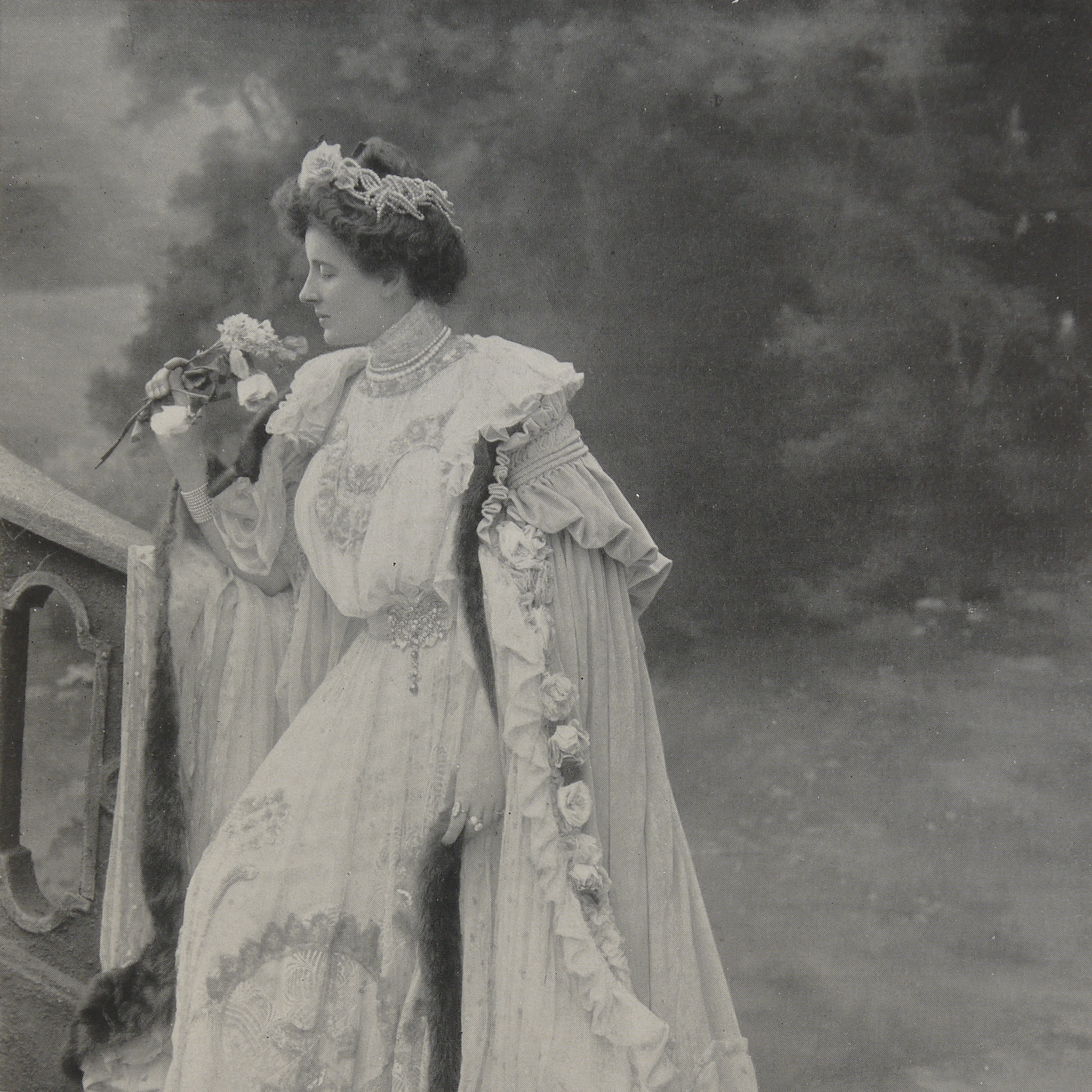
我们也能花点时间聊聊她坐在包厢里穿的那条绝美礼服吗?
Can we also have a moment for her amazing dress that she's wearing in the box?
这段描述真的很棒。
It's a really good description.
这是对她的描述,如果我混淆了她和另一位令人惊叹的德·盖尔芒特公主的着装,请纠正我——我觉得我没有搞混,但她的礼服像铠甲一样缀满亮片。
It's a description of her correct me if I've conflated her with the other incredible toilette of the Princess de Guermantes, which I don't think I have, but hers is sequined like armor.
对吧?
Right?
公爵夫人。
The Duchess.
而公主的礼服则像一件梦幻般的羽毛制品,非常柔和。
And the princess, it's like a fantastical feather, just very much softer creation.
总之,哦,是的。
Anyway Oh, yeah.
这种对比和令人愉悦的着装。
The contrast and delightful toilette.
是的。
Yes.
确实如此。
Indeed.
对。
Yeah.
对。
Yeah.
这真是很棒的时尚。
That's just some great fashion.
而且还有,对。
And there's yeah.
不管怎样,关于鞋色的东西很多。
There's a lot of stuff about shoe color anyway.
是的。
Yes.
这场悲剧的核心居然是鞋履的颜色。
Tragic scene that centers on shoe color.
你可能觉得这不可能,但确实如此。
You wouldn't think this is possible, but indeed.
是的。
Yeah.
但说到整体结构,我想的是更宏观的方面——我觉得读这卷书让我感到满足,部分原因是我对普鲁斯特的了解正在深入,因此注意到了与前几卷的联系。
But speaking of overall structure, I think of the broader, like, I think one of the things I also found satisfying about reading this volume was maybe also because I'm now progressing in my Proust knowledge was noticing connections to earlier volumes.
例如,圣路易的情人拉切尔,原来是叙述者在第二卷中终于放下吉尔贝特后,只为聊天而去拜访的那位性工作者。
For example, Saint Louis' lover Rachel turns out to be the sex worker that the narrator visited just to talk to when he when he was finally over Gilbert in in volume two.
嗯。
Mhmm.
第一卷中那位与丑闻相关的粉衣女子,后来被揭示其实就是奥黛特,如今已成为斯万夫人。
The from the woman in pink from volume one, who's associated with a scandal, is revealed as actually having been Odette, who's now madame Swan.
因此,一切显得如此细腻地层层交织,而你在持续阅读的过程中,会因记忆被唤醒而获得回报——这显然正是阅读的关键所在。
So everything feels so delicately layered and you're kind of getting rewards or by having your memory, which obviously is a key feature, jogged as you keep reading.
对。
Right.
你的记忆被唤起,同时也某种程度上被取代了。
Your your memory jogged, also replaced in a sense.
因为这些重新诠释,或者说重新识别,确实令人震惊,并对以往的记忆产生了巨大影响,无论那些记忆多么准确。
Because these these reinterpretations are really or these reidentifications perhaps are really jarring and have a huge effect on the previous memory as accurate as that one may have been.
是的。
Yeah.
确实如此。
Indeed.
有时这种令人震惊的感觉也会在叙事中重现,就在奥黛特被揭穿的那一刻,叙述者说,好吧。
And sometimes that's the the jarringness is replicated in the narrative because that in that moment where Odette is revealed as the the narrator says, okay.
这算是个插曲。
This is a digression.
你会明白为什么这值得。
You'll see why it's worth it.
对。
Right.
同时引入了一个不会再出现的角色,但后来会变得很重要。
While also introducing another character who doesn't come back, really, but then it's gonna be significant later.
所以一切都构建得如此精心。
So it's everything is just so carefully built.
而这正是让这些书籍成为让人沉浸其中的世界的一部分。
And which is part of what makes these books a world that you can get immersed in.
嗯。
Mhmm.
我觉得你肯定同意,世界构建通常与类型小说更相关,但我想不到比这更好的词来形容普鲁斯特所做的事。
I don't I bet you agree that world building is more associated with genre fiction, but I can't think of a better phrase than that to describe what Proust is doing.
不。
No.
我完全同意。
I completely agree.
确实如此。
It really does.
而且它还具备那种梦幻般的沉浸感,这也是优秀类型小说所拥有的。
And it also has that sort of dreamy absorptive quality that the best genre fiction has too.
我的意思是,当然不是所有类型小说都如此,但当你感觉它真的带你进入另一个世界时,那种感觉特别强烈。
I mean, certainly not all, but where you just feel like it's truly going through a portal to another place.
在这种情况下,它几乎让人感觉像是穿越到了另一个时代。
In this case, it almost feels like a portal to another time.
考虑到我们正在讨论的这本书的标题,这一点并不令人惊讶。
No no shock there given the title of the book we're working on.
这是世界构建,还是……天啊,我真讨厌自己,是时间构建?
Is it world building or is it, oh gosh, I hate myself, time building?
哦,这正好引出了一个更学术的角度来思考这部作品,因为你知道,各卷之间的互文引用也是普鲁斯特用来关注写作过程、关注写作本身的一种方式,用更学术的术语来说,这可以被称为元文本性。
Oh, well, that's a great segue into a more kind of academic way of thinking about thinking about this this text because, you know, the intervolume references are also part of how Proust is drawing attention to the to the writing process, to writing itself, to what would be called in those more academic terms, I guess, meta metatext metatextuality.
嗯。
Mhmm.
嗯。
Mhmm.
所以作家们参加沙龙,角色们讨论文学。
So writers attend the salon, the characters discuss literature.
不过,这并不显得生硬。
Although, this isn't heavy handed.
我必须向所有正在听这个并考虑阅读这本书的人强调一下。
I really must emphasize to any people can listening to this and considering reading.
这本书很有趣。
It's it's it's funny.
你知道,有一个场景,其中一个角色提到了‘蓝色沙龙’,以及作家书信与小说之间的区别。
You know, there's a moment where they're trying to one of the characters references, I think, Salon Bleu and the difference between a writer's letters and his novels.
他们确实记不起那个名字了。
And they can't Yes.
他们想不起来那个名字来讨论这个。
That they can't remember the name of to discuss this.
所以,是吗?
So like, is it?
是吗?
Is it?
你知道,他们在讨论这个。
You know, so they're they're discussing it.
是的。
Yeah.
他们在讨论这个,但并不总是很专业。
They're discussing it, not always expertly.
对。
Right.
此外,叙述者还通过一些旁白评论了那个世界中文学和作家的角色。
Also, the narrator in his kind of aside comments on the role of literature and writers in that world.
而这一点也是我这次特别享受的部分。
And that is something that I really especially enjoyed this time too.
我发现它与对话、漫长的社交场景,以及更具反思性的段落都巧妙地交织在一起。
I found it so skillfully interwoven with the dialogue, with the long social scenes, and also in the more reflective passages.
你提到,比如,比尔·巴黎夫人是一位回忆录作家,这一点目前被提及了。
So you mentioned, for example, that madame Bill Paris is a is a memoirist, and that's currently mentioned.
因此,在某种意义上,当现场正在发生时,它同时也被叙述者记录下来了,如果你明白我的意思的话。
So there's a sense in which the live action is already being written as it's also being described by the narrator, if if you see what I mean.
还有这些各种各样的精彩之处。
And there's all these kind of Great.
在回忆录中对场景的描述,与它实际的样子之间,存在着种种对比。
Expositions of what's what it what the what the scene looks like in the memoir as opposed to what it actually is.
以及它在叙述者重述中被呈现给我们的方式之间的对比。
And as opposed to how it's being represented for us in the narrator's retelling of
它。
it.
对吧?
Right?
因为尽管它如此精巧、真实,但它终究只是一种再现。
Because because as artful as it is and as real as it feels, it's of course still a representation.
谁又能说他的版本比巴黎的版本更准确或更不准确呢?
And who's to say that his version is more accurate or less accurate than Yeah.
比巴黎的。
Than Paris's.
是的。
Yeah.
我非常喜欢这一点。
I love that.
读的时候,你感觉仿佛正在与普鲁斯特对话,他正在问你:你觉得故事是如何运作的?
It feels really as though you're having as as you're reading it, you're having a conversation with Proust where he's saying, you know, what do you think about how how stories work?
对。
Right.
对。
Right.
另一个我只想简要提及的例子是,这些内容确实。
And another example that I'll just mention very briefly is so these yeah.
这些内容以各种方式不断交织在书中的不同部分。
These are constantly in interwoven in different ways into different parts of the book.
所以在祖母病重垂死的那段悲伤情节中,也穿插了关于我们之前遇到过的那位作家的延伸讨论。
So in the very sad section where the grandmother is ill and dying, There's also excursus into who's the writer that we've met before.
他正处在自己的事业中。
He's into his career.
他现在非常成功。
He's very successful now.
但他其实也病了。
He's also ill actually.
所以他的作品集取得了成功,而他的身体却正在衰亡。
So it's like his body of work is successful as his physical body is is dying.
腐朽。
Decaying.
是的。
Yes.
对。
Yeah.
而且叙述者正在逐渐不再那么崇拜他的作品。
And the narrator isn't it's kinda moving away from being such a huge fan of his work.
他说他发现了一位他非常喜欢的新作家。
And he says he's found a new writer that he really likes.
但他写的句子非常复杂、冗长。
But he can he writes these really complicated long sentences.
所以当他阅读时,要读完一句这样的句子大约要花上一千次尝试,但当你终于读完时,真的非常值得。
And so the read he when he's reading, he can only get to the end of one in about a thousand of them, but it's really worth it when you do.
所以,所以,所以这个,是的。
So so so this yeah.
这本书中所有这些自我指涉、元文本的元素都令人无比享受。
This kind of all these self referential, like, metatextual elements of the of the book are just so enjoyable.
所以,是的。
So yeah.
我非常喜欢它。
I I loved it.
但随着我继续阅读,尤其是进入后半部分时,我越来越感受到那种氛围有些阴郁,这些社交场景也显得相当压抑。
And yet, especially as I kept reading, getting into the second half, the more I was struck by the mood being kind of bleak or of these social scenes as well-being kind of depressing.
我的意思是,还有另一件事我们没有时间详细讨论,那就是战争的阴影——军事演习,哦天啊。
I mean, there's also as another thing we don't really have time to go into in detail is there's the shadow of war with the military maneuvers and this oh god.
还有那个德国人法芬海姆,对吧?
And the German Faffenheim, isn't he?
是的。
Yes.
非常好。
Very good.
是的。
Yeah.
而且还在抱怨英语。
And complaining about the English.
是的。
Yeah.
所以我觉得,这部作品中也笼罩着一种阴影,既有幽默、喜剧,甚至可以说近乎欢快的元素,又带着一种忧郁的氛围。
So I think there's a kind of shadow over over this text as well as there being kind of interplay between like funny comic, almost I know joyous might be too far, but and then kind of melancholic aspect.
对。
Yeah.
我觉得这卷书既非常幽默,又深深动人,还带着悲伤,三者几乎相当。
I thought this volume was deeply funny and really touching and sad, kind of an equal measure.
而且有时候,这两种情绪真的会交汇在一起。
And sometimes those two moments converge, really.
这一卷中大量描写了盖尔芒特家族的风雅,那种盖尔芒特式的机智,而他们自己却否认这种特质的存在。
There was a lot of dwelling in this volume on prees de Guermantes, which is sort of the wit of the Guermantes, which they themselves deny existing.
就像公爵夫人所认为的那样,这种特质如同‘方圆形’一样根本不存在,而她自己却自诩是唯一拥有它的人。
A thing as nonexistent as the squared circle according to the duchess who regarded herself as the sole Guermantes to possess it.
所以她认为,真正的、也就是出身于贵族的吉尔芒特家族成员,并不拥有吉尔芒特式的机智。
So she thinks that the real, I mean, the Guermantes by birth are not possessors of the Guermantes wit.
但在社交圈中,人们普遍认为这个家族特别有灵性,也就是说机智、聪明,或者类似的东西。
But it is known in society that this family is supposed to be particularly spiritual, which means witty or clever or I don't know.
这是那种难以翻译的法语词汇之一。
That's that's one of the sort of untranslatable French words.
对吧?
Right?
嗯。
Mhmm.
但实际上,这种机智往往流于表面且尖刻,虽然它可能让你微笑,但也正是它揭示了世俗阶层的空虚。
But in practice, that wit is often superficial and cutting, and while it it may make you smile, it also really is one of the things that reveals the emptiness of the worldly set.
没错。
Right.
没错。
Right.
所以,如果我们把它看作是盖尔芒特式的气质,它既聪明、有趣,令人愉悦,但同时也蕴含着我们提到的那种阴郁。
So if we think of it as the Guermantes vibe, it is like clever and funny and pleasurable to encounter, but also contains within itself that bleakness of that we're mentioning.
是的。
Yeah.
在这一卷的结尾处有一个精彩的场景,斯万虽然不是盖尔芒特家族的人,却与这种盖尔芒特式的机智紧密相关,并被认为拥有这种特质。
There's a great scene toward the end of this volume where Swan, although he's not a Guermantes, he's strongly associated with this Guermantes wit and is said to possess it.
斯万和盖尔芒特公爵进行了一次对话,因为公爵自己坚信,他收藏的一幅画是未被发现的委拉斯开兹作品。
Swan and monsieur de Guermantes, the duke, are having a conversation because messier de Guermantes has persuaded himself that a painting he owns is an unrecognized Velazquez.
于是,他向他的朋友斯万——一位知名的艺术鉴赏家——询问这幅画的看法。
And so he asked his friend, Swan, who's a known art connoisseur, about the painting, about his opinion.
所以,他是这么说的。
So here's what he says.
但你是个业余爱好者,却是这方面的高手。
But you're a dilettante, a master of the subject.
你觉得这幅画是谁画的?
To whom do you attribute it?
你足够专业,应该有些看法。
You're enough of an expert to have some idea.
你觉得这画是谁的作品?
What would you put it down as?
斯万在那幅画前迟疑了片刻,显然他认为这画糟透了。
Swan hesitated for a moment before the picture, which obviously he thought atrocious.
一个拙劣的笑话,他微笑着回答,而公爵则无法抑制地流露出愤怒的神情。
A bad joke, he replied, with a smile at the duke who could not check an impulsive movement of rage.
是的。
Yeah.
公爵脾气暴躁。
The duke, he's irascible.
他脾气暴躁。
He's irascible.
但这个场景,虽然很明显,我是说,非常有趣。
But this scene, even though it's clear I mean, that's that's very funny.
顺便说一下,这显然是普鲁斯特在社交场合听到后记录到他书中的一个俏皮话。
That's apparently, by the way, a witticism that that Proust actually heard in society and then transcribed into his book.
是的。
Yeah.
根据我这卷书的注释,我对此感到非常着迷。
According to the notes to my volume, which I was charmed by.
我会记住这一点。
I'll keep that.
是的。
Yeah.
他觉得,这真是个不错的笑话。
He's like, that's a good one.
没错,尽管这个回应明显很有趣,但你会怎么归类它呢?
That's so but even though that is clearly a a funny response, who would you what would you put it down as?
我会把它归为一个拙劣的笑话。
I would put it down as a bad joke.
这显然是在嘲笑吉尔芒特先生的野心,揭示了斯万对这一主题更深入的了解。
That's obviously making fun of monsieur de Guermantes' ambitions, revealing Swan's greater knowledge of the subject at hand.
这有点像是向上层人士开炮,因为吉尔芒特先生根本不会因为这幅画一文不值而受到伤害——他实在太富有了。
It's kind of punching up as it were because monsieur de Guermantes cannot really be hurt by the fact that this painting is worthless because he's so insanely rich.
但尽管这无疑是一个尖锐的俏皮话,整个场景依然十分凄凉,因为斯万明显带着病态出现在吉尔芒特家。
But even though it's definitely somewhat trenchant witticism, the scene is nevertheless quite bleak because Swan has shown up at the Guermantes' house very visibly ill.
叙述者说他变得极其憔悴,似乎他不仅是为了和吉尔芒特夫人讨论他最近写的一篇文章而来,更是要向这些名义上算是他好友的人宣布自己即将死去。
The narrator says that he's horribly changed, and it seems that he has come not only to talk to Madame de Guermantes about some article that he's written recently, but also to announce to these who are putatively some of his better friends that he is dying.
但当斯万看起来如此虚弱地出现时,吉尔芒特先生并没有关心他的健康状况,反而立刻把他拉到一旁,只为满足自己验证一件实际上根本是赝品的东西的自私目的。
But rather than inquire into his health when he shows up looking so unwell, monsieur Guermantes immediately corners him for his own selfish purposes of authenticating something that is, in fact, inauthentic.
我觉得这种氛围贯穿了整个场景,虽然这里有几个非常幽默的时刻,但那种幽默属于黑色幽默或凄凉式的幽默。
And I find that just sort of that current runs throughout this whole scene, which has several very funny moments, but funny in the sort of gallows humor or bleak mode.
是的。
Yeah.
所以当吉尔芒特夫人听到这个消息时,她说‘你在开玩笑吧?’,整个笑话的意味就在此刻被带了出来。
So the whole idea of the joke is put into play in this bit when Madame de Guermantes hears the news, and she says, are you joking?
对。
Right.
对。
Right.
没错。
That's right.
她会比我们都活得久,她说,这显然是对一位明显病重、医生已断言他时日无多的人极其轻率的回应。
You will outlive us all, she says, which is of course a very flippant thing to say to someone who's visibly deeply unwell and whose doctors have given him not long to live.
嗯。
Mhmm.
她和德·盖尔芒特先生并没有留下来陪伴这位病重的朋友,反而声称必须立刻离开;然而,当德·盖尔芒特先生注意到她穿着黑鞋搭配红裙时,竟仍让她回去换上红鞋,尽管他们本来说好赶时间。
And rather than stay in and perhaps spend time with her ill friend, she and monsieur de Guermantes must, they say, rush off, And yet when messier de Guermantes perceives that she is wearing black shoes with her red dress, he sends her back in to change into red shoes even though they were theoretically in such a rush.
对。
Right.
有时间做这个。
There's time for that.
我觉得这里有两场重要的角色临终场景,虽然斯万实际上并没有在这里去世,但他正在死去,这两场场景都非常感人。
I think so there's two this is a I mean, Swan doesn't actually die here, but he's dying and it's very affecting this to this two major character dying scenes, I guess.
另一场是祖母的。
And the other one is the grandmother's.
我觉得在这两场中,其他角色都显得匆忙,是的。
And I think in both, it's interesting how other characters are in a rush Yeah.
在他们周围忙着去参加社交活动。
Around them to do to do something social.
当叙述者带祖母去看病时,她刚在公园里发病,那位医生也正赶着去吃晚饭。
The doctor that the narrator takes the grandmother to see when she's had her episode in the in the park Mhmm.
那位医生也正赶着去吃晚饭。
Is rushing to go out to dinner as well.
是的。
And Yes.
对。
Yeah.
有一种没有时间的感觉。
There's a sense that there's no time.
没有时间去死。
There's no time to die.
没有时间留给垂死的人。
No time for the dying.
这里总是有这种反思。
There's always these kinds of reflections here.
这还关乎人们的相对重要性。
It's also the relative importance of people.
对吧?
Right?
因为那个医生眼里的祖母算什么?
Because who is the grandmother to that doctor?
你知道的?
You know?
但在这个情况下,确实如此。
And but and in that case, it's true.
那个医生的奶奶是谁?
Who is the grandmother to that doctor?
那位医生 presumably 经常在工作中面对垂死的人。
That doctor is someone who sees dying people presumably regularly as part of his professional life.
但当同样的匆忙出现在朋友之间的场景中时,本应有不同的态度,这种带有差异的重复反而更凸显了那种‘没有时间面对死亡’的感觉,是的。
But for that same rush to come back in a scene where it's between friends, where there should be a different attitude, that sort of repetition with a difference points it up all the more, the feeling that there's no time for death Yeah.
当还有那么多欢乐可享时。
When there's so much gaiety to be had.
是的。
Yeah.
而活着的人无法承受或无法直面它。
And the living can't cope or can't confront it.
嗯。
Mhmm.
在整个祖母经历临终病痛的过程中,叙述者始终在场。
And the narrator is fully there the whole time that his grandmother is experiencing her final illness.
但与此同时,他又有些疏离。
But at the same time, he's kinda detached.
这是书中非常令人不安且悲伤的一部分。
It's a very disturbing and sad part of the book.
但是
But
感觉某种意义上很冷漠。
It felt somehow clinical.
我是不是想错了?
Am I am I wrong?
感觉非常理性且冷漠。
It felt really analytical and clinical.
事实上,我曾担心自己会觉得读起来几乎难以承受。
In fact, I was I was afraid that I would find it really almost unbearable to read.
嗯嗯。
Mhmm.
但我没有,因为有一种疏离感。
But I I didn't because there was this sort of detachment.
另一方面,有一个更早的场景,叙述者去军营看望朋友,并给祖母打电话。
Whereas on the other hand, there's an earlier scene where the narrator is visiting his friend at his army barracks and calls his grandmother on the phone.
当然,当时电话还是新兴技术,不可靠,容易受接线员的情绪影响,是的。
Of course, the telephone is a new technology at this time and unreliable and subject to the whims of the women that work switchboards Yeah.
这一点被详细描绘出来,非常优美,也很有趣。
Which is evoked at length and very, you know, beautifully and funnily.
但他们失去了联系,这在电话的早期时代并不意外,今天也不算太意外,只不过我们现在知道该怎么办了。
But they they lose the connection, which is not so unexpected in these early days of of telephone, nor is it so unexpected today, but now we know what to do sort of.
巴黎和附近小镇之间断线的场景,我觉得比祖母去世的场景更令人心动。
And the scene where they've lost connection between Paris and a nearby town is I I thought I found it more moving than the scene of her death, really.
艾玛,你愿意读一下这段吗?
Emma, would you like to read this passage?
展开剩余字幕(还有 430 条)
是的。
Yeah.
因为这就是他们失去联系的时刻。
Because this is the moment then they they've lost that.
他们失去了联系。
They've lost connection.
而且这也很感人,因为他们作为人与人之间的关系也在逐渐疏远。
And it is also it's very moving because they are becoming more disconnected with each other as people as well.
是的。
Yeah.
对。
Right.
叙述者几乎——我不知道这是否过度解读了——但一旦她明显病倒,他就几乎把这当成一种背叛,你觉得呢?
The narrator almost I don't know if this is over reading, but once she is visibly sick, he kind of almost takes it as a betrayal, do think?
因为在第二部分的开头,他说,你知道,她还没走,就已经离开了我。
Because in the beginning of the of the second part, he says, you know, she'd left me before she'd even left.
而且这也可能与他成长有关。
And if it is also to do with him growing up.
是的。
Yeah.
他从丹西尔回来时,看到她,而她还没注意到他,他发现她看起来像个陌生人,就像一位普通的老太太。
He gets back from Dancier and sees her when she doesn't see him yet, and observes that she looks like a stranger, just like any old woman.
所以,是的,我认为确实存在一种日益加深的疏离感。
So yeah, I do think there's a growing detachment.
是的。
Yeah.
所有这些形式的距离和疏离,最终在她临终时得到了再现。
There's all these forms of distance and detachment, and then replicated in her dying.
我想,这可以说是这一转变的关键时刻。
And I suppose that you could say that that is this is the pivotal moment for that.
嗯。
So Mhmm.
他们失去联系不仅具有象征意义,而且在那一刻也令人深受触动。
Their loss of connection is so symbolic as well as being really affecting in the moment.
叙述者写道:我祖母再也听不见我了。
The narrator writes, my grandmother could no longer hear me.
她不再与我沟通了。
She was no longer no longer in communication with me.
我们已不再面对面,无法彼此听见。
We had ceased to stand face to face to be audible to one another.
我继续呼唤她,在空寂的夜里,我感到她的呼唤也一定在四处飘荡。
I continued to call her, sounding the empty night in which I felt that her appeals also must be straying.
仿佛我们早已成为我任其迷失在幽灵世界里的挚爱幽灵。
It seemed as though we're already a beloved ghost that I had allowed to lose herself in the ghostly world.
我独自站在乐器前,徒劳地一遍遍重复着:祖母,祖母,就像那个被遗弃的人,独自重复着亡妻的名字。
And standing alone before the instrument, I went on vainly repeating, grandmother, grandmother, as obvious, left alone, repeats the name of his dead wife.
真让人难过。
So sad.
所以
And so
你觉得
you think
关于他们在第二卷中敲门和进行特殊交流的事。
about them knocking and having their special communications in volume two.
对。
Right.
但即使在他们身处巴贝克期间,他们也渐行渐远。
But even even during their time in Baabek, they draw further apart.
是的。
Yeah.
所以他们从敲门这种状态开始,然后他发现了这个世界。
So they start from this place of knocking, and then he discovers the world.
接着,他去拜访了在巴贝克时结识的一个人,而她却不在身边。
And then here he is visiting one of the people he had befriended in Babec and away from her.
我也觉得他把自己比作俄耳甫斯,并把祖母放在恋人位置上,这非常有趣。
I also find it really interesting that he compares himself to Orpheus and puts his grandmother in the place of a lover.
我认为这里部分发生的是从家庭转向恋人的过程。
And I think part of part of what's happening here is the move from family to lovers.
俄耳甫斯独自一人离开了。
Orpheus left alone.
呃。
Ugh.
这真的只是
It's just really
是的。
Yeah.
太感人了。
It's so moving.
关于这一点令人动容。
Moving about it.
是的。
Yeah.
我在空寂的夜里继续给她打电话。
I continued to call her in the empty night.
她的呼唤一定也很奇怪。
Her appeals also must be strange.
所以,她会回应,而他却听不见她的声音。
So the idea that she'd be calling back and he just can't hear her.
是的。
Yes.
对。
Yeah.
我的意思是,毫无疑问,让他更显悲情的是,他无疑是对的。
And I mean, I in in doubtless, what's what makes it even more poignant is that doubtless, he was right.
你知道吗?
You know?
毫无疑问,她正对着电话呼唤他,但他们的声音就是无法彼此传达。
Doubtless, she was at her telephone calling to him, but their voices just couldn't reach each other.
哦,这非常感人。
Oh, it's very moving.
是的。
Yeah.
是的。
Yeah.
我想这也是因为在这种时刻,打电话并不是一种常见的行为。
I suppose it's also because the telephone is a less typical thing to use in that moment.
但这种情况可能是一种哽咽着的倾诉。
But this is a kind of it could be sobbing off.
是的。
Yeah.
所以你经常会失去电话连接。
So you lose the lose phone connection all the time.
就像是,喂?
It's like, hello?
喂?
Hello?
你在火车上听过多少次别人打电话?
How many times do you overhear someone on the train?
你就是觉得,别这样。
You're just like, no.
别在火车上打电话。
Don't make phone calls on the train.
抱歉。
Sorry.
我在火车上。
I'm in the train.
是的。
Yeah.
但在那个特定的历史时刻,伴随着电话的出现,以及他看待这些日常事物的方式和写作方式,这一切变得如此悲伤而又美丽。
But out of that, in this particular historical moment of of the telephone, but also through his through his way of writing, through his way of thinking about these everyday things made it so so sad and so beautiful.
是的。
Yeah.
我认为,这并不是要把我们的阅读体验简化为一句精辟的话,但这本书的很多内容都是关于一些极其普通的事物。
I do think, I mean, that's not to reduce our reading experience to one pithy statement, but a lot of this book is about really ordinary things
嗯。
Mhmm.
却被以一种非凡的方式审视。
And looked at in an extraordinary way.
是的。
Yeah.
死亡始终贯穿其中。
With like death underwriting the whole thing.
始终被死亡所隐含。
Always subtended by death.
我们所有人,艾玛,其实都一样。
Just as are we all, Emma, really.
确实如此。
Indeed.
然而却在笑。
And yet laughing.
正是如此。
That's exactly it.
这是第二卷那种凄凉的笑声。
The bleak laughter of volume two.
我们真的只是在重复它。
We're just replicating it truly.
但你知道,那并不是全部,这卷书不只是凄凉和笑声。
But, you know, that but that's not all it's not just bleakness and laughter in this volume.
还有一种第三种状态,我觉得我一时找不到合适的词来形容,但它是一种审美沉思的状态。
There's also this third mode, which I feel like I can't quite find the right word for it, but it's sort of a mode of aesthetic contemplation.
你知道我在说什么吗,艾玛?
Do you know what I'm talking about, Emma?
是的。
Yeah.
当然。
Definitely.
如果我们对同一件事达成共识,那么确实存在一些令人愉悦的描述性时刻,因为能感受到叙述者在观察中获得乐趣。
If we're agreeing on the same thing, there are these descriptive moments that are really pleasurable also because there's a sense that the narrator is taking pleasure in observation.
而且他还用完全出人意料的隐喻性语言来描述一些相当平常的事物,这种跨感官的奇妙并置——将不同领域的视觉、听觉和感受交织在一起——令人着迷。
And also that he's, yeah, describing something relatively commonplace in completely unexpected metaphorical language, and there's just sort of fascinating, almost synesthetic juxtapositions of different sights and sounds and sensations from one realm to another.
我最喜欢的一些例子是,他有一种倾向。
And some of my favorite examples of this are, he has a tendency.
我挑了几个例子供我们分析,但我想说,这种风格在之前的卷中就已经开始了。
I we I've picked out a couple examples for us to look at, but I would say it it already had started in previous volumes.
他喜欢把人物描述成水生生物。
He loves to describe people as aquatic beings.
我们之前已经讨论过宁芙仙女了,对吧?在上一集中,但似乎他对社会有一种特别的迷恋,将其视为某种水族馆或水神的表演。
We'd already talked about the nymphs, right, in our last episode, but there seems to be a real fascination with society as a sort of aquarium or a play of water deities, I guess.
我只想说,你还记得他是某家水公司的投资人吗?
Which can I just say, she remember that he is he's an investor in a water company?
我
I
确实,我忘了。
indeed, I forgot.
所以他本身就是富有的。
So he's just independently rich.
因为他投资了水产业。
Because of his water investments.
没错。
That's right.
但显然,他在水产业上不仅有经济上的投资,还有诗意上的投入。
But he's also, you know, poetically invested in the water company evidently.
在这一卷的早期,他就曾在歌剧院经历了一幕我们之前提到过的戏剧性场景,那时他再次见到了劳鲍玛,并出乎意料地重新评估了她。
One of these happens really early in this volume when he's at the opera in that sort of theatrical scene that we had already mentioned at the where he sees La Bauma again and reevaluates her, much to his surprise.
但说实话,从我的角度来看,他重新评估阿拉巴马的这段情节,相比之下远不如他仰望上方包厢里满座的上流社会那样令人印象深刻,或者我们该怎么称呼那些地方?
But honestly, to me, his reevaluation of Alabama, this is my perspective, is forgettable compared to the way that he sees the the stalls full of high society above him, or what do we call them?
上方包厢里满座的上流社会。
The boxes full of high society above him.
我来读一小段摘录,这样你们就能明白,这些地方是如何变成水之王国的。
I'll read just a short excerpt so that you can see how they turn into watery kingdoms.
在他们这一侧,是乐队席位,一群凡人永远被隔绝在透明而朦胧的领域之外,而那领域在某些地方以其盈满的表面作为边界,水仙女清澈如镜的双眼便映照其中。
On this side of them began the orchestra stalls, a boat of mortals forever separated from the transparent shadowy realm to which at points here and there served as boundaries on its brimming surface, the limpid mirroring eyes of the water nymphs.
对于岸边的折叠座椅,包厢中那些怪物的形体,便以简单的光学规律被投射在这些眼睛的表面上,依照入射角的原理,正如我们对待外部现实中的两类事物时一样——我们知道它们没有任何哪怕最原始的灵魂,足以与我们自身类比,若向它们微笑或投以认出的目光,我们自己都会觉得疯狂,那就是矿物,以及我们未曾结识过的人。
For the folding seats on its shore, the forms of the monsters in the stalls were painted upon the surface of those eyes in simple obedience to the laws of optics, and according to their angle of incidence, as happens with those two sections of external reality to which, knowing that they do not possess any soul, however rudimentary, that can be considered as analogous to our own, we should think ourselves mad if we addressed a smile or a glance of recognition, namely minerals and people to whom we have not been introduced.
艾玛,你能稍微解释一下他这段话的意思吗?
Emma, can you paraphrase a little bit what he's saying?
因为我觉得这其实是个极其精彩的笑话,但我担心这句话太长,可能让我们的听众迷失了。
Because I think that this is really a spectacular joke, but I'm afraid that the length of that sentence may have lost our listeners.
换句话说,你说剧院就像一片海景。
Effectively, you're saying that the theater is a seascape.
是的。
Yes.
然后岸边还有一些生物。
And then there are kind of creatures on the shore line.
不是吗?
No?
这些生物是被映照出来的吗?
Who are kind of mirrored?
是的。
Yes.
在那些眼睛里。
On the eyes.
对。
Yeah.
在眼睛里。
On the eyes.
但把它们认出来会是个错误。
But it would be a mistake to recognize them.
嗯,把它们当作真实的存在来认出来确实是个错误,是的。
Well, it it would be a mistake to recognize them as the real beings Yeah.
因为它们实际上是镜像,而不是真实的存在。
Because because they are in fact mirror images and not real beings.
于是他开了个玩笑,说你基本上不会向镜像介绍自己,因为它没有灵魂。
And so then he makes this joke that you you wouldn't introduce yourself basically to a mirror image because it doesn't have a soul.
如果你向镜像介绍自己,那你简直就是疯了,而这里没有灵魂的东西是
You'd be like a lunatic if you were to introduce yourself to a mirror image, and and the things that do not have any souls here are
说说看。
Name me.
矿物。
Minerals.
是的。
Yeah.
那就是矿物,以及我们尚未结识的人。
That's Minerals and people to whom we have not been introduced.
但这非常复杂。
But it's deeply complicated.
就像你实际上正处于句子的恍惚状态时,要跟上一个命题到下一个命题并不难,但要真正总结它却变得极其复杂,尽管我觉得这个笑话的妙处几乎立刻就能感受到。
It's like actually really quite as as you're, yeah, as you're in the sort of fugue state of the sentence, it it's easy enough to sort of follow one proposition to the next, but then to summarize it actually becomes fiendishly complicated even though the delight of the joke, I think, is apparent for me almost immediately.
但接着去思考那些与真实眼睛相关的水下光学难题。
But then to actually think of the underwater optical troubles that are also optical troubles that have to do with with literal eyes.
是的。
Yeah.
这一切真的相当令人困惑。
It's all really rather confusing.
《普鲁斯特的好奇心》由公共书籍合作推出,这是一家在线思想、艺术与学术杂志。
Proust Curious is brought to you in partnership with Public Books, an online magazine of ideas, arts, and scholarship.
您可以在 publicbooks.org 找到我们。
You can find us at publicbooks.org.
那就是 publicbooks.org。
That's publicbooks.org.
要为 Public Books 捐款,请访问 publicbooks.org/donate。
To donate to public books, visit publicbooks.org slash donate.
到目前为止,我们讨论了社会层面、情感层面和文学层面,但这本著作也具有很强的政治性,深入探讨了当前的重要事件。
So so far, we have talked about the social, we've talked about the emotional, we've talked about the literary, but this is also a really political volume, which treats extensively important current events.
我的意思是,我提到过欧洲战争的阴影,以及殖民地所面临的类似阴影。
I mean, I've mentioned the shadow of war, the war in Europe as a kind of as kind of shadows of the colonies as well.
在这本书中,反犹主义——这个我们已经提到过的 recurring 主题——变得更加突出。
And in this volume, antisemitism, which is a recurring theme of the and that we've mentioned already, becomes much more prominent.
这是对德雷福斯事件进行反复且深入讨论的结果。
And this is the result of repeated and in-depth discussion of the Dreyfus affair.
此外,还有德雷福斯事件本身,或者支持或反对德雷福斯的人,比如叙述者的朋友圈,以及这些沙龙、贵族社交圈中的立场,因为这成为了一个关乎归属感的重大问题,不仅在朋友群体中,也在巴黎乃至整个法国。
And also who is Dreyfus affair or anti Dreyfus affair, like pro or against Dreyfus among the narrator's acquaintances and in these salon social aristocratic worlds because it becomes an enormous question of belonging both within friend groups and in Paris and in and in France.
那么,汉娜,德雷福斯事件是什么?
So, Hannah, what was the Dreyfus affair?
我们之前提到过,但现在让我们更详细地讲一讲。
We have mentioned it before, but let's go into a bit more detail now.
是的。
Yeah.
我们在上一期节目中简要提过,但德雷福斯事件实际上是第三共和国的标志性事件。
We mentioned it briefly in our last episode, but the Dreyfus affair was really the emblematic drama of the third republic.
第三共和国存在于1871年至1940年之间。
The third republic dated from 1871 to 1940.
它既是政府渎职的典型案例,也是欧洲反犹主义历史中的一个重要节点。
And it remains both a critical example of government malfeasance and a touchstone in the history of European antisemitism.
这里给出一个简要版本,尽管其中还有很多细节没有完全涵盖。
Here's the sort of TLDR version, although there are many twists and turns that are not fully covered here.
1894年,阿尔萨斯犹太人阿尔弗雷德·德雷福斯,时任法国陆军上尉,被错误地判定犯有向德国军队泄露军事机密的罪行,判处终身苦役和流放。
In 1894, the Alsatian Jew Alfred Dreyfus, who was a captain in the French army, was wrongly condemned to a lifetime of forced labor and exile for the crime of having turned over military secrets to the German army.
现在,另一位法国军官费迪南·沃尔森·埃斯特哈齐才是真正的叛徒。
Now Ferdinand Wollsen Esterhazy, another French officer, was the real traitor.
但尽管他被送上法庭,却于1898年1月11日被宣告无罪。
But although he was brought to trial, he was acquitted on 01/11/1898.
两天后,埃米尔·左拉发表了《我控诉》一文,这是一封致共和国总统的公开信,指控政府串通导致埃斯特哈齐无罪释放。
Two days later, Emile Zola published Jacques Juice, an open letter to the president of the republic, which alleged that governmental collusion had led to Esterhazy's acquittal.
尽管这篇文章引发了反犹太和反德雷福斯的示威,但也更公正地促使了对德雷福斯的新民事审判开始。
Though this article provoked antisemitic and anti Dreyfus demonstrations, it also more justly caused a new civil trial to begin for Dreyfus.
1899年,他被释放;1906年,他最终获得正式赦免。
And in 1899, he was released, And in nineteen o six, he was finally officially pardoned.
奇怪的是,他重获自由后再次为法国军队服役,这可不是我会做的决定,但确实如此。
Weirdly, he used his freedom to serve once more the French army, which is not the decision I would have made, but Yeah.
他在第一次世界大战中服役。
He served in the first world war.
是的。
Yes.
所以阿尔弗雷德对这件事的投入非常令人钦佩。
So very sort of impressive commitment to the there from from Alfred.
但这种最终被推翻的冤案,在文学和历史意义上,简直是一出悲剧性的喜剧。
But this this, I mean, a wrongful conviction that is ultimately overturned is sort of a a tragic a tragic comedy in the sort of most most literary historical sense.
但他的定罪和最终的无罪释放,对法国社会产生了深远的影响。
But his conviction and eventual acquittal really had an outsized effect on French society.
这看似是一个人的处境,却因引发的广泛讨论而牵动了整个国家。
It it was a situation that involved one man, but it really involved the whole country because of the amount of discourse it generated.
是的。
Yeah.
对。
Yeah.
它演变成了德雷福斯派和反德雷福斯派的对立。
It became team Dreyfus, team anti Dreyfus.
没错。
Yes.
你真的能在这本书中清楚地看到这一点。
You really, really see that in this volume.
我想,这是一个关于极化现象的典型案例,当它被阴谋论和对政府的不信任所感染时。
It's, I guess, a case study in the kind of polarization Mhmm.
当它被阴谋论和对政府的不信任所感染时,就会出现这种极化。
That can happen when it it gets infected by conspiracy theories, mistrust of government.
嗯。
Mhmm.
但它确实像我们至今仍在经历的某些现象的典型范例。
But it feels really like a kind of paradigm for for some of what we continue to live through.
是的。
Yeah.
尤其是现在。
Especially right now.
是的。
Yeah.
是的。
Yeah.
所以普鲁斯特写了序言。
So Proust was preface.
他是德雷福斯无罪的辩护者,也就是说,他站在了人们常说的历史正确的一边。
He was a defender of Dreyfus' innocence, I e, he was on what people love to refer to as the right side of history.
对。
Right.
他是的。
He was.
他当时在……他当时在……
He was in in He was
而且这一点……
in And this
然而,这卷书主要展现了反德雷福斯事件。
yet, this volume mainly showcases the anti Typhus affair.
嗯。
Mhmm.
所以这实际上是反德雷福斯派角色的一种真实变体。
So really a real variation of anti Dreyfus characters.
其中一些人反德雷福斯到连其他反德雷福斯事件都反对的地步。
Some of whom are so anti Dreyfus that they're they're also against the other anti Dreyfus affair enough.
对。
Right.
对。
Right.
对。
Right.
对。
Right.
然后叙述者并没有明确表露自己的立场。
And then narrator doesn't really show his cards that clearly.
他就说,我问了这个人关于德雷福斯事件,我们讨论了一会儿。
He's just like, I asked this person about the Dreyfus affair, we discussed it for a bit.
我的意思是,对。
I mean Right.
他的朋友圣路易,可能圣路易和斯万都是德雷福斯派。
His friend, Saint Louis, probably the most Saint Louis and Swan are the Dreyfus.
嗯,还有布洛克,但是
Well, and block, but
布洛克其实并不是。
block is not really.
当然,布洛克。
Of course, block.
他在这个问题上其实别无选择。
Doesn't really have a choice in the matter.
对。
No.
嗯,一个人也是如此。
Well, neither does one.
对吧?
Right?
是的。
Yeah.
没错。
True.
根据当时占主导地位的逻辑,而这种逻辑正是叙述者所讽刺的。
According to the logic that prevails at this time, which is which the narrator skewers.
但有一段关于他夜间外出的描写,我认为从中可以清楚看出,叙述者也倾向于支持德雷福斯,但这只是简短提及,主要目的显然不是表达叙述者的观点。
But there's there's one passage I think on his night out with where it becomes clear that the narrator too inclines to support Dreyfus, but it's a very brief mention, and it's certainly the main point is not the narrator's point of view.
相反,德雷福斯事件成为了一种透镜,通过它揭示了某些事物。
Instead, the the Dreyfus affair becomes a lens through which certain things are revealed.
其中之一是贵族阶层和资产阶级潜藏的反犹主义,但另一个则真正关乎我们如何理解历史事件与真相,是的。
One of those things is the latent antisemitism of the noble class and the bourgeoisie, but another is really about how we understand historical events and truth, which is Yeah.
这是一个相当宏大的主题,令人深思。
A pretty massive theme to come up against.
另外,让我印象深刻的是,他们对这场辩论简直上瘾了。
Also, what I was really struck by is how they're kind of addicted to this debate.
辩论者。
Debater.
所以我得用一个挺特别的词来形容它。
So I cannot I've got a funny word for it.
比如,有一个场景是叙述者回到家,发现瓦勒就在他家门外也在争论这件事。
Like, there's one point where the narrator goes home and to Valle outside his house also arguing about it.
所以,这件事不仅影响了这个人的现实生活,也塑造了整个社会的结构。
So the the way that this thing that affects this one man's real life, but also the makeup of a society.
而且,那些弱势少数群体的生活,也成了所有人的一种痴迷,近乎是一种愉快的八卦式沉迷。
And also the, you know, the lives of vulnerable minority population become this obsession and almost like a pleasurable gossipy obsession for everyone else.
对。
Right.
我的意思是,它也带来了真实的政治后果,但确实如此。
I mean, it had real political consequences too, but it it is Yeah.
它只是当天的热门话题。
It is just sort of the topic of the day.
这更像是一个开启对话的引子,而不是真正让人反思不同人群所经历的实际后果。
It's like more of a conversation starter than really something where you're reflecting about the actual lived consequences for different people.
此外,它揭示了贵族阶级和资产阶级强烈的反犹主义。
Also, what it does reveal is the intense antisemitism of the noble class and the bourgeoisie.
那些平时可能从未如此激烈表达过反犹情绪的人,竟能如此轻易地调动起这种情绪。
How casually and easily those who might have never expressed it so virulently in other circumstances are able to draw on it.
我的意思是,这本书里有一些非常令人震惊的片段,尤其是我们可以想想奥黛特,斯万夫人,她嫁给了一个犹太丈夫。
I mean, there's some really shocking shocking parts in this in this volume, I would say, especially, we could also think about Odette, madame Swan, who's who's married to a Jewish husband.
她利用德雷福斯事件引发的反犹情绪来巩固自己的社会地位。
And she really instrument instrumentalizes the antisemitism provoked by the Dreyfus affair to to shore up her state her social status.
她变得激烈反对德雷福斯,只是为了维持自己在朋友中原本就略显不稳的地位。
She becomes passionately anti Dreyfus so that she she can maintain her already slightly precarious position in with her friends.
在上一集中,我想我们讨论过奥黛特是个时尚达人。
And in previous in the previous episode, I think we talked about how Odette is she's a person of fashion.
是的。
Right.
她会非常灵活地根据潮流改变自己的风格。
She changes her style quite deftly depending on what is the trend.
是的。
Right.
这体现在你拥有什么样的花、瓷器和衣服上。
And when that's what flowers and crockery and clothes you have.
是的。
Right.
这是一方面。
That's one thing.
但如果你对整个群体的态度也是如此,那就大不相同了。
But then it's if it's how you feel about a whole group of people, it's pretty different.
我的意思是,有一段文字描述了这种情况的发生。
I mean, there's this passage which describes this happening.
斯万夫人得知我提到了德雷福斯事件后,开始担心丈夫的种族背景会被用来针对她,于是恳求他再也不要提及囚犯的清白。
Madame Swan, seeing that I mentioned to the Dreyfus case, had begun to assume and fearing that her husband's racial origin might be used against herself, had besought him never again to allude to the prisoner's innocence.
当斯万先生不在场时,她甚至更进一步,公开表达最炽热的民族主义情绪,而这只是效仿了那位夫人——在她身上,原本潜伏的中产阶级反犹主义已被唤醒,并发展成一种狂热的愤怒。
When he was not present, she went further and used to profess the most ardent nationalism, in doing which she was only following the example of madame in whom a middle class antisemitism, latent hitherto, had awakened and grown to a positive fury.
斯万夫人凭借这种态度,赢得了加入几个新兴的反犹主义女性团体的资格,并成功结交了多位贵族成员,因为这里你还能看到一点:对德雷福斯的支持或反对,竟成了跨越以往不可逾越的社会壁垒的纽带。
Madame Swan had won by this attitude the privilege of membership in several of the women's leagues that were beginning to be formed in antisemitic society and has succeeded in making friends with various members of the aristocracy because that's the the other thing that you see here is that it becomes such a bond between those who are Dreyfus, pro Dreyfus, anti Dreyfus that it can transcend previously unbreachable social barriers.
奥黛特因为成为狂热的反犹主义者,从而结交了贵族朋友。
And Odette can make aristocratic friends thanks to becoming a raging anti Semite.
对。
Right.
而以前,她因为曾是交际花而被排斥在外,如今却仅仅因为民族主义就能打入这些圈子。
Whereas before, she was excluded because of having previously been a cocoat, now she can penetrate those circles just because of nationalism.
所以,这又回到了我们上一卷讨论过的万花筒现象。
So again, this is it's it's back to the kaleidoscope we discussed in the last volume
是的。
Mhmm.
不同的事物变得突出,而其他晶体则相应退隐。
Where different things come to prominence and other crystals, as it were, recede.
因此,我们看到社会的视角正在发生变化。
And so here we see the sort of optics of society shifting.
她曾经属于半上流社会这一点不再那么重要,相反,她所说的话是否符合人们的期望变得更为关键。
It no longer matters as much that she was once of the demi monde, and instead it it matters much more that she says the things that people want to hear.
另一方面,查理斯的情况则完全不同。对于奥黛特来说,这一切都过于明显地带有功利性,以至于很难当真,尤其是她还有一位犹太丈夫——这本身也是一种功利性的选择。
Charlies on the other hand has a much more I mean, for Odette, it's so transparently instrumental that it's kind of hard to take seriously, particularly because she does have a Jewish husband, which is also an instrumental choice.
对吧?
Right?
这一切对她来说都是功利性的。
All of this is instrumental for her.
是的。
Mhmm.
但查尔斯的观点极其激烈。
But Charles' opinion is just wildly virulent.
他曾在薇巴黎夫人家中遇到过布洛克,或者更准确地说,曾与布洛克有过交集。
Having met Bloch at Madame de Vie Paris's house or and really having crossed paths with Bloch is maybe more accurate.
在叙述者解释了布洛克是谁之后,他向叙述者询问了更多相关信息。
He asks the narrator for more information after the narrator explains who this person Bloch was.
查尔斯说:‘如果你想了解生活,偶尔在朋友中结交一个外国人,倒是个不错的主意。’
Charles says, it is not a bad idea if you wish to learn about life, to include among your friends an occasional foreigner.
我回答说,那是法国人。
I replied that was French.
确实如此,查尔斯先生说。
Indeed, said messieur de Charles.
我以为他是个犹太人。
I took him to be a Jew.
是的。
Yeah.
这香味太浓了。
It's just so fragrant.
这香味太浓了。
It's so fragrant.
查尔斯接着建议,布洛赫可能会为他表演一些异域风情的节目,以展示他作为外国人的奇特之处。
Charlez, he goes on to suggest that Bloch might do an exotic performance for him to sort of demonstrate his foreignness as a as a spectacle.
这是一个完全怪异的段落,最后萨鲁说,他甚至可能顺手给他的老妇人几记重拳,或者像我老保姆说的,打他那个老妖婆母亲。
It's a completely bizarre passage that culminates with Saru saying, he might even, while he was about it, deal some stout blows at his hag, or as my old nurse would say, his hagag of a mother.
所以他是在暗示布洛赫去打自己的母亲,就像他性冲动时那样。
So he's suggesting that Bloch beat up his mother as a He gets hard as sex
和布洛赫的母亲。
with Bloch's mother.
是的。
Yes.
叙述者立刻指出,我觉得他母亲其实已经去世了。
The narrator on point is like, I think his mother actually is dead.
那将会
That would
是一场精彩的表演。
be an excellent show.
对我们来说,我的年轻朋友,这并不会令人不快,因为我们喜欢异域奇观,而痛打那个非欧洲生物,无异于给一头老骆驼应得的惩罚。
It would not be unpleasing to us, a, my young friend, since we like exotic spectacles, and to thrash that non European creature would be giving a well earned punishment to an old camel.
当他滔滔不绝地吐出这些可怕、近乎疯狂的言辞时,夏多先生紧紧捏着我的手臂,疼得我直吸气。
As he poured out this terrible, almost insane language, Monsieur de Chardeau squeezed my arm until it ate.
我的意思是,它确实是。
I mean It's it's it is.
我的意思是,这简直完全疯狂。
I mean, it's completely it is almost insane.
它实际上,我要说,它真是
It it actually, I'm gonna say it's
彻底疯了。
fully insane.
我读这段的时候大喊了出来。
I was screaming when I read this.
就像我们看到他陷入这种关于骆驼的奇异幻想中一样。
Like, the way that we get he travels into this bizarre fantasy of a camel.
这太可怕了。
It's so horrific.
然而,我认为普鲁斯特通过夏罗使用这个角色,想表达关于民族主义、身份认同以及谁不被视作真正法国人的深刻见解。
And yet, I think Proust uses Charleuse to say something really important about what really is at the heart of this issue, which is about nationalism and identity and who isn't isn't French.
这还延伸开来,因为夏罗也引入了殖民主义的视角。
And that extends, you know, because Charlez also brings in the kind of colonial viewpoint.
他说,如果我们把塞内加尔人和马达加斯加人带过来,我几乎无法想象他们会真心实意地为保卫法国而战,这很自然。
He says, if we bring over Senegalese and Malagashis, I hardly suppose that their hearts will be in the task of defending France, which is only natural.
他本质上是在说,既然你不认为德雷福斯或其他任何他不视为真正法国人的人是法国人,那又何必以叛国罪起诉他们呢?
He's basically saying that, you know, why even prosecute Dreyfus for pre for treason or any other person who he doesn't count as truly French?
对。
Right.
这里有一个奇怪的转折,他其实并不反德雷福斯,因为他根本就不认为德雷福斯是法国人。
It it it there's this sort of bizarre this bizarre turn where he's actually not anti Dreyfus because he just doesn't consider him French at all.
就好像德雷福斯根本低微到不值得查理斯去反对他一样。
It's like he's so beneath Charles' notice that it's not worth being anti Dreyfus.
是的。
Yeah.
是的。
Yeah.
是的。
Yeah.
在这个二十世纪之交的民族主义熔炉中,你确实能看到后来几十年所发生事情的先例。
And this in this kind of crucible of nationalism of the turn of the twentieth century, you really see the precedence for what happens in later decades.
这无论是从反犹主义还是从殖民主义的角度来看,都真的非常可怕。
And it's it's it's really, really horrifying both from a kind of antisemitism and from a from a colonial point of view.
是的。
Yeah.
德雷福斯事件在本卷中揭露的第二件事是:即便是一件从世界历史角度来说相对简单的事件——也就是一名无辜者被冤枉定罪的事,背后也藏着值得深思的问题。
And the second thing that the Dreyfus affair really reveals in this volume is the way that even with events that as actually relatively simple, world historically speaking, as the wrongful conviction of an innocent man.
人们探寻真相的途径永远都是片面的,永远都只是更大图景的一部分;在事件发生的当下,没人能真正看清全貌,只有在事后复盘时才能彻底理解整件事。
The ways of accessing the truth are always only partial and are always sort of part of a larger picture, which it seems that no one really has access to while these things are going on and that can only be fully understood in retrospect.
于是我们看到布洛赫在德·维勒帕里西夫人的沙龙里,拼命挖掘一些他认为对德雷福斯的辩护至关重要的核心信息。
So we end up seeing Bloch trying to get at some kernels of information that seem to him really important to the defense of Dreyfus in madame de Villes Paris's salon.
但叙述者评论道,哪怕他真的从德·诺普瓦先生那里拿到了他拼命追寻的这些“信息碎片”,“这些信息多半也不会比一张X光片更有价值:门外汉总以为病人的病情会明明白白写在X光片上,可实际上,这张片子只是一份研究素材,医生得把它和其他诸多材料结合起来,靠自己的推理能力统筹分析所有信息,才能最终得出诊断结论。”
But the narrator comments that even if he had been able to access these these nuggets that he's mining for from monsieur de Norpoix, quote, it is seldom that these have any more value than a radiographic plate on which the layman imagines that the patient's disease is inscribed in so many words, when, as a matter of fact, the plate furnishes simply one piece of material for study to be combined with a number of others, which the doctor's reasoning powers will take into consideration as a whole, and upon them found his diagnosis.
所以说政治里的真相,当你去找那些消息灵通的人,以为自己马上就能抓住它的时候,它反倒从你身边溜走了。
So to the truth in politics, when one goes to well informed men and imagines that one is about to grasp it, eludes one.
是啊。
Yeah.
我觉得我们刚才聊的所有内容都能体现出普鲁斯特对政治结构、真相和证据有着极其敏锐的洞察力。
I think everything that we've been talking about does show Proust being extremely acute about political structures and truth and evidence.
而且,这里面还有一种呼应,一场类似的审判正在上演,嗯。
And, you there's a kind of echo, but a version of the trial happening Mhmm.
在这本书中。
In this volume.
我也不禁想到。
I can't help thinking as well.
这也是这本书的黯淡之处的一部分。
This is also part of the bleakness of of the volume.
这并不是一个充满希望的叙述。
It's not it's not a hopeful account.
我的意思是,考虑到后来发生的事情,以及普鲁斯特在回顾这段历史时已经蕴含的层层讽刺,它为何应当是乐观的呢?
I mean, why should it be given given what happens given what happens later and given already the kind of layers of irony that are present in Proust's kind of retrospective account of this?
你知道,考虑到——我认为当他写作时,或者至少当他后来写作时,德雷福斯正在参加第一次世界大战,许多塞内加尔人和马达加斯加人也是如此。
You know, given the I think when he's writing or at least when he's writing later, Dreyfus is serving in the first world war, so are many Senegalese and Malgash people.
对。
Right.
对。
Right.
你知道,这一切都卷入了这种可怕而混乱的民族主义浪潮中。
You know, all going into the churn of this hideous and confusing nationalism.
普鲁斯特以他那如激光般敏锐的观察,揭示了所有人所说的话以及其中的虚伪,这本身就是一种介入。
The way that Proust has shown all this with his he he's turned his kind of laser like observation to this and exposes what everybody is saying and all of the hypocrisy, and that is a kind of intervention in itself.
是的。
Yeah.
我觉得这是对的。
I think that's right.
我认为,小说这种形式确实完美地揭示了围绕德雷福斯事件展开的文化对话中充斥的这些虚伪和逻辑谬误。
I think I think it is it is really saying how, in fact, the novel is in a way the perfect form for exposing these sorts of hypocrisies and logical fallacies that riddle the cultural conversation around what was happening to Dreyfus.
所以,在讨论完我认为《全部我们的厨师》中最长的一卷之后,我们现在进入最后一个部分。
So now we are at our final our final segment after this discussion of, I think, the longest volume of All Our Chefs.
对吗?
Is that right?
我很喜欢,但确实太长了。
Loved it, but it was deeply long.
而且
And
现在是时候问了,这一卷的赢家和输家分别是谁。
this is the time to ask, who are winners and losers of the volume are.
汉娜,你应该先说赢家吗?
Hannah, should you winners first?
我们先说赢家吧。
Let's do winners first.
让我们以一个高点开始,而不是以一个高点结束。
Let's start on a high note instead of ending on a high note.
好的。
Okay.
你认为《盖尔芒特家那边》的赢家是谁?
Who was your winner of Le cote de Guermantes?
我的赢家是奥蕾娜,也就是盖尔芒特公爵夫人,或者说盖尔芒特夫人。
My winner was Aureanne, aka the Duchess de Guermantes, aka madame Guermantes.
我把他看作《在斯万家那边》中的男子公主,而现在她成了公爵夫人。
Saw her as the princess de l'homme in in Swan and Love, and now she is the Duchess.
她是我的赢家,因为她既有美貌又有智慧。
She is my winner because she has beauty and brains.
我不再多说了。
Not gonna say further.
你的赢家是谁,艾玛?
Who is your winner, Emma?
好的。
Okay.
请稍等一下。
Bear with me.
我知道他曾在不同阶段被提名过,但本卷的赢家是叙述者。
I realize he's been a candidate at various points, but my winner of this volume is the narrator.
啊,好的。
Ah, okay.
所以,是的,他仍然是个有点失败的人,尽管他是个怪人,但我们依然喜欢他,原因就在这里。
So, yes, he's still a bit of a loser for all the reasons that we still like him even though he's a weirdo.
比如他因为失望而在一堆地毯里哭泣的那个场景。
Like, that bit where he cries in a in a stack of carpets because he's disappointed.
但我注意到,在这一卷中,人们开始夸奖他了。
But I noticed that in this volume, people are giving him compliments.
比如阿尔贝蒂娜,我们以后会更多谈到她,她说:‘你的眼睛真好看。’
They're like, oh, like, Albertine, who we'll talk about more in future, is like, oh, you've got such nice eyes.
你的头发也很漂亮。
You've got such nice hair.
人们都说:‘是啊。’
People are like, oh, yeah.
你真有魅力。
You're so charming.
似乎每个人都喜欢他。
Everyone seems to like him.
最终,每个人都希望他留在身边。
Everyone ultimately seems to want him around.
他成功地融入了那些自童年起就让他着迷的环境。
He's succeeding in penetrating these environments that he's been fascinated by since childhood.
他表现得很好。
He's doing well.
他赢了。
He's winning.
即使他花几个小时欣赏埃斯蒂亚斯,还深夜为你做一顿饭,他们也容忍了这种行为,这带来了极大的社交尴尬,而他却完全 oblivious。
They even tolerate it when he spends, like, hours admiring Estias and makes a whole dinner for you late, which is just, like, so the social discomfort of that and his total obliviousness.
总之,好吧。
Anyway, okay.
我信了。
I I buy it.
我信了。
I buy it.
是的。
Yeah.
是的。
Yeah.
我觉得他现在势头正猛。
He's he's got momentum, I feel.
他现在势头正猛。
He's got momentum.
你的失败者是谁,艾玛?
Who is your loser, Emma?
好吧。
Okay.
我为此纠结了很久,因为候选者太多了。
So I agonized about this because there's so many candidates.
但我的失败者是。
But my loser is.
是的。
Yes.
一个好输家。
A good loser.
继续。
Continue.
是的。
Yeah.
因为他太令人厌恶了,而且明显如此。
Because he is so odious And so transparently so.
他太虚伪了。
He's so he's so two faced.
他走在街上遇到叙述者时,明明彼此很熟,却装作不认识。
The way he blanks the narrator in the street even though they know each other well.
他本该和叙述者的父亲是朋友,却不愿投票支持他进入学院。
The way he's supposed to be friends with the narrator's dad, but he's not gonna vote him into the academy.
然后他也渐渐消失了。
And then he just kind of drops off as well.
因此,由于他与文·韦尔格的关系,他属于那个群体。
So because of his connection with Vin Verges, he's part of that group.
但后来他只是偶尔被顺带提起一下。
But then he's just a kind of name mentioned incidentally late later on more.
对吧?
Right?
是的。
Yes.
没错。
That's right.
所以他也是一个极其傲慢自大的人,实际上根本不属于上流社会。
So he's also this incredibly pretentious and pompous man who is not really in high society anyway.
虽然这未必是我们自己的价值标准,但这些正是他成为我本卷最讨厌的人的原因。
Not that that's necessarily our value system, but, yeah, those are the reasons why he is my loser of the volume.
公平。
Fair.
只公平。
Only fair.
你呢?
What about you?
你的失败者是谁?
Who's your loser?
我的失败者是……等等看。
My loser is wait for it.
我有个真正的重磅炸弹要揭晓。
I have a real shocker on deck.
还有,
Also,
奥莉安。
Ohrianne.
想过一个
Thought about a
作为潜在的输家,实际上。
as a potential loser, actually.
所以当你说到她是赢家时,我就想,好吧。
So when you said she was the winner, I was like, okay.
我给她一个很随意的理由,说明她为什么是赢家。
I gave her a really flip answer for why she was the winner.
但我想,在这本书所描绘的价值体系中,而不是这本书本身的价值体系,她显然是赢家。
But I guess I in in the value system that the book is depicting, not necessarily the value system that the book has, she's clearly the winner.
对吧?
Right?
她就是女王蜂。
Like, she's the queen bee.
是的。
Yeah.
但在叙述者以及可以推断的普鲁斯特本人的价值体系中,她是失败者。
But in the value system that the narrator and one can assume Proust actually has, she's the loser.
因为她有一个完全死气沉沉的沙龙,总是同一群人来来往往。
Because she has this salon that's absolutely sterile where the same people come.
他们放弃了有前途的职业,只是穿着晚礼服无所事事地闲逛。
They give up their promising careers to just stand around in dinner dress seemingly.
她有一种空洞而轻浮的残忍倾向。
She has this tendency towards empty and sort of frivolous cruelty.
她确实如此。
She's Yeah.
不断被背叛。
Constantly cheated on.
她的机智仅停留在表面。
Her wit is only at a surface level.
似乎她对那些自己能机智应对的事情,并没有深刻的理解。
Like, it doesn't seem that she profoundly understands any of the things that she's able to be clever about.
而且总的来说,她最终显得像个空洞的怪物。
And just in general, she ends up seeming like a hollow monster.
是的。
Yeah.
对。
Yeah.
是的,我。
I yeah.
我确实因为类似的原因强烈认为她是失败者。
I I strongly considered her for for being the loser for similar reasons.
只是因为她太刻薄了。
Just because she's so mean.
她太刻薄了。
She's so mean.
而且空洞。
And vacuous.
是的。
Yeah.
没错。
Exactly.
空洞的怪物。
Hollow monster.
你看,就是这样。
Here, you've got it.
是的。
Yeah.
好的。
Okay.
这给我们所有人上了一课,关于人气。
That's a lesson for us all about popularity.
别做空洞的怪物。
Don't be a hollow monster.
好的。
Okay.
但是我们现在在哪,艾玛?
But where where are we, Emma?
从整个项目的角度来看,我们进展如何?
How are we doing in in terms of the project as a whole?
我们现在是第三集。
We're episode three.
对。
Right.
所以
So
接下来是什么?
What's coming?
接下来,非常令人兴奋的是,我们将迎来《所多玛与蛾摩拉》第四卷,鉴于这个标题,我认为我们可以期待这又是一次激动人心的阅读,再次呈现万花筒的另一种变体。
Next, very excitingly, we have Sodom and Gomorrah Sodom and Gomorrah volume four, which given the title, I think we can expect to be a thrilling read again in another turn of a different version of the kaleidoscope.
是的。
Yes.
我想这就是我们目前的情况。
I I think that's that's what we have.
而且我必须说,对我来说,仍然在更深地探索未知领域。
And I and I must say, still plunging further into the unknown for me.
对。
Yeah.
我的情况也一样。
I mean, same.
这些对我来说都是全新的。
All of this is is is new to me.
我觉得这将是一个转折点,我们在下一卷的某个时候会超过一半的进度。
I think this is a kind of turning point where we'll be over halfway at some point during the next volume.
真的是一卷了。
Volume, really.
是的。
Yes.
因为所多玛和蛾摩拉之后,篇幅变短了。
Because they get shorter after Sodom and Gomorrah.
是的。
Yeah.
所以我们现在大概走了一半。
So we're roughly halfway now.
是的。
Yeah.
没错。
That's right.
好了,本期《普鲁斯特好奇》就到这里。
Well, that's it for this episode of Proust Curious.
希望我们激发了你的好奇心。
We hope we've piqued your curiosity.
如果你喜欢这个播客,请告诉你的朋友。
If you liked the podcast, please tell a friend about it.
《普鲁斯特好奇》由艾玛·克劳森和汉娜·韦弗主持,由迈克尔·戈德史密斯制作。
Proust Curious is hosted by Emma Claussen and Hannah Weaver and produced by Michael Goldsmith.
你可以通过邮箱 proustcurious@gmail.com 联系我们。
You can reach us at proustcurious@gmail.com.
我们还要感谢我们的合作伙伴《公共书籍》,这是一本关于思想、艺术与学术的在线杂志。
We'd also like to thank our partner, Public Books, an online magazine of ideas, arts, and scholarship.
请访问 publicbooks.org 了解更多。
Check it out at publicbooks.org.
敬请期待下一期,第四卷《所多玛与蛾摩拉》。
Join us next time for volume four, Sodom et Gomach.
关于 Bayt 播客
Bayt 提供中文+原文双语音频和字幕,帮助你打破语言障碍,轻松听懂全球优质播客。