本集简介
双语字幕
仅展示文本字幕,不包含中文音频;想边听边看,请使用 Bayt 播客 App。
好的。
Okay.
我们开始吧。
Let's jump into this.
今天我们深入探讨一个捷径——这不仅适用于投资,或许也适用于掌握决策、实现人生长期成功。
We're doing a deep dive today into, well, a kind of shortcut, really, not just for investing, but maybe for mastering decision making, achieving, you know, long term success in life generally.
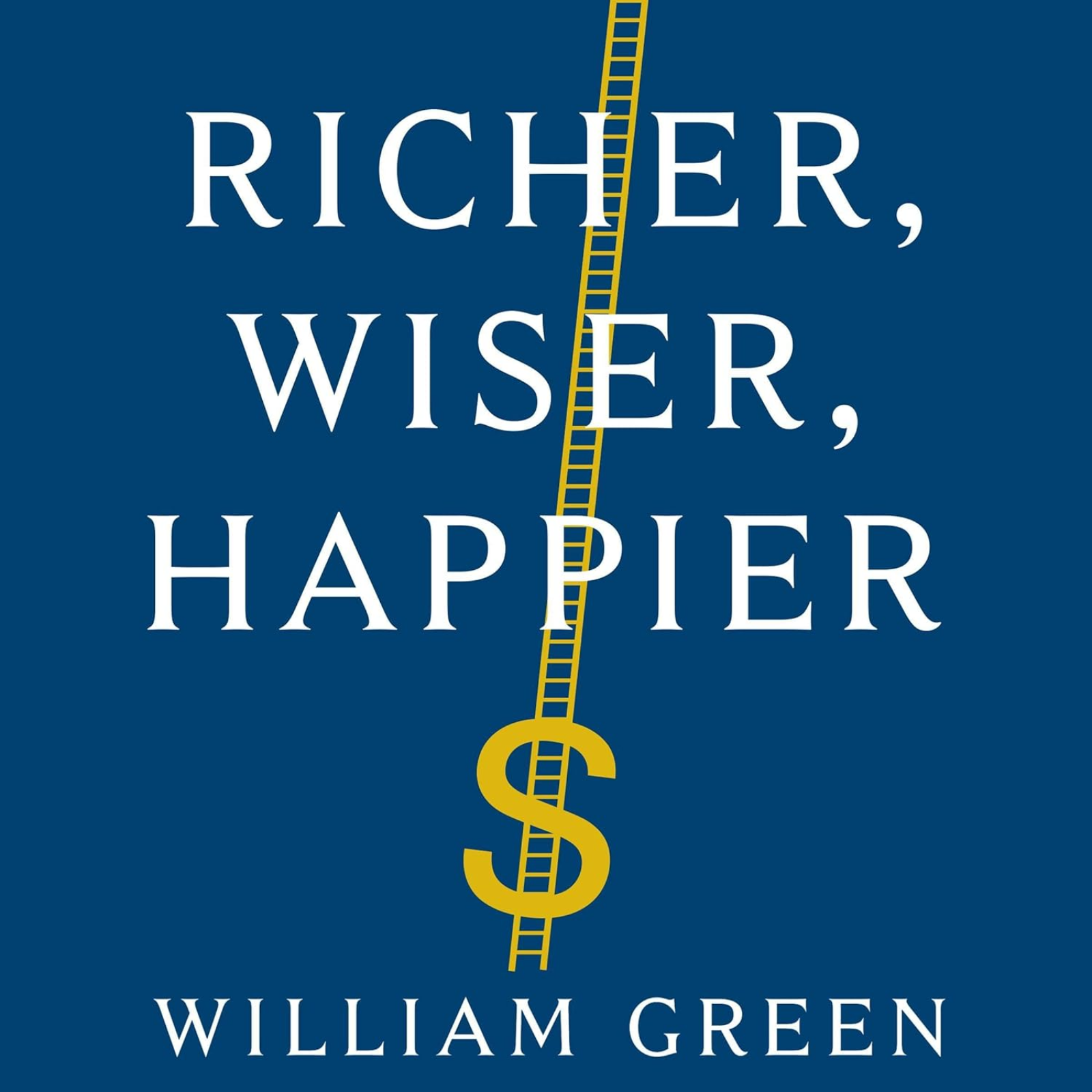
我们参考的是威廉·格林的著作《更富有、更睿智、更快乐》。
We're drawing from William Green's book, Richer, Wiser, Happier.
是的。
Yeah.
这是一本绝佳的资源。
It's a fantastic resource.
格林花了好几年时间采访了四十多位传奇投资者。
Green spent, gosh, years interviewing more than 40 legendary investors.
我们谈论的都是像约翰·坦普尔顿爵士、欧文·卡恩、查理·芒格这样的巨擘,绝对的传奇人物。
We're talking giants like Sir John Templeton, Irving Kahn, Charlie Munger, just absolute titans.
我们的目标其实是提炼出那些普适的智慧结晶,这种智慧不仅适用于市场,也适用于生活的方方面面。
And our mission really is to pull out those nuggets of wisdom, that kind of worldly wisdom that works everywhere, not just in the markets.
实际上,这更多是关于品格。
It's a lot about character, actually.
没错。
Absolutely.
你有没有发现,这个主题贯穿始终?
And you see that theme running through it all, don't you?
这些极其成功的人之间的共同点,往往不在于他们的金融技巧,而在于他们作为人的行事方式。
The things that link these super successful people, well it's often less about the financial wizardry and more about how they operate as humans.
他们是独立思考者。
They're independent thinkers.
他们能摒弃情绪干扰。
They keep emotion out of it.
他们从未停止学习。
They never stop learning.
他们的成功似乎深深植根于他们的习惯和品格。
And their success seems really rooted in their habits, their character.
对。
Right.
这确实表明,成功始于内心。
It really shows the success starts, you know, inside.
他们似乎花更少的精力去预测利率或下一个重大的地缘政治事件,而把更多精力用于提升自我。
They seem to spend less energy trying to predict, say, interest rates or the next big geopolitical event and way more energy mastering themselves.
对。
Right.
掌控自己对这些事件的反应。
Mastering their own reactions to those events.
这种自我控制,才是真正的优势所在。
That self control, that's where the real edge seems to be.
那我们就从身份认同开始吧。
So let's start right there with identity.
这本书将他们描绘成一群非常独特的人。
The book paints them as a pretty distinct bunch.
像异见者、特立独行者、怪人这样的词不断出现。
Words like iconoclasts, mavericks, misfits keep cropping up.
这些人根本不需要外界的认可。
These are people who just fundamentally don't seem to need outside approval.
他们不怕看起来愚蠢,也完全不在意人群在做什么或想什么。
They're okay looking foolish sometimes, and they really don't seem to care what the crowd is doing or thinking.
这种特立独行的能力,从心理上来说,是不是很难做到?
And that ability to stand apart, well, it's tough psychologically, isn't it?
弗朗索瓦·罗孔有一个有趣的观点,也许这些人的身上缺少他所说的‘部落基因’。
There's this interesting idea from Francois Rochon who maybe, just maybe, these folks lack what he calls the tribal gene.
是的。
Mhmm.
你知道,那种我们所有人都有的、尤其是在感到危险时倾向于与群体保持一致的深层本能。
You know, that deep instinct we all have to stick with the group, especially when things feel dangerous.
哦,对。
Oh, right.
所以当市场崩盘时,这种部落本能就会尖叫着让你逃跑。
So when the market tanks, that tribal gene is screaming, so run.
其他人都在逃跑。
Everyone else is running.
这就是一种本能,当价格暴跌时,往往在最糟糕的时刻选择清仓。
It's that instinct to just liquidate when prices fall off a cliff, often at the absolute worst moment.
没错。
Exactly.
是的。
Yeah.
但如果你没有那种压倒性的从众本能
But if you don't have that overpowering herd instinct
嗯。
Mhmm.
你可以退后一步,冷静思考。
You can actually step back and think.
你看到恐慌,也许不是一种生存威胁,而是一个机会。
You see the panic, maybe not as an existential threat but well as an opportunity.
你可能会意识到,这家优秀公司突然变得便宜了,因为其他人都在恐慌。
You might realize, hey this great company suddenly cheap because everyone else is freaking out.
所以,愿意保持一点孤独,似乎是获得丰厚回报的先决条件。
So being willing to be a bit lonely that seems like a prerequisite for getting those great returns.
好吧,但他们是怎么做到的呢?
Okay but how do they manage that?
他们如何保持独立,又不会感觉一直被攻击呢?
How do they stay separate without feeling, I don't know, constantly attacked?
这似乎又回到了他们如何定义自己的价值,这就引出了巴菲特和芒格经常提到的‘内在计分卡’概念。
It seems to come back to where they place their value, which brings us to that inner scorecard idea, something Buffett and Munger talk about a lot.
对。
Right.
他们不向外看,比如新闻头条、股价的日涨日落,或评论员的说法,而是向内看,完全依据自己的标准和价值观来评判自己。
Instead of looking outside, you know, at news headlines or the stock price moving day to day or what pundits are saying they look inside, they judge themselves purely by their own standards, their own values.
所以,如果他们做出的决定是理性且经过充分研究的,即使第二天股价下跌了50%,这实际上并不会影响他们对自己表现的评价。
So if they made a decision they believe was rational and well researched, the fact the price dropped 50% the next day, well that doesn't actually change their score of how well they did.
这些价值观往往出人意料地务实。
And those values, they often seem surprisingly, well, grounded.
书中提到一种总体的道德指南针:人生是一场长跑,或许真正的意义在于用你所创造的东西去帮助他人、服务他人。
The book mentions this kind of overarching moral compass that life's a long game and maybe the point is to use what you build to help others, to be of service.
这似乎为整个事业赋予了超越单纯积累财富的意义。
It seems to give the whole endeavor a meaning beyond just piling up money.
是的。
Yeah.
而这种深刻的正直感,我认为正是当一切似乎分崩离析时,支撑他们信念的力量。
And that deep sense of integrity, I think that's what fuels the conviction when everything seems to be falling apart.
当市场上涨时谈论信念是一回事。
It's one thing to talk about conviction when the market's going up.
对吧?
Right?
好的。
Okay.
但当你做出一个判断,却立刻遭受痛苦的错误时,会发生什么?
But what happens when you make a call and you're immediately, painfully wrong?
这让我想到了比尔·米勒的故事。
That makes me think of the Bill Miller story.
这简直是信念的终极考验。
Just an incredible test of conviction.
他大量投资了一家公司——AES,结果突然宣布了糟糕的财报。
He'd taken this huge stake in a company, AES, then bam, they announced terrible earnings.
股价一夜之间腰斩。
The stock gets cut in half overnight.
我们说的是,米勒瞬间损失了五千万美元。
We're talking, what, a $50,000,000 loss for Miller, like, instantly.
是的。
Yeah.
我的意思是,这种事会让大多数基金经理彻底崩溃。
I mean, that's the kind of thing that would make most fund managers just completely unravel.
是的。
Yeah.
可能会慌乱地止损、抛售,甚至躲到桌子底下。
Could be scrambling to cut losses, sell out, maybe hide under the desk.
但米勒做了什么?
But Miller, what does he do?
他冷静地加仓,买了更多。
He calmly doubles down, bought more.
他的想法是,市场反应过度了,长期前景没变,所以现在反而成了更好的便宜货。
His thinking was, the market's overreacting, the long term picture hasn't changed, so now it's just an even better bargain.
哇。
Wow.
没有恐慌,只有基于分析的行动。
No panic, just action based on his analysis.
这真正体现了信念不仅仅是说说而已,而是在极端压力下的实际行动。
That really shows conviction isn't just talk, it's what you do under extreme pressure.
说到培养实力,另一个反复提到的主题是人际交往,也就是有意识地与比你更聪明的人相处。
And speaking of building strength, another theme that kept coming up was this idea of association, you know, deliberately spending time with people smarter than you.
绝对如此。
Absolutely.
他们似乎认为智慧或见识就像感冒一样可以传染,但是一种好的传染。
They seem to view intelligence or maybe wisdom as something you can catch like a cold, but a good one.
你会主动营造环境,让自己始终处于聪明思维的包围之中。
You actively curate your environment so you're constantly surrounded by smart thinking.
这是一种支持内在评价标准的方式,确保你的想法总能受到顶尖思想的挑战。
It's a way to support that inner scorecard and make sure your ideas are always being challenged by the best.
明白了。
Okay.
所以如果信念建立在品格之上,让我们深入探讨他们使用的思维工具,以确保这种信念确实是可靠的。
So if conviction rests on character, let's dig into the thinking tools they use to make sure that conviction is actually, you know, sound.
我们谈论的是通过高强度学习来获得优势,有时甚至是书中所说的‘无耻的模仿’——复制有效的方法。
We're talking about getting an edge through intense learning, sometimes even, shameless cloning as the book calls it, copying what works.
没错,完全同意。
Oh, totally.
目标并不一定是原创。
The goal isn't necessarily to be original.
对吧?
Right?
目标是正确。
The goal is to be right.
查理·芒格是这一点的绝对典范。
Charlie Munger is the absolute poster child for this.
他公开说过这一点。
He says it openly.
我只是观察什么有效、什么无效,以及为什么。
I just observe what works and what doesn't and why.
嗯哼。
Mhmm.
然后他只是复制那些有效的方法,并从各个领域汲取工具,比如生物学、物理学、数学、心理学和哲学。
Then he just copies the stuff that works, and he pulls tools from everywhere, biology, physics, math, psychology, philosophy.
他谈到向已故的人学习,嗯哼。
He talks about learning from dead people like Mhmm.
达尔文、爱因斯坦,构建起一套思维模型的网络。
Darwin, Einstein building this lattice work of mental models.
芒格的方法提供了一个绝佳的捷径——逆向思维,我想他是从19世纪数学家卡尔·雅可比那里学到的,雅可比说过:逆向思考,永远逆向思考。
And Munger's approach offers this amazing shortcut, the strategy of inversion, which he got I think from a nineteenth century mathematician, Karl Jacobi, who said, Invert, always invert.
没错。
Exactly.
从反面解决这个问题。
Solve the problem back.
与其问一个非常困难的问题,比如:我如何才能确保成功?
Instead of asking the really hard question like, how do I guarantee success?
你可以问一个通常更简单、更清晰的问题。
You ask the often easier, clearer question.
什么会确保失败?
What would guarantee failure?
你列出所有你能做的愚蠢事情,所有通向灾难的确定路径,然后确保自己绝对不做其中任何一件。
You list all the dumb things you could do, the sure paths to disaster, and then you just make really sure you don't do any of them.
你能给我们一个实际的例子吗?它是如何运作的?
Can you give us a sort of practical example of that, how it works?
当然。
Sure.
假设你想帮助一个复杂的系统,比如,我不知道,改善某个国家的状况。
Let's say you wanted to help a complex system like, I don't know, improve conditions in a specific country.
逆向思维说:首先问,我们能做什么来彻底毁掉这个国家,确保痛苦?
Inversion says, first ask, what could we do to absolutely ruin this country to guarantee misery?
你列出诸如鼓励大规模腐败、制造恶性通货膨胀、破坏对制度的信任之类的事情。
You list things like encouraging massive corruption, creating hyperinflation, destroying trust in institutions.
一旦你有了这份必然导致毁灭的清单,你的策略就会变得简单。
Once you have that list of guaranteed ruin, your strategy becomes simpler.
只要避免做这些事就行了。
Just avoid doing those things.
我明白了。
I see.
这作为一种风险管理工具简直太强大了。
That's incredibly powerful as a risk management tool.
这让我想起了事前验尸的概念,即在做出重大决策之前,先想象它已经惨败,然后倒推原因,以便提前预防这些失败因素。
It reminds me of that pre mortem idea too, where before you make a big decision, you imagine it's already failed spectacularly and then you work back to figure out why it failed so you can prevent those causes upfront.
生存绝对是根本的,这或许解释了为什么这么多投资者习惯用概率来思考问题。
Survival is absolutely fundamental, which probably explains why so many of these investors see things in terms of probabilities.
与扑克牌游戏的关联非常显著。
The link to card games is really striking.
坦普尔顿 apparently 用扑克赢的钱支付了大学学费。
Templeton apparently paid for college with poker winnings.
巴菲特和芒格以痴迷桥牌而闻名。
Buffet and Munger are famously obsessed with bridge.
马里奥·杰利曾当球童时靠打牌赚钱。
Mario Gelley used to make money playing cards as a caddy.
是的,彼得·林奇甚至说过,学习扑克或桥牌比读遍所有关于股票市场的书更有价值。
Yeah, Peter Lynch even said something like, Learning poker or bridge is more valuable than reading every book on the stock market.
为什么这种联系如此紧密?
Why is that connection so strong?
好好想想。
Well think about it.
纸牌游戏迫使你不断计算概率、管理风险、在信息不完整的情况下做决策,而且至关重要的是,它们教会你:即使你做出了完美的决定,也可能因为运气而输掉这一局。
Card games force you constantly to calculate odds, manage risk, make decisions with incomplete information, and crucially, they teach you that you can make the perfect decision and still lose the hand because of luck.
或者,犯了错误却因运气而赢。
Or, make a mistake and get lucky.
这强化了你在市场抛出随机性时所需的概率思维。
It hammers home that probabilistic thinking you need when the market throws randomness at you.
好的,现在我们来谈谈复杂性陷阱。
Okay, now let's touch on the Complexity Trap.
这些显然是非常聪明的人,对吧?
These are obviously incredibly smart people, right?
但他们似乎主动抵制复杂的解决方案。
Yet they seem to actively resist complex solutions.
为什么聪明人会被复杂性吸引?
Why do smart people get sucked into complexity?
这是个很好的问题。
That's a great question.
我认为复杂性可能显得更精深,似乎更聪明。
I think complexity can feel sophisticated, maybe more intelligent.
而且,坦白说,它在金融界还能为更高的费用提供理由。
And, frankly, it can justify higher fees in the financial world.
但真正优秀的投资者似乎都明白,核心原则通常都很简单。
But the truly great investors seem to grasp that the core principles are usually pretty simple.
乔尔·格林布拉特一语中的。
Joel Greenblatt just nails it.
弄清楚某样东西的价值,然后以低得多的价格买入。
Figure out what something is worth and pay a lot less.
基本上就是这样。
That's basically it.
简单得漂亮。
Beautifully simple.
先锋基金的创始人约翰·博格总是批评这个行业,推崇复杂而昂贵的产品,而不是简单便宜的产品。
And Jack Bogle, the Vanguard founder, he always criticized the industry for pushing complicated, expensive products over simple, cheap ones.
因为这种复杂性往往服务于卖家,而不是买家,也就是投资者。
Because the complexity often serves the seller, not the buyer, the investor.
完全正确。
Exactly right.
看看乔什·韦茨金,这位国际象棋神童后来成为了太极推手的世界冠军。
Look at Josh Waitskin, the chess prodigy who then became a world champion in Tai Chi Push Hands.
这两个领域都非常复杂。
Two really complex fields.
但他强调要把事物分解成最简单的组成部分。
But he stressed breaking things down into the absolute simplest components.
他反复练习一些微小而具体的国际象棋残局,比如王和兵对王,以掌握深层原理。
He'd practiced tiny specific chess end games, like king and pawn versus king, over and over to master the deep principles.
巴菲特也说过类似的话:复杂的行为并不是目标。
Buffett says something similar: Complex behavior isn't the goal.
简单、理性的行为,持续一致地重复,才更有效。
Simple, rational behavior repeated consistently is far more effective.
所以,如果思考的关键在于简单,那么行动的关键似乎就在于耐心。
So if the thinking game is about simplicity, the action game seems to be all about patience.
或者就像这本书所说的‘英雄式的不作为’。
Or maybe what the book calls heroic inactivity.
这个核心观点是,嘿。
This core idea that, hey.
忙忙碌碌并不会给你额外加分。
There are no extra points for being busy.
投资的大部分时间就是等待。
Most of investing is just waiting.
等待那些极其罕见、显而易见的时刻,等待那些对你极为有利的定价错误机会。
Waiting for those really rare, obvious moments, the mispriced gamble where the odds are massively stacked in your favor.
你必须非常有选择性。
You absolutely have to be selective.
就像巴菲特 famously 说的,你不必对每一个球都挥棒,你可以等待你的好球。
Like Buffett famously said, you don't have to swing at everything, you can wait for your pitch.
大多数机会都只是平平无奇,你就耐心地坐在那里,手里拿着现金,直到那个完美的、正中球路的全垒打出现。
Most opportunities out there are just kind of average, you just sit there patiently, with cash maybe, until that perfect fat pitch comes right down the middle.
但等待真的很难,不是吗?
But waiting is just so hard, isn't it?
在一个崇尚行动和持续忙碌的世界里,他们是如何构建出大部分时间都无所作为的生活的呢?
In a world that values action, constant motion, how do they build lives that actually support doing nothing most of the time?
蒙希·帕布里的例子真是令人震惊。
The Monish Pabrai example is just wild.
确实如此。
It really is.
帕布里主动设计自己的生活,以对抗他所说的对行动的天然偏见。
Pabrai actively structures his life to combat what he calls the natural bias for action.
他的日程安排。
His calendar.
没有任何会议。
Zero meetings.
没有任何电话。
Zero calls.
基本上没有任何义务。
Zero obligations, basically.
他强迫自己保持 inactive,以便每天能花时间阅读数百页的书籍并玩在线桥牌。
He forces himself into inactivity so he can spend his time reading hundreds of pages a day and playing online bridge.
他为自己营造了一个利于深度思考的环境,确保只有当一个想法真正极具吸引力时才采取行动。
He designs his environment for deep thought, ensuring he only acts when an idea is truly overwhelmingly compelling.
哇。
Wow.
这种有意识的闲散状态,大多数商界人士会感到自己无所事事,甚至可能感到内疚。
That level of intentional idleness, most people in business would feel unproductive, maybe even guilty.
我记得读过关于另一位伟大投资者周富国的报道,他竟然曾将基金的30%持有现金,多年没有进行任何重大投资。
I remember reading about Francis Chow, another great investor, who apparently once had like 30% of his fund in cash and hadn't bought anything significant for years.
这里的教训似乎是,你无法强行制造好的机会。
The lesson seems to be you just can't force good opportunities.
确实不行。
You can't.
唯一真正必须采取行动的时候,是约翰·坦普尔顿爵士所说的极度悲观时刻。
The only time action seems truly mandatory is during what Sir John Templeton called the point of maximum pessimism.
啊,坦普尔顿的著名洞见。
Ah, Templeton's famous insight.
他意识到,唯一能让优质股票变得异常便宜的,就是普遍的恐慌——当所有人都拼命抛售时,他的准则基本上就是:这正是你必须买入的时候。
He figured the only thing powerful enough to make a good stock absurdly cheap is widespread panic When everyone else is desperately trying to sell, his rule was basically, that's exactly when you have to buy.
这不就是情绪上的反向编程吗?
Cure emotional counter programming, isn't it?
你有意识地提醒自己:当所有人都兴奋时,别太激动;当所有人都恐惧时,别太害怕。
You're consciously telling yourself, beware of getting too excited when everyone's euphoric, and beware of getting too scared when everyone's terrified.
你把市场的情绪波动当作信号,而让自己保持完全冷静。
You're using the market's emotional swings as your signal, while keeping your own emotions completely level.
这种对情绪控制的专注,不正是与不亏钱直接相关的吗?
And that focus on emotional control ties right back to not losing money, doesn't it?
对他们中的许多人来说,核心策略似乎不是追求全垒打,而是持续避免重大愚蠢的错误。
It feels like the master strategy for many of them isn't about hitting home runs, but consistently avoiding really big stupid mistakes.
没错。
Absolutely.
避免灾难。
Avoiding catastrophe.
你在这里听到了埃科的冷静哲学,培养内在的力量和韧性,以便当世界或市场中不可避免地发生坏事时,你能够承受得住。
You hear Echo's stoic philosophy here, building that inner strength, that resilience so that when bad things inevitably happen in the world or in the market, you can withstand them.
你控制你能控制的部分——你的反应,这样外部的混乱就不会迫使你做出毁灭性的决定。
You control what you you can control your reactions so external chaos doesn't force you into a ruinous decision.
如果你避免了这些重大损失,复利的力量就能真正发挥作用,即使只有小幅度或中等幅度的收益。
And if you avoid those big losses, that's what allows the power of compounding to really work its magic, even with just small or moderate gains.
例如,汤姆·盖纳几乎在所有事情上都表现出极端的稳健。
Tom Gaynor, for instance, is described as being radically moderate about almost everything.
他认为极端的方法是不可持续的。
He thinks extreme approaches just aren't sustainable.
对。
Right.
这就像改善原则:在很长一段时间内持续进行微小的渐进式改进。
It's like the Kaizen principle: continuous small incremental improvements over a very long time.
那些改变人生的巨大投资回报。
Those huge life changing investment wins.
它们通常不是来自一次巨大的高风险押注。
They're usually not from one giant risky bet.
而是多年、几十年来一系列小而明智的进展累积的结果。
They're the result of stringing together lots of small, sensible advances year after year, decade after decade.
这一切归根结底是延迟满足。
Which all comes down to deferred gratification fundamentally.
尼克的睡眠似乎把抵制短期诱惑的能力称为一种强大的超能力。
Nick's sleep apparently calls the ability to resist short term urges a big superpower.
是的。
Yeah.
因为想想是什么毁掉了大多数投资者。
Because think about what ruins most investors.
正是那些短期的补救措施。
It's those short term fixes.
对吧?
Right?
追逐热门股票、恐慌性抛售、频繁交易——所有这些看似积极、或许暂时让人感觉良好的行为,实际上都在长期侵蚀资本。
Chasing hot stocks, panic selling, trading too often, all the stuff that feels active and maybe even momentarily good but just erodes capital over time.
既然这种追求快速解决的冲动如此强烈,你该如何对抗它?
So if that urge for the quick fix is so strong, how do you fight it?
有什么诀窍吗?
Is there a trick?
书中建议,或许可以通过真正品味长期回报的理念来奖励自己。
The book suggests maybe rewarding yourself by really savoring the idea of the long term payoff.
你从心理上将耐心、阅读和等待,与未来巨大成功的喜悦联系起来。
You mentally connect the patience, the reading, the waiting with the future pleasure of that big success.
这使得耐心本身也变得令人愉悦。
It makes patience itself feel rewarding.
标签:结尾。
Hashtag tag outro.
所以如果你把这些线索串联起来,开始把市场看作一场荒谬的闹剧,有人这么形容过。
So if you pull all these threads together, start to see the market, well, as this kind of comedy of errors, maybe a festival folly, someone put it.
它是由市场先生剧烈的情绪波动驱动的,你知道的,从疯狂的乐观到令人瘫痪的恐惧,往往在几周或几个月内就发生转变。
It's driven by Mr.
它是由市场先生剧烈的情绪波动驱动的,你知道的,从疯狂的乐观到令人瘫痪的恐惧,往往在几周或几个月内就发生转变。
Market's wild mood swings, you know, from crazy optimism to paralyzing fear, often in the space of weeks or months.
是的。
Right.
而这种荒谬本身——其他人所犯的情感错误——恰恰为那些能够保持纪律和理性的人提供了持续而可靠的机遇。
And that very folly, the emotional mistakes other people make, that becomes consistent, reliable opportunity for the investor who can stay disciplined and rational.
这让你重新回到了巴菲特那句简单却深刻的观点。
It brings you back to that simple, almost profound observation from Buffett.
只要你能成为略高于平均水平的投资者,并且关键在于一生中花得比赚得少,你就几乎不可能不变得非常富有。
If you can just be a slightly above average investor and crucially spend less than you earn over a lifetime, you almost can't help but get very wealthy.
但,这是一个关键的但书:财富不仅仅来自于遵守规则,即使是我们讨论过的这些规则也不行。
But, and this is a key but, wealth doesn't just come from following rules, not even these rules we've talked about.
它还来自于质疑假设,甚至是根深蒂固的学术理论。
It also comes from questioning assumptions, even deeply held academic theories.
霍华德·马克斯经常谈论理论的局限性与常识之间的对比。
Howard Marks talks a lot about the limits of theory versus, you know, common sense.
啊,你说的是他那个关于五美元钞票的著名故事吗?
Ah, you mean his famous story about the $5 bill?
就是在哈佛商学院捡到的那个?
The one he found on the at Harvard Business School?
没错。
Exactly.
这不是一个假设,他真的在那里的图书馆里捡到一张折叠的五美元钞票。
It wasn't a hypothetical he actually found a folded $5 bill in the library there.
而且他显然一直保留着它,作为提醒。
And he keeps it, apparently, as a reminder.
为什么?
Why?
因为和他在一起的金融教授没有去捡它。
Because the finance professor with him wouldn't pick it up.
教授根据有效市场假说论证,如果地上真有一张五美元钞票,早就被人捡走了。
The professor argued, based on the efficient market hypothesis, if it were a real $5 bill just lying there, someone else would have already grabbed it.
所以,它不可能是真的。
Therefore, it couldn't be real.
这太精彩了。
That's brilliant.
这是一个很好的收尾观点,值得人们深思。
And a great final thought for people to maybe chew on.
那张五美元钞票代表的是
That $5 bill represents what
是的,我很喜欢这个说法。
the Yeah, I'd love that.
也许真正的价值并不在每个人都在关注的最有效的地方,而是在那些效率较低的角落,或者在于发现优雅理论有时忽略的东西——这个观点始终在质疑每个人所相信的东西,无论这种信念是极度乐观还是极度悲观。
That maybe the real value isn't in the most efficient places everyone is watching, but in the less efficient corners, or just in seeing what the elegant theories sometimes miss, the idea seems to Always question what everyone believes, whether that belief is wildly optimistic or deeply pessimistic.
也许最好的投资就是确保你自己在独立思考。
Maybe the best investment is just ensuring you're the one thinking for yourself.
关于 Bayt 播客
Bayt 提供中文+原文双语音频和字幕,帮助你打破语言障碍,轻松听懂全球优质播客。