本集简介
双语字幕
仅展示文本字幕,不包含中文音频;想边听边看,请使用 Bayt 播客 App。
讨论让世界运转不息。
Discussion keeps the world turning.
这里是圆桌会议。
Is Roundtable.
您现在收听的是圆桌会议。
You're tuned in to Roundtable.
我是史蒂夫,今天与我同场的是雨顺和雨珊。
My name is Steve, and today, I'm with Yushun and Yushan.
接下来:外卖软件上的下单按钮便捷到几乎令人不安。
Coming up, the order button on your food delivery app is almost too easy.
但你可曾想过,这些廉价快餐究竟是在哪里制作的?
But have you ever wondered where that affordable quick meal is actually being prepared?
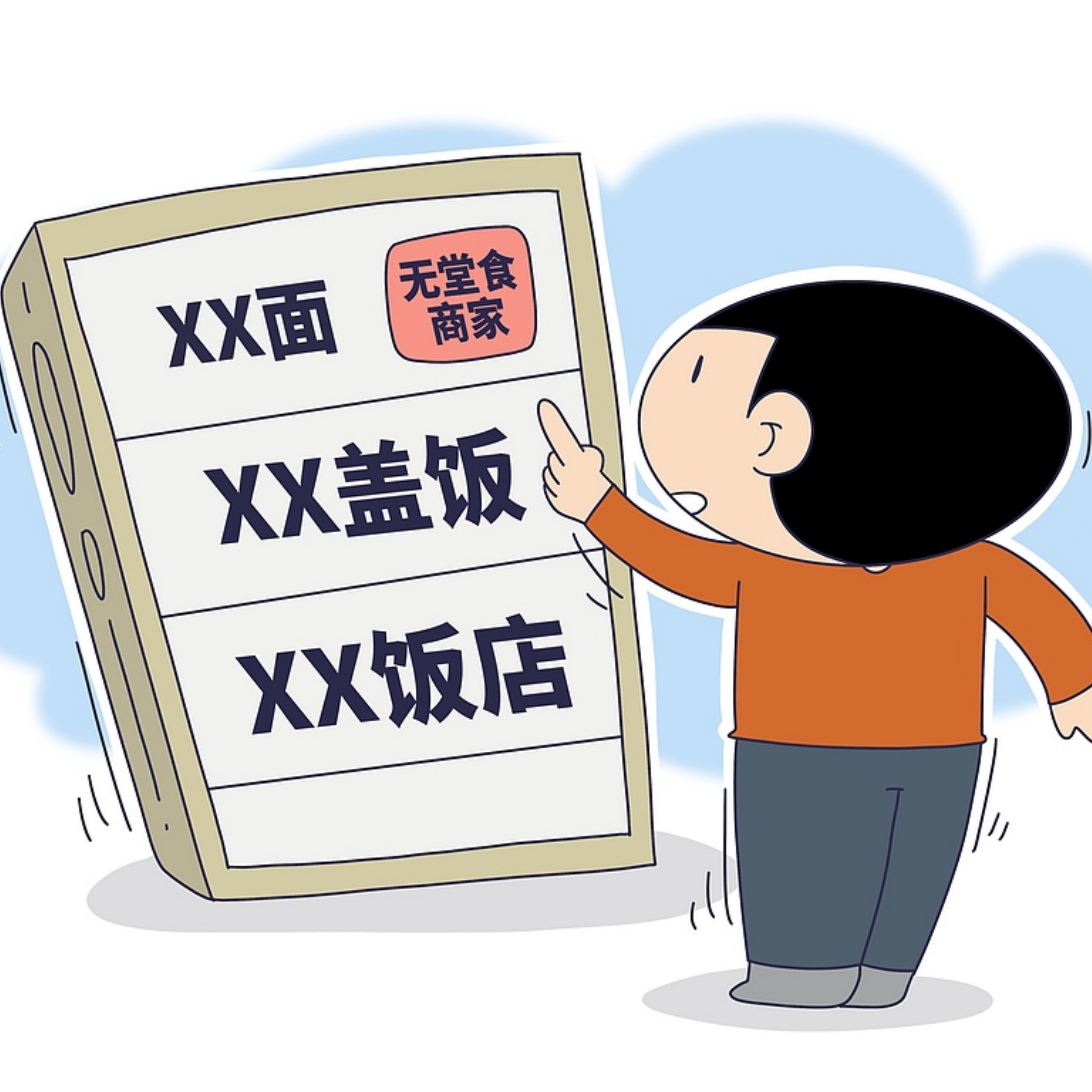
中国新规草案强制要求外卖平台直面这个问题——必须在所谓'幽灵厨房'上明确标注'无堂食'标签。
New draft rules in China are now forcing delivery platforms to answer that question directly by requiring a clear no dine in label on these so called ghost kitchens.
这个小图标对食品安全与透明度意义重大。
It's a mini icon with huge implications for food safety and transparency.
之后环节:对Z世代而言,掏钱包找现金不仅是不便——
After that, for Gen Z, the act of pulling out a wallet and fumbling for physical cash isn't just inconvenient.
这简直是社交失礼,会让他们尴尬得想捂脸。
It's a genuine social faux pas that can make them want to hide their face in embarrassment.
这已超越对数字支付的单纯偏好,
This goes beyond a simple preference for digital apps.
更是对他们眼中笨拙、迟缓且彻底过时支付方式的本能排斥。
It's a visceral reaction against what they see as an awkward, slow, and completely outdated ritual.
现金支付很落伍吗?
Is cash cringe.
我们的播客听众可以在苹果播客上搜索'圆桌中国'找到我们。
Our podcast listeners can find us at Roundtable China on Apple Podcasts.
别忘了,我们每天都强调很爱听你们的声音反馈。
And don't forget, we say it every day that we love hearing your voice.
所以请将你的语音想法发送给我们,任何我们在圆桌讨论中涉及的话题都可以。
So send your voice notes our way with your thoughts, any of your thoughts that we discuss here on roundtable.
具体操作方式如下。
Here's how you do that.
我们的播客邮箱是roundtable@qq.com。
Roundtable podcast at qq.com.
再重复一遍,播客邮箱是roundtable@qq.com。
Once again, roundtable podcast at qq.com.
现在,当你点击手机应用上的下单按钮,满心期待那份便宜又快捷的外卖时,可曾想过——这份美味究竟是在哪里制作的?
And now, ever hit that order button on your phone, on your app, and you're excited to get that cheap super quick takeout, and you think to yourself, I want it, but where exactly is this delicious dish being made?
是厨师戴着高帽忙碌穿梭的餐厅后厨吗?
Is it a bustling kitchen with chefs in tall hats?
或许你脑海中浮现的是这样的场景。
Maybe that's what you imagine.
还是说,有些真相你宁愿不去深究?
Or is it something that perhaps you'd rather not think about?
长期以来,这种'无堂食'商业模式正在兴起——这些场所专攻外卖以降低成本。
For a long time, the rise of the no dine in model, those are the places focusing purely on delivery to keep costs down.
这是个热门话题。
It's been a spicy topic.
它们确实物超所值,但缺乏实体店面供检查引发了严重的食品安全担忧。
They do offer great value, but the lack of a physical storefront for inspection has raised some serious food safety eyebrows.
中国国家市场监督管理总局已出台草案规定,要求外卖平台在主页显著位置为这些商家标注'不可堂食'的标识。
Well, the National Administration for Market Regulation in China has rolled out a draft rule requiring delivery platforms to slap a clear no dine in label right on the main page for these providers.
这是个影响深远的小图标。
It's a small icon with massive implications.
这会带来重大改变吗?
Will it make a big difference?
谁支持这项规定?
Who's in support?
谁持反对意见?
Who's not in support?
我们将全面探讨这些问题。
We'll discuss it all.
那么这究竟是怎么回事?
So what what is this about?
国家市场监督管理总局。
The State Administration for Market Regulation.
他们发布了什么?
What did they release?
这是份标题很长的文件。
It's a it's a document with a long title on it.
是的。
Yes.
实际上这是最近发布的,这份草案旨在就第三方平台和餐饮服务提供者在网络餐饮中的食品安全责任监管措施征求意见或建议。
It's actually being released recently, and this is actually a draft for comments or advice on the supervision and administration measures for food safety responsibility of third party platforms and catering service providers for online catering
告诉过你了。
Told you.
标题很长。
Long title.
是啊。
Yeah.
面向公众征求意见。
To the public for feedback.
反馈截止日期是11月16日。
And the deadline for the feedback is November 16.
所以如果你对这种新标签——'禁止堂食'之类有任何想法,可以提交你的意见。
So when you if you have any ideas on these kind of new label, no dining kind of thing, you can submit, yeah, your comment on it.
引发关注的核心条款是要求外卖平台必须在纯外卖服务商的主页上贴出'禁止堂食'标签,该规定是加强网络餐饮食品安全防线的整体举措之一。
The core provision generating attention is the requirement that external delivery platforms must affix a no dining label to providers of pure takeaway services on their main pages, and this regulation is part of a broader effort to strengthen the food safety defense line for online catering.
对。
Right.
但这里传达的信息相当明确。
But the message here is quite clear.
对吧?
Right?
这些只做外卖的店铺并不违法。
The they're not illegal, these only takeout places.
是啊。
Yeah.
它们完全没问题,只需要明确标识身份,让消费者能做出知情选择。
They're totally fine, and they just need to make their identity transparent so that consumers can make an informed choice.
根据这种选择,顾客可以决定是去没有堂食区域的餐厅,还是去能实际就餐的餐厅。
And according to this kind of choice, they can decide whether they want to go to a restaurant that has no dining area or they want to go to a restaurant that you can actually eat in there.
这些店铺就是这样的。
And that's what these places are.
对吧?
Right?
它们只专注于外卖业务,仅此而已。
They focus they focus solely on delivery and only delivery.
没错。
Yeah.
它们不提供堂食服务,通常采用更经济的小型店面或摊位,以避免高昂的店铺租金成本。
They do not provide dine in services, and they usually feature smaller store or a smaller stand, rather, that are kind of cost effective to avoid high costs associated with store rent.
而且还能集中资源和人力在菜品本身,从而提高效率满足顾客需求,而非面面俱到,同时又能管理好外卖服务。
And, also, they are able to concentrate their resources and manpower on the dishes themselves and enhance, therefore, the efficiency to meet customer demands instead of catering to everybody, but in the meantime, I'm managing my delivery services.
因为这主要影响外卖市场或线上订餐领域。
Because this mainly affect the delivery part or the online or food ordering part of the market.
我不确定你们是否有这个习惯,但对我来说,如果要从一家完全陌生的餐厅点餐,我得先确认他们是否具备所有经营许可——噢你们已经查过了。
And I'm not sure if you guys have this habit, but for me, if I'm ordering from a place or a restaurant that, first of all, I've never heard of before, then I'll need to make sure they have all their license Oh, you did.
展示一些东西。
Showcase something.
做。
Do.
而且,如果更好的是,如果他们提供像餐厅用餐区或前门这样的设施,那我就会相信这是正规的食物。
And and also, if better, if they provide like a with dining area or the front door of their restaurant, then I'll be convinced on the fact that, okay, this is legitimate food I'm
得到。
getting.
这是你需要检查的东西。
This is something that you check.
你也会检查吗,Yushin?
Do you also check, Yushin?
嗯。
Mhmm.
我会。
I do.
实际上很多人都会这么做。
And a lot of people do, actually.
是的。
Yeah.
现在很多外卖平台,它们实际上会标注出哪些餐厅可以堂食。
And now, a lot of these delivery platforms, they actually label some of these restaurants that you can dine in.
之前有些平台没有这个功能时,人们甚至会发明一些小技巧来教大家如何辨别哪些餐厅可以堂食。
And some of them before, I think they didn't when they didn't have that kind of feature, people even, like, introduced or developed some tricks on telling people that how can you identify these restaurants are, like, dining available restaurant or no dining restaurants.
怎么?
How?
我看到的是,当你看到这些餐厅的名字时,如果它们和大餐厅相似,就非常可疑,而且如果有一些黑色的大圆点,你还记得吗?
What I saw is that when you see these names of these restaurants, if they are like similar to a big restaurant, highly suspicious, and if there are some black huge dots that do you remember?
其中一些,他们会说,比如品牌名和他们卖的东西等等,然后他们用黑色圆点连接,这意味着它们只是没有堂食的厨房,只卖外卖食品。
Some of these, they they will like say let's say, the brand name and what they sell and blah blah blah, and they connect with black dots, that means they are just no dining kitchens that sell delivery food only.
他们在餐厅名称或食品摊位上展示菜单。
They're presenting menu on the name of the restaurant or rather the food stand.
这是一个非常可疑但又非常一致的特征,这些无堂食餐厅都会有。
That's a very, like, suspicious and but very identical feature that these no dining restaurants will have.
再次强调,并不是说它们违法。
Again, not that they're illegal.
是的。
Yeah.
只是现在我们试图强调,从官方层面,我们试图通过在线订餐平台向顾客透明化信息,让人们确切知道他们从谁那里点餐。
It's just now we're trying to emphasize on the part that from an official level, we're trying to make the information transparent to customers from online food ordering platforms so that people know exactly what they're or who they are ordering from.
因为有时候这些食品摊,他们不称自己为餐厅,但实际上他们没有像传统餐厅那样的座位区。
Because sometimes these food stands, they don't they call themselves restaurants, but actually, they don't have seating area like a traditional restaurant would.
这很令人困惑,有时也会误导人们相信它们是它们不是的东西。
So that's confusing and sometimes misleading too, misleading people to believe in they are something that they're not.
所以我们试图澄清这一点,我想。
So we're trying to clarify on that, I guess.
所以这项规定是为了某种程度上现代化。嗯。
So the regulation is introduced to kind of modernize Mhmm.
更新监管措施,同时我认为,也要解决这些长期存在的与透明度和消费者信任相关的问题。
Bring up to date the supervision, and also, I guess, to address the these long standing issues that were related to transparency and consumer trust.
是的。
Yeah.
因为消费者有权知道。
Because the cons consumers, they have the right to know.
嗯。
Mhmm.
我检查,你检查,但并非所有人都会检查。
I check, you check, but not necessarily everybody checks.
这并不意味着他们不检查就不配得到优质食品。
And that it doesn't mean that they don't check and but they don't deserve, like, good quality food.
不过我有个问题,因为Yushin你刚才提到,到目前为止堂食餐厅都会有标签。
I do have a question though because, Yushin, you just mentioned that up until now, for the for the dine in restaurants, they would have a label Mhmm.
上面写着'堂食'。
That said dine in.
对。
Yeah.
嗯,他们确实...是的。
Well, they're so yeah.
那么按照这个逻辑,我们难道不能推断出哪些不是堂食餐厅吗?
Well, then by that logic, can we not deduce which restaurants are not dine in?
友善
Kind
的。
of.
因为他们没有那个标签。
Because they don't have that label.
我们正在尝试
We're trying
让他们现在拥有一个标签。
to ask them to have a label now.
嗯。
Mhmm.
就是说,他们必须得有个标签。
Like, they have to have a label.
如果餐厅有能力获得那种堂食可用的标签,他们会尽力去争取。
If the restaurants is, like, capable of getting that kind of dining available label, they will try to do that.
他们会努力争取的。
They will try to have that.
嗯。
Mhmm.
这意味着有些餐厅没有这个标签,可能是不能堂食的餐厅。
And then that means that some of these restaurants don't have the label, maybe a no dining restaurant.
嗯。
Mhmm.
因为我记得在某些情况下,当你点餐时,那些在线平台通常会有个艺术设计的横幅,餐厅会在那里发布他们的季节性新菜单或特色菜。
Because I remember in some cases, when you order food, those online platforms usually have, like, a very artistically designed banner for this restaurant where they usually post their new new menu or new specialty for the season.
但有些连锁店现在会特意更换招牌位置,明确标注他们设有堂食区域。
But some chain store, they now exchange that banner place to just specifically specify we have dine in areas.
这对他们来说是个卖点。
That's a selling point for them.
是的。
Yeah.
他们也想做到这一点,特别是在我们讨论这些新措施的当下。
And they wanna make it as well, yeah, particularly considering that we're talking about these new measures right now.
他们希望尽可能透明化。
They wanna make it as transparent as as possible.
这是另一个重点。
And that's the other thing.
没错。
Yeah.
我们这里讨论的是保护消费者权益。
We're talking about protecting consumer rights here.
我们说的是更精细、更严格的管理,更精准的方式,但这些规定也是为了遏制一些欺诈行为。
We're talking about refined, stricter management, a more precise approach, but the rules are also designed to curb some deceptive practices.
这点也很重要,因为显然有些非堂食餐厅会通过各种手段——比如在应用上放照片或视频——把自己伪装成堂食餐厅?
And this is important too because apparently some of these non dine in restaurants would present themselves as dine in restaurants through various, what would it be, photos or videos on the applications?
嗯。
Mhmm.
他们利用这类虚假图片冒充餐饮商家,掩盖其实际只是缺乏实体店铺或合法资质的厨房式经营的事实。
And to they they use these kind of fake pictures to impersonate that dining merchants and to eliminate the fact that they are actually just a kitchen and business that lack physical stores or legally obtained qualifications.
这个问题之所以存在,是因为我认为当人们点外卖时,对食品安全的意识正在形成一种趋势,他们想确认这些餐厅是否提供堂食服务。
And and that is an issue is because I think there is a trend or, like, awareness on the food safety when people are ordering deliveries, and they would like to check if these restaurants are dining available or not.
甚至有些平台强调,我们只与具备堂食资质或用餐区域的餐厅合作,以此向消费者表明:我们只提供这类高品质服务。
And even some of the platforms are stressing that we only cooperate with the restaurants that has a dining qualification or dining area to attract consumers that, okay, we only serve these kind of high quality services.
但即便如此,为提供堂食服务的餐厅打标签的做法,其实并不算历史悠久。
But even that said, the the labeling of restaurants that offer dine in services, that's not that old.
对吧?
Right?
这是相对近期才开始的做法。
That that started relatively recently.
是的。
Yeah.
实际上在七月份,中国的外卖平台开始标注提供堂食服务的餐厅,目前大多数主流外卖平台都已具备类似功能,主要目的是让顾客清楚看到哪些餐厅支持堂食。
In July, actually, delivery platforms in China, they began labeling restaurants that offer dine in services, and most major food delivery platforms in China already have similar features that's mainly aimed at informing customers which of the restaurants you are looking at offer dine in service.
我突然想到一个比喻。
And I think here's a metaphor that just came to me just now.
想象一家奶茶店。
Imagine a milk tea store.
大多数奶茶店都是连锁经营。
Most milk tea stores, they have chained management.
他们的原料来源可追溯,但并非每个奶茶摊点都设有可以坐下来饮用的座位区。
Their sources are traceable, and not necessarily every milk tea stand have a seating area for you to sit down and drink the milk tea.
就像这样,许多包子铺或早餐店也采用类似的运营模式——通过设立摊位告诉人们我们在卖早餐,你可以在各大外卖平台上找到我们。
So just like that, many for example, baozi or steamed bun shops or breakfast stores, they kind of want the same operational mechanism by trying to build a stand and tell people we are selling breakfast, we're selling stuff, and you can find us on whatever online ordering places.
但正是这个先前颇具争议的灰色地带引发了激烈讨论,即一证多店的问题。
But here is the previously quite debatable gray area led to the heated discussion, which is the one certificate multiple store
哦,一种机制。
Oh, one mechanism.
许可证?
License?
对。
Yeah.
这也带来了食品安全风险,而且它们没有被严格统一管理。
That has caused food safety risks as well, and they were not strictly and uniformly managed.
这就是问题所在。
That's the problem.
如果你使用一张证书,当然在线上平台会展示——哦,我们有证,但你实际管理得如何呢。
If you utilize one certificate, of course, on the online platform, it's going to showcase, oh, we have it, but just how well managed are you truly are.
嗯,是的。
Well, yeah.
因为你每家分店都需要有单独的许可证。
Because you need to have a license for every individual shop that you have.
你不能用一张许可证经营四家不同的店铺。
You can't have one license and own four different businesses.
是的。
Yeah.
没错。
Yeah.
这是不允许的。
That's not allowed.
现在我想提出这一点,因为我认为这是个合理的观点,就像我们刚开始聊天时我提到的,我能想象有些企业不会支持这项规定。比如说我经营一家只做外卖的餐厅,我的餐厅很干净,食品质量也很好。
Now, I do wanna bring this up though because I think that this is a fair point, and this is what I kinda mentioned when we started this chat is that I can imagine there are some businesses that are not in support of this because let's say that I own and operate a delivery only restaurant and my restaurant is clean and the food quality is great.
那么,他们可能会对此感到不满,因为如果这项规定通过,非堂食餐厅必须贴上标签,这会让一些潜在顾客放弃从你的餐厅点餐。
Well then, they might not be very happy about this because if this if this passes and you have to put a label if you're not a dine in restaurant, this would sway some potential customers from ordering at your restaurant.
对吧?
Correct?
我认为这是个合理的假设。
I think that's a fair assumption to make.
是的。
Yeah.
我们现在就已经根据这类标签做决定了。
We've already making that kind of decisions based on these labels.
人们确实
People do
会这样。
that now.
是的。
Yeah.
嗯。
Mhmm.
这对很多企业来说可能是个挑战,因为他们的准入门槛更高了。即使他们只是合法经营的干净厨房,只做外卖业务,对他们来说也可能是个挑战。
And it could be a challenge for a lot of these business because they are having higher entry barriers when you even though, let's say, they are just legitimate clean kitchen and they only serve for delivery, it can be a challenge for them.
那种无需堂食的低门槛经营魅力可能会消失,他们需要想办法开辟用餐区或租用更大的空间来让人们相信他们确实提供堂食服务。
That previous charm of the low threshold entry for no dining catering may vanish, and they need to find ways to create a dining space or rent another bigger space for people to trust them they are Yeah.
提供高品质的食物。
Having high quality food.
我是说,我在想这话听起来会不会像是在开玩笑,但我并没有开玩笑。
I mean, I'm wondering if this is gonna sound like I'm joking, but I'm not.
我在想这些地方会不会真的就放一张小桌子和一把小椅子来应付规定,然后声称
I'm wondering if some of these places will literally put one small table and one small chair in there so that they can qualify and call
绝对会这样。
Totally will.
自称是堂食餐厅。
Call themselves a dine in restaurant.
这正是新规的目的所在,因为我们之前提到过,这些餐厅可以自行设置标签。
That is the purpose for this new regulation because, as we mentioned that back then, there are labels that you can set by these restaurants.
他们可以标注'提供堂食',因为他们能上传用餐区域的照片。
They can set we are dining available and because they can, like, upload pictures of their, like, dining area.
而现在这项规定更多是把责任放在了这些平台上。
And now this regulation is more about putting the responsibility on these platforms.
他们需要承担起监督所有这些餐厅的责任。
They need to take they need to be responsible to supervise all of these restaurants.
确保这些餐厅确实提供堂食服务。
They are actually available for dining.
我是说,从实际操作层面来看这会很困难,因为
I mean, that's gonna be tough logistically speaking because
成本更高。
More cost.
是啊。
Yeah.
确实如此。
Was For sure.
数以百万计的餐厅都符合条件,真是抱歉。
Millions and millions of restaurants have qual sorry.
仅在美团平台上,就有140万家餐厅已获得堂食餐厅徽章认证。
1,400,000 restaurants have already qualified for this dine in restaurant badge on Meituan alone.
再乘以其他外卖巨头如京东外卖和饿了么的数量。
So multiply that by, you know, the other delivery giants like JD Takeout and Eleme.
你需要多少人手亲自到店核实这些餐厅是否名副其实?
How many people would you need to actually physically visit the stores to ensure that they are what they say they are.
说得好,因为这些店铺过去(如果不是现在或将来)大部分时间实际接待的线下客户并非食客本身,而是外卖骑手。
That's a good point because many of these stores previously, if not now, if not in the future too, most of the time, the real physical offline clients they deal with are not clients, but rather people they deal with are not the food consumer themselves, but rather deliverers.
那些
Those
对。
Yeah.
没错。
Right.
那些人,他们每天穿梭于各家餐厅之间。
Those people, they travel to all different restaurants.
我们之前讨论过,你们的外卖骑手如何肩负着无形的监督责任。
And we talked about this previously that how your food delivery riders, they carry the invisible banner of supervising yeah.
是的。
Yeah.
监督食品安全。
Supervising food safety.
对他们来说,如果你的厨房不够干净、开放、透明,他们可能在接单后会向其他配送员投诉,或者更简单地直接举报你。
For them, if you don't have, like, a clean, open, transparent kitchen, they might, after taking the the the takeout order, come complain about it to other deliverers or even simpler, just file it file you for it.
嗯。
Yeah.
这是个有趣的故事,目前正处于公众反馈阶段,我很好奇这些反馈会引导我们走向何方。
It's an interesting story, and it's in the public feedback stage now and I'm curious to see what that feedback, will lead us to.
您正在收听《圆桌论坛》,接下来是《金钱尴尬》环节。
You're listening to Roundtable and coming up next is Cash Cringe.
寻找激情?
Looking for passion?
要不要来场激烈的辩论?
How about fiery debate?
想从不同视角了解中国时事吗?
Wanna hear about current events in China from different perspectives?
那就锁定《圆桌论坛》,在这里东西方相遇,理解是最终目标。
Then tune in to Roundtable, where East meets West and understanding is the goal.
这里是《圆桌论坛》。
This is Roundtable.
我是史蒂夫,和玉山、玉顺一起。
I'm Steve with Yushan and Yushun.
最近一项调查揭示了美国Z世代关于金钱的全新现实。
A recent survey revealed a stark new reality for American Gen z regarding money.
实体现金几乎已经过时,被视为一种笨拙过时的工具,仅在最后手段或紧急情况下使用。
Physical cash has become virtually obsolete, viewed as a clumsy and outdated tool to be used only as a last resort or an emergency situations.
他们的这种情绪如此强烈,甚至为此创造了一个轻蔑的标签。
Their sentiment is so strong that they've even coined a dismissive label for it.
‘土’(Cringe)。
Cringe.
我认为这种日益增长的厌恶不仅仅是出于对方便的偏好。
It's a growing aversion that represents more than a preference for convenience, I'd say.
这更像是在我们与金钱关系上深刻的代际鸿沟。
It's more of a profound generational gap in our relationship with money.
听起来可能有些夸张,但我认为这可能是事实。
That sounds dramatic, but I think it might hold true.
现金很‘土’。
Cash is cringe.
这就是全部含义。
That's what it's all about.
那么你们年轻人,作为中国年轻人,你们是否也认为使用现金很尴尬?
So do you just off the top, do you agree with as young Chinese people, do you agree that cash is embarrassing to use?
我没有那种感觉。
I don't have that kind of sentiment.
现金真棒。
Cash is great.
以前给我更多。
Was give me more.
我正准备回答你这个问题,因为对我来说,不同面额的现金颜色不同——我正在回忆我们所有的纸币:1元是绿色,5元是紫色,10元是蓝色,100元是粉色。
I was preparing for you to ask this because cash for me, the different color for different amount I'm I'm trying to recall all the different amount of cash that we have for for 1 yuan is green, for 5 yuan is purple, for 10 yuan is blue, and for a 100 is is pink.
哇。
Wow.
这些美丽的颜色,每当我看到它们,就会想起1元能给我带来冰棍、5元能买包薯片的美好旧时光。
Those beautiful colors, when I see them, they remind me of the good old days that what 1 yuan can bring me like a popsicle or or 5 yuan can bring me like a bag of chips.
是啊。
Yeah.
所以我对它们也没有任何尴尬或不适的感觉。
So I don't have any cringey or awkward feelings for them either.
我马上要说到中国了,因为中国已经实现无现金社会很长时间了。
I wanna get to China in just in just a minute because China's been pretty cashless for a good good long time now.
我们稍后会讨论这点。
So, we'll get to that.
但首先,让我们聊聊这个。
But first, let's let's talk about this.
有调查显示(仅限美国),Z世代只有在没有其他选择时才会使用现金。
There were surveys conducted, and they consistently show that Gen z only in America, by the way, only uses cash when there are no other options available.
《纽约邮报》对此有过报道。
There was a story in the New York Post, about this.
他们称其为过时的技术。
They refer to it as outdated technology.
他们将其比作翻盖手机——虽然有些翻盖机正在复兴,但我想我们明白他们的意思。
They compare it to a flip phone, which, some of them are making a comeback, but I think we see the point there.
40%的Z世代很少或从不携带现金。
40% of Gen Z, they rarely or never carry cash.
他们依赖数字支付方式,并认为这是更优越的购物方式。
They rely on digital payment methods, and they see this as a superior way to purchase things.
速度、效率,他们更倾向使用Venmo这类应用(如果你听说过的话)嗯哼。
Speed, efficiency, they prefer to do it through things like Venmo, if you've heard of that Mhmm.
在美国或其他地区,那些P2P应用盛行,原因之一是他们喜欢无摩擦交易,认为携带现金存在安全风险。
In The States or or other apps, those p two p apps, because one of the reasons, they love frictionless transactions, they think that carrying cash poses a security risk.
他们还觉得现金很脏。
They also think that cash is dirty.
哦,
Oh,
我也有同感。
I that feeling too.
因为细菌,确实如此。
Because of the bacteria, and it is, it is, it is.
那上面滋生了太多东西。
There's a lot of stuff living on there.
所以他们视其为潜在的健康隐患,这些就是Z世代不再热衷使用现金的部分原因。
So they view it as kind of a potential health risk, kind of, and these are just some of the reasons that Gen Z isn't down with with using cash anymore.
那么现在让我来问问你关于中国的情况。
So now let me ask you about China.
中国的Z世代是否也有同样的观点?或许不尽然,因为中国已经无现金化一段时间了。
Same views for Gen Z in China or probably not so much because it's been cashless for a while now.
嗯。
Mhmm.
尽管我们已经处于无现金时代相当长的时间了,我认为它确实...
Even though we've been in that kind of era, cashless era for quite a long time, I think it does Over a
是的。
Yeah.
没错。
Right.
大约是从2013年到2015年开始的,大致就是那个时间段。
Started 2013 to 2015, and it was roughly that kind of time.
当时中国的两大支付巨头——微信支付和支付宝,推出了诸如'无现金周'或'无现金月'这类促销活动,通过奖励机制鼓励人们使用移动支付。
And back then, China's two major payment giants, WeChat Pay and Alipay, they launched that kind of promotional campaigns like cashless week or cashless month introducing incentives for people to use mobile payments.
对。
Yeah.
然后人们就开始使用移动支付了。
And then people started to use that.
但即便到现在,我仍然看到很多人在有现金时还是会使用现金。
But and even until now, I don't see I I still see a lot of people are using cash when they have some.
我从来没见过有人用现金。
I never see it.
我从未见过,也从未亲自做过。
I never see it, and I never do it myself.
我妈妈去买东西时,很多情况下还是会用
My mom, when she, like, buy groceries, a lot of them still use
对老一辈人来说,包括我祖父母,他们更认可现金,认为这比手机上的数字更有价值。
For the older generation, my grandparents too, they recognize cash and and see more value in them than a number on their phone.
是啊。
Yeah.
有趣的是,在中国,有些博主说如今年轻一代正回归现金支付,主要是为了防止网络诈骗和个人信息泄露,同时避免养成超前消费的习惯。
And here in China, interestingly, there are some bloggers saying that Gen Z in China nowadays, they're returning back to the cash paying style mainly to prevent online scam and personal information leakage and to stop themselves from forming the habit of spending ahead.
就是信用卡支付或者
That's paying credit card or
在美国情况也一样。
It's the same thing in in The States.
58%的婴儿潮一代表示他们总是随身携带现金。
58% of boom baby boomers reported that they always carry cash with them.
为什么不呢?
Like, why not?
他们确实这么看。
They view it yeah.
可能觉得这样很酷吧。
They're it's like a flex maybe.
谁知道呢。
I don't know.
不知为何,他们将这视为日常生活中不可或缺的一部分,用于日常交易。
Somehow, they view it as an essential part of daily life for their daily transactions.
但婴儿潮一代也——这很有趣——他们还将此与成功的储蓄行为联系起来,我想你刚才也提到了这一点,玉山。
But they also the baby boomers, and this is this is interesting, they also link it to successful saving behavior, and I think you just kinda touched upon that, Yushan.
金钱的实体性 嗯。
The tangibility of money Mhmm.
在你的钱包里。
In your wallet.
当你花钱时,你会非常强烈地感受到自己用了多少、花了多少。
When you spend it, you get a very strong sense of how much you are using, how much you are spending.
对。
Right.
当你在手机上点击按钮时,就不会有同样的感觉。
When you click a button on your phone, you don't get that same feeling.
只是数字的变化而已。
It's just the change of the number.
是啊。
Yeah.
是啊。
Yeah.
你甚至还没意识到,数字钱包就已经空了。
You don't even realize it when your digital wallet's already empty.
你同意
Do you agree with
这个?
this?
我
I
你是否觉得,在中国几乎所有事情都是通过手机完成的?我是这么认为的。
Do you feel that when you spend I mean, because everything in in China is done almost everything is done through the phone, I feel.
对吧?
Right?
你通过手机支付一切,交易都在手机上完成。
You're paying for everything, transactions are done through the phone.
你是否觉得对金钱的实感有些减弱了?
Do you feel like you lose a little bit a little bit of touch with money?
我...我觉得是的。
I I think so.
你知道,当所有东西都变成数字时,人们对金钱交易的感觉开始变得不同。
You know, people started to having different feelings when they're trading money, would say, when all of the the things are just becoming numbers.
当你手上有1万元现金时,在手机上它只是1和四个零。
When you having that physical cash with, let's say, 10,000 yuan, when it's on a phone, it's just 1 and 4 zeros.
是啊。
Yeah.
但它确实是现金。
But and it is cash.
它可以是一叠
It can be a pile of
钱。
money.
是啊。
Yeah.
没错。
Right.
你完全可以感受到这一点。
You can totally feel that.
而且我认为很多人正在意识到这一点,并制作视频讲述用这一万元能做些什么。
And I think that's a a lot of people are realizing this and creating videos saying that how what what kind of things you can do with that 10,000 yuan.
事实上,你能做很多事情。
In fact, you can do a lot of things.
但当你用手机购买,比如说一部智能手机,点击一下,钱就没了。
But when you are putting, like, on a phone and buying, let's say, just a smartphone, A click, then it's gone.
然后钱就没了。
And it's gone.
这里有些数据可以支持你的观点。
Here's some data to to back you up on that.
中国人的线上消费模式呈现出高频次、小额交易的特点。
So Chinese people, some online consuming style kind of feature a high frequency, small transaction consumption habit.
超过60%的网购用户单笔消费通常不超过100元。
Over 60% of online shopping users, they typically spend under a 100 yuan.
折合每次支付约14美元。
So that's about 14 US dollars per payment.
这意味着超过60%的人倾向于认为小额数字消费无关紧要,但这也要取决于用途。
That means over 60% of us, we tend to think that spending smaller amount digitally doesn't mean that much, but it also depending on the purposes.
在领取政府补贴时,比如就业或职业培训津贴、租房补贴等,约80%的人更倾向于将钱直接打入银行账户而非数字账户。
When it comes to receiving government subsidies, like job or vocational training benefits or house renting benefits, around 80% of people prefer the money to go directly into their bank accounts comparing with digital accounts.
嗯哼。
Uh-huh.
是的。
Yep.
对。
Yeah.
我不知道。
I don't know.
这对美国Z世代来说是个滑坡效应,因为企业正让支付变得越来越便捷。
It's a slippery slope, think, for American Gen z because companies are making it easier and easier for you to pay for things.
先买后付。
Buy now, pay later.
哦,那又不是真钱。
Oh, that's not real money.
不过就是本月和下个月开始的38个月里每月几美元罢了。
It's only a couple of dollars this month and for the next thirty eight months.
这某种程度上会让人逐渐丧失...
So it makes it it kind of makes people lose a little bit.
他们对现实有点脱节了,虽然不总是这样,但我认为这是个潜在问题。
They get out of touch with reality a little bit, and not always, but I I see that as a potential problem.
对我来说,在中国生活一年后,我仍在试图弄清楚人民币的确切价值。
For me, after living in China for a year, I'm still trying to figure out the exact value of a of the yuan.
我的意思是,当我看到某些价格时,我知道人民币值多少钱,但它仍然没有给我留下深刻印象,比如,哦,它就值这个确切的价值。
And what I mean by that is when I see certain prices, then I I know how much the yuan is worth, but it still doesn't hit my brain hard, like, oh, it's worth this exact value.
是的。
Yeah.
所以对于我不熟悉的数字,我会用计算器算一下相当于多少韩元,因为我在那里生活了二十多年。
So what I'll do for numbers I'm not familiar with, I'll put it in the calculator and find out how much Korean won that is because I lived there for more than twenty years.
我非常清楚它的价值,这样对我来说才有意义。
I know exactly the value amount so that it makes sense to me.
不过,这种感觉会随着时间的推移而逐渐形成。
That that that will come with time though.
因为归根结底,购物关乎价值以及它能给我们带来什么。
Because shopping at the end of the day is about value and what it brings us.
没错。
Yes.
嗯。
Mhmm.
把钱放在自己钱包里总比给别人强。
Keeping money in your wallet is better than putting it in someone else's.
好了。
Alright.
今天的圆桌讨论就到这里。
That'll do it for today's roundtable.
非常感谢你今天抽时间与我们交流。
Thanks very much for sharing your time with us today.
我是裕顺公司的史蒂夫。
I'm Steve for Yushun and Yushun.
希望下次你还能回来继续参与我们的活动。
We hope that you'll come back and join us again next time.
关于 Bayt 播客
Bayt 提供中文+原文双语音频和字幕,帮助你打破语言障碍,轻松听懂全球优质播客。