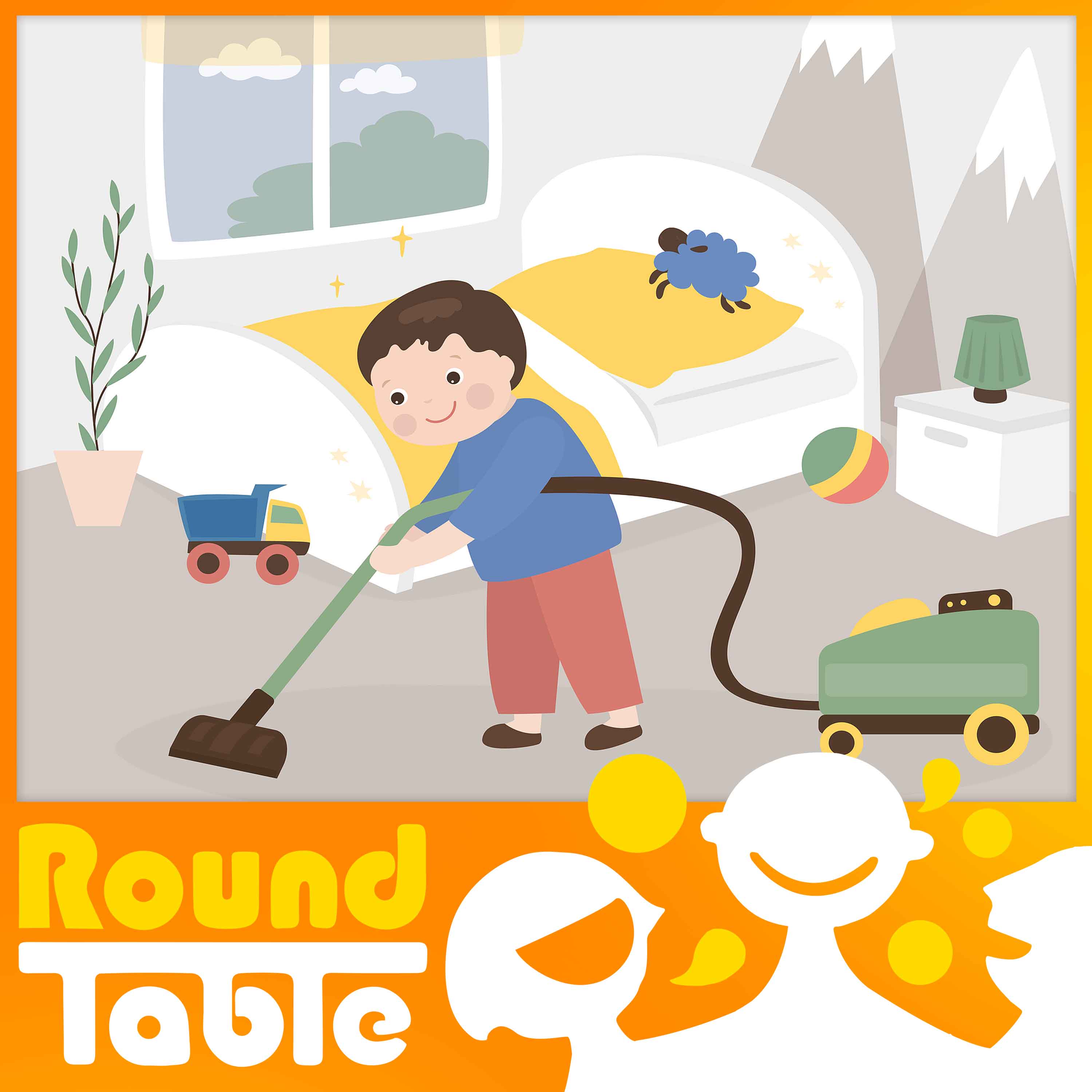
本集简介
双语字幕
仅展示文本字幕,不包含中文音频;想边听边看,请使用 Bayt 播客 App。
讨论让世界持续运转。
Discussion keeps the world turning.
这是圆桌论坛。
This is Roundtable.
您正在收听圆桌论坛。
You're listening to Roundtable.
我是牛红林,今天和史蒂夫、费一起参与讨论。接下来,我们仍将关注儿童发展,但会从另一个角度切入——家庭内部。
I'm Niu Honglin, joined by Steve and Fei Coming up soon, we still focus on kids' development, but from another perspective, from within the family.
育儿建议通常聚焦于成绩、课外活动或屏幕使用时间。
Parenting advice often focuses on grades, extracurricular activities or screen time.
但一项基于大规模国际数据集的新研究提出,一个出人意料的简单因素也可能很重要——家务劳动。
But new research drawing on a large international data set suggests something surprisingly simple might also matter household chores.
通过分析来自15个国家的5万多名青少年的反馈,研究人员正在探索家庭内部责任分担的方式是否会影响孩子的社会行为,包括他们是否欺凌同龄人。
By analyzing responses from over 50,000 teenagers across 15 countries, researchers are exploring whether the way families share responsibilities at home might influence how children behave socially, including whether they bully their peers.
请继续收听圆桌论坛,了解详细内容。
Stay with Roundtable to find out the details.
人们常说你吃什么就是什么,所以我们努力吃得更健康。
And people say you are what you eat, so we aim to eat better.
多吃蔬菜,少吃加工食品,减少糖分和脂肪。
More vegetables, fewer processed foods, less sugar, less fat.
这些信息帮助许多人养成了更健康的生活习惯。
And those messages have helped many people build healthier habits.
但在某个时候,‘健康饮食’这个概念已经脱离了原本的含义。
But somewhere along the way, the idea of eating clean has taken on a life of its own.
原本出于关爱身体的积极努力,有时却演变成了一种执念。
What begins as a positive effort to care for our bodies can sometimes become an obsession.
健康饮食总是有益的吗?
Is eating clean always, always good for you?
自律与心理困扰之间的界限究竟在哪里?
Where exactly is the line between discipline and distress?
但在那之前,先想一想你冰箱上的家务表吧——谁负责做什么,谁洗碗,谁擦干,谁倒垃圾。
But before that, think about the chore chart on your fridge for a moment who does what, who washes, who dries, who takes out the trash.
现在想想这个:一项由中国研究人员进行的最新分析,基于在不同文化背景下收集的国际学生数据,表明这些日常问题的答案可能影响的不仅仅是谁负责饭后清洁。
Now consider this a recent analysis by researchers in China drawing on international student data collected across different cultural contexts suggests that the answer to those everyday questions might influence more than just who cleans up after dinner.
它实际上可能塑造孩子长大后对待他人的态度。
It could actually shape how children treat other people as they grow up.
这一观点将像分担家务这样平凡的事情,重新定义为出人意料地重要之事。
That idea reframes something as mundane as, you know, dividing household labor into something unexpectedly significant.
一旦你以这种方式看待它,就很难不好奇数据还可能揭示什么。
And once you see it that way, it's hard not to wonder what else the data might reveal.
这些数据有一个名字。
The data has a name.
这是经合组织的数据集,那它是什么?
This is the OECD dataset and what's that?
我们从这里开始,因为中国的研究人员正是基于这个数据集开展的研究。
We'll start there because the researchers in China, that's what their study was based on.
他们的研究是基于经合组织的数据集。
It was based on the OECD dataset.
这些数据来自经合组织(OECD)开展的调查,涵盖了来自15个不同国家的5万名10至16岁的年轻人。
So that data came from surveys that was compiled by the OECD, and it covered 50,000 young people between the ages of 10 and 16 across 15 different countries.
虽然我没有列出全部15个国家,但通常在进行这类研究时,经合组织成员国中的欧洲、东亚和北美地区都会被纳入。
Now I don't have the list of all 15 different countries, but typically OECD member economies in Europe and East Asia and North America are covered when they do this type of of of research.
在经合组织这项研究中,学生们回答了详细的问题,内容包括家庭结构和父母角色、家务由谁承担——是妈妈、爸爸,还是共同分担,抑或无人承担;还包括他们对同学的态度和行为,以及自我报告的欺凌或负面同伴互动经历。
So the students in this in the OECD study, the students answered detailed questions that included things like family structure and parental roles, who does household labor, like mom or dad, or is it shared or neither, meaning nobody does it, also their own attitudes and behaviors towards their own classmates, and then self reported involvement in bullying or negative peer interactions.
这些就是经合组织数据集中所研究的内容。
So those were the things that were studied in the OECD data set.
学生们自己提供了所有这些问题的答案,而这一点非常有力,因为研究者能将家庭环境与同伴行为联系起来,并且覆盖了数万名学生。
The students themselves, they provided the answers to all of those questions, and then it's powerful, they say, because it links home environment to peer behavior, and they did it across, like I said, tens of thousands of students.
因此,研究人员得以检验那些通常难以在不同文化背景下独立分离的关系。
So the researchers were allowed to test relationships that are usually difficult to isolate, particularly in different cultures.
当中国的研究人员获得所有这些数据后,他们决定开展自己的研究。
So once the Chinese researchers had all of that data, they decided to conduct their own study.
是的。
Yeah.
这些来自上海交通大学的研究人员位于上海,他们聚焦于一个具体的问题。
These researchers coming from Shanghai Jiao Tong University, they're based, of course, in Shanghai, and they focused on one specific question.
家庭劳动的分配方式与青少年是否参与欺凌之间是否存在关联?
Is there a relationship between how household labor is divided and whether teenagers engage in bullying?
他们之所以关注欺凌问题,是因为在经合组织的调查中,欺凌是一种被充分记录且可测量的行为,常被用作同理心、攻击性和社会主导地位的指标。
And so the reason that they are focusing on the issue of bullying is because it's a well documented, measurable behavior in OECD surveys and is often used as an indicator for empathy, aggression, and social dominance.
因此,中国研究人员采取了这种独特的视角,而大多数关于家务的讨论通常聚焦于独立性或纪律性。
So this is kind of a unique angle taken from the Chinese researchers, And most discussion about tours focus on independence or discipline.
但这项研究探讨的是家庭中发生的事情,以及这些因素将如何影响孩子在外如何对待他人。
But instead, this study is asking what what what happens at homes and how is that gonna shape how kids treat other people outside of
家庭之外?
the home?
是的,他们正是在研究这一点。
Yeah, that's what they were looking at.
它
It's
很有趣,是的,挺有意思的,我有点理解了,因为对于我们这一代人来说,当时有很多讨论。
interesting, Yeah, interesting and I kind of get it because at least for my generation, we had a lot of discussion.
我们小时候,周围就有很多这样的讨论。
Well, there were a lot of discussions around us when we were kids.
也就是说,我们当时太过于关注学业了。
That is, we were focusing on academic work too much.
我们小时候在家里被宠得有点过头了,作为家里的孩子,根本没被要求分担多少家务。
We were spoiled a bit too much because as a kid in the family, we were not asked to, to start with, share a lot of household chores.
我们被要求多学习一点,或者多玩一点,或者在放学后学点兴趣爱好。
We were asked to study a bit more or have fun a bit more or learn something as a hobby after your house school hours.
那就是我们小时候所处的环境。
And that was the situation for my generation when we were kids.
我觉得现在已经有了一些改善。
I think it's been improved a little bit.
我们看到越来越多的学校和家庭开始让孩子学习与劳动相关的课程,不过这可能是另一个话题了。
We see more and more schools and more and more families asking their kids to learn about labor related courses or that might be a topic of another day.
但对于这种家庭结构,你会看到家庭成员之间共同分担家务。
But definitely, for this kind of family structure, you would see the household chore being shared by different members in the family.
我非常想知道这项研究的结果。
And I'm so eager to know what are the results of the research.
那么我们现在来关注中国研究者的结果。
So they the Chinese now we go to focus on the Chinese researchers' results.
他们确定了四种不同类型的家庭,家务分配明确。
So they identified four different types of households with clear, distribution among the chores.
这就是他们的发现。
So this is what they found.
33% 是平等型家庭。
33% were egalitarian households.
这意味着父母双方相对平等地分担责任。
That means both parents share responsibilities relatively equally.
45% 是他们所说的传统型家庭。
45% were what they called traditional households.
有些分担,但母亲仍然承担了大部分家务。
Some sharing, but moms still did the majority of the housework.
17%是传统型家庭,性别角色划分明确,比如爸爸倒垃圾,妈妈做饭之类的,还有5%是疏离型家庭。
17% were traditional households, that would be clearly divided gender roles, maybe dad takes out the trash, mom cooks the dinner, things like that, and then 5% disengaged households.
在疏离型家庭中,比例最低。
In disengaged households, that's the lowest percentage.
这意味着几乎没有人承担足够的责任或参与家务。
That means low levels of responsibility and involvement from really anyone
所以他们家里有家政帮手吗?
So in they have the domestic help at home
或者他们经常不在家,比如出差、旅行或因工作原因?
or Or they're not at home often, like traveling or on business trip or for jobs, maybe?
也许是这样。
Perhaps.
具体原因并未明确说明,但只是提到确实没有人充分参与。
The reasons weren't really specified, but just it says that there's not enough participation really from anyone.
不承担责任
No taking responsibility
是的。
of Yeah.
没错。
Exactly.
所以这是最重要的发现,因为这是行为结果。
The So this is the most important finding because this is the behavioral outcome.
来自平等分担责任家庭的学生,也就是说父母双方平等分担责任,这些学生报告欺凌他人的可能性显著更低。
Students from egalitarian households, that means both parents share responsibilities equally, students from those households were significantly less likely to report bullying others.
记住,这是中国研究的主要问题:家庭家务与学校欺凌之间是否存在关联?
Remember, this is the main question of the Chinese study, is there a connection between household chores and bullying in school?
因此,来自共同承担责任家庭的学生,报告欺凌他人的可能性更低,显著更低;而来自不参与家庭事务的家庭的学生,也就是占比最低的那5%,这些孩子表现出最高的欺凌行为比率。
So students who came from the shared responsibility households, they were less likely, significantly less likely to report bullying others, but those from disengaged households, meaning the bottom percent, the five percent, those were the kids who showed the highest rates of bullying behavior.
这真的很有趣。
That's really interesting.
我认为这种关系即使在控制了其他通常与欺凌相关的因素后依然成立,这意味着家庭结构本身在儿童发展中扮演着独立的角色,尤其是在涉及欺凌问题时。
And I think it also says this kind of relationship even held even after accounting for other factors typically linked to bullying for so that means the family structure itself sort of play an independent role when in in this child development, especially when it comes to the issue surrounding bullying.
这就是他们的发现。
This is what they found.
是的。
Yeah.
你刚才提到‘缺乏参与’的具体原因,比如出差之类的。
And and disengaged here, you were asking for specific reasons like business trips or things like that.
他们并没有讨论这些,但他们指出,缺乏参与的家庭指的是父母整体参与度低。
They didn't they didn't talk about that, but what they did say was that disengaged family households means low parental involvement overall.
Fingle。
Fingle.
在这样的家庭中,孩子可能很少体验到共同承担责任、指导或问责。
Where children may not regularly experience shared responsibility or guidance or accountability.
我一直在想这一点,因为根据这项研究的结果,你可以很容易地将家务分担模式与孩子在学校是否欺凌同伴联系起来。
I was thinking about that because judging by the results of the research, you can easily draw a link between the house tour sharing pattern with whether or not they bully their peers at school.
但如果我们想深入探究背后的原因,有可能当你想象一个具有共同责任模式的家庭时,父母彼此尊重,那么不难想象,这种家庭或育儿方式对孩子的教育会更加全面。
But if we want to dig into the reasons behind it, it is possible that if you're thinking if you're imagining a family that is a family with shared responsibility pattern, that the parents respect each other, it's not hard to imagine that the family or parenting education for the kid is a bit more comprehensive.
他们会花更多时间在一起,孩子也总能目睹父母之间健康的关系。
They would have more time together, and the kids would be able to always witness a healthy relationship between their parents.
这与其说是关于与父母的健康关系,不如说是关于其他东西。
It's not so much about the healthy relationship with the parents as it is about something else.
就在这一刻,灵感会突然闪现。
And this is where the light bulb will come on in in just a moment.
但在我当时学习这个话题时,我仍然没有理解其中的联系。
But at this point, when I was doing, you know, learning about this topic, I still didn't get the connection.
是的。
Yeah.
好的。
Okay.
但这和欺凌有什么关系呢?
But what's the connection with bullying?
我真的不太明白。
I I don't really get it.
他们发现的是这样。
Here's what they found.
所以,缺乏参与的家庭中的孩子往往具有更固定的心态,意味着他们更可能苛刻地评判他人,而不是去适应或共情。
So the disengaged households tended to have the kids from the disengaged households tended to have a more fixed mindset, meaning that they might be more likely to judge others harshly rather than adapt or empathize.
好的。
Okay.
为什么?
Why?
这还没完全回答我们的疑问,但问题出在性别差异上。
That doesn't really answer our questions just yet, but it comes down to gender differences.
这些模式在男孩中表现得更为显著,表明男孩在形成社会行为时,可能更容易受到家庭中观察到的角色分工影响,这就是它的含义。
So the patterns were significantly stronger among boys suggesting that boys may be more influenced by observed household roles when forming social behavior, and this is what that means.
如果你在成长过程中,看到家里父母的行为是按性别分工的,比如妈妈是女性,总是负责做饭和打扫卫生。
If you view certain behavior from your parents in your household in terms of divided gender roles, let's say mom is a woman, so she cooks and cleans all the time as a young boy.
我就是这么看的,所以形成了自己的看法。
That's what I see, so I form an opinion.
女人就该做饭打扫。
Women are meant to cook and clean.
爸爸去公司上班。
Dad goes to the company.
他晚上很晚才回家,或者类似的情况。
He comes home late at night or whatever.
明白吗?
Okay?
男人就该这样。
That's what men do.
根据这项研究,问题在于,当他们上学后,看到其他小男孩的行为不符合他们对男性应有的期待——比如更女性化一点、更温柔一点、更情绪化一点,他们就会觉得你不是个男人,不是个男孩,而这正是导致欺凌的原因。
Now the problem with that, according to this study, is that when they go to school and they see other young boys not behaving the way that they expect a man to behave, maybe a little bit more feminine, right, a little bit softer, a little bit more emotional, they think you're not a man, you're not a boy, and that's what leads to the bullying.
如果他们看到学校里有个小女孩,心想:等等,你不像个女人该有的样子,quote unquote,性格可能更强势一点,没那么女性化,这也可能导致欺凌,这就是其中的联系。
If they see a young girl in their school and wait a minute, you're not acting like a woman is supposed to behave, quote unquote, maybe a little bit tougher personality, maybe a little bit less feminine, then that could lead to bullying as well, and that's the connection.
我理解,我也不是专家或科学家,但正是在这里,我并不完全同意,因为根据这项研究的逻辑、研究结果,我们看到它适用于传统家庭。
I understand, and I'm not expert or a scientist, but that's where I don't completely agree because from that logic, the logic is drawn from the study, from the results of the study, we see it's supposed to be for the traditional households.
因为在传统家庭中,你会看到母亲做更多家务,而父亲则做更少,这种观念会形成或根植于他们的心中,是一种典型或刻板的思维。
Because in traditional households, you see more sharing of mother doing more house chore and dad doing more nothing, and that is a typical or stereotypical kind of mentality that will be formed or rooted in their heart.
从这个角度来看,或许来自相对传统过渡型家庭的孩子会更多地实施欺凌。
And from that point of view, perhaps those from relatively traditional transitional households might bully a bit more.
然而,我们现在讨论的是疏离型家庭。
Yet, we're looking at disengaged households.
来自这些家庭的孩子在欺凌行为上表现得最为活跃。
Those from these households would show more, the most activity when it comes to bullying.
所以我认为,家庭教育在这里仍然是一个非常重要的因素。
So I think family education still is a very important factor here.
但话又说回来,我认为这项研究仍然非常有价值。
But that being said, I think this is still a very valuable study.
当谈到社会行为、行为科学或心理学时,至少从我个人的观点来看,它并不能总是告诉你该怎么做,因为每个人都会有些不同,但它能给你一两个关于不该做什么的启示。
When it comes to social behavior or behavioral science or psychology, one thing, at least from my personal view, is that it can not always teach you what to do because each individual can be a little bit different, but it can give you a takeaway, one or two, about what not to do.
不要做的是,不要缺席于你的家庭。
What not to do is don't be absent from your family.
不要营造一个疏离的家庭。
Don't create a disengaged family.
尊重你的伴侣。
Respect your significant other.
是的,我的收获是,这并不是在讨论这个特定的研究,也不是在说小孩子应该参与家务。
Yeah, my takeaway from this is and again, this wasn't talking about this particular study was not talking about, oh, young children should participate in It household wasn't talking about that.
它讨论的是父母在家中做家务时的行为所传递给孩子的信息,重点就在这里。
It was talking about the message that the parents are sending the children when they are behaving in a certain way when it comes to household chores within the house, And the focus was on this.
如果男性不积极参与家务,你就是在向你的儿子传递一种危险的信息。
If men don't actively participate in the household chores, you are sending a dangerous message to your young son.
这正是信息的核心所在。
This was the focus of the message.
你同意这个观点吗?还是不同意?
Do you agree with that or do you not?
我某种程度上看到了这种联系。
I I sort of see that link.
我认为,当他们讨论欺凌问题时,会特别强调同理心和责任感。
I think the the when they're talking about the issue of bullying, they focus a lot on so for example, empathy, accountability.
对于有这类问题的人,他们可能缺乏对他人的同理心,而这会导致欺凌等问题。
And for those who has this kind of issue, they are maybe on the they don't have enough empathy for others and that leads to problems like bullying.
但当谈到这项特定研究时,我隐约看到了这种联系:如果一个人没有与他人建立起同理心的关系,无论是与家人、父母,还是与同伴、同学,甚至街头的陌生人,这种问题的根源其实是在家庭中形成的。
But when it comes to, you know, this this particular study, I sort of see that link is that if they don't build that empathetic relationship with another human being, whether it be a family member with their parents or going outside with a peer or a classmate or some some stranger on the street, the the the root cause is basically built in the family.
这种根源体现在父母每天彼此交谈的方式,以及他们每天与你交谈的方式。
It's built when your dad and mom talking with each other on a daily basis and how they talk to you on a daily basis.
这种互动逐渐塑造了一种心态,会影响你一生与社会互动的方式。
And that has sort of build a mindset that will influence you for the rest of your life when you are talking to the society.
我认为我看到了这种联系:当我们试图在孩子的内心培养同理心时,并不像简单地给他们读一些关于‘你要对世界有同理心’的书那样简单。
And I think that I sort of see that link that when we're talking trying to build empathy in our children's mindset is not as simple as, for example, teach reading them some books about you need to be empathetic to the world.
这不仅仅只是去做一些社区志愿活动之类的事情。
It's not only just about, you know, trying to do some volunteer jobs, for example, in your community.
这其实更
It's really More
多于那样。
than that.
是的。
Yeah.
洗一次衣服或洗一个盘子,也同样细致。
Doing one laundry or doing one dish is just as detailed as that.
对。
Yeah.
而且这也是默许的,因为这些都是孩子们在家中观察到的行为。
And it's unspoken too because this is just stuff that the children are watching in the household.
并不是某种明确的讨论。
It's not a discussion per se.
是的。
Yes.
听完这个圆桌讨论的话题后,告诉我们你的想法。
So after listening to this topic of discussion on Roundtable, let us know.
你怎么看?
What do you think?
你从这个话题中有什么收获吗?
Is there anything that you want to take away from this topic?
你正在收听即将播出的圆桌讨论。
You're listening to Roundtable coming up next.
为了清洁而吃可能会适得其反。
Eating to clean can backfire.
想知道为什么吗?
Wanna know why?
敬请期待。
Stay tuned.
在寻找激情吗?
Looking for passion?
那激烈的辩论呢?
How about fiery debate?
想听听不同视角下的中国时事吗?
Wanna hear about current events in China from different perspectives?
那就收听《圆桌论坛》,在这里,东西方交汇,目标是相互理解。
Then tune in to Roundtable, where East meets West and understanding is the goal.
这里是《圆桌论坛》,我是史蒂夫·哈瑟利和费费。
This is Roundtable with me, Steve Hatherley, and Fei Fei.
在很多方面,现代文化已经把饮食变成了一种道德抉择。
In many ways, modern culture has turned food into a moral decision.
某些成分被标榜为‘纯净’,其他则被视为‘有毒’。
Certain ingredients are labeled clean, others toxic.
有些餐食被颂扬为高尚,另一些则几乎被当作个人失败。
Some meals are celebrated as virtuous, others treated almost like personal failures.
我得问问你们两位。
I have to ask both of you.
你有没有因为吃某些东西而感到内疚过?
Have you ever felt guilty eating certain things?
你有没有追求过完全吃得健康的目标,或者经历过一段时间的暴饮暴食?
And have you ever, you know, chased after this goal of absolutely eating clean or a period of feast feast for a while.
当然有。
Of course.
你知道,我们总是后悔,比如忍不住吃了一个甜甜圈。
You know, the regrets, we're always caking after, for example, indulge myself with a doughnut.
一块美味的蛋糕。
A delicious cake.
一片蛋糕。
Piece of cake.
但你还是愿意吃那个甜甜圈吗?
But you're still willing to eat that doughnut?
因为这对这个话题很重要。
Because that's important to this topic.
嗯,我
Well, I'm
我不是在为难你。
not putting you on the spot.
我不是在指责你。
I'm not attacking you.
不是的。
No.
但如果我们跟过去的自己对话,我会,你知道的,突然间有所顿悟。
But if we're talking to a past myself, I would be, you know, kind of reaching to a snap moment.
但我知道史蒂夫为什么这么问,因为我们正在谈论吃得过于健康,某种程度上。
But I know why Steve is asking this because we're talking about eating too clean, to a certain extent.
是的。
Yeah.
所以当这种情况走得太远时,这就叫正性神经性厌食症。
So this is called when it goes too far, it's called orthorexia.
而且这个词真的是一个词吗?
And this Is that even a word?
是的,好吧。
It is, and well, okay.
所以它并不是一个正式被认可的精神疾病。
So it's not a formally recognized it's not formally recognized as a psychiatric disorder.
这个术语是由医生史蒂文·布拉特曼提出的,他在20世纪90年代是一名替代医学从业者,并于1997年在一本名为《瑜伽杂志》的非科学期刊上撰文创造了‘正食症’这个词。
It was it was come up with the term was come up with by doctor, Steven Bratman, who he was an alternative medicine practitioner back in the 1990s, and he wrote in this non scientific journal called Yoga Journal in 1997, and he came up with this term, orthorexia.
但‘正食症’这个词的本意是,它源自希腊语,‘ortho’意思是‘正确的’,‘rhexia’意思是‘食欲’,合起来就是‘正确的食欲’。
But orthorexia is meant to mean well, it it comes from the origins of of Greek meaning right, and that's the ortho, and then the rhexia means appetite, so right appetite.
但它的意思是,你追求健康饮食的行为可能会发展到损害自身的地步。
But the idea is that your eating of clean food can go to the point where it's actually damaging you.
当你到了因为感到内疚而不愿吃任何你认为‘不健康’的食物时,这就可能对你的情绪造成严重的负面影响。
It's when you get to the point where you'll feel guilty and you won't actually be willing to eat anything that you deem as quote unquote not clean in your diet, and that can have a really negative impact on your emotions.
是的。
Yes.
我们讨论的是一种非常罕见的情况,因为在当今社会,你会看短视频,有时还会主动搜索健康饮食的信息。
We're talking about a very rare situation because in this society, you watch short videos, you sometimes actively search for some healthy diet.
因此,我们很容易分辨所谓的干净食物和不干净食物。
So it's not hard for us to identify the so called clean and not clean food.
我们认为蔬菜是好的。
We think vegetables are good.
水煮蔬菜比油炸蔬菜更好。
Spoil boiled vegetables are better than fried vegetables.
我们认为脂肪不好,但坚果可能没问题。
We think fat is bad, but maybe nuts are fine.
这些还算相对正常,但对于极端的人来说,他们会走得太远。
These are relatively still fine, but for the extreme ones, they would go to go so far.
这正是关键所在。
And that's that's the thing.
当你处于他所说的‘正念饮食症’状态时,意味着你对食物的执着已经到了极致,会彻底剔除所有脂肪、碳水化合物、调味品或其他任何东西,从而可能错过身体真正需要的一些必需营养素。
When you are, to use his term, orthorexic, it means that you're obsessed with your food to the point where you'll cut out all fats or all carbs or all seasonings or all what have you, and you may be missing out on some essential nutrients that your body actually needs.
例如,脂肪有助于激素健康和心脏功能。
Fats for for example, support hormone health and heart function.
这是从生理层面来说的。
That's from the physical side.
从情感层面看,这种极其严格的饮食方式,把食物从营养来源变成了恐惧、内疚或自我惩罚的来源,这就是我之前说的,Fei Fei,你还是吃了甜甜圈,那说明没什么大不了的。
From the emotional side, this really rigid style of eating turns food from a source of nutrition into a source of fear or guilt or self punishment, and that's why I said before, Fei Fei, but you still ate the donut, So that means no problem.
你没问题。
You're fine.
没问题,但如果你主动决定:我绝不会吃任何可能给我带来多余热量或脂肪的食物,这可能会对你的心理和情绪造成负担。
No problem, but if you make an active decision, I will never ever put something in my body that I fear is going to add unwanted calories to my diet, unwanted fat to my diet, this can take a mental toll and an emotional toll.
而且我认为,在当今这个时代,当我们从在线平台获得大量饮食建议时,我们其实并不确定这些指南有多科学或有多正确。
And also I think in this today's age, when we get a lot of recommendations from online platforms that they're recommending different a number of dietary guidelines, we're we're not really sure how scientific or how right, quote, unquote, they are.
我们看到一些网络名人推广这种饮食方式时,其他人就盲目追随。
And we see some, for example, online celebrities, when they're pushing or promoting this kind of diet, other people just follow blindly.
当你过度专注于优化饮食时,这会带来更大的问题。
And that create a even bigger problem when you are over fixating on optimizing your diet.
你甚至在吃脂肪的时候,还想吃最好的脂肪。
You are trying to even you are eating fat, you want to eat the best fire fat.
对。
Yes.
你知道,试图找出哪种是最好的脂肪。
You know, trying to find which one is the best fight.
是的。
Yeah.
这同样也是有问题的。
And that's problematic as well.
如果你发现自己有这种情况,不妨记住这一点。
If you find yourself, if this strikes a chord with you, just try to keep this in mind.
这是专家们的说法。
This is what the experts say.
健康的食物不会让你生病。
Healthy food does not make you sick.
偶尔吃一次零食不会让你生病,但有些人对食物持有的焦虑、内疚和僵化心态,却可能让你生病,因为食物本身并无道德上的好坏之分。
The odd snack will not make you sick, but the anxiety and the guilt and the rigid mindset that some people have around food, that can make you sick because food is not morally good or bad.
吃一块饼干并不会让你变成一个糟糕的人,吃蔬菜也不会让你变成一个了不起的人。
Eating a cookie doesn't make you a terrible person, and eating vegetables doesn't make you an amazing person.
试着找到一种健康的平衡,不仅为了你的肠胃,也为了你的心灵和灵魂。
Try to find a healthy balance not only for your gut and your belly, but also for your heart and your soul.
对于那些正在努力锻炼、学习新语言、减肥、多读书的人,我认为这些爱好都有一个共同点。
And for those who are exercising very hard, trying to learn a new language, trying to lose weight, trying to read more, I think all of those hobbies have one thing, one common thing to share.
那就是它们都让人试图掌控自己的生活,而我们依然可以做到这一点。
That is they're trying to get the control, the feeling of control over their life, and we can still do that.
但请不要将这些爱好推向极端,因为在我们中国,中庸之道、保持平衡是一种广泛认同的哲学,生活中处处讲究阴阳调和。
Just do not take any of those hobbies to the real extreme because here in China, we believe in the being moderate, being in the middle is quite the philosophy for a lot of different things and trying to find balance, the yin and yang in your life.
这也为我们今天的圆桌讨论画上了句号。
And that brings us to the end of today's roundtable.
我们非常期待听到您对今天话题的看法。
We'd love to hear your thoughts on today's topics.
请在您收听播客的平台留下评论,或发送邮件至 roundtablepodcast@qq.com。
Leave us a comment wherever you listen to your podcast or send us an email to roundtablepodcast@qq.com.
我是牛红林,和Steve、Fei Fei一起。
I'm Niu Honglin with Steve and Fei Fei.
感谢您的收听。
Thank you for listening.
再见。
Bye.
关于 Bayt 播客
Bayt 提供中文+原文双语音频和字幕,帮助你打破语言障碍,轻松听懂全球优质播客。