本集简介
双语字幕
仅展示文本字幕,不包含中文音频;想边听边看,请使用 Bayt 播客 App。
讨论让世界持续运转。
Discussion keeps the world turning.
是圆桌论坛。
Is Roundtable.
如果购物领域最新最热门的趋势不是购买,而是试用呢?
What if the newest hottest thing in shopping isn't to buy, but just to try?
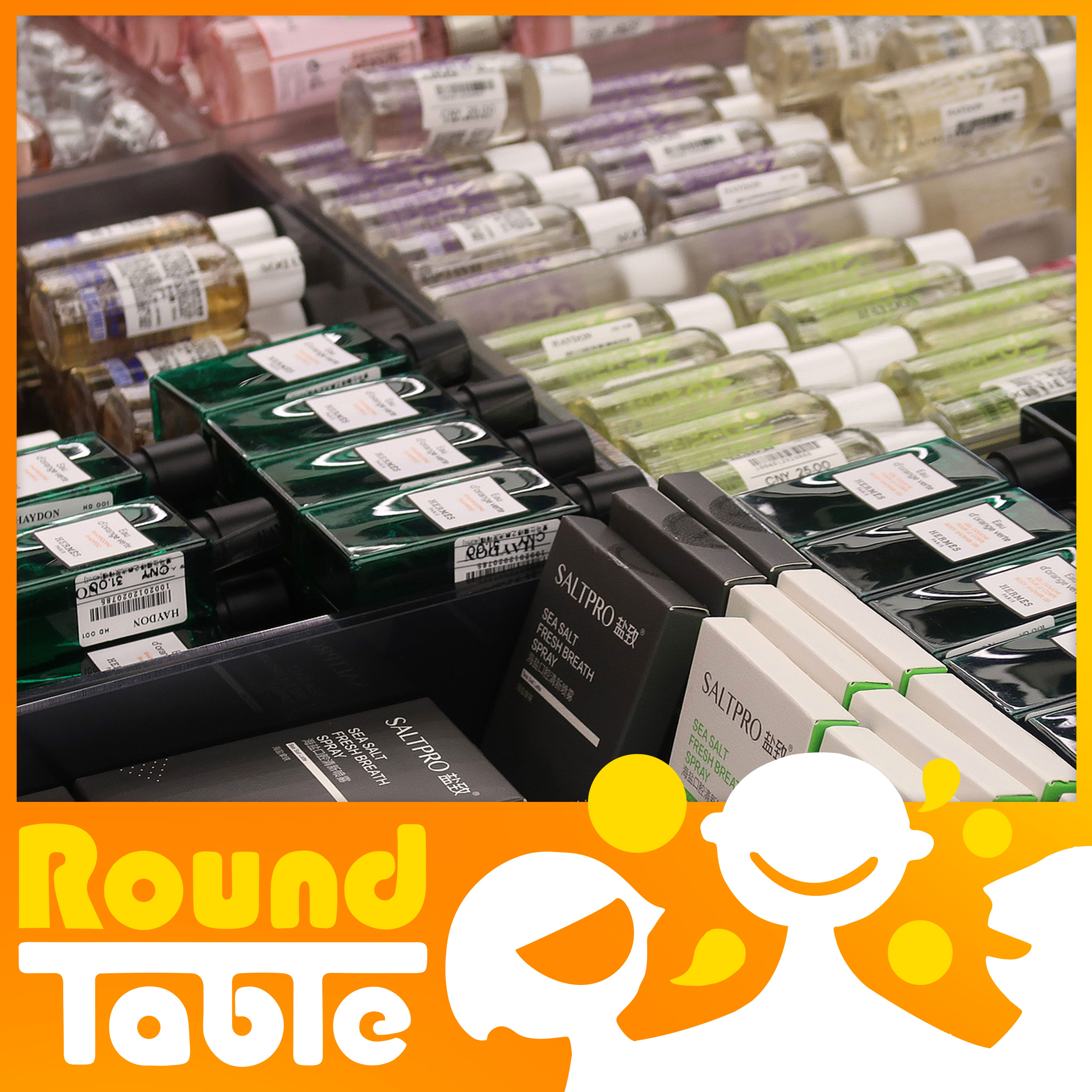
免费试吃、试驾以及无理由退货正在将购物中心转变为试用经济的展示厅。
Free tastes, test drives, and no questions asked returns are transforming malls into showrooms for the trial economy.
表面上看,这是一场双赢。
It's a win win on the surface.
商家建立了信任,而你则毫无风险。
Stores build trust and you feel zero risk.
但试用何时不再只是预览,而变成了整个表演?当免费样品用完后会发生什么?
But when does trying stop being a preview and start being the whole show and what happens when the free samples run out?
之后,让我们回顾上周节目中三个彼此完全无关的故事——或者,它们真的无关吗?
After that, three stories from our previous week of shows that have absolutely nothing to do with each other or do they?
完整的循环画出了连接一个又一个的无形线条。
The full circle draws the invisible line connecting one to the other to the other.
我们正在北京的演播室现场直播。
We're live from our studios in Beijing.
这里是《圆桌派》。
This is Roundtable.
我是史蒂夫。
I'm Steve.
非常感谢您今天与我们同在。
Thank you very much for being with us today.
在本期节目中,我和玉顺、玉山一起。
And for the show, I'm with Yushun and Yushan.
今天,当你走过一个购物区时,可能根本不需要停下来吃午饭。
First up, Walk through a shopping district today and you might not even need to stop for lunch.
从蛋糕试吃到烤鸭小 bite,真美味。
Between cake samples and roast duck bites, yum.
免费试吃随处可见。
Free tastings are everywhere.
看似热闹的美食嘉年华,实际上是一种策略。
What looks like a lively food carnival though is actually a strategy.
这是试用经济的兴起。
It's the rise of the trial economy.
这种‘先试后买’或‘不满意可退货’的模式,正在重塑实体零售和在线商店。
This model, try before you buy or return if you don't love it, is reshaping brick and mortar retail and online shops too.
这不仅仅是降低风险和建立信任。
It's not just about lowering risk and building trust.
更重要的是销售一种体验和感觉。
It's about selling an experience and a feeling.
但试吃真的能推动有意义的购买吗?
But can sampling truly drive meaningful purchases?
它能增加销量吗?
Does it increase sales?
如果确实如此,那代价是什么?
And if it does, at what cost?
当企业收集更多关于我们试用什么以及为何退货的数据时,我们是否在用隐私换取便利,用控制权换取免费样品?
As businesses gather more data on what we try and also why we return, are we trading privacy for convenience and control for a free sample?
玉欣、玉山,下午好。
Yushin and Yushan, good afternoon to you both.
但在开始之前,谁不喜欢免费样品呢?
But before we start, I mean, who doesn't love a free sample?
是的。
Yeah.
通常,当我去那些大型超市、山姆会员店、好市多,甚至鲜食猴等等地方时,这种情况最让我开心。
Usually, that happens and make me the happiest when I pay a visit to one of those, you know, the gigantic supermarket, the Sam's Club, Costco, and and and even Fresh Hippo and and all of those.
你空着肚子进去,满载而归。
You walk around with empty belly and you're you walk out of it with a full belly.
是的。
Yeah.
是的。
Yeah.
这是一种在购物时顺便吃点午餐的聪明方式。
It's a genius way to have a little bit of lunch while you're doing your shopping.
好的。
Alright.
那我们开始吧。
So let's get into it.
首先,我们需要探讨一下‘试用经济’这个概念。
So trial economy is the term that we need to tackle first.
这到底是什么意思?
What's that all about?
是的。
Yeah.
我认为这是一种通过小样和试用包装起来的购买承诺。
I see that as a commitment of purchase that's wrapped up with smaller samples and trials.
所以这就是如今企业的做法。
So what this is what the business do nowadays.
他们不再直接要求你做出购买承诺,而是邀请消费者先试用、品尝、测试、试穿,甚至体验产品,再决定是否物有所值。
Instead of asking you to commit to a purchase, they invite the consumers to try first, to taste, to test, to wear, or even experience a product before deciding whether it's worth the money.
通过降低尝试或购买某物的成本和风险,如今的购物体验让人感觉更像是一种邀请,而不是一场赌博。
So by lowering the cost and risk of trying or just buying something, shopping nowadays are made to make you feel less like a gamble and more like an invitation.
嗯。
Mhmm.
这是看待购物的另一种方式。
That's another way of looking at shopping.
这实际上是把试用当作一种低成本的广告和促销工具。
It's kind of treating these trial as a low cost advertisement and promotional tool.
是的。
Yeah.
在现实生活中,我们看到很多免费样品,比如我提到的超市里的食品。
And in real life, we see a lot of free samples including foods like like how I mentioned in the supermarket.
还有试用装产品,尤其是在护肤和彩妆行业。
And also trial sized products like for especially in skincare and made up makeup industries.
我们经常看到小包装的粉饼或小装眼影之类的东西。
We see a lot of mini sized of powder or mini sized eyeshadow, stuff like that.
至于体验课,尤其是现在的在线课程,品牌不再靠无休止的广告吹嘘产品,而是让体验自己说话,相信一次好的试用会自然促成购买。
And then for demo classes, especially for online classes nowadays, rather than talking up a product with endless ads, brands nowadays, they let the experience speak for itself and trust that a good try will naturally lead to a buy eventually.
是的。
Yeah.
而且这些体验课的形式可以多种多样。
And the demo classes, that can come in different shapes.
对吧?
Right?
我见过一些,我觉得这甚至在国际上都很常见,比如在健身房。
So I've seen the ones and I think it's very common even internationally, like at the gym.
对。
Yes.
如果你注册会员,就会获得一次免费的私人教练试训。
If you sign up for your membership, you'll get one free trial with the personal trainers.
是的。
Yep.
对。
Yeah.
而且,当然,他们希望你会喜欢上这种体验,从而报名参加更多课程。
And, of course, there is the hope is that you'll like it and you'll sign up for more classes.
嗯。
Mhmm.
有时候只需一个低价体验套餐,让你感受整个健身房的环境,价格非常低,比如一天10元,或者一周10元。
Sometimes just a cheaper one that you can experience the whole setup in the gym and then with a really, really low price for around like 10 yuan for one day or 10 yuan for a whole week of experience.
还有许多其他形式体现这种试用经济,比如我们之前提到的食品饮料、零售和服装行业。
And then there's just so many ways or manifestation in terms of these trial economy, food and beverage as we mentioned before, retail and apparel.
比如,一些服装品牌推出试穿后可退的政策,鼓励顾客把商品带回家试穿。
Like, iterations include, like, try at home before returning policies where clothing brands encourage customers to just take their items home.
当然,你得先付款,然后提供更长的退货期限,比如三十天,以避免试衣间排队之类的问题。
Of course, you need to pay for that first and then offer extended return windows up to, like, thirty days to bypass that kind of fitting room queues or something like that.
对我来说,这和‘先试后买’政策有点不同,因为这对我来说只是一个退货政策。
That's for me, that's a little different than the try before you buy policy because that's just for me, that's a return policy.
你已经全额支付了产品费用。
You you're paying for the product in full.
对吧?
Right?
你付了100%的价钱。
You're paying 100% of the price.
只是如果你不满意,或者它不合你的需求,或者其他原因,你可以退回来。
It's just you can bring it back if you're not happy with it or it doesn't suit your needs or what have you.
但‘先试后买’的模式有点不一样。
But the try before the buy model is a little bit different.
它完全不需要任何付款,因此对我来说,真正的例子就像开头提到的,外面卖的烤鸭小块。
It doesn't require any payment whatsoever, and that's why for me, the true examples of this would be, you know, in the opening, said roasted duck bites, you know, outside.
其实附近就有一家鸭肉餐厅,他们会向路边经过的行人派发样品,我总是觉得,别拿。
There's one nearby actually, a duck restaurant where they'll hand out samples to the people walking by on the sidewalks, and I always feel like, don't take it.
别拿。
Don't take it.
别拿。
Don't take it.
因为我知道那有多美味。
Because I know how delicious it is.
我以前在那里吃过。
I've eaten there before.
是的。
Mhmm.
但在顾客做出购买决定前,他们并没有对尝试产品进行任何投入。
But there's no investment on the behalf of the customer or from the customer to try out the product before you make the purchase.
而且对于商家来说,他们在设计这套规则时就考虑到,这些免费样品中的一部分肯定会以某种方式被‘浪费’,因为并不是每次试吃都能带来完整的购买,或者让顾客再次光顾餐厅。
And also for the shops and the businesses, they had this in mind when they designed this whole rule of the game is that part of that free sample is definitely going to be, quote unquote, wasted in some ways because it's not always lead to a full purchase afterwards afterwards or come back to the restaurant.
这不能保证,但确实是个不错的推广方式。
It can't guarantee that, but that's a good way to promote.
当然。
Sure.
所以这适用于线下店铺。
So this applies to offline stores.
当然,例子包括餐厅,你也可以谈谈面包店。
Of course, the examples would be the restaurants that that you could also talk about bakeries.
面包店也经常这么做。
Bakeries do this a lot too.
是的。
Yeah.
嗯。
Mhmm.
我们附近有一家小商店,卖栗子和其他小零食。
There's a little shop not far from us that sells things like chestnuts and other small snacks.
是的。
Yeah.
他们经常在人行道上向路人分发栗子,味道香甜可口。
They'll be out on the sidewalk often handing out chestnuts to people, which are tasty and delicious.
所以这就是线下的体验方式。
So there's the offline trials.
还有线上的体验方式,我认为淘宝就是一个很好的例子。
Then there's the online trials too, and I think Taobao might be a good example of that.
嗯。
Mhmm.
他们提供这种‘先试后买’的政策。
They offer these kind of policies of buy before no.
试用后再购买,你可以直接下单你想要的产品,但不需要支付任何费用。
Try before you buy, and then you can just, like, place this order of this product that you want to buy and you don't need to pay anything for that.
是的。
Yeah.
实际上,不同的平台对淘宝和京东的政策有所不同,我认为。
Actually, different platforms offer the policy differently for Taobao and jd.com, I believe.
这关于退款。
It's about sorry.
对于淘宝和拼多多,它们实际上给我们提供了十五天的时间来最终决定是否付款并保留商品,或者尽快无条件退货。
For Taobao and Pinduoduo, actually, they they allow us a fifteen day of time period for you to make the final decision of whether I'm paying it and keeping this product or returning the product as soon as possible without paying anything.
对。
Right.
所以你可以先让商品寄到你家里。
So you can actually get the product sent to your house First.
是的。
Yep.
先试用再付款。
The before you pay.
然后你检查一下商品,做出决定,再回到平台或App,点击确认收货按钮。
And then you kinda check it out, make a decision, and then you go back to the platform, to the app, and you click the received button.
是的。
Yes.
这时收货完成,确认后,你的钱就会转到商家账户。
That's when the reception is done and the confirmation is made and your money flies to the the business site.
对。
Yeah.
这确实是一种先试后买的方式。
So that that truly is a a try before you buy.
你还提到了样品购买。
You mentioned the sample purchases as well.
这和这个有点关系,但又不完全一样,我以前从来没听说过这种做法。
This is this is somehow related, but also just a little bit different, but I've never heard of this before.
你提到化妆样品,或者香水可能是另一个例子,这到底是怎么运作的?
You said the makeup samples or maybe perfume would be another example where instead of how does this work?
不是买整瓶,而是买一小瓶,价格只有原价的一小部分?
Instead of buying the full sized bottle, you'll buy just a little tiny one at a fraction of the price?
是的。
Yeah.
我认为,这也是样本经济或试用经济的重要组成部分,因为人们会故意购买这些小包装的化妆品或其他产品,首先,他们可以以极低的价格买到一些高端品牌的迷你版,对吧?
That's, I think, another big part of the sample economy or trial economy because people will just intentionally buy these sample size cosmetic products or a lot of things because, first of all, they can buy these mini versions of some high end brands at a, like, a fraction of the cost Right.
这对很多人来说更实惠,他们可以先试试看这个颜色是否适合自己肤色,或者这个产品是否与自己穿着的风格相配,等等。因此,这首先是一个很好的起点;然后,正如我所说,有些人会特意购买这些迷你装,因为他们觉得大包装的产品自己根本用不完。
Which is, I think, more affordable to a lot of people who will like to try maybe if this color is suit suiting my skin or that product is is really suitable for anything that I am wearing or something like So that is a good, first of all, starting point, and then some people will intentionally, as I said, to buy these mini size versions of these products because they don't think that full size is something that they can actually use all of them.
是的。
Yeah.
这对奢侈品牌来说是个好主意,因为这些产品通常价格昂贵。
And it's a good idea for luxury brands because those are often really expensive purchases.
所以如果你买了一小瓶东西,这可能会激励你之后购买全尺寸的产品。
So if you get little tiny bottle of something, then that can be an incentive for a later purchase.
现在我要坦白一下我对这个趋势的看法,因为我有一个专门装样品的包。
So here's the time when I get honest about this whole trend because I have a bag that just for the samples I
提供。
provide.
是的
Yeah.
对
Right.
是的
Yeah.
你知道吗?
And you know what?
因为有时候我会推迟使用某些产品。
Because sometimes I delay the using of certain products.
我相信这对很多消费者来说都是这样。
And I I believe it's the thing for a lot of consumers out there.
我们会推迟使用,或者只在特定季节使用。
We delay the using or just use it for certain seasons.
度假
Vacations
也是吗?
too?
是的。
Yeah.
度假和商务出差也是。
Vacations too and business trips.
而且有时候大瓶装或者大包装的产品,因为几个月后甚至几天后没怎么用,就会变质或过度氧化。
And and then sometimes the bigger bottles or or whether bigger product size, they go bad or overly oxidize as you don't use it a few months later or just maybe maybe a a few days later.
所以这种混合装似乎是个不错的选择,可以总是使用新鲜的产品,一周内就能用完,然后很快再开始新的一份。
So this mixed sample seems like a good option to always use freshly, and you can finish it within one week and then start a new one soon after.
我们稍后再来讨论潜在的问题。
Well, we'll come back to the potential problems in just a sec.
但首先,我想问一下,恕我直言,为什么这种方式如此有效地促使人们真正花钱?
But first, I wanna ask why, pardon me, is this so effective in getting people to actually spend money.
这些免费试用、免费体验和免费赠品。
These free tastings, free try ons, free giveaways.
是的
Yeah.
对企业来说,这是一种高效吸引流量和获取客户的工具。
For businesses, it is a kind of high efficiency tool for attracting traffic and also acquiring customers.
对吧?
Right?
通过提供这些样品或试用,企业可以降低消费者的防备心理,建立初步信任,因为你得到了免费的东西。
By offering these samples or trial run, these businesses can lower a consumer's psychological defenses and build initial trust because they're you're getting something free.
对吧?
Right?
是的
Yeah.
而且你被吸引到了店里。
And you got attracted to the store.
也许他们只是想让你进店。
Maybe they just want you to get into the store.
就这样了。
That's all.
这些样品的成本就是如此。
That's the cost for these samples.
他们把这部分成本计入了营销或促销预算中。
That's they they include these costs into their maybe marketing or promotional cost budget.
所以目的并不是让你立即购买,而是增加你购买某物的可能性。
So the only purpose is not letting you buy, it's making you to be in increase the chance that you buy something.
我感觉这里有个陷阱。
I'm smelling a trap here.
哦,好吧,这确实是其中一个视角。
Oh, well, I mean, that is kind of one perspective.
我记得曾经去过北京这里一个热门的胡同。
I remember visiting one of the popular Hutongs here in Beijing.
嗯。
Mhmm.
那里的很多商店都会发放免费样品。
And a lot of the shops there will give out free samples.
让我印象最深的是那家茶店,我记得自己确实买了东西。
One that stood out to me, I remember it because I did make a purchase, was the tea shop.
他们就在外面。
They're out
在街上。
on the street.
他们让你品尝每一种茶。
They made you try each tea.
对吧?
Right?
他们给你小纸杯,用的都是颜色最鲜艳、看起来最美味的茶。
They give you the little cups, the paper cups, and they use the most colorful, delicious looking teas too.
对吧?
Right?
然后你尝了一口,味道太棒了。
And then that you try it, and it's amazing.
然后你走进店里,是的,你就买了。
And then you go inside, and, yeah, you you make a purchase.
你看,这会激发人们冲动购物的欲望,没错。
You see, that stimulates a desire to impulse buy things Yep.
尤其是当你在旅行的时候。
Especially if you're traveling.
既然这味道不错,那就干脆打包带走吧。
And while this tastes good, let's just get it packed.
完全正确,因为我去那个胡同时根本没打算买茶。
1000% true because I didn't visit that Hutong with the idea of buying tea.
对吧?
Right?
嗯。
Mhmm.
但我离开时买了茶。
But I left with tea.
是的。
Yep.
他们的策略成功了。
Their plan worked.
但与此同时,我们认为这些试用也是一种低成本、高成效的营销手段。
But in the meantime, that these trials, we see it also as a low cost, high impact marketing mechanism too.
免费或低成本的试用就像品牌的一种廉价广告。
That the free or low cost trials function like inexpensive advertising for the brand.
对消费者来说,这也是一种相对低成本的入门和体验方式。
And it's also like relatively lower cost option for consumers to enter and to try out as well.
成本非常低。
It's with a minimal cost.
而以远低于原价的价格体验知名或高端品牌——对我而言,主要是护肤品——对很多人来说都是巨大的吸引力。
And the promise of experiencing well known or higher end brands, for for my case is always for skincare for a fraction of the full price is major is a major draw for many of us.
而且广告,我甚至还记得他们是怎么推广的。
And the the advertisement, I can even remember how they marketed it.
你花500元甚至更多,就能得到30毫升的正装产品。
You get a 30 mill milliliter of full sized product with 500 yuan or even higher.
但如果你只买10毫升的样品,可能只需要30到50元。
But with a sample of 10 milliliter, that only cost you maybe 30 or 50 yuan.
三个这样的样品加起来,总量就等于一整瓶正装产品了。
And three of those samples can equal the amount this of product of a full sized product in the first place.
那为什么不呢?
So why not?
很多人,像我这样的人,就被这个漏洞吸引住了,总觉得我们占了品牌的便宜。
A lot of people just get like, people like me just get trapped by that loophole, and and we think we're getting you know, we're taking the advantage from the brand.
不过很难说这是陷阱,因为最终,作为顾客,是否购买还是由你自己决定的。
It's hard to call it a trap, though, because ultimately, it is your decision as the customer whether you want to make the purchase or not.
是的。
Mhmm.
本杰明·戴维斯是Try Now的创始人兼首席执行官。
Benjamin Davis is the founder and CEO of Try Now.
我发现了这个,觉得它非常契合我们今天讨论的主题。
I found this, and I thought it was really applicable to what we're talking about today.
Try Now是一个‘先试后买’的软件平台。
Try Now, it's a try before you buy software platform.
它面向Shopify商家,允许顾客下单商品,带回家试用一段特定时间——通常是77天,抱歉,只有在顾客决定保留商品时才需要付款。
It's for Shopify merchants and it allows customers to order products, try them at home and and for a set period of time, it's usually about seventy seven days, excuse me, and the customers only pay for the items if they keep them.
据他所说,这通过降低购买障碍,让顾客在做出购买决定前先试用商品,从而提升了电子商务的转化率。
And according to him, it it enhances ecommerce conversion rates by reducing friction and allowing customers to try items before having to commit to that.
当我们谈论转化率时,人们会把商品加入购物车,但很多时候购物车会一直保持满载状态。
So when we talk about conversion rates, you know, people will put stuff in their cart, but oftentimes that cart will remain full Mhmm.
然后他们就会离开平台,没有完成购买。
And they'll exit the platform without making a purchase.
是的。
Yep.
但他表示,如果能免费试用一周,这就是一种非常成功的商业模式。
But when you can try it for a week at zero cost, according to him, then it's a really, really successful way of doing business.
是的。
Yeah.
这降低了决策风险和成本,让消费者能够先迈出第一步,用少量的钱或时间试水,再决定是否购买全价产品或服务。
It reduces that kind of decision making risks and also costs, making consumers, first of all, taking the first step so they can test the waters with small amount of money or time before committing to a full priced product or service.
我也看了他的一个采访,因为在我浏览了他的网站后,我非常好奇。
I watched an interview with him as well because I was so kind of curious after I was looking at his website.
这些是采访中的一些原话。
And these are some of the quotes from the interview.
如果你在实体店,比如服装店,不会在没试穿T恤的情况下就付款,那为什么在线上就要这么做呢?
If you wouldn't pay upfront to try something in a store, like a fashion store, you try on a T shirt or something before you buy it, then why would you do that online?
有一句话特别突出。
That was one quote that stood out.
另一句话是:顾客在有疑虑时不愿付款,因此‘先试后买’消除了人们的犹豫,从而提高了转化率。
Another one, customers don't want to pay in the face of doubt, so try before you buy removes that hesitation that people might have and therefore increase the conversion rates.
另一个观点是,品牌需要减少对折扣的依赖。
Another one, brands need to reduce re reliance on discounts.
所以,先试后买。
So try before you buy.
它比对产品打折更能有效提升转化率。
It is a better conversion driver than applying discounts to the products.
我觉得这个观点也很有意思。
I thought that was interesting too.
是的。
Yeah.
而且在某种程度上,它正在改变人们如今看待购物和思考购买决策的方式。以前,比如我在想买定妆粉的时候,不会直接上网买一整套产品,而是会看看我常买的那些品牌中,谁提供样品。
And in a way, it's changing how people view shopping and think about what to buy nowadays because previously, for example, when I was trying to get setting powder, instead of just going online and buying a full package product, I just look in each of the brand that I usually use and see who offers samples.
如果有哪个品牌提供15元以内的低价样品,我就选那个。
If there's one that offers cheap samples within within 15 yuan, then that's the one.
我会直接去
I'm going directly to
样品。
the samples.
有效果。
It works.
对吧?
Right?
有效果。
It works.
是的。
Yeah.
对。
Yeah.
好的。
Alright.
所以这些就是这一策略的积极效果。
So those are the effect that's the effective side of of this strategy.
但有哪些可能出问题的地方呢?
But what are some of the things that can go wrong?
当我们听到‘免费’或‘试用’这样的词时,通常会以为自己占了大便宜。
So when we hear the word like free or trial, we usually think we're getting a great deal.
对吧?
Right?
但正如那句俗话所说,天下没有免费的午餐;在中文里,我们也有一个更本土化的说法。
But as like the saying goes, there's no such things as a free lunch or in Chinese, we have a more localized one.
叫做‘天上不会掉煎饼’。
It's called there won't be any free pancakes falling from the sky.
没错。
Exactly.
是的。
Yeah.
所以,试用经济实际上伴随着相当显著的成本,不仅体现在金钱上,还体现在时间,以及商家和客户双方的信任上。
So the trial economy actually carries some pretty significant costs, not just in terms of money, but also in terms of, like, time or maybe trust in in terms of both from the merchants or the customers.
首先,从商业角度来看,这是一种投资。
So first of all, from the business perspective, it is an investment.
这是一种承诺,意味着你决定采用试用或样品等策略来吸引更多消费者。
It is kind of a commitment that you are deciding to do these kind of strategy using the trial things or samples to attract more consumers.
这意味着你需要在成本、包装、原材料和配料等方面投入一笔资金。
That means that you will need to spend a a certain amount of money on the cost, on label, on the raw materials and ingredients and everything.
所以我们需要考虑这一点。
So that is something that we need to consider.
从消费者的角度来看,你会觉得,好吧,他们无论如何都会承担这些成本,这意味着当你从他们那里购买产品时,是的。
And also from the consumer's perspective, you will think that, okay, that is the cost they will use anyway, which means that you may when you're purchasing a product from them Yeah.
你可能已经为这些样品付过钱了。
You may already paid for the examples.
我认为对企业来说,另一个缺点是,假设你得到了某样东西的免费样品,而你是一个喜欢写评价的人。
I think another downside for the businesses is, let's say that you get that free sample of something and you're a review person.
我本人不太是那种爱写评价的人,但有些人确实非常热衷于写评价。
I'm not so much a review person, but some people are super review people.
对吧?
Right?
他们会试用一下,不管喜不喜欢,都会在网上发表评价。
They'll try something and whether they like it or not, they'll put a review online.
想象一下这种情况:你给顾客免费提供产品样品,他们不喜欢,然后在网上发布差评。
So imagine the scenario where you give a customer a free sample of your product, they don't like it, and then they post a negative review online.
嗯哼。
Mhmm.
这对企业来说简直是噩梦,因为不仅没从购买中赚到钱,还让产品受到了负面关注。
That's like the worst case nightmare scenario for a business because not only did they not make any money from a purchase, they're getting negative attention for their product too.
你们提到的这两种情况,都是基于一个前提,那就是这些企业提供试用或样品的产品是正规的。
Well, both cases you guys mentioned are kind of under the premise of the fact that these products offered us trials or samples are legit.
它们的质量是过关的。
They're good enough.
但如果是其他情况,样品的质量令人担忧呢?
But what if, in other cases, the quality of the samples is concerning?
是的
Yeah.
我想回到那个话题。
I wanted to come back to that.
你之前稍微提到过,那并不是它应有的样子。
That's what you briefly touched on before where it's not what it's supposed to be.
对。
Yeah.
而且我们在线上也经常看到很多这样的情况。
And sometimes we see a lot of cases online too.
有时候顾客发现,三支标称重量相同的样品管中,有一支明显瘪了。
Sometimes shoppers, they notice that out of three sample tubes labeled with the same weight, one was visibly deflated.
这意味着那一支比其他的轻。
That's the meaning that one is lighter than the rest.
但客服坚持说没有错误,因为产品是通过电子称重的,应该都是一样的。
And customer service insisted that there was no error because the product were electronically weighted and they out to be all the same.
还有其他时候,消费者试用口红样品后非常喜欢那个颜色,于是购买了正装,但后来却发现实际颜色与试用样品完全不同。
And then there are other times when consumers tested out a lipstick sample, loved the color, bought the full size version only to discover later that the color looked completely different from the sample they tried.
还有人在网上报告说,她从一个知名品牌在线购买的迷你香水,闻起来和正装完全不一样。
Then somebody else reported online that the sample sized perfume she bought online from a well known brand smelled nothing like a full size version.
这个情况我以前从未遇到过,但我实在难以想象。
Now that one, I've never encountered before, but I can't imagine.
我不明白,为什么一家公司会认为把样品做成质量更低的产品是有利的,因为这毕竟是顾客与产品初次接触的‘见面礼’。
I can't understand why that would be beneficial to a company at all to make their samples a lower quality product because that's the meet and greet, if you will, for the customer and the product itself.
嗯。
Mhmm.
所以,如果你降低了样品的质量,那只会损害你自己。
So if you're lowering the quality of the samples, then that that's only going to hurt you.
这个顾客就永远流失了。
That that customer is gone forever.
如果这些样品的销售方并不是品牌公司本身,而是第三方卖家,或者像批发中心之类的地方,那该怎么办?
What if the sellers of those samples are not exactly the companies themselves, but instead of a third party seller or a, like, a bulk buy center or something?
是的。
Mhmm.
因为这种情况确实会发生。
Because it happens too.
在中国各地都有专门销售各种品牌样品的店铺。
There are places all over China where there are stores that just sell samples of all different brands.
他们声称这些样品来自正品渠道,但我们无从得知。
And they claim that these sample products are are from authentic origins, But we never know that.
没有办法验证这一点。
There's no way of verifying that.
有时市场上流通的样品数量甚至超过了原品牌的实际产能。
Sometimes, there are even samples out there in the market that's outnumbering the real production capacity of the original brand.
市面上存在这样的情况,让人们感到非常沮丧。
There are things like this out there that people just feel so frustrated.
但与此同时,我们很多人都感到困惑。
But in the meantime, a lot of us just confused.
另一个对商家而言的潜在不利因素体现在一个日益增长的趋势上。
Another downside for a potential downside for the businesses is reflected in a growing trend.
我不确定中国是否也存在这种情况,但在西方似乎正在发生:消费者可以在购买前试用商品,他们会一次性订购大量商品,比如总共10件,但下单时他们的本意是退回其中7件。
I'm not sure if this is happening in China, but it's happening in the West apparently, where shoppers are offered a try before you buy, and they'll buy a lot of items, let's say 10 in total, but they'll have the intention at the moment of ordering, they'll have the intention of returning seven of those items.
这就像是在服装店把很多衣服拿到试衣间一样。
So it's like taking a lot of clothes into the change room at the clothing store.
你根本不会买下所有这些衣服。
You're not gonna buy all of those clothes.
你只会挑一两件留下,其余的都退回去。
You're gonna choose one or two items, and you're gonna give the rest back.
对吧?
Right?
据称,这种现象在消费者中正日益普遍,44%的零售商表示——数据来自ShipStation.com。
Apparently, this is a growing trend among shoppers, and 44% of retailers this is from shipstation.com.
44%的零售商表示,处理和包装退货正在严重压缩他们的利润空间。
44% of retailers say that their margins are being strongly impacted by handling and packaging returns.
70%的人表示,试用后购买的增加进一步压缩了他们的利润空间。
7070% said that they're being squeezed further with the increase of try before you buy.
说到退货的问题,我说过,如果他们拿到10件商品,可能会退回7件。
And to the point of people returning things, I said that if they get maybe 10 items, they'll return seven.
根据ShipStation的数据,87%的人会这么做。
87% of people do that according to ShipStation.
这数量可真不少。
So that's a lot.
这数量可真不少。
That's a lot.
现在,如果你从物流角度想想,公司需要如何处理包装、退货和重新上架。
Now if you think logistically, how a company needs to handle packaging and the returns and the restocking.
这可是大量的额外物流工作。
That's a whole lot of extra logistical work.
嗯。
Mhmm.
是的
Yeah.
说实话,这个问题或争议已经持续很久了。
This has been the, I think, discussion or controversy for quite a while, to be honest.
对于中国市场而言,许多平台都在努力保障消费者的权益。
And for act for, like, Chinese market, a lot of these platforms are trying to make sure the right of consumers is guaranteed.
嗯
Mhmm.
这就是为什么我们之前也讨论过‘无需退货即可退款’的政策。
That's why some of these we previously have also discussed that policy of return without the product.
实际上,你可以不退回商品就能拿到退款。
You can you can get your money back without returning the product, actually.
这是为了保护消费者的权益。
That's to protect the right of consumers.
但经过一段时间的实施后,他们意识到商家的权益也无法得到保障。
But after for a a period of time of doing this, they realized that is the merchants, the rights of the merchants cannot be guaranteed.
他们因为采用这些政策而损失了大量资金,因为他们把所有信任都放在了消费者一方。
They are losing a lot of money by using these policies because they are putting all the trust on the consumer side.
于是他们又开始这样做,而且我们也知道,女性服装在线购物的退货率也非常高。
And then so they they started to doing that again, and, also, we know that the, like, returning rate of female clothes online shopping female clothes is also really high.
嗯。
Mhmm.
因此他们使用了大量非常大、极其醒目的标签来标注。
And that is why they are using a lot of, like, really gigantic, dramatically big tags on the Yeah.
是的。
Yeah.
当然,你可以试穿,但别在实际使用时才试。
Of course, you can try, but don't, like, try it when you're actually using
它。
it.
在中国也有这种情况吗?
Is that a thing in China too?
因为这在美洲是个大新闻,我想英国和加拿大也是如此,人们会去购买衣服。
Because that was big news in America, I think, maybe The UK and Canada where people will go and buy some clothes.
他们会把标签撕掉,有时也会保留标签。
They'll take the tag off or sometimes leave the tag on.
只是藏起来。
Just hide it.
是的。
Yeah.
然后他们在周五晚上出去吃顿好饭、参加派对或做点别的,接着下周就把衣服退回去。
And then they'll go out on a Friday night for a nice dinner or a party or something, and then they'll return that the next week.
这是顾客在搞的彻底骗局。
It's a total scam that the customers are running.
他们等于白拿。
They're getting it for free.
哦,所以中国也有这种情况,商家因此会贴更大的标签?
Oh, so that happens in China and the stores put larger tags on?
是的。
Yes.
那也是一种
That's also kind
聪明的做法。
of a It's smart.
商家的应对方式,但他们这么做并不算正当。
Combat way of these merchants that they're trying to but that's not like legit.
对吧?
Right?
因为你实际上在使用它,而且你不想为此付费,但我们讨论的是,这种行为只是使用这种促销策略的必然成本,是的。
Because you're actually using it and you you you and you don't want to pay for anything So for but what we're talking about is that this is simply the cost of using this kind of promotional strategy Yeah.
作为一种商业行为。
As a bit as a business.
所以商家需要理解并准备好接受这一点,因为你应该考虑到这种情况。
So something that merchants need to understand and be prepared to take on because you should, like, take this into consideration.
这是风险的一部分。
It's part of the risk.
可以说,这已经融入了整个流程中。
It's baked in to the process, if you will.
说到保护消费者权益等问题,有没有适用于这种‘试用后购买’或试用消费类型的法律?
Well, speaking about protecting rights and everything, are there any laws that apply to this particular type of consumption, try before you buy, or trial consumption?
是的。
Yeah.
你说这是一种特定的消费方式,但本质上,它仍然是整个消费过程中的一个环节。
You say it's a particular type of consumption, but at its core, it's still just one step in the overall consumption process.
它仍然属于这个范畴之内。
It's still within that box.
嗯。
Mhmm.
这意味着,现有的法律法规如果尚未适用,也可以适用于试用消费。
So this means that existing laws and regulations can still, if not already, apply to trial consumption.
展开剩余字幕(还有 60 条)
当问题出现时,消费者仍然可以依靠现有的法律框架,通过投诉渠道来维护自身权益。
And that when problem arises, consumers, you can still rely on existing legal frameworks and establish complaint and the complaint channels to defend yourselves.
还有一些商家,我记得你们中有谁提到过,即使你不喜欢试用产品,也会被要求写好评。
And also some merchants, they like, I I don't remember which of you which one of you exactly, but you mentioned that being requested to write a good review even if you don't like a trial after you taste it.
嗯。
Mhmm.
有些商家确实会这么做。
Some merchants, they they do that.
他们把样品、免费试用或免费品尝当作处理瑕疵品、积压品或降级产品的渠道。
They treat samples where free trials or free tastes as a dumping ground for flawed, overstocked, or downgraded products.
而且
And
这正是对之前我提出的问题的回答——我不明白为什么公司会这样做。
That's the answer to what we were bringing up what I brought up before when I said, I don't understand why companies would do this.
但如果他们不把样品当回事,只是觉得‘这个有点瑕疵’的话。
But if they treat the samples not as a serious thing, but, oh, this one's a little flawed.
我们就把它放进样品堆里吧。
Let's just put it in the sample pile.
这绝对不是一个明智的选择。
Well, that's definitely not a wise choice.
对吧?
Right?
与此同时,这降低了成本,但可能侵犯了消费者的知情权和公平交易权,会给企业带来大麻烦。
It's lowering cost in the meantime, and that may violate consumers' right to information and fair trade, and that's going to drag the business into big problems.
因此,对于这些标为样品的产品,若未能如实披露真实质量或试用产品信息,就违反了《消费者权益保护法》,该法要求企业对其提供的任何产品提供准确、全面的信息。
So for these samples or whatever products that that's listed as samples, failing to truthfully disclose the real quality or trial products violates the consumer rights protection law, which requires businesses to provide accurate and comprehensive for information about whatever you're offering out there.
我认为公司不允许要求或告知你:如果你给我们写个好评,我们就给你一些好处。
I don't think a company is allowed to ask you or tell you, if you write a positive review for us, we will give you a benefit.
我们会给你一个免费样品。
We will give you a free sample.
我们会给你一些免费的东西。
We will give you a free something.
对吧?
Right?
评价是一回事,但强制要求正面评价,那就是另一回事了。
A review is one thing, but requiring a positive review, that's a different thing.
是的。
Yeah.
有时候他们会提供这种优惠,但在我以往遇到的类似情况中,这从来都不是一个强制要求。
And Sometimes they will offer that, but it's it should it never in my previous encounters of this kind of scenario, it never shows up as a requirement.
这仅仅是一种他们愿意提供的福利。
It's just something that they're willing to offer.
嗯。
Mhmm.
这是一种促销手段。
That's a kind of a promotional Yeah.
他们试图利用的一种工具。
Tool that they are trying to use.
如果你给我们五星评价,我就送你一杯免费饮料。
I'll offer you a free beverage if you give us a five star review.
如果你真的喜欢的话。
If you really like it.
嗯。
Mhmm.
嗯。
Mhmm.
但再说一次,这是在要求正面评价,而不仅仅是普通的反馈。
But, again, that's requiring the positive feedback, not just feedback in general.
根据中国律师协会公司法委员会的一名成员的说法,这种要求正面评价作为条件的做法,属于‘越过法律红线’。
And according to a member of the corporate law committee of the All China Lawyers Association, that is, quote, crossing a legal line requiring that positive review condition.
是的。
Yeah.
所以你看,就是这样。
So there you go.
好吧。
Alright.
所以现在情况就是这样。
So now that's the situation.
我们能做些什么来改善它呢?
What can we do to make it better?
免费试用、试用装和促销活动,可能仍然处于缺乏明确统一质量标准的灰色地带。
Free testing and trial used, offers, they probably still are in the gray zone of in lack of clear and unified quality standards.
这是第一点。
That's for one.
这是北京律师协会消费者权益与产品安全委员会主任指出的。
That's pointed out by the head of the consumer rights and product safety committee of the Beijing Lawyers Association.
因此,这一点在化妆品和某些食品行业尤其明显,因为试用装通常没有与完整包装产品相同的可追溯系统。
So this is especially true for cosmetics and certain food industries even when trial products often don't have the same traceability system as full sized items.
所以,我们仍需优先保障所有市面上产品的安全。
So still, we need to prioritize safety for whatever products that's are out there.
是的
Yeah.
而且说到改进,我认为至少目前,这种基于试用的经济模式是逐步建立在人与人之间的相互信任之上的,这本身已经是一个重大的进步,这就是我的看法。
And also speaking of improvements, I think that at least for now the rise of this trial based economy has been gradually built on mutual trust between people because that in itself already a major step forward, that that's what I think.
因为消费者在决定购买之前先下单,这本身就是对商家的一种信任。
Because consumers placing order before deciding whether to buy is a kind of a trust on the merchants.
对吧?
Right?
而商家开始实行无条件退货或无需理由退货政策,这也是对消费者的一种信任。
And the merchants starting to have these, like, unconditional return policy or no question asked return policy, that is also another trust on consumers.
所以,这种健康的相互信任作为这一模式乃至更广泛经济的基础,可以形成一种积极、健康、自我强化的循环,使双方关系更加融洽,进而促进更多消费。
So what what this kind of healthy mutual trust as a foundation in this model and even the broader economy can enter a kind of positive, healthy, or self reinforcing cycle to make the two parties to have a better relationship, and then they they actually can encourage more consumption as well.
而且你提到,有时样品的质量不如你购买的产品,尤其是相比之下。
And and to your point about how sometimes the sample will not be of good quality, especially when compared to the product that you buy.
嗯。
Mhmm.
我认为这一点在其他事情上也可能成立。
I think that might hold true with other things as well.
我在想试听课。
I'm thinking demo classes.
如果你参加了一节试听课,心想:哇。
If you take a demo class and you're thinking, wow.
这位老师太棒了。
This teacher is amazing.
这节一小时的免费试课结束后,我就报名参加三个月的课程。
I'm gonna sign up for three months of these classes after this one hour free trial.
然后你进了教室。
Then you get in the room.
教课的老师换了。
It's a different teacher.
是的。
Yep.
没有资质,而且材料的质量也不太好。
No qualifications, and the quality of the material is not very good.
也许需要一些保护措施,确保你体验到的正是你所购买的,这不仅适用于化妆品、香水之类的产品,也适用于人与人之间的互动。
Maybe some protective measures to make sure that what you're sampling is exactly what you're buying, not only when it comes to makeup and perfume and things like that, but also human to human interaction too.
是的。
Yeah.
有趣的话题。
Interesting topic.
关于 Bayt 播客
Bayt 提供中文+原文双语音频和字幕,帮助你打破语言障碍,轻松听懂全球优质播客。