本集简介
双语字幕
仅展示文本字幕,不包含中文音频;想边听边看,请使用 Bayt 播客 App。
讨论让世界运转。
Discussion keeps the world turning.
这里是圆桌会议。
This is Roundtable.
您正在收听圆桌会议。
You're listening to Roundtable.
我是林永厚,与史蒂夫和易欣一起。
I'm Yong Hou Lin with Steve and Yixin.
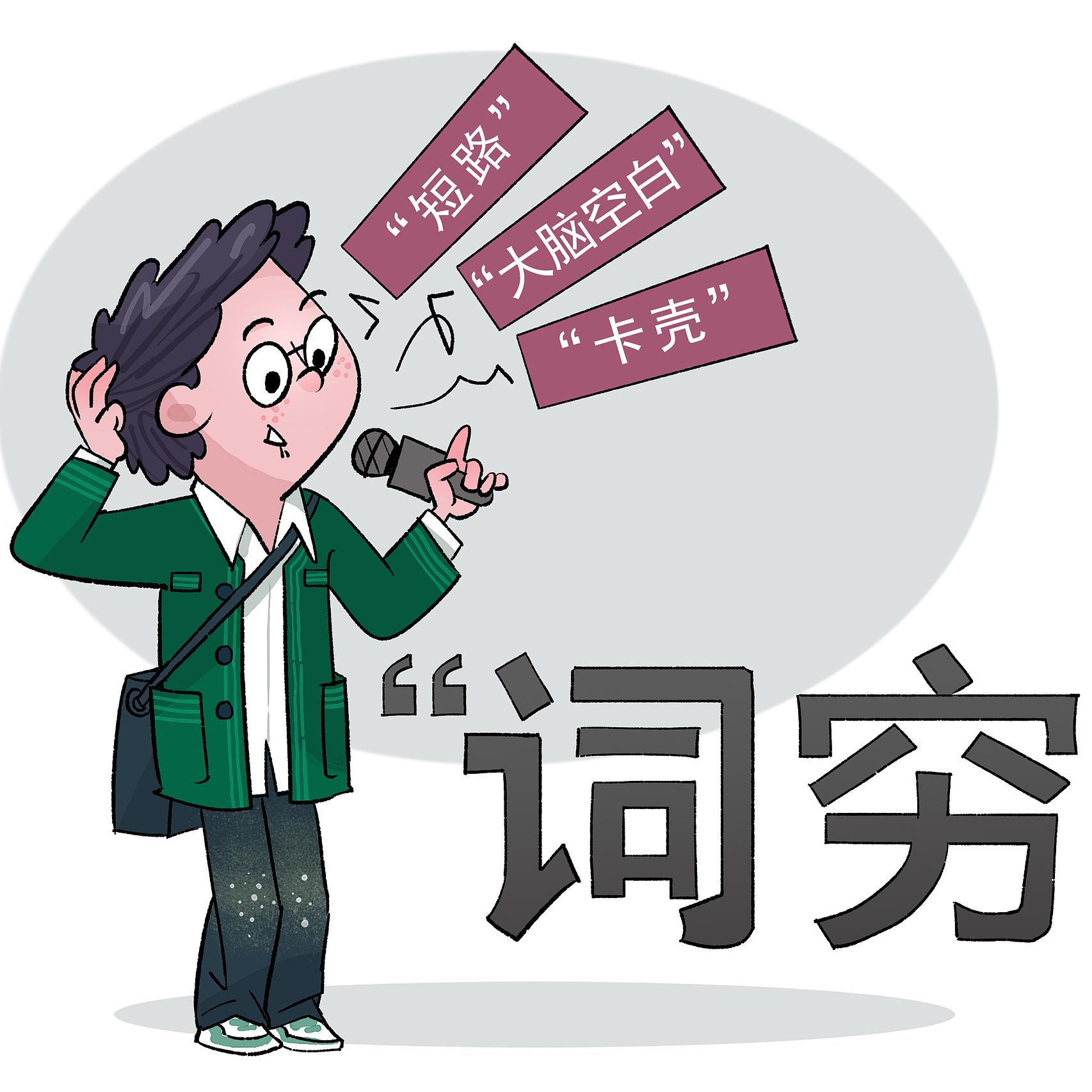
全球各地的人们正对某些实时中鲜少注意的事物产生意外的自我意识——那些悄悄潜入我们句子中的细微声响、停顿和短语。
Across the world, people are becoming unexpectedly self conscious about something we rarely notice in real time, the tiny sounds and pauses and phrases that sneak into our sentences.
在美国,关于填充词的谷歌搜索量激增。
In The US, Google searches for filler words have searched.
在中国,年轻职场人士担心会议中的发言表现。
In China, young professionals worry about saying in meetings.
在法国,这已成为全国笑柄。
In France, has become a national punchline.
而社交媒体处处挑战人们不带犹豫标记地说话。
And everywhere social media challenges people to speak without hesitation markers.
今天我们将探讨:为何普遍存在、古老且深具人性的填充词突然成了语言不安全的象征。
Today, we explore why filler words universal, ancient, and deeply human have suddenly become a linguistic insecurity.
你可能自己也发过这样的礼貌性拖延——用'也许'回复晚餐邀约,一条'很忙'的短信或为保持周末开放而争取时间的托词。
And you have probably sent one yourself, the polite maybe, to a dinner invitation, a text that busy or that buys time keeps your weekend open.
但社会心理学新研究表明,这个微小词汇承载的重量远超我们想象。
But new research in social psychology suggests that this tiny word carries more weight than we realize.
多项研究表明,人们会误判自己的决定或犹豫不决给他人带来的感受,自以为是在体贴对方,实则可能常常让对方觉得是一种变相的拒绝。
Across multiple studies, researchers found that people misjudge how their decision, how their indecision is received, Believing they're being considerate when in fact maybe often feels like rejection in disguise.
你对用'可能'作为回答有什么感受?
How do you feel about having maybe for an answer?
我们来谈谈这个问题。
Let's talk about it.
但在那之前,杨浩提到的粉笔质感的'底层'概念,在各种语言中都有体现。
But before that, Yang Ho, like, chalky, so, bottom, all in every language.
这就是语言缓冲垫的不同版本。
There is this different versions of verbal cushion.
当美国人在争论'山谷女孩'式用语的影响时,其他地区的说话者也在与各自的语言困境作斗争。
While Americans debate the legacy of the valley girl like, speakers elsewhere struggle with their own linguistic crunches.
但这些习惯并非一夜之间形成的。
But these habits didn't emerge overnight.
它们反映了文化规范、语速以及流畅表达的压力。
They reflect cultural norms, speech tempo, and the pressure to perform fluently.
随着人们对说话自我意识的急剧增强,这个问题也随之而来。
As self awareness around speaking skyrockets, so does the question.
填充词是沟通缺陷,还是人类思维方式的特征?
Are filler words a communication flaw or a feature of how humans think?
你怎么看?
What do you think?
他们称这些为填充词。
They call them filler words.
是的。
Yeah.
它们在言语中确实有其作用。
And they they do serve a purpose in speech.
它们并非完全无用,但过度使用会让人感到些许厌烦,甚至引发评判。
They're not completely useless, but when overused, then people tend to get a little annoyed by that or they tend to judge as well.
我说的是英语中的那些词,比如'like'、'or'、'you know'之类。它们存在已久,对吧?这些词在句子中要么充当占位符——意味着说话者发出这些声音向听者示意他们正在组织后续思路——要么就是所谓的语篇标记词。
I'm talking about the English words like or or like or you know, they've been around for a long time, right, and they they function either as placeholders in the sentences means that means like sounds that the speaker will make to signal to the listener that they're planning their next thought or what they call discourse markers.
这些词的作用是构建或组织对话,比如它们会引出一个即将出现的新话题。
Those are words that are used to kind of structure or organize the conversation like they are introducing a new topic coming up next.
其中'and'、'the'和'like'可能是我能想到最常见的三个,它们其实就是向听者暗示你还没说完。
The and the those are probably and like are probably the three most common that I can think of, and it's just a clue to the listener that you're not finished speaking just yet.
还有话要接着说。
Something else is coming.
所以我刚才说它们在言语中有作用就是这个意思。
So that's when I was that's what I meant when I was saying they do serve a purpose in speech.
嗯。
Mhmm.
我第一次接触'填充词'这个概念是在学...看?
The first time I encountered the word filler words or fillers is when I was learning see?
我刚就这么说了。
I said that.
对。
Yeah.
我们经常这样做。
We do it all the time.
确实如此。
We do.
世界各地的语言。
Languages across the world.
是的。
Yeah.
我的语言需要被清理干净。
And my language needed to be cleaned up.
我的老师就是这么说的。
That's what my teacher said.
我当时在学习口译,他们说你有这种倾向。
I was learning interpretation, and they say, you have tendency.
我们那里有很多学生,但他们特别对我说,你有确保句子不留空白的倾向。
We have there are many students there, but they say specifically to me, you have a tendency to make sure there's no blank in your sentences.
我想,确实。
I thought, yeah.
这在我的职业里被称为死寂。
That's called dead air in my profession.
我绝不允许这种情况发生。
I cannot allow that to happen.
一个非常具体但不那么典型的填充词例子就是'考虑到这一点'。
And one very specific, but not as typical example in the filler words world is that having taken it into consideration.
我的老师非常困惑。
My teacher was very confused.
他当时的反应是,那是什么东西?
He was like, what is that?
这是中文里的固定说法然后你翻译成英文的吗?
Is that a fixed term in Chinese and you are translating it into English?
那是什么?
What is that?
你没必要说那个。
You don't have to say that.
这部分在句子里没有实际意义。
That part is not useful in the sentence.
这些就是你在参加大量口语考试时会用到的实用技巧。
These are just that useful tricks that you're gonna use when you're doing a lot of these oral tests.
我用它来争取时间。
I'm using it to buy time.
没错。
Right.
所以我觉得我的填充词对我更有用,但有个填充词连我自己都觉得特别烦人,就是...
So I think my filler was more useful to me, but there is this one filler that is very annoying even to me that is like.
我真的非常非常不喜欢用'就是...'这种说法。
I really, really don't like using like.
是啊。
Yeah.
现在美国人也开始厌倦使用'like'这个词了。
And Americans are now getting tired of using like as well.
Preply的一项调查发现,40%的美国职场人士正有意识地尝试减少使用这些词汇。
There was a preply survey that found that 40% of employed Americans are consciously trying to cut out these words.
抱歉,比如'like like'这个词组,不过它有着悠久的历史,并且深深植根于英语中。
Pardon me, like like and It has a long history though, and it's deeply ingrained into the English language.
这可以追溯到上世纪八十年代。
It goes back to the nineteen eighties.
那时候加州'山谷女孩'的说话方式,比如'It was like'这样的表达。
That's when the Valley Girl, California, like It was like.
开始流行起来。
Started to come about.
1982年弗兰克·扎帕有一首歌。
There was a song in 1982 by Frank Zappa.
我知道你不认识他,但那首歌叫《山谷女孩》,它嘲弄了那种方言及相关的刻板印象。
I know you don't know who that is, but the song was called Valley Girl, and it mocked the dialect and the associated stereotype.
已经有这么久了?
This has been that long?
是啊。
Yeah.
这可以追溯到八十年代初,甚至更早。
This this goes back to the early early nineteen eighties, if not before.
没错。
Yeah.
我是说,在那之前英语里就有填充词了。
I mean, filler words existed in English before that.
并不是说'and'和'like'是那时候才出现的,但它们确实取代了之前更常用的'well'、'you see'或'you know'这类填充词。
It's not like and and like started to appear in the language at that time, but they were replacing things like well or you see or you know, which were the more common filler words before that time.
有些词你甚至意识不到自己说过,特别是像我经常说'actually'或'absolutely'这类词。
Some of them you cannot even realize that you said that just when we're speaking, especially, for me, I say a lot of, actually or absolutely, that kind of thing.
就像你说的,这其实是在用第二语言说话时为自己争取思考时间。
That's, as you said, is buying me or us time to think when it's probably your second language to speak.
但只有当人们回听录音时才会意识到,对吧。
But it's only, like, recognized when people are re listening to their recording Right.
或者确实。
Or Yeah.
听众会直接告诉你用了太多'And'之类的词。
Your listener is just telling you that you're speaking too many And
每种语言都存在填充词。
filler words exist in every language.
在中文里,不仅是你的第二语言,就连母语中也会用。
In Chinese, it's not only your second language, in your first language.
你也还是会用这些词。
You also still use it.
是啊。
Yeah.
我记得小时候有个有趣的事,不过这个我待会儿再说。
And I remember when I was young and this is a funny thing, but I'll say it a bit later.
我年轻时,祖母在教育行业工作。
When I was young, my grandmother was working in education industry.
她不算严格意义上的教师,但确实在教育系统内。
She was not exactly a teacher, but she's in education system.
有一天我跟她分享趣事时,她说我在短短两分钟内用了六次'然后'这个中文词。
And one day when I shared an anecdote to her, she said, you used which means and then in Chinese, six times in just two minutes.
这'然后'实在用得太频繁了。
That's too many and then.
就像雨顺说的,我确实没意识到自己用得这么频繁。
And I realized that I didn't, like Yushun said, realize that I was using it that often.
问题就在这里。
And that's the thing.
研究表明,人们更容易注意到别人使用中文填充词,而非自己说话时使用。
According to a research, more people are aware of other people using the filler words in Chinese than when they are speaking.
37%的40岁以上人群认为充斥中文填充词的演讲内容空洞,甚至有人会计算演讲者五分钟或整场演讲用了多少填充词来取笑对方,这有点刻薄。
And thirty seven percent of people over the age of 40 would even find a speech full of these Chinese filler words a bit too diluted, with not enough information, and some of them would even count how many fillers this person used in five minutes or in one speech as a way to mock them, which is a little mean.
嗯。
Mhmm.
我是说,小孩子经常这样说话。
I mean, children often speak like that.
我们去了公园,然后买了冰淇淋,然后看到一只狗,然后摸了摸狗,然后然后然后...
We went to the park, then we got ice cream, and then we saw a dog, and then we pet the dog, and then and then and then.
嗯。
Mhmm.
但随着年龄增长,当人们期待你成为更出色的演讲者时,他们就会以此评判你。
But when you get older and you're supposed to be a better speaker, then people will judge you on that.
当你还是个孩子时,他们不会这样评判你。
They don't judge you when you're a kid.
纯粹为了找点乐子,玉顺,中文里有哪些非常常见的语气词?
Just just for the sake of having a little bit fun, Yushun, what are some very common Chinese filler words?
对。
Yeah.
有很多,其中最常见的类似语气词是
There are many, and one of the most common filler words similar to is
或者哦,那个。
or Oh, that one.
是的。
Yes.
而且对很多人来说听起来真的非常冒犯,因为中国人说这个时听起来像脏话——当然它确实是,正如我所说,这是中文里最常见的犹豫填充词之一。
And it can sound really, really offensive to a lot of people and because when Chinese people are saying this, it can sound like a because it is one of course, as I said, it's one of the most common hesitation fillers in Chinese.
而且人们随时都在用。
And it's used all the time.
没错。
Yeah.
打电话时也随时都在用。
All the time on the on the telephone too.
对。
Yes.
但在普通话中它并不带有任何冒犯意味,尽管听起来像那个英语脏话。
And but it doesn't, like, carry any offensive meaning in Mandarin despite sounding similar to that English slur.
所以当人们在思考或暗示某事时,他们会说‘那个’来表示‘那一个’。
So that is when people are thinking about things or just implying something, they will say or That means means that one.
字面意思就是‘这一个’。
Literally means this one.
这很有趣,因为在韩语中,常见的填充词是‘那边’,意思是‘在那边’。
That's really interesting because in Korean, a common filler word is which means over there.
但在对话语境中,当人们说‘哦’时,并不真的指‘那边、那边、那边’。
But in the context of the conversation when people are saying like, oh, it doesn't mean over there, over there, over there.
它更像是个填充词。
It's like a filler word.
它不一定有具体含义,但确实有其作用。
It doesn't necessarily have a meaning, but it does serve a purpose.
有点像‘你懂我意思吧?’
It's kinda like you know what I'm saying?
就像你说完前半句突然忘了,或者不确定后半句具体该说什么,但希望听者能理解后半句。
Like, you're saying the first half of the sentence and you forgot or you do not necessarily know exactly what is the second half, but you hope the listener know what the second half is.
这些就是中文或普通话里的填充词,除了‘那个’,我们还有‘然后’之类的。我觉得每种语言都有自己独特的...
And that is some Chinese or Mandarin filler words, and we also have something like besides that one, we also have which is and then I think in every language, they have their own own.
它们都有自己独特的填充词。
They have their own ones.
那该怎么说呢?
So how to say that?
是啊。
Yeah.
我该怎么
How should I
表达呢?
put it?
我该怎么表达呢?
How should I put it?
你明白我的意思吗?
Do you understand me?
这些都被视为填充词。
These are all considered filler words.
所以我们其实已经意识到美国人对这些填充词有点厌烦了。
So we are already kinda aware of the fact that Americans are a bit fed up with their filler words.
那中国人呢?
And how about Chinese people?
中国人也讨厌填充词吗?
Do Chinese people hate filler words as well?
说实话,当我使用这类词或听别人使用时,我其实注意不到它们——特别是当你没有非常频繁重复使用的时候。
To be honest, I when when I was using these kind of things or when I was listening to people using these kind of words, I don't recognize them, especially when you are not using them very, very frequently and repetitively.
但在重要演讲或正式专业场合,如果这类词出现得太频繁,可能会让人觉得这个人不够专业,或者准备不足——他们只是在不断思考要说什么。
But in a speech, when it is very important or very formal and professional, you are listening to these things too often that may make you perceive this person to be unprofessional or they are not well prepared when they are just keeping thinking what what they want to say.
我觉得中国大多数成年人都和雨顺说的那样,抱有类似的观念或习惯。
And I think most adults in China are carrying the similar kind of notion or habit or concept as Yushun said.
也就是说,除非达到某种程度,否则他们并不在意。
That is they don't care unless it's to a certain extent.
还有另一种情况是关于孩子的。
And there is another scenario that is about kids.
一方面,他们在教孩子说话或倾听孩子说话。
One, they are teaching kids to speak or listening to kids.
他们会更积极地评估孩子的语言质量、说话方式,以及他们是否走在成为更好演讲者的正确道路上。
They would more actively assess the kids' language quality, the way they speak, whether or not they are on the right path to be a better speaker.
从几岁开始?
Starting at what age?
非常小。
Very young.
对于五岁的孩子,如果他们有点口吃,父母就会担心孩子有点口吃。
For five year olds, if they stutter a little bit, the parents would worry about the kids stuttering a little.
但在成年人的世界里,这种情况不像美国人那样普遍。
But in the adults' world, it's not as extensive as the Americans.
例如,我们看到在一个月内,谷歌对填充词的搜索量激增了144%。
For instance, we see they in the in one month, Google searches for filler words shot up 144%.
是的。
Yeah.
而且人们还在搜索这样的短语,比如如何停止说‘like’。
And also people are searching for phrases such as this, how to stop saying like.
他们真的很担心这个问题。
They're really worrying about that.
是的。
Yeah.
这是来自《纽约邮报》的。
This is from the New York Post.
这篇文章源自《纽约邮报》,其中显示搜索量的激增表明人们不仅希望消除日常中习以为常的语言填充词,更因英语中同样存在这种现象,这可能是为了实现重大的个人或职业目标。
This is from an article from the from the New York Post, and that shows that that dramatic increase in searches shows that people are looking to eliminate filler words as not just a linguistic filler that's comfortably used every day, but for a major personal or maybe professional goal as well because it's the same in English.
这取决于具体情境和使用频率。
It depends on the context of the situation and it depends on how often they are used.
我们可以在电台播客里以高于普通说话者的标准要求自己,偶尔说些‘抱歉’或‘有点’之类的词,但如果过度使用,比如频繁说‘那个’、‘他当时’、‘她当时’、‘我当时’...
We can sit here on the radio on our podcast where we are expected to be better speakers than the average speaker, and we can say things like, pardon me, and like a little bit, but if we overuse that and we started saying like, yeah, and and that he was like, and she was like, and I was like
我们就会惹恼听众。
We're annoying our audience.
没错。
Yeah.
完全同意。
Absolutely.
容我为填充词辩护一句——虽然听起来奇怪,但自人类有记忆以来,我们就一直存在于社会中。
Then on behalf of filler words, I know it sounds weird, but we have been existing in human society for as long as we can remember.
我们帮助人们争取思考时间。
We have helped people buy time.
我们帮助人们完成句子。
We have helped people finish their sentences.
难道我们的存在对你们的语言毫无益处吗?
And is there no benefit at all to have us in your languages?
这些可能是认知信号,表明说话者正在暂停进行心理规划,它们经常出现在句子最复杂的部分之前,或当说话者选择一个不常见的词汇时。这意味着填充词并非思维混乱的表现,而是一个正在积极规划复杂语言输出的大脑活动迹象。
They can be cognitive signals that indicate the speaker is pausing for mental planning, and they can often appear right before the most complex part of a sentence or when the speaker is selecting an uncommon word, and this means the filler is not a sign of a lost a lost mind, but a but of a mind that is actively planning a complicated linguistic output.
是的。
Yeah.
因为如果有人像这样说话,我就用这个例子。
Because if somebody says like for I'll use that example.
他当时说,不可能。
He was like, no way.
哦。
Oh.
你在转述。
You're paraphrasing.
嗯。
Mhmm.
所以你并不是直接引用说话者的话。
So you're not directly quoting the speaker.
你只是在转述他们说的话。
You're just paraphrasing what they said.
所以当我开那个玩笑时,他当时说,不可能。
So when I was making that joke, and then he was like, no way.
其实这是一种更高效的说话方式。
Well, that's actually a more efficient way of speaking.
对。
Yes.
是的。
Yes.
对吧?
Right?
所以这并不代表智力不足。
So it doesn't signal a lack of intelligence.
这可能表明在
It may signal a lack of creativity in
方式上
the way
缺乏创意,但你说话的方式,效率方面还是值得肯定的。
that you speak, but there's there's something to be said for efficiency there.
是的。
Yeah.
当你这样说话时,不必把整句话说完,因为对方已经明白你想表达的意思了。
When you are speaking like this, you don't have to finish the whole sentence because the other side has already understood what you are trying to say.
所以你不需要说完,明白吗,他会用一种‘吧啦吧啦’的方式接话。
So you don't need to finish, okay, he is going to speak in a way that is blah blah blah blah blah.
你可以这样说,比如,他就是巴拉巴拉说了一堆。
Instead of that, you can say, like, he was blah blah blah.
这样你就能省下构思整句话的时间和精力。
So you just save that time and energy of thinking about the whole sentence.
100%同意,不过还是要看具体情境。
100% agree, but again, it's the context of the situation.
想象一位世界领导人讲话
Imagine a world leader speaking
是啊。
Yeah.
对着媒体说,我们当时在谈关税,我说想提高你们的关税,他直接回绝说‘没门儿,老兄’
To the media saying, we were, like, negotiating tariffs, and I said, like, I wanna increase your tariffs, and he was like, no way, dude.
别提高我的关税。
Don't increase my tariffs.
我当时就说‘兄弟,我们得这样对吧?’
And I was like, bro, we're gonna Right?
然后我们就在想,我们到底选了谁
The We're then we're thinking, who did we
上台?
elect here?
还有一点就是日常对话中,有时候沉默的力量太强了。
And also, there's the thing that when you are in a daily conversation, sometimes silence is a bit too powerful.
嗯哼。
Mhmm.
如果你正在精简自己的语言表达,试图少用些填充词,结果可能会突然戒掉所有口头禅,把原本需要填充词拖延的时间都用沉默代替。
If you're in the process of cleaning up your language, you're trying to use a bit fewer fillers, you ended up just bluntly say goodbye to all your fillers and replace the time when you wanna use the filler to buy time with silence.
这样可能有点怪。
It might be a little weird.
什么?
What?
这是目前在西方流行的一个病毒式挑战——30秒或1分钟无赘语挑战。
It's a viral trend right now happening in the West, the thirty second or one minute no filler challenge.
社交媒体上的人们互相挑战,要求在不使用任何赘语的情况下连续说30秒到1分钟。
So people on the Internet on socials on their socials, they're challenging each other to speak for thirty seconds without using any filler words whatsoever or up to a minute.
我认为这对过度依赖赘语的人来说是个绝佳练习,因为无论你是否是播音员,能够有效运用语言影响听众总是件好事。
And I think it is an excellent exercise if you are a person who over relies on filler words because whether you're a broadcaster or not, being able to use your words in an effective manner where you have an impact on your audience is never a bad thing.
无论你从事什么行业都适用。
It doesn't matter what industry you work in.
是的。
Yes.
如果你真的非常在意,还可以录一段即兴演讲。
And if you really, really care about it, you can also record a speech that you didn't write down.
你只需构思要说的内容,列出几个要点,然后开始录音表达这个想法或进行演讲。
You just think about what you say, having some talking points, and start recording yourself expressing that idea or delivering that speech.
之后再听录音。
And then listen to the record.
你可能会发现比自己预期更多的赘语,从而提升表达能力。
You may notice more fillers than you expected, and you may improve your ability to speak.
经过10次练习后,你会感觉明显进步。
By after 10 practices, you will feel much better.
只要10次?
Only 10?
也许10次会是个不错的开始。
Maybe 10 would be a good starting.
我简直不敢相信。
I'm like, no way.
那是史蒂夫。
And that's Steve.
接下来您将收听到的是《圆桌议事》节目。
And you're listening to Roundtable coming up next.
为什么有些人可能讨厌答案?
Why do some people hate the answer, maybe?
别走开。
Don't go away.
在寻找激情吗?
Looking for passion?
来场激烈辩论如何?
How about fiery debate?
想从不同视角了解中国时事吗?
Wanna hear about current events in China from different perspectives?
那就锁定《圆桌议事》,在这里东西方思想碰撞,理解是最终目标。
Then tune in to roundtable, where east meets west and understanding is the goal.
这里是《圆桌议事》,我是牛虹琳,与史蒂夫·哈瑟利、余舜共同主持。
It's roundtable with me, Niu Hong Lin, Steve Hatherley, and Yu Shun.
或许吧。
So maybe.
你是否用过'或许'作为回答,或者收到过别人用'或许'的回复?
Have you used maybe as an answer or have you give well, received maybe as a reply?
完全同意。
Totally.
而且我想说,'也许'这个词让我开始逐渐理解成人世界,你懂的。
And I would say maybe is the word that I kind of starting to understand the adult world, you know.
那基本上是我第一次去做街头采访,我问了很多人能否回答我一些问题之类的事情。
That was basically the first street interview that I went to and I I asked a lot of people whether you can answer me with some questions or something like that.
然后,哇,那天我学到了无数种被拒绝的方式。
And, wow, that day, I learned so, like, millions of ways of rejection.
是啊。
Yeah.
没错。
Yeah.
以一种礼貌的方式,你知道,人们因为我是陌生人而表现得礼貌,但他们其实是在用非常礼貌的方式拒绝。
And in a polite way, you know, people are being polite because I'm a stranger, but they're trying to refuse but in a very polite way.
所以'可能'这个词那天我听得特别频繁。
So maybe is a very frequent word that I get that day.
是的。
Yeah.
他们说这个词其实有点问题,因为它带来的伤害往往超出本意。
It it is kind of a problematic word, they say, because it causes more harm than what is intended.
如果我们思考'可能'的功能,它有时是一种回避策略,因为你不想伤害提问者的感情。
If we think about what maybe functions as, it's an avoidance tactic sometimes because you don't want to hurt the feelings of the person who has posed a question to you.
我给你举个例子。
I'll give you an example.
我和妻子准备去参加社交活动时,遇到了住在我们社区附近的一位热心邻居。我对他说,如果下周末不忙的话可以一起来,他支支吾吾地说可能要考虑看看,我立刻明白答案其实是拒绝。
My wife and I were going out to social event, and one of the kind people who lives near our neighborhood, we ran into him, and I said, oh, if you're not busy next weekend, come and join us, and he said, filler word, may maybe I'll check, and I immediately I knew the answer is no.
对吧?
Right?
所以这取决于你的视角。
So it depends on your perspective.
抱歉。
Does sorry.
让我把话说完。
I'll just finish my thought.
当人们刻意回避给你明确答复时,你会感到受伤吗?还是觉得无所谓?
Does it hurt you when people are directly avoiding giving you a direct answer, or are you okay with that?
抱歉。
Sorry.
抱歉打断你。
Sorry to interrupt you.
是的。
Yeah.
我觉得这正在成为一种共识——当你说'可能'时,其实是想拒绝,但在那种场合下你不想让气氛变得尴尬。
I feel like that's becoming a kind of consensus that when you were saying maybe, you're just trying to say no, but in that scenario or environment, you're not trying to make the environment awkward.
所以人们都明白那实际上就是拒绝,但不会觉得难堪。
So people you understand that it is actually a no, but you don't feel bad.
是啊。
Yeah.
但你更想听到哪种回答呢?
But what what would you rather hear?
比如,如果你邀请我去某个地方,我说'嗯,可能吧,到时候再告诉你'——这种回答现在太常见了。
Like, if I if you invite me somewhere and I say, yeah, maybe I'll let you know, which is such a common response these days.
你更愿意听到这种模棱两可的回答,还是更想听直接说'不'?
Would you rather hear that or would you rather hear a direct, no.
谢谢。
Thank you.
我没兴趣。
I'm not interested.
我在思考中文的表达方式,说实话我从来不说'可能'这个回答,因为在我的理解里,'可能'就是直接拒绝的意思。
I'm thinking about the Chinese language because, to be honest, I've never given the answer maybe because in my dictionary, maybe is a direct no.
也许不是那种委婉的拒绝
Maybe is not avoided kind of no.
这是直接拒绝
It's a direct no.
这是语言文化差异
This is a language culture difference.
所以我才想问你,顺
That's why I'm trying to ask you, Shun.
当你进行街头采访的时候嗯
When you were conducting the street interview Mhmm.
其中有一个回答真的是'也许'吗?
Was one of the answers really maybe?
因为我是用英语做的。
Because I was doing in English.
哦。
Oh.
所以我可能有很多。
So I got maybe a lot.
但我确实理解你的意思,因为在中文里,人们不会说这类话,但他们确实会说一些模棱两可的短语或句子,比如'我们改天应该聚聚'——这也是我开始意识到的另一个例子。
But I do, like, understand what you're saying because in Chinese, people don't say these kind of things, but but they do say, like, ambiguous, phrases or sentences saying that we should oh, that's another example that I started to realize that we should hang out sometime.
那也是个否定
That is also a no
但这就是'有时候'这个词的作用。
But that is the sometimes part of it.
正是'有时候'这个词表达了不确定。
It's the sometimes that's saying not sure.
我理解这个概念。
And I understand the concept.
这个概念是指,与其给出明确的肯定或否定回答,你选择介于两者之间的说法,这意味着你实际上什么都没选择。
The concept is that instead of giving a perfectly clear yes or no, you're choosing something in between, which means you're not choosing anything.
这是一种不置可否的态度。
It's noncommittal.
这是不置可否,而且你没有向对方提供任何额外信息。
It's noncommittal, and you're not giving any additional information to that person.
当被问到'你对这个没问题吧?'时
When you are asked, Are you okay with this?
你说,差不多吧。
You say, Kinda.
当你说,好吧,A还是B,你更想要哪一个?
When you're saying, Okay, A or B, which one would you like?
你选择,我觉得两个都可以。
You choose, I think both are fine.
两个都还行。
Both are kinda okay.
看,你其实并没有真正做决定。
See, you're not really making a decision.
很多人认为保持开放可能性或一切皆有可能的状态,甚至比明确的拒绝更糟糕。
And a lot of people believe that having the open possibility or the possibility that everything could happen is even worse than a definite no.
这或许就是这类讨论中作为回答方式的核心问题所在。
And that is the core issue in this maybe as an answer kind of discussion.
我学到了这一点。
I learned this.
这也是韩国语言文化的一部分。
This is part of Korean language culture as well.
直接对某人说'不'可能被视为粗鲁,因此会说'也许'或'哦,那可能有点困难'之类的话,这些也是不置可否的,但用那种方式说'也许'实际上意味着'不'。
Saying no directly to someone can be considered rude, therefore saying maybe or, oh, that might be tough or something like that, which is also noncommittal, but maybe in that that way means no.
但当我第一次搬到韩国,也是初次来到亚洲时,我提出一个问题后听到'也许',当时我还觉得挺好的。
But when I first moved to Korea, to Asia for the first time, and I asked a question and I heard maybe, I thought, well, that's great.
那就有50%的可能性。
That's a 50%.
是啊。
Yeah.
这确实有可能发生。
This actually might happen.
没错。
Yeah.
当答案其实是否定的时候。
When the answer was actually no.
就个人而言,你更喜欢50%可能同意、50%可能拒绝的情况吗?
Personally speaking, would you like possibility of a 50% yes, 50% no?
还是说你更倾向于当场被书面拒绝?
Or would you like to be write down, shot down at the scene?
嗯,我觉得这取决于你的习惯和预期。
Well, it just depends on what you're used to, I think, and what you're expecting.
在英语中,'可能'很多时候确实意味着'大概',所以我理解为什么'可能'会让听者感到受伤——因为这和他们期待的结果不符。
In English, maybe truly does mean maybe a lot of the time, so therefore I understand how maybe can be hurtful to your listener because of what they are expecting as a result.
如果他们意识到'可能'大概率意味着拒绝
If they are aware that maybe probably means no
啊。
Ah.
那就没问题了。
Then it's okay.
所以这是文化差异问题。
So it's a cultural thing.
这只是你习惯的方式。
It's just what you're used to.
这是一种文化现象。
It's a cultural thing.
不过,我我想快点谈谈这个。
I I wanna talk quickly about this, though.
我们我们一直在讨论成年人,但'也许'这个词对孩子使用也可能造成伤害,因为它会破坏信任并教会一些不良的沟通方式。
We're we've been speaking about adults thus far, but the word maybe can be damaging to use to your kid as well because it can undermine trust and teach some poor communication.
所以当父母对孩子说'也许'时,他们通常是为了避免孩子发脾气。
So when parents use the word maybe to a child, they'll often use it so that they can avoid the child having a tantrum.
比如孩子可能会问:'放学后我们能买冰淇淋吗?'
So for example the kid might ask, can we get some ice cream after school?
而家长当时不想说'不',因为他们可能要面对孩子的尖叫或情绪崩溃。
And the parent doesn't wanna say no in that moment because they might be facing the kid screaming or getting upset.
不要。
No.
我真的想要冰淇淋。
I really want ice cream.
所以他们就会说:'哦,好吧。'
So they'll say, oh, yeah.
也许...也许到时候再说吧。
Maybe maybe let's see.
哦。
Oh.
这里有个问题,因为孩子听到的话和我当初搬到韩国时听到的一样。
So there's a problem with that because the child hears the same thing I heard when I moved to Korea.
他们会听到'哦,那确实有可能',但当事情没发生时,孩子就学会了两件事。
They hear, oh, that's actually possible, but then when it doesn't happen, the child learns two things.
第一,父母的话不可靠;第二,发脾气可能更能实现我得到冰淇淋的目标。
Number one, the parents' words are unreliable, and number two, throwing a tantrum might work better to achieve my goals of getting ice cream.
而在中文世界里,我们不仅停止用'也许'作为回答,也不喜欢'随便'或'都行'这样的答案,即使它是积极的意思。
And in the Chinese speaking world, not only do we stop using maybe as an answer, we also don't like the answer whichever or whatever, even if it's in a positive sense.
比如在餐厅里,当你问'哦,你想吃点什么?'的时候。
In the case that if you're in a restaurant and you ask, oh, what you would what would you like to have?
随便你选什么都行。
Whatever whatever you choose.
嗯
Mhmm.
我们不喜欢那样
We do not like that.
哦,真的吗?
Oh, really?
我们认为它不够吸引人
We think it's not getting engaged enough.
是的
Yeah.
还有
Also
不负责任。
Not responsible.
不负责任。
Not responsible.
这是不负责任的。
It's irresponsible.
不。
No.
还有,一个哇。
And also, one Wow.
压力很大。
That's a lot of pressure.
是的。
Yes.
当我们制定计划时,我们不喜欢你说,哦,无论你计划什么,我都会跟着跳。
And when we are making plans, we do not like you to say, oh, whatever you plan, I will jump I will jump right along.
展开剩余字幕(还有 4 条)
我们不喜欢这样,因为这样也不够投入。
We do not like that because that's also not getting engaged enough.
我们只是希望人们能承担责任,积极参与,并享受我们一起计划的所有事情。
We just want people to take responsibilities, be engaged, and also enjoy all of the things that we plan together.
也许这也是一种文化差异。
And maybe that's also a cultural thing.
也许吧。
Maybe.
关于 Bayt 播客
Bayt 提供中文+原文双语音频和字幕,帮助你打破语言障碍,轻松听懂全球优质播客。