本集简介
双语字幕
仅展示文本字幕,不包含中文音频;想边听边看,请使用 Bayt 播客 App。
讨论让世界持续运转。
Discussion keeps the world turning.
这是圆桌论坛。
This is Roundtable.
您正在收听圆桌论坛。
You're listening to Roundtable.
今天我和牛红林以及玉山一起主持。
I'm Steve Hatherley today with Niu Hong Lin and Yushan.
接下来,当地铁系统需要支付账单时会发生什么?
Coming up, what happens when a subway system needs to pay its bills?
在中国,答案是一场彻底的变革。
In China, the answer is a radical makeover.
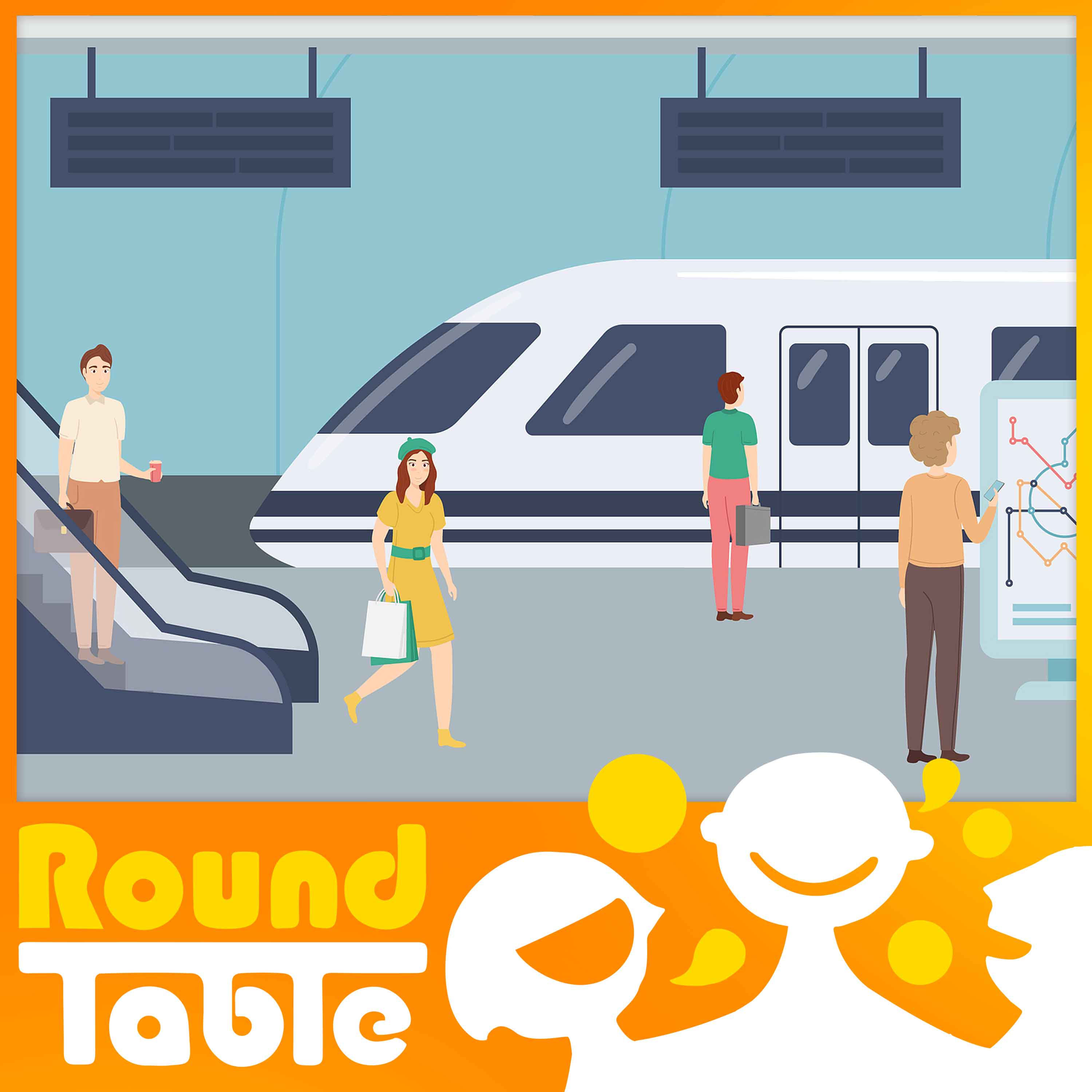
车站正从单纯的交通枢纽转变为繁忙的商业中心,将你的通勤与购物融为一体。
Stations are being transformed from transit points into bustling commercial hubs merging your commute with your grocery run.
地铁站正在焕然一新。
Subway stations are getting a facelift.
之后是三手烟。
After that, third hand smoke.
你听说过吗?
Have you even heard of it?
它隐藏在我们的建筑中,方式并不明显,但这并不意味着它不极其危险。
It hides in our buildings in ways that are not obvious, but that does not mean that it's not incredibly dangerous.
这是一个长期被误解甚至长期被忽视的话题,如今研究结果正推动政府采取行动。
A topic long misunderstood and perhaps even long ignored, study results are now pushing governments to take action.
我们的播客听众可以在苹果播客上搜索 Roundtable China 找到我们。
Our podcast listeners can find us at Roundtable China on Apple Podcasts.
请将您的语音留言发送至 roundtablepodcast@qq.com。
Send your voice notes our way to roundtablepodcast@qq.com.
再次提醒,roundtablepodcast@qq.com。
Once again, roundtablepodcast@qq.com.
不久前,中国的地铁站仅仅是功能性的空间,拥挤、实用,仅设计用于将通勤者从A点运送到B点。
And now, not long ago, subway stations in China were purely functional spaces, crowded, utilitarian, and designed solely for moving commuters from point a to point b.
今天,情况已经不再如此了。
Today, that's no longer the case.
走进广州、武汉或深圳的任何一个地铁站,你可能会发现自己在挑选新鲜水果、取一份预订的早餐、购买一些农产品,甚至打一场短暂的网球。
Step into a station in Guangzhou or Wuhan or Shenzhen, and you might find yourself browsing some fresh fruit, grabbing a pre ordered breakfast, picking up some farm produce, or maybe a brief game of tennis.
这种转变使地铁站变得类似于商场的地下一层(B1层),成为一个满足日常需求、休闲娱乐和消费的一站式中心。
This transformation has turned subway stations into something akin to a mall's basement level, the B 1 Level, which is a one stop hub for daily needs, leisure, and of course, some consumption.
曾经人们匆匆穿行的地方,如今变成了可以驻足、购物、闲逛,甚至稍微放松一下的空间。
What was once a place to rush through has become a place to linger, shop, hang out, maybe even relax a little bit.
那么,中国地铁站的升级改造究竟发生了什么?
So what is going on with the upgrades at China subway stations?
发生的变化是,人们的期望变得更高了。
What is going on is that people are getting demanding.
以前,当我走进地铁站时,我的眼睛只盯着地铁列车。
Previously, when I'm walking into a subway station, I eyes on the subway train.
你进入地铁,然后到达目的地。
You go into the subway and you get your destination.
在路上,你有点口渴。
And on the way, you're a little bit thirsty.
你可以从便利店买一瓶水,因为早上赶着去上班,你非常非常饿,于是从同一家不大但不破旧、或许有点昏暗的便利店买个三明治。
You get a bottle of water from the convenience store, you're very, very hungry because it's your morning and you are hurrying to your workplace, you get a sandwich from the same small, dingy not dingy, maybe dim kind of convenience store.
但在中国的许多城市,这种情况已经不再存在了。
But that is no longer the case here in China in a lot of cities.
例如,我们来看广州。
For example, we're looking at Guangzhou.
广州于2025年9月推出了自有超市品牌UU Select,分布在多个地铁站内,货架上陈列着应季水果。
Guangzhou has launched its in house supermarket chain, UU Select, in this September 2025 with locations in different stations, subway stations, and the stores stock seasonal fruits.
是应季水果,不是普通的苹果和香蕉。
Seasonal fruits, not regular apples and bananas.
如果恰逢时节,你可以在那里买到榴莲。
You can get your durian there if it's the right time.
还有来自欠发达地区的特色产品。
Also, specialties from underdeveloped regions.
我们正在谈论农产品。
We are talking about agricultural product.
你可以买到蜂蜜。
You can get honey.
你可以买到竹荪。
You can get bamboo fungus.
哦。
Oh.
还有那种几乎是现做的零号面包。
Also, there's the zero well, there's the kind of bread that are almost freshly made.
而且可以长期保存。
And can be preserved on.
是的。
Yes.
保存。
Preserved.
他们还提供行李寄存服务和文创产品,比如印有地铁十大安全须知的尺子。
And they also offer luggage storage and cultural and creative products, like rulers printed with the subway's 10 no safety guidelines.
就是说,你知道的
It's just, you know
这很可爱。
That's cute.
是带得走的有趣小纪念品。
Fun little souvenir you can take away.
广州就是这样。
And that is the case in Guangzhou.
但在其他地方,他们对这些曾经只是地下空间的地方进行了非常富有创意的改造。
But in other places, they're getting very, very creative with these with these spaces that they used to just be space underground.
是的。
Yeah.
他们在武汉也这么做。
They're doing it in Wuhan.
他们将其中一个车站近4000平方米的地下空间改造成了一个热闹的市场。
They transform nearly 4,000 square meters of underground space at one particular station into a bustling market.
这是该市首个地铁生鲜市场。
That was the city's first in subway fresh produce market.
在深圳,他们搞了个很酷的项目。
In Shenzhen, they have this is cool.
这是全国首个地铁内的体育设施。
The country's first in subway sports facility.
是的。
Yeah.
他们设有羽毛球、乒乓球和匹克球场地。
They have badminton, table tennis, pickleball courts.
这很有趣。
That's fun.
而且非常受欢迎。
And it's really popular.
他们每天的预订率超过80%,这真的很酷。
They have an over 80% daily booking rate, which is really kinda cool.
当你有雄心壮志时,还可以将地铁区域与城市中的其他设施整合在一起。
And when you're really ambitious, you can also integrate the subway area with your other facilities in the city.
例如,在苏州,他们已将苏州狮山广场城市公共文化综合体与其中一个地铁站整合在一起。
For example, in Suzhou, they've integrated the Suzhou the Sishan Plaza urban Public cultural complex area with their one of their subway stations.
该车站可通过多种宽敞的地下通道连接到文化场所,如苏州博物馆西馆、科技博物馆以及苏州剧院,这同时也提升了车站的装饰效果。
And the station would be able to connect via different types of very spacious underground passages to cultural venues, such as the West Wing of Suzhou Museum and Science and Technology Museum as well as the theater of Suzhou, and that would also give a makeover to the station's decoration.
你可能会想象车站通常都很明亮,但他们甚至能让部分空间装上玻璃。
You would imagine a station being bright at most, but they can make some of the space even having glasses.
我认为这并不完全是地下的。
I think it's not entirely underground.
有一部分是完全在地面上的。
Some part of it is all up ground.
另外一点是,这里在北京。
And another thing is here in Beijing.
有一件事,我在地铁站里见过最奇怪的是五棵松站,因为它与一个商业区相连,那里有一个场地,可以举办各种不同的演出。
One thing, the weirdest thing I've ever seen in a subway station is the Wukoseong Station because it's linked with a commercial area, and there is a venue for I think a lot of different performances can happen in those venues.
在地铁站里,你甚至可以做演唱会妆容。
And what you can do in the station is that you can get your concert makeup in the subway station.
所以你打扮得整整齐齐,
So you're all dressed up for
准备去参加你的演唱会。
your concert.
随时准备出发。
Ready to go.
你之前说过,这种情况发生是因为人们的需求增加了,这可能是真的,但我认为还有另一个原因,这其实挺明显的。
You said before the reason this is happening is because people are demanding more, which is probably true, but I think another, and this is kind of obvious, I think.
这种情况发生的另一个原因是,地铁站的运营和维护成本并不低。
Another reason this is happening is because it's not cheap to operate and maintain a subway station.
是的。
Yeah.
这是真的,因为运营地铁的财务压力相对较高,而地铁票价的设定通常遵循公益原则,因此价格保持得相对较低。
That's true because the financial pressure of operating a subway is relatively high, and metro ticketing, metro fare setting generally follow the principle of public welfare, which keeps the prices relatively low too.
所以从北京来说
So from Beijing
非常低。
Very low.
非常低吗?
Very low?
嗯。
Mhmm.
嗯,挺低的。
Well, low.
这要看情况。
It depends.
相信我。
Trust me.
非常低。
Very low.
你去吧。
Far you go.
但低是相对的,我知道。
But Low is relative, I know.
但与其他大城市相比,它很便宜。
But compared to other big cities, it's cheap.
是的。
Yeah.
但在中国,从北京、上海、深圳等大城市到苏州、武汉、昆明等较小城市,地铁基础票价通常为2到3元,而最长全程票价一般在5到15元之间。
But here in China, from major cities such as Beijing, Shanghai, and Shenzhen to smaller ones such as Suzhou, Wuhan, and Kunming, the base metro fare is typically around 2 to 3 yuan, while the maximum end to end fare usually ranges from 5 to 15 yuan.
因此,在许多地铁站建设地铁,每公里成本约为5亿至10亿元人民币,约合7000万至1.37亿美元。
So in or for many subway stations, building a station, building a subway, it costs 500,000,000 to 1,000,000,000 yuan per kilometer, and that's about almost 70,000,000 to a 137,000,000 US dollars.
因此,在地质条件复杂或拆迁成本高的城市,这一数字还会更高。
So in cities which with complex geology or high demolition costs, this figure rises even higher.
所以我们看到了建造一条地铁线路最初需要多少成本。
So we see just how expensive to build one in the first place.
我想十年前我住在香港时,我们曾讨论过香港的地铁。
I think ten years ago when I was living in Hong Kong, we had the conversation about the metro in Hong Kong.
他们赚钱的。
They make they make money.
他们赚钱的。
They make money.
我读过一些来自CNN和《卫报》等国际媒体的文章,讲的是香港地铁系统赚了多少钱。
I articles from CNN and The Guardian and all these international out outlets talking about how much money the Hong Kong subway system makes.
而这个故事的背景是,中国其他地区的地铁公司都没有盈利。
And the background info to that story is that none of the subway company in other parts of China make money.
你知道为什么吗?
You know why
我之前说票价低或者没那么低的时候,语气里带着怀疑。
I was having this doubting tone when I said it's the price is low or maybe not that low?
这是因为十多年前,乘坐北京地铁只需支付固定票价,大约2到3元。
That's because about over a decade ago, you traveling in the Beijing subway will only cost you fixed price, like 2 to 3 yuan.
但那是在不到十年前的事了。
But it was around less than a decade ago.
我不记得具体是哪一年了。
I don't remember which year it was.
后来开始根据你乘坐的里程来计算费用,并给出不同的价格。
It start to calculate the mileage you travel and based on that, give you a varied price.
而且,是的,通常在5到15元之间。
And, yeah, that's usually between 5 to 15 yuan.
所以我们之前经历过那个阶段,然后进入了新的阶段。
So we had that period before, and then we enter a new phase.
但即便如此,仍未能覆盖全部成本,因为根据2024年的财务报告,在28个主要城市的地铁运营方中,只有上海和福州在扣除政府补贴后实现了盈利。
But even that didn't really cover all the cost because according to 2024 financial reports, among 28 major city subway operators, only Shanghai and Fuzhou turned a profit after deducting government subsidies.
所以我们看到它们实现自给自足有多困难。
So we see how hard it is for them to to self supply.
是的。
Yeah.
世界上其他大城市也是如此。
And other big cities around the world too.
我认为,纽约地铁系统我不太确定,抱歉,到2026年是否还这样,但众所周知,它多年来一直亏损运营。
I think, the New York City subway system I'm not sure, pardon me, in 2026 if this is still true, but famously, I think it operated at a loss year after year.
在中国,一些城市车站已尝试采取措施降低成本,比如杭州。
Here in China, stations have tried to take measures to cut their costs a little bit in Hangzhou.
他们缩短了自动扶梯的运行时间。
They reduced the operating hours of its escalators.
一些车站只在工作日的早晚高峰时段运行扶梯。
Some stations ran them only during weekday mornings and evening peak hours.
在福州地铁,抱歉。
In Fushan Fushan, excuse me, metro.
他们提前半小时关闭,实施节能措施,包括优化照明等等类似的做法。
They they close thirty minutes earlier, they implement energy saving measures, including optimized lighting and blah blah blah and things like that.
现在,这一切的重点是,尽管每天有数以百万计的人使用这些地铁,但仍然无法盈利。
Now, the point here of all of this is that you can't even though there's millions and millions of people using these subways daily, it's not enough to make money.
而且,建设这些地铁的目的并不是为了赚钱。
And because the purpose of building these subways is not precisely to make money.
它是
It's
更像是一种公共服务,属于公共福利体系的一部分。
more of a public welfare within the public welfare system.
它是为了方便乘客,而乘客也会受益于将这些空间重新设计为兼具商业用途的区域,这样他们就能在别处获得想要的服务或享受。
It's for the convenience of the consumers, and consumers would find it also beneficial to having these places, spaces being redesigned into the area of with some commercial use so that they can get the service they want or they enjoy elsewhere.
我认为这是双赢,完全合理,因为我至少对地铁线路有一定程度的了解。
Well, I think it's just a win win, and it completely makes sense because I'm I'm at least a little bit familiar with the subway lines.
北京有很多地铁线路。
There's a lot of subway lines in Beijing.
我不确定具体有多少条。
I'm not sure how how many.
1号线,那条直接穿过城市的线路,是最老的一条。
Line 1, the one that cuts directly through the city, that's the oldest one.
1号线。
Line 1.
我还没去过1号线的任何一个车站,看到过那些空间被真正利用起来。
Now there's haven't visited a station on Line 1 where I've seen any of the space really put into use.
当你从列车下来,走上站台,还没到出口之前,在上楼梯或自动扶梯到出口之前,那里有大量的空间,但都没有被利用。
When you come off the train and go upstairs on the platform before you get to the exit, before you go up the stairs or the escalator to the exit, there's a tremendous amount of space there, but it's not being used.
甚至在一些较新的线路中,我认为2号线是北京较新的一条线路。
And even in some of the newer lines, I think Line 2 is one of the newer ones in Beijing.
不过我也可能搞错了。
I could be wrong anyway.
我坐过的另一条线路是全新的,但即便如此,据我所见,仍然有很多空间没有被利用。
One of the other ones I was on is brand new, and even still, a lot of space that wasn't being put to use from what I saw.
把商店、餐厅之类的东西设在那里才合理,因为这些店铺会向地铁站支付租金,这又是一大笔收入来源。
It only makes sense to put shops and restaurants and whatever in there because those places will pay rent to the subway stations, and it's another source of a lot of revenue.
是的。
Yes.
但这种重新设计和空间利用也需要仔细的计算和规划,必须确保建造更多商店、利用这些空间是安全的——不仅在施工过程中安全,也要确保在人流密集、需要紧急疏散时人员的安全。
But that kind of redesign and the use up of space also needs careful careful calculation and redesign, and you need to make sure that building some more stores and using the space is safe in the sense that it's safe for the construction, for the structure, but also for people when they really need to evacuate, when there are too many people too crowded.
我们希望确保安全因素也得到充分考虑。
We wanna make sure that safety factor is also being included.
所以,我想这就是其中一个担忧吧,这些地方本应是,也确实是交通枢纽。
So that's one of the worries then, I guess, is that these places are supposed to be, and they are transport hubs.
嗯。
Mhmm.
因此,安全是首要任务和首要关切,效率也是如此。
Therefore, safety is the number one prior and efficiency, number one priority and concern.
你所说的担忧是,如果这些地方变成购物区,可能会变得过于拥挤,从而带来安全隐患。
The worry is then what you're saying is that if these turn into shopping zones, they may become overcrowded and safety might be an issue.
是的。
Yes.
所以,是的,这些措施对商家、地铁系统以及消费者都有互利之处,但需要以一种巧妙的方式进行。
So, yes, these are something that can be mutually beneficial to the shop owners, to the subway, as well as the consumers, but it needs to be done in a clever way.
这些巧妙的方式包括我们之前在对话开头所提到的例子。
And those clever ways include the examples we explained earlier in the beginning of the conversation.
嗯。
Mhmm.
我认为北京城市管理方不把地铁站设计成商场式区域的另一个原因是,这里已经过于拥挤了。
I think one other reason for Beijing city management to not put or design subway stations into a mall like area is because it's already overly crowded.
要知道,占用任何一条行人通道都会很困难。
Know, occupying any of those lanes for people to walk would be hard
因为他们还要快速通行。
for them to And people are moving quickly.
是的。
Yes.
对。
Yeah.
而且,你知道,对于早高峰和晚高峰的通勤者来说,买榴莲可能并不是他们的优先事项
And, you know, for morning commuters and evening commuters, you know, maybe picking up a durian isn't priority to
移动。
move.
不。
No.
设计师们还在考虑另一件有趣的事:他们对目前打算进入地铁空间的店铺并不完全满意。
And another kind of lovely thing the designers are thinking about is that they're not really content with the current stores that are thinking about getting into their subway spaces.
他们设想未来,地铁站可以提供更多服务,比如药房、洗衣店,或者亲子游乐区,将车站打造成完整的社区生活综合体。
They're thinking probably in the future, there can be more services like pharmacies, laundries, or parent child play areas to turn stations into a full lifestyle complexes.
所以,他们正在思考如何更好地利用这些空间。
So they are thinking about better ways to use the space.
他们不能只是简单地引入一堆店铺,因为目前这些店铺赚不了多少钱。
They cannot really just introduce a bunch of stores only because currently, they're not making enough money.
嗯。
Mhmm.
这个计划需要是长期的。
The plan needs to be long term.
是的。
Uh-huh.
对。
Mhmm.
总之,我们将会看到升级。
Well, anyway, we're going to be seeing upgrades then.
我想,这些升级会慢慢但稳步地推出。
I guess slowly but surely, these will be rolled out.
顺便说一句,我的逻辑不可能是对的。
And by the way, my logic can't be correct.
如果一号线是最老的,那怎么新线二号线会是现代且新的呢?
If line one is the oldest, then how can line new be line two be modern and new?
如果我没记错的话,那是第二老的。
If I'm remembering correctly, that's the second oldest.
我一定是想到了另一条线。
Must have been another line I was thinking of.
我们休息一下,回来后聊聊三手烟的危害。
We'll take a break, and when we come back, the dangers of third hand smoke.
在寻找激情吗?
Looking for passion?
何不来场激烈的辩论?
How about fiery debate?
想从不同视角了解中国当前的时事吗?
Wanna hear about current events in China from different perspectives?
那就锁定《圆桌论坛》,东西方交汇,以理解为目标。
Then tune in to Roundtable, where East meets West and understanding is the goal.
这里是《圆桌论坛》。
This is Roundtable.
今天我是史蒂夫,和玉山、林雅红一起主持。
I'm Steve today with Yushan and Yohong Lin.
当我们想到吸烟时,我们会想到肺部、安全、烟灰缸、难闻的气味之类的。
When we think about smoking, we think about our lungs, our safety, ashtrays, dirty smells, things like that.
我们了解一手烟,那就是吸烟者本人吸入的烟。
We know about firsthand smoke, that's the smokers themselves.
二手烟是附近的人吸入的烟,但今天我们主要讨论三手烟,以及它有多么危险,还有新规定是如何将这种危险纳入考量的。
Secondhand smoke, that's the people nearby, but we're gonna talk about thirdhand smoke today and how that is incredibly dangerous and also how new rules are taking that danger into account.
不过,我们先从定义开始吧。
Let's start with the definition though.
我的意思是,对很多人来说,‘三手烟’这个词可能还是个新概念。
I mean, I think for a lot of people, the the term thirdhand smoke might might be a new one.
我从来没听说过。
Never heard of it.
你有没有过这样的经历:走进一个似乎已经空置一段时间的房间,但一进门就能立刻察觉到之前有人在这里吸过烟?
Well, have you ever walked into a room that seems to have been emptied for a while, but you can still tell immediately after you enter that somebody in there previously had Yes.
那就是因为你在吸入三手烟。
Been That's because you're inhaling the third hand smoke.
这指的是烟草烟雾沉降在墙壁、家具、地毯、窗帘、衣物以及家庭灰尘等室内表面后留下的有毒化学残留物。
So that refers to the toxic chemical residue left behind after tobacco smoke settles on indoor surfaces like walls, furniture, carpets, curtains, clothing, and household dust even.
那么为什么它不会消失呢?
So what does why doesn't it go away?
尼古丁具有很强的粘附性。
Well, nicotine is highly adhesive.
主要就是它很粘稠。
That's the main thing you It's sticky.
出去。
Out.
是的。
Yeah.
一旦附着在表面上,它并不会只是静止不动。
The once it sticks to surfaces, it doesn't just sit around.
它会与室内其他污染物发生反应,比如燃气灶释放的亚硝酸,或者从窗外进入室内的室外污染物。
It reacts with other indoor pollutants like nitrous acid from gas stoves or outdoor pollutants that's going going into going indoor from the windows.
这些反应会随着时间形成新的化合物,其中许多比最初的香烟烟雾或二手烟更具毒性。
So these reactions form new compounds over time, and many of which are more toxic than just the original first or secondhand smoke.
所以当我对某人说,你正在污染我周围的空气时,我并不完全正确。
So when I say to someone, you are polluting the air around me, I am not right.
你是在污染整个房间。
You're they're polluting the entire room.
你说得对,但你只说对了一部分。
You're you're you're right, but you're only partially right.
是的。
Yes.
对。
Yeah.
这就是暴露发生的方式。
And this is how the exposure happens.
所以当你身处这种环境中时,它可以通过几种不同的途径进入你的身体。
So when you are in that environment, it can enter your body in a a few different ways.
一种途径是吸入这些重新释放的气体以及颗粒物,因为它们附着在家具、地毯、窗帘上,并与灰尘混合在一起。
So one is through the inhalation of these gases that get reemitted and also the particles too, because it's in the furniture, it's in the carpets, it's in the curtains, it gets mixed in with the dust.
所以即使你吸尘时,灰尘也会被搅动并吹入空气中,因此你也会通过这种方式吸入它们。
So even when you vacuum, that dust can get pushed around and and blown into the air, and therefore, you're you're inhaling it that way too.
还有一点,你刚才说走进房间时会闻到气味,嗯。
And another thing, you said when you walk into a room Mhmm.
关于气味,气味可能是一个指标,但并不一定如此。
About the smell, the smell might be an indicator, but it doesn't have to be.
即使你闻不到任何气味,也没有任何迹象表明这个房间曾经有人吸烟,这完全无关紧要。
Even if you don't smell anything, if there's no indication that anyone has ever smoked in that room, that doesn't matter at all.
是的。
Yeah.
因为这些化学物质仍然会存在,不仅仅是几周、几个月、几年,甚至可能持续数十年。
Because those chemicals will still exist, not just for weeks, not just for months, not just for years, it could be for decades.
我可以把所有东西都拿去洗衣房清洗吗?
Can I just laundry wash everything?
你可以。
You can.
你想把墙放进洗衣机里吗?
The wanna wall in the laundry machine?
我的意思是,窗帘可以收起来。
I mean, curtains close.
可能很难再挂回去。
Might be hard to put back up.
是的。
Yeah.
对。
Yes.
而且我们还会通过皮肤吸收这些物质,婴幼儿尤其容易受到影响,因为他们会爬行、触摸所有东西,并经常把手放进嘴里。
And we would see that, well, when we can actually absorb it through our skin also, It makes infants and toddlers particularly vulnerable since they crawl, they touch everything, and they frequently put their hands in their mouth.
如果你的手接触过被吸烟者污染的区域,无论那是地板还是墙壁。
And if you put your hands that have touched the areas, no matter it's floor or wall, that have been pollutant by cigarette users.
是的。
Yeah.
对。
Yes.
是的。
Yeah.
这真的非常危险。
It's really, really dangerous.
那我们现在为什么谈论这个?
Now why are we talking about this now?
因为这个术语并不新鲜。
Because this term is not new.
这个术语早在21世纪初就被提出了,科学家们多年来一直怀疑烟草残留物会长期存在,但早期的研究工具或早期研究无法完全测量二手烟的化学变化或生物影响。
The term itself was introduced in the early two thousands, and scientists actually suspected for years that tobacco residue did linger, but early research tools or the early research that was done, they couldn't fully measure what exactly was the chemical evolution or the biological impact of that third hand smoke.
所以发生变化的是室内空气监测、分子分析和毒理学的进步,这些都是科学术语。
So what has changed is advances in indoor air monitoring and molecular analysis and toxicology, all of those science y terms.
现在,研究人员能够追踪这些残留物随时间如何转化和变化,更重要的是,它们如何与我们的人体细胞相互作用。
Now they are allowing researchers to track how these residues transform and change over time and also more importantly how they interact with our human cells.
因此,最近进行了一项研究。
So recent research was done.
这项研究是在中国,由中国科学院开展的。
It was done here in China, from the Chinese Academy of Science.
他们发现了什么?
What did they find?
他们发现,三手烟并不会逐渐变得无害。
Well, they found that third hand smoke doesn't fade into harmlessness.
随着三手烟老化,它的基因毒性会增强,意味着当人体细胞接触它时,会对DNA造成越来越大的损害。
And as it ages, it becomes more geno genotoxic, meaning that it causes increasing damage to DNA when human cells are exposed to it.
因此,室内空间实际上变成了一个缓慢进行的化学反应器,使被困在材料中的尼古丁持续与室内空气中的化合物发生反应。
So indoor spaces essentially become slow motion chemical reactors for nicotine trapped in the materials to keep reacting with indoor air compounds.
我了解到这一点后,也觉得非常可怕,因为研究人员还观察到,接触老化后的三手烟会引发人体细胞的氧化应激,这意味着它会损害你的DNA。
I learned about this and I found it really scary too because researchers also observed that exposure to aged third hand smoke triggers oxidative stress in human cells meaning that it damages your DNA.
它破坏了正常的细胞修复机制,并干扰代谢过程。
It disrupts normal cell repair mechanism and interferes with metabolic processes.
他们称之为生物锈蚀。
They call this biological rust.
是的。
Yeah.
这种锈蚀。
The rust.
对。
Yeah.
就像金属随着时间推移而生锈一样。
Like metal rusting over time.
我们体内受到的损害是渐进且累积的。
The damage inside our body is gradual and cumulative.
细胞,我们体内的细胞会失去韧性,炎症加剧,身体修复自身的能力下降,还存在长期影响。
Cells, the cells in our body lose resilience, inflammation increases, the body becomes less sufficient at repairing itself, and there are long term implications as well.
是的。
Yeah.
所以坏消息是,多年来我们一直受到它的影响,却对此一无所知。
So the bad news here is that it has been affecting us for years we didn't know about.
好消息是我们现在知道了,而更好的消息是,即使在我们尚未找到确凿证据并彻底追踪所有影响之前,我们已经采取了行动——也就是说,无论在中国还是世界各地,我们都已开始实施各种法规,确保在公共场所禁止室内吸烟。
The good news is we know about it now, and the better news is that even before we can put fingers on the real evidence and trace all these, we have already started by saying we, I mean, here in China as well as around the world, have started different types of regulations making sure that indoor smoking is prohibited in public public facilities.
或者在家裡也一样。
Or at home.
我的意思是,如果你现在正在听,而你家里有人——或许就是你自己——在家里吸烟,而且你有,我不知道。
I mean, if if if you're if you're listening right if you're listening right now and a member of your family, or maybe it's you, you smoke inside your house and you have I don't know.
也许你家里有小孩之类的情况。
Maybe you have young kids in the house or something like that.
别再这样做了。
Stop doing it.
是的。
Yeah.
因为现在我们知道,这不仅仅是二手烟的问题。
Because I mean, now we know it's not just the secondhand smoke.
你可能会想,哦,没关系。
You think, oh, it's okay.
我知道,我把烟吹到窗外去了。
You know, I'm blowing the smoke out the window.
这真的很糟糕,而且长期来看危害更大。
It's it's really bad and it's really bad over the long term.
糟糕到甚至在加利福尼亚州发生了一件非常有意思的事。
So bad in fact, and this is a really cool thing that happened in in California.
这项规定刚刚于1月1日生效。
This just went into effect on the January 1.
现在,该州要求单户住宅的卖家向买家披露已知的三手烟污染情况。
What they're doing now in that state is they require sellers of single family homes to disclose known third hand smoke contamination to buyers.
这意味着,房屋卖家必须告知买家,如果他们知道该房屋有室内吸烟或使用电子烟的历史,或者是否采取过任何措施来处理污染。
Now what that means is the sellers of the homes, they have to inform the buyers if they know a home has a history of indoor smoking or vaping as well, or if any action was required to address contamination.
那是一项非常棒的法律变革。
That's a really cool law change there.
是的。
Yes.
比如在深圳,不仅禁止在公共室内场所吸烟,还禁止在某些室外或半室外半室内区域吸烟,比如地铁站或公交站的入口,以及某些旅游景点的入口,这些也都被纳入了禁烟区域。
And here in Shenzhen, for example, not only are you not allowed to smoke in public indoor areas, you're also not allowed to smoke in certain outdoor or semi outdoor, semi indoor area, like the entrance of a subway station or a bus station, the entrance of certain kind of tourism destinations, that's also included in the no smoking area.
我想这很有道理,因为烟雾也会污染这些入口区域的墙壁。
I guess that makes sense because it can also pollute the walls in that entrance area.
嗯。
Mhmm.
现在我做的就是屏住呼吸,然后快速跑开,哦,赶紧逃离。
And now what I do is just I hold my breath, and I ran very fast Oh, well escape.
我们不应该让社会上的每个人都要做到这种地步。
We shouldn't be asking people in society to have to go that far.
简短问一下,玉山,你之前问过,只要清理一下就能让情况变好吗?
Just quickly, Yushan, you asked, oh, can you just clean it and that'll make things better?
是的。
Yeah.
这就是答案。
Here's the answer to that.
标准的深度清洁或重新粉刷,通常只是一种表面修复。
Standard deep cleaning or repainting, it often acts as a cosmetic fix.
在他们进行的那项研究中,显示烟雾残留物可以渗透到墙壁隔热层、地毯和其他家庭系统中,这意味着如果你想彻底清除,必须更换地毯,并用防烟密封底漆封闭墙壁。
In that study that they did, it showed that smoke residues can penetrate dry wall insulation carpets and other systems in the house, and that means if you wanna get rid of it, have to remove the carpets, you have to seal the walls with smoke blocking primers.
哇。
Wow.
你必须更换积聚了残留物的管道系统,这将花费你一大笔钱。
You have to replace duct work where residue has accumulated, and that will cost you a tremendous amount of money.
搬走。
Move.
答案是你可以清洁,但这就像把你的房子彻底拆到原样。
The answer is you can clean it, but it's like stripping your house down to True.
做到只剩骨架,然后再重新装回去。
To the bare bones and then putting stuff back.
这是一个非常重要的主题。
Really important topic.
很高兴今天能谈到这个话题,让人们对它有更多认识。
I'm glad that covered this one today so people can be more aware of it.
今天的圆桌讨论就到这里。
That's it for today's roundtable.
非常感谢你们今天抽出时间与我们分享。
Thanks very much for sharing your time with us today.
我是史蒂夫和玉山。
I'm Steve for and Yushan.
我们所有人都说谢谢。
All We say thank you.
祝你今天愉快,下次再见。
Have a good one and join us again next time.
关于 Bayt 播客
Bayt 提供中文+原文双语音频和字幕,帮助你打破语言障碍,轻松听懂全球优质播客。