本集简介
双语字幕
仅展示文本字幕,不包含中文音频;想边听边看,请使用 Bayt 播客 App。
讨论让世界持续运转。
Discussion keeps the world turning.
这是圆桌论坛。
Is Roundtable.
我们的机器人正在负责吸尘任务。
Our robots are on vacuum duty.
我们的应用程序正在提供丰盛的盛宴,而人工智能正在撰写我们的祝福语。
Our apps are delivering feasts, and AI is writing our greetings.
这一年中最传统的节日,正由他们称之为懒人经济的力量驱动。
The most traditional holiday of the year is being powered by what they call the lazy economy.
科技是在拯救春节,还是仅仅在取代它?
Is tech saving the spring festival or just replacing it?
本节目由北京演播室现场直播,这里是圆桌论坛。
Coming to you live from our studios in Beijing, this is Roundtable.
我是史蒂夫。
I'm Steve.
非常感谢您今天与我们同在。
Thank you very much for being with us today.
在本节目中,我与一顺和菲菲一起。
And for the show, I'm with Yishun and Fei Fei.
首先,当我们再次置身于这个节日的核心时,正是探索定义这一节日的传统与习俗的绝佳时机。
First up, as we find ourselves once again in the heart of the season, it is the perfect time to explore the tradition and customs that define it.
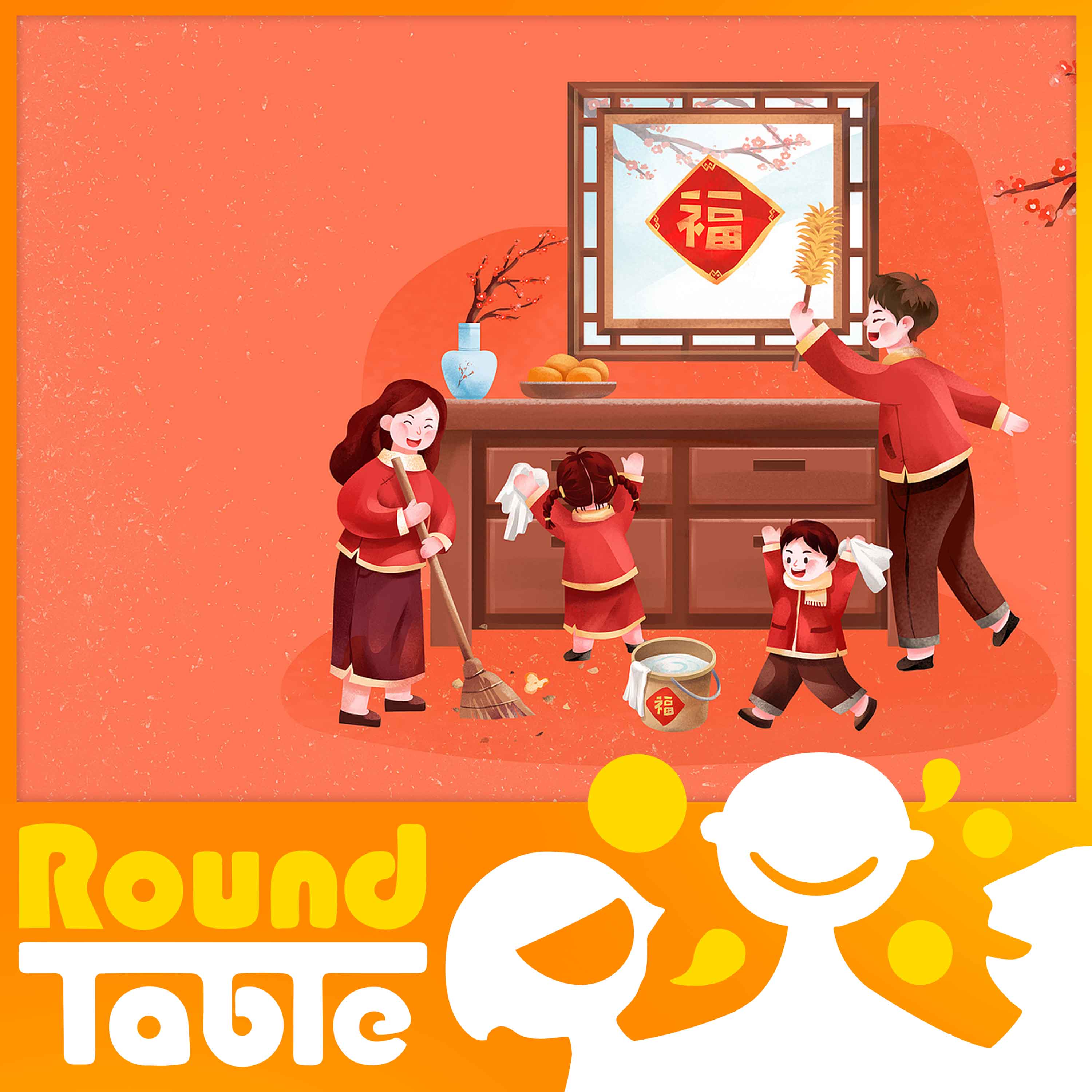
随着春节临近,扫尘这一古老习俗正全面展开,这一传统源于扫除旧物,以迎接新运和崭新的开始。
With the spring festival just around the corner, the ancient ritual of spring cleaning is in full swing, a practice rooted in sweeping away the old to welcome new luck and fresh beginnings.
但今年,这一传统正迎来高科技的升级。
But this year, the tradition is getting a high-tech upgrade.
我们将深入探讨深度清洁的背后原因,看看机器人如何接管繁重的家务,并探讨社会学家所称的‘懒人经济’——这是一个由我们对智能、便捷和自动化帮助的热爱所推动的蓬勃发展的市场。
We'll dive into the why behind the deep clean, look at how robots are taking over the heavy lifting, and explore what sociologists are calling the lazy economy, a booming market fueled by our love of smart, convenient, and automated help.
技术真的在帮助传承这些传统,还是仅仅在重新定义它们?
Is technology really helping here with the traditions, or is it simply reinventing them?
今天我们将与一欣和菲菲讨论所有这些内容。
We'll talk about all of that stuff today, Yixin and Feifei.
下午好。
Good afternoon to you.
我想今天,今天,今天,今天就是真正的打扫日。
I guess today, today, today, today is the actual cleaning day.
是的。
Yeah.
没错。
Exactly.
这被称为小年,标志着春节倒计时的开始。
It's called Xiao Nian or Little New Year, which is basically marking the beginning of the countdown to the Chinese New Year.
因此,这一天有许多传统和习俗,打扫就是其中之一。
And so there are a lot of traditions and rituals surrounding this day, and cleaning is one of them.
小年通常发生在今天,也就是农历十二月二十三日,但也可能是明天,即农历十二月二十四日,具体取决于你所居住的地区。
So Xiao Nian typically happening today, which is the twenty third day of the twelfth month according to the Chinese traditional calendar, and can also be tomorrow, which is the forty, twenty fourth of that day, depending on the places that you live.
对于这个被称为小年的日子,核心习俗围绕着一位叫做灶神的神明。
And for this particular day, the Little New Year, the core ritual really surrounding about a god called the kitchen god.
灶神。
The kitchen god.
灶神。
The kitchen god.
是掌管和保护每个家庭厨房的神。
The god that oversees and protects the kitchen of every home.
而在小年这一天,灶神会上天向他的上司汇报这家人这一年的行为。
And this day, the Xiaonian, is the day where the god, the kitchen god, will go up to the heaven and report to his boss about this family's behavior of the
年。
year.
哇。
Wow.
因此,还有其他传统,比如给神供奉甜食,这样他在向天庭汇报时就不会说你家的坏话。
And because of this, there are other traditions, for example, offering sweets to the gods so that during his report to the heaven, he won't say anything bad about you.
哦,你们这是贿赂啊。
Oh, you're bribing.
你在贿赂
You're bribing
这种贿赂
the Sort of
贿赂他们包括提供甜食,不仅因为甜食能让他更开心,还因为甜食有粘住他嘴巴的寓意。
bribing them and it includes that offering them sweets not only because, for example, sweets makes him happier and also they have the meaning of stick his mouth shut.
所以所以
So that So
他没法说话。
he can't speak.
所以让他没法说话。
So that he can't speak.
哦,有些小吃真的非常粘。
Oh, some of the, like, snacks can be really, really sticky.
而且,是的,我们根据不同居住地以不同方式庆祝这个小年。
And, yeah, we celebrate this little New Year differently according to different locations that you're living in.
在中国南方,也就是我出生的地方,这些庆祝活动通常从腊月二十四左右开始。
And in Southern China is which is where I was born, we like, these things kicks off around, like, twenty fourth.
你刚才提到了这一点。
You just mentioned that.
这更像是一种轻松的、以小吃为主的前奏,为盛大的春节做准备。
It's a bit more of a relaxed foot food focused to this big spring festival.
还有一些地区,比如江苏、浙江和上海一带——这也是我的家乡——小年是在除夕的前一天。
And there are also some regions like Jiangsu, Zhejiang, and Shanghai area, which is also my hometown, where the little New Year falls on the day before that exact day of Chinese New Year's Eve.
好的。
Okay.
因为我们把除夕夜视为最重要的夜晚。
Because we caught that Chinese New Year's Eve as the big night.
那就是你们一年中最重要的那顿饭的夜晚,对吧?
That's the night where you have maybe the most important meal of the year.
对吧?
Right?
那时候所有家庭成员都必须回家吃晚饭。
That's when all the family family members have to be home for dinner.
没有任何借口。
There's no excuses.
每个人都得在场。
Everybody's gotta be there.
对吧?
Right?
而且这是一顿丰盛的大餐。
And it's a huge feast.
是的。
Yes.
所以我们称之为除夕夜。
That's why we call it the big New Year's night.
而前一天就是小年夜。
And so the day before that is the, like, small New Year's night.
所以我们也会庆祝这一天。
So we celebrate that day as well.
至于习俗,也没有什么特别的仪式。
And and in terms of customs, there aren't many that special rituals either.
我其实问过我父母,我妈妈的回答就是:我们什么都不做。
I asked my parents actually, and my mom's answer was just, we don't do anything.
哦。
Oh.
所以人们庆祝的方式差异很大,但说到吃,因为有很多节日,人们都会吃不同的东西。
And so there are, like, we kind of people celebrate it very, very differently, but still, in terms of eating because there's so many festivals that people eat different things.
在小年这一天,人们可能会吃年糕之类的食物。
And in this, like, little new year, people may have things like or the sticky rice cake.
是的。
Mhmm.
还有汤圆。
Also, the sweet rice balls.
这在中国南方更常见。
This is more, like, common in the Southern part of China.
是的。
Yeah.
对于北方人来说,我们几乎在每个节日都会吃饺子。
For northern people, we eat dumplings pretty much for every festival.
只要有吃饺子的机会,你都不会错过。
Any opportunity to eat a dumpling, you'll take it.
关于打扫,我再问一个问题。
So the cleaning just one more question about the cleaning.
这不仅仅是整理一下家里。
So this is, like, not just tidying up around the house.
对吧?
Right?
我想在西方,我们有类似叫做‘春季大扫除’的做法。
This is I guess in the West, we have something called spring cleaning.
对吧?
Right?
我觉得这一年里不会这么早就开始。
I don't think it happens this early in the year.
我觉得更可能是当天气开始变暖一点的时候。
I think it's more when the weather starts to get a little bit warmer.
但在加拿大和西方文化中,这是一种彻底的大扫除。
But in Canada and in Western culture, that's like a deep house clean.
就是所有东西都清理。
Like, everything.
你会用蒸汽清洁地毯。
You'll steam your carpets.
你会吸走最微小的角落。
You'll vacuum the tiniest corners.
把每个地方的灰尘都彻底清除。
Get every little bit of dust out of everywhere.
这是一种彻底的清扫。
That's a deep sprinkling.
有点类似的概念吗?
Kind of the same concept?
是的。
Yeah.
我觉得概念差不多。
I would say about the same concept.
这也因为新年到了,我们需要清理掉上一年的所有东西,以便准备和迎接新年。
It's also because of, you know, the New Year's come, so we need to clean off everything of the last year so that we can prepare and welcome the New Year.
而且为了新年,我们需要很多装饰品。
And also for the New Year, we need to have a lot of decorations.
我们需要对联、剪纸。
We need to have the couplers, the paper cuttings.
所以在真正装饰房子之前,我们还需要彻底打扫一遍。
So before we really decorate the house, we also need to deep clean it.
就像在加拿大那样彻底清洁,我们会清洁房子的几乎每个角落,把所有能放进洗衣机的东西都洗一遍,还会清理那些平时日常生活中容易忽略的角落。
And just like deep clean in Canada that we clean pretty much every corner of the house, clean wash anything possible that can be pushed into a washing machine and also just reaching to the corners that you normally haven't noticed on a daily basis.
或者说是视而不见。
Or ignore.
是的。
Yeah.
这只是
It's just
那些你知道就在那儿,却总是故意装作没看见的东西,
The ones that you you know it's there, but you just kind of turn a blind eye to for the
其他时候也是这样。
other Yeah.
一年中的三百六十四天都是如此。
So three hundred and sixty four days of the year.
从天花板到地板,从室内到室外,如果你有后院,基本上要把每个部分都清洁一遍。
From ceiling to the floor, from indoors to outdoors if you have a backyard, basically clean every part of that.
这一传统有着悠久的根源。
And this tradition has ancient roots.
这可以追溯到很久以前。
This goes back a long way.
而且这也与语言有关。
And there's a connection to the language too.
是吗?
Yes?
是的。
Yeah.
在中国文化中,‘尘’这个词的发音与‘旧’或‘过时’的词相同。
In Chinese culture, the word for dust or sounds like the same as the word for old or outdated.
所以在中文里。
So or in Chinese.
所以它们的发音完全一样。
So they they sound exactly the same.
因此,由于这种谐音关联,扫除灰尘也象征着扫去过去一年的烦恼、霉运和艰难困苦,为来年的好运、健康和希望腾出空间。
So because of this homophonic connection, sweeping away dust also symbolizes sweeping away the troubles, the bad luck, and hardships of the past year, and then making room for good fortune, health, and hope in the year to come.
这就是加拿大文化和中国文化产生分歧的地方。
And that's where Canadian and Chinese culture go in two different directions.
我们的清洁并没有如此深厚的文化内涵。
We don't have that deep rooted meaning behind our cleaning.
古代文献中也有这方面的记载,这还挺有意思的。
Ancient texts, this is represented there too, which is kinda cool.
是的。
Yeah.
这项习俗可以追溯到四千多年前的一本叫《……》的书,书中详细描述了春节大扫除的习俗。
It goes back around more than 4,000 ago in a book called where they sort of detailed about the practice of New Year Chinese New Year cleaning.
此外,古代文献还记载了古人是如何进行清洁的。
And also in in ancient texts, it tells about how people used to clean in the ancient times.
例如,人们使用长长的稻草扫帚,并将木杆绑得比人还高,以便能够够到屋顶横梁和墙角等高处。
For example, people used long brooms made of straw and tied wooden poles taller than one person so that they can reach to high places such as the roof beams and wall corners.
而且,灰尘、蛛网和杂物都被仔细清扫干净,正如玉树所说,以清除旧物,迎接新年。
And also the the dust, cobwebs, and debris are care were carefully swept away so that, as Yushu mentioned, they can clear clearing up the old and welcome the new.
但这发生在传统古代,那时我们并没有太多帮助。
But that happened in traditional ancient times where we don't really have a lot of help.
所以,我认为在某些情况下,我们需要花一天以上的时间来进行彻底清洁。
So we need to spend, I think in some cases, more than one day for this deep clean.
嗯。
Mhmm.
但在现代,对于今天来说,我认为我们不需要花那么长时间来打扫。
But for modern times, for today, I don't think we need to spend that much alone and to to clean it.
这正好是一个过渡到现代生活、谈谈我们如何打理家居的好机会。
And that's a good opportunity to transition to modern times and how we're taking care of our homes.
我想先从这一点说起。
Now I wanna start with this.
如今,家庭的内部格局以及智能家居的普及率,尤其是在中国,都发生了变化。
Homes have changed in terms of their interior and in terms of the smart home penetration rate, particularly here in China.
我找到了一份咨询机构的图表,其中涵盖了2018年至2025年2月的数据。
I found a chart from a consulting group, and it talked about the years 2018 to 02/2025.
2018年时,智能家居的渗透率为9.6%。
Back in 2018, the smart home penetration rate was 9.6.
短短四年间,这一比例每年持续上升,到2025年已达到25.4%。
Fast four and it's gone up every single year to 2025 where it's 25.4.
2019年是11%,2020年是12.6%,2021年是14.5%,之后逐年递增,直到去年。
2019 was '11, twenty twenty twelve point six, twenty twenty one fourteen point five, and so on all the way up until last year.
这一比例持续增长,并正在改变我们打理家居内部的方式。
It is consistently growing, and it's changing how we take care of the interior of our homes.
是的。
Yeah.
我还有一组来自艾瑞咨询的全新数据,他们分析了2025年至2026年春节期间的消费趋势。
And I also have a new different set of data from iResearch, and they look at the 2025 to twenty twenty six Spring Festival goods consumption trends.
预计到2026年——也就是今年,科技类产品将占春节购物支出的三分之一以上。
And tech products are expected to account for over a third of the New Year goods purchases in 2026, which is this year.
其中,智能家居和健康科技产品的购买率高达90%,智能清洁电器已成为主要品类之一。
And among them, smart home and health tech products enjoy a rate as high as 90%, with intelligent cleaning appliances emerging as one of the dominant category.
智能家居清洁电器。
Smart home cleaning appliances.
比如机器人、擦窗机器人、地板清洁机和扫地机器人。
Like robots, like window cleaning robots, like floor scrubbers, and robot vacuum.
我认为根据抖音的数据,今年二月,擦窗机器人的订单量同比飙升超过200%,而地板清洁机和扫地机器人的销量也分别增长了100%和60%。
I think according to Douyin, their number suggests that orders for window cleaning robots surge more than 200% year on year according to in in February in this year, while floor scrubbers and robot vacuum also grew by 100% or 60% year on year.
这意味着人们正在越来越多地购买这些机器人助手。
And so that means people are buying more and more of this robot helpers.
为了让他们生活更轻松。
To make their lives easier.
是的。
Yes.
懒人经济。
Lazy economy.
我们还没用过这个词。
We haven't used that word just yet.
玉森,你是我们的科技专家。
Yushin, you're our tech guy.
即使这些是关于清洁的,你也喜欢这类小玩意。
You love these types of toys even if they are about cleaning.
对你来说,有哪些特别突出的呢?
What are some of the standouts for you?
没错。
Exactly.
我们可以看到,这些产品让我们的生活变得轻松多了,而且正在逐渐融入我们过去常用的传统设备中。
And what we can see is that some of these are really, really helping our lives just so much easier, and, and it is kind of integrating into some of the traditional gadgets that we used to have.
对于那些仍偏好手持方式的人,这些工具在某种程度上变得更加科学了。
For those who still prefer a handheld approach, the tools, have become much more scientific in some way.
新型智能地板清洗机现在使用电解水等技术,能在清洁过程中将普通的自来水转化为消毒溶液。
The new smart floor washers now use things like electrolyzed water, which turns just regular tap water into a sanitizing solution as you can clean.
哦,这很有用。
Oh, that's useful.
所以它们还采用了所谓的零水直干技术,几乎能瞬间让地板变干。
So they also feature kind of zero water straight technology that dries the floor almost instantly.
如果你打翻了一碗麦片,像这种型号的智能洗地机可以帮助你吸走污渍,然后立即使用磁性动态快速干燥技术,让你两秒后就能直接走过那个地方而不会滑倒。
So if you spill a bowl of cereal, a modern smart washer like specific model will will help you suck up the mass and then immediately use that magnetic dynamic fast drying tech so you can just walk over that spot two seconds later without slipping.
在你妈妈进房间之前。
Before your mom walks in the room.
这被称为‘妈妈到来前’技术升级。
Called the be that's called the be more before mom comes technology upgrade.
是的。
Yeah.
无人机级别的视觉与导航技术现在已经进入我们的家庭。
Drone level vision and navigation has now found its way into our homes.
这是一个有趣的转变,因为原本制造无人机的公司,正在将高速传感器和三维路径规划算法应用到洗地机中,这些技术都是为机器人设计的。
It's kind of a an interesting transition because companies that build drones, they're putting high speed sensors and three d path planning algorithms into floor cleaners, and these are for the robots.
这让这些机器人能够以无人机级别的精度三维感知房间,从而精确识别路径上的所有物体。
And this lets those robots see the room in three dimensions, and what that means is these robots can recognize exactly what objects are in their way with drone level precision.
是的。
Yeah.
这确实帮助很大。
That's that helps helps a lot.
你知道,几年前当人们刚开始在家中见到这种机器人清洁器时,我听说一个常见的抱怨是这些机器人很容易混淆。
You know, back a a couple of years ago when people just start to to see such robot cleaners in their homes, I think one of the complaints is that these robots get confused very easily.
比如,如果你在房间里放了太多椅子。
Like, if you put too many chairs in your room.
它们会不断撞到这些家具。
They're constantly bumping into them.
是的。
Yeah.
而且它们的行为就像迷路了一样。
And they're they're sort of acting like they're lost.
例如,如果你家里有很多电线,有时会缠绕在一起,而现在,这种三维视觉和导航技术让机器人能够从远处‘看到’这些电线,从而完美地规划绕行路径,避免像以前那样被缠住。
And for example, if you have a lot of cables in your home and they sometimes get tangled, So right now, these kind of three d these drone level vision and navigation technology are allowing robots can sort of, quote, unquote, see these wires from a distance so that so that they can map a path perfectly around them without getting tangled like before.
它们能看见前方的物体,并且不是撞上去,而是绕开它。
They see the object in front of them and rather than bumping into it, they move around it.
它们不仅能看见这些物体,还开始理解它们。
They see them and also starting to understand them.
首先,借助这些传感器,它们可以绘制出你家的布局,识别出哪个房间是厨房、卧室或客厅。
You can they, first of all, of course, with these sensors, they map out your home, and they will identify which room is the kitchen, is the bedroom, or which room is the living room.
你可以为这些房间命名,然后它们开始使用大型语言模型,让主人可以与之交互。
You can name them, and then they started to use that kind of large language models that the owners can use.
所以你现在可以和这些机器人对话了。
So you can talk to these robots now.
是的。
Yeah.
你可以和吸尘器说话,告诉它:好的。
You can talk to the vacuum machine and tell them, okay.
哦,我得来一次大扫除。
Oh, I to do a very big cleanup.
等等。
Wait.
让我们想想你刚才说的那句话。
Just let's think about the sentence that you just spoke.
嗯。
Mhmm.
哦,是的。
Oh, yeah.
你可以跟你的吸尘器说话。
You can talk to your vacuum machine.
天哪。
Goodness me.
对不起。
It is sorry.
我打断你了,但当你说到那些话的时候,它们简直在我耳边大声呼喊。
I interrupted you, but those words just kind of screamed out in in my ears when you when you said them.
是的。
Yeah.
那么这到底是怎么运作的呢?
So how how does that work then?
所以你是给吸尘器编程,让它知道哪个房间是哪个,然后通过简单的指令,比如‘去打扫卧室’或者‘去打扫厨房’,类似这样的命令?
So you so you program the machine, the vacuum machine, to know which room is which, and then just with a simple command like go clean the bedroom or go clean the kitchen, something like that?
是的。
Yeah.
而且我说过,它们开始能够理解的是,因为它们开始意识到并识别出你说的关键词,然后真正思考你所暗示的意思,而不仅仅是明确地告诉你‘我需要你打扫卧室’,但你可能只是说‘今天我要办个大型派对’,然后它们就会主要关注厨房的油污,因为它们大概能猜到你要办派对,厨房肯定会乱成一团。
And, what I said that they're starting to understand is that because they start to realize and recognize that keywords that you're saying and then actually think about what you're implying, but not just specifically or clearly stating that you I need you to clean the bedroom, but probably just say, okay, I have a big party today and then they will probably just focus on the grease in the kitchen because they kind of guess that you are going to have a big party and it's gonna be a mess in
厨房。
the kitchen.
这将是我送给朋友的新年礼物。
This will be my new year gift for my friend.
我有个朋友,她因为父母要来而慌张不已,她妈妈总会唠叨她房子打扫得不够干净。
I have a friend, she's panicking about her parents coming and her mom will nagging her about, you know, not cleaning her house properly.
现在她可以买一台这样的机器人,告诉它:‘我父母明天要来。’
And now she can have one of these robots and tell them, you know, my parents are coming tomorrow.
你只要说这句话就够了。
And that's all you have to say.
是的。
Yeah.
对。
Yeah.
我父母要来了,你的房子会一尘不染。
My parents are coming Your house will be spotless.
我想我们在CES期间讨论过下一个这个,你应该知道。
We talked about this next one during I think it was CES, you should.
能爬楼梯的机器人,还有那些带有机械臂的机器人。
The robots that can climb the stairs and also the robots that have a mechanical arm
也是。
too.
是的。
Yeah.
它能捡起地上的东西,比如你的袜子、衬衫等等。
That can pick up things on the floor like your socks, your shirts, and everything.
长期以来,扫地机器人最大的弱点就是单级台阶,但这种情况已经成为历史,因为一些机器人现在真的能够爬楼梯,并且在爬楼过程中顺便清洁楼梯。
So the biggest weakness of a robot vacuum machine for a long time was that single step, but that's the history now because some of these robots can actually climb upstairs and also on the way climb, clean the stairs.
哦。
Oh.
然后还能爬到你家其他楼层,如果你家有多层的话。
And then climb to other maybe floors if you have different floors at your home.
所以它们配备了使用履带或仿生肢体在不同楼层间移动的爬楼系统。
So they built with these climbing systems that use tracks or bionic limbs to move between different floor levels.
是的。
Yeah.
我看过一些关于这个的视频。
I was watching some videos about that.
对我来说,这有点……我到底在批评什么呢?
For me, it's a little I mean, what am I criticizing here?
这太棒了。
It's amazing.
但如果非要挑刺的话,就是动作有点笨拙。
But if I am criticizing, it's a little clunky.
它们现在的移动方式有点别扭。
Their movements right now, they're a little awkward.
我的意思是,它们仍然能完成任务,但当接近楼梯时,会停下来,然后……你知道的,做些动作稍微站起身,再滑到前面的台阶上,接着把身体拉上去。
I mean, they can still accomplish their task, but when they approach the stair, it stops and then it kind of, you know, does whatever it does to stand up a little bit and then slide onto the stair in front of it and then pull its body up.
它们爬楼梯的样子,就像一个毫无力气的人一样。
It's kind of like a human with zero energy the way they would climb climb a set of stairs.
慢慢地,一步一步来。
Slowly and step by step.
但一旦它上了那级台阶,就会左右来回移动,清洁那一层楼梯,然后再次重复这个过程。
But then once it gets onto that step, then it goes back and forth left and right to clean that particular level of stairs, and then it goes through the process again.
机械臂方面,我不确定这是否让我印象深刻,因为我们已经很久没见过机器人上的机械臂了。
The mechanical arm, also, I don't know if this one impresses me as much because we've seen mechanical arms on robots for a really long time now.
所以,我觉得把机械臂集成到扫地机器人里似乎并不太难,但观看它运作仍然挺酷的。
So it doesn't seem that difficult, I guess, that they could incorporate it into a robot vacuum cleaner, but still it's kinda cool to watch.
机械臂位于一个隔间内,然后它会走到或滚到一只袜子或其他物品旁边。
The robot arm lives inside a compartment, and then it walks up to a or rolls up to a a sock or whatever.
接着隔间打开,机械臂伸出,捡起物品,再把它送到垃圾桶里。
And then the compartment opens, the arm comes out, it picks it up, and then it carries it over to a wastebasket.
哦,所以它在打扫的同时,也在帮你整理房间。
Oh, so it also sort of help you organize your house at the same time as it was cleaning it.
是的。
Yeah.
整理杂物。
Decluttering.
那就是我理想中的家庭帮手。
And that's my dream dream dream helper at home.
是的。
Yeah.
好吧,让我们深入探讨一下,虽然我们已经稍微提到了,但现在再深入一点。
Well, let's get to I mean, we've already of touched on it a little bit, but let's go further deep into it.
懒人经济。
The lazy economy.
首先,让我们弄清楚这到底是什么意思。
First, let's let's find out exactly what that means.
说实话,'懒人经济'这个术语,中文里有点用词不当,因为它并不是真的懒。
Honestly, the term lazy economy or in Chinese is a bit of misnomer because it's not actually being lazy.
我们只是开始用这些机器来达到看似懒惰的目的,但实际上,是我们自己做了更多事,或者科学家和制造商为我们发明了更多东西。
It's just in the way that we are starting to use these machines and for the purpose of being lazy, but actually, we're doing more things or the the scientists or the manufacturers are doing more things about inventing things for us.
对吧?
Right?
是的。
Yeah.
我认为这种懒人经济的核心并不仅仅是放松或完全避免工作。
I think the core of this lazy this lazy economy isn't just about, you know, relaxing and avoiding working altogether.
它更多是关于
It's more about
外包。
Outsourcing.
外包,同时优化效率,重新安排你的时间和日程,让人们可以选择付费使用我们刚才提到的服务或科技产品来处理一些任务,从而腾出更多时间去做他们真正喜欢或真正重要的事情。
Outsource and also optimizing efficiency and reconstruct your time, your schedule so people can choose to pay for services or for the tech products that we just talked about to handle some of the prod some of their tasks so they can spend more time on other things that they really enjoy or really matter to them.
说实话,很多人并不喜欢打扫或整理家里的事情。
To be honest, a lot of people don't find joy in cleaning or organizing, you know, around the house.
是的。
Yeah.
我总觉得那些人真的很奇怪。
I always find those people to be really weird.
我很久以前有个室友,他其实很喜欢打扫。
I had a roommate a long time ago, and he actually enjoyed cleaning.
对他来说,这是一种减压方式。
It was it was a stress release for him.
我其实
I I actually
觉得是这样。
think so.
你同意吗
Do you do you agree
吗?
with that?
我确实同意这一点。
I I do agree with this.
但也许我属于少数派。
But Maybe I'm in the minority here.
但我并不喜欢打扫卫生,不过我们每个月总会有一段时间必须大扫除。
But I'm not in favor of cleaning, but we always have that, you know, once a month, the time that you need to do the cleaning.
对吧?
Right?
嗯。
Mhmm.
每当那个时间临近时,我会想,好吧,反正我迟早都要做,而且打扫卫生、看着一切变得光亮整洁的过程其实很疗愈。
And whenever that is coming, I find, okay, now, so I will do this anyway, but the process of cleaning things and the seeing everything is shine and clean is quite therapeutic.
而且在做这些事的时候,你不会去想太多事情。
And also the process of doing the things, you are not like thinking a lot of things.
你只是在进行体力劳动。
You are you are doing that physical labor thing
嗯。
Mhmm.
不用动脑。
Not using your brain.
是的。
Yeah.
我认为这有帮助。
And I think that helps.
我对这个观点持保留态度。
I'm more of on the fence of that.
这取决于我最近的工作安排或个人生活。
It it depends on, you know, my recently my working schedule or my personal life.
如果我有时间和精力,我喜欢花两三个小时坐在家里或在家里走动,做一次彻底清洁。
If I have the time and energy, I do enjoy sitting down or working walking working around the house for like two or three hours, just do a deep clean.
但如果我真的很累,我就根本不想打扫,比如捡起每一只袜子收好,或者清理桌子底下。
But if I'm really tired, I just don't don't want to clean, you know, lifting every socks and putting them away and then cleaning under the desk.
所以在这种情况下,我认为最好有个选择:当我懒得花两小时打扫时,我可以出去请人帮忙,或者买个机器人来帮我打扫。
So in this case, I believe to have the option that when I don't feel like cleaning for two hours, then I can go out, hire a help, or seeking buy a robot to help me clean.
懒人经济这个概念,我认为并不新鲜,至少对人们来说不是新鲜事。
The concept of the lazy economy, I don't think, is brand new or at least not brand new to people.
我不清楚这个术语本身有多久的历史。
I don't know how old the term itself is.
一家国内咨询公司曾在2022年进行过一项消费调查。
There was a 2022 consumption survey done by a domestic consulting firm.
我想它叫GMONG。
I think it was called GMONG.
其中一项数据显示,75%的受访者——这些人都出生于1995年之后——表示他们依靠服务来节省烹饪和清洁的时间。
And one of the stats said this, 75% of respondents and these are people born after 1995, 75% of respondents said that they relied on services to save time on cooking and cleaning.
所以对我来说,外包或购买时间的概念对人类来说并不是什么新鲜事。
So to me, it's not that, you know, the concept of outsourcing or the concept of buying back your time is a new thing for humanity.
我认为我们早就一直在这么做。
I think we've been doing that for a long time.
刀具的发明让我们能更快地切土豆、胡萝卜、洋葱等各种食材,这本身就是一种节省时间的工具。
The invention of the knife allowed us to cut our potatoes and carrots and onions and whatever, a time saver.
电视的遥控器,是的。
The remote control for a TV Yeah.
所以你不必站起来走到房间另一头去换频道。
So you don't have to stand up and walk across the room and change a channel.
同样,这也是节省时间。
Again, a time saver.
把我们不想做的事情外包给家电,或者外包给人来替我们完成。
Outsourcing things that we don't want to do to things that or to appliances nowadays that can do it for us or to people that can do it for us.
所以我认为这部分并不新鲜。
So I don't think that part is new.
就像你所说的,Fei Fei,你说过,如果我有选择的话。
It's just like you said, Fei Fei, you said, if I have the option.
我认为现在可选的选项正在增多。
And I think the options are growing now in number.
是的。
Yeah.
根据国内媒体的报道,这是一个价值超过6000亿美元的巨大经济趋势。
According to domestic media synonyms, it's a massive economic trend worth more than $600 Oh, $600,000,000,000, actually.
这更令人印象深刻。
That's more impressive.
抱歉。
Sorry.
这是2025年的6000亿美元。
That's 600 in 2025.
我们还拥有来自中国研究机构的数据,显示中国‘懒人经济’的规模预计到2025年将超过3.5万亿元人民币,即5000多亿美元,并以每年12%的速度增长。
And we also have data from the China Research Institutes shows that the size of China's easy, lazy economy is expected to exceed 3,500,000,000,000.0 yuan, which is more than 500,000,000 US dollars by 2025, which is growing at a 12% year annual rate every year.
因此,我们看到,这些经济中的外包领域在某种程度上正在超越传统零售业。
So that we are seeing sometimes these outsourcing sector of the economy are in a sense outpacing traditional retail.
我给你举一个我觉得挺酷的例子。
I'll give you an example of one that I think is kinda cool.
这里有一种叫做‘上门做饭’的服务。
So they have something called door to door cooking here.
我是从第六声的一篇报道中了解到的。
I found this from a sixth tone story.
上门烹饪就像是聘请一位厨师到家里,为客户提供从春节等节庆期间的烹饪到日常餐食的各种服务。
Door to door cooking is like hiring a chef at home who offers their clients anything from festive cooking around spring festival time to dishes for daily consumption.
根据《第六声》报道,这项服务在小红书上广泛传播,费用大约在68元到128元之间。
That service, according to, Six Tone, is being widely shared on, Xiaohongshu, and it costs about 68 yuan to a 128 yuan.
这相当于10到20美元,可以享用最多四道菜,有些服务商甚至承诺做完饭后帮忙清理,这只是一个例证。
That's about 10 to $20 for up to four dishes with some service providers even promising to clean up after they cook the food, and that's just proof.
所以,你通过服务应用或任何能找到这些人的地方,告诉他们:请来我家做顿晚饭。
So you you go to the service or on the app or wherever you find these people, you say, please come cook dinner at my house.
你把所有食材都放在冰箱里,他们来了之后直接做饭,做完还收拾干净,然后离开。
You have all the ingredients there in your fridge, and they just come in, and they cook your dinner, and they clean up, and then they leave.
是的。
Yeah.
有时候你没有食材,那就给他们钱。
Sometimes you don't have the ingredients, so give them money.
他们会去超市
They will go to the grocery
他们会帮你购物。
They'll go shopping for you.
是的。
Yeah.
帮你购物,然后开始打扫一切,这样他们就能做完饭后再把一切都清理干净。
Shop for you and then start cleaning everything, so they could cook everything and then clean everything.
所以你只需要坐在家里,享受美食,不必操心买菜和打扫卫生。
So you just sit down at your home, enjoy the meal without have to have to worry about the grocery shopping, the cleaning up.
而且,你也不用担心家里可能没有的一些厨房电器。
And also, you don't need to worry about a lot of the kitchen appliances that sometimes you don't have at your home.
但如果你需要为春节准备一场特别的盛宴。
But if you like you need it for a special feast for the New Year's Day.
我读到过一些城市的报道。
And I read a report in some cities.
我认为是在中国东部的宁波,那里有一整支厨师团队可以上门,帮助人们为六到八个人准备一场真正的盛宴,费用可能高达1000元甚至更多。
I think it's in Ningboi in Eastern part of China that they have a whole team of chefs that can comes to people's door and help them to cook a real feast for, I don't know, six or eight people and it can cost up to 1,000 yuan or even more.
这可能包括采购食材、所有厨房用具,以及之后的清洁工作。
And that may include groceries, includes all the kitchen appliances and also cleaning up afterwards.
我不希望六个陌生人出现在我家里。
I don't want I don't want six strangers in my house.
你知道吗?
Do you know?
但你也不需要花费精力和时间去为八个人做饭。
But but you'd also don't need to spend energy and time and to cook for, like, eight people.
玉顺的清洁工作就是我的烹饪过程。
Yushun's cleaning is my cooking, though.
我发现我在
I find therapy in
这一点上
that.
真的吗?
Really?
是的。
Yeah.
我应该雇用你。
And I should hire you.
对。
Yeah.
也许我该去小红书上发帖,对。
Maybe I should get on Xiaohongshu Yeah.
推广我的烹饪服务。
And advertise my cooking services.
还有一个我觉得挺有意思的是,不是家政清洁服务,而是家居整理服务。
Another one, which I thought was kind of interesting, is the not the house cleaning service, but the house organizing service.
是的。
Yeah.
很多
Many
年轻人正在把整理家居的工作外包给一些专业的整理师,而不是传统的保洁服务。
young people are outsourcing the decluttering of their homes to some of these really professionals, you know, compared with that traditional housekeeping and cleaning services.
他们来你家不仅打扫地板、墙壁等,更重要的是帮助你整理物品,比如衣柜、储物间等等。
They come to your home and then clean the floor, maybe the wall and everything, but they do, what they do is that they help you organize the things, maybe your wardrobe, your your closet, and everything.
他们会教你整理物品的技巧。
They teach you the techniques of organizing things.
他们实际上是在帮助你理解如何让家变得整洁有序的原理。
So they're actually, helping you to understand the theory of making your home clean.
他们不是只做一次就完事,而是真正想教你方法。
They're not just doing this for once, they're trying to teach you actually.
很多年前,Netflix上有一档很受欢迎的电视节目。
There was a TV show that was popular on Netflix many years ago.
我记得那个节目。
I remember that one.
是的。
Yeah.
展开剩余字幕(还有 58 条)
我刚开始看的时候,觉得这太荒谬了。
And I watched in the beginning, I thought, this is ridiculous.
你为什么要花钱请人来翻你的T恤?
Why are you paying someone to come in and go through your t shirts?
我的意思是,这有那么难吗?
I mean, is that is it that difficult?
但看了几集之后,我意识到对有些人、其实对很多人来说,这确实很难。
But after watching a couple of episodes, I realized it actually is difficult for for some people, for a lot of people actually.
我看这个节目时,那位整理专家总是反复问同样的问题。
And when I was watching that show, she kept saying the the lady who was, you know, the decluttering expert, she kept saying the same asking the same question to people.
她会拿起一件T恤、一只泰迪熊,或者别的什么东西。
And she would pick up like a t shirt or a teddy bear or whatever whatever.
然后她会问他们:这件东西对你有情感价值吗?
And she would ask them, does this have any emotional value for you?
它能带给你快乐吗?
Does this bring you joy?
如果答案是否定的,它不能带给我快乐,那就扔掉吧。
And if the answer was no, it doesn't bring me joy, get rid of it.
是的。
Yeah.
这就是我从她那里学到的建议。
So that's the tip that I learned from her.
之后,我开始在家里走来走去,看着叉子想:这把叉子能带给我快乐吗?
After that, was walking around my house looking at forks like, does this fork bring me joy?
我不知道。
I don't know.
对。
Yeah.
好吧。
Alright.
所以,参与这种懒人经济的人们——顺便说一句,还有成千上万其他例子,但我们今天就说到这里。
So the people involved here in this lazy economy and and by the way, there are a million other examples, but we'll we'll leave it at that.
参与懒人经济的人群主要是18到35岁的年轻人。
The people involved with the lazy economy, that's it's mostly 18 to 35 year olds.
对吗?
Correct?
是的。
Yeah.
因为他们成长于互联网时代,习惯于用手指轻点几下就解决各种问题。
Because they grew up in an Internet era, and they're used to solving problems with, you know, a few taps of their fingers.
根据CNN新闻,这些8到35岁的年轻人通常居住在大城市,收入尚可,月收入通常在6000到10000元之间。
And so also according to CNN News, these young people aged between 80 and and 35 years old usually live in bigger cities, earn a decent living, often have between 6,000 to 10,000 yuan a month of income.
他们经常工作时间很长,或者加班很多。
And they often work long hours and or have a lot of overtime during their work.
所以花钱买便利本质上是一种生存策略。
So paying for convenience is basically a survival strategy
为了
to
让他们的生活平稳运行,同时我认为也能帮助他们的情绪,正如你所说,在某种程度上减轻他们的情感负担
keep their lives running smoothly and also I think to help their emotional, as you said, to help them sort of lower their emotional burdens on some level
嗯。
Mhmm.
在他们经历这一切的时候。
As they go through this.
或者有时这是一种维持关系的技巧。
Or sometimes it is a like technique that can just maintain your relationship.
他们试图利用这些外包服务来解决一些问题,因为我看到网上有很多讨论说,许多夫妻之间的冲突其实可以通过像洗碗机甚至专业整理师这样简单的东西来解决,因为很多争吵都源于谁该做家务这个问题。
They are trying to use this outsourcing services to fix or resolve some of the problems because I have seen a lot of discussions online saying that many conflicts between couples can actually be resolved by something as simple as a dishwasher or even a professional organizer because so many arguments stem from the question of who should be doing the housework.
对。
Right.
一旦这些工具或服务介入,这些问题似乎就迎刃而解了。
And then once the tools or service like these come into play, those problems seem to just neatly resolve.
是的。
Yeah.
我的意思是,我不太喜欢‘懒人经济’这个说法,因为它自带负面含义。
I mean, I don't know if I love the term lazy economy because it it automatically has a a negative connotation.
对吧?
Right?
是的。
Yeah.
我更愿意称之为外包经济,因为它可以以多种不同的形式出现,表现得千差万别。
I'd prefer to call it the outsourcing economy because it can come in so many different shapes and forms and look like many different things.
比如,如果你去超市买已经削好皮的土豆,那就是一种外包的例子。
For example, if you go to the grocery store and you buy potatoes that are already peeled, well, that's out that's an example of outsourcing.
对吧?
Right?
有人已经帮你把那些土豆削好了。
Someone else peeled those potatoes for you.
我在看的那个故事里提到,哪怕只是节省了削土豆这点儿时间,如果你在这种情况、这个例子、还有那个例子中都这么做,这些零散的时间加起来,就能帮你省下相当可观的时间。
And they said in the story that I was looking at, you know, even that little tiny amount of time saving yourself the trouble of peeling some potatoes, if you if you do that here in this case and here in that example and here in that example too, those minutes will add up where you can save yourself a significant amount of time.
当然,这样做的缺点是你得为所有这些外包服务付费。
Now the downside to that, of course, is that you're gonna pay for all of those things that you outsource to Right.
其他事物或他人。
Other things or or other people.
我想在结束这个讨论前,提一个哲学性的问题。
I wanna finish this discussion with a philosophical question, if we could.
这是好事还是坏事?
Is this a good thing or is it not?
如果我们不断把不喜欢或不想做的任务外包出去,最终我们会达到这样一个地步:你可以雇一个人,你本不该这么说,但你可以雇一个人,让他们去超市帮你买菜,回家给你做饭,洗碗,然后离开。
If we're constantly outsourcing the things that we don't like doing or don't want to do, and eventually we will get to a point, you know, we said now you can hire a person, you shouldn't have said it, you can hire a person, they will go to the grocery store, pick up your groceries, come to your house, cook your dinner, clean your dishes, and then leave.
如果我们最终能把生活中所有任务都外包出去,这对人类是好事吗?
If we can eventually outsource every task in our lives, is that gonna be good for people?
因为这似乎正是我们想要的,也似乎正是我们正在走向的方向。
Because it seems like that's what we want, and it seems like that's the direction we're going.
但我并不确定这是否真的是好事。
I'm just not so sure if that's a good thing.
我认为正如Fei Fei刚刚说的,我们很高兴看到有这样的选择。
I think as Fei Fei just said, we are glad to see there is an option like that.
有些人仍然认为打扫房子是一种疗愈过程,但有些人就是讨厌做这类事情。
Some people are still thinking that cleaning house is a therapeutic process, so some people, they just hate doing things like that.
所以当人们有这个选择时,我认为这完全取决于你自己。我们可以始终抱有这样的想法:是的,这可能会花你一点钱,但当我们思考时,它是在创造就业机会,虽然不是那种稳定持久的工作,但它确实创造了大量人可以赚点钱的职业,我觉得这是一种双赢的局面。
So when people have an option, I think just up to you, we can always have that kind of mindset of, yes, it is something that can, like, cost you a little bit of money, but when we and thinking about it is creating jobs, it's not that solid steady job that we're creating, but it is creating that occupations that a lot of people can maybe earn a little money and, like, I feel like it is a wing wing situation
嗯。
Mhmm.
当买家放松了,卖家也能享受这样的过程。
When the buyers is get relaxed and the the seller is they they enjoy things like that.
是的。
Yeah.
所以我想我们可以有所选择。
So I guess we can kind of pick and choose.
这并不意味着我们的未来必须把所有事情都外包给机器人。
It doesn't mean we have to outsource everything to a robot in our future.
这只是一些东西,有时候,如果我们愿意的话。
It just some of the stuff, some of the time, if we so choose.
说得好。
Well said.
关于 Bayt 播客
Bayt 提供中文+原文双语音频和字幕,帮助你打破语言障碍,轻松听懂全球优质播客。