本集简介
双语字幕
仅展示文本字幕,不包含中文音频;想边听边看,请使用 Bayt 播客 App。
讨论让世界运转不息。
Discussion keeps the world turning.
是圆桌会议。
Is Roundtable.
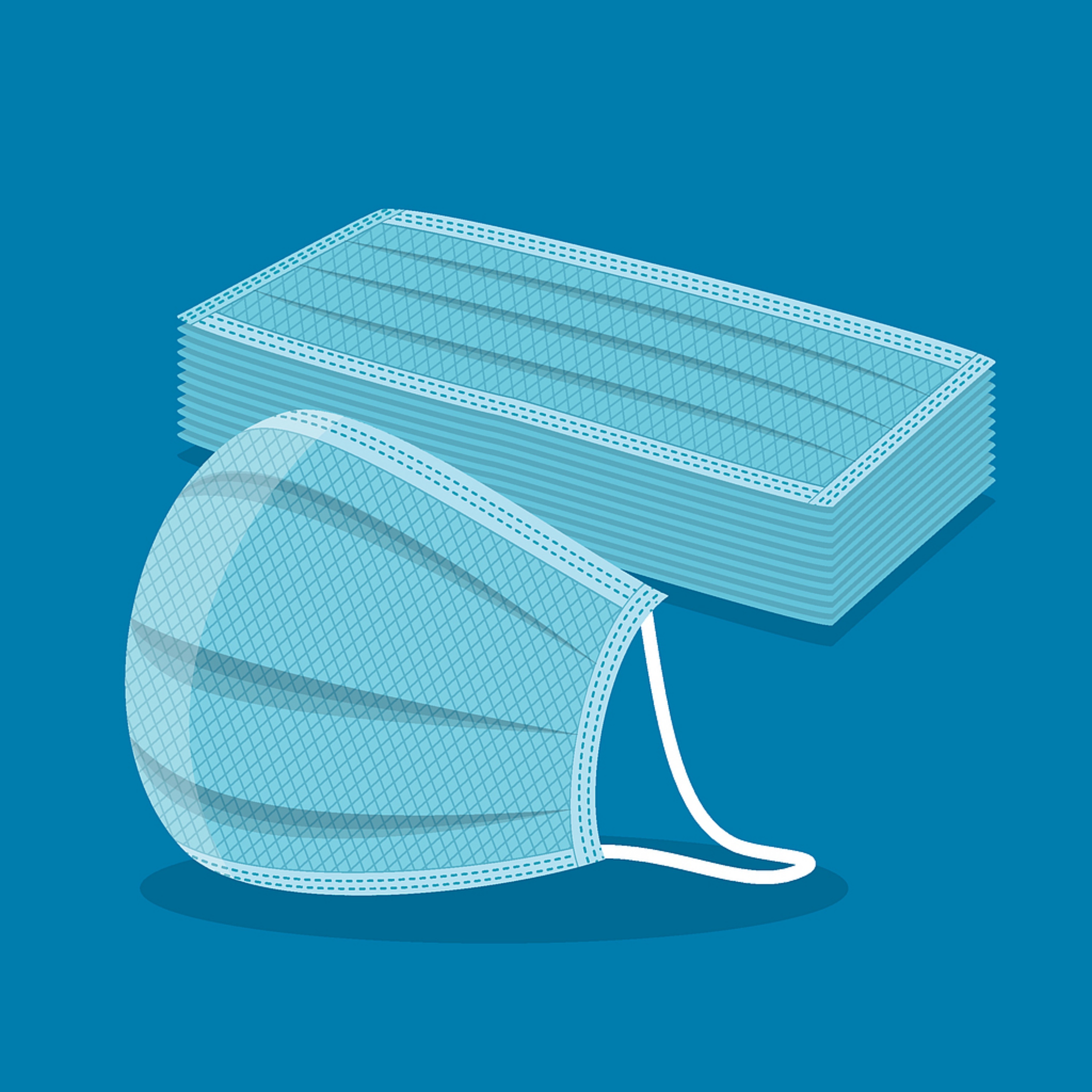
随着寒冷季节来临,我们的第一道防线回归,那就是一次性口罩。
With cold season here, our first line line of defense is back, the disposable mask.
但一旦它离开我们的脸,故事远未结束。
But once it leaves our face, it's a story far from over.
每个废弃口罩都开始漫长的‘来世’,堆积在垃圾填埋场和海洋中。
Each discarded mask embarks on a lengthy afterlife piling up in landfills and oceans.
如果我们能在旅程开始前就阻止它呢?
What if we could stop that journey before it begins?
科学家可能已找到关键——将最大的塑料问题转化为惊人的解决方案。
Well, scientists may have found the key by turning our biggest plastic problem into a surprising solution.
我们将详细解析。
We'll break down the details.
这里是北京直播现场。
We're live from Beijing.
这里是圆桌论坛。
This is Roundtable.
我是史蒂夫。
I'm Steve.
非常感谢大家今天与我们相聚。
Thank you very much for being with us today.
本期节目,我的搭档是菲菲和雨珊。
And for the show, I'm with Fei Fei and Yushan.
首先进入第一个话题。
Up first.
又到了一年中的这个时候。
It is that time of year again.
鼻塞症状开始卷土重来了。
The sniffles, they're back.
可能你也中招了。
Maybe you have them as well.
它们正在传播。
They're spreading.
季节性病毒正在肆虐。
The seasonal bugs are booming.
口罩也重新成为日常必备品。
Masks also are back in heavy rotation.
你当然是在保护自己免受最新流感病毒株的侵害,但你是否想过,当你丢弃那个一次性防护罩后会发生什么?
You're protecting yourself from the latest flu strain, of course, but have you stopped to think about what happens after you toss away that disposable shield?
我们对待它们就像一次性饰品。
We treat them like single serving accessories.
我们几乎把它们当作餐巾纸来对待。
We treat them almost like napkins.
但说实话,这些面部防护用品并不会悄无声息地消失。
But if we're being real, these face coverings aren't just going away quietly.
你的旧口罩可没那么容易降解,它甚至打算活得比你曾曾曾孙还久。
Your old mask is not that easy to degrade and is currently planning to outlive your great great great grandkids.
疫情期间,数十亿个这样的塑料问题产品涌入地球,加剧了扼杀我们生态系统的垃圾山问题,但好消息是。
Well, during the pandemic, of course, billions of these plastic problems flooded the planet, adding to the mountain of waste choking our ecosystems, but there is good news.
中国科学家提出了一种解决方案,可用于解决另一个令人头疼的问题。
Scientists in China have come up with a solution that can be used to solve another headache inducing problem.
他们是如何做到的?这会不会是解决塑料污染的完美闭环方案?
How did they manage to do it, and could this possibly be the perfect closed loop for plastic pollution?
确实,现在是冬季。
Indeed, it is winter season.
这意味着人们又开始把口罩戴回脸上了。
That means everybody's putting those masks back on their faces once again.
但我们通常不会考虑——至少我过去从未想过——这些口罩的制造过程。
But what we don't usually think about, or at least what I usually did not think about, is what goes into the creation of these masks.
里面到底有什么?
What's inside?
这就是我们今天要开始的话题。
And that's what we're gonna start with today.
菲菲和宇顺,下午好。
Fei Fei and Yushun, good afternoon to you both.
嗯。
Mhmm.
是的。
Yeah.
正如你提到的,一次性口罩是我们都非常熟悉的东西。
Disposable masks, like you mentioned, is something we all know very well.
但如果你仔细看看这些口罩的实际成分,其实它们主要是塑料制成的。
But if you look into what these masks are actually made of, well, they're mostly plastic as a matter of fact.
口罩本身、耳挂带、甚至鼻夹条——所有这些都是由聚丙烯(简称PP)和聚乙烯(简称PE)等材料制成的。
The the mask themselves, the straps that go around your ears, and even the nose clip that all that's all made from materials like polypropylene and polyethylene, which is p p for short and p e for short.
此外,里面还加入了一小段金属丝。
And also, there's a bit of metal wire put inside as well.
所以现在市面上常见的大多数口罩,都是由三层不同材料构成的。
So most of the common masks that you see out there nowadays, they're all built with three different layers.
就像一层无纺布的三明治。
It's like a sandwich of non woven fabric.
外层和贴近面部的内层都是纺粘布,一种塑料纤维织物。
It has spun bond, which is a type of a plastic fabric on both the outside and the inside where you kind of kiss into.
嗯。
Mhmm.
中间层则是熔喷布,蓬松柔软且具有高过滤效率。
And then in the middle, there's the melt blown type of cloth that's fluffy and soft with high filtration efficiency.
这层过滤材料就被夹在中间。
So that's sandwiched in the middle for filtering.
这些层面通过热压和超声波密封工艺粘合在一起形成口罩。
So these layers, they are bonded together using heat and ultrasonic sealing as the mask.
是的。
Yeah.
请原谅。
There's pardon me.
市面上有很多不同类型的口罩,对吧。
There's lots of different types of masks out there Right.
这意味着它们的制作方式也会有所不同,我猜。
Which means that they're going to be all put together differently, I guess.
是的。
Yes.
比如,我们有棉布口罩。
Most of for example, we have cotton masks.
它们可以在寒冷的冬天使用,因为是棉质面料制成的。
It it can be used in colder winters because they're made of cotton fabrics.
它们可清洗,但防护效果有限。
They're washable, but they offer limited protection.
还有活性炭口罩,中间多了一层活性炭以增强吸附效果。
There are also activated carbon masks, which add an activated carbon layer for more absorption.
嗯。
Mhmm.
此外还有工业口罩。
And then there are also industrial masks masks.
但我们通常使用的更多是一次性医用口罩,尤其是在流感季节。
But what we usually use is more of the disposable medical masks when especially when it comes to this flu season.
而我们通常依赖的那些口罩,大多含有大量塑料成分。
And those masks that we usually rely on are are the ones that have a lot of plastics in
它们。
them.
是的。
Yes.
正如玉山刚才提到的,纺粘布、熔喷布,它们基本上只是不同类型的塑料线
As Yushan just mentioned, the spunbond, the meltblown, they are basically just different types of plastic threads
嗯。
Mhmm.
要知道,它们通过不同的编织方式形成不同层次,以实现不同用途。
You know, waving into different forms, forming different layers for different purposes.
但本质上,它们只是塑料的不同形态罢了。
But in essence, they're just different forms of plastics.
那为什么它们会变成如此严重的环境问题呢?
So why then have they become such a severe environmental problem?
因为如今我们戴口罩时,都是直接拆开一个新的戴上。
Because nowadays, when we wear a mask, we just tear up a up a new one and put it on.
但使用丢弃后,这些口罩都去了哪里?
But afterwards, after it's disposed, where do all the masks go to?
问题就在于——疫情期间估计有数十亿个口罩被不当丢弃,最终以各种方式污染地球:堆积在填埋场或流入海洋。
That's been the issue here is because improperly discarded masks are estimated at billions during the pandemic, ended up polluting the planet, accumulating in landfills, or flowing into the ocean in all different ways.
正如我们解释过的,这些口罩都是由塑料制成的。
So these masks, they are made of plastic as we we've already explained.
而这些塑料既不易分解,也无法生物降解。
And those plastic, they don't easily break down or biologically degradable.
这些塑料制品会以各种方式在我们的自然环境中存在很长时间。
So these plastic, they will kind of for a very long time exist in our natural environment in various ways.
作为对比,2020年至少有15.6亿个口罩是这样被丢弃处理的。
So as sort of a comparison, the at least 1,560,000,000 masks in 2020 was kind of left out and disposed like this during 2020.
那是五年前的数据了,现在这个数字肯定要高得多。
And that was five years ago, so that number is gonna be much higher now.
没错。
Right.
北京化工大学材料科学与工程学院的丁世家教授也指出,口罩中的过滤材料本质上是一种塑料,可能需要长达450年才能分解。
And Beijing University of Chemical Technology professor Ding Shijia, who is from the School of Material Science and Engineering, also noted that the filtering material in masks is essentially a type of plastic which can take up to four hundred and fifty years to decompose.
天啊。
Goodness me.
那得几个世纪了。
Centuries then.
是的。
Yeah.
在环境中存在如此长的时间意味着它将对许多不同事物产生直接影响,其中之一当然是海洋动物和鸟类的生存。
Being in the environment for that long means it's going to have a direct impact on a lot of different things, and one would be, of course, the survival of marine animals and birds.
是的。
Yeah.
它还会影响渔业和水产养殖,无论是通过完全未降解的口罩,还是当它分解成微塑料后。
It would also affect fisheries and aquaculture either through the mask completely unbroken down or once it's broken down into, I guess, microplastics
对。
Yes.
这些微塑料会在鱼类捕食其他鱼类时进入其体内。
That would find its way inside the fish when they eat other fish.
或者更简单地说,当鸟类筑巢时。
Or in a simpler way, when birds, they build nests.
它们会收集像织物这样的材料来保持巢穴足够温暖。
They pick up things such as fabrics that can keep the nest warm enough.
但亲鸟和幼雏都面临着被缠绕窒息而死的风险。
But the parents' birds, also the the young chicks, they kind of have this risk of being entangled and lethal and loose breath.
与此同时,这种情况时有发生。
In the meantime, that happened quite a bit.
我记得英国就有相关报道。
I think that was reported in The UK.
事实上,在它分解之前就已经对野生动物构成威胁了。
So as a matter of fact, before it even breaks down, it's already causing threats to wild animals.
是的。
Yeah.
而且大塑料制品,我认为这是一种不仅对动物,对我们人类也非常隐蔽的威胁
And also macroplastics which I think is a very invisible threats to not only animals but also to us humans
也是。
as well.
没错。
Yeah.
我们做过一期相关节目,了解到微塑料基本上无处不在、无时不在。
We did an episode on that, and we learned that microplastics are basically everywhere all the time.
是的。
Yeah.
也许就在你的大脑里。
Maybe inside your brain.
我认为另一个令人警醒的数据是比较未使用和使用过的口罩,因为后者基本上就是我们随意丢弃的那些。
And I think another very sobering data is comparing unused masks and also used ones because that's the ones we toss around basically.
未使用的口罩平均每个会释放70到300个微塑料颗粒。
Well, unused masks release an average to 70 to 300 microplastics per mask.
使用过的口罩释放量明显更多,平均每个口罩接近700到1900个微塑料颗粒。
Used masks released significantly more, averaging close to 700 to 1,900 microplastics per mask.
嗯。
Mhmm.
所以这些微小的颗粒或碎片正在快速扩散到食物、鱼类、动物体内,甚至进入我们的大脑、心脏和各个器官。
So these tiny little particles or fragments are spreading very fast into, you know, food, fish, animals, into our brains, into our hearts, into our organs, basically.
无处不在。
Everywhere.
是啊。
Yeah.
这是个坏消息。
That's the bad news.
现在来说说好消息吧。
Now let's get to the good news.
中国的一个团队最近研发出了解决方案。
A Chinese team recently developed a solution.
这确实相当引人入胜。
This is really quite fascinating.
他们具体做了什么?又是如何运作的?
What what did they do and how does it work?
是的,中国东部浙江省的浙江师范大学研究团队开发了一种创新方案,能将废弃医用口罩转化为功能性材料,用以对抗塑料污染。
So, yeah, this research team at Zhejiang Normal University in Eastern China, Zhejiang Province, they developed a novel solution that converts discarded medical masks into a functioning material to in order to combat plastic pollution.
该方案的核心是将废弃医用口罩转化为一种名为碳量子点的新型零维碳纳米材料。
So the solution here involves transforming waste medical masks into a thing called carbon quantum dot, which is a new type of zero dimensional carbon nanomaterial.
这些纳米材料会与多种其他材料混合,制成一种能帮助分解PET塑料分子链的催化剂。
So these nanomaterials, they are mixed with a whole bunch of other materials to create a catalyst that can help break down the chain within the PET plastic.
嗯。
Mhmm.
从某种程度上说,它就像是在切割塑料,将其撕裂成可降解的小分子。
In a way, it's kind of cutting it, tearing it apart into smaller molecules that's in a way degradable.
这就是它的工作原理。
So that's how it's it kinda works.
PET塑料是我们的敌人。
The PET plastics are the enemy.
对吧?
Right?
没错。
Right.
水瓶、食品容器、包装材料,甚至合成纤维衣物,我想都在这个清单上。
Water bottles, food containers, packaging, even synthetic clothing, I think, is on that list.
所以他们分解了口罩,与其他物质混合,混入了一堆东西
So they broke the masks down, mixed it with something else, mixed it with a bunch of other things
嗯
Mhmm.
然后将其应用于PET塑料,看着它有点像在吞噬塑料
And then applied it to the PET plastics and saw it kind of eat it,
可以这么说?
so to speak?
对
Yeah.
他们先将废弃口罩切碎,用酒精浸泡,然后加热到200摄氏度持续12小时,结果就产生了这些发蓝光的碳点——正如雨珊提到的,这些本质上是能吸收大量光线并再次发光的微小碳颗粒。
So they sort of cut up the waste masks and then soak them in alcohol and then he heated them to 200 degrees Celsius for twelve hours, which result in these glow glowing blue carbon dots as Yushan just mentioned, are basically tiny particles of carbon that can absorb a lot of lighting and then glow again.
然后利用这些碳点的特性,他们结合了另外两种成分形成了这种催化剂混合物。
And then taking advantage of this feature of these carbon dots, they combine two other components to form this catalyst mixture.
接着在混合物上照射更多光线——主要是实验室用的人造紫外光,这些碳粉颗粒就像电池一样工作,它们强化了这个过程,开始分解部分塑料颗粒。
And then when shedding more lights, artificial UV light mostly used in the lab, on the mixture and then this particle, this carbon dust basically acting like batteries, so they sort of intensifying the process and then start to break down some of the plastic particles.
而且
And
根据研究显示,这种混合物能在六小时内分解近40%的塑料颗粒,这令人沮丧。
it's sad, according to the study, it says the mixture was able to break down nearly 40% of the plastic particles in six hours.
是啊。
Yeah.
这相当复杂,而且这只是流程的一部分,因为要让催化剂有效发挥作用,他们还需要对PET塑料颗粒进行额外处理。
It's quite it's quite complicated, and that's only part of the process because for that catalyst, that creation to work effectively, what they needed to do was take the PET plastic particles and they put them through a treatment too.
他们需要在水里加热,是的。
They had to heat them up in water Yeah.
总共要在180摄氏度下加热十二小时,这一步非常关键。
To a 180 degrees Celsius for twelve hours in total, and that step was really important.
实际上,不仅仅是关键。
Actually, not just important.
这绝对是必要的,因为在那个温度下长时间加热塑料时,会产生——我是说,你可以想象当你开始熔化塑料时,表面会变得皱巴巴的
It was absolutely necessary because when they heat the plastics for that long at that temperature, it creates I mean, you can imagine when you kind of start to melt plastic, the surface area gets all wrinkled
是的。
Yeah.
并且稍微增加了表面积。
And creates a little bit more of a surface area.
内部的分子开始活跃运动,更容易断裂。
The molecules inside start to get actively moving around, easier for breaking.
由于PET颗粒会发生这种情况,这为催化剂的新创造物提供了更多抓住PET塑料的位置。
So because that's what happens with the PET particles, then it gives the catalyst that new creation more places to grab onto that PET plastic.
他们实际上在不同水域进行了尝试。
And they actually tried it in different waters.
你提到了把它放入水中。
You mentioned putting it in water.
他们至少在三种水域中进行了试验,包括纯水。
They tried it in, I think, at least three types of water, including just pure water.
在这种情况下,我猜是100%的H₂O,不含任何矿物质。
In this case, I would imagine it's a 100% h two o without any of the minerals.
他们还尝试了湖水和海水,发现催化剂系统在海水中的效果最佳,比纯水或湖水表现更好。
And also there's lake water that they tried and seawater and discovered that the catalyst system works the best or rather work better in seawater than in pure water or lake water.
这几乎能降解40%的塑料,作为创新技术意义重大。
And that's almost breaking down 40% of the plastic, which really means a lot as innovative technology.
是的。
Yeah.
没错。
Yeah.
这——这可能是真正重大的突破。
This is this is potentially really huge news.
对。
Yeah.
它不仅解决了大量废弃口罩堆积的问题,还能应对我们讨论过的微塑料污染等环境问题。
It's not only solving the problems of a lot of piling up used wasted masks, but also, you know, tackling microplastic pollutions that we talked about and other environmental issues.
既然这个系统在海水里效果更好,或许还能帮助我们处理海洋中的大量塑料垃圾。
And since, you know, this system works better in seawater, it can also help us maybe tap into a lot of the plastic waste in the oceans as well.
所以它确实具有很大的潜力。
So it's just has a lot of potentials.
这就是我们所说的闭环意义所在——因为之前存在的问题之一就是口罩处理难题。
And and that's what we meant when we said a closed loop because the problem that existed or one of the problems that existed before was the masks.
我们该怎么处理这些东西呢?
You What are we supposed to do with these?
现在我们创造...仿佛我也置身实验室中。
Now we've created we as if I was there in the room.
那些比我聪明得多的人们,他们找到了将口罩切碎处理的解决方案。
They, people much smarter than I, created a solution where they cut the masks into pieces.
他们不仅把问题转化为解决方案,而且这个方案还同时解决了另一个塑料污染的大问题。
They they turned that problem into a solution, but not just the solution of the masks, the solution of another big problem, that that existed in terms of plastics.
真的,这可能会成为改变游戏规则的技术。
Really, maybe potentially a game changer.
那么从变革性角度来看,未来我们可能看到哪些潜在变化?
So what in terms of game changing, what potential changes could we expect in the future?
是的。
Yeah.
整个将塑料分解成小分子的过程会产生苯甲酸等物质,这些化学名称其实不重要,因为它们都能成为制造新材料的基础构件。
There's one thing that the whole process of breaking plastic down into smaller molecules kind of produce this substance like benzoic acid and other compounds which these names, terms doesn't really matter because they could all be made into building blocks to create new materials.
你可以把它想象成乐高太空船——塑料就像我们不再需要或想要的复杂乐高模型。
So you can basically think of it like a Lego space shift, And the plastic is a big complicated Lego model that don't really need that we don't really need or want anymore.
而化学回收的特殊工艺,就像是把太空船拆解成更小的
And then the special process of chemical recycling is like, you know, taking that spaceship ship apart into smaller
零件,一块一块地拆解乐高积木。
pieces, piece Lego by piece by Lego piece.
没错。
Right.
这些分解产物就是有用的基础模块,化学家之后可以像搭积木一样,用它们来构建新产品,比如机器人、汽车,而不是 melting down the old spaceship。
And those breakdown products are those useful smaller sections that a chemist can later snap them together to build a new product, to brand to build a new a robot, a car, instead of just melting down the old spaceship.
对。
Yeah.
所以这就是回收那些塑料积木的过程
So it's the recovery then of those of those plastic building blocks
对
Yeah.
可以这么说
If you will.
嗯
Mhmm.
而且,苯甲酸也被广泛用于食品防腐或化妆品中,这也给海洋带来了诸多挑战。
And also, benzoic the benzoic acid is also widely used for, for example, food preservation or in cosmetics, which also pose a lot of challenges to oceans as well.
因此,它可能成为未来解决这一问题的潜在方案。
So it could be a potential solution in the future to the issue.
此外在废物管理方面,我认为它未来也可能发挥作用。因为今年早些时候我参观一家垃圾处理厂时,他们告诉我虽然能烧掉约98%的其他类别垃圾(主要是塑料等),但仍剩约2%的垃圾无法完全燃烧或转化为环保材料。
And also when it comes to waste management, I think it can also play a role here maybe in the future because, you know, when I when I visited a a waste plant earlier this year, they sort of told me that even though they they were able to burn down about 98% of all the other waste in the category of other waste, which are mostly, you know, plastics and things like that in the process, but there are still some about 2% left of those trash that cannot be further burnt or, you know, burnt into useful or environmental friendly things.
或许未来通过这种化学解决方案,可以消化掉那最后2%无法完全燃烧的垃圾。
So maybe in the future with such chemical solutions, they they can sort of eat up those last 2% of trash that cannot be completely burned down.
嗯。
Mhmm.
而且,没错,当你将其与焚烧本身相比,焚烧会向大气释放有毒烟雾。
And, yeah, and when you compare it to burning itself, well, burning releases toxic fumes into the atmosphere.
即便只是用高温分解塑料,那也需要消耗大量能源来完成这个处理过程。
And even if you break down plastics with heat in general, well, then that requires a ton of energy to do that, process too.
另一个巨大优势在于,他们通过切碎口罩并添加其他化学物质所创造的催化剂
Another big advantage here is that the catalyst that they created by chopping up the masks and then applying other chemicals
嗯。
Mhmm.
这种催化剂可以反复使用,因为它在五次使用后仍能保持90%以上的原始强度。
Catalyst can be reused again and again because it maintains over 90% of its original strength after five uses.
这意味着首次使用后还能多次重复利用,这真是个好消息——毕竟如果用这么多口罩只造出一次性催化剂,用完即弃,口罩很快就会耗尽。
So that means you can use it a bunch more times after the first time, which which is really good news because if you use this many masks to create one catalyst, but it's only one time, you know, usable one time, you know, throw that away, get rid of it, and then, yeah, you're gonna you're gonna run out of masks quickly.
但如果能重复使用五次以上,就能大大延长使用周期。
But if you can use this five times or more, then it's just gonna last all the longer.
而且通过制造他们所谓的碳点,这实际上并不是什么高科技元素。
And also by creating what they call the carbon dots, it's actually not that of a high-tech element.
我们可以利用这些碳点开发传感器、医学成像等,你知道,它们已经被广泛应用。
We can use we can develop those dots in, for example, sensors, medical imaging, you you know, it's been widely used.
所以这并不是什么特别特殊、昂贵或稀有的化学品。
So it's not like super special, super expensive or super rare chemicals.
这是一种容易获取的材料,我认为这就是为什么这类研究在可重复利用性和可获取性方面具有很大潜力。
It's something that's easily accessible and I think so that's why this kind of study has a lot of potentials when it comes to, you know, reusability and accessibility.
这挺简单的
It's kind of easy
就能做到。
to do.
是啊。
Yeah.
那如果我们找到了解决口罩问题的方法,就能制造碳点来解决PET塑料问题了。
Then if we found a solution to the mask problem and we can create something carbon dots to tackle PET problems.
我们能再往前回溯一点吗?
Can we go back a little bit further?
我是说,他们用口罩找到解决方案是很好,但我们能不能在那个过程之前就一步到位,制造出不需要用碳点分解的口罩?
I mean, it's it's great news that they found a solution using the masks, But can we not go a step before that process and create masks that don't need to be broken down by with carbon dots?
嗯。
Yeah.
完全同意。
Totally.
已经有公司在研发可生物降解口罩,以帮助减少口罩带来的污染。
And there are companies that are already working on creating biodegradable masks in order to help reduce the pollution brought by masks.
他们使用的一种令人兴奋的材料叫做聚乳酸,简称PLA。
So one exciting material they're using is called polylactic acid or PLA for short.
这种PLA是一种生物基材料,可以自然分解,不像普通塑料口罩那样会存在很多很多年。
So this PLA is a bio based material that can break down naturally unlike the regular plastic mask that, you know, kinda stick around for for many, many years.
这些PLA口罩在接触到海水、土壤甚至灰尘时,可以分解成水和二氧化碳。
So these PLA masks, they can decompose into water and carbon dioxide when exposed to things like seawater, soil, or even just dust.
比如在中国,有家公司叫蚌埠丰原涂山制药,还有一家叫南通医疗防护。
So some companies like, here in China, it's called the Bengbu Fengguan Tushan Pharmaceutical and also another one called Nantong Medical Protection.
他们已经在生产完全可降解的PLA口罩了。
So they are already making fully degradable PLA masks.
这样的话,未来你可能只需要使用用后即可自行消失的口罩。
And in that case, in the future, you might just use masks that's that can vanish afterwards after you dispose it.
我得说,这对环境来说是个相当不错的开端。
And that's pretty awesome for the environment as a start, I'll say.
是的。
Yeah.
而且PLA也被用于制作吸管。
And PLA is also used for straws.
对吧?
Right?
所以基本上,这种材料的成本也不算很高。
So, basically, this material is not also very that expensive.
也许未来某天市场上会出现PLE口罩。
So maybe someday in the market, we can start to see PLE masks.
是的。
Yeah.
我们看到大学也在努力解决这个问题。
We're seeing universities tackle trying to tackle this problem as well.
韩国的KAIST,也就是韩国科学技术院。
KAIST in Korea, that's the Korea Advanced Institute of Science and Technology.
他们正在使用其他聚合物混合物来制造特定口罩部件,这些材料既具备功能性又可生物降解。
They are using other polymer blends for specific mask components, things that are functional and biodegradable, at the same time.
研究人员还在探索使用天然快速降解纤维作为塑料的另一种替代方案。
Researchers are also investigating the use of natural rapidly degrading fibers as another alternative to plastic.
有两位来自印度尼西亚加查马达大学的生物技术研究人员。
There are two biotech researchers from Gaja Madha University in Indonesia.
他们提出的方案非常有趣——利用菠萝叶来制造可生物降解的一次性口罩。
What they've proposed, this is really interesting, is using pineapple leaves to create biodegradable disposable masks.
我不清楚菠萝叶具体如何发挥作用,比如它是否会作为过滤器之类的
I don't have any information on exactly how the pineapple leaves would work to I don't know, would it be like a filter within the It
应该需要经过化学处理
should be, you know, being processed chemically.
我觉得应该不会直接就用一片叶子那么简单
I don't think it would be, you know, just made into Just a leaf.
是啊,总不能直接把叶子拿来当口罩用
Yeah, just the leaf, waving them into mass.
因为叶子本质上都是纤维构成的
Because when you think about leaves, it's all fibers in there,
确实
Sure.
这些纤维都可以加以利用
All sorts of that you can use.
所以这也是个令人兴奋的消息
So that's exciting news as well.
中国也有自己设定的目标要实现。
And then there are targets that China's looking to achieve too.
是的。
Yeah.
中国提出了国家目标,要提高再生纤维和生物质纤维的应用比例,包括我们刚讨论过的口罩,嗯。
China said a national goal to increase the application of recycled and biomass fibers, including masks that we just talked about Mhmm.
到今年在工业纺织领域达到15%。
To 15% in the industrial textile sector by this year.
这个指导方针是由国家相关部门发布的。
And this guideline was issued by, you know, national authorities.
所以他们正在研究各种方法,鼓励科技创新发展以寻求不同解决方案。
So they are looking at methods, different methods, encouraging science and technology and development to look at different solutions.
我还发现中国科学家团队一项非常有趣的研究,他们开发出利用生物酶分解口罩和塑料的方法。
And I also find another very interesting study by a group of Chinese scientists that they discovered a method using biological enzyme to break down masks and plastics.
或许未来我们还能找到消化体内微塑料的途径。
So maybe also in the future, we would start to find ways to be able to digest those microplastics inside our body.
嗯
Mhmm.
或许这能开启一扇新大门,利用这种酶催化剂或化学物质,在工业环境中分解塑料。
Or maybe it can open a new door to, you know, break down plastics in industrial sightings settings, taking advantage of this enzyme, you know, catalysts or chemicals.
中国的科学家们肯定正在研究这个问题。
Scientists in in China are on the job for sure.
从国际层面来说,这显然不仅是中国独有的问题。
And internationally speaking, I mean, this isn't obviously an issue, only here in China.
这是全球都需要应对的问题。
This is one that that the globe needs to tackle.
是的。
Yeah.
例如在法国,他们的医院会收集使用过的手术口罩,隔离十天,然后用紫外线进行消毒。
In France, for example, their hospitals are collecting used surgical masks, isolate them for ten days, and then use UV light for disinfection.
接着这些口罩会被粉碎并加热,以分离其中的主要材料——纤维、金属等,最终得到的材料会被重新利用,制造汽车零部件、地毯、储物箱和遮阳板等物品。
And then the masks are crushed and heated to separate the main materials and within the masks, the fibers, the metals, and then the resulting material is reused to make items like car components, carpets, storage boxes, and sun visors.
法国政府还将部分口罩改造成学生的学习用品,比如量角器。
So the French government is also converting some masks into learning tools such as protractors for students.
要上数学课了。
Going to the math class.
是啊。
Yeah.
我明白了。
I see.
此外,英国的医院正在将这些手术废弃口罩和其他防护服转化为蓝色塑料块,这些塑料块可以重新用于制作花园家具等产品。
And also hospitals in The UK are converting these surgical waste surgical masks and also other protective clothing into blue plastic blocks, which can then be reused in, for example, garden furniture.
在澳大利亚,研究还表明,通过将1%的口罩材料与99%的其他再生混凝土骨料混合,可以铺设符合土木工程标准的道路。这种方法每铺设一公里道路就能消耗300万只口罩,减少93吨填埋垃圾。
And also over in Australia, research also demonstrated that road pavement could be laid by mixing 1% of the mask materials with 99% of other recycled concrete aggregate, and then they can adhering to civil engineering standards, and this approach could consume 3,000,000 masks and reduce 93 tons of landfill waste per kilometer of road paved.
每公里93吨。
93 tons per kilometer.
哇。
Wow.
这是个巨大的成就。
That's a tremendous achievement.
在美国,他们也在进行相关工作。
In America, they're working on things as well.
有家公司提供所谓的零废料回收箱,专门收集一次性口罩,然后将它们加工成塑料颗粒,就是那些微小的碎片。
There's a company that offers what they call zero waste boxes for collecting disposable masks, and then those are processed into plastic granules, little tiny pieces.
这些颗粒随后会出售给制造商,用于制作运输托盘、长椅、地毯等产品,可能还有一长串其他用途。
And then those granules are sold to manufacturers, and they use them to make things like shipping pallets or benches or or carpets or there's probably a long list of things that they'll make there.
是啊。
Yeah.
建立闭环系统的理念很棒,我们可以安全地分解口罩中的塑料,对环境友好,然后重新利用这些原本用于制作口罩的塑料来制造我们环境中的其他物品。
The concept of creating a closed loop system is great, where we can take the plastics from the masks and break them down in a safe way that's good for the environment, and then repurpose those plastics that were used to make the masks to make other things in our environment.
不过我显然不是科学家,但如果这些塑料在口罩中无法分解,而我们只是将它们取出并重新利用...
But I'm not a scientist, obviously, but if those plastics don't make breakdown in the masks and we're simply taking them out and putting them into
它们仍然是塑料制成的其他产品。
They're other products still plastics.
我们只是重新开始了整个过程。
We're just starting the process all over again.
是的。
Yes.
对吧?
Correct?
正如我们之前讨论的,如果能从一开始就生产可生物降解的口罩,无需后续分解处理,那就太理想了。
So would be wonderful, like we talked about, you know, creating biodegradable masks in the first place that don't need to be broken down.
我想这应该是我们的终极目标。
That would be, I guess, the ultimate goal.
是啊。
Yeah.
但目前仍存在不少挑战。
But there are still challenges out there.
比如我们刚提到的PLA口罩,确实如此。
For example, the PLA masks that we just talked about, it's yes.
我们在市场上已经看到PLA吸管,但对于其他产品来说,目前还处于相当早期的阶段。
We have seen PLA straws on the market, but when it comes to other products, you know, it's still pretty much in early stages.
其中一个原因就是生产成本非常高。
So one of the reasons would be very high production costs.
这就是为什么我们还没看到PLA口罩在市场上大规模出现。
So that's why we don't see those PLA masks on scale on the market.
因此需要突破技术瓶颈,或者建立能够扩大生产规模的商业模式。
So that needs, for example, technological bottlenecks to be broken down or, you know, business models to scale up production.
因此,我们可能还需要一些时间才能真正找到并利用这些解决方案。
So it could still take some time for us to really find be able to utilize those solutions.
尽管如此,这绝对是个非常好的消息。
Still, this has to be considered tremendously good news.
尽管存在挑战,但这确实是中国科学家们的一项出色工作。
Even with the challenges that exist, this is a a job well done by these Chinese scientists indeed.
关于 Bayt 播客
Bayt 提供中文+原文双语音频和字幕,帮助你打破语言障碍,轻松听懂全球优质播客。