本集简介
双语字幕
仅展示文本字幕,不包含中文音频;想边听边看,请使用 Bayt 播客 App。
在寻找激情吗?
Looking for passion?
对激烈的辩论感兴趣吗?
How about fiery debate?
想听听不同视角下的中国时事吗?
Wanna hear about current events in China from different perspectives?
那就收听《圆桌论坛》,在这里,东西方交汇,目标是相互理解。
Then tune in to roundtable, where East meets West and understanding is the goal.
这里是《圆桌论坛》,我是史蒂夫·哈瑟利和易顺。
This is Roundtable with me, Steve Hatherley and Yishun.
你有没有朋友总是抱怨怕冷,而另一个却很容易 overheating?
Do you have a friend who complains about feeling cold all the time while another get overheat really easily.
为什么同样的生活方式对一些人有效,对另一些人却无效?
Why does the same lifestyle work for some but not another?
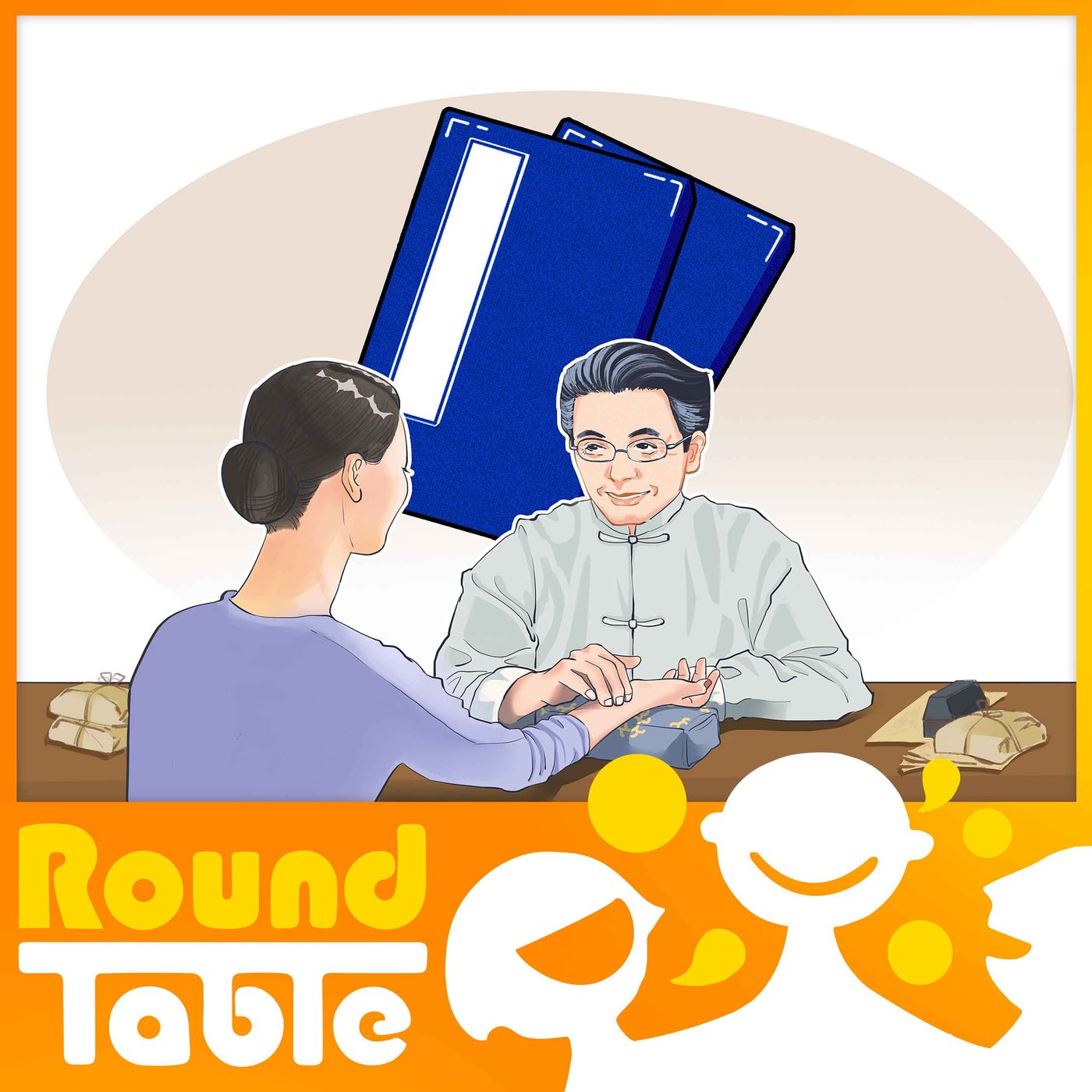
在传统中医中,答案往往始于体质,这个框架早在疾病出现之前,就解释了这些根本差异。
In traditional Chinese medicine, the answer often starts with body constitution, a framework that explains these fundamental differences long before illness appears.
现在有了新的国家标准,这一古老的理念在现代健康讨论中重新获得了重要性。
Now with a new national standard in place, this old idea is finding new relevance in modern health conversation.
那么这个新标准到底是什么?
So what's with the new standard?
嗯。
Mhmm.
首先,中国已于12月31日正式发布了首个关于中医体质分类与识别的国家标准,该标准将在4月1日起生效。
So first of all, on December 31, China has officially released its first national standard for the classification and identification of traditional Chinese medicine, medicine, TCM, so body constitutions, under this umbrella, which will take effect on the April 1.
该标准由国家中医药管理局组织起草,并经国家市场监督管理总局批准。
The standard was organized and drafted by the National Administration of Traditional Chinese Medicine and approved by the State Administration for Market Regulation.
此外,这一标准之所以重要,是因为它标志着一个长期以来在实践中具有重要影响但缺乏统一国家规范的领域迈出了关键一步,表明中医体质理论正进入更加标准化和规范化的阶段。
And also, why it is important is because the standard marks a turning point for a field that has long been influential in practice but lacked unified national rules, and that is signaling that TCM constitution theory is entering a more standardized and regulated phase.
所以这个话题本身并不是全新的。
So this isn't is the the topic of this is not necessarily brand new
当然不是。
Not at all.
在中国文化中。
To Chinese culture.
对吧?
Right?
这种体质分类?
This body classification?
是的。
Yeah.
不。
No.
不。
No.
不。
No.
完全不是。
Not at all.
对我们来说,一直以来都被告知,处理自身问题时不仅要根据症状,还要考虑体质,因为这意味着你对某些行为、治疗甚至药物和食物更为敏感。
For us, we have always been told that you have to deal with the problems of yourself also based on not only the symptoms, but also your body constitution because it would mean that you're more sensitive to certain actions, certain treatment, or even certain medicine and food.
同时,你也可能对某些东西不那么敏感,也就是说,你摄入了过量的物质,却没能达到应有的效果。
And at the same time, you might be being not as sensitive, meaning that you're taking too much dose of something without the effectiveness of it.
所以这种观念已经存在很久了。
So it has been there for quite a while.
但玉顺的说法是,它将在1月1日生效。
But the fact that the way that Yushun worded was that it will take effect on January 1.
这并不意味着在4月1日之前就无效。
It does not mean that before January On April.
4月1日。
April 1.
这并不意味着在4月1日之前就无效。
It doesn't mean before April 1.
没人有过体质这种说法。
Nobody had a body constitution.
这并不意味着。
It doesn't mean that.
这意味着从4月1日之后,例如,中医师必须掌握新的标准。
It means that after April 1, for example, traditional Chinese doctors would have to master the new standard.
他们必须根据新标准进行诊断和治疗。
They would have to make their diagnosis and their treatment based on the new standard.
所以这就是为什么会有‘生效’这个概念。
So that's why there is the concept of taking effective.
但关键点在于,对于那些不熟悉这种理论的人,中医体质到底意味着什么?
But the key point here is, for those who are not familiar with this kind of theory, exactly what does TCM body constitution mean?
是的。
Yeah.
我们每个人都有体质,它关乎你身体的强项与弱项,以及对环境压力等外界因素的反应模式。
Well, we all have a body constitution, and it's about your body's strengths and weaknesses and patterns of responses to things like stresses in the environment.
基本上,它就像是你身体运作的规则手册或战术指南,重点不在于诊断疾病,而在于理解你的基本状态;一旦你明白了这一点,就可以调整日常习惯,比如饮食、运动类型、睡眠模式、压力管理,或者类似的事情。
Basically, it's kind of like the rule book or the playbook of how your own body functions, and it's less about diagnosing a disease and more about understanding your kind of baseline, and then once you understand what that is, then you can adjust your daily habits, things like your diet or your, types of exercise, or your sleep patterns, or your stress management, or or things like that.
你做出这些调整的原因是为了在问题发生之前加以预防。
And the reason you make those adjustments is to prevent problems before they arise.
所以这就像一条个性化的路线图,帮助你保持身体的平衡与韧性,而实现这一点的方法是了解你的体质,并且有一些非常具体的方法可以帮助你确定自己的体质。
So it's kind of like it's kind of like a personalized little roadmap for keeping your body balanced and resilient, and the way that you do that is by understanding your body constitution, and there are things that you can do, a very specific thing that you can do to know what your body constitution is.
嗯。
Mhmm.
不知为什么,当你使用平衡或韧性这类词时,听起来你就像一位非常专业的中医大师。
For some reason, when you're using these words of balance or resilience, it may it makes you sound like a very, very professional master in TCM.
是的。
Yes.
我是,并且有
I am And there are
我不是。
I am not.
假设我不希望我们的任何听众说:‘真的吗?’
Let's say I don't want any of our listeners to say, like, oh, really?
这时候史蒂夫就登场了。
That's where Steve comes in.
不。
No.
不。
No.
不。
No.
不。
No.
但我觉得,一旦你开始接触中医理论,就会经常听到一些词,比如阴阳,它们指的是相对消极的一面,但并不是负面的意思。
But I think once you start approaching TCM theories, you would hear a lot of words very often, like yin and yang, which would refer to the relatively negative, but not in a negative connotation negative.
这只是
It's just
带负电的能量。
The negatively charged energy.
负电能量以及阳则是正电能量,如果你体内阳热或阳元素过多的话。
The negative charged energy as well as yang would be the positively charged energy if you are someone with too much yang heat or element in your body.
你需要两者。
And you need both.
你绝对需要两者,而且需要平衡。
You definitely need both, and you need the balance.
所以过于阴或过于阳都不好。
So being too yin or too young are not good.
还有气,也就是在你体内循环的能量或生命力。
And also there's the qi, which would be the energy or life force circulating in your body.
如果气不能在体内顺畅流动,就意味着某个部位需要一点帮助,使其恢复顺畅。
And if the qi does not go smoothly from one place to another, it means there's an area that needs a little bit help and smooth at that time.
是的。
Yeah.
这是一种整体性的养生方式,但同时也是一种具体的方法。
It's kind of like a holistic holistic approach to your to your well-being, but also kind of a specific approach as well.
通过整体方法,你可以识别出哪里需要更好的平衡,我想,如果我理解得没错的话。
Through the holistic approach, you can identify where better balances are needed, I guess, if I understand it
没错。
correctly.
这里有趣的一点是,从表面上看,这很容易解释。
And one thing interesting here is that from the surface of it, it's easy to explain.
当我们这样解释时,你知道,如果你阳气过盛,就很容易上火。
When we explain it like this, you know, if you have too much young energy, you got hot easily.
所以这听起来很简单。
So that that sounds simple.
但事实上,根据新的标准,人体有九种不同的体质,这表明你不能仅凭一个症状来判断自己的体质。
But to the fact that we have, according to the new standard, nine different body constitutions showcase that you cannot really identify your body constitution based on only one symptom.
因为,就像史蒂夫说的,这是一个整体系统,所有方面都是相互关联的。
Because, like Steve said, it's a holistic system, and they're all linked together.
我们的记者杨阳采访了中医专家刘阳先生,他分享了两种具体的体质类型,通过这两个例子,我们可以更好地理解这一标准、分类及其背后的逻辑。
And our reporter Yang Yang has spoken to mister Liu Yang, an expert in TCM knowledge, and he shared two specific types of the body constitutions so that from these two examples, we can understand the standard and the classification of it and the logic behind it a little better.
我们先从所谓的阳虚体质说起。
Let's start with what we call a yang deficient constitution.
这种体质的人在日常生活中容易感到寒冷,自然会偏好温热的食物和饮品。
People with this type tend to feel cold easily in daily life, and they naturally reach for warm food and hot drinks.
性格上,他们通常比较安静、内向。
Personality wise, they are often quieter and more introverted.
在健康风险方面,他们更容易出现浮肿或频繁腹泻等问题。
In terms of health risks, they are more prone to issues like swelling or frequent diarrhea.
在环境适应方面,他们通常更能适应夏天而非冬天,对寒冷、风和湿气更敏感。
When it comes to the environment, they usually tolerate summer better than winter, and they are more vulnerable to cold, wind, and dampness.
实际上,大多数人并不会完全属于某一种类型。
In reality, most people don't fall neatly into just one category.
我们大多数人实际上都混合了多种体质特征。
The majority of us actually have a mix of different constitution traits.
这其实是一个比例问题,尤其是在今天的城市中。
It's really a matter of proportion, especially in cities today.
由于压力大、熬夜以及摄入大量加工食品或快餐,我们看到某些混合体质变得非常普遍。
With high stress levels, staying up late, and eating a lot of processed or fast food, we see certain mixed constitutions becoming very common.
因此,不仅有九种不同的体质类型,我们每个人体内都同时存在这些不同的体质特征。
So not only are there nine different types of body constitution, we all have these different type of body constitution in our bodies.
可能其中一种低于平均水平,另一种则高于平均水平。
Just one might be below average, one might be more than average.
我说的‘平均’,并不是指人群中的一般水平,而是指平衡的状态。
Or by saying average, I don't mean average in the population in the human group, but that balanced the point.
是的。
Yeah.
你不会只属于某一种类型。
And you're not gonna fall into one category
对。
No.
仅仅如此。
Only.
你会拥有不同类别的一些特征,但可能会更倾向于某一种。
You'll have elements of different categories, but you will lean a little bit perhaps more towards one
说到这里,我得问问你们俩的体质类型分别是什么?
particular And that's being said, I have to ask what are your body constitutions, both of you?
我们都做了测试。
We all did the test.
有一个评分表可以让你自我评估,关于这些内容,我们稍后会再回顾和讨论一些问题。
There is a test table that you can score yourself, that level of well, we'll release some or review some of the questions a bit later.
但是,你做测试了吗?
But, yeah, did you take the test?
做了。
Yeah.
我们都做了测试,我的结果说我属于易过敏体质,这没错。
We we all kind of took the test, and my results said that I have an allergy prone constitution, which is correct.
我皮肤非常敏感。
I I I have a, you know, very sensitive skin.
我对花粉之类的东西过敏。
I'm allergic to, like, pollen and something like that.
哦,我还不知道你这一点。
Oh, I didn't know that about you.
是的。
Yeah.
但就我个人的体验而言,测试结果和那些问题非常吻合,这正是我的感受。
But personally, the way I experienced it, the results of the test felt very, similar to the questions that I that's how I feel.
九种体质的特征基本上和TAST所问的内容一致。
The characteristics of the nine body types are basically the same things that TAST, asks about.
比如,问题会是:你是否容易对食物或花粉等过敏?
So, for example, the question is like, are you prone to alert allergies such as food or pollen?
你容易打喷嚏吗?
Do you sneeze easily?
这些问题既是测试题目,也是体质的定义特征。
These are both questions and the defining features of the body type.
所以它给我一种印象,这个测试只是在给这些特质贴上标签,本质上是为我已描述过的那些症状命名。
So it gave me the impression that the test was simply just labeling these traits, essentially giving a name to that kind of symptoms that I had already described.
而这个名称实际上很重要,因为我们提到过,这套标准不仅帮助我们普通人更好地了解自己,也对中医医生有用。
And that name is actually important because we mentioned the fact that this standard is not only for regular people like us to understand ourselves a little bit better, but also to TCM doctors.
因此,医生能够识别出你,然后据此为你提供治疗和建议,这就是为什么这非常
So the doctors would be able to identify you and then accordingly give you treatment and suggestions, which is why this makes a lot
有道理。
of sense.
它就像给了我一张标签或一张身份证,供中医医生使用。
Like it gives me a label or a card, an identity card for the Chinese traditional Chinese medicine doctors.
就像一个大纲。
Like an outline.
是的。
Yeah.
然后他们就知道以后该如何处理我,或者根据进一步的检查结果采取行动。
And then they will know what to do with me later maybe or a further investigation results.
更重要的是,你可以根据这些信息知道之后该怎么做。
And and more importantly, you know what to do with you later based on that information.
史蒂夫,你呢?
What about you, Steve?
天哪。
Oh, jeez.
他们昨天给我做了这个测试。
So they gave me the test yesterday.
对吧?
Right?
这是一份有40个问题的问卷,而且全是中文的。
And this is, like, a 40 question thing, and it's all in Chinese.
所以我去找了AI帮忙翻译,然后回去填了我的答案。这个问卷就像一个Excel表格,你要填的是像‘不常’、‘从不’、‘总是’这样的选项。
So I went to AI and I translated it, and then I went back and I filled in my answers, and then you're supposed to like it's like an Excel sheet, so you fill in your your answers like the number, like not often or never or always, things like that.
等我填到最下面时,它却没有给我评分。
Then I got to the bottom, and it didn't give me a score.
我说,玉信是我们这里的电脑专家。
And I said, Yushin, is our computer expert.
我说,嘿。
I said, hey.
过来一下。
Come here.
我哪里做错了?
What did I do wrong?
他回答说,哦,是的。
And he goes, oh, yeah.
你没得到分数。
You didn't get a score.
我想是因为你不是中国人。
I guess it's just you're not Chinese.
我说,我根本不需要这个测试来证明这一点。
I said, I I didn't I didn't need a test for that.
我只需要一面镜子就能明白。
I just need a mirror for that.
还记得这个名字吗?
Remember the name?
不,就是这样。
No, it is.
所以我不知道我的答案是什么。
So I don't know what my answer is.
是的。
Yeah.
在那里,我是史蒂夫。
There I'm Steve.
我就知道这么多。
That's all I know.
哎呀。
Aw.
有一些事情是你需要处理的。
There are some, like, things that you need to take care of.
比如你按那个按钮,或者输入那个数字,它就会有一个公式算出一个总数之类的。
That's like you you press that button or you you put in that single number, and it will it will have a formula to come out with a, like, total number or something.
是的。
Yeah.
当然,这一切只是为了好玩。
It was all for fun, of course.
但我从这次测试中确实获得了一点启发。
But I do have a little of of a takeaway from this test.
这让我想起了MBTI。
It's reminiscent to me of the MBTI.
那些是正确的字母吗?
Are those the right letters?
MBTI?
MBTI?
我刚才也在想这个问题。
I was I was just thinking about this as well.
迈尔斯-布里格斯性格测试。
Myers Briggs test.
对吧?
Right?
那个性格测试,你知道的,在西方的年轻人中非常流行,其实我在韩国的时候也发现,人们特别喜欢互相讨论自己的测试结果——你回答一些有点模糊的问题,然后系统会给出你的性格类型。
The personality test and, you know, young people in the West really and actually, when I was in Korea too, people loved to talk about their results with each other, where you answer kind of some vague ish questions, then it gives you your personality type.
我对这个测试也有类似的感觉。
I kind of felt that about this test as well.
比如,其中一个问题是:你是否感到安静,不愿意说话?
For example, one of the questions was, do you feel quiet and feel reluctant to talk?
而选项总是从‘从不’开始。
And it was always down to the scale of never.
我当时就想,那我该怎么回答呢?
And I thought, oh, well, how do I answer that?
因为我是个播音员,我非常喜欢说话,这可是我的职业,但其他时候,我喜欢安静。
Because I'm an announcer, I I love talking, I do it for a living, but at the other times, I enjoy being quiet.
所以这些问题有点主观,取决于具体情境。
So these are kind of subjective, and it depends on the context.
所以它有点模糊,但大概能给你一个轮廓吧。
So it's a little bit vague, but it will give you kind of an outline, I guess.
就像它完全说中了你的情况。
Just like and it nailed it for you.
对吧?
Right?
容易过敏,这一点确实很准。
Prone to allergies, and that that was exactly right.
而且我们还讨论过,这种测试并不那么准确,不仅因为史蒂夫已经提到,普通人在面对‘总是’到‘从不’这类问题时,其实并不清楚该如何作答,而且我认为这里还有其他因素。
And also, we talked about the fact that this is not all that all that accurate, not only because Steve has already mentioned that you as a regular person do not really know how to answer the question from always to never, but also because I think there are other element here.
例如,对于女性来说,男性和女性的反应可能会有些不同。
For example, for women, like male and female, it would be a bit different.
根据你的年龄,情况会略有不同。
Based on your age, it would be a little bit different.
所以,如果你真的想得到诊断,更好的方法是去找医生,让医生引导你完成测试。
So if you are really looking for a diagnosis, maybe a better way is to find a doctor and have the doctor guide you through the test.
但话说回来,这在我们办公室引发了一股热潮。
But that being said, it started quite a popular moment in our office.
大家都在互相讨论自己的类型,以及自己该做什么、不该做什么,该吃什么、不该吃什么,还有那些显然会有的习惯。
Everyone was doing discussing with each other about their type, about what they should and should not do, should and should not eat, what are some habit that they will have apparently.
无论你的体质类型如何,睡眠不足对你都是有害的。
If you do not sleep enough, it's bad for you from all frown, no matter what type of body constitutions constitutions you have or what are the body constitutions of yours.
所以这一点是存在的。
So that's there.
因此,我认为结合社交因素,这确实是一件有趣且相当健康的事情。
So I think with the social element there, it's definitely something fun to do, and it's quite healthy
去做这件事。
to do it.
顺便问一下,你的结果是什么?
What was yours, by the way?
我的结果非常准确,我认为很符合我的情况。
Well, mine is very correct and I think accurate to my situation.
我主要是阴虚体质,这是由于体内津液不足导致内热。
I have got a in deficiency constitution mainly, and it's results from a lack of in fluids leading to internal heat.
没错。
That's true.
我想我儿子可能也是这种情况,因为在家里,他总是穿得最少,跑来跑去,还容易出很多汗。
And I would say probably that's the situation of my son as well because at home, he's always the one who's wearing the less clothes and and running around and sweating a lot.
所以懂一点是有好处的。
So knowing a little bit is good.
正如我所说,我做了这个测试,结果显示我不是中国人,这百分之百正确。
Like I said, I mean, I took the test and it told me you're not Chinese, and that is 100% true.
更准确了。
Much accurate.
当你真正了解了自己的体质后,自然就会想知道哪些东西更适合你,以及可以做些什么来改善健康状况。
And when you actually find out about your body constitutions, naturally, you would want to know what are more suitable for you, what are some things that you can do to improve the health situation.
为此,我们的记者洋洋采访了刘先生,他提供了一些专业的建议。
So for this, our reporter Yang Yang has talked to mister Liu, and he has give some given some professional advice.
了解自身体质的真正价值在于,它能帮助你主动管理健康,而不是等到出了问题才被动应对。
The real value of understanding your body type is that it helps you manage your health proactively, not just react when something goes wrong.
如果你不知道自己的体质,健康管理就会变得被动。
If you don't know your body type, health management becomes passive.
你会等到感觉不舒服了,才去看医生。
You wait until you feel sick, then you go see a doctor.
即使症状缓解了,通常也只是治疗了表面问题,而非根本原因。
Even if the symptoms improve, that usually treats the surface problem, not the root cause.
根本问题在于潜在的体质失衡,以及那些逐渐将你推向疾病的不良生活习惯。
The root issue is the underlying body imbalance along with the lifestyle habits that slowly push it towards illness.
像睡眠模式、饮食、锻炼,甚至个人习惯,都起到了作用。
Things like sleep patterns, diet, exercise, and even personal habits all played a role.
一旦你了解了自己的体质,就可以开始预防问题,而不是被问题追着跑。
Once you understand your body type, you can start preventing problems instead of being chased by them.
这不仅仅关乎身体。
And it's not just about the body.
还涉及心理和情绪健康。
It also involves mental and emotional health.
因此,我们会把所有方面综合起来看。
That's why we'll look at everything together.
必要时用药、饮食、日常作息和锻炼。
Medication when needed, diet, daily routine, and exercise.
所以这段话里有这么多关键词。
So there are so many keywords here in this paragraph.
是的。
Yeah.
我喜欢系统化的方法。
And I love Systematic.
是的。
Yeah.
现实的。
Realistic.
我喜欢这个提醒,因为我觉得这算是常识,但我们仍然需要这样的提醒,让我们在生活中主动关注健康,而不是被动应对。
I I love the reminder because I think it's kind of common knowledge, but we still need these types of reminders about being proactive in our lives about our health instead of reacting.
还有,做出一些小改变。
Oh, and also making small changes
这与它息息相关,形成一个完整的闭环。
It's in connected our to it's connected to full circle.
是的。
Yes.
对。
Yes.
确实完全如此。
It really absolutely is.
是的。
Yeah.
我之所以说喜欢这一点,是因为谈论采取积极措施预防生病是非常明智的。
And and the reason I said I love that, you know, talking about taking active steps to prevent becoming sick, that's a really wise thing to do.
但当我们被提醒时,或许就能采取一些小行动来帮助自己,而不是等到出问题了才说:‘哎呀,我病了,看来只能去医院了。’
But when we get reminded of it, then maybe we can take some of those small actions to to help ourselves out instead of just waiting and say, oops, I'm sick now, and I guess I have to go to the hospital.
不。
No.
如果可能的话,尽量做一些事情来预防自己生病。
Try to do things to prevent yourself from getting sick in the first place, if if you can.
许多医院都有一个部门。
There is a department in in a lot of these hospitals.
它叫什么我记不清确切的专业名称了,但它的意思是治疗。
It's called I I I don't know the exact professional name of it, but it's but the the sense is that Treatment
针对疾病?
for un illness?
是的。
Yes.
你怎么知道的?
How do you know?
它叫什么名字?
What what is what's it called?
就是针对疾病的治疗。
It's like The treatment for un illness.
疾病。
Un illness.
是的。
Yes.
或者说是预防生病。
Or So preventing be ill.
预防医学。
Preventative medicine.
是的。
Yes.
对。
Yeah.
许多这些科室都在使用中医,因为中医的核心在于维持身体的平衡。
And a lot of these departments are using traditional Chinese medicine because the essence of Chinese traditional medicine is to strike a balance, in your body.
所以我们谈到了气、血液、体液等等。
So we talked about this qi, your blood, your fluid, everything.
就是要保持这种平衡,让你更好地了解自己的身体。
It is just, to having that kind of balance to make you understand your body.
也许你属于这种类型,而另一种则正好相反。
Maybe you are that type, and then there's another opposite.
当我们进行这种对话时,也说明了人们在谈论它,就像谈论MBTI一样。
So when we are having this kind of conversation, it is also showing that, yeah, people are talking about it like talking about MBTI.
我有我这种体质的名片。
We I have my kind of name card for for for that constitution.
而且我们也理解那种感受,大家对这种讨论都有共同的认知——当你出现这些症状时,你就属于这种体质。
And then it is also about we understand that kind of feeling and we have the, like, common sense on having this the discussion and and having conversation like when you having these kind of symptoms, then you are this kind of body type.
能有这样的讨论真的非常有趣。
And it's just really interesting to have that
这种感觉确实很有趣。
kind of It is interesting.
这就是为什么我说,这就像MBTI一样,因为MBTI人格测试满足了我们每个人内心那点小小的自恋——让我们聊聊我吧。
And that's why I said I think this is kind of like the equivalent of the MBTI because the MBTI, the personality test, it satisfied that little narcissistic thing that lives in all of us where it's like, let's talk about me.
这其实是一回事,只不过换成让我们聊聊我的身体。
Well, this is the same thing, except let's talk about my body.
所以当你更了解自己的性格,也更了解自己的身体时,这当然不只是有趣的知识,更是实用的知识。
So when you understand a little bit more about your personality and you understand a little bit more about your body, which of course is not only just fun knowledge, but it's useful knowledge as well.
我们每个人内心那种‘再告诉我点关于我的事’的小自恋,也得到了满足。
That that same little narcissistic thing that lives inside all of us, oh, tell me more about me, that gets satisfied as well.
我觉得这挺酷的。
I think it's kinda cool.
还有另一件事让我感到惊讶的是,我从未意识到身边的人对中医了解这么多。
And another and another thing that I can't kind of, like, reflects to me is that I just I never realized that people around me know so much about Chinese traditional medicine.
当我说到,哦,我就是这种类型的时候。
When I was saying, oh, I can't I am that kind of type.
他们就会问,你是那种……吗?
And they're saying, are you blah blah blah?
你是那种……吗?
Are you blah?
是的。
Yes.
真的太对了。
That's so true.
哦。
Oh.
他们总是对这些特征了如指掌。
And they just all know the characteristic all of these times.
注意你分享的内容多少。
Be careful with how much you share.
我们希望在未来,当我们再次经历‘成为中国人’的时刻时,他们也能识别自己的体质,从而明白整天锻炼可能并不合适,知道在气温下降时可能需要多穿一层衣服,因为他们的体质如此。归根结底,我们只是希望每个人都能活得更健康、更个性化,甚至从健康管理的角度来看也是如此。
And we hope that in the future, when we do or when we have another becoming Chinese moment, they would be able to identify their body constitutions as well so that they know that maybe exercising at all the time during the day is not a good thing, knowing that maybe they should put one more layer when the temperature drop because of their body constitutions and because at the end of the day, was do you just want everyone to live a bit healthier and a bit more customized even from the health governance kind of view.
这也就结束了今天的圆桌讨论。
And that brings us to the end of today's roundtable.
深入的探讨与细致的观点,我们暂时收尾,但愿这些想法能留在你心中。
Deep dives and nuanced views, we are clearing the table for now, but may the ideas stay with you.
我是Yoho Lin,和Steve、Yushun一起。
I'm Yoho Lin with Steve and Yushun.
感谢收听。
Thanks for listening.
再见。
Bye bye.
关于 Bayt 播客
Bayt 提供中文+原文双语音频和字幕,帮助你打破语言障碍,轻松听懂全球优质播客。