本集简介
双语字幕
仅展示文本字幕,不包含中文音频;想边听边看,请使用 Bayt 播客 App。
讨论让世界持续运转。
Discussion keeps the world turning.
这是圆桌论坛。
This is Roundtable.
你正在收听圆桌论坛。
You're listening to Roundtable.
今天我是史蒂夫,和玉新、玉山一起。
I'm Steve today with Yushin and Yushan.
接下来,如果本周最重要的新闻根本不是新闻,而是隐藏在几个新闻之间的模式呢?
Coming up, what if the week's most important story wasn't a story at all, but the pattern hidden between a few of them?
我们正在连接这些点,揭示你可能错过的更大图景。
We're connecting the dots to reveal the bigger picture that you may have missed.
完整循环即将来临。
The full circle is on the way.
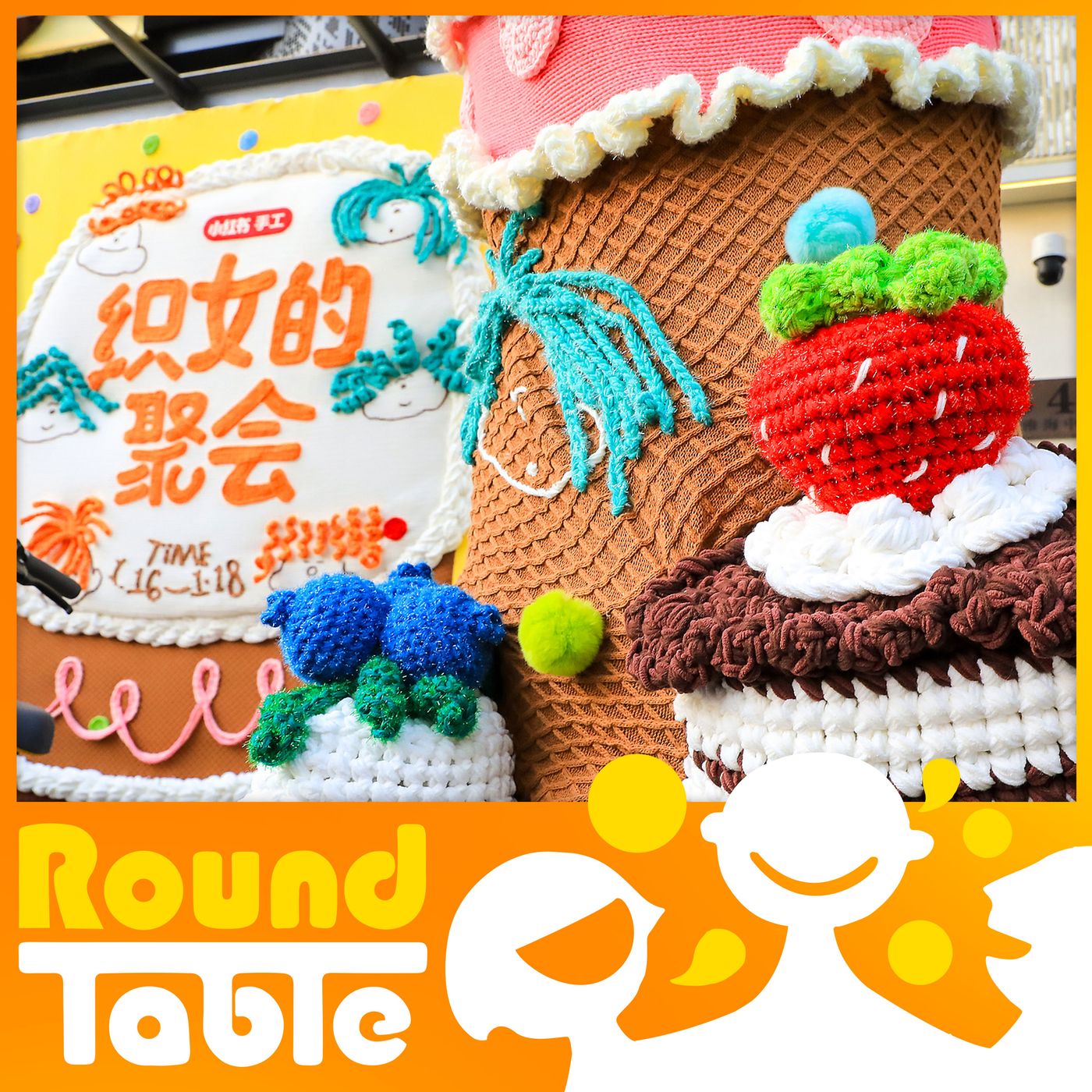
之后,编织不再只是你奶奶的专利了。
After that, knitting is not just for your grandma anymore.
Z世代和千禧一代重新夺回了这项技艺,将安静的针线和毛线变成了轰动网络的潮流运动。
Gen z and millennials have reclaimed it, turning quiet needles and yarn into a loud viral movement.
我们将追溯现代编织风潮的脉络。
We will tug on the thread of the modern knitting takeover.
我们的播客听众可以在苹果播客上搜索‘Roundtable China’找到我们,也别忘了我们非常期待听到你们的声音。
Our podcast listeners can find us at Roundtable China on Apple Podcasts, and don't forget that we love to hear your voice too.
所以,请把你们的语音留言发给我们吧。
So send your voice notes our way.
Roundtablepodcast@qq.com。
Roundtablepodcast@qq.com.
再次提醒,Roundtablepodcast@qq.com。
Once again, roundtablepodcast@qq.com.
现在。
And now.
三个故事。
Three stories.
一个联系。
One connection.
这是一个完整的循环。
This is the full circle.
它
It
是时候完成这个循环了。
is time for the full circle.
在这一部分,我们将回顾我们最近几期节目中的三个故事,然后尝试找出它们之间一个意想不到的联系。
And in this segment we take a look back at three stories from our recent episodes of Roundtable and then we try to draw one unexpected connection between them.
和往常一样,我们挑选了三个看似完全无关的故事,当我说‘我们挑选了’时,我应该说,是玉山挑选的。
As always, we've chosen three stories that seem to have absolutely nothing in common and when I say we have chosen, I should have said, Yushan has chosen.
今天这么说更合适。
That would be more appropriate for today.
是的。
Yep.
谢谢你为我铺垫了这个话题,确实是一个意想不到的联系。
Thank you for laying up the stage for me, an unexpected connection indeed.
首先,我们来看周一讨论的一个话题。
So first up, we have one topic from Monday.
我们谈到了婚礼电子请柬,以及每次点击
We talked about the wedding e invitation and how every click on
链接都会留下痕迹。
the link leaves a trace.
最近,一些电子请柬平台允许邀请创建者查看详细的访客记录,包括谁打开了这份请柬以及他们查看了多少次。
Recently, some of these e invitation platforms allow invitation creators to see detailed visitor records, including build this invitation and how many times they viewed it.
是的。
Yep.
我们讨论了数字婚礼请柬,它非常方便简单。
We talked about digital wedding invitations, how the it was so convenient and simple.
你为什么笑?
Why are you laughing?
因为关于这个,你知道吗,Yushin,这个争议?
Because the controversy of were you do you know about this one, Yushin?
我有点知道,刚刚才意识到,哇,他们什么都能看到?
I kind of know and I just realized that, wow, they can see everything?
这是一种
It's a
付费的?我访问了多少次?
paid How many times I visited?
这是一种付费服务。
It's it's a paid service.
嗯。
Mhmm.
所以如果他们付费,就能看到谁点击了、点击了多少次,这就制造了一种噩梦般的场景:如果你点了但没回复,他们也知道。
So if they pay, they can see who clicked, how many times they clicked, So it creates this kind of nightmare where if you click but didn't respond, they know.
是的。
Yeah.
但为了完整地回到今天的话题,我有点想把焦点重新放回技术本身。
But for the full circle today, I kind of want to shift the focus a bit back on the technology.
正是因为这项技术的存在,我们后续的讨论才不仅仅关于隐私,以及人们事后感到尴尬的感觉,而是关于数字工具应该如何尊重人际关系中的柔软边界,把简单点击的纯粹性还给我们。
It's on the fact that this technology exists that our discussion that followed wasn't really just about privacy and how, you know, like people feel awkward afterwards, but rather how digital tools should respect the soft edges of human relationships and return the simplicity of a simple click back to us.
或者说是冷漠的人际关系。
Or the harsh relationships.
是的。
Yeah.
对。
Yeah.
这说得通。
That makes sense.
好的。
Alright.
所以这是第一个。
So that was the first one.
嗯。
Mhmm.
接下来,我们来看周二的微调和工作日的重塑。
And next up, we have for Tuesday, micro shifting and the reshaping of the work day.
这基本上是一种极端形式的混合办公。
So this is basically an extreme form of hybrid working.
他们把你的工作日切割成这些短暂、不连续的片段,如果你能用这个词的话。
They cut your day into these short, non continuous bursts, if you could use that word.
冲刺。
Sprint.
是的。
Yeah.
一段高度专注的劳动,大约持续四十五到九十分钟。
A focused really focused labor of about forty five to ninety minutes
对。
Yep.
然后你就离开办公室。
Then you leave the office.
这就像是把一天分割成更小的片段,你不必整天都困在办公室里。
It's like separating the day into smaller bursts, and you don't need to be stuck in the office all day long,
九点到六点。
nine to six.
用词挺有意思的。
Interesting choice of words.
嘿。
Hey.
嘿。
Hey.
你看,不是这样的。
See how it No.
就像在我身上,但是
Like on me, but
林尼洪非常反对这种微工作或微调的概念。
Nihong Lin was very much against this concept of micro working or micro shifting.
我能明白为什么。
I can tell exactly why.
但没错,当工作适应了人类的能量、家庭需求和心理节奏,而不是仅仅专注于坐在办公室的办公桌前时,这就是它的神奇之处。
But, yep, that's just the magic when work adapted to human energy and family needs and mental rhythms instead of just focusing on sitting on the on on your desk in the office.
是的。
Yeah.
好的。
Alright.
所以那是你的第二个例子。
So that was your second one.
你第三个选的是什么?
What have you chosen for the third one?
第三个是周三的一个例子,关于中国地铁站如何转变为生活方式空间。
That would be one from Wednesday, how China's subway stations are becoming lifestyle spaces.
走进广州、武汉或深圳的任何一个地铁站,你可能会发现自己在挑选新鲜水果、取一份预购的早餐、购买一些农产品,或者打一场短暂的网球。
Step into a station in Guangzhou or Wuhan or Shenzhen, and you might find yourself browsing some fresh fruit, grabbing a preordered breakfast, picking up some farm produce, or maybe a brief game of tennis.
我提到新鲜水果时听起来非常兴奋。
I sounded very excited about the fresh fruit.
尤其是对于
Especially for
这些新建的地铁线路来说。
a lot of these newly built subways.
它们就像在打造一张完整的购物地图,无论是一家商店还是一位摊贩。
They have like, they they're creating a whole map of these shopping no matter it's a store or vendors.
是的。
Yeah.
所以人们可以在地下拥有完全不同的生活方式。
So people can have a totally lifestyle underground.
对。
Yeah.
是的。
And Yeah.
我的意思是,我以前去过一些地铁站,那里有服装店、鞋店、茶馆、餐厅之类的场所。
I mean, I've seen I've been in subway stations before where there are clothing stores, shoe stores, you know, tea shops, restaurants, things like that.
但羽毛球馆就直接建在地铁站里面,而且并没有被隔成一个封闭的区域,你一眼就能看到。
But badminton, right within the subway station itself, and it's not even cut off into a separate, like, area where it's blocked in and you can't see.
你就在其他人面前打羽毛球和网球。
You're playing badminton and tennis in front of other people.
不过那些网球场,我看到的那些,我不确定是不是在深圳。
The tennis courts though, the ones that I saw, I don't know if it was Shenzhen.
它们只是半场,更像是一个练习空间,而不是能和朋友完整打一场球的场地。
They're half courts, so it's more like a practice space than a full on, you know, game with your friend.
但即便如此,这种对地下闲置空间的利用还是很聪明的。
But still, that's very smart utilization of unused underground space.
有一件事是肯定的,那就是这样。
One thing is true, and that is it.
好的。
Alright.
那么,我们这里有什么呢?
So we have what do we have here?
我们有婚礼请柬点击量。
We have wedding invitation clicks.
我们有灵活的工作时间,极其灵活的工作时间,还有生活方式地铁站。
We have flexible work schedules, ultra flexible work schedules, and lifestyle subway stations.
三个故事。
Three stories.
所以玉山会把它们全部整合在一起。
So Yushan's gonna put them all together.
让我们回到完整循环。
Let's get to the full circle.
仔细看看,它们都围绕着同一个想法。
Look closely, and they're all about the same idea.
我们正在重新设计系统,以更好地适应人们真实的生活方式。
We are redesigning systems to better fit how people actually live.
关于电子婚礼请柬,争论的焦点在于数字系统能否尊重人们实际处理社交关系的方式。
With wedding e invitations, the debate is about whether digital systems can respect the way people really handle social relationships.
一个便捷的点击往往源于好奇——谁要结婚了,或者只是出于礼貌。
Where a convenient click often comes from curiosity, who's getting married, or politeness.
哦,我会点击一下同意或拒绝我的出席,最后得到一个高效的出席确认。
Oh, I'm gonna sign a yes or no on my attendance, and ends with an efficient confirmation of attending or not.
而在灵活工作时间方面,关键是重新调整工作日的结构,使其符合人类的能量、家庭责任和心理节奏,而不是强迫所有生活都遵循单一不变的日程。
And with micro shifting, it's about reworking the structure of the workday to match human energy, family responsibilities, and mental rhythms rather than forcing every life into one single uninterrupted schedule.
在地铁站的变革中,城市正在重塑公共基础设施,以反映城市居民如何在日常生活中利用通勤来满足日常需求,而不仅仅是从A地到B地的简单移动。
And with the transformation of subway stations, cities are reshaping public infrastructure to reflect how urban residents actually move through their days using commutes to solve everyday needs, not just to get from plan place a to place b.
因此,把这些故事放在一起,它们展现了一种相同的悄然转变。
So put together, these stories show the same quiet shift.
系统不再要求人们去适应它们。
Systems are no longer asking people to adapt to them.
它们终于开始适应我们了。
They're starting finally to adapt to us.
长期以来,系统都建立在这样的假设之上:工作日是连续八小时,地铁仅用于通勤,数字互动像手写信件一样清晰而明确。
So for a long time, system systems were built on assumptions that a workday is eight continuous hours, that a subway is only for commuting, that a digital interaction is as clear and intentional as a handwritten letter.
但现实生活要复杂得多。
But real life is messier than that.
人们会点击,却并未做出决定。
People click without deciding.
他们以间歇的方式工作和下班,生活就发生在这些目的地之间的空隙里。
They work they finish work in bursts and life happens in between destinations.
我们现在在这三个故事中看到的,是社会正在缓慢地调整其工具、空间和规则,以契合这些现实。
What we're seeing in all three stories now is society that's slowly adjusting its tools, spaces, and rules to match those realities.
是的。
So yep.
这是我发现的一个非常有趣却又奇怪的结论。
That's something really interesting I discovered and weird conclusion.
我明白其中的道理。
I see sense.
这很有道理。
I see good sense in that.
我觉得这根本不是什么奇怪的结论。
I don't think it's a weird conclusion at all.
一开始我没看出其中的联系,但确实是在重新设计一些更符合我们需求的东西。
I didn't see the connection in the beginning, but yeah, it's redesigning things that are suitable for us.
嗯。
Mhmm.
所以
So
我不确定你有没有看过一些这类的直播技巧视频或短视频,它们会告诉你如何用日常物品实现一些意想不到的功能,比如用架子放在衣柜里,或者做成支架之类的,我一时想不起具体例子,但就是这样。
I'm not sure if if if you watch some of these, like, live hacks videos, short videos, they will tell you how you can use your daily items with some unexpected functions, Like, using I I cannot find one, but, like, using your your maybe a shelf to put in in your closet or something to make it a stand or something.
或者一个旧鞋盒可以变成仓鼠屋之类的东西。
Or an old shoebox becomes like a hamster house or something like that.
关键在于,你需要跳出固有思维,拥有勇气和心态去做出意想不到的事情。
The thing is about you need to jump out of the box and have the courage and the mindset to do something unexpectedly.
那么,当这一点应用到当今社会的我们所有人身上时,你对此有什么看法?
So what do you think about that when that applies to modern day society for all of us then.
我认为,与其要求人们适应僵化的系统,这些变化实际上表明了相反的情况——系统正在开始弯曲、延展和学习。
I see that instead of insisting people adapt to rigid systems, these changes suggest that the very opposite actually, that systems are beginning to bend, stretch, and learn.
所以,这是我的最后想法。
So here's my final thought.
我个人觉得,这一切的发展方向令人安心,因为我们许多人不再只是单一身份的人了。
Personally, I find something reassuring about the direction all of this is moving into because many of us aren't just one thing anymore.
我们不仅仅是所工作的公司的员工,或只是家里的父母,或某人的朋友,而是常常同时扮演着所有这些角色。
We're not only the employee of the company we work for or only a parent at home or the friend of somebody, but that we're often all of them at the same time.
有时甚至在同一天内都是如此。
Sometimes within the same day even.
一位在职父母可以在接送孩子之间回复邮件。
A working parent can answer emails between school pickups.
一个即使无法经常出席,仍关心你重要日子的远方朋友。
A distant friend who still cares about your big day even if they can't always show up.
我们同时也是疲惫的上班族,对生活没有太多奢求,只希望在回家的地铁上能轻松买完 groceries。
And then we are also tired office workers who doesn't want anything grand from life, just the just the small relief of picking up groceries on the subway ride home.
所以当系统开始承认这些多层次的现实存在,而不是忽视它们时,我们就有了更多喘息的空间。
So when the system start to acknowledge that these layered realities exist instead of ignoring them, it creates a little more room for us to breathe.
每个时代都有其默认的日常生活模式。
Every era has its default design for daily life.
几十年来,这种模式围绕着效率、统一性和规模构建。
For decades, that design was built around efficiency, uniformity, and scale.
它曾经有效,直到不再有效,因为真实的生活并非直线前进。
It worked until it didn't because real lives don't move in straight lines.
它们会重叠、拉伸或压缩,取决于当天我们肩负着谁的责任,以及我们正承载着什么。
They overlap and stretch and compress depending on who we're responsible for and what we're carrying that day.
而我们现在所看到的,是一种渐进的重新设计,不是革命,而是一种调整,试图让系统更宽容、更灵活,并更意识到人类的复杂性。
And what we're seeing now is a gradual redesign, not a revolution, but an adjustment, an attempt to make systems in a bit more forgiving, a bit more flexible, and a bit more aware of human complexity.
当然,这些变化并不总是完美的。
Of course, these changes aren't always perfect.
它们带来了新的问题、新的摩擦和新的权衡。
They create new questions, new frictions, and new trade offs.
但方向本身很重要,因为当系统以真实的人为出发点设计时,生活就不再像你不断努力却跟不上节奏的东西了。
But the direction itself matters and because when systems are built with real people in mind, life stops feeling like something you are constantly failing to keep up with.
我们不再强迫自己适应僵化的框架,而是开始看到框架在适应我们。
Instead of squeezing yourself into rigid frameworks, we're starting to see frameworks stretch around us.
也许这正是关键所在:有时进步表现为设计中的小小善意。
And maybe that's the whole point that sometimes progress show up as small kindness in design.
一次点击,一个日程,一站地铁地前进。
One click, one schedule, one subway stop at a time.
等一下。
Hold on.
我刚弹完钢琴回来。
I'm just coming back from the piano.
好了,抱歉。
There we go, sorry.
就在角落里为你弹奏。
Just in the corner playing for you.
哇。
Wow.
是的,今天早上我和郑宇聊了聊这个话题,我们谈到那种九到五或十到六的工作时间,这几乎是国际通用的标准。
Yeah, was chatting a little bit about this with Yu Zheng this morning, and we were talking about the kind of nine to five or ten to six work schedule that's kind of the international standard.
对吧?
Right?
你几乎可以去世界上任何一个国家,都能找到这种制度。
You can go to almost every country around the world and find this type of system.
嗯。
Mhmm.
这种制度已经存在了太久,很难摆脱。
And it's been in place for so long that it's hard to get away from it.
我认为这就是为什么当我们看到这些关于微调混合工作环境的建议时,反应通常是‘哇’。
And I think that's why when we see these suggestions of micro shifting hybrid working environments, the reaction is usually like, woah.
人们感到震惊,因为他们无法摆脱朝九晚五工作日的概念。
People's minds are blown because they can't get away from the concept of the nine to five workday.
我只关注工作日。
I'm just focusing on the workday.
但这一点是我今天早上跟玉欣提到的。
But and this is the point that I brought up to Yushin this morning.
仅仅因为我们长期做某件事,并不意味着第一,它是最好的系统;也不意味着第二,它在今天仍然有效,因为人们对生活的需求、愿望和期望已经发生了变化。
Just because we've been doing something for a really long time doesn't mean, number one, that it's the best system out there, or number two, that it still works today with people's changing wants and desires and expectations about their life.
以前,工作就是工作,生活就是生活。
It feels like before, work was work and life was life.
嗯。
Mhmm.
而现在,人们希望将两者更紧密地融合在一起。
And now people wanna blend it more together.
我认为这同样适用于地铁站的重新设计。
And I think that applies to the subway station redesigns.
这种融合也是如此,但但这究竟是好事还是坏事呢?
It's that blending as well where and I but but but is it a good thing, or is it not?
是保持它们分离更好,还是不是?
Is it better to keep them separate, or is it not?
我不知道。
I don't know.
在我看来,我真的很喜欢这种模式,因为我会从一个非常有趣的个人角度来谈这个问题。
The way I see it is I really prefer this because well, I I'll use a very interesting personal perspective on this.
当我上小学的时候,那意味着我只有八到十岁。
While I was in primary school, that that means I was only eight to 10 years old.
我不记得了。
I I don't remember.
有一天,是在一节体育课上。
And one day on it was during a PE class.
我当时在操场上。
I was out there in the playground.
但我们小学有一道小围栏,把学校围在里面。
But our primary school has a little fence that keeps this school within.
透过那道围栏往外看,你会看到街道、来往的行人、来来往往的汽车,而在大门对面的右边有一个公园。
And looking outside of that fence, you're gonna see just streets, people walking by, cars moving around, and then there's a park at the right at opposite of the gate.
我玩累了,不想再跑来跑去,就静静地靠在围栏边往外看。
And I was tired of playing games and running around, so I just stayed quietly at the fence and looked outside.
就在那时,我第一次意识到,围栏之外的世界在自由地运转,任何人都可以自由地参与其中。
And then that's when I realized for the first time that outside of that fence, world moves on and freely as whoever was willing to be.
是的。
Yeah.
没错。
Right.
没人听得见上课铃响或下课铃响。
Nobody hears the rings of starting a class or getting off a class.
没有人被老师要求去做特定的任务或完成特定的作业。
Nobody is requested by a teacher to do certain tasks or or or finish certain assignments.
他们自由走动。
They move around.
和我同龄的孩子们此时此刻正在我正对面的公园里玩耍。
Kids of my age could be playing around in in in the park right opposite of me at the same time.
感觉就像有一层过滤器,是的。
It feels like there's a there's a filter Yeah.
它矗立着。
That stands
几乎像在宇宙中一样。
in universe almost.
是的。
Yeah.
就是这样。
That's Mhmm.
我不确定外国人是否也有这种感受,但很多中国人在毕业后多年依然保持着这种状态:我们待在室内,继续完成被要求的任务,正如他人所期望的那样。
Something that I'm not sure about people outside of China, but that's a lot of what Chinese people feel and bring into their adulthood even after they graduate from schools years after that we remain indoor, we remain at our assignment as requested as we are expected to.
即使只是偷偷向外瞥一眼,也会感觉被那道想象中的围墙隔开。
And even a small peep outside that imaginary fence feels distanced.
你懂那种感觉吗?
You know that feeling?
这让我想起一首曾经非常火爆的歌,其中有一句特别引发了广泛讨论。
That actually reminded me of a song previously when really viral and one line in particular sparked widespread discussion.
人生只有大约三万天。
Life is only about thirty thousand days.
为什么不试着去尝试一下呢?
Why not just give it a try?
对吧?
Right?
这只是一句简单的话,几乎非常随意,却蕴含着对犹豫不决的无声反抗。
It's just a simple sentence, almost very, very casual, yet it carries a quiet rebellion against the hesitation.
而且,这种精神也回响在我们无数次引用的那句台词中:我的命运由我做主,而非天意。
And also, the same spirit that echoes in lines we've quoted countless times from Ne Zhao, my fate is mine to decide, not heaven's.
对啊。
Yay.
所以,是的,有时候正是这种勇气和脚踏实地的心态,让人们产生了深深的共鸣。
So, yeah, sometimes it's kind of these courage and the down to earth mindset is making people really resonate with each other.
谁会想到,一场婚礼邀请函或一个地铁站的羽毛球场地竟能引发如此深刻的讨论?
Who knew a wedding evite or a subway station badminton court could inspire such deep discussion?
没错。
Right.
但这就是圆满闭环的意义所在。
But that's the point of the full circle.
你正在收听《圆桌派》。
You're listening to Roundtable.
我是史蒂夫,和玉山、玉山一起。
I'm Steve with Yushan and Yushan.
接下来是编织
Coming up, is knitting
从不同视角探讨中国时事吗?
about current events in China from different perspectives?
那就收听《圆桌论坛》,在这里东西方交汇,理解是目标。
Then tune in to Roundtable, where East meets West and understanding is the goal.
这是《圆桌论坛》。
This is Roundtable.
我是史蒂夫,与玉顺和玉山一起。
I'm Steve with Yushun and Yushan.
我认为这曾经是一个只属于老年人的话题。
I think it's been a topic that was reserved for the elderly.
过去,我祖母几乎每天都会参与,尤其是在冬天。
In the past, my grandmother took part in it almost daily, especially in the wintertime.
我说的是编织。
I'm talking about knitting.
她会为我们、她的孙子孙女以及其他家庭成员织围巾、毛衣和手套,但家里年轻一代从未考虑过碰毛线。
She would knit scarves and sweaters and mittens for us, for her grandkids, and for her other family members, but no one younger in the family ever even considered picking up the yarn.
不过现在,情况正在改变。
Now though, things are changing.
这成了Z世代和千禧一代的新爱好。
It's a new hobby for Gen Z and millennials.
奶奶风被年轻一代接管了,织毛衣变得很酷,我觉得这挺有意思的。
The grandma aesthetic has been hijacked by the younger crowd, and knitting has become cool, which I think is kind of fun.
那么,到底发生了什么?
So where what's going on?
谁、什么、何时、何地、为何、如何,这一切是怎么发生的?
Where, who, what, when, where, why, how did this come to be?
首先,我不确定织毛衣是否很酷,但它绝对是
First of all, I'm not sure whether knitting is cool, but it is absolutely
你立刻回答了这个问题。
You've answered that question immediately.
是的
Yeah.
人们称自己为织工或。
People are calling themselves weavers or.
这是一种方式,或者说是直接翻译为女性织工。
That's a way that fee or, like, directly translating to female weavers.
他们在社交媒体上自称织工,寻找一种方式来放慢脚步,应对这个可能过于快节奏的世界,年轻用户们分享他们的编织视频、作品或线下编织聚会,相关的内容在线上获得了海量的观看和互动。
And they call themselves weavers on social media looking for a way to kind of slow down in this maybe crazy fast paced world, and young users are sharing their knitting vlogs or pieces or offline knitting meetups while related content has gained massive, massive views and engagement online.
在短视频平台抖音上,标签‘针织毛衣’已累积超过157亿次播放。
On short video platform, Doying, the hashtag knitted knitted sweaters has accumulated over 15,700,000,000 views.
哇哦。
Woah.
是的
Yeah.
而在小红书上,与织工或‘织语’相关的主题也获得了近9亿次阅读。
While on red note, topics related to weavers or Junyu, as I mentioned, have also garnered nearly 900,000,000 reads.
这很火。
This is hot.
嗯嗯。
Mhmm.
是的。
Yeah.
一条编织视频也获得了超过26000个赞。
A single knitting vlog has also received more than 26,000 likes.
人们在讨论它,制作相关的视频,还实际动手制作了作品。
People are discussing it, making videos of it, and making actual pieces on it.
你知道这让我想起了什么吗?
You know what this reminds me?
我们前几天提到过一种叫‘慢直播’的东西。
We mentioned something called slow livestream the other day.
这正是慢直播的完美主题。
This is a perfect theme for slow livestreaming.
是的。
Yeah.
对。
Yeah.
如果你错过了《圆桌会议》那期关于慢直播的节目,可以去看看。
Slow livestream, if you happen to miss that episode of Roundtable.
我们之前简单聊过,它有点像ASMR和直播的结合,但又不完全是,就是人们不太说话。
We just talked about it briefly where it's kind of like ASMR meets livestreaming kind of, not really, but kind of, where people don't really talk that much.
他们只是在做自己的事情,而你就在一旁看着。
They're just doing their activity, and you just watch them do it.
与此同时,很多人实际上也在开设这样的直播。
And in the meantime, a lot of people are actually opening live streams like that.
他们称之为‘嘴在聊天,手在干活’。
They call it, oh, I'm chatting with my mouth while my hands are busy.
而且,这种现象在线上和线下都在发生。
And also, that's what that's happening online and offline too.
人们只是享受这种简单的手工时刻,忘掉其他一切。
People just enjoy that simple crafting moment and and just forget about everything else.
忘掉你在工作中所受的压力。
Forget about your dress stress at work.
同时,线下的聚会也在城市、咖啡馆和毛线店中越来越流行。
And at the same time, the offline meeting meetups are gaining popularity in cities too, and in cafes and yarn shops.
像上海这样的城市已经推出了将社交互动与手工结合的钩针和编织工作坊。
And places like Shanghai have launched crochet and knitting workshops combined social interaction with crafting.
是的。
Yeah.
那么人们通常做些什么呢?就像我说的,我奶奶过去常织围巾和手套,通常是冬天用的东西。
So what are people I mean, so like I said, my grandma used to make scarves and mittens and usually winter related things.
如果是大项目,那就是织毛衣,然后你只能祈祷它能合身,但有时候并不合身。
If it was a big project, it would be a sweater, and then you would just pray that it would fit you, which it sometimes did not.
但你总是会跟奶奶说谢谢。
But you always tell grandma thanks anyway.
那么我的问题是,年轻人现在都在织些什么呢?
And so my question is what are young people knitting these days then?
这一趋势的很大一部分源于年轻人想要那种旧钱美学,却又不想花大价钱,因为一些非常奢华昂贵的品牌确实推出了这类标志性毛衣,许多织者将制作这种复杂的绞花毛衣视为自己的毕业作品,因为它需要非常精准的技艺。
One a huge part of this trend is filled by some young people wanting these kind of old money aesthetics without the massive price tag because some of these very, very luxurious and expensive brands, they are, like, launching of course, they have that kind of iconic sweaters and then many knitters consider making a that style cable knit sweater as their graduation project because it requires such precise technique.
嗯,是的。
Uh-huh.
另一个大受欢迎的是iPhone手机套,这是一种受高端设计师联名款启发的针织泡沫包,原价甚至超过2000元。
And another huge hit was the iPhone pocket, a knitted foam bag inspired by also high end designer collaboration that originally can cost over even 2,000 yuan.
你知道,原价一千到两千块,但其实用几团毛线自己动手做,成本就只有几块钱。
You know, 1,000 to 2,000 yuan, but it can be actually DIY ed for the price of just a few balls of yarn.
上个月或者前个月,我们是不是看到一家主要电子公司推出了一款新设计,是手机套吗?
We was it last month or the month before we saw a new was it a new product design from one of the major electronics companies that was the phone carrier?
是那种毛线做的吗?
It was like a yarn?
那到底是什么?
It is what?
是的。
Yes.
是用毛线做的吗?
It was a yarn?
对。
Yeah.
对。
Yeah.
而且价格贵得离谱。
And it was crazy expensive.
它只是搭在肩膀上,但不像包那么大,而是一个小口袋,可以把手机放进去。
It just hung over your shoulder, but instead of the size of a bag, it was just a a pouch where you slide your phone in there.
嗯。
Mhmm.
人们都在自己动手做。
People are DIY ing this.
是的。
Yeah.
这说得通。
It makes sense.
你知道吗,在一些城市,他们甚至推出了网约车服务,提供针织礼物,摆放在前座和后座之间。
You know, in some cities, they even open this car hailing service with knitting gifts that's presented between the front seat and the back seat.
他们设置了一个小礼物架,告诉你这些可爱的手工针织品。
They put like a little gift holder part and tell you these little cute knitted products.
有的做成水果形状,有的做成纸杯蛋糕形状,每个礼物大约要20元。
Some shows up as fruits, some are in cupcake shaped, and it costs about 20 yuan per per per gift.
哦,你可以买吗?
Oh, you can buy it?
如果你恰好乘坐了他们称之为‘针织快线’的网约车,就可以买到。
You can buy it if you happen to get a car hailing from one of these they call it the the express, the knitting express.
哦,真有趣。
Oh, fun.
这可能是司机的兼职,或者他们是司机的家人。
It's kind of a side job of this driver or maybe They're family members.
成员们
Members of
这位司机。
this driver.
哦,真有趣。
Oh, Fun.
所以你说这是在线的,显然很方便。
So you said that this is online, obviously, which is easy.
线下的方式也很棒。
Offline is cool.
一些商家正在提供工作坊之类的活动。
Some businesses are offering workshops and things like that.
人们还在哪里织毛衣?
Where else are people knitting?
他们说,随时随地都可以织毛衣。
They say knitting anytime, knitting anywhere.
但这到底是什么意思呢?
But what does that actually mean?
意思是当你坐在车里,或者乘坐任何一种通勤工具时。
That means when you are, like, riding on a car or riding on whatever commute that you're using.
所以,通勤确实是最快捷的织毛衣时间。
So really commuting is the number one time for a quickness.
哦,真棒。
Oh, cool.
由于地铁或高速列车上的网络信号时好时坏,许多年轻人不再刷社交媒体,而是改数针数。
So, like, since phone signals can be spotty on subways or high speed trains, many young people, they have swept scrolling through social media for just counting stitches.
这在高速行驶时尤其方便。
And that's like on high speed.
我记得曾看到有人在高速列车上织毛衣。
I remember seeing someone knitting on a high train.
是的
Yeah.
那确实是个很好的地方,因为根据你出行的距离,那可能要花好几个小时。
That's a good that would be a good spot to do it because that's hours depending on how far you're going.
而且高铁非常非常平稳。
And also high speed train, they're very, very stable.
你不会晃来晃去,可以全神贯注地织毛衣。
You don't shake around and you can knit with full full focus on.
工作场所也已成为主要的编织区域,常常作为一种应对强烈工作压力的方式,并被用作那些被数字任务压得喘不过气的人的专注力训练手段。
The workplace also has become a major knitting zone often as a way to deal with some intense job pressure, and it's being used as a form of attention training for those who feel overwhelmed by digital tasks.
所以你实际上可以把注意力放在你的手上,这也类似于用你的体力劳动代替用脑。
So you can actually put some attention on your like, it's also kind of like you are using your, like, physical physical labor instead of using your brain.
所以很多人也说,这些活动能在他们办公或开车时缓解压力。
So that's so a lot of people are also saying these can release some pressure when they're doing office driving.
我想象这有点像做饭。
I imagine it's kind of like cooking.
是的。
Yeah.
我们在冥想。
We're med we're meditating.
也许吧。
Maybe.
我们在读书。
We're reading.
是的。
Yeah.
但我刚才说烹饪,因为对一些人来说,烹饪是一种非常治愈的活动。
But I was saying cooking because for some people, cooking is a is a very cathartic exercise.
对我来说,它非常平静。
For me, it's very peaceful.
我喜欢它。
I enjoy it.
你洗碗了?
You wash the dishes?
是的。
Yeah.
而且那就是那就是
And that's that's
为什么这是个好问题?
Why is that good question?
哦,哦,我现在明白了。
Oh, oh, I see now.
是的。
Yeah.
是的。
Yeah.
不。
No.
你弄乱了就走开。
You make a mess and you walk away.
好的。
Okay.
是的。
Yes.
我会诚实地回答你的问题。
I will I will honestly answer your question.
是的。
Yes.
我确实洗碗,但我不喜欢这部分。
I do wash the dishes, but I don't enjoy that part.
我喜欢的是做饭的部分。
It's the cooking part that I enjoy.
但对于其他人来说,他们不喜欢做饭。
But for other people, they don't like cooking.
展开剩余字幕(还有 27 条)
这实际上是一个压力来源。
It's actually a source of stress.
但对于喜欢编织的人来说,他们确实能从中获得很多放松。
But for people who enjoy knitting, yeah, they could get a lot of relaxation out of this.
现在我想了想,我以前从未考虑过这一点,但这确实是重复性的,对吧?
And now that I think about it, I never considered this before, but it's repetitive, isn't it?
你一遍又一遍地做着同样的动作,所以这也有一种冥想的效果。
You're doing the same action over and over and over again, so it's kind of meditative, as well.
那么这会进入任何一种经济体系吗?
So is this going into any type of economy?
我们是否正因这一点而看到编织经济在增长?
Are we looking at a growing knitting economy as a result of this?
完全如此。
Totally.
我们正看到个人创作者和大型平台正在推动海量产品的流通。
We're seeing individual creators and massive platforms moving an incredible amount of products.
尤其是那些最初只是分享爱好的博主,现在已经营着高销量的店铺。
And bloggers, especially, who started just sharing their hobby, are now running high volume shops.
我惊讶地发现了这一点。
And I was surprised to find out about this.
据中国纺织品服装协会称,针织服装的产量目前达到了历史最高水平。
Apparently, according to the China National Textile and Apparel Council, knit knitted clothing is currently at a historical high in terms of production.
到2025年,针织品产量增长了1.38%,针织制品现已占所有服装产品总量的近70%。
And in the 2025, knitting production grew by 1.38%, and knitted items now account for a whopping nearly 70% of the total volume of all clothing products.
这真不错。
That's cool to see.
我觉得这很酷。
I think it is cool.
你说它很火,但不确定它是否酷。
You said it's hot, but you didn't know if it's cool.
我觉得这很酷。
I think it is cool.
确实是。
It is.
对。
Yeah.
我现在回想起所有这些记忆,都涌上心头。
I remember all these memories are flooding back to me now.
我记得我奶奶说,史蒂夫,我给你织了一件毛衣,给你织的。
I remember my grandmother said, Steve, I knit a sweater for you, for you.
我穿上后,袖子一直垂到手下面很远的地方。
And I put it on, and the sleeves hung way below my hands.
那你可以穿很多年。
You can wear it many years then.
都垂到膝盖了,我说,这可能有点太大了,奶奶说,给你的表弟吧。
Went down to my knees, and I said, think this might be a little bit big, and grandma said, give it to your cousin.
我再给你织一件。
I'll make you another one.
哦,真好。
Oh, sweet.
对。
Yeah.
一件衣服适合所有表亲。
One size fits cousin.
关于 Bayt 播客
Bayt 提供中文+原文双语音频和字幕,帮助你打破语言障碍,轻松听懂全球优质播客。