本集简介
双语字幕
仅展示文本字幕,不包含中文音频;想边听边看,请使用 Bayt 播客 App。
讨论推动世界运转。
Discussion keeps the world turning.
这里是圆桌论坛。
This is Roundtable.
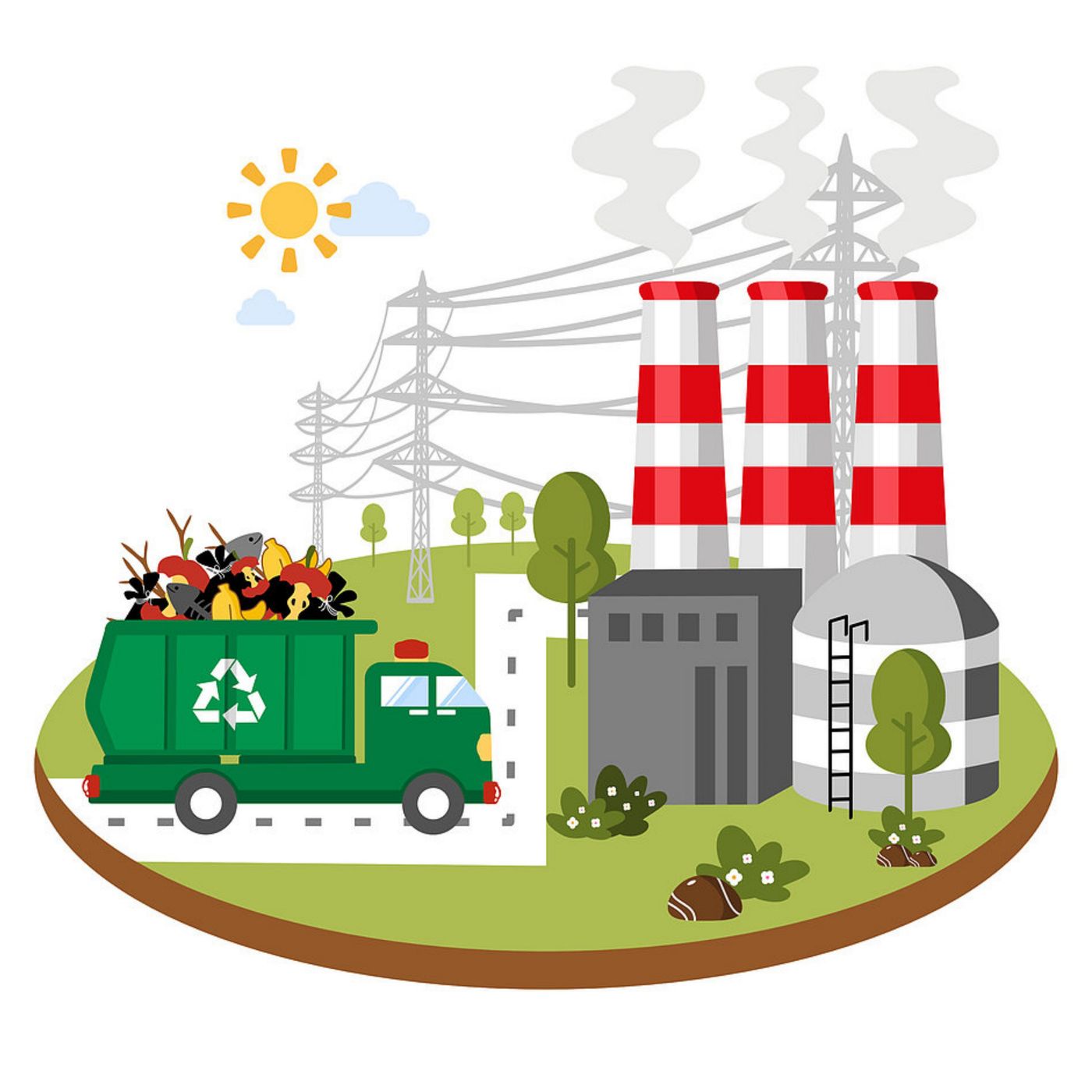
中国面临垃圾问题,但可能并非你想象的那种。填埋场已饱和,城市转而焚烧垃圾。如今焚烧厂却称无法获得足够垃圾维持炉灶运转。这个焚烧议题有多严峻?我们还将探讨中国在应对垃圾问题上采取的一些出人意料且前景可观的措施。
China's got a garbage problem, but not the kind you might think. Landfills are maxed out, so cities turn to burning trash. Now the burners say they cannot get enough to keep the furnaces going. How big is this burning issue? We'll also explore some surprisingly promising steps China has taken in tackling its trash.
这里是北京直播现场。您正在收听的是圆桌论坛,我是何漾。今天的节目中,演播室里有史蒂夫·哈瑟利和菲菲与我共同参与。首先关注今日要闻。
Coming to you live from Beijing. This is Roundtable. I'm He Young. For today's program, I'm joined by Steve Hatherley and Fei Fei in the studio. First on today's show.
过去二十年间,中国建设垃圾焚烧厂是为应对因城市高速发展导致垃圾激增、填埋场不堪重负的局面。但如今许多焚烧厂运行负荷不足设计容量的60%。这种产能过剩现象究竟标志着垃圾治理终见成效,还是暴露了规划与现实脱节导致的昂贵基础设施闲置?让我们先从实地现状说起——事实上,不少垃圾焚烧发电厂仍在满负荷运转。
For the last two decades, China's waste incinerators were built to tackle overflowing landfills fueled by years of breakneck urban growth and mounting trash. But now many of these plants are running at less than 60% of their capacity. Is this overcapacity issue a sign that garbage management efforts are finally paying off or an expensive mismatch between planning and reality that could leave costly infrastructure underused? Let's start with the reality check, so to speak, the ground. Many waste to energy incinerators are running at full capacity.
相关企业对此有何说法?
What do companies have to say about this?
其实已有研究人员对此进行报道。例如E20环境平台的研究员盘功团队今年上半年调研了20余座生活垃圾焚烧厂,发现其中三分之二面临垃圾供应不足问题,即无足够垃圾可烧。他们走访的某焚烧厂四月负荷率仅约60%,建成四年间持续低位,主要源于设计时的产能过剩预期及垃圾分流至其他厂区。该厂现正筹备改烧工业垃圾等其它废弃物,并探索为周边工业企业供热等多元化运营模式。
Well, this actually was reported by some researchers. For example, a researcher called Pangong with the e twenty environment platform, they did a survey of over 20 domestic waste incinerators in the first half of this year. And they found out that two thirds of them face the problem of insufficient waste supply, meaning they don't have enough trash to burn. And they find that the load rate of a waste incineration plant he visited in April was only about 60% in the four years after construction, mainly because of the design of overcapacity at that time as well as weight being diverted to other plants. And so this plant is now preparing to burn other types of, for example, industrial waste and also trying to explore other, methods to take in account of their, for example, to provide heat to other industrial capacity enterprises nearby.
据E20环境平台统计,近两年垃圾焚烧发电项目平均产能利用率仅维持在60%左右。
And according to that E20 environment platform, they think that over the past two years, the average capacity utilization rate of this waste to energy projects has been around 60% only.
对此可有两种解读:既能看到积极面,也容易发现弊端——我们稍后会全面探讨。这不仅是近期新闻热点,事实上网络早有热议,'中国垃圾不够烧'的话题持续发酵。
There's two ways to look at this. You can look at this as a good thing or as you you you the advantages of this or or it's easy, I think, to find the disadvantages of this as well, and I think we're gonna talk about all of that. But this hasn't just been something that's been in the news, you know, as of late. This has been talked about online a lot, as a matter of fact. The the topic of China does not have enough waste to burn.
网民们各抒己见,连原本因制造垃圾心怀愧疚的网友也留言表示,对此现状反而略感宽慰。这已成为网络热议话题。
Netizens who they have their opinions about this, and those who originally felt bad about creating waste, even they left comments saying that they started to feel a little bit better about the situation. So this has been a hot topic online too.
是的。而且,感觉稍有好转这部分其实是一把双刃剑。我认为居民们不能因为觉得自己产生的垃圾量不够就掉以轻心,这个问题本身就问错了,我们稍后会详细讨论。那么中国真的存在垃圾不够烧的情况吗?实际情况远比'焚烧厂太多、垃圾太少'的表象复杂得多。
Yeah. And also, the feeling a little bit better part is a double edged sword. I don't think residents can afford to get complacent when it comes to if you think that you haven't generated enough garbage, that is the wrong question to ask, in my opinion, and we'll get into that a little bit sooner. So is this notion true, though, that China does not have enough waste to burn? And the picture isn't as simple as too many plants, not enough garbage.
确实。我觉得这取决于你观察的地区。实际上,生态环境部推出的监测平台显示,2024年全国2138座垃圾焚烧厂中,有1267座的运行时间——即可运营时段——超过了90%。
Yeah. I mean, it depends on where you're looking at, I think, as a matter of fact. There was a monitoring platform that was launched by the Ministry of Ecology and Environment, and it showed that of the 2,138 waste incinerators that are here in the country in 2024, 1,267 of those had an uptime. That's the period during, which they were available for operation. They had an uptime of more than 90%.
比如深圳最大的焚烧厂,2024年日均处理8985吨垃圾,这超出了其8000吨的设计产能。根据报告显示,该厂处于超负荷运转状态。但另一方面,全国约有107座焚烧厂(占总数的5%)在2024年闲置超过半年。
Shenzhen, for example, their largest plant, processed an average of 8,985 tons a day in 2024, but that exceeded its designed capacity of 8,000 tons. That's according to a report that was put out. So in that case, in Shenzhen, it's working beyond its designed capacity. Right? But also, there's about a 107 incinerators, about 5% of the total in the country, that actually remained idle for more than six months in 2024.
举个2020年7月的例子,当时陕西省咸阳市有个城乡垃圾焚烧发电项目投产。央视报道称,该设施设计日处理能力1500吨,但主城区日均垃圾量仅800吨,导致持续运营面临挑战,某些日子甚至无法运行。这就是我说的——不同地区存在超负荷运转和'吃不饱'并存的状况。
There's an example from July 2020. That's when an urban, rural waste to energy incineration project in Xianyang in Shanxi province. It went into operation at that time, and there was a report from CCTV that the facility was designed to process 1,500 tons a day, although the main urban area produced only 800 tons a day, and that made continuous operation a challenge or maybe on certain days impossible. Right? So that's what I meant when I said it depends on where you're looking to find plants working at overcapacity or plants that just don't have enough to burn.
另外对于垃圾供应不足的焚烧厂,其实还有其它创收渠道。比如2021年河南鹤壁某项目就被报道其运营率仅50%,于是他们开始寻求从周边县市调剂垃圾。同时正如我提到的,许多焚烧厂会与制造企业合作供热,这形成了不单纯依赖垃圾焚烧的收益渠道。
And, also, I think when it comes to, you know, plants that are facing problems, not having enough waste supplies, there are also other ways for them to generate that revenues. For example, in in '20 in the 2021, a one of such project in Hebi in Henan province was reported that they are running far below capacity and only operating at about 50%. And then they start to look at neighboring counties and cities so that they can supply and provide ways for them to borrow. And also at the same time, as I mentioned, a lot of them are sort of working with other companies, for example, in in terms of manufacturing, and they can provide heat for them. And that's another channel of revenues, though, so they don't have to solely rely on burning waste.
所以虽然'中国垃圾不够烧'的标题很抓眼球,但深入来看,这更多是个结构性问题。
And and also so I think that yeah. Maybe, you know, the headlines is a bit catchy when it comes to, you know, china dot doesn't have enough waste to burn. But if we look at more closely, it's more of a, I would say, structural problem
嗯。
Mhmm.
各地人口分布不均。比如在某县建垃圾发电厂,并不意味着只烧本地的垃圾,完全可以跨区域协同处理,但这需要政府间乃至企业间的统筹协调。
That with different different populations of different places. And also, for example, if I build such a waste to power to energy plant in this county, it doesn't mean I only burn the waste of this place. I can also burn multiple places from, other counties as well, but it it it just requires some coordination among different governments and among different even companies as well.
嗯。就像不考虑人口密度就在全国平均分布焚烧厂,好比说要在每个地区都开20家鞋店,但某个地区只有10个居民——他们显然不需要20家鞋店。
Mhmm. Yeah. It's like if you evenly distribute these incineration plants all around the country without taking population density into account. It's like if you say, well, I'm gonna open 20 different shoe shops in every region of the country, but in this region, only 10 people live there. Why well, they don't need 20 shoe shops.
对吧?这就是道基础算术题。确实如此。
Right? Yeah. It's kind of doing basic math. That's that's one way. Yeah.
邻近县市。这里还有另一种做法。有些地方从垃圾填埋场挖掘或清理出陈年垃圾,比如湖北省政府就挖出了9.1万吨陈年废弃物。如果不知道那是什么——那是经过填埋场多年分解的物质,他们这么做是为了填补处理能力缺口。但话说回来,挖掘这些陈年垃圾并不完全是由于垃圾短缺驱动的。
Neighboring counties. Here's another way. Some have dug up or dug out aged waste from landfills, and Hubei, the government there, they excavated 91,000 tons of aged waste. If you don't know what that is, that's material that's been decomposed over years and years in a landfill, and they do that to make up the capacity gap. But that being said, the excavation of that aged waste is not solely driven by waste shortages.
例如九月份时,广东省广州市当局表示计划重启特定填埋场——事实上那是全国最大的之一。接下来四年里,该市将挖掘并焚烧该场地的陈年垃圾,以应对填埋空间萎缩问题。这么做的原因是焚烧后产生的飞灰残渣(基本上是无法完全燃烧的残留物)——嗯——
For example, in September, authorities in Guangzhou, in Guangdong province, they said that their plans were to reopen a particular landfill. It's one of the biggest in the country as a matter of fact. And then over the next four years, the city would excavate and in incinerate the aged waste from the site in response to dwindling landfill space, and the reason for that is because after waste incineration, the residue they call it fly ash. It's basically leftover residue. Mhmm.
由于回收技术限制无法完全循环利用,必须回填到填埋场。截至2023年(实际应为前一年),广州填埋场尚有300万立方米飞灰处置余量,这个数字很关键——根据评估,若不挖掘清除并焚烧陈年垃圾减容,这些空间仅能维持到2030年。所以清理陈年垃圾的另一个目的是腾出更多空间,嗯,可以这么理解。
It can't be fully recycled due to, you know, some constraints on how to recycle it, so it has to be placed in the landfill. And by the 2023, the year before that, Guangzhou's landfill sites had over 3,000,000 cubic meters of remaining capacity for fly ash disposal, and that number is important because according to their assessments, that would only last until 2030 unless that aged waste can be excavated and removed and then incinerated to reduce volume. So the issue of removing the aged waste is also to create more space Mhmm. If you will.
而且要知道,垃圾填埋场是甲烷排放的主要来源之一——这种强效温室气体对全球变暖的影响据计算是二氧化碳的...我想想...两倍还是四倍来着。嗯。这些排放很大部分来自废弃物处理领域,主因是过去几十年全球多数国家都依赖填埋方式处理城市垃圾。
And also, think landfills is one of the main emitters when it comes to methane emissions, which is another very important warming gas when we are talking about global warming. And I think the calculation has this about methane has the warming effects, I think, four times or two times more than carbon dioxide. Mhmm. So a lot of that actually come from the waste sector. And a major part of that because for the past several decades, a lot of the countries around the world are relying on landfills to taking care of the urban waste.
确实。实际上大城市建造的那些垃圾焚烧发电厂,最初就是为了处理填埋场堆积的陈年垃圾而建的。可以说现在它们终于开始履行最初的使命了。
Well, yeah. And in fact, you know, some of the plants that were built here in major cities, these waste to energy plants, that's what they were initially built to do to address that accumulation of aged landfill waste. So you could say that, you know, finally, they're doing what they were initially set out to do.
说得很对。这可能是大多数人想到垃圾时的本能反应——不能回收就填埋任其腐烂,眼不见为净的处理方式最简单。而建造焚烧厂这种高成本高科技方案,本质上是在填埋基础上叠加的解决方案。
That's a very good point. And I think it's probably the knee jerk reaction for most people when you think about garbage. If you can't recycle it, well, put it in a landfill and let it rot. That's sort of the of out of sight, out of mind, easiest way to go about it. Actually building these incineration plants, this is the more costly, high-tech way, but also, you know, it's a solution on top of the landfill.
我们必须面对现实:即便像中国这样幅员辽阔的国家,也没有无限空间能让我们持续把废弃物倾倒进大地母亲怀里。是的,这条路行不通。
We gotta face it. There is not even with as a vast country, China is, it does not have that much space just to continuously for us to dump the stuff we don't need anymore into Mother Earth. Yeah. That's just not the way to go.
没错。无论国家地理面积多大,空间终究会耗尽。
Yeah. Yeah. I mean, it doesn't matter how big the country is geographically speaking. You're gonna run out of space eventually.
对吧?再来看看网上热议的话题——如各位所言中国面临垃圾不够烧的窘境。但部分焚烧厂垃圾短缺真的很重要吗?对谁重要?
Right? And let's take a look at this huge discussion online as you guys have mentioned. You know, China doesn't have enough waste to burn. So if some plants are short of supply of garbage, but does it matter? And to whom?
谁是可能的输家和赢家?我们需要进一步剖析这个讨论维度。你们怎么看?
Who are the losers and possibly winners? We need to shed some light on that side of the discussion too. So what are your thoughts?
首先,我不认为这是件坏事。这反而令人耳目一新。如果事实确实如此——
Well, I don't think it's it's a I don't think it's a bad thing, first of all. That's refreshing. If it's the truth that big
我完全不同意你的观点。
the big disagree with you.
让我说完。其次。对。
Let me know. Second. Yeah.
你结束后告诉我一声。
Me know when you're done.
再给我几秒钟。
Just give me a few seconds.
或许你能改变我的想法。请继续。
Or maybe you'll change my mind. Go ahead.
但请从宏观角度看。如果中国确实没有足够的垃圾可焚烧,这意味着我们产生的垃圾量不多——这其实是好事,因为垃圾是当今社会对环境和众多领域的重大威胁。至于特定运营商面临垃圾短缺的问题,他们可能会因未满负荷运转而损失部分收入,但这就是市场规律。那些规模较小或能力不足的市场参与者会被自然淘汰。
But but just look at the bigger picture. If it's true that China doesn't have enough waste to burn, that means we don't have we didn't generate a lot of waste, which is a good thing because waste is a major problem to our environment, to many many of our sectors in the society nowadays. And when it comes to so when it comes to particular operators that they are facing the problem of having waste shortages, and, yes, they would face probably losing some of their revenues because they're not operating 100%. But I think it's it's like it's it's how the market operates. You know, some of the smaller players or incompetent players in the market will be phased out, and that's natural.
同时正如之前讨论的案例所示,除了焚烧垃圾外还存在其他创收方式。所以我们应该多角度看待这个问题。
And then also at the same time, as we mentioned about all the examples before, there are also other ways of, you know, generating revenues other than just burning waste. So you can look at the things differently. So
是的。就像开场时说的,你可以积极看待——如果焚烧厂只运行25%的产能,说明国家垃圾产量确实减少了。
Yeah. You could say and like I said before when we started, you can look at this in a positive light. Right? If these incinerators are operating at 25% capacity, that means that the country is not producing enough garbage to be incinerated. Okay.
但假设这些焚烧厂设计产能是虚构的1000万吨,这未必说明垃圾产量低,只是未达预期目标。我认为当初设计就是考虑到未来需求——总不能先建小规模再拆掉扩建吧?所以这个论点是否公允还有待商榷。不过我同意你关于商业本质的观点。
But if those incinerators, if their capacity is set at, you know, I'm gonna make up a number, 10,000,000 tons, Well, that doesn't necessarily mean that the country isn't still producing a lot of trash, it just means that they can't meet that 10,000,000 ton mark, and these plants were designed, I believe, with that idea in the future that, well, we don't wanna build these with a low capacity and then tear them down and then have to build bigger bigger ones with a higher capacity. Right? So I'm not sure if that's a fair argument or not. I do agree with you in the sense that it's a business. Right?
有些企业会存活下来,有些则不会。但就焚烧厂作为商业实体这一点而言,那些因高固定成本而无法满负荷运转的工厂处境艰难。对吧?你要考虑建设成本、基础设施投入。
And some players are gonna survive and some players aren't. But just on the point of it being a business, this is tough on these incineration plants that are not operating at full capacity because of their high fixed cost. Right? You've got the construction. You've got the infrastructure.
如果是通过债券或贷款融资的,还要偿还债务。还有人员开支——这些工厂需要高技能工程师24小时轮班操作,我猜这些员工的薪资待遇应该相当优厚。
You've got the debt repayments if you were financed through bonds or or loans or things like that. You've also got the staffing. Right? These plants are operated by highly skilled round the clock engineers. These are really well paid individuals, I would assume.
虽然我没有具体数据佐证,但这类工厂需要配备技术员、操作员等固定人力成本。即使垃圾处理量不增加,这些开支也不会减少。此外还有关键的安全高效运营保障——定期维护和预防性维护。简言之,当工厂低于最大产能运行时,高额固定成本会分摊到更少的垃圾处理量和能源产量上,这也是个关键点。
I don't have any statistics to back that up, but you've got them, you've got the technicians, you've got the operators. These labor costs are fixed. They don't just go down if the amount of trash doesn't increase if it doesn't come in. So you've got that, then you've got the maintenance, the regular and preventative maintenance that's key to make sure that the plant operates safely and efficiently. So long story long story long, I guess, when a plant operates below its maximum capacity, these high fixed costs, they're spread over a smaller amount of waste and a smaller amount of energy produced as well, which is another key point, I think.
没错。虽然现在技术进步了,但生产这种可再生能源仍会产生少量排放。史蒂夫,从狭隘的短期视角看,你提到那些高技能工人现在可能每天只需工作五小时而非八小时,还拿着固定薪资——这听起来不算太糟,但终究是短视的。
Right. But producing that energy is also although now, you know, thanks to technological advancements, small, but still a certain amount of emission as well to generate that renewable energy. And just from a very narrow minded, short term site at this, Steve, you mentioned those highly skilled workers in the plant. Now, you know, they probably only have five hours a day of work instead of eight and on a fixed income. That doesn't sound like too bad a story to me, but it's very short term.
当然。对我刚才所有观点的反驳可能是:那我们产生更多垃圾会更好吗?
Know. And the the counter argument to everything I just said is, oh, well, would it be better if we had more trash then?
不,谢了。对吧?
No. Thank you. Right?
是啊,这确实是个难题。
Yeah. So this is tricky. Yeah.
但从商业角度看,当原有目标市场萎缩时,作为企业家应该开拓新市场。垃圾发电厂其实仍有很大潜力——比如我参观过贵阳的一个厂,他们主要焚烧不可回收的非有机生活垃圾。
But from a business point of view, if when the initial designated market is shrinking on your side, as the entrepreneur, I think it is time to explore to other markets. And when it comes to waste to energy plants that they still have a lot of potential to tap. For example, I visited one actually in Zhen. It was located it it is located in the city of Guiyang. And the waste that they are able to burn are mostly household household waste and only those that can be recycled that aren't organic.
这只是生活垃圾的一部分。由于垃圾全天候产生,他们24小时运作。但即便能焚烧大部分垃圾,仍有22%会转化成剧毒飞灰。贵阳作为'零废弃城市',为实现彻底零废弃目标,必须回收所有废弃物。
So it's only a share of household waste. And they are operating twenty four hours a day because, of course, know, waste are generated twenty four hours a day. And they said they told me that even though they can burn most of the waste, that doesn't mean that they they also have 22% of the the incineration will be end up in fly ash, which is very toxic to the environment. And in order to reach that zero waste goal, because Guayang is a city of zero waste, meaning literally the whole city cannot provide produce any waste. They need to recycle everything.
所以他们正在努力
So they're working
包括那20%剩余的飞灰。
Including that 20% leftover fly ash.
没错。所以他们正在研究如何回收这些飞灰,目前存在许多技术瓶颈。比如理论上,可以将这些灰烬回收制成瓷砖或建筑材料。但必须确保这个加工过程不会产生其他有毒排放物。
Yes. Exactly. So they're working on, for example, to recycle this fly ash, which are having a lot of technical bottlenecks at the moment. For example, theoretically speaking, you can recycle those ash into tiles, into construction materials. But that you also need to make sure this processing process doesn't generate other toxic emissions.
是的。因为如果把飞灰制成建筑材料,当这些建筑材料需要...
Yeah. Because if you generate that fly ash into construction materials, what happens when that construction material needs to
被...对。所以他们要确保整个过程的排放对环境真正友好。
be Yeah. Exactly. So they want to make sure the whole process is emission is actually eco friendly to the environment.
净零排放。
Net zero emissions.
是的。这可能是个问题。同时他们还需要与市场上的不同参与者合作,需要政府和各企业的协调,以确保这些飞灰能供应给特定制造商。这也是个沟通问题。
Yeah. So that can be problem. And then also at the same time, they they they also need to work with different players on the market. So they also need coordination from the government, from the different companies so that they know they this fly ash can be provided to certain, you know, manufacturers. So that's also a communication thing.
对。我认为对于许多垃圾焚烧项目来说,存在许多可以挖掘的潜力,不仅是寻找更多垃圾,还可以改进技术和系统。比如他们正在监测燃烧排放,这方面还有很大改进空间。
Yeah. So I think for a lot of these projects, these waste incinerators, you you you have potentials that you you can work on, not just looking for more waste, but maybe work on your technologies, working on your systems. For example, they are monitoring their emissions from Yeah. From the burning. And there are so much a lot of room that they need to improve.
是的。他们可以借助例如人工智能的帮助。还有很多其他可以发展的领域。
Yeah. So they can rely on for example, they are talking about artificial intelligence coming to help. So there are a lot of other spaces that you can work.
这很好地延续了最初吸引私人资本和运营商进入这个领域的补贴政策。我认为这也给决策者提了个醒:在分配补贴、推动像这样有前景的绿色产业时,如何用有限的废弃物——零废弃物(此处双关无意)做出更明智的决策。
That's such a great follow-up to what initially started this wave of private capital and operators coming into this space was subsidies. So I think this also could be a cautionary tale for those decision makers to look at when you're allocating subsidies and you're trying to promote a a very good promising green industry like this one, but how can you make maybe smarter decisions with limited waste? Zero waste. You know? No pun intended here.
但最初发放补贴后,私人资本涌入市场争夺补贴,等这些昂贵的基础设施建成后,却面临运营问题。正如菲菲刚才提到的,这是片未知领域,企业有很多有趣的发展方向。我认为这可以说是绿色废弃物故事的第二篇章。如果我们退一步看全局,中国目前在管理城市废弃物方面做得如何?
But initially, when the subsidies were given out and then the private capital came into the market competing for that subsidy, but then once all these expensive infrastructure is built in place, then we're looking at operation problems. I think Fei Fei just mentioned to us about there's uncharted territory and a lot of interesting development where businesses can go into. I think that is really chapter two of this, let's call it, green waste story. If we can take a step back at the overall picture, to have a look at it, how well is China managing its urban waste these days?
事实上,中国在城市生活垃圾处理方面做得相当出色。2024年,全国城市生活垃圾清运总量超过2.62亿吨,其中几乎全部实现了无害化处理,焚烧处理占比接近无害化处理总量的80%,这有效避免了大量垃圾占用土地资源,以及随之而来的土壤和水源污染问题。这一切都得益于极高的垃圾焚烧效率。此外,中国的科研机构和企业已在焚烧设备、炉温控制、废气处理等技术领域达到世界一流水平。有个典型案例:超低排放技术的突破使国内垃圾发电厂实现了全球领先的污染控制水平,关键烟气指标持续优于欧盟标准。
They're doing a pretty good job, as a matter of fact, in urban household waste treatment. In 2024, the total volume of urban household waste collected and transported all around the country was over 200 and, 62,000,000 tons, but almost all of that underwent harmless treatment and incineration accounted for almost 80% of that total harmless treatment and that helped prevent large amounts of waste from occupying land and then when it occupies the land, it can pollute the soil and the water sources, but all of that was prevented because of the very high efficiency rate in which they were able to incinerate that trash. Also, if you talk about China's research institutions and the enterprises, they've really reached world class levels in in areas such as incineration equipment or furnace temperature control or exhaust gas treatment, all of kind the technical side of of this industry. There was a really good example. There was a breakthrough in ultra low emission technology, and that allowed for waste to energy plants in the country, in in this country, to achieve world leading pollution control with key flue gas indicators consistently outperforming EU standards.
嗯。技术创新方面,比如飞灰资源化利用率超过60%。你提到的这种特殊残渣以及炉渣的处理难题,现在已为企业带来更高收益。放眼全球范围或规模来看,中国确实做得非常出色。
Mhmm. There are technological innovations such as a resource utilization rate of over 60% for fly ash. You talked about the difficulty in dealing with that particular residue, and also bottom ash as well, they've brought about greater returns for enterprises. So when we look at, you know, the world range or or scale, if you will, China's doing a a really, really good job.
没错。要更深入理解当前议题,我们需要回溯中国垃圾处理策略的演变。过去二十年里,中国是如何从填埋场转向焚烧厂的?
Yeah. And to better understand the issue at hand, we need to look back at how China's waste strategy has shifted. How has China moved from landfills to incinerators in the last two decades?
实际上,中国最早的垃圾焚烧发电产业始于1985年,这相当早,地点在深圳市。当时从日本引进了两台垃圾焚烧炉启动项目。但由于当时生活垃圾热值过低——毕竟垃圾分类尚未普及——意味着大量进入燃烧的垃圾无法被充分有效利用。
Well, actually, the first waste to energy incinerator industry began as early as 1985 in China. It's very early, and it was in the city of Shenzhen. They imported two waste incinerators from Japan and then started this plant. But then as household waste at that time has such a low calorific value, meaning we don't really have a lot of the garbage classification efforts going on. That means a lot of these waste going into combustion cannot be fully utilized in this sense.
直到2000年代初,随着全国经济和生活水平提升,生活垃圾热值才开始增长。2002至2005年间,BOT模式被引入垃圾焚烧行业,允许民营企业参与建设并提供相关公共服务,政府补贴政策也同期出台。不过现在补贴正逐步退出,因为行业已趋于成熟。在此期间,垃圾发电项目获得了并网优惠和固定电价等政策支持,电力公司也被要求优先收购这些项目产生的电力。
So it wasn't until really early two thousands when the economy and living standards improved it nationwide and that value of domestic waste started to increase. And then the build, operate, transfer model was then introduced to the waste and insanuation industry in 02/2005, allowing private enterprises to participate in this construction and provide such related public services. And also, that's when the government subsidy subsidies were introduced. And but now I think the subsidies are slowly phasing out because the industry are maturing and no longer needs more government support. And to so so that during that process, starting in 02/2005, a lot of the waste to energy plants, they are referring receiving preferential policy such as when it comes to grid connections and feeding tariffs so that power companies are also required to purchase a lot of the the electricity generated by these projects at that time.
是的。这种政策设计相当完善。我们还看到针对这些企业建立了健全的监管框架,这对确保垃圾发电厂提供高质量服务至关重要。
Yeah. So it's quite a wholesome policy design in in in that way. And also, we've seen that regulatory framework has been robustly built for these companies to meet, to follow, and that's essential to making sure that it's high quality service that these waste to energy plants are delivering.
没错。根据生态环境部要求,这些企业被强制安装污染自动监测设备,必须在显著位置公示排放数据,并将系统与环保部门联网。2020年元旦当天,该部正式上线了'生活垃圾焚烧发电厂自动监测数据公开平台',公众可实时查看焚烧设施的氮氧化物、二氧化硫浓度及炉温等关键指标。随着这些措施落地,焚烧法被确立为生活垃圾处理的主要方式,推动了项目在全国范围内的快速扩张。
Yeah. They were ordered to install automatic pollution monitoring equipment. This is an order from the Ministry of Ecology and Environment. They were also ordered to display emissions data in prominent public locations, and and they had to integrate their systems with those of environmental authorities. In 2020 at the very beginning of 2020, as a matter of fact, on the first day of the year, the ministry launched the what they called the national online platform for waste to energy plant monitoring data, and that allowed for public access to real time emissions data from these incineration facilities, and that included important indices like nitrogen oxide and sulfur dioxide levels and furnace temperatures, and all of this information suddenly became available to the public, and with those measures in place, then incineration was established as really the primary method of treating household waste, and that led to the pretty rapid proliferation of projects all all around China.
是的。在中国许多地区,部分焚烧运营商面临业务困境的核心在于供需失衡。让我们看看导致某些地区焚烧产能过剩的驱动因素。这方面有些非常有趣的分析。我认为首要...
Yeah. In so many places in China, and the crux of the sort of business downturn for the or at least some of these incinerating operators lies in why supply and demand haven't necessarily aligned. So let's take a look at what's driving incinerator overcapacity in some regions. There are some very interesting sort of analysis around this. Well, I think, first of
原因是垃圾处理能力大幅提升。监测平台数据显示,去年中国垃圾焚烧厂总设计处理能力已超每日100万吨,而2016年时仅为20余万吨。根据规划,2021至2025年间,中国城市生活垃圾焚烧能力将在今年底达到约每日80万吨,但去年实际焚烧能力已远超该水平。
all, is that the trash processing capacity increases a lot. According to the monitoring platform, the total designed processing capacity of China's waste incineration plants was over 1,000,000 tons a day last year. That was up from just over 200,000 tons daily in the year 2016. And according to over the past from the year twenty twenty one to twenty twenty five, the incineration capacity of urban household waste in China is set to reach around 800,000 tons per day by the end of this year. But the actual waste incineration capacity last year has already far exceeded that level.
因此处理能力已超过生活垃圾产生量,这正是部分电厂因垃圾供应不足而意外停运的原因。
So the the capacity is greater than the volume of domestic waste being generated. So that's why some plants had had unexpected suspend their operation because of this insufficient supply.
这就是我们之前讨论的内容,对吧?正因为如此,这成为一把双刃剑——在规划中,过度准备总是优于准备不足。没错吧?
This is what we were talking about before. Right? It's and that's why this is such a double edged sword because in your planning, you it's always better to be over prepared Yeah. Than under prepared. Right?
但同样地,当你过度准备时,就会出现这类情况。中国还建造了更多此类设施。住建部数据显示,垃圾焚烧厂数量从2005年的67座激增至2023年的1010座。多数县区都建设了这类工厂,导致垃圾焚烧产能过剩。对于人口较少、垃圾产生量不大的县镇,本应与邻县共享焚烧设施,但出于环境顾虑,周边地区可能不愿接收外来垃圾。
But again, when you are over prepared, then you see these types of things happening as well. And China has built more such of these plants as well. There was information or data from the Ministry of Housing and Urban Rural Development, that revealed that the number of trash incineration plants increased from 67 way back in in 2005 to 1,010 in 2023. And most counties, they built these types of plants, and that led to the overcapacity of waste incineration. So for for towns and counties with a lower population and these towns and counties that don't generate as much waste, they should share the waste incineration plant with neighboring counties, but doing that, they might not be willing to receive their waste due to environmental concern.
这很棘手。非常棘手,对吧?因为涉及环境问题。如果从外地运入垃圾焚烧,当地居民很可能对此不满。
That's a tricky It's tricky. That's very tricky, right, because of environmental concerns. Right? If you're bringing in trash from outside to be incinerated, your local population might not be thrilled that that's happening.
确实。还有组数据能说明问题:生态环境部和环科院的调研显示,超过75%的县级行政区(比小型城市规模更小的行政单位)垃圾焚烧产能不足,意味着70%的小型行政区需要绿色垃圾处理设施却无法获得。而与此同时,那些产能过剩的地区需要更多垃圾来维持运转,却难以实现垃圾跨区域转运。
Exactly. And also there's another set of figures that sort of tell the story. Researchers at the Ministry of Ecology and Environment and the Chinese Research Academy of Environmental Sciences found that more than 75% of counties, so these are very small cities or even smaller than these small cities, administrative ranking jurisdictions have insufficient waste incineration capacity, meaning that 70% of these very small entities, they would like to have a place where they can burn their garbage in a green manner, but they don't have it. And on the other hand, we're talking about all these places that have overcapacity that need more garbage to be burnt, but you can't really transfer the garbage to these places.
某种程度上存在利益冲突。
Kind of a conflict of interest.
这是个复杂的系统性问题,也是行业面临的现实困境。看似需要协调机制,但若没有政府深度参与——虽然有人可能质疑行政干预程度——单靠市场机制又无法解决。这就是化解该难题的症结所在。产能过剩不总是垃圾问题,更可能是规划问题。
And it's just kind of a complicated issue to look at, and that's sort of the difficult reality that the industry is facing. And it sounds like it needs coordination, but this kind of coordination without the government being fully involved and I guess some people would wonder, would question if you want that much interference either, but it's not entirely in a market not a market mechanism can decide or solve issues. So that's sort of like the difficult aspects of trying to resolve this problem we're seeing. And overcapacity isn't always a waste problem. It can be a planning problem.
当企业发现产能无处消化时,他们开始将目光投向海外市场。
And we're seeing that when these companies see that they can well, they have all this capacity and where else to go, and they're thinking maybe overseas could be the opportunity.
没错。就像任何行业一样,当本土市场饱和时自然会寻求外部市场。财联社近期报道显示,中国企业已在海外运营50多个垃圾发电项目。
Yeah. Because if you're well, it's like any business. Right? If your local market is saturated, then you look to outside markets, and that's exactly what's happening here as well. There there was an article not so long ago that was published from a financial media outlet called TMT Post, And that article stated that there are more than 50 waste to energy prod projects operated by Chinese companies overseas.
这些企业主要布局中东、东南亚,甚至在英法等发达国家。与中企合作建设垃圾发电项目、引进生产线的趋势正在增强。许多中国垃圾焚烧厂已落户东南亚等地区。
These companies are mainly located in The Middle East, also in Southeast Asia. And even in developed countries like The UK and France, there's there's a growing trend of of cooperating with Chinese enterprises on such prod projects and also introducing new production lines. And many of these Chinese waste incineration plans, yeah, they've gone to to areas like, for example, Southeast Asia.
东南亚对中国企业颇具吸引力,因其经济快速增长带来基建、能源和环保领域的需求激增。当地企业正从垃圾填埋向焚烧转型,同时面临洋垃圾进口等问题,亟需借鉴中国成功企业的技术方案与商业模式。
Yeah. And Southeast Asia are proved to be quite quite attractive to Chinese companies because they are experiencing rapid economic growth, which means feeling their rising demand in infrastructure, energy, and environmental industries. And a lot of these Southeast Asian companies are also in a transition from landfill to waste incinerations. And, also, they are facing problems for for from, for example, increasing foreign waste import to those those countries. So they need technologies and methods and business models actually from the successful Chinese companies to start looking at waste incinerations.
没错。因为中国企业在中国本土市场所学到并应用于自身企业的经验技术,现在他们可以将这些技术和知识同样运用到那些海外市场中。
Yeah. Yeah. Because the things that the Chinese companies have learned and applied to their companies in the local market here in China, they can now take that technology and all that knowledge and apply it to those markets as well.
这听起来像是发挥你们强大核心优势的好方法——显然对中国企业而言就是技术优势。有个让我觉得特别有意思的细节,作为中国企业的强项,他们似乎对处理成分极其复杂的废弃物拥有高科技的深度知识。这不禁让我思考:我们这个国家究竟产生了哪些复杂废弃物?而这些企业非常擅长处理后续问题,将其转化为绿色可再生能源。
That sounds like a really good way to bring your strong, key, core strength. That is apparently technology for these Chinese companies. One snippet or tidbit, let's say, I find really interesting as a strong suit of the Chinese companies is apparently they have very high-tech, in-depth knowledge in how to deal with very complex composition of waste. And it just made me think, what kind of complex waste have we generated in this country? And then these companies are really good at dealing with the aftermath and of it and making it green and renewable as a new source of energy.
某些焚烧厂可能因垃圾不足而影响经营,但这恰恰凸显了积极的转变——有效的废物管理正在我国落地生根。不过总体而言,中国仍面临巨大的垃圾总量,如何高效管理仍是挑战。关键启示是:我们应当为可燃垃圾减少的进步欢呼,但更要牢记从源头减量才是最重要的目标。
Not having enough garbage to feed some incinerators might hurt some businesses, but it also highlights a positive shift. Effective waste management is taking hold in this country. That said, China still faces a huge volume of waste overall. So the challenge remains to manage it effectively. And the key takeaway, we should celebrate progress in reducing burnable trash, but remain mindful that reducing waste at the source is still the most important goal.
关于 Bayt 播客
Bayt 提供中文+原文双语音频和字幕,帮助你打破语言障碍,轻松听懂全球优质播客。