本集简介
双语字幕
仅展示文本字幕,不包含中文音频;想边听边看,请使用 Bayt 播客 App。
大家好。
Hello, everyone.
我是柯克,在节目开始前有一个特别的公告。
Kirk here with a very special announcement before we start the episode.
今年夏天,我将首次登上舞台,举办有史以来第一场《Strong Songs》现场演出。
This summer, I am going to be taking to the stage for the first ever Strong Songs live show.
演出将于7月11日星期六在我家乡俄勒冈州波特兰的阿尔伯塔玫瑰剧院举行,我真心希望你们能来。
It will be on Saturday, July 11 at the Alberta Rose Theatre in my hometown of Portland, Oregon, and I really hope that you can make it.
我将和一群出色的本地音乐人同台,其中许多是长期听众熟悉的面孔,还会有一些特别嘉宾和各种惊喜。
I'll be on stage with a large group of killer local musicians, many of whom will be familiar to longtime listeners of the show, along with some special guests and all sorts of surprises.
我们将演奏一些我专门为这场演出创作的原创音乐,以及我在播客中讨论过的几首最棒歌曲的翻唱版本。
We'll be playing a mix of original music that I'm writing just for the show and covers of some of the strongest songs that I've talked about on the podcast.
这一定会非常酷。
It's gonna be so cool.
这将是一场我们共同经历的音乐之旅。
It'll be a musical journey that we will all share together.
我非常兴奋终于能实现这个目标,把我在《Strong Songs》中创作的内容变成我们能共同在同一个房间里体验的东西。
I'm incredibly excited to finally do this, to take what I've been making with strong songs and turn it into something that we can all share in together in the same room.
这是让《Strong Songs》现场演出成为常态的第一步,这将是一个特别的夜晚。
It's the first step toward making strong songs, live shows a regular thing, and it's gonna be a really special night.
现在就去买票吧,2026年7月11日,在波特兰的阿尔伯塔玫瑰剧院。
So get your tickets now, 07/11/2026 at the Alberta Rose Theatre in Portland.
链接在节目说明里。
There is a link down in the show notes.
我真的希望你能来。
I really hope you can make it.
好的。
Okay.
我们继续进入节目。
On with the episode.
Red Special是一把由皇后乐队的布莱恩·梅和他的父亲哈罗德一起打造的吉他,当时他买不起更贵的芬达或吉布森吉他。
The red special is a guitar that Queen's Brian May built with his father Harold back when he couldn't afford a more expensive Fender or Gibson.
这对所有人都是一个很好的教训
It's a good lesson for all
我们所有人。
of us.
当你能和爸爸一起闲逛并亲手打造一把吉他时,为什么还要羡慕买不起的吉他呢?
Why pine for a guitar you can't afford when you can just hang out with your dad and build one?
欢迎来到《强歌》,一档关于音乐的播客。
Welcome to Strong Songs, a podcast about music.
我是您的主持人柯克·汉密尔顿,很高兴您能加入我,一起聊聊红色特制吉他、SG特制61、Schecter PT特制以及其他所有特制吉他。
I'm your host, Kirk Hamilton, and I'm so glad that you joined me to talk about the red special, the s g special 61, the Schecter PT special, and all other special guitars.
最近,《强歌》的Patreon非常活跃。
The Strong Songs Patreon has been quite lively lately.
我希望你们能去了解一下。
I hope that you'll go and check it out.
Patreon上不仅有付费层级,还有免费层级,这是关注节目的好方式。
There's actually a free tier on the Patreon as well as the paid tier, and it's a good way to follow the show.
所以,虽然我希望你们如果能负担得起的话,可以考虑成为付费会员,但每个人都可以直接加入我们的Patreon。
So while I hope that you will consider a paid membership if you can swing it, everyone can just go join the Patreon.
在这一集中,我们的第二季继续回归两位我曾在往期节目中介绍过的艺术家。
On this episode, our second helping season continues with a return to two artists that I've covered on previous episodes of this show.
这是一首八十年代初登顶排行榜的合作作品,我认为它在今天依然能引发新的共鸣。
It's a chart topping early eighties collaboration that I think finds new resonance today.
所以,插上你的P-Bass,拿起拨片,弹响那些琴弦吧。
So plug in your p bass, grab your pick, and hit those strings.
四十五年前,音乐界两位最著名的人物在一夜之间偶然合作,录制了一首歌曲。
Forty five years ago, two of the biggest names in music came together for a chance collaboration recorded across a single night.
只有一个晚上,来创作并录制一首歌。
One night to write and record one song.
他们做到了,创作出一首既笨拙又完美、既拼凑而成却又完整无缺的歌曲。
And they did it, coming up with a song that was at once awkward and perfect, at once patched together and wholly complete.
当我坐下来聆听这首歌时,它让我想起了自己一度遗忘的某种感觉。
A song that when I sat down and listened to it, reminded me of something I'd momentarily forgotten.
最近,我感受到了压力。
Lately, I've been feeling the pressure.
我放眼望去,到处都是糟糕的事情发生,而我却觉得自己无能为力。
Everywhere I look, see awful things happening, things I feel powerless to stop.
这首歌让我想起人们如何能够携手合作,以及我不必独自承受这份压力。
And this song reminded me how people can work together and how I don't have to feel that pressure alone.
合作,无论是艺术上的还是其他方面的,都需要信任。
Collaboration, be it artistic or otherwise, requires trust.
但如果我们彼此信任,不可思议的事情就变得可能。
But if we trust each other, incredible things become possible.
这首歌从歌词内容到创作方式,都体现了这一点;在整首歌的进程中,它从一系列犹豫的观察,逐渐演变为一场激烈而统一的行动号召。
This song reflects that, from the contents of its lyrics to the way that it was written, and the way that over the course of its run time, it evolves from a tentative series of observations into a ferocious and unified call to action.
这首歌写于近五十年前,却 somehow 完全理解我此刻的感受。
It was written almost fifty years ago, and yet somehow it's a song that understands exactly how I'm feeling.
一首懂得何为存在的歌。
A song that knows what it is to be.
在压力之下。
Under pressure.
在本期节目中,我非常高兴能再次重温皇后乐队和大卫·鲍伊的合作——1981年,他们共同创作了《Under Pressure》,这段持久的合作至今仍向我传递着新的启示。
On this episode, I am so happy to be coming back for second helpings of both Queen and David Bowie, who in 1981 worked together to record Under Pressure, an enduring collaboration that even today has new things to tell me.
二十世纪八十年代初,皇后乐队正处于巅峰状态。
At the start of the nineteen eighties, Queen was on top of the world.
乐队成员包括贝斯手约翰·迪肯、鼓手兼主唱罗杰·泰勒、吉他手布莱恩·梅,以及键盘和主唱弗雷迪·默丘里,他们的名气达到了前所未有的高度,正在南美和中美洲等遥远地区举办巡演,令全球乐迷为之疯狂。
Literally, the band, John Deacon on bass, Roger Taylor on drums and vocals, Brian May on guitar, and Freddie Mercury on keyboard and lead vocals, was bigger than they had ever been, and they were executing tours in the far flung reaches of South And Central America, thrilling fans around the globe.
从某种意义上说,他们就是当时世界上最大的乐队。
In a very real sense, they were the biggest band in the world.
在不到十年的时间里,皇后乐队从1974年的《Sheer Heart Attack》开始,连续推出了无数热门专辑。
In the space of less than a decade, Queen had released an unbroken string of hit records starting with nineteen seventy four's Sheer Heart Attack.
几乎每年都有新作问世。
And then followed almost every year
爱我。
Loves me.
一首新的、如今已成传奇的热门歌曲。
A new, now legendary hit record.
充满了标志性的热门歌曲。
Loaded with iconic hit songs.
《A Day at the Races》《News of the World》《Jazz》《The Game》,甚至还有《闪灵》的电影配乐。
A Day at the Races, News of the World, Jazz, The Game, and even the score for Flash Gordon.
宇宙的救世主。
Savior of the universe.
如果让我来说,那绝对是这部电影最精彩的部分,我这里还没提一大堆其他精彩的歌曲呢。
Easily the greatest part of that movie if you ask me, and I am skipping over a bunch of amazing songs here.
我真的无法过分强调这段时期有多疯狂。
I really can't overstate how insane this run was.
如果有人告诉你皇后乐队是史上最伟大的摇滚乐队,而你还有怀疑,那就去听听他们七十年代的这一系列作品吧。
If you had any doubts when someone tells you Queen is the greatest rock band of all time, just go through this seventies run.
所以到了1980年,皇后乐队又推出了一首热门单曲——约翰·迪肯创作的《Another One Bites The Dust》。
So then in 1980, Queen released yet another hit single, John Deacon's Another One Bites The Dust.
Another One Bites The Dust。
Another One Bites The Dust.
我的意思是,接下来你还能往哪儿走?
And I mean, where do you even go from there?
到1981年,皇后乐队发现自己处于一种只有在经历如此压倒性巅峰之后的音乐人才会熟悉的境地。
By 1981, Queen found themselves in a position familiar only to musicians at the end of that kind of utterly dominant run.
像不安的君王,渴望打破现状。
Restless monarchs looking to shake things up.
更准确地说,主唱弗雷迪·默丘里是那位不安的君王,他的品味与乐队其他成员,尤其是吉他手布莱恩·梅,开始出现分歧。
More accurately, lead singer Freddie Mercury was restless king, and his tastes were diverging somewhat from those of his court, most notably guitarist Brian May.
1982年的《Hot Space》反映了默丘里品味的变化。
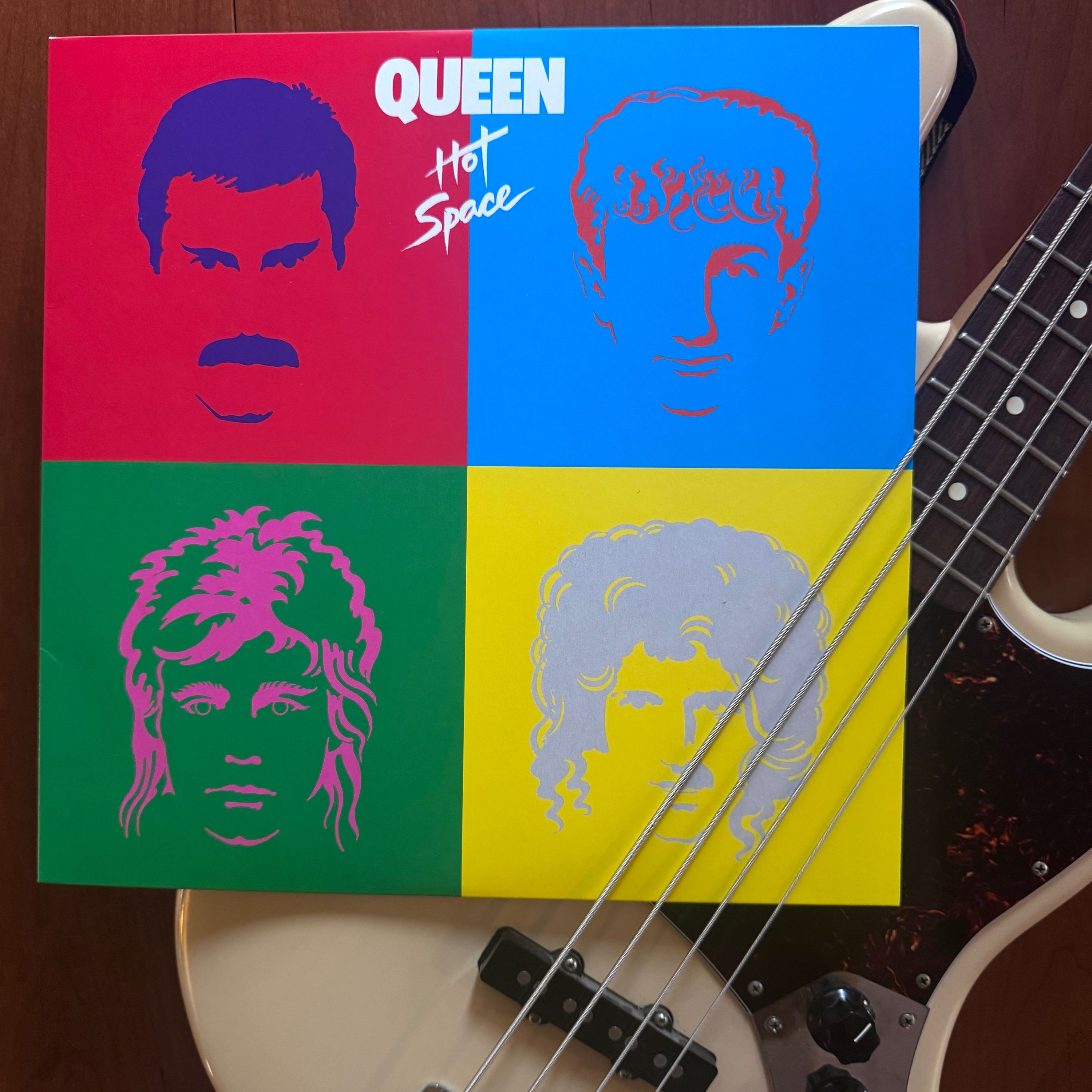
Nineteen eighty two's Hot Space reflected Mercury's changing tastes.
这张专辑在蒙特勒的Mountain Studios录制,普遍被认为是一次失败,至少对一些皇后乐队乐迷而言是这样,对许多人来说它至今仍颇具争议。
Recorded at Mountain Studios in Montreux, the album is widely seen as a disappointment, least by some Queen fans, and it remains a bit of a divisive one for a lot of people.
真是让人意想不到。
Twisted everyone I say.
上紧发条,让我玩吧。
Wind me up and let me play.
这是贝斯手约翰·迪肯的歌曲《Back Chat》,正如你所听到的,它非常不同。
This is bassist John Deacon's song Back Chat, and as you can hear, it's pretty different.
《Hot Space》专辑中,皇后乐队更多地依赖合成器和鼓机,而吉他手布莱恩·梅——他的演奏曾是他们七十年代声音的核心部分——在编曲中的地位则相对退居幕后。
Hot Space saw Queen relying much more on synthesizers and drum machines, while guitarist Brian deployment of whom was such a crucial part of their seventies sound, took more of a back seat in the arrangements.
这仍然是一张有趣的专辑,默西的演唱依旧充满激情,但我能理解,那些从《Killer Queen》和《Somebody To Love》成长起来的乐迷,为什么会对此感到些许困惑。
It's still a fun album and Mercury's vocals are as ferocious as ever, but I do get why some fans who came up on Killer Queen and Somebody To Love might have been a little bit thrown by it.
与此同时,大卫·鲍伊的职业生涯也达到了类似的巅峰,不过他的职业生涯起步更早。
David Bowie, meanwhile, was at a similarly elevated point in his career, though his career had been going a little bit longer.
他的早期巅峰作品比皇后乐队更早,1969年的《Space Oddity》和1972年的《Ziggy Stardust and the Spiders from Mars》都曾出现在我多年前的第一期鲍伊专题中,而他在七十年代也做了大量富有创意的作品。
His early high points were a bit earlier than Queen's, nineteen sixty nine's Space Oddity and nineteen seventy two's Ziggy Stardust and the Spiders from Mars were both featured in my first Bowie episode many years ago, and he'd done a lot of interesting stuff in the nineteen seventies.
并非所有作品都取得了巨大的商业成功,但这并不奇怪,因为归根结底,鲍伊是一位实验型艺术家。
Not all of it was super commercially successful, but that makes sense because Bowie was an experimental artist at the end of the day.
他始终愿意尝试新事物,无论是否会有大量人愿意购买。
He was always willing to try new things whether or not a ton of people wanted to buy them.
在二十世纪八十年代初,大卫·鲍伊住在蒙特勒。
In the early nineteen eighties, Bowie was living in Montreux.
1981年,他在蒙特勒的山地录音室与著名制作人乔治·莫罗德尔合作,为1982年的电影《猫人》创作原声带,这部电影的主题曲《猫人》由两人共同创作,成为一首经典单曲。
And in 1981, he was at Mountain Studios working with the great Giorgio Moroder on the soundtrack to Cat People, a 1982 film that would feature an all timer single of the same name written by the two of them.
我非常喜欢这个版本的歌曲,但鲍伊本人对它并不满意,于是他在1983年的专辑《让我们跳舞》中重新录制了这首歌,这张专辑由传奇吉他手、奇克乐队的核心人物尼尔·罗杰斯制作,他主导了八十年代许多流行音乐的声音。
I really like this version of a song, but Bowie apparently wasn't happy with it, and he rerecorded it for his 1983 album, Let's Dance, which was produced by the great Nile Rogers, guitarist for Chic and the mastermind of a lot of the eighties pop sound.
正如你所听到的,这个版本的摇滚感强得多。
As you can hear, it rocks way harder.
为了强化这一点,他们聘请了一位非常出色的吉他手。
And to support that, they hired a pretty good guitar player.
是的。
Yeah.
他们聘请了史蒂维·雷·沃恩担任这张专辑的主音吉他手。
They hired Stevie Ray Vaughan to play lead guitar on this whole record.
当时他27岁。
He was 27.
当时根本没人知道他是谁。
No one even really knew who he was at the time.
所以1981年,大卫·鲍伊和皇后乐队在欧洲的同一片区域相遇了。
So 1981, Bowie Queen find themselves in the same neck of the European woods.
据默丘里说,他们之前就一直在尝试合作。
And as Mercury tells it, the two had been trying for a collaboration for a little bit.
鲍伊为《Cool Cat》这首歌提供了和声,这首歌收录在《Hot Space》专辑中,但他对自己的演唱效果不满意。
Bowie provided some backing vocals for Cool Cat, another track recorded for Hot Space, but he wasn't happy with how he sounded.
他请默丘里把他的演唱部分删掉。
And he asked Mercury to remove his vocals.
不过,合作的种子已经萌芽,他们的第二次尝试要成功得多。
The germ of collaboration had taken root though, and their second attempt was much more successful.
这是弗雷迪在1984年接受电台主持人丽莎·罗宾逊采访时的对话。
Here's Freddie talking with radio host Lisa Robinson in 1984.
你是在哪里和他合作的
Where did you happen to work with him in the
嗯,说真的,我们早就认识了,当时我们在瑞士的蒙特勒。
first Well, mean, we we were friends from a long time back, and and we were in Montreux in in Switzerland.
我们在那里有一间录音室,所以我们在那儿工作,他也住在那里。
We own a studio there, so we're working on it, and he lives there.
他刚好也在那儿,经常来录音室听我们的曲子,我们一起即兴演奏一些老歌之类的。
He just happened to be there, and he kept coming to the studio listening to our tracks, and we were jamming to to some of these old songs and things.
有一天晚上我们吃晚饭,饭后又回到录音室继续录音,事情就这么自然而然地发生了。
And then one day we were having one night we were having dinner, and after that we were going back into the studio to carry on with the session, and and it just happened.
他突然说:‘嘿,要不我们随便玩玩,试试看能搞出点什么?’
He just said, oh, why don't we just fool around and and and get something started and see what happens?
于是我们开始弹钢琴,其他乐队成员也在场,我们慢慢录下了一些东西,《Under Pressure》就这样逐渐成形了。
And, you know, we started playing on the piano, and the rest of the band were there, we started putting something down, and Under Pressure started to build.
《Under Pressure》体现了默丘里和大卫·鲍伊各自的创作才华,以及皇后乐队作为伴奏团体的默契。
Under Pressure reflects the songwriting strengths of both Mercury and Bowie and of Queen as a supporting ensemble.
皇后乐队的所有歌曲都是创意合作的成果。
All Queen songs are the result of creative collaboration.
这是乐队的一大优势,他们合作的方式非常出色。
That's one of the band's great strengths, the way they worked together.
邀请鲍伊参与对最终作品产生了非常棒的效果,我们可以亲眼看到这种合作结出的成果。
Introducing Bowie had a really cool effect on the finished product, and we can see the cooperation bearing fruit in real time.
这首歌起初几乎带着犹豫,甚至偶尔显得有些笨拙,但随后逐渐找到节奏,完成了摇滚乐史上一次伟大的蜕变。
It's a song that starts almost hesitant and even occasionally runs toward awkwardness before it finds its footing and delivers one of the great transformations of rock music.
对我个人而言,这首歌也赋予了新的意义,尤其是在最近几个月。
It's also a song that, for me personally, has taken on a new meaning, especially in recent months.
它现在成了一首关于难以承受的压力、但也关于转变、关于临界点,以及之后可能发生什么的歌。
It's become a song about unbearable pressure, but also about transformation, about the breaking point, and what might come after.
那么,让我们开始吧。
So let's get into it.
让我们拆解这首歌,看看能否更清楚地理解它的每一个细节,以及它们是如何相互配合的。
Let's take this song apart and see if we can get a better sense of all its little moving pieces and how they fit together.
事实上,《Under Pressure》是建立在皇后乐队鼓手罗杰·泰勒创作的另一首歌的骨架之上的。
As it happens, Under Pressure is built on the skeleton of another song written by Queen drummer Roger Taylor.
你并不满意。
You're not satisfied.
叫《Feel Like》。
Called Feel Like.
这是一首乐队从未完成的歌,不过有一版试听小样你可以听。
It's a song the band never finished, though there is a demo of it that you can listen to.
你可以听到一些相似之处。
And you can hear some of the similarities.
对吧?
Right?
我感觉像是
I feel like
基本的主歌结构和和弦进行,以及吉他和钢琴部分。
The basic verse form and chord progression, the guitar and piano parts.
但这真的只是一个骨架,缺少了《Under Pressure》最重要的第一个元素——约翰·迪肯那令人难忘的七音符贝斯段落。
But it really is just a skeleton, and it's missing the first most important element of Under Pressure, John Deacon's unforgettable seven note bass part.
关于这段贝斯旋律,人们已经赋予了大量叙事性解读。
There has been much narrativizing about this bass line.
它确实拥有自己独特的传说。
It really has its own lore.
据所有记载,迪肯写下了这段旋律,并在录音室里一整天都在反复琢磨。
By all accounts, Deacon wrote it and had been messing around with it all day in the studio.
但乐队在与大卫·鲍伊共进晚餐后回到录音室准备录制这首歌时,他却把这段旋律忘了。
But after the band went out to dinner with Bowie before coming back to record the song, he returned to the studio and had forgotten it.
罗杰·泰勒曾说过,是他帮助迪肯回忆起了这段旋律。
Roger Taylor said at one point that he helped Deacon remember it.
另有一次,梅说,是鲍伊记起了这段旋律。
At another point, May said that Bowie was the one who remembered it.
不管真相如何,这段旋律是由迪肯创作并演奏的。
Whatever happened, Deacon was the one who wrote it, and he was the one who played it.
现在,我确实感到有责任提一下,我和许多与我同龄的X世代一样,最初就是通过这段贝斯旋律接触到这首歌的。
Now I do feel an obligation to mention that I, like a lot of Xennials my age, first encountered this bass line.
嘿,VIP。
Yo, VIP.
某个截然不同的地方。
Somewhere very different.
咱们开始吧。
Let's kick it.
1990年,一位名叫罗伯特·马修·范·温克尔,也就是范·伊利斯的说唱歌手采样了这段贝斯线。
In 1990, when a rapper named Robert Matthew Van Winkle or Vanilla Ice sampled it.
酷,宝贝。
Spice, baby.
好的。
Alright.
停。
Stop.
总之,范·伊利斯在1990年的热门单曲《Ice Ice Baby》中未经许可使用了迪肯的贝斯线和弗雷迪·默丘里的钢琴部分,这符合嘻哈音乐通过采样将经典老歌介绍给新一代的传统,而在我多年后听到原版之前,这确实是我对这段贝斯线的唯一关联。
Suffice it to say, Vanilla Ice's initially unauthorized use of Deacon's bass line and Freddie Mercury's piano part from Under Pressure on his 1990 hit Ice Ice Baby was true to the hip hop tradition of introducing older classics to a new generation via sampling, and it really was my sole association with this bass line until I heard the original many years later.
我仍然记得当布莱恩·梅的吉他部分响起、人们开始合唱时,那种小小的震惊感。
And I still remember that little jolt of surprise when Brian May's guitar part came in, and then people started singing.
我记得当时想,哦,这可不是范·迪塞尔。
I remember thinking, oh, this is this isn't Vanilla Ice.
这是一首完整的歌。
This is a whole song.
但这一切都源自那个贝斯线,考虑到它如今的巨大影响力,这个部分竟然如此简单,真是令人惊讶。
But it all springs from that baseline, and it is a shockingly simple part considering how huge of a legacy it now has.
在第二根弦的第十二品,用拨片弹奏六次D音,然后在同一品下移一根弦,弹一个A音。
Twelfth fret on the second string with a pick, play d six times, and then drop down a string on the same fret for a single a.
你可以在四弦贝斯上的其他两个位置演奏这个贝斯线。
You can play this bass line in two other places on a four string bass.
你可以在琴颈更低的位置用第一和第二根弦演奏,或者在琴颈更高的位置用第三和第四根弦演奏。
You can play it on the first and second strings further down the neck, or on the third and fourth strings way up the neck.
你也可以用手指而不是拨片来演奏。
You could also play it with your fingers instead of a pick.
但最终,你真的必须这样弹,才能听起来像迪肯那样。
But in the end, you really do have to play it this one way in order to sound like Deacon does.
这绝对是让整首歌定调的关键元素。
This is absolutely the element of this song that nails the whole thing down.
它是将一切凝聚在一起的锚点。
It's the anchor that holds it all together.
它与早期草稿歌曲《Feel Like》中的元素相交,并将其升华成更宏大的东西。
It intersects with the elements introduced in that earlier draft song, Feel Like, and it turns them into something much more.
而这仅仅是由两根弦上的七个音符组成。
And it's just seven notes on two strings.
我想借此机会向约翰·迪肯致以更广泛的致敬,因为我感觉他和罗杰·泰勒获得的主流认可比布莱恩·梅或弗雷迪·墨丘利要少一些。
And I do just wanna take this opportunity to pay a little tribute to John Deacon more broadly because I get the sense that he and Roger Taylor get a little less mainstream recognition than Brian May or certainly Freddie Mercury.
这很合理。
And that makes sense.
主唱和主音吉他手总是会站在聚光灯下。
The lead singer and the lead guitarist are always gonna be in the spotlight.
但泰勒和迪肯都是这支乐队至关重要的成员,而迪肯的贝斯演奏非常出色。
But Taylor and Deacon were both crucial elements of this band, and Deacon's bass playing is great.
他总是充满创意。
He's constantly inventive.
富有旋律性。
Melodic.
他总是在演奏一些有趣的东西。
He's always playing something interesting.
想感受一下乐趣吗?仔细听一听《Someone To Love》前几段的贝斯线条。
For a good time, just listen really closely to the bass lines on the first couple verses of Someone To Love.
它很快就变得令人兴奋起来。
It gets exciting pretty quickly.
比如,它
Like, it
让贝斯有了呼吸感。
makes the bass breathe.
听一下这里的贝斯线。
Listen to this bass line right here.
他还在其他方面为乐队做出了贡献。
And he contributed to the band in other ways too.
他是一名电气工程师,实际上设计并制造了布莱恩·梅在众多皇后乐队录音中使用的那款小型晶体管放大器。
He was an electrical engineer, and he actually designed and built the little transistor amp that Brian May used on so many Queen studio recordings.
这款放大器被称为‘迪肯放大器’,是皇后乐队吉他音色的核心,而它正是由这位贝斯手亲手打造的。
Dubbed the Deacon amp, it's a famous amplifier and is the linchpin of Queen's guitar sound, and it was actually built by the bassist.
在这里,迪肯又一次默默地为皇后乐队的歌曲引入了另一个变革性的想法。
And here Deacon is again quietly introducing another transformative idea to a Queen song.
所以下次当你认为音乐必须复杂或技术性强才能称得上开创性时,我希望你能想起约翰·迪肯在《Under Pressure》中的贝斯线。
So the next time you think that music has to be complicated or technically challenging in order to be groundbreaking, I hope that you'll remember John Deacon's bass line from Under Pressure.
现在,尽管很难绕开这条贝斯线,但我们还是要继续,因为这首歌的其他元素同样至关重要。
Now as hard as it is to move past that bass line, we're gonna do it because the other elements of this song are really just as important.
拍手声、击掌声、吉他、钢琴,还有另一个我们稍后会提到的乐器,它们都在迪肯奠定的基础之上构建了整体的声学结构。
The snaps, the claps, the guitar, the piano, and one other instrument that we'll get to, those build the sonic structure over Deacon's base foundation.
它们为默丘里和鲍伊共同创作互补的声乐部分创造了空间。
They create the space in which Mercury and Bowie could then collaboratively create their complementary vocal parts.
对于优秀的歌曲,我喜欢从律动的重击、清脆和闪烁三个方面来讨论。
Now on strong songs, I like to talk about grooves in terms of the thump, the pop, and the sizzle.
而这个律动非常特别。
And this groove is an interesting one.
在打击乐方面,它非常侧重于闪烁感。
On the percussive side of things, it's very sizzle forward.
乐队在录音室里一起拍手和击掌来制造清脆声,泰勒则加了踩镲,带来极高频的闪烁感。
The band snapped and clapped together in the studio for the pop, and Taylor added his hi hat for a very high frequency sparkling sizzle.
如果说有什么在提供重击的话,那正是迪肯的贝斯。
If anything, Deacon's bass is what's providing the thump here.
布莱恩·梅的吉他部分对他来说相当低调。
Brian May's guitar parts are fairly subdued for him.
我听说他对这个混音一直不太满意。
I gather he's never been happy with this mix.
我不确定他有没有在弹某种十二弦吉他之类的东西。
I'm not sure that he isn't playing some sort of 12 string or something.
这是多轨录制的,并随着歌曲的主歌和声进行变化。
It's multi tracked and moving through the song's verse harmony.
D大调,主和弦,然后是A大调,接着是G,再是A,最后回到D。
D major, the tonic, then a major, then g, then a, then back to d.
当你在混音中提升这个音色时,它听起来非常酷,而且他们已经在这个歌曲的整体结构中运用了重要的和声手法。
It's a really cool sound when you bring it up in the mix, and already they're doing something harmonically that's an important part of this song overall.
他们使用了一个持续音,具体来说是D持续音,并将其置于这个流动的和声之下。
They're using a pedal tone, specifically a d pedal tone, and they're placing that under that moving harmony.
所以这个和弦进行,D-A-G-A-D,其实就是一五一四五一。
So that chord progression, d a g a d, that's just one five four five one.
这是最基础不过的和弦进行了。
It's about as basic as you can get.
但当你们感受到这些和弦伴随着下行贝斯线进行时,在《Under Pressure》的开头,他们却将整个进行置于一个静止的贝斯音上,而梅也实际上在演奏一个固定的基音。
But while feel like moved through those chords with the descending baseline, here at the start of Under Pressure, they've placed the whole thing over that static baseline, and May is actually also playing a static base note.
他让D弦在所有和弦下方持续鸣响。
He's letting his d string ring out underneath all of those chords.
这被称为持续音,即在变化的和声下保持一个持续的音符。
That's known as a pedal tone, a sustained note under moving harmony.
这些和弦都建立在这个D音之上。
And these chords are all placed over that d.
所以突然间,你听到了D音上方的A音,然后是D音上方的G音,接着又是D音上方的A音。
So suddenly, you've got a d moving to a over d, and then g over d, and then a over d again.
这使得整个音乐听起来更加飘渺、悬置。
It lifts the entire thing and makes it feel more suspended.
说到轻盈、悬置的音效,那钢琴部分呢?
And speaking of lifted, suspended sounds, how about that piano part?
这是一个非常简单的片段,却成为了不朽的经典。
It's another very simple part that has become immortal.
默丘里在《Under Pressure》中的开场钢琴动机,不过是一系列音程的组合。
Mercury's opening piano riff from Under Pressure is little more than a collection of intervals.
一个五度,从G到D,然后是一个四度,从A到D,D音降低一个八度。
A fifth, g to d, and then a fourth, a to d, with the d down the octave.
在最后这三个音中,你听到了一个纯五度、一个纯四度和一个纯八度,也就是所谓的三个纯音程。
And within those final three notes, you've got a perfect fifth, a perfect fourth, and a perfect octave, otherwise known as the three perfect intervals.
音程只是两个音之间的距离,而纯四度、纯五度和纯八度是听起来最空灵开阔的三个音程。
Now an interval is just the space between two notes, and a perfect fourth, a perfect fifth, and a perfect octave are the three most open sounding intervals there are.
配合那飘渺悬空的吉他部分和清脆有力的鼓点节奏,你就能感受到与迪肯那如节拍器般稳定不变的贝斯线条形成的鲜明空间对比。
Placed along with that suspended ethereal guitar part and that sizzly snappy percussion groove, you've got a stark spatial contrast to Deacon's metronomic unmoving bass line.
在进入人声部分之前,我们还需要讨论另一种乐器。
Now there's one more instrument that we need to talk about before we get to the vocals.
其实你刚刚已经听到了。
And you actually just heard it.
让我播放一个更清晰的独立音轨,看看你能不能听出这是什么乐器。
Let me bring up a better isolated track and see if you can tell what this is.
这是一种庄严而优美的声音,贯穿整首录音,很长一段时间里,我都不确定它到底是什么。
It's this noble and beautiful sound that plays throughout the recording, and for the longest time, I really wasn't sure what it was.
很多人在网上称它为管风琴,这首歌的桥段部分确实有一台汉蒙德管风琴,但对我来说,它听起来并不完全像管风琴,或者不只是管风琴。
A lot of people online call it an organ, There is a Hammond organ on the bridge to this song, but it never quite sounded like an organ to me or not just an organ.
这种音色特质几乎听起来像合成器。
There's this timbral quality that almost sounds like a synthesizer.
所以我猜那可能就是它。
So I thought maybe that was it.
但当我把它单独分离出来仔细听时,一切都豁然开朗了。
But then I really isolated it and it all became clear to me.
那是一支萨克斯管。
That is a saxophone.
而且不只是任何一位萨克斯手,那几乎可以肯定是大卫·鲍伊,他除了其他乐器外,也是一位著名的萨克斯演奏家。
And not just any saxophonist, that is almost certainly David Bowie, a noted saxophonist among other instruments that he played.
鉴于我本人就是萨克斯手,我真为自己之前没听出来而懊恼不已,即使是在这个早期的音色中。
And given that I'm a saxophonist, I was really kicking myself for not recognizing it even in this earlier sound.
在主歌部分的初始音色中,还有别的东西正在发生。
And there is something else going on in that initial sound on the verses.
这不仅仅是一支萨克斯管。
It's not just a saxophone.
有一种奇怪的高频音色,根本不像萨克斯的声音。
There's this odd high frequency timbre that just isn't really a saxophony sound.
这几乎像是磁带嘶嘶声之类的东西。
It's almost tape hiss or something.
但无论如何,里面有一支 unmistakable 的中音萨克斯,音高是从 B 到 F#。
But regardless, there is an unmistakable alto saxophone in there that is a b to an f sharp on an alto sax.
来,听一下。
Here, listen.
这是我用中音萨克斯演奏的。
So that's me on my alto saxophone.
几乎在主歌部分,他们用风琴和中音萨克斯叠加演奏。
It's almost like at the verse, they're doubling the alto saxophone with the organ.
我们来听听这样会是什么效果。
So let's see what that sounds like.
好的。
Alright.
更接近了。
It's closer.
当然,后面的段落明显就是萨克斯风的声音。
Of course, the later parts are very clearly just a saxophone.
我的意思是,这是我。
I mean, here's me.
这是录音。
Here's the recording.
得知大卫·鲍伊的萨克斯风是《Under Pressure》的神秘元素,我感到无比开心。
It makes me so happy that David Bowie's saxophone is the secret ingredient on Under Pressure.
我以前从来不知道。
I never knew that.
那件庄严而富有戏剧性的乐器,召唤我们付诸行动。
That noble dramatic instrument that calls us to action.
这是萨克斯管,老兄。
It's a saxophone, man.
好的。
Okay.
让我们再听一遍整个开头部分,看看你能否听出所有这些元素,它们每一个都在定义歌曲前半部分中起着关键作用。
Let's listen back to that whole opening section and see if you can hear all of those elements, each of which will play a crucial role in defining the first half of the song.
有那种清脆的拍手声,还有罗杰·泰勒的沙沙作响的踩镲。
There's those clappy, snappy pops along with Roger Taylor's sizzle only hi hat.
有布莱恩·梅在吉他上演奏的下行和弦,悬停在他开放的D弦发出的持续音上。
There's Brian May's descending chords on the guitar suspended over a ringing pedal tone on his open d string.
弗雷迪·默丘里的宽广完美音程钢琴部分,加上大卫·鲍伊细腻而高贵的萨克斯管,共同填充了约翰·迪肯那七音摆动式贝斯线之间的空间。
Freddie Mercury's wide open perfect interval piano part, and David Bowie's subtle noble saxophone, all filling in the space around John Deacon's pendulomatic seven note bass line.
你听过这首歌很多次了,但我认为,通过现在专注于每一个单独的部分,你可能会以一种全新的方式去聆听它。
You've heard this song so many times, but I think that by focusing on all those individual parts, right now you can hear it in a new way.
集中注意力。
Ears on.
我们开始吧。
Here we go.
虽然这些早期的演唱段落以大卫·鲍伊和默西的声部差异为特点,但实际上它们一开始是统一的。
While these early vocal verses are defined by the differences between Bowie and Mercury's parts, it actually begins with them unified.
压力,压在我身上,压在你身上。
Pressure, pushing down on me, pressing down on you.
压力,压在我身上,压在你身上,没人会倒下。
Pressure, pushing down on me, pressing down on you, no man has fall.
在第二句中,默西开始与鲍伊拉开距离。
For the second phrase, Mercury begins to pull away from Bowie.
首先,他音调更高,并加入和声。
First, he goes higher and harmonizes.
在压力下。
Under pressure.
在压力下。
Under pressure.
然后他独自唱了几句,之后鲍伊加入进来,唱了最后一句:把人们推向街头。
Then he sings a few lines for himself before Bowie joins in for the final line, puts people on streets.
最后,
Finally,
弗雷迪进行了几段拟声吟唱,类似于歌曲开头人声尚未进入时的风格。
Freddie does some scat singing similar to what he was doing during the intro before the vocals came in together.
整体听起来有些零散,这些开场段落中统一与松散的混合,正反映了这首歌的录制方式。
It's all somewhat disjointed, and these opening verses mix of unity and looseness reflects the way that this song was recorded.
鲍伊和默丘里分别进入录音棚,各自以即兴、反复的旋律形式交替录制人声。
Bowie and Mercury went into the vocal booth separately, and they each recorded vocals in this riffy, improvised back and forth.
他们会进去听对方录好的部分,并实时做出回应。
They would go in and hear what the other one had recorded and react to them in real time.
我感觉默丘里的创作过程常常包含大量拟声吟唱,而这些在本曲中被保留了下来,最终成为这首歌身份不可或缺的一部分。
I get the sense that Mercury's process for songwriting just involved a lot of scat singing, which they just wound up leaving in on this recording, and it wound up becoming an integral part of this song's identity.
现在请注意第二段中发生的另一个重大变化。
Now listen for one other big change that happens in this second phrase.
在整个前奏和第一节的前半部分,约翰·迪肯一直在弹奏同一个贝斯旋律。
For the whole of the intro and the first part of the verse, John Deacon has been playing that same bass line.
他一遍又一遍地重复,直到第二段旋律,当弗雷迪·默丘里接过主唱时,迪肯降低了八度,开始演奏一条下行的贝斯线。
Over and over and over, he plays it until finally, here at that second phrase, when Freddie Mercury takes over the lead vocal, Deacon drops an octave and begins playing a descending bass line.
这个变化太有效了。
It's such an effective move.
在原曲中仔细听一下。
Listen to it in the actual song.
这就像坐在一个狭小的房间里,突然四周的墙壁塌陷,露出你其实身处峡谷之中。
It's like sitting in a tiny room only for the prop walls to fall away and reveal that you're actually in a canyon.
最近我练习时很喜欢制作循环段落,我通常会先完成所有高音部分的循环,比如打击乐、吉他之类的。
I've been having a lot of fun building loops while I'm practicing lately, and I actually really like to do all the high stuff in the loop, the percussion, the guitars, all of that stuff first.
然后我再拿起贝斯,加入贝斯线,因为贝斯能彻底改变我之前录下的所有内容,听到这种转变发生,以及尝试各种方式让贝斯融入其中,真的非常有趣。
And then I pick up the bass and add a bass line because the bass can completely transform everything else that I recorded, and it's really fun to hear that transformation happen and to experiment with all the different ways that I can bring it into being.
在这里,迪肯保持了相同的节奏,但降低了八度,并停止了持续音的演奏,从而改变了整个编曲。
Here, Deacon keeps the same rhythm going, but he drops the octave and he stops playing a pedal tone, which transforms the arrangement.
现在他正沿着一个新的和弦进行下行。
Now he's descending through a new chord progression.
D大调,A/C#,G/B,然后是A的原位。
D major, a over c sharp, g over b, and then a in root position.
所以你听到的是一个下行的大调音阶贝斯线:D、C#、B、A。
So you have that descending major scale bass line, d, c sharp, b, a.
我们在这么多歌曲中都见过这种手法,它通过和弦转位保持稳定的下行运动,彻底改变了《Under Pressure》的低音走向。
We've seen it so many times in so many songs, it uses chord inversions to maintain a steady downward movement, which completely changes the bottom end trajectory of Under Pressure.
有了新的低音能量作为基础,现在进入B段,由Bowie主唱,整体氛围随之转变。
With that new low end energy in place, it's time for the b section where Bowie takes the lead and the whole energy shifts.
我的天啊,这就是了解这个世界本质所带来的恐惧。
I mean, man, that's the terror of knowing what this world is about.
很难想到还有哪一句歌词能像这句一样,如此彻底地改变一首歌。
It's hard to think of another single lyric that transforms a song to the extent that that one does.
也许只是因为我最近深深感受到了这种恐惧,但这些词加上Bowie极具力量的演唱,每次听到都让我瞬间静止。
Maybe it's just that I've really been feeling that terror lately, but those words combined with the strength of Bowie's vocal delivery just stop me cold every time I hear them.
音乐编排也在为这种新的能量提供大量支持。
The musical arrangement is doing a lot of work to support that new energy as well.
罗杰·泰勒的简洁主歌节奏已经转变为我所说的‘向前推进的流行节奏’。
Roger Taylor's straightforward verse groove has shifted to what I call a pop forward groove.
他不再只是在第二拍和第四拍上使用标准的反拍流行鼓点,
He's gone from a standard backbeat pop on the snare drum on two and four,
二、四,
two, four,
而是将底鼓加倍,并在所有四拍上都加入军鼓击打。
to doubling up the kick and playing snare hits on all four beats.
一、二、三、四。
One, two, three, four.
布莱恩·梅的吉他在这个段落中也变得更加富有戏剧性。
Brian May's guitars also grow a lot more dramatic on this section.
我不太确定梅在那段主歌分解和弦中使用的是哪种吉他,但在我看来,这第一次清晰地出现了‘Rez特别款’——那是梅和他父亲共同打造的迷人Stratocaster吉他,自皇后乐队成立以来,这一直是他的主用吉他。
I'm not entirely sure what kind of guitar May is playing during those opening verse arpeggios, but this to me is the first clear sighting of the Rez special, that fascinating sort of Stratocaster that May and his father built and which has been his primary guitar for his entire run with Queen up to the present day.
到目前为止,默丘里的钢琴在副歌部分一直以八分音符和弦跳跃演奏,但在这一B段,他彻底打开了。
Mercury's piano has been bopping around playing eighth note chords through the verse up to this point, but at this b section, he opens up.
而这里最重要的是默丘里左手部分的处理,这意味着再次强调,本段最关键的乐器是约翰·迪肯的贝斯。
And really what's most important there is what's happening in Mercury's left hand, which means that yet again, the most crucial instrument in this section is John Deacon's bass.
这里的和弦从G(四和弦)进行到A(五和弦)。
The chords here are moving from g, the four chord, to a, the five chord.
这和《Feel Like》这首歌中这一段的情况完全相同,而《Under Pressure》正是基于这首草稿歌曲。
It's the same thing that happened at this point in Feel Like, the sketched song that Under Pressure is based on.
在《Under Pressure》中,他们只做了一个音符的改动,却对整首歌产生了巨大影响。
In Under Pressure, they've made a single note change that has a huge impact on the song.
他们没有从G直接进行到A,而是让约翰·迪肯与弗雷迪·默丘里的左手一起持续保持G音。
Instead of going from g to a, John Deacon holds that g along with Freddie Mercury's left hand.
这又是另一个持续音,它将A和弦变成了A/G,营造出一种优美而轻盈的音响效果,唤起了利底亚调式的色彩,使这一段更具戏剧性。
So this is yet another pedal tone, and that turns the a chord into an a over g, which is a beautiful and lifted sound that evokes the lydian mode and gives this section a much more dramatic feeling.
让我实际演示一下。
Let me actually demonstrate.
为了向约翰·迪肯致歉,这次我来弹贝斯,我会用根音位置来回弹奏G和A这两个和弦。
With apologies to John Deacon, I'm gonna play bass this time, and I'll just play both chords in root position going back and forth between the g and the a on the bass.
现在听一听迪肯是怎么弹的,注意一下区别:当贝斯在整个段落中保持在同一音符上(尽管有一个八度跳跃)时,感觉有多么不同。
Now listen to how Deacon plays it and just pay attention for the difference, how different it feels when the bass stays on the same note, albeit with an octave jump throughout this entire section.
这更有戏剧性。
It's more dramatic.
对吧?
Right?
萨克斯管也起了作用。
And saxophone helps.
好的。
Okay.
所以这是第二段主歌。
So this second verse.
从人声编排的角度来看,这很有趣。
It's interesting from a vocal arranging perspective.
这是整首歌最支离破碎的部分。
It's the most disjointed the song is by far.
我得说,它几乎行不通。
And I gotta say, it almost doesn't work.
没有哪里比这第二段更能体现这首歌是在一个晚上即兴创作出来的了。
Nowhere is it clear that this song was improvised during a single night than in this second verse.
除了弗雷迪开头的几句歌词,其他几乎没什么词了,比如‘把我脑浆甩得满地都是’。
There are almost no lyrics aside from Freddie's opening lines, chipping around, kick my brains around the floor.
这些日子,不下雨则已,一下雨就倾盆而下。
These are the days it never rains, but it pours.
我不知道。
And I don't know.
这有点像即兴的 riff。
That's kinda riffy.
对吧?
Right?
那里有个陈旧的老套说法。
There's this hoary old cliche in there.
不下雨。
It doesn't rain.
下倾盆大雨。
It pours.
他用一种幽灵般的假声在唱。
And he's singing in this kinda ghosty head voice.
把我的脑子甩得到处都是。
Shiving around and my brain's on the floor.
意思是,弗雷迪在那里根本不需要唱歌。
Like, Freddie doesn't need to sing there.
这首歌发行后,成为了皇后乐队现场演出的常驻曲目。
This song became a staple of Queen's live shows after it was released.
而且,你看看他在现场是怎么唱的。
And, I mean, check out how he sings it live.
但我真的非常喜欢这一段在整首歌中的呈现方式。
But I actually really like how this verse works in the context of the full song.
这其中很大一部分原因在于,当弗雷迪在即兴哼唱和炫技时,大卫·鲍伊开始做的事情。
A big part of that is because what Bowie starts doing while Freddie is scatting and riffing.
请记住,这一段的和弦进行是下行的,尽管贝斯部分保持了持续音,但鲍伊开始唱出一段无词的上行旋律,沿着D大调音阶攀升。
Remember that this verse chord progression is descending despite the pedal tone in the bass, but Bowie begins singing this wordless ascending melody going up a d major scale.
这段旋律是一种预示。
That melody is foreshadowing.
它预示着歌曲的后半部分,当所有元素重新融合在一起时的场景。
It's foreshadowing the second half of the song when everything comes back together.
至少对我而言,这使得这一段格外出色。
And at least for me, it really makes this section work.
它成为第二段的音乐和情感支点。
It's this musical and emotional anchor to the second verse.
随着旋律不断攀升进入第二B段,它的强度也稳步增强。
It steadily builds increasing in intensity as it climbs into the second b section.
听完整段。
Listen to that whole thing.
听弗雷迪在做什么,但也要注意他的演唱如何与大卫·鲍伊的部分相互呼应,或者更准确地说,鲍伊的部分是如何回应弗雷迪的演唱。
Listen to what Freddie is doing, but also listen to how it plays off of what Bowie is doing, Or perhaps more accurately, how what Bowie is doing plays off of what Freddie was doing.
有一个说法是,鲍伊在弗雷迪的一些演唱录音过程中偷偷观察他,记下他的一切表现,以便在自己录制时加以运用。
There's a story that Bowie was actually kinda spying on Freddie during some of Freddie's vocal sessions and filing away what he was doing so that he could use it when he recorded his parts.
我知道很多编排是在事后才确定的,但你能从这两部分的配合中隐约听出这一点。
I know a lot of this arrangement came together after the fact, but you can kinda hear that in the way these two parts work together.
听鲍伊那句上升的旋律,每次重复都微妙地变得更加戏剧化,推动着音乐向前发展;鲍伊第二次演唱这句时,语气更高亢、更迫切,传达出他对这个世界本质的恐惧。
Listen to how Bowie's ascending melody grows subtly more dramatic each time, carrying us forward Bowie's Bowie's delivery of that line, the terror of knowing what this world is about, it's higher and more urgent the second time.
听他第一次唱这句。
Listen to the first time he sings it.
这是一种对这个世界本质的恐惧。
It's a terror of knowing what this world is about.
现在听第二次。
And now here's the second.
这是一种对这个世界本质的恐惧。
It's a terror of knowing what this world is about.
Bowie,老兄。
Bowie, man.
他简直就是个戏剧之王。
He is just a drama king.
第二次演唱要强烈得多。
That second performance is so much more intense.
它将整首歌推向了更高的紧张层次。
It pushes the whole song to a new level of intensity.
当弗雷迪最终爆发时,这种紧张感进一步攀升。
Which pushes even higher when Freddie finally unleashes.
弗雷迪。
Freddie.
以防你忘了,弗雷迪·默丘里完全能轻松地飙出高音。
Just in case you forgot that Freddie Mercury could rip out a full voice hi a like it was nothing.
展开剩余字幕(还有 179 条)
他放开嗓门,将歌曲带入第一个高潮,紧接着戏剧性地过渡到桥段。
He lets it fly, carrying the song into its first big crescendo just ahead of a dramatic come down into the bridge.
让我们再回听一遍这一切。
So let's listen back to all of that.
第二段主歌虽然有些断裂——鲍伊唱着那些预示性的上行旋律,随后过渡到第二B段,鲍伊以更高亢、更强烈的音域演唱相同的歌词,而弗雷迪则同时冲入高音区,带领乐队进入桥段,完成《压力之下》这首歌曲非凡的中途蜕变。
That second verse, disjointed as it may be with Bowie singing those foreshadowing ascending lines, transitioning into the second b section as Bowie takes the lead singing the same lyrics in a new more intense register just as Freddie roars into his upper register carrying the band into the bridge for Under Pressure's remarkable mid song transformation.
我们开始了。
Here we go.
现在,关键时刻到了。
And now we come to it.
这一刻,《压力之下》做了一件只有极少数歌曲才能做到的事。
The moment when under pressure does something that only a vanishingly few songs can manage.
在歌曲的中点,它彻底转变了。
Here at the midpoint, it completely transforms.
这段桥段根本没有过渡。
There's really no transition into this bridge.
它就在那里一下子全部消失了。
It just drops all at once right there.
好多事情同时发生了。
A bunch of things happen at the same time.
鼓点节奏几乎完全改变了。
The drum groove changes almost completely.
罗杰·泰勒用叮叮镲打出了四分音符,而乐队则在反拍上整齐地跟上。
Roger Taylor marking quarter notes on the ride cymbal as the band snaps along on the backbeat.
迪肯的贝斯线突然减弱,然后完全消失,取而代之的是那种教堂般的敲击风琴声。
Deacon's baseline abruptly diminishes and then falls away completely and is replaced by that churchly hammered organ.
至于风琴和钢琴演奏的和弦,这一点也很重要,因为在桥段的短暂时间内,《Under Pressure》的调性从D大调沿着循环移动了一级,变成了G大调。
Now as for those chords that the organ and piano are playing, that's also important because for a brief period here on the bridge, under pressure has changed keys from d major, one step around the circle to g.
这些和弦反映了这一变化。
These chords reflect that.
从G大调上行到C大调。
Moving from g major up to c major.
这是新调中的I到IV和弦进行,也是一种非常典型的教堂式和弦进行。
That's one to four in the new key, which is also a pretty basically churchly chord progression.
它
It
所有元素汇聚在一起,让这段桥段呈现出一种低语告白的感觉。
all comes together to give this bridge the feeling of a whispered confession.
这是怀疑的时刻。
This is the moment of doubt.
他背离了一切,像盲人一样坐在围栏上,但这无济于事。
Turned away from it all like a blind man, sat on a fence, but it won't work.
当大卫·鲍伊唱到,当爱已支离破碎、伤痕累累时,要转向爱是如此艰难。
And as Bowie sings, it's hard to turn to love when it feels so slashed and torn.
不断追寻爱,但它却如此支离破碎、伤痕累累。
Keep coming up with love, but it's so slashed and torn.
但
But
你知道吗?
you know what?
有时候你还是得坚持爱。
Sometimes you gotta hold on to love anyway.
等等,稍等一下。
And, like, wait a minute.
等等,稍等一下。
Wait a minute.
我们是怎么走到这一步的?
How did we get here?
这首歌是怎么突然转变的?
How does this song change gears so quickly?
我一直以来都被你刚才听到的这段旋律深深打动。
I've always been kind of bowled over by the sequence that you just heard.
一共是十五小节。
It's 15 bars.
只需要几十秒的时间。
It takes just a couple dozen seconds.
在这段时间里,音量从高潮降至耳语。
And in that time, under pressure drops to a whisper
像盲人一样,转身远离一切。
Turned away from it all like a blind man.
然后骤然爆发为轰鸣,全都是强力和弦和基思·穆恩的鼓点,回到原来的D调,准备全力冲向终点。
And then unfolds into a roar, and then it's all power chords and Keith Moon drum fills back to the original key of d ready to rock its way to the finish line.
桥段中的疑虑瞬间化为对爱的呐喊,快得让你几乎没意识到它已经发生了。
The moment of doubt at the bridge transforms into this cry for love so fast, you almost don't even realize that it happened.
几乎如此。
Almost.
你确实意识到它发生了,或者至少我意识到了。
You do realize that it happened or at least I do.
我完整地感受到了整个转变。
I process the whole change.
这是一段完整的旅程。
It's a whole journey.
这非常高效,因为这是一种极其有效的歌曲创作方式。
It's just very efficient because it's really effective songwriting.
那么,让我们来梳理一下桥段转调之后发生的所有变化。
So let's go through everything that happens after that bridge key change.
首先,我们来谈谈这个和声过渡。
So first of all, let's talk about that harmonic transition.
记住,我们一直在G和C之间来回切换。
Remember, we're going back and forth between g and c.
在鲍伊唱完关于爱被撕裂破碎的那句歌词后,弗雷迪唱出了‘为什么’,并做出了我们稍后会谈到的疯狂滑音。
And after Bowie sings his line about coming up with love and it's so slashed and torn, Freddie sings why and does that crazy glissando we'll talk about in a second.
乐队落在了一个新的和弦上,先是小和弦,紧接着是F大和弦,在我听来,这实际上是回归原始调性D的漫长过渡的开端。
And the band lands on a new chord, a minor followed shortly by f major, which to my ear is actually the beginning of a long transition back to the original key of d.
布莱恩·梅的吉他 riff 引向那个A小和弦。
Brian May's guitar riff leading into that a minor.
这可能是这首歌中对梅最富有策略性的运用。
That's probably the most strategic deployment of May that there is on this song.
‘富有策略性的布莱恩·梅运用’这个说法,是我早在制作关于皇后乐队《波西米亚狂想曲》的那期节目时创造的。
Strategic Brian May deployment, of course, is a term that I coined way back when I made my episode about Queen's Bohemian Rhapsody.
我一直对这支乐队如何聪明地使用布莱恩·梅感到印象深刻。
I've always been struck by the way that this band is really smart about how they use Brian May.
他们的一些歌曲从一开始就是摇滚风格。
Some of their songs rock right from the start.
一开场就是吉他 riff。
It's just guitar riffs right from the drop.
但很多时候,他们会用钢琴、贝斯、鼓和弗雷迪的演唱来开场,然后等着我演奏。
But a lot of times, they'll begin a song with piano, bass, drums, Freddie singing, and they'll wait for me to play.
他们会策略性地安排他出场。
They'll strategically deploy him.
这种富有策略性的布莱恩·梅运用,是许多皇后乐队编曲的关键。
And that strategic Brian May deployment is the key to a lot of Queen arrangements.
这首歌实际上可能还需要再多一些布莱恩·梅的演奏,但他在这段过渡和整首歌的最后部分中都扮演着非常重要的角色。
This song could actually probably use a little bit more Brian May, but he is a very important part of both this transition and the entire final act of this song.
之后
After
在落在F大调和弦上后,乐队开始了另一次上升的持续音进行,此时泰勒开始打鼓填充。
landing on this f major chord, the band begins yet another ascending pedal tone move as Taylor begins his drum fills.
迪肯停留在F音上,而乐队则升至G和弦,形成G/F和弦。
Deacon stays on an f while the band moves up to a g chord, making this a g over f.
这种开放的音响效果比根音低音的进行要戏剧性得多。
That's a much more dramatic open sound than root position bass movement would be.
当我提到罗杰·泰勒这里的鼓点让我想起谁人乐队的基思·穆恩时,我并不是唯一这么想的人。
And when I say that Roger Taylor's drum fills here remind me of the Who's Keith Moon, I'm not the only one who thought that.
根据布莱恩·梅在2024年《Total Guitar》杂志的采访,他们在混音时这段听起来甚至更像谁人乐队。
Per Brian May in a 2024 Total Guitar Magazine interview, it sounded even more like The Who when they were mixing the record.
在他指出这一点后,大卫·鲍伊评论说,等他处理完之后,就不会再像谁人乐队了。
And after he observed that, Bowie remarked that it wouldn't sound like The Who when he was done with it.
这段对话反映了他们对混音以及这一段吉他比重和摇滚风格的不同看法。
That exchange reflected their differing opinions on the mix and how guitar heavy and rocking this section should be.
梅说他最终让步于大卫·鲍伊,这个混音版本更体现鲍伊的审美,而非梅的风格。
May says he eventually yielded to Bowie, and this mix really reflects Bowie's sensibilities more than May's.
梅也承认鲍伊的混音效果很好。
And May acknowledges that Bowie's mix worked.
这首歌在英国登上了冠军单曲,但他也表示,这并不是他原本会做的版本。
The song was a number one hit in The UK, but he also says it wasn't what he would have done.
我得说,我依然能听到谁人乐队的影子,这完全不是坏事。
And I gotta say, I still hear the who in this, and that's not a bad thing at all.
在罗杰·泰勒的鼓点引领下,乐队开始在这两个和弦——F和G/F——上逐渐 buildup。
Led by Roger Taylor's drums, the band begins to build over those two chords, the f to the g over f.
就在那一刻,弗雷迪·墨丘利接过主唱位置,用一个字‘y’唱出了这段惊人的八度滑音。
And at that point, Freddie Mercury takes the lead position singing a single word, y, over this incredible octave glissando.
他从A音开始,一直滑升到上方的G音,这就像一声人声空袭警报。
He starts on an a and goes all the way up to a g above that, this vocal air raid siren.
所以
So
即使默丘里唱出了那震撼人心的滑音后,他们仍未停止层层推进。
even after Mercury delivers that show stopping glissando, they're still not done building this thing up.
大卫·鲍伊唱出一个词:爱,通过恰到好处的磁带延迟效果,声音仿佛飘向远方。
Bowie sings a single word, love, that ripples off into space thanks to a judiciously applied tape delay.
我必须说,整首歌中,恐怕没有哪个时刻比大卫·鲍伊用这种空灵的磁带延迟唱出‘爱’这个词更具感染力了。
And I gotta say, I don't know if there's a stronger vibe on this whole song than the moment that David Bowie sings the word love like that into a spaced out tape delay.
当他唱出这个词时,默丘里升至A音,其余乐手也同时奏出A音,猛烈地落在A大和弦上——这是原调D大调中的五级和弦,因此强烈渴望解决到主和弦。
As he sings that, Mercury climbs up to an a, and the rest of the band also goes to an a crash landing on an a major chord, which is the five in the original key of d, which means it very much wants to resolve to the one.
它渴望回到D音,但他们没有让它实现。
It wants to go back to d, but they don't let it.
相反,
Instead,
而且
and
我必须认为这个决定是弗雷迪·默丘里做的,尽管我没有具体的出处。
I have to think this decision was Freddie Mercury, though I have no specific source on that.
默丘里从他的音乐工具箱中拿出一个小小的和声技巧,通过将A大调变为平行小调A小调,持续了一小节,从而延长了紧张感。
Mercury pulls a little harmonic move out of his toolkit and he extends the tension by moving that a major to the parallel minor, a minor for just a single bar.
所以他们落在A大调上,然后演奏一小节A小调,再回到A大调。
So they land on a major and then they play a bar of a minor and then go back to a major.
这极其富有戏剧性。
It's incredibly dramatic.
在实际录音中仔细听一下。
Listen for it in the actual recording.
来了。
Here it comes.
在短暂转向平行小调之后,他们回到A大调,而大卫·鲍伊唱出了这首歌中最疯狂的歌词之一。
After that brief digression to the parallel minor, they return to a major and Bowie delivers one of the most unhinged lyrics of the song.
在压力下,疯狂大笑,我们正在崩溃。
Insanity laughs under pressure were breaking.
当他唱到这句时,歌曲终于爆发为一段激烈的D大调宣泄。
And as he sings that, finally, the song erupts into a hard rocking d major catharsis.
我还想指出编曲中的另一个元素,一个帮助乐队跨越这个临界点的乐器。
And there is one more element of the arrangement that I want to point out, one more instrument that helps get the band across that threshold.
当他们落在D和弦上,弗雷迪开始质问我们为何不能给自己一次机会时,不仅仅是钢琴、人声、贝斯、鼓和吉他将他们带到了这里。
When they land on that d chord and Freddie starts asking why we can't give ourselves one more chance, it wasn't just piano, vocals, bass, drums, and guitar that got them there.
来,让我把另一个乐器的音量调高一些。
Here, let me bring the other instrument up in the mix.
是的。
Yes.
大卫·鲍伊的萨克斯风再次出现,奏出一个高音D,这确实产生了显著的效果。
David Bowie's saxophone is back here with a single note, a high d, and it really does make a difference.
在制作这一集之前,我可能无法清晰表达或识别出这一点,但现在我再也听不出来了。
It's not the sort of thing that I would have been able to articulate or identify before working on this episode, but now I cannot unhear it.
好了。
Alright.
让我们来听一下整个过渡段。
So let's listen to that entire bridge.
虽然我希望你关注我刚才详细提到的每一个编曲元素和和声变化——更丰富的吉他编排、罗杰·泰勒连绵不断的鼓点填充、从G调转向F大和弦的调性转换、G音在F音上方的持续音构建、最终抵达A大调、短暂转向平行小调,以及大卫·鲍伊和墨丘利的演唱——每一部分都极其强烈,且完美契合他们各自独特的嗓音风格。
And while I do want you to pay attention to each of those arrangement elements and harmonic moves that I just detailed, the more robust guitar arrangements, Roger Taylor's cascading drum fills, the shift in key from g then down to an f major chord, that pedal tone build up with the g over f, the arrival on a major, that brief shift to the parallel minor, along with Bowie and Mercury's vocals, each one really intense in a way that is uniquely suited to each of their vocal styles.
我
I
我也希望你注意到这一段的高效与掌控力:在不到16小节内,这支乐队将我们从一个内省式的挫败时刻——整首录音中最安静的瞬间——推向了胜利的巅峰。
also want you to just notice the efficiency and control of this section and how in fewer than 16 bars, this band takes us from a moment of introspective defeat, the quietest moment of the recording, up to the highest heights of triumph.
系好安全带。
Buckle up.
我们开始了。
Here we go.
最后一段是纯粹的摇滚乐宣泄,因此由弗雷迪·墨丘利担任主唱再合适不过。
This final section is pure rock and roll catharsis, so it's fitting that Freddie Mercury takes over the vocal lead.
在下面
Underneath
这些演唱时,乐队依然保持着‘Who’式的风格。
those vocals, the band is still in who mode.
他们在D大调和A大调之间来回切换,偶尔加入一点E大调。
They're bouncing back and forth between one and four, d major and major, with a little bit of five a thrown in.
在第四拍落在四和弦上,然后在下一拍强拍上回到一和弦,这是摇滚乐中最可靠的一种转回手法之一。
Hitting four on the fourth beat before dropping one on the downbeat, that's one of the most reliable rock and roll turnarounds you can play.
这首歌的这一部分就展示了为什么如此有效。
And this part of the song demonstrates why.
罗杰·泰勒的节奏有些变化。
Roger Taylor's groove has changed up a bit.
变得更加密集了。
It's a little bit busier.
他在军鼓上加了一个额外的轻击音。
He's added this extra little ghost note on the snare drum.
这让人感到熟悉而经典的摇滚风格。
It's comfortingly classic rock and roll.
当弗雷迪唱完主唱部分时,他用自己的声音做了一个现场渐弱处理,反复唱着‘给予爱,给予爱,给予爱’。
And as Freddie finishes his vocal lead, he performs this kind of live fade on his own voice, repeating give love, give love, give love.
我们为什么不能给予
Why can't we give
爱,给予爱,爱,给予爱,给予给予
love, give love, love, give love, give give
爱,当他把主唱交给大卫·鲍伊时,鲍伊在中途接过了主唱,并最后一次彻底改变了这首歌。
love, As he hands off to Bowie, who picks up the lead mid phrase and transforms this song one last
次。
time.
而且
And
我的意思是,这首歌的这一部分。
I mean, this part of this song.
来吧。
Come on.
因为爱是个如此老派的词,而爱鼓励你去关心那些在黑夜边缘的人,爱也促使你改变对待自己的方式。
Because love's such an old fashioned word, and love dares you to care for the people on the edge of the night, and love dares you to change our way of caring about ourselves.
对我来说,这首歌的核心就在这里。
This is the heart of this song for me right here.
这句歌词由大卫·鲍伊在结尾处演唱,并得到了罗杰·泰勒的协助,他的高音区往往得不到应得的赞誉。
This line sung at the end there by Bowie with an assist from Roger Taylor whose upper register doesn't get as much credit as it deserves.
整首歌一直在为这一刻铺垫。
This is what the whole song has been building towards.
注意他们是如何无缝地回归到主歌的和弦进行的。
And notice how seamlessly they've transitioned back into the verse chord progression.
鲍伊接续他的旋律,唱出了他在第二段主歌中唱过的那句上升的旋律。
Bowie picks up his line and he sings that same ascending melody that he sang during the second verse.
我想在这里暂停一下,好好阐明这个过渡,因为它如此优雅且巧妙地安排。
And I just wanna stop here for a moment and really illuminate that transition because it's so elegant and cleverly placed.
这段尾声一直停留在这个位置。
This outro has been in this one place.
对吧?
Right?
它一直停留在这种摇滚的一四五进行上。
It's been in this rocking one four five kind of thing.
然后它过渡到我们在开头段落中听到的更宏大的下行和弦进行。
And then it transitions to the more grand descending chord progression that we heard in the opening verses.
你听到了吗?
You hear it?
这种转变发生在一句歌词的中途,并且与默丘里和鲍伊之间的主唱交接完美契合。
And it makes that transformation halfway through a phrase, and it matches it up with a lead vocal handoff from Mercury to Bowie.
默丘里在‘给予爱’处做现场渐弱,而鲍伊正好在乐队从一个和弦进行切换到另一个时,重新唱起那条上行旋律。
Mercury doing that live fade on give love, and Bowie returning to that ascending line right as the band kicks from one chord progression to the other.
让我们回到弗雷迪的主唱部分,听听当鲍伊开始演唱时,他们是如何无缝切换回副歌和弦进行的。
Let's go back to Freddie's lead and listen to how seamlessly they switch back into that verse chord progression as Bowie starts to sing.
我们开始吧。
Here we go.
准备好了吗?
Ready?
事情就是这样发生的。
It happens just like that.
作为听众,这感觉几乎像是被扒窃了。
As a listener, it almost feels like being pickpocketed.
一瞬间,你就进入了完全不同的新境界。
All at once, you're in this whole new space.
我简直不敢相信这首歌的这一部分。
I just can't believe this part of this song.
我无法相信,一首原本如此随意即兴的歌,竟能变得如此震撼人心,如此彻底地情感转变,就像《Under Pressure》所做的那样。
I can't believe that something that started out so loose and improvisational can become so overwhelming and galvanizing galvanizing that a song can so fully emotionally transform in the way that Under Pressure does.
我发现自己对这首歌的感受,比以往任何时候都更深刻。
I find this song moving in a way that I never did before.
在我制作这一集的过程中,时间是2026年1月,每一天,我都感受到这种压力。
As I've been making this episode, it's January 2026, and every day, I feel the pressure.
我们正面临这些巨大的问题。
We're facing these huge problems.
这么多人正在受苦,而许多最有权力的人似乎还想让情况变得更糟。
So many people are suffering, and a lot of the most powerful people seem to want to make it all worse.
我每天都在为此挣扎。
I struggle with it every day.
我感到无能为力。
I feel powerless.
所以当鲍伊唱起对这个世界本质的恐惧时,我感同身受。
So when Bowie sings about the terror of knowing what this world is about, I feel him.
我深深感受到这首歌。
I feel this song.
我知道他写下这些歌词几乎已是半个世纪前,但依然如此。
And I know he wrote those words almost half a century ago, but still.
当我想到自己多么迷失、多么孤独,即使街道上人潮汹涌,我仍将这些感受交织在一起,然后感受到这首歌。
When I think about how lost I can feel, how alone, even as others fill the streets, I hold those things together, and I feel this song.
当我看到普通人团结起来分担压力,冒着生命危险帮助邻居时,我感受到这首歌。
And when I see ordinary people coming together to share the pressure, risking their lives to help their neighbors, I feel this song.
伟大的艺术的一个真理是,它能够超越其时代和地域,与所有人对话。
It's a truth of great art that it can transcend its time and place and speak to all people.
而在这里,我又一次领悟到了这一点。
And here I am learning that again.
一首简单的歌曲,或许能让我们在压力下的最佳时刻,瞥见我们共同能成为的样子。
That a simple song might show us a glimpse of who we can be together in our best moments under pressure.
在压力下。
Under pressure.
压力。
Pressure.
这就是我关于皇后乐队和大卫·鲍伊的《Under Pressure》这一集的全部内容。制作这集之后,这首歌对我而言有了新的意义,我也希望你们在听完之后,也能有同样的感受。
And that'll do it for my episode on Under Pressure by Queen and David Bowie, a song that has certainly taken on new meaning for me after making this episode, and that I hope has for you too after listening to it.
在制作过程中,我学到了大量关于皇后乐队和鲍伊的知识,还有很多内容我没能来得及展开。
I learned a ton about both Queen and Bowie while making it, and there was a bunch more stuff that I wasn't able to get to.
我还考虑过聊几首其他皇后乐队的歌曲,还有一些弗雷迪·墨丘利去世后非常精彩的现场演出。
There were a few other Queen songs that I considered talking about, some live performances from after Freddie Mercury's death that are very cool.
我可能会在本月晚些时候发布的《深入剧情》视频中详细讨论这些内容以及其他更多话题,该视频将向Patreon上‘四分音符’级别及以上的所有支持者开放。
I'll probably talk about all of that and more on my inside the episode video that I'll make later this month, which will be available to everyone in the quarter note tier and higher on the Patreon.
所以,是的,去加入Patreon,支持《Strong Songs》吧。
So, yeah, go join the Patreon and support Strong Songs.
你还等什么呢?
What are you waiting for?
正如你可能在节目开头听到的,我正在策划今年夏天在俄勒冈州波特兰举办的首届《Strong Songs》现场演出。
As you probably heard at the start of the show, I'm planning the first ever Strong Songs live show for this summer in Portland, Oregon.
我真的希望你们中的一些人能来参加。
I really hope some of you can make it.
现在就去买票吧,因为根据目前的售票情况,这场演出很可能售罄,我不想让你错过。
And buy your tickets now because it just might sell out based on the way the tickets are currently selling, and I would hate for you to miss out.
我们还在《Strong Songs》商店上新了一些周边商品,有一些有趣的新设计,艾米莉精心打造的一些很棒的帽子,还有汤姆·DJ设计的皇后乐队专属‘布莱恩·梅战略部署’图案,我相信你们中的一些人会非常喜欢。
We also have some new merch in the Strong Song store, some fun new designs, some great hats that Emily put together, and a Queen specific strategic Brian May deployment design from Tom DJ that I think some of you will really dig.
所以如果你最近没去过,赶紧去看看Strong Songs的在线商店。
So if you haven't been recently, go check out the Strong Songs online store.
非常感谢大家收听Strong Songs,并跟随这一季的内容。
Thank you all so much for listening to Strong Songs and for following along with this new season.
感谢所有发来问题或分享你喜欢的音乐的人,也感谢所有帮助传播这个节目的朋友们。
Thanks to everyone who writes in with a question or just to share music that you like, and thanks to all of you out there who are helping spread the word.
最近,制作强旋律音乐以及更广泛的音乐对我来说非常重要,我感到非常幸运能将音乐变成我生活中的重要部分。
Making strong songs and making music more broadly has been really important thing for me lately, and I feel so fortunate to be able to make music such a big part of my life.
好了。
Alright.
Strong Songs在俄勒冈州波特兰的Caldera录音室录制,制作和网站支持由Emily Williams提供。
Strong Songs is recorded at the Caldera in Portland, Oregon with production and web support from Emily Williams.
我们的节目封面由杰出的Tom DJ设计。
Our show art is by the great Tom DJ.
要查看我制作本节目所使用的所有工具和软件,请查看节目说明中的链接,那里还有我的社交媒体链接、通讯邮件、Strong Songs Discord群组等所有相关信息。
For a list of all the tools and software I used to make the show, check out the link in the show notes where you'll also find my social links, my newsletter, the Strong Songs Discord, all that good stuff.
今天就先到这里了。
That'll do it for now.
下次见,各位。
I'll see you all next time.
在此期间,保重并继续收听吧。
Until then, take care and keep listening.
关于 Bayt 播客
Bayt 提供中文+原文双语音频和字幕,帮助你打破语言障碍,轻松听懂全球优质播客。