本集简介
双语字幕
仅展示文本字幕,不包含中文音频;想边听边看,请使用 Bayt 播客 App。
嘿。
Hey.
我是NPR《TED电台》节目的主持人马努莎·扎莫罗迪。
It's Manusha Zamorodi here, host of NPR's Ted Radio Hour.
你能相信2025年就要结束了吗?
Can you believe that 2025 is almost over?
曾经有一段时间,感觉这一年永远不会过去。
There were times when it felt like this year would never end.
对吧?
Right?
2025年对NPR和地方电台来说是极其艰难的一年。
2025 was a seriously tough year for NPR and local stations.
尽管公共媒体的联邦资金被削减,尽管自由新闻受到攻击,我们依然在这里。
Despite the loss of federal funding for public media, despite attacks on the free press, we're still here.
NPR不会回避行使第一修正案所保障的至关重要的编辑独立权。
NPR won't shy away from exercising its critical right to editorial independence guaranteed by the First Amendment.
在您的支持下,NPR将继续为您提供无畏无偏的新闻。
And with your support, NPR will keep bringing you the news without fear or favor.
在《TED播客》中,这包括为您带来科学、技术、人类行为、神经科学和自然等主题,帮助您在快速变化的世界中找到方向和意义。
Here at Ted Radio Hour, that includes bringing you science, technology, human behavior, neuroscience, and nature, topics that help you navigate and find meaning in a world that is changing so fast.
如果您已经是NPR Plus的支持者,非常感谢您。
If you are already an NPR Plus supporter, thank you so much.
我们深表感激。
We are so grateful.
如果您还不是,请在年底前立即前往+.npr.org加入公共广播支持者的行列。
If not, please join the community of public radio supporters right now before the end of the year at +.npr.org.
注册意味着您直接支持公共媒体,同时还能享受诸多福利,例如收听NPR一些播客的独家附加集。
Signing up means you are directly supporting public media, and you also get a bunch of perks like bonus episodes from some of NPR's podcasts.
以一个美好的结尾迎接这一年。
End your year on a high note.
投资于一项对您重要的公共服务。
Invest in a public service that matters to you.
请今天访问 +.npr.org,谢谢。
Please visit +.npr.org today, and thank you.
这是TED演讲汇编。
This is the TED Radio Hour.
每周带来突破性的TED演讲。
Each week, groundbreaking TED Talks.
我们现在的工作是大胆梦想。
Our job now is to dream big.
在TED大会上发表。
Delivered at TED conferences.
为了实现我们想要的未来。
To bring about the future we want to see.
遍及全球。
Around the world.
为了理解我们是谁。
To understand who we are.
从这些演讲中,我们为您带来令人惊喜的演讲者和观点。
From those talks, we bring you speakers and ideas that will surprise you.
你根本不知道会发现什么。
You just don't know what you're gonna find.
挑战你。
Challenge you.
我们真的必须问自己,为什么这值得注意?
We truly have to ask ourselves, like, why is it noteworthy?
甚至改变你。
And even change you.
我真的感觉自己变成了另一个人。
I literally feel like I'm a different person.
是的。
Yes.
你也有这种感觉吗?
Do you feel that way?
值得传播的想法。
Ideas worth spreading.
来自TED和NPR。
From Ted and NPR.
我是马努什·扎莫罗迪。
I'm Manoush Zamorodi.
在2025年,无论是工作、家庭还是线上,许多对话最终都转向了讨论人工智能。
In 2025, it felt like so many conversations at work, at home, online eventually turned to talking about AI.
我知道。
I know.
ChatGPT正在改变我们的生活和工作方式。
Chat, GPT is transforming the way we live and we work.
关于人工智能是否应该进入课堂,目前正引发越来越多的争论。
There's a growing debate about whether AI should have a place in the classroom.
人工智能是重塑美国政治的关键。
AI is the key to reshaping American politics.
而我们所有人仍然存在的问题是:这是否是由炒作和投机投资吹大的泡沫?
And the questions that we all still have, is this a bubble inflated by hype and speculative investments?
OpenAI的估值达到5000亿美元,英伟达股价再创新高。
OpenAI has a valuation of $500,000,000,000 NVIDIA shares hitting another record high.
我们是否正身处一场真正社会变革的最初几秒钟?
We living through the opening seconds of a true transformation of our society?
我们是否正朝着具备人类水平智能的AI迈进,它将改变我们的工作、生活和学习方式?
Are we heading towards AI with human level intelligence that could change how we work, live, and learn?
我认为这两种说法都有一定的道理。
I think there's there's a a little bit of truth to both.
这是阿尔文·王·格拉林。
This is Alvin Wang Gralin.
我从事人工智能、沉浸式技术、网络安全和半导体领域的研究与解决方案开发已有三十五年。
I've been studying and building solutions in AI and immersive tech, cybersecurity, semiconductors for thirty five years.
阿尔文是一位学者、企业家和工程师。
Alvin is a scholar, entrepreneur, and engineer.
他的著作《我们的下一个现实》探讨了他所说的即将来临的技术革命所带来的积极与消极潜在影响。
His book, Our Next Reality, examines the good and bad potential outcomes of what he says will eventually be a technological revolution.
嗯。
Yeah.
我的意思是,我们确实正处在一个非常重要的十字路口。
Well, I mean, we're we're definitely at a very important fork in the road.
你知道,过去十年让人工智能成为了一项了不起的技术,它即将真正成熟并进入下一阶段。
You know, the last ten years has made AI an amazing technology, and it's about to really mature and get to the next phase.
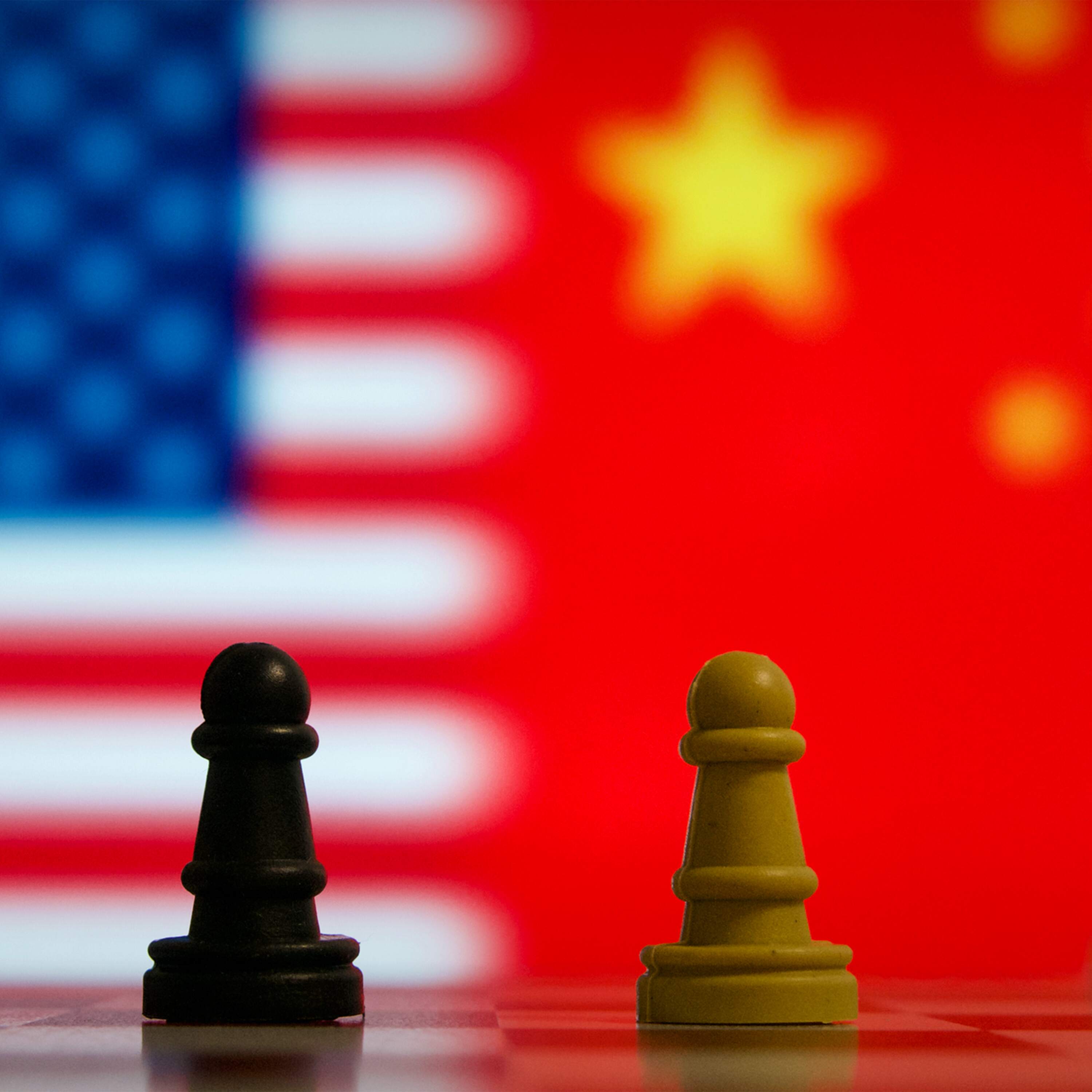
和许多当前的专家一样,阿尔文表示,我们无法在不讨论该领域两大巨头——美国和中国——及其目标与价值观差异的情况下,谈论人工智能的未来走向。
And like many experts right now, Alvin says we can't talk about where AI is going without talking about the two big players in the field, The US and China, and how their goals and values differ.
因为短期内,我们可能看不到政治对科技产生影响。
Because in the short term, we may not see politics affect our tech.
从技术角度来看,它需要几年时间才能真正成熟,然后渗透到我们的生活和经济中。
In the sense of the technology is gonna take a few years for it to to really mature and to then filter into our lives and economy.
但在未来几年,全球事务对于实现我们所期望的AI世界至关重要。
But over the next few years, global affairs will be crucial to getting the world we want with AI.
因为我们选择的方向以及所制定的政策,将影响我们文明未来几十年,甚至几个世纪的发展轨迹。
Because the direction that we take it and the the policies we put behind it is going to affect the trajectory trajectory of of our our civilization for the next decades, if not centuries.
所以今天在节目中,我们来理清这个科技时刻的意义。
So today on the show, making sense of this moment in tech.
人工智能可能走向的各种方向,通用人工智能(即与我们一样聪明的AI)的愿景如何塑造政治战略,以及中美之间的AI军备竞赛究竟是为了全球主导权,还是仅仅由美国科技企业家推动的一种叙事。
The various directions that AI might go, how visions of artificial general intelligence, AI that's as smart as us, are shaping political strategies, and whether the AI arms race between China and The US is about global dominance or more just a narrative being pushed by American tech entrepreneurs.
我们将听到一位报道过北京和硅谷科技界的记者,以及OpenAI的萨姆·阿尔特曼与泰德的克里斯·安德森的对话。
We'll hear from a reporter who's covered the tech world of both Beijing and Silicon Valley and from OpenAI's Sam Altman in conversation with Ted's Chris Anderson.
但首先,我们回到阿尔文·王·格拉林,他对于人工智能有着独特的视角。
But first, we return to Alvin Wang Gralin, who has an unusual perspective on AI.
是的。
Yeah.
我曾在中、美、台湾工作过,这段背景让我拥有与你通常听到的略有不同的视角。
My background having worked in in China, in The US, in Taiwan really gives a a perspective that might be a little bit different than, what you normally hear.
这种视角源于他的家族历史。
That perspective has roots in his family history.
阿尔文出生于文化大革命时期的中国,但他的祖母是美国人,是一名记者。
Alvin was born in China during the Cultural Revolution, but his grandmother was American, a journalist.
我祖母曾在中日战争期间为《纽约论坛报》工作,1937年前往中国报道局势,并在1941年日本偷袭珍珠港后被迫逃离中国,她把我的母亲留在了中国。
My grandmother was a reporter for the New York Tribune back during the Sino Japanese war, and she went to China in 1937 to report on what was happening and had to escape China in 1941 when the Japanese bombed Pearl Harbor, and she left my mom in China.
这就是我如何来到这个世界的原因。
And that's kind of how I came to be.
当阿尔文九岁时,全家搬到了美国。
When Alvin was nine, the family moved to The US.
几年后,他们获得了美国公民身份。
They became naturalized a few years later.
所以,我们确实是引以为豪的美国人。
So, we are we are definitely, proud Americans.
事实上,我哥哥是第一位在美国核潜艇上工作的华裔美国人。
And in fact, my brother was the first Chinese American to work on a US nuclear submarine.
与此同时,阿尔文后来进入了麻省理工学院。
Meanwhile, Alvin went on to MIT.
他获得了计算机科学硕士学位,另一个是工商管理硕士,最终成为当今人工智能技术发展的先驱。
He got one master's degree in computer science, another in business, and ended up being a pioneer in developing the tech needed for AI today.
我在八十年代末和九十年代初帮助IBM和英特尔开发了早期的芯片。
I helped IBM and Intel develop their early chips back in the late eighties and early nineties.
事实上,我在1993年为英特尔参与了一个项目,这项技术后来成为了今天所有GPU的基础。
And in fact, I worked on a project for Intel back in 1993, and it was what became the technology that all GPUs are based on today.
第二年,他帮助英特尔在中国开设了第一个办事处。
The next year, he helped Intel open its first office in China.
那时候,实际上还没有消费级个人电脑市场,我几乎跟中国的总经理说:
And, you know, at that point, there was really no consumer PC market, and I I I essentially told my the GM of of China.
嘿。
I said, hey.
嘿。
Hey.
我认为我们应该尝试培育这个市场,这是我拟定的二十页计划,说明我们该如何做。
I I think we should try to build this market, and here's a 20 page plan of how we can do it.
他说:‘好吧,去把这件事办成。’
And he said, okay, well, go make that happen.
是Bring
Was Bring
把个人电脑带到中国。
PCs to China.
对。
Yeah.
那时候,个人电脑的价格是两三千美元,而中国的平均年收入大约是两三百美元。
And and at that time, you know, PCs were 2 or $3,000, and the average income in China was around 2 or $300 per year.
所以,要让这个市场存在,我们必须做出很多改变。
So for that market to exist, we had to make a lot of changes.
从那时起,阿尔文一直在硅谷和中国之间来回奔波。
Since then, Alvin has gone back and forth working between Silicon Valley and China.
但如今,他主要想谈论这些新技术的影响,以及他如何让各国领导人就这一全球性问题达成共识。
But mostly, today, he wants to talk about the impact of all this new tech and his ideas for getting heads of state aligned on what is a global situation.
因为阿尔文·格雷林认为,人工智能的未来有三种可能的路径。
Because the way Alvin Graylin sees it, there are three possible paths for the future of AI.
作为一个十足的科幻迷,阿尔文为这三种未来中的每一个都找到了一部电影作为参考。
And being a total sci fi nerd, Alvin has a movie reference for each one of these futures.
首先是由马特·达蒙主演的反乌托邦惊悚片《极乐空间》。
First up, the dystopian thriller Elysium starring Matt Damon.
故事设定在2154年,大多数人生活在人口过剩、疾病肆虐的地球,而超级富豪则居住在名为‘极乐空间’的豪华太空站上。
Where the year is 2154, most humans live on an overpopulated disease ridden planet Earth, while the uber wealthy live on a luxury space station called Elysium.
正在接近极乐空间的空域。
Are approaching Elysium airspace.
是的。
Yeah.
所以,最有可能的未来是,只有少数几位万亿富翁,而其他人则一无所有。
So so the first future that is the most likely is you essentially have a few trillionaires, and then you have the have nots.
社会将比今天更加极端地两极分化。
And it is going to be ultra stratified even more than we are today.
所以,Elysium 这种未来就是一种极端社会和经济不平等的状况,富裕的科技精英掌控一切,而其他人则被抛在身后?
So the Elysium version is this sort of future where there's extreme social and economic inequality, and the wealthy techies sort of rule everything, and the rest are kinda left behind?
是的。
Yeah.
是的。
Yeah.
差不多就是这样。
Pretty pretty much.
而且根本没有向上流动的机会。
And and really with no with no upward mobility.
对吧?
Right?
我认为,过去让美国伟大的是美国梦——只要你努力工作,好事就会发生。
I think in in the past, what made America great was the American dream that if you work hard, good things can happen.
而现在,我们的政府实际上已被寡头和行业领袖掌控,随着技术变得越来越智能和强大,这种情况只会变得更加极端。
And the fact that right now our our governments are essentially captured by by the oligarchs and by the the industry leaders, it is going to just make that even go more extreme as these technology becomes smarter and more capable.
第二条道路更糟。
The second path is even worse.
这就是阿尔文所说的《疯狂的麦克斯》未来。
It's what Alvin calls the Mad Max future.
让人想起1979年梅尔·吉布森主演的澳大利亚反乌托邦动作片。
Recalling the 1979 Australian dystopian action film with Mel Gibson.
在不远的未来,将不再有文明。
In the not too distant future, there will be no civilization.
将不再有英雄。
There will be no heroes.
只有疯狂的人。
There will only be mad men.
我们现在正经历一场美国和中国之间争夺通用人工智能的AI竞赛。
We right now have this AI race, technology race between US and China to to get to AGI.
而这场AI竞赛可能会演变成AI战争,然后不知怎的,升级为一场与台湾有关的热战。
And, you know, that AI race gets to become an AI war, and then somehow it it escalates into a kinetic war over maybe something related to Taiwan.
然后,你知道,它失控了,演变成一场核战争。
And then, you know, out of goes out of control and becomes a nuclear war.
因为这个未来的最终结局就是升级为核战争和末日之后,可能需要数百年才能重新获得我们今天的现代文明。
Because the ultimate destination of that future is is escalation into nuclear war and a post apocalypse, and then taking essentially centuries to maybe regain the the modernity that we have today.
第三条路是什么?
What is path number three?
它总得比那两条路好一些吧,求求了。
It's gotta be something better than those two, please.
是的。
Yes.
第三种未来实际上是我所说的《星际迷航》未来,它本质上模仿了《星际迷航》中发生的事情。
The the third future is actually what I call the Star Trek future, and it is something that essentially models after what happened with Star Trek.
在《星际迷航》的设定中,瓦肯人来到了地球。
So in in the Star Trek lore, essentially, the Vulcans came to Earth.
他们是一个理性且先进的种族,拥有先进的技术。
They were a rational advanced species with, you know, advanced technologies.
他们给了我们这些技术,让我们拥有一个富足的世界,然后我们开始探索星空,追求自我实现,而非贪婪和囤积。
And they gave us these technologies, allow us to have a world of abundance, and then we started to, you know, discover the stars and pursue, you know, a self actualization versus, you know, greed and hoarding.
我猜想我们的未来就在那里等着我们。
I suspect our future is there waiting for us.
我们成为了一个富足的世界,技术使我们得以实现这一切。
We became a world of of plenty, and and the technology enabled us.
因此,与其依赖外星物种的善意,我们现在实际上正在创造人工智能,这是一种理性的先进技术,能够为我们带来问题的解决方案。
And so instead of relying on the kindness of a alien species, we actually now are creating AI, which is a rational advanced technology that could bring us solutions to our problems.
所以这实际上是一种更解放的视角,因为我们能够控制这项技术何时到来。
So it's a it's a it's a actually, a more liberating perspective because we we get to control when this technology comes.
我们能够控制如何使用它。
We get to control how we use it.
那么,就目前而言,哪种情景最有可能发生呢?
And so where are we now when it comes to which of these scenarios is most likely?
不幸的是,目前我们并没有以正确的视角来看待它,即这应该是一种应该共享的公共产品。
Unfortunately, right now, we we're not necessarily looking at it with the right perspective that this should be a a a public good that should be shared.
它被视为一种统治工具,或用于自我获取利益或财富的手段。
It's seen as a a weapon of domination or or a tool for self, you know, gain or or wealth.
这些观点将把我们引向一条非常黑暗的道路。
And and those perspectives are going to lead us down a very dark path.
所以,在你看来,他们根本没在考虑公共利益。
So from your perspective, they're not at all thinking about the public good.
所有这些公司都在竞相争夺开发通用人工智能(AGI)的领先地位。
All these companies are just racing to beat each other to develop artificial general intelligence, AGI.
这些是具有人类水平智能的机器。
These are machines with human level intelligence.
我认为,这与其说是AI变得有自我意识并为自己行动,不如说是其他原因。
Well, I I think I think it's less less about the AI is becoming sentient and doing things for itself.
真正关键的是这场通往AI的竞争。
It's really more, this race to AI.
有一种叫做战略决定性优势的东西。
There's there's something called the strategic decisive advantage.
这是一个观点,即第一个获得AGI的人将利用这种力量进行自我改进,创造出所谓的ASI,即人工超级智能。
It it's an idea that whoever gets the AGI first will then use that power to self improve and create what's called ASI, so artificial super intelligence.
当你达到ASI时,你就拥有了主宰世界的力量。
And when you get to ASI, then you have the power to dominate the world.
对吧?
Right?
而不幸的是,现在华盛顿的许多人认为获胜就是率先实现AGI,然后利用它——在一些人看来,就是把中国打回石器时代。
And and and that's unfortunately what right now a lot of people in DC thinks is winning, is that they think it's, you know, using getting to AGI first, and then using it to, and in some people's words, send China back to the stone age.
当这种意图不仅仅是让自己进步,而是要拖慢他人的发展时,这非常可怕。
And and that's very scary when when that is the intent, not just to make yourself progress, but then to, you know, hold other people back.
当这些人这么说时,我问他们:那么,你以为他们会任由你这么做吗?
And what I asked these people when they said this, it's like, so do you think they would just let you do that?
他们回答:不,他们很可能会反击。
And they go, well, no, they'll probably fight back.
然后我说:那如果他们反击了,会发生什么?
And then, and I said, well, what happens when they fight back?
那么,我们可能会进一步反击。
Well, then we'll probably fight back some more.
然后我说,这会导向什么结果?
And then I say, what is that going to lead to?
他说,这意味着战争,但你知道,战争是不可避免的。
And he says, well, it means war, but know, war is inevitable.
当我听到这些来自美国决策层极具影响力的人所说的话时,我觉得这有点无知,而且非常可怕。
And when I hear things like this from people who are very influential in the decision making process in America, it feels a little bit ignorant, and it feels very scary.
最近,我参加了另一次对话,一些资深人士说,我们不能让中国治愈癌症,因为那样就意味着我们输了。
And, you know, I was in another conversation recently where there was senior people that said, we can't let, you know, China cure cancer because that means we've lost.
这种心态认为,只有我们才能治愈癌症,只有美国才能做到,而任何其他人对世界做出的善举都被视为坏事,我认为这是一种非常错误的世界观。
And, you know, to to have that type of a mentality that, you know, curing cancer is something that only we can do, only America can do, and that anybody else doing good things for the world is seen as a bad thing, that is a very, I think, misguided view of the world.
接下来,阿尔文和其他科学家正在制定的计划,将引导我们避开这些黑暗路径,以及他为何认为中美之间的AI军备竞赛是一个巨大的干扰。
In a minute, the plan that Alvin and other scientists are mapping out to veer us away from these dark paths and why he believes the AI arms race between China and The US is a huge distraction.
如果你听像彼得·蒂尔这样的人说,他认为,成功的唯一途径是建立垄断,然后控制一切。
If you listen to people like Peter Theo, he says, you know, the only way to be successful is to create a monopoly and then to control everything.
但现实是我们需要改变思维,承认世界并非零和博弈,实际上我们可以共同获胜。
But the the the reality is that we need to change our mindset and to agree that the world is not zero sum and that actually we can all win together.
今天在节目中,谁真正塑造了人工智能的未来?
On the show today, who's really shaping the future of AI?
我是马努莎·佐莫罗迪,您正在收听来自NPR的TED电台节目。
I'm Manousha Zomorodi, and you're listening to the TED Radio Hour from NPR.
请继续关注。
Stay with us.
这条信息来自NPR赞助商《如何成为更好的人》,这是TED推出的一档播客。
This message comes from NPR sponsor, how to be a better human, a podcast from TED.
这是一档为自助怀疑者打造的节目。
It's a show for the self help skeptic.
TED演讲者将通过科学、发人深省的见解和幽默的故事,告诉你如何成为最好的自己。
TED speakers explain how you can be the best you with science, thought provoking insights, and hilarious stories.
无论你在哪个平台收听播客,都来收听《如何成为更好的人》吧。
Listen to you how to be a better human wherever you get your podcasts.
这是来自NPR的TED播客。
It's the TED Radio Hour from NPR.
我是马努莎·扎莫罗迪。
I'm Manoush Zamorodi.
今天在节目中,我们探讨谁真正塑造了人工智能的未来。
Today on the show, we're asking who is really shaping the future of AI.
我们刚刚与学者、工程师和企业家阿尔文·格雷林进行了对话。
We were just talking to scholar, engineer, and entrepreneur Alvin Graylin.
阿尔文是一位拥有中国背景的美国技术专家。
Alvin is an American technologist with roots in China.
在过去三十五年里,他一直在两地工作。
And for the last thirty five years, he has been working in both places.
他认为,美国人工智能公司声称需要更多数据中心、更多芯片和更多资金来超越中国,这是一种便利的策略。
And he believes it's a convenient strategy for American AI companies to say they need more data centers, more chips, and more money to beat China.
许多公司都在重复这种说法,因为它有效。
A lot of companies are using that same refrain because it it works.
对吧?
Right?
这是因为,几十年来,军工复合体一直使用同样的说辞,通过在政府内部制造恐惧,从而获得更宽松的监管、更多的政府支持、更多合同以及政界更多的支持。
It because it's it's what the industrial the the military industrial complex have been using for nearly a century in terms of of creating fear within the government and then helping then get, you know, more lenient regulations, more government support, more contracts, and more support from the politicians.
而且,这被包装成一场国家间的竞争,但事实上,我认为大多数人心里都清楚,目前真正的竞争是在企业之间展开的。
And, you know, it's it's framed as a as a national competition when the the reality is, I think, most of them realize that it is a a competition right now between companies.
而所有这些公司都在思考:我如何为自己筑起护城河?我如何率先取得优势?
And and all of them are trying to figure out how can I create a moat for myself, how can I create an advantage where where I get there first?
我想成为那个被公认为发明了通用人工智能的人。
I wanna be the guy who's known for who invented AGI.
我想获得与此相关的名声、荣耀和经济回报。
And and I want the the the fame and the glory and the and the the the monetary rewards associated with this.
在多次采访中,你都听过像萨姆·阿尔特曼这样的人说:‘决定这项技术如何分配,是我的责任。’
And in multiple interviews, you've heard people like Sam Ahman say, hey, this is my responsibility to to decide how this is gonna be, you know, distributed.
听到他这样说,我感到困惑:谁赋予了他权利,让他成为决定这一切的人?
And to to hear him say things like that, I I feel, who gave him that right to be the person who decides this?
嗯,我认为论点是这属于国家安全问题,一开始要与中国在一定程度上合作,但始终要保持领先。
Well, I guess the argument is that it's a national security issue that it starts by working with China to a certain extent, but always staying ahead.
美国模式是这样的,如果你看看今年年中白宫发布的《美国人工智能行动计划》,里面说我们要通过竞争赢得最先进的人工智能,并且表示要不择手段地建设最大的数据中心,并用任何可能的方式为它们供电。
The the The US model, and and if you look at the America's AI action plan, which is what came out of the White House kinda middle of this year, It said we are going to race our way to to the most advanced AI, and it's saying that, you know, by making by doing whatever we can to build the the the the biggest data centers and, you know, powering them with whatever means possible.
然后我们将把这种人工智能推广给我们的盟友,而所有愿意成为我们朋友的国家都必须使用我们的技术栈、我们的芯片和我们的模型。
And then we are going to take that AI and spread it to our allies, and and nobody's you know, anybody who is going to be our friends has to use our stack, our chips, and our our models.
而这就是我们获胜的方式——通过制造依赖,让全世界都依赖我们。
And and that's how we win by creating a dependency where, you know, everybody in the world depends on us.
对吧?
Right?
这种对‘胜利’含义和如何获胜的看法是非常片面的。
And that's it's a very one-sided perspective in terms of what winning means and and how to win.
但如果你看看中国如何看待人工智能领域,他们的方法非常不同。
But if you look at how China is looking at the the AI space, they're they they have a very different approach.
哦,有意思。
Oh, interesting.
说来听听。
Tell me.
实际上有一个叫做‘AI+’计划的东西。
There's actually something called the AI plus plan.
AI+计划是一个十大计划,旨在探讨如何将人工智能应用于医疗领域?
And the AI plus plan is a a 10 plan to say, hey, how can we get AI into medicine?
如何将人工智能应用于制造业?
How can we get AI into manufacturing?
教育呢?
Education?
我们如何将人工智能应用于农业等领域?
How do we get AI into agriculture, etcetera, etcetera?
这本质上是在说,我们如何部署这项技术,以提高各个领域的效率?
It's essentially saying, how do we deploy this technology so that we can make each of them more efficient?
并让我们的民众和经济从中受益,真正致力于将技术的效益惠及更广泛的群体。
And and and seeing the benefits into our population and our economy, where it's really looking for for spreading the the the the benefits of the technology to the the larger community.
但我感觉我们听到的故事是:美国必须在人工智能领域获胜,因为这不仅仅是一场市场竞赛,更是两种世界理念之间的竞争——民主还是专制。
But but I I feel like the story that, you know, we're hearing is, oh, The US has to win at AI because this is not just a competition of a marketplace, but it's a competition between, you know, two ideas of what the world should be, either democratic or authoritarian.
是的。
Yeah.
从叙事角度来看,这听起来确实很棒。
From a a narrative perspective, it sounds really good.
美国、民主、自由,我们都希望你们能赢。
And, you know, America, democracy, liberty, you want us to win.
但如果你看看中国模式被传播的内容,就在美国发布行动计划三天后,中国发布了一项名为‘全球人工智能治理计划’的文件。
But if you look at what's, what's being, I guess, propagated in terms of what the Chinese model is, they three days after The US American action plan, the Chinese published something called the global AI governance plan.
他们的想法是:嘿,
And their idea was that, hey.
为什么我们不与世界其他地区合作,共同构建一个先进的人工智能系统,整合所有人的数据呢?
You know, why don't we work together with the rest of the world to build an AI advanced AI that then incorporates everybody's data?
这样我们就能拥有一个更强大的人工智能,并将其开放共享,而不是让某一个国家或公司独占这项技术作为成功工具。
And so we now have a a more capable AI that we share to the world, and we make it open source rather than making it tool for any one country or any one company to be successful.
所以如果你现在看一下,全球领先的五个开源模型都是由人工智能实验室开发的。
So if you look right now, that the leading five open source models in the world are all made by AI labs.
对吧?
Right?
如果你认为中国想要主导世界,你可能会觉得他们会说:我要建立大型数据中心,开发大型模型,然后自己独占,以便击败美国,击败民主。
You you would think if if China wants to dominate the world, they would be saying, hey, I wanna create these big data centers, and I'm gonna make the big model, and I'm going to keep it to myself so that I can beat America and and, you know, beat beat democracy.
但他们并没有这么说。
And and that's not what they're saying.
他们说的是:这是我发明的东西。
They're saying, here here's what I invented.
而你现在会发现,大学和初创公司正在使用中国的模型进行研究,因为它们是开源的。
And what you'll find right now is that universities and and startups are using Chinese models for their research because it's open source.
它们采用开放许可。
It's open license.
你不需要对它们进行任何署名。
You don't have to credit them for anything.
你可以将它用于商业用途。
You you can you can use it commercially.
你可以用它进行研究。
You can use it for research.
你可以基于它进行再训练。
You could retrain on it.
我的意思是,这听起来不像是一个意图做坏事的邪恶计划。
I mean, that to me doesn't sound like it's a evil plan to do bad things.
这听起来更像是美国也应该做的事情。
It sounds like what America probably should also be be doing as well.
我的意思是,我们必须承认,美国显然不是一个完美的国家,远非如此。
I mean, we have to acknowledge that, obviously, The United States is not a perfect nation, hardly.
但在中国,公民经常受到监控。
But in China, there is regular surveillance of citizens.
曾经有
There have
对某些少数群体采取了有争议的人权做法。
been questionable human rights approaches to certain minority groups.
他们严格控制信息、言论,有时甚至控制行为。
They tightly control information, speech, sometimes behavior.
所以,我们为什么会觉得中国会说:哦,我们要开源?
So so why should we think that China's like, oh, we're we're going open source.
什么?
What?
我们都应该从中受益。
We should all benefit from this.
是的。
Yeah.
我的意思是,我并不是说中国政府所做的一切都是完美的。
I mean, I I I I, you know, I am not saying that everything that the Chinese government does is perfect.
而且,他们确实有很多自己的缺点和问题,他们正在用自己的一套方法应对这些问题。
And, you know, they they have definitely a lot of their own faults and issues, and, you know, they're dealing with it with their own methods.
但在人工智能方面,我研究这个已经有三十五年了,从技术和创新的角度来看,他们的做法实际上很有道理。
But in terms of AI, and I've been studying this for, you know, thirty five years, their approach from a technical perspective and from a innovation perspective actually makes a lot of sense.
这些模型提供给本国公众的版本,确实存在某种程度的内部审查,尤其是在某些话题或事实方面。
And the versions of these models that are available to their local population, you know, definitely has some level of of internal censorship, you know, in terms of certain topics or certain facts.
但他们发布到可下载网站供他人下载的内容,都是不受限制的,只是原始模型。
But the things that they are posting onto the downloadable sites for other people to download, those are unconstrained, and they're just the the raw models.
然后你可以根据你自己的方法或观点对它们进行微调。
And you can then fine tune it to whatever, you know, methods or or perspectives that you have.
因此,从这个角度来看,即使你可能不认同他们政治上的所有做法,但他们在人工智能上的方式,从全球利益的角度来看,实际上是有道理的。
So from from that perspective, I feel like, you know, even though you may not agree with everything in their politics, the the way they're approaching AI is is actually making sense from a global good perspective.
但中国通过开源其人工智能模型,是否只是表面上采取了更崇高的技术立场,而实际上却是为了扩大对那些希望追赶人工智能的其他国家的影响力,并将其他研究整合到自己的模型中?
But by China going open source with its AI models, Does it just look like they're taking the higher road with their tech, but actually, this is a way of expanding their influence with all the other countries that want to catch up with AI, of integrating other research into their own models.
嗯,
Well,
我认为你所说的,可能正是政府在考虑如何提升全球软实力时的部分意图。
I I I think what you're saying actually is probably, part of the intention of the government in terms of saying, how can we increase our soft power around the world?
对吧?
Right?
就像美国在过去一百年里利用好莱坞向世界灌输美国的价值观和理想一样。
Just like America has used Hollywood over the last hundred years as a way of of of instilling American values and and and and kinda ideals to the world.
所以,考虑到这一切,我们如何才能走上更好的道路?
So with all this in mind, how do we get on a better path?
我们如何避免你之前描述的《极乐空间》和《疯狂的麦克斯》那样的未来,走向更有成果的前景?
How do we avoid the Elysium and Mad Max futures that you described were possible earlier and get to something more fruitful?
甚至不需要是乌托邦。
It doesn't even have to be utopian.
让我们先活下来吧。
Let let's survive.
是的。
Yeah.
如果你听像彼得·蒂尔这样的人说,他认为,成功的唯一方式就是建立垄断,然后控制一切。
If you listen to people like Peter Theo, he says, you know, the only way to be successful is to create a monopoly and then to control everything.
但现实是我们需要改变思维方式,承认世界并非零和博弈,实际上我们可以共同获胜。
But the the the reality is that we need to change our mindset and to agree that the world is not zero sum and that actually we can all win together.
我们能走得更远,使用更少的资源,并且决定人工智能带来的收益应当被共享,而不是被视为武器或追求私利的工具。
We get further, we use less resources, and we decide that, you know, the the benefits that come from AI should be shared, and is not seen as a weapon or as a tool for self interest.
是的。
Yeah.
不过,请给我们详细讲讲。
So take us through though.
帮我们想象一下这可能会是什么样子。
Help us envision what it could even look like.
首先,我们需要整合我们的资源。
So the the first part is that we essentially need to pull our resources.
与其建造数万亿美元的新数据中心,不如把我们已经投入的数万亿美元数据中心连接起来。
Instead of building trillions of dollars of new data centers, we can actually take the trillions of dollars we've already put into data centers and just say, hey, let's let's link them together.
让我们建立联合网络,共同训练大型模型,创造我所说的AI领域的‘欧洲核子研究中心’。
Let's create federated networks that we can then train large models together and create what I call a CERN for AI.
实际上,这并不是一个新想法。
And actually, it's not a new idea.
过去五六年来,人们一直在讨论像我们对粒子物理所做的那样,或者像我们对聚变反应堆、欧洲核子研究中心或国际空间站那样做。
It's been talked about for probably five, six years now of doing what we did for particle physics or what we, you know, did for fusion reactors, you know, with Ether or or space science with the International Space Station.
对吧?
Right?
让各国或全世界联合起来,共同投资于大型资本项目,然后将成果与全世界分享。
To have, you know, essentially groups of of countries or or the world come together and invest in a large capital and expenditure, but then to take whatever comes out of it to share with the world.
这有先例吗?
Is there a precedent for this?
你提到了空间站和欧洲核子研究中心,后者是欧洲核子研究组织。
For for like, you mentioned the space station and and CERN, which was the it's the European Organization for Nuclear Research.
这是一次全球科学家的联合,所有人都达成了共识。
This is, you know, a global coming together of scientists in a way that everyone agreed.
但你指的就是这种模式吗?
But is that what you're looking at?
是的。
Yeah.
如果你看看万维网,实际上万维网的概念源自于CERN。
If if you look at the World Wide Web, actually, the concept of World Wide Web came from CERN.
而且,我们也曾因另一场自然灾害而采取过类似行动,那就是臭氧层的破坏。
And, you know, we also did this from from another natural disaster that happened to us, which was the ozone layer degradation.
在八九十年代,我们通过《蒙特利尔议定书》团结起来,说:嘿。
And, you know, over the eighties and nineties, we essentially came together with the Montreal Protocol and said, hey.
让我们都决定停止生产氯氟烃(CFCs)。
Let let's all decide to stop doing the c f making CFCs.
现在,臭氧层已经开始恢复,变得对我们来说更加健康和正常。
And now the ozone actually layer has has started to to, you know, come back and and become much more healthy and normal for us.
对吧?
Right?
所以我们能够合作。
So so we we can work together.
当各国意识到这是为了共同利益时,就能够携手合作。
Countries can work together when we realize that it is for our collective good.
为了使人工智能成为可能,我们还需要创建一种我称之为全球人工智能数据池或数据云的东西。
And to to make to make discern for AI possible, we also need to create something I call the global AI data pool, right, or data cloud.
本质上,就是将每个人的语言、文化、科学和历史汇集到一个源头,以便训练人工智能全面理解世界,而不是只理解单一视角。
Essentially, taking everybody's language, their culture, their science, their history, and put it into one source so that we can train this AI to to understand the world wholly, not to understand one single perspective.
科学家们是否在幕后就如何实际实现这一点展开讨论?
Is there a conversation going on behind the scenes amongst scientists about how to actually do this?
因为这些公司的创造者都以最大化利润为目标,他们大概并不想参与其中。
Because the the the creators of these companies are all about maximizing profits, presumably, they don't wanna be a part of it.
实际上,确实存在这样的讨论,像约书亚·本吉奥、德米斯·哈萨比斯或杰弗里·辛顿这样的人——他们是人工智能的一些奠基者,见证了这项技术的发展,并理解这些技术的能力。
Well, so actually, there are there are these conversations, and and it's people like Joshua Bengio or Demis Hassabis or Jeffrey Hinton who are, you know, some of the the godfathers of AI who have seen this technology grow and have seen and understand the capabilities of of these technologies.
他们正在倡导为人工智能建立一个类似CERN的模式。
And they're advocating for a CERN for AI type type model.
但不幸的是,许多政界人士并未倾听。
But, unfortunately, a lot of the politicians aren't listening.
对吧?
Right?
我的意思是,我们需要超越对这项技术的政治化,将人工智能及其带来的益处视为公共利益。
I mean, we we need to get past this politicization of this technology, and we need to see AI and the benefits that it provides as a public good.
听起来像是理想化的乌托邦,但事实上,我们现在正处于实现这一目标的临界点。
I mean, it it sounds like idealistic utopia, but, you know, we are actually at a point where it's possible.
过去,我们生活在一个稀缺、囤积和争斗至关重要的世界。
Before, we lived in a world of scarcity, and hoarding and fighting made a difference.
但如果我们正处于迈向一个能够带来丰裕技术的终点线,我们就不再需要争斗了,我们需要认识到这一点,并让这一切发生。
But if we are at the one yard line of getting to a place where we can have a technology that brings us abundance, we don't need to fight anymore, and we need to realize that and let that happen.
这是作家兼企业家阿尔文·格拉林。
That was author and entrepreneur Alvin Gralin.
他的书名为《我们的下一个现实:人工智能驱动的元宇宙将如何重塑世界》。
His book is called Our Next Reality, How the AI Powered Metaverse Will Reshape the World.
你可以在 ted.com 上观看他与我的TED对话。
You can watch his conversation with me on the TED stage at ted.com.
所以王嘉林认为,美国和中国应该在人工智能方面比现在合作得更多。
So Alvin Wang Gralin thinks The US and China should be cooperating on AI a lot more than they are.
这种合作的可能性有多大?
What is the likelihood of that?
人工智能竞争真的只是美国的现象吗?
And is AI competition really just an American thing?
我决定跟进与阿文的对话,采访了美国国家公共电台的约翰·瑞奇。
I decided to follow-up on my conversation with Alvin by talking to NPR's John Ruich.
约翰,你曾在中国常驻多年。
John, you were based in China for years.
你曾报道过那里的政治和科技等多个领域。
You covered politics and tech there among many things.
现在你回到了美国,从硅谷报道政治和科技新闻。
And now you're back in The US covering politics and tech from Silicon Valley.
那么,请谈谈你对这场人工智能军备竞赛的看法。
So so give us your perspective on this AI arms race.
这是否正如阿尔文所言,主要是美国科技CEO们为了锁定技术、获得更多投资、规避监管而讲述的故事?
Is it mostly a story that American tech CEOs are telling to lock down their tech to get more investment, avoid regulation as Alvin explains it?
是的。
Yeah.
从我的角度来看,某种程度上是的,但。
From my perspective, like, yes, to a certain extent, but.
对吧?
Right?
是的。
Yes.
这就是资本主义。
That's capitalism.
企业间的竞争是真实的。
The the corporate competition is real.
绝对如此。
Absolutely.
但我认为,这种军备竞赛心态背后的原因,肯定不止是商业因素。
But there is definitely more to this arms race mentality, I think, than just business.
几个月前,我和一位风险投资人聊过,那真挺有意思的。
It's fun it I I was a few months ago, I had a conversation with a venture capitalist.
他告诉我,当时曾就人工智能的安全性展开过一场辩论和讨论,美国的一些公司甚至讨论过是否应该联合起来,暂时放缓一下大家朝着通用人工智能狂奔的速度,以便制定一些规则。
And, you know, he was telling me that there had been this debate and discussion around the safety of AI and that companies in The United States had potentially discussed banding together, maybe sort of hitting pause on sort of the breakneck speed at which everybody was racing towards the AGI if the if that's where they were headed to sort of set some rules.
但随后,DeepSeek R1发布了。
But then DeepSeek r one happened.
那是今年一月发布的一款中国人工智能模型。
That was the release in January of a Chinese AI model.
这简直就像一个‘斯普特尼克时刻’。
And it was kind of a Sputnik moment.
DeepSeek 做了一些人们原本认为中国做不到的事,因为中国受到高端芯片出口限制。
Like, Deepsea did things that people did not think China was capable of doing because of the restrictions on high end microchips going to China.
他们设法绕过了芯片禁运,推出了一款相当出色、几乎接近美国公司水平的人工智能模型。
They did things they kind of circumvented the embargo on chips to put forward an AI model, an AI product that was pretty darn good and pretty close to what American companies were doing.
所以讨论转向了国家安全。
So the discussion shifted to national security.
大家都说,好吧。
Everybody was like, okay.
中国是认真的,我们必须再次全力以赴。
China's for real, and we need to go we need to go at it, again.
那么请详细说说中国对人工智能的做法。
So tell us more about China's approach to AI.
因为我认为在美国,人工智能让很多人感到不安,原因多种多样,比如他们的工作、人工智能消耗的能源、以及它可能产生的错误。
Because I think in The US, AI is mostly making people kinda nervous for all sorts of reasons, their jobs, the amount of energy it uses, the slop it can produce.
但你了解到普通中国人对人工智能的感受是怎样的呢?
But but what have you learned about how regular people feel about AI there?
是的。
Yeah.
在中国,政府显然非常专注且具有战略眼光,正在认真思考人工智能。
So in China, the the government is obviously very focused and strategic, and it's thinking about AI.
所以我去年十月去了中国,做了一些关于人工智能在社会中应用的报道。
And I so I went on a trip to China in October and, did some reporting around AI in society, basically.
我们去的一个地方是北京的一所小学。
And one of the places we went was an elementary school in Beijing.
这所小学,事实上,从今年秋季学期开始,北京所有中小学都将人工智能教育以及关于AI如何创建和使用的知识融入了他们的计算机素养课程中。
And this elementary school, and in fact, at all k through 12 schools in Beijing starting this fall semester, they started to fold, education about AI and education on sort of how AI is created and how you can use it into the computer, literacy programs that they run.
于是我们去那里,采访了几名十岁的四年级学生,也和他们的父母以及老师聊了聊,了解这种人工智能教育是什么样的。
So we went and we talked to a couple of 10 year olds, fourth graders, talked to their parents, talked to their teacher about what, what this AI education was like.
正如你所想象的,内容并不深入,但孩子们正在有意识地、积极地接触人工智能,学习如何使用它。
And as you can imagine, like, it's not in-depth, but they are being consciously and proactively familiarized with artificial intelligence, with how to use it.
他们用它来画画、生成图像,例如。
They're using it to to do drawings, to do, images, for instance.
家长们对这个项目有着非常清醒的认识,我觉得这很有趣。
The parents were very clear eyed about the project, which I thought was interesting.
他们基本上全都全力支持,因为他们认为这是一种即将来临的技术。
They basically were all sort of all in on it because they see it as, you know, it is this technology that's coming down the pike.
展开剩余字幕(还有 267 条)
政府支持这一举措。
The government backs it.
它正在向我们走来。
It's coming for us.
我们的孩子要想拥有未来,唯一的方法就是开始理解它。
And there's only the only way for our kids to have a future is to start to understand it.
我们有特朗普政府,其美国人工智能行动计划聚焦于维持美国的主导地位,对抗中国。
So we have the Trump administration with its American AI action plan focusing on maintaining America's dominance, countering China.
几年前,习近平主席推出了全球人工智能治理倡议,两者完全不同。
And then a couple year years ago, president Xi released his global AI governance initiative, and and it's completely different.
它倡导开源共享人工智能模型、数据安全、弥合数字鸿沟。
It's a open source sharing AI models, data security, bridging the digital divide.
您对政治和利益如何推动这些不同做法有何看法?
Is what's your sense about how politics and interests are fueling these different approaches?
它们是在彼此背离,还是正在走向对立?
And and are they sort of veering away from each other or or or coming to a head?
是的。
Yeah.
对于中国来说,背景在这里很关键。
Context is sort of key here for China.
有一个项目现在已经成为党的本质的一部分,旨在在全球范围内建立影响力和实力,让世界变得对中共以及中国的政治方式安全。
There's been this program that's sort of part of the party's DNA now to to build influence and clout around the world, make the world safe for, you know, the Chinese Communist Party and the Chinese way of, you know, politics.
我认为全球人工智能治理倡议至少有两个方面。
And I think the global AI governance initiative at least has two sides to it.
一个是利他的部分。
One is the altruistic part.
对吧?
Right?
让我们一起努力,共同推进这件事。
Let's let's do let's work on this together.
我们一起做吧。
Let's do it together.
这也很像是中国如何运作、如何建立实力并帮助自己在世界上立足的教科书式例子。
It's also sort of a textbook example of, of how China, how China operates, how China it become it builds power and and helps itself in the world.
就像是在说:看看我们。
Just sort of like, look at us.
我们随时可用。
We're available.
你们有什么好大惊小怪的?
What are you what's the big fuss about?
这种事吗?
That kind of thing?
对。
Right.
听好了。
Look.
我们对此很重视。
We're being big about this.
我们正试图解决问题。
We're trying to fix the problem.
我们正试图让大家聚在一起。
We're trying to get everybody together.
让我们一起努力。
Let's all work together.
对于一个弱势方来说,这样说更容易,而不是那些拥有顶级人工智能公司的企业。
And it's easier for an underdog to say that than somebody who's got the top AI companies.
对吧?
Right?
作为弱势方,为什么不尽可能争取更多的合作与协作呢?因为这能推动你自己的技术发展。
And as an underdog, why not, you know, try to get as much cooperation and collaboration as you can because that can advance your own technology.
对吧?
Right?
这对缺乏数据中心和计算能力的中国来说非常实际,而美国则拥有这些资源。
It's very practical for for for China, which doesn't have the the data centers or the the compute firepower that The US has.
对吧?
Right?
它甚至能加速发展。
It can help accelerate development even.
这对于我们刚才谈到的中国来说也很实际,比如结交朋友和盟友,建立影响力。
It's also practical for what we were just talking about, China in terms of, you know, garnering friends and allies, and building influence.
稍后,我们将继续与约翰·鲁伊奇探讨,所有这些人工智能竞争对我们其他人意味着什么。
In a minute, more with John Ruich on what all this AI competition really means for the rest of us.
今天节目中,谁在塑造人工智能的未来?
On the show today, who is shaping the future of AI?
我是马诺吉·扎莫罗迪,您正在收听来自NPR的TED播客。
I'm Manoj Zamorodi, and you're listening to the TED Radio Hour from NPR.
我们马上回来。
We'll be right back.
这是来自NPR的TED播客。
It's the TED Radio Hour from NPR.
我是马诺什·扎莫罗迪。
I'm Manoush Zamorodi.
今天节目中,我们探讨的是谁真正塑造了人工智能的未来。
On the show today, we are asking who is really shaping the future of AI.
我们刚刚采访了美国国家公共电台科技记者约翰·鲁伊奇,讨论了中美科技关系的最新动态,包括特朗普政府最近允许英伟达向中国销售先进AI芯片的举措。
We were just talking to NPR tech correspondent John Ruich about the latest twists in US China tech relations, including the Trump administration's recent move to let NVIDIA sell advanced AI chips to China.
那么,这样的举措究竟意味着什么?
So what does a move like this actually signal?
是缓和?是战略姿态?还是更复杂的局面?
A thaw, a strategic gesture, or something more complicated?
我的意思是,从我接触过的业内人士来看,无论是芯片专家还是中国问题专家,他们都感到困惑。
I mean, from people I've talked to from a technical perspective are scratching their heads, like chip experts or China experts.
他们说,这可能是我们相对于中国为数不多的优势之一。
They're saying, why you know, this is the one sort of perhaps the one advantage that we have over China.
中国拥有比我们更多、更便宜的电力,这对数据中心至关重要。
Like, China has more more and cheaper electricity than we have, which is critical for for data centers.
我前几天看到一个数据,说超过40%的中国大学毕业生主修理工科。
China, I read a stat the other day that said over 40% of Chinese college graduates are in STEM.
这个比例是美国的两倍。
That's twice the rate in The United States.
对吧?
Right?
所以,他们有人力,有电力,政治意愿也肯定有。
So, like, they've got the people, they've got the electricity, they've got the political will for sure.
他们只是拿不到芯片,而现在却把这些芯片送过来了。
They don't they can't get their hands on the chips, and now now they're sending these chips over.
我听说有个人说,这简直就像正在研发第一颗原子弹的曼哈顿计划团队,却把设计图纸直接交了出去。
I don't I I people one guy I spoke with said it's like it's it's almost the equivalent of folks in the who are working on the Manhattan Project to develop the first nuclear bomb just handing blueprints over.
你刚从台湾回来,那里生产着全球90%的半导体芯片,而这些芯片正是驱动人工智能所必需的。
You did just get back from Taiwan where the factories are that produce 90% of the world's semiconductor chips, the ones that are needed to power AI.
你能跟我们说说你在那儿看到了什么吗?
Can you just tell us about what you saw there?
是的。
Yeah.
我在中国待了大约两周。
I was in China for about two weeks.
回来的路上,我顺道去了台湾,坐火车到一个叫新旧的小镇,它位于西海岸。
On the way out, I stopped in Taiwan and took a train, down to a town called Xinjiu, which is on the West Coast.
它正好在中国海岸以东约100英里处,我去参观了台积电。
It's, like, a 100 miles, due east of, the Chinese coast, and went to visit TSMC.
那里有一个科学园区,台湾积体电路制造公司(台积电)于1987年在那里成立。
There's a science park there where, Taiwan Semiconductor Manufacturing Company, TSMC, was established in 1987.
在过去四十年里,这家公司已成为合同芯片制造领域的主导者。
So over the past forty years, this company has become the dominant player in in contract chip manufacturing.
他们的产品无处不在。
And they're in everything.
你的iPhone里就有他们的芯片。
They're in your iPhone.
它们也在你的汽车里。
They're in your car.
它们也在卫星里。
They're in satellites.
它们出现在F-35战斗机上,等等,不一而足。
They're in f 35 fighter jets, on and on and on.
我采访了他们的首席财务官,他对芯片相关的政治、台湾和中国之间的政治问题非常感兴趣,但这些问题就像黑洞一样避而不谈。
And I talked to the CFO who, you know, who was really interest like, politics the politics around microchips, the politics of Taiwan, China was kind of a a black hole.
每当我提起这些话题,他都会回避回答,转而谈论客户以及客户的需求。
Every time I raised it, he avoided answering it, and he would talk about the customers and what the customers want.
有趣的是,这些客户正受到政治风向的强烈推动,这正是TSMC在2020年决定在亚利桑那州建立芯片制造工厂的原因。
And the interesting thing about that is that the customers are being pushed very strongly by political winds, and that's the reason why in 2020, TSMC decided they would set up a chip making, facility in Arizona.
他们还计划在日本和德国扩大业务,主要服务于汽车行业。
They've got plans, to expand their operations in Japan, Germany also for the auto industry.
他基本上暗示——虽然没有明说——他们正在超越台湾。
And he basically said they're they're he didn't say it in so many words, but he said they're outgrowing Taiwan.
几个月前,我参加了一个闭门会议,许多经济学家和前政府官员警告说,台湾是美中之间不可避免爆发战争的原因。
So I was at a conference a couple months ago where there were it was off the record, and and many economists and former government officials were warning, like, Taiwan is the reason The US and China will inevitably go to war.
那么,根据你所说的,这种说法被夸大了吗?
So so based on what you're saying, is that overblown?
因为听起来芯片生产正广泛分布到台湾以外的地区。
Because it sounds like chip production is going to be spread well beyond Taiwan.
是的。
Yeah.
这是个很好的观点。
It it, that's a good point.
芯片生产现在已经扩展到台湾以外。
Chip production is now ex.
他们正在台湾以外扩张。
They're expanding beyond Taiwan.
我要说的是,台积电的首席财务官告诉我,他们将继续在台湾投资。
I will say TSMC's, CFO told me they will continue to invest in Taiwan.
但我确实认为,台湾可能是中美发生冲突最可能的原因。
But I I do think it's fair to say that Taiwan is probably the most likely reason that China and The US would have a fight.
我的意思是,南海可能是另一个可能性,如果发生某种意外并失控的话。
I mean, the South China Sea might be another another possibility if there were some sort of, you know, accident to happen that spiraled out of control.
但最严重的后果将来自因台湾而爆发的战争。
But the most sort of dire consequences would come from war over Taiwan.
我的意思是,北京方面认为台湾是中国的一部分,你知道的。
Mean, Beijing considers it part of China, as you know.
美国政府依法有义务帮助台湾武装自己,使其能够威慑并抵御中国的入侵。
The US, US government is bound by law to help Taiwan arm itself, to prepare it to deter and repel a Chinese invasion, basically.
美国在台湾问题上一直奉行战略模糊政策。
And The US has had a policy of strategic ambiguity when it comes to Taiwan.
这局势虽然紧张,但已经持续了八十年。
It's a tenuous situation, but it but it has been for eighty years.
对吧?
Right?
这就把我们带回到了阿尔文·格雷林。
So that brings us back to Alvin Graylin.
我的意思是,当我跟他交谈时,某种程度上我会觉得,哦,中美这件事也没那么紧张。
I mean, when I talk to him, you know, on in some ways, I'm like, oh, this this China US thing, it's not so intense.
但当你听到他描述那个《疯狂的麦克斯》式的未来时,你会觉得这是一场灾难。
And then you hear him describe the Mad Max future, and you think this is a disaster.
我都不知道该怎么理解了。
I don't even know what to make of it.
嗯,我有几个想法。
Well, there's a couple thoughts I have.
一是我很高兴他能出来发表这些观点,因为如果能找到某种中间地带,比如一个小型的学术委员会,然后随着时间推移逐步扩大,纳入政府参与,成为北京和华盛顿讨论这些问题、开始思考如何合作的渠道,那就太好了。
One is I'm glad I'm glad he's out there saying these things because if there's a way to find some sort of middle ground, some small, like, academic committee that can then grow over time or expand to include government and then be a way for Beijing and Washington to talk about this stuff, maybe start to think about moving forward in ways that they can cooperate, great.
但我的另一个想法是,他似乎是硅谷的产物。
But the other thought I had was that, he he seems to be a product of Silicon Valley.
而这个地方的人们会提出大胆的想法,并且非常擅长推销这些想法。
And this is the place where people, you know, come up with audacious ideas, and and pitch them, and they're pretty good at pitching them.
比如,我不知道有什么能推动美国和中国在人工智能上合作,或讨论在人工智能上合作,除非发生危机或近在咫尺的危机。
Like, it's I I don't know what would ever I don't at this point, I don't see what would push The US and China to cooperate on AI or to talk about cooperating on AI without a crisis or a near crisis.
你知道吗,这让我想问,我们是不是错过了什么关键点?
You know, it makes me wanna ask, are we missing a trick?
在美国,科技公司如此专注于让消费者购买这些产品的订阅服务,并且对他们的技术保护得严严实实。
In The United States, tech companies are so focused on getting consumers to buy subscriptions to these products, and they're being so protective of their tech.
与此同时,许多人却极度害怕自己会因为人工智能而丢掉工作。
Meanwhile, many people are terrified that they're going to lose their jobs because AI will replace them.
但中国却试图将人工智能普及到整个社会,并向其他国家开放源代码。
But then there's China trying to diffuse AI throughout their whole society and make it available open source to other countries.
在某些方面,他们似乎拥有更务实、更有战略性的推广方式。
They seem to have a more practical and strategic rollout in some ways.
我认为每个国家都有自己的优势。
I think each country has its advantages.
对吧?
Right?
我认为美国体系的一个特点是那种西部荒野的心态确实适用。
I think one thing about The US system is that that Wild West mentality sort of applies.
这就像资本主义的前沿。
It's like this is the cutting edge of capitalism.
这是纯粹的资本主义。
This is hardcore capitalism.
有赢家,也有输家。
There are winners and there are losers.
我认为中国之所以采取这种方式,是有其原因的。
And I think that there's there are reasons why China does it the Chinese way.
我们还不知道人工智能会如何发展,但他们已经做了大量工作,让城市乃至全国民众的生活更加便利。
We don't know what's gonna happen with AI yet, but they've done a lot to make life more comfortable in, for instance, their cities or across the country.
这也符合中国扩大影响力、构建云生态、使自己在全球变得不可或缺的更大背景——如果中国是这一计划的推动者,如果它能获得与其合作的盟友国家的认可,而这些国家可能更愿意使用开源技术,或者认为闭源技术过于昂贵。
It also fits into sort of this broader that broader context of China building influence, building cloud, making itself indispensable in the world if it's the one driving this plan, if it's the one that can get buy in from its with the allied countries that it works with that perhaps are, you know, more open to using open source or or for whom closed source is too expensive.
对吧?
Right?
我有个有点激进的观点,那就是,美国社会是开放的,但开源软件却受限;而中国恰恰相反。
I've got sort of a hot take, which is, you know, American well, Chinese society locked down but open source software, whereas in The US, it's the other way around.
他们对技术进行管控,但对人类却是开放的。
They're locking down their tech, but it's sort of open source humans.
你明白我的意思吗?
Do you know what I mean?
他们某种程度上放任我们自由发展,让我们自己去摸索。
They kind of, like, let us loose and help let us figure it out.
然后无论市场把我们带向何方,我们都得接受,无论好坏。
And then wherever the marketplace takes us, well, that's where we go for better or worse.
这行得通。
That works.
不过关于中国科技的开源问题,它的开源是指代码和如何实现的层面。
The open source thing about Chinese tech though too, though, it's it's open source for the code and for to figure out how to do it.
但如果你在中国,你就不能像这样问DeepSeek:嘿。
But you can't like, if you're in China, you can't ask DeepSeek, hey.
告诉我1989年6月4日天安门广场发生了什么,给我一个直接的答案。
Tell me about what happened on 06/04/1989 in Tiananmen Square and get a straight answer.
对。
Right.
对。
Right.
这种开放是有限度的,然后又不开放。
And that is open open to open to a degree and then not open.
相信我,如果中国把这项技术封锁起来,而美国跟着效仿,我认为他们不会对此开源。
And believe me, I think if China had, this technology locked down and The US was following, I don't think they'd be open source with it.
嗯。
Mhmm.
所以你是说,我们拭目以待?
You it's so you're saying watch this space.
如果它们赶上了,我们未来会不会看到这些模型被封锁?
We might be seeing a lockdown on these, models in the future if they catch up?
也许吧。
Maybe.
是的。
Yeah.
如果他们能赶上,如果他们超越了,如果他们真有什么离谱的成果,那有可能。
If they can, if they catch up, if they surpass, if they've got something, like, yeah, off the wall, perhaps.
DeepSeek团队,DeepSeek是一家私营公司。
The DeepSeek guys DeepSeek was is a private company.
我想他们获得了一些资金,但我其实不太清楚他们的资金来源。
I guess they got some I'm not actually, I'm not exactly sure where they got their funding.
但你知道,模型在一月份发布后震惊了所有人,他们却消失了。
But, you know, after the model came out in January and blew everybody's minds, they were not available.
你根本联系不上他们。
You could not talk to them.
你根本无法接近他们。
You could not you could not get anywhere near them.
是因为网信办对他们说,是的。
Was that because the cyber Cyberspace Administration said to them, yeah.
我们需要谈谈,或者你们不应该接受媒体采访,还是这些家伙很精明?
We need to talk, or you should not talk to the press, or were these guys just savvy?
我们不知道。
We don't know.
2026年。
2026,
约翰。
John.
我很兴奋。
I'm excited.
很激动。
Pumped.
为此热血沸腾。
Getting fired up for it.
太好了。
Excellent.
我的意思是,这个故事只会变得更加有趣。
I mean, the saga is just gonna get more interesting.
是的。
Yeah.
但愿它不要滑向那些令人恐惧的领域。
Let's hope it doesn't veer into those terrifying territories
至少现在还没有。
just yet.
让我们祈祷吧。
Let's cross our fingers.
那是约翰·鲁奇。
That was John Ruich.
他是美国国家公共电台的科技记者,常驻旧金山。
He's NPR's tech correspondent, and he is based in San Francisco.
所以我们今天这一小时谈了很多关于美国科技CEO的话题。
So we've talked a lot about American tech CEOs this hour.
现在让我们直接听听其中一位的看法。
So now let's hear directly from one.
今年早些时候,OpenAI的萨姆·阿尔特曼接受了泰德频道克里斯·安德森的严厉质询。
Earlier this year, OpenAI's Sam Altman sat down for a grilling by Ted's Chris Anderson.
萨姆特别强调,他更关注的是我们这些用户,而不是地缘政治。
Sam took pains to stress that he's thinking less about geopolitics and more about us, the users.
以下是他在今年四月于温哥华泰德舞台与克里斯的对话。
Here he is with Chris on the Ted stage in Vancouver in April.
萨姆,欢迎来到泰德。
Sam, welcome to TED.
非常感谢你前来。
Thank you so much for coming.
谢谢。
Thank you.
这是一份荣誉。
It's an honor.
你们公司几乎每隔一周就发布一个疯狂又惊人的新模型。
Your company has been releasing crazy insane new models pretty much every other week, it feels like.
但谈谈你见过的最可怕的事情吧。
But talk about what is the scariest thing that you've seen.
因为外界很多人把你想象成,你知道的,你拥有这些技术,我们听到所有关于人工智能的传闻,比如天啊,他们看到了意识,或者看到了通用人工智能,或者看到了某种末日即将来临。
Because it like, outside, a lot of people picture you as, you know, you have access to this stuff and you we hear all these rumors coming out of AI and it's like, oh my god, they've seen consciousness or they've seen AGI or they've seen some kind of apocalypse coming.
确实有过一些令人惊叹的时刻。
There have been like moments of awe.
而每当这时,我总会想,这会走多远?
And I think with that is always like, how far is this gonna go?
这最终会变成什么?
What is this gonna be?
但我们并没有秘密地持有,你知道的,我们并没有秘密地拥有一个具有意识的模型,或者能够自我改进的任何东西。
But we don't secretly have, you know, we're not secretly sitting on a conscious model or something that's capable of self improvement or any anything like that.
我仍然相信,未来会出现非常强大的模型,人们可能会以大规模的方式滥用它们。
I continue to believe there will come very powerful models that people can misuse in big ways.
人们经常谈论新型生物恐怖模型的潜在风险,这些模型可能引发类似网络安全挑战的问题,或者具备自我改进能力并导致某种失控。
People talk a lot about the potential for new kinds of bioterror models that can prevent present like a real cybersecurity challenge, models that are capable of self improvement in a way that leads to some sort of loss of control.
因此,我认为那里存在巨大的风险。
So I I think there are big risks there.
你
Do you
在发布前会内部检查这一点吗?
check for that internally before release?
当然。
Of course.
是的。
Yeah.
所以我们有一个准备框架,明确了我们如何做到这一点,我们对自己的安全记录感到非常自豪。
So we have this preparedness framework that outlines how we do that, and we are very proud of the safety track record.
但我们正在
But we're
谈论一种呈指数级增长的力量,我们担心某一天醒来时,世界已经走向终结。
talking about an exponentially growing power that we where we we fear that we may wake up one day and the world is is ending.
所以这真的不是关于旅行的生物。
So it's it's it's really not about travel critters.
而是合理地认为,如果我们看到某种迹象,就已经具备了迅速让一切停摆的条件。
It's about plausibly saying that the pieces are in place to shut things down quickly if we if we see
一天。
a day.
哦,是的。
Oh, yeah.
是的。
Yeah.
不。
No.
当然。
Of course.
当然,这很重要。
Of course, that's important.
但我们学习如何构建安全系统的方式是一个迭代过程,对吧。
But the way we learn how to build safe systems is this iterative process Right.
通过在风险相对较低的情况下将它们部署到现实中,获取反馈,了解诸如‘哦,这个问题我们得解决’之类的情况。
Of deploying them to the world, getting feedback while the stakes are relatively low, learning about, like, hey, this is something we have to address.
我认为,当我们进入这些具身系统时,会出现一大类全新的问题需要我们去学习和应对。
And I think as we move into these agentic systems, there's a whole big category of new things we have to learn to address.
那我们来谈谈具身系统以及它与通用人工智能的关系。
So let's talk about agentic systems and the relation between that and AGI.
所以,通用人工智能,感觉像ChatGPT已经是一种通用智能了。
So artificial general intelligence, it feels like ChatGPT is already a general intelligence.
我可以问它任何问题,而且
I can ask it about anything, and
它会给出一个智能的回答。
it comes back with an intelligent answer.
那为什么这不算AGI呢?
Why isn't that AGI?
它不会持续学习和进步。
It doesn't continuously learn and improve.
它无法提升自己当前薄弱的方面。
It can't go get better at something that it's currently weak at.
它无法去发现新的科学知识,更新自己的理解并做到这一点。
It can't go discover new science and update its understanding and do that.
它也无法完成你在电脑前能做的任何知识性工作。
And it can't just sort of do any knowledge work you could do in front of a computer.
你不能说:‘嘿,去帮我完成这项工作’,然后它就自己上网点击、打电话、查看你的文件并完成它。
You can't say like, hey, go do this task for my job, and it goes off and clicks around the Internet and calls someone and looks at your files and does it.
如果没有这些能力,它显然还远远不够。
And without that, it feels definitely short of it.
但在一个代理能力广泛存在、且开源模型被广泛分发的世界里,你们内部是否明确划定了某些红线,即某些东西绝不能发布,以免超越这个界限?
But in a world where agency is out there and and say that, you know, maybe it's open models are widely distributed, are there red lines that you have clearly drawn internally where you know we cannot put out something that could go beyond this?
是的。
Yeah.
这就是我们准备框架的目的。
So this is the purpose of our preparedness framework.
我们会随着时间推移不断更新它。
We and we'll update that over time.
但我们已经尝试勾勒出我们认为最关键的危险时刻。
But we've tried to outline where we think the most important danger moments are.
从你们的对话中,我能感觉到你们希望人工智能。
I could tell from the conversation you wish AI.
你们并不是人工智能的坚定支持者。
You're not a big AI fan.
不是。
No.
不。
No.
实际上,恰恰相反,我每天都用它。
Actually, I'm on on the contrary, I use it every day.
我对它感到惊叹。
I'm awed by it.
你知道,我认为坚信这种可能性很重要,但也不能被它过度迷惑,因为事情可能会变得非常糟糕。
You know, I I think it's essential to hold a passionate belief in the possibility, but not be over seduced by it because things could go horribly wrong.
不。
No.
不。
No.
我完全理解这一点。
I I I I totally understand that.
我完全理解,当你看到这一切时,会觉得这是世界即将发生的惊人变革,也许你并不希望这样。
I totally understand looking at this and saying, this is an unbelievable change coming to the world, and maybe I don't want this.
或者我可能喜欢和ChatGPT聊天,但我担心艺术会怎样,也担心变化的速度。
Or maybe I love talking to Chad GPT, but I worry about what's gonna happen to art, and I worry about the pace of change.
也许总的来说,我希望这一切不要发生,或者我希望它发生得慢一点。
And and maybe I maybe on balance, I wish this weren't happening, or maybe I wish we're happening a little slower.
我认为这种恐惧完全是合理的,但首先,这将带来巨大的好处。
I think the fear is totally rational, but a, there will be tremendous upside.
其次,我坚信社会会随着时间推移,尽管过程中会犯一些重大错误,最终学会如何正确运用技术;第三,这件事一定会发生。
B, I really believe that society figures out over time, with some big mistakes along the way, how to get technology right, and c, this is gonna happen.
这就像人类发现了基础物理学,整个世界现在都知道了,它将成为我们世界的一部分。
This is like a discovery of fundamental physics that the world now knows about, and it's gonna be part of our world.
我们必须以谨慎而非恐惧的态度拥抱这一切。
We have to embrace this with caution but not fear.
外面有两种关于你的说法。
There are two narratives about you out there.
一种是,你是一位了不起的远见者,完成了不可能的事。
One is, you know, you you are this incredible visionary who's done the impossible.
但另一种说法是,你已经改变了立场,从作为OpenAI这个开放的组织,转向了打造强大技术的诱惑。
But the other narrative is that you have shifted ground, that you've shifted from being open AI, this open thing, to the allure of building something super powerful.
你的核心价值观是什么,萨姆?这些价值观如何让世界相信,拥有如此巨大权力的人有资格拥有它?
What are your core values, Sam, that that can give us the world confidence that someone with so much power here is entitled to it?
我认为,和任何人一样,我是一个复杂的个体,无法简单地用单一维度来定义。
Look, I think like anyone else, I'm a nuanced character that doesn't reduce well to one dimension here.
所以,也许那些正面的评价是真实的,而一些批评也可能是有道理的。
So, you know, probably some of the good things are true and probably some of the criticism is true.
关于OpenAI,我们的目标是创造通用人工智能并使其普及,确保它能为全人类带来广泛福祉。
In terms of OpenAI, our our goal is to make AGI and distribute it, make it safe for the broad benefit of humanity.
我认为,从各方面来看,我们已经在这一方向上取得了很大进展。
I think by all accounts, we have done a lot in that direction.
显然,我们的策略随着时间推移已经发生了变化。
Clearly, tactics have shifted over time.
我认为,我们确实应该开源更多内容。
I do think it's fair that we should be open sourcing more.
我认为,由于我们当时不确定这些系统会产生怎样的影响,以及如何确保它们的安全,因此采取谨慎态度是合理的。
I think it was reasonable, as we weren't sure about the impact these systems were going to have and how to make them safe, that we acted with precaution.
但现在我认为,作为全球社会,我们对这些问题有了更好的理解,是时候将非常强大的开源系统推向世界了。
But now I think we have a better understanding as a world, and it is time for us to put very capable open systems out into the world.
但你知道,我们所做的每件事都伴随着权衡。
But, you know, there's trade offs in everything we do.
我们只是这场人工智能革命中的一个参与者、一个声音,正努力尽己所能,以负责任的方式引导这项技术进入世界。
And we are one player in this one voice in this AI revolution, trying to do the best we can and kind of steward this technology into the world in a responsible way.
你发布的那篇文章真美。
This was a beautiful thing you posted.
你的儿子,我的意思是,你刚才说的‘我从未感受过这样的爱’,我相信在场的每一位父母都懂这种感觉——那种人类与生俱来的、狂野而强烈的情感,而AI永远无法拥有,那就是你孩子的全部世界。
Your son, I mean, that last thing you said that I've never felt love like this, I think any parent in the room so knows that feeling, that wild biological feeling that humans have and AIs never will of your your whole day, your kid.
综合来看,你认为你的儿子将来会成长在一个怎样的世界里?
What kind of world do you believe, all things considered, your son will grow up into?
我记得第一代iPad推出时,大概是十五年前吧,当时我在看一个YouTube视频,画面里有个小宝宝坐在医生诊室的等候区之类的地方。
I remember when the first iPad came out, I'd say, like, fifteen years, something like that, watching a YouTube video at the time of, like, a little toddler sitting in, you know, a doctor's office waiting room or something.
当时有一本杂志,那种老式的、封面闪亮的杂志。
And there was a magazine, like, one of those old, you know, glossy cover magazines.
那个幼儿把手放在上面,像这样比划着,显得有点生气。
And the toddler had his hand on it and was going like this and kind of angry.
对那个幼儿来说,那就像一台坏了的iPad。
And to that toddler, it was like a broken iPad.
他从未想过世界上会有没有触摸屏的时代。
And he never she never thought of a world that didn't have, you know, touch screens in them.
对所有观看这一幕的成年人来说,这简直太神奇了,因为这太新奇了。
To all the adults watching this, it was this amazing thing because it was like it's so new.
太不可思议了。
It's so amazing.
这简直是个奇迹。
It's a miracle.
当然,人们觉得杂志就是世界运作的方式。
Like, of course, you know, magazines are the way the world works.
我的孩子,希望我的孩子们永远不会比AI更聪明。
My kid, my kids hopefully, will never be smarter than AI.
他们成长的世界里,产品和服务都将无比智能、能力超强。
They will never grow up in a world where products and services are not incredibly smart, incredibly capable.
他们永远不会生活在一个计算机无法理解你的世界里。
They will never grow up in a world where computers don't just kind of understand you.
那将是一个个人能力、影响力等都远远超越今天人类极限的世界。
And it'll be a world where, like, individual ability, impact, whatever, is just so far beyond what a person can do today.
我觉得这很棒。
I think that's great.
萨姆,你所创造的东西真是令人难以置信。
Sam, it's incredible what you've built.
非常感谢。
Thank you very much.
谢谢你的
Thank you for
谢谢您的到来。
thank you for coming.
这是OpenAI的首席执行官萨姆·阿尔特曼与泰德的克里斯·安德森在台上的对话。
That was OpenAI's CEO Sam Altman on stage with Ted's Chris Anderson.
您可以在ted.com观看完整的对话。
You can watch the full conversation at ted.com.
非常感谢您本周收听我们的节目,新年快乐。
Thank you so much for listening to our show this week, and happy New Year.
本集由凯蒂·蒙特莱奥内制作,由桑纳兹·梅什坎普尔和我剪辑。
This episode was produced by Katie Monteleone and edited by Sanaz Meshkampur and me.
我们在NPR的制作团队还包括詹姆斯·德拉·胡西、马修·克卢蒂尔、哈沙·纳哈达、菲奥娜·吉隆、菲比·莱特和蕾切尔·福克纳·怀特。
Our production staff at NPR also includes James Della Hussi, Matthew Cloutier, Harsha Nahada, Fiona Giron, Phoebe Lett, and Rachel Faulkner White.
我们的执行制片人是艾琳·诺古奇。
Our executive producer is Irene Noguchi.
我们的音频工程师是斯泰西·阿博特、贝基·布朗和佐伊·范根霍文。
Our audio engineers were Stacy Abbott, Becky Brown, and Zoe Vangenhoven.
我们的主题音乐由拉姆廷·阿拉布卢伊创作。
Our theme music was written by Ramtin Arablui.
我们在TED的合作伙伴包括克里斯·安德森、罗克珊·海拉什和达尼埃拉·巴洛雷佐。
Our partners at TED are Chris Anderson, Roxanne Hailash, and Daniella Balorezo.
我是马努什·扎莫罗迪,您正在收听来自NPR的TED电台节目。
I'm Manoush Zamorodi, and you've been listening to the TED Radio Hour from NPR.
关于 Bayt 播客
Bayt 提供中文+原文双语音频和字幕,帮助你打破语言障碍,轻松听懂全球优质播客。