本集简介
双语字幕
仅展示文本字幕,不包含中文音频;想边听边看,请使用 Bayt 播客 App。
你好,欢迎收听《Campaign》播客。
Hello, and welcome to the Campaign podcast.
今年一月,Campaign举办了Media Week Live大会,邀请媒体策划与购买领域的专业人士,探讨他们的角色如何因人工智能而发生变化,以及媒体代理机构的未来前景。
At the January, Campaign hosted Media Week Live, a conference for media planners and buyers discussing how their roles are changing and being impacted by AI and what the future of media agency looks like.
来自X、Pinterest、奥美、WPP、阳狮以及英国国家剧院的领导者们齐聚一堂,分享他们从高层视角的见解。
Leaders from X, Pinterest, Omnicom, WPP, Publicis and the National Theatre join to share their perspectives from the top.
今天,活动的主持人也将与我一起,探讨媒体行业未来发展的关键趋势。
And the hosts from the event are joining me today to discuss some of the key themes on where the media industry is headed.
那么,欢迎Campaign的媒体团队。
So, please welcome Campaign's Media Team.
我们有媒体编辑博·杰克逊。
We have Media Editor Beau Jackson.
你好,博。
Hello Beau.
你好,露西。
Hi Lucy.
还有副媒体编辑肖娜·刘易斯。
And Deputy Media Editor Shauna Lewis.
嗨,露西。
Hi Lucy.
我是你们的主持人,科技与多媒体编辑雪莉。
And I am your host, tech and multimedia editor, Shelley.
所以,呃,我本来是要和你们一起去参加活动的,但我得了托德的轻微感冒,很遗憾没能去成。
So yeah, mean, I was meant to be at the event with you, but I was struck down with Todd's slightest, so unfortunately I couldn't be there.
但我真的非常兴奋。
But I was really excited.
你和我们的活动团队一起策划了很棒的议程,还邀请了一些非常出色的演讲嘉宾。
You put together a great agenda with the help of our events team and some fantastic speakers that were there.
但你觉得活动中有哪些重要的议题和主题浮现出来了吗,博?
But what would you say were some of the important topics and themes that came out of the event Beau?
首先,很高兴看到你好多了,露西。
I'm glad you're feeling better first of all, Lucy.
很高兴你回来了。
Good to have you back.
活动非常成功,气氛一直都很棒。
It was a great event, was always a great energy.
这是我们举办的第二年,我对那些抽出时间来参加并发言的人感到非常满意。
It's now the second year we've run it and I was really pleased with the people that gave up their time to come along and speak at the event.
我认为其中一个贯穿始终的主题是关于风险的。
One of the overarching things I think was there was a lot about risk.
我们总是在活动中谈论变革,比如处于一种永久性变革的状态,而随之而来的就是风险和挑战,这似乎是一条主线:如何应对不同的风险和挑战,以及重新定义这个概念。
Think we talk a lot about change at events and like being in a state of perma change or whatever and then with that comes risk and challenge and that seemed to be a thread and it was like how to cope and deal with different risks and different challenges and also reframe the concept around it.
我当天记下的一件事是,Specialist Works的首席执行官佩里·琼斯说,我们总是认为挑战是负面的,但实际上你可以重新诠释它。
One of the things I noted down from the day was something that Perry Jones, who's Chief Executive of Specialist Works said, was we always assume that challenge is negative and actually you can reframe it.
我知道很多人都这么说,你可以把它看作是机会,但我觉得这确实是当天贯穿始终的主题。
I know that people say that a lot and you can see it as opportunity but I think that was the theme throughout the whole day.
Notarious的尼克·惠特利和杰西卡·斯科特也做了很棒的演讲,讲述了他们在创立自己公司时如何理解风险——把风险看作并非遥不可及的东西,就像生活中其他事情一样,可以逐步分解。
Nick Wheatley and Jessica Scott from Notarious did a great presentation as well about the idea of risk as they set up their own agency and not seeing it as such a big unreachable thing, you can just break that down like anything else in life.
所以这就是我从中学到的。
So that's what I was taking from it.
是的,我觉得这很有趣。
Yeah, think it's interesting.
这是我们今年举办的第二届活动,我认为,从这两场活动的主题来看,实际上都是关于人们对于今年所发生事情的态度或心态。
This is the second event of the year that we've done and I think, well, seems like the themes that have come from both of them are actually people's attitude or their mentality towards what's going on this year.
在我们的年度展望活动中,每个人都谈论着人们对未来变化的乐观态度,而在这场活动中,人们似乎也在重新审视自己对风险的态度,看到了其中的积极面和好处。
So from our year ahead event, everyone was talking about the optimism that people have and going forward into the changes and things that are happening this year, and it seems like at this event as well people were reframing their attitudes towards risk and seeing the positive benefits and sides of it.
继续这种乐观情绪,我想?
Continuing that optimism, I guess?
是的,作为领导者,你也必须如此。
Yeah, think as leaders you have to be as well.
因为如果你陷入悲观和消极的漩涡,你的团队还有什么希望呢?
Because if you're being doom and gloom and negative spiral, then what hope do your people have?
当然,目前世界上有很多大事,如果你过多地思考它们,很容易被压垮,但我希望,就像你所期望的工作那样,工作能成为一种抵御这些的盾牌,提供一个不同的环境——你在工作中面对挑战,但如果你的工作场所充满积极氛围,努力以积极的方式应对,那么希望这就是会发生的情况。
Like obviously there's a lot of big things going on in the world at the moment that can really get you down if you start thinking about it too much and let it be all consuming but I hope in the way that you would hope work is that it can be a bit of a shield from that and a different, like an environment, like you are dealing with challenging things in your work, but if your workplace is a place of positivity and trying to make it through in a good way, then hopefully that's what happens.
肖娜,你呢?
What about you Shauna?
你从这次活动中获得的主要收获是什么?
What are your big takeaways that you got from the event?
我同意这一点。
I do agree with that.
我觉得也很有意思的是,在博的其中一个环节中,我们用了Slido,让观众匿名提交他们作为媒体策划或媒体购买者在未来可能面临的主要挑战。
I think it was quite nice to see as well, like in one of Beau's sessions they did, we had like a Slido thing, people in the audience could submit what they thought their biggest challenge was going to be as a media planner, media buyer, like in the future.
上面有很多担忧,但很高兴看到他们愿意分享,即使是以匿名方式。
And there were a lot of worries on there which was, you know, it's quite nice that they felt that they could share that, even if anonymously.
然后我们把这些担忧提给小组讨论,请他们谈谈对这些担忧的看法。
And then we put it to the panel about what they thought about certain worries and things.
我觉得特别棒的是,他们重新诠释了这些担忧,比如说,AI可以帮你解决这个问题,关键在于你怎么使用它。
It was really nice to see them reframe it, I thought, and be like, well, AI here can help you with this and it's about how you use it.
是的,还有类似这样的情况。
Yeah, and things like that.
这是一个专注于媒体购买者和策划者的活动,即媒体代理机构的角色。
It was an event focused on media buyers and planners, the media agency role.
我印象深刻的是他们面临这么多挑战,这确实让人感觉这个角色正处在十字路口,不确定未来走向。
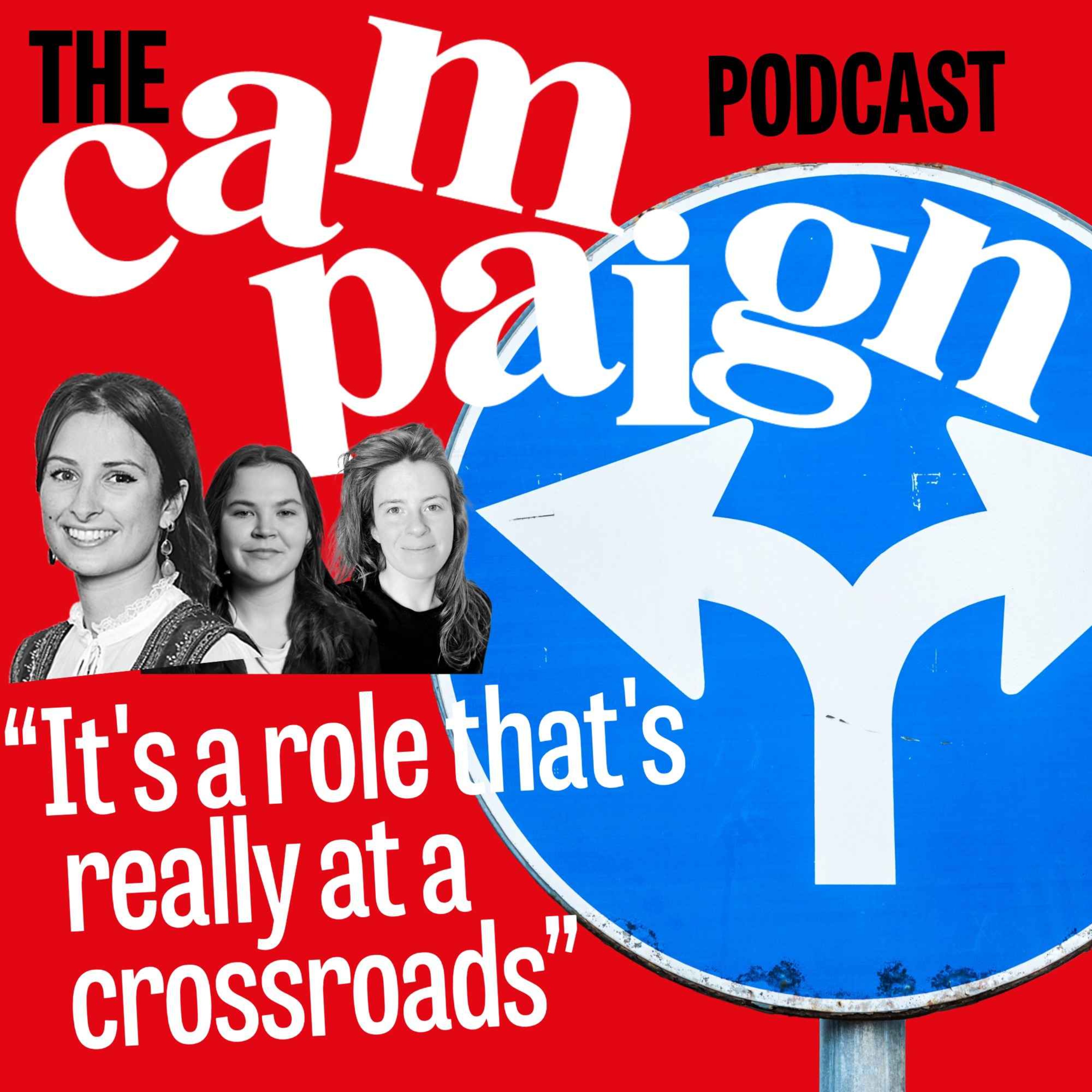
I think I was struck by how many challenges they were facing and it does feel like it's a role that's really at a crossroads with where it's going.
可用于应对碎片化的工具、人工智能,以及作为个人需要承担多少责任。
The tools that can be used to help fragmentation, AI, how much is required of you as a person.
这确实给人一种处于临界点的感觉,我不想说它会跌入悬崖,但确实感觉它正处在当前我们讨论的诸多重大问题的交汇点上。
It does feel like it's a, I don't want say like a precipice, I'm not saying it's going to fall off a cliff, but it does feel like it's at the intersection of a lot of the big issues we're talking about right now.
这是一个非常关键的时刻。
And it's quite a pivotal point.
但除此之外,我也非常享受当天晚些时候参加的一个关于提案技巧的小组讨论,我特别喜欢其中一些分享的故事。
But besides that, also really enjoyed, I did a panel at the end of the day that was about pitching and like tips on pitching, and I really enjoyed some of the stories that came out of that.
你知道迈尔斯·兰普蒂吗?他是理发店的创始人,他说,如果你在提案时假装晕倒,那你必须躺在地上,直到有人把你抬出去。
Do you know Myers Lamptey, he's the founder of the barber shop, he was like, know, if you're gonna pretend to faint in a pitch you need to stay on the floor until someone carries you out.
我们还听到了来自WPP媒体集团内容创新与媒体未来部门副总裁马特·布林的故事。
Another story we heard was from Matt Breen who's the vice president of content innovation, media futures group at WPP Media.
但他提到,在一次提案中,对方讲完话后,他本想去厕所,却误走进了一个储物间。
But he was saying that in a pitch he went into someone, after they'd finished speaking, meant to go to the toilet and accidentally walked into a storage cupboard.
办公室里的人都知道他走进了储物间,但他觉得太尴尬了,于是干脆装作真的去上厕所,然后又走了出来。
And everyone at the office knew they'd walked into a storage cupboard but they felt too embarrassed so they just went in and pretended to go to the toilet and then came back out.
所以我觉得,是的,它
So I think, yeah, it
我本来以为他一直待在里面。
I was really thought he stayed in there.
他在整个提案过程中都待在里面。
He stayed in there for the rest of the pitch.
他整个提案过程都待在里面?
He stay in there for the rest of the pitch?
是的,他就一直待在里面。
Yeah, he just stayed in.
不知道这是更糟还是更好。
Don't know if that was worse or better.
这是非常有收获的一天,但我觉得它也很鼓舞人心、积极向上,我觉得,是的,这相当不错。
It was a really informative day, but I think it also, it was quite uplifting and positive as well, and I think, yeah, it's quite nice.
因为这个活动与我们其他的活动略有不同,我们其他的活动通常针对行业内的高层领导,而这次的受众范围更广,涵盖了从职业生涯初期到资深人士的各类人群,因此现场观众的构成非常多元,提出了许多有趣的问题。
Because the event is slightly different to our other events, our other events are usually targeted for the senior leadership of people in the industry, and this was much broader, looking at people from the beginning of their careers right the way through, so we had quite an interesting mix of people in the audience asking interesting questions.
有鉴于此,我们从头开始。
But with that in mind, let's start at the top.
那么,今年媒体代理商的领导者们具体面临哪些挑战?
So what challenges specifically are the leaders of media agencies facing this year?
是的,我们请到了一群出色的领导者参与讨论,正如我之前提到的,大家最终就客户是否风险规避展开了一些争论。
Yeah we had a great panel of leaders on this and one of the things that did come up, as I've already kind of mentioned, was we ended up having, there ended up being a bit of a debate about whether or not clients are risk averse.
因为在变革和经济不确定的时期,人们总是认为大家都害怕花钱,或不敢在某些事情上大胆投入。
Because in a time of change and economic uncertainty everybody's always like oh everybody's afraid of spending or afraid of going big on certain things.
M&C Saatchi的首席执行官扎伊德·阿尔卡塞夫在小组讨论中提出,根本不存在风险规避的客户,只是你没有把你的想法卖好。
Zaid Al Qassev, CEO of M and C Sarche, was on the panel and he argued that there's no such thing as a risk averse client, it's just that you're not selling your idea properly.
而Spark Foundry的首席执行官纳丁·杨则认为,这种说法并不准确,也不完全正确。
Whereas Nadine Young, who is the CEO of Spark Foundry, was like I don't think that's actually accurate and it's not quite true.
来自专业机构的帕里也从他的角度补充说,因为他们合作的更多是注重增长的品牌。
Parry from the Specialist Works also added from his point of view because they're working Specialist Works works with more growth focused brands.
他说:‘这确实是我们需要考虑的问题,因为他们的预算有限。’
He was like, that is something we do have to take into consideration because they don't have the budget.
他们没有足够的预算去投放那些充满创意风险的大品牌广告。
They don't have big budgets to just do big brand ads that take creative risks and things.
他们专注于能推动特定市场增长的策略之类的事情。
They're specifically focused on what will get them growth in certain markets or things like that.
所以在这方面存在争议。
So there's a debate about that.
是否存在风险厌恶的客户?
Is there such thing as a risk averse client?
人工智能显然被提及为领导者和行业从业者面临的一个挑战,而倦怠问题也在该小组讨论中被提到,我认为这是一个持续存在的问题;但事实上,我们还听到了NABS的首席执行官苏·托德在‘来年展望’环节中的一场精彩演讲,她谈到了从时间管理向能量管理的转变。
AI obviously came up as a challenge facing leaders, a challenge facing people working in the industry and burnout was also mentioned in that panel which is I think a constant but actually we had a great presentation from Sue Todd, the CEO of NABS, actually at the year ahead who talked about this shift more to an energy management attitude rather than a time management.
也就是说,你是否拥有足够的精力,以及该如何最佳地分配你的精力。
So like actually do you have the energy and how should you best distribute your energy.
所以,情况是复杂的。
So yeah it's mixed.
我的意思是,你不能忽视当前有很多事情在发生,很多工作面临风险和变化,但另一方面,前几天有人跟我说,如果一个行业一直不变,你反而希望它改变。
Mean you can't ignore that there's a lot going on and there's a lot of jobs at risk and changing but also it's like somebody was saying to me the other day that you'd want an industry to change if your industry stayed the same all the time.
是的,没错。
Wouldn't Yeah.
它会
It get
变化是好事,但我们在前进的过程中,必须照顾好我们的员工和自己。
Change is good, but we've got to look after our people and ourselves, I guess, as we go along.
你说得对,《Campaign》杂志,我们过去几年一直深入关注行业中的倦怠问题,因为越来越多的人向NABS的热线求助,这显然表明人们更愿意谈论这个问题,同时他们打电话来也确实带来了各种困扰,因此这显然是领导者们高度关注的议题。
You're right, Campaign, we've been covering burnout in the industry, looking into it quite deeply over the last couple of years as more people are reporting to NABS's helpline, which obviously shows that people are obviously more open to talking about it, but people are obviously ringing up with issues as well, so it's obviously something that is on the top of mind for our leaders.
我认为在‘来年展望’活动中,有一个领导力小组提到,沟通非常重要——既要向员工传达你所知道的,也要坦诚你不知道的部分,因为目前存在太多不确定性,但分享这些信息可能会有所帮助。
I think at the Year Ahead event, there was a leadership panel that said that communication's really important, communicating what you know, but also what you don't know to staff, because there are so many unknowns at the moment, but I guess sharing that can be helpful.
好的,那我们进入本集的核心话题,正如你们两位所讨论的,媒体策划与购买人员的角色正在如何变化。
Okay, well let's get into the meat of the episode, which is, as you've both been talking about, the role of the media planner and buyer and how that's been changing.
我的意思是,在我们最近的报道中,过去几年我们一直在讨论,这些角色中的一些可能会成为最早受到人工智能影响甚至被取代的对象,当然,这些角色本身也在不断变化。
I mean, the last couple of years in our own reporting, we've been talking about how some of these roles are going to be the first roles impacted by AI or perhaps replaced by it, obviously they're changing as we go as well.
所以,肖娜,目前媒体策划和购买人员的角色正在发生怎样的变化?
So, Shauna, how is the role of the media planner and buyer changing at the moment?
在我们的小组讨论中,我们提到了‘T型人才’这个概念,这个词已经存在一段时间了,但它的含义已经随着时间发生了变化。
On our panel we talked about a T shaped person, which is a term that's been around for a while but has changed over time.
要成为一个T型人才,如果大家尽量在音频环境中想象一下,T的横线部分代表作为媒体账户负责人之类的角色,你需要对许多不同领域都有一定的浅层了解。
So to be a T shaped person, if everyone visualises this as best as they can in an audio format, is the horizontal part of the T is that as like a media account lead or something like that, you need a very shallow knowledge of a lot of different areas.
横线部分就代表这一点,而T的竖线部分则要求你在少数几个领域拥有非常深入的专业知识,能够推动想法落地。
So the horizontal part represents that, the vertical part of the T, you need a few areas where you've got really, really deep knowledge and you can bring an idea across the line.
同时,公司里还会有一些其他同事具备这种深度的专业知识。
And then also there will be other people in the agency who will have that depth of knowledge.
我们在小组讨论中提到,这种T型结构正在发生变化,原本应该是浅而广的横线部分,现在正变得越来越深。
And we were talking about it on the panel in that that kind of T shape is changing in that the horizontal part, the bit that's meant to be shallow but wide ranging is getting deeper.
你被期望对极其广泛的领域了解得越来越多、越来越多。
Like you're expected to know more and more and more about an incredibly wide range of areas.
观众中有一个人提到,我们现在开始听到‘M形人’这个说法。
Someone from the audience was like, we're actually hearing now about an M shaped person.
所以大家想象一下M的结构,
So if everyone thinks about the structure of an M,
有两个垂直的部分,就像在
two vertical bits, like a deep bit in the
中间,你需要了解的东西越来越多。
middle, You're just required to know more and more and more.
所以我认为,从这个小组讨论中我得到的一个启示是,人们目前面临的一个挑战是:我究竟能在日常生活中,脑子里装下多少知识?
So I think that is something that I took away from that panel of one of the challenges that people are facing at the moment is like, you know, how much knowledge can I physically hold in my head, in my day to day life?
然后,PHD公司的首席战略官贝克斯·伯切尔也对此提出了一些建议。
And then also Bex Birchnell, who's the chief strategy officer at PhD, had some advice on that.
永远不要表面化地看待简报,一定要花时间去了解相关背景。
Never take the brief at face value, always take the time to read around the edges.
总有一些方法可以应对这个问题。
There are ways to address it.
要关注你所接触公司的业绩和相关情况,了解该公司所处的完整背景。
Be looking at your company's results and things and aware of the full context of the company that you're talking to.
这就是我今天最大的收获:人们被要求承担更多工作,而关键问题是,这样要求人真的公平吗?
That's kind of what I took away from the day, is how much more you're required to do and the key question of is it fair to ask that of people?
虽然这些媒体策划顾问现在需要覆盖的内容似乎更多了,正如你所说,他们需要掌握更广泛的知识,但他们的角色中是否也有一些不再需要承担的部分,而不是单纯地不断增加职责?
So while these media planning advisors, they seem to have got more to cover now, or have a deeper knowledge across more things, as you were saying, but are there elements of the role that are changing, that are leaving things that they don't have to cover anymore, rather than just, are they just expanding and expected to cover a lot more?
这就是矛盾所在。
That's the tension.
我认为两者都有。
I think it's a bit of both.
尤其是对于买家来说,人工智能显然是一个重要考量因素,随着渠道的激增,策划人员不可能跟上所有变化。
With buyers particularly, AI is obviously a big part of that consideration and increasingly planners like if you think about the proliferation of channels and things you can't possibly keep up with all of that.
你不可能被要求面面俱到,所以我相信人工智能会带来一些积极帮助。
You can't be expected to do it all so I guess there's an optimism that AI will help.
哈迈德·哈比布,哈瓦斯旗下Arena Media的董事总经理,认为策划师的定义正在发生变化,不再仅仅是媒体公司中一个独立的角色。
Hamed Habib, who is MD of Arena Media, which is part of Havas, said he thinks there's a bit of a different definition of planner rather than just thinking of it as the distinct role that you have within a media agency.
他说,某种程度上,每个人都被期望成为规划师,或者在某些方面被要求承担规划师的角色。
He was saying that in a way everybody's expected to be one or in some ways they're expected to be a planner.
他说自己从未真正做过规划师,但他的大量工作都涉及规划。
Said he's never actually been a planner but a lot of his job is about planning.
所以我想这或许能让你了解到工作职责是如何演变的。
So I guess that gives you an idea maybe of how jobs are evolving.
因此,我想作为这一点的一部分,每当我们在举办媒体活动时,比如Media 360,我们总是会谈到创意的重要性。
So I guess as part of that then, I think whenever we've done a lot of our media events, Media three sixty as well, we always talk about the importance of creativity.
因为显然我们有创意公司和媒体公司,我们喜欢探讨:创意在其中扮演什么角色?不仅是在这些公司内部,更具体地说是在媒体策划中?
Because obviously we have creative agencies and media agencies, and we like to ask, you know, what part does creativity play, not just within the agencies, but in the media plan specifically?
我认为这个问题之所以被提出,是因为AI等技术的快速发展。
And I think the question is being asked because of all the developments with AI and the like.
那么,创意在媒体策划中扮演什么角色?
So what part does creativity play in the media plan?
当天分享了一些很棒的想法,比如我们谈到了Waitrose的Perfect Gift和Pimax,创意人员常提到,限制——比如明确知道你只能使用某些渠道,或AI对策划的指导——反而能激发创意。
There were some great ideas that were shared on the day like we talked a bit about the Waitrose Perfect Gift and the Pimax and there is a thing that creatives always say about a restriction such as knowing that you have certain channels or like AI informing a plan can really unlock creativity.
尤其是考虑到媒体的碎片化和复杂性,而且这种趋势还在持续加剧。
Especially considering how fragmented and how complex media is and is continuing to become.
你可能会觉得这令人不知所措,但我当天离开时持更乐观的看法。
You can view it as overwhelming but I actually took a more optimistic view away from the day.
因为我们请到了丹尼尔·胡莫斯,他是WPP的首席人工智能官,同时也是WPP收购的Citalia的首席执行官。
We because we had Daniel Humos, who's Chief AI Officer at WPP and CEO of Citalia, which WPP acquired.
他有点兴奋地为大家做了数学推演,这非常有趣,他说:如果你有五份内容分配到五个渠道,就有120种可能的组合方案。
And he geeked out a little bit and he did like the maths for everyone which was really fun but he was like if you've got five pieces of content allocated to five channels there are 120 possible solutions.
所以还是可以管理的,但数量已经很多了。
So manageable, still a lot.
如果你有十五份内容和十五个不同渠道,那么现在就有万亿种可能的组合供你探索。
If you've got 15 pieces of content and 15 different channels there are now a trillion possible solutions for you to explore.
如果你有五百六十份内容分配到六十个渠道,可能的组合数量会超过宇宙中的原子总数,我想他是这么说的。
Then if you have five sixty pieces of content allocated to 60 channels, there are more solutions than there are atoms in the universe, I think he said.
指望
To expect
丹尼尔·休姆非常聪明。
He's incredibly smart, Daniel Hume.
他每次参加活动都会把我们吓个半死。
He always comes to events and basically scares the bejesus out of all of us.
是的,已经扩展到宇宙层面了。
Yeah, just gone to the universe.
所以他提到,指望人类来解决这个问题是浪费时间,超过七个任务就不要再用人了。
So he said to expect human beings to solve this problem, it's a waste of time so anything more than seven you don't use a human for.
媒体的发展方向确实如此,但这其实是个积极的现象——如果有AI参与其中,你就能抓住更多机会,做得比人类更好,全面覆盖所有方面。
So it is the way media is going but really it's a positive thing that if you've got AI in that process that you're able to then reach more of these opportunities and do a better job, like of being across everything than a human ever could be.
所以我认为,在媒体中利用AI及其对创意的影响将至关重要,但这也将成为常态。
So I think being able to leverage AI in media and what that means creatively is going to be crucial, but it's going to become the norm.
扎伊德在我所在的小组讨论中说,要克服对AI的恐惧,你几乎得把‘AI’这个词换成‘机器人’,然后想,‘哦,我请了个机器人来帮我’。这让我想起了《瓦力》里那些可爱的小机器人。
Zaid said on my panel that to get over the fear of AI, you almost have to replace the word AI with robot and just being like, oh, I'm getting a robot to help me out.' And it made me think of all the cute little robots in Wall E.
说实话,我现在完全接受了。
I'm now on board, frankly.
我觉得,是的,请给我一个小瓦力机器人来帮我完成工作吧。
I'm like, yes, please, please give me a little Wally robot to help me do my job.
这很有趣,因为我以前报道性能营销时,人们常说,把人工智能比作机器人,或者记者在写关于AI的文章时使用机器人图片,其实非常不合适,因为这会加剧人们对这种略带人形的机器的恐惧。
That's interesting because when I used to cover performance marketing, people used to say it's actually really unhelpful for people to compare AI to a robot or if journalists are writing an article about AI, to use an image of a robot, they used to say it's actually really unhelpful because it actually helps instill the fear that there is this slightly humanoid
如果你把它想象成像《iRobot》或《机械姬》里的机器人,那可能会让人感到害怕,我觉得。
If you pictured it more as like a iRobot or like the robot in X Machina, then it would be frightening, I think.
如果是《星球大战》里的BB-8,那就
If it's BB-eight from Star Wars, then
超级可爱。
it's super cute.
或者那些可以放在桌上走来走去的发条机器人,因为那样会
Or the wind up ones that you can just walk across the desk, because that would be
非常有趣。
really fun.
是的,没错。
Yeah, yeah.
我的意思是,这取决于你怎么包装它,对吧?
I mean, it's how you package it, isn't it?
好吧,在我们进入本集结尾之前,既然我们在讨论角色如何随着AI等技术发展、演变和变化,那么在这个高度碎片化的营销世界中,品牌现在真正从广告公司和媒体所有者那里需要什么?
Well, okay, so before we get to the end of the episode then, whilst we're talking about how the role has developed, evolved and changed with things like AI, what do brands actually want now from agencies and media owners in this highly fragmented world of marketing?
这种需求发生了怎样的变化?
How has this changed?
我非常享受我参与的这个小组讨论。
I really enjoyed my panel on this.
我有一个非常棒的嘉宾小组,但特易购媒体与洞察平台的客户发展总监尼克·阿什利说的话让我觉得特别有意思。
I had a really good panel of speakers, but Nick Ashley, who's the client development director at Tesco Media and Insight Platform, I thought what he said was really, really interesting.
他处于一个独特的位置,因为特易购媒体既是客户方,同时也是媒体所有者,因为它属于零售媒体。
He's in kind of a unique position in that Tesco Media is part client, but it's also a media owner as well because it's retail media.
他给出了一条建议:作为策划人员,当你与品牌沟通时,你需要记住自己是个讲故事的人,因为你必须意识到,媒体通常只是品牌整体活动中的一小部分。
And he had some advice in that as a planner, if you're speaking to brands, you need to remember to be a storyteller because you need to remember that media is often a very small part of what a brand does overall.
尽管对客户而言,这可能是你营销部门工作的全部内容。
Although it's the entirety of your job for a client it's within the marketing department.
营销是一回事,媒体预算又是另一回事。
There's marketing and then there's the media spend.
这只是其中很小的一部分。
It's a very small part of it.
所以当你向品牌方沟通时,你得先说服他们,然后他们还得去说服采购部门。
So you have to sell it to whoever you're talking to at the brand, then they have to go and sell it to procurement.
他们还得去说服其他人。
They have to go and sell it to someone else.
所以你必须记住,要真正地、全力以赴地去推销。
So you need to remember to really, really sell.
讲清楚你想要实现的目标。
Tell a story of what you're trying to do.
我之前在本集中提到的贝克斯·伯奇内尔也认同这一点,她说你需要根据你所面对的每个人调整你的表达方式。
And Bex Birchenell, who I mentioned earlier in the episode, also agreed with this and she said you need to adjust what you're saying for each person you're speaking to.
如果你在和财务总监沟通,你就必须清晰地说明成本是多少,这对品牌来说会花费多少。
If you're talking to a finance director, you need to be very clear about what the costs are like, what it's going to cost your brand.
如果你在和市场总监沟通,你需要谈论受众,谈论他们能获得什么回报,我觉得这些建议非常好。
If you're talking to the marketing director, you need to be talking about like audiences, like what they're going to get back, which I thought was very good advice.
但回到尼克的观点,他说不要做个只会说‘是’的人,要挑战品牌的想法,提出不同的观点,我觉得这和很多人给的建议不同,他们常说要做合作伙伴,要尽早提供解决方案。
But going back to Nick, he was saying like, don't be a yes person, like challenge what the brand is thinking and offer like a different point of view when you're there, which I think you often get like different advice on from like people like be a partner, like offer solutions early on.
但我认为,是的,你需要向品牌证明你所提供的价值。
But I thought, yeah, you need to be proving what you're offering to brands.
最后,这是来自贝克斯的另一个观点。
And finally, is another one from Becks.
简单并不坏。
It's simplicity is not bad.
你的想法不需要非常复杂才能好。
Your idea doesn't have to be super complicated to be good.
不要把简单误解为缺乏深思熟虑。
Don't confuse simplicity with not well thought out.
但是的,我觉得无论是品牌方还是领先的媒体机构,他们都给出了关于品牌当前需求的非常中肯的建议。
But yeah, I thought it's some really good advice from both brands and leading media agencies on what brands want now.
是的,把你的观点联系起来,你知道,一个简单的故事更容易讲述,不是吗?
Yeah, guess connecting your points, you know, a simple story is easier to tell, isn't it?
所以这有助于推销这个故事。
So that helps sell the story.
但如果你看看我们每年年底的榜单或奖项得主,大多数获奖作品都只是一个非常清晰、简单、容易理解的故事,他们可以在此基础上发挥创意,因为他们已经准确地确定了目标、意图,通常能获得更好的结果。
But I mean, if you look at any of our end of year lists or the winners of our awards, most of the winning ones are just a really clear, simple, easy to grasp story that they can then be creative with because they've just nailed down exactly what the purpose is and what the intention is and what generally get better outcomes.
很好。
Great.
所以我们已经到了结尾,和往常一样,我们用三个词来回答这个核心问题。
So we have come to the end and as always, we ask the title question in three words.
我感觉肖娜会用一个字母的形状来回答这个问题。
I have a feeling Shauna is gonna answer this with the shape of a letter.
用三个词来说,未来的媒体策划人会是什么样子?
In three words, what will the media planner of the future look like?
我有三个词。
I've got three words.
不是字母的形状,那又怎样?
It's not the shape of the letter, so What?
是的,我知道,太疯狂了。
Yeah, I know, crazy.
但我选了‘多才多艺’,句号。
But I've gone for versatile, full stop.
博学多才,句号。
Knowledgeable, full stop.
我还选了‘机器人’,问号?
And I've gone for robot, question mark?
具体是哪种机器人?
Which robot specifically?
那个
The one
在办公桌上走来走去的,还是X马鲛?
that walks across the desk or X Mackerel?
是《星球大战》里的BB-8,因为我觉得他特别可爱。
BB-eight from Star Wars because I think he's really cute.
博?
Beau?
我的三个词是:每个人都是规划者。
My three words are going to be everyone's a planner.
好的,太好了。
Okay, great.
非常感谢你们两位参与我的节目,一起剖析这场活动以及其中一些非常有趣的话题,还有你们向小组嘉宾提出的问题。
Well, thank you both for joining me to dissect the event and some of the really interesting topics that came up and the questions that you posed to the people on the panels.
是的,非常感谢你们。
And yeah, thank you very much.
再见。
Bye.
谢谢。
Thank you.
谢谢你,露西。
Thank you, Lucy.
感谢您收听这期获奖的《Campaign》播客。
Thanks for listening to this episode of the award winning campaign podcast.
要了解更多我们今天讨论的内容并订阅,请访问 campaignlive.co.uk。
To read more about what we have been discussing today and to subscribe, head to campaignlive.co.uk.
如果您喜欢这期《Campaign》播客,请在您收听播客的平台关注我们、点赞并留下评价。
If you enjoyed this episode of the campaign podcast, please follow us, like us, and leave a review wherever you listen to podcasts.
感谢Haymarket的制作人朱德·欧文。
Thank you to Haymarket's producer, Jude Owen.
希望下次还能与您相见。
I hope you will join us next time.
因此,代表Campaign团队,再见。
So on behalf of the campaign team, goodbye.
关于 Bayt 播客
Bayt 提供中文+原文双语音频和字幕,帮助你打破语言障碍,轻松听懂全球优质播客。