本集简介
双语字幕
仅展示文本字幕,不包含中文音频;想边听边看,请使用 Bayt 播客 App。
我是尼克·克里斯托夫。
This is Nick Kristoff.
我是《纽约时报》的专栏作家,我感到自豪的是,一个多世纪以来,《纽约时报》每年都发起募捐活动,为慈善组织筹集资金。
I'm an opinion columnist for The New York Times, and I'm proud that for more than one hundred years, The Times has conducted an annual appeal to raise money for charitable organizations.
《纽约时报》的新闻报道核心在于核实真相,而在此活动中,我们审查并筛选出最优秀的组织,帮助创造机会、克服困难。
Times journalism is fundamentally about vetting the truth, and in this case, vetting organizations and selecting some of the best to help create opportunity and overcome hardship.
我希望您能考虑向《纽约时报》社区基金捐款。
I hope you'll consider donating to The New York Times Communities Fund.
如需了解更多,请访问 nytimes.com/nytfund。
To learn more, go to nytimes.com/nytfund.
谢谢。
Thank you.
来自《纽约时报》,我是娜塔莉·基特罗夫。
From The New York Times, I'm Natalie Kitroev.
这是《每日新闻》。
This is The Daily.
自推翻尼古拉斯·马杜罗以来,特朗普总统已为他在委内瑞拉采取的这一重大行动提供了多个理由。
In the days since deposing Nicolas Maduro, president Trump has given several justifications for his dramatic action in Venezuela.
第一,毒品正大量涌入美国。
Number one, the drugs are pouring into the country.
你知道这一点。
You know that.
第二,人们正大量涌入美国。
Number two, the people are pouring into the country.
我们
We're
但特朗普最关注的事情,也是他反复强调为其野心核心的事情
But the thing Trump is most focused on, the thing he keeps pointing to as central to his ambitions
我们将夺回石油,坦率地说,我们早就该夺回了。
We're gonna take back the oil that, frankly, we should have taken back a long time ago.
是石油。
Is oil.
我们正在收回被夺走的东西。
We're taking back what was taken from us.
他们夺走了我们的石油产业。
They took our oil industry.
我们建造了整个石油产业。
We built that entire oil industry.
具体来说,就是向美国公司开放委内瑞拉庞大的油田。
Specifically, opening Venezuela's vast oil fields to American companies.
他们偷走了我们的资产,就像我们是婴儿一样,而美国对此却一字未提。
They stole our assets like we were babies, and The United States said absolutely nothing about it.
所以现在我们要彻底解决这个问题。
So now we're doing everything about it.
今天,我的同事阿纳托利·克雷梅内耶夫将解释特朗普声称这是我们的石油的历史背景,以及真正夺回它需要什么。
Today, my colleague Anatoly Kremenayev explains the history behind Trump's claim that this is our oil and what it would really take to get it back.
今天是1月13日,星期二。
It's Tuesday, January 13.
阿纳托利,今天我们找你来谈谈特朗普对委内瑞拉石油的兴趣。
Anatoli, we're here today to talk to you about Trump's interest in Venezuelan oil.
我们再次找你,是因为对你——对我们这些前拉美记者来说——你曾在马杜罗刚上台时,在委内瑞拉待了近十年,深入报道这个国家。
And the reason that we are again turning to you is that you, famously, for some of us former Latin America correspondents, spent nearly a decade in Venezuela covering the country when Maduro first came to power.
你对委内瑞拉石油有深入研究,是我们这里的专家。
And you are a student of and our in house expert on Venezuelan oil.
欢迎再次做客我们的节目。
So welcome back to the show.
谢谢你的邀请,阿德莱德。
Thanks for having me again, Adelaide.
我们先从一个基本问题开始:为什么特朗普如此关注委内瑞拉石油?
Let's just start with a basic question, which is why is Trump so focused on Venezuelan oil?
委内瑞拉是一个典型的石油国家。
Venezuela is a quintessential petrostate.
它可以说是第一个石油国家。
It is arguably the first petrostate.
这是一个由石油塑造、以石油定义自身的国家。
It is a nation that has been built by oil that defines itself through oil.
对于那些以自然资源视角看待世界、以能源地缘政治和能源资源控制来理解世界的美国总统来说,委内瑞拉自然是他们的目标。
And if you American presidents who sees the world through prism of natural resources, who sees the world through the geopolitics of energy and control of energy resources, then Venezuela is your natural target.
正如我的同事丽贝卡·埃利奥特所写,当今世界上最大的石油生产国——美国,正将目标对准拥有全球最大石油储量的国家——委内瑞拉。
As my colleague Rebecca Elliott wrote, you have a country that is today the world's largest oil producer, The United States, targeting the country with the world's biggest oil reserves, Venezuela.
在某种意义上,这是一种自然的关系,一场自然的探戈,当然也充满了戏剧性、合作、竞争以及各种冲突,但这是两个以不同方式被石油塑造的国家之间的碰撞。
It is, in a way, a natural relationship, a natural tango, of course, shaped by drama, shaped by cooperation, by competition, by all sorts of conflicts, but it is a collision of two countries that are in different ways shaped by oil.
没错。
Right.
显然,要窥探总统的内心想法很困难,但我们确实有他对此的公开表态。
And it's difficult, obviously, to get inside the president's head, but we do have his public statements on this.
对吧?
Right?
他已明确给出了一些理由,声称这将为美国和委内瑞拉带来巨额收入。
He's gone out and offered a very explicit justification for some of this, which is he's saying this is gonna make The US and Venezuela a lot of money.
当然。
Absolutely.
是的。
Yeah.
对我们记者来说,整个这场戏剧中最令人震惊和意外的元素之一,就是特朗普对自己动机的表述有多么明确和直接。
For us as reporters, one of the most shocking and unexpected elements of this whole drama is just how explicit, how direct Trump is being about his motives.
整个针对委内瑞拉总统尼古拉斯·马杜罗的运动,其核心和驱动力就是石油。
The central, the driving aspects of this whole campaign against Venezuelan president Nicolas Maduro is about oil.
这正是整个问题的焦点。
This is the crucifix of this entire issue.
除了说这关乎石油、我们可以从中赚钱之外,他还在说,这些石油本就该属于我们,美国对这些石油拥有权利。
And the other thing that he's been saying, other than this is about oil, we can make money on this, is that this is rightfully ours, that The US has a claim to this oil.
那你来解释一下这些言论吧。
So walk me through those statements.
他和他的盟友真正想表达的是什么?
What are he and his allies saying there, really?
嗯,这或许是特朗普言论中最认真、最复杂的一部分,他说美国正在收回本属于他们的、本属于美国的东西。
Well, this is perhaps the most conscientious and complex parts of the story that Trump is saying that The US is reclaiming what's rightfully theirs, what's rightfully America's.
这种观点也得到了他的官员们的呼应。
And this sentiment has been echoed by his officials.
你知道,他的高级顾问史蒂芬·米勒曾说过,我引述一下:美国人的汗水、智慧和辛勤劳动创造了委内瑞拉的石油产业。
You know, his top adviser, Stephen Miller, has said, and I'm quoting, American sweat, ingenuity, and toil created the oil industry in Venezuela.
其专制的征收行为是历史上记录的最大规模的美国财富和财产盗窃事件。
Its tyrannical expropriation was the largest recorded theft of American wealth and property.
没错。
Right.
我记得米勒的那篇帖子。
I remember that post from Miller.
语气非常强硬且直白。
It was quite strident and direct.
是的。
Yeah.
这真的非常疯狂、夸张且煽动性十足,但其中确实包含一丝真相。
It's really wild and exaggerated and incendiary, but it does contain a grain of truth.
要理解他的立场,你必须追溯到一个世纪前委内瑞拉石油工业的起源。
And to understand where he comes from, you have to go back all the way back to the beginning of Venezuela's oil industry a century ago.
好的。
Okay.
带我去看看。
Take me there.
给我讲讲那个故事。
Tell me that story.
我想了解那个说法中所谓真相的根源在哪里。
I wanna understand where the grain of truth in that statement really is.
当哥伦布五百年前发现委内瑞拉时,他认为自己找到了人间天堂。
When Columbus discovered Venezuela five hundred years ago, he thought he'd found an earthly paradise.
委内瑞拉是一个拥有山脉、平原和丛林的国家,当时只有寥寥数个西班牙城镇和村庄。
Venezuela was a land of mountains, plains, and jungles, and with only a handful of Spanish towns and villages.
在发现石油之前,委内瑞拉人口稀少,发展滞后,贫困普遍,基础设施极少。
So before the oil was discovered, Venezuela was sparsely populated, underdeveloped, full of poverty, and very little infrastructure.
第一批欧洲人来到委内瑞拉是为了寻找黄金。
The first Europeans came to Venezuela seeking gold.
后来他们发现了黑色黄金——原油。
They later found black gold, crude oil.
1922年12月14日,一口位于马拉开波湖附近的油井在钻探时喷发,日产量高达十万桶。
On 12/14/1922, an oil well being drilled near Lake Maracaibo blew out at the rate of 100,000 barrels a day.
石油在20世纪初于委内瑞拉被发现,而该行业在20世纪20年代真正开始腾飞。
Oil was discovered in Venezuela at the very beginning of the twentieth century, and the industry really takes off in the nineteen twenties.
几年后,美国石油工人大规模迁入,推动了这一繁荣。
The boom that was propelled a few years later by mass migration of American oil workers.
外国石油公司运营着这些油井。
Foreign oil companies operate the wells.
这些美国石油工人开始按照美国的方式建设城镇,铺设网格街道、建造郊区住宅、学校、棒球场、社交活动场所和教堂。
And those American oil workers, they started building towns, built in the American way with American grids, suburban houses, schools, baseball, social activities, churches.
这些城镇逐渐发展成城市,进而成为大都市,同样模仿着美国的生活方式。
And those towns gradually grew into cities and then metropolises, again, imitating American way of life.
像胡安·拉米雷斯这样的石油工人,凭借高薪和众多公司福利,过上了与欧洲和北美最发达国家工人非常相似的生活。
Oil workers like Juan Ramirez, with their high salaries and many company benefits, have achieved a way of life which is very similar to that of workers in the most advanced countries of Europe and North America.
由美国石油公司雇佣的本地员工,成为了新兴中产阶级的中坚力量。
Local employees, which are hired by American oil companies, become the backbone of a new middle class.
拉米雷斯一家住在石油公司规划和建造的现代化社区中。
The Ramirez family lives in a modern community planned and built by the oil company.
石油收入被用于建设公共建筑、摩天大楼、宽阔的林荫大道和高速公路。
The oil money has been spent on public buildings, skyscrapers, broad avenues, and highways.
街道变成了高速公路。
The streets became highways.
社交俱乐部变成了购物中心。
The social clubs became malls.
郊区的房屋变成了摩天大楼。
The suburban houses became skyscrapers.
委内瑞拉的石油之都马拉开波,西方人在这里称它为委内瑞拉的休斯顿。
Venezuela's oil capital, Maracaibo, the West is known here as the Houston of Venezuela.
人们希望未来能有更多就业机会、更高的生活水平和更好的住房。
The hope is that the future holds more jobs, better living standards, better homes.
委内瑞拉基本上是通过美国石油工人看待世界的方式,来回应现代性。
Venezuela basically answering modernity through the prism of how American oil workers saw the world.
对委内瑞拉人民来说,石油就是一切。
To Venezuela's people, oil is everything.
哇。
Wow.
这很有趣。
It's interesting.
你基本上是在说,美国人不仅在石油工业本身,而且在全国各地都给委内瑞拉留下了深远的影响。
You're saying basically that the Americans left a huge mark on Venezuela, not just seen in the oil industry itself, but all over the country.
这很有趣。
It's funny.
你关于建筑的说法确实有道理。
What you're saying about the architecture does ring true.
我并没有在加拉加斯待太久,但确实,它看起来更像一个美国首都,而不是拉丁美洲其他地方。
I haven't spent that much time in Caracas, but it's right that it looks more like an American capital than you'd see elsewhere in Latin America.
没错。
That's right.
在大量美国工人和美国资本涌入之后,石油产量开始迅速增长。
And after the influx of American workers, American capital, the oil production starts to rise rapidly.
在20世纪50年代,委内瑞拉是世界上最大的石油出口国。
And in the nineteen fifties, Venezuela was the world's largest oil exporter.
它正在赚取巨额财富。
It is making tremendous amounts of money.
当时委内瑞拉的独裁者马科斯·佩雷斯·希门尼斯,将这些石油财富投入国家基础设施建设中。
And Venezuela's dictator at the time, Marcos Perez Jimenez, he uses that oil wealth and pours it into the country's infrastructure.
他开始修建巨大的隧道、桥梁和高速公路。
He starts building massive tunnels, bridges, highways.
委内瑞拉充斥着这些宏伟壮观的项目,使其在拉丁美洲各国中遥遥领先。
Venezuela becomes filled with this massive grandiose projects that put it way ahead of its peers in Latin America.
它成为该地区最富裕的国家之一,甚至可以说是世界上最有财富的国家之一。
It becomes one of the richest countries in the region, arguably one of the richest countries in the world.
它开始吸引来自世界各地的移民,包括拉丁美洲其他地区、亚洲、南欧和黎巴嫩。
And it starts to attract migration from all across the world, from other corners of Latin America, from Asia, from Southern Europe, from Lebanon.
委内瑞拉成为各种文化的熔炉,所有这些文化都被石油工业带来的财富所吸引——石油推动了经济、国家发展,并将这个当时仍极度贫困落后的地区重塑为现代性的圣地。
Venezuela becomes this melting pot of cultures, all drawn to the wealth provided by the oil industry that is fueling the economy, fueling the country's development, and reshaping it as this Mecca of modernity at a region that was still extremely poor and backward at the time.
显然,所有这些对委内瑞拉人来说都有明显的好处。
So obviously, there is a clear benefit for Venezuelans in all of this.
他们正从这场繁荣中获得回报。
They're reaping rewards from this boom.
但他们也看到,有许多外国公司正在从出售他们主要的自然资源中赚取巨额利润。
But they're also seeing that there's a bunch of foreign companies, right, making a lot of money off of selling what is their main natural resource.
尽管那段时光如此美好,但当时是否存在一些紧张关系呢?
So as good as those times may have been, was there any tension there?
确实存在。
There was.
越来越多的委内瑞拉人开始质疑这种现状,因为大部分财富都流向了企业。
There's a growing number of Venezuelans begun to question the the status quo, which gives the bulk of the wealth towards the corporations.
委内瑞拉真正成为了一场重塑世界的运动的推动力,这场运动被称为资源民族主义。
And Venezuela really becomes the driver of a movement that ended up reshaping the world, a movement called resource nationalism.
那是什么?
And what is that?
资源民族主义是什么?
What's resource nationalism?
这是一种理念,认为自然资源最终属于一个国家的公民,国家的财富应归人民所有,而非那些开采这些资源的公司。
It's a concept that states that ultimately natural resources belongs to the citizens of a state, that the country's national wealth belongs to its people and not to the corporations that exploits in these resources.
这种思潮是什么时候兴起的?
And when is this taking hold?
给我一个时间上的概念。
Just give me a sense of time here.
二十世纪五十年代末,一位名叫胡安·巴勃罗·佩雷斯·阿方索的委内瑞拉政治家前往中东。
So in late fifties, a Venezuelan statesman called Juan Pablo Perez Alfonso travels to the Middle East.
他走访其他石油生产国,说服它们:如果我们团结一致,就能维护我们的主权,为人民带来更多财富,并减少企业对社会的影响力。
He goes to the other oil producing nations and convinces them if we bond together, if we stick together, we can assert our sovereignty, we can bring more wealth to our people, and we can minimize the influence of corporations in our society.
这最终促成了欧佩克的成立——一个由石油国家组成的集团,共同协商各自的石油产量,从而设定价格并掌控全球经济的节奏。
And this becomes OPEC, which is basically a group of oil nations that together agree on how much oil is produced between them, thereby setting the prices and setting the pace of the global economy.
这一联盟的核心理念——委内瑞拉在其中发挥了关键作用——是这些国家将共同决定各自的石油产量,以此影响价格,从而掌控其石油生产带来的收益。
The idea behind this association, which it sounds like Venezuela is key to helping create, is that these countries are gonna agree on how many barrels they want to be in the supply and that that will affect prices, giving them some control over the revenues they're reaping from this production.
没错。
That's right.
资源民族主义的第二个关键支柱是资源的所有权。
And the second crucial pillar of resource nationalism is ownership of resources.
它引发了一系列法律改革,确立地下资源属于国家所有。
So it starts a chain of legal reforms that assert that what lays underground belongs to the states.
到二十世纪七十年代,这一进程在委内瑞拉达到顶峰:当时亲美的总统卡洛斯·安德烈斯·佩雷斯决定将委内瑞拉的石油工业国有化。
And it culminates in Venezuela in nineteen seventies when a censor left pro US president at the time, Carlos Andres Perez, decides to nationalize Venezuela's oil industry.
委内瑞拉石油国有化实际是什么样子的?
And what does the nationalization of Venezuela's oil actually look like?
这一过程是如何展开的?
How does that play out?
因此,卡洛斯·安德烈斯·佩雷斯选择了相对温和的路径。
So Carlos Andres Perez chooses a relatively conciliatory path.
这是一场冷战。
This is a cold war.
委内瑞拉与美国关系密切。
Venezuela is deeply allied to The United States.
于是他开始与石油公司进行谈判。
So he starts talking to the oil companies.
他达成了一项协议,石油公司获得补偿,并被授予合同,使它们仍能赚取巨额利润。
He works out an agreement where the oil companies are compensated and are offered contracts under which we can continue making a lot of money.
国有化催生了一家名为委内瑞拉石油公司的国有企业,这里普遍称之为佩德韦萨,它现在拥有委内瑞拉全部的石油资源。
And nationalization creates a company called Petrolios de Venezuela, a state owned company known here universally as Pedevesa, which now owns all of Venezuela's oil.
委内瑞拉人对此有何感受?
And how do Venezuelans feel about this?
国有化成为民族自豪感的来源。
Nationalization becomes the source of national pride.
它成为委内瑞拉的一项奠基性神话。
It becomes one of Venezuela's foundational myths.
它成为划分委内瑞拉历史前后的重要事件。
It becomes an event that divides Venezuelan history and before and after.
委内瑞拉人民主张对自身财富的控制权,对他们在地下所拥有的石油——他们视为与生俱来的权利——拥有控制权。
But Venezuelan people asserts and control over their wealth, over what they consider their birthrights, the oil under the ground.
这家名为佩德韦萨的公司不断壮大,并与外国石油公司合作。
And this company, Greavesa, grows and is working together with foreign oil companies.
它还利用部分收入培训委内瑞拉人从事石油行业。
And it's using some of the revenues to train Venezuelans in the oil industry.
它用这些资金派遣委内瑞拉人到世界顶尖大学留学。
It is using the money to send Venezuelans on scholarship to world's best universities.
它成为了一家相当有效的现代公司,处于当时技术的前沿。
And it becomes a fairly effective modern company that is at the cutting edge of technology at the time.
它成为委内瑞拉中产阶级和专业阶层形成的地方,并成为委内瑞拉社会的基石。
It was a place where Venezuelan middle class, where Venezuela's professional class had formed itself and becomes the cornerstone of Venezuelan society.
石油价格达到顶峰。
And oil prices at their peak.
国家充斥着资金,其中大部分财富被投入到教育和减贫事业中。
The country is flooded with money, with much of that wealth going into education and alleviation of poverty.
阿纳托利,你描述了这段漫长的历史:美国石油商人来到委内瑞拉,在此开垦油田,建立起这一令人惊叹的产业。
Anatoli, you've described this long tale of history where American oil men came in, worked the fields in Venezuela, got this incredible industry up and running.
听起来,委内瑞拉人确实从这种合作以及随之而来的国有化中获益良多。
And it sounds like Venezuelans really actually gained a lot from the partnership and and from the nationalization that came from it.
他们建立了这样的体系:本国公司主导运营,同时与外国公司合作,并推动了显著的发展。
They got this setup where their national company runs things, where it's working with foreign companies, and it's fueling pretty remarkable development.
没错。
That's right.
这是一份祝福,但也是一种诅咒。
It was a blessing, but it was also a curse.
委内瑞拉对石油上瘾了。
Venezuela became addicted to oil.
其经济极度依赖石油。
Its economy became extremely dependent on oil.
到了八十年代,全球经济发生变化,油价开始下跌。
And then in the eighties, the global economy changed and the oil prices starts to go down.
每桶油价从40美元跌至10美元。
The price of a barrel drops from $40 to $10.
哇。
Wow.
如果你依赖石油的话,这确实是个巨大的跌幅。
That's pretty massive if you're depending on this.
这是一次巨大的下滑,娜塔莉。
It's a massive decline, Natalie.
委内瑞拉的经济模式开始出现裂痕。
And the cracks begins to appear in Venezuela's economic model.
委内瑞拉从一个国家慷慨投入福利社会的富裕时期,进入了资金匮乏、公共支出紧缩、腐败丑闻频发、民众对体制日益失望和愤怒的匮乏时期。
Venezuela goes from a period of abundance where the state lavished money on a welfare state to a period of scarcity where money is scarce, where public spending is scarce, corruption scandals grow, and people become increasingly disillusioned and angry with the system.
那么委内瑞拉政府做了什么?
So what does the Venezuelan government do?
他们如何应对这场危机?
How do they respond to this crisis?
政府应对这种愤怒的方案是更多石油。
The government solution to this anger is more oil.
重返该国一个名为奥里诺科石油带的偏远地区,那里拥有世界上最大的石油储量。
Return to a remote region of the country called the Orinoco Oil Belt, which contains the world's largest oil reserves.
但这些储量被粘稠的沥青状物质封锁,极难提炼,需要尖端技术才能使其具备商业价值,而当时委内瑞拉并不具备这种技术,但美国企业拥有。
But these reserves are locked in sludgy tar that is extremely difficult to process, and it requires cutting edge technology to make it sellable, which Venezuela does not have at the time, but American corporations do.
因此,委内瑞拉政府转向外国投资者和跨国公司,寻求帮助开发这片偏远地区隐藏的财富。
So Venezuelan government turns to foreign investors, turns to foreign multinationals to help them unlock the wealth hidden in this remote region.
他们将这一过程称为‘石油开放’。
And they call this process apertura petrolera, the oil opening.
这是娜塔莉,当时世界上最具雄心的石油投资计划之一。
It is, Natalie, one of the most ambitious oil investments program in the world at the time.
作为委内瑞拉经济和公共生活核心的国家石油公司皮雷韦萨退居幕后,让外国公司主导这些资源的开发并掌控其利润的变现。
And Pirevesa, the state oil company that has been at the heart of Venezuelan economy, the heart of its public life, takes a backseat and allows foreign companies to take the leads on the development of these reserves and take the leads on monetizing the profits from these reserves.
这有效吗?
And does it work?
这种安排真的带来了任何成果吗?
Does that arrangement actually yield anything?
石油开始流出。
The oil starts to flow.
产量迅速上升,到1998年已从约一百五十万桶增至超过三百万桶。
Production starts to increase rapidly and reaches more than 3,000,000 barrels from about one and a half million by 1998.
但经济稳定从未恢复。
But the economic stability never comes back.
人们感到石油工业不再服务于国家利益。
People feel that the oil industry no longer serves the national interests.
人们开始寻找其他解决方案。
And people start to look for solutions elsewhere.
这推动了现代拉丁美洲历史上最重要政治人物之一的崛起。
And it fuels the rise of one of the most important politicians in modern Latin American history.
一位名叫乌布查迪斯的陆军军官。
An army officer called Ubuchadis.
我们马上回来。
We'll be right back.
嗨。
Hi.
我是《纽约时报》Well杂志的编辑劳里·莱博维奇。
This is Laurie Lebovich, editor of Well at the New York Times.
健康与保健领域存在大量错误信息。
There's a lot of misinformation in the health and wellness space.
但在《纽约时报》,无论话题是什么,我们对所有撰写的内容都秉持相同的新闻标准,无论是肠道微生物组还是如何获得良好的睡眠。
But at The New York Times, no matter what the topic, we apply the same journalistic standards to everything we write about, whether it's the gut microbiome or how to get a good night's sleep.
即使我们讨论的是像空腹喝咖啡是否对健康有害这样的问题。
Even if we're talking about something like, is it bad for me to drink coffee on an empty stomach?
我们的读者在阅读《健康》专栏文章时,所获得的每一条信息都经过了核实。
Everything that our readers get when they dig into a Well article has been vetted.
我们的记者会咨询专家,联系数十人,进行深入研究。
Our reporters are consulting experts, calling dozens of people, doing the research.
这个过程可能持续数月,以便您能为自己的身体健康和心理健康做出明智的决定。
It can go on for months so that you can make great decisions about your physical health and your mental health.
我们格外认真地对待报道,因为我们知道《纽约时报》的订阅用户依赖着我们。
We take our reporting extra seriously because we know New York Times subscribers are counting on us.
如果您已经订阅,谢谢您。
If you already subscribed, thank you.
如果您想订阅,请前往 nytimes.com/subscribe。
If you'd like to subscribe, go to nytimes.com/subscribe.
好的。
Okay.
让我们谈谈乌戈·查韦斯是谁,以及他在这一时刻的角色。
Let's talk about who Hugo Chavez is and what his role is in this moment.
乌戈·查韦斯在委内瑞拉大草原的一个贫困家庭长大。
So Ugo Chavez grew up in a poor family in Venezuelan Savannah.
和许多委内瑞拉工薪阶层的孩子一样,他将从军视为改变人生的机会。
And like many working class children in Venezuela, he saw his chance to succeed in life in the armed forces.
他进入军事学院,并凭借敏锐的智慧和魅力迅速晋升。
He joins a military academy and rises rapidly through the ranks using his sharp intellect and charisma.
与此同时,他受到冷战时期盛行的民族主义和社会主义思想的影响。
At the same time, he becomes influenced by nationalist and socialist ideas floating around during the Cold War.
1998年,他发起了一场席卷全国的政治运动,赢得了委内瑞拉社会各界的支持。
And in 1998 He launches a political campaign that takes the country by storm, capturing support from all segments of Venezuelan society.
他在竞选中的主张是什么?
And what's his message in this campaign?
他的主张是委内瑞拉的石油属于委内瑞拉人民,他反对佩德罗萨——这家他视为西方利益和脱离民众的委内瑞拉精英阶层的私产、为富人和特权阶层服务、已沦为私人俱乐部的国家石油公司。
His message is Venezuelan oil belongs to Venezuelan people, and he rallies against Perovesa, the state oil company that he sees has become basically a fiefdom of Western interests, a fiefdom of Venezuelan elites that have lost touch with the people, that are serving by our own interests, that have turned Pedovacer into a little country club for the rich and the privileged.
查韦斯赢得了56%的选民支持。
And Chavez wins 56% of the popular vote.
当查韦斯在1999年成为总统时,许多委内瑞拉人欢欣鼓舞。
Many Venezuelans rejoice when he becomes president in 1999.
他获胜后,是如何兑现这些竞选承诺的?
And after he wins, how does he make good on those campaign promises?
他的第一个重大举措是重新分配委内瑞拉的财富。
So his first big project is redistribution of Venezuelans' wealth.
这意味着彻底重组佩德罗萨——这个经济的现金奶牛——的运作方式。
And that means restructuring completely the way Pedobessa works, the cash cow of the economy.
这使查韦斯与公司管理层、委内瑞拉石油工业的最高权威、那些几十年来一直主导委内瑞拉石油工业的西方教育背景的技术官僚走向了正面冲突。
And this sets Chavez on a crash course against the company's management, the high priest of the Venezuelan oil industry, the western educated technocrats that have been running the Venezuelan oil industry for decades.
2002年,查韦斯在国家电视上假装成足球裁判,吹响哨子,解雇了佩德罗萨的其他高管。
In 2002, Chambiz goes on national television, pretends to be a soccer referee, blows the whistle, and fires the other Sicini executives.
越位。
Offside.
越位。
Offside.
他说:你们越位了。
He says, you are offside.
当查韦斯用政治任命人员取代石油公司的高层管理人员时,其中一些人是激进的马克思主义者,引发了管理层的反抗。
When Chavez replaced the oil company's top executives with political appointees, some of whom were radical Marxists, there was a management revolt.
这引发了席卷全国的抗议活动,贯穿了2002年全年。
And this fuels nationwide protest that brought the country throughout 2002.
这是委内瑞拉历史上的关键时刻,因为许多国家中产阶级意识到这是一场权力攫取。
This is a crucial moment in Venezuela's history because many of the country's middle class realized that this is a power grab.
这些世代以来一直将佩德沃塞视为国家发展典范的人们,眼见它被拆解,沦为一项毫无问责或民主规范可言的政治工程。
These people who have, for generations, seen as a pedovess, as a model of national development, They see it being taken apart for a political project without any consideration for accountability or democratic norms.
这一年以一场大规模的石油罢工告终。
And the year culminates with a massive oil strike.
佩多韦斯的工人使全国陷入瘫痪。
Pedovess workers paralyze the country.
出口停止。
Exports stop.
全国汽油短缺。
The country runs out of gasoline.
国家陷入混乱。
The country is in chaos.
数以万计的工人,包括公司大部分技术骨干,辞职离岗,基本使委内瑞拉经济瘫痪。
And tens of thousands of workers, including most of the company's skilled workforce, walk out of their jobs, basically paralyzing the Venezuelan economy.
查韦斯是如何回应的?
And how does Chavez respond?
他解雇了数千名委内瑞拉员工,主要是经理和技术人员,这些人支持罢工,但同时也是让公司运转、保持竞争力和效率的核心力量。
He fires thousands of Venezuelan workers, primarily managers and skilled workers, people that supported the strike, but also people that made the company tick, people that made it competitive and efficient.
他把这家公司变成了自己政治民粹运动的又一个工具。
And he turns the company into just another tool of his political populist campaign.
突然间,这家以技术专长和效率著称的公司开始开设超市、提供托儿服务、举办戏剧演出。
And all of a sudden, this company, well, it's known for its technological expertise and efficiency, starts opening supermarkets, providing day care, hosting theater performances.
比如,由佩德韦萨赞助的戏剧?
Well, like like theater sponsored by Pedevesa?
由你的国家石油公司赞助?
Like, sponsored by your state oil company?
在当时,几乎很难找到一种文化社会活动或你购买的产品,是没有被佩多韦萨赞助或销售的。
It's hard to think of a cultural social activity or a product that you buy that has not been sponsored or sold by Pedovessa at the time.
它实际上已经成为国家社会服务和福利的提供者。
It's literally just be becomes the provider of social services and welfare in the country.
腐败也加剧了。
And corruption also increases.
许多政府内部人士、许多亲近查韦斯的人成为大型石油行业承包商,向佩多贝瑟提供价格虚高的服务和商品,以换取政治忠诚。
Many of government insiders, many people close to Chavez become big oil industry contractors, providing Pede Besser with services and goods that are overpriced in return for political loyalty.
因此,这家曾经是国家自豪感源泉、被誉为国之瑰宝的国有公司,如今已被掏空,失去了使其长期高效运转的技术专长和专业知识。
So this state owned company that was such a source of national pride, this crown jewel, has now been gutted, basically, of the expertise and the technical know how that made it work, that made it so functional for so long.
没错。
That's right.
它的收入下降,产量也开始下滑。
Its revenues fall and production begins to decline.
查韦斯需要寻找其他收入来源。
And Chavez needs to look for other sources of revenue.
他需要寻找其他财富来源来资助他的民粹主义项目。
It needs to look for other sources of wealth that fund his populist projects.
因此,在2007年,他发起了另一轮国有化浪潮。
So in 2007, he launches another wave of nationalizations.
他把目标对准了奥里诺科重油区的石油开发项目。
He takes aim at the oil opening, Via Pertura.
还记得那些花费数十亿美元来提炼奥里诺科油带中稠油的国际石油公司吗?
Remember those international oil companies that have spent billions to refine the tarry crude locked in Orinoco oil belt?
查韦斯政府已告知其外国合作伙伴,必须在5月1日前同意将佩塔韦萨在这些合资企业中的股份提升至60%,否则这些项目将被完全国有化。
The Chavez government has told its foreign partners that they must agree by May 1 to give Peyta Vesa a 60% stake in those joint ventures or see them nationalized altogether.
好吧,查韦斯决定这些项目现在归国家所有。
Well, Chavez decides that these projects now belong to the state.
他迫使这些公司放弃对这些项目的控制权,让国家获得多数股份。
He forces the companies to give up control of these projects and give state majority share.
我们绝不会把我们的财富、我们的国家交给美帝国,即使委内瑞拉寡头尖叫,即使美国及其跨国公司攻击我们。
We will never give this, our wealth, our nation to the United States empire, even if the Venezuelan oligarchs scream or if The United States and its multinational companies attacks us.
两家主要石油公司——后来成为埃克森美孚和康菲石油的公司——拒绝了这一要求。
And two major oil companies, companies that became ExxonMobil and Kanoko Philips, refuse.
埃克森美孚希望获得补偿,因为查韦斯国有化该国石油项目时,它损失了投资。
ExxonMobil wants to be compensated for the investments it lost when Chavez nationalized the country's oil venture.
它们离开委内瑞拉,并启动了一系列法律程序,最终获得了数十亿美元的赔偿,而这些公司至今仍声称,这些钱被中国政府窃取了。
They leave Venezuela and start a series of legal processes that end up awarding them billions of dollars in damages that these companies continue to claim have been stolen from them by the Chinese government.
所以,与上世纪七十年代的第一波国有化不同,那次国有化导致了委内瑞拉政府与外国石油公司之间相对顺畅的合作关系。
So unlike the first wave of nationalization in the nineteen seventies, which you said led to a relatively functional partnership between the Venezuelan government and foreign oil companies.
而这一波则更具争议性。
This wave is a lot more contentious.
我想知道,特朗普和他的助手们谈论委内瑞拉窃取美国石油公司利益时,指的就是这个时刻吗?
And I wonder, is this what Trump and his aides are referring to when they talk about Venezuela stealing from American oil companies?
也就是说,他们指的就是这个时刻吗?
Like, is this the moment that they're referring to?
我们不知道,但这是委内瑞拉最接近欺诈美国公司、最接近剥夺美国公司声称本应属于他们的资金的时刻。
We don't know, but it it is the moment when Venezuela came closest of defrauding American companies, came closest to taking away the money that American companies have claimed is rightfully theirs.
但有一个例外,雪佛龙这家石油公司决定接受利润低得多的条款,因为他们知道从长远来看,他们最终会赢。
But there was an exception, Chevron, an oil company that decided to accept much less profitable terms, knowing that in the long term, they stand to win.
这个国家拥有世界上最大的石油储量。
The country had the biggest oil reserves in the world.
因此,即使这些储量落入公司手中的可能性很小,也会为该公司及其股东创造巨额财富。
So even if there was a small chance that those reserves would fall into company's hands, it would create a massive amount of wealth for the corporation and its shareholders.
好的。
Okay.
所以此时,PDVSA 已经沦为昔日辉煌的空壳。
So at this point, PDVSA is a shell of its former self.
除了雪佛龙,所有美国公司都已撤离。
The American companies are all gone except for Chevron.
委内瑞拉现在坐拥巨大的石油储备,却几乎没有能力实现其潜力。
And Venezuela is now sitting on this massive oil reserve without really the capacity to realize the potential.
基础设施和制度都已经不复存在了。
The infrastructure, the institutions, they just don't really exist anymore.
没错。
That's right.
当查韦斯在2013年去世时,他建立的脆弱的民粹主义经济体系像纸牌屋一样崩塌了。
And when Chavez dies in 2013, the rickety populist economic system that he has built falls apart like a house of cards.
油价下跌,进一步削弱了委内瑞拉经济。
Oil prices fall and withered the Venezuelan economy.
从2014年开始,委内瑞拉进入了一个长期的经济衰退与崩溃期,最终成为现代历史上除战争地区外最严重的经济危机。
Starting in 2014, it enters a prolonged period of economic decline, of collapse, but ended up being the biggest economic crisis in modern history outside of war zone.
在十七年的社会主义统治后,委内瑞拉——世界最大的石油生产国之一——拥有了全球最高的通货膨胀率。
After seventeen years of socialist rule, Venezuela, one of the world's largest oil producers, has the world's highest inflation rate.
由于基本生活必需品稀缺且通胀飙升,一些报告称通胀率可能高达700%。
With basic necessities scarce and inflation skyrocketing, some reports suggest it could go as high as 700%.
这场危机蔓延到了石油行业。
And that crisis spreads to the oil industry.
它变得名存实亡。
It becomes a shell of itself.
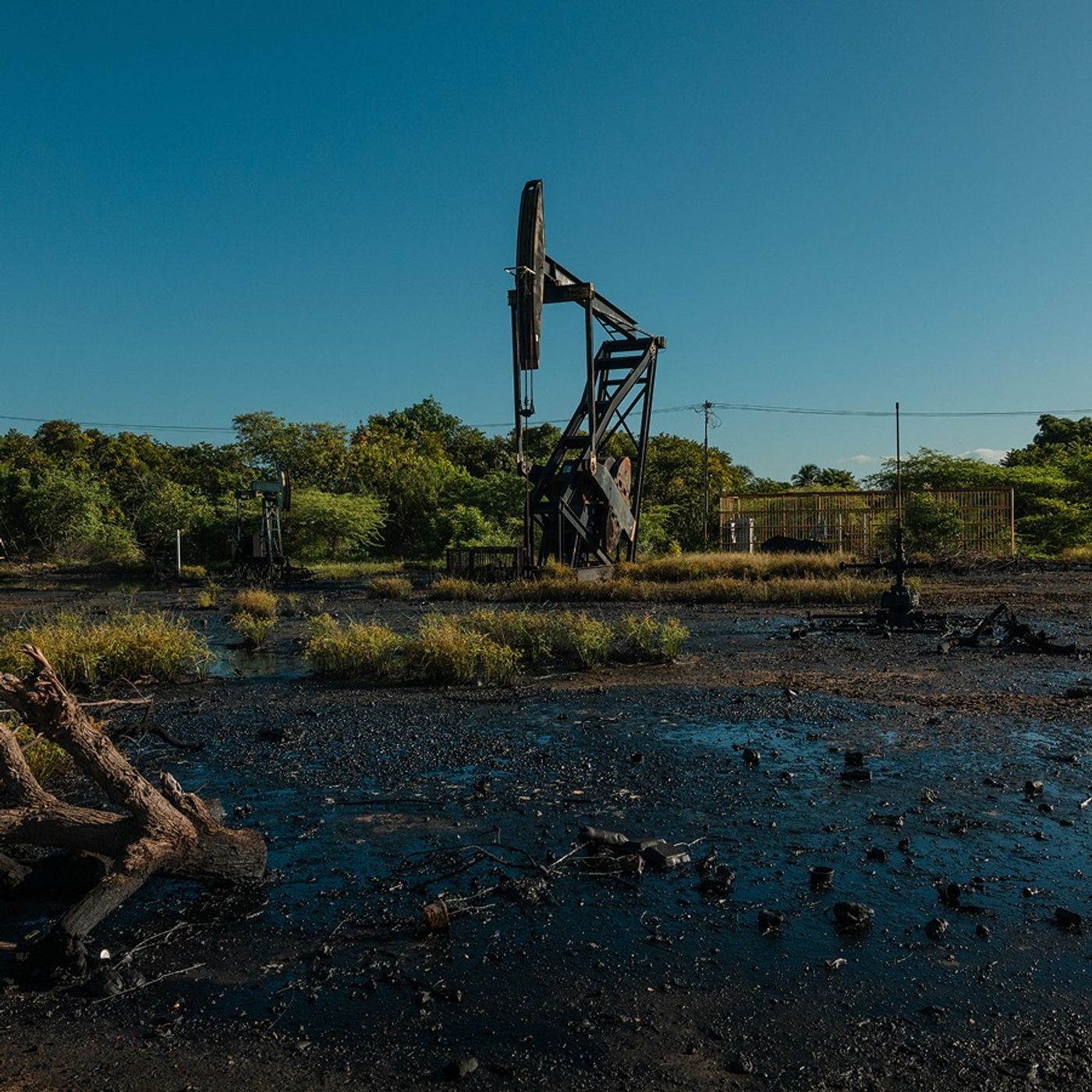
油井枯竭,投资枯竭,人们在油田里四处搜寻,拆解基础设施、管道、围栏和设备,当作废品出售。
Wells dry up, investments dry up, and people are scrambling around oil fields, taking apart the infrastructure, taking apart pipelines, the fences, the equipment for scrap.
委内瑞拉引以为傲的油田变成了末日电影中的场景。
Venezuela's vaunted oil fields become a scene out of a dystopian movie.
当你想到当初投入了多少金钱、时间和精力来建造这一切,而现在却基本被拆解成零件卖掉,这简直难以想象。
It's kind of wild to imagine when you just think about how much money and time and effort went into building all of that stuff to have it basically be torn apart and sold for parts.
我的意思是,那时情况一定已经糟糕透顶了。
I mean, things had to have been really bad at that point.
人们正在为生存而挣扎,娜塔莉。
People are struggling to survive, Natalie.
委内瑞拉人民正遭受暴力、每日谋杀创世界纪录以及随机绑架的折磨。
The people of Venezuela are suffering from violence, a world record of daily murders, and random kidnappings.
营养不良急剧上升。
Malnutrition rises massively.
许多人一天只吃一顿饭。
Many people are skipping a meal.
我非常生气。
I'm very annoyed.
只有上帝知道我们正在经历什么,因为事实上,没有人帮助我们。
Only God knows what we're going through because in truth, no one is helping us.
情况如此严重,《纽约时报》报道称,这甚至让医生难以让新生儿存活。
The situation is so severe, The New York Times reports it's even making it hard for doctors doctors to keep newborn babies alive.
数百万人从一个国家移民出去。
Millions of people emigrate from a country.
很难想象这个国家经历了多么巨大的崩溃——在没有战争、没有社会动荡、没有重大自然灾害的情况下,经济活动丧失了四分之三以上,这一切都是由乌戈·查韦斯推行并由其继任者尼古拉斯·马杜罗延续的民粹主义政策所导致的。
It is difficult to imagine the scale of collapse that the country has experienced, losing more than three quarters of its economic activity without a war, without social unrest, without a major natural catastrophe, all caused by the populist policies instituted by Ubuchawas and continued by his successor, Nicolas Maduro.
这显然对一个以左翼自居、标榜关心人民、致力于防止这种贫困使民众受苦的运动造成了沉重打击。
And this is a huge blow, obviously, for a movement that has made its name selling itself as a leftist movement that cares about the people, that is working to prevent this kind of poverty from making people suffer.
那么,政府的回应是什么?
So what's the response?
起初,政府试图敷衍了事,镇压抗议活动,并进一步推行那些将国家推向经济困境的失败政策。
So initially, the government tries to just shrug along, repressing protest and doubling down on the failed policies that have brought the country to its economic needs.
但随后,特朗普总统开启了他的第一个任期,并发起了一场推翻马杜罗先生的运动。
But then president Trump starts his first term, and he launches a campaign to depose mister Maduro.
他最致命的一击是对委内瑞拉石油工业实施制裁,基本上禁止委内瑞拉向西方出售石油。
And his biggest blow was sanctioning the Venezuelan oil industry, basically making it illegal for Venezuela to sell its oil to the West.
这使委内瑞拉的石油业陷入瘫痪,也冻结了经济活动,加剧了危机,并迫使马杜罗改变策略。
This paralyzes Venezuelan oil experts and paralyzes economic activity, deepening the crisis, and it forces Maduro to change tack.
他委派自己的核心亲信达斯蒂·罗德里格斯来整顿经济。
He entrusts one of his top lieutenants, Dusty Rodriguez, to fix the economy.
现在,这位委内瑞拉的领导人。
Now the leader of Venezuela.
现在委内瑞拉的领导人。
Now the leader of Venezuela.
她展开了一场长期运动,以稳定经济。
And she embarks on a long campaign to steady the economy.
她运动的支柱是改革石油产业。
And the pillar of her campaign is to change the oil industry.
她通过秘密私有化来实现这一目标。
And she does it by launching stealth privatization.
表面上,石油仍属于委内瑞拉人民,国家在石油项目中占据主导地位。
On paper, the oil continues to belong to Venezuelan people, and the state has the dominant role the Venezuelan oil projects.
但实际上,根据德尔西签署的秘密合同,外国公司获得了对委内瑞拉油田的控制权。
But in practice, under the secret contract signed by DELCI, foreign companies gain control of the Venezuelan oil fields.
他们可以全权决定油田的运营,并获得这些项目更大比例的利润。
They get to make all the decisions about them, and they're given a bigger share of these projects' profits.
投资增加,石油产量也随之上升。
Investment picks up, and so does the oil production.
到2025年,该国的日产量达到120万桶,虽然只是查韦斯掌权前产量的一小部分,但相比几年前已有显著改善。
And by the 2025, the country's producing 1,200,000 barrels per day, a fraction of where it was before Chavez took power, but a significant improvement to where the country was just a few years ago.
好的。
Okay.
所以,你现在是说,情况当然没有以前那么糟糕了。
So at present, you're saying things are certainly not as dire as they were.
但总体而言,你所讲述的故事描绘出这个行业及其周边基础设施严重衰退的图景。
But in general, the story that you've told overall paints a picture of extreme decay in this industry, in the infrastructure around it.
这个行业非常难以在失去后一夜之间重新启动,因为要让它正常运转需要大量投入。
An industry that is very difficult to just start back up overnight when you start to lose it, given how much it takes to make it work.
特朗普在俘虏马杜罗、支持德尔西之后,如今作为领导人,声称美国公司将振兴委内瑞拉的石油工业。
Trump is now saying after having captured Maduro, after supporting Delce, now as the leader, that US companies are going to revive Venezuela's oil industry.
现在要真正实现这一点需要什么条件?
What would it take to actually do that right now?
这需要数百亿美元的投资。
It would take tens of billions of dollars of investments.
德尔萨·罗德里格斯通过抓住容易实现的改进措施,修复了相对简单的问题,成功扭转了产量下滑的趋势并小幅提升了产量。
Delsa Rodriguez was able to reverse the decline and edge up the production by taking the low hanging fruits, by fixing things that were easier to fix.
许多石油高管和分析师表示,这些容易实现的改进措施已经接近尾声;要显著提升委内瑞拉的石油产量,达到一个全新的水平,需要大规模的投资,而这种投资该国几十年来从未有过。
And many oil executives and analysts say that these low hanging fruits are coming to an end, that for Venezuela to significantly improve its oil production, to take it to a whole other level, would require a massive scale investment that the country has not had for decades.
但对于石油公司来说,也有一个好消息:所有人都知道石油的具体位置。
But there is good news for the oil companies, and that is that everyone knows where that oil is.
最难的部分——勘探——已经完成了。
The hard part, the exploration, has already been done.
困难在于如何将石油从地下开采出来。
The difficulty is getting it out of the ground.
请记住,明尼苏达州大部分的石油储量实际上位于被称为奥里诺科重油带的黏稠区域。
Remember that most of Minnesota's oil reserves lie in the sludgy area called the Orinoco Oil Belt.
用于加工这些石油的尖端、数十亿美元的设施大多已经腐朽和崩解。
And the cutting edge, multi billion dollar plants that were used to process them have largely been decayed and disintegrated.
纳塔莉,石油行业的一个特点是,你不可能简单地重新打开水龙头就让生产恢复。
The thing about the oil industry, Natalie, is that you cannot just turn the spigot back on.
但一旦某物腐烂、崩溃,通常会损坏储存石油的地质容器。
But once something decays, once something falls apart, it often damages the geological receptacle holding the oil.
修复基础设施、修复储层并让石油重新流动,成本极高且耗时漫长。
And it's extremely expensive and time consuming to repair the infrastructure, to repair the reservoirs, and make the oil flow again.
这样做对美国石油高管来说真的有吸引力吗?
And is doing that actually appealing to American oil executives?
他们真的愿意接受这个挑战吗?
Like, do they actually want this challenge?
这正是目前最主要的问题,娜塔莉。
That is the main question right now, Natalie.
公司究竟有多大的决心再次投资委内瑞拉,投资那个过去曾严重伤害过他们的国家。
Just how committed the companies will be to taking another bet on Venezuela, taking another bet on the country that has burned them badly in the past.
因此,仍然存在许多未知数,但袖手旁观的代价是巨大的。
So there's still a lot of unknowns, but the cost of sitting on the sidelines is massive.
涉及的正是世界上最大的石油储量。
At stake are literally the world's largest oil reserves.
就在上周,特朗普会见了一些最大的西方石油公司的高管,讨论了对委内瑞拉的投资。
Just last week, Trump met the executives of some of the biggest Western oil companies to talk about investment in Venezuela.
计划是让他们投入资金,也就是说,我们的大型石油公司将至少投入1000亿美元自己的资金,而不是政府的资金,通过
The plan is for them to spend, meaning our giant oil companies will be spending at least $100,000,000,000 of their money, not the government's by
总体来看,尽管特朗普做出了承诺,大力宣传对委内瑞拉投资1000亿美元,但企业本身也表现出了一定的兴趣。
And the broad takeaway was that while Trump made big promises touting 100,000,000,000 investments in the country, companies themselves showed interest.
一个多世纪以来,雪佛龙一直是委内瑞拉历史的一部分。
For more than a century, Chevron has been a part of Venezuela's past.
我们当然致力于其当下,并作为一家自豪的美国公司,非常期待帮助它建设更美好的未来。
We are certainly committed to its present, and we very much look forward as a proud American company to help it build a better future.
但
But
仍保持谨慎。
remain cautious.
我们在委内瑞拉有着非常悠久的历史。
We have a very long history in Venezuela.
展开剩余字幕(还有 85 条)
事实上,我们早在20世纪40年代就首次进入委内瑞拉。
In fact, we first started in Venezuela back in nineteen forties.
我们的资产在那里被没收过两次。
We've had our assets seized there twice.
因此,你可以想象,第三次重返委内瑞拉需要我们过去从未见过的重大变化。
And so you can imagine to reenter a third time would require some pretty significant changes from what we've historically seen here.
更值得注意的是,全球最大的石油公司之一埃克森美孚——这家2007年离开委内瑞拉的公司表示——
And very tellingly, ExxonMobil, one of the world's largest oil companies, and the company that left Venezuela in 2007, said that
如果我们审视今天委内瑞拉现有的法律和商业框架,目前的投资环境是不可行的。
If we look at the legal and commercial constructs and frameworks in place today in Venezuela, today, it's uninvestable.
今天的委内瑞拉是不可投资的。
Venezuela today is uninvestable.
这揭示了特朗普对委内瑞拉石油行业计划所面临的根本挑战。
Underlying the challenges facing Trump's plans towards the country's oil industry.
让我们来探讨一下这些挑战。
Let's get into some of those challenges.
您认为需要具备哪些条件,这些公司才会重返委内瑞拉,并做出您所期望的、足以实现委内瑞拉油田潜力的持续投资?
What are the conditions that you think need to be present for these companies to come back and to make the kind of sustained investments that you would need to see for the potential of Venezuela's oil fields to actually be realized?
首先,您必须记住,马杜罗刚刚下台大约一周。
So first of all, you have to keep in mind that Maduro has been gone for just about a week.
接替他的新领导人德尔西·罗德里格斯,基本上是依靠停泊在她国内敌人头顶的美国军舰的武力来统治。
The new leader that has replaced him, Delsy Rodriguez, she's basically ruling through the guns of American warships trained on her internal enemies.
这个国家充斥着忠于马杜罗的武装团体。
The country is filled with armed groups that have been loyal to Maduro.
这个国家到处都是武器。
The country is filled with weapons.
这个国家充斥着反对德尔西·罗德里格斯及其政策的不同政治派别。
The country is filled with different political factions that oppose Delsy, Rodriguez, and her policies.
发生动荡和暴力的风险非常高。
And the risk of unrest and violence is significant.
你所描述的这种情况,阿纳托利,是德尔西虽然名义上掌握权力,但她同时还要应对这些内部对手,尤其是那些在委内瑞拉武装部队乃至全国武装团体中拥有巨大影响力的政治人物——如果她无法控制他们,而他们的对手掌控了这些力量,就可能引发巨大麻烦。
What you're describing, Anatoli, is a situation in which Delsi formally holds power, but she's also contending with these internal rivals, and particularly figures in the political spectrum that have a lot of power, not only over the armed forces in Venezuela, but over armed groups within the country that if she doesn't control them and if her rivals do, could cause a lot of trouble.
没错。
That's right.
她面临着压力,需要创造财富,取悦美国人,并让石油流动起来。
She's under pressure to generate wealth, to please the Americans, and get the oil flowing.
但与此同时,她也在努力遏制强硬派的威胁,而他们正等待她犯下任何错误,以便趁机发动攻击,颠覆她的政府。
But at the same time, she's trying to keep it bay by hardliners, but they're just waiting for her one wrong move in order to pounce and undermine her government.
好的。
Okay.
因此,外国石油公司重返委内瑞拉的一个广泛条件是政治稳定,而目前这显然无法得到保证。
So one broad condition for foreign investment for the oil companies to return to Venezuela is political stability, which does not seem like a guarantee at all at this point.
还有呢?
What else?
接下来是法律保障。
Then come the legal guarantees.
美国石油公司以前在这里吃过亏。
American oil companies have been burned here before.
他们已经损失了数十亿美元的投资,因此希望确保这种情况不会再发生。
They have lost billions of dollars of investments, and they want to make sure that this will not happen again.
当然,目前特朗普总统完全专注于让委内瑞拉石油投入生产并运往美国。
And, of course, for now, president Trump is completely focused on getting Venezuelan oil into the ground and into The United States.
但他的任期三年后就将结束,我们不知道谁会接替他,也不知道石油公司会如何应对。
But his term is running out in three years, and we don't know who will succeed him and not of the oil companies.
这种不确定性以及所需投资的规模,让它们犹豫不决。
And this uncertainty and the scale of required investments is giving them a pause.
对。
Right.
关于特朗普离任所造成的不确定性,这个观点很有趣。
It's interesting the point about Trump leaving office, creating some uncertainty there.
因为,本质上,你是在说这些公司运作的周期非常长。
Because, essentially, what you're saying is these companies, they operate on very long timelines.
因此,无法预测五年、十年甚至十五年后的前景,这确实是一个重大风险。
So not being able to forecast out five, ten, fifteen years in the future, that's a real liability.
确实是。
It is.
当然,世界正经历一场电气革命,我们消费能源的方式以及所需的能源结构正在发生巨大变化。
And, of course, the world is going through an electrical revolution where the structure of how we consume energy and the energy we need is changing dramatically.
中国正通过转向电动汽车和可持续能源,逐步摆脱对石油的依赖。
China is winning itself off the oil by moving towards electric cars and sustainable energy.
当这些公司看到需要投入的数十亿美元时,他们在思考:十年、十五年后,石油还会被需要吗?
And these companies, when they look at the billions of investments that have to be made, they are thinking, will this oil be needed in ten, fifteen years' time?
好的。
Okay.
为了列举这些条件,因为它们很多且显得极为重大,我们谈的是某种共识:委内瑞拉内部将实现政治稳定,并持续有意愿和能力与美国合作,同时还认为清洁能源革命不会彻底取代石油的未来地位。
Just to enumerate these conditions, because they are many and they feel really monumental, we're talking about some kind of understanding that there will be political stability inside Venezuela and a consistent desire and ability to collaborate with The United States, as well as a sense that the revolution in clean energy is not gonna just totally displace oil in the future.
所以,暂且不论这三项条件中是否有任何一项是这些公司可以确信的,我们先假设一切顺利,投资流入,想象一下这个最佳情景。
So for a moment, if we set aside whether all three or any of those conditions are actually anything that these companies can bet on, and just assume for a moment that things work out in their favor, and that the investment flows in, Play out that best case scenario for a minute.
如果委内瑞拉和这些石油公司实现了这一目标,美国究竟能获得什么?
If Venezuela and these oil companies achieve that, what exactly would The US gain?
美国将获得一个巨大的石油来源,这意味着全球油价将下跌,汽油价格也会下降。
The US would gain a massive source of oil, and that means that global oil prices will fall, and that means that the gasoline prices will fall.
美国民众在加油站支付的价格将下降。
The price that American people pay at the pump will fall.
请记住,如今可负担性已成为美国政治的关键原则。
Remember that affordability is now the crucial tenet of American politics.
这股压力正使共和党在一次又一次选举中备受拖累。
This is a weight dragging down Republican Party in one election after another.
而特朗普总统目前最关心的就是降低这些价格,而让委内瑞拉原油大量涌入全球石油市场,可能是帮助他实现这一目标的措施之一。
And president Trump's biggest concern right now is bringing these prices down, and flooding the global oil market with Venezuelan crude is potentially one of the measures that could help him achieve that goal.
如果我们仍然停留在这个假设的最佳情境中,我还必须想象,控制被认为是全球最大石油储备的资源,将使美国在地缘政治上对我们的竞争对手拥有巨大影响力。
And if we're just still living in this hypothetical best case, I have to also imagine that controlling what's assumed to be the world's largest oil reserves would give The US a lot of power geopolitically over our rivals.
我的意思是,在那种情况下,你真的可以随时开关油阀。
I mean, in that case, you really can turn a spigot on and off.
当然。
Absolutely.
这将带来巨大的后果。
And this would have massive consequences.
以美国与俄罗斯的关系为例,俄罗斯是另一个核大国,目前美国正与之谈判一项聚焦于乌克兰战争的广泛协议。
Take, for example, America's relations with Russia, another nuclear power the form is currently negotiating a broad deal focused on the war in Ukraine.
俄罗斯的大部分收入也来自石油。
Russia also derives most of its revenues from oil.
如果特朗普能够通过开关委内瑞拉石油的阀门来控制全球油价,这将使俄罗斯在不屈从美国需求的情况下实现其目标变得极其困难。
And if Trump is able to set global oil prices by turning on and off the spigot of Venezuela's oil bounty, this is going to make it very difficult for Russia to achieve its goals without bowing to America's needs.
正如我们所说,中国正在逐步摆脱对石油的依赖,但这一过程可能需要数十年。
China, as we said, is winning itself away from oil, but that process could take decades.
与此同时,它仍然极度依赖从其他国家进口石油。
And in the meantime, it is extremely reliant on imports from other countries.
如果特朗普能够控制这些石油的来源,他同样可以迫使北京屈从于美国的要求。
And if Trump can control the source of those impacts, again, he can force Beijing to bow to its demands.
我想进一步探讨这些对话中的一个前提,即特朗普和未来的美国领导人实际上能否控制委内瑞拉的石油。
I wanna just push also on one of the premises of these conversations, which is that Trump and a future US leader would actually be able to control Venezuela's oil.
目前,美国并不直接控制委内瑞拉政府。
The US does not have, at this point, direct control over the Venezuelan government.
我假设,未来委内瑞拉的领导人可能会不愿意被视为美国政府的简单傀儡。
And I assume, you know, down the line, future Venezuelan leaders may be reluctant, honestly, to be viewed as simply puppets of The US Government.
如果美国军队不是 indefinitely 地将武器对准委内瑞拉,这种安排究竟能持续多久?
And if the US military is not, you know, training those weapons on Venezuela indefinitely, how long can that setup really last?
控制的前提实际上是一种谬误吗?
Is the premise of control actually a fallacy?
目前,娜塔莉,事情似乎正朝着特朗普有利的方向发展。
For now, Natalie, things seems to be working out in Trump's favor.
委内瑞拉临时政府已经宣布将启动一项大规模的法律改革,可能修改石油法律,赋予外国公司更大的管理话语权。
Venezuelan interim government has already announced that it's gonna embark on a massive legal reform, potentially changing the oil laws to give foreign companies a greater say in how it's run.
请记住,这个政府仍然极度依赖美国武力的隐性威胁来压制其内部对手,并且似乎非常乐意听从特朗普的指令。
And remember that this government remains deeply dependent on the implicit threats of American force to keep its internal adversaries at bay and appears to be more than willing to be doing Trump's bidding.
但娜塔莉,历史表明,这种雄心勃勃、宏大的长期计划很少能如预期般实现。
But, Natalie, history shows that such ambitious, grandiose, long term plans rarely turn out the way they've been envisioned.
这个时代有太多不同的因素交织在一起。
There's just so many different factors being thrown together out of this historical moment.
未来的委内瑞拉石油产业,以及更广泛的委内瑞拉人民,其面貌可能与华盛顿如今所看到的截然不同。
And the future Venezuelan oil industry, and by extension, the future Venezuelan people may look very different from the way Washington sees it now.
好了,阿纳托利,谢谢。
Well, Anatoly, thank you.
像往常一样,很高兴来到这里。
It's a pleasure to be here, as always.
我们马上回来。
We'll be right back.
以下是今天您需要了解的其他内容。
Here's what else you need to know today.
周一,明尼苏达州和伊利诺伊州的官员就ICE在其州内的执法行动起诉了特朗普政府。
On Monday, officials in Minnesota and Illinois sued the Trump administration over ICE enforcement in their states.
他们认为,大规模部署移民执法人员违反了宪法,侵犯了州主权。
They argued that the mass deployment of immigration agents violated the constitution and infringed on state sovereignty.
这些诉讼是在芝加哥开展了一次高调的移民执法行动,以及明尼阿波利斯正在进行且日益紧张的执法行动期间提出的。
The suits come after a high profile ICE campaign in Chicago and in the middle of an ongoing and increasingly tense enforcement blitz in Minneapolis.
联邦官员为这两个州的执法行动进行了辩护,称鉴于地方官员未配合特朗普总统的移民打击行动,这种行动是必要的。
Federal officials have defended their work in both states, saying it's been necessary given that local officials haven't cooperated with president Trump's immigration crackdown.
据熟悉此事并接受《纽约时报》采访的人士称,联邦调查人员正在调查雷妮·古德致命枪击案,并审查她可能与抗议移民局的活动团体之间的关联。
And federal investigators examining the fatal shooting of Renee Good are looking into her possible connections to activist groups that have been protesting ICE, according to people familiar with the matter who spoke with the Times.
他们还在审查导致她死亡的联邦特工的行为。
They're also reviewing the actions of the federal agent who killed her.
本期节目由里基·内韦茨基、凯特琳·奥基夫、戴安娜·温和阿斯塔·恰图尔维迪制作。
Today's episode was produced by Ricky Nevetsky, Caitlin O'Keefe, Diana Wynn, and Asta Chaturvedi.
节目由丽莎·乔负责编辑,并得到MJ·戴维斯·林恩的帮助。
It was edited by Lisa Chow with help from MJ Davis Lynn.
内容由苏珊·李核对。
Fact checked by Susan Lee.
节目中包含丹·鲍威尔和马里昂·洛萨诺创作的音乐。
Contains music by Dan Powell and Marion Lozano.
本集由艾莉莎·莫克利负责技术制作。
And was engineered by Alyssa Moxley.
特别感谢卡洛斯·普里埃托和拉里萨·安德森。
Special thanks to Carlos Prieto and Larissa Anderson.
以上就是《每日新闻》的全部内容。
That's it for The Daily.
我是娜塔莉·基彻利夫。
I'm Natalie Kitcherlife.
明天见。
See you tomorrow.
关于 Bayt 播客
Bayt 提供中文+原文双语音频和字幕,帮助你打破语言障碍,轻松听懂全球优质播客。