本集简介
双语字幕
仅展示文本字幕,不包含中文音频;想边听边看,请使用 Bayt 播客 App。
嗨。
Hi.
我是莎拉·科尼格,带来关于我们Serial Productions和《纽约时报》最新播客的消息。
This is Sarah Koenig with news about our latest podcast from Serial Productions and The New York Times.
这个节目叫《都会》。
It's called Metro.
嗯,严格来说,它叫《都会与莎拉·科尼格》,因为节目是我主持的,但我更喜欢《都会》这个名字。
Well, technically, it's called Metro with Sarah Koenig because the show is hosted by me, but I prefer the name Metro.
所以我们就叫它《都会》吧。
So let's just go with Metro.
故事关于纽约市及其最迷人的原材料——纽约人。
Stories about New York City and its most fascinating raw material, New Yorkers.
每周在《都会》节目中,我们带来调查报道
Each week on Metro, we bring you investigations
别告诉他们你会进监狱。
Don't tell them you're gonna go to jail.
还记得我们昨晚谈过的吗?
Remember we talked about this last night?
个人故事
Personal stories
我觉得谈论你爸爸的骨灰时,不应该用‘倒’这个词。
I don't think you're supposed to use the word dump when you're talking about your dad's ashes.
散文和访谈。
Essays and interviews.
你是市长的粉丝吗?
Are you a fan of the mayor?
我不讨厌他们。
I don't hate them.
这些故事把纽约的宏大变成人性化的尺度,无论你住在哪里,都息息相关。
Stories that take the bigness of New York and make it human scale and relevant no matter where you live.
你看,我觉得自己是世界公民。
See, I consider myself, a citizen of everywhere.
那么
So
跟我来吧,两个泽西的朋友,我们跟纽约市最会聊天的人一起聊聊。
come along with me, you two Jersey, and let's hang out with the best talkers in New York City.
Metro,无论你在哪里收听播客。
Metro, wherever you get your podcasts.
来自《纽约时报》,我是Natalie Kitroef。
From The New York Times, I'm Natalie Kitroef.
这里是《每日播客》。
This is The Daily.
选举中人们最关心的问题是经济,特朗普总统清楚这一点。
The election issue people are most concerned about is the economy, and president Trump knows it.
在经济方面,我们国家正处于历史上最辉煌的时刻。
We have the single greatest moment in the history of our country in terms of the economy.
随着中期选举临近,特朗普一直试图说服选民,他们对生活成本的抱怨是错误的。
As the midterms approach, Trump has been trying to persuade voters that they're wrong to be so frustrated about the cost of living.
我们是全世界最火热的国家。
We're the hottest country anywhere in the world.
他还说,选民们不应该批评他,反而应该心怀感激。
And saying that instead of criticizing him, they should be grateful.
我们把物价大幅降下来了。
We brought our pricing way down.
顺便说一句,现在油价便宜多了,几乎没有通货膨胀,而且我们赚了数万亿、数万亿美元。
Oil is right now much cheaper than almost no inflation, by the way, and we've taken in trillions and trillions of dollars.
我们现在更富了。
We're richer now.
我们赚的钱比以前任何时候都多……
We're making more money there than we ever...
而且我们的就业机会比以往任何时候都多。
And we have more jobs than ever before.
还记得吗?
Remember that?
今天,
Today,
我的同事,首席经济记者本·卡塞尔曼,来解释最新的经济数据到底说了什么,以及为什么那么少选民相信特朗普那一套。
my colleague, chief economics correspondent Ben Casselman, explains what the latest economic data actually says and why so few voters are buying Trump's story.
今天是10月21日,星期三。
It's Wednesday, October 21.
哦,我就……
Oh, I'll just...
抱歉,娜塔莉。
Sorry, Natalie.
我给你带了点心。
I brought you pastries.
太棒了。
Incredible.
因为你
Because you
拥有全新的一套
have a whole new
交易的内容。
set of the deal.
我给你带了点心。
I bring you pastries.
你来解释经济状况。
You explain the state of economy.
这就是我们做的事。
Is what we do.
在麦克风前,没有什么比人们吃点心更动听的了。
Nothing sounds better on Mike than people eating pastry.
百分之百……
A 100...
在麦克风前,没有什么比你解释经济更动听的了。
And nothing sounds better on Mike than you explaining the economy.
对。
Yes.
一边吃点心一边说。
While eating pastry.
那就开始吧。
Let's do it.
本,很高兴你能回来。
Ben, it is wonderful to have you back.
谢谢你们的邀请。
Thanks for having me.
好。
Okay.
我们当然知道,人们去投票时总是非常看重经济状况。
So we know, of course, that people always weigh the economy very heavily when they go to the polls.
今年也不例外。
This year is no exception.
我们刚拿到这一批新的经济报告,据我所知,这是中期选举前最后一次重要的经济状况检查。
We just got this new batch of economic reports that I understand are our last big temperature check before the midterms.
所以我们想请你帮我们解读一下当前这个节点的情况。
So we want you to help us decode this moment.
中期选举临近,经济现状到底怎么样?
What is the state of the economy heading into the midterms?
正如你提到的,我们刚拿到这一大批数据,算是我们最后一次看经济状况的机会,而且我们有一整份报告清单。
So as you alluded to, right, we just got this big batch of data, this kind of our last snapshot of the state of the economy, and we got this sort of whole list of reports.
我们有零售销售数据。
We got retail sales data.
我们有失业救济申请数据。
We got claims for unemployment insurance.
我们有工业产出数据,还有一大堆关于通胀的数据。
We got industrial production, and we got a boatload of data about inflation.
好的。
Okay.
所以现在我们的数据非常丰富。
So we're data rich right now.
我们确实数据很多。
We are data rich.
而这些数据讲述的故事很复杂,但基本的结论是,目前经济中有很多真正的增长动力。
And the story that it tells is nuanced, but the sort of basic takeaway is that there are a lot of real sources of strength in the economy right now.
共和党人在竞选过程中有很多可以指出的亮点,可以说情况相当不错。
There's a lot that Republicans on the trail right now can point to and say it's going pretty well.
但有一个非常明显的问题,那就是负担能力。
But there's this big glaring thing that is wrong, and that is affordability.
而这当然是许多选民最关心的问题,也是目前经济中一个响亮的警报。
And that, of course, is the issue that matters most to a lot of voters, and it's kind of this big blaring klaxon that is going off in the economy right now.
那么,当你看到这些数据时,你是怎么看待负担能力的呢?
And how do you think about affordability when you look at this data?
你是如何把它当作一个巨大的闪烁警告信号来衡量的?
How do you measure it as this big flashing warning sign?
所以,关于负担能力,其实可以从三个方面来考虑。
So there are really three ways of thinking about affordability here.
第一是通货膨胀,也就是商品和服务的价格。
There's inflation, the price of goods and services.
第二是利率,也就是借贷的成本,货币的成本。
There's interest rates, the cost of borrowing, the cost of money.
第三是收入,也就是工资,普通工人和家庭每个月实际能拿到多少钱。
And then there's income, wages, how much workers and families actually have coming in every month.
把这三方面放在一起看,我们就能大致了解一个典型美国家庭的生活成本和负担能力是什么样的。
When you put all three of those together, that gives us a picture of what's happening to the cost of living to affordability for the typical American family.
好的。
Alright.
我觉得把这三个因素一个一个来看会比较好。
I think it makes sense to take those three factors kind of one at a time.
先从第一个开始说吧,我觉得这是最明显、也是影响选举最大的问题,就是通货膨胀。
Starting with the first one, which I sense is the biggest and most obvious electoral issue, inflation.
我们现在的情况怎么样?
Where do we stand right now?
好吧,我们先往回看一点。
Well, so let's go back just a little bit.
大家都记得2021年和2022年那次严重的通胀飙升。
We all remember the huge spike in inflation that we got in 2021, 2022.
那是民主党在2024年失败的一个重大原因。
It was a huge reason that the Democrats lost in 2024.
也是特朗普总统在竞选时的一个重要承诺,他承诺要控制住通胀。
It was a huge part of president Trump's promise on the campaign trail, which was that he was gonna get inflation under control.
提醒我们一下当时有多严重,因为我虽然记得,但也试着不去想它。
Just remind us how bad it was because while I remember it, I also kind of tried
所以,以消费者物价指数衡量,通胀在2022年达到了9%。
to block it So inflation, as measured by the consumer price index, right, hit 9% in 2022.
太夸张了。
Crazy.
四十年来的最高水平。
Highest in forty years.
太疯狂了。
Wild.
但当时已经取得了一些实质性的进展。
But it had made some real progress.
到特朗普总统上任时,通胀已经降到了大约3%。
You know, by the time president Trump took office, it was down to around 3%.
大多数经济学家预期这种进展会持续下去,逐渐恢复到我们所谓的正常水平,也就是2%左右。
Most economists expected that progress to continue, to kinda get back towards what we think of as normal, which is, like, 2%.
结果,特朗普一上来。
Instead, Trump comes in.
他做的第一件事是什么?
What's the first thing he does?
他加征关税。
He imposes tariffs.
对。
Yep.
关税是对进口商品征税,所以这会增加成本。
Tariffs are taxes on imported goods, and so that adds to costs.
我们看到通胀进展大约在3%的水平上停滞不前。
And we see inflation progress kinda stalls out at around that 3% level.
情况没有变得更糟,是的。
It doesn't get a ton worse Mhmm.
但也没有真正好转。
But it doesn't really get better either.
然后到了今年,我们有点希望,嘿,
And then we get into this year, and we sort of have this hope that, hey.
关税可能基本上已经过去,也许我们可以重新在通胀上取得进展。
Tariffs are sort of maybe mostly behind us, and, you know, maybe we can get back to making progress on inflation.
但相反,特朗普总统决定与伊朗开战。
And instead, president Trump makes the decision to go to war with Iran.
突然之间,油价飙升,因为霍尔木兹海峡被封锁,全球石油供应受到限制。
And all of a sudden, we see oil prices spike as the Strait Of Hormuz gets shut down, as oil supplies around the world get constricted.
突然之间,美国人在加油站的油价飙到每加仑4.045美元。
And all of a sudden, Americans are paying $4.04 50 at the gas pump.
突然之间,柴油价格创下历史新高。
All of a sudden, diesel prices are hitting records.
说说油价上涨是如何影响整体物价的。
And just talk about how the rise in oil prices affects prices across the board.
它对加油站油价的影响很清楚。
It's pretty clear how it affects gas prices at the pump.
但据我所知,这种影响波及经济的许多角落。
But my understanding is that this reaches far into many corners of the economy.
对。
I mean, right.
所以最明显的就是油价。
So there's the obvious one, which is gas prices.
另外,还有其他能源价格。
Also, other energy prices.
对于那些用取暖油给家里供暖的听众来说,这些价格比一年前上涨了74%。我们也在能源密集型行业看到这种情况,比如航空公司。
For any listeners who heat their homes with heating oil, those prices are up 74% from We a year also see it in sort of energy intensive sectors like airlines.
机票价格大幅上涨,因为那对航空公司来说当然是一笔巨大的成本。
Airfares are way up because, of course, that's a huge cost for airlines.
但随后这又会波及到其他所有东西。
But then it filters through everything else.
柴油是用卡车把产品运往全球和全国各地的动力。
Diesel is what moves products around the world and around the country in trucks.
它为拖拉机和联合收割机提供动力,这些最终关系到我们的食品供应。
It's what powers tractors and combines that eventually lead to our food supply.
所以,一开始只是能源冲击,最后会波及经济中的其他一切,以至于九月份的通胀率——这是我们上周得到的数据——达到了3.7%。
And so what starts as just an energy shock can filter through to everything else in the economy so that inflation in September, this is the data that we got last week Mhmm.
对。
Hits 3.7%.
哇。
Wow.
那不是9%。
That's not 9%.
情况没有当年那么严重。
It's not as bad as it was back then.
但是,我们没有像特朗普总统在竞选时多次承诺的那样取得进展,反而是在往反方向走。
But instead of making the progress that president Trump promised repeatedly on the campaign trail, we're actually going the opposite direction.
问题越来越严重了。
The problem is getting worse.
然后这就直接引出了第二个大问题,就是利率,也就是借贷成本。
And then that leads directly into the second big issue here, which is interest rates, the cost of borrowing.
再给我们提醒一下,这两者是怎么联系起来的,一个是怎么影响另一个的。
And just, again, remind us how these are connected, how one feeds into the other.
所以,美联储负责管理通货膨胀。
So the Federal Reserve is responsible for managing inflation.
他们用来控制通胀的主要工具就是利率。
The main tool that they use for that is interest rates.
当通胀成为问题时,他们会提高利率,试图让经济降温,避免过热。
When inflation is a problem, they raise interest rates, try to slow down the economy, take it off the boil.
当通胀缓解时,他们往往会降低利率,让经济增速稍快一些。
When inflation eases, they tend to cut interest rates, allow the economy to grow a little bit faster.
这里的情况和我们刚才讲的通胀故事很相似。
And it's similar here to the story that we just told about inflation.
通胀原本已经开始回落,所以美联储开始松动刹车。
Inflation had started to come down, and so the Fed started to ease off the brake pedal.
他们开始降低利率。
They started to cut interest rates.
他们开始让消费者和企业更容易借到钱。
They started to make it a little bit easier for consumers and businesses to borrow money.
但通胀又回升了,美联储不得不停下来。
And then inflation picks up again, and the Fed has to stop.
首先,他们停止降息,然后在九月份,三年来首次加息。
First, they stop cutting interest rates, and then in September, they raised interest rates for the first time in three years.
而这又影响到我们所有需要借钱的人。
And that filters through to, again, all of us who have to borrow money.
如果你要用信用卡消费并需要承担余额,如果你想买车,如果你想借钱在工厂里添置设备,对吧,利率低的时候这些都更容易。
You know, if you've gotta put things on a credit card and carry a credit card balance, if you wanna buy a car, if you want to borrow to put a machine in your factory, right, all of this is easier if you have lower interest rates.
是的。
Yep.
而且,关键的是,这在住房领域体现得很明显。
And, critically, this shows up in housing.
我们来聊聊这个。
Let's talk about that.
这些高利率和我们看到的房地产市场之间是什么关系?房贷利率似乎真的很高。
What is the relationship between these high interest rates and what we are seeing in the housing market, which seem to be really very high mortgage rates.
房贷利率其实主要是由债券市场驱动的,我们之前专门做过一集关于这个的节目。
So mortgage rates are really driven by the bond market, which we did a whole episode about
我们确实做了一整期。
We did.
就在不久前。
Not not too long ago.
债券市场和美联储之间的关系很复杂,但最简单的解释还是一样,就是当通胀上升时,往往会推高利率。
The relationship between the bond market and the Fed is complicated, but the shortest version is the same, right, which is that when inflation is rising, that tends to push up interest rates.
这会推高借贷成本。
It pushes up borrowing costs.
我们看到抵押贷款利率,之前一直处于极低的水平,疫情时期30年固定利率抵押贷款低于3%,但后来飙升到了6%到7%,今年年初终于开始看起来要回落了。
And we've seen mortgage rates, which had been at these incredibly low levels, right, below 3% for a thirty year fixed rate mortgage back in the pandemic period, spike up to 67%, and they had finally finally started to seem like they were turning around early this year.
是的。
Yes.
然后砰的一声。
And then boom.
通胀又开始抬头了。
Inflation takes off again.
利率又上涨了。
Interest rates rise again.
现在,三十年期房贷利率大概在百分之七点五左右。
And now you're looking at somewhere around seven and a half percent on a thirty year mortgage.
所以,对于那些一直在等着买房、攒首付,想着终于等利率降下来就能进入房市,比预期晚好多年才终于买到房的人来说,
And so for all of these people who have been waiting to buy homes, saving up for that down payment, thinking that finally, when rates come down, I'll be able to jump into the housing market and finally buy that home years later than I had hoped to.
他们看到了这个机会,但现在这个机会却在他们面前被硬生生关上了。
They saw this moment of opportunity, and now that has been sort of slammed shut in their face.
真是让人崩溃。
Just crushing.
我觉得有一整代人都认为自己永远买不起房,原因有很多,但利率显然是其中很大的一个因素。
There's a whole generation of people, I think, who've believed that they will never be able to buy homes, and there are a lot of reasons for that, but interest rates are clearly a huge part of it.
好的。
Okay.
那我们来看看你一开始提到的第三个关键因素,那就是工资,也就是人们的收入,这基本上决定了每个人能否应对这些不断上涨的成本。
Let's turn to the third factor that you flagged at the top as being crucial to the affordability picture, which is wages, people's pay, the thing that basically determines how well or not anyone is able to handle these rising costs.
我觉得,说到负担能力,对吧,我们往往会关注价格这一块。
I mean, I think when we talk about affordability, right, we tend to focus on the price side of the equation.
但收入、工资同样重要。
But incomes, wages matter every bit as much.
如果你的工资在涨,你可能不喜欢物价上涨,但某种程度上你还能应付。
If your wages are rising, you may not like rising prices, but you can manage it on some level.
回顾疫情后那段时期,我们看到物价飞涨,同时工资也在快速上涨。
And if you go back to that sort of post pandemic period, we saw, you know, this period of really rapidly rising prices, but we also saw rapidly rising wages.
但现在环境完全不一样了,工资增长大幅放缓。
We're in a very different environment now where wage growth has slowed significantly.
增速从一年前的4%左右降到了现在的3%。
It slowed from around 4% even a year ago to 3% today.
单看这个数据也不算太糟。
That's not terrible on its own.
但如果你把工资增长从4%降到3%,和与此同时通胀几乎反向变化结合起来看,对吧?
But if you combine that slowing wage growth from 4% down to 3%, at the same moment just about that inflation has done almost the opposite, Right?
从大约百分之三涨到了百分之四左右。
Gone from around 3% to around 4%.
现在的情况是,人们工资的实际价值在下降。
Now we have this situation where the value, the real value of people's paychecks is falling.
按照一些衡量标准,特朗普总统重新上任以来,经通胀调整后的工资根本没有增长。
By some measures, wages adjusted for inflation haven't grown at all since president Trump returned to office.
好。
Okay.
所以这样看来,整体情况听起来相当糟糕。
So that picture taken together sounded quite bad.
你确实说过经济有优势。
You did say there were strengths in the economy.
经济确实有真正的优势。
There are real strengths in the economy.
我觉得,尤其是对共和党人来说,挑战在于那些弱点非常明显和突出。
The challenge, I think, especially for Republicans, is that the weaknesses are really obvious and clear.
这些很容易做成竞选标语。
They're easy to put on a campaign sign.
选民很容易理解,也感同身受。
They're easy for voters to understand and to feel.
而经济中的优势则复杂得多。
And the strengths are much more complicated.
它们有很多细微之处。
They're nuanced.
它们附带各种附带条件,不太适合作为广告宣传语。
They carry caveats in a way that doesn't make for great ad copy.
我们马上回来。
We'll be right back.
我是黛博拉·卡门。
I'm Deborah Kamen.
我是《纽约时报》的调查记者。
I'm an investigative reporter for The New York Times.
几个月前的一个早晨,我收到一封电子邮件,这个人对我说,嘿。
One morning a few months ago, got an email, and this person said to me, hey.
我有些文件,我觉得你会想看看。
I have some documents that I think you wanna see.
所以那天下午我就上了飞机,去和他们见面。
So I got on a plane that afternoon, and I met them in person.
我拍了那些文件的照片,然后我们就能讲一个故事,这极大地推进了我们的报道。
And I photographed the documents, and we were able to tell a story that moved our reporting forward in a really significant way.
当你订阅《纽约时报》时,你得到的是一整队记者,他们愿意立刻出发去核实信息,带回文件,并揭露那些别人想隐藏的事情。
When you subscribe to The New York Times, you're getting a whole team of reporters who are willing to jump and go verify information and bring back documents and shine light on things that other people would like to keep hidden.
如果你是订阅者,谢谢你成为其中的一员。
If you're a subscriber, thank you for being a part of that.
那么,本,我们来说说好消息。
So, Ben, onto the good news.
现在这个经济的主要优势是什么?
What are the main strengths of this economy that we're in right now?
嗯,让……
Well, let...
我们从企业说起吧。
Let's start with businesses.
企业投资方面,利润一直都很强劲。
Business investment has profits have been really strong.
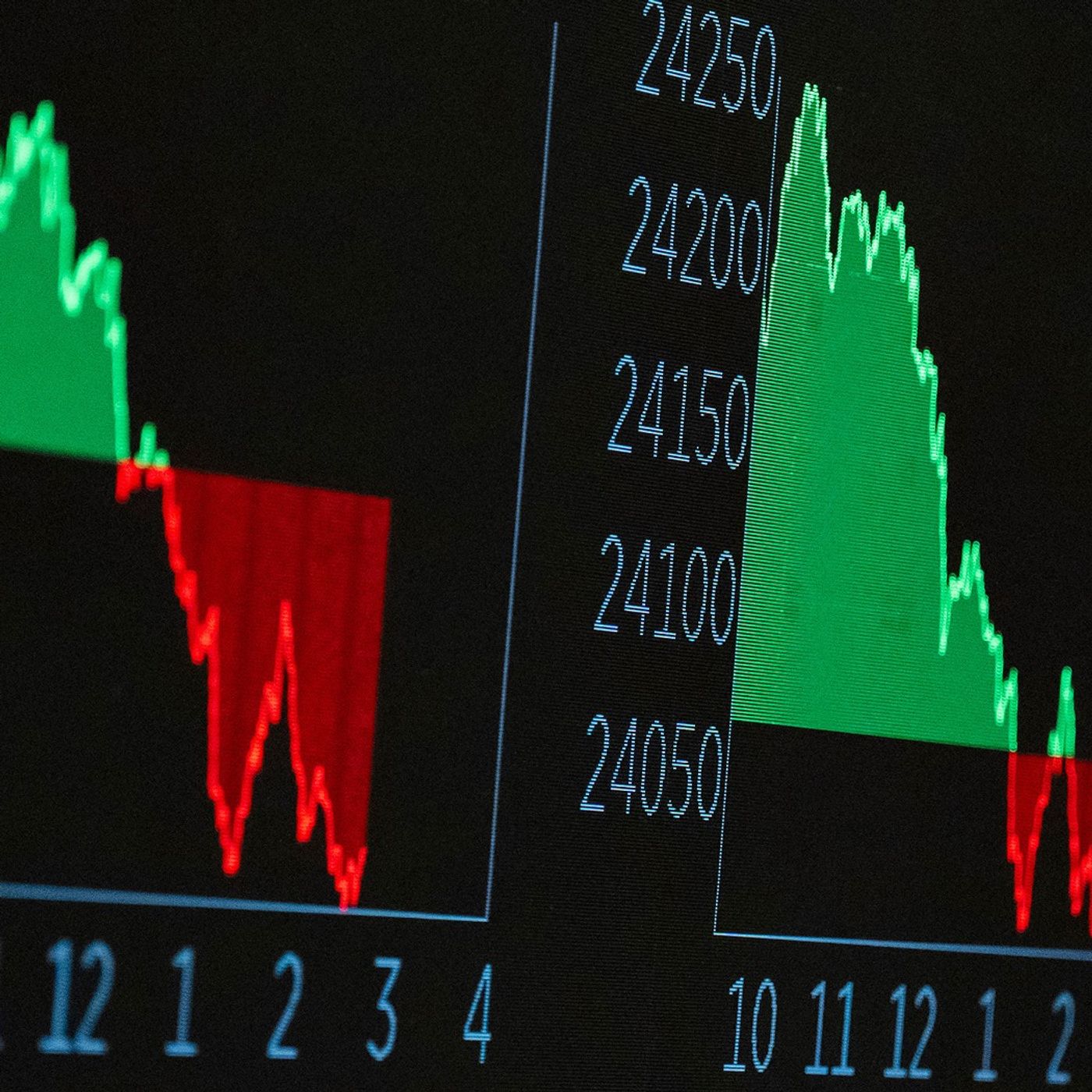
因此,股市表现也非常强劲。
As a result of that, the stock market has been really strong.
不断创下新高。
At record highs.
一个接一个的纪录。
Record after record after record.
所以企业状况很好。
So businesses are doing well.
它们正在投资建设新工厂,并购买设备来装备这些工厂。
They're spending on new factories and equipment to put in those factories.
我们看到很多新企业成立,新企业不断涌现。
We're seeing a lot of new business formation, new businesses coming along.
但其中很大一部分支出都与人工智能、数据中心建设以及为数据中心供电的发电厂有关。
But a lot of that spending is tied to AI, the build out in data centers and the power plants that power them.
这就是……
And this is where...
当我之前说好消息都有点复杂时,就是在这里体现出来的。
When I said that the good news was all a little bit complicated, this is where this shows up.
你刚才也提到了这点,那我们应该如何看待投资过度集中在人工智能上呢?
And you started to allude to this, but how should we feel about the investment being so heavily weighted towards AI?
显然,有人担心这波人工智能热潮可能会变成泡沫。
There's obviously been some worry about whether this AI boom potentially would turn into a bubble.
听着。
I mean, look.
人工智能这个话题既大又复杂,显然,人们从不同角度担心它,包括它是否会毁掉我们所有人。
The the AI conversation is big and complicated, and, obviously, there are people who are worried about it in all sorts of different dimensions, including whether it's gonna kill all of us.
当然。
Sure.
但如果从经济风险的角度来看,问题就在于这种脆弱性——当经济中所有增长都依赖于这单一因素时,自然会担心如果音乐突然停止会发生什么。
But but thinking about it from the sort of economic risk standpoint, it is this vulnerability where to the extent that we kind of have this one thing that is driving everything in the economy, there's this obvious concern of what happens if the music stops.
是的。
Yep.
而且我们最近已经看到了一些微妙的迹象,比如一些数据中心公司出现了些动摇。
And we've seen some sort of subtle signs of that recently, where we've seen some of these data center companies that have kind of faltered a bit.
尽管目前还没人预测AI泡沫会破裂。
And, you know, I don't think that anybody yet is predicting bursting of the AI bubble.
但显然存在这样的担忧:即使只是热情稍有减退,也可能引发一轮回调,导致连锁反应——数据中心建设减少,电工失业,投资回落,进而导致股市下跌。
But there is obviously this concern that if there's even a bit of a loss of enthusiasm, that could cause a pullback that would have all these ripple effects, that you would see fewer data centers getting built and fewer electricians getting employed to build them, that you would see a a pullback in investment, which leads to a fall in the stock market.
而且最终可能出现这样的局面:对AI热情的消退,反而为经济衰退铺平了道路。
And that potentially, you could end up in a situation where the loss of enthusiasm for AI actually paves the way for a recession.
好的。
Okay.
我们又聊到阴暗面了。
We're getting dark again.
咱们回到优势的话题吧。
Let's get back to the strengths.
我早就提醒过你,优势这个话题很复杂。
I I warned you that the strengths were complicated.
你确实提醒过。
You did.
让我给你
Let me give
再讲一个复杂的情况,就是劳动力市场。
you another complicated one, the labor market.
失业率很低。
The unemployment rate is low.
九月份的时候是4.2%。
It was 4.2% in September.
现在已经连续五年失业率维持在4.5%或以下了。
It's been at or under four and a half percent for five straight years now.
这创了纪录。
That's a record.
这是创纪录的。
That's a record.
它……
It...
这是有史以来最长的,超过了六十年代的那段时期,对吧,而我们都觉得那个时期经济真的很强劲。
Longest ever it surpassed a a period in the nineteen sixties, right, which, again, we think of as this period of real economic strength.
这确实是个好迹象,真实反映了当前就业市场的实力。
Like, this is a legitimately good sign that says something very real about the underlying strength of the job market right now.
没错。
That's right.
但尽管这样,感觉上并不像是一个强劲的就业市场。
And yet and yet it doesn't feel like this big robust labor market.
原因是它虽然稳固,但有点停滞不前。
And the reason for that is that it's solid, but it's kind of stagnant.
我记得我们之前聊过这种低招聘、低解雇的劳动力市场。
You know, I think we've talked before about this low hire, low fire labor market.
人们说现在有工作是好事,但找工作就难了。
People say this is a good time to have a job, but a bad time to be looking for one.
确实有人这么说,但我讨厌这种说法。
They do say that, and I hate it.
好。
Okay.
你为什么讨厌这种说法?
Why do you hate it?
你听我说。
So listen.
有一半是对的。
One part of that is true.
如果你现在失业了,那确实不是找工作的好时机。
If you are unemployed right now, it is a bad time to be looking for a job.
这绝对是真的。
That's absolutely true.
但说现在是拥有工作的好时机,那也不一定成立。
But it's not necessarily true that it's a great time to have a job.
听着。
I mean, listen.
你显然宁愿有工作也不愿没工作。
You would obviously rather have a job than not have a job.
有工作总比没工作好。
It is better to be employed than unemployed.
这毫无疑问。
No question.
没错。
Amen.
但你想一想,你在职业生涯中是怎么一步步往上走、涨工资的,对吧,提高薪水的。
But think about how you, in your career, have gone about moving up, getting wage increases, right, raising your salary.
很多是靠跳槽实现的。
A lot of that is moving between jobs.
职业生涯初期,你在摸索自己这辈子到底想做什么。
Early in your career, you're trying to figure out what it is you wanna do with your life.
后来,你可能会去抓住另一个好机会,或者用这个机会来威胁老板给你涨薪。
Later on, maybe you go and you take another great opportunity, or you threaten to take another opportunity in order to get your boss to give you a raise.
在招聘少、解雇少、跳槽少的时期,这种情况就会少很多。
In a moment of low hire, low fire, low turnover, there's less of that happening.
所以我们之前聊到的工资增长缓慢,
And so, you know, we talked earlier about low wage growth.
其中一个原因就是人们不在工作之间流动。
One reason for that is that people aren't moving around between jobs.
他们得不到随之而来的加薪,这也意味着这个劳动力市场并没有为工人带来持续强劲的增长。
They're not getting those raises that come with it, and that means that it is not a labor market that is delivering consistent strong gains for workers.
归根结底,这才是人们真正想要的。
And that, at the end of the day, is what people are really looking for.
好的。
Okay.
所以你已经把劳动力市场的复杂性解释清楚了。
So you have explained all the complexity in the labor market.
还有什么我们该关注的复杂亮点呢?
What else should we be looking at as a complicated strength?
如果你听特朗普总统和共和党人在竞选活动中的发言,对吧,他们经常强调消费支出的强劲,他们说得很对。
So if you listen to president Trump and Republicans out on the campaign trail, right, they talk a lot about strength in spending, in consumer spending, and they're right.
就在上周,我们又看到了零售销售数据,显示销售额比去年同期增长了超过6%,比预期更快。
We just, again, last week, got retail sales data that showed that the sales were up more than 6% from a year ago, faster than expected.
这只是最新的证据,表明消费支出一直保持稳健。
And it was just the latest piece of evidence that consumer spending has remained solid.
本,你能帮我理解一下这个吗?
Can you just help me understand this, Ben?
因为就是……
Because it just...
老实说,这表面上讲不通。你刚才说价格一直在涨,可消费支出却这么强劲。
It doesn't, on its face, make sense, actually, that consumer spending would be so strong even though, as you already told us, prices have continued to go up.
觉得困惑的可不止你一个人。
You are not the only one who is confused by this.
我感觉这些年跟经济学家聊,他们老说消费者迟早撑不住,但消费者就是一直撑住了。
I feel like I have been talking to economists for years now where they keep saying, well, the consumer's gotta crack eventually, and the consumer keeps not cracking.
所以某种程度上,这确实是个谜,我们也不完全清楚怎么回事。
So to some extent, I think that there is a real mystery here, and we don't fully know.
但我想提两点。
But I I would point to two things.
第一就是我们刚聊的劳动力市场。
The first is what we were just talking about, the labor market.
对。
Yes.
劳动力市场有点停滞不前。
It's a somewhat stagnant labor market.
是的。
Yes.
它并没有给人们带来显著的工资增长。
It's not delivering great wage growth to people.
但人们仍然有工作,这意味着大多数人还能继续消费。
But the fact that people do still have jobs means that most people are able to keep spending.
我们可能对未来感到担忧,但不必大幅削减开支,因为我们还有工作。
We may be nervous about where things are going, but we don't have to pull back drastically because we do still have those jobs.
然后还有另一个因素,那就是股市。
And then there's this other factor, which is the stock market.
你提到它屡创新高。
You know, you talked about how it's hitting records.
对于持有股票的人来说,也就是大多数美国人,无论是自己投资还是通过401k计划,都持有股票。
Well, for people who own stock, which is most people, a majority of Americans, either on their own or in their four zero one k plans, own stock.
但尤其是那些拥有股市大部分价值的富豪,他们的投资组合增长非常显著。
But especially for the wealthiest who own most of the value of the stock market, they have seen their portfolios grow dramatically.
这给了人们,尤其是富人,继续消费的灵活性和信心。
And that has given people, especially, again, the rich, the flexibility to keep spending, the confidence to keep spending.
本,你一直在描述这种有钱人和没钱人之间的差距,以及他们如何消费。
Ben, you know, you've been describing this sort of divide between the haves and the have nots and how they spend.
还有另一个差距,我一直在思考的,当我们整体看待经济和人们对它的感受时,那就是代际差距。
There's another gap that I've kind of been thinking about just broadly as we think about the economy and how people experience it, which is a generational gap.
我想到了那些已经买了房子的老年人。
I mean, I think of all of the older folks who have already bought homes.
所以他们不用支付那些非常昂贵的房贷。
So they're not spending on these very expensive mortgages.
他们已经积累了储蓄。
They've built up their savings.
他们的孩子也已经长大了。
Their kids are grown.
他们不用付托儿费,也不用承担在这个经济环境下那些特别昂贵的开销。
They're not paying for childcare and all of the things that cost so much in this economy.
你觉得现在人们谈论自己的感受时,是不是有明显的代际差异?
Do you see a split in generations playing out when people talk about how they feel these days?
我觉得这个经济里有很多的分裂,一边是某一部分人过得不错,另一边是另一部分人在挣扎。
I mean, I I think that this is an economy that has so many splits in it, where where one group is doing well and another group is is struggling.
而我也确实认为,目前来说,代际之间的这种差距是最明显的之一。
And I and I do think that this sort of generational divide is one of the starkest right now.
你看婴儿潮那一代人,退休的时候,房产价值总体上是很大的财富。就像你说的,很多情况下,他们要么已经完全还清了房贷,要么至少锁定了当年的低利率。
You know, you have a baby boom generation that is retiring with huge amounts in the aggregate of wealth in their homes, which again, as you say, in many cases, they paid them off completely, or at the very least, locked in those low mortgage rates.
他们的投资组合表现很好,也给他们带来了不少财富。
They have wealth in their portfolios, which have done very well.
他们的储蓄能拿到更高的利息。
They have savings that are earning a higher interest rate.
他们还有社保,社保跟通胀挂钩,所以它的保值效果比很多人的工资还要好。
They have Social Security, which is indexed to inflation, and therefore has done a better job of keeping up than many people's wages.
我不想把话说得太绝对。
I don't wanna overstate this.
也有很多美国老年人现在日子不好过。
There are plenty of older Americans who are struggling right now.
很多老年人都是这样。
There are plenty of seniors.
我……
I...
这之后我们可能会听到一些老年人说他们过得很艰难。
We may hear from some of them after this who are having a very difficult time.
但总体来看,年纪大一些的选民平均过得还算不错,而年轻一代确实在挣扎。
But in the aggregate, you have an older set of voters who are doing on average relatively well, a younger set who are really struggling.
但我觉得这种讨论有时会忽略一个重要的事实,那就是年长的选民正是年轻选民的父母。
But I think that that conversation can sometimes miss something important, which is that the older voters are the parents of the younger voters.
没错。
Sure.
所以我跟很多年纪大的选民聊天时,他们会直接这么说。
And so, you know, I talk to plenty of older voters who will say this directly.
我过得还行,但我担心我的孩子。
You know, I'm doing okay, but I'm worried about my children.
我担心我的孙子孙女。
I'm worried about my grandchildren.
这也影响了他们对经济的看法。
And that affects their thinking about the economy as well.
你说的其实是,当人们想到自己的孩子时,真正让他们担心的东西,可能不会体现在你看的任何一份报告里的某个指标上,但这确实对人们很重要,就是他们对这个经济的感觉。
What you're getting at is that the thing that people really worry about when they think about their children, for example, that may not show up in any one metric that you can look at that comes out in a report, but that really matters to people, their perception of how this economy feels to them.
我们在2024年经常谈论这个,关于拜登政府出去告诉人们经济很好,但他们就是不同意,人们确实在选举中投了票,投给了特朗普总统。
We talked a lot about this in 2024, about how the Biden administration was going out and telling people that the economy was great, and they just didn't agree, and people really voted on that, and they voted for president Trump.
感觉现在也有类似的事情在发生。
It sort of feels like something similar is happening.
所以这些相似之处其实挺惊人的,而且在我和经济学家的对话中经常出现,那就是如果你回顾拜登政府时期,他们最大的挑战,对吧,就是他们试图告诉所有人,是的,通货膨胀很高,但经济实际上相当不错。
So the the parallels are kind of amazing, actually, and and they come up all the time in my conversations with economists, which is that if you go back to the Biden administration, their big challenge, right, is that they're trying to tell everybody, you know, yes, inflation is high, but the economy is actually pretty good.
选民们完全不买账。
And voters absolutely did not buy it.
这事有时候被说成,感觉不对。
And, you know, this sometimes gets talked about in, like, you know, the vibes were off.
我觉得很多方面现实都不对。
I think the reality was off in a lot of ways.
那段时间,人们的工资确实跟不上通胀,自然大家都不高兴。
There was a period there where, again, people's wages were not keeping up with inflation, and, naturally, people were not happy about that.
现在两年后,我们处在这个时期,总统当初竞选时承诺要解决通胀、负担能力和生活成本问题,也确实因此赢了。
Well, now we're in this period two years later with a a president who literally ran and won on a promise to address inflation, affordability, cost of living.
他又在告诉所有人经济很好。
And he is again trying to tell everybody, the economy is good.
我们只是通胀和油价有问题。
We've just got a problem with inflation with gas prices.
结果选民们还是不信。
And, again, voters are not buying it.
展开剩余字幕(还有 83 条)
而且,选民们在一定程度上是对的,生活成本确实存在很多非常现实的问题。
And, again, voters are, to some extent, right that there are a lot of very real issues with cost of living.
是的,经济中可能还有其他方面相当不错。
And, yes, there may be other things in the economy that are pretty decent.
但归根结底,还有什么比你 paycheck 能花多远、你能不能付得起房租、买得起房子、还得起房贷更重要呢?
But at the end of the day, what matters more to you than how far your paycheck goes and your ability to pay your rent and buy a house and pay the mortgage?
让我问一个可能听起来有点天真的问题:特朗普总统和共和党人到底该为当前的经济状况承担多少责任?
Let me ask you a question that may seem a little naive, which is how much does president Trump and do the Republicans actually deserve the blame for where we are right now in our economy?
因为本,我听你说过很多次,没有哪个政客能真正掌控经济,而且政客们往往高估了他们对国家经济健康的影响。
Because I have heard you, Ben, say many times that no politician can really control the economy, and and politicians overestimate their influence on the economic health of the country.
另一方面,你也指出过特朗普总统做出的一些非常实际的政策决定,这些都影响了这一切。
And on the other hand, you have pointed to some very real policy decisions that have been made by president Trump that have affected all of this.
所以你看。
So look.
经济是很复杂的。
The economy is complicated.
总统对它的控制是有限的。
Presidents have limited control over it.
你还是坚持这个观点吗?
They standing by that.
是的,我坚持这个观点。
I I am I am standing by that.
但你看。
And look.
特朗普总统正在处理的很多问题……
A lot of the issues that president Trump is dealing with...
通货膨胀问题显然在他之前就存在了。
I mean, the inflation problem obviously predates him.
低招聘率、低裁员率的劳动力市场也是在他之前就存在的。
The low hire, low fire labor market predates him.
他……
He...
并不是所有问题都能归咎于他,或者说,说实话,可能也不能归咎于任何一位总统。
That not all of that can be laid at at his feet or or frankly, probably at the feet of any president.
但正如你所说,他确实采取了一些非常具体的政策,对吧,他的标志性政策,直接导致了消费者价格上涨,比如关税,还有与伊朗的战争。
But as you said, he has adopted some very specific policies, right, his signature policies, that very directly raised prices for consumers, tariffs, and then the war with Iran.
我们可以就这些政策的利弊进行辩论。
And we can debate the merits of those.
我们可以讨论其中的权衡,以及它们是否值得。
We can debate the trade offs and and whether they could be worth it.
但毫无疑问,这些……
But there's no question that those...
尤其是与伊朗的战争,在美国人极度关注生活成本的时候推高了物价。
And and especially the war with Iran drove up prices at a time when Americans are laser focused on the cost of living.
好的。
Okay.
除了这些日常开销的问题,虽然对大多数人来说非常紧迫和现实,但你有没有感觉到,人们在对经济的整体稳定性提出更广泛的质疑?
Beyond these issues of day to day affordability, which are very urgent and real for most people, Do you have the sense that there are broader questions being asked about the overall stability of the economy?
因为我记得上次请你来节目的时候,我们讨论的是债券市场,特别是关于美国债务太多,现在要花很多钱付利息这些担忧。
Because I'm just remembering that the last time that we had you on the show, it was to talk about the bond market and specifically these concerns that The US just has too much debt and is now spending a lot paying interest on that debt.
所以……
So...
我的意思是,我认为这在某些方面是现在经济与特朗普第一任期时不同的另一个大问题,那就是更高的利率对消费者和家庭有我们一直在讨论的那些影响,但同时也对政府本身产生了很大影响。
I I mean, I think that this is in some ways the other big thing that is different in the economy now than it was certainly during Trump's first term in office, which is that higher interest rates, right, have all these impacts on consumers and households that we've been talking about, but they also have this big impact on the government itself.
这些是借款成本,也就是政府借钱和偿还债务的成本。
These are borrowing costs, what it costs for the government to borrow money and to service that debt.
我们有很大的赤字,现在利率又高了很多。
We have huge deficits, and now we have much higher interest rates.
这意味着联邦政府现在每年光利息就要花一万亿美元。
And that means that the federal government is now spending a trillion dollars a year just on interest.
难以置信。
Unbelievable.
难以置信。
Unbelievable.
这确实有可能限制未来的选择空间。
And that has a real prospect of limiting the options for the future.
它可能会限制我们应对人工智能威胁的方式。
It it could limit how we respond to the threat of AI.
它可能削弱政府处理一些长期负担能力问题的能力,比如医疗和育儿。
It could limit the ability of the government to deal with some of these longer running affordability issues, like health care and child care.
它可能限制未来共和党政府进一步减税的能力。
It could limit in some future Republican administration the ability to pass further tax cuts.
它真的可能削弱联邦政府解决我们一直在谈的这些问题的能力。
It could really limit the ability of the federal government to address some of these issues that we've been talking about here.
那么我直接问你一个问题。
So let me just put this to you.
如果人们在这次中期选举中,真的是冲着经济问题去投票,期待看到改变,而且民调显示蓝色浪潮即将到来,那这能改变什么吗?
If people are gonna go vote on the economy, on this issue, hoping for change in these midterms, and if the polls are right that a blue wave is coming, would that do anything to change things?
能吗?
Can it?
所以,你看。
So look.
如果这次蓝色浪潮像一些民调显示的那么大,而且民主党不仅拿下众议院,还拿下参议院,那他们就能有很大的权力去制衡特朗普总统的很多行动。
If this blue wave is as large as some of the polls suggest and and Democrats take not just the house, but also the senate, right, that gives them a lot of power to check a lot of what president Trump has been doing.
我不想预测他们具体会推行什么政策。
And, you know, I don't wanna predict exactly what policies they would put in place.
我也不想预测他们会在哪些方面成功或失败地阻止他,但我当然不会低估他们可能做出一些对经济和我们已经讨论过的这些问题产生实际影响的事情。
I don't wanna predict exactly where they would succeed and fail in stopping him, but I certainly don't wanna discount the possibility that they could do things that would have a real effect on the economy and on some of these issues that we've been talking about.
话虽如此,我们这里讨论的很多问题都是长期存在的,很难想象任何一届国会能在几年内扭转局面。
That said, a lot of the things that we've been talking about here reflect long standing issues, that it's pretty hard to imagine any congress coming in and turning around in a couple of years.
我很难想象两年后我们坐在这里,谈论房价又负担得起了,托儿费又便宜了,工资涨了很多,人们不再担心生活成本了。
You know, it's hard for me to imagine that we're gonna be sitting here in two years and talking about how homes are affordable again and childcare is affordable again and wages have risen so much that people aren't, you know, worried about cost of living anymore.
这些都是长期存在的结构性问题,即使在最好的情况下也很难解决,尤其是在高利率导致联邦政府行动受限的时候,更是特别棘手。
These reflect long standing structural issues that would be difficult to address in the best of circumstances and are gonna be particularly difficult to address at a time when, because of these high interest rates, the federal government is constrained in what it can do.
所以当我们坐下来的时候,我把上周看到的数据称为经济的一个快照。
And so when we sat down here, I I called the data that we saw last week as a snapshot of the economy.
但这不仅仅是一个瞬间的画面。
But it's not just a snapshot.
这是一个相当持久的图景。
It's a pretty enduring picture.
而且我认为我们有充分理由预料到,许多选民告诉我们他们感受到的那种低迷情绪背后的核心问题,会持续到这次选举之后很久。
And I think we have every reason to anticipate that a lot of the sort of core issues that underlie this malaise that so many voters tell us they're feeling, that that is gonna endure well past this election.
好的,Ben,非常感谢你来到我们节目。
Well, Ben, thank you so much for being here.
我们真的很感激。
We really appreciate it.
谢谢你的点心。
Thanks for the pastries.
你可以在《纽约时报》应用程序上阅读更多来自Ben Casselman和我们所有商业记者的报道。
You can read more from Ben Casselman and all of our business reporters on The New York Times app.
如果你还没有这个应用程序,我们想让你知道,如果你现在下载,你将免费获得我们所有新闻一个月的访问权限。
If you don't already have the app, we wanted to let you know that if you download it right now, you'll get access to all of our journalism free for one month.
那就试试吧。
So give it a try.
我们马上回来。
We'll be right back.
我是吉尔伯特·克鲁兹。
I'm Gilbert Cruz.
本周的书评播客,主题是万圣节。
This week on the Book Review Podcast Halloween.
我们准备了一个特别的万圣节惊喜,或者说是“不给糖就捣蛋”。
We have a special Halloween treat or trick or treat.
两位恐怖小说作家推荐了一些肯定会让你彻夜难眠的书。
Two horror writers recommend some titles that are sure to keep you up at night.
我一般很喜欢有灵性的房子。
I am a big fan of sentient houses in general.
我觉得这是我看过的最吓人的书之一。
I think this is one of the scariest books that I've ever read.
无论你在哪里听播客,都可以收听书评节目。
Listen to the book review wherever you get your podcasts.
那扇门不应该开着。
That door shouldn't be open.
谁把门打开了?
Who left it open?
今天还有这些你需要知道的。
Here's what else you need to know today.
周二,距中期选举还有两周,这次选举有望成为史上最昂贵的选举。总统特朗普宣布,他将投入1亿美元来支持共和党,很可能是通过一个超级政治行动委员会。
On Tuesday, two weeks before midterm elections that are on track to become the most expensive ever, president Trump announced that he would shell out a $100,000,000 to boost Republicans, likely through a super PAC.
他说,他的政治机器已经花了3亿美元来让共和党在财务上比民主党更有优势,这次是额外的投入。
That's on top of the 300,000,000 he says his political machine has already spent to give Republicans a clear financial advantage over Democrats.
民主党全国委员会一直在财务上捉襟见肘,不过有救星来了,那就是迈克尔·布隆伯格,前纽约市长,亿万富翁。
The Democratic National Committee has been financially struggling, though help is on the way, thanks to Michael Bloomberg, the billionaire former mayor of New York.
布隆伯格今天宣布,他将向民主党捐赠大约8000万美元。
Bloomberg announced today that he was giving roughly $80,000,000 to Democrats.
在也门,胡塞武装包围了该国最大的城市之一塔伊兹,切断了那里的食物、水和燃料供应。
And in Yemen, the Houthis have besieged one of the country's largest cities, Taiz, cutting off its access to food, water, and fuel.
官员们现在警告可能发生人道主义灾难。
Officials are now warning of a potential humanitarian catastrophe.
这场围困已经进入第三周,是伊朗支持的胡塞武装与沙特支持的也门政府之间不断升级的战争的一部分。
The siege, which is now in its third week, is part of an escalating war between the Iranian backed Houthis and the Yemeni government, which is supported by Saudi Arabia.
周二,英国政府表示将派遣战斗机帮助沙特保卫城市和关键基础设施免受胡塞导弹和无人机袭击。
On Tuesday, the British government said that it would send fighter jets to help the Saudis defend cities and critical infrastructure from Houthi missile and drone attacks.
今天的节目由阿斯塔·查特维迪和杰克·德西多罗制作,罗谢尔·邦贾协助。
Today's episode was produced by Asta Chaturvedi and Jack Desidoro with help from Rochelle Bonja.
节目由安妮·米诺夫编辑,丽莎·周协助。
It was edited by Annie Minoff with help from Lisa Chow.
音乐由玛丽昂·洛萨诺和索菲亚·兰德曼创作,克里斯·伍德负责工程技术。
Contains music by Marion Lozano and Sofia Landman and was engineered by Chris Wood.
我们的主题曲由Wonderly创作。
Our theme music is by Wonderly.
《每日新闻》就到这里。
That's it for The Daily.
我是娜塔莉·基特罗夫。
I'm Natalie Kitralef.
明天见。
See you tomorrow.
关于 Bayt 播客
Bayt 提供中文+原文双语音频和字幕,帮助你打破语言障碍,轻松听懂全球优质播客。