本集简介
双语字幕
仅展示文本字幕,不包含中文音频;想边听边看,请使用 Bayt 播客 App。
你好。
Hi.
我是《纽约时报》游戏的朱丽叶,今天来和玩家们聊聊我们的游戏。
I'm Juliette from New York Times games, and I'm here talking to fans about our games.
你玩《纽约时报》的游戏。
You play New York Times games.
是的。
Yes.
每天都玩。
Every day.
这里有个叫“好友”的小标签。
There's this little tab down here called friends.
你可以添加你的朋友。
So you could add your friend.
这对我来说还挺新的。
That feels new to me.
是的。
It is.
有社交元素真好。
It's nice to have the social aspect.
天啊。
Oh my god.
你能看到他们所有人的成绩。
And you have all their times.
太疯狂了。
That's crazy.
对吧?
Right?
你可以查看拼字游戏、单词游戏和连接游戏。
You can look at Spelling Bee, Wordle, Connections.
天啊。
Oh my god.
太棒了。
Amazing.
喜欢这个。
Love that.
我得下载这个应用。
I have to get the app.
《纽约时报》游戏的订阅用户现在可以在好友标签中添加好友。
New York Times game subscribers can now add friends in the friends tab.
了解更多请访问 nytimes.com/games。
Find out more at nytimes.com/games.
来自《纽约时报》,我是蕾切尔·阿布拉姆斯,这里是《每日新闻》。
From the New York Times, I'm Rachel Abrams, and this is The Daily.
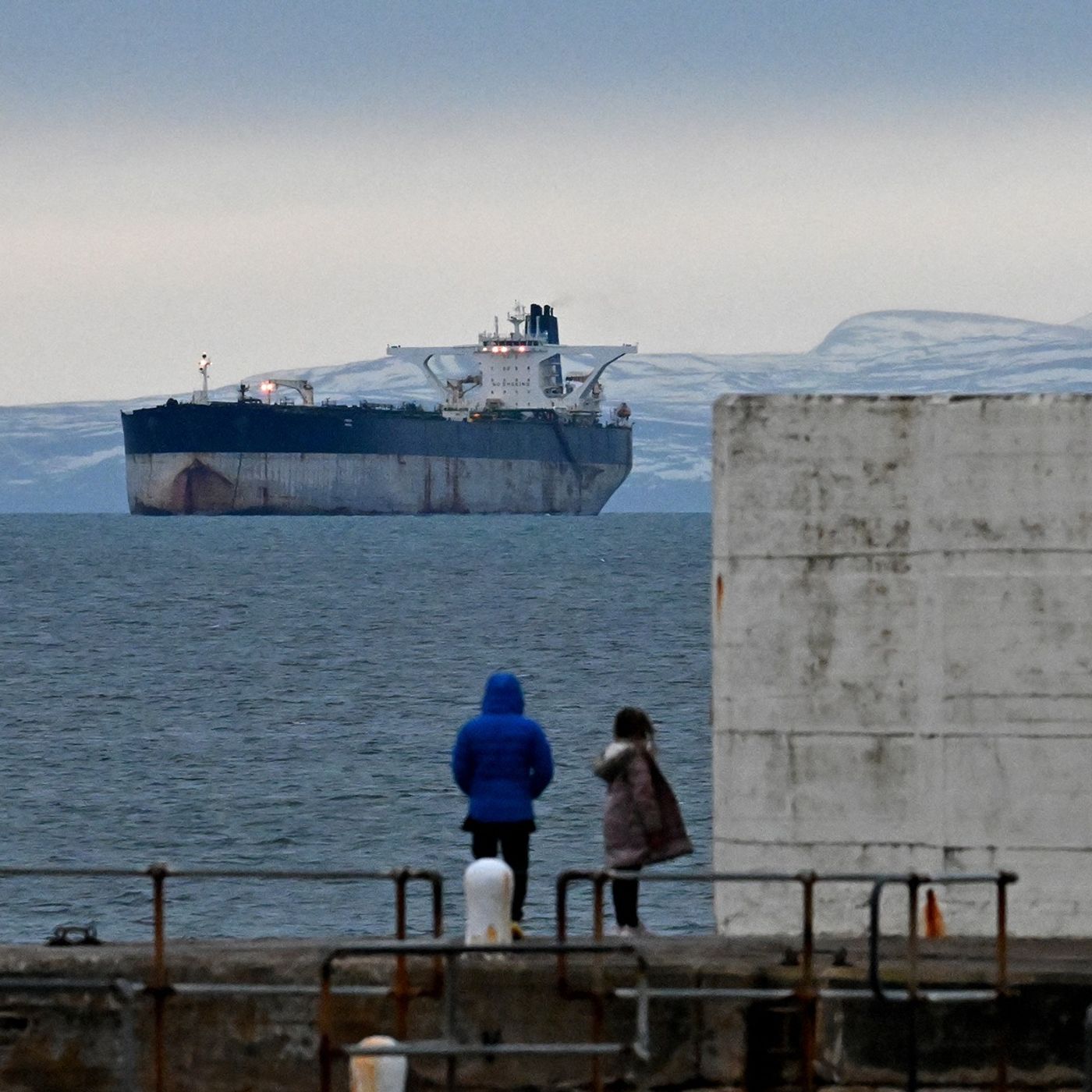
特朗普总统表示,美国已扣押了一艘位于委内瑞拉海岸附近的油轮。
President Trump says that The United States has now seized an oil tanker off the coast of Venezuela.
所以
And so
自12月以来,美国一直拦截并扣押往返委内瑞拉的油轮。
Since December, The US has been stopping and seizing oil tankers traveling in and out of Venezuela.
实际上,这是有史以来扣押的最大一艘。
Largest one ever seized, actually.
在特朗普总统对运送受制裁委内瑞拉石油的船只实施封锁之后。
After president Trump imposed a blockade on ships carrying sanctioned Venezuelan oil.
展示美国直升机包围船只的画面。
Showing US helicopters surrounding the ship.
你看到那里了吗?
You see that there?
这些船属于所谓的幽灵船队。
Ships that are part of what's known as a ghost fleet.
这是美国海岸警卫队扣押的另一艘幽灵船队油轮。
That's the US coast guard seizing another ghost fleet tanker.
这
This
现在美国正在委内瑞拉附近追击第三艘油轮。
now as The US is pursuing a third oil tanker near Venezuela.
那些试图秘密环球航行的油轮。
Oil tankers that try to secretly make their way around the world.
目前有四艘船只已被美国扣押。
Four vessels are now in American custody.
还有几艘正在被追踪。
Several more are being tracked.
这标志着美国已扣押了第五艘油轮。
It marks the fifth tanker The US has seized.
现在是第六艘油轮。
A sixth oil tanker now.
第七艘受制裁的油轮。
A seventh sanctioned oil tanker.
为委内瑞拉、伊朗和俄罗斯等石油国家提供资金。
Funding petrostates like Venezuela, Iran, and Russia.
今天,我的同事克里斯蒂安·特赖贝尔特将为我们详解这些幽灵船队究竟是什么,以及它们的末日是否即将到来。
Today, my colleague Christiane Treiberte on what these ghost fleets are exactly and how their days might be numbered.
今天是1月27日,星期二。
It's Tuesday, January 27.
克里斯蒂安,欢迎来到《每日新闻》。
Christian, welcome to The Daily.
谢谢。
Thank you.
所以,克里斯蒂安,美国数周以来一直在拦截和扣押进出委内瑞拉的油轮。
So, Christian, The US has been seizing and stopping oil tankers coming in and out of Venezuela for weeks now.
起初,这似乎是为了对总统尼古拉斯·马杜罗施加压力的一部分行动。
And at first, this seemed like part of a pressure campaign against president Nicolas Maduro.
但随后,美国显然逮捕了马杜罗。
But then, obviously, The US captured Maduro.
我认为很多人原本以为,针对这些船只的行动和压力会因此停止。
And I think a lot of people assumed that this effort, this pressure on the ships would stop.
但事实上,不仅没有停止,反而还在扩大。
But instead, it's actually not only continued but expanded.
你是新闻团队中关于这些油轮的专家。
You are the newsroom's resident expert on these oil tankers.
你一直作为我们视觉调查团队的一员追踪这一切。
You've been tracking all of this as part of our visual investigations team.
那我们从最开始说起吧。
So let's start at the very beginning.
什么是幽灵船队或影子船队?
What is a ghost fleet or shadow fleet?
这是个非常好的问题。
That's a very good question.
除了影子船队和幽灵船队,还有一个术语叫黑暗船队。
Besides shadow fleet and ghost fleet, there's a third term, which is dark fleet.
这很有趣,因为目前还没有一个明确的定义。
So it's interesting because there's not a well defined definition.
这基本上是一个术语,用于描述那些使用欺骗性手段隐藏其运输受制裁石油的油轮。
It's basically a term for oil tankers that use deceptive practices to kind of hide that they're transporting sanctioned oil.
这些石油是美国制裁的对象,而这些船只希望隐藏它们正在装载和运送这些石油的事实。
Oil that's sanctioned by The United States, and these ships wanna hide that they're picking up this oil and delivering this oil.
为什么我对这个了解这么多?
Why do I know a lot about it?
这是因为2022年2月俄罗斯全面入侵乌克兰后,出现了对‘幽灵船队’、‘黑暗船队’、‘阴影船队’等术语的突然关注热潮。
It's because that after the full scale invasion of Ukraine by Russia in February 2022, there was this same sudden surge in interest like ghost fleet, dark fleet, shadow fleet.
我的经理问我:‘克里斯,你能找出这些船队究竟是哪些船只吗?’
And my manager asked me, like, Chris, can you find out what are actually the ships of this fleet?
这就是我开始关注这个问题的原因,但这类油轮可能有数百艘,甚至上千艘。
So that's how it started for me, but there are hundreds of tankers, maybe even thousands.
我们其实并不清楚。
We don't really know.
是的。
Mhmm.
这些油轮主要运输受制裁的俄罗斯石油、伊朗石油和委内瑞拉石油。
And basically, these tankers are shipping sanctioned Russian oil or sanctioned Iranian oil and Venezuelan oil.
它们总是为这三个国家中的一个或多个运输石油。
They're always shipping oil for either of these three countries or sometimes for all three.
大部分石油运往中国,相当一部分也运往印度。
Most of the oil goes to China, and a significant portion goes to India as well.
这些船只已经决定这么做。
And these ships have decided to do that.
运输受制裁的石油能赚大钱,而他们正试图掩盖这一点。
There's a lot of money to make if you're shipping sanctioned oil, and they're trying to hide that.
明白了。
Got it.
好的。
Okay.
那么,考虑到这 literally 被称为‘影子舰队’,你能估算一下全球有多少比例的石油是通过这种方式运输的吗?
So do you have any sense given the fact that this is literally called a shadow fleet of how much of the world's oil is transported this way?
很难说。
It's hard to say.
对吧?
Right?
因为他们显然在试图欺骗所有人,让人以为他们不是在运输这些石油。
Because they're obviously trying to deceive everyone that they're actually shipping this oil.
但可能大约有10%到20%的全球油轮参与了这种活动,这已经相当多了。
But it's probably around, like, 10 to 20% of oil tankers worldwide that have engaged in this kind of activity, which is quite a bit.
但鉴于这只涉及俄罗斯、伊朗和委内瑞拉,根据现有数据,这些石油在全球市场中的份额约为3%到9%。
But given that it's only related to Russia, Iran, and Venezuela, the share of the oil on the world market is about three to 9% according to the data that's available.
所以,显然,制裁的目的是从经济上打击这些国家。
So, obviously, sanctions are meant to hurt countries economically.
但在这些具体情况下,目标是什么?
But what are the goals in these specific cases?
美国实施这些制裁的目的是限制流向克里姆林宫的资金,以遏制其在乌克兰的战争努力;对伊朗而言,美国认为他们用石油收入资助了真主党以及其他美国不认可的活动。
So the point of these US sanctions is to basically limit the revenue that's going to the Kremlin to fund their war effort in Ukraine to Iran, which The US says, you know, they're using revenue from oil to fund their activities with Hezbollah and other other activities that The US doesn't like.
委内瑞拉也是如此。
And the same with Venezuela.
这实际上是在支持马杜罗政府。
It's it's it's propping up the Maduro government at the time.
但我们看到的是,他们成功地将这些石油运往世界各地,并仍赚取了大量资金。
But what we've seen is that they're successful in shipping this oil around the world and still earning significant amounts of money Mhmm.
就这些石油而言。
On that oil.
基本上,尽管技术上存在制裁,但没人阻止他们。
Basically, nobody's stopping them even though technically there are sanctions in place.
是的。
Yes.
说得完全正确。
That's exactly right.
这些船只一直在运输这些石油,而对这些船只几乎没有采取任何执法措施。
These ships have been shipping that oil, and there's not really any kind of enforcement on these ships.
所以石油运输继续进行。
So the shipments of oil just continue.
但这一切在十二月发生了变化。
But all of that changed in December.
好的。
Okay.
那我们来谈谈十二月发生了什么。
So let's talk about what happened in December.
我们具体开始看到什么了?
What specifically did we start seeing?
十二月,美国对委内瑞拉的马杜罗政府发动了大规模的军事施压行动。
In December, there's this very large military pressure campaign on the Maduro government in Venezuela by The US.
嗯。
Mhmm.
在抓捕马杜罗之前,美军大规模集结了军事力量。
There's a buildup of a huge military force ahead of, of course, Maduro's capture.
但是
But
此外,特朗普政府表示,任何试图运输委内瑞拉石油(非运往美国)的油轮都将被拦截、扣押,甚至可能被没收。
also, the Trump administration said any oil tankers that wanna ship Venezuelan oil that is not going to The United States were gonna stop these vessels, port them, and potentially even seize them.
这并不仅仅是一句空话。
And that it was not just like an empty threat.
实际上,这种情况已经开始发生了。
It actually started happening.
我们首先从特朗普政府对委内瑞拉和尼古拉斯·马杜罗政权的戏剧性升级说起——他们扣押了一艘在委内瑞拉海岸附近的油轮。
We begin with the Trump administration's dramatic escalation with Venezuela and the Nicolas Maduro regime seizing an oil tanker off the coast of Venezuela.
我们看到一艘油轮被拦下,另一艘油轮也被拦下。
We saw one tanker being stopped, another tanker being stopped.
突击队员登上另一艘油轮,通过快速绳降抵达甲板,进而控制驾驶舱并实施扣押。
Commandos took over another tanker, fast roping onto the deck and moving up to the bridge to seize
还有另一艘油轮被追踪了数周之久。
And another tanker being chased for weeks.
这艘船试图逃跑。
This one tried to get away.
结果导致了
It resulted in
一种
a sort
缓慢的
of a
追击过程。
slow motion chase.
所以,基本上,美国突然之间从多年不执行这些制裁,转变为非常认真地阻止这些幽灵船队。
So, basically, suddenly, years of not enforcing these sanctions, The US now seems very serious about stopping these ghost fleets.
没错。
Absolutely.
这对成百上千艘属于影子船队的油轮产生了非常有趣的影响。
And it had a very interesting effect on this very large group of hundreds, if not thousands of tankers that are part of the Shadow Fleet.
因为我们看到其他油轮已经前往委内瑞拉,结果纷纷掉头,心想:我们可不想被美国海军舰艇登船检查。
Because we saw that other tankers were already going to Venezuela that kind of, like, turned around and were like, oh, we don't wanna get boarded by a US Navy vessel.
他们被吓到了。
They were spooked.
他们被吓到了。
They were spooked.
同时,那些已经到达委内瑞拉的油轮也觉得:我们最好还是留在委内瑞拉,最好不要离开。
And at the same time, the tankers that were already in Venezuela were kinda like, we probably should stay in Venezuela and probably shouldn't leave.
然后到了一月份
And then in the January
美利坚合众国成功对委内瑞拉及其领导人尼古拉斯·马杜罗发动了一次大规模打击,马杜罗已被俘虏并被运出该国。
The United States Of America has successfully carried out a large scale strike against Venezuela and its leader, president Nicolas Maduro, who has been captured and flown out of the country.
美国进入委内瑞拉并俘虏了马杜罗,现场一片混乱。
The United States enters Venezuela and captures Maduro, and it's chaos.
我接到了我们在委内瑞拉的同事阿纳托利的电话,他说:嘿,克里斯。
And I got this call from Anatoli, our colleague in Venezuela, and he's like, hey, Chris.
我被告知有四艘油轮已经离港。
I am being told that four tankers have left port.
我说,好吧。
And I'm like, okay.
让我查一下。
Let let me check.
事实上,通过卫星图像可以清楚地看到,这四艘油轮已经离开了委内瑞拉水域,正在向北航行。
And indeed, on satellite imagery, it was visible that these four tankers had departed Venezuelan waters and were sailing north.
嗯哼。
Mhmm.
但不仅如此,我还发现,除了这四艘油轮之外,还有另外十二艘突然消失了。
But not only that, I also realized that besides these four thinkers, there were 12 others that just disappeared.
你所说的‘消失’是什么意思?
What do you mean by disappeared?
它们在卫星图像上消失了。
They disappeared on satellite imagery.
前一天它们还在,第二天就不见了。
They were there the day before, and the next day, they were gone.
所以看起来,这些油轮是协同行动,以规避美国对委内瑞拉石油出口的部分封锁。
So it seemed all these tankers left in a coordinated effort to defy the partial blockade by The United States on on Venezuelan oil experts.
我采访的一位专家说,这是一场‘僵尸赛跑’。
And one expert I talked to said this is a zombie race.
僵尸赛跑?
A zombie race?
没错。
Right.
当你一次性出动16艘油轮时,被抓住的几率远低于单独或两艘油轮离开时。
So when you leave altogether in a group of 16, the odds that you're gonna get caught are way smaller than when it's just one vessel leaving or two vessels leaving.
因为美国在委内瑞拉周围部署了庞大的军事力量,但我们看到,在假期的三周里,他们只追击了一艘油轮。
Because United States has a huge military force build up around Venezuela, but we saw that, you know, over the holidays for three weeks, they chased one tanker.
嗯。
Mhmm.
想象一下得去追捕16艘船。
Imagine having to chase 16 of them.
因此,这些油轮协调一致地离开,被美国捕获的概率要小得多。
So the odds for these tankers leaving in a coordinated effort, the odds of being captured by The United States are way smaller.
人多力量大。
Strength in numbers.
确实,人多力量大。
Strength in numbers, indeed.
这非常引人注目,你可以想象,马杜罗被围困,这些船只自己内部商量着:我们是不是该冲出去?
Which is very striking, that you can imagine that, oh, Maduro's being captured and all these ships are basically deciding amongst themselves, are we gonna go make a run for it
嗯。
Mhmm.
还是不冲?
Or not?
而看起来,确实有一支由16艘船组成的船队这么做了。
And it seemed a group of 16 indeed did.
所以我和我的同事们都在想,到底发生了什么?
So me and my colleagues were thinking, what's going on?
这些油轮去哪儿了?它们能甩开美国人吗?
Where have these tankers gone, and will they be able to outrun the Americans?
这简直太疯狂了。
Which would be wild.
对吧?
Right?
因为这可以说是世界上最强的军事力量。
Because this is arguably the most powerful military in the world.
它们是在继续规避对它们的制裁,还是最终会被抓到?
And are they continuing to evade these sanctions on them, or will they eventually get caught?
于是我们开始着手调查。
So we set out and tried to find out.
我们马上回来。
We'll be right back.
你好。
Hi.
我是《纽约时报烹饪》的亚历克莎·魏贝尔。
It's Alexa Weibel from New York Times Cooking.
我们有很多简单的平日晚餐食谱,今天我要为你做两道我最喜欢的。
We've got tons of easy weeknight recipes, and I'm gonna make two of my favorites for you today.
做我的五 ingredient 奶油味噌意面时,你只需把意面煮面水和一点味噌、黄油搅拌均匀,直到变得顺滑。
For my five ingredient creamy miso pasta, you just take your starchy pasta water, whisk it together with a little bit of miso and butter until it's creamy.
加入面条和一点奶酪。
Add your noodles and a little bit of cheese.
这就像升级版的通心粉奶酪,一道简单易做的平日晚餐,却有餐厅级别的口感。
It's like a grown up box of mac and cheese, an easy weeknight recipe that feels like a restaurant quality dish.
接下来,我要做我的素食蘑菇沙威玛皮塔饼。
Next up, I'm making my vegetarian mushroom shawarma pitas.
这个食谱的设计就是为了高效。
This recipe is just built for efficiency.
把蘑菇和红洋葱与香料拌匀,放进烤箱。
You toss your mushrooms and red onion in your spices, throw them in the oven.
等它们烤好的时候,酱汁也准备好了,卷心菜也切好了,就可以开始组装了。
By the time they're done, your sauce is ready, you've chopped your cabbage, you're ready to assemble.
很难相信,一道味道如此复杂、外观如此丰富多彩又美观的菜,实际上做起来非常简单,只花二十分钟的主动操作时间。
It feels crazy that something that tastes this complex and looks this colorful and beautiful is actually really easy to make and takes just twenty minutes of active time.
就是美味。
It's just delicious.
《纽约时报烹饪》为您提供了适合忙碌工作日晚餐的简单菜谱。
New York Times cooking has you covered with easy dishes for busy weeknights.
更多食谱请访问 nytcooking.com。
Find these recipes and more at nytcooking.com.
闻起来真香。
Smells so good.
克里斯蒂安,广告前你提到美国一直在与这些船只玩捉迷藏,关于美国最终能否成功执行制裁,特别是针对那16艘油轮——正如你所说,它们似乎突然从委内瑞拉水域消失了。
Christiane, before the break, you described this kind of cat and mouse game that The US has been playing with these ships and this question of whether The US will ultimately be successful in enforcing its sanctions, specifically with these 16 oil tankers, which as you described, seem to have just sort of disappeared from Venezuelan waters.
你之前提到,你和我们的同事希望找出这些船去了哪里。
You had mentioned that you and our colleagues wanted to set out to find out where they'd gone.
告诉我们你们是怎么开始调查的。
Tell us how you started doing that.
是的。
Yeah.
这些船只经常使用欺骗性手段。
So these ships engage in a lot of deceptive practices.
由于它们使用这些欺骗性技术,调查起来相当困难。
And because they use these deceptive techniques, it's pretty hard.
但如果你知道该从哪里入手,就能找到一些很好的线索。
But if you know where to look, you can get some pretty good clues.
那么,你们怎么知道该从哪里开始找呢?
Well, how do you even know where to look?
例如,每艘油轮都需要发送位置信号,这是为了安全。
So for example, every oil tanker needs to send out a location signal, which is for safety.
这些船非常大,如果它们不发送位置信号,而另一艘船在低能见度情况下又没看到它们,那就可能酿成灾难。
They're very big and, you know, if they don't send out a location signal and another ship doesn't see them in low visibility, for instance, it's gonna be a disaster.
所以有一个协议。
So there's an agreement.
所有大型船舶都应该发送这种应答器信号。
All the bit large ships should send out this transponder signal.
但这个应答器信号也允许地球上任何地方的人看到这些船的位置。
But the transponder signal also allows anyone on the planet to kind of see where these ships are.
有一个叫MarineTraffic的网站,你可以看到成千上万艘船,并实时追踪它们的位置。
There's a website called marine traffic, and, you know, you can see thousands of vessels that you can just track in real time.
但在从委内瑞拉水域消失的这16艘船中,我们一条都追踪不到。
But from all those 16 ships that disappeared from Venezuelan waters, we couldn't track any of them.
为什么?
Why?
因为它们要么关闭了应答器信号,也就是进入‘黑屏’状态,要么伪造了位置信号,假装自己在西非或亚洲沿海。
Because they either switched off their transponder signal, which means going dark, or they faked their location signal to pretend they're actually of the coast of West Africa or Asia.
这是一种被称为欺骗的方法。
A method that's known as spoofing.
他们正在伪造自己的位置信号。
They're spoofing their location signal.
好的。
Okay.
所以,我想我理解了所有这些。
So I understand all of that, I think.
听起来就像船用的VPN一样。
It sounds like it's VPN, but for ships.
对吧?
Right?
对。
Right.
但那你究竟如何确定这些船的实际位置呢?
But then how do you actually go about figuring out where the ships are?
所以我们基本上就是查看卫星图像。
So we basically just look at satellite imagery.
它显示了海岸线。
It shows the coast.
它显示了海水,以及海上的船只。
It shows the water, and it shows ships in the sea.
我可以看见一艘甲板是红色的油轮。
And I can see there is a tanker with a red deck.
还有一艘更大的油轮,甲板是绿色的。
There is a larger tanker with a green deck.
我们正试图识别这些油轮分别是哪几艘。
And we're trying to identify which tankers they are.
你电脑上有卫星图片可以给我看看吗?这样我们可以稍微描述一下。
Do you have picture satellite images on your computer to show me that we can kinda describe a little bit?
让我把椅子挪一下。
Let me I'm gonna move my seat over.
好的。
Okay.
所以我们现在看的是这个海上交通网站上的一个标签,它看起来像一张委内瑞拉的地图,上面有成千上万条红色、紫色或绿色的箭头。
So now what we're looking at is a tab on this marine traffic website that looks like a map of Venezuela with thousands of arrows that are red or purple or green.
能告诉我们这些不同颜色的标记代表什么吗?每一条箭头又是什么意思?
Tell us what these different color coatings mean, and what is an individual arrow?
每一条箭头都代表一艘船,是的。
So every arrow is a ship Mhmm.
它正在发送位置信号。
That's sending out a location signal.
绿色表示它正在运输货物。
Green means it's carrying cargo.
紫色表示它是一艘休闲船只,比如游艇或游轮。
Purple means it's like a pleasure craft, so like a yacht or a cruise ship.
是的。
Mhmm.
红色的是油轮,这正是我们关注的。
And red are tankers, and that's what we're interested in.
好的。
Okay.
你可以看到这里有三艘船。
And what you can see here is three vessels.
对吧?
Right?
我看到三个红色箭头。
I see three red arrows.
是的。
Yep.
好的。
Okay.
但如果我们看卫星图像,会发现那里有更多船只。
But if we look at the satellite image, we can see that there are way more ships there.
卫星图像上的油轮远不止三艘。
There are way more than three oil tankers on the satellite image.
但当我们查看船舶网站时,你说只有三艘船在发送应答器信号。
And yet, when we look at the marine website, you're saying there are only three ships that are sending out transponder signals.
没错。
Exactly.
所以所有发送合法信号的船只通常都没问题,因为它们没什么可隐瞒的。
So all these ships that send out a legitimate signal, they're usually okay because they have nothing to hide.
对吧?
Right?
它们在展示委内瑞拉的一列火车,并声称这是让全世界任何人都能看到的。
They're showing a train in Venezuela, and they're saying, that's for anyone to see in the world.
任何有国际连接的人都能看到,嘿,它们正在从委内瑞拉发送信号。
Anyone with an international connection can see, hey, they're sending out the signal from Venezuela.
但我对那些出现在卫星图像上却未发送信号的船只非常感兴趣。
But I'm very interested in the ships that appear in the satellite image, but they are not sending out a signal.
所以这些船在那个网站上是看不到的。
So they're not visible on that website.
因此,我可以尝试通过放大卫星图像,观察甲板的颜色、船体的长度和宽度,然后将这些信息与我多年来和同事们一起建立的油轮数据库进行比对,这个数据库列出了被称为“影子船队”的油轮名称。
So then I can try to identify these ships by zooming in on the satellite image, seeing what color the deck is, how long it is, how wide it is, and then I can check that information against the database of tankers that I've built up over the past few years together with my colleagues, that list tankers that are in the Shadow fleet by name.
但这非常困难,因为它们会更改船名。
But it's very tricky because they change their names Mhmm.
不仅在在线登记或航运登记中更改,甚至当你亲自看到这些船时,名字也不同。
Not only in online registries or shipping registries, but also when you would see the ship in person.
有一个名为tankertrackers.com的公司专门研究这个领域,他们在委内瑞拉海岸上安排了一名摄影师,秘密拍摄这些油轮的照片。
There's a group called tankertrackers.com company that they specialize in this, and they have a photographer on shore in Venezuela that kind of, like, secretly takes photos of these tankers.
这些照片通常不会公开发布。
These photos are usually not published.
是的。
Mhmm.
但我们能接触到这些照片,从而了解这些船从地面实际看起来是什么样子。
But we have access to them, and we can get an insight on how how do these ships actually look like from the ground.
是的。
Mhmm.
对吧?
Right?
有时我们会尝试通过观察船上是否有水手或船员发布TikTok或Instagram视频来识别这些油轮。
Sometimes we try to find out which tankers they are by trying to see if there's any sailors on board, any crew members that are maybe posting a TikTok video or Instagram videos.
他们具体在发布什么内容?
What are they posting about exactly?
是像‘嗨’这样的吗?
Is it like, hi.
我在一艘船上?
I'm on a ship?
关于他们的生活。
About their lives.
而且他们看起来很兴奋。
And they're, like, excited.
也许这是他们一生中第一次在委内瑞拉。
Maybe it's the first time in their lives in Venezuela.
他们说,嘿。
They're like, hey.
看看我在哪儿。
Look where I am.
这地方真美。
This is so pretty.
他们正在给家人展示。
And they're showing their family members.
他们正在给同行的商船船员展示。
They're showing their fellow merchant navy
嗯。
Mhmm.
船员们,展示他们所在的位置。
Crew members, like, where they are.
而且这一切都是在线社区进行的。
And it's all community online.
你知道,这很有趣。
And, you know, it's interesting.
比如,石油是被制裁的,而他们从事的是美国视为非法的活动。
Like, the oil is sanctioned, and they're engaged in what The US sees as illegal activity.
但当然,如果这些石油是从委内瑞拉装船,然后运到中国,而你船上的船员就在船上,你真的会在意美国的制裁吗?
But, of course, like, if this oil is being picked up in Venezuela then brought to China and your crew member on board of the ship, why would you really care about US sanctions?
如果你费了这么大劲去隐藏自己的姓名和位置,你肯定会告诉船上的人:别在抖音上发帖。
It feels like if you're gonna go through all this effort to obscure your name and location, you would tell the people that work on your ship, please don't post to TikTok.
你可能会这么想,但似乎我们人类就是喜欢分享。
You would think so, but it seems we as human beings just love to share
在社交媒体上分享东西。
things on social media.
我想是这样。
I guess so.
那么,从这些照片和视频中你能学到什么?
What can you learn from these photos and videos then?
非常有趣的是,我们看到一些船只刻意隐藏自己的船名
What is very fascinating is that we've seen ships that are obscuring their own name
嗯。
Mhmm.
而且是以非常原始的方式。
In in very, like, kind of, like, rudimentary ways.
比如,我们看到有人用床单遮盖船体来隐藏船名。
Like, we've seen bed sheets being hung over the hull to obscure the name.
在许多情况下,我们甚至看到他们直接把真实的船名完全涂掉,换上另一个真实存在的船名,而那艘船的外观和这艘很相似。
And in many instances, actually, we have seen them just, like, completely painting over their actual name and just putting on the name not of a fake ship, but of a real ship that is kind of like the same in its appearance.
但当你去数据库查询时,会发现那艘船其实已经被送去拆解,早已不复存在。
But a ship that actually when you go to databases, you realize that's a ship that has been sent to the scrapyard, doesn't exist anymore.
所以,隐藏真实身份的方式有很多,但这也让找出这艘油轮究竟是哪一艘变得既有趣又富有挑战性。
So it's a lot of ways of obscuring their real identities, but that makes it also kind of fascinating and and fun to find out, Can I find out which tanker it is?
好的。
Okay.
所以他们在隐藏自己的位置。
So they're hiding where they are.
他们在隐藏真实姓名。
They're hiding their real names.
为了秘密运营,他们还做了哪些事情?
What else are they doing in order to operate in secret?
他们还更换了船籍国旗。
So they also changed their flags.
所有这些大型船舶都需要在某个国家注册,然后悬挂该国的国旗。
So all these large vessels need to be registered in a country, and then they're flying the flag of this country.
例如,他们可以说自己悬挂的是喀麦隆、马绍尔群岛、巴拿马或圭亚那的国旗。
So they can, for instance, say, like, oh, we're flying the flag of Cameroon or the Marshall Islands or Panama or Guyana.
但当你查阅这些国家的船舶注册记录时,会发现他们有时根本就没有在那里注册。
But actually, when you go to the shipping registries of these countries, it turns out that they're, at times, not even registered there.
所以他们悬挂的是假国旗。
So they're flying a fake flag.
最近我们经常看到船只将国旗改为俄罗斯的。
And what we've seen recently a lot is ships changing their flags to Russia.
为什么是俄罗斯?
And why Russia?
因为它们
Because they
认为这能保护它们免受美国的干预。
think it will protect them against US.
比如,美国会登船检查,说:嘿,你们挂的不是真实国旗。
Like, boarding a vessel, like US is boarding vessels and saying, hey, you're not flying a real flag.
但登临一艘真正悬挂俄罗斯官方国旗的船只,那就是另一回事了。
But boarding a ship that actually flies an official Russian flag is a whole another thing.
这可能会引发这两超级大国之间的重大外交危机。
It could cause a major diplomatic crisis between these two superpowers.
这很有趣,因为如果他们真的想寻求俄罗斯的保护,那这个策略并没有奏效,因为美国已经登上了两艘悬挂官方俄罗斯国旗的船只。
And that's interesting because if that's what they're trying to do, claim Russian protection, it hasn't worked because United States has already boarded two vessels that are flying an official Russian flag.
但让我们回到那16艘在马杜罗被捕后立即离开委内瑞拉的油轮,你对这些油轮的去向有什么发现?
But just to go back to the 16 tankers that left Venezuela right after Maduro was captured, what were you able to find out about those tankers and where they went?
如果这16艘船消失了,我们发现其中有几艘正在加勒比海航行,还有几艘已经远航至大西洋深处。
So if these 16 vessels had disappeared, we found a couple that were sailing in the Caribbean Sea, but also a couple that were already far out in the Atlantic Ocean.
于是我们联系了美国方面,问他们是否知道这些船只的情况。
So we contacted The United States and said, like, are you are you aware of these ships?
你们会不会拦截这些船?
Are you like, are they gonna be stopped?
到底发生了什么?
Like, what what's going on?
你联系了军方。
You contacted the military.
你联系了军方。
You contacted the military.
是我的同事们做的。
My colleagues did.
他们说,是的。
And they said, yeah.
我们正在追踪它们,并试图找到其中一些。
We're tracking them and we're trying to see some of them.
这确实发生了。
And that actually happened.
我们报告过的至少三艘失踪船只确实被美国拦截并登船检查。
At least three of the vessels that we reported on that had disappeared were indeed stopped and boarded by The United States.
但让我感到非常有趣的是,有些船只似乎确实成功通过了。
But what's also very interesting to me is that some of these vessels actually seem to have made it through.
有一组船只仍在海上航行,现在可能已经接近非洲。
There is a group that's still sailing out there and is by now probably close to Africa.
嗯。
Mhmm.
这场僵尸竞赛对他们来说成功了。
The zombie race worked out for them.
还有一批油轮调头返回了委内瑞拉,目前似乎正在遵从美国的指令。
And there is another group of tankers that turned around and went back to Venezuela and seems to be obeying US orders right now.
那这意味着什么?
And what does that mean?
很难确切知道发生了什么,但在马杜罗被捕后,美国基本上开始掌控委内瑞拉石油的去向,以及这些油轮可以将石油运往何处。
It's hard to know exactly what's happening, but after Maduro was captured, The US basically started directing where Venezuela's oil is allowed to go and where these thinkers can ship it.
现在,他们正将委内瑞拉石油运往加勒比海的储存点,希望在美方向的指导下将这些石油投放到全球市场。
And they are shipping Venezuelan oil now to storage sites in the Caribbean, hoping to sell that Venezuelan oil on the global world market, but under The US directive.
因此,你看到的是,一些影子船队的船只现在正在为美国所希望的方向服务。
So what you kind of see is that some of these shadow fleet vessels are now working for what The US wants.
我仍然对这些船只费尽心机逃避当局监管感到震惊,而这种做法似乎奏效了,但在这里,克里斯蒂安,你却做到了。
I'm still kind of struck by the fact that these ships are going through all of this effort to evade the authorities, which seems to have worked, except here you are, Christiane.
你竟然能追踪到这么多船只。
You have been able to track so many of them.
所以我不禁想知道,你是否通过抖音或其他方式、卫星图像追踪到了这么多船只。
So I sort of wonder if you've been able to track so many of them through TikTok or other means, satellite images.
为什么这种情况能持续这么久?
Why has this been able to go on for so long?
这些制裁来自美国财政部,但通常并不是由他们来执行的。
So these sanctions come from the US Treasury Department, but they're not usually the enforcer of these sanctions.
对吧?
Right?
我们现在可以看到这一点。
We see that now.
比如,这些船只并不是被美国财政部的船拦截的。
Like, these ships are not being stopped by a ship from US Treasury Department.
它们是被美国海军或海岸警卫队拦截的。
They're being stopped by the US Navy or, you know, the US Coast Guard.
而很多情况都依赖于自我监管。
And a lot of it relied on kind of like self regulation.
意思是,比如说你是个石油交易商、船运公司或者其他相关方。
Meaning, like, you're, let's say, an oil trader or a shipper or whatever.
你大概不想碰那些伊朗石油,因为一旦碰了,可能会惹上美国当局的麻烦,这意味着下次你再想承接在美国装运石油并运往别处的业务时,很可能就拿不到这个单了,因为你之前碰过伊朗石油。
You probably don't wanna touch that Iranian oil because if you do, you may get in trouble with The US authorities and that means like the next time you get a job in like picking up oil in The US and bringing it somewhere, you're probably not gonna get that job because you touched Iranian oil in the past.
但还有一件事一直在发生,并且被允许继续下去,那就是保险问题。
But there's also something else that's been going on and has been allowed to go on, and that's to do with insurance.
保险。
Insurance.
保险。
Insurance.
没错。
Absolutely.
因为你可以想象,如果这些满载石油的巨轮发生事故,撞上港口的某物,造成大规模石油泄漏,那损失将是数十亿甚至上百亿美元。
Because you can imagine if this if if an accident happens with one of these big ships laden with oil and it hits something in a port and there's a huge oil spill, that's gonna cost billions and billions of dollars.
所以这些船都需要保险,而世界上许多港口——无论是在休斯顿,还是在伊朗或中国的港口——都会问:你们有合法的保险吗?
So all these ships need to have insurance and many ports in the world, doesn't matter whether it's Houston or whether it's a port in Iran or a port in China, these ports will say, like, hey, do you have legitimate insurance?
展开剩余字幕(还有 74 条)
因为你知道,如果出了事,我们得确保有人为清理工作买单。
Because, you know, if something happens, we wanna make sure that someone pays for the cleanup.
所以明白了。
So okay.
我理解你为什么想让一家保险公司为满载石油的船投保。
I understand why you might want an insurance company to insure your boat full of oil.
但如果你的船是合法运营的,你怎么能获得保险呢?
But if you are in a legally operating boat full of oil, how do you get insurance?
我的意思是,世界上能承担这种风险的保险公司没几个。
I mean, there are not that many insurers in the world that can take this on.
而且这些保险公司大多位于西方国家。
And most of these insurance companies are based in Western countries.
所以目前发生的情况是,许多这类影子船队的油轮在申请保险时向保险公司撒了谎。
So what has been happening is that many of these shadow fleet oil tankers are lying to these insurers when they ask for insurance.
但最近发生的情况是,或许部分因为我们之前对此的报道,再加上对这些船只的审查普遍加强,这些美国和西方的保险公司正在取消对这些船只的保险。
But what has happened recently, maybe partly because of the reporting we did on that, and also just in general and increased scrutiny on these ships, these American and Western insurance companies are yanking insurance away from these ships.
所以现在这些船只正在从一些信誉较差的公司,甚至可能是根本不存在的公司购买保险,这些公司通常与俄罗斯有关,这同样令人担忧。
So now these ships are getting insurance from less reputable companies or sometimes even companies that may not really exist that are often linked to Russia, which is also pretty scary.
对吧?
Right?
因为假设这些影子船队的油轮中有一艘出了事,嗯。
Because let's say something happens with one of these shadow fleet tankers Mhmm.
那到底谁来买单呢?
Who the hell is gonna pay for it?
克里斯蒂安,你有没有感觉到,针对影子船队的这种施压行动可能会如何收场?
Do you have any sense, Christian, as to how this pressure campaign on the shadow fleet might end?
特朗普在达沃斯与欧洲领导人会晤后,发生了一件引人注目的事:马克龙发推说,嘿。
So one striking thing that has happened after Trump met with European leaders at Davos is that Macron tweeted and said, hey.
作为法国,我们也拦截并登船检查了一艘运送俄罗斯受制裁石油的油轮。
We, as France, also stopped and boarded a tanker that was carrying Russian sanctioned oil.
因此,这是特朗普‘贡波外交’的一个显著外溢效应——至少曾经的盟友法国,现在也开始像美国一样,拦截和登船检查这些影子船队的油轮。
So that's a striking spillover effect of Trump's Gompo diplomacy, where at least a one time ally France is now doing the same thing as The US is doing, is stopping and boarding these shadow fleet tankers.
但同时,我现在关注的是世界另一端的一个完全不同的地方,但与此密切相关,那就是伊朗。
But also, what I'm looking at right now is at a completely different side of the world, but very much linked, and that's Iran.
唐纳德·特朗普总统正在加大对伊朗的压力。
President Donald Trump is ramping up pressure on Iran.
是的。
Yeah.
他说,一支强大的军事力量正前往该地区,而伊朗仍在街头镇压抗议者。
He says big force is heading to the region as the country continues to kill protesters in the streets.
周四晚上,特朗普表示,他正调动一支海军舰队前往该地区。
On Thursday night, Trump said that he's moving an armada of military vessels towards the region.
第二天,也就是周五,
And the next day, on Friday
特朗普政府正对伊朗的石油运输船队实施新的制裁,同时向伊朗发出严厉警告。
The Trump administration is issuing new sanctions on Iran's shadow fleet of oil vessels as the president sends Iran a stern warning.
美国财政部宣布了一套新的制裁措施,专门针对石油油轮,因为美国希望在伊朗镇压反政府抗议活动的背景下,进一步加大对伊朗的压力。
The US Treasury Department announced a new set of sanctions specifically targeting oil tankers because The US wants to put more pressure on Iran given their crackdown on the anti government protests.
所以我觉得非常有趣的是,当我们回想起委内瑞拉的情况时,当时美国军队在委内瑞拉周边集结兵力,美国发出威胁,随后拦截并登船检查与委内瑞拉石油贸易相关的油轮。
So what I find very interesting is that when we remember how this started in Venezuela, where you had the US military building up its forces around Venezuela and The US threatening and then stopping and boarding tankers linked to Venezuela's oil trade.
我们现在看到伊朗正发生类似的情况。
We see something similar happening with Iran right now.
美国正在将军事舰艇调往该地区。
The US is moving its military vessels there.
我们实际上可以通过卫星图像看到这一情况。
We see that actually happening on satellite imagery.
现在的问题是,我们是否会看到伊朗发生与委内瑞拉类似的情况?
And the question is now, are we gonna see something similar happening regarding Iran as what we saw happening in Venezuela?
如果这种阻止幽灵船队的努力确实扩大,我不禁想知道,这不仅会对幽灵船队构成威胁,还可能对全球石油市场的稳定造成冲击。
If this effort to stop ghost fleets does in fact expand, I wonder how much that threatens not just ghost fleets, but threatens a disruption of the global oil market generally.
我的意思是,你或许可以想象,这正是过去制裁未能得到严格执行的原因之一。
I mean, you could imagine maybe that's one of the reasons why sanctions have not been super well enforced before.
完全正确。
Totally.
你知道,伊朗和俄罗斯依赖于它们从出口石油中获得的收入。
You know, Iran and Russia are reliant on their income that they have from exporting their oil.
可能愿意运输它们石油的船东会更少。
And there may be less shippers willing to transport their oil.
这意味着伊朗和俄罗斯将更难出口石油,且运输成本会更高。
And that means that it will be harder for them, for Iran and for Russia to get their oil out, and it will get more expensive to get that oil.
正如我之前所说,印度在大多数情况下是伊朗和俄罗斯石油的最大买家,而中国购买这些石油的成本也将更高。
And as I said before, like, and also India are the biggest buyers of this Iranian and Russian oil in most instances, and will be more expensive for China to buy this oil.
但让我们暂时聚焦美国,我们有没有任何迹象表明这些情况可能对国内油价产生什么影响?
But just to focus on The US for a second, do we have any sense of how any of that could affect oil prices here domestically?
也就是说,美国会发生什么变化?
Like, what would change in The United States?
全球石油市场不喜欢不确定性。
The global oil market doesn't like when there is uncertainty.
因此,每次有船只被扣押,油价都会小幅上涨。
So each time a ship is getting seized, there's a small uptick in the price of oil.
但这种影响会随着时间推移而淡化。
But that kind of like washes out over time.
我们听到特朗普说,这就是美国在委内瑞拉采取行动的原因。
And what we hear Trump saying is that, you know, this is the reason why The United States is doing what it's doing in Venezuela.
主要原因是石油,如果不是最主要的原因的话。
A major reason is the oil, if not the primary reason.
对吧?
Right?
因此,特朗普政府的思路似乎是希望降低美国的油价。
So the idea behind that from a Trump administration seems to be we wanna get oil prices down for The United States.
但问题是,这是否真的会发生。
But the question is whether that will indeed happen.
好的。
Okay.
除了这一切对全球石油市场的影响之外,实施这些制裁、扣押油轮还会带来哪些更广泛的地缘政治影响?
And beyond the impact that this all might have on the global oil market, what about the broader geopolitical impacts of enforcing these sanctions, seizing these oil tankers?
比如,美国所针对的国家会不会以某种有意义的方式进行反击?
Like, could the countries that The US is targeting retaliate in some meaningful way?
我很想知道伊朗和俄罗斯会有什么反应,因为到目前为止,它们除了发表书面声明外,几乎没有采取其他行动。
Well, I'm very curious what is the reaction gonna be of Iran and Russia because so far they haven't done much except sending out written statements.
它们并没有派出自己的海军去反击,扣押西方的油轮。
It's not that they sent their own navy to retaliate by seizing oil tankers of the West.
但随着对它们的压力加大,如果由于美国以及现在法国的这些行动,它们的现金流进一步减少,它们是否会感到必须采取行动,以让自己的石油重新在全球流通?
But as pressure increases on them and if their cash flow even is more reduced because of these actions by The United States and now also by France, are they feeling they have to take action to kind of get their oil moving around the world?
比如,它们打算如何产生收入?
Like, how are they gonna generate income?
因为它们需要这笔钱来维持政权。
Because they will need that money to continue to be in power.
如果美国以及美国的盟友现在阻止了这些船只,会发生什么?
And if The US and now also allies of The US are stopping these vessels, what's gonna happen?
因此,这些政府将如何生存,是我未来最关心的主要问题。
So the question of how these governments are going to survive is the main question on my mind moving forward.
克里斯蒂安,非常感谢你。
Christian, thank you so much.
非常感谢你邀请我。
Thank you so much for having me.
我们马上回来。
We'll be right back.
以下是今天你需要了解的其他内容。
Here's what else you need to know today.
据两名美国官员称,负责特朗普总统在明尼阿波利斯移民执法的边境巡逻官员格雷格·博维诺预计将离开该市。
Greg Bovino, the border patrol official in charge of president Trump's immigration enforcement in Minneapolis, is expected to leave the city according to two US officials.
这一调动决定是在他做出毫无根据的指控之后几天作出的,称被联邦特工枪杀的亚历克斯·普雷蒂曾计划‘大肆屠杀执法人员’。
The decision to move him out came days after he made the unsubstantiated claim that Alex Pretty, the man who was shot and killed by federal agents, was planning to, quote, massacre law enforcement officers.
博维诺的离职正值特朗普总统试图平息该市第二起致命枪击事件引发的愤怒之际。
Bolivino's departure comes as president Trump moves to tamp down anger over the second fatal shooting in the city.
特朗普的边境事务主管汤姆·霍曼现在将负责该州的移民与海关执法局行动。
Trump's border czar, Tom Homan, will now direct ICE operations in the state.
以色列表示,已于周一从加沙找回了最后一名人质的遗体。
And Israel has said that it's recovered the remains of its last hostage from Gaza on Monday.
这为特朗普总统关于加沙地带的和平计划下一阶段铺平了道路,该计划要求以色列重新开放拉法口岸,连接加沙与埃及。
It paves the way for the next phase of president Trump's peace plan for the Strip, which calls for Israel to reopen the Rafah border crossing between Gaza and Egypt.
这将使战争期间逃离的巴勒斯坦人首次得以返回家园。
That would allow Palestinians who fled during the war to return home for the first time.
以色列此前一直拒绝开放边境,直到最后一名被扣押者遗体被交还。
Israel had refused to reopen the border until the remains of the last captive were returned.
本期节目由香农·林恩、戴安娜·温、奥利维亚·纳特、克莱尔·廷尼斯·格德和迈克尔·西蒙·约翰逊制作。
Today's episode was produced by Shannon Lynn, Diana Wynne, Olivia Natt, Claire Tennis Gedder, and Michael Simon Johnson.
编辑由玛丽亚·伯恩、帕特里夏·威尔恩斯和佩吉·考特完成。
It was edited by Maria Byrne, Patricia Willens, and Paige Cowett.
配乐由马里昂·洛萨诺、黛安·王和丹·鲍威尔提供,音频工程由克里斯·伍德负责。
Contains music by Marion Lozano, Diane Wong, and Dan Powell, and was engineered by Chris Wood.
以上就是《每日新闻》的全部内容。
That's it for The Daily.
我是雷切尔·阿布拉姆斯。
I'm Rachel Abrams.
明天见。
See you tomorrow.
关于 Bayt 播客
Bayt 提供中文+原文双语音频和字幕,帮助你打破语言障碍,轻松听懂全球优质播客。