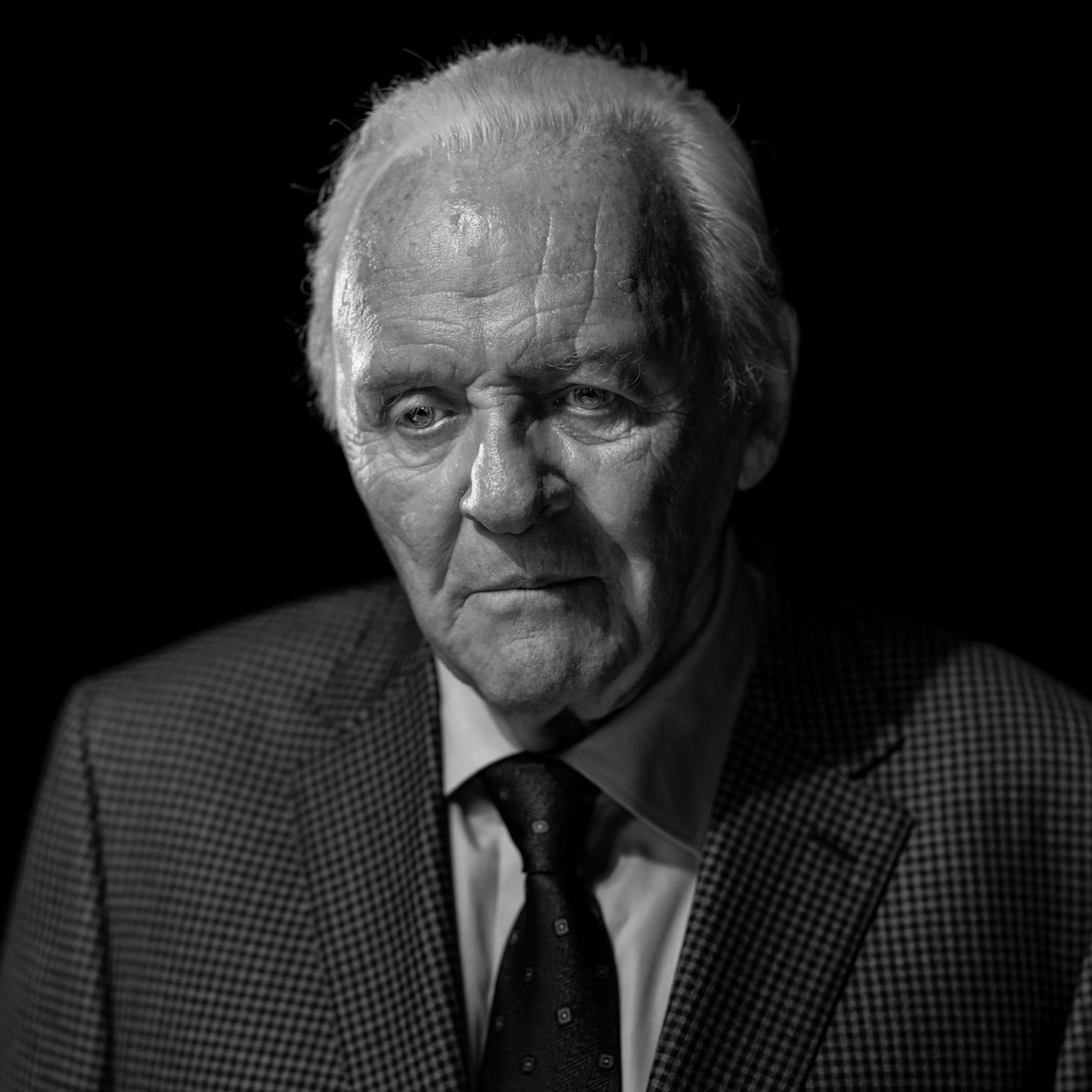
本集简介
双语字幕
仅展示文本字幕,不包含中文音频;想边听边看,请使用 Bayt 播客 App。
嘿,等一下。这是属于你的时刻,你的日子去玩耍、创造、行动、穿越、探索。这是你的身体去休息、滋养、成长。这是你的心灵。
Hey. Hold up. This is your minute, your day to play, to make, to move, to move through, to explore. It's your body to rest, to nourish, to grow. It's your mind.
你知道吗?这是你的位置,你的生活去热爱、梦想、改变。这是你的世界去理解。《纽约时报》。更多内容请访问nytimes.com/yourworld。
You know? It's your place, your life to love, to dream, to change. It's your world to understand. The New York Times. Find out more at nytimes.com/yourworld.
这里是《纽约时报》的访谈节目,我是大卫·马切斯。在安东尼·霍普金斯爵士众多伟大表演中,他总能展现出角色迷人的隐藏深度。无论是扮演汉尼拔·莱克特这样的杀人犯,还是《象人》中善良的医生,这些角色总让人觉得他们因某些原因在隐藏自己的所思所感。
From The New York Times, this is the interview. I'm David Marchese. In so many of sir Anthony Hopkins' greatest performances, he's able suggest captivating hidden depths to his characters. That's true whether he's playing a murderer like Hannibal Lecter or a kindly doctor like he did in The Elephant Man. There's always a sense that these men are thinking and feeling things that for whatever reason, they're keeping themselves.
这种特质如今已不再适用于霍普金斯本人。在他87岁出版的新自传《我们做得不错,孩子》中,这位老人详细讲述了他在威尔士的艰难童年、与独生女(首段婚姻所生)痛苦的疏离关系,以及他在好莱坞的崛起历程。书中还展现了一个不满足于简单记录事件的人——他深入思考了那些宏大命题:这一切为何发生,又意味着什么。然而即使到了这个年纪,他依然对自己人生中那些不可思议的运气与偶然感到困惑。
The same can no longer be said for Hopkins. In his new autobiography, We Did Okay Kid, the 87 year old shares the details of his rough youth in Wales, his painful estrangement from his only child, a daughter from his first marriage, and his rise to Hollywood success. The book also reveals a man who isn't content to merely recount what happened and when. He's also given a lot of thought to the big questions, the why of it all and what it all means. And yet, even at this late stage, he remains mystified by the sheer luck and improbability of his unlikely life.
以下是我与安东尼·霍普金斯爵士的对话。
Here's my conversation with Sir Anthony Hopkins.
你好大卫,我是托尼·霍普金斯。
Hello, David. Tony Hopkins.
啊,我在想该怎么称呼您?是叫安东尼爵士吗?还是
Ah, I was wondering, do I go sir Anthony? Is it
不,不,不,托尼。
No. No. No. Tony.
很高兴认识你。
Nice to meet you.
很高兴见到你。
Good to meet you.
你知道吗,我想从你在书中写到的那个关键顿悟开始可能会很有趣。我们每个人生命中都有转折点。你是否也有这样一个具体的时刻,确切知道它何时发生,一个改变你一切的瞬间?你能告诉我1975年12月29日上午11点发生了什么吗?
You know, I thought it might be interesting to start with a key epiphany that you write about in the book. You know, we we all have our turning points in our lives. Would you have such a specific one and and know exactly when it happened, a moment that sort of changed everything for you? Can you tell me about what happened on 12/29/1975 at 11:00?
嗯,那差不多是五十年前的事了。我总是不太愿意谈论这个,因为不想显得说教,但当时我在加州酒后驾车,处于断片状态,完全不知道要去哪。那一刻我意识到我可能害死别人或自己——虽然当时我不在乎自己死活,但我可能会害死一辆车里的陌生家庭。我意识到自己是个酒鬼,突然清醒过来,在比佛利山庄的一个派对上对我的前经纪人说:我需要帮助。于是我拨通了洛杉矶互助会的电话,参加了十二步戒酒计划。他们说会派人来接我。
Well, it's almost fifty years ago. I'm always slightly reluctant to talk about it because I don't want to sound preachy, but I was drunk driving my car here in California in a blackout, no clue where I was going. And it is a moment when I realized that I could have killed somebody or myself, which I didn't care about, but I could have killed a family in a car I know and I realized that I was an alcoholic and I came to my senses and I said to an ex agent of mine at this party in Beverly Hills, I I need help. So I made the fatal phone call to an intergroup in LA, 12 step program. So we'll send somebody over to meet you.
我说:不用,我来找你们。于是我去了互助会中心办公室。正好11点整,我看了一眼手表——最诡异的部分来了——有个深邃有力的念头或声音从我内心响起:一切都结束了。现在你可以开始真正生活了,这一切都有其意义,所以不要忘记其中任何一刻。
I said, no. I'll come to you. So I went to the center group office. So 11:00 precisely, looked at my watch, and this is the spooky part, Some deep, powerful thought or voice spoke to me from inside and said, it's all over. Now you can start living, and it has all been for a purpose, so don't forget one moment of it.
那只是个凭空出现的声音吗?
And it was just a voice from the blue?
从内心深处,我灵魂的至深处。但那声音清晰可闻,男性嗓音,如同收音机般理性。对饮酒的渴望被剥夺或遗弃。我没有任何理论依据,除了——你知道的——那种我们与生俱来的神性或力量,它塑造了我们,生命能量,无论它是什么。我相信,那是一种意识。
From inside, deep inside me. But it was vocal, male, reasonable like a radio voice. And the craving to drink was taken from me or left. I don't know have any theories except I you know, the divinity or that power that we all possess inside us that creates us from birth, life force, whatever it is. It's a consciousness, I believe.
这就是我所知道的一切。要不要我再给你一个顿悟时刻?好。我要回到1955年的复活节。我的成绩单到了,那份令人恐惧的成绩单。
That's all I know. Should I give you another epiphany? Yeah. I'll go back to 1955, Easter. My school report had arrived, the dreaded school report.
那年我17岁,我害怕这一天的到来,因为父母会读到这些关于我学业进展的糟糕评价——我是个笨蛋。大家都叫我'呆瓜丹尼斯'。完全不明白发生了什么。满心怨恨,孤独无助,诸如此类。我记得父亲拆开成绩单的那个可怕时刻,大约傍晚五点钟。
I was 17, and I was dreading this day because my parents would read these terrible reports on my progress in school because I was a dummy. I was known as Dennis the Dunce. Couldn't understand anything was going on. Resentful, lonely, and all that. I remember my father opening the report, the dreaded moment, about 05:00 in the evening.
记得我们原本要出门看电影。那是个美好的春日。他打开成绩单,上面写着:安东尼远低于学校标准,这现在真的等于宣判死刑。父亲说:我不知道你将来会怎样。我也不知道。
We were gonna go out to see a film, I remember. Beautiful spring day. And he opened the report, and it said, Anthony is way below the standard of the school, which is a death now, really. My father said, I don't know what's gonna happen to you. I didn't know.
好吧。但他确实有理由担心,因为他花了不少钱让我接受教育,而我却达不到标准。我什么都理解不了,大脑像是被切断了联系。但我记得自己稍稍退后了一步。
Good. But he he was worried because and quite reasonably, he'd spent a bit of money to give me an education, and I wasn't capable of meeting that standard. I couldn't understand anything. I my brain was sort of cut off. But I remember taking a slight move away.
他说:总有一天,我会证明给你看。父亲看着我说道:好吧,我希望你能做到。那一刻,我决定停止扮演愚蠢的笨蛋角色。但我们常常陷入负能量的循环,扮演某个角色只因容易说:你看,我不适合这个。
He said, one day, I'll show you. My father looked at me. He said, well, I hope you do. At that moment, what I decided was to stop playing the game of being stupid and a dummy. But we step into circles of energy which are negative, and we play a role because it's easy to say, well, you know, I'm not it's not meant for me.
这话有一定道理,但同时你必须说:醒来吧,去生活。表现得像失败是不可能的事。而我就是这么做的。
Well, there's a truth in it, but at the same time, you have to say wake up and live. Act as if it is impossible to fail. And that's what I did.
你是在威尔士一个面包师家庭长大的工人阶级孩子,我想你当时应该没接触过多少艺术家或演员。对于成为演员这个想法,你或你的家人是否曾有过犹豫?
You grew up the son of a baker, working class in Wales, and I can't imagine that you knew that many artists or actors. Was the idea of becoming an actor something that you or your family had ambivalence about?
没有。作为一个17岁对表演一无所知的男孩,当时突然有某种东西触动了我,我获得了南威尔士一所戏剧学校的奖学金。我这辈子从没演过戏,但参加了试镜,他们居然给了我奖学金。为什么?
No. I think as a 17 year old boy who didn't know anything really, something sparked me, and I got a scholarship to an acting school in South Wales. I'd never acted in my life, but I did an audition. And, they gave me a scholarship. How?
我也不知道。记得还有件事——我曾去布里斯托老维克剧院看伟大的彼得·奥图尔演出,他在《愤怒回望》中饰演吉米·波特。当这个闪电般危险的演员登上舞台时,
I don't know. And I remember this is another thing. I remember going to see a play with the great Peter O'Toole at the Bristol Old Vic. He was playing Jimmy Porter in look back in anger. And onto the stage came this lightning bolt, Peter O'Toole, very dangerous actor.
我心想:天啊,要是他走下舞台,会把我们都杀了。十年后,我却在国家剧院参演劳伦斯·奥利弗执导的契诃夫《三姐妹》,饰演安德烈。演出结束那晚有人敲门,我们本该模仿奥图尔的表演风格。这太奇妙了。他说想让我试镜他的电影。
And I thought, god, if he stepped off the stage, he'd come and kill us all. And ten years later, I was in the theater, the National Theater, playing Andrei and Laurence Olivier's production of three sisters by Chekhov. Knock on the door at the end of the evening, we should be that piece of O'Toole. Now that's weird. And he said, I want you to do a film test for me.
那是部与凯瑟琳·赫本合作的电影,叫《冬狮》。
It's a film with Katharine Hepburn called The Lion in Winter.
是的,那是你的处女作吧。
Yeah. Was your first film.
对。我去试镜后他说:'好,就是你了,这个角色归你。'
Yeah. So I showed up and did the test. He said, right. You've got it. You've got the part.
他当时喝了几杯,之后我们也喝了几杯。这对我来说至今无法解释。每当我偶尔看那部电影时,我都会想,这到底是怎么发生的?为什么是我?直到今天我也不知道原因。
And he'd had a few to drink and we had a few to drink after that. Now that's beyond explanation to me. And when I look at that film, which I do occasionally, I think, how on earth did that happen? Why me? I don't know to this day why.
我就是我,做我所做只因热爱。这一切都是游戏的一部分。这个美妙的游戏叫做生活。没什么大不了。不必紧张。
And I am what I am, and I do what I do because I love doing it. It's all in the game. Wonderful game called life. No sweat. No big deal.
世上本无大事。
There are no big deals.
这种认为生活本质上是一场游戏的观念。世上没有什么是真正的大事。我们无需对任何事过于较真。尽力而为就好。这在某种程度上是你书中反复出现的主题。
The idea that essentially life is a game. There are no big deals. We don't need to take anything so seriously. You just gotta do the best you can. That's sort of a, in a way, a recurring theme in your book.
我在想,如果我们相信不该对任何事太过认真,那我们应该重视什么?生命中真正重要的是什么?
And I wonder if we believe that, you know, we shouldn't take anything too seriously, what should we take seriously? What does matter in life?
当然,我并非提倡对一切都漫不经心。生活中确实存在困难,巨大的困难,你当然要注意到它们。但最终,在我即将88岁的现在,我每天早晨醒来都会想:我还活着。这是怎么回事?
Well, I don't mean to, you know, be irresponsibly indifferent to everything. There are difficulties. There are monstrous difficulties in life, and, yeah, you take notice of them. But finally, I think now approaching 88 years of age, I wake up in the morning thinking, I'm still here. How?
我不知道。但无论是什么力量让我继续存在,我都要说非常感谢,感激不尽。超越我有限的能力之外,我能做的并不多。我小时候有个天赋,能突然记住莎士比亚戏剧中的大量台词和诗歌等等。
I don't know. But whatever is keeping me, I say thank you very much, much obliged. Beyond my finite self, there's not much I can do. I I had a gift when I was a boy. I could suddenly learn lots of words of speeches from Shakespeare and poems and all that.
如今到了这个年纪,我看着当年写下的那些诗,它们唤起了我对童年的清晰记忆,让我深受触动。只要一想到这些,我就会热泪盈眶——不是因为悲伤,而是因为活着并经历过那些岁月的奇迹,对威尔士的清晰记忆,对父母以及他们在战后岁月里奋斗与艰辛的鲜活回忆。他们为了谋生和供我读书真的吃尽了苦头。我怀着无比感激的心情回首往事,每每想起童年时光的灿烂,就会忍不住落泪。
Now at this age, I look at those poems that I wrote down or they bring back clear memories of my childhood and I get very moved by it. I just have to think of them. I get tearful not through sadness but through the wonder of having been alive, having lived those years and my clear memories of Wales, my clear memories of my parents and their struggles and hardships after the war years, you know. They really struggled to make a living and to give me an education. I look back with tremendous gratitude and I get kind of weepy because I remember the glory of being a child.
你知道吗?我有个美好的童年。嗯。我在学校并不聪明。我毫无希望,还经常被欺负。
You know? I had a good childhood. Mhmm. I wasn't bright in school. I was hopeless, and I was bullied a lot.
我常挨耳光。但回首往事,我觉得这就是成长的一部分。我不聪明。那时候老师可以随便打学生。我记得因为答不上问题,被一个老师扇了好几次脑袋。
I was slapped around. But I look back and I think, well, that's part of growing up. I wasn't bright. And in those days, teachers could knock you about. I remember being slapped across the head by a teacher several times because I didn't know something.
而我的应对方式——用军队里的说法就是消极抵抗。我不作回应,只是缩回自己的世界,茫然地盯着他们,这让他们抓狂。现在这些人都已经不在了。
And what I would do, revert to would be called in the army dumb insolence. I wouldn't respond. I just withdrawn to myself, and I'd stare at them blankly, and it drove them nuts. And they're all dead now.
你赢了。我也赢了。所以当你还是个孩子时,听到父亲或老师说你是笨蛋,我相信你年轻时内心的声音也在说:我就是个笨蛋。
You won. I won. So when you were a kid and you would hear your father or teachers say you were a dummy, I'm sure that the voice your voice in your own head when you were younger also said, I'm a dummy.
没错。
That's right.
我认为人们常常在生活中——至少对我来说确实如此——与脑海中那个告诉我们‘你做不到’或‘你很蠢’的声音作斗争。你是如何平息或学会控制这个声音的?
And I think people are are often in their lives, and certainly true for me, you know, we do battle with this voice in our head that tells us we can't do things or we're stupid or whatever it may be. How did you quiet that voice or learn to control it?
嗯,这份感受自童年起就深植我心。但你的所作所为,如今它在我耳边低语。所以我要说,闭嘴。所以,是的,我就这样。非常感谢。
Well, it's still there in me from childhood. But what you do, it now whispers. So what I say, shut up. So, yeah, I just yeah. Thanks a lot.
我们都有问题,都有局限。但我坚信,如果你说‘醒来生活’,表现得仿佛这是不可能的事,我们实际上会激发内心的力量,这帮助我们做好事情,不是所有事,但有些事。我发现我能作曲,发现我能写作。
We all have problems. We've all got limitations. But I do believe that if you say wake up and live, act as if it's an impossible thing, we actually tap into a power that's in ourselves, which helps us to do well, not everything, but some things. I discovered that I could compose music. I discovered that I could write.
通过我可爱的妻子斯特拉,我发现我还能画画。记得她是个榜样,因为她改变了我的生活。我们刚结婚时,她在我的一些旧剧本里发现了些素描。她说这些画是你画的。我说,是的。
I discovered through my lovely wife, Stella, that I could paint. And I remember she was an example because she changed my life. She found some drawings in some old scripts of mine just after we got married. She said these drawings, you did these. Said, yes.
她说‘你必须画画’。我说‘我不会画’。她说‘你当然会,只管画’。于是我买了画布、丙烯颜料、钢笔和墨水,就这么画起来了。
You gotta paint. I said, I can't paint. She said, of course, you can. Just do it. So I then bought some canvases and acrylic paints and pens and inks, and I just do it.
你知道,我常与演员们交谈,他们常提到表演的某些特质,他们对表演的亲和力或天赋,与表演如何满足他们内心的某些需求有关。你觉得表演是否也满足了你内心的某种需求?
You know, often when I've talked with actors, they've suggested that something about acting and something about their affinity for acting or gift for acting has to do with the way that acting fulfills something for them. Is there anything that you find acting fulfills for you, some inner need?
需求听起来有点可悲。我只是享受其中。我喜欢其中的科学趣味,比如学习剧本或台词,这方面我很在行。我会深入研究正在学习的文本的一切,因为这重塑了我。我想在深层的心理层面,我是在试图逃离过去的自己。
Well, a need sounded rather sad. I just enjoy it. I enjoy the the scientific fun of it, of learning a script or learning all the lines, and I'm very good at that. I I learn everything there is to about the text that I'm studying because that reforms something in me. And I suppose in a deep psychological level, I'm trying to escape from what I was.
我不知道。
I don't know.
你曾经是什么?你试图逃避的究竟是什么?
What were you? What is the thing you were trying to escape from?
嗯,那个孤独的孩子。你知道吗?实际上,我带着一种虚荣的惊喜说,我做到了。我熬过了孤独,熬过了那些欺凌。
Well, that lonely kid. You know? And actually, the vain surprise of saying, I did it. I survived my loneliness. I survived those bullies.
我并非责怪他们。愿上帝保佑他们所有人。包括那些打骂过我的老师。我的意思是,我不是受害者。而且,你知道,如果人们选择沉溺于他们的困境,好吧,随他们去。
Not that I blamed them. God bless them all. Even the teachers who beat me about. I mean, I'm not a victim. And, you know, I if people choose to wallow in their hoe, well, okay.
继续吧。但你会死的。这就是为什么我通过喝酒来麻痹那种不适或任何困扰我的东西,因为它让我感觉自己很强大。你知道,酒精很棒,因为它能让你瞬间感觉置身于另一个空间。我很享受那种感觉。
Go ahead. But you're gonna die. And that's why I drank to nullify that discomfort or whatever it was than me, because it made me feel big. You know, booze is terrific because it makes you instantly feel in a different space. And I enjoyed that.
我并没有持续太久。我这样做了十五年。但我记得当时认为这就是那个年代所有演员的生活。彼得·奥图尔、理查德·伯顿,他们都是这样。我记得那些酒局,觉得这就是生活。
I didn't do it that long. I did it for fifteen years. But I remember think this is the life of all actors in those days. Piso O'Toole, Richard Burton, all of them. And, you know, they're I remember those drinking sessions, think this is the life.
我们是叛逆者。我们是局外人,所以我们可以尽情庆祝。而在内心深处,我知道这也会要了你的命。我记得当时在想,这会要了我的命。
We're rebels. We are outsiders so we can celebrate. And at the back of the mind is, and it'll kill you as well. And I remember thinking, this is gonna kill me.
喝酒吗?
The drinking?
是啊。因为我当时酗酒成瘾,就像赶时髦似的。那些曾与我共事的人,他们都离开了,他们都是才华横溢的人。很棒。但一旦你陷入那种精神分裂般的状态,当你的个性变得狂躁,从谷仓里那个和蔼可亲的家伙,突然就凶狠起来,比如,你对我说话的样子。
Yeah. Because I was drinking like I was going out of fashion. And those guys who worked with, they've all gone, and they were very talented people. Wonderful. But once you get into that schizophrenic stage when your personality becomes rabid and from the moment you're a jolly nice guy in the barn, suddenly you turn viciously, say, you talk to me.
这就是当时发生在我身上的事。
That's what was happening to me.
你曾写到劳伦斯·奥利弗或凯瑟琳·赫本等资深演员如何影响你理解电影表演。但我好奇的是,这些年与你合作过的年轻演员,比如妮可·基德曼、布拉德·皮特或瑞恩·高斯林,他们是否在表演技艺上给过你启发或展示过什么?
You write about how you were influenced by older actors like Laurence Olivier or or Katharine Hepburn sort of helped you understand about film acting. But I was curious about whether any of the younger actors that you've worked with over the years, people like, you know, Nicole Kidman or Brad Pitt or Ryan Gosling, have they taught you anything about acting or shown you anything about the craft?
与他们合作总是很愉快。比如布拉德和你刚提到的每一位。我对他们只有赞誉。几年前我曾与一位年轻加拿大演员合作,他长得有点像詹姆斯·迪恩。我觉得他自以为是詹姆斯·迪恩。
It's always been a pleasure to work with them. I mean, Brad and everyone you've just mentioned. Nothing but praise for them. I was working with a young actor a few years ago, young Canadian actor who looked a bit like James Dean. I think he thought he was James Dean.
当时我们正在拍一场戏。听着,你说话含糊不清。我一个字都听不见。我听不清你在说什么。你为什么嘟囔?
But we were doing a scene together. See, you mumble. I can't hear a word you're saying. I can't hear you. Why are you mumbling?
我不想破坏他的好心情。但我告诉他:如果你继续这样,观众会去隔壁酒吧的,因为你的职责是把故事讲清楚。大声点。表达清晰。像后街的冒牌马龙·白兰度那样晃悠对你的事业毫无帮助。
I didn't want to spoil his day. But I said, if you do that, you see, they will go to the pub next door because you're supposed to tell us the story. Speak up. Be clear. Wandering on like a backstreet Marlon Brown is not gonna help you at all in your career.
后来我再也没听到过他的消息。
I never heard him since.
在阅读这本书以及你过去的采访或相关文章时,我感受到你始终传递着一个观点:表演不应被过分严肃对待。演员本质上是娱乐者。我想知道,你是否认为表演能比其它形式更接近真理?
In reading the book and in reading sort of older interviews with you or older articles about you, to me, there's a a consistent sense that comes from you that, you know, acting shouldn't really be taken that seriously. Actors are entertainers. And I wonder, do you think acting has any greater claim on the truth?
不。它就是娱乐。或许是一种寓教于乐的娱乐方式。
No. It's an entertainment. Maybe it's an educational way of entertaining.
所以它并不具备更深层次的意义。
So it has no deeper importance.
我并非贬低它,只是说——如果我开始把自己看得太重,我始终认为这仅仅是份工作。仅仅是表演而已。对我而言,它们就像人生中的拼贴画,是生活的点缀。不必太过认真,因为当你活到某个年纪时,你会明白自己怀揣着抱负与宏大的梦想,一切似乎都很美好。而在远方的山丘上,死亡正在等候。
I'm not dismissing it, but I'm just saying, you know, if I start taking myself too seriously, I do think it's only a job. It's only it's only acting. So for me, they're just pastiches, little dabs of paint in one's life. And not to be taken because at the moment when you get to a certain age in life, you're just going through, you got ambitions, you got great dreams, and everything's fine. And then on the distant hill is death.
这时你会想:是时候清醒过来,真正享受生活了。
And you think, well, now is the time to wake up and live and really enjoy it.
你觉得自己实现梦想了吗?
Do you feel like you achieved your dreams?
噢,当然。我甚至不确定那些算不算梦想。它们只是恰好发生在我身上,我完全不敢居功。我的生活对我来说就是个谜。不是故作谦虚,但我必须承认至今都不明白这一切是如何发生的。
Oh, yeah. I I didn't know if they were dreams. They just happened to me because I can't take credit for them at all. I I kinda I mean, my life is a mystery to me. I'm not trying to sound ultra modest or humble, but I have to confess that I don't understand how it all happened.
奇迹在于我看着自己的双手。你知道,这是一双87岁老人的手。我动作变慢了,身体也吱嘎作响,尽管我依然强壮。但真正的奇迹是我还活着。这不是什么数学公式。
The miracle is I look at my hands. You know, my hands are an 87 year old man's hands. I'm slowing down, and, you know, my body's creaky, although I'm still strong. But the miracle of it is I'm still here. And that's not a mathematical formula.
这是我们所有人共有的生命奇迹,那颗仍在跳动的心脏。我看着我的猫,看它熟睡的样子,看它完全放松的状态,我凝视着它生命的奇迹。一只小猫。
That's a miracle of life that's in us all, the heart that still beats. I look at my cat. I watch him sleeping. I watch him, you know, out for the count, and I look at the miracle of his life. A little cat.
这奇迹,这纯粹的奇迹,若对其视而不见简直是一种亵渎。
The miracle, the sheer miracle to dismiss it is a sacrilege.
是什么让你从奇迹中回过神来?
What snaps you out of the miracle?
我的背疼。
My bad back.
那确实管用。
That'll do it.
是啊。但其实也没那么严重。我接受了一些治疗,腰部有点僵硬。现在我会放慢节奏,做任何事都非常缓慢,因为你知道,我很强壮。
Yeah. But it's not even that bad. I, you know, I get a bit of treatment, lower back, bit of stiffness. And what I do now is slow down. I take everything very slowly because, you know, I'm strong.
我的腿很强壮,我经常锻炼。但我现在会悠着点,因为一次绊倒或跌倒就可能要了我的命。
My legs are strong. I work out. But what I do is I take it easy because one trip, one fall can kill you.
我是说,你的年龄是个事实,这是不可否认的。
I mean, your age is it's a fact. It's it's undeniable.
是啊。
Yeah.
但从远处看,你的工作效率似乎并没有下降。你工作很多。是啊。你知道不工作的时候该做些什么吗?
But it doesn't really seem from afar as if your productivity has slowed down. You work a lot. Yeah. Do you know what to do with yourself when you're not working?
我弹钢琴,看书。
I play the piano. I read.
但我真正想问的是,你为什么工作这么多。
But why do you work so much is my real question.
他们仍然给我工作机会。我不知道他们是怎么想的。他们可能以为我40岁。我不知道他们为什么给我这些工作,我想,如果他们愿意雇佣我,我只希望自己能保持健康状态,随时准备好。
They offer still offer me work. I don't know what's in their minds. They may think I'm 40. I don't know if they give me these jobs to do, and I think, And I think, well, if they're game to employ me, I hope I just show up fit and well and ready.
但你究竟会对什么说‘好’呢?我是说,你是不是对什么都来者不拒?
But what do you say yes to? I mean, do you just say yes to everything?
只要力所能及的事。为什么不呢?不,我会答应。只要剧本够好,不太离谱,只要剧本写得精彩导演又通情达理,那当然可以啊?
Anything I can. Well, why not? No. I say yes. As long as it's a good script, not too far fetched, as long as the writing is good and the director's amenable, yeah, why not?
如今你遇到不通情达理的导演频率有多高?
How often these days do you get a director who's not amenable?
噢,现在他们全都很好说话了。
Oh, they're all amenable now.
这是种变化吗?
Is that a change?
嗯,过去我确实遇到过些问题,那时候有些导演专横跋扈,少数几个这样的暴君。但当我直面他们时,我会毫不含糊地反击。我会说‘你敢这样跟我说话,明天醒来就会发现被群众包围’之类的话。不管是不是真能做到,反正我绝不忍气吞声。我说‘别用那种口气跟我讲话’。
Well, I used to, in the past, have a few problems with those days, there was there were tyrant directors, tyrannical bullies, few of those. But when I used to confront them, I would confront them in no uncertain terms. I'd say things like you talk to me like that, and you wake up with a crowd around you. Whether I meant it or not, I don't know, but I wouldn't put up with it. I said, don't talk to me like that.
我说‘不行,你闭嘴’。他们要么照做要么不听。记得有次和一位导演合作,他正在给一位年轻女演员讲戏,那是个优秀的女演员,结果他突然冲她吼起来。我当即喊停。
I said, no. You shut up. And either they would or they wouldn't. I remember working with a director who was giving notes to a young, young woman, fine actress, and he started shouting at her. I said, hold it.
你对这位女士提高一分贝音量,我就走人。而你,亲爱的,也该离开。她说之后谢谢。我问,他这样多久了?说,整部电影都在这样,说,你早该告诉我。
You raise your voice one decibel to this lady, and I'm going. And you, my dear, should leave as well. She said after this, thank you. I said, how long has he been doing that? Said, from the whole film, said, you should have told me.
我甚至记不清具体细节,我想他现在已经走了。但是,不,我...我保护别人。别提高嗓门。这只是部电影。一部愚蠢的电影。
I can't even remember the exact I think he's gone now. But, no, I I defend people. Don't raise your voice. It's a film. It's a stupid film.
仅此而已。这不重要。一个镜头接一个镜头地拍。谁在乎呢?
That's all it is. It's not important. Doing take after take after take after take. Who cares?
你觉得你拍过的电影里有哪部能称得上重要吗?没有。一部都没有?没有。《象人》除外。
Do you feel that any of the films that you've made, would you call them important? No. Not one? No. The elephant man.
把《象人》给我。
Give me the elephant man.
是的。那是部好电影。那部...
Yeah. It was a good film. The
《长日将尽》。
remains of the day.
是的,他们很棒。但《沉默的羔羊》啊,关键是,你知道的,关于那些事。人们总问我《沉默的羔羊》的事。
Yeah. They were good. But Silence of the lambs. Ah, but the the thing is, you know, about all that stuff. People ask me about silence of the lambs.
你怎么做到的?我说,听着,我不是汉尼拔·莱克特。我不是管家。我不是这个。不是。
How did you do that? I said, well, I am not Hannibal Lecter. I am not a butler. I am not this. No.
我不是那种人。我只是个机修工。我出现了。没人会问,你是怎么演绎《长日将尽》里那个管家的?
I'm not that. I'm just a mechanic. I show up. No one somebody says, how did you play the remains of the day? That butler, how did you play him?
我说,好吧,我当时非常安静,一动不动,轻手轻脚地走动。
I said, well, I was very quiet, very still, and walked about quietly.
就这样。就这么简单。
That's it. It's it's it's that easy.
是啊。但你怎么演绎汉尼拔·莱克特的?我演的和他们预想的完全相反。他们说他是怪物。早上好。
Yeah. But how did you play Hannibal Lecter? Well, I played the opposite of what they promised. Oh, he's a monster. Good morning.
你不是真正的FBI。最近怎么样?
You're not real FBI. How are you?
孩子们让人毛骨悚然,别那样做。
Kids are the heebie jeebies. Don't do that.
因为你总是反着来,而且轻而易举。
Because you'd play the opposite, and it's easy.
你看,是这样的——我想先回到书里的内容,特别是这部分重点内容。我知道这对你来说很敏感。
You know, there there I'd like to return to the material from the book for a second and this specific material I'd to focus on. I know it's sensitive for you.
我知道你要谈什么,家庭生活。
I know what you're gonna talk about, domestic life.
是。不。不。即使书里写了也不行?
Yes. No. No. Even though it's in the book?
不。这事翻篇了。
No. It's done.
我能问个不直接涉及书中内容的普遍性问题吗?呃...我会尽量说清楚。书中关于你和你女儿那段别扭关系的内容,之所以让我感到痛苦,部分原因是它让我产生了个人共鸣。二十年来我只见过父亲两次,通过一次电话。我很好奇其他人对这种疏离关系的体验。
Can I ask a general question that's not specifically about the material in the book? Well But it's about the I'll I'll stumble through this. Part of the reason that the material in the book about your relationship with your daughter, your strange relationship with your daughter, part of the reason why I found it so painful is that it resonated with me for personal reasons. I've seen my father, I think, twice in twenty years. You know, I've spoken to him once in those twenty years, and I'm very curious about other people's experience of that kind of estrangement.
在这个例子中,疏远是我的选择,但我想知道你是否对疏远的父母与子女之间可能的和解之处有所见解。
In this instance, the estrangement is my choice, but I just wonder if you have thoughts about where reconciliation might lie between estranged parents and children.
我妻子斯特拉发来了邀请,希望我们见面。但对方毫无回应。我想,好吧。就这样吧。我祝她一切顺利,但我不想为此耗费精力。
My wife, Stella, sent an invitation to come and see us. Not a word of response. So I think, okay. Fine. I wish her well, but I'm not gonna waste blood over that.
如果你想在五十年后、五十八年后还活在怨恨中,那随你便。这不是我能承受的。听着,我可以对过去耿耿于怀,但这等于死亡?你根本没有在生活。
If you wanna waste your life being in resentment fifty years later, fifty eight years later, fine. Go ahead. It's not in my can. See, we can I could carry resentment over the past, this and the other, but that's death? You're not living.
你必须承认一件事:我们都不完美。我们不是圣人。我们都是罪人,或是介于两者之间的存在。我们只能尽力而为。生活本就充满痛苦。
You have to acknowledge one thing that we are imperfect. We're not saints. We're all sinners and saints or whatever we are. We do the best we can. Life is painful.
有时人们会受到伤害,有时我们自己也会受伤,但你不能这样活着。你必须学会放下。如果你实在放不下,那也随你。祝你好运。
Sometimes people get hurt. Sometimes we get hurt, but you can't live like that. You have to say get over it. Now if you can't get over it, fine. Good luck to you.
但我没有评判之意,只是做了我能做的。就这样吧。这就是我想说的全部。你...
But I have no judgment, but did what I could. So that's it. Would And that's all I wanna say. Do you
希望你女儿会读这本书?
hope your daughter reads the book?
我不会回答那个问题。不,我不在乎。
I'm not gonna answer that. No. I don't care.
我继续下一个话题。
I'll move on.
拜托了。我希望你这样做因为我不想伤害她。
Please. I want you to because I don't wanna hurt her.
我理解。
I understand.
我不想...我不想做任何...不。二十年前就有这个提议,但算了。继续吧。
I don't want to I don't want to make any no. Twenty years, the offer was made, but fine. Onwards.
在书的结尾部分,你提到有几个标签可能适用于你,其中之一是阿斯伯格综合征。我记得你在书里提到你妻子斯特拉有点怀疑你可能患有此症。你曾经被确诊过吗?
Towards the end of the book, you talk about a couple labels that might apply to you, one of which is Asperger's. You I think you say in there that your wife Stella sort of suspects that you may have Asperger's. Have you ever been diagnosed?
没有。有人告诉我我具备所有症状。但我完全不明白这意味着什么。如果我真有这病,那我也欣然接受。我不清楚。
No. I'm I'm told I have all the symptoms. I don't know what any of it means. If I have it, then I'm happy. I don't know.
但另一个标签就在同一段落里。你提到另一个可能适用的标签是'冷鱼',而且你更喜欢'冷鱼'这个标签而非'阿斯伯格'标签。为什么?为什么这个标签让你感觉更贴切或更舒适?
But the the other label, it's right in the in the same paragraph. You say another label that might apply is the label cold fish, And you say that you prefer the cold fish label to the Asperger's label. Why is that? Why does that feel more fitting or more comfortable to you?
嗯,'冷鱼'只是个比喻说法。我并非冷血之人。我有很多情感深藏其中,它们都埋在我心底。当我读到过去的某些文字时,会忍不住落泪。
Well, it's it's only a turn of phrase of cold fish. I'm not a cold fish. I have lots of feelings bundled up with them. They're deep inside me. And when I read something from the past, I get tearful.
并非我不感性。在这个与演员打交道的行业里,虽然我欣赏并合作过的演员很多,但我不会产生依恋。我尊重他们,但确实...就像鳕鱼那样,我与人保持距离。我是个独行者,始终无法改变这点。我有熟人,如果你愿意称之为朋友的话。但我没有知心好友。
It's not I don't get attached to sentimentality in this business with actors who admire and I've worked with, I form no attachment. I respect them, but I form well, the coal fish is I am remote. I am a loner, and I've never been able to shake that. I have acquaintances, friends, if you wanna call it that. I don't have any close friends.
我确实有些疏离和多疑。我满足于在自己略显孤立的生活中独处,但我并非隐士。我不住在高塔里,而是住在这里的房子里,经常旅行。我有直系亲属——侄女塔拉和我可爱的妻子斯特拉。
I'm a little distant, a little suspicious, I suppose. I'm comfortable just chanting along through my my slightly isolated life, but I'm not a recluse. I don't live in a tower. I live in a house here, and I'm traveling a lot. I have my immediate family, my niece, Tara, and my lovely wife, Stella.
她们会支使我做这做那,告诉我该做什么,而我很乐意接受。
And they boss me about. They tell me what to do, and I'm happy with that.
你描述的这种个人疏离感,我在想这是否有时反而对你的表演有所裨益。因为当我回想你那些最打动我的表演时,比如《告别有情天》或《困在时间里的父亲》,某种程度上《沉默的羔羊》和《影子大地》也是,这些角色身上都带着某种情感疏离。我在想这是否像是安东尼·霍普金斯表演的某种指纹特征,还是你有意为之的表演策略?
The personal remoteness you described, I was wondering if that how that might actually benefit your performances sometimes. Because when I think of some of my favorite performances that you've given, I'm thinking of things like Remains of the Day or 84, the father. Even on some level, Silence of the Lambs or Shadowlands has us too. There I feel like there is sort of an emotional remoteness to some of those characters. And I wonder if that's something that is just sort of like a a fingerprint maybe or or a signature of a good Anthony Hopkins performance, or is that an intentional performing strategy?
我认为部分是刻意为之。因为多年前皇家艺术学院有两位老师——他们只是短期访客,并不认同学院派教学——他们是斯坦尼斯拉夫斯基体系的教师。我记得其中一位叫亚特·马尔姆格伦的舞蹈老师,他是瑞典人。
I think it's partially intentional because many years ago, there were two teachers at the Royal Academy. They were brief visitors there. They did not appreciate the academy, the academic, but they were teachers of the Stanislavsky system, let's say. And I remember this one teacher called Jat Malmgren, and he was a dance teacher. He's Swedish.
我曾参加过这些痛苦的形体训练课,非常讨厌。我体型像威尔士橄榄球前锋,你知道的,比较魁梧。但安东尼却说,你有太多外向的运动能量,会变得迟钝。我当时不懂他的意思,但本能地开始培养另一面。嗯哼。
And I used to go to these painful classes of movement. I hated them. And I'm built like a Welsh rugby scrum, you know, a bit beefier. And yet said, Anthony, he said, you have too much extroverted motoric energy, and you will become insensitive. I didn't know what he was talking about, but then I gathered instinctively to develop the other side Uh-huh.
那就是收敛自己,置身黑暗,保持所谓的疏离感。正是这种疏离感让我受益匪浅,因为我必须彻底改变心理状态,不再像那个横冲直撞的橄榄球员般冲上舞台,撞到别人,表现得咄咄逼人。我逐渐学会了克制。不,要收敛。
Which was to pull back, be in the darkness, be in the shade called remote. And it's the remote that paid off for me because I had to change my whole psychology to not be that rambunctious rugby player coming on the stage, bumping into people, being ferocious. Gradually, I learned, no. No. Pull back.
收敛。有个表演技巧来自伟大的电影明星格洛丽亚·格雷厄姆。她与鲍嘉合演《孤独地方》时,鲍嘉对她说:待在阴影里,别主动靠近镜头。
Pull back. There's one acting note that it was Gloria Graham, a great movie star. She was doing a film with Bogart called in a lonely place. And Bogart said to her, stay in the shade. Don't go to the camera.
让镜头来找你。他看出了她的特质——因为她有点疯癫,懂吗?他说让镜头来找你。我觉得鲍嘉自己也有这种特质。
Let it come to you. He saw something in her because she was a little crazy. You know? He said, let it come to you. And I think he had that quality as well.
这才是更具魅力的表现方式。
And that's the more magnetic side.
是啊,这样反而更吸引观众。
Yeah. It compels you to watch.
因为你不做任何动作。奇尔顿问克拉丽斯·史达琳:他是什么样的人?食人魔汉尼拔?精神病院院长奇尔顿说:哦,他是个怪物。而当她走向牢房时,可能以为会看到个哭哭啼啼的疯子。
Well, because you're not doing anything. Chilton says to Clarice Stalin, what's he like? You mean Hannibal the cannibal? And Chilton, the head of the asylum, says, oh, he's a monster. And she goes down the passageway to the cell, maybe expecting to see a blubbering lunatic.
乔纳森·德米对我说,他问:'你希望克拉丽丝怎么看待你?是想躺在铺位上,还是想正在阅读?'我说:'不,我要站着。为什么?'
And Jonathan Demi said to me, he said, how do you want to be seen by Clarice? Do you want to be lying on the bunk, or do you want to be reading? I said, no. I want to be standing. Why?
我说:'我能闻到她沿着走廊走来的气息。当她看见我时,这位始终彬彬有礼的绅士会说:早上好。你们这儿不是真正的FBI。你们离FBI还差得远呢。'
I said, I can smell her coming down the corridor. When she sees me, there's this still perfectly civil gentleman. Good morning. You're not real FBI here. You're all the way to the FBI.
这就是构建人物画像的方式。一切都是疏离的,因为莱克特正是那种具有疏离魅力的角色。如果你内心存在这种离心力般的疏离感,那便是将你吸引进去的驱动力。
That's the way to build the portrait. And it's all remote because Lecter is the remote spellbinding character. And if you have remoteness as the centrifugal force in you, that's the driving force that pulls you in.
如果你不介意的话,我想回到另一个顿悟时刻。这是你在书中描述的另一个场景。大约七十年代末,你开车行驶在洛杉矶。对。然后你感到一股力量牵引着你走进一座天主教堂,你告诉里面的一位年轻神父说你找到了上帝。
There's another epiphany that I'd like to go back to, if you don't mind. This is another one you describe in the book. You were driving in Los Angeles in, I think, the late seventies. Yeah. And you felt a pull to go over to a Catholic church, and you went inside, and you told a young priest there that you had found God.
现在我感觉到,你并不像常规那样每周日去教堂做礼拜或进行传统形式的祈祷。那么对你而言,上帝意味着什么?
Now I get the sense that you're not, you know, going to church every Sunday or sort of praying in a conventional way. So what is God to you?
嗯,这是个敏感话题,不是吗?因为我与宗教...但那天早上当那个声音说'一切都结束了,现在你可以开始生活了'时发生的事,它正在为某个目的而消解。所以不要忘记其中的任何一刻。我知道那是远超我理解的力量。
Well, it's a touchy subject, isn't it? Because I'm religion and but what happened that morning when that voice said, it's over. Now you can start living, and it's dissolving from for a purpose. So don't forget one moment of it. I knew that was a power way beyond my understanding.
不是在那云端之上,而是在这里,在这里面。所以我选择在那一刻称它为上帝。我不知道还能怎么称呼它。'上帝'这个词很短,容易拼写。最近我创作了一首在利雅得指挥演奏的乐曲《告别》,是为钢琴和管弦乐队而作的。
Not up there in these clouds, but here, in here. So I chose to call it at that moment, God. I didn't know what else to call it. Short word, God, easy to spell. And I recently wrote a piece of music which was conducted in Riyadh, Goodbye, on piano and orchestra.
到最后,当我写作时,当我构思时,我突然明白:就是这样。我们兜兜转转又回到原点。我们沉入低谷,就这样吧,反正一切都只是一场梦。
And at the end, it came to me as I was writing it, as I was composing it, that that's it. We come full circle. We dip down to, that's all folks, and that it was all a dream anyway.
万物皆梦,在死亡带走我们之前先说再见。当你临近这最后的告别时,你是否会为自己留下的东西——无论是作为一个人还是一位艺术家——感到骄傲、赋予意义或从中获得慰藉?
Everything is a dream, and it's goodbye before death takes us. If you're getting nearer to the big goodbye, do you take any pride or draw any meaning or take any solace from what you leave behind, both as a person and as an artist?
哦,你是指遗产吗?
Oh, you mean a heritage?
是传承。
A legacy.
传承。我从未考虑过这个。从未。当黄土覆身之时,一切就结束了。我们继续前行。
A legacy. I never think about it. I never think about it. When they cover the earth over you, that's it. We move on.
记得我曾应劳伦斯·奥利弗的遗孀——一位年轻女继承人之邀,在苏塞克斯一座小教堂的灵柩前朗诵《李尔王》的终场台词。接到这个请求时我震惊不已。奥利维亚的灵柩周围摆满了鲜花与花环,还有从莎士比亚《冬天的故事》中采撷的花束。仪式后,我们乘车前往火葬场,我与伟大的玛吉·史密斯同坐。虽不算熟识,但我们比邻而坐。
I remember going to I was asked by the widow of Laurence Olivier, a young ploret, if I would read the last lines of King Lear at the casket in this little church in Sussex. I was astounded that I was asked to do it. There was Olivia's casket, full of the flowers and wreaths and collections of flowers from Shakespeare's A Winter's Tale. And after that, we got into our cars and and we went to the crematorium and I was sitting next to Maggie Smith, the great actress Maggie Smith. I didn't know her that well, but we were sitting next to each other.
我们都曾与奥利维亚共事。当帷幕缓缓移动,能听见滚轮将其送入火葬场火焰的声响。玛吉·史密斯说:多么完美的终幕。你会想,全能的上帝啊,这一切究竟为何?那些倾注在他生命中的——或是任何人的生命中,不仅是名人,而是每个人生命中的惊人能量。
And we both worked with Olivia. And there was the casket and finally, as the curtains went, you could hear the rollers taking them into the crematorium, into the flames. Maggie Smith said, what a final curtain. And you think, god almighty, what is it all about? The wonder of all that energy that had gone into his life or anyone's life, not just a celebrity, but anyone's life.
为生存所付出的精力。亲眼目睹父亲离世,在他去世那晚去医院。站在床尾,看着母亲轻抚他的头发。我触摸到他床尾的双脚,冰冷彻骨。
The energy that goes into survival. Seeing my own father dying, you know, going to the hospital the night he died. And standing at the foot of his bed, my mother smoothing his hair. And I felt his feet at the foot of bed. It was dead cold.
他走了。当我站在南威尔士那家空荡荡的医院里,寂静的夜晚,那个声音再次响起:'你也好不到哪去。这就是你将来的归宿。'当意识到这点时,真是振聋发聩。
He'd gone. And as I stood there, that silent night in that empty sounding hospital in South Wales, a voice again came to me. You're not so hot either. This is what'll happen to you. It's a great wake up call when you know that.
这声音相当直白:'你也好不到哪去。'
It's a fairly brusque voice. You're not so hot.
但这本质上是种觉醒,多次觉醒与顿悟。我们心想,是啊,确实如此。
But what it is, it's an awakening, several awakenings and epiphanies. We think, yeah, that's right.
但是安东尼爵士,我意识到我一直在回避一个想请教您的问题。
But, sir Anthony, I realize I'm dancing around a question that I would like your answer to.
继续说吧。
Go on.
您觉得您的人生有意义吗?
Do you think your life has had meaning?
我唯一能赋予的意义是,我所追寻和渴望的一切都主动找到了我。不是我找到了它们,而是它们来到了我身边。
The only meaning I can put to it is that everything I sought and yearned for found me. I didn't find it. It came to me.
休息过后,将由安东尼·霍普金斯爵士带来诗歌朗诵。
After the break, a poetry reading by sir Anthony Hopkins.
嗨,我是朱丽叶。
Hi. I'm Juliette.
我是乔艾尔,我们来自《纽约时报》游戏团队。
I'm Joelle. We're from the New York Times games team.
我们正在这里与玩家们交流关于我们的游戏。
And we're here talking to fans about our games.
当你玩我们的游戏时,你的感受是怎样的?
What's your vibe when you're playing one of our games?
这让我感觉自己在以一种非常高效的方式拖延。它恰好满足了我大脑的某种渴望。你有固定的游戏习惯吗?我正在和男友异地恋,我们每晚都会视频通话并共享屏幕。
It makes me feel like I'm procrastinating in a really productive way. It just scratches an itch in my brain. Do you have a routine? I'm doing long distance with my boyfriend. We'll call every night and share our screen.
我们先处理连接线,然后是迷你线,最后是发束。总是这个顺序。啊。你有最喜欢的吗?迷你线。
We do connections, the mini, and then strands. Always in that order. Aw. Do you have a favorite? The mini.
我们努力控制在三十秒内。虽然很少能做到,但这始终是我们的目标。
We try and get it under thirty seconds. We rarely get it under thirty, but that's always the goal.
人们确实会给自己计时,但玩拼字游戏时,我会给自己一整天时间。
Folks will really time themselves, but with Spelling Bee, I give myself all day.
我通常在孩子们准备睡觉时玩。
I play it when my kids are going to bed.
你们会一起玩吗?
Do you guys play together?
我女儿会玩。她喜欢玩Wordle。
My daughter plays. She likes playing Wordle.
如果你哪天错过了,还有存档可以玩。
If you ever miss a day, there's also archives.
知道这个真是太好了。
That's so great to know.
而且你也有连接功能。
And you have it for connections as well.
天啊,帮帮我。我整天都要做这个,
Lord, help me. I'm just gonna be doing that all
每天如此。
day, every day.
《纽约时报》游戏订阅用户可全面体验我们所有的游戏和功能。立即在nytimes.com/games订阅,享受特别优惠。
New York Times game subscribers get full access to all our games and features. Subscribe now at nytimes.com/games for a special offer.
嗨,托尼。你好。是大卫吗?
Hi, Tony. Hello. Is that David?
我是大卫。
It is David.
你好。很好。很好。
How Hello. Are Good. Good.
所以,我当然注意到你书的末尾有一个附录,里面收录了几首诗,这在我读过的自传中是从未见过的。能告诉我你为什么决定收录这些诗吗?
So I, of course, saw that at the end of your book, there's an appendix that includes a handful of poems, which is something I'd never seen done in an autobiography before. Can you tell me why you decided to include those poems?
小时候我学过很多诗,认识很多词。大约从11岁起,我就被它们深深打动。有一次在学校,我坐在教室后排,闷闷不乐地不愿参与任何活动。
When I was a kid, I learned a lot of poems, a lot of words. And I was very moved by them from, I think, about the age of 11. There was one occasion. I was in school. Was sitting in the back of the classroom where I was sat, sullenly, not wanting to be involved in anything.
英语老师叫住我说,到教室前面来。我问为什么?他说想让我读这首诗。他似乎本能地觉得我懂些什么。他递给我一首约翰·梅斯菲尔德的《西厢》。
And the English teacher called me, said, want come up here to the front of the class. I said, what for? He said, I want you to read this poem. He seemed to have an instinct about me that I knew something. And he handed me a poem, which was West Wing by John Macefield.
嗯。他说:读这个。要大声读。我读了,莫名被打动了。最后他说:就这样。
Mhmm. I said, read that. He said, out loud. I read it, and I was strangely moved by it. And at the end, he said, I'm that's it.
好的。很好。谢谢。非常棒。这大概是我得到的第一个好评。
Okay. Good. Thank you. That's very good. Silver is my first good review, I think.
我想这就是原因。诗歌是我生命的表达。我读诗时会感到——是的,会被触动。不知为何,我觉得这与年龄有关,诗歌能直抵我们内心最深处
And I think that's what it is. It's an expression of my life. I read poems, and I get of, yeah, I get moved by them. And I don't know why. I think it's to do with my age and how poetry digs really deep inside us, you
知晓,超越我们的理解。你愿意读一读约翰·梅斯菲尔德写的《西风颂》吗?那是你附录中收录的诗篇之一。
know, beyond our understanding. Would you be willing to read The West Wind by John Macefield? That that is one of the poems that you included in the appendix.
让我查一下。我能有一分钟时间吗?好的,稍等。嗯,可以。
Let me just find out. Can I have I got a minute? Yep. Hold on a second. Well, yes.
那是温暖的风,西风,满载着鸟儿的啼鸣。每当我听见西风,泪水便涌上
It's a warm wind, the west wind, full of birds' cries. I never hear the west wind, but tears are in
我的
my
双眼。因为它来自西部故土,古老的褐色山丘,四月的芬芳藏在西风里,还有水仙花的温柔。那是个好地方,西部故土,适合像我这样疲惫的心。苹果园在那儿绽放,空气如美酒般香醇。那儿有清凉的绿草,供人休憩安躺,画眉鸟在巢中歌唱,笛声婉转悠扬。
eyes. For it comes from the Westlands, the old brown hills, and April's in the West wind, and daffodils. It's a fine land, the Westland, for hearts as tired as mine. Apple orchards blossom there, the air's like wine. There is cool green grass there, where men may lie at rest, and the thrushes are in song there, fluting in the nest.
兄弟,你还不回家吗?你已离乡太久。四月正是花开时节,五月的白花如雪,阳光灿烂,兄弟,暖雨绵绵。你还不回家吗?回到我们身边?
Will you not come home, brother? You have been long away. It's April and blossom time, and white is the May, and bright is the sun, brother, and warm is the rain. Will you not come home, brother? Home to us again?
嫩玉米泛着绿意,兄弟,野兔在其间奔跑,那里有蓝天白云,暖雨和阳光普照。这是对灵魂的歌唱,兄弟,是对头脑的激荡,听野蜂嗡嗡作响,看欢乐春光再度绽放。云雀在西方歌唱,兄弟,越过青青麦浪。你还不回家吗?让疲惫的双脚歇歇吧?我有治愈心伤的良药,兄弟,有抚慰倦眼的安眠,温暖的风如是说,满载鸟鸣的西风轻言。
The young corn is green, brother, where the rabbits run, its blue sky and white clouds, and warm rain and sun. It's song to a man's soul, brother, fire to man's brain, to hear the wild bees, and see the merry spring again. Larks are singing in the west, brother, above the green wheat. So will you not come home, brother, and rest your tired feet? I have a balm for bruised hearts, brother, sleep for aching eyes, says the warm wind, the west wind, full of birds' cries.
这条西向的白色道路是我必经之路,通往青翠草地、清凉草地,心灵与头脑的休憩之所,通往药剂与温暖心灵,还有画眉鸟在美好西部土地上的歌声,那片我归属的土地。
It's the white road westward is the road I must tread, to the green grass, the cool grass, the rest of at heart and head, to the vials and the warm hearts, and the thrushes' song in the fine land, the West land, the land where I belong.
我想以这段优雅的结束语收尾。安东尼·霍普金斯爵士,非常感谢您。
I'd like to end on that eloquent grace note. Sir Anthony Hopkins, thank you very much.
谢谢。
Thank you.
这位是安东尼·霍普金斯爵士。他的回忆录《我们做得不错,孩子》将于11月4日出版。观看本次访谈及更多内容,请订阅我们的YouTube频道youtube.com/@symbol访谈播客。本次对话由塞斯·凯利制作,安娜贝尔·培根编辑,混音由索尼娅·埃雷罗和凯瑟琳·安德森完成。
That's Sir Anthony Hopkins. His memoir, We Did Okay, Kid, will be published on November 4. To watch this interview and many others, you can subscribe to our YouTube channel at youtube.com/@symbol the interview podcast. This conversation was produced by Seth Kelly. It was edited by Annabel Bacon, mixing by Sonia Herrero and Katherine Anderson.
原创音乐由丹·鲍威尔、黛安·王和玛丽安·洛萨诺创作。摄影由德文·亚尔金负责。高级预约由普莉娅·马修负责,怀亚特·奥姆担任制作人,执行制作人是艾莉森·本尼迪克特。本次访谈视频由保拉·纽多夫制作。
Original music by Dan Powell, Diane Wong, and Marian Lozano. Photography by Devin Yalkin. Our senior booker is Priya Mathew, and Wyatt Orm is our producer. Our executive producer is Alison Benedict. Video of this interview was produced by Paula Neudorff.
摄影指导由尼古拉斯·克劳斯和泽比迪亚·史密斯担任,里卡多·梅希亚和杰克逊·蒙特马雷提供额外摄像工作。音频由蒂姆·布朗三世负责,剪辑由艾米·马里诺和卡罗琳·金完成。播客视频执行制作人是布鲁克·明特斯。特别感谢罗里·沃尔什、罗南·巴雷利、杰弗里·米兰达、麦迪·马西埃洛、杰克·西尔弗斯坦、保拉·舒曼和山姆·多尔尼克。
Cinematography by Nicholas Krausz and Zebediah Smith, with additional camerawork by Ricardo Mejia and Jackson Montemare. Audio by Tim Brown the third. It was edited by Amy Marino and Caroline Kim. Brooke Minters is the executive producer of podcast video. Special thanks to Rory Walsh, Ronan Barelli, Jeffrey Miranda, Maddie Massiello, Jake Silverstein, Paula Schuman, and Sam Dolnick.
下周,露露将与詹妮弗·劳伦斯畅谈成为母亲如何影响她在新片《亲爱的,去死吧》中的表演。
Next week, Lulu talks to Jennifer Lawrence about how becoming a mother influenced her performance in her new movie, Die My Love.
我生二胎时的感受就像每天都被老虎追赶一样。我充满了焦虑,不断有侵入性思维,感觉自己完全被它支配,被它控制。
My experience with my second was I just felt like a tiger was chasing me every day. I've had so much anxiety. I had nonstop intrusive thoughts that I was just, like, at the whim of it, like, controlled me.
我是大卫·马切斯,这是《纽约时报》的专访节目。
I'm David Marchese, and this is the interview from The New York Times.
关于 Bayt 播客
Bayt 提供中文+原文双语音频和字幕,帮助你打破语言障碍,轻松听懂全球优质播客。