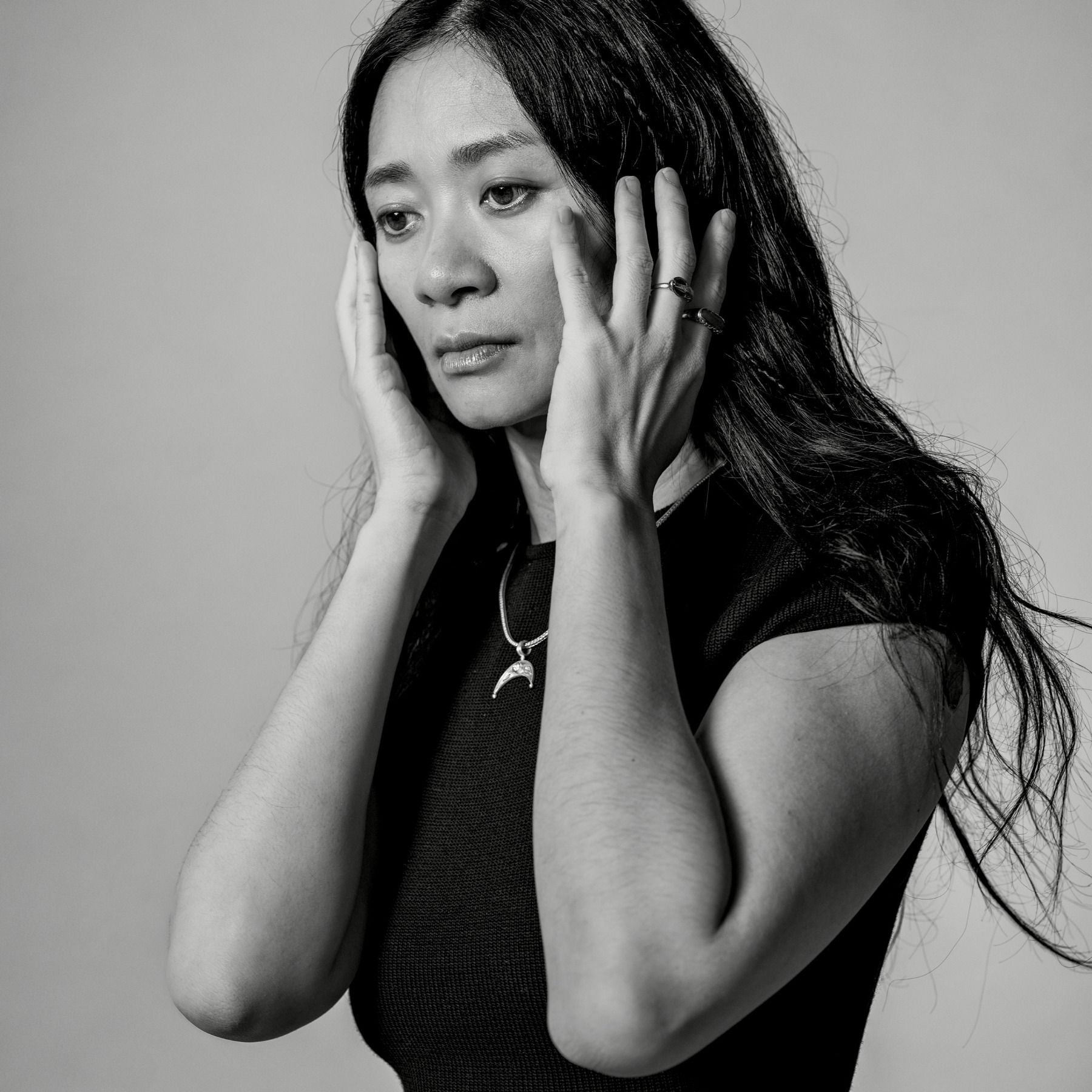
本集简介
双语字幕
仅展示文本字幕,不包含中文音频;想边听边看,请使用 Bayt 播客 App。
你好。
Hi.
我是索拉纳·莱恩。
I'm Solana Pine.
我是《纽约时报》视频部门的总监。
I'm the director of video at The New York Times.
多年来,我的团队制作了大量视频,带您更贴近重大新闻时刻,这些视频由《纽约时报》记者制作,凭借专业能力帮助您理解正在发生的事。
For years, my team has made videos that bring you closer to big news moments, videos by Times journalists that have the expertise to help you understand what's going on.
现在,我们将这些视频带到《纽约时报》应用的“观看”标签页中。
Now we're bringing those videos to you in the watch tab in The New York Times app.
这是一个专属的视频频道,您可以完全信任其中的内容。
It's a dedicated video feed where you know you can trust what you're seeing.
那里所有的视频都免费向所有人开放。
All the videos there are free for anyone to watch.
您无需成为订阅用户。
You don't have to be a subscriber.
下载《纽约时报》应用程序即可开始观看。
Download The New York Times app to start watching.
来自《纽约时报》,这是访谈。
From The New York Times, this is the interview.
我是大卫·马尔切塞。
I'm David Marchese.
克洛伊·赵是个异类。
Chloe Zhao is an anomaly.
年仅43岁,仅执导过五部剧情片,她就已经确立了自己作为电影界最具独特性和声望的导演之一的地位。
At only 43, with just five feature films under her belt, she's already established herself as one of cinema's most distinctive and distinguished directors.
而她取得这一切时,电影行业正越来越排斥艺术冒险与原创性,而这些特质恰恰体现在她的所有作品中。
And she's done it at a time when the movie business is increasingly averse to artistic risk and originality, qualities on display in all her work.
她从独立电影起步,包括风格简约而富有诗意的新西部片《无依之地》,该片为她赢得了奥斯卡最佳影片奖和最佳导演奖。
She started with independent film, including the sparsely poetic neo western Nomadland, which won Academy Awards for best picture and for Zhao Best Director.
随后,她尝试执导了一部雄心勃勃的超大预算漫威电影《永恒族》。
She then tried her hand at an ambitious mega budget Marvel movie, Eternals.
她最新的作品是去年秋天上映的感人至深的剧情片《哈姆内特》,改编自玛吉·奥法雷尔的历史小说,讲述莎士比亚年幼的儿子死于瘟疫后,其父母所经历的悲痛。
And her latest is last fall's heart wrenching drama Hamnet, an adaptation of Maggie O'Farrell's historical novel about the death of Shakespeare's young son from the plague and the grief his parents experienced after.
这部电影赢得了两项金球奖,并入围多项奥斯卡奖,包括最佳导演奖。
It won two Golden Globes and is up for several Academy Awards, including Best Director.
那么,她究竟是如何做到的呢?
So how has she done it?
因为正如我亲身体验到的,赵婷本人是一个神秘甚至有些玄妙的存在。
Because as I learned firsthand, Zhao is an enigmatic, even somewhat mystical presence in person.
她并不是我们常与好莱坞大导演联系在一起的那种张扬个性的人物。
Not exactly the sort of hotshot personality we often associate with big time Hollywood directors.
但事实上,赵婷对简单直接的答案并不感兴趣。
But as it turns out, Zhao isn't much interested in simple or straightforward answers.
以下是我在与赵婷的对话。
Here's my conversation with Chloe Zhao.
赵婷,感谢你今天抽出时间来和我们交谈。
Chloe, thank you for taking the time to come speak with us today.
谢谢你的邀请。
I appreciate it.
感谢你邀请我。
For having me.
我想先问一个关于颁奖季的问题。
So I wanna start with an award season question.
你刚才眼神有点放空了。
Your eyes just glazed over a little.
对不起。
I'm sorry.
没有。
No.
这是兴奋。
It's excitement.
是的。
Yeah.
是的。
Yeah.
那是一个兴奋的表情。
That was a look of excitement.
是的。
Yeah.
是的。
Yeah.
就像一只
Like an
丛林中的动物。
animal in the jungle.
《哈姆内特》显然在颁奖季引起了大量关注。
There's obviously a lot of award season buzz around Hamnet.
等到这次采访发布时,我们就会知道这部电影获得了哪些提名,或者没有获得哪些提名。
And by the time this interview comes out, we'll know what nominations the film did or didn't get.
但现在,我好奇的是,整个颁奖季的这套繁琐流程对你来说意味着什么。
But right now, the thing that I'm curious about is sort of what, like, the whole awards rigmarole stirs up for you.
因为我觉得这可能会引发嫉妒、竞争,或者涉及推销和拉关系,而这些感觉或想法似乎并不是你感兴趣或自然会有的。
Because I imagine it could involve feelings like of envy or competition or it involves salesmanship or or glad handing, which I feel like are not necessarily the kinds of feelings or ideas that are interesting to you or come naturally to you.
那么,你是如何应对这个时刻的呢?
So how do you deal with this moment?
我觉得你刚才那番话几乎就像是一种赞美。
I love that that's almost like a form of compliment you just did.
你对我的评价比
You think of me a lot more highly than
也许你其实挺享受这个过程的。
Maybe you like doing it.
我并不觉得
I don't
知道。
know.
但我认为,所有这些基本的情感,我们谁都无法逃避。
But I think the all those quite basic emotions, none of us can escape it.
对吧?
Right?
尤其是艺术家,我们中的大多数人最初讲故事,是因为童年并不顺利。
And especially artists, so many of us, majority of us started telling stories because we didn't have the easiest childhood.
所以当你作品——也就是你从小到大唯一能获得连接与认可的方式——被比较和评判时。
So when your work, right, which is the only way that you can see connection and validation since you're a little child is being compared and judged.
你甚至可能觉得,这种拒绝就是对你自身的否定,关乎你是否能融入某个群体、获得安全或被爱。
You could go as far as feeling a rejection of that is a rejection of who you are and whether your ability to belong to a tribe or be safe or be loved.
你可能会想到这么深的程度。
You could go that far.
对我而言,有时确实会达到这种程度。
And it does go that far to me at times.
但我喜欢的是,我不知道人们是否知道,拍电影其实是一个非常孤独的过程。
But what I like about it, I don't know if people know, is that filmmaking is quite of a lonely process.
至少作为导演来说,你就像一名浪人,你知道的,你就像一名武士。
At least speaking as director, you're like a Ronin, you know, you're like a a samurai.
一名漂泊的武士。
A wandering samurai.
是的。
Yeah.
你被雇佣去做一个又一个项目。
You're getting hired to do jobs and jobs and jobs.
然后你组建起一个家庭,接着又不得不离开。
And then you create this family and then you have to leave again.
所以,对于像我这样从独立电影起步、不得不参加一个又一个电影节和工作坊,才能获得资金和资助来拍摄我的第一部电影的人来说,我十年前就接触过很多同行电影人。
So a worse season, especially if someone like me who came up from independent films and having to go festivals and labs after labs to even get money to grants and to make my first film, I was exposed to a lot of my fellow filmmakers over a decade ago.
因此,能被付钱聚集在一起,互相见面,在这些活动、圆桌讨论等场合相聚,实际上真的很好。
So to be paid to be brought together and to see each other and to hang out at these, you know, events and roundtables and stuff is actually really nice.
我试着请他们允许我去他们的片场,只是旁观学习。
I try to ask them to let me come to their set and just shadow people.
我认为应该建立一个系统,让导演们能够互相到对方的片场去。
I think there should be a system where directors get to be on each other's set.
否则,我们怎么继续学习呢?
Otherwise, how do we keep learning?
你觉得别人从观看你的工作中学到什么?
What do you think someone could learn from watching you work?
如何拥抱混乱?
How to embrace chaos?
我的意思是,《哈姆内特》基本上就是这样拍出来的。
I mean, pretty much Hamnet was created that way.
比如,当哈姆内特去世时——剧透警告。
For example, when Hamnet died spoiler alert.
我觉得这个情节根本没法剧透。
I don't think you can spoil this one.
没错。
No.
这是一个历史事实。
It's a historical fact.
是的。
Yeah.
有人去世了。
Someone died.
有人写了一部戏剧。
Someone wrote a play.
杰米去世了。
Jaime died.
在那一天,杰西和我不会谈论——我们实际上并不谈论进组后的那场戏。
And on that day, Jesse and I would not talk about we don't really talk about the scene coming in.
她早上会大量地写关于梦境的文字,然后挑选一些音乐。
She would in the morning, she would do a lot of fever writing about her dreams, and then she would pick some music.
所以一到片场,我就会把音乐循环播放,让整个剧组都融入她想要的氛围中。
And so as soon as I get to set, I'll I will just put the music on repeat so the whole set sort of get harmonized to the vibration she wants to be vibrating in.
除了讨论一下我们想用哪个拍摄方案外,我们就直接进去拍了。
And other than a conversation about which setup we wanna do, we just go in there and do it.
当她发出那声发自肺腑的悲痛尖叫时,这既不是我计划的,也不是她计划的。
And so when she let out that very guttural scream of grief, that was not something that was planned from me nor her.
但我相信,这声音并不仅仅来自她本人。
But I do believe it didn't just come from her.
它来自集体,来自整个社群。
It came from the collective, the village.
当这种情况发生时,我能感觉到。
And when that happens, I can feel it.
作为导演,这对我来说是最令人兴奋的事,因为我知道,我们任何人都不可能事先想到这一点。
And it's the most exciting thing for me as a director because I go, there's no way any of us could have thought of that.
因为这是在那一刻真实发生的事情。
And because that is truth happened in the moment.
我会把这一刻珍藏起来,在剪辑时全力捍卫它,确保它能传达到这个世界。
And I will bottle that up, and I will defend it in the edit, and I will make sure it goes into the world.
你知道吗,听你谈论你作为导演的实际工作方式,真的非常有趣。
You know, it's so interesting to hear you talk about the practicalities of directing for you.
因为,你知道,当我听到其他导演谈论,或者读到关于其他导演的描述时,嗯。
Because, you know, often when I've heard other directors talk or or read about other directors Mhmm.
总会出现一些重复的画面或刻板印象,关于导演该如何行事,比如,我想说我想说这是弗朗西斯·福特·科波拉说的。
There's recurring images or tropes of how a director behaves that are, you know, it's like, I I wanna say I wanna say France it's Francis Ford Coppola who said this.
我可能记错了,但他把当导演比作每天都在自我创造的马戏团主持人,有时你也会听到导演被比作将军之类的人物。
I could be wrong, but he compared being a director to, like, being a ringmaster of a circus that's inventing itself every day, or sometimes you hear directors compared with generals or something like that.
而这些对我来说,都是一些相当具有支配性、攻击性、男性化的隐喻,用来形容导演这份工作。
And and these are all sort of very, to my mind, kinda like alpha aggressive macho metaphors for the job of directing on
但恰恰不是你所描述的那样。
the too.
但你所描述的完全不是这样。
But it's so not what you're describing.
我只是很好奇,你能否谈谈你是如何应对导演这份工作所必需的领导力,以及如何拍出一部电影的?
And I I just wonder if you could talk a little bit about how you handle the necessary leadership aspects of being a director and making a movie.
你知道吗,我喜欢思考神话。
You know, I like I like thinking about myth.
如果你想想神话和原型,传统上哪些类型能够领导呢?是的。
If you think about in myth and in in archetypes, what are the types that can lead Yeah.
传统上呢?
Traditionally?
是的。
Yes.
你有将军,但你也有祭司。
You have a general, but you also have a pristice.
两者都能激发人们追随其愿景的热情。
Both can evoke the desire for people to get excited to follow their vision.
这并不意味着你提到的弗朗西斯所说的那种方式就是我,而我就是另一种。
Doesn't mean that the example you give of what Francis, you know, said that he's that and I'm this.
这两种原型都存在于我们自身之中。
Both of these two archetypes is within ourselves.
所以我自己内心有一个将军,也有一名女祭司。
So there is a general inside of me, but there's also a priceless inside of me.
这取决于具体的情境。
It just depends on the scene.
这取决于这部电影。
It depends on the film.
有些电影人身上女祭司的能量多于将军,但两者都能引领,而且都必不可少。
And some filmmakers have a bit more priestess energy in them than generals, but both can lead and both are needed.
嗯哼。
Mhmm.
如果你只有女祭司,那就会一片混乱。
If you only have the priestess, it's total chaos.
黑洞。
Black hole.
你懂的?
You know?
是的
Yeah.
如果你只有将军,那就会是完全的秩序,只有一束光,别无他物。
If you only have the general, it's total order and just one beam of light and nothing else.
但我喜欢处于这两种极端的极性中,而不是总是事事插手、控制一切,却又不完全掌控一切。
But I like to be in those two extreme polarities as opposed to constantly kinda have my hands in everything, controlling everything, but also not fully controlling everything.
不。
No.
我喜欢彻底放手,然后彻底掌控。
I like to be total surrender and then total control.
我有个带有历史背景的问题想问你。
I have kind of a historically inclined question for you.
好的。
Okay.
在莎士比亚时代,也就是《哈姆内特》所设定的时代,孩子的夭折比现在普遍得多,至少在
So in Shakespeare's time, the time period in which Hamnet is set, the death of a child was a much more common occurrence than it is now, at least in
哦,是的。
Oh, yeah.
富裕的西方国家。
Rich western countries.
我假设因此,人们对失去孩子意味着什么、有什么感受或期待,都有着不同的看法。
And I assume that as a result of that, people just had a different perspective on what it meant to lose a child or different feelings or expectations.
是的。
Yeah.
我只是好奇,你是如何在你的电影中思考这个问题的?你认为有可能重现过去的情感视角吗?
And I'm just curious how you thought about that with your film, and if you think it's possible to recreate older emotional perspectives?
这是个非常好的问题。
That's a really good question.
我一直在思考这个问题。
I think about that all the time.
玛吉说,她不相信悲伤会因此减少。
Maggie said that she doesn't believe it's possible that the grief is any less.
玛吉·奥法雷尔,那位作家。
Maggie O'Farrell, the author.
作家。
The author.
是的。
Yeah.
她从一开始就跟我这么说。
She said that to me from the start.
我倾向于同意她的观点,因为尽管情况截然不同,我们的生物学机制却没有改变。
And I tend to agree with her because even though things are so different, our biology hasn't changed.
我们天生想要保护孩子的本能也不会改变。
And the design that we have to wanna protect a child will not change.
然而,我们对这种痛苦(即苦难)所赋予的故事可能不同,因为过去的人们与不可见之物的关系也不同。
However, the stories we attach to that pain, which is suffering, might be different because they also have a different relationship with the unseen back then.
对吧?
Right?
你知道吗,我最近接受了临终陪伴师的培训
You know, I recently trained to be a death doula
真的吗?
Really?
在英国。
In The UK.
我刚完成了第一阶段的基础培训。
I just finished level one training, foundational training.
在其中一次培训中,我们需要研究世界各地原住民文化如何处理死亡与临终,无论是现在还是过去。
And in one of the training sessions, we had to research indigenous cultures from around the world, how they deal with death and dying both today and also in the past.
你可以看到,失去亲人所带来的悲痛是不变的。
And you can see that the grief of losing a loved one doesn't change.
对吧?
Right?
然而,社会对死亡的理解、死亡所赋予的哀悼空间、相关仪式,以及死亡如何融入文化,还有死亡的医疗化,都已经发生了巨大变化。
However, the societal understanding of what death is and what the and and the space it gives to grieve and the ceremonies and and and how it's embedded in the culture has shifted so much and the medicalization of death.
是的。
Yep.
对吧?
Right?
在现代世界,死亡不再被视为生命自然的一部分,因为现在人们只想着尽可能长久地活着。
And also in the modern world when death is no longer seen as a natural part of life because now it's about staying alive as long as we can.
人们对死亡几乎有种羞耻感,是的。
There's almost some kind of shame around death Yeah.
因为人们觉得死亡是软弱的表现,或者本不该发生。
Because it's weak or something or it shouldn't happen.
于是,许多本不属于人类自然状态的负担开始附加在死亡和临终之上,反而造成了不必要的痛苦。
So there's so much of that starting being attached to death and dying that actually cause suffering that's not natural to the human condition.
所以我觉得这是不同的。
So I think that's different.
我想把所有问题都扔掉,再多问问你关于想成为
I wanna rip up all my questions and ask you more about wanting to be
死亡。我们还有另一场对话在
a death We have another session in
未来。
the future.
你为什么对成为临终关怀导师感兴趣?
Why are you interested in becoming a death doula?
因为我一生都害怕死亡,到现在依然非常恐惧。
Because I have been terrified of death my whole life, I still am so afraid.
正因为如此害怕,我无法真正地生活。
And because I've been so afraid, I haven't been able to live fully.
我无法敞开心扉去爱,因为我太害怕失去爱,而失去爱也是一种死亡。
I haven't been able to love with my heart open because I'm so scared of losing love, which is a form of death.
所以当你到了四十多岁——顺便说一句,这很棒——中年危机是你能遇到的最好的事,因为它让你走向重生。
So when you're in your forties, which is great by the way, midlife crisis is the best thing that can happen to you because what it does is you're on your way to a rebirth.
你无法逃避这种感觉。
You can't run from this feeling.
你的身体正在变化,你能感受到死亡。
Your body is changing, and you can feel death.
因为我对它如此恐惧,我别无选择,只能开始建立一种更健康的关系,否则我将无法承受。
And I because I'm so scared of it, I have no choice but to start to develop a healthier relationship with it, or I'm not gonna make I'm not gonna make it.
人生的后半段会太艰难。
The second half of life would be too hard.
所以这是一种直面恐惧的方式。
So it's a way of facing your fear.
这是一种理解的方式。
It's a way of understanding.
因为制作丧礼帮助我明白,我知道还有另一种方式。
Because making hamnet helped me understand that I just know there is another way.
我只是有一种感觉,无论谁设计了这一切,都决定你会出生,然后死去。
I just have a feeling that whoever designed this have decided that you will be born and then die.
你会深爱,但随后失去爱。
You will love deeply but then lose love.
这简直像一个宇宙级的玩笑。
It's almost like a cosmic joke.
我们是自然界中唯一对这个过程感到困扰的生物。
We're the only one in this nature that have a problem with that process.
是的。
Yeah.
我们一定被设计成懂得如何死亡。
We must be designed to know how to die.
死亡不应该如此可怕,以至于我连生活都无法继续。
It shouldn't be this terrifying that I can't even live.
这一定不是原本的意图。
That must be not the intention.
对每个人来说,这并不可怕。
It's not this terrifying to everyone.
但愿如此,但我确实知道,我们这个世界上的许多问题,归根结底都源于对死亡的深层恐惧。
I hope not, but I just I do know that a lot of the issues we have in the world comes from ultimately that deep fear of death.
你害怕自己的不存在吗?
Are you afraid of your own nonexistence?
你害怕死亡的痛苦吗?
Are you afraid of the pain of
死亡?
death?
想想无常吧。
Think it's impermanence.
是的。
Yeah.
你知道的,无常。
You know, the impermanence.
所以在《哈姆雷特》里,对吧
So in Hamlet, right
对。
Yeah.
有一句话说:所有生命终将死亡,通过自然走向永恒。
There's a line that goes, all living things must die, passing through nature to eternity.
如果你的生命中不存在永恒,对吧?
If in your life, eternity doesn't exist, right?
因为你没有被灵性或宗教所影响,所以‘永恒’这部分就被排除了。
Because you didn't corrupt with spirituality or religion, so the eternity part is out.
你也失去了与自然的联系,甚至与自己的身体、自身的身体智慧的联系。
You also lost your connection with nature, even your own body, your own body wisdom.
那么这句话中‘通过自然’这部分也就消失了。
Then passing through nature part of that sentence is gone.
你所剩下的只剩下‘所有生命终将死亡’。
All you have left is all living things must die.
这没什么意思。
That's no fun.
你知道吗?
You know?
这就像,等等。
And that's like, wait.
那意义何在呢?
Well, then what's the point?
你知道吗?
You know?
所以你某种程度上与整体分离了。
So you're sort of separated from the oneness.
但对我来说,我常常感到与这种整体性脱节。
But for me, I feel separated often from that oneness.
这种分离的幻觉让我害怕建立联系,害怕自由地创造,甚至害怕按照自己想要的方式生活。
And that illusion of separation makes me afraid to connect, makes me afraid to create freely or even just live in the way I want to live.
你提到过中年危机。
You alluded to a midlife crisis.
你目前正在经历这个吗?
Is that something you're currently experiencing?
或者我正处于一个阶段,如果以四季来比喻,我现在正处于冬季末尾、春季开端。
Or I'm at a I'm kind of at the so if it's four seasons, I'm at the end of winter, beginning of spring.
我感觉我正在重新回升。
I'm like, I'm coming back up.
所以,一个更好的比喻是——我其实很喜欢用比喻,因为比喻对我来说更有意义。
So, actually, a better metaphor I I like metaphor speaking of metaphor because it makes more sense to me.
在蛹的阶段,我已经度过了从毛毛虫彻底分解的最深部分,这么说吧,那整整一年半的时间,我只是坐在那里,所有曾经的自我都被一点点磨碎,极其痛苦。
In the chrysalis period, I have passed the deepest part of the decomposing from the caterpillar, let's put it that way, which was extremely uncomfortable for a year and a half of just sitting there, having every part of who you used to be grinded down.
是的。
Yeah.
你能告诉我,那段经历对你来说是什么样子的吗?
What can you tell me what did that look like for you?
那感觉就是起床都变得困难,对任何事情都提不起兴趣,只是勉强熬过每一天,因为过去所有用来分散注意力的东西,所有我以为只要得到就会让生活变好的东西,所有我以为代表我是谁的东西,都不再成立了。
It looks like getting out of bed is hard, you know, being interested in anything, just getting through the day because everything that I used to use to distract myself or everything that I thought is what I wanted in life and everything will be fine if I get them Or everything that I thought is who I was no longer is.
所以,我差不多快走完那段时期了。
So I'm sort of at the end of that.
顺便说一下,那部电影《哈姆内特》在很多方面救了我,尤其是在那段时期。
And Hamnet, by the way, was what saved me in many ways to have that film during that time.
你说你很难与人建立联系,很难感受到爱。
And you said you struggled to connect with people, struggled to feel love.
这真的很令人难过。
That's very sad.
我曾经有过
I had a
你一点挣扎都没有吗?
You have no struggle?
我的生活里其实有无数的挣扎。
I mean, I I have tons of struggles in my life.
但当你说到没有感觉时,你是指在与家人的情感关系中难以感受到爱吗?
But when you talk about not feeling are are you talking about having problems with feeling love in relationships with your family?
我只是想了解更多。
I just wanna know more
你是说,你害怕被抛弃,是吗?
about what If you mean about you're terrified of being abandoned Yeah.
对,被族群驱逐后,你就不会努力去归属,也不会从脆弱和信任的角度去真正地爱。
Right, cast out of the tribe, then you don't make an effort to belong or truly love from a place of vulnerability and trust.
对吧?
Right?
这真的很令人难过,因为我认为我们生来就不是为了独自一人、独自面对一切的。
And that's really sad because we I don't think we're designed to be alone, to do it alone.
我们生来就像狼一样,是群居动物,但被逐出族群是你能经历的最痛苦的事。
We're designed as like like wolves, you know, like like pack people and try but to be cast out of your tribe is the most painful thing you can experience.
或者被你所爱、也爱你的人抛弃,甚至他们并非有意如此。
Or or to be abandoned by people that, you know, that you love and that that love you doesn't even mean intentionally.
是的。
Yeah.
你知道,总有一天他们会离世。
You know, someday could die.
我能试着说点什么吗?
Can I take a stab at something?
你告诉我。
You tell me
是的。
Yeah.
我能分辨出来。
I I I can discern.
你告诉我的公关人员进来,朝你扔个瓶子,随便哪个都行。
You tell my publicist can come in, throw a bottle at you, one or the other.
你知道吗,当你谈到被逐出部落时,
You know, when you talk about being cast out of your tribe or
我正在分辨。
I'm discerning.
你什么意思?
What what do you mean?
我知道你要说什么。
I know what you're gonna say.
我想问问关于家庭的事。
I'm gonna ask about family stuff.
哦,好的。
Oh, okay.
是的。
Yeah.
你在中国长大,然后14岁时搬到了嗯。
You grew up in China and then moved to Mhmm.
美国吗?
The United States when you were 14?
不是。
No.
实际上,我搬到了英国
Actually, I moved to The UK
先去英国?
UK first?
首先是英国。
First.
然后是的。
And then yes.
那里有没有什么家庭分离的情况,和你提到的被排挤有关?
Was there some sort of familial separation there that's related to the casting out you're talking about?
我不能详细说,但我尽量回答你。
I can't really go into it, but I will answer it the best I can
嗯。
Mhmm.
我过去四年一直在调查这件事的根源。
Is that it is an investigation I have been doing the last four years of where that come from.
你知道的?
You know?
而且我觉得这比我现在这一生所感受到的还要古老得多。
And I think it's a lot older than I feel like even in this life.
我真的这么觉得。
I really do.
你知道,你一开始问我的是关于更糟糕的时期。
You know, you started by asking me about a worse season.
对吧?
Right?
感觉像是很久以前的事了。
It feels like a long time ago.
但这很相关,因为这种对失败的恐惧究竟是什么?
But it's relevant because what is this fear of failing?
是的。
Yeah.
当我的电影被影评人拒绝时,这种恐惧到底是什么?
What is this fear when I my film, you know, gets rejected by the critics?
如果票房不佳,或者我输掉了奖项,我环顾颁奖典礼现场时,这种感觉到底是什么?
What is this feeling if the box office is you know, what if I lose you know, what I look around at an awards show.
对吧?
Right?
我看着那些桌子。
And I look at the tables.
当获奖者被宣布时,我看着那些没有获奖的人的脸,是的。
And then when the winner is announced, and I look at the faces of the people who didn't win Yeah.
我试着去体会他们此刻的感受是什么?
And I try to feel like what are they feeling?
是的。
Yeah.
最乐观的情况下,我会想,那个人一定有个更轻松的童年。
And at best, it's like, that person must had an easier childhood.
最悲观的情况下,我会觉得,我不属于这里。
At worst, it's like, I don't belong.
他们拒绝了我。
They reject me.
我还不如直接去死。
I might as well just die.
你觉得坐在颁奖典礼桌旁的人会有这种感觉吗?
Do you think people sitting around the tables at at award shows are having that feeling?
我觉得可能有那么几个人会有。
I think there's a few probably.
是的。
Yeah.
而且可能比那还要多。
And and probably more than that.
是的。
Yeah.
因为接着你想,如果工作是你归属感的来源呢?
Because then, you know, what if work is your sense of belonging?
你知道吗,如果你觉得除了家人之外,你在哪里都不属于,那会怎样?
You know, what if you feel like you don't belong anywhere but with your family?
那如果家人也不在了呢?
And then what if your family is gone?
是的。
Yeah.
这让我意识到,任何形式的归属感都伴随着被排斥的风险。
It makes me realize any kind of belonging has a risk of being cast out.
然后你不得不问这个问题——我知道人们听到我说这个可能会翻白眼,但那种无法被夺走的家,是内在的家,是你与神圣、与我们不同文化用不同词语所指代的那伟大神秘相连的地方。
And then you have to ask this, you know, people might roll their eyes when I say this, but that kind of home, the one that cannot be taken away, is the one within and is the one that you connect with the divine, with this great mystery that we have different cultures, different words for it.
如果你参加阿亚瓦斯卡仪式或使用植物药物,你会感受到那种湿润感,在那些时刻,你毫无恐惧。
And if you do a Ayahuasca ceremony or plant medicine, you feel that, that wetness, and you have no fear in those moments.
对吧?
Right?
这就是为什么战士们在出征前会服用药物。
That's why, you know, warriors would take medicine before they go
你做过灵魂树仪式吗?
to done Ayahuasca ceremonies?
不予评论。
No comment.
没有。
No.
我从未做过灵魂树仪式。
I have not done Ayahuasca ceremony.
我曾通过我的治疗师体验并协助过植物药物的疗愈之旅。
I have experienced, facilitated plant medicine healing journeys by my therapist.
我体验过那种合一感——当一切纷扰消散时,你真的会感觉自己与万物融为一体,完全无所畏惧,你知道吗?
And I've experienced that kind of oneness that when all the stuff goes away, you really do feel like you're one with everything and truly no fear, you know?
所以,要回答你关于我离开中国去上学时是否发生过,或者当我的一部电影失败时是否发生过,或者是否在……
And so to answer your question about did it happen when when I left China to go to school, you know, or did it happen when a film of mine didn't work out, or did it happen when
是的。
Yeah.
我正在努力找出你所描述的这种感觉的来源
I'm trying to locate the source of the feeling you're
你说的这个。
talking about.
是的。
Yeah.
我为此尝试了很多年,因为我们必须理解原因。
And that is I tried that for many, many years because we have to understand why.
是的。
Yeah.
对吧?
Right?
我们必须知道,因为这样才能让我们感到安全。
We must know because that's how we feel safe.
我们必须弄清楚为什么会发生这件事。
We must understand why this thing happened.
但我渐渐意识到,甚至那种想要弄清源头的需求,也是一种控制,也是一种恐惧。
But I sort of got to a point where I I realized that even the need to understand where it came from is a form of control and is a form of fear.
于是我稍微放下了这种执念,现在更关注的是:我能否安住于这种状态?
And I let that go a little bit, and now it's more about can I sit in that?
也许这正是人类存在的伟大悖论。
And maybe that is the great paradox of what it means to be human.
你知道,这意味着不断保持对‘存在还是不存在’、‘去爱还是被抛弃’的觉察。
You know, it is to constantly hold that attention of to be or not to be, to love or to be abandoned.
我绕了这么一大圈,其实是在回避你的问题。
This is a long way for me to avoid your question.
因为我觉得这可能会被非常简单地理解——嗯。
Because I think this could be interpreted very simplistically Uh-huh.
如果我要 pinpoint 我生命中一个让我产生这种认知的时刻。
If I were to try to pinpoint one moment in my life that this made me.
而我认为我们总是试图以这种方式看待创伤。
And I think we try to look at trauma that way.
是的。
Yeah.
就是这样。
It's that.
是的。
Yeah.
因为一旦你 pinpoint 了它,你就能修复它。
Because once you pinpoint it, then you can fix it.
但事情不是这样的。
But it's not like that.
抱歉。
Sorry.
我没有全部告诉你
I'm not giving you all
你的没关系。
your That's okay.
我刚才也在想,当你提到‘生存还是毁灭’的时候,我脑子里突然冒出个想法:威廉·莎士比亚确实有些很棒的见解。
I was also just thinking when you brought up the to be or not to be, and out of the stupid thought in my head was like, oh, that William Shakespeare really had some good ideas.
这哥们儿,真的。
That guy, dude.
这人啊。
That guy.
我得说,我之前真的低估了他。
I have to say, I I really Underrated.
被低估了。
Underrated.
莎士比亚。
Shakespeare.
以前总觉得,哦,他就是个写东西的。
Used to think, oh, you know, he just writer.
你知道吧?
You know?
展开剩余字幕(还有 383 条)
但我觉得他其实就像一个陪审员。
But then I think he is actually like a like a juror.
你知道吗?
You know?
我觉得是的。
I think Uh-huh.
我真的这么觉得。
I really do.
我认为他触及了那些看不见的东西。
I think he's tapped into the unseen.
因为他的象征意义和原型被运用在深度心理学中。
Because the symbolism, the archetype that he creates is being used in in-depth psychology.
你知道,这几乎反映了全世界所有伟大的神话。
You know, it's it's so mirroring all the great myth all around the world.
你会想,他一定抓住了什么关键。
You go, well, he must must be on something.
摸到关键了。
Finger on something.
是的。
Yeah.
或者可能是斯特拉科德那里长了蘑菇。
Or maybe there were there were mushrooms growing in in Strathcord.
对。
Yeah.
那一定是因为
That must've
我的意思是,有时候他嗨得不行。
mean, sometimes he's high out of his ear.
我得说,他的一些作品,你真会觉得他肯定用了什么药。
I gotta say, some of his plays, you you think he must be on something.
顺便说一句,我没这么说。
I didn't say that, by the way.
我没有说过。
I did not.
莎士比亚才是记录。
Shakespeare's the record.
莎士比亚不会对
Shakespeare's not gonna have a problem with
暗示威廉·莎士比亚谈论蘑菇。
To suggest William Shakespeare talk mushrooms.
据记录,这位《哈姆雷特》的导演并没有这么说。
This director of Hamlet did not say that for the record.
但也许吧。
But maybe.
但也许吧。
But maybe.
你永远说不准。
You never Maybe.
所以,我想在这一部分对话结束时提出的问题是,你知道,有一位德国社会学家叫马克斯·韦伯,不。
So the the question I wanna end on for this part of the conversation is, you know, there's this there was a German sociologist named Max Weber No.
他生活在十九世纪末、二十世纪初。
From it's, like, the late nineteenth century, early twentieth century.
他提出一个观点,认为现代世界已经失去了魔力,由于科学和理性,我们丧失了对世界的一种神奇感;而前现代时代的人们,天生就拥有对世界的神奇体验。
And he had this idea that the modern world has become disenchanted, that, you know, because of science and rationality, that we've lost a sense of enchantment about the world, that that people who lived in a premodern time, it was just their birthright was to have a sense of enchantment about the world.
他们感到敬畏。
They awe.
敬畏。
Awe.
是的。
Yeah.
对。
Yeah.
或者,你可能会觉得当时人们相信精灵或幽灵的存在,但我的直觉是,你确实能感受到这种魔力。
Or, you know, you might one might have felt that spirits were present or ghosts were present or But my my hunch is that you do experience enchantment.
这是真的吗?
Is that true?
而且,一个人该如何培养一种神奇的感觉呢?
And also, how might one cultivate a sense of enchantment?
很棒的问题。
Beautiful question.
真的吗?
Really.
我对这个问题有很深的感受,现在我热衷于寻找一些方法,帮助每个人重新找回这种神奇感。
I have deep feelings about that question, and it is a passion I have now to sort of search for bringing back some tools of cultivating that enchantment for everyone.
每个人都应该拥有这种体验,而不仅仅是艺术家或受过专门教育的人。
Everyone should have access to that, not just people who are artists or people who went to school to study.
柏拉图和亚里士多德确实做出了伟大的贡献,但我对他们也有一些看法。
And I I do have to Plato and Aristotle did great things, but I do have some problems with them as well.
我认为他们把
I think they took
大胆的观点。
Hot take.
我觉得我说得对吗?
I think I feel right?
再说一遍,我知之甚少。
Again, I know very little.
我不会声称自己了解,但我的直觉让我觉得他们是伟大神秘主义者的弟子。
I won't claim I know, but my instinct makes me feel that they were students of great mystics.
不知为何,他们似乎在很多教义中剔除了神秘的部分。
And then for whatever reason, they seemed to be leaving out of the mystery part out of a lot of their teachings.
相反,他们自己保留了这些,你知道,但西方文明的基石变成了理性与逻辑,而非神秘。
Instead, they did keep it for themselves, you know, but the bedrock of Western civilization became about rationality and reason as opposed to mystery.
因此,我觉得正因为如此,只有特定的人才能接触到神圣、不可见之物、冥界——无论你怎么称呼这个伟大讯息的来源之地。
So I feel because of that, suddenly only certain people have access to the divine, to the unseen, to the underworld, however you want to name this realm where great messages come from.
你不该为了感受到与某种更大事物的联结而付钱,毕竟只有流行明星才拥有与神圣的联系。
You shouldn't have to pay money to feel you're connected to some kind of bigger thing because a pop star is the only person who has that connection with with the divine.
实际上,你每天早上醒来时,本身就具备感受那种活力与魔力的工具。
Actually, you yourself waking up in the morning has those tools to feel that kind of aliveness and enchantment.
于是,创造力、想象力以及对超越性事物的接触,变成了只有通过学校学习特定技能的人才能获得的东西。
So then creativity, imagination, and this access to something beyond became something that only if you have certain skills to learn in a school do you have access to.
是的。
Yeah.
因此,现代生活中出现了一种精神上的空缺。
And and so as a result, there's a spiritual hanger in modern life.
无论我们拥有多少东西都无济于事。
Doesn't matter how we have so much more.
但依然有一种深刻的孤独感和灵魂层面的匮乏感,我在生活中感受到过,至今仍在与之抗争。
And yet there's a deep loneliness and soul level of hanger and emptiness that I have felt in my life and still struggling with.
我认为这是因为我们忘记了自己原本拥有这种能力。
And I think it's because we we forgot that we we have that ability.
乔莉,非常感谢你今天和我交谈。
Chloe, thank you so much for talking with me today.
我真的很享受这次对话。
I really enjoyed it.
我也是。
I did too.
谢谢你。
Thank you.
广告之后,我再次和乔莉交谈,她告诉我她成长过程中应对不确定性的惊人方式。
After the break, I talked to Chloe again, and she tells me about the surprising ways she coped with uncertainty when she was growing up.
我会花上好几个小时玩《模拟人生》,以便控制这些虚拟角色。
I would spend hours and hours and hours and hours playing Sims so that I could control these virtual characters.
克里斯汀,你有没有买过什么东西,然后心想:哇。
Christine, have you ever bought something and thought, wow.
这个产品真的让我的生活变得更好了。
This product actually made my life better.
完全没错。
Totally.
而且通常通过Wirecutter找到这些产品。
And usually, find those products through Wirecutter.
是的。
Yep.
但你在这里工作。
But you work here.
是的。
Yeah.
没错。
That's true.
我确实如此。
I do.
我们都这样。
We both do.
我们是《纽约时报》旗下Wirecutter节目的主持人。
We're the hosts of the Wirecutter show from the New York Times.
我们的工作是研究、测试产品,然后推荐我们最喜欢的。
It's our job to research, test, and bet products, and then recommend our favorites.
比如,基拉,我觉得
For instance, Kyra, I think
你睡过大概四十张床垫吧?
you've slept on what, like 40 mattresses?
嗯。
Mhmm.
是的。
Yep.
克里斯汀,你测试过从搅拌机到亚麻床单的各种产品。
And Christine, you've tested everything from blenders to linen sheets.
哦,我超爱亚麻床单。
Oh, I love linen sheets.
我们将这些专业知识全部带到了《Wirecutter》节目。
And we're bringing all of this expertise to the Wirecutter Show.
每周,我们都会邀请我们140名记者团队中的一位成员,聊聊每个类别中最佳的产品推荐。
Each week, we'll talk to someone from our team of a 140 journalists about the very best product picks in every category.
此外,我们还会分享超越产品本身的技巧、窍门和妙招,因为我们不仅仅想推荐优秀的装备。
Plus tips, tricks, and hacks that go beyond the products because we don't just wanna recommend great gear.
我们更想解决你们日常生活中的实际问题。
We wanna solve your everyday problems.
相信我,我们完全有这个专业能力做到这一点。
And trust me, we have the expertise to do just that.
收听由我,凯拉·布莱克韦尔主持的《Wirecutter》节目。
Listen to the Wirecutter show hosted by me, Kyra Blackwell.
还有我,克里斯汀·斯特尔·克莱塞特,可在你收听播客的任何平台收听。
And me, Christine Steer Clissette, available wherever you get your podcasts.
那么,大卫?
Now, David?
嗨,克洛伊。
Hi, Chloe.
我一直很期待再次和你交谈。
I've been looking forward to speaking with you again.
谢谢你抽出时间。
So thank you for making the time.
当然。
Of course.
我觉得我们第一次的对话中,那种氛围一直在累积。
I felt like our first conversation kind of was really the energy kept accumulating.
我们聊得越来越深入,而自从我们上次交谈已经过去一段时间了,现在可能有点难立刻回到那种状态。
We got deeper and deeper the longer we went, and now that it's been a little while since we spoke, it might be a little difficult to get right back into it.
嗯,当我们在现场时,如果发生这种情况,我们会花一分钟,真正地沉浸进去。
Well, when we're on set, if that happens, we take a minute and we drop in physically.
你怎么真正地沉浸进去?
How do you drop in physically?
你怎么真正地沉浸进去?
How do you drop in physically?
是的
Yeah.
你怎么做?
What you do?
好的
Okay.
所以,把你的手放在你面前,像这样。
So, put your hand in front of you like this.
是的
Yeah.
不需要把它完全举起来。
It doesn't have to you don't have to lift it all the way up.
然后慢慢向这边移动,直到你能感觉到另一只手。
And then just like move towards this slowly and stop when you can feel the other hand.
把我的手靠近一点?
Move my hands close together?
是的。
Yeah.
然后非常缓慢地。
And just very slowly.
然后在某个时刻,你会感受到另一只手的能量,就像里面有一个球。
And then at some point, you're gonna feel the energy of the other hand, like there's a ball in there.
你感觉到了吗?
Do you feel it?
当然。
Sure.
对,就是这样。
Yeah, exactly.
就在这里。
It's right there.
闭上眼睛。
Close your eyes.
是的。
Yeah.
然后你能让双手之间的能量稍微再增强一点吗?
And then can you like let that energy between your hand just grow a little bit?
你会感觉到你的手掌变得越来越暖和。
You're going to feel that your palm getting warmer.
就像你在形成一个球一样。
Like you're forming a ball.
是的。
Yeah.
就像《龙珠》那样,你知道的。
Like Dragon Ball Z, you know.
你马上就要发射了。
You're about to fire.
好的。
Alright.
好的。
Alright.
我觉得睁开眼睛吧。
I think open your eyes.
好的。
Alright.
我们就直接做吧。
Let's let's just do it.
我们就直接做吧。
Let's just do it.
我们准备好了。
We're ready.
我们准备好了。
We're ready.
所以我还想问你一个关于你青春期或成长关键时期的问题。
So I just wanna ask one more question about your adolescence or your your formative years.
当然。
Sure.
我知道导演特伦斯·马利克对你来说很重要,或者至今仍然重要。
And now I I know the director Terence Malik was important for you or is important for you.
是的。
Yeah.
我清楚地记得,16岁那年,我看了特伦斯·马利克的《细细的红线》,可能就在同一周,我还看了韦斯·安德森的《青春年少》,当时这两部电影刚在影院上映。
And I I have a distinct memory of being 16 years old and seeing Terence Malik's Thin Red Line and then Wes Anderson's Rushmore maybe within the same week when they came out in the theaters back then.
哇。
Wow.
那是我观影史上完全颠覆认知的一周,因为我不曾意识到电影竟能做到这两部影片所展现的一切,而且我也觉得,这两部电影以各自不同的方式触动了我。
And it was a totally mind blowing week of movie going for me where both because I didn't really understand that movies could do what those two movies did, and also because I felt like something about both those two films in different ways.
它们让我看到了一些我内心早已明白、却一直无法言说或在电影中未曾见过的东西。
They showed me something that I already understood about myself but hadn't quite really been able to articulate for myself or seen depicted in a film.
因此,我认为这两部电影在某种程度上改变了当时的我,也许至今仍影响着我。
And as a result, I I think it really both those films, can say, kind of changed in some ways, who I was at the time and maybe still now.
而且我想知道你是否有过类似的观影经历,就是看了某部电影之后,对自己有了更深的理解。
And and I wanna know if you have any similar experiences with film, where where you saw films and then after seeing them, understood yourself better.
你刚才说,你觉得电影让你明白了那些你一直说不清楚的事情,那具体是什么呢?
What was it when you said you feel like it made you understand what the things that you couldn't quite
是的。
Yeah.
我是说,到底是什么?
Like, what was it?
在《细细的红线》里,你看过那部电影吧。
With Thin Red Line, there was a you've seen that movie.
对吧?
Right?
是的。
Yeah.
当然。
Of course.
抱歉。
Sorry.
所以
So
这是一部特伦斯·马利克执导的二战题材电影。
it's a Terrence Malick World War two.
最简单的描述方式就是,这是特伦斯·马利克的二战电影。
The simplest way of describing it would be Terrence Malick's World War two.
我认为这是有史以来最伟大的战争片之一。
I think it's one of the greatest war films ever made.
但尽管这是一部战争片,或者正因为它是战争片,真正深深打动我的是,这部电影中有一种神秘主义色彩,嗯。
But despite being a war film or maybe because of being a war film, the thing that touched me so deeply was that there was a mysticism in that movie Mhmm.
还有对自然世界的超验感受,以及那种我此前从未在电影中见过的超验视觉诗意,我与之产生了深刻的共鸣。
And transcendental feeling about the natural world and a transcendent visual poetry to that film that I hadn't seen in a movie before that, that I just felt connected with so deeply.
而《青春年少》则呈现了一种疏离与真诚的结合,这正是我当时内心真实感受到的。
And then with Rushmore, there was a combination of alienation and open heartedness that I certainly had been feeling back then.
是的
Yeah.
然后,再次看到它被如此优美地呈现出来,正如我所说,让我对自己有了某种理解。
And then, again, just to see it represented so beautifully, like I said, felt like it made me understand something about myself.
哦,这真是太美了。
Oh, that's really beautiful.
我觉得《春光乍泄》是《一辆车之遥》。
I think it was One Car Away is Happy Together.
一部美丽的电影。
A beautiful movie.
是的
Yeah.
当然,还有特伦斯·马利克的《生命之树》和《新世界》。
And of course, Terrence Malick's Tree of Life and The New World.
但《春光乍泄》是我年轻时看的。
But Happy Together, it was when I was younger.
当你描述你的经历时,这正是艺术和叙事存在的意义。
When And you describe your your experience, I mean, that is the reason why we have art and storytelling.
它并不是试图教给我们一些我们不知道的东西。
It's not trying to teach us something that we don't know.
它试图帮助我们记住自己是谁,带我们回归本源。
It's trying to help us remember who we are, to bring us back to the source.
因此,这部电影让我意识到,我身体里那种深深的不适感,那种有时感觉会吞噬我的渴望,实际上就是电影所捕捉到的孤独与隔绝。
So for me, that film made me realize that this deeply uncomfortable tension I feel in my body, this yearning that sometimes feels like it's just gonna consume me, it is actually this loneliness, this isolation that film captured.
而在其另一面,是我对联结、归属与爱的深切渴望。
On the other side of it is actually my deep, deep yearning for connection and for relatedness and for love.
而这本身并没有错。
And that there's nothing wrong with it.
这部电影充满神秘感,因此它走的是一条微妙的界限。
And that film is full of mystery, so it's a thin right line.
是的。
Yeah.
因此,当我们经历最深的心碎和最艰难的时刻时,我们不会去寻找事实。
And that's why when we're going through our greatest heartbreak and most difficult time, we don't look for facts.
我们寻找诗歌,因为它让我们能够停留在神秘之中。
We look for poetry because it allows us to stay in the mystery.
我得跟你讲一个关于《生命之树》的小故事。
I have to tell you a quick little anecdote about tree of life.
就是那部有恐龙时代闪回的电影。
That's the one that has the flashbacks to, like, the time of dinosaurs.
对吧?
Right?
是的。
Yeah.
我记得在布鲁克林的BAM剧院——布鲁克林音乐学院——看过这部电影。
I remember seeing that movie at the BAM theaters in Brooklyn, the Brooklyn Academy Of Music.
嗯。
Mhmm.
坐在我旁边的一对老夫妇,我敢肯定他们买票是因为以为这是一部布拉德·皮特的电影。
And there was an older couple sitting beside me who I'm sure bought a ticket for that movie because they thought it was just a Brad Pitt movie.
他们根本没意识到自己会看到什么。
They didn't really understand what they were getting into.
他们整个观影过程中都在低声嘀咕。
And they were they were sort of muttering to each other the whole time.
这部电影里有一个场景,一只掠食性恐龙把脚踩在一只较小恐龙的胸口上,是的。
And and then there's one scene in that film where, like, a predator dinosaur puts its foot on the chest of a smaller dinosaur Yes.
但随后它放过了那只小恐龙,而你可能会想
But then lets the smaller dinosaur go, and you're you're
因为那只小恐龙已经快死了。
because he was already dying.
已经快死了。
Already dying.
快要死了。
Was dying.
是的
Yeah.
这就像恐龙展现了一次仁慈的行为。
It's like the dinosaur has, you know, shown an act of mercy.
这真是一部相当疯狂的电影。
It's like a pretty wild wild film.
坐在我旁边的那位女士说:‘莫里斯,这是什么电影?’
And and the lady beside me just says, Morris, what is this movie?
她站起来走出了电影院。
Got up and walked out of the movie.
啊,这个场景对我来说意义重大。
Aw, that's such a big moment, that scene for me.
对。
Yeah.
因为这暗示着恩典才是宇宙的自然状态,这也是特里所相信的。
Because he is suggesting that grace is the natural state of the universe and that's what Terry believes in.
我看过这部电影不知道多少遍了,和我看过《春光乍泄》的次数一样多。
I've seen that film I don't know how many times, as many times I've seen Happy Together.
是的。
Yeah.
我从未见过他。
I have never met him.
特伦斯·马利克。
Terrence Malick.
也从未和他讲过话。
Never spoken to him.
嗯。
Mhmm.
但一月份,我接到了一个陌生号码的电话。
But on January, I got a phone call from an unknown number.
嗯,一个我不认识的号码。
Well, a a number I don't recognize.
我以为打电话来的是我要采访的狗类工作人员。
I thought it was the dog workers I was interviewing.
我说,你好。
I said, hello.
然后我听到一个非常轻柔的声音说:哦,你好。
And then I hear this very soft voice and goes, oh, hello.
我是特伦斯。
This is Terrence.
哦,天哪。
Oh, no.
我当时想,特伦斯?哪个特伦斯?
I was thinking, Terrence, which Terrence?
在最初的三十秒里,我还在怀疑他是不是真的就是他,因为他正在谈论《哈姆内特》。
For the first thirty seconds, I was still wondering if it was actually him as he's talking about Hamnet.
哦,他对你说什么了?
Oh, what did he say to you?
我不能分享那个。
I can't share that.
但是
But
给我讲个大概。
Give me the gist.
因为特伦斯·马利克,你知道的,以从不接受采访时闻名。
Because Terence Malik, you know, famously, he doesn't give interviews.
他,怎么说呢,就媒体而言,是个隐居者。
He's I mean, as far as the media is concerned, he's reclusive.
是的。
Yeah.
那感觉很不真实。
It was surreal.
但我不会分享他具体说了什么,不过我可以跟你分享别的。
But I won't share what he said, but I can share with you.
这与我一直以来所坚持的立场有关。
This is something that go back to the sitting right line.
我告诉他,我觉得自己来自一种被发现的传承,但并不是说,我仍在努力回归我自身文化——中华文化中的故事讲述传统。
I said to him that I feel that I come from a lineage that is found, not necessarily like, I'm still trying to get back to the lineage of storytellers from my own culture, from the Chinese culture.
我正在慢慢朝这个方向靠近。
I'm slowly working my way there.
但我当时没有机会接触这些,只是因为生活境遇所限。
But I didn't have access to that, just life circumstances.
你知道,我来到了西方。
You know, I came to the West.
即使作为一名故事讲述者,我也并不清楚自己的传承来源。
And I was, even as a storyteller, wasn't sure what's my lineage.
因此,他的电影让我得以融入这一传承之中。
And so his films allowed me to become a part of a lineage.
我觉得自己源自他的传承。
I feel that I come from his lineage.
你知道吗,尽管他从未以导师的身份告诉我,或者说我也没给他选择的余地,是我自己告诉他的。
You know, even though he never told me as a student or he didn't I didn't give him a choice, I told him.
但作为讲故事的人,这样做意义重大,因为你感觉自己有了归属。
But I did it it is very significant as a storyteller because you feel like you belong somewhere.
与其说我抄袭了他那些微风轻拂自然景观的镜头,不如说‘我源自他的传承’,这样听起来更好听。
It's also nicer to say I come from his lineage rather than when I rip him off with all those shots of wind gently blowing through the through natural landscape.
你这么说真是太有趣了。
That's really funny you said that.
我说过,我刚才说的和我大量模仿他的作品之间,只有一线之隔。
I said, there's a fine line between what I just said and I pretty much copied a lot of yours.
他说:‘哦,不。’
He says, oh, no.
不。
No.
那不是,我知道。
That's not I know.
我对这一点毫无羞耻感。
I'm I have no shame around that.
在《永恒族》中,宇宙创生的场景深受我们生命之树序列的谦逊启发。
In Eternals, the sequence of the creation of the universe was very humbly inspired by the sequence of our tree of life.
你会看到完全相同的镜头。
You will see exact shots.
我想请你帮我更深入地理解你一些事情。
There's something I I want you to try and help me understand a little bit more about you.
你知道,你谈到对连接的渴望,但你也说自己从未能完全给予爱。
You know, you talk about your desire for connection, but then you you also described yourself as someone who has never been able to give love fully.
我想知道,你是否只是通过作品表达这一面,而在生活中却很少表现出来?
And I wonder, is it that you're able to express that side of you through your work but not so much in life?
无论是你的作品还是你本人,都不像是有连接障碍的人。
Like, neither your work nor you seems like they're evidence of someone who has a problem with connection.
你不能以貌取人。
Oh, you can't judge book by its cover.
不。
No.
谢谢您。
Well, thank you.
顺便说一句,这真的很有善意。
That's really kind, by the way.
但你知道,你会创作出你渴望成为的作品。
But, you know, you make the work that you aspire to be.
对吧?
Right?
如果你看看《哈姆内特》,威廉无法表达他的悲痛,但他可以写一部关于它的戏剧。
And you you if you see in Hamnet, Will couldn't express his grief, but he could write a play about it.
然后为人们创造一个共同哀悼的亲密环境,而他本人或许希望通过这样的创作行为来哀悼。
And then create such an intimate environment for people to grieve together, but he himself may be hoping through the act of doing that, he himself could grieve.
而在电影结尾给予他那一刻,是我给予自己的慈悲。
And to give him that moment at the end of the film is the grace I'm giving to myself.
嘿,你也付出了很多努力。
Say, hey, you worked pretty hard too.
所以,也许,希望你的工作也能回馈给你。
So maybe, hopefully, your work can give it back to you.
全心去爱、被爱所需要的脆弱。
The vulnerability that's required to love fully, to be loved fully.
而且,我能从你的眼神中看到,你出于对我的关心,想要弄清楚一个定义,以便让事情变得更好。
Also, I can see in your eyes the desire to figure out, like, out of care for me as a human being, to figure out a definition so that we can make things better.
你知道的吧?
You know?
我的意思是,意义本身,我想说的是,很不幸,我学到了这一点,而我非常痛恨这个发现。
Like, it's meaning meaning, I guess what I'm trying to say is, unfortunately, I've learned and I hate that discovery so much.
我每天都在努力抗拒它。
I try to resist it every day.
我们只是在两个极端之间徘徊:一方面能真正活在当下、感受一切,另一方面能毫无恐惧地去爱。
Is that we just sort of wondering between the two extreme, which is to be able to, like, really be in the moment and feel and then to love without fear.
然后就是彻底的毁灭,只想完全消失,遁入世界尽头,没人能找到我。
And then total just like annihilation, just wanted to completely disappear into the end of the world where no one can find me.
然后我重新开始,再也不用为这些事担心。
And I start over and I never have to worry about any of this.
我发现自己只是在这两者之间来回摇摆。
I find myself just ping ponging between the two.
我曾经以为这有什么不对劲。
And I used to think something's wrong with that.
但在中年危机的尽头,我现在觉得,我得出了一个结论:这其实才是自然的状态。
But at the end of the midlife crisis, I feel like I I came to the conclusion at this moment, that's actually the natural state to be in.
我们只是从未被教导过如何驾驭这股浪潮。
We've just never been taught how to ride this wave.
我能说一句吗,
Can I say,
你知道吗,我喜欢谈论这种话题?
you know, I I because I I like talking about this kind of stuff?
我觉得我能理解你在说什么,但我也能很容易想象,有人听了你的话后会想:她到底在讲什么?
I feel like I have a sense of what you're talking about, but I could also very easily imagine somebody listening to what you're saying and thinking, what the hell is she talking about?
好吧。
Well, okay.
行吧。
Fine.
更容易理解的说法是,更容易接受的是,你知道的,在自然界中,一切都在运动。
The easier version is that the easier version to digest is is, you know, in nature, everything moves.
这真的很可怕,因为我们总想抓住些什么。
And that's really scary because we want to hold on to something.
听我说。
Listen.
我再给你讲个有趣的小例子。
I'll give you another fun little
是的。
Yeah.
关于青春期的故事,因为这些内容似乎对人们很有趣。
Adolescence story since that stuff seems to be interesting to people.
我非常害怕变化、循环和运动,以及面对它们时的当下。
It's that I was so afraid of change and the cycle and movement and being present to them.
我特别沉迷于玩《模拟人生》。
I was so obsessed with Sims, playing Sims.
哦。
Oh.
所以我花了无数个小时玩《模拟人生》,只为控制这些虚拟角色。
So that I would spend hours and hours and hours and hours playing Sims so that I could control these virtual characters.
甚至在《模拟人生》里,我也不允许事情顺其自然。
And even within Sims, I couldn't just let things be.
我会点击屏幕,让他们相爱,让他们获得这份工作。
I would tap on it so that they will fall in love and they will have this job.
我会以极端的方式控制一切,来调节自己的情绪。
I would just control everything with such extreme to regulate myself.
天啊。
Gosh.
我玩模拟人生玩了那么久,占了我生命中的好几年。
I played Sims for so long, years of my life.
我想再多了解一下你作为临终关怀助手所从事的工作,你之前提到过。
I'd like to ask a little more about the work that you're doing as a death doula, which you had mentioned before.
培训。
Training.
培训。
Training.
培训。
Training.
我还没有开始做这份工作。
I have not started doing that work.
所以你只是在学习这方面的内容?
So you're just learning about it?
是的
Yeah.
我已经完成了基础课程。
I finished I completed the foundational course.
接下来的阶段是获得文凭。
And then the next stage would be the diploma.
在那个阶段,我认为我可以实践,但需要有导师指导。
And then during that stage, I believe I could practice but with a mentor.
你有没有在某人临终时陪伴过他?
Have you ever been with someone at the moment of death?
有。
Yes.
你有吗?
Have you?
我有。
I have.
是的。
Yeah.
嗯,我无法一概而论那是什么,因为根据我接受的培训,每个人的体验都是不同的。
Well, I I can't tell you in general of what that is because from what I learned in training that every experience is different.
但我在那次经历和培训中学到的最重要的一点是,这是一种孤独的体验。
But the biggest thing I learned both in that experience and also in the training, is that it's a solitary experience.
人们说:哦,我会独自死去。
They say, oh, well, I'll die alone.
确实如此。
It is true.
即使你被亲人包围着,这也是一种非常内在的、孤独的体验,就像分娩时穿过产道一样。
Even when you're surrounded by loved ones, it is a very internal solitary experience, just like birth, as you're going through the birth canal.
当你意识到这是一段极其个人的旅程时,就会从中获得慰藉。
And when you see that it is a very individual journey, there's a solace to that.
这让我明白,我不必为了害怕孤独地死去而拼命积累财富或做出人生决定。
You know, it made me realize I don't have to accumulate and try to make life decisions so that I won't die alone because it's so scary to die alone.
这并不真实。
It's not true.
我确信这一点,但我不会对别人这么说。
I know that for a fact, but I don't try I I'm not telling that to anyone else.
你知道,每个人都有自己的路才能达到那种境界。
You know, everyone has their own journey to get to that.
但我不希望把一生都花在为死亡做准备上。
But I do not want to spend my life preparing for my death.
你知道,我想活着。
You know, I wanna live.
如果这个决定导致我在临终时刻完全独自一人,我也知道,这并不会让我在最后的时刻感到比被成就、安全感和亲人环绕时更不同。
And if that decision led to me being completely on my own in the moment of death, I know that won't make a difference for me in those last moments than being surrounded by accomplishment, security, loved ones.
这依然会是一段个人的、属于我的体验。
It's still going to be an individual experience, my experience.
那也是我的体验。
That that's also my experience.
我妈妈去世时,我在她身边。
My I was with my mom when she died.
是的。
Mhmm.
我妈妈的情况挺特别的,当时还有其他几位亲近的家人也在场。
And my mom it was it was interesting because I was there with a couple other close family members there as well.
我妈妈希望我们都陪在她身边,但考虑到她的性格,我本以为她会希望我们围在她身边,比如搂着她之类的。
And my mom wanted us to all be there, and just knowing the type of person who my mom was, I would have thought that she wanted us to all maybe have our arms around her or something like that.
是的。
Mhmm.
但很显然,抱歉。
But it was so clear sorry.
就在她离世前的那几分钟里,她明显已经独自走向了另一个地方。
It was so clear just in the few moments before it happened that she she went somewhere on her own.
你知道吗?
You know?
所以,是的。
So Yeah.
我也见证过类似你所经历的那样的事情。
I also had have witnessed the same sort of thing that you witnessed.
哇。
Wow.
你能陪在她身边度过那一刻,真是太特别了。
How special it is that you are there to be with her in that moment.
是的。
Yeah.
我的意思是,经历了那件事之后,我对生命的看法完全不同了。
I mean, I certainly don't see life the same way after that.
当然。
Of course.
没错。
Exactly.
你会学到一些东西。
You learn some things.
没错。
Exactly.
我该怎么自然地转到下一个话题?
How do I segue out of that?
让我找找,哦,成就。
Let me find let me find oh, accomplishment.
这本来就是我想谈的。
That's what I was gonna talk about.
就是那个事。
That that thing.
之前我们聊天时,主要是在谈好莱坞奖项之类的事情。
Earlier when we spoke and it was mostly in the context of Hollywood awards and things like that.
你知道,你提到过像害怕被拒绝、渴望同僚认可这样的事,听你谈论这些感受让我很受触动,因为从外部看,你是一位获得过奥斯卡奖、事业正处巅峰的导演,但你竟然也会有这些来自职业生活的困扰情绪。
You know, you you touched on things like fear of rejection or or wanting validation from peers, and it was interesting for me to hear you talk about those feelings because purely from the outside, you're an Oscar winning director seemingly in the prime of her career, and even you have those kinds of difficult feelings that arise from your professional life.
我只是想知道,对你而言,事业上的成功和个人的满足感之间有关系吗?
And I just wonder, is there any relationship for you between professional success and personal satisfaction?
理想情况下,你的自我价值不应该由你赢得多少奖项、电影赚了多少钱,或者影评人如何评价你的电影来定义。
Ideally ideally, your sense of self worth is not defined by how many awards you win or how much money your film makes ideally or, you know, what what the critics say about your film.
理想情况下。
Ideally.
理想情况下。
Ideally.
但正如我们一直在讨论的悖论,我正努力学着更有人性,你知道,因为现实是你总要在两者之间来回摇摆。
But as we have been talking about the paradox, but I'm trying to learn to be more human, you know, because the reality is you're gonna be sort of dancing between the two.
这就像一波浪潮。
It's like a wave.
对吧?
Right?
然后,当你去参加一场颁奖典礼时,这种感觉可能一夜之间就出现了。
And then that can happen in one night when you go to a war show.
我的天啊。
My goodness.
这起起落落一直在持续。
It's ups and downs that are going.
但想象一下,如果你能像冲浪者一样,享受海浪的每一个部分。
But imagine if you could go to those things and actually enjoy like a surfer, every part of the wave.
你真的能从失败、被批评和失利中获得快乐吗?
And you actually, like, can you have pleasure in losing and and being criticized and failing?
我一直在研究这个问题,因为我拒绝接受。
I have been investigating that because I refuse.
因为我知道,现在我43岁了,有一半的时间会是另一面。
Because I know I know now at 43 years old, 50% of the time is gonna be that other side.
那50%的时光会很棒。
50% side is gonna be great.
另外50%会很糟糕。
The other 50% is gonna be shit.
我也想在那些糟糕的事情中找到快乐和喜悦。
And I want to find pleasure and joy and all in the shit too.
所以我正在努力培养这种能力。
So in the so I'm working on that.
你学习享受那些糟糕事情的过程怎么样?
How is it going for you learning to enjoy the shit?
我这一生经历了很多糟心事,你知道的。
I had a lot of shit, you know, in my life.
所以我并不把它们叫做糟心事。
And so I don't call it shit.
我把它们叫做堆肥。
I call it like the compost.
其实是一回事。
It's the same thing.
但你知道,这并不是随便说说就能做到的。
But, you know, it's not something you can just say it.
你得学会这些方法。
You have to learn the tools.
很多人正在努力弄明白这件事,因为很多人最终接受了这样一个事实:我生命的一半都将置身于堆肥之中,而我却不想学着去堆肥。
Plenty people are trying to figure this shit out because plenty people come to terms with like, okay, half of my life is going to be in the compost and I don't I wanna learn how to compost.
我不想麻痹自己,不想买个新包,不想接受一份我不想要的工作,也不想爱上一个我根本不喜欢的人,只是为了逃避坐在堆肥或茧中的感觉。
I don't wanna numb myself or buy a new bag or take on a job I don't want, you know, or fall in love with somebody like I don't actually love just so that I could avoid the feeling of sitting in the compost or the chrysalis.
我想学会如何去做,以便为自己做出更好的人生选择。
I wanna learn how to do it so I make good life decisions for myself.
克洛伊,我觉得我已经经历了我想经历的一切。
Chloe, I I think I've had through everything I wanted.
谢谢你。
Thank you.
非常感谢你花这么多时间和我交谈。
Thank you very much for taking all the time to speak with me.
我很感激。
I appreciate it.
谢谢你如此优雅和开放。
Thank you for being very graceful and open.
那是赵婷。
That's Chloe Zhao.
她的电影《哈姆内特》目前正在影院上映。
Her movie Hamnet is in theaters now.
要观看本访谈及其他众多访谈,您可以订阅我们的YouTube频道:youtube.com/@symbol the interview podcast。
To watch this interview and many others, you can subscribe to our YouTube channel at youtube.com/@symbol the interview podcast.
本次对话由赛斯·凯利制作。
This conversation was produced by Seth Kelly.
剪辑由安妮贝尔·贝肯完成,混音由索尼娅·埃尔雷罗负责。
It was edited by Annabel Bacon, mixing by Sonia Herrero.
原创音乐由丹·鲍威尔、莉亚·肖·达梅隆和玛丽·洛萨诺创作。
Original music by Dan Powell, Lia Shaw Dameron, and Mary Lozano.
摄影由德文·亚尔金负责。
Photography by Devin Yalkin.
团队的其他成员包括普里娅·马修、怀亚特·奥姆、帕奥拉·诺多夫、安德鲁·卡平斯基、乔·比尔·穆诺兹、艾米·马里诺和布鲁克·明特斯。
The rest of the team is Priya Matthew, Wyatt Orm, Paola Neudorff, Andrew Karpinski, Joe Bill Munoz, Amy Marino, and Brooke Minters.
我们的执行制片人是艾莉森·本尼迪克特。
Our executive producer is Alison Benedict.
下周,露露将与耶稣会神父詹姆斯·马丁神父交谈,讨论他的新老板教皇利奥。
Next week, Lulu talks with the Jesuit priest, Father James Martin, about his new boss, Pope Leo.
看。
Look.
他的使命是传播福音。
His mission is to preach the gospel.
如果福音具有政治含义,那也无可厚非。
And if the gospel has political implications, so be it.
我是大卫·马尔切塞,这是《纽约时报》的《访谈》节目。
I'm David Marchese, and this is the interview from The New York Times.
关于 Bayt 播客
Bayt 提供中文+原文双语音频和字幕,帮助你打破语言障碍,轻松听懂全球优质播客。