本集简介
双语字幕
仅展示文本字幕,不包含中文音频;想边听边看,请使用 Bayt 播客 App。
现在社交媒体上有点名气的人,个个都在疯狂加纤维,早餐、奶昔、布朗尼,什么都往里加纤维。
It feels like anyone who's anyone on social media right now is fibromaxxing, maximizing the fibre content in their breakfast, smoothies, brownies, you name it.
嘿。
Hey.
有个问题想问你。
Quick question.
你也在加纤维吗?
Are you fibromaxing?
人人都在聊加纤维,但其实大多数人根本不懂这是啥。
Everybody's talking about fibromaxing, but most people have no idea.
让我来给你讲讲。
Let me explain.
这半杯燕麦,纤维含量才四克。
This half cup serving of oats only has four grams of fiber.
但如果你想再加点纤维,下面这些你可以试试。
But to fibromax even more, here's what you could eat.
但在现实生活中,我们大多数人吃的纤维远远不够。
And yet out here in real life, most of us aren't eating nearly enough fibre.
比如在英国和美国,研究显示大约十分之九的人都没吃够,平均摄入量只有推荐量的一半左右。
In The UK and The US, for example, studies show about nine out of ten people don't, with average intake about half what it should be.
这里是BBC世界服务的《食物链》节目,我是露丝·亚历山大。
This is the food chain from the BBC World Service with me, Ruth Alexander.
这周我们要聊聊怎么多吃点纤维,教你一些简单又不牺牲口味的小调整和替代方法。
And this week, we're finding out how to eat more fibre, what easy tweaks and swaps you can do to your everyday meals without compromising on flavour.
我们还会谈一谈,当你决定要改变饮食习惯时,怎么才能最大程度地保证自己能坚持下去。
And we'll be talking about how, when you've decided you want to make a change to your diet, how you can give yourself the best chance of succeeding.
今天请来两位专家分享建议:来自美国明尼苏达大学的营养学教授乔安妮·斯拉文,还有被称为‘文化营养师’的法蒂玛·阿卜杜拉。
Here to give their expert tips are dietitian Professor Joanne Slavin from the University of Minnesota in The US and Fathima Abdoola, also known as The Cultural Dietitian.
她曾在赞比亚和津巴布韦生活过,有南亚背景,现在在澳大利亚布里斯班行医。
She's lived in Zambia and Zimbabwe, is of South Asian heritage and now practices in Brisbane, Australia.
那我们先从最基础的说起。
So let's start with the basics.
我问了乔安,纤维到底是什么?
I asked Joanne, what is fibre?
它只来自植物性食物。
It really only comes from plant foods.
比如水果、蔬菜、全谷物、坚果、种子——这些都是咱们传统上要嚼着吃的东西。
So, you know, fruits, vegetables, whole grains, nuts, seeds, all these things that people traditionally eat that we have to chew.
本质上,它是一种不会被身体正常消化吸收的碳水化合物。
It is basically carbohydrate that doesn't get digested and absorbed in the usual way.
它们会一路到达大肠,成为肠道菌群的食物。
So they get down to the large intestine and they feed the microbiome.
它对整个消化道都有影响。
It has effects throughout the digestive tract.
如果你回看一些老研究,会发现有人给受试者吃同样热量的苹果、苹果泥和苹果汁。
So if you go back, there's some really old data that you give people exactly the same name of a number of calories with an apple, applesauce and apple juice.
结果呢?虽然热量一样,但吃苹果的人因为要嚼,反而觉得更饱。
And what happens is that even though it's the same amount of calories, they're chewing that apple and they're feeling much fuller because of that apple.
苹果泥也一样,更容易吞下去,但不会那么有饱腹感。
Same thing with the applesauce, it's easier to get down and they don't feel as full.
苹果汁一喝下去马上就吸收了,喝完立马又想吃东西。
With the apple juice, it gets absorbed immediately and they're ready to eat as soon as they get through with it.
我们一直都知道,食物的结构和其中的纤维极其重要。
So we have always known that food structure and fiber within that food is incredibly important.
如果我们从咀嚼这个角度来想,食物在胃里停留时间更长,自然就更容易有饱腹感。
And if we go down the digestive tract first for this idea of chewing stays in the stomach longer, we know that makes me feel fuller.
到了小肠,纤维还能减缓碳水化合物和脂肪的吸收速度。
And then when we get into the small intestine, fiber can actually slow down the absorption of carbohydrates and lipids.
脂肪?这跟胆固醇有关。
And lipids, that's linked to cholesterol.
你肯定不希望……
You don't want
没错,就是这么回事。
to Exactly, do exactly.
所以你会减缓
So you're gonna slow down
吸收速度
that absorption
脂肪的吸收,还能帮身体排出一些胆固醇。
of fats and you pull some cholesterol out of the body.
如果我想降胆固醇,我肯定会重点吃可溶性纤维,尤其是那种黏稠的,比如燕麦麸、豆类、豌豆,这类食物都很好。
If I wanna lower my cholesterol, I would definitely focus on soluble fiber, but especially the really viscous sticky ones like oat bran, beans, peas, all of those types of foods.
关键是要吃各种各样的食物,因为大多数食物里的纤维都是混合型的。
So it's this idea of getting this variety of foods because most foods are going to be a mixture of fiber.
核心建议就是:伙计们,咱们得把纤维摄入量翻倍。
And the primary message is, Hey guys, we need to double our fiber intake.
最简单的方法,第一步就是每顿饭都选高纤维的食物。
And the easiest way, the first way to get it is every meal, make sure you make the high fiber choice.
全球范围内,是不是真的没人吃够纤维,或者只有极少数人吃够了?
Is it true around the globe that really none of us are eating enough fiber or very few of us?
没错。
Absolutely.
因为人们收入越高、资源越多,就越爱吃蛋白质,少吃淀粉类碳水化合物,而我们大部分纤维其实都来自这些主食。
Just because as people get more money and they have more resources, they tend to eat more protein and they eat less starchy carbohydrates, which most of our fiber comes through.
美国以及全球大部分地方的推荐量是每天28克纤维,但普通人平均只吃15克左右。
And the recommendation in The US and pretty much around the world, we have 28 grams of fiber and usual intake is only 15.
营养师们都清楚这一点。
And dietitians know this.
人们总说:‘我午餐吃了沙拉啊。’
People say, Hey, I have salad for lunch.
别老盯着我了行不行?
Why don't you get off me?
我没事的。
I'm good.
但大多数沙拉,生菜基本都是水。
And most salads, lettuce is mostly water.
这里面纤维含量特别少。
There's very little fiber in it.
不过还有其他营养成分。
So there's other nutrients.
这点特别关键。
And this is the key thing too.
纤维可能只是健康饮食的一个标志,因为它主要存在于植物性食物里。
Fiber may just be a marker of a healthier diet because it is in plant foods.
而这些植物性食物除了纤维,还带来很多其他生物活性物质、维生素、植物化学物,一大堆好东西都跟着一起来了。
And those plant foods beyond fiber also bring other bioactives, vitamins, phytochemicals, lots of things come along for the ride.
但纤维依然是我们的核心指导原则。
But fiber is kind of our guiding principle.
数据显示,膳食纤维摄入最多的人,心血管疾病风险低了大约25%。
And data shows that people are at the highest intakes of dietary fiber have about 25 less risk of cardiovascular disease.
而且纤维对各种疾病都有积极影响。
And also, fiber has positive effects across all these diseases.
控制体重、饱腹感、抗癌、防糖尿病、调节自身免疫,全都跟纤维有关。
Weight control, for sure, satiety, cancer, diabetes, autoimmune.
纤维的好处太多了,短期的、长期的,样样都管用。
There's just so much going on in fiber that short term benefits, long term benefits.
是的,这真是个特别积极的信息。
Yeah, it's a hugely positive message.
如果你愿意去了解不同文化是怎么搭配蔬菜、调味、让蔬菜变得有趣又好吃的,那真的会很享受。
That's also really enjoyable if you learn to look at other cultures, how they put vegetables on the plate and spice them up and make them fun to eat and enjoyable.
法蒂玛,作为营养师,你在诊所里是不是发现,不管什么文化背景的人,普遍都吃不够纤维?
Fathima, as a dietitian, do you see in your clinic that people commonly don't eat enough fibre no matter their cultural background?
对,绝对是这样。
Yes, absolutely.
所以我总是跟人聊纤维的重要性。
So I always talk to people about fibre.
几乎每个有慢性病的人,多吃点纤维对他们的健康都会有帮助。
Almost every person with any kind of chronic disease can benefit from having more fibre in their diet.
所以,把精制谷物换成全谷物,每周多安排几顿植物性餐食,减少肉类摄入,早上在麦片里加点坚果和种子。
So moving from the processed refined grains to the whole grains, having more plant based meals and less meat based meals throughout the week, adding in those extra sprinkles of nuts and seeds into your cereal in the morning.
其实很多时候,就是一些小小的调整和改变。
So a lot of the time it's just little shifts and changes.
我跟客户讲的时候,通常会说:你一定会从中受益。
And that's how I generally tend to translate it to my clients is you're gonna get a benefit from this.
没错,这能改善你的肠道健康,而且会让你更耐饿。
Yes, it's gonna improve your bowel health, but you're gonna stay full for longer.
血糖更稳,食欲也更容易控制。
You're gonna have better blood sugar control, better appetite control.
这些才是帮你实现减重目标的关键所在。
And that's basically what's going to help you achieve the weight loss that you're looking for, for example.
所以我们一般提倡‘多加点’蔬菜,而不是老想着‘别吃这个、别碰那个’,重点是往盘子里多添点。
So we generally use that crowd in more veggies as a rule, rather than focusing on cut out this, out that let's crowd in more.
很多人觉得蔬菜没味道,所以吃不够,对吧?
A lot of the time people don't eat enough vegetables because they think they're boring, right?
但我们常常忘了,那些做得特别香、调味到位的蔬菜,其实也全是膳食纤维的好来源。
But we forget about the beautiful world of really amazing, well cooked, well seasoned vegetables that still count towards our fibres.
比如跟南亚客户聊的时候,他们会做那种香料超足的沙巴料理,里面塞满了各种各样的蔬菜。
Like with South Asian clients, you will have these amazing sambal dishes that are rich in spices, but also in loads of different kinds of vegetables as well.
人们都放哪些蔬菜啊?
And people put them What kind of vegetables?
对。
Okay.
在南亚菜里很常见的,比如秋葵。
So like really common ones in a South Asian background would be something like okra.
有些地方也管它叫‘洋辣子’。
I think they call them lady fingers as well in some places.
还有那些绿叶菜,像葫芦巴叶,当地人叫‘梅蒂’。
And then you have some of like your leafy kind of greens, like your fenugreek leaves, which is known as methi.
还有不少菜是用豆类做的,也很常见。
You will also have different like dishes that are bean based as well.
拉吉玛也是特别常见的一种。
So like rajma is a really common one as well.
这些沙姆巴尔调料香料特别重,味道很足,大家都爱吃,但一般人通常只放一点点在盘子里,不会拿它当主食。
So a lot of these sambals are very heavily spiced and flavored and they're really enjoyed, but people generally just tend to put a small amount on their plate rather than filling up their plate with it.
所以它确实存在于日常饮食里。
So sometimes it's there in the diet.
关键是要调整一下比例。
It's just about, okay, well, let's just shift the ratios.
这样你才能获得更好的效果。
So you're getting a better benefit.
我这周末吃了啥,我都记下来了,想看看纤维摄入够不够。
You know, I've noted down what I ate this weekend to see if it might have enough fibre in it.
我觉得答案我大概心里有数了。
And I think I already know the answer.
周六早餐吃的全麦麦片,配牛奶,加了奇亚籽,半根香蕉,还有一小块切碎的西梅。
So Saturday breakfast was a whole wheat cereal with milk, chia seeds, half a banana, and a chopped prune.
我觉得我这开局还不错。
I think I'm starting quite well there.
零食吃了片萨拉米披萨。
Snack, slice of salami pizza.
午餐是奶酪咸派,配薯条、生菜和番茄。
Lunch, cheese quiche with chips and salad leaves and tomatoes.
晚餐是鸡肉塔克马萨拉配藏红花米饭,就这些。
Dinner was chicken, teak and masala with saffron rice, that was it.
周日早餐吃了燕麦粥,加了牛奶。
Sunday, I had porridge with milk for breakfast.
午餐是番茄罗勒汤,配全麦种子面包。
Lunch was tomato and basil soup with wholemeal seeded bread.
然后吃了三个华夫饼,你没听错,配草莓果酱和鲜奶油。
And then three waffles, count them, with strawberry jam and whipped cream.
晚餐是烤鸡、土豆、胡萝卜、西兰花,晚上太晚了还忍不住吃了点原味盐焗薯片和牛奶巧克力。
Then dinner was roast chicken, potatoes, carrots, broccoli, and then I indulged in a snack a bit too late at night as well of plain salted crisps and milk chocolate.
你觉得我今天纤维吃够了吗?
So do you think I ate enough fibre?
我觉得第一天你差不多快到20克了,只要稍微调整一下就能达标。
I think the first day you might have just about made it close to maybe 20 grams and a few little tweaks would have helped you get there.
大概吧
So about
你理想摄入量的三分之二左右?
two thirds of what really ideally you would eat?
大概是的。
Probably.
对。
Yeah.
我猜你吃下的分量,纤维摄入大概在20克左右。
I would say just guessing from the portions that you might have eaten that you probably hit around 20 grams.
比如你那片披萨要是素的,还能多加点分,里面可能有彩椒、洋葱这些食材。
If your pizza, for example, was a vegetarian pizza, you would have got some extra points there because there might've been some peppers and some onions and other things.
你的咸派我不太清楚里面有什么,但如果有香草、玉米或者别的蔬菜,那纤维含量也能再加点。
With your quiche, I'm not sure what was in it, but again, if there was herbs or corn or any kind of veggies in the quiche that would have given you some extra fibre as well.
还有,如果你吃鸡肉塔可的时候配点蔬菜,稍微加这么几样,轻松就能到30克了。
And then probably if you paired your chicken tikka again with some kind of vegetables, those little tweaks probably would have got you to easily 30 grams, put like a few extra additions.
所以你基础其实已经很不错了。
So the foundation is very much there.
就差那么一两样小调整,估计就能超了。
It would just be just a few tweaks that I would say would probably get you over.
这主要是看周六这一天的情况。
So that's just kind of looking at Saturday's one.
周日的话,可能比这还低一点。
And then Sunday was probably a little bit lower than that.
我觉得你那天大概是……
I think you probably
挺有意思的。
Interesting.
我觉得周日吃得更好一些,吃了很多。
Had lot of I thought Sunday was better.
乔安,你怎么看这个?
Joanne, what do you make of that?
很多人不知道,做饭的时候纤维是不会丢的,搅碎了也一样在。
People forget that when you cook, you do not lose fiber or blending it.
我经常被人问:‘我要做个奶昔,把一堆东西都放进去,纤维会不会没了?’
So often I get this question, people are like, Oh, I'm going to have this smoothie and put all these things in it.
纤维会丢吗?
Am I going to lose the fiber?
当然不会啊。
It's like, Of course not.
我觉得,每顿饭如果都能选更健康一点的,这一克那几克加起来真的很有用。
I do think this idea of every meal, if you can make the better choice, a gram here, a gram there really does count.
一小份蔬菜可能只有两克纤维,但多吃一点,就能到六克了。
And a small portion of a vegetable maybe has two grams of fiber, but a bigger portion could have six grams of fiber.
豆类通常每份能提供多达六克的膳食纤维。
And the pulses or the legumes typically have up to six grams of fiber per serving.
人们常问我:‘你每天真能摄入28克纤维吗?’
People will say, Do you get 28 of fiber every day?
我其实达不到,但这个目标挺好的。
And I don't, but it's a good goal.
小改变真的很重要。
The small changes matter.
挺有意思的,网上现在流行‘纤维狂热’,我注意到大家总爱提奇亚籽、亚麻籽这些特别西方的食物。
It's interesting because online there's a fibre maxing trend and it often revolves around, I've noticed things like chia seeds, flax seeds, very specific and Western foods.
我就在想,法蒂玛,这种做法到底有多大帮助?
And I've wondered, Fathima, how helpful that is.
是的。
Yeah.
但这套说法在其他文化里并不通用。
I mean, it doesn't translate into every culture.
对世界上大多数人来说,他们未必能接触到这些食材,饮食结构其实很不一样。
So for most people around the world, they don't have access necessarily to all of these ingredients and it can look quite different for them.
就拿非洲的饮食来说吧。
Take the African diet, right?
早餐可能就是个烤土豆。
For breakfast, you could have something like a baked potato.
大多数情况是红薯,而且人们通常连皮一起吃。
So it's usually a sweet potato in most cases, which most people will have with the skin on.
这可是纤维的优质来源。
That's a really good source of fiber.
他们还常搭配豆子一起吃。
And they will often have that with beans.
光是这么一顿早餐,纤维摄入就已经超标了,对吧?
You're fibromaxing right there just by having that kind of breakfast, right?
再比如花生粥,纤维含量也特别高。
Another example would be ground nut porridge, really good source of fiber.
然后还会配上玉米面。
And then you would be having that with maize meal.
很多时候这种玉米面我们叫粗磨粉。
And a lot of the time the maize meal will be, we call it roller meal.
就是没怎么加工过的玉米粉。
So it's like the unprocessed version of maize.
同样也是纤维的好来源。
Again, a really good source of fibre.
所以不用奇亚籽也完全没问题,不同文化里的吃法差别可大了。
So it can definitely be done without the chia seeds and it can look quite different in different cultures.
再比如南亚的饮食,很多人传统上早餐都会喝点马萨拉茶或者奶茶。
Another example from the South Asian diet, a lot of the time people would always traditionally have their like masala tea or chai as part of their breakfast.
而且通常会搭配全麦饼,比如罗提,经常还会配个鸡蛋。
And a lot of the time they would pair that with something like a whole meal, like roti, which a lot of the time they might have with eggs.
在印度,做鸡蛋的时候总会加洋葱、番茄、菠菜,各种配料都往里放。
Now, when they make eggs in the Indian culture, they are always adding onions, tomatoes, spinach, all sorts of things.
所以他们的膳食纤维其实来自这些小配料,还有做烙饼用的全麦面粉。
So their fibre is coming from all of those little additions and from that whole wheat flour that they're using to make the roti.
没错,这可不是麦片、奇亚籽碗或者隔夜燕麦,但完全能做到,因为这些都是植物性食物,而且纤维含量都很高。
So yes, it's not a cereal or a chia bowl or overnight oats, but it very much can be achieved because those are all plant based foods and all rich in fiber.
我突然想到。
I jump
你是说在搞‘高纤饮食’吗?
in on fibremaxing?
我完全同意刚才说的,我学生还跟我分享过,他们说:‘嘿,你不上TikTok,我来给你补补课。’
Cause I totally agree with what was just said And my students showed it to, they're like, Hey, just because you're not on TikTok, hey, I'm going to get you up with the program here.
一开始我简直震惊了,心想:等等,根本没数据证明这些吃法对人真的好。
And at first I was appalled because I said, Wait a second, there's no data at all that these are the right things for people to eat.
他们吃的东西太单一了。
They're eating too much of one thing.
种子里还有别的营养成分呢。
Seeds have other nutrients in them.
它们还含有其他污染物,这么做真不靠谱。
They have other contaminants, and it's not a good idea.
又贵又没必要。
It's expensive and it isn't necessary.
突然间,膳食纤维又火起来了。
All of a sudden, fibres back on the map.
我挺高兴的,但大家别以为非得这么干才行。
I'm really happy about that, but people should not think that that's the right way to do it.
这就像没经过临床试验的药。
It's like medicine that's never been tested.
我们市面上常见的那些纤维,早就研究透了,知道该吃多少才安全。
Most of the fibers we have out there have been studied to say, Hey, this is the right dose, and we're not concerned.
既然每天三餐都能轻松吃到足够的纤维,干嘛非得花大钱买一堆种子呢?
Why would you spend all that money on a bunch of seeds just to take a bunch of fiber when you can do it every day at every meal in a way that is enjoyable?
还有啊,别一上来就从零纤维直接飙到纤维狂吃,肠胃肯定受不了,到时候你反而会放弃吃纤维。
And also the the other thing we always wanna do in fibre is say, don't go from no fibre to fibre maxing because you will have some serious GI effects and then you'll give up on fibre.
那加了纤维的食物呢?
What about foods with added fibre?
我的意思是,现在连汽水都有加纤维的了。
I mean, can even buy fizzy drinks now with added fibre.
这些真的值得往饮食里加吗?
I mean, are they worth adding to your diet?
这是不是一种捷径?
Is that a quick fix?
说实话,我当然更希望你从食物里摄取,但如果你实在吃不够,又便秘了,你是选纤维补充剂还是加纤维的食品?
Well, I guess to me, I have to be practical and say, I would prefer you would do it with food, but if you can't get there, if you're not getting enough fibre and you are constipated, are you gonna take a fiber supplement or an added fiber?
也许吧。
Maybe.
我不是首选,但总比什么都不做强。
It's not my first choice, but it's better than not doing anything.
我不是想把话题全扯到我吃啥不吃啥上,但我真搞不懂周日我到底吃了啥。
You know, I don't want to make this all about me and what I'm eating or not eating, but I'm quite puzzled about what I ate on Sunday.
我真觉得那天吃的纤维挺够的了,燕麦片、番茄罗勒汤,还有全麦种子面包。
I really did think that was quite a half decent day fibre wise, porridge oats, tomato and basil soup, wholemeal seeded bread with that.
吃烤鸡的时候,我还配了胡萝卜、西兰花和土豆。
And then with the roast chicken, I had carrots and broccoli and potatoes.
这些不也都有纤维吗?
I mean, don't they have fibre in as well?
那为啥还是不够呢?
So why is that not enough?
我到底还该做点啥?
What else should I have been doing?
对我来说,你只要看那天吃了多少种植物性食物就行了。
For me, it was easier just for what you said to kind of go based off the diversity of food plants that you would have had.
周日你吃的植物种类其实有点少。
So the variety of plant based foods on Sunday was a little bit less.
没有具体数据,确实不好猜你到底差在哪,但如果你那顿土豆、胡萝卜、西兰花和种子面包吃得特别多,纤维摄入量其实也不低。
So that's, it's a hard one without exact amounts to guess where you were, but you could very well, if you've had a really large portion of the, of the potato, carrot, broccoli, and the seeded bread, you could have got some really good hits there as well.
我觉得你前一天的植物性食物选择更多样一些。
I think there was just more variety in your plant based choices on the day before.
所以你看自己盘子的时候,该有多少比例是高纤维食物呢?
So if you're looking at your plate, how much of your plate should be dedicated to high fibre foods?
很多健康餐盘的建议都是:一半盘子放蔬菜,而蔬菜纤维含量高,对吧?
So the general rule with a lot of the healthy plates out there is that they have half the plate vegetables, which is high fibre, right?
然后全谷物占四分之一,也就是你的碳水部分。
And then your whole grains are a quarter of your plate, your carbohydrates.
所以从数字上看,其实已经占了四分之三了。
So technically when you're looking at it, it's kind of three quarters.
如果你的蛋白质来源是豆类,那整个盘子都可以是高纤维食物了。
And if your protein is beans, it could even be the whole plate.
这比我想象中要多得多啊。
That's more than I thought I have to say actually.
对啊。
Yeah.
对。
Yeah.
大多数人就是在这里栽跟头的。
And that's where most people lose out.
我们是会往盘子里放蔬菜,但远没到该放的量。
We put veggies on the plate, but nowhere near as much as we should.
那白米饭呢?
What about white rice?
我的意思是,每次非得吃糙米不可吗?
I mean, should it really be brown rice every time?
作为一个南亚人,我对这个事儿有挺强烈的意见。
I have a pretty strong opinion about this as a South Asian.
你要跑来跟我说,吃咖喱就得配糙米,我可能直接就走出你办公室了——我们从小就是吃白米饭配这些咖喱长大的。
If you're going to come along and tell me to eat brown rice with my Curry, I'll probably leave your office because we've grown up with a palette for white rice paired with these Curries.
对吧?
Right?
所以你跑去让人把白米饭换掉,可人家从小吃到大,对这饭有感情、有味觉依赖啊。
And so going in and telling people to now swap out white rice, which they've grown up and developed a really strong palate and emotional connection with that food.
这可是他们的主食。
And that's their staple.
这事儿真挺难的。
It's a really difficult one.
所以我更建议他们做点‘基奇里’,就是在米饭里加一把扁豆,再多吃点蔬菜。
So I might encourage them to make something called khichri, which is basically adding in a handful of lentils to the rice and add more veggies to your plate.
我觉得这样慢慢增加膳食纤维,比硬逼着人改吃糙米靠谱多了。
I think those are easier ways to increase the fibre component of a meal rather than forcing people to swap over to brown rice.
我会鼓励大家偶尔试试用糙米做道新菜。
I encourage people to try out maybe a new recipe with brown rice.
比如说:‘咱不如试试这道新菜,用糙米来做。’
So I might say, Hey, let's include this, but let's try a different recipe to do it with.
这大概就是我的看法了。
So that that's my general take.
如果某些食物跟人们的文化认同联系特别紧密,就别硬改,稍微调整一下,慢慢来就好。
If it's some really strongly connected foods that are linked to people's cultural identities as well, try not to mess with them, but just take it a little bit and and work with it a bit more.
您正在收听BBC世界服务频道的《The Food Chain》。
You're listening to thefoodchain from the BBC World Service.
我是露丝·亚历山大。
I'm Ruth Alexander.
本周话题:怎么多吃点膳食纤维?
This week, how to eat more fibre?
我们大多数人摄入量都不够。
Most of us don't get enough.
就像我的嘉宾、澳大利亚的营养师法蒂玛·阿卜杜拉和美国的乔安妮·斯拉文教授说的,理想的餐盘里至少有四分之三应该是高纤维的谷物、蔬菜和豆类。
And as my guest dietitians Fathima Abdoola in Australia and Professor Joanne Slavin in The US have been telling us, your plate should ideally be at least three quarters full of high fibre grains, vegetables and legumes.
但该怎么实现这种改变呢?
But how do you make that change?
依我经验,知道该怎么做,和真的去做,完全是两码事。
In my experience, knowing what you should do and actually doing it are two very different things.
为了帮大家把好想法变成实际行动,我们请来了菲利帕·拉利医生。
To help us then turn good intentions into actions, doctor Phillippa Lally joins us.
她是英国萨里大学的心理学高级讲师,专攻习惯养成。
She's a senior lecturer in psychology at the University of Surrey in The UK and an expert in habit formation.
那怎么才能把多吃纤维变成日常习惯呢?
So how do you make eating more fibre part of your routine?
每个人得自己琢磨,怎么才能让这事儿适合自己,还吃得开心。
People have to work out how it fits for them and how they can make it enjoyable for them.
不是说只有一种正确的方法。
So it's not about saying there is only one way to do this.
我们已经听了很多不同的食物和吃法。
We've heard there's all these different foods in all these different ways.
我之所以研究习惯,是因为我们都清楚生活中该做这做那,但天天每分每秒都想着这些,实在太累人了——毕竟生活里别的事也一大堆,大家越来越忙。
But the reason that I like researching habits and the reason that it can be useful is that because we all know there's all these things we should be doing in our lives, it's quite exhausting to try to think about them every second of every day because there's so much else going on and everybody's getting busier and busier and all of that.
所以,如果大家能花点时间想想,正好现在听到了这个节目,不妨停下来,认真琢磨一下,然后试着定几个小计划,看看怎么把纤维悄悄加进日常饮食里。
So if people can spend a bit of time thinking about, and this is obviously a good kind of trigger, hopefully, if people are listening to this, to take some time, think about it, and then try to form some plans for ways that they can add fibre in.
就像乔安说的,关键是日常的小事不断积累。
And as Joanne was saying, it's little things all the time.
所以重点是让它变成自动的行为,而不是老得提醒自己:哎,纤维呢?
So the idea is it becomes automatic, not something you have to think about all the, oh, hang on, what about fibre?
你根本不用想,自然而然就做了。
You're just doing it automatically.
对。
Yes.
比如,你可以试着自动在早餐里加点种子,或者午饭后吃个水果——当然,每个人的情况都不一样。
So if you if if, you know, you started to automatically add a few seeds to your breakfast or add a piece of fruit after lunch or, you know and for different people that will be completely different things.
但只要你能把这些小习惯融入生活,比如养成一个特别棒的习惯:每顿饭都让蔬菜占满一半盘子。
But if you can add those things in so you are automatically doing them, a lovely habit is to automatically always fill half your plate with vegetables.
养成习惯不是一蹴而就的。
Forming habits isn't instant.
这确实需要时间。
It does take time.
但要长期坚持下去,确实得花点力气。
It does take effort to keep doing it for long enough.
不过一旦成了习惯,只要做这件事的场景不变,这个习惯就会自动引导你的行为。
But once it becomes a habit, as long as the situation in which you do that behavior stays consistent, then that habit will keep guiding your behavior.
就算你再忙,脑子里想再多别的事,你还是会不自觉地做下去。
So even when you're busy, even when you're thinking about lots of other things, you'll keep doing it.
说到吃东西,重点不是我一顿饭吃多少纤维。
And with food, you know, it's not about the amount of fibre I eat in one meal.
而是我每天在好多次吃饭时都吃,日积月累,效果就出来了。
It's the fact that I eat on multiple occasions every day, and that adds up over and over and over time.
所以虽然看起来,吃那一小块水果好像根本改变不了什么,但这些小决定累积起来,对结果的影响可大了。
So although it might feel like, oh, well, that one piece of fruit isn't gonna change your life, but the cumulative effect of all those decisions does have a massive impact on our outcomes.
明白了。
Okay.
所以第一步,先好好想想。
So first thing to do is have a think.
你盘子里想放些什么?
What do you want to have on your plate?
我现在希望盘子里有一半是水果和蔬菜。
I want to now have a plate that's half fruit and vegetables.
接下来你该怎么做?
What's the next thing you do?
你得确保自己创造了一个能让你轻松做到这一点的环境。
So you need to work make sure that you've created an environment in which you can do that.
大家都忙,事情一堆,越简单的事,我们越容易去做。
Because we're all busy, because we all have a lot going on, the easier something is for us to do, the more likely we are
就会去做。
to do it.
列个购物清单。
To make a shopping list.
对。
Yes.
去购物吧。
Go shopping.
确保你把这些东西都买齐了。
Make sure you've got those things.
买东西列清单的时候,别忘了多想想膳食纤维,直到你养成了主动选不同食材的习惯。
Make sure that you're reminding yourself when you're doing your shopping list to remember to think about fibre for a while until you've got into the habit of ordering different things.
你要想清楚,是想多加点什么,还是想替换掉什么。
It's thinking about, is it that you want to add something, or is it that you want to swap something?
然后还要做计划,想想怎么营造一个方便执行的环境。
And then yet making a plan, thinking about creating an environment.
如果你觉得自己容易忘,就设个提醒,帮自己记住这件事。
And then if you think that you're likely to forget, trying to have some sort of reminder in place to remind you to do it.
理想状态是,等这些习惯都养成了,你就不用每天花一整天琢磨膳食纤维了,它早就融入你的生活了。
And so the ideal is that once you've formed all of those habits, you won't have spend all day every day thinking about fibre because you will have integrated it into your life.
那一般要多久,习惯才能真正养成呢?
So how long does it typically take to make a habit stick?
你就不用再靠提醒或者老想着这事了,它已经变成你自然而然的行为。
So that you're no longer having to have like reminders and thinking about it, but it is just something that you do.
这事儿根本没有一个固定的时间标准。
So there is no magic number for that.
我做过一项研究,专门想回答这个问题,结果平均需要66天。
I conducted a study where I tried to answer this question, and the average in that study was that it took sixty six days.
但关键是,这个时间范围从18天到254天不等。
But, yeah, but what's really crucial is that the range was 18 to 254.
所以从这项研究里我得出的结论是:养成一个习惯到底要多久,差别真的特别大。
And so basically what I took from that study was that the answer is it's really, really variable how long it takes to form a habit.
显然,花多长时间跟重复的次数直接相关。
And obviously, how long it takes is about the number of repetitions.
比如你打算每顿饭都多吃点水果蔬菜,可能比每周才做一次的事儿更快养成习惯。
So if you're going to try and eat more fruits and vegetables at every meal, it might be quicker than something that you're going to, once a week, I'm going to try and do something.
如果你没坚持住,发现自己又回到老样子了……
If you don't manage to stick to the plan and you realize, oh no, I'm back to my old ways.
那你一般是怎么
What's like, how do you
重新找回节奏的呢?
get back on track?
因为这都是由很多小事情组成的,不是非黑即白。
So because it's lots of little things, it's not all or nothing.
就像乔安说的,你得一直努力去做,但刚开始的时候,关键是想清楚什么适合你的生活、什么实际可行、什么你会喜欢。
Like Joanne was saying, you know, it's trying to do this all the time, But definitely in the early stages, it's about thinking what will fit in your life, what's practical, and what will you enjoy.
如果你根本不喜欢吃某种东西,硬逼自己养成吃它的习惯,那根本没意义。
There's no point trying to start forming a habit for eating something that you actually think tastes hideous.
所以选一件你真会享受的事来做。
So choose something that you're going to enjoy doing.
然后呢,定期回头看看进展。
And then, yeah, have these check ins.
要是没做到,就想想:到底是哪儿出了问题?
And if you haven't done it, then think about, okay, so what's the reason?
哪里出问题了?
What went wrong?
是不是我没提前准备,所以手边没那食物?
Is it that I haven't done that preparation, so I didn't have that food available?
还是说当时一时忘了?
Is it that I forgot in the moment?
这样你就能找原因,想想怎么解决这个问题。
Because then you can troubleshoot and work out what you need to do to solve the problem.
我觉得关键是很多人忘了,其实不用非得自己从头做饭。
I think the thing that's important is that people forget they don't have to cook all this themselves.
我同意养成这个习惯很重要。
So it needs I agree with the habit.
要是觉得太麻烦,你肯定坚持不下去。
If it's such a chore, you're not going to do it.
现在好多方便食品都加了纤维,还有高纤维面包之类的,市面上到处都有。
So a lot of convenience foods have added fiber, and there's fiber breads and things are out there.
麦片这种东西到处都有。
Cereals are out there.
多吃纤维,让自己感觉好一点,其实挺简单的。
And fiber is just an easy way to feel good about yourself.
别的都是别吃这个、别吃那个。
Everything else is don't eat fat.
净是些‘别这别那’的规矩。
Don't blah, blah, blah.
其实不是,你就试着多吃点纤维就行。
It's like, no, just try to eat more fiber.
你喜欢的东西,比如葡萄干、坚果、种子,平时就多往里加,把它变成一件有趣的事。
And things that you like, raisins, nuts, seeds, all these things, just trying to include them all the time and making them fun.
养成新习惯,远比改掉坏习惯容易多了。
And forming habits is much easier than disrupting habits that we don't want.
与其绞尽脑汁去戒这戒那,不如干脆想想怎么把纤维加进日常饮食里。
It's a much easier thing to try and add fibre in than to work out how you're going to focus on the other things.
明白了。
Okay.
其实挺让人受鼓舞的,知道培养好习惯没那么难,比改掉坏习惯轻松多了。
So it's not that's encouraging to know actually, that it's not as difficult as breaking a bad habit, forming a good one.
那咱们来点灵感吧,想想怎么多吃点纤维——我现在就打算把这叫‘让人开心的纤维’。
So let's have a bit of inspiration then for upping the fibre, the feel good fibre as I'm going think about it in my mind now.
法蒂玛,你最推荐大家今晚试试的高纤维菜是什么?
Fathima, what would be your favourite fibre rich dish that you would recommend someone listening try tonight?
说实话,我觉得没人吃够豆类和扁豆。
I honestly think no one eats enough legumes and lentils.
我今天晚饭就做了这个。
So literally I made this for dinner today.
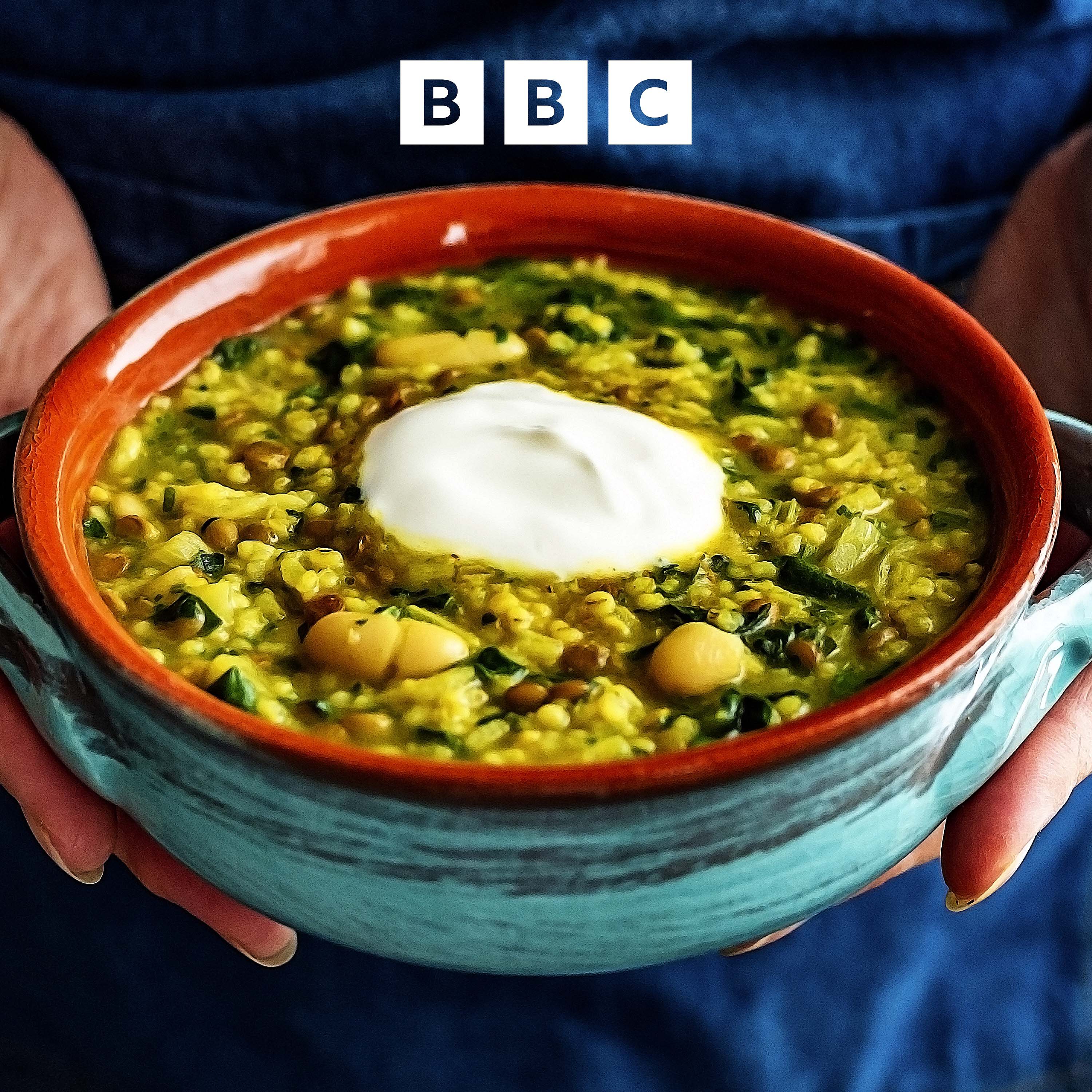
拿一罐豆子,加上冰箱里随便什么蔬菜,再多放点洋葱,用点香料一炒就行。
Just got a can of beans, whatever veggies I had in my drawer with heaps of onions, cook that down with just some spices and flavor.
最后淋点白酸奶,抹在吐司上吃,特别香。
And then just threw in a little bit of white sour cream at the end and had that on toast.
我刚才还跟孩子们说,你们能数数看,这道菜里到底用了多少种不同的植物吗?
And I was just actually telling the kids, I'm like, can you count like how many different plants are actually in here?
你看,有洋葱、有蘑菇、有西葫芦,还有豆子。
Like, oh, there's onions and there's mushrooms and there's zucchinis and there's beans.
我觉得,但凡味道浓郁的菜,比如汤啊、加了豆子这类的料理,都特别值得试试。
And so I think that anything that carries a lot of flavor, like soups and dishes like that with beans and all of that kind of stuff, I think those are really great things to try.
而且这种风味完全能适配各种菜系,比如黎巴嫩的扁豆汤,或者印度风味的香料豆子菜。
And I think the flavor profile can be matched for so many different cultures, whether it's like, you know, Lebanese lentil soup, or if it's going to be some kind of like Indian spiced bean dish.
这种类型的菜,我特别喜欢。
I think those kinds of dishes would be things that I love.
我一直都鼓励大家多尝试、多吃点这类食物。
And I've always try and encourage people to try out and eat more of.
我完全同意这个观点。
I would completely agree with that.
不管你有什么障碍,先把它扫清了再说。
Whatever your barriers are, remove your barriers.
你可以买那种已经切好的冷冻洋葱。
You can buy frozen things where the onions are cut up.
有替代方案再好不过了。
Workarounds are great.
没关系的。
It's okay.
不用非得完美。
You don't have to be perfect.
我觉得现在的问题就在这儿。
And I think that's what's really wrong now.
大家都觉得非得用新鲜的才行。
People are like, it has to be fresh.
其实根本不用。
It really doesn't.
我们就是想要煮过的蔬菜、干菜、干果,这些东西都行。
We just want cooked vegetables, dried vegetables, dried fruit, all these things.
发挥点创意,学学其他文化的做法,他们用植物性食物做得比传统西方肉食饮食好多了。
Be creative and and use them as other cultures do a better job than the kind of traditional meat based Western diet.
那听众这一周能实际做的一件事是什么?
So what's one realistic change then that someone listening could make this week.
别搞大改,就一个简单又容易做到的小改变。
So not a great overhaul, just one simple thing that's doable.
菲利帕。
Phillippa.
我觉得吃一份水果特别简单,人人都能做到。
Adding a piece of fruit seems a very easy thing to me that people can do.
比如用水果代替不太健康的零食,或者干脆就在午餐后、早餐时多加一份水果。
So that could be swapping a less healthy snack for a piece of fruit, but it could literally just be adding one in after lunch or with your breakfast.
法蒂玛。
Fathima.
挑一天中的一餐,想想怎么多加一道蔬菜。
Just pick one meal for the day and think about how you can add an extra veggie to
就是这个。
it.
乔安?
Joanne?
我要戴上全谷物的帽子说:不管是早餐、午餐还是晚餐,只要能选,就选全谷物,别选精制谷物,连零食都一样,这样纤维摄入量会慢慢加起来。
I'm going to go put my whole grains hat on and say, if you may have a choice for breakfast, lunch or dinner, always go for the whole grain choice rather than the refined grain choice at every meal, even your snacks, it's going to add up to more fiber.
在大伙儿冲去疯狂吃水果、蔬菜、豆类和扁豆之前,纤维吃太多会出问题吗?
Before we all rush away and and and go mad with the fruit and veg and pulses and lentils, can you eat too much fiber?
我肯定说会。
I would say absolutely.
这通常不是我们的问题,但70年代人们特别追捧纤维的时候,确实有数据表明,有些老年人因为吃太多纤维,肠道堵住了。
You know, it's not the usual problem we have, but there's some data when people got really interested in fiber back in the 70s and started eating fiber and older people that had gut impactions with fiber.
我担心的是,虽然我很高兴现在大家开始重视纤维了,但对那些便秘的、不爱动的、住在养老院的人,你跟他们说‘多吃点纤维吧’,这根本没道理。
This is my concern, even though I'm glad the fibromaxing has gotten fiber popularized, that people that are constipated, people that are inactive, they're in a nursing home to say, Hey, eat more fiber and bring it on.
完全没必要这么做。
There's no reason to do that.
展开剩余字幕(还有 14 条)
其实关键在于平衡,如果你已经摄取了足够的纤维,就没必要再额外补充。
It is a balanced thing that if you get enough fiber, you don't need to add additional fiber.
这跟典型的西方思维不一样,西方人总想着‘不够不够,再来三倍’。
This is typical Western way rather than saying, Hey, we need more, let's triple it.
其实不是,要慢慢来。
It's like, no, go slowly.
每个人对纤维的耐受度都不一样,这跟他们长期的饮食习惯有关。
Everybody has a different tolerance for fiber and it's what they've adapted to.
真正能带来长期回报的,是那些长久坚持的习惯——多吃植物性食物,享受每一餐。
It's these forever habits of enjoying your food, more plant foods that are gonna have the payoff.
这些习惯带来的健康益处,可能现在感觉不到,但迟早会显现,你信我们就好。
It's gonna have lots of health benefits that you won't know till later on, but trust us on this.
我们有扎实的数据支持。
We have good data.
乔安妮·斯拉文教授、菲利帕·拉利和法蒂玛·阿卜杜拉。
Professor Joanne Slavin, Phillippa Lally, and Fathima Abdoola.
感谢他们所有人。
Thanks to all of them.
如果你打算调整饮食,最好先咨询医生,因为有些健康状况不适合高纤维饮食。
If you're thinking of making a change to what you eat, it can be a good idea to consult your doctor because there are some conditions which make a high fibre diet inadvisable.
如果你对另一种宏量营养素——蛋白质,以及该吃多少感兴趣,不妨听听我们做的那一期节目,叫《蛋白质 vs 纤维》。
And if this has got you wondering about that other macronutrient, protein, and how much of that you should be eating, have a listen to the episode we made called Protein versus versus Fibre.
你可以在任何听BBC播客的地方找到它。
You can find it wherever you get your BBC podcasts.
现阶段,我是主持人,制作人是莱西·奥康纳和伊蒂·格林菲尔德,编辑是亨利·琼斯和莎拉·韦德森。
For now, from me and producers, Lexy O'Connor and Itty Greenfield, and editors, Henry Jones and Sarah Wadeson.
感谢收听,我们下周再见。
Thanks for listening, and join us again next week.
关于 Bayt 播客
Bayt 提供中文+原文双语音频和字幕,帮助你打破语言障碍,轻松听懂全球优质播客。