本集简介
双语字幕
仅展示文本字幕,不包含中文音频;想边听边看,请使用 Bayt 播客 App。
每个成功的人,都是熬过艰难时刻才走到今天的。
Every successful person got there by going through tough times.
成功这老师可狠了,一路上专挑你难受的时候收拾你。
Success is a hard ass teacher who likes to knock you around along that journey.
说实话,不放弃、继续往前走,真需要点胆量。
You know, it takes real guts to not give up and keep going.
我们会听到一些失败的故事,看看这些领袖是怎么逆转局面、最终成功的。
We'll hear stories about failures and how these leaders flip the script to create success.
我是约翰·舒尔茨。
I'm John Schultz.
跟我一起,看看成功为啥从来都不是一夜之间的事。
Join me, and let's discover how success is never really overnight.
欢迎收听约翰·舒尔茨播客。
So welcome to the John Schultz podcast.
今天咱们请到了一位特别棒的嘉宾。
We have an amazing guest today.
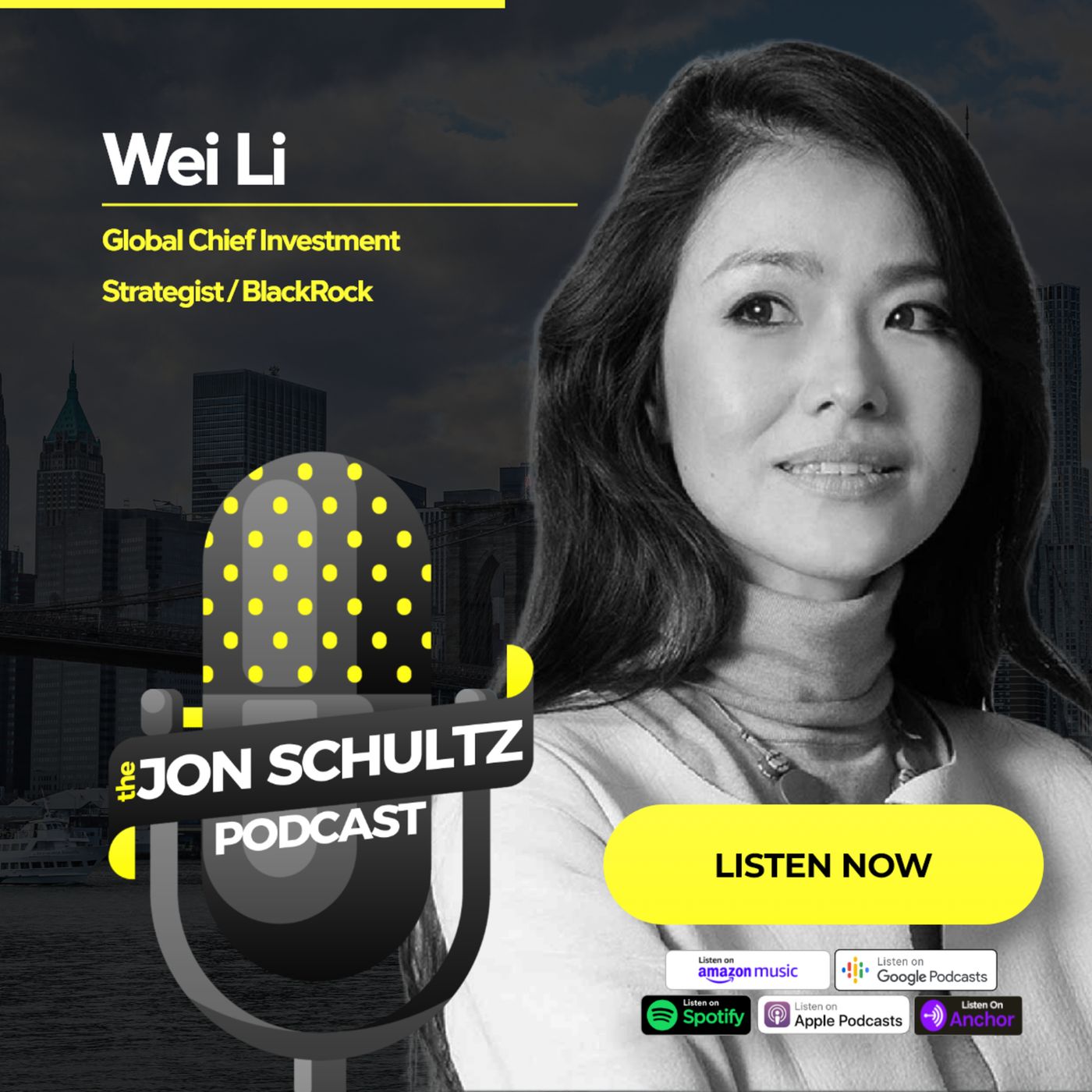
魏丽。
Wei Li.
这职业生涯真了不起。
What a what a career.
她真是个了不起的人。
What a great person.
她2010年加入了贝莱德。
She joined BlackRock in 2010.
她曾负责投资策略、ETF和指数投资。
She was the head of investment strategy, ETFs and index investments.
现在她是贝莱德投资的全球首席投资策略师。
And today, she is global chief investment strategist of BlackRock Investment.
这么大的公司,资产这么多,全球那么多地方都要顾及。
Huge company, so many assets, so many, places in the world you have to think about.
这工作太棒了,非常感谢你来参加我们的播客。
Very exciting, job, and thank you very much for being on the podcast.
非常感谢你邀请我。
Thank you so much for having me.
很高兴见到你,约翰。
Great to meet you, John.
见到你真好。
Great to see you.
好的。
Alright.
我喜欢我的播客的一个地方是,我们总是开得特别早。
So what I love about my podcast is we start real early.
我跟所有来过的嘉宾都聊过,现在数量可不少了,幸亏如此——那些人在年轻时经历的事,往往决定了他们未来的人生方向。
I you know, I feel with all the guests that I've had on and we've had a lot now, thank thankfully, you know, the the stories that are shaped when people are young, some of the, the things that they go into in the future were shaped by that.
所以我想先问问,你小时候成长过程中,是怎么看待自己的?
So I'd like to start out by saying, you know, how would you describe yourself in, you know, in your upbringing and your childhood when you're growing up?
哇。
Wow.
好的。
Okay.
那咱们从头说起。
So we're going all the way back.
行。
Alright.
我出生在中国一个不太为人所知的城市——重庆,那儿有三千六百万人。
So I was, born in, China in this very little known city called Chongqing that has 36,000,000 people.
我在中国中部长大,童年挺简单的。
So, just sitting in the middle of China and growing up, it was a simple childhood.
我爸妈都是重庆的老师,但后来中国开放了,他们毅然辞掉了稳定的工作,带着我南下参与沿海地区的开发。他们这种敢从头再来、放弃一切的勇气,深深影响了我。后来我跟着他们去了深圳——当时还是个只有两千万人口的小城。再后来,我有机会去新加坡和英国留学。在英国读完数学专业后,我去了伦敦,这才踏入了金融行业。
My parents were teachers in Chongqing, but as China opened up, they gave up their steady job in the middle of China to join the coastal South opening up and it took me with them, so this ability of theirs, or the courage of theirs to just restart, give up everything and restart, I think very much impacted me up to this day, and following them to coastal south in China, growing up in a city called Shenzhen, a very small city of 20,000,000 people, and then I had the opportunity to study overseas in Singapore, in The UK, and after I graduated from the UK University where I studied mathematics, I then came to London, and that's how I started in finance.
哇。
Wow.
那在那段时间,有没有什么事让你决定走上金融这条路?
So so were there any things, you know, that time that pushed you towards finance?
你是怎么觉得这适合你的呢?
Like, what what made you think that that was something for you?
你小时候还有别的爱好吗?
What other hobbies did you have?
你小时候还对什么感兴趣?
What other things did you, were you interested in growing up?
我一直对数学特别着迷。
Well, I was always interested in mathematics.
数学就像一种超越国界、超越思维差异的美语言,特别有逻辑。
It's like a beautiful language that transcends borders, that transcends kind of different ways of thinking and it's very logical.
上大学的时候,到了最后一年,班里那些酷 kids 都跑去华尔街、金丝雀码头实习,我就想:这到底有啥好吹的?
So, I was studying mathematics in university and at the time, the ultimate year, all the cool kids in school were applying for internship in Wall Street, in Canary Wharf, and I was like, okay, well, what was the fuss about?
我这个人本来就好胜,别人抢着申请的,我也跟着冲,运气不错,拿到了几个offer,之后的事就水到渠成了。
So, you know, I was a very competitive person, so I applied for what everybody was applying for, and I was lucky to get a few offers, and the rest is history.
要说从一开始就想进金融圈,那倒不是,说实话我那时候根本不懂金融是啥,但就是这股好胜心推着我往这走,后来在交易大厅的经历,再后来做资产管理,我都特别喜欢,就留了下来。
I wouldn't say that I planned to be in finance from the very beginning, you know, frankly, I didn't really quite know what finance was, but it was really this competitive, I guess, spirit that pushed me in this direction, and I really liked what I experienced on the trading floor, and then subsequently in asset management and I stayed.
你说你出国留学过?
So you said you studied abroad.
你去哪儿留的学?感觉怎么样?
Where did you study and how did that go?
我在新加坡待了四年,本科是在英国读的。
I studied in Singapore for four years, and I studied in The UK for my undergrad degree.
感觉怎么样?
How did that go?
我上学时成绩不错,所以挺顺利的。
I was quite good in school, so it went quite well.
不错。
Good.
挺好。
Good.
很好。
Good.
那毕业后第一份工作是什么?
And what was the first job you had coming out of college?
我毕业后的第一份工作是在雷曼兄弟做金融,负责利率销售与交易。
First job I had coming out of college, I was I started my career in finance in Lehman Brothers, so rates sales trading.
后来我去了花旗集团,在股票衍生品交易台工作。
And then I went to Citigroup on the equity derivative trading desk.
再之后从花旗跳到黑石,一开始做ETF业务,就像你之前提到的,约翰,后来我转到了黑石投资研究院的更大平台,担任全球首席策略师。
And then from Citigroup, I moved to BlackRock initially starting in the ETF business, as you mentioned, John, and then I moved into kind of the broader platform of BlackRock Investment Institute and took up the role of the Global Chief Strategist.
这些职位其实都挺相关的,都需要快速思考和消化信息的能力。
So, all the roles they, I think, are very much related in that they require a very quick way of thinking and digesting incoming information.
但每个岗位表达想法的方式,差别还挺大的。
But the way to kind of express the ideas, they differ from role to role.
你刚入行时遇到过哪些挑战?毕竟那是你完全没接触过的领域,有没有哪些事特别影响了你后来的职业方向,或者促使你做出某些关键决定?
What were some of the challenges you faced, you know, I guess, into your first job, being in a career that was new to you, what are some things that that you think shaped the direction you went or or some of the decisions that you made and and and, and how you move forward really in your career?
当然有。
Absolutely.
所以你看,约翰,我在中国长大,在新加坡长大,也在英国长大。
So challenges, as you see, John, I grew up in China, I grew up in Singapore, I grew up in The UK.
英语不是我的母语。
English is not my first language.
刚进交易大厅的时候,大家都说得飞快,我根本听不懂他们在说什么,更别说表达自己的观点、在讨论中发声了——一开始真挺吓人的。我本来就不是语速快的人,说话前总得先理清思路。
So, then starting a job on the trading floor, where everybody speaks very, very quickly, you know, like it was a real problem, I could barely understood what people are talking about, and then having to articulate my views and really getting my voice across in a debate, it was intimidating to start with, right, and I don't speak very quickly and I need to organize my thoughts before I articulate them.
所以一开始,语言确实是我的大难题。
So that was a real challenge with the language initially.
但后来,我的想法突然转变了:算了,大家都知道我英语不好,那这反而是我的‘免死金牌’。
But then at some point, I think my mindset just switched in that I'm like, okay, people know that my English is not very good, but maybe that can be my get out of jail free card.
我要是说了句蠢话,人家会想:哎呀,可怜的孩子,英语不好嘛,情有可原。
If I were to say something stupid, people will think that, oh, no, poor thing, it's because her English is not very good.
可我要是说了句聪明的话,人家就会觉得:哇,魏真聪明。
But if I were to say something smart, they will give me all the credit and think that, well, that's because Wei is super smart.
打那以后,英语不是母语反而成了我的优势——它让我有缓冲空间,说错话大家也愿意给我留面子,对吧?
So once think like that, English not being my first language become a superpower in that it's my get out of jail free card, and it allows people to give me the benefit of the doubt if I say something not so clever, right?
所以重点不是怎么把语言练得更好,而是我在这种快节奏的环境里,心里得先换个想法。
So, it's not so much about kind of improving in the language itself, but it's about kind of making a mental switch in my head as I interact in this dynamic environment.
这可是我遇到的第一个难题,但我后来把它变成了优势。这种反过来想、主动把劣势转成助力的思维方式,我一直都坚持到现在。
Since I would say that's the first challenge that I had, and I was able to kind of turn that into an advantage and this mindset of turning the table and really kind of thinking about how I can change things to my advantage, has been something that I try to keep, every step of the way.
我特别喜欢这一点,因为我们都容易用自己的经历去解读别人,用过去的触发点来理解当下。
You know, I love that because I I think, you know, we we look at things through our own projections of what we think is happening or what you know, or triggers of what we've had in our lives that have happened to us.
每当我遇到让人不舒服、心里打鼓的情况,我都会跟自己说:换种角度看这事。
And one of the key phrases I always say to myself when I'm looking at a situation that may feel uncomfortable or maybe I have doubts is like, Let me look at this a different way.
我特别欣赏的是,你居然把语言短板变成了超能力,还借此推动自己调整心态,突破障碍。
And what I love about it is that you made this into a superpower like you even made it into a bigger sort of push for your mindset to get through things.
这真的太厉害了。
I think that's incredible.
你简直能想出各种疯狂的点子,心里也清楚:要是真成了,那就是你的本事;要是没成,也无所谓。
It's almost like you could come up with crazy ideas and you felt, you know, it was something that if something stuck, it was good.
没成的话,就当是自己理解得还不够透彻罢了。
If not, it was just like, okay, you know, maybe I didn't understand it as well enough.
在这么快节奏、大市值的公司里,你还有没有其他类似的收获?
Are there any other jewels like that that you know, being in such a high paced, you know, fast, you know, large market cap business that you feel you learn?
毕竟你现在也待过好几家公司了。
Because, you know, you've been at multiple companies now.
你能不能给年轻人一些建议,让他们少走点弯路?
Is there anything you could tell the younger generation that would, you know, maybe give them some good ideas?
当然有。
Absolutely.
我讲两点吧。
So maybe I say two things.
第一,要学会接受‘八成好’就足够了。
First is that I think it's important to be comfortable with just 80% good enough.
我刚工作的时候,学习成绩不错,特别追求完美。
So, when I first started working, I was quite good at school and I was a perfectionist.
不管交什么任务,我都非得做到百分之百完美才肯交,才敢去干下一件。
So, everything I was given, I really spent all the time and energy to make sure that it was like down a 100% before I submitted, before I kind of move on to the next task.
那时候这么做没问题,也挺好的,毕竟把事情做到百分之百完美,能建立起你的信誉。
And that was fine, and that was good, and it was important in building the credibility of being able to do something to a 100% good.
但问题是,有时候我交东西太晚,就是因为总想做到完美。
But the downside of that is sometimes I submit the output late because I wanted it to be perfect.
结果呢,别人就没把更重要的事交给我,因为我老是陷在把每件事做到完美上。
And because of that, I didn't get given more important things, because I was always busy trying to take the task to 100% good.
后来我才明白,在快节奏的环境里,你得迅速应对一件事,紧接着又来下一件,你也得马上反应过来。
And what I then subsequently realized is that oftentimes, especially in a fast paced environment, where you need to react to something very, very quickly, and then there's something else that comes along, and we need to react to that piece of information very, very quickly.
这时候,做到八成好就完全够了。
Just getting to 80% is more than good enough.
事实上,能快速、全面地应对变化,这种反应能力,和能把事情做到完美一样重要。
And in fact, having the reputation of being able to dynamically and holistically react, because you're able to process things very, very quickly is just as important as having a reputation of being able to do something to a 100% perfection.
关键是要分得清什么时候该追求百分之百,什么时候八成就够了——这是职业生涯里必须练出来的本事,作为完美主义者,学会接受‘八成好’也特别重要。
And I think recognizing when is the time for 100%, and when is the time for 80%, is a critical skill set that one needs to develop through the course of your career, and then being comfortable as a perfectionist with just being 80% good enough is important as well.
所以这是我第一个建议,我真是靠一路换岗位、摔跟头才真正学会的。
So that's the first thing I would say, and I really had to learn it the hard way as I came through the different roles that I have had.
第二点呢,是我当年在交易大厅时,一位资深投资者给我的建议。他说:‘你刚起步,别想着不可替代,要让自己随时能被取代。’
And the second thing I would say is, this is a piece of advice I was given on the trading floor from the senior investor that I was working with back then, and his comment to me was, away, you know, you're just starting out, just make sure you are replaceable.
我当时就懵了:‘啥意思?’
I'm like, what do mean?
你不是说‘不可替代’吗?
You mean irreplaceable, right?
我英语不太好。
My English is not very good.
我听成‘不可替代’了。
You mean irreplaceable, I heard irreplaceable.
他笑着说:‘对,就是要能被取代——你休假时别出岔子,新机会来的时候,你才能往上走,因为你的工作谁都能接得上,一点都不会乱。’
He's like, no, just make sure that you're replaceable, make sure nothing goes wrong when you go on holiday, and make sure that when new opportunities come up, you can be in a position to be elevated, because nothing is gonna drop, and and and and nothing is gonna go wrong.
这听起来有点反直觉,尤其是在压力大、市场难做的环境里,人本能地想把自己变成核心,搞成‘谁也替代不了’的状态。
And so so that's somewhat counterintuitive in that, especially in a in a in a environment where things are difficult and markets can be tough and you know, the natural tendency is to build a moat around what you do and be very irreplaceable, nobody can touch me.
但我偏偏反着来,故意让自己成为团队里最能被取代的那个人。
But against that natural tendency, I really went out of my way to make sure that I am the most replaceable person on the team.
我有个小本子,记着每天干啥,跟所有人都分享,还有每个我负责的项目笔记,别人一看就知道哪些事做了、哪些没做、接下来该咋办。
You know, like, I have a little book of what I do every day, have a, that I share with everyone, I have notebooks of the projects I'm responsible for, so people know exactly what went in and exactly what went out and what to do with it.
就这么干着干着,新机会就来了。当领导们在办公室里琢磨谁能接新活儿的时候,他们通常会问两个问题:这人靠不靠谱?
And then, as I did all of that, new opportunities came up and as, you know, the decision makers look around the floor and say who we could elevate to take this new responsibility, the two questions that they would ask is, is this person good?
然后第二个问题是:能把这人从原来的位置上挪开吗?
And then also, can we kind of take this person out of the existing role?
因为我够‘可替代’,所以对第二个问题我就能爽快说‘能’。当然,第一个前提是你得真行,但这条建议真是我职业生涯早期收到的最棒的忠告之一,特别感激。正因为我一路都让自己变得容易被替代,才幸运地一次次被赋予新责任,也真能扛得住。
And being replaceable allowed me to say yes to the second question, and obviously, you know, the first criteria is that you gotta be good, but this is actually a really great piece of advice that I was very grateful to have been given very early on in my career, and through being very replaceable every step of the way, I've had the luck and the privilege to be given responsibilities that I then was able to step up into.
我觉得这太聪明了。
I think that's brilliant.
我以前也听不少人说过,说到底,要是没人能顶替你,你反而会被困在原地。
I've that before from different people that, you know, at the end of the day, you'll be stuck in your job if someone else can't step up and and and and have that role.
你觉得你团队里的人,从这种心态里得到了什么好处?
How do you think the people that worked in your group benefited from that mindset?
你有没有发现,这种想法在你待过的公司里也传染开了,让其他人也看得更远了?
And do you see that that was a contagious mindset from people that you know within the companies that you worked at that created a bigger picture for them as well?
我的意思是,你说的这种能力,就是领导者必须得能成功地培养接班人吗?
Like like, how did that is that is that what you say someone that leads needs to deploy successfully?
对。
Yeah.
约翰,针对你这个问题,我想说两点。
Two things I would say in response to that, John.
第一点是,这种心态对团队成员有什么好处?
The first is that how do people benefit from this mindset?
当新同事加入、刚入行的新人起步时,如果每个人都有‘我随时可以被替代’的意识,保持透明开放的工作方式,大家就能互相学习,团队也能高效运转。
Well, it's great for cross learning and cross training when new joiners come onto the team, when new junior members start out in their career, if everybody operate with a, I wanna be replaceable mindset, then this open book mindset, then people can learn and the team can progress effectively.
这是第一点。
So that's the first thing.
这显然大有裨益。
So it's clearly beneficial.
但第二点我想说的是,从管理层的角度来看,要想让这种文化真正扎根,就得建立一套激励机制,真正奖励那些践行透明开放工作方式的人。
But the second thing I would say is that I think in order for this to be truly part of the culture from a senior manager perspective, we need to putting a incentive system, incentive scheme, that actually rewards people that operate in a open book mindset.
人们有时候不愿意分享,其实是怕被取代。但如果我们奖励那些愿意把知识、经验、秘诀都教给团队的人,就能营造出一种文化——集体的力量远超个人之和。
So the reason that people sometimes can close themselves up is because they are fearful of being replaced, if we recognize people who are training the rest of the team to be more effective by giving up their learnings and secrets and tricks and experiences, then actually that helps create this culture where collectively it's greater than the sum of parts.
没错。
Absolutely.
而且还更有趣。
And it's more fun.
到了这时候,大家才会真正对自己的工作和角色负责。谁都希望自己能为团队添砖加瓦。
I think people at that point own their jobs, their roles, you know, everyone wants to feel that they're adding to the to the picture.
我觉得这太棒了。
So I I think it's tremendous.
大家都能感觉到谁在藏私,谁在捂着不放,那样别人根本没法成长。真正优秀的领导绝不会这么做。
And you know, people can sense when someone's holding back and nodding, not allowing them to feel their growth and You know, great leaders do not do that.
行了。
So alright.
你一路走过这么多顶尖公司,积累的经验真了不起。
You had all these amazing sort of stepping stones and different great companies.
你后来去了黑石集团,对吧?
You know, you landed at BlackRock.
多棒的公司啊,规模这么大,还在很多方面都是领头羊。
What a great company, huge company and, you know, a leader in in lots of different ways.
那你觉得,现在这份工作最让你兴奋的部分是什么?
So what would you say is some of the most exciting parts about your current role today?
我特别喜欢你这个故事的一点是,你看你现在这样。
And the cool thing that I love about your story is, you know, here you are.
英语根本不是你的母语,可你现在上CNBC、彭博,满电视都是你,人人都能从你这儿学到东西。
English is was wasn't your first language and, like, you're CNBC, you're Bloomberg, you're, you know, you're all over TV and everyone can know can enjoy your knowledge.
那你觉得,现在每天做些什么事最让你觉得有成就感、最带劲?
So what would you say are some of the best, most exciting things you do today?
当然可以。
Yeah, sure.
约翰,你可能没看出来,其实我是个内向的人。
John, I don't know if you can tell, I'm actually an introvert.
其实,当众发言、在大群体前讲话,对我来说一点都不自然。
So, speaking in public and speaking in a big group setting doesn't come naturally to me.
所以特别有意思的是,我的工作逼着我去突破自己,去适应那些我本来根本不擅长的场景,对吧?
So what's actually really interesting about my job is about pushing the boundary to enjoy a situation that I do not naturally have a natural affinity for, right?
我是个内向的人,那我是怎么逼自己去接受、甚至享受工作里这部分公开演讲的呢?
So, I'm an introvert, how do I kind of push myself to embrace and enjoy public speaking side of my job.
我在黑石内部搞了个叫‘安静革命’的草根计划,专门帮内向的人适应那些嘈杂的环境,分享怎么克服演讲恐惧,甚至怎么在喝酒闲聊时应付寒暄这类事儿。
You know, like I rolled out this grassroots initiative within BlackRock called Quiet Riot, that allows introverts to really navigate a more loud environment, and really share tips about how to do public speaking, and how to maybe even navigate small talks during drinks, you know, that sort of thing.
这事儿特别有意思,而且我的工作让我越来越意识到,帮助别人一步步走出舒适区,真的特别有成就感。
So that has been fun, And my job makes me see the importance of that and being able to kind of progress and bring more people on their journey has been hugely rewarding.
我还想说说工作的另一个方面。
I would also say another aspect of my job.
我刚当上投资策略师的时候,从投资者转过来,那时候公开演讲完全是新添的职责。
So when I first started working as an investment strategist, going from an investor to an investment strategist, again, the public speaking part is the new dimension of the job.
那时候我的直属上司史蒂夫·科恩——现在他是黑石欧洲、中东和非洲区的负责人,但当时他管的是投资策略。
And back then my direct manager, Steve Cohen, who is now the head of BlackRock in the EMEA region, but back then he was responsible for investment strategy.
他就是个中年白人男,天天给客户做市场分析、聊市场动态,到现在还是这样。
And he was this, he's still this middle aged white man, that gives market presentations and have the market conversations with clients.
所以我一直在偷偷跟他学。
So I was kind of learning from him.
我不光学内容,还学他的风格,因为他做得太自然了,毫不费力。
And I was trying to learn not only the content, but also the style, because he was doing it so well and so effortlessly.
我模仿他讲政治笑话,学他开场聊足球,想在自己演讲时也用上这些套路。
So I was copying his jokes about politics, I was copying his opening about football, try to deliver that, when I was then presenting the presentation.
但每次都翻车,对吧?
And then it never works, right?
因为我根本不在乎足球,压根儿提不起兴趣。
Like it never works because I couldn't care less about football.
那时候Steve给了我一句特别管用的建议,直到今天我都记着:你永远不可能比Steve Cohen更像Steve Cohen,但你可以成为更好的自己——魏力。
So at that point, Steve gave me this piece of advice that has been very helpful to me to this day, which is that, you know, you can never be a better Steve Cohen than Steve Cohen, but you can be a better version of Wei Li.
所以你得想清楚,你身上有什么独一无二的东西,把它变成你的杀手锏。
So really think about what is unique about you and make that make that your superpower.
所以,英语只是其中一种方式,但他还给了我另一个建议,我到现在偶尔还会用:你有独特的成长背景——在中国、新加坡、英国都生活过,而你对话的大多数人可没有这么多元的经历。
So the English aspect, you know, English is one way of doing that, but then he gave me another tip that I sometimes still use, which is that, well, you have this unique kind of background of growing up in China, growing up in Singapore, growing up in The UK, and many of the people that you speak with do not have this diverse background.
那为什么不从一句中国谚语开始你的对话或演讲呢?
So why don't you, you know, like start your conversations or presentations with a Chinese saying?
然后你可以顺着这个话题展开,谁会去质疑你的中国谚语呢?毕竟在场的人里,你大概率是唯一一个懂中文的。
And then, you know, you could then build the narrative kind of from there, And then who is going to challenge your Chinese saying, because you know, like you're the most times the only Chinese speaking person in the group.
所以,认清自己独特的优势,并把它变成你的加分项,这真是个了不起的教训。
So, you know, understanding where my unique dimension is and really turning that to my advantage and unique characteristic is a great lesson.
我再也不想装成那个中年白人了,我就想做更好的自己。
So I never try to be a middle aged white man anymore, and I just try to be a better version of myself.
对啊,你就是做你自己。
Well, you're being you.
你不可能变成一个‘更好的你’。
Like, you can't be a better you.
我的意思是,但只要你真正接纳了这一点,你的超能力才会真正显现出来。
That's not I mean but once you embrace that, like, that's when our superpowers appear.
对吧?
Right?
因为这说到底就是自信的问题。
Because it's like, it's all confidence.
你提到内向这件事,还挺有意思的。
And I like you know, it's funny you say about this, introvert.
我做房地产,我们拥有办公楼,还有人们聚集的地方。
So, you know, my business is real estate, and we own office buildings, and we own places that people gather.
我一直提醒自己:我们建了这么大的开放式办公区,却忘了有一半的人是内向型的。
And I always said to myself, like, we're building these big open bullpens forgetting about 50% of the people are introverts.
那我们到底在干嘛?
And what are we doing?
我觉得,我们整个工作环境都得重新想想了。
So I think the whole environment of how we work has to be a little bit rethought about.
内向的人和外向的人,根本不是一回事。
There are people that are introverts, and they're not the same as extroverts.
那我们怎么在同一个空间里让所有人都能融洽相处呢?
And how do we commingle everyone in a space to make it?
就是说,怎么让环境对大家都更好,这事儿跟空间有关,也跟教你接班的人、你从别人那儿学来的那些小窍门有关。
You know, better for everyone, and you know, it's talking about space, you know, and you're talking about, you know, training people to replace you, creating all these little tidbits of advice that you got being around people.
自从疫情以来,居家办公和远程办公这么普遍,你对这整个趋势怎么看?
What's your feeling about like this whole thing since COVID with work at home and remote work?
照现在这个趋势,下一代人还能不能像我们一样,收获到这些宝贵的经验?
And do you feel the generation after us will have the same benefit of all the things that you learned the way it's going now?
当然可以。
Absolutely.
约翰,我能接着你刚才说的内向者这点展开聊聊吗?
Actually, John, can I unpack something that you just talked about in terms of introverts?
我想把这跟刚才问的居家办公问题联系起来说。
And I'm going to link that in into this work from home question they just asked.
没错,太对了。
Absolutely, absolutely.
因为这两者其实关系很密切。
Because they're very much related.
很多人误以为内向的人不喜欢与人交往,或者没法公开演讲,其实不是这样的。
So, you know, there is this misconception about introverts not liking, or not being able to interact with people, or not being able to do public speaking.
实际上,内向和外向的定义,讲的是人怎么恢复精力,而不是能不能做事。
Actually, that's totally wrong, in that introverts and extroverts, the definition is representative of how individuals would like to recharge.
这跟能力一点关系都没有。
It's not representative of the ability.
内向的人完全能做我们刚才说的那些事,只是累了之后,我更喜欢一个人静静待着,而不是跟人聊个不停来恢复状态。
So, introverts can do all of the things that we just talked about, but then when we are tired, we like to recharge by myself, ourselves, rather than kind of mingling with people and talking things out loud.
举个例子,我是内向的人,我老公是外向的人。
So, here the difference is that I'm an introvert and my husband is an extrovert.
每天下班回家,我们都累得不行,但我一回家就想瘫在沙发上,一个人发呆。
So, the end of each long working day, we both go home, and I want to relax by just being by myself on the couch.
而他呢,一回家就非要拉着我聊他今天都干了啥。
And then he wants to relax by talking about his day.
所以,这就是唯一的区别了。但在办公室里怎么跟人打交道、怎么公开演讲、怎么在大型会议上发言这些方面,其实很难看出差别,因为这更多是偏好问题,而不是能力问题。
So, this is kind of where the only differences are, but in terms of how we navigate the dynamics in the office and interaction with people and doing public speaking and speaking up at big meetings, it's actually quite hard to tell the difference because it's more about preferences rather than ability.
所以,这是我首先想说的。
So, that's the first thing I would say.
不过说到你问的远程办公和疫情的事儿,约翰,我觉得这艰难的两年半里,虽然全球都经历了苦难,但也不是没一点好处——它证明了灵活工作真的可行。技术把全世界连在了一起,出现了太多令人惊叹的案例,这点我们真不能忘了。
But then linking to your question, John, about the working from home, the pandemic, I think if there is one silver lining, that comes out of this tragic two years, two years and a half, that the whole world kind of experienced, is that it shows that actually flexibility is possible, Flexibility is possible, there have been just incredible kind of examples of how technology brings brought the world together in an effective way, and I think that it's important not to forget that.
不过话说回来,像我这样的内向者,在封控期间也特别特别想回办公室,所以当一切慢慢恢复正常时,我真是高兴坏了。但我们也得想想,这就像钟摆:从100%在办公室,直接甩到100%在家,现在又往回摆了。关键是要清醒地权衡不同工作方式的好处,把它们好好融合起来,别忘了这一点。现在感觉钟摆又往办公室这边偏了,这挺合理的,毕竟我们刚熬过那场可怕的疫情。
Now having said that, even introverts like me missed the office terribly, terribly during lockdown, so I was very, very happy then that finally things are kind of getting back to normal, but remembering, like thinking about kind of the pendulum swing, we went from 100% in the office to 100% at home, and now we're swinging back, really being thoughtful about the benefits of different styles and how to bring them together, is important, not to forget, and now it feels like the pendulum is swinging towards more presence in the office, which makes sense, because we came from the terrible two years and a half that that was the pandemic.
回到办公室感觉真好。
And it feels great to be back in the office.
是的。
Yeah.
对。
Yeah.
不是。
No.
说实话,我觉得灵活性对我们的心理健康特别重要,对吧?
Listen, I feel flexibility is paramount to our brains feeling okay, right?
你得觉得生活中能有这种自由才行。
Like you need to feel you you can have that in your life.
我就希望咱们大家都明白这一点,说实话,我也说不太清。
You know, I just hope that we all, like, know that, like, I don't know.
我学到的最有价值的东西,往往都是在没预料到的时刻,从那些人身上学来的。
Most of the greatest things I learned was from someone that I didn't realize I was gonna be with that moment.
全都是机缘巧合。
It was all happenstance.
所以我觉得得两者结合,这样对大家都好。
So we need a combination, I think because I think it's gonna be good for, everyone involved.
你现在在这儿工作,也待了挺久了,对吧?
Okay So here you are now in this, you know, you're you're been in this job.
能跟我们说说你目前主要负责哪些工作吗?
Can you give us a little bit about some of the current responsibilities, that you you have today?
很明显,我们能看见你,因为你经常在各个平台上露面。
Obviously, we see you because you're public on on different channels.
所以能不能跟我们聊聊,你平时每周都主要忙些什么?
And so a little bit about maybe more about what you you you focus on week in and week out.
当然可以。
Absolutely.
我和我的团队主要依靠宏观洞察和资产配置研究,来制定股票、债券、公开市场和私募市场的投资配置建议。
So myself and my team leverage the macro insights portfolio construction research to generate asset allocation views across equities, bonds, public market, private market.
然后我们会把这些洞察分享给全球的客户,同时也传递给公司内部的各个投资者团队。
And we take those insights to, on the one hand, clients across the world, on the other hand, investors from across the platform internally.
说到我的工作,大概一半时间在搞内容创作、琢磨新点子,和团队一起反复推敲,确保我们拿出来的东西够硬核;另一半时间则平均分配给两件事:一是把内容送达外部客户,二是跟内部投资者沟通。
So as I think about kind of my job, I spent, I would say half of the time generating content, thinking about ideas, working with the team to stress test and really making sure that the stuff that we bring to the table are of great quality, and I spend the other half equally divided between making sure that we deliver the content to external stakeholders that are our clients, and internal stakeholders that are investors.
这些对话都是双向的——我经常刚把一套观点做出来,结果在讨论中反而被说服了,发现完全相反的观点才更靠谱。
And the conversations are two ways in that, I oftentimes having produced the content and the ideas, then go into discussions only to be persuaded actually the reverse, the opposite of the ideas make more sense.
所以我从世界各地的客户和投资者身上学到了特别多,这也是为什么,像现在这种市场特别有意思、特别动荡、整个宏观环境都在剧变的时刻,我特别幸运能坐在这儿,有这个平台。这对我来说,无论是个人还是职业上,都是一段极其丰富的成长经历。
So I often learn a lot from clients and investors from all across the world, which is why, especially at a time like this, when markets are super interesting, and super volatile, and we're really in uncharted territories, in terms of the regime change, I feel very, very privileged and lucky to be in this seat and to have this platform, because it's an incredibly enriching learning experience for me personally and professionally.
听起来真让人头大,作为全球投资策略师,你们到底从哪儿下手啊?
It sounds daunting to me, like global investment strategists, like where do you start?
你们每周得琢磨哪些难题?毕竟这些都是一堆抽象想法,对吧?
What are some of the challenges like you have to get your brain around week in and week out on where you like, because these are all ideas, right?
你们是怎么理清头绪的?别每周都搞得焦头烂额的?能分享点经验吗?
So how do you frame yourself without feeling overwhelmed every week on where you start and and maybe give some insight to that?
确实,这跟我们之前聊到的、如何快速处理海量信息的心态有关。
Yeah, I think the challenge and now kind of tying back to what we talked about earlier in terms of the mindset of processing quick and vast incoming information.
关键是要从杂音里分辨出真正重要的东西。
The challenge is to look through the noise.
得穿透那些噪音,因为市场每次只关注一个故事,但它的注意力又特别短。
The challenge is to cut through the noise, because markets will focus on one narrative at a time, but markets attention span is also very, very short.
所以市场随时可能切换话题,转得飞快。
So we can pivot between narratives very, very quickly.
如果没有一个稳定的立足点,面对每天铺天盖地的信息,很容易就迷失方向。
And not having an anchor means that one gets lost very easily, amidst huge amount of information that one gets presented with on a daily basis.
所以真正的挑战在于,要有自己的定力和信念,能够看透噪音、穿透噪音。
So the challenge is to really have the anchor and the conviction to look through the noise, to cut through the noise.
要做到这一点,就需要对世界如何运转、经济如何演变有一个非常清晰的框架,这很重要。所以现在我再详细说一下,我们疫情后一直在用这种方式来解读世界,我——
And in order to do that, having a very coherent framing of how the world operates and how economies is evolving is important, which is why now giving a little bit more details now, the way that we have been kind of articulating the word after the pandemic, I.
嗯
E.
我们现在进入了一个新阶段,因为经济周期的驱动因素已经从需求端转向了供给约束。
We're in a new regime, because the drivers of economic cycles just went from demand side of the equation to supply constraint.
有了这个核心锚点后,我和我的团队就能高效梳理各类信息,我一直觉得,这能实实在在地给我们的客户和投资人创造更多价值。
That anchor has really helped me and my team process incoming information in a truly, I believe, additive way to our clients and investors.
这太厉害了。
It's it's amazing.
我觉得你说得没错。
I I I guess you're right.
你得先给自己设定一套分析框架,遇到任何信息都能顺着这个框架去梳理,看看每件事和这个核心前提是怎么呼应、发展的。
You have to frame how you're gonna look at what you're looking at at a at a certain point and sort of see how it's flowing from that premise.
那两年疫情真是太惨了,你懂的,各种事儿都摊一块儿了。
And we had such a tragic two years of the you know what went on with the pandemic and everything.
现在回头看,情况确实有点不一样了,对吧?
If you look now is changed a bit, right?
所以你得敢打破舒适区,用全新的视角去看问题——你们公司和你本人就是这样做的,每天能这么干,肯定特别带劲。
So you gotta you gotta and that's like not being afraid to be uncomfortable, like looking at things in a new way, which you know your firm does and you do, and it must be exciting to dive into that every day.
太棒了。
It's terrific.
快结束前,我问几个轻松点的问题吧,除了投资,你平时喜欢干点啥?
So maybe a couple fun questions before we end, you know, what do you enjoy outside of investing?
我的意思是,你把这么多时间和精力都扑在这上面了。
I mean, obviously, you put a lot of time and energy into this.
有什么业余爱好吗?就是工作之外喜欢做的事?
Is there anything you like as hobbies or outside what you do?
我喜欢打高尔夫,可惜高尔夫不喜欢我。
I love Golf, but golf does not love me back.
真是太让人抓狂了。
Oh, it's so frustrating.
真的太让人抓狂了。
It's so frustrating.
明年我可能要参加一个职业业余混搭赛。
I I might be playing at a pro am tournament next year.
我一直在为这个训练。
I have been training for that.
有时候状态还不错,但大多数时候,我的表现都一塌糊涂。
And there are days where my game is good, but on most other days, my game is not good.
特别烦人,因为进步不是线性的。
And it's so frustrating because it's not a straight line.
不是说你花时间练了,水平就一定会上去。
It's not like you put in the hours and it's improved.
你练了再练,结果整个挥杆动作突然就全乱了。
You can put in the hours and then your your your whole kind of swing just breaks down.
然后你就想,为啥啊
And and and you're like, why
有人跟我说过一句特别棒的话,我每次打球的时候都会在心里提醒自己。
You know, somebody gave me somebody gave me a great, saying that I say to myself every time I play.
我们只是租了这场比赛。
We've only rented the game.
我们并不拥有它。
We do not own it.
这是一场租赁来的体验,有时候它准时出现,有时候却不来,但这真是一项很棒的生活运动。
It's a rental and some days the rental shows up and other days it does, but it's an amazing life sport.
是朋友间的运动,也是事业上的运动。
Friends sport business sport.
尽管让人头疼,但真的值得,而且它确实很有挑战性,对吧?
It's worth the aggravation to, and it's challenging, right?
你总得不断调整,你知道的,这本质上是心理战,我觉得它具备很多能让你在商业上变得出色的素质。
You're you always gotta, you know, and it's a mental game, so I think it has a lot of the things that actually give you good skill sets to be great at business.
没错,既是事业,也是生活。
That's right, business and also life.
我一开始打高尔夫,其实是因为我老公经常打。
Reason that I picked up golf in the first place was really because my husband played golf a lot.
后来我发现,我老是出差,平时工作又忙得要命。
And then I realized, you know, I travel all the time and I work a lot during the week.
要是周末不打高尔夫,我根本见不着我老公。
And if I don't play golf over the weekend, I basically don't see my lynch.
所以我就这么开始打了。
So, that's how I picked up.
但随着
But as
小时候,现在
a kid, now
打高尔夫嘛,你知道的,就像他书里说的,那种浪漫的举动——送你一场高尔夫之旅,真是再好不过了。
playing golf, the, you know, like what in his book is the romantic kind of gesture gift is a golf we can get away.
我觉得他从中受益比我多,不过……
I think he's benefiting from that more than more than me, but
但至少你们是一起做的啊。
Well, listen, at least you're doing it together.
这挺有意思的。
So that's fun.
你们去打球的时候,也可以干点别的,那边风景可美了。
You could do some other things while you go to and there are some beautiful golfers.
我的意思是,挺开心的。
I mean, it's fun.
还能去好多地方,长见识。
You get to see so many different places.
要是你没干金融这一行,你还会选啥?
So another one, if your career in finance wasn't an option, what else would you do if you weren't in finance?
我可能会去当寿司师傅。
I might become a sushi chef.
超爱厨师这行。
Love the chef.
我就特别喜欢寿司厨师那种精准和美感,还有那些刀具什么的。
Like I love the precision and beauty that is part of kind of being a sushi chef and, you know, the knives and and everything.
这事儿真有种让人释放、疗愈的感觉。
It there's something very cathartic and therapeutic.
而且特别有创意。
And it's creative.
就跟艺术一样。
It's like art.
确实很有创意。
It is creative.
对,特别有创意。
It is creative.
而且这种创意跟当代艺术挺像的——作为Omakase的食客,你可能一时看不懂,但你会觉得,嗯,既然出自厨师之手,肯定错不了。
And it's creative in a contemporary art type of way in that they create this thing as the consumer of Omakase, you know, you don't quite get it, but you're like, okay, it must be good because it comes from the chef.
这事儿真的特别棒。
So there's something very very nice about it.
我可能想当个寿司师傅,但估计不行,因为我太爱吃东西了,最后肯定全吃光了。
So I might want to become that, but I may not be able to because I love food too much, so I might just end up eating them all
你可以兼职做啊,对吧?
You the can do it part time, right?
在家自己弄一弄也行。
You can do it at home for yourself.
你没必要非得这么做,但我就是喜欢。
You don't need to, but I love that.
你就是喜欢这个。
You love that.
打高尔夫也是这个道理,太棒了。
That's so good in golf.
我超爱打高尔夫。
I love golf.
这对你有好处。
It's good for you.
你知道吧,我觉得咱们都需要平衡,我不是说非得在某个固定时间段做这些事。
It's you know, I find You know, we all need balance of and I'm not saying like to balance is isn't like a certain time slot to do things.
就是多接触点别的东西,学点新的、做点别的,能让你整体的生活更丰富,我觉得这挺好的。
It's just having other things that you can learn and be and do just opens up us to everything that we're doing, you know, in in total, so I think it's a good thing.
总之,真的特别感谢你做这次分享。
And I and, so anyway, so thank you so much for doing this.
这次聊得太棒了。
This was so good.
我学到了好多。
I learned a lot.
你让我重新确认了很多事。
You reinforced a lot for me.
我特别喜欢你的思维方式,还有你讨论问题的方式,真的很有趣。
And I just love the way you think and how you go about your process of, you know, talking about it, and, it's been fun.
谢谢。
Thank you.
非常感谢你邀请我,约翰。
Thank you so much, John, for having me.
我期待继续关注你今后的内容。
I look forward to following you going forward.
我真的很享受这个过程。
I really have fun.
嗨。
Hi.
我是约翰·舒尔茨。
John Schultz here.
非常感谢你收听本期节目。
Thank you so much for tuning into this week's episode.
如果你能点赞、评论、订阅并分享给朋友,我会非常感激。
Would really appreciate if you would like, comment, subscribe, and share with your friends.
期待很快再和你见面。
Looking forward to being with you soon.
关于 Bayt 播客
Bayt 提供中文+原文双语音频和字幕,帮助你打破语言障碍,轻松听懂全球优质播客。