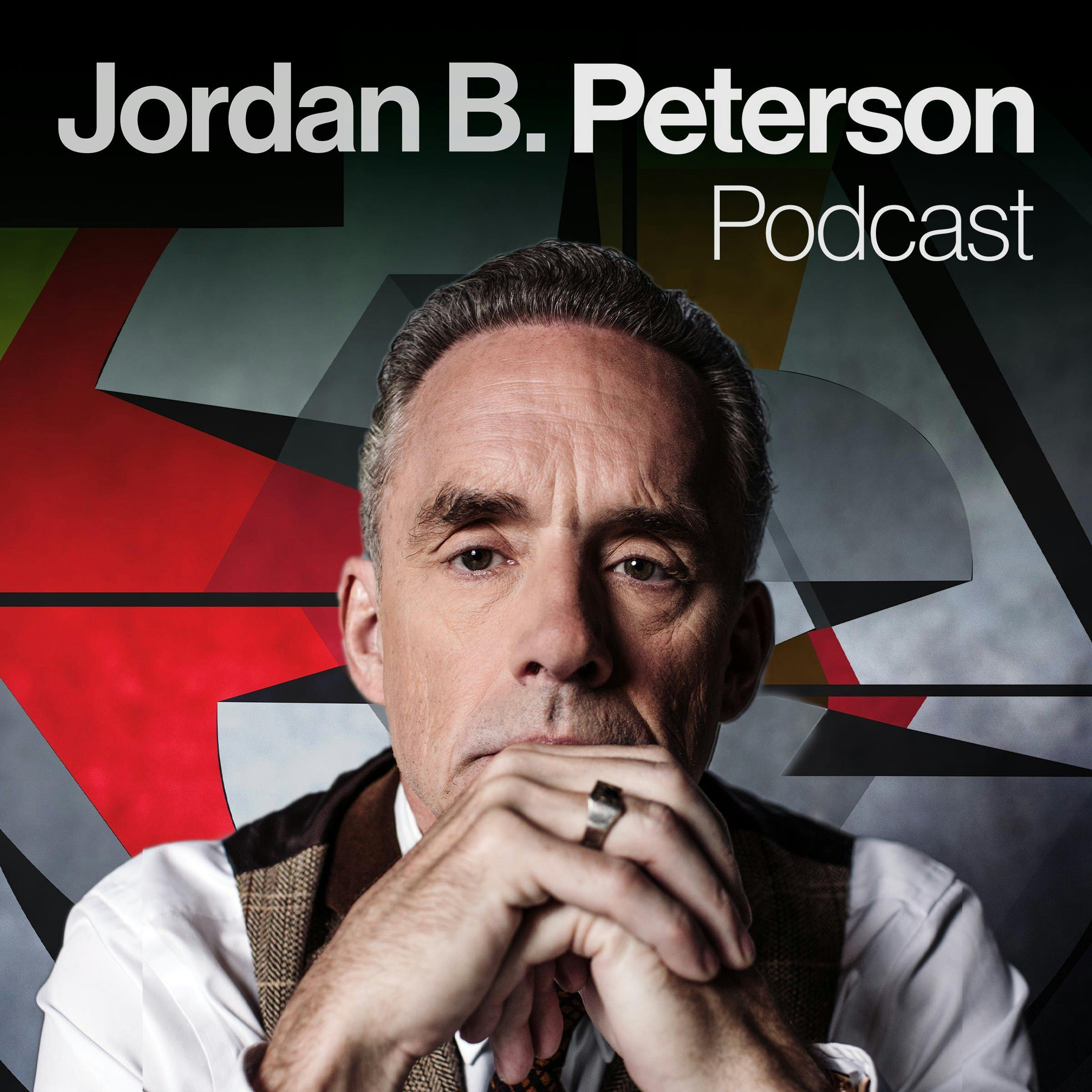
本集简介
双语字幕
仅展示文本字幕,不包含中文音频;想边听边看,请使用 Bayt 播客 App。
大家好。今天我要对话的是杰克·西姆斯博士。他是杜伦大学的公共哲学家兼研究员,同时也以播客主持人身份闻名,其主持的《泛心论哲学播客》是英国最受欢迎的高等教育节目之一。他还是《谈论哲学》丛书的主编。
Hello, everybody. I'm talking today to doctor Jack Sims. He's a public philosopher and researcher at Durham University. He's also known as a podcaster, the Panpsychast Philosophy Podcast, which is one of The UK's most popular higher education programmes. He's also the editor of the Talking About Philosophy book series.
他撰写并编辑了几本关于意识哲学的著作,以及描述上帝概念和被描绘上帝道德观的书籍。顺便说一句,这并不意味着西姆斯博士本人是宗教信徒。在我们即将观看的讨论中,你会怎么说?
So he's written and edited a couple of books on the philosophy of consciousness and then books that describe the concept of God and also the morality of the God that's being portrayed. That doesn't mean that Doctor. Sims is a religious believer, by the way. And the discussion that we had that you'll watch. What would you say?
我们深入探讨了什么?关于意识的概念化。还讨论了当前流行文化中无神论者与信徒之间的争论焦点。比如说,我们争论上帝是否存在时,其实底层还隐藏着一个更根本的问题:你所谓的上帝究竟指什么?
What did we delve into? Conceptualizations of consciousness. Also, discussed what do we have in the popular culture now with regards to the arguments between the atheists and the believers? Let's say, well, we have an argument about perhaps whether or not God exists. There's an argument underneath that, which is, well, what exactly do you mean?
你们讨论的这位上帝是谁?他被赋予了怎样的特质?这些特质在有神论或无神论立场上是否合理?这就是我们深入探讨的内容。要知道,在争论信仰之前,你必须先明确讨论对象的具体定义。
Who is this God that you're discussing? How is he characterized? And is that characterization reasonable on the theist or the atheist side? That's what we delved into. You know, before you can have an argument about belief, you have to specify what it is that you're actually talking about.
我们曾隐晦地提到,那些被唯物还原论无神论者批判的上帝形象,某种程度上是个稻草人式的 parody( parody 上帝)。这种批判并无助益——若想触及问题本质,我们必须确保争论的是正确对象,而非将其简化为可以轻易驳倒的荒谬概念。当然,若能恰当简化未尝不可,但若在不明就里的情况下强行简化就大错特错了。事实上多数无神论者的论证都存在这个问题——他们驳斥的上帝形象与相关著作中描绘的上帝根本不符。总之我们详细剖析了这种差异。
Now, one of the things we alluded to, let's say, the conversation was the fact that the God that's criticized by the atheist types, the materialist reductionist atheist types, is somewhat of a straw man and a parody God. And that that's not helpful because if we want to get to the bottom of things, we have to make sure that we're actually arguing about the right thing, let's say, rather than to reduce it to a kind of foolishness that can be easily dispensed with. Well, that would be fine if you could make that reduction properly, but it's not fine at all if you have to reduce it without knowing what you're talking about. And that actually happens to be the case for much of the argumentation that's put forth by the atheists, is the God they're dispensing with is not the God that's portrayed in the relevant work. So anyways, we walked through that kind of differentiation.
当前世界特别是西方正经历信仰危机,根本信念被动摇。学界持续探讨如何重新定义这些概念,而本次对话正是其中一环。如果你有兴趣参与并理解这场讨论,那么这场对话正适合你。
And so what's happening in the world right now in the West in particular, there's a crisis of belief. What we believe fundamentally is up for grabs. Well, there's an ongoing intellectual conversation about how to respecify that. And this conversation was part of that. To the degree that you're interested in participating in that and understanding it, then well, this is the conversation for you.
你有三本著作:一本关于意识,两本关于上帝——其中一本侧重存在本身,另一本应该是最新出版的《击败邪恶上帝挑战》。或许我们可以从意识话题开始。请向所有观众听众介绍一下你研究这个问题的方法论和概念框架。我在这方面做过不少阅读。
Well, so you have three books, one on consciousness, two on God, one associated more with existence itself, the other I think it's the newest one, Defeating the Evil God Challenge. Maybe we'll start with consciousness. So tell me a bit and everybody who's watching and listening how you approach the problem and how you conceptualize it. Let's talk about that. I've done a fair bit of reading on the topic of consciousness.
所以我非常好奇想听听你的看法。
So I'm very curious to to hear your take on it.
嗯,乔丹,我觉得有趣的是你最近对埃隆·马斯克的那次采访,他表达的观点与我不谋而合。他解释了138亿年前宇宙之初只有氢元素,所有物理过程随时间演化,而意识必然在这个过程中产生。他提出了这个问题:意识究竟是无处不在还是根本不存在?意识就是你看到父母在校门口时的感受,或是当你说错话时胃部下沉的感觉。即便是一加一等于二这样的思维过程,这些都是有意识的体验,它们构成了我们世界的经纬。
Well, what I thought was interesting, Jordan, is this interview you did with Elon Musk recently, and he actually expressed a view that's pretty close to mine. He explained how in the beginning thirteen point eight billion years ago, was just hydrogen and all of these physical processes evolve over time and somewhere in that picture consciousness must come into it. And he raised this question, he said, Well, is it everywhere or is it nowhere? Consciousness is that feeling you get that when you see your parents at the school gate or that drop in your stomach when you realize you've said you something you shouldn't perhaps. Although that process of thinking one plus one equals two, those are all conscious experiences, and they make up the fabric of our worlds.
要理解意识的价值,试着想象没有意识的生活。就像哲学家格雷戈里·米勒说的,那将是一片毫无意义的荒原。对我们而言,没有什么比意识更珍贵。正如乔治·奥威尔所言,看清鼻尖上的东西总是困难的——这是个永恒的难题。
And just to understand the value of that, try and imagine your life without consciousness. It would be a meaningless wasteland, as the philosopher Gregory Miller puts it. So there's nothing more valuable to us. As George Orwell said, it's difficult to see what's on the end of your nose. It's a constant struggle.
此刻正在观看视频的你,或是正在听我说话的你,这些都属于有意识的体验。它们似乎无法用数学和几何的语言——也就是物理学的语言——来捕捉。伽利略将意识排除在物理科学之外,才使得科学取得了所有惊人的进步。那么我们的问题是:在这个被西方社会普遍接受的科学世界观里,意识究竟处于什么位置?
So that thing that the person watching this or you hearing my voice now, these are all conscious experiences, and they don't seem to be captured in the language of mathematics and geometry, I. E. The language of physics. Galileo put consciousness outside of the picture when it comes to physical science in order for science to make all the incredible advances that it has. And so our question is, where does consciousness fit into the scientific picture of the world that on the whole people seem to be accepting in Western societies?
我的观点是应该将意识置于底层,它必须从一开始就存在。就像自然选择进化需要某些基本意识要素来运作,正如形成眼睛和耳朵需要特定物理属性,要形成你我享有的这种复杂意识,也需要特定的意识属性或粒子。
My view is that you should put consciousness at the bottom, that consciousness has to be there from the beginning. You need some rudimentary consciousness for evolution by natural selection to play with. In the same way you need some physical properties to make eyes and ears, you need conscious properties or particles to make the kinds of interesting consciousness that you and me enjoy.
那么你主要是从哲学角度探讨这个问题吗?你的观点在多大程度上受到生物学和神经科学的影响?
So are you coming at this primarily from a philosophical perspective? And to what degree is your viewpoint informed, for example, by biology and neuroscience?
我认为我的观点100%属于哲学范畴,但它建立在神经科学和生物学所缺失的基础上。神经科学和生物学是理解意识的错误方法——你无法通过扫描大脑来定位'红色'在哪里,这是完全不同性质的问题。
I'd say my view is 100% philosophical, but it goes on the basis of the things that are missing in neuroscience and biology. Neuroscience and biology are the wrong sort of methods of understanding consciousness. You can't scan someone's brain and see where the color red is. It's going to come up. It's a different kind of thing.
这是一种无法被第三方观察到的私人体验。因此,任何认为神经科学或生物学能揭示意识起源的人,其实根本不理解科学的本质。科学无法告诉我们粒子的内在本质,它只能描述粒子的行为。这就是所谓的'意识简单问题'。
It's a private experience that isn't available to third person observation. So anyone who thinks that neuroscience or biology is going to tell us where consciousness comes from just doesn't understand what science is. Science can't tell us about the inner nature of what particles are. It tells us what particles do. This is known as the easy problem of consciousness.
简单问题就是试图绘制出David Chalmers所说的'意识神经关联'。比如我猛击你的胸口,你的大脑会以特定方式激活。我可以据此推断大脑某部分产生了这些体验,但这仍无法解释意识本身的起源。这就是生物学和神经科学永远无法填补的空白。
The easy problems are the problems of trying to map out what David Chalmers calls the neural correlates of consciousness. So I give you a sharp punch to the chest, right, and your brain lights up in a certain way. And so I can go like, that part of your brain gives rise to these experiences, but it still doesn't tell me where consciousness itself comes from. So that's what's always going to be missing from biology and neuroscience.
那么Chalmers提出的'意识难题'是什么?
And the hard problem of consciousness as Chalmers formulates it?
他用两个词概括:解释意识。
He gives it in two words, explain consciousness.
好吧,让我就这个问题请教几个观点。长久以来我都认为,那些提出意识难题的学者在某种意义上过于乐观,因为他们实际上并未触及真正的难题。我认为意识难题在于区分意识与存在本身——我始终难以区分意识与存在,某种程度上也很难区分意识与智能。
So, okay, so let me let me let me ask you a couple of questions about that, because I've thought for a long time that the formulators of the hard problem of consciousness are actually wildly optimistic in a sense, because I don't really think they are tackling the hard problem of consciousness. I think the hard problem of consciousness is distinguishing consciousness from being itself. I don't I don't. And I have a hard time distinguishing consciousness from being. And it's also quite difficult in some ways to distinguish consciousness from intelligence.
首先让我从意识角度深入探讨。我花费大量时间研究比较神话学,并将这种分析与神经科学知识相结合。我不想提出与神经生物学知识相冲突的宇宙起源叙事解释。我喜欢这种三角验证法,因为在我看来,古代神话与现代神经科学偶然得出相同结论的概率极低——毕竟它们的知识生成机制如此迥异。在典型的涉及意识的宇宙起源神话中,存在与生成的本质具有三个基本属性。
So let me delve into that on the consciousness side a little bit to begin with. So I've spent a lot of time studying comparative mythology and also binding that analysis with my knowledge of neuroscience. And so I don't want to generate interpretations of cosmogonic narratives that are what run contradict run-in contradiction to what I know on the neurobiological side. And I like that way of triangulating, so to speak, because it seems to me the probability that ancient mythology and modern neuroscience will come to the same conclusions by chance is very low because they're so disparate in terms of their mechanisms of generating knowledge. So in the typical cosmogonic myth, which seems to involve consciousness, you have three fundamental attributes of being and becoming.
首先是某种等同物,通常以父权形象呈现:代表秩序的父亲形象、光明象征。这些都是符号化的关联,代表着某种解释的延伸结构。其次是被解释的对象,即可能性场域,通常表现为混沌、女性化意象或以黑夜为象征。
You have something that's equivalent. It's usually represented by a paternal figure and a figure of order, a father, a figure of light. Those are all symbolic associations, and it it represents something like an extent structure of interpretation. And then there is something to be interpreted, which is like a field of possibility that's usually represented as chaos or it's often represented as feminine. It's represented as the night.
它既有可怕的一面也有积极的一面,因为潜力既能孕育一切美好也能产生一切可怕。然后你有一个活跃的中间媒介作为中介。在基督教观念中,这就是逻各斯。逻各斯是调解秩序与混乱力量之间的能动原则。这种概念化在现象学上对我而言非常合理。
It has a terrible aspect and a positive aspect because out of potential comes everything good and everything terrible. And then you have an active mediary agent that's an intermediary. And in the Christian conception, that's the logos, for example. The logos is the active principle that mediates between the forces of order and chaos. And this conceptualization makes a lot of sense to me phenomenologically.
我认为这与神经科学实际上相当吻合。但我之所以在这个问题中给出如此冗长的阐述,是因为它与将意识从存在中分离的议题相关。我甚至原则上都无法理解如何将意识与存在分离,因为我不明白那意味着什么。你曾暗示过,一个没有觉知的现实会是什么样子。这并不意味着我理解觉知的本质,但我认为它与存在本身的问题无法区分。
And I think it actually maps on quite well to the neuroscience. But the reason I'm giving you this lengthy exposition as part of this question is because it's relevant to this issue of separating consciousness from being. So I don't see how you can separate consciousness from being even even in principle, because I don't understand what it would mean. And you alluded to this, what it would mean for there to be an a reality with without awareness. Now, that doesn't mean I understand anything about what awareness is, but I don't think it's distinguishable from the problem of being itself.
其实你有很多杰出的同行者。伯特兰·罗素这么认为,达尔文这么认为,菲利普·戈夫、盖伦·斯特劳森、米里尔·巴哈里也是如此。许多人都持这种观点:意识无法与存在分离,整个存在——无论是宇宙存在还是神性整体——都必须具备意识这一属性。
Well, I think you're in very good company. Bertrand Russell thought this. Darwin thought this. Philip Goff, Galen Strawson, Miriel Bahari. There are a lot of people who share this view that you can't separate consciousness from being, and that being as a whole, whether that's cosmos existence, God the divine as a whole, has to have the property of consciousness.
我认为这与智能略有不同。比如我可以想象某个大型语言模型具有智能,或者按照物理主义世界观,某些昆虫能对环境做出智能反应却不具备意识——这在理论上是可能的。虽然现实中我认为并非如此,但概念上可以将其分离。有趣的是,这似乎与你更宏大的世界观相契合。
And I suppose that is slightly separate from intelligence in the sense that I can imagine some large language model being intelligent or some, let's say, the physicalist worldview, you could imagine some insects being intelligent in the way that it responds to its environment without being conscious. That's conceivably. I don't think that's the case in the world as it is, but you can conceive of such a thing. You can pull them apart conceptually. What I think is interesting is this seems to me to tie into what I understand to be your wider view.
或许有必要先明确这一点以便比较。你使用的某些表述我有些难以跟上,如果为了理清思路而过度简化请见谅。在我看来你的观点包含三个核心命题:第一,当我们感知世界并行动时,实际上是在进行价值判断——比如我此刻看见你,是因为我重视这场对话,而非以其他无数种方式观察这个房间。
I think perhaps it will be good to get that on the table so you can see the comparisons there. Find it a little bit difficult to follow some of the language you're using there, so excuse me if I oversimplify this for the sake of trying to keep it clear in my mind. It seems to me that your view consists of essentially three broad propositions. Those propositions are something like, one, when we perceive the world and act in the world, we're making value judgments. Like, the reason I see you now is because I value this conversation, rather than seeing some other thing out of the infinite ways I could see the room before me.
第二,你认为这些价值存在于存在之链上,在雅各的天梯中。它们流溢出善的形式,或导向安瑟伦式的神性概念。第三——我期待你的澄清——你认为故事、小说和经文都在触及神性,触及高居天梯顶端那个代表真理或至善的存在。联系到我们关于意识与存在的讨论,那个至高存在、充满的存在,必然具备意识且是存在的全部。这种思想贯穿整个基督教哲学史,或许更广泛的哲学史也是如此。
The second is that you think these values exist on a great chain of being, on Jacob's ladder. They emanate the form of the good or they lead to an Anselmian conception of the divine or something like this. And third is that I believe you think something like this, and I'm eager to hear any clarifications is that you see story or fiction and Scripture as tapping into the divine, tapping into truth or goodness, whatever that thing is that exists on top of Jacob's ladder. And to link to our discussion on consciousness and being there, that the greatest being or the fullness of being, the thing that sits on top of the ladder, must be conscious and must be the totality of being. And again, that seems to run through the entire history of Christian philosophy and maybe philosophy more generally.
不知你是否认为这个概括准确?我的理解顺序是否正确?
So I wonder, did you think that captures it? Am I getting the the bits and pieces in the right order
世界各地的同事们,哇,这太神奇了。重新发现我们远古祖先如何发展出塑造现代社会的思想。
colleagues and you across the world Oh, wow. This is amazing. To rediscover the ways our ancient ancestors developed the ideas that shaped modern society.
这是城市伟大的纪念碑。
It was a monument to civic greatness.
去参观那些创造历史的地方。
To visit the places where history was made.
这是两千五百年前巴比伦人焚毁耶路撒冷时留下的真实灰烬。
That is ash from the actual fires when the Babylonians burned Jerusalem from twenty five hundred years ago.
行走在同一条路上。我们正沿着受难之路前行。体验同样的奇迹。
To walk the same roads. We are following the path of the crucifixion. And experience the same wonder.
我们正站在一个奇迹发生的地方。人类能为这个神秘但可知的宇宙带来什么样的资源?
We are on the site of a miracle. What kind of resources can human beings bring to a mysterious but knowable universe?
科学、艺术、政治,所有这些让生活变得美好。世界又展现出新的一面。西方文明的基石。现在就在Daily Wire plus上观看。嗯,我认为你已经把关于神圣概念的零散部分按正确顺序排列好了。
Science, art, politics, all that makes life wonderful. And something new about the world is revealed. Foundations of the West. Watch now on Daily Wire plus. Well, I I think you've got the the bits and pieces in the right order with regard to conceptualizations of the divine.
让我们稍微拆解一下这个问题,因为它非常值得深入探讨。原则上,后现代主义者的精神特质被定义为对元叙事的怀疑态度。对吧?他们的主张——虽然源自利奥塔,但已成为共识——我认为后现代学派的一个决定性特征就是:不存在对元叙事的终极怀疑。
Let's take that apart a little bit because that's very much worth delving into. So in principle, the postmodernists, their ethos is defined by so called skepticism towards meta narratives. Right? So their proposition, this was leotard, but it was shared. Well, it's one of the defining characteristics of the postmodern school, I would say, is that there's no overarching meta narrative skepticism toward meta narratives.
实际上我发现...这该怎么形容呢?这是个幼稚的想法。就我理解而言(技术上你可以告诉我你的看法),原因在于每个感知和行动都需要一个统合的理想。比如我想把水杯举到嘴边时,其实是在协调——为了完成这个动作,我整合了数量惊人、复杂到难以置信的运作系统。
And that actually I find that what would you say? It's a purile idea. And the reason for that, as far as I can tell, you can tell me what you think about this technically, is that every perception and every action requires a unifying ideal. So, for example, if I want to lift a glass of water to my mouth, I'm sequencing. I'm unifying a tremendous number of unbelievably complex operations in order to do that.
从某些角度看,这个行为对我的意识来说很简单,因为我的操作略高于神经自动化层面。所以我并不真正意识到那些分子、原子、细胞乃至肌肉运动的复杂性。但所有这些都围绕着价值导向的目标被统一起来——即解渴。而这个目标又嵌套在更高阶的价值结构中,因为我解渴是出于'不口渴比口渴好'的信念,进而'活着比死了好'等等。
Now, it seems simple in some ways to my consciousness because I'm operating slightly above what I have automatized neurologically. And so I don't really have any conscious idea of the complexity of the molecules and the atoms and the cells and the muscles even that I'm using to move. But I'm unifying all those with regards to a value oriented purpose, and that would be to quench my thirst. And then that would be nested in a higher order structure values because I'm quenching my thirst, I presume because I believe it's better not to be thirsty not to be in pain. I believe it's better to be alive than to be dead, etc.
你看,即便是最微小的动作也统合了从属于它的各种元素,同时它本身又参与着更高层级的统一。后现代主义者似乎在宣称:你可以给这种统一性随意设定上限。那让我们顺着这个思路走——既然不存在终极元叙事...
Like so well, even that micro of a given action unifies all sorts of things that are subordinate to it, but it also partakes in a higher unity. And what the postmodernists seem to be claiming is that you can just draw some arbitrary upper limit to that unity. And so then let's go there for a second. Okay. So there's no overarching metanarrative.
这某种程度上可视为对上帝的怀疑。没有'上'的存在,没有更高层级的统一。那么最高层面是什么?分裂吗?
This would be, I suppose, in some way skepticism about God. There's no up. There's no upper unity. Okay, so what's at the highest level then? Disunity?
虚无?这答案太蠢了——如果是虚无就无法统一。如果是分裂,那你实际上构建的是一种不和谐与分裂的形而上学。而且你这么做是武断的。就像你承认'从杯中喝水'这个统一叙事存在...
Like nothing? Well, nothing is a stupid answer because if it's nothing, you can't unify. And if it's disunity, then really what you've done is you've developed a metaphysics of of discord and disunity. And you also have done it arbitrarily. It's like, Okay, so you admit to the existence of the uniting narrative that allows you to drink from a glass.
却不承认'与妻子和谐相处'的统一叙事?界限到底划在哪里?精确性才是关键——你不能简单地说'有微观叙事和元叙事,我们不信元叙事'。首先这两者没有质的区别,所以你究竟在指什么?
But you what do you don't admit to the uniting narrative that enables you to live in harmony with your wife? Like, where do you draw the line exactly? And and exactly is the issue like you don't just get to say, well, there are micro narratives and meta narratives, and we don't believe in meta narratives. It's like, first of all, there's not a qualitative distinction. So like, what exactly are you talking about?
其次,如果没有统一的元叙事,那你认为顶端是什么?因为要么是统一,要么是混乱,要么什么都没有。然后你就陷入了这种虚无主义的灾难,似乎只会让人士气低落、造成破坏。好吧,你提到了雅各的天梯。
And second, if there's no uniting meta narrative, then what the hell do you think is at the top? Because it's either unity or discord or nothing, I suppose. And then you're in this nihilistic catastrophe that seems to do nothing but demoralize and and cause and wreak havoc. So, okay. So, you mentioned Jacob's Ladder.
在我看来,一神论的坚持在于所有善都统一于某种将一切凝聚在一起的东西,这包括但超越意识。对吧?因为上帝超越意识,超越无意识。当然,上帝的一个定义就是处于最高统一层次的存在。我们可以稍微讨论一下这个。
It's like, well, it seems to me that the the monotheistic insistence is that all goods unify towards something that brings everything together, which would include it would include but even transcend consciousness. Right? Because God would be beyond consciousness, beyond unconsciousness. But certainly, one definition of God is what stands at the highest level of unity. Now, well, so let's we can barely that about a bit.
那么我想问你,在雅各天梯的顶端,你认为上帝在那里吗?你认为上帝是所有价值的依托/基础?明确地说,你愿意这样说吗——我相信上帝作为最可构想的存在而存在?
Well, I wonder just to ask you then, at the top of Jacob's ladder then, you take God to be there. You take God to be the thing on which all values hang on slash the thing that grounds all of the values? To be clear, are you happy to say that, to say, I believe in the existence of God as the greatest conceivable being, let's say?
某种程度上这是个定义问题。在我们讨论上帝是否存在之前,应该先明确我们讨论的是什么。此刻我们讨论的是最高可构想的潜在统一体。但我要补充,它位于顶端,但以一种特殊的方式存在。
Well, I think in some ways, it's a matter of definition. I it's a matter of definition. So so because before we can talk about whether or not God exists, we should have some sense of exactly what it is that we're talking about. In the moment, we're talking about the highest conceivable potential unity. But then I would also say so it stands at the top, but it also stands in the top in a peculiar way.
这在犹太-基督教经典中被明确强调,因为上帝是不可构想和不可言喻的。即使你把他放在顶端,当你接近时他会退却,这种退却的能力是无限的。它也超出了概念化的范畴。我是说,典型的无神论者玩了个花招,他们的上帝总是天上那个迷信的、阻碍科学进步的老智者形象。
And this is definitely insisted upon in the Judeo Christian canon because God is inconceivable and ineffable. And so even if you do put him at the top, as you approach him, he recedes and that capacity to recede is infinite. It's also not within the scope of conceptualization. Right. I mean, the classic atheists, they they they do a they perform a sort of sleight of hand and what their God is always the the wise old man in the sky who's the superstition who's the obstacle, superstitious obstacle to the progress of science.
但这根本不是圣经文献中对上帝的概念化。上帝被置于雅各天梯的顶端,但他同时也是不可言喻且不断退却的。
But that's not at all how God is conceptualized in the biblical corpus. I mean, God is put at the top of Jacob's ladder, but he's also ineffable and receding.
让我们来探讨其中几个观点。首先值得指出的是,正如你所说,有些上帝观认为上帝是不可言喻的。你知道宗教哲学中有场大辩论,关于上帝不可言喻的程度。有些人认为上帝完全不可言喻,在这种观点下你无法对上帝做出任何正面描述,只能说上帝不是什么。
Well, let's let's pick up on a few of those ideas then. The first thing I think that's worth pointing out is obviously is, as you've said, there are conceptions of God in which God is ineffable, and there's a big debate, as you know, there in philosophy of religions, the extent to which God is ineffable. Some people take God to be completely ineffable. You can't say anything positive about God. You can only say what God's not in this view.
所以上帝不是菠萝。上帝不是亚当·桑德勒的电影,感谢上帝。上帝也不是我手边这杯美味的啤酒之类的东西。所以我可以对上帝说些负面的话,但无法说任何正面的话,因为上帝超越了我能描述的范围。不过我认为大多数宗教哲学家都同意,我们确实能对上帝有所言说。
So God's not a pineapple. God's not an Adam Sandler movie, and thank God for that. And God's not this this delicious beer to my side or anything like that. So I can say negative things about God, but I can't say anything positive because God's beyond my own descriptions. But I think the majority of philosophers of religion agree that you can say some things about God.
笛卡尔用试图环抱大山的例子作比喻,这座大山就是上帝。你无法完全理解上帝,但可以捡起几块石头,描述几块石头并说:看,这是全能、全知、全善、意识、永恒不变等属性。我认为我们可以合理地说,上帝的本质必然包含某些特性。关于这个问题...让我们稍作停顿。关于上帝本质,我们可以说的一些特性如下。
Descartes gives the example of trying to get your arms around a great mountain, and the great mountain is God. You can't understand God in His entirety, but you can pick up a few rocks, you can describe a few rocks and say, Hey, this is the property of omnipotence, omniscience, omnibenevolence, consciousness, being immutable, being unchanging, and the like. I think there are some things we can reasonably say that God must have as part of God's essence. On this question of go Let's pause for a moment. Some things we can say about God's essence such as this.
好的,最后关于这点——我知道你精通经文,而我显然不如你。我更倾向于完美存在神学阵营。如你所知,神学和哲学主要有三大流派,它们都试图得出相同或不同的上帝定义。
Okay. And just finally on this, because I know that you know your Scripture very well. I don't know my Scripture certainly as well as you do. I'm more from the camp of perfect being theology. As you know, there are three major strands of theology and philosophy which all try and arrive at a different or the same definition of God, really.
启示神学通过宗教体验和经文,试图从启示中推断上帝的属性。创造神学观察上帝在世界的作为,认为上帝必须足够强大才能创造世界,足够良善才会赐予我们世界,足够智慧才能给我们如此精妙调谐的宇宙。而像完美存在神学这样的流派——我认为这种观点最能反映上帝——则认为上帝从定义上就必须是最可设想的存在。如果存在比上帝更伟大的存在,那么你谈论的那个不够伟大的对象就不是上帝。上帝必须拥有所有构成伟大的属性:力量、良善、知识,以及我们认为本质上伟大的一切,位于雅各天梯的顶端。
Revelation theology looks at religious experience and Scripture and tries to infer properties from God from Revelation. Creation theology looks at God's hand in the world and says, Well, God must be powerful enough to create the world, good enough to give us the world, and knowledgeable enough to give us such a finely tuned universe. And then when we look at other versions like Perfect Being Theology, and this is the version I think is the most reflective of God, is that God, by definition, must be the greatest conceivable being. If there is a greater being than God, then the thing that you're talking about that isn't the greatest thing isn't God. God must have all great making properties that is power, goodness, knowledge, and anything else we take to be intrinsically great at the top of Jacob's ladder.
如果某位存在具备这些属性,才配称为上帝。
If God has those things, then it is worthy of the name God.
好的,关于不可言说性的论点,米尔恰·伊利亚德指出过度不可言说的神带来的后果。他描绘了多种文化在不同时期出现的'上帝之死'现象。有趣的是,当一个文化兴起繁荣时,往往在开端会有某种启示,这种启示具有某种心理和社会能量,能团结民众。它提供意义框架来平息焦虑,也提供目标或归宿来灌注积极情感。
Okay. So with regards to the argument about ineffability, Mercia Eliade points out one of the consequences of a God that's too ineffable. So a god that you can't characterize this and he he's mapped out the the death of god phenomenon across many cultures and over many times. And what you often see happening when a culture emerges and begins to flourish is that there's a revelation at its beginning, interestingly enough, that has a certain amount of psychological and sociological energy and it unites people. It offers them a framework of meaning that quells their anxiety and also a goal or a destination that imbues them with positive emotion.
这种力量将文化凝聚起来。但偶尔会出现这种情况:该文化提出的终极价值受到理性冲击,或与其他宗教产生冲突,人们开始怀疑,体系逐渐衰败——这就是所谓的'上帝之死'。伊利亚德指出,当神过于不可言说以至于无法描述时,往往会飘向宇宙深处,失去与人类的联系。因此我认为最好以层级化的方式来思考。以下是我逐渐理解的一种思路。
And that pulls a culture together. And then it happens upon occasion that the pinnacle value that's posited by that culture comes under rational assault or perhaps falls prey to conflict with other religions and people start to doubt and the system decays the death of God, let's say. Well, Eliade pointed out that a God that is so ineffable that nothing can be said about him tends to float off into what would you say into the cosmic and leave and lose his connection with humanity. And so I think it's better to think about it as in a hierarchical manner. And so here's one way that I've come to understand it.
这既是神经心理学层面的,也是神话层面的。你看,《出埃及记》故事中,摩西因遇见燃烧的荆棘而被召唤去承担领导职责。那荆棘其实是棵树——生命之树,它燃烧是因为它充满生机。燃烧的荆棘正是那种召唤你前行的象征。
It's both neuropsychological and mythological at the same time. So, you know, in the story of Exodus, Moses is compelled forward to take a position of leadership as a consequence of his encounter with the burning bush. And the bush is a tree. It's the tree of life, and it's on fire because it's alive. And a burning bush is a representation of that which calls you forward.
这种思考方式很好。现在,这种召唤会在你生活中具体显现。比如你可能被某个爱人吸引,可能被某种职业吸引,或是走进图书馆时被架上某本书吸引——就像被点亮了什么。
That's a good way of thinking about it. Now, that takes concrete form in your life. Right. So you might be attracted to a particular lover. You might be attracted to a particular profession or or a particular book on a shelf when you walk into a library like you get.
就像有盏灯突然亮起,你像飞蛾般被召唤过去。而随着你逐渐成熟、蜕变,看待世界的方式改变,吸引你兴趣的事物也会转变。但你可以想象所有这些转变背后存在着某种恒常之物——那就是召唤精神的本质。它推动你在成长之路上螺旋上升,又在你靠近时悄然退隐。
It's like a light turns on and you're you're called forward to it like a moth. And then, as you know, as you mature and you transform and the way that you look at the world changes, the thing that compels your interest transforms. But then you could imagine something at the bottom of that that's constant across all those transformations. That's like the spirit of calling per se. And it spirals you upwards in a developmental path and it recedes as you move towards.
这是对上帝的一种描述,尤其在《旧约》中——上帝就是召唤本身。这种描述与调节积极情绪的神经系统相当吻合,因为积极情绪系统确实在召唤你前行:它们让你充满希望,充满热情(enthusiasm这个词的词源正是'被神附体')。
Now, that's one characterization of God, particularly in the Old Testament is God is calling. Right? And that's reasonably well mappable, I would say, onto the neurological systems that mediate positive emotion, because the positive emotion systems do call you forward. They fill you with hope. They fill you with enthusiasm, which is a word derived from the phrase for being possessed by God.
但你要明白,在所有具体召唤背后,是那个超验的召唤之灵。你可以将其本质视为更接近神性的存在——当然这不是对神性的完整描述,因为在《旧约》里上帝同时也是良心的声音,那是种完全不同的、更具约束性的声音或冲动。
But you know, can kind of understand that behind all the things that call proximally is the spirit that calls transcendentally. And you could think of the essence of that spirit as a as a closer approximation of the divine. That's not a full characterization of the divine because you in in the Old Testament, for example, you also have God as the voice of conscience, which is quite different. That's more of a restrictive voice or impulse, so to speak.
这个观点很好。我认为经文中的内容,无论是揭示真理、道德真理还是象征符号,都在反映神圣性。就像叔本华认为审美体验是触及他所谓'意志'的韵律——你触及的是审美美的形式,我觉得你对经文的看法与此有相似之处。从哲学角度,我认特别有趣的是(对大众而言也是),这些事件是否具有历史真实性。
This is good, though, because I think that these things that are in Scripture, whether Scripture's revealing truths or it's revealing moral truths and the like, whether it's revealing symbols, I take your view to be they're reflecting the Divine. Schopenhauer would put it Schopenhauer's view of aesthetics was that when we're having an aesthetic experience, it taps into the rhythm of what he called the will. So, you're tapping into the form of aesthetic beauty, which I think your view is sort of similar to there in terms of Scripture. There's certainly parallels at least. But what I think is interesting from a philosophical point of view is, and I think for people more generally, is whether these events are concrete in the sense that they're historical events.
其次,你是否认同这个上帝是完美存在——就像安瑟伦、阿奎那、奥古斯丁所描述的古典上帝概念。现在很多基督徒会举着你说:看,基督教回来了!乔丹·彼得森自称基督徒并在讨论经文!新无神论已死,基督教正在复兴。但我很确定,你并非他们传统想象中的那种基督徒。
And second, whether or not you do take this God to be a perfect being, like the God of Anselm, the God of Aquinas, the God of Augustine, like the classical conception of God. I think there are a lot of Christians out there at the moment that are holding you up and saying, Look, Christianity is back. Here's Jordan Peterson saying he's a Christian, and here's him talking about Scripture. Like, New Atheism is dead, and here we are with the resurrection of Christianity. But I don't think you're the type of Christian which they have traditionally had in mind, for sure.
我在杜伦大学的同事菲利普·高夫要么即将公开表态,要么我在此替他表明其异端基督徒的立场——他认为信仰基督教不必信奉完美的上帝,也不必相信基督事件确有其事。在上帝与无神论之间存在一条中间道路,这也是我作为不可知论者的观点。这条道路或许与你及菲利普·高夫的不同。我想知道,你是否愿意被定位为这场有神论与无神论党派之争中寻求新激进解决方案的中间派?
My colleague at Durham University, Philip Goff, is either coming out or maybe I'm going to be coming out for him here as a heretical Christian, and he thinks you don't have to believe in a perfect God, and you don't have to believe that the Christ event was a real event in order to be a Christian. There is a middle way between God and atheism, and that's my view as an agnostic as well. There is a middle way. It's just different to perhaps yours and Philip Goff's. I wonder, would you be happy to be characterized in that middle ground in finding new radical solutions to what's been a very partisan debate between theists and atheists.
我认为这种描述不够准确,虽然细节上或许有可取之处。从哲学角度或许可以说我是个存在主义基督徒?犹太-基督教精神本质并非命题式信仰,命题信仰只是表层必要形式,其意义仅在于与更深层的契合——就像言语应符合行为,而行为才是根基。
Well, I don't think that characterization is quite accurate, although I think not in its details, but I think perhaps there's elements of the gist that are accurate. I suppose, would you say you could say philosophically that I'm an existential Christian. Maybe that's a reasonable way of putting it in that. Think that what I believe that the Judeo Christian ethos is not an ethos of of what would you say a a propositional belief. The propositional belief is a surface and it's necessary, but only insofar as it's in accordance with something deeper, just like your words should be in accordance with your actions, but your actions are the fundament.
言语不应与此相悖,但这不意味着言语无足轻重。基督教要求的信仰承诺是存在主义的全情投入,这是其定义所在。
Now, the words shouldn't contradict that. And I'm not saying that words are trivial because they're not. The commitment to faith that's demanded by Christianity is an existential commitment. And what that means, it's an all in commitment. And that's a definition.
基督教本质上勾勒了一种全情投入的范式。至于上帝的完美性,某种程度上这对我是悬而未决的——因为按照雅各天梯的构想,只要知道攀登永无止境就足够了。毕竟地狱也被描述为无底深渊。
Christianity is actually an outline of an all in commitment. It's a representation of that. And so and so now with regards to God being perfect, well, in some sense, for me, that's a moot point in a way, partly because. With this Jacob's Ladder conception, it's enough for me to know that no matter how high I continue to climb, there won't be an upper limit. I mean, you know, hell is being characterized as a bottomless pit.
从存在主义角度看,无论境况多么糟糕(确实可能极糟),人总能使之更糟;反之若追随使命、恪守良知,上升之路亦永无极限。我认为我们的文化错误地概念化了信仰,导致困在启蒙理性主义者与基督徒的命题之争中。
And part of the reason for that existentially is because no matter how bad things get and they can get very, very bad, you can make them worse. There's something you can do to make them worse. But I also think that that's true on the positive side, which is that if you follow your calling, let's say, and abide by your conscience, there's no limit to the upward trek. And I guess I would say that we've conceptualized belief improperly in our culture. And because of that, we're caught on a dilemma between the enlightenment rationalists and the Christians because we have a propositional dispute.
不如我们先谈谈使命这个概念——我刚说到...
But I would say, let's talk about calling for a minute. So Well, I just come in
请继续,这三点非常精彩。我们现在讨论的细节或许正体现了你与那些宗教学院派分析哲学家们的分歧。你提到雅各天梯可以永远攀登,这是第一点对吗?
on Yeah, please. Because these are three fascinating points. I think we're into the detail and where things are perhaps different between your views and the, let's call them, the analytic philosophers of religion, the people who are in universities thinking about this question in detail. I think there are three things there, right? The first is that you said that you can climb Jacob's ladder, but you'll go on forever.
比如,你永远无法达到它。我认为这个陈述有两种解读方式。一种是,你乔丹·彼得森和我杰克·赛姆斯可以攀登追求内在价值的阶梯,但或许永远无法达到我们眼中的完美境界,即实现善、知识与力量的圆满。
Like, you'll never reach it. And there are two ways of interpreting, I think, that statement. The one is that you, Jordan Peterson and me, Jack Syams, can climb the ladder towards intrinsic goods, but perhaps will never reach what we might consider perfection, I. E. Reaching the fulfillment of goodness, knowledge, power.
我们永远在努力追求。但我不认为你能提出第二种主张——即阶梯本身永无止境,因为归根结底我认为需要某种根基来承载这些价值观。你最终需要一个内在的善,一个被认定为善的圆满状态。我思考这两种
We'll always be striving. But I don't think you can make a second claim, which would be that the ladder itself goes on forever, because ultimately I think you need something to ground or hang up those values onto. You need an intrinsic good at the end, a fulfillment of what is taken to be good. I think of those two
情况 你需要一个可理解的发生。
things And you need happening one in that's understandable.
我完全同意你需要一个可理解的。但关于上帝即完美的概念,这只是一个补充信息。有趣的是,宗教哲学家尤金·永井和凯瑟琳·罗杰斯曾指出,历史上从未有宗教哲学家主张存在不完美的上帝。这现象正在改变。
I completely agree you need one understandable. But in terms of the idea of God as perfection, again, this is just a side point of information. What's interesting is that Eugen Nagasawa and Catherine Rogers, two brilliant philosophers of religion, have claimed there has never been a philosopher of religion who has argued for anything less than a perfectly good God. And that's phenomenal. That's changing.
正如我刚才提到的,或许哥特世界观能容纳一个能力受限的上帝——回到我们早先的讨论,这个上帝的意识构成我们世界的基础,但受物理定律约束。而存在一个超越物理定律的更高等存在。我们正处在哲学与宗教非常有趣的转折点。但第三点,我认为这个区分体现了你我思维的差异:以'我信仰上帝'这句话为例,对我而言可以有两种理解,核心在于'信仰'。
As I mentioned a second ago, maybe Goth fits into this view with a God of limited powers or the God which, to go back to our earlier part of the discussion, a God whose consciousness underlies our world but is constrained by the laws of physics, let's say. There is a greater being than that, and it's a being that's not confined to the laws of physics. So we're in a really interesting part of philosophy and religion at the moment in our culture where that's changing. But the third point, and I think this distinction shows the difference perhaps between your thinking and my thinking on this, is that let's take that statement, I believe in God. For me, that can be taken in two ways, the focus being on belief.
要么我信仰上帝如同信仰人性。说这话时,我并非指存在名为'人性'的实体,而是指我将希望寄托于此,意味着我信任的对象——即
Either I believe in God like I believe in humanity. When I say that, I don't mean like there's a thing called humanity. I mean, there's a thing which I'm putting my hope in. There's something that I trust, I. E.
人性。但显然还有第二种理解:我相信这个事物存在,就像人性或上帝的概念。所以当你说自己是存在主义意义上的上帝信徒时,我认为你属于第一类——你向上帝迈出信仰之跃,以那种方式信任上帝,而非断言存在某个具体实体符合'全知全能全善的完美存在'这个命题。你觉得这个描述是否准确?
Humanity. But obviously, there's a second way of taking that statement, which is I believe that this thing exists, like the concept of humanity or God. And so when you say you're an existentialist believer in God, I think you probably fall into that first category that you take the leap of faith towards God, you trust God, you put your belief in God in that way, rather than making the propositional claim, there is some concrete entity that is satisfied and is true and described in the proposition there as a perfect being who's conscious, powerful, good, and the like. Do you think that's a fair characterization of this?
嗯,我很难确切理解如何在不彻底摒弃第一点或不妥善安排第一点的情况下达到第二点。让我以一种同时解决你提出的另一个问题的方式来回应。你提到雅各的天梯时,我说这就像一种无限向上的攀登,至少对人类而言如此,而你说顶端必然存在某种东西。让我简要描述一下我认为这个问题是如何在旧约与新约合集中得到处理的,至少是部分处理。我想主要会提及'逻各斯'这个概念。
Well, I have a hard time understanding exactly how to get to the second without thoroughly dispensing with the first or thoroughly arranging the first properly. So let let me respond to that in a way that also addresses another issue that you brought up. So you said with regards to Jacob's Ladder, and I described this like infinite upward climb, let's say, at least of human beings, you said, well, there has to be something at the top. So let me describe for a moment how I think that's dealt with, at least in part, in the combined Old Testament and New Testament canons. And I'll make reference, I think, primarily to the concept of the logos.
基督教坚持认为——基督本人也宣称——他是先知与律法的化身。从技术角度看这是个非常有趣的宣称,因为旧约中(你也已暗示这点)包含一系列对上帝的刻画。虽然旧约内容不止于此,但其叙事部分确实是对上帝的连续刻画。就像某个情境中的人,上帝对他/她显现为何种形象;另一个情境中的人,上帝又以另一种方式显现。
So there's an insistence in Christianity that and Christ himself makes this claim that he's the embodiment of the prophet and the laws. And this is a very interesting claim technically because what you have in the Old Testament, and you already alluded to this, is a series of characterizations of God. It's not all the Old Testament is, but the narrative part of it is a sequence of characterizations of God. It's sort of like there's a human being in this situation, and this is what God appears like to him or her. Then there's a human being in this situation, and this is how God appears to him or her.
因此,巴别塔故事中的上帝与洪水故事中的上帝被刻画得截然不同。其深层坚持在于这些都是同一超越性实体的显现,只是表现形式不同。这些刻画之间存在某种模式,而基督宣称自己正是这种模式的物质化身——这是个极其耐人寻味的宣称。
And so, the God of the Tower Of Babel is characterized in a different manner than the God in the story of the flood. There's an underlying insistence that these are all manifestations of the same transcendent reality, but the characterizations differ. Now, there's a pattern across those characterizations. Now, Christ's claim is that he's the physical embodiment of that pattern. And it's an extremely interesting claim.
我很难——姑且说——从理性基础上否定这个宣称。这至少部分回答了'顶峰是什么'的定义,就其可被人类理解的范围而言。因为基督(约伯)是以最彻底方式对存在说'是'的凡人。要理解这点,需要从某种意义上剖析这种彻底接纳的真正含义。这种含义正如约伯故事最初勾勒的那样。
I I have a very difficult time dispensing with it, let's say, on rational grounds. And this is an answer to the definition of what's at the pinnacle, at least insofar as that might be comprehensible by human beings. Because Christ, Job, is the mortal man who says yes to existence in the most radical possible manner. And so to understand that, you have to take apart in some sense what that radical acceptance would mean if it was truly radical. And what it would mean is something like what was initially outlined in the story of Job.
根据上帝自己的见证,约伯是个义人,但上帝却将他交到邪恶势力手中任其摆布。该观念有其历史先例:该隐曾邀请路西法来摆布自己。这在旧约正典中有记载。但约伯的情况不同——并非他主动邀请撒旦,而是上帝让撒旦去试探他。
So Job is a good man by God's own testimony, and God essentially turns him over to the powers of evil too so that they can have their way with him. And there's historical precedent for that idea because Cain invites in Lucifer to have his way with him. This is something that happens in the Old Testament canon. But in the case of Job, Job doesn't invite Satan in. God basically six Satan on him.
随后,人类可能遭遇的一切厄运都降临在约伯身上——并非全部,但已足够接近极限。约伯对此有两种反应。
Then everything that can possibly happen that's terrible to a person happens to Job. Not everything. Not everything. But it's a close approximation. And Job's response, Job has two responses.
他遭受的折磨如此深重,以致妻子对他说:'你除了向天挥拳、诅咒上帝然后死去,已别无选择。'目睹他的惨状,妻子有理由这么说。这部分论述与我们即将讨论的'邪恶上帝'概念相关——约伯被推过了常人认为合理的承受极限。但他做了两件极其耐人寻味的事。
Like he's so tortured that his wife says to him, There's nothing left for you to do except shake your fist at the sky, curse God and die. And she has reason viewing his misery to make that claim. And part of the claim, and this would be relevant to the discussion we will have about notions of the evil God. It's like Job is pushed past what you might regard as reasonable mortal limits. But he does two things that are extremely interesting.
他在巨大压力下仍拒绝否定自身存在的本质。于是他对朋友和上帝说:看啊,我不是完人。我有缺陷,有着善良之人的不完美。但这并不意味着我理应遭受降临在我身上的生存性灾难。这不仅仅是因果报应那么简单。
He refuses under great duress to lose faith in the essential nature of his being. So he says to his friends and to God, he says, look, I'm not a perfect man. I have the imperfect I have the imperfections of a good man. But But that doesn't mean that I'm deserving of the existential catastrophe that has visited me. It isn't a mere cause and effect consequence.
这其中存在某种任意性。因此无论遭遇什么,我都不会否定作为存在者的自己。但同时我也不会否定神性本身——尽管此刻眼前所有证据都表明生活是肮脏、野蛮而短暂的,甚至可能是不可饶恕的邪恶。基督教受难故事将约伯的叙事放大到所有可想象的维度:基督作为原型人物,按定义直面了生命最残酷的考验,同时完全向这种考验敞开自我。可以说,这就是他承担世人罪孽的含义。
There's an arbitrariness about it. And so I don't lose faith in myself as a being no matter what happens to me. But I also simultaneously don't lose faith in the divine itself, even though all the evidence in front of me at the moment suggests that life is nasty, brutish and short and perhaps even unforgivable and it's evil. Now, what happens in the Christian story in the passion is that that story of Job is magnified across virtually all conceivable dimensions so that Christ is the archetypal figure who faces the worst life has to offer by definition, but also. Throws himself fully open to that, and so you might say, well, that's what it means to take that he takes the sins of the world onto himself.
想象人类存在的正确模式是对命运彻底的、张开双臂的接纳——不仅是接受,更是欢迎。更有趣的是,你越是以这种意愿展现彻底性,旧约思想家所称的'上帝之灵'就越可能驻留你心,伴你度过试炼。作为临床医师,我必须承认这个论点无懈可击——因为我们从临床领域学到的正是:鼓励人们直面他们试图逃避的可怕事物时,其品格会得到彻底发展,变得更为强大。这个发现在所有临床实践领域都得到了验证。
So imagine that the proper pattern of being for human being is radical, open armed acceptance of fate, not just acceptance, but welcoming. But then imagine because the insistence there, it's very interesting idea is that the more radical you are in that willingness, the more what the Old Testament thinkers characterized as the spirit of God is likely to dwell within you and walk with you through your trials. And I can tell you, as a clinician, I can't see a flaw in that argument, because one of the things we've learned in the clinical realm is that if you encourage people to face the terrible things that they're. Tempted to avoid, that their character develops radically and they become much stronger. And that's been discovered across all the fields of clinical endeavor.
我想这可能就是我们出现有趣分歧的地方。此前我们一直亲如兄弟,但当我做出几点澄清时,这对兄弟可能会变成该隐与亚伯。你的论点似乎是把信仰寄托于神性——按照我方才所说的'不顾相反证据而信任并寄望于某物(本例中是上帝)'的意义。这看似是生存性主张,也确实如此。但你刚才把两者的顺序说反了。
I think this might be the point where we find some interesting disagreement. I think we've been getting along like brothers so far, but those brothers might turn out to be Cain and Abel when I give a couple of clarifications here. Seems like your argument there is one of putting faith in the divine and believing in, in the sense I gave a moment ago, to trust and place your hope into something, in God in this example, despite evidence to the contrary, you might think, or despite punishment from a God who claims they are perfectly good. And that seems like an existential claim, and I believe it is an existential claim. But you put them the other way around a moment ago.
你说过,我无法想象脱离第一种信仰观念的第二种信仰观念——即你认为若不先具备前者(对某物的信任或希望),就不可能产生后者。但我认为恰恰相反:你必须先确认某物存在,才能对其产生信仰或希望。
You said, I can't imagine the first idea of belief I gave you without I can't imagine the second idea of belief I gave you without the first. I. E, you thought that without believing in, putting in the trust or the hope in something, then you couldn't have the latter. But I think it's the other way around. I think you need to know that this thing exists before you put your belief or hope in it.
举个例子:我相信圣诞老人存在,相信他会惩罚顽皮的孩子,善待乖孩子——他'好孩子名单'上的孩子。你或许觉得说'我相信这个'很合理,但实际上并不存在名为圣诞老人的实体。可见后者(实体存在)才是必要前提。
And so you could think of an example, right? Like, I believe in Santa Claus. I believe that Santa Claus will punish naughty children and be good to the good children, the children on his nice list. And you might think that's a reasonable, thing to say I believe in, but it's not there is such a thing called Santa Claus that exists. So it seems like you do need the latter there.
我有几个问题。嗯,显然...这可能是个...
I have a couple of problems. Yeah. Like, they're obviously Well, that might be it might be a
有关联。
be related.
有一个 有一个 是的。
There is a there is Yeah.
如果你认为两者都为真,那确实存在一种舞蹈,但我不认为你会坚持第二种观点。所以,别以为你能跳出你想要的舞步。我认为那种场景下只有一个人在跳探戈。只有我相信上帝并跃入信仰。不存在'上帝存在这个命题为真'这样的说法。
There is certainly a dance if you take them both to be true, but I don't think you want to commit to the second one. So, don't think you can dance the dance that you want to. I think there's one person tangoing in that scenario. There's only I believe in God and make the jump. There's no and the proposition that God exists is true.
你不会那样说。所以我认为你不会受到上帝舞池的欢迎,这么说吧。但是让我们
You don't say that one. So I don't think you're welcome on the welcome on God's dance floor, let's say. But let's
嗯,我对那些提出这个问题的人感到难以理解。人们提出这个问题时,仿佛'存在'这个陈述是不言自明的。这很奇怪,因为当你构建一个陈述时,如果陈述的对象或主体是万物的不可言说的统一体,你根本无法像'存在'这样再塞进一个词而不引入同等程度的谜团,因为你试图建立一个等式。对吧?
Well, I have a I have a hard time with what people who ask that question. People ask that question as if the statement exists is self evident. It's weird, like because when you're when you're putting together a statement and one of the objects of the statement or the subjects of the statement is the ineffable unity of all things. You just can't cram another word in there like exists without introducing an equal mystery because you're trying to make an equation. Right?
上帝是否具有存在之物的属性?这就好比,你已经对'存在'构成有了一种隐含的概念。这是让你能够提出这个问题的认知结构的一部分。而我不知道你对存在的神学理解是什么。所以当你说——我不是特指你,但也可能包括你——
Does God have the properties of something that exists? It's like, well, you already have an implicit notion of what existence constitutes. It's part and parcel of the structure that's enabling you to ask that question. And I don't know what your theology of existence means. So when you say to me, I don't mean you specifically, but I could mean you too.
就像问'上帝存在吗?',这相当于在问:你对'存在'的概念是什么?某种程度上这就是我们争论的焦点。对吧?这就是雅各天梯顶端的东西。
It's like, does God exist? It's like, well, what's your conception of exist? I mean, that's what we're banding about to some degree. Right? It's the thing that's at the top of Jacob's ladder.
好的。那和桌子不是一回事,对吧?它是另一种存在形式。
Okay. Well, that's not the same thing as a table. Right? It's a different kind of existence.
世界上存在某种符合描述的实体,无论是物质的还是非物质的。你可能有维特根斯坦在《逻辑哲学论》中的观点(虽然已过时),即我的语言确实映射到现实中的存在物。它不必是物理实体,我可以谈论集合、数字等概念实体,也可以谈论我认为以非物质形式存在的事物,比如灵魂、天使和上帝。
There is something which is in the world, physical or non physical, that fits that description. You might have a Wittgensteinian idea from the Tractatus, although it's outdated, that my language literally maps onto something that exists in reality. It doesn't need to be a physical entity. I can speak of conceptual entities like sets and numbers and the like. I can speak of things that I can conceive of existing nonphysically, like souls and angels and God.
因此这里存在讨论空间,或许关于'存在'含义的探讨会很有趣。如果我们连'存在'这个词的意思都不清楚,为何说哈利·波特不存在而上帝存在?不过确实存在某种区分——无论称之为存在还是本质,随便你怎么命名——在基督徒看来,这种区分将哈利·波特与上帝区别开来。
So there are discussions to be had there and an interesting one perhaps in terms of what we mean by exist. Why do we say that Harry Potter does not exist, but that God does exist if we don't know what the world the word exists means. Like, there is something though call it exist or call it, I don't know, the gist. Like, give it whatever label you want. There is something that separates Harry Potter from God in the view of the Christian.
它们不是同类事物,我认为这很重要。我们可以讨论这种区分的本质,但不必纠结于每个细节就能理解整体。我们对'存在'有基本共识。我说过上帝是完美存在,我们对其含义都有大致理解。
They're not the same sorts of things. And I think that's important. Now we can have a discussion about what that thing is, but I don't think we need to examine every tree to make our way out of the forest. We know generally what we mean by exist. I've said that God is the perfect being, and we both have a broad idea of what that might be.
关于信仰,我们区分了两种类型:对上帝的信仰和相信命题为真。信仰上帝需要信任与信念,就像约伯的信仰飞跃——这可能与你认为'真实存在意味着接受真相'的观点不一致。你畅销书中的一条准则是'说真话,至少不说谎',或许这首先要从自我审视开始:照镜子时应该告诉自己真相,不轻信未经证实之事。因为若不确定其真实性,就该暂停判断。
And to believe, we've pulled apart together two types of belief: to believe in and to believe that proposition's true. On believing in God, trust and faith, Job's leap of faith and yours as well perhaps is that it doesn't seem like that's consistent with an authentic existence in which one accepts the truth. I believe that one of your rules in your successful book is tell the truth and at least don't lie. And perhaps that starts with getting your own house in order first, that when you look in the mirror, you should tell yourself what's true and not believe in things that you don't know are true. Because if you don't know they're true, then you should suspend judgment on those things.
这确实是我的核心观点。我对不可知论本身持不可知态度,但几乎确信这一点,因为传统有神论和无神论都有强力论据。最终由于证据不足,我认为这个真实、冰冷、黑暗且空虚的宇宙中,我正在努力寻找意义、责任和价值——这在心理上是艰巨任务。
And that's strongly my view. I'm agnostic about being agnostic, and I'm almost sure of it because I think there are very strong arguments for traditional theism. I think there are very strong arguments for atheism as well. But ultimately, because I don't have enough evidence for one side or the other, I think the authentic and perhaps cold, dark, and I suppose empty universe I find myself in is one where I'm striving to find that meaning, find responsibility, and find value. And that's a difficult task psychologically.
当然按照你刚才阐述的基督教观点,你能获得确定性,对吧?得到终极宇宙目的、坚固的客观道德价值观,以及你在其中恰如其分的世界叙事。我想特别讨论这点:像我这样的不可知论者或无神论者常说'与宇宙相比我感到渺小'——这其实是个非常有趣的观点。
And certainly with the Christian view you developed a moment ago, you get certainty, right? You get the ultimate cosmic purpose. You get strong, objective moral values. You get this story of the world in which you sit neatly in the place. Now, just to talk about this for a moment, because I think this is a really interesting point, that those who are agnostic like myself or who are atheists, they often say things like, Oh, I feel so small in comparison to the rest of the cosmos.
比如,我的生命看起来如此渺小且毫无意义。你会想,好吧,如果我能像世界、太阳或宇宙那样庞大,那会让我的生命更有意义吗?然后答案似乎是否定的。这不会改变什么。所以大小似乎并不重要。
Like, my life seems so insignificant and meaningless. And you sort of go, well, if you were as big as the world or as big as the sun or as big as the universe, would that make your life more meaningful? And sort of go, no. It it wouldn't change it. So size doesn't seem to matter.
然后你会想,也许是因为我即使幸运也只能活八十年。相比地球的四十五亿年和宇宙的一百三十八亿年,我的生命在这种背景下显得毫无意义。你再想象一下,如果能活八十万年或八百万年,那会让生命更有意义吗?似乎并不会。
And then you think, well, maybe it's because I only live for eighty years if I'm lucky. And compared to the four and a half billion years of our world and the 13.8 of the universe, it seems like my life is meaningless in that context. And you go again, imagine you lived for eight hundred thousand years or eight million years. Does that give your life more meaning? It seems like it doesn't.
尽管我的前女友可能会告诉你相反的观点,但在意义和目的的语境下,大小和持续时间似乎并非价值所在。我们这些不可知论者或无神论者所渴求的、阿尔贝·加缪所说的'荒诞'才是真正有意义的东西。我们向漠视我们的宇宙呼喊意义。正如哲学家迈克尔·豪斯寇弗所言,这种荒诞版本威胁着要夺走我们的理智。这里是狮与龙的领地。
Now, despite what my ex girlfriend might tell you, it seems that size and how long you last isn't what's valuable in the context of meaning and purpose. The thing that's meaningful and the thing that we cry out for as agnostics or atheists is what Albert Camus referred to, as you know, as the absurd. We call out for meaning from a universe that's indifferent to us. As the philosopher Michael Housecover tells us, this version of the absurd threatens to rob us of our sanity. Here be lions and dragons.
这里是寒冷、黑暗与虚无之地。这让人不适,对吧?你不属于这里,或者说你属于这里的证据并不明显。但如果我们诚实地面对自己,在这个不直接呈现意义的世界里寻找意义,正是我们需要拥抱的世界——如果我们想要真实地活着。
Here be cold and dark and emptiness. And that's uncomfortable, right? That you don't belong here or it isn't obvious that you belong here. But I think that's if we're going to tell ourself the truth, that search for meaning in a world that doesn't obviously present us meaning is the world that we need to embrace if we're going to live honestly and authentically.
我可以告诉你对我来说显现为证据的事物。首先我要为这个叙述加上一个前奏。你知道在基督教受难记中,基督在暴君统治下被自己的人民判处不公正的年轻死刑。这虽非其死亡不公的全部,但在某种程度上是其本质。这是对凡人局限性的残酷描述。
Well, can tell you what made itself manifest as evidence for me. So the first thing I'll sort of put a prodromal on this account. And so you know that in the Christian passion, Christ faces youthful unjust death at the hands of his own people under the thumb of a tyrant, let's say. And that's not the sum of the injustice of his death, but in some ways, that's the essence. And that's that's a pretty rough account of mortal limitation.
但这并非故事的全部,因为基督教受难记不可或缺的另一部分就是地狱劫掠。这可以说是更神话化的叙述,但具有同等存在意义,因为基督教受难记的本质是关于永恒之蛇的超验故事。可以这样理解:基督遭遇的不仅是死亡的局限,更是邪恶的真实存在。从临床角度也可以说,若不直面邪恶问题,就不可能完整、踏实并以最佳状态活在世上。
But that's not the whole story because the other encounter that is part and parcel of the Christian passion is the harrowing of hell. And that's a more mythologized account, let's say, but it has equal existential significance because the essence of the Christian passion is the transcendent story of the eternal serpent. That's a good way of thinking about it is that what Christ is encountering is not only the limitations of mortality, but the actuality of evil. Okay. So now and then you might say as well, and you could say this from a clinical perspective, that it's not possible to live in the world and be complete and grounded and upward striving in the best possible manner without contending with the issue of evil.
你必须面对必死的命运,但这还不够。或许对抗邪恶问题比对抗死亡问题更为深刻。这话分量很重,因为前者本就不是儿戏。四十多年前我开始研究时,就特别痴迷于邪恶问题——主要是从心理学角度。
You have to contend with your mortality, but that's not enough. And it might be that contending with the problem of evil is a deeper problem than contending with the problem of mortality. And that's saying a lot because the former's no joke. Okay. So when I started my investigations forty years ago or more, I was obsessed particularly with the problem of evil and mostly from a psychological perspective.
简而言之,对我来说这个问题就是:一个以奥斯维辛集中营看守工作为乐的人,他的内心世界是怎样的?这并非人们常问的问题,因为他们无法想象自己会成为那种人,更遑论从中获得乐趣。这种想法在我看来总是显得危险地天真。无论如何,探究这个问题的结果让我坚定不移地相信:恶是真实存在的——或许在某种程度上,就像疼痛那样不可否认且根本性的现实。
And the question for me in a nutshell, I suppose, was what's it like to be an Auschwitz camp guard who enjoys his work? And, like, that's not a question that people usually ask because they don't conceive of themselves as the sorts of beings who could do that, much less enjoy it. And that always struck me as dangerously naive. Anyways, the consequence of investigating that question was that I became, for whatever it's worth, unshakably convinced that evil was a reality. And maybe in some ways, like an undeniable and fundamental reality, something akin to the reality of pain.
这个认知让我意识到其反面必然存在。因为如果你能想象地狱最黑暗的深渊,就不得不承认与之对立之物的存在。事实上,理解善的本质对我来说总是比理解恶的本质更困难——某种程度上恶反而更容易被具象化。但一旦你确认了恶的存在,就立刻会产生一个推论:既然我们能在地球上创造地狱(无论是个人生活还是社会政治层面屡见不鲜),那就必然存在通往其反面的路径。
Now, what that did for me was highlight out something that was the reverse of that by implication. Because if you can imagine hell in its darkest reaches, you can pause at the existence of something that's antithetical to that. Now, it's always been more difficult for me to conceptualize what might be the essence of good than it is to conceptualize the essence of evil. I actually think it's easier in some ways to put your finger on evil. But once you do that, once you do that, there's an implication that immediately emerges, which is, well, there's some pathway to hell, obviously, since we can create it on Earth and have done that repeatedly in our own private lives, say, and sociologically and politically, that strongly implies that there's a pathway direction towards something that's the opposite.
这个反面始终难以具体阐明。但对我而言,这构成了我相信某种近似超验之善的存在主义基础——至少这种超验之善能让我们远离奥斯维辛式最极端的暴行。
And that's been much more difficult to flesh out. But for me, that was the existential grounding of my belief in something approximating a transcendent good. At least the transcendent good is the pathway away from, let's say, the worst excesses of Auschwitz.
我赞同这个观点。虽然多数哲学家都承认恶的存在,但描述方式各异。有趣的是你把恶类比为疼痛,但我们也能从疼痛中衍生出更高阶的善——比如接种疫苗的疼痛换来对XYZ病毒的免疫力,这种疼痛就有价值。它不是无谓或必然的痛苦,因此在这个意义上不构成恶。
This is good because I'm with you on this. I think, again, the majority of philosophers think that there is something called evil, but maybe they use different ways of describing it. It's interesting you described evil as pain there, but at the same time, we can cash out pain in terms of higher order goods that that pain gives rise to. So, I take the injection, so I'm immune from X, Y, and Z, and the pain was worth it. It wasn't a gratuitous or a necessary bit of pain, and so it's not evil in that sense.
同理,奥斯维辛、广岛和长崎的受害者们承受的苦难,在他们看来就是无谓的恶。但基督教神学早有辩护——像理查德·斯温伯恩这些护教者认为,拥有自由意志(哪怕导致大屠杀或核爆)比没有自由意志更崇高。这种观点对无神论者和不可知论者而言确实难以下咽。
Likewise, when it comes to Auschwitz, Hiroshima and Nagasaki, the pain and the suffering of the individuals who died at the hands of these weapons or of these regimes were themselves the victims of what they might conceive to be as evil or as gratuitous suffering. But the Christian says something well, they've said it for a long time, right? That there are theodicies and defenses that one can give on behalf of God to get God off the hook there that it's greater to have free will and do these things than not. People like Richard Swinburne, the popular philosopher of religion defending Christianity, he defends things like the Holocaust and defends the dropping of the bombs on Nagasaki and Hiroshima. And that's a real bitter pill for a lot of atheists and agnostics to swallow.
我认为这些神正论整体上能回应证据版的恶之论证。但新近出现了几个恶的问题的新版本,其中最危险的是基督徒长泽勇司提出的'系统性恶'——他质疑全善的上帝为何要设计出自然选择这种必然导致无数有情众生痛苦的进化机制?没有这种机制就无法产生意识和智慧生命。
I do think that these defenses and theodicies collectively can respond to the argument from evil, the evidential version that is, but there is a new version. There are several new versions of the problem of evil that are coming out recently, and I think the most dangerous of all of them is what Yuji Nagasawa, a Christian himself, describes as the systemic problem of evil. He says, A perfectly good God, the challenge goes, would not gear the system, rig the rules, to give rise to life as evolution by natural selection. That's not a system that God would put in place. It necessitates the pain and suffering of countless sentient creatures, and there is no way of getting consciousness and intelligent life without them.
他最终指出这个问题对无神论者同样棘手——像道金斯这样的无神论者被他称为'存在主义乐观主义者',他们既认为世界总体美好,又用恶的问题攻击有神论者。长泽认为无神论者若逻辑自洽就必须成为悲观主义者。
Ultimately, he says that actually that problem is a big problem for atheists as well. He thinks atheists like Richard Dawkins are what he calls existential optimists. They think the world is on the whole a good place, and they're happy and pleased to be alive. Yet the same person is happy to run the problem of evil against theists, but maintain their own optimism. So he thinks that if you're an atheist, you can't be an optimist and you must be a pessimist.
但如果你是有神论者,并且持有支持上帝存在的有力论据,那么你可以诉诸更宏大的形而上学天国、上帝终极计划等概念。因此,有神论者自认为在与无神论者的对抗中占据优势。但归根结底,我认为这种论证反而会反噬自身——尤金是我崇敬的哲学先驱,所以我并非轻率地这么说。如柏拉图所言'吾爱吾师,吾更爱真理'。实际上他是在自掘坟墓,因为同时相信至善上帝与自然选择进化论在我看来是难以自圆其说的。
But if you're a theist and you've got strong arguments for theism belief in God then you can appeal to this broader metaphysics kingdom of heaven, God's ultimate plan, and the like. And so, the theist, he thinks, has better hand against the atheist. But ultimately, I think that argument works against him, and Eugen's a philosophical hero of mine, so I don't say it lightly. You know what they say, to borrow from Plato is dear to me, but dearest still is truth. I think he actually shoots himself in the foot because I don't think it's reasonable to believe in a perfectly good God and evolution by natural selection at the same time.
这里存在值得探讨的问题——这要回溯到我们对话开始时提到的杜伦大学内在体验项目。我们研究所有被认为具有主观体验能力之物的意识体验。核心问题是:这些非人类动物能否以任何形式体验我们所知的痛苦?我认为英国90%的人都认同这个观点。
There are questions to be asked there about and this goes back to the start of our conversation and working as part of the Inner Experience Project at Durham University, we look at the conscious experiences of all things we consider to have capacities for subjective experience. The question is, can these nonhuman animals experience pain and suffering in any way, shape or form that we can? I think most of us think that's the case. In ninety percent of people in The UK.
这是最简单的生物学解释。否则你就必须假设,那些与人类高度相似的动物神经系统是以某种本质不同的方式运作的。这显然违背奥卡姆剃刀原则。动物显然能感受疼痛。在我看来,面对复杂生命现象时,正确的立场是:在证明存在本质差异前,都应默认其连续性。
It's the simplest biological explanation. Otherwise, you have to posit that the systems in animals that are akin to ours and very, very akin operate in some qualitatively different manner. And that's not a useful Occam's razor hypothesis. Animals obviously experience pain. Look, from my perspective, the proper position with regards to especially complex animal existence is that you assume continuity until you can demonstrate discontinuity.
这是最简洁的解释。你刚才提到几个有趣观点,我来回应其中几个。在《约伯记》故事里,约伯完全有理由对上帝挥拳怒吼,甚至认同反出生主义的主张——就像歌德《浮士德》中梅菲斯特所言:现实存在的本质如此可悲,不如让整个系统停摆。鉴于最终产生的苦难,连意识存在本身都是应受谴责的。
That's the simplest explanation. Now, you said a bunch of things there that were interesting. So let respond to a couple of them. So in the story of Job again, Job has every reason to shake his fist at God and die to claim in some sense what the antinatalists claim, to claim that existence like Mephistopheles in Goethe's Faust claims that the existential situation that characterizes reality is so dismal in its essence that would be better if the whole thing was just brought to a halt. That consciousness itself even being is a reprehensible exercise in light of the suffering that's ultimately generated.
在歌德笔下,这是梅菲斯特的台词。耐人寻味的是,梅菲斯特显然不是正面角色。顺便说,他还是马克思的精神偶像。梅菲斯特提出的这个论点,本质上是对存在本身的否定。
For Goethe, that was Mephistopheles speaking. And that's very interesting because, of course, Mephistopheles isn't one of the world's most positive characters. And so you might say, and by the way, Mephistopheles was a great hero to Karl Marx. And Mephistopheles does make this argument. And that's the spirit he stands for is the adversary of being itself.
存在本身充满苦难,这在本质上是不可原谅的。某种意义上这正是自杀冲动的根源,这种情绪可以理解。我在心理和概念层面应对这个问题的方式是——借用'观其果而知其树'的论证:若你采纳反出生主义立场,那么由此结出的果实必然是苦涩邪恶的。
Being is so rife with suffering that it's inexcusable in its essence. And in some sense, that's the impetus to suicide. And it's understandable. Now, one of the ways that I've dealt with that, let's say, psychologically and conceptually is to I suppose it's a by their fruits, you will know them argument. My sense is that if you take the seeds that grow from that or the fruit that grows from those seeds, that those fruits are bitter and evil, that if you adopt the antinatalist perspective.
显然这种立场有其合理性,因为世界浸透着苦难。但如何权衡证据来得出结论?这对我而言并不明朗——毕竟我们该如何量化这些证据呢?就像陀思妥耶夫斯基笔下...请继续
And look, it's perfectly obvious why it's justifiable because the world is saturated and suffering. And it isn't obvious to me that there's a way of balancing the evidence, so to speak, to decide on which side of the scales you would place your conclusion, partly because how the hell do you weight the evidence? Yeah. You know, Dostoevsky's Go ahead.
这太棒了。这是一个有趣的共识点。我本希望在你们与马斯克的讨论中看到这一点,因为我认为他最初指向的是一种不可知论。当谈到反出生主义时,他说了些类似的话:认为世界只有痛苦显然是荒谬的。借用已故的伟大丹尼尔·丹尼特的话说,我们应该在批评对手之前,先以让他们感叹'真希望我能这么说'的方式表达他们的观点。
This is great. This is an interesting point of agreement. And I'd like to have seen this come out in your discussion with Musk because I think he pointed to a form of agnosticism to begin with. Then when talking about antinatalism, he said something along the lines of, It's obviously ridiculous to think that the world is just suffering. Well, to paraphrase the late, great Dan Dennett, he said that we should only begin to criticize our opponents after we express their ideas in such a way that they go, oh, I wish I'd put it like that.
说得好。正如你指出的,反出生主义者并非认为一切都是苦难。他们认为世界的苦难多于幸福,所有快乐和愉悦都被苦难和痛苦所包围。这是佛教思想、叔本华的观点,也是大卫·贝纳塔尔和大卫·皮尔斯的看法——这些消极功利主义者希望消除苦难。我曾问过超人类主义者皮尔斯:'如果你是个消极功利主义者,认为道德目标是消除苦难,为什么不直接炸掉世界?'
That's great. I don't think the antinatalist says everything is suffering, as you pointed out there. They say the world has more suffering than it does happiness, that all happiness and pleasure is bracketed in suffering and pain. This is the Buddhist idea, the Chopin Harian idea, the views of David Benatar and David Pearce, the negative utilitarians who want to eliminate suffering. And that means and I asked David Pearce this, a transhumanist I asked him once, Well, if you're a negative utilitarian, and you think the moral goal is to remove suffering, why don't you just blow up the world?
他回答:'为什么不直接给我们让人麻木的药物?'他说:'如果我说要炸掉世界,估计没人会选我——虽然我确实想这么做。'这种诚实值得钦佩。或许他该学着对政客说些谎话,以达到道德目的。不过最终我同意你的观点:试图量化世间善恶比例是个无望的工程。你刚才提到了邪恶上帝的概念。
Why don't you just give us drugs that make us feel nothing? He said, Well, I don't think I'm going get voted in if I say I'm going to blow up the world, but I certainly would like to do it. You've got to admire the honesty Maybe there, he should start telling a few politicians lies to get himself to what it takes to be the moral end. Ultimately, though, I think you're exactly right that the problem with trying to quantify measure the amounts of good and evil that's in the world is a hopeless project. You mentioned evil god a moment ago.
宗教哲学中有个流行挑战:看看世间的善恶,谁能断定上帝是善而非恶?这就是挑战的核心。它之所以成立,是因为善恶难以量化——尤其当你不仅要计算痛苦、快乐、幸福等,还要考量它们最终导致的善恶时。这个游戏可以玩上一整天。
There's this popular challenge in philosophy of religion that says, look at all the good and evil in the world. Who's to say that God is good rather than evil? And that's the essence of that challenge. And it works because it's really hard to quantify these things, especially when you're not just counting pains, pleasures, happinesses, the like, but you're also seeing what goods and bads they ultimately lead to. You can play that game all day long.
但反反出生主义者有个杀手锏:存在本身具有内在价值。存在高居雅各之梯的顶端。借用你提到的马克思,我们再引入政治理论中另一位左倾人物约翰·罗尔斯的观点:想象你身处无知之幕背后,必须创造世界。我们可以为讨论稍作改动。
But there's one thing that the anti antinatalist has up their sleeve, and that's to say that existence itself is intrinsically good. Existence and being sit at the top of Jacob's ladder. That given the choice, and take John Rawls, you mentioned Marx, let's use another lefty looking political figure in political theory. John Rawls said, Imagine you're behind this veil of ignorance, and you've got to create the world. And we can change this a bit for the purposes of our discussion.
现在你有权选择是否让生命和意识存在。你不知道他们来到世间后将体验多少幸福、痛苦或快乐,经历多少苦难。罗尔斯代我们提问:在仍不知他们将承受多少悲欢的情况下,你还会选择创造生命吗?我想所有人仍会答'是'。据我所知,没有人能合理论证生命具有内在负价值。
Now, you're given the choice whether to bring in life and conscious beings and not. You don't know how much happiness, pain, pleasure they're going to experience, how much suffering they're going to experience when they're in the world. And he asks, well, we're asking on behalf of rules, would you bring things into being still not knowing how much happiness and suffering they'd experience? I think we'd all say yes still. I think there is no person that I know of anyway that legitimately defends the intrinsic disvalue of life.
即使最著名的反出生主义者大卫·贝纳塔尔也不认为生命本质是坏的。他认为世间的苦难压倒了世界的内在良善。我认为这最终是对反出生主义有利的论点。
Even David Benatar, the most prominent antinatalist, doesn't think that life is intrinsically bad. He thinks that the suffering and pain in the world overrides the intrinsic goodness of the world. And I think that is ultimately something that goes in the antinatalist's favor.
那么,好吧。我想我对这个问题的初步回应是,我并不认为幸福与苦难的轴线就是正确的评估标准。我们似乎认为快乐与痛苦的对立是显而易见的,但这并非唯一框架。你会怎么说?这些并非唯一可用的解释框架。
So, okay. So I guess my first response to that question to you as well is that it isn't obvious to me that the axis of happiness and suffering is the right axis of evaluation. We seem to believe that it's self evident that it's, let's say, something approximating pleasure versus pain. Is not the only What would you say? Those aren't the only interpretive frameworks that are accessible.
我来举个例子,一个圣经中的例子,我认为它很好地阐释了这一点。圣经文本中第一位伟大的英雄是亚伯拉罕。你可以将亚伯拉罕视为塞特的化身——塞特是亚当和夏娃的第三个儿子。该隐与亚伯的争斗之后,亚伯死了,塞特成为替代者。若你寻找塞特的精神,那便是亚伯拉罕。
So I'll give you an example, a biblical example, which I think deals with this point extremely well. And so the first great hero of the biblical text is Abraham. And you could think of Abraham as the expression of Seth, who's the third son of Adam and Eve. Right? So you have the battle between Cain and Abel.
接下来发生在亚伯拉罕身上的事非常有趣。故事开始时,亚伯拉罕已是一位老人,他的一生并未经历太多苦难。某种意义上,他手握社会主义天堂般的境遇,因为他出身富裕家庭。文本中关于他的生平信息不多,但我们知道,凡他所求,必有所得。
Abel dies, and Seth is his replacement. If you were searching for the spirit of Seth, it would be Abraham. Okay, so here's what happens to Abraham. It's very, very interesting. So we're presented with Abraham at the start of his story.
这种状态颇似佛陀在觉悟生死之前的境况。亚伯拉罕处于同样的情境中——那是童年乐园的状态,可以这样理解:一种无意识的童年乐园。
But he's an old man already. And he is a man who's lived a life that hasn't been characterized by suffering. So he has the socialist paradise at hand in a sense, because Abraham is the child of wealthy parents. And there's not a lot of biographical information in the text. But what we do know is that whatever Abraham wanted, he got.
后来,上帝以特定形态向亚伯拉罕显现,那声音迫使他离开安全地带,走向未知世界。这个指示非常明确:亚伯拉罕必须离开亲族和富裕父亲的庇护,踏入险恶的世间。那确实是个可怕的世界,因为他将经历战争、暴政、饥荒、性道德沦丧,以及严酷的牺牲要求——他的人生绝非享乐主义。
And that that was sufficiently like Buddha before Buddha is struck down by knowledge of death and mortality. Abraham's in the same situation. It's the situation of childhood paradise. That's a good way of thinking about it. Unconscious childhood paradise.
于是你可能会问:如果生命难题的解决方案不是追求快乐(因为亚伯拉罕最初就拥有这些),那真正的答案是什么?上帝与亚伯拉罕立约——具体内容是:若你听从那迫使你走出舒适区的声音(可视为冒险的召唤)...
Now, God comes to Abraham in a very specific form, and God comes to Abraham as the voice that compels him to leave his security and voyage into the world. And that's precisely the instruction is that Abraham is to leave his kin and the security of his wealthy father's dwelling and to go out into the terrible world. And it is a terrible world because Abraham has a very cataclysmic adventure. War, tyranny, famine, like sexual conflict, deep sexual immortality, the requirement for profound sacrifice. Like Abraham has a life and it's not hedonic.
(接上句)...你将获得什么?这就是契约的内容。上帝提出一个非常具体的约定:如果你听从那个驱使你向外探索的声音——那个将你带离舒适区的声音(你可以将其视为冒险的召唤)...
Okay, so then you might say, well, if the solution to life's conundrums isn't pleasure as opposed to pain, because that's what Abraham has to begin with, What exactly is on offer? Okay, so God makes Abraham a deal. This is the covenant, by the way. He makes him a very specific deal. He says, If you hearken to the voice that compels you outward, that takes you from your zone of comfort, you think about that as the voice of adventure.
四件事将会发生在你身上。你会成为自己的福佑。所以这很划算,对吧?所以你现在并非活在苦难中。
Four things will happen to you. You'll become a blessing to yourself. So that's a good deal. Right? So you're not living in misery now.
你的生活并非享乐与无痛。现在它被描述为近似福佑的存在。你将通过让名声在同伴中真正显赫的方式实现这点。你将通过建立永恒王朝的方式实现这点。而且你会以造福他人的方式完成这一切。
Your life isn't pleasure and the absence of pain. Now it's characterized as something approximating a blessing. You'll do that in a way that will make your name validly renowned among your fellows. You will do that in a manner that enables you to establish a dynasty of permanence. And you'll do it in a way that's a blessing to everyone else.
现在,试想一下。告诉我你的想法,因为这里有个真正的技术性主张。要知道,孩子们必须超越父母提供的舒适区。他们必须踏入这个可怕的世界。好吧。
Now, imagine for a second. Tell me what you think about this, because there's a real technical claim here. So, you know, children have to move beyond the zone of comfort provided to them by their parents. They have to move out into the terrible world. All right.
有种本能驱使他们前进,而开明的父母会赞赏并培养这种本能。走出去吧。父母明知孩子会被世界伤害,却仍想让他们变得强大。在亚伯拉罕的故事中,上帝提供的不是享乐,当然也不是无痛。那更像是崇高的浪漫冒险。
And there's an instinct that compels them forward that encouraging parents admire and foster. Go out. Now that parents know that their children are going to be hurt by the world, but they want to make them competent. Now, what God offers in the Abrahamic story isn't pleasure, and it's certainly not the absence of pain. It's something like noble romantic adventure.
这截然不同。这是完全不同的愿景。即使从虚构作品和娱乐角度思考,这也是个有趣的愿景——因为人们偏爱的娱乐形式并非对无痛或享乐满足的描绘,几乎总是对浪漫冒险的呈现。我还要补充一点,因为这也能回应你指出的另一个问题。
And that's way different. That's a way different vision. And it's it's an interesting vision even if you think about fiction and entertainment because the entertainment forms that people prefer aren't representations of the absence of pain or of hedonic gratification. They're almost always representations of romantic adventure. And so I'll just add one more thing to that because it also addresses something else you pointed out.
这种观点认为上帝不会创造出一个邪恶能如此肆虐的世界。但我要说我不太确定,因为圣经文本中确实存在严肃的坚持——人类必须做的事是至关重要且真实的。没错,这不是什么次要表演。这意味着如果你做对了,将会产生极其积极的后果,甚至可能是超乎想象的惊人结果。
And this is the idea that God wouldn't produce a world where evil could reign in the manner that it does. But I would say I'm not so sure about that because it there's a there's a serious insistence in the biblical texts, for example, that what human beings have to do is vital and real. Yeah, right. It's not some sideshow. And what that implies is that if you do things correctly, there will be spectacularly positive consequences, let's say, and maybe unimaginably spectacular consequences.
但如果你做错了,深渊将没有底限。这是个要求极高的世界。但你想啊,就像对自己的孩子,你会想给他们设立挑战。如果你想激励某人发挥全部潜能,那么挑战是否就该具备地狱与天堂这些原型两极?这似乎正是世界的构成方式。
But if you do things wrong, like there's no bottom to the abyss. Now, that's a very demanding world. But I don't know, you know, like you think about your own kids, like you want to set a challenge in front of them. And if you wanted to challenge someone to to be everything they could be, if they were everything they could be, then would the challenge have those archetypal poles of hell and heaven? I mean, that is how the world appears to be constituted.
这很好。
This is good.
我认为归根结底,所有这些观点都建立在有神论框架内,而这个框架我们本就需要接受,对吧?如果上帝存在,或者我们有理由跨出信仰的一步去相信上帝,那么就有理由认为上帝为你制定了计划,你的生命即使经历痛苦与磨难也依然有意义。正如迪特里希·朋霍费尔所说,他的生命就具有价值
I think ultimately, though, all of those points sound within a theistic framework, which we already need to have, right? If God exists or if it's reasonable to take the leap of faith and believe in God, then it's reasonable to think that God has a plan for you and that your life is meaningful despite the pain and the suffering you experience. There is value to Diedrich Bonhoeffer's life when he said
或者说正是由于这些经历,而非尽管有这些经历。对吧?不是'尽管'。嗯,可能是这样,你明白吗?
Or in consequence, not despite even. Right? Not despite. Well, could be, you know?
是的。所以对亚伯拉罕系宗教的信徒而言,有意义且充实的生活可能比追求享乐更重要。我认为这种思考方式完全正确。但对于不可知论者或世俗哲学家来说则截然不同,他们无法诉诸宇宙意义。你们能以上帝的终极计划和命运来兑现所有价值,但不可知论者做不到。
Yeah. So it seems like a meaningful and fulfilling life is probably more important than having hedonistic pleasures for the Abrahamic believer. I believe that's completely the right way of thinking about it. But it's a very different thing for the agnostic or the secular philosopher who can't appeal to cosmic meaning. You have the benefit of cashing out all of these other things in God's ultimate plan and your ultimate destiny, but the Agostic doesn't get that.
我的意思是,你可以拥有类似的价值标准。对吧?比如亚里士多德的观点认为实现自然目的就是善。玛莎·努斯鲍姆在她刚出版的《动物正义》中为这种观点辩护,她说世界上所有生物都渴望繁殖、玩耍、成长等等。她认为阻碍这些目的就是恶。
I mean, you can have things that are like that. Right? You can have like an Aristotelian view where fulfilling your natural end is what's good. Martha Nussbaum defends a version of this in a book Justice for Animals, which I've just finished, and she says, you know, there are creatures all over the world that want to reproduce and play and and grow and all of these things. She says, thwarting those ends would be bad.
即使你偷偷接近并在它们后脑开了一枪,它们不知道即将被杀也没有痛苦,这仍然是恶——因为昨天埋骨头的狗明天再也找不到它,你剥夺了这个实体的可能性。这在彼得·辛格所捍卫的享乐功利主义框架下无法被理解。享乐功利主义者会认为,让我感到充实的行为和达成的目的,必须为整体创造比痛苦更多的快乐。而你们发展的亚伯拉罕宗教观点——似乎也是你的观点——则认为意义和目的比享乐幸福更重要。
Even if you snuck up and gave them the bullet in the back of the head and they didn't know you're about to kill them and they didn't suffer, it would still be bad because the dog buried his bone yesterday and can't get it tomorrow, and you're taking that thing away from that entity. That can't be understood within a framework of hedonistic utilitarianism, such as that defended by Peter Singer. The hedonistic utilitarian wants to say that the things that I am fulfilled in doing, the purpose that I reach, has to create more happiness and pleasure for entities as a whole than it does pain and suffering. It has to cash out at that. So I think within this Abrahamic view that you've developed there, which seems to be your view, is that meaning and purpose is more important than hedonistic pleasure and happiness.
但对于不可知论者和无神论者,我认为我们面临着更大挑战。我们需要为那种道德观找到根基。
But for the agnostic and the atheist, I think we've got a bit more of a challenge on our hands. We need to find a ground for that morality.
好的。问题是,我认为这不仅可能,在某种意义上甚至是必然的。基督有句话是:我就是道路、真理、生命。我相信若不借着我,没有人能到父那里去。这在某种意义上是一种技术性描述。
Okay. Well, the thing is, I think that that's not only possible, but inevitable in a sense. What's the quote by Christ is I am the I am the way and the truth in the life. I believe no one comes to the Father except through me. That's a technical description in a sense.
想想看,好吧,你可以拆解这句话。我们暂时这么分析。道路就是前进的途径,是一条路。最好的路通向最好的目的地。
Think, well, okay, so you can take that apart. And let's do that for a moment. And so the way is a pathway forward. It's a road. And so the best possible road leads to the best possible destination.
你感知到的部分内容实际上就是一条路。我们看到路径,看到工具,看到障碍,看到朋友,看到敌人。但我们看到的是一条路。那么问题来了,这条路是什么?我们之前用雅各的天梯来描述过,这是个合理的概念化方式。
And part of what you perceive literally what you perceive is a road. Like we see pathways, we see pathways, we see tools, we see obstacles, we see friends, we see foes. But what we see is a pathway. Okay, now the question is, what's the pathway? Now, we described it earlier in terms of Jacob's ladder, and that's a reasonable way of conceptualizing.
但你可能要问,如何找到这条黄金之路?这对无神论者和不可知论者也是个问题。其中一个答案是:你说真话。然后这些其他的领悟,或者说启示,就会降临。你可以说你在追求向上的目标时说真话。
But then you might say, well, how do you find the golden pathway? And this would be a question for atheists and agnostics as well. And one answer to that is you tell the truth. And then these other realizations, revelations, let's say, come to you. You could say you tell the truth in relationship to the upward aim.
这是另一种有用的概念化方式。所以我不认为这种领悟对无神论者或不可知论者遥不可及,除非他们口头或程序上宣称...不,这个词不对。应该说明确表示这种超越存在本身的更高层次的超验现实不在考虑范围内。如果你只追求真理会发生什么?
That's another useful way of conceptualizing it. And so I don't think that that realization is out of reach for the atheists or the agnostics unless they proclaim verbally, procedurally. No, that's not the right word. Verbally, let's say explicitly that this higher order transcendent reality that transcends even being is off the table. It's like what happens if you do nothing but pursue the truth?
圣经的承诺是:现实的基本结构启示会降临于你。摩西就是这样,因为他愿意离开常规道路去追寻驱使他前进的东西。这是他生命转变的关键,因为在遇见燃烧的荆棘之前,他只是个牧羊人。当然这并非毫无价值,对吧?
Well, the biblical promise is that the revelation of the fundamental structure of reality comes to you. That's what happens to Moses, by the way, because see, Moses is willing to go off the beaten path to pursue what compels him forward. That's the key to the transformation of his life, because before he encounters the burning bush, he's just a shepherd. Now, that's not nothing. Right?
他是个成年人,已婚,承担着责任。但他愿意追求超验之物。雅各也是如此,因为在故事开始时雅各是个相当可悲的人物。
He's an adult. He's married. He's taken on responsibility. But it's his willingness to engage in the pursuit of the transcendent. This is what happens to Jacob too when because Jacob is a pretty miserable character at the beginning of history.
他是个骗子、妈宝、懦夫、骗子。但他下定决心,就在此刻他怀揣伟大梦想。他决定抛弃过去,志存高远,做出必要的牺牲。因此我认为这条道路,对人们来说也是必然之路,因为无神论者和不可知论者的问题在于,若没有目标,若对所做的事缺乏目的,人就不会行动。
He's a liar, a mama's boy, a coward, a cheat. But he decides that and this is when he has that great dream. He decides that he's going to leave that behind and and aim upward and make the sacrifices that are necessary. And so I think that pathway. I think that's an inevitable pathway for people too, because the problem the atheists have in a sense and the agnostics is, well, if you don't have a purpose, if you didn't have a purpose for what you were doing, you wouldn't do it.
于是你可能会说,我有微观目标。它们必须足够,因为这是我所能做到的极限。但问题在于,微观目标是碎片化的,缺乏驱动力。这不是稳定的解决方案。这又将我们带回到最初描述的统合性问题。
And so then you might say, well, I have micro purposes. Well, and they have to suffice because that's the best I can manage. But the problem with that is that micro purposes are fragmented and they're not very motivating. So it's not a stable solution. And that brings us back to the unity problem that we described at the beginning.
我记得你在与我的朋友苏·布莱克摩尔辩论时说过这话,你说:'苏,我甚至不认为你是无神论者,因为你需要这套价值阶梯(姑且这么说),需要这种动机链条来行事。'我最近与朋友讨论此事,对方说:'我从1998年起就每天起床穿衣,但我并不信奉价值体系。'当你稍加追问就会发现,他们的行为并非我们所说的休谟式道德动机或行为动机。休谟观点认为我们依欲望行事,理性是欲望的奴隶。
Well, I remember you saying this to my friend Sue Blackmore in a debate you have with her once and you said, I don't even think you're an atheist, Sue, because you need this ladder of values, let's say, to paraphrase you. You need this chain of motivations to do these things. I raised this with a friend recently, was discussing it, and they said, Well, I've been getting up and getting dressed every day since 1998, and I don't believe in the system of values. And then you sort of push them and you start to realize that what they're doing is they're not doing what we might call a Humean track of moral motivation or motivation for action. A Humean view would say that we're acting in accordance with our desires, and reason is the slave to our desires.
这或许能给你些环境中的微观动机。以善为例:我渴望行善,于是在街上向人施舍。但还存在非人性观点,即你被理性所驱动。
That might give you a few micro motivations in your environment. Take the example of good. I desire to be good. So I see someone in the street and I give them to them charitably or something. But then you've got nonhuman views, which you are motivated by reasons.
我认为这正是你提出的观点最佳落脚处——在追求神圣或实现内在至善的过程中。若你被理性驱动,理性不可能永无止境,必须有个终极真理'T'。因此我认为存在不同框架,两者可能同时成立:我们既被理性指引,也被欲望驱使。
And I think that's the best place for this view that you develop in terms of pushing towards the divine or the realization of the intrinsic good. That if you are motivated by reasons, you can't keep going on forever with your reasons. There needs to be an end to that reason, the truth with the capital T. So I think there are different frameworks of them. And both might be true at the same time, That we are guided by reason and we're guided by our desires.
所以或许你对这点并无太大异议。
So maybe you don't have too much of a problem with that one.
某种程度上可以说,你暗示了即便缺乏对根本统合性(比如一神论信仰)的完整信念体系,人们仍会被驱动。你还暗示这些动机可能以本能形式呈现——这是合理的解读。我认为许多异教神祇正是驱动动机与感知的本能力量化身。
Well, would say to some degree that you're alluding to the fact that in the absence of a formal structure of integrated belief in a fundamental unity, let's say a monotheistic belief, that people are still motivated. And then you make allusion to the fact that those motivations can take. You might say they take instinctual form. That's a reasonable way of construing it. I would say that many of the pagan gods are representations the instincts that drive motivation and perception.
我认为这意味着,如果你观察一个持有摒弃神圣统一性命题框架的人,他们的动机结构中潜藏着一个未被明言的上帝。别以为他们
What I think that means is that if you look at someone who has a propositional framework in hand that dispenses with the divine unity, there's an implicit God hidden inside their motivational structure that's not explicated. Don't think they
需要这个。
need that.
但他们确实不需要。我是说无论他们需不需要,它都在那里。这是不可分割的一部分。
But they don't need it. I'm saying it's there whether they need it or not. Part and parcel.
不,我的意思是即使他们需要或不需要,它也可能不存在。我认为可以存在这样一种观点:你只是基于欲望行事,而没有更终极的目的。我们有工具性理由——我这样做是因为它对实现某个好处有用。我认为当眼前事物只是满足欲望时,这种链条可以很快终止,但如果是基于理由,你终究需要某个终极目标。
No, as in like it might not be there even if they do or don't need it. I think you can have a view in which you're just acting on the basis of your desires and there is no further end. We've got instrumental reasons. I act in such a way because it's instrumental to this good. I think that can stop pretty quickly if the thing in front of you is just fulfilling your desire, but then if it's reasons, you need something at the end.
听着,我对此完全没有异议。我只想指出这一点:你可以从神经发育角度思考。两岁幼儿的动机状态是由本能驱动的一系列短期感知框架,每个框架出现时都寻求相对即时且利己的满足。
Look, I think I've got no dispute whatsoever with that. I would only point out this. And you can think about this neurodevelopmentally in a way. The motivational situation that a two year old finds him or herself in is a sequence of short term perceptual frames that are motivated by instinct. And each of those frames when they emerge seeks for its relatively immediate and self serving satisfaction.
两岁幼儿确实不具备整合的社会行为能力。但他们能应付。他们活着。他们能在世界上活动。
Two year olds aren't really capable of integrated social behavior. And they can manage. They live. They're alive. They can operate in the world.
这必须是在受限环境中。但为此付出的代价——这也是基督谈到'自相纷争的家'时所指的——就是如果你被一系列混乱的短期工具性冲动驱动,佛教徒知道这终将导致苦难的复合体,尽管偶尔会有满足的时刻。我还要说,这样的动机结构本身就是不连贯的。如果你在时间维度上迭代它,并在社会层面思考,它甚至无法按其自身定义良好运作。
It has to be in an abounded environment. But the price that's paid for that, and this is what Christ refers to when he talks about a house that's divided against itself is that if you're if you're motivated by a welter of chaotic short term instrumental drive, so to speak, that's going to produce the Buddhists know that that's going to produce a complex of suffering in consequence of that, even though there'll be times when the gratification occurs. But I would also say this is also so. So that's an incoherent motivational structure. If you iterate it across time and you think about it socially, it doesn't function well by its own definitions.
它带来痛苦。但还有一点也很有趣,就是你可以把这些碎片化的动机——比如欲望和饥饿,或者对地位的渴望——作为例子。这些都是很好的例子,因为它们非常原始。它们的相互作用确实会产生一种发展动力,类似于朝向一种一神论统一的运动。这正是推动成熟的力量。
It causes pain. But there's another thing that's interesting too, which is that you can take these fragmentary motivations, let's say lust and hunger, for example, desire for status. Those would be good ones because they're very primordial. Their interactions do produce a developmental impulse that is something akin to movement towards a monotheistic unity. That's what motivates maturity.
举个例子,当两岁孩子成长为三岁孩子时,他开始能够将自己的动机欲望和情感与玩伴的相融合。你会发现这些基础动机并未被社会抑制,而是跨越时间和人群融合成某种整体。这就是朝向一神论统一的运动。即便这些人动机分散,在某种程度上追求着碎片化的享乐主义,但只要他们具有社会性或未来导向性,就仍然存在一种统一力量试图引导他们攀爬雅各的天梯。
So, for example, as a two year old turns into a three year old, the two year old starts to become able to integrate his motivational desires and emotions with those of a friend, a play partner. And so you see that those underlying motivations, they're not inhibited by society. They merge into something that's integrated across time and people. And that is a movement towards something like a monotheistic unity. And so even these people fractionated in their motivation and pursuing a fragmentary hedonism under that, in a way, there's still a unifying force that's attempting to spiral them up Jacob's ladder insofar as they're social at all or future oriented at all.
很好。这里有几个我想探讨的有趣观点。首先顺着你提出的观点来说,我认为这个总体上是合理的看法,在大局中也能成立。但归根结底还是存在一个问题:为什么必须是雅各的天梯这类单一形式?
Good. Okay. There's a few interesting points here that I want to pick up on. The first, just to piggyback off the point you raised there, that I think that's generally a sensible view, and I can see that working out in the broader scheme of things. But I think ultimately there's still a problem there of why one Jacob's Ladder or something like this.
如果我们有多个内在重视的事物,我不明白为什么必须以一神论信仰告终,而不是像柏拉图的理型世界那样——有理型正义、理型秩序,还有善的理型、权力的理型。为什么不说存在多个这样的实体,而非要信奉古典有神论的神?我认为这里有个有趣的共识点:不可知论者虽然对上帝或多个神的存在持不可知态度——我认为有神论是信一神或多神,无神论是否认神的存在,而不可知论是否认这两种观点具有答案或高度合理性。但对其他许多事情你完全可以持确定态度,比如三角形有几个角、踢打儿童和狗是否错误,或者乔纳·希尔是否应该继续执导电影。
If we've got multiple things that we value intrinsically, I don't see why that would have to end in a monotheistic belief rather than something like Plato's realm of the forms where you've got a form for justice, form for, let's call it order, let's say there's a form of the good as well, there's a form of power. Why not say that you've got multiple of several of these entities rather than the god of classical theism? I think this is an interesting point of agreement here is that the agnostic, although they're agnostic about the existence of God or several gods, and I take that what to be theism or atheism theism to believe in one god or many and atheism to say there is no God and not many agnosticism I define as rejecting that either of those views has the answer or is highly reasonable. But you can be non agnostic about a bunch of other things, right? You can be non agnostic about how many corners a triangle has or whether kicking dogs and children is bad or whether Jonah Hill should direct any more films.
对这些问题的答案即使对不可知论者来说也很明确。这意味着我们或许能拼凑出一条毯子,在宇宙冰冷的漠然中保持温暖。我可以借鉴柏拉图的理型,采纳你通过这条理由链阐述的世界观,这与不可知论完全兼容。所以我要问你的问题是:除了信仰的飞跃之外,为什么选择你的观点而非不可知论?这似乎...
Like, the answers to those questions are pretty clear still for the agnostic. But that means we can perhaps form ourselves a patchwork blanket to keep us warm in the cold indifference of the universe. So I can draw from Plato's forms and have this view which you've worked out there in terms of this chain of reasons and why I act in the world. I see that to be completely compatible with agnosticism. So my question to put to you is why your view rather than agnosticism beyond the leap of faith, which seems to be something which
这完美对应了我们刚开始讨论时对统一元叙事的怀疑态度。因为你提出的'拼凑毯子'论点与之类似。我认为技术上存在两个原因:一是当存在大量竞争性价值观时,竞争本身就会引发焦虑——这在神经生理学上有充分依据。
is That maps that maps perfectly on onto how we started the conversation with regards to say skepticism of uniting metanarratives. Because you're making an argument that's analogous to that, the patchwork quilt argument. And I would say there's two reasons for that that are technical. One is that if you have a plethora of competing values, the competition in itself engenders anxiety. And that's well mapped neurophysiologically.
某种程度上可以说,焦虑实际上是分裂的指标。因此为拼凑付出的代价,就是多重价值观竞争带来的后果。它们必然会产生冲突,在某些情况下会正面交锋,这非常令人压力倍增。
And you could say in a sense that anxiety is actually an index of disunity. And so the price you pay for the patchwork is the consequence of the multitude of values that you have competing. They're going to compete. There'll be situations where they go head to head. It's very stressful.
职责冲突甚至可能如此。比如善与恶的对立,但也可能是两种善的对抗。这时你必须在两者间调解,否则就会陷入无法抉择的困境,这种存在主义层面的要求极为严苛。同理在积极情感层面,越是统一的目标背后有越多的联合,朝着该目标前进就越具有积极价值。
Conflicts of duty even. Like it can be a good against an evil, but it could be two goods against one another. And then you have to mediate between them or you're trapped between them in a place where you can't make a decision. Very existentially demanding. And then I would also say that the same applies on the positive emotion side is that the more union there is behind the aim that unites, the more positive value there is in movement towards that aim.
因此拼凑妥协的代价就是——你无法像把这些价值在你自身存在、社会世界和时间长河中构建成统一体系时那样强大。我并非说这不可能,确实有人这样生活。你也可以说世界或许本就如此构成。但这样做的代价是——
And so the price you pay for the patchwork is that you're not as formidable as you would be if that patchwork was arranged into a hierarchy with something uniting all those values across your own being, across the social world and across time. I'm not saying that that's not possible. People do live that way. And you could also say that perhaps the world is constituted that way. But the price for that is.
分裂、某种程度的绝望以及复杂性。这并不证明事物终将归于统一,我完全没有这个意思。我只是指出当前的代价。不过我也要说——
Disunity, a certain degree of hopelessness and and a complexity. Now, that doesn't prove that things resolve into a union. I'm not saying that at all. I'm just pointing out what the price is now. And I would but I would also say.
回到我们之前探讨的另一个主题:基督教受难故事的作用之一,就是提供了这种统一框架。这时你可能会问为何要选择它?我会说你会选择它。这确实是个难题。
To return to another theme that we developed, that one of the things that the Christian passion does as a story is. Provide that framework of unity. Now, then you might say, well, why would you prefer it? I would say you'd prefer it. Now, that's a tough one.
我认为选择它的原因在于其深刻性。你或许会反问'谁在乎这个?'答案就是:当你面临生命中最严峻的存在主义困境时——比如要做生死攸关的抉择,或善恶之间的重大决定——你需要深刻力量的支撑,否则就要承受分裂与愚蠢带来的后果。所以这并非享乐主义的论点。
I think the reason that you prefer it is because it's deeper. And then you might say, Well, who cares? And the answer is, Well, when you're going to be in the most existentially demanding situations in your life, right? So where you're making decisions of mortal import, let's say, or decisions between good and evil, like decisions that really matter, you're going to need something deep on your side or you're going to face the consequences of your disunity and foolishness. And so it isn't exactly a hedonistic argument.
更像是说:人生中某些挑战如此艰巨,你最好让最高尚的力量与你同行,否则将承受巨大痛苦。你会堕落,还可能轻易成为恶的被动或主动工具。那才更糟糕。
It's more like there will be situations in your life that are so challenging that you better have what's highest walking with you because otherwise you'll suffer immensely. You'll degenerate, but you could also easily become a passive or an active agent of evil. And that's worse.
好的,这很有启发性。这里有两层含义对吧?其一是不可知论拼凑体系中的价值冲突,不同体系整合的竞争性价值观最终可能互相抵触。对此我不太确定,或许我们可以用例子回头讨论这点。
Okay, this is good. So there two things there, right? There seems to be one which there's going to be conflict in the agnostics patchwork blanket, let's say, and the competing values of these different systems they draw together might end up competing. I'm not sure about that. Maybe we can come back to that with an example.
但我认为真正有趣且揭示我们差异及各自哲学立场的是,你所说的信仰上帝能带来实际益处——比如对个人成长的助益。
But I think what's really interesting and what reveals our difference and the types of philosophy that we're doing is that you're saying that there is a pragmatic benefit, let's say, to believing in a god in terms of your flourishing.
你和所有人一样。
You and everyone else.
是的,假设你是个不可知论者兼存在主义者,你认为生命没有明确意义——这也是我的观点——那么你可能会经历存在性焦虑。我几乎每个早晨都有这种感受。每天醒来时,当阳光照进来,我都会自问:我今天对活着感到快乐满足吗?还是被那种恐惧笼罩着?
Yeah, if you're like a let's say you're an agnostic and you're an existentialist, you don't think that the life has any obvious meaning, and this is my view again, is that it might be the case that you experience existential dreads. I feel this most mornings. Every morning I personally wake up and you check-in with yourself as the sun comes in. I sort of think, like, am I happy and pleased to be alive? Like, or do I feel that dread today?
我的状态时好时坏——有些日子感觉不错,有些日子则会陷入对事物终极意义的虚无感中。不过我不愿用这种感受做交换。西蒙娜·德·波伏娃在《闺中淑女回忆录》里写得很精彩:某天在巴黎回到公寓后,我突然尖叫着撕扯地毯,因为恐惧生命终将终结。
And I sort of go, like, some days it's good, and some days I feel like that that emptiness of the ultimate purpose of things. Now I I wouldn't trade that. Right? And this is something which, well, Simone de Beauvoir gives this great bit in Memoirs of a Dutiful Daughter where she says, I was in Paris one day and I returned to my apartment, and I just started screaming and I tore up the carpet. And I was terrified that one day my life would come to an end.
我更害怕的是这种感受会反复出现——对死亡可能性的恐惧。我理解这种感受,很多无神论者确实会经历这些。但我们应该因真理而相信,而非因为它让人感觉良好。或许有神论能提升幸福感,帮助人们成长,社会需要某种宗教来维系——
The thing I was more scared of was that this feeling would arise again, the fear that I might die. And I get that, right? I think a lot of people who don't believe in God do experience that. But we should believe things because they're true and not because they make us feel good. Like, it might be the case that theism increases well-being, that theism helps people flourish, that society needs some kind of religion to get along.
这些可能是事实。也许真理不该是我们唯一的指南。但作为不可知论者,我发现自己更受真理而非愉悦感的引导。我猜你也希望真理能与宗教相符,但我觉得这还欠缺些理性依据。
Like, maybe those things are true. Maybe truth isn't the thing we should be guided by. But as an agnostic, I find myself guided more by by truth than and feeling good about things, I suppose. And I think perhaps you would like the truth to correspond to the religion as well. But I think it's missing that extra bit of reason.
想想'理性'这个词的本义——相称性。我的理由与信仰相称吗?你之前说要像约伯那样跨出超越理性的那一步。但按定义来说,约伯的信仰本就是非理性的——他在缺乏证据的情况下依然选择了相信。
Like, think about that word rational, proportionate. Are my reasons proportionate to my belief? And I think you were saying earlier, you need to take that extra step without the reason like Job. But I think by definition, Job's faith is irrational, that he takes the leap despite the lack of evidence, It's despite evidence of
前理性的。这是前理性的。
prerational. It's prerational.
你如何说它是前理性的?
How would you say it's prerational?
你需要一个立场,在这个立场中你的理性得以显现。这个立场本身是有边界的。而对你问题的神话式回应,包括我认为涉及存在性恐惧的部分,就是这个立场。不是这个。这不是被捕食动物的立场。
You need a stance within which your rationality makes itself manifest. The stance itself is bounded. And the mythological response to your query, including, I would say, the aspect that brought in the issue of existential dread is the stance is this. It's not this. It's not the stance of a prey animal.
这不是被焦虑麻痹的人的立场。你说过你提到早晨醒来时在某种意义上平衡快乐与痛苦。看,我其实认为这是错误的框架。所以我认为这个问题根本不能在这个框架内解决。它必须被解决。
It's not the stance of someone paralyzed by anxiety. And you said you made reference to waking up in the morning and balancing in a sense the happiness with the pain. See, I actually think it's the wrong framework. So I don't think the problem can be solved within that framework at all. It has to be solved.
这有点像是在一个终极的、既无限痛苦又充满回报的冒险框架内寻找解决方案。因此在某种意义上,享乐和痛苦变得无关紧要。我不是说它们没有意义,因为那将是愚蠢的,而且很容易显得残忍。但这不是正确的框架。正确的框架是约伯采用的框架,比如我可以这样对你说。
It's something like solution in the within the framework of the the ultimately what an infinitely painful and rewarding adventure. And so in some sense, the hedonistic and the painful become irrelevant. And I'm not saying they're meaningless because that would be foolish and it could easily be cruel. But it's not the right frame. The right frame is the frame that Job takes, which is I could say this to you, for example.
这可以源自《约伯记》中的道德观:在道德上你有责任展现勇敢的信仰。这是一个前理性的决定。我们已经承认——你我都已经承认——你无法权衡证据。首先,你并不掌握这些证据,这也是上帝告诉约伯而约伯承认的。
This would be derived from the morality in the book of Job. It is morally incumbent upon you to manifest a courageous faith. And that's a pre rational decision. We already admitted both you and I already admitted that you can't weigh up the evidence. First of all, you're not in possession of the evidence, which is also something that God tells Job and Job admits.
就像,我手头没有证据。好吧,所以你脆弱、终有一死、容易作恶,而且手头没有证据。那么,你采取什么立场?约伯采取的立场是:无论遭遇怎样的地狱,我都将成为可怕未来的忠实侦察兵。这是个非常有趣的立场,因为约伯非常明确地做到了这一点。
It's like, I don't have the evidence at hand. Okay, so you're fragile and mortal and prone to evil and you don't have the evidence at hand. Okay, so what stance do you take? Well, the stance that Job takes is I will be a faithful scout of the formidable future no matter what hell comes my way. And it's a very interesting stance because Job and he does this very explicitly.
他的主张是无论发生什么,我都不能对自己或现实的终极精神失去信心。而关于这一点有趣的是——虽然这不是原因,但却是结果——这种立场实际上能最大化繁荣。但这并非其正当理由。没错,你正确地指出了这一点。
His claim is I am not to lose faith in myself or the ultimate spirit of reality, no matter what happens to me. And the pervert the interesting thing about that, and this isn't the reason for it, but it is a consequence, is that that is a stance that does, in fact, maximize flourishing. But that that's not the justification for it. Right. And you pointed that out correctly.
这不是享乐主义的论点,甚至也不是说这是最不可能通往地狱的道路。这算是享乐主义论点的反向变体对吧。其他任何替代路径都容易堕落成你能想象到的最深渊的苦难。而我确实相信最终分析起来这是事实。
This isn't an argument from hedonism or or even, I guess, the the argument that it's the pathway that is least likely to lead to hell. That's a that's kind of a variant of the hedonistic argument, except reversed. Right. Is that any alternative pathway tends to degenerate into the most abysmal suffering you can possibly imagine. And I do believe that that's true in the final analysis.
这确实带点享乐主义色彩,但这只是论点的要素之一。
Now, that's a bit of a hedonistic argument, but but it's only one of the elements of the argument.
很好。我认为这很重要,因为你提到苦难、快乐、愉悦、痛苦这些仍然具有现实意义。即便我们拥有意义与目的,享乐主义依然相关。但如果上帝决定我们的意义就是确保充满血腥与荣光的进化过程持续下去,让我们把动物塞进工厂农场永远屠宰折磨,你会说:等等,这不是我心目中上帝赋予的意义对吧?我不认为这构成有意义的存在。
Good. I think this is important because you say that it's still relevant, the suffering, the happiness, the pleasure, the pain. The hedonism is still relevant even if we have meaning and purpose. But suppose God decided that our purpose and meaning was to ensure the process of evolution continued with all of its blood and glory, and we'd stuff animals into factory farms and slaughter them and torture them forever, you'd go like, Okay, that's not the kind of meaning that I was thinking about God, right? I didn't think that's what constituted a meaningful existence.
我以为我的意义会与幸福快乐相对应。就像,不可能完全...
I thought my meaning would correspond to my happiness and pleasure. Like, can't be completely
是的,你觉得这不对。不,它们不能。但我也认为这是错的。我觉得亚伯拉罕传统的愿景在存在层面更准确也更可取。陀思妥耶夫斯基在《地下室手记》里对还原理性主义的批判就隐约触及了这点。
Yeah, you don't think that's right. No, they can't. But I don't think that's right. I think the Abrahamic vision is more existentially accurate and also more desirable. See, Dostoevsky kind of knew this when he laid out his objection to reductionist rationalism in Notes from Underground.
他关于人性的洞见之一——这也是他对社会主义乌托邦的根本批判,某种程度上也是亚伯拉罕传统的批判——他说:如果给人们提供毫无焦虑痛苦的生活,让他们整天无所事事(这基本是他的原话)吃着蛋糕泡温泉,只忙着繁衍后代,人类的天性会让他们第一时间抡起锤子砸烂这个乌托邦,只为让某些刺激冒险的事情发生。
One of the things he pointed out about human beings, this was his fundamental critique of socialist utopianism. And it's kind of an Abrahamic critique. He said, look, if you gave people the opportunity to live a life devoid of, let's say, anxiety and pain so that they had nothing to do. This is basically his words, eat cakes, sit in bubbling pools of hot water and busy themselves with the continuity of the species, that human beings were constituted such that the first thing they would do is take a mallet to the utopia and destroy it just so that something interesting and adventurous would happen.
砸碎沙子。
Smash the sand.
没错。我们不是假设,这是亚伯拉罕式的假设——我们并非为享乐主义的幼稚而构建。但无论世界关乎什么,它都不关乎痛苦与快乐。并非说它们无关紧要,因为那是不合理的提议,而是说那不是问题的核心。那种更高的统一性更像是痛苦与快乐的交融。
Exactly. We're not the hypothesis is and this is the Abrahamic hypothesis is we're not built for hedonistic infantilism. But whatever the world's about, it's not about pain and pleasure. Not that they're irrelevant because that's not a reasonable thing to propose, but that that's not the issue. And that higher unity is something like it's something like the intermingling of pleasure and pain.
这样想吧,伙计。当你思考自己的生活,清晨醒来,试图为自己悲惨的存在找到理由,记忆沿着生命的小径漫游。你想起某个降临于你的事件,那时你自律自持,与巨大困难抗争,一路饱受煎熬,却最终实现了目标——你在这段记忆中找到了慰藉。而那绝非没有痛苦的记忆,恰恰相反。
Think about it this way, man. When you think about your life and you wake up in the morning and you're just trying to justify your miserable existence to yourself and your memory wanders down the pathways of your life. And you remember some event that befell you where you disciplined yourself and you strove against remarkable odds and you suffered along the way, but you accomplished the aim and you take refuge in that memory. And that isn't a memory of the absence of pain. Quite the contrary.
或许痛苦的对立面正是自愿承受它的意愿。这正是 crucifixion(受难)所象征的。因此,这是对负面事物的拥抱,绝非用享乐满足来替代苦难,更不是对苦难的根除。
And it also might be that the antithesis of pain is something like the willingness to undergo it voluntarily. And that's certainly what's represented by the crucifixion. And so, it's an embrace even of what's negative. It's certainly not a replacement of suffering with hedonic gratification. It's certainly not the eradication of suffering.
也许你不喜欢这样的世界。但这里也存在问题。这正是约伯面临的困境:你可以不喜欢这个世界,但这并不意味着你能够(改变它)。你会怎么说?
Now, maybe you don't like that world. But there's a problem there too. This is the problem Job faces. It's like that you cannot like the world, but that doesn't mean that you can. What would you say?
你显然没有能力或权利站在其道德秩序的对立面——这一点并不显而易见。当然,你可以对此进行辩论。
It isn't obvious that you have the capability or the right to stand in opposition to its moral order. Now you can debate that obviously.
我们之前再次提到过邪恶之神的概念。在文献中,你会发现大量试图用这种戏仿论证来反驳善神存在的论述。
We mentioned, again, this concept of an evil god earlier on. You find this in the literature trying to run this parody argument against the existence of a good god quite a lot in that
好的,我稍等一下。我们得在这里做点什么,因为时间不多了。我建议这样:我想深入探讨你新书的核心内容。
Okay. So I'm gonna I'm gonna hang on one sec. We have to do something here because we're running out of time. What I would recommend is this. Wanted to get to the to the new the meat of your new book.
现在,我们在《每日电讯》还有半小时时间。让我们深入探讨哲学讨论中出现的善与恶的上帝议题,如果可以的话,因为这将是个很好的话题,我们可以用半小时来讨论。你可以带我们梳理一下。所以对正在观看和聆听的各位,这就是我们将在《每日电讯》部分进行的内容。如果你想加入我们,非常欢迎。
Now, we have another half an hour on The Daily Wire. Let's let's delve into the issue of the good versus evil God that's come up in philosophical discussion, if that's okay, because that'll be a good that'll be a great thing for us to do just for half an hour. You can walk us through that. So everybody for everybody who's watching and listening, that is what we'll do on The Daily Wire side. So if you wanna join us there, please feel welcome to do that.
你也可以选择支持《每日电讯》,如果你愿意的话。他们是这类讨论的优秀倡导者,帮助免费将这些内容带给所有人,我认为这是非常了不起的贡献。总之,我们就这样安排吧。我们将结束这部分,已经围绕神学和概念领域探讨了不少内容。
And you can throw some support The Daily Wire way too if you're inclined to do that. And they're good advocates for, well, this kind of discussion, which they help bring to everyone, gratis, which is, I think, quite a remarkable offering. So in any case, let's do that. And so we'll we'll close this off. We did a fair bit of wandering around theological and conceptual territory.
我们为下一部分打下了良好的基础。正如我所说,各位观众和听众,请加入我们在《每日电讯》的讨论。非常感谢这次讨论,也感谢与所有观看和聆听的人分享。我们几分钟后继续。再次邀请大家加入我们。
We laid a nice groundwork for the next part of this. As I said, everybody, if you're watching and listening, join us on The Daily Wire side. Thank you very much for the discussion and for sharing it with everyone who's watching and listening, and we'll continue in in a couple of minutes. And as I said, everybody join us.
关于 Bayt 播客
Bayt 提供中文+原文双语音频和字幕,帮助你打破语言障碍,轻松听懂全球优质播客。