本集简介
双语字幕
仅展示文本字幕,不包含中文音频;想边听边看,请使用 Bayt 播客 App。
人工智能到底是怎么工作的?
How does AI even work?
创造力来自哪里?
Where does creativity come from?
长寿的秘密是什么?
What's the secret to living longer?
TED广播节目邀请世界上最伟大的思想家,探讨最重大的问题。
TED Radio Hour explores the biggest questions with some of the world's greatest thinkers.
他们会令你惊讶、挑战你,甚至改变你。
They will surprise, challenge, and even change you.
请在您收听播客的任何平台收听NPR的TED广播节目。
Listen to NPR's TED Radio Hour wherever you get your podcasts.
你好,全球的听众们。
Hi, world listeners.
在我们开始日本熊的专题之前,我想快速向大家介绍一下我们的Patreon。
Before we get started with our Japanese bear episode, I wanna quickly let you know about our Patreon.
我们在那里提供了特别的附加内容,包括我的旅行视频、我们最受欢迎嘉宾的延长访谈,以及更多内容。
We've got special bonus content over there, videos from my travels, and extended interviews from our favorite guests, and much more.
你可以在节目笔记中找到链接。
You can find the link in the show notes.
希望你能加入我们。
Hope you can join us.
这里要提醒一下,本集包含一些关于熊袭击的详细画面和声音,可能不适合所有人。
Just a quick note, this episode has some graphic details and sounds of a bear attack that might not be suitable for everyone.
熊袭击。
Bear attacks.
最近它们在新闻中频繁出现。
They've been in the news a lot recently.
无论我转向哪里,都在听到这些消息。
Everywhere I turn, I'm hearing it.
也许你也听到了。
Maybe you are too.
今年至今已发生超过220起袭击事件。
Over 220 attacks so far just this year.
十三人丧生。
Thirteen people dead.
而所有这些都发生在日本。
And all of it happening in Japan.
这是日本电视上的一名新闻记者。
This is a news reporter on Japanese TV.
屏幕上显示的是一栋玻璃建筑大堂的监控录像。
On the screen is some security camera footage from the lobby of a glass building.
画面很模糊。
It's pretty grainy.
他说这是长野县一家企业办公室的监控录像。
He says this is surveillance footage from a business office in Nagano Prefecture.
他继续说,一名女子正在街上散步。
He continues, a woman is taking a walk down the street.
接着,一个模糊的黑色身影从右侧冲进来,扑向她,没扑中,中途扭身,然后再次扑向她,之后才跑开。
Then a blurry black image runs in from the right, lunges at her, misses, twists mid air, and then it jumps back at her one more time before running away.
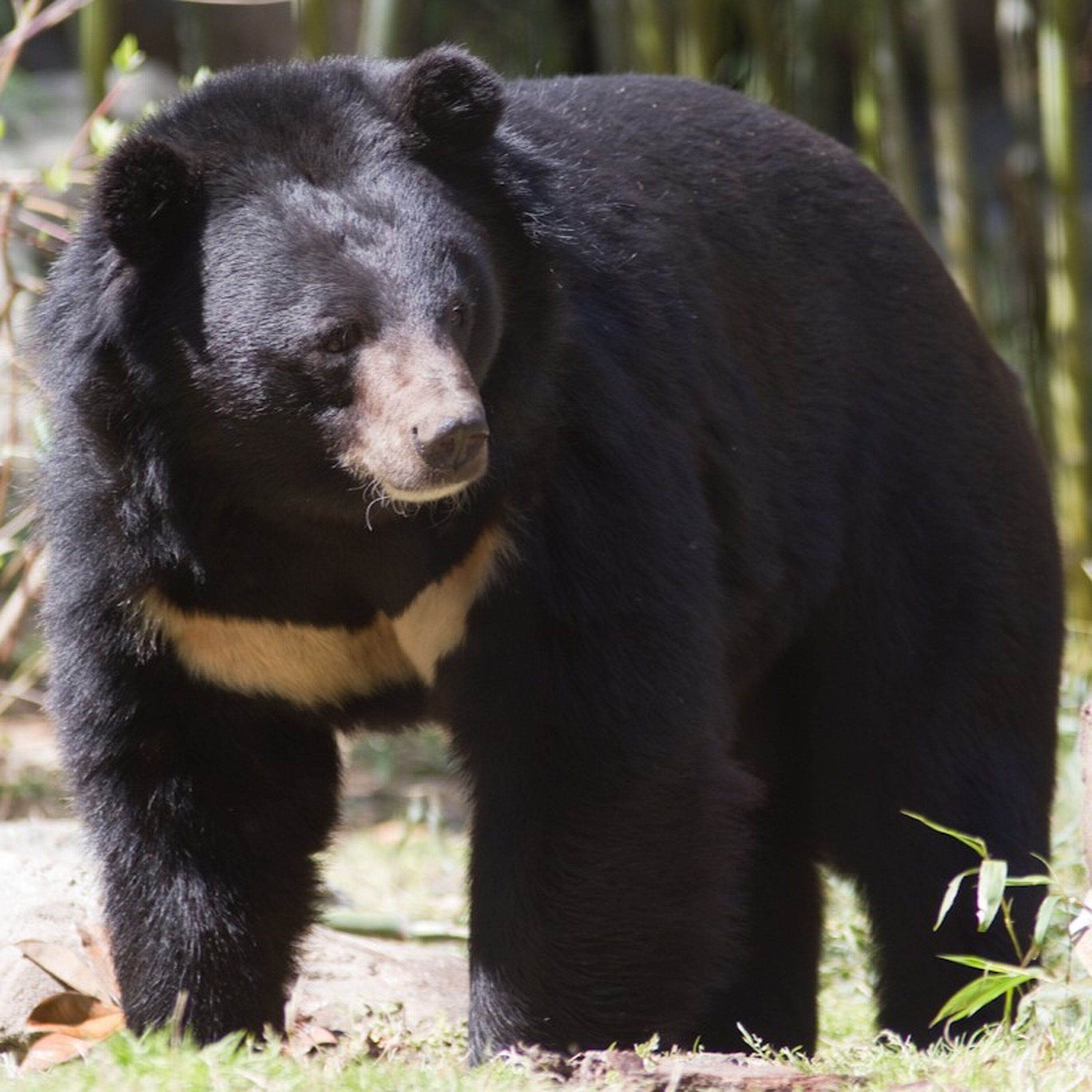
这是一只亚洲黑熊。
It's an Asiatic black bear.
接着,这名女子反复大喊‘熊!熊!’
Then the woman yells out bear bear multiple times.
我向来不夸大熊袭击的戏剧性。
I'm not one to overplay the drama of bear attacks.
事实上,恰恰相反。
In fact, quite the opposite.
但今年在日本,熊袭击事件急剧增加,其中一些像这次一样非常激烈。
But there has been an alarming spike in attacks this year in Japan, some of them pretty intense like this one.
幸运的是,这位老年妇女安然无恙。
Thankfully, this elderly woman was fine.
熊抓伤了她的脸,但情况本可能更糟。
The bear scratched her face, but it could have been much worse.
从媒体报道来看,似乎熊在日本横行肆虐。
From the media stories, it sounds like bears are on a rampage in Japan.
但即使与我的熊类专家同事交流,我也觉得这里发生了一些不寻常的事。
But even talking with my bear expert colleagues, something unusual is happening here.
美国、加拿大和欧盟甚至对前往日本的游客发布了旅行警告。
The United States, Canada, and the EU have even issued travel warnings to tourists headed to Japan.
在市中心,你都能看到熊。
In the downtown, you see bears.
市政厅旁边,紧挨着的又是另一座著名的银行大楼。
City hall, and the next door is just another, you know, famous bank building.
这可是钢筋水泥的丛林,却有一只熊在那里。
Concrete jungle, and a bear is there.
我简直不敢相信这种事情会发生。
I cannot believe this is happening.
你知道,有很多角落是你看不到的。
You know, there are so many corners you cannot see.
对吧?
Right?
你一转身,熊看到你也会吓一跳,然后就开始攻击。
And you turn and the bear gets surprised to see you as they attack.
日本有很多熊,整个国家都人心惶惶。
There are a lot of bears in Japan, and they have the whole country on edge.
当地人都很害怕。
The locals are scared.
所有这些混乱让日本政府手忙脚乱地寻找解决方案。
All this confusion has left the Japanese government scrambling to figure out a solution.
当熊进入城市并开始攻击人们时,你该怎么办?
So what do you do when bears come into your city and start attacking people?
为什么会发生这种情况?
And why is this happening?
我会采访一位日本熊类生物学家和一位在实地报道的《纽约时报》记者,来揭开原因并探讨应对之策。
I'll talk to a Japanese bear biologist and a New York Times journalist who's been on location to unravel what the cause is and what can be done.
来自西雅图的KURW和克里斯·摩根野生动物频道,欢迎收听《野生世界》。
From KURW in Seattle and Chris Morgan Wildlife, welcome to the wild.
嗨,哈维尔。
Hi, Javier.
你怎么样?
How are you?
很好。
Good.
你呢?
How are you?
很高兴见到你。
It's nice to meet you.
很高兴终于找到你了。
Glad we tracked you down.
感谢你抽出时间。
Thanks for your time.
我正在日本的一个偏远岛屿上,所以希望网络连接能保持顺畅,但
I'm on a remote island in Japan, so I hope the connection should be fine, but
以防万一。
just in case.
是哪个岛?
Which island?
它叫与那国岛。
It's called Yonaguni Island.
它是日本最西端,靠近台湾。
It's the westernmost point, so it's right near Taiwan.
那一定是个很棒的地方。
That must be quite a spot.
是的。
Yeah.
我的意思是,我们正在这里报道最近的中日紧张局势,但这里是个美丽的地方。
It's it's I mean, we're doing a piece on the recent China, Japan tensions from here, but, it's a beautiful place.
哈维尔·埃尔南德斯是《纽约时报》东京分社的社长。
Javier Hernandez is the Tokyo bureau chief for The New York Times.
他通常报道国际外交事务,但最近撰写了多篇文章,探讨日本熊袭击事件的急剧增加。
He usually reports on international diplomacy, but recently, he's written several articles on the dramatic rise in bear attacks in Japan.
因此,我联系了他,想弄清楚究竟发生了什么。
So I approached him to figure out what's really happening.
这些袭击事件遍布全国,但大多数案例都发生在北部地区。
The attacks have been happening all over the country, but most of the cases have been happening in the North.
在生活着棕熊的北海道岛上,我们看到了袭击事件的增加,同时在日本本州岛的北部地区——我前往的秋田县正是袭击事件的中心——也出现了上升趋势。
In the northern island of Hokkaido where the brown bear lives, we've seen an uptick there, but also in the northern regions of the Honshu Island, Japan's main island, which is where I went to Akita, which is really the epicenter of the attacks.
那么,能否简单总结一下北部棕熊与本州岛黑熊袭击事件数量上的差异?
And, is it easy to sort of summarize the difference in sort of the numbers of attacks that are happening between the brown bears up in the North and and the and the black bears on on on Honshu?
是否明显偏向其中一种?
Is it, skewed to more way more towards one than another?
我认为两者的趋势相似。
I would say it's it's a similar trend.
我的意思是,我觉得这些数据有点难处理,因为很多是自我报告的,有些社区比其他社区更紧密相连。
I mean, I I I find the data a bit difficult to navigate because a lot of it is self reported, and some communities are more connected than others.
但我们知道,这些地区已经发生了数十起袭击事件,因此在全国范围内引发了对熊的恐慌,人人都在做出反应。
But what we know is there have been dozens of attacks in these areas, and so it's it's caused this kind of nationwide scare about bears, and everyone's is reacting there.
每个人都高度紧张。
Everyone was on edge.
你知道吗?
You know?
我们当时正试图在一家公共图书馆外采访人们,当我走近他们时,我感觉几乎吓到他们了,你知道吗?因为他们正从车里匆忙跑进图书馆、邮局或其他地方,神经紧绷,担心有熊在附近游荡,自己可能就是下一个目标。
We were trying to interview people outside of a public library, and I felt almost like we were startling people to when we came up to them, you know, because they were they were kind of running from their cars into the library or the post office or whatever it might be and kind of nerve very, very nervous that there might be a bear roaming around and that they might be next.
所以这真是令人震惊。
And so it was Wow.
对我来说非常引人注目。
Quite striking to me.
而且你知道,无论你走到哪里,都能听到铃铛的声音,因为每个人都在便利店买了这种铃铛,挂在背包上。
And, you know, you hear the jingle of the bells everywhere you go because everyone has these bells they buy in the convenience stores attached to their backpacks.
对。
Right.
因为我觉得这可能会吓跑熊。
Because I think that might might scare off bears.
我不确定科学依据如何,但似乎一定程度的噪音有时确实有帮助。
I'm not sure about the science, but it does seem like some degree of noise sometimes helps.
你在这些地方时感到紧张吗?
It's Did you feel nervous yourself being
在这些地方吗?
in some of these places?
我想是的。
I guess
有点吧。
a little bit.
我的意思是,当你置身于这些社区时,很难不感受到居民们所承受的压力。
I mean, it's hard not to feel the pressures that these residents are feeling when you you inhabit their communities.
因此,这对许多经历攻击激增的社区的社会层面产生了真正的影响。
So it's really having an impact on the social level in many of these communities that are seeing these surges of attacks.
自四月以来,已发生超过220起袭击事件,创纪录地有13人丧生。
So over 220 attacks and a record thirteen people killed just since April.
是什么导致了这次激增?
What has caused this surge?
这部分是由气候变化引起的,气候变化导致北极地区熊类依赖的食物(如海滩坚果)短缺,迫使它们越来越多地进入人类居住区并与居民相遇。
It's partly led by climate change, which has led to a shortage of foods that bears depend on, like beach nuts, in in the northern areas, and that's prompting them to go more and more into human neighborhoods and and to encounter residents.
我应该指出,在日本,这还伴随着该国的人口危机。
And I should note that in Japan, this is also coming against a demographic crisis for the country.
我们目睹熊袭击事件的许多地区,近年来因人口老龄化、农民和其他居民数量减少而变得空心化。
Many of the areas where we've seen these bear attacks have been hollowed out in recent years because of the aging population, the thinning ranks of farmers and others who used to inhabit these areas.
因此,一种理论认为,熊更愿意进入这些地区,从而更接近人口密集区。
And so one theory is that bears are just a bit more willing to to wander into those areas, and that brings them even closer to the densely populated areas.
因此,它们似乎正逐渐向这些小镇靠近。
So they seem to be kind of moving closer to these small towns.
你知道,提到日本,很多人会想到许多年迈的农民。
You know, you think of Japan, a lot of elderly farmers.
我读过的很多报道都提到,比如一位83岁的萝卜农夫一大早就出门,结果一头熊出现了。
There you know, so many of these reports that I've read are just it's like a 83 year old radish farmer was out one morning, and then a bear came up.
你知道吗?
You know?
让我感到非常震惊的是,很多受害者都是七、八十岁的老人。
It's it's really kind of striking to me that it's a lot of it is people in their seventies and eighties who are getting hit.
我认为部分原因是这些农村地区的人口已经大幅减少,熊类现在把这些地方当成自己的领地了。
I think some of it is just the dynamics of these rural areas where there just aren't that many people anymore, and bears kinda see it as their territory now.
你认为为什么这些地区会被人类遗弃,从而为熊腾出了更多空间呢?
Why is it do you think that the why are those areas being deserted by by humans leaving more bear space?
那里发生了什么样的社会动态?
What's the what's the social dynamic that's going on there?
没错。
Right.
我的意思是,这就是现代日本的故事:很多人不生孩子,而那些生孩子的年轻人则纷纷前往东京、京都、名古屋等城市,留下那些古老的乡村农耕社区和生活方式。
I mean, it's the story of modern Japan, which is that, you know, a lot of people aren't having children, and and those who do have children are going off into the cities like Tokyo, like Kyoto, Nagoya, and kind of leaving behind the old kind of rural farming farming communities and that way of life.
因此,为了这个故事,我采访了许多猎人,因为我非常好奇他们对这种情况的看法。
And so I was interviewing a lot of hunters for this story because I was very curious what they had to say about the situation.
他们的现实情况与日本整体的人口趋势高度一致。
And their reality is very much mimics that broader reality across Japan and its demographics.
猎人正在变老。
The hunters are getting older.
他们变得越来越少。
They're growing scarcer.
他们很难让年轻人对狩猎产生兴趣。
They are having trouble getting young people interested in hunting.
因此,日本各地的猎人数量急剧减少,有些人认为,这也是一个因素,因为猎人在某些地区曾一定程度上帮助控制了动物数量。
And so the ranks of hunters across Japan has just dwindled, and and that's also a factor in this, some people say, because they helped control the population to some degree in certain areas.
例如,在我访问的秋田县,过去曾有数百名猎人。
There used to be hundreds and hundreds of hunters in Akita, for example, the, prefecture that I visited.
但现在可能只剩下几十位七十、八十甚至九十岁的猎人,哇。
But now probably a few dozen in their seventies, eighties, even nineties Wow.
狩猎。
Hunting.
因此,我认为这正是日本当前面临的更广泛人口挑战的缩影。
And so that's just a microcosm, I think, of the broader demographic challenge for Japan right now.
所以现在对熊来说是个好时候。
So it's a good time for bears.
对熊来说是个好时候。
It's a good time for bears.
空间更多了,猎人更少了,但对仍然生活在熊出没地区的人们来说,这可不是好事。
More space, fewer hunters, but it's not a good time for the people who still live in bear country.
多么有趣的困境啊。
What an interesting dilemma.
是啊。
Yeah.
我的意思是,这很复杂,不是吗?
I mean layered, isn't it?
是的。
Yeah.
没错。
Exactly.
而且你知道,这里有一些有趣的问题,关于政府应该如何应对。
And I you know, there there are interesting questions here about what the appropriate response should be by the government.
我想用他们的话来说,从他们的角度来看,他们每天都会接到打到政府办公室的电话,说:我担心我的生命安全。
I guess to put it from put it in their words and from their perspective, they're having people calling into their offices, the government offices every single day saying, I'm I'm worried about my life.
我担心我的孩子。
I'm worried about my kids.
我担心我的安全。
I'm worried about my safety.
你们能做些什么来控制这个问题?
What can you do to help get this problem under control?
因为当我前往震中秋田时,就在那座小城市的中心公园里,几天前刚有人多次发现大型亚洲黑熊出没。
Because I when I went to Akita, the epicenter, I was there a few days after several large Asiatic black bears had been spotted in this sort of central park of this small city.
政府的回应是:我们要关闭公园。
And the response by the government was, we're shutting down the park.
我们要全面动员,对抗这些熊,关闭公园。
We're going to kind of go into a full war footing against these bears, and we're shutting down the park.
我们要派猎人、警察去处理。
We're sending in the hunters, the police.
甚至连军队都已抵达,协助追踪这些熊。
Even the military had arrived to help assist in kind of tracking the bears.
当我到达那里时,情况看起来更像一场战争场景。
When I got there, they were they're you know, it looked more like a war scene.
有警察在场。
There is police.
有军队在场。
There are troops.
有人在公园上空驾驶无人机,试图查明这些熊的去向,看看它们是否还在那里。
There were people flying drones over the park to try to figure out where these bears had gone if they were still there.
因此,你会看到大量资源被调动起来,对抗他们视为敌人、对社会和民众安全构成威胁的熊。
And so you see this incredible amount of resources being deployed to go up against what they perceive as as an enemy, a menacing threat to their societies and the safety of their people.
他们这样做是因为感受到巨大的公众压力,必须表明自己正在努力控制这一问题,尽管……
And and they're doing that because they feel an immense amount of public pressure to show that they're trying to get this problem under control even though Mhmm.
我认为这将会非常困难。
I think it's going to be quite difficult.
要知道,要控制数千只熊的种群,并应对日本所面临的这些人口和气候变化的现实,是很难的。
You know, it's hard to to control a population of thousands of bears, and to try to go up against these demographic and, you know, climate change realities that that Japan is facing.
你觉得军方的存在,正如你所说,是政府的一种武力展示吗?
Do you feel like, the military presence is is a show of force, as you're saying, from the government?
是更多出于这种展示目的,还是因为袭击事件已变得如此严重,以至于军方真的需要介入?
Is it more that, or is it the genuine need for the military to step in because this has become such an intensive problem, these attacks?
我认为这既是武力展示,也是一种向民众表明政府认真对待此事的方式。
I think it's partly a show of force, partly a way to reassure people that the government is taking this seriously.
而且这不仅仅是地方小政府的事情。
And it's not just, you know, local small governments.
这是一个全国性的应对措施。
This is an a nationwide response.
你看到国防部长在电视上谈论他们将如何处理熊的问题。
You have the minister of defense out on TV talking about how they're gonna handle the bear problem.
第二天,他可能在谈论与中国的关系紧张,然后突然又开始谈论派遣军队前往北部协助设置陷阱等措施,以应对熊灾。
The next day, he might be talking about tensions with China, and then suddenly he's talking about how they're sending troops to help set up traps and other things up to the north to deal with the bear crisis.
从这个角度来看,这相当引人注目。
So it's quite remarkable in that sense.
是的。
Yes.
没错。
Yeah.
一个有趣的细节是,军队实际上并不射杀熊或采取任何灭杀措施,而只是协助设置陷阱,因为日本由于其和平宪法,对军队有非常严格的规定,根据法规,他们不允许对动物使用武器。
One interesting wrinkle is the military is not actually shooting the bears or doing anything to cull them except assisting and helping set up traps because partly because Japan has very strict laws for its military because of its pacifist constitution, and they're not actually allowed to use weapons against animals under the regulations.
所以他们的作用只是协助地方官员,并帮助召集猎人,只有在捕获到熊或偶然遇到熊时,猎人才会将其杀死。
So they're only there to help assist local officials and also to help call in hunters who actually kill the bears if they if they trap one or if they come across one.
哇。
Wow.
这是一个非常有趣、层次丰富的文化故事,而你的文章很好地传达了这一点。
It's such a very, very interesting cultural, very layered story, and and your article really conveyed that.
这里涉及的内容非常多。
There's a lot going on here.
这是一个五维的故事,而不是那种从外部看容易理解的简单明了的故事,我很高兴能和你交谈,因为你真的帮助我一层层地揭开了这些复杂性。
It's a five d story versus a cut and dried one that's easy to understand from the outside, and I'm so glad to talk to you because it's really helping to unpeel those layers.
我听到了关于气候变化的提及,以及你所说的这种角色缺失。
I've heard climate change mention, this role abandonment that you're talking about.
这些似乎是缓慢发展、几十年来逐渐积累的问题。
These seem to be sort of slow moving problems that have been creeping along for decades.
为什么现在突然出现了攻击事件的急剧增加?
Why suddenly this sharp increase in attacks now?
你知道,这个问题在过去几年里一直在积累。
You know, the problem has been building in the past few years.
我认为这一直是个缓慢发展的问题,但也许今年,它以一种前所未有的方式进入了国民意识,部分是因为媒体的关注,部分是因为死亡和受伤人数创下了纪录,而且社交媒体上流传着更多这些袭击的视频,这往往会引发反应。
I think it's it's it's kind of been a slow moving problem, but perhaps this year, it came into the national psyche in a way that that you hadn't seen before, part partly just because of media attention and partly because there have been, you know, record number of deaths, a record number of injuries, and there's just more kind of video going around social media of these attacks, and that tends to trigger a response.
所以我认为,这个问题比日本及其他地区媒体报道的要更缓慢,但今年由于媒体的广泛关注,它达到了一个临界点。
So I think it's been I think it's been more slow moving than maybe the, you know, the reporting across Japan and and elsewhere would indicate, But it it kind of reached a tipping point this year just because of their vast media attention.
它已经如此普遍,以至于你打开国家新闻,屏幕底部就会有一个追踪器,告诉你当天发生了多少起熊袭击事件、受伤人数以及目击地点。
It would be so pervasive that you turn on the the national news, and there will be, like, a tracker at the bottom of the screen kind of telling you how many bear attacks there were that day or injuries and where they've been sighted.
人们现在下载了专门的应用程序,帮助他们追踪熊袭击发生的位置、哪些地方应该避开、哪些地方可以徒步旅行。
And, you know, people have downloaded apps now that are designed to help you track where bear attacks have been happening and where you should avoid and where you can hike and where you can't.
因此,它已经以我们在这个季节之前从未见过的程度渗透到了国民意识中。
And so it's, certainly, permeated the national psyche to an extent that we haven't seen before this season.
绝对令人着迷。
Absolutely fascinating.
我看到有人提出的一个潜在解决方案是增加猎杀熊的数量以控制局势,但这样做存在一些障碍。
One of the potential solutions that I've seen thrown around is is is the idea of culling more bears to get this situation under control, but there are some road roadblocks to that.
为什么这对日本政府来说是一个难以实施的补救措施?
Why is this a difficult remedy to to to look out for the the Japanese government?
部分原因是日本严格的枪支法律。
Well, partly, it's because of the very strict gun laws.
日本有狩猎传统,但通常不允许猎人未经警察许可和政府监管就猎杀熊。
Japan has a hunting scene, but it's not traditionally allowed its hunters to shoot bears without permission from the police and oversight from the government.
因此,他们已经开始放宽枪支法律,允许猎人在紧急情况下射击熊以保护居民。
And so they've they've started to loosen their gun laws, allowing hunters to do emergency shootings of bears to kind of protect protect residents.
但这一措施今年秋天才刚刚开始。
But that's only just beginning this fall.
我实际上参加了一次关于紧急猎杀熊的培训,猎人在实际开枪前必须完成大约23个步骤。
And I actually attended a training session for one of these emergency shootings of bears, and there were about, you know, 23 steps or so before the hunter was actually allowed to shoot the bear.
他必须清空周边区域,通知当地官员,并评估熊是否确实构成威胁。
He had to, like, clear the area, call the local officials, assess whether the bear was actually posing a threat.
因此,在我看来,这不太可能显著减少熊的数量。
So it seemed to me it wouldn't necessarily result in a significant change in the bear population.
这更多是一种为了给人们带来安心感的演练。
This was just more of an exercise to kind of give reassurance to people.
这个演练是什么样的?
What was the exercise like?
你能描述一下吗?
Can you describe that
再详细一点?
a bit more?
我当时在鸟取县,这是日本人口最少的县之一。
So I was in the prefecture Tottori, which has one of the lowest populations of any prefecture in Japan.
那里老年人很多,有许多偏远的村庄。
It's very kind of elderly, a lot of remote villages.
但在这个县,熊袭击事件有所增加。
But in this prefecture, they've had a rise in bear attacks.
因此,他们召集了一次地方会议,邀请全县各地的官员,让他们学习如何让地方官员与当地猎人合作,在社区发现熊时将其驱离。
And so they they called together a local meeting, town officials from across the prefecture, and asked them to kind of, go through this training for how a local official can work with local hunters to get rid of a bear if they see a bear in a neighborhood, etcetera.
于是我走进了这所废弃的小学。
And so I walked into this former elementary school.
他们关闭了这所小学,因为现在孩子数量不够了。
They've shut down the elementary school because there aren't enough kids anymore.
他们就像一位军事教官在对士兵训话一样。
And they had, you know, it kind of like a a military sergeant addressing the troops.
屏幕上显示着熊的形象——在他们看来,熊就是敌人,还有熊喜欢吃什么、在哪里出没,以及所有这些关于熊的监控照片和行为记录。
You know, they had up on the screen this image of the bear, the enemy, you know, in their view, and what it likes to eat, where it's been seen, all these, you know, surveillance photos of bears in the area and and their behaviors.
他们告诉这群市民、猎人和其他人:如果我们的地区出现熊,我们必须迅速反应,并依靠猎人帮助我们对抗这些熊。
And, they told this group of citizens and hunters and others, you know, if there is a bear in our area, we have to be sure we react quickly, and we can rely on our hunters to help us stand up to these bears.
于是他们进行了一整套培训,教猎人如何在居民区安全地射击熊。
And so they went through a whole training on how a hunter can shoot a bear in a residential area safely.
因为日本很多人对枪支感到担忧,在社区里拥有枪支并不常见。
Because a lot of people in Japan are concerned about guns, and and having a gun in a community is is not common here.
这是世界上枪支管制最严格的国家之一。
It's it's, you know, one of the countries with the strictest gun laws in the world.
因此,允许猎人掏出枪支射击可能构成威胁的熊,这是一件大事。
And so having a giving a hunter permission to actually pull out a gun and shoot a bear that might be a threat in an area is a is a big deal.
所以整个
And so this this whole
23个步骤的过程。
23 step process.
难以置信。
Unbelievable.
没错。
Exactly.
于是他们来到河岸,进行了一场模拟训练,一个人戴着熊面具缓缓移动。
And so they went out by the riverbank and held the simulation with a guy wearing a bear mask kind of, moving along.
是的。
Yes.
缓缓移动。
Moving along.
真的吗?
Really?
沿着河岸移动。
Moving along the banks.
他真的非常逼真。
And he was actually very convincing.
他从远处移动。
He moved along from a distance.
他穿着全黑衣服,戴着面具,所有动作都掌握得炉火纯青。
He was wearing all black and had this mask, and he had all the movements mastered.
而这两位年长的猎人走近后发现了他,与警方商议后,决定向他开火,用的是他们的假枪。
And, he basically, the to these two elderly hunters came up and spotted him, consulted with the police, and then made the decision to fire their, you know, their fake guns at him.
有意思。
Interesting.
那么,是谁在管理整个情况、整个模拟过程?
And who's managing this whole situation, this whole simulation?
是的。
Yeah.
这是由警方和当地政府主导的,他们试图向人们展示,我们有办法掌控局面。
It was the police and the local government, and they were trying to show people that there there are ways for us to take control.
我认为人们只是希望觉得自己对局势有一定的掌控感。
I think people just want to feel like they have some sense of control over the situation.
我肯定你在报道自然与人类以及它们之间有时出现的冲突时也遇到过这种情况。
I'm sure you come across this in your in your reporting on nature and humans and and the conflicts sometimes that emerge.
没错。
Yep.
人们希望觉得自己有出路,能够掌控局势,并且在某种程度上感到安全,即使这些解决方案有时并不能长期保护他们。
People wanna feel like they have a a way out and and that they're in control of the situation and that they can be safe to some degree even if sometimes these solutions won't necessarily protect them in the long term.
这还是个开放性问题。
It's it's kind of an open question.
对吧?
Right?
是的。
Yeah.
背后的科学依据。
The scientific research behind that.
我记得在我从事公众 outreach 的时候,直接与社区打交道,处理华盛顿州的熊类冲突问题,那句话让我终生难忘。
I remember it from my outreach days of working with the public directly and communities on issues about bear conflict here in Washington State, and the phrase will never leave my mind.
研究表明,人们所追求的是公平、熟悉感和控制感。
The the research shows that it's fairness, familiarity, and control that people ask for.
只要我被公平对待,即使生活并没有变得更好,熟悉感也很重要,我需要获得足以让我保持安全和知情的信息,然后是控制感。
As long as I'm being treated fairly and that while life isn't getting more favorable sort of treatment, familiarity, I need the information that I need to stay safe and informed and then control.
对吧?
Right?
出问题时能拨打的紧急红色电话,当我需要帮助时就能用上。
The emergency red telephone to pick up when something goes wrong and and and I need help.
所以这一点极大地满足了这个需求。
So this one ticks that box in a big way.
一个这样的社区在做这件事,真是值得称赞,不是吗?
It's commendable that a community like that is doing this, isn't it, really?
而且听起来这是一种多方面的做法,涉及了从当局到公众的许多不同人群。
And and sounds like a multifaceted approach with lots of different people involved from the authorities to the public.
是的。
Yeah.
我们不想在这里夸大这些故事。
We don't wanna overdramatize the stories here.
这可不是我的工作。
That's not my job.
事实上,我平时在我的工作中恰恰相反。
In fact, I usually do quite the opposite in my work.
我们已经听够了世界各地关于熊袭击的新闻,但那边发生的事情仍然相当惊人。
We all hear enough about bear attacks around the world, but it is still pretty dramatic what's happening over there.
有什么故事吗?
Any stories?
你有没有遇到其他受害者,或者听到过其他可以分享的故事?
Did you meet any other victims or hear any other stories specifically that you could share?
有。
Yeah.
当然。
Sure.
当我去秋田时,我联系了一位被熊袭击过的人,他告诉我,两年前,他正在车库外,突然一只巨大的亚洲黑熊来到他的车库,盯着他看了一会儿,然后就开始攻击他。
So when I went to Akita, I looked up a person who had been attacked by a bear, and he told me the story of how two years ago, he was just outside by his garage when suddenly a huge Asiatic black bear came up to his his garage, kind of looked at him, and just started attacking him.
对他来说,这无疑是一次改变人生的经历。
So for him, it was, kind of a you know, this is a life changing event.
他头部遭受了严重的伤害。
He he suffered, you know, severe injuries to his head.
他告诉我,他站起来照镜子时,能看到自己头骨的一部分。
He told me he got up and looked in the mirror, and he could see part of his skull.
那只熊还撕扯了他的背部。
The bear kind of, you know, tore at his back.
直到今天,他仍然感到自己有些听力损失,并且身上还留有那次经历留下的明显疤痕。
And and he he still to this day feels that he has some hearing loss and and he does have some scars visible from that experience.
但让我感到震惊的是,经历了那样的事后,他觉得当地熊的行为出了严重问题。
But what was striking to me was, you know, after an experience like that, he felt that something was seriously wrong about, you know, the bears in the area.
而且
And
是的。
Yeah.
我向他提出了这些问题,因为我觉得他实际上是在支持更积极地控制熊的数量,因为他认为熊变得更具攻击性,而且他告诉我,熊现在对人类的攻击方式是他过去从未见过的。
I I I put these questions to him because it it felt like, you know, he was basically supporting, you know, much more aggressive efforts to cull a population of bears because he felt bears had become aggressive and targeting his words to me were that they were targeting humans in a way that he felt like they never did in the past.
当然,科学界对此的看法略有不同。
And, obviously, the science differs on that a bit.
所以我想要问他。
And so I wanted to ask him.
你知道吗?
You know?
我说,日本国内以及日本以外的一些人会对此表示,我们应该对熊抱有同情心,人类在这种情况下未必是无辜的。
I said, there are people in Japan, but also outside Japan, who will look at this and say, you know, we should have some sympathy for bears, and humans aren't necessarily innocent in this situation.
你知道吗?
You know?
我们已经深入了过去原本开阔、广袤的区域,建造了住宅、商业化区域、开发区域等等。
Just the the levels of in which we've kind of gone into previously open expansive areas and built homes or commercialized areas, developed areas, etcetera.
他告诉我,他知道人们可能会认为我们需要更多地保护自然、保护熊,但他觉得日本的情况很独特,日本人口如此密集,大都市直接毗邻着壮丽的自然景观。
And he told me, you know, he understands that people might think that we need to do more to conserve our nature and to and to protect bears, but he felt Japan was unique, that Japan is so densely populated, that there are these metropolises right up against stunning areas of natural beauty.
他认为日本所面临的挑战与美国等地不同,在美国,他认为空间更广阔,现代人可以与自然和平共处。
And he felt that the kind of challenge that Japan faced was different from somewhere else like, say, America, where he felt that there's more space and and people can can in the modern world, people can exist coexist peacefully.
而在日本,他认为这种共存已经不再可能。
Whereas in Japan, he feels like that's no longer possible.
他认为熊的行为已经发生了巨大变化,构成了严重威胁,因此采取调用军队、雇佣猎人、尽一切可能控制熊群的手段是合理的。
He felt that the bears were, had had so changed their behaviors and had posed such a threat that it it justified kind of the means of calling in the troops, calling in the hunters, doing everything possible to control these populations.
非常有趣。
Very interesting.
没有什么比熊的袭击更能让你清晰地看清自己对它们的真实看法了。
Nothing like a bear attack to really give you a crystal clear perspective on what your opinion your own opinion of them is.
对吧?
Right?
这让我觉得很有意思,因为日本文化传统上强调与自然和谐共处。
It's interesting to me because, you know, in Japanese culture, there is traditionally this emphasis on harmonious coexistence with nature.
在神道这一主要宗教中,动物被视为神圣的。
And animals are very much sacred in Shinto tradition, you know, one of the main religions here.
在北海道,那里有美丽的棕熊,它们被视为神灵,几乎是神赐的礼物,这些熊在大地上游荡,穿梭于这些地区。
And, in Hokkaido in the North where they have these beautiful brown bears, they're seen as divine beings, you know, almost like gifts from the gods and, you know, these bears that roam the earth and roam these parts.
在日本的一些地方,几乎存在着对熊的崇拜。
And there's almost a worship of bears in some parts of Japan.
因此,当这些曾经被尊崇的动物突然被视为头号敌人时,对这些社区的许多人来说,这令人震惊。
And so I think to have this crisis now where these terrorist, revered animals are suddenly seen as enemy number one is very startling for a lot of people in these communities.
哈维尔·埃尔南德斯是《纽约时报》东京分社社长。
Javier Hernandez is the Tokyo bureau chief for The New York Times.
非常感谢你,哈维尔。
Thanks so much, Javier.
我真的非常感谢你对这一切提供专业的见解。
I, really appreciate you casting your expert light on all of this.
感谢你的报道。
Thanks for your reporting.
谢谢你,克里斯。
Thank you, Chris.
如果你想了解更多,节目说明中提供了哈维尔一些报道的链接。
If you'd like to learn more, there's a link to some of Javier's reporting in the show notes.
广告之后,我将联系一位日本熊类生物学家,听取他对这一问题的专业看法,以及他认为应该如何控制局势。
After the break, I'm in touch with a Japanese bear biologist to get his expert opinion on the problem and what he thinks should be done to get the situation under control.
你是否越来越害怕白天变短、黑夜变长?
Are you dreading increasingly shorter days and longer nights?
寒冷多云的西北部冬季让你感到沮丧吗?
Do cold overcast Northwest winters bum you out?
你可能正在经历黑暗综合症,但这里有一个解决办法。
You may be suffering from the big dark, but there is a solution.
我是戴尔·奥克利,提醒你去你的播客应用里关注《Meet Me Here》,这是KUW的文艺类播客,每周为你带来活动与文化资讯,为你的生活增添亮色。
I'm Dire Oxley, telling you to talk to your podcast app about Meet Me Here, KUW's arts podcast, a weekly dose of events and culture to lighten up your life.
收听《Meet Me Here》的副作用包括欢笑、好奇和灵感。
Side effects of Meet Me Here include laughter, curiosity, and inspiration.
你可以在你当地的KOW应用,或任何你收听播客的平台找到《Meet Me Here》。
Find Meet Me Here on your local KOW app or wherever you get your podcast.
大家好。
Hey, everyone.
希望你们喜欢这一集。
I hope you're enjoying the episode.
我想快速感谢几位在我最近与他们在Zoom上讨论本集时给予支持的Patreon熊级朋友。
I just wanna quickly thank some Patreon bear tier friends who I chatted with about this episode on Zoom recently.
苏珊娜·P、杰森·M、伊兰娜·S、丽莎·H、杰西卡·K、妮可·W和帕蒂。
Suzanne p, Jason m, Ilana s, Lisa h, Jessica k, Nicole w, and Patty.
我们的Zoom通话真的为我的一周注入了能量,我只是想向你们表示感谢。
Our Zoom call really fueled my week, and I just wanted to thank you.
如果你想了解Patreon,与我和其他人建立联系,并获取独家内容,可以在节目说明中找到链接。
If you'd like to check out Patreon, connect with me and others, and access bonus content and more, you can find a link in the show notes.
好的。
Okay.
回到熊的话题。
Back to the bears.
除了我和哈维尔的对话,我还想听听熊生物学家的观点。
As well as my conversation with Javier, I also wanted to talk to a bear biologist to hear their perspective.
于是我联系了日本熊类专家大西正弘博士。
So I called up Japanese bear expert doctor Masahiro Onishi.
他平时被称作Masa。
He goes by Masa for short.
Masa是政府机构野生动物管理办公室的首席研究员。
Masa is a principal research scientist at a government organization called the Wildlife Management Office.
他主要从事大型哺乳动物的保护与管理,包括鹿和亚洲黑熊。
He works on large mammal conservation and management, including deer and Asiatic black bears.
当我联系马萨时,他心情特别好。
And when I called Masa up, he was in a particularly good mood.
你好。
Hello.
早上好,马萨。
Good morning, Masa.
克里斯,现在是下午好。
Good afternoon for you, Chris.
谢谢你的介绍。
Thank you for your introduction.
很高兴认识你。
Very nice to meet you.
你最近怎么样?
How are you?
很高兴认识你。
Very nice to meet you.
哦,太好了。
Oh, very good.
非常好。
Very good.
今天早上我得到了一个非常好的消息。
I had a actually wonderful news in this morning.
那是什么?
So What was that?
事实上,今天早上我为黑熊项目获得了一笔巨额资助。
Actually, I got a huge grant for the Black Bear project this morning.
哇。
Wow.
我非常兴奋。
I'm very excited.
我认为这将是一个绝佳的工具,有助于缓解日本的局势。
I think it's gonna be a wonderful, wonderful tool to mitigate the situation in Japan.
哦。
Oh.
所以
So
哇。
Wow.
这真是个令人惊叹的消息。
That is amazing news.
恭喜你。
Congratulations.
非常感谢。
Thank you so much.
所以我现在心情非常好,能和你聊天。
So I have a very, very good spirits right now to talk with you.
马萨在德克萨斯州研究熊长达十多年,因此他理解太平洋两岸这类冲突的双方立场。
Masa spent over a decade studying bears in Texas, so he understands these types of conflicts on both sides of the Pacific.
在我们的对话过程中,马萨表示,他现在在日本看到了一些不同的情况。
In the course of our conversation, Masa said he's seen something different happening right now in Japan.
如果熊攻击人类,通常是出于防御,但一些最近发生的攻击似乎带有掠食性。
If a bear attacks a human, it's usually defensive, but some of the attacks that are happening appear to be predatory.
他描述了一起发生在本州主岛北部一个县的酒店员工遇袭事件。
He described an attack on a hotel worker in a prefecture on the northern part of Honshu, the main island.
他当时正在外面清理温泉池,熊就袭击了他。
He was outside just cleaning the hot spring tub, and bear attacked.
熊直接把他拖进了树林里。
And bear just dragged him into the woods.
第二天,酒店员工发现地上有血迹和他的眼镜。
Next day, hotel staff noticed that there are bloods and his eyeglasses Mhmm.
在地上。
On the ground.
展开剩余字幕(还有 171 条)
于是我们联系了警察和当地猎人协会,寻找血迹,结果不幸发现那人已经死亡,而熊就在他旁边。
So communicated with the police and local hunter association looking for the blood spots, they found, unfortunately, the person already dead, and bear was next to the person.
哦。
Oh.
另一起案件也是作为掠食性攻击发生的,而且受害者被吃掉了。
Another case has happened as predatory attack and also was eaten.
她被熊吃掉了。
She was eaten by bear.
那一刻,我们开始意识到,嗯。
So that moment kinda we started realizing, okay.
它们不仅仅是出于自卫才攻击。
They are not intentionally defensing themselves only.
嗯。
Mhmm.
它们也可能是在故意攻击我们。
They might be intentionally attacking us as well.
嗯。
Mhmm.
但我们没有足够的数据来支持,所以这只是一个理论。
But we do not have enough data to back up, so that's just a theory.
嗯。
Mhmm.
但根据事件发生后的分析,我们只能简单地得出结论,这可能是掠食性攻击。
But based on after how incident happened, we just can simply conclude that this might be the predatory attack.
哇。
Wow.
哇。
Wow.
我为那些人感到非常难过。
I'm so sorry for those people.
听起来太可怕了。
It sounds horrific.
我真的很抱歉,只是嗯。
I'm I'm so sorry to just yeah.
确实如此。
And it does.
这改变了人们的看法,不是吗?
It changes the perception, doesn't it?
而且我知道你什么意思,因为在美国,我知道你曾在德克萨斯州待过,为你的研究,我也一样。
And and and I know exactly what you mean because here in The States I know you spent time in Texas, didn't you, for your research and and I did.
还有培训。
And training.
嗯。
Yeah.
所以你懂的。
So you know.
但在美国,掠夺性攻击和突发性自卫攻击之间确实有明显区别,是完全不同的两回事。
But, like, here in The States, there's definitely a difference between a predatory attack and a sudden encounter defensive attack and and very different things.
而且当局处理这些情况的方式截然不同,对吧?
And the situations are dealt with very differently, aren't they, by the authorities?
但你的意思是,总的来说,那里大多数还是突然遭遇的防卫性攻击。
But what you're saying is, in general, the majority are still the sudden encounter defensive attacks there.
我理解得对吗?
Am I understand?
好的。
Okay.
是的。
Yeah.
是的。
Yeah.
你说得对。
You are right.
为了明确一点,就像北美地区的熊一样,掠食性攻击极其罕见。
Just to be clear, as with bears in North America too, predatory attacks are super rare.
就像马萨说的,这只是一个理论。
And like Massa said, it's only a theory.
但当袭击加剧时,必须采取行动,不仅要有即时应对,还要为未来做规划。
But when attacks intensify, something has to be done, not just the immediate response, but also planning for the future.
因此,我和马萨的对话转向了如何预防各种类型的熊袭击。
So my conversation with Masa turned to what could and should be done to prevent any type of bear attack.
我们在讨论解决方案,我想谈的一点是‘防熊城市’之类的做法。
We're talking about solutions, and and one thing I want to talk about is bear smart cities or anything like that.
你知道吗?
You know?
日本的城市和城镇能做些什么来帮助预防这些袭击?
Is there something that cities and towns in Japan can do to help prevent these attacks?
实际情况是怎样的?
What what is happening on the ground?
这是个很好的问题。
That's a wonderful question.
实际上,我们需要创建一个‘防熊城市’。
Actually, bear smart city, that's we have to create.
我认为我们还没有做足功课来缓解熊与人类之间的冲突。
So I think we haven't done much homeworks we should do to mitigate the bear and the human in general.
嗯。
Mhmm.
你知道的,要移除那些吸引熊的物品,任何有吸引力的材料。
You know, remove the attractants, any kind of attractive materials.
嗯。
Mhmm.
垃圾桶必须是防熊的。
Trash can needs to be a bear proof.
首先,我们必须大力开展公众教育,政府需要投入资金安装防熊垃圾桶或电围栏,努力让城市成为真正的智慧城市。
So first of all, we have to start educating people intensively, and the government needs to put the money to install their proof trash can or electric fence and try to be the city, be a be a smart city.
有时候,只有发生紧急事件,公众才会听进去,不是吗?
Sometimes it takes an emergency to make the public listen, doesn't it?
是的。
Yes.
是的。
Yes.
我认为现在他们听我们的了。
I think now they listen to us.
然而,我知道教育还不够充分。
However, I know education is not good enough.
嗯。
Mhmm.
我认为,当我们人类说‘我们’时,我们没能把它们赶走,嗯。
I think we when I say we human, we failed to push them away Mhmm.
在它们被城市本身吸引之前。
Before they get attracted by the city itself.
对。
Right.
现在情况升级了,确实是这样。
And now it's escalated, and it's Right.
这已经更像是一场紧急事件了。
It's more of an emergency.
说到解决方案,我们的一个听众告诉我,她在日本的一条小径上徒步时,每走一英里或半英里,路上就会有熊铃,你可以摇响它,让熊知道你来了。
Talking of solutions, one of our listeners mentioned to me that she was on a trail in Japan, and every mile or half a mile, there were bear bells on the trail for you to ring and let the bears know that you're coming.
这种系统在野外有被使用吗?
And is that a system that's being used in the in the the wilderness?
有。
Yes.
有。
Yes.
我们使用熊专用储物桶,但现在不用熊喷雾了。
We use bear barrels, but we don't use bear spray now.
哦,为什么?
Oh, why?
在美国,熊喷雾由环保署注册。
In The States, bear spray is registered by EPA.
对吧?
Right?
对。
Right.
但在日本,我们没有环保署这样的体系。
But in Japan, we do not have a EPA system.
换句话说,我们必须从美国进口任何产品。
So in other words, we have to import any products from The United States.
我明白了。
I see.
所以,克里斯,熊喷雾多少钱?
So, Chris, how how much is the Fear Spray?
在这里,大概60美元?
Over here, maybe $60?
在日本,你还可以多花100美元。
You can add $100 more in Japan.
多花100美元。
$100 more.
哦,天哪。
Oh, wow.
因为进口这些所谓的危险物品。
Because the import of the, well, so called kinda dangerous items.
是的。
Yes.
虽然里面只是辣椒喷雾,但进口非常困难。
Even though just the pepper spray in it, but it's very difficult to import.
我希望这种情况能变得更容易,因为这真是个不错的解决方案,对吧?
I hope that gets easier because it's a great solution, isn't it?
你知道,人们确实如此。
You know, people Yes.
他们经常携带防熊喷雾。
They routinely carry bear spray.
它已被证明有效。
It's proven to work.
对。
Right.
而且,没错,它非常可靠,便于携带。
And, yeah, it's very, very dependable, easy to carry.
今天早上你收到消息的那个资助项目是什么?
What is your grant from this morning that you've received the news about?
那笔资助会覆盖哪些内容?
What will that cover?
它涵盖了三个研究问题。
So it covers three research questions.
首先,我们将在许多熊身上佩戴GPS项圈。
First, we're gonna put the GPS collar a lot of GPS collar on bears.
因此,我们应该能看到熊跨越 prefecture 边界的情况。
So we we should see the movement of bears crossing the prefecture border lines.
每个州或每个 prefecture 通常都自行进行监测和管理,但如果你不与相邻的州或 prefecture 合作,管理就会效果不佳。
So each each state or each prefecture tends to do the monitoring and management itself, but if you don't cooperate next state or prefecture, management does not go well.
我们都明白这一点。
We all know that.
因此,我试图同时覆盖多个 prefecture。
So I try to cover multiple prefectures at the same time.
像熊一样思考。
Thinking like a bear.
没错。
Exactly.
而不是像人类那样思考。
Instead of thinking like a human.
是的。
Yes.
大范围。
Big area.
是的。
Yeah.
它们不知道边界。
They don't know the borders.
对。
Right.
对。
Right.
而且,不幸的是,我认为由于过度增生,我们不得不进行捕杀。
And, unfortunately, I think we have to do the culling because of hyperplasia.
这对熊和我们来说都很不幸,但我们并不想灭绝它们。
This is very unfortunate for bears and for us too, but we don't want to eradicate.
我们不想,你知道的,去猎杀不必要的动物。
We don't want to, you know, or call unnecessary animals.
在这些极端情况下,捕杀部分熊是一种无奈之举。
The culling or killing of some of the bears is a desperate measure under these extreme circumstances.
根据我的经验,这从来不是当局或野生动物生物学家轻易做出的决定。
In my experience, it's never something that authorities or wildlife biologists take lightly.
在保护熊和人类的安全与繁荣之间,存在着利益的博弈。
It is a struggle with competing interests to keep both bears and humans safe and thriving.
Masa理解这种平衡。
Masa understands this balance.
他乐观地认为日本能够找到这种平衡。
He's optimistic Japan can find it.
我们希望有系统性地进行。
We wanna be systematic.
我们再次强调,不希望看到它们种群数量的下降。
We again, we don't wanna lose decline of their population.
嗯。
Mhmm.
现在我们又想开展保护工作,但我们会看到同样的循环重演,因为这个种群的增长正是保护工作成功的结果。
And now we wanna do the conservation again, that we will see the same same loop like we did because this particular population increase happening because conservation succeeded.
嗯。
Mhmm.
我们首先想保护它们。
We want to protect them first.
对。
Right.
多么讽刺啊,这个问题的出现恰恰是因为保护工作取得了成功,因为保护它们奏效了。
How ironic this problem is arising because conservation is successful, because protecting them is successful.
是的。
Yeah.
确实如此。
It is.
这真是太有趣了,不是吗?
It it it's so interesting, isn't it?
对于日本的熊类生物学家来说,突然从保护转向管理是很困难的。
It's harder for a bear biologist in Japan to suddenly switch in from the conservation to management.
这很难。
It's hard.
对你来说很难吗?
Is it hard for you?
当然。
Of course.
这并不容易。
It's it's not easy.
这并不容易,因为我看到森林里的熊对我来说完全是不同的动物。
It's not easy because of what I'm seeing bears in the woods are complete different animals for me.
我在城市边界内看到的熊。
What I'm seeing in a city limit.
所以我喜欢动物。
So I love animals.
我爱熊。
I love bears.
我经常在森林里看到它们。
I see them all the time in the woods.
通常,当我看到山里的黑熊时,它们非常害羞,害怕人类。
Normally, when I see black bears in the mountains, they are so shy, and they're afraid of people.
它们根本不想见到我。
They don't wanna see me at all.
对于日本民众,您有什么简短的建议吗?关于人类与熊之间这段紧张时期,您想对日本民众说什么?
Any very short message for the people of Japan, what you would say to the people or what you are saying to the people of Japan about this time of intensity between humans and bears?
他们所感受到的压力不会永远持续下去。
The pressure they feel won't be lasting forever.
作为生物学家,我们尽力缓解这种情况,所以不要放弃。
As a biologist, we try our best to mitigate the situation, so don't give up.
不要放弃黑熊,也不要放弃这些熊本身。
Do not give up black bears and the bears itself themselves.
我们可以实现共存,但这需要时间。
We can do coexistence, but it takes time.
我想停下我手头的事情,来帮你五年,好好解决这个问题,Masa。
I would like to stop what I'm doing and come and help you for five years to figure this out, Masa.
哦,是的。
Oh, yes.
我拿到资金了。
I got fund.
所以
So
哦,你今天早上拿到资助了。
Oh, you've got funding this morning.
好消息。
Great news.
我跟你见面的时间真是再完美不过了。
Perfect timing for me to meet you.
请原谅我的日语,但是。
Excuse my Japanese, but.
从你口中说出来,听起来真美。
It sounds so beautiful coming from you.
非常感谢你,克里斯。
Thank you so much, Chris.
大石正弘博士是政府机构野生动物管理办公室的首席研究员。
Doctor Masahiro Onishi is a principal research scientist at a government organization called the Wildlife Management Office.
如果你想确保不错过任何一期《荒野》节目,并帮助我们触达更多人,请在Apple、Spotify、NPR或你使用的任何播客平台上关注我们。
If you wanna make sure that you never miss an episode of the wild and help us reach more people, please follow us on Apple, Spotify, NPR, or whatever podcast player you listen on.
每当我们推出新节目时,你都会收到通知。
You'll get notified whenever we have a new show.
同时,不妨给我们打个评分。
And while you're there, consider giving us a rating.
你的评价将帮助其他人发现《荒野》,并支持这个播客。
You'll help others discover the wild and support the podcast.
谢谢。
Thanks.
《The Wild》由西雅图的KUW和克里斯·摩根野生动物制作,并得到野生动物媒体的支持。
The Wild is a production of KUW in Seattle and Chris Morgan Wildlife with support from Wildlife Media.
露西·苏兹克和马特·马丁制作了这一集。
Lucy Suczek and Matt Martin produced this episode.
吉姆·盖茨是我们的编辑。
Jim Gates is our editor.
特别感谢纳塔莉·纽科姆在本集翻译中的帮助。
A special thanks to Natalie Newcomb for her help with translation on this episode.
我们的主题音乐由迈克尔·帕克创作。
Our theme music is by Michael Parker.
其他音乐来自Musicbed和Blue Dot Sessions。
Additional music from Musicbed and Blue Dot Sessions.
《The Wild》由我,克里斯·摩根主持、制作并撰写。
The Wild is hosted, produced, and written by me, Chris Morgan.
特别感谢 Jill 和 Scott Walker、Rose Letwin、Ellen Ferguson、Isdal 家族、Anna Kimball、Barbara Stallman、John Taylor、Paul Lister、Bob Yellalese 以及 John 和 Julie Hansen 的慷慨财政支持。
A very special thank you for their kind financial support to Jill and Scott Walker, Rose Letwin, Ellen Ferguson, the Isdal family, Anna Kimball, Barbara Stallman, John Taylor, Paul Lister, Bob Yellalese, and John and Julie Hansen.
好好照顾自己,保持联系。
Take good care of yourselves, and keep in touch.
非常感谢您的收听。
Thanks so much for listening.
嘿。
Hey.
我是 Thanh Ven,Seattle Eats 节目的主持人,这是一档由西雅图时报和 KUOW 联合制作的美食播客。
I'm Thanh Ven, host of Seattle Eats, a food podcast from the Seattle Times and KUOW.
需要一个新年目标吗?
Need a New Year's goal?
不妨尝试一下西雅图的新美食吧?
How about trying some new foods in Seattle?
在最新一集中,我重点介绍了 2026 年最令人期待的餐厅,并分享了如何在这类热门餐厅成功订位的技巧。
On the latest episode, I highlight the most anticipated restaurants of 2026, and I'll give you tips on how to score a seat at these hot spots.
在KOW应用上收听《西雅图美食》
Listen to Seattle Eats on the KOW app
或
or
在您收听播客的任何平台收听
wherever you get your podcast.
关于 Bayt 播客
Bayt 提供中文+原文双语音频和字幕,帮助你打破语言障碍,轻松听懂全球优质播客。