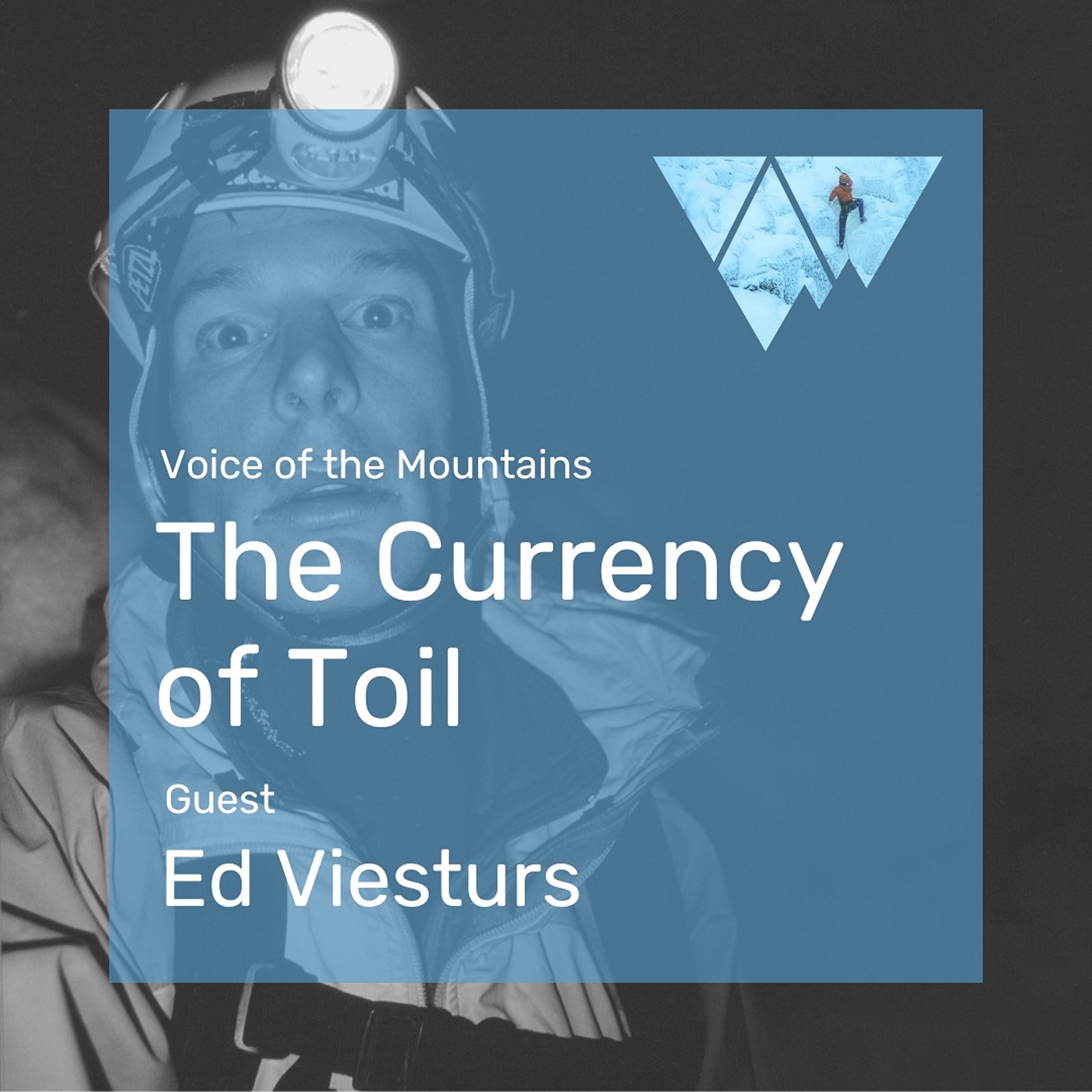
本集简介
双语字幕
仅展示文本字幕,不包含中文音频;想边听边看,请使用 Bayt 播客 App。
想象一下,你正在攀登两万七千英尺的高峰。
Imagine climbing 27,000 feet.
每一次呼吸,都像在用吸管吸空气。
Each breath feels like you're pulling air through a straw.
每迈出一步,都是对意志的考验。
Every step forward is a test of will.
每一个决定,都可能关乎生死。
Every decision can be a matter of life or death.
你孤身一人,四周是无边无际的冰川、岩石和群山。
You're alone, surrounded by an endless expanse of ice and rock and mountains.
山顶就在眼前。
The summit just in view.
真想再往前多走一点,这诱惑太大了,但就在这时,你听到了那个声音。
It's tempting, so tempting to push just a little further, but then you hear it, that quiet voice.
那个一直让你活到现在的声音。
The one that's kept you alive this long.
它提醒你,登顶并不是必须的。
It reminds you that getting to the top is optional.
安全下山才是硬性要求。
Getting down is mandatory.
很少有登山者能像埃德·维斯特斯那样真正践行这句话,他是第一个在不使用辅助氧气的情况下登顶全球全部14座8000米以上高峰的美国人。
Few climbers have lived these words as faithfully as Ed Viesturs, the first American to summit all 14 of the world's 8,000 meter peaks without supplemental oxygen.
埃德是个传奇,但让他真正了不起的,不只是他的成就,更是他追求这些成就时所秉持的原则。
Ed is a legend, but what makes him remarkable isn't just his achievements, It's the integrity with which he's pursued them.
高山有一种力量,能剥去所有伪装,让你看清自己真实的样子。
The mountains have a way of stripping us down to who we really are.
对埃德来说,每一次攀登都是一堂关于谦卑、坚韧与敬畏的课。
And for Ed, every climb has been a lesson in humility, resilience, and respect.
今天,他来分享高山教会他的那些关于生活、风险和真正成功的道理。
Today, he's here to share what the mountains taught him about life, risk, and the true meaning of success.
这里是《山的声音》,我是主持人史蒂夫·豪斯。
This is Voice of the Mountains, and I'm your host, Steve House.
让我们听听埃德·维斯特斯如何诉说高山的声音。
Let's listen to the mountain through the voice of Ed Viesturs.
欢迎来到《高山之声》。
Welcome to Voice of the Mountains.
我是史蒂夫·豪斯。
My name is Steve House.
今天能介绍这位嘉宾,我特别激动,我和他认识很久了。
I'm really excited to introduce our guest today, who I've known for a long time.
在登山界,很少有人能像我的嘉宾这样真正听懂高山的言语。
Few people in the world of mountaineering hear the mountains as my guest does.
当然,也很少有人像他这样,把一生都献给了登山这项运动。
Of course, few people have dedicated their lives to the sport of mountaineering the way he has.
埃德·维斯特斯最广为人知的,是他一生都在攀登地球上最伟大的山峰。
Ed Viesturs is perhaps best known for a lifetime spent climbing the greatest mountains on earth.
他是唯一一位登顶全球全部14座8000米以上高峰的美国人,而且全程没有使用辅助氧气。
He's the only American to have summited all 14 of the world's 8,000 meter peaks, which of course he did without supplemental oxygen.
他是全球仅有的十二位完成这一壮举的人之一。
And he's only one of 12 people in the world to have ever done so.
尽管这些成就让他成为高山登山界的传奇,但这并不是他今天来到这里的唯一原因。
And while accomplishments like that have made him a legend in the world of high altitude mountaineering, that's not the reason he's here today.
至少不是唯一的原因。
Well, not the only reason.
埃德的职业生涯不仅因他登顶的山峰而闻名,更因他登山时所秉持的谨慎与原则而备受尊敬。
Ed's career wasn't only notable for the peaks he climbed, but for the care and integrity with which he climbed them.
在一个似乎只在乎登顶、不计代价的世界里,这种态度显得格外突出。
In a world that seems to be singularly focused on reaching the top no matter what, this stands out.
他有一句广为人知的理念:登顶不是必须的,安全下山才是硬道理。
His philosophy is famously getting to the top is optional, getting down is mandatory.
这句话让他成为登山者乃至普通人都敬重的智者。
And that line has made him a sage for climbers and non climbers alike.
三十多年来,埃德不断奔赴各种远征,历经地球上最严酷的环境,也承受过痛失同伴的打击。
For over thirty years, Ed has been going on expeditions and he's been tested by some of the most unforgiving environments on earth and by tragic loss.
在我们圈子里,他简直就是喜马拉雅、珠穆朗玛峰,以及这些地方所唤起的敬畏感的代名词。
In our community, he's synonymous with the Himalaya, Mount Everest and the awe that these places inspire.
但他的传奇地位并没有改变他。
But his legend status has not changed him.
在我眼里,他依然是那个18岁从伊利诺伊州出发,在雷尼尔山山坡上爱上登山的谦逊青年。
He still remains to me the humble young man who left Illinois at 18 and fell in love with mountaineering on the slopes of Mount Rainier.
登山带他走遍全球,他也以作家、摄影师和知名演讲者的身份,分享了自己的经历。
Mountaineering has taken him out around the world and he has shared his journeys and experiences as a writer, a cinematographer, and a noted speaker.
他在另一个极其艰难的职业——职业登山领域,也同样取得了成功。
He's also been successful at another very difficult career, professional climbing.
埃德可能是唯一一位曾获得劳力士赞助的美国登山者。
Ed is perhaps the only American climber to have ever been sponsored by Rolex.
如果你觉得这很容易,那不妨试试看。
And if you think that's easy to do, well, you're welcome to try.
我说直白点,全球能像埃德这样做到的人,屈指可数。
I'll be blunt, there is but a small handful of people on the planet that have accomplished what Ed has.
而真正理解这一点的人可能更少——那不是关于成就,而是关于付出,用他的话说,就是倾听山的声音。
And perhaps even fewer that understand that it isn't about the accomplishments, it's about the toil and in his words, listening to the mountain.
这就是为什么我觉得,再没有比他更适合《山之声》的嘉宾了。
And that is why I can't imagine a better guest for Voice of the Mountains.
欢迎同样热爱山的听众,埃德·维斯特鲁斯。
I wanna welcome fellow Mountain listener, Ed Viesturs.
今天能来参加节目,谢谢你,埃德。
Thanks for being on the show today, Ed.
哦,不客气,很高兴受邀。
Oh, well, thanks for having me.
跟我们说说,当年那个刚刚爱上登山的埃德·维斯特鲁斯是什么样子?
Tell us about the Ed Viesturs that fell in love with mountaineering all those years ago.
那时候我还在伊利诺伊州长大。
You know, I was growing up at the time in Illinois.
因为没什么机会去冒险,我就开始读冒险类的书,来寻找出口。
And to escape and have adventure, which wasn't available really, I started reading adventure books.
我最早读的一本登山书就是《安娜普尔纳》。
And one of the first mountaineering books that I read was Annapurna.
那是1950年发生的事,法国人首次登上了海拔八千米以上的高峰——安娜普尔纳。
And that was, you know, the event that took place in 1950 where the French, for the first time, reached the summit of an 8,000 meter peak, Annapurna.
就是那本书,让我一下子醒悟了。
And it was that book that flipped a switch.
读完之后,我就确定了,这就是我想做的事——去攀登那些高山。
And after reading that, I knew that is something that I wanted to do, to go climb big mountains.
我也知道,这事儿不可能马上实现。
And I knew it wasn't gonna happen right away.
对吧?
Right?
我当时待的地方根本不适合登山。
I was in the wrong place.
我对攀岩一窍不通。
I didn't know anything about climbing.
就是那本书让我一毕业就决定搬去西雅图。
And and it was because of that book that I decided right out of high school, was gonna move to Seattle.
通过大量阅读,我知道很多杰出的美国喜马拉雅登山者都来自太平洋西北地区。
Because of all my readings, I knew so many great American Himalayan climbers were from the Pacific Northwest.
如果你真想在某个领域有所成就,就得让自己身处能让你练习的环境里,还要围绕在那些和你做同样事情的人身边,他们很可能成为你的老师、导师,带你入门,教你方法。
And I think if you wanna do something in a certain arena, you surround yourself in an environment where you can practice, and then you surround yourself with the people that are doing what you're doing as well because they can hopefully become your teachers and your mentors and and guide you and teach you.
这正是促使我搬过去的原因,对我来说,这最初只是一个梦想,一种爱好。
And and that's what caused me to move, and, you know, it started for me as a dream and as a hobby.
那时候你仰慕的那些喜马拉雅登山者都是谁?
Who were those people that were that you looked up to at that time, those those Himalayan mountaineers?
为什么偏偏是喜马拉雅?
And why Himalayan?
是因为《安娜普尔纳》这本书,还是有别的原因?
Was it strictly because of Annapurna, or what was it?
在你生命中的那个阶段,喜马拉雅山是不是有什么特别的地方,深深吸引了你?
Was there something particular about the Himalaya at that point already in your life that called to you?
你知道吗?
You know what?
我觉得我特别被喜马拉雅的海拔吸引住了。
I I think what I was intrigued with, especially with the Himalaya, was the altitude.
就是那种在两万六、七、八千英尺的高处往上爬的艰难。
You know, the the struggle of moving uphill at 26,000, 27,000, 28,000 feet.
那种难度不断升级的感觉。
The the the increase of the the difficulty.
对我来说,最让人好奇的是,人是怎么在身体上做到这一点的?
And to me, the intrigue seemed, you know, how do you do that physically?
你该怎么训练才能适应?
How do you train for that?
心理上又该怎么承受?
How do you endure that mentally as well?
这些对我来说都非常有意思。
Those things were, to me, very interesting.
你知道吧?
You know?
我喜欢高山攀登。
I enjoyed alpine climbing.
我喜欢攀岩,但对我来说,真正吸引我的是寒冷、高海拔和那种极端环境,让你只剩下最根本的东西。
I enjoyed rock climbing, but what what for me was the cold and the high and the extreme and and where you're just really just stripped to your basics.
对吧?
Right?
没错。
You Yeah.
在山里。
In the Mountain.
就是这样。
That's it.
是的。
Yeah.
你在山里。
You in the Mountain.
那正是吸引我的地方。
And that was what intrigued me.
我读到的那些人,比如西雅图的惠特克一家、罗斯·凯利和霍恩比恩。
The people that I'd read about were obviously, you know, the Whitakers in Seattle and and Ross Kelly and Hornbine.
对。
Mhmm.
你。
You
你知道吗,当时华盛顿州那一带活动特别多,那些人特别有创新精神,地形又险峻,光是到达一些山峰就得付出巨大努力,哪怕只是在华盛顿州内。
know, there was so much activity in the Washington state areas where those guys were innovative, the terrain was difficult, they had to work hard just to get to some of these mountains even in the state of Washington.
是的。
Yeah.
所有这些艰辛,都为他们日后挑战更高峰打下了基础。
And all that kind of hardship set them up for the hardship of going into the bigger mountains.
那些人就是我想效仿的对象。
And and those are the people that I kinda wanted to to emulate.
后来,我自然就开始读关于梅斯纳尔这样的登山者,他在喜马拉雅山区把极限不断往前推。
And then, of course, you know, I started reading about people like Messner, you know, who was really pushing the envelope in the Himalaya.
不带氧气,小团队,阿尔卑斯式攀登。
No oxygen, small teams, alpine style.
但我当时是从零开始的,这一切都只是我读书和幻想出来的。
But, again, I started at zero, and this was all me just reading and dreaming about it.
你该怎么形容那种感觉呢?
How do you communicate what that's like?
你刚才说的,比如在海拔两万六七千英尺的地方移动?
What you described, like moving up at 26, 27?
我能做的,就是跟他们描述一下。
You know, all I can do is is describe to them.
我常提到的一次经历,是我第一次登顶珠穆朗玛峰,那是在1987年。
And one of the events I do talk about was my first time going to the summit of Everest, and that was in 1987.
那是我第三次攀登珠穆朗玛峰了。
And that was actually my third expedition to Everest.
前两次,你知道的,都被天气逼回来了。
Two my first two trips, you know, we got shut down by weather.
第一次离峰顶只有不到一百米,我们不得不转身下山,我常说起那一刻——明明就站在那儿,眼睁睁看着峰顶,却只能离开。
My first trip, we had to turn around 300 feet from the summit, and I talk about how you make that decision and you walk away while you're, you know, standing there literally looking at the summit.
对。
Mhmm.
1990年那天,我终于迎来了第三次冲顶的机会。
It was that day in 1990 that I finally had my third opportunity to go for the summit.
北坡的高营地大概在海拔八千二百米,接下来是一段漫长而艰难的路程。
You know, on the North side, High Camp is at about 27,000 feet, and you've got a long day ahead of you.
如果不带氧气,每走一步,都像在翻越一座山。
And without oxygen, each step becomes its own mountain, literally.
我记得很清楚,那时候每走一步都慢得像蜗牛,几乎原地不动,我得每走一步吸十五口气。
And I recall and I remember, you know, you're moving at a snail's pace, you're going nowhere very slowly, and I had to breathe 15 times per step.
对
Mhmm.
我得把这当成我的节奏,我的信条。
I had to make that my my pace, my mantra.
每吸到第十五口气,我必须强迫自己迈出下一步。
At breath 15, I had to you literally have to force yourself to take that next step.
而且这可不是轻轻吸一口气,而是深深的一口气。
And that's not just like a little breath, like but it's like a big breath.
对吧?
Right?
是全身、整个胸腔的呼吸。
It's a full body, full torso.
十五次大口喘气,是的。
15 gasping breaths Yeah.
就像离水的鱼一样。
Like a fish out of water.
是的。
Yeah.
我记得当时明白,为什么第十四步能迈出去,但再往下就做不到,因为那时候已经喘不过气了。
And I kinda remember knowing, what what let me take a step at fourteen, and and you can't do it because then you're out of breath.
对。
Yeah.
如果你做到第十六步或第十七步,那就过头了,根本不可能坚持到终点。
And if you go to 16 or 17 breaths, then that's too much, and then you'll never get there.
所以你得找到那个临界点——在缺氧和刚好恢复一点体力能迈出下一步之间平衡。
So you have to find that tipping point between hypoxia and just having enough energy that you've regained to take that next step.
我跟别人说,这种状态能持续八到十个小时。
And I tell people that that goes on for eight or ten hours.
是的。
Yeah.
那时候你脑子里就只想着这一件事。
And that's all you think about literally.
我还会向台下的听众提出这个问题。
And and I and I throw it out to the audience.
我会问:你在十个小时里都做了些什么?
I say, what have you done in a in a ten hour day?
我的意思是,你干了那么多事情。
I mean, you do so many things.
而我呢,就只是走路和呼吸。
All I'm doing is stepping and breathing.
是的。
Yeah.
然后这渐渐变成了一场心理较量,因为你开始想,这根本没意思。
And and then it starts to become a mind game because you start to think about this is not fun.
我为什么要这么做?
Why am I doing this?
我该怎么放弃?
And how do I quit?
对吧?
Right?
我该怎么停下来?
How do I stop?
是的。
Yeah.
放弃很容易。
Quitting's easy.
对吧?
Right?
没错。
Right.
但如果你找不出像样的理由,就会想,算了。
And and but if if you can't come up with a legitimate excuse, you go, okay.
我不打算放弃了。
I'm not gonna quit.
你先别说了,我觉得关键就在这儿——你脑子里想的全是‘我该找什么理由放弃’。
I want you to stop right there because I think that that's so that's the point where like, just your mindset is you're thinking about reasons you what's a good reason I should quit?
对吧?
Right?
但其实呢,换谁都一样,随便哪天都能想出成千上万个放弃的理由,这太正常了。
As opposed to like, you've got plenty of I mean, anyone objectively would think of like a million good reasons to quit at any point Yeah.
就在那一天。
Of that day.
可你偏偏是从完全相反的角度在想问题。
But you're coming at it from completely the other side of the equation.
你总能给自己找借口。
You know, you can come up with an excuse.
等事情真难起来,很多人就会冒出个念头:我做不到、我不想干了、太难了、太冷了、花的时间太长了。
And when things get really hard, I think a lot of people just come up with an idea or an excuse that I can't, I don't want to, it's too hard, I'm too cold, it's taking too long.
这些理由听起来都挺有道理的。
I mean, those are all legitimate.
对吧?
Right?
那天我一个人在上面,没人陪着我,也没人能跟我聊聊。
I mean, I was up there alone that day, so I didn't have a partner to pull me along or to discuss with.
那时候就我一个人,我随时都可以放弃。
And so it was just me, and I could've quit.
我完全可以跟自己说:不干了。
And I could've said, I'm done.
我大可以往下走。
I get to go down.
但我这个人一向很固执,只要没做完一件事,我就老放不下,心里总惦记着。
But I tend to be pretty stubborn, and I always reflect reflect on when I don't complete something, it it always bothers me.
是的。
Mhmm.
我一定会一直想着,直到把它做完为止。
And I'll think about it until I finally finish it.
如果我没有正当理由停下,我就告诉自己,好吧。
And if I don't have a legitimate excuse to stop, I I say, okay.
我还是要继续下去。
I I I'm gonna keep going.
要把这种大型挑战分解开来,就得把它拆成一个个具体、可操作的小步骤。
And then the mental way that you break a giant event like that down is you've gotta break it down into smaller, tangible, consumable steps.
对吧?
Right?
要一步一步来,而不是一小时一小时地算。
Step by step instead of hour by hour.
得靠一步一呼吸来推进。
It's gotta be steps and breaths.
我以前也这样帮过别人,虽然我没你爬得那么高,但比如说在八千米以上,你深吸十口气,感受一下,走完一房间的距离要多久。
I've done this with people similarly where, you know, I haven't been as high as you, but, you know, say, like, above 8,000 meters, like, take 10 big breaths, those big gasping breaths, and just see how long it takes you to walk across the room.
是的。
Yeah.
或者从你家的客厅走到卧室。
Or go from your living room to your bedroom in your house.
你懂的。
You know?
这样能让别人真正体会到,每走一步有多艰难。
And that starts to put it in scale for people, like, how hard it is is to move.
我觉得特别有意思,每个登山者、攀岩者,所有曾经系上绳索的人,都得问自己一个问题:现在该回头了吗?
I think it's always so interesting and it's something that all of us as mountaineers and climbers and every single person that ever ties into a rope at some point has to ask themself this question about do I turn around now, right, or not?
就是那个关键的抉择时刻,对吧?
Like that that decision point, right?
有时候我们真的很幸运,遇到特别顺利的日子,对吧?
And and I mean, we're all sometimes we're blessed with days where it's super easy, right?
比如明显有风暴来了,或者别的什么显而易见的危险。
Like there's the obvious storm or I don't know whatever the obvious thing is.
这时候情况一目了然,好吧,我们确实不能再往前了,必须回头。
And it makes it so, like, it's so blatantly obvious like, okay, yeah, we can't go on, we have to turn around, whatever.
这很简单,对吧?
That's easy, right?
但这种情况只占百分之十左右,或者更少。
But it's that's 10% of the time or whatever it is.
只是极少数时候才这样。
It's some small amount of the time.
大多数时候都处在这种模糊地带,你心里清楚,这事儿真不容易。
Most of the time it's somewhere in this gray middle where you're like, you know, this is hard.
它
It
可能会转差。
could turn down.
如果我继续往前,也许能挺过去,但也可能不行,我根本说不准。
If I keep going, I might be okay, but I might not be, I just don't know.
你能不能聊聊这种状态?你是怎么面对它的?心里是怎么想的?
Like, talk to me about that space and how you how you exist in that space a little more and how you think about that.
你确实会在某些时候纠结这个决定。
You do wrestle with that decision in at certain times.
就像你说的,有些日子情况再明显不过了。
And like you said, there are days when it's more than obvious.
对吧?
Right?
天气正在变糟。
The weather's moving in.
时间已经很晚了。
It's late.
有个人可能走得有点慢。
Somebody might be going too slow.
你知道的。
You know?
你开始算一下,如果继续往前,我们还有没有足够的时间和体力下山。
And you start to calculate if we keep going, will we have time and energy to come down?
对吧?
Right?
因为很多人,我觉得,都忽略了下山这部分。
Because a lot of people, I think, they forget about the going down part.
对。
Mhmm.
往上爬的时候,你得拼命消耗所有资源——日光、备用氧气,不管什么,全用在登顶上。
It's it's pushing and consuming all of your resources, including daylight, supplemental oxygen, whatever, just to get to the top.
根本没打算怎么下山。
There's no plan for coming down.
他们以为下山会很容易。
They thought it's gonna be easy.
我们是往山下走。
We're going downhill.
没什么大不了的。
No big deal.
但到那时候,如果你没足够的体力或资源下山,情况就会开始失控。
But by then, things start to fall apart if you don't have the energy or the resources to come down.
我每一次攀登,都是由下山的计划来决定的。
My ascents were always dictated by my descents.
我总是在规划上山之前,先想好怎么下山。
I always made sure I had a plan for going down before I had a plan for going up.
有时候天气在变,你得琢磨,经过十二个小时的爬升,你还有没有力气安全下山?
There are days, though, where the weather's kinda maybe changing, and you're trying to figure out, do I have the endurance to get myself to the top, you know, after twelve hours of going uphill and then still have enough gas in the tank to come down?
这一直是个说不清的问题。
That's always a kind of a mystery.
没错。
Right.
通过经验,我明白了一点:直觉最重要。
And what I learned through experience was instinct rules.
如果你在往上爬的时候,哪怕有一点不安,就得停下来问问自己:我为什么会有这种感觉?
If you feel any inkling of trepidation as you're going up, you've gotta stop and and ask yourself, why am I feeling this way?
你懂的。
You know?
直觉能保命,这背后靠的是很多东西,比如经验、训练之类的。
Instinct keeps us alive, and that's based on a lot of things including, you know, experience and training and all those things.
我始终决定听从直觉,做事一定要格外保守。
And I always made the decision that I'm gonna listen to that instinct and just be super conservative.
对吧?
Right?
说到底,我也说过,我喜欢登山,但我更喜欢活着。
Because at the end of the day, and I've said this, you know, I love climbing, but I like being alive a lot more.
这正是关键。
And and that's Mhmm.
你得时刻想着这一点。
That's the thing you gotta think about.
一定要平安回家。
Make sure you get home.
其他都是次要的。
Everything else is secondary.
对。
Yeah.
你还可以回头。
You can go back.
我觉得我那时候的优势是,我知道如果某次探险不成功,我还有机会再回去尝试。
And I think the the thing that I had was I knew that I had the possibility to go back and try again if it didn't work on a certain expedition.
没错。
Right.
但我觉得很多人觉得这是一生只有一次的机会。
Whereas I think a lot of people, it's a once in a lifetime opportunity.
没错。
Right.
他们可能再也没有机会回去,所以愿意为成功付出更大的代价。
And they might not never get to go back, and they're willing to pay a bigger price for success.
是的。
Yeah.
这确实是个关键点,我很高兴你提到这一点,因为你其实是在理解那些身处这种境地的人。
And that's a key point, and I think that that I'm glad you bring that up because I think you're, you know, you're giving people grace in a sense for being in that position.
我的意思不是在评判他们。
I mean, it's not I'm not judging them.
他们的机会只有一次,就这一次,如果今天没成功,这辈子就再没机会了。
I mean, it's just that's that's their thing, they've got that one window, they're gonna do this this one time, and if it doesn't happen today, it's never gonna happen for them.
所以这跟我的情况不一样,我也曾想过自己的登山探险生涯。
And so that is a different thing, like, you know, I also thought about my expeditionary climbing career.
我觉得那就像一场持续二三十年的漫长比赛。
I thought of it as sort of like a, you know, a a very long game of twenty, thirty years.
我知道有些远征会遇到坏天气,有些则会碰上好天气。
Knowing that some of those expeditions I was gonna have bad weather and some of them I was gonna have good weather.
关键就是每个季节都坚持参与。
And it's just a matter of showing up every season.
对吧?
Right?
如果你这个季节坚持参与了,但碰上天气和条件不好,那也只能接受。
And if you could show up for this season and we got unlucky with weather and conditions, it's like, yep.
明白了。
Okay.
挺好。
Good.
我把倒霉的季节熬过去了,明年 chances 就更大了。
I I got the bad weather season out of the way and the next year I have a better chance.
我就是这么安慰自己的。
Like, that's how I justified it.
对吧?
Right?
但我觉得,很多人没有这种长远的眼光,这一点很不一样。
But but I think Like, you're a lot of people don't have that kind of long game perspective, and that that is something that is very different.
是的
Yeah.
我同意
I agree.
而且你也看得出来,就像你说的,不能光凭这个去评判别人,对吧
And and you can see that, and I don't like you said, you don't judge people based on that, you know.
每个人为成功愿意付出的代价都不一样
And everybody has their own price they're willing to pay for success.
每个人能接受的风险水平也不同
Everybody has their own level of acceptable risk.
对吧
Right?
有些人愿意冒更大的风险
Some people are willing to risk more.
有些人则比较保守,你选登山伙伴时,其实就是根据彼此能接受的风险水平来决定的
Some people willing and you just decide who you wanna be with in the mountains based on your level of acceptable risk.
而且如果大家的想法都一致,那玩起来才会开心。
And and if there if everybody's on the same page, you're gonna have fun.
也不会有争执。
You're not gonna have a disagreement.
没人会逼别人做超出他们承受范围的事,但要找到这样的完美搭档,其实挺难的。
Nobody's gonna push somebody harder than they want to, and that's hard along the way to find those perfect partnerships.
我知道你懂这种感觉。
And I know you know what that's like.
一旦和某些人合拍了,你们做决定的方式就完全一致。
Once you click with certain people, you make the decisions in the same way.
你们会互相推动,但不会逼得太紧。
You push each other, but you don't push too hard.
是的。
Yep.
活动结束后,大家不仅玩得开心,还依然是朋友。
And you come away having a great event, you're still friends at the end of the day.
我觉得听你说话的人,会把你刚才讲的直觉和生存本能联系起来。
I think that people listening to you and they'll they'll, like, connect it to what you just said about instinct, and instinct keeps us alive.
我还想补充一点,你之后提到直觉是由很多因素构成的,其中一个是经验。
And I also wanna say that something you said after that is that instinct is made up of a lot of things, one of which is experience.
所以对我来说,你所说的这种直觉其实是会变化的。
So I think of this instinct that you're talking about for me is actually quite movable.
比如我在德纳利峰西坡当向导时,身后有各种资源支持,海拔没让我吃力,又因为去过几十次,对路线了如指掌——这时候我的‘直觉’和在别的地方、别的时候、不同条件下完全不一样,对吧?
You know, like if I'm on the West Buttress of Denali guiding and I have certain resources behind me and, you know, and I'm very comfortable and I'm not stretched by altitude and I know my way around super well because I've been up there a couple dozen times, like all those things, my my my quote unquote instinct there is very different than it is in another location, another time, another place, another set of circumstances, right?
而那些经验还不足的人,往往不明白这一点。
And when people don't have a lot of experience yet, they have a they don't understand that.
他们以为所有人都是差不多的。
They think that we're all the same.
但其实不是,你和我不一样,我和别的登山者也不一样。
And we're not the same like, you are not the same you're not you're different than I am, and I'm different than another climber.
而且我们每个人,从一天到另一天,从一月到另一月,从一年到下一年,都会不一样。
And we're each gonna be different from your, you know, day to day, month to month, year to year.
这其实特别有人性,对吧?
What it is is very human, right?
你提到的这些,每一个在凌晨十二点戴上头灯、穿上冰爪的登山者,都曾想过同样的事。
Like, the things that you're talking about are the same things that every mountaineer that ever flipped on a headlamp at twelve in the morning and put on their crampons ever thought about.
这才是核心所在。
This is the meat of it.
每次大家系上绳索、出发去挑战一座山峰时,都会经历这些。
This is what everybody goes through every time they they rope up and head off to try to climb a peak.
有时候容易,有时候就不那么容易。
And, you know, some days it's easy and some days it's not.
我喜欢你对直觉的解释,因为我们和Uphill Athlete合作时,花了很多时间帮人提升体能,这确实是一部分,对吧?
And I like your answer about instinct because it is know, we spend so much time with Uphill Athlete, like working on people's physical preparedness and that is a component, right?
你大概能知道自己在某个时刻的身体状态和健康水平。
Like you kind of know what kind of fitness and health you have at any given time.
这种感觉是能体会到的。
You can feel that.
这正是影响你直觉的因素之一,也会改变你愿意推进到什么程度的那些变量。
That's that's one of the things informing your instinct and one of the things that can move that those variables as to like how far you're willing to push.
但我们几乎从不讨论这个——除了在这儿,我想称它为一种决策框架,用来做这种艰难决定,而八成情况下这都是个艰难的抉择。
But we don't ever spend much time talking about, well, we never basically talk about it except here, this this decision making framework, I guess I'll call it, for for for making this tough call, 80% of the time is a tough call.
确实如此。
That's true.
这本质上都是在管理风险。
And, you know, it's all based on managing risk.
我刚开始登山的时候,根本没想到自己会变成一个风险管理者。
And, you know, when I started climbing, I don't think any of us go into it going, oh, I'm going to become a risk manager.
你知道的吧?
You know?
这都是后来慢慢学会的,才会发现,原来如此。
That is something you learn along the way, and you discover, wow.
我选择的这项运动,本身就伴随着固有的风险。
There are inherent risks in what I've chosen to do.
很多人以为,我们登山者就是喜欢冒险。
And a lot of people think, you know, we as climbers, we love risk.
我们追求冒险。
We seek risk.
但我说不是这样。
And and I say no.
我们并不是为了冒险才去做的。
We we don't do it for the risk.
我们有别的原因。
We do it for other reasons.
风险确实是我们这项活动里非常重要的一部分,我通常会把风险分成两类。
Risk happens to be a huge part of what we do, and I tend to separate the risk into two categories.
我说的是客观危险,比如山里固有的那些威胁,这些我们躲不开,只能接受,也不能忽视。
I talk about the objective dangers, you know, the things that are inherent in the mountains, things we can't avoid, we have to accept, we can't ignore.
但我认为,山里最大的风险其实是决策过程。
And but I think the biggest risk in the mountains is the decision making part.
你明白吧?
You know?
我们如何选择做什么、什么时候做、愿意推进到什么程度,这在我看来才是山里问题的最大根源。
How we choose what we do, when we do it, how far we're willing to push, and that is, in my opinion, the biggest category that causes the problems in the mountains.
真正关键的是那些决定和选择。
It's the decisions and the choices.
毫无疑问,是人为因素。
The human factor, for sure.
对。
Yep.
这正好引出了我想问你一个问题。
This dovetails into a question I wanted to ask you.
当向导教会了你什么?
What did guiding teach you?
向导经历是怎么影响你对这些问题的思考方式的?
And how did how did guiding shape your thought processes around this?
你知道吗,我刚当向导的时候,想着这真是个棒极了的暑期工作——在雷尼尔山上上下下,置身那样的环境里,锻炼身体,还能深入了解登山这项活动。
You know, when I became a guide and I wanted to work, I thought, what a great summer job to be on Mount Rainier, going up and down, being in that environment, getting fit, learning about the the the activity of climbing.
但对我来说更重要的是,我知道身边有像埃里克·西蒙森、乔治·邓恩和菲尔·厄斯勒这样的资深向导,他们比我多干了十年。
But more importantly for me, I knew that there were these senior guides like Eric Simonson and George Dunn and Phil Urschler, guys that had ten more years experience than me.
他们真正成了我的老师和导师。
And they actually became my teachers and my mentors.
我非常敬佩他们。
I mean, I looked up to them Mhmm.
我想学他们身上最出色的东西。
And I thought, I wanna take their best qualities.
我想向他们看齐。
I wanna emulate them.
我知道他们早就开始带团队去世界各地,甚至去喜马拉雅山了。
And I knew they were already doing big trips, you know, guiding all over the world as well as going to the Himalaya.
我就想,如果我能从他们身上学到东西,努力干活,少说多做,让他们觉得我是个靠谱的队友,也许哪天他们会带我一起去。
And I said, if I learn from these guys and if I work hard and keep my mouth shut and show them that I'm a capable team member, maybe they'll start inviting me to go with them.
结果还真就发生了。
And sure enough, they did.
乌尔舍勒邀请我去德纳里峰。
You know, Urscheler invited me to Denali.
埃里克·西蒙森带我去德纳里峰。
Eric Simonson brought me to Denali.
我就这样和我的偶像导师们一起,心里直打鼓。
And here I was with my superstar teachers, and I was like, oh my god.
简直不敢相信。
I can't believe this.
对啊。
Mhmm.
后来,还是埃里克带我第一次去了喜马拉雅,那是1987年登珠峰。
And eventually, it was Eric that brought me on my first Himalayan expedition, and that was to Everest in 1987.
我还记得当时对他说:听我说。
And I remember telling him, I said, listen.
我以前从来没到过那么高的地方。
I've never been that high before.
我去过德纳里峰,海拔两万英尺。
I'd been to Denali 20,000 feet.
我对高海拔没什么经验。
I don't have experience at altitude.
他对我说,你听好。
And he said, listen.
如果从来没人给你机会去积累经验,你又怎么可能获得经验呢?
If nobody allows you to gain the experience, how will you ever get the experience?
我觉得他送给我一份特别珍贵的礼物,就是让我作为团队一员出发,说:咱们走吧。
And I thought that was an amazing gift that he gave to me to bring me as a team member to say, let's go.
现在就是你学习的机会。
Here's your time to learn.
是的。
Yeah.
作为向导,我还学到另一件对我特别重要的事——我们负责的是来找我们的客户,我们要教他们、鼓励他们、为他们加油,但更重要的是保证他们的安全。
And another thing that I learned that was really important to me as a guide, you know, we're in charge of our clients that come to us, and we are there to teach them, to motivate them, to cheerlead them, but more importantly, to keep them safe.
对吧?
Right?
我们在山里照顾的不只是自己。
We're not just taking care of ourselves in the mountains.
我们还要照顾别人,这就要求你时刻保持警觉,不断分析当下的各种信息:天气、雪况、团队状态、时间点等等。
We're taking care of other people, and that makes you think about situational awareness, always processing information that's happening in the moment, the weather, the snow, the strength of the team, the time of day.
这些信息决定了你的判断和选择,你要在事情发生前就做出决策,而不是等事情发生了才反应。
And those and that information is how you make your decisions and choices and trying to make a decision before something happens, right, instead of letting it happen.
对的。
Mhmm.
我们常说要听山的声音,因为山会告诉你哪些事能做,哪些事不能碰。
And the term that we had was listen listen to the mountain because it is gonna tell you what you're allowed to do and what you shouldn't do.
作为向导,这是我最大的收获。
And that to me was my biggest takeaway as a guide.
展开剩余字幕(还有 480 条)
你知道吗,要学会让山来决定我能做什么。
You know, how to have the mountain decide what I get to do.
而不是我来决定。
Not me.
我从不追求征服。
I I don't conquer.
我不喜欢‘征服’这个词。
You know, I don't like that word conquer.
在山里,我们要么被允许继续前进,要么被要求原路返回。
I think in the mountains, we're allowed to either proceed or we're told to turn around and go home.
这对我来说是个很大的启发。
And and that was a big takeaway for me.
当山在说话时,它到底在说什么?
When the mountain is talking, what is it saying?
我的意思是,山用的是哪些‘声音’来传达信息?
Like, are the what are the voices that it uses?
它是怎么跟你沟通的?
What is it how is it communicating with you?
你又是怎么感受到它的?
How are you hearing it?
对。
Yeah.
这是一种你看到的信息。
It's information that you're seeing.
没错。
Mhmm.
比如地平线上云层积聚,风渐渐变大。
You know, a cloud building on the horizon, the wind increasing.
这些都是你感受到的信号。
It's things that you're feeling.
雪的声音是什么样的?
What does the snow sound like?
你知道吗,走在那种不正常的雪地上,你就会觉得,这情况不对劲。
You know, when you're walking on funky snow, you're like, I know this is not good.
而且,所有这些经验都是你慢慢积累起来的。
And again, all that stuff is is experiential, stuff that you've learned.
对吧?
Right?
没错。
Yep.
在山里,无知反而是一种幸福。
Ignorance is bliss in the mountain.
你可以走出去,心里想着:
You can go out there and go, hey.
咱们直接冲顶,完全不管会出什么事。
We're going to the summit without any idea of what could happen.
你懂得越多,我觉得,就能吸收越多信息,因为你清楚该关注什么。
The more you learn, I think, the more information you take in because you know what to take in.
所有这些加起来就是关键。
And and so it's all that stuff.
而这一切,同样基于经验,就是你的直觉。
And then, again, part of that, again, based on experience, is your instinct.
你明白吗?
You know?
当各种警报信号出现时,不管是什么原因,背后一定有理由,这时候你得停下来认真听,至少要和团队讨论一下,做个决定。
When when things start to alarm bells start to go off for whatever reason, there's there's a reason for that, and that's something you've gotta stop and listen to and and at least make a decision or have a conversation with your team.
你经常提到几件事。
There's a couple things that you say.
我经常接到一些人的电话,说想明年去登珠穆朗玛峰之类的,对吧?
And, you know, I I'm getting calls from people that say, wanna train to climb Mount Everest next year or something like that, right?
但他们完全没爬山经验。
And they have zero mountaineering experience.
他们想知道该怎么准备,还以为只要在健身房的登山机上爬够一定垂直高度,就能去登顶了。
And they want to know how to do it and they think it's just about doing a certain number of vertical meters on the stair climber in the gym or something and then they can go.
我打算把这些对话发给他们,跟你聊的这些经历,因为这些切身体会,真的没法直接下载或复制。
And these I'm gonna start sending them this conversation and you talking about that because those experiential things, yeah, do you there's there's no way to download that information.
书本学不到,别人讲也讲不明白,听播客也听不来,你只有真正踩过那种奇怪的雪,才知道它是什么感觉。
There's you can't learn that from a book, you can't learn it from another person telling you about it, you can't learn it from a podcast, you can only learn it you only know what funky snow feels like if you felt funky snow under your boots.
我也不知道该怎么跟别人说清楚,但我完全能体会到你说的意思。
I don't I don't know another way to communicate that to to people, but I know viscerally what you mean.
我的身体里,清清楚楚地知道那是什么感觉。
Like, in my body, I know what that is.
听过这段话的其他人,只要有过类似经历,也一定懂。
And others who are listening to this have that experience will too.
所以我们才这样交流,你说‘雪感觉怪怪的’,我一听就懂了,然后说‘真的吗?’
And so that that's how and we communicate about that and you say, oh, the snow felt funky, like, I'll know what you meant and be like, oh, really?
雪在哪块地方感觉怪怪的?
It felt funky, where?
然后我们就聊起来,讨论雪层的状况。
You know, and we'll start talking about it and we'll have a conversation about this about the snowpack.
但你知道,这种东西除了亲自去做,别无他法。
But, you know, that's just not something you can get any other way other than doing the thing.
我觉得这正是我在做向导时学到的关键一点。
And and I think that's the important thing that I've learned about guiding.
对吧?
Right?
很多人以为,就是客户报名参加一次行程。
People think it's people signing up for a trip.
他们付了钱。
They pay their money.
我们带他们登顶。
We take them up to the summit.
然后再把他们送回家。
We take them home.
你懂的。
You know?
越快越好。
And the faster, the better.
对吧?
Right?
我觉得现在向导行业就是这么发展的——帮客户省去路上的麻烦,提前把营地都安排好,绳索也全部固定好。
I think that's the way the guiding industry is going today is shortcut the trip for people, have all the camps established, fix all the rope.
客户一到,
The clients show up.
我们就带着他们冲上山顶。
We race them to the top.
再赶紧把他们送回去。
We race them home.
他们敲完钟,就说自己登顶了。
They ring the bell, and they say they climbed whatever.
但他们真学到什么了吗?
But did they actually learn anything?
没有。
No.
他们真正体验到什么了吗?
Did they experience anything?
恐怕没多少。
Probably not enough.
而且什么也没留下。
And there's no takeaway.
他们根本没有参与这个过程。
They weren't part of the process.
对吧?
Right?
他们根本没有参与搭建基础设施、积累经验这些整个过程。
They weren't involved in the whole event of building the infrastructure and gaining experience and all that.
我觉得这恰恰偏离了重点。
And I think that's kinda missing the point.
你明白吧?
You know?
我们这些登山者,真正重要的不是登顶有多难,而是整个过程本身,这才是我们坚持的原因。
We as climbers and mountaineers, the journey as tried as it mounts might sound is the biggest part of why we do what we do.
对吧?
Right?
所以才叫登山,不是叫登顶。
That's why it's called climbing.
没人说它是登顶运动。
It's not called summiting.
是的。
Yeah.
这就像叫打猎,不叫开枪。
It's like it's called hunting, not shooting.
对吧?
Right?
内战。
Civil war.
没错。
Absolutely.
对吧?
Right?
所以是钓鱼,不是抓鱼。
So Fishing, not catching.
是的。
Yeah.
钓鱼,不是抓鱼。
Fishing, not catching.
是的。
Yeah.
换句话说,就像伊冯·沙纳尔说的,远征的意义就在于让自己发生某种改变,实现一种内在的蜕变。
So, you know, or to to paraphrase Yvonne Chanard, like the whole point of going on an expedition is to, you know, sort of invoke some sort of change in yourself, to some sort of transformation.
如果你不给自己留出时间做这件事,出去的时候你会是个混蛋,回来的时候还是个混蛋。
And if you if you don't make time for that, you're gonna be an asshole when you go and you're gonna be an asshole when you get back.
这不就是个问题吗?意义在哪?
That's sort of like, what's the point?
但这话确实有道理。
But That's true.
我也能从营销的角度理解,尤其是在现在这个节奏——你想想,这个世界还能再快点吗?
I could I see it from the kind of marketing point of view too, especially in today's, you know, I mean, can it can it move any faster, the world we live in?
我真的说不准。
Like, I just I just don't know.
事情变得越来越快,人们也越来越急,恨不得马上就要结果。
But it's just moving faster and faster and people are more and more they want it in less and less time.
不过我得说,反过来也一样成立。
And I gotta say, I do think that there's the opposite is also true.
我觉得确实有人在往另一个方向走,你知道吗?
I do think there are people swinging the other way or like, you know what?
我不想在两周内登顶珠穆朗玛峰。
I don't wanna climb Everest in two weeks.
我想用两个月的时间去登顶珠穆朗玛峰。
I want to climb Everest in two months.
我想参与搭建大本营,帮忙把物资运到一号营地。
Like, I want to be part of setting up base camp and carrying loads to camp one.
我得说,我觉得趋势可能会有所调整,也许是在分化——总有人想走捷径,也总有人更看重深度体验,愿意在生活里留出这样的空间。
So I I have to say I do think the pendulum could swing a little bit and maybe or maybe it's segmenting, maybe there's just people that are always gonna wanna have, you know, the shortcut and there's gonna be other people that want more of the deep kind of experience or have the space for it in their lives.
我老在说,现在这些旅行都太快、太仓促,还贵得离谱。
And I I keep threatening, and I see all these trips going so fast, so quick, so hugely expensive.
为什么不干脆推出一种老派的探险行程呢?
Why not just offer an old school expedition?
整个行程得花两个半月。
Like, it's gonna take two and a half months.
费用会低不少,但你得真真正正地去赢得它。
It's gonna cost a lot less, but you're gonna you're gonna earn it.
你得付出汗水的代价,真正参与到每一天的日常中。
You're gonna pay the price, the currency of toil, and you're gonna be involved in in the day to day.
我觉得你说得对。
And and I I think you're right.
总会有一些人愿意卷起袖子,真正深入其中。
There's gonna be certain people that want to, you know, roll up their sleeves and really just dig deep.
是的。
Yeah.
我觉得做这个会很有趣。
I think it'd be fun to do.
对。
Yeah.
我觉得你一定会在这件事上留下印记。
I think you'd have a mark at that.
我真的这么觉得。
I think I really do.
我真的这么觉得。
I really do.
我小时候,尤其是在我登山生涯的早期,经常和斯洛文尼亚人一起活动。那时候去一些远征,总有一些人经历过南斯拉夫时期,他们会买辆旧卡车,把整个远征装备装上去,一路开车穿越伊朗、阿富汗、巴基斯坦和印度。
I I grew up when my younger or a lot of my climbing career I spent with Slovenians, and on some of those first expeditions I went on, there was a lot of these guys who were around when the in the old Yugoslavia, they used to, you know, buy an old truck, load all the expedition and drive it overland, you know, through Iran, through Afghanistan, through Pakistan and India.
那种做法完全是另一种心态。
That kind of thing is is a totally different mentality.
那些人讲的故事,更多是关于开车穿越伊朗、阿富汗和巴基斯坦的经历,而不是真正登顶山峰的事。
And the stories those guys had were more about the trip of driving through Iran and Afghanistan and Pakistan than they were about the actual climbing of the mountain.
对他们来说,登顶只是顺带的事,但如果你问他们真正的冒险是什么,答案肯定是路上发生的那些事。
Like, that was sort of like, yeah, they did that but the real adventure, if you asked them, was actually all the other stuff that happened along the way.
当然,到了尼泊尔,他们就把这些车卖了,大概四百美元左右。
And then of course, they would just trash these, you know, they'd sell these trucks in Nepal for like $400 or something.
车多半已经坏了,但他们就直接坐飞机和队友们一起回家。
They're probably broken down and they'd they'd go fly home with the rest of the expedition.
我总是对这些故事着迷,心里想:天啊,我也想这样干。
But I always I remember just being wholly fascinated with those stories and thinking like, man, I wanna do that.
但那种事根本不可能发生,我从来就没经历过。
But is it, you know, that that's never gonna happen and, you know, that never happened for me.
我这辈子也不可能做到那样。
I'm never gonna make that happen.
你知道的,对她们来说,那只是一个活动而已。
You know, again, it's an event for them.
她们没那个时间,抽不开身。
They don't have the time that, you know, they can't break away.
她们有家人要照顾。
They've got family.
工作上也有责任,这完全可以理解。
They've got obligations at work, and and it's understandable.
对吧?
Right?
我觉得挺好的,至少大家还在以各自的方式去冒险。
And and it I think the cool part is at least people are adventuring, you know, in whatever form that is.
有些人正在努力挑战自己的极限,看看自己能做到什么地步,而向导服务正好提供了这样的机会。
You know, there are people that are trying to push their limits and see what's capable for them, And and and the guide services are providing that opportunity.
所以对我来说,这其实是一种挺复杂的感觉。
So it's it's kind of a, you know, a mixed emotion for me.
对。
Mhmm.
但我觉得积极的一面是,确实有人走出去做了这些事,这还挺酷、挺有意思的。
But I guess the positive part is people are out there doing stuff, which is kinda cool and interesting.
是的。
Yeah.
至少据我所知,你以前在书里用过这个词——‘劳动的货币’,我特别喜欢这种说法,觉得真是个好词。
You've always used this, least to my knowledge, in one of your books I first saw this this phrase, the currency of toil, which I always loved that kind of phrase, I thought that was a great phrase.
作为写作者,我一直都很欣赏这种表达。
Just as a writer, I always liked that.
你知道,当你提到‘过程’的时候,听起来可能有点老生常谈,现在人人都在谈过程了。
You know, it may sound a bit cliche when you and you called that out, like to talk about process, now everybody's talking about process.
但说真的,不管是你的职业生涯,还是我的探险生涯,我每年通常就搞一两次探险,剩下的时间全都在为这几次探险做准备,对吧?
But, you know, in your career and in my expeditionary career, like, you know, I would go on one or two, mostly two expeditions a year, and the rest of the year was spent in service of those one or two expeditions, right?
不是在训练,就是在想办法筹钱,或者打工赚钱,诸如此类。
Like you were either training or you're trying to find the money or you're working a job to pay for it or whatever.
而且,你得这么过上二三十年。
And and, you know, you live that process for for twenty or thirty years.
当然,我们算是走到了极端,大多数人不会这样,也不会一辈子全心全意围着探险转。
And granted, we were on the, you know, kind of extreme end of that, most people don't experience that or don't live in in full time service to their expeditionary habit.
但不可否认,我们当时更看重过程,而不是结果。
But, you know, there is a lot of that that was in process over goal.
对吧?
Right?
你一整年的生活,都是为了那短短几分钟。
Like your whole year was built around a few minutes.
没错。
Yep.
这是个不同的角度。
That's a different perspective.
你现在怎么跟别人聊这个话题呢?
How do you keep how do talk to people about that now?
你该怎么让人理解,当一名职业登山者,经历这一切究竟是什么感觉?
Like how how do you make people understand what that's actually like to be a professional mountaineer and to like go through all of that?
是的。
Yeah.
你确实要花大量时间做远征的准备工作。
You do spend a lot of time in preparation for an expedition.
就像你说的,我这样过了二十年。
And I was, you know, like you said, twenty years of that.
每次从远征回来,
I'd come home from a trip.
我会给自己留几周时间放松,什么都不想,但脑子里早就有了下一个计划。
I'd give myself a couple of weeks to just decompress, not think about anything, but I already had a plan in my head.
你知道吗,九个月后我到底在干什么?
You know, what am I doing nine months from now?
是的。
Yeah.
后来这成了我的动力。
And then that became my motivator.
我对失败的恐惧,才是真正的动力。
And my fear of failure was my motivator.
我当时就想,我早该开始训练了。
I said, I need to start training yesterday.
我得开始规划、申请许可、筹钱了。
I need to start planning, permitting, raising the money.
我该和谁一起去?
Who am I gonna go with?
对吧?
Right?
收集装备。
Gathering the equipment.
我还管这叫做足功课。
And and I like to call that doing my homework.
你懂的。
You know?
然后你就上山,开始远征。
And then you go on that mountain, that expedition.
有些行程长达三个月,那才是真正考验你的时刻。
Some of these trips were three months long, and that's where you're tested.
对吧。
Right?
所有这些准备和规划,最终都会接受考验。
All that preparation and planning, then you become tested.
你的体能、意志力,还有你安排好的后勤保障,都会接受检验。
You know, your physical endurance, your mental fortitude, the logistics that you that you put together.
我当时就想,要是我因为没做好准备而失败,那只能怪我自己。
And I thought, man, if I fail because I didn't do my homework, I only have myself to blame.
所以你得接受这一切。
And so you have to embrace all that.
你得想办法去适应,而我确实做到了。
You have to somehow and I did.
我喜欢这个准备的过程。
I liked the process
对。
Mhmm.
因为准备的过程让我保持动力,也让我有期待的东西。
Of getting ready because it kept me motivated, and it it gave me something to look forward to.
我知道前方有个目标在等着我。
I knew there was this carrot out there.
我经常提到这个目标。
And I talk about the carrot.
对吧?
Right?
你努力想要达成的目标。
The thing that you're going for.
我知道外面有很多这样的人。
And, you know, I know a lot of people out there.
我有很多朋友。
I have a lot of friends.
他们每天都去健身房,跑步或者举铁,对吧?
They go to the gym every day, right, to go running or weightlifting.
这是为了什么?
For what reason?
他们其实没什么明确的理由。
They don't really have a reason.
就是单纯想去健身房。
They just wanna go to the gym.
我就说啊,如果你外面有个目标,比如马拉松或者登山,你的动力肯定会提升。
And I say, man, if you have something out there like a marathon or a mountain climb, your motivation's gonna go up.
是的。
Yeah.
有个目标确实很棒,我们当登山者的运气就在于,我们有这种目标,而且特别注重细节。
There's there's a there it's cool to have a a a goal, and and and we're lucky as climbers.
我们有这些目标,也特别关注每一个细节。
We have those goals, and and we were attentive to the details.
我觉得,这最终能帮你取得成功,也让你特别有成就感。
And that, I think in the end helps you to be successful and be very satisfied Mhmm.
因为你享受整个过程。
Because you enjoy all that.
我觉得当一名登山者最难的一点是,你懂的,年轻时比如十八岁,心里总有个梦想,想冲进山里去。
One of the hard things I think about becoming a mountaineer, and you know this, but you know, you have someone like yourself at 18 or whatever that is has this like dream about going to the mountains.
但从那个梦想,到真正能登顶珠峰的人,中间差得可不是一星半点。
And there's a big gap between that and actually being the person that that climbs Everests.
对吧?
Right?
没错。
And Yeah.
你知道,总有个难题:我该不该请向导?
You know, there's it's always this tricky bridge where do I do I use guides?
该不该报班?
Do I take courses?
该不该在网上找个陌生人,一起爬山?
Do I find some guy on the on the, you know, board on the whatever website, I guess, these days to to go climbing with?
这种入门阶段,到底该怎么熬过来?
How do you put in that apprenticeship, I guess?
对。
And Yeah.
你和我,我觉得走的路挺像的,都很早就爱上了这项运动,也早早把自己扔进了能遇到前辈带路的环境里。
You know, you and I, I think, both had a similar path in that we both knew that we loved this and we both got ourselves into situations very young where we were going to be around other people who had were basically mentoring us.
我是说,我19岁就去了第一次喜马拉雅探险,简直太疯狂了。
I mean, I went on my first Himalayan expedition when I was 19, like it was just crazy Yeah.
居然真能有这样的机会。
That I that was even possible.
但我一步步布局,让自己最终去了那里。
But I I I moved pieces on the the chessboard in a way that I got to go there.
虽然我没登顶,但那段经历太棒了,彻底改变了我的人生。
I didn't climb the mountain obviously, but I had an incredible experience and what a learning life changing experience it was.
但对很多人来说,这一步真的很难跨出去。
But that's that's for so many people very difficult to bridge.
你怎么看?
What do you say?
对。
Yeah.
你该怎么引导别人度过这个阶段呢?
What how do you coach people through that?
我觉得你提到的‘学徒’这个词特别好,当我决定开始登山、学习和积累经验的时候,就是这种感觉。
You know, I like the word apprenticeship, which you put out there, and that's what I felt when I decided to start climbing and learning and gaining experience.
那本书给了我一个梦想。
You know, that book gave me the dream.
我当时想,如果这是我的目标——成为高山攀登领域的顶尖人物,那我给自己定了十年时间。
And I said, if this is a goal of mine, I thought to be in the big leagues of Himalayan mountain climbing, I thought ten years.
对。
Mhmm.
我不着急。
You know, I wasn't in a hurry.
我想慢慢来。
I said I wanna take my time.
我想用正确的方式去做。
I wanna do it in the right way.
我想学到该学的一切。
I wanna learn what I need to learn.
我给自己定了十年的期限。
I gave myself a ten year window.
对吧?
Right?
这可是一段不短的时间。
And that's a long time.
但作为学徒,我觉得这并不算长。
But I as an apprentice, I don't think that's too long.
我搬到了西雅图,就像你说的,那时候还没有互联网。
And I moved to Seattle, and like you said, in those days, there was no Internet.
大家都是在户外用品店的公告板上找攀岩伙伴。
It was meter boards at an outdoor shop, people looking for climbing partners.
是啊。
Yep.
我开始收集电话号码,心想:我其实啥都不懂。
And I started to collect phone numbers, and I said, you know, I know nothing.
只要你愿意带我,我就跟你走。
If you're willing to take me, I'm willing to go.
我会跟在你绳子后面。
I'll be on your rope.
我都是向愿意教我的人学习的。
And I just learned from others that were willing to teach me.
对。
Mhmm.
你明白吧?
You know?
靠积累经验,靠观察,靠听别人讲。
By gaining experience, by watching, by listening.
我没上过任何课程。
I didn't take any courses.
我没报过任何班。
I didn't take any classes.
后来,我慢慢学够了,就当上了向导,之后在雷尼尔山上通过导师制和学徒计划,又学到了更多。
And then eventually, you know, I learned enough to become a guide, and I learned more as a guide through the mentorship and the apprenticeship program that we had on Mount Rainier.
你懂的。
You know?
那时候有资历最深的向导,有资深向导,而我刚入门,被叫作‘打杂的’。
There were the super senior guides, the senior guides, and then I was the first year guide, and I was called a peon.
对吧?
Right?
你得刷马桶、扫地、给靴子打蜡。
And you scrub the toilets, and you sweep the floor, and you wax the boots.
这都是学徒的基本活儿。
That's basic apprenticeship.
你可是帮Lou割过草坪的。
Well, you mowed Lou's lawn.
割了Lou的草坪。
Mowed loose lawn.
你知道的,随便吧。
You know, whatever.
我根本不在意。
I didn't care.
我当时就想,这不就是我的梦想吗?
I was like, I'm living the dream.
我和这些顶尖登山高手待在一起。
I'm hanging out with these superstar mountain climbers.
对吧?
Right?
是的。
Yep.
没错。
Yeah.
你得慢慢来,一步步积累经验。
And you slowly take your time and you work your way up the ladder of experience.
我爬的山越来越高,纯粹享受这个过程,也不着急。
I I climbed higher and higher mountains, and I just enjoyed it, and I took my time.
你敢于主动走出去。
And you put yourself out there.
你给那些人打电话,说:我什么都不会,但我愿意跟你们一起去。
And you called people and said, I don't know anything, but I will go with you.
说实话,不是每个人都能做到这一点。
Like, mean, not not everyone can do that.
当你还是个初出茅庐、没人认识的小人物时——当然我不是说小人物不重要——能迈出这一步,已经需要很大的勇气了。
Like, that's already like, you know, just just on the personal bravery scale of things when you're a young, let's quote unquote nobody and not not to diminish the nobodies, the peons.
说到底,敢于主动走出去,这本身就是一大步。
I mean, that's a big step to just put yourself out there.
不是每个人都有这份胆量,但我们当时都这么做了。
And and not everyone can do that, but but we all did that.
我觉得很多人忘了,埃德·维斯特鲁当初也是这么做的。
Like and I think that people fail to remember that Ed Viesturs did that.
对吧?
Right?
你就是这么做的。
Like, you did that.
是的。
Yeah.
你不是突然就成功的。
You don't just arrive.
对吧?
Right?
没错。
Right.
任何有名气的人都是这样,不管是电影明星还是摇滚乐队,都不是突然冒出来的,他们都在幕后默默努力了多年。
And and that's true with any, you know, person of note, whether it's a movie star or a rock band or they don't just come and become they've been in the garage for years.
他们早就一直在地下默默坚持了。
They've been doing it underground for years.
然后某一天,不知怎么的,你就突然出名了。
And then all of a sudden, somehow, you become notable.
对吧?
Right?
我刚起步的时候,为了找赞助做我的项目,打过几百通冷电话给电信公司,有人接了,我就说我是谁谁,对方却问:‘你是谁?’
And I remember in my early days when I was seeking sponsors to try to do my endeavor project, you know, and I would make cold calls to hundreds of phone companies and and, you know, somebody would answer and they I'd they'd say, who is this?
我说我叫埃德·维斯特鲁斯,他们又问:‘埃德?哪个埃德?’
And I'd say, my name's Ed Viesturs, and they'd say, Ed who?
对吧?
Right?
后来这就成了我的外号——‘哪个埃德?’
So that became my nickname, Ed who?
因为根本没人认识我,那时候我也没啥简历,这成了我最大的障碍。
Because Nobody had a clue, and I didn't have a a resume at that point, and that became the biggest hurdle.
对吧?
Right?
没人认识我。
You you nobody knew me.
没人知道我在做什么,为什么要做,而这正是我努力想改变的关键。
Nobody knew what I was doing, why I was doing it, and that was a huge part of what I tried to do.
你怎么才能成为一名职业登山者,靠这个养活自己,继续去实现你的目标?
How do you become a professional climber to support yourself financially so that you can go do what you do?
在美国,这种情况很少见。
It it doesn't happen much in The US.
对吧?
Right?
确实不。
No.
在欧洲就容易多了,因为山在欧洲文化里占了很重要的位置。
In in Europe, it was a much easier thing because mountains are such a big part of the culture in Europe.
没错。
Yep.
在欧洲,登山者备受尊敬,家喻户晓,但在美国可不是这样。
And mountaineers are looked up to, and they're revered, and they're famous, and it's not true in The US.
对。
No.
没错。
No.
尤其是那时候,毕竟现在攀岩进了奥运会,情况确实变了。不过你要是记错时间了请纠正我,你是不是在1990年或者1992年登上了珠峰?
And especially at that time, I mean, obviously, like, especially with rock climbing being in the Olympics and things, I mean, the the landscape is for sure changing, but, you know, you maybe correct me if I get the dates wrong, but you climbed Everest in '90 or '92?
1990年,我第一次登顶。
1990, my first Nine to the summit.
1990年。
1990.
我记得没过多久,你就说要挑战八千米以上山峰的壮举。
And if I'm not mistaken, it was not long after that where you said, okay, I'm gonna do this Endeavour 8,000.
我要把世界上所有十四座八千米以上的高峰都登一遍。
I'm gonna climb all fourteen eight thousand meter peaks in the world.
我已经登上了最高的那座,其他的都比它低。
I've climbed the highest one, the rest are lower than this.
当时是这样的吗?你能跟我讲讲吗?
Was it like that or tell me about that, maybe?
我登顶珠峰之前,其实试过两次,分别是87年和88年。
Well, after I climbed Everest, you know, I had two attempts on Everest first, '87, '88.
89年的时候,Lou Whitaker邀请我去干城章嘉峰。
'89, I got invited by Lou Whitaker to go to Kangenjunga.
是他组织的,也是他筹的钱,我从Lou这样的人,还有Eric Simonson那里学到了怎么组织一次登山远征。
And he organized and he raised the money, and I've and I've learned from people like Lou and people like Eric Simonson, how do you run an expedition?
对。
Mhmm.
该怎么安排?
How do you organize it?
该怎么筹钱?
How do you fund it?
你怎么来管理呢?
How do you manage it?
你怎么带领一个团队?
How do you lead a team?
你怎么组建一个团队?
How do you put a team together?
1989年,我跟着Lou的队伍,成功登上了干城章嘉峰。
And it was in '89 that on Lou's team, we reached the summit of Kanchenjunga.
所以那是我第一次登顶,没错。
So there was my very first summit Okay.
一座八千米级的山峰。
Of an 8,000 meter.
真是座了不起的山。
What an amazing mountain.
干城章嘉是我心目中最爱的山峰之一。
Kanch is like one of my favorite mountains in the world.
我的意思是,那景象实在太壮观了。
I mean, it it was it was so spectacular.
我记得当时离珠峰顶就差300英尺,我转身回去了。
And I remember on the summit, you know, two years earlier, I turned around 300 feet from the top of Everest.
从干城章嘉峰顶上,你能看到80英里外的珠穆朗玛峰。
And from the summit of Kangenjunga, you can see Everest 80 miles away.
我当时就想,唉,那300英尺真是个没完成的心结。
And I'm like, ugh, 300 feet of unfinished business.
你懂的。
You know?
第二年,吉姆·惠特克邀请我去攀登珠峰,我就登顶了。
That was and the next year, Jim Whitaker invited me to go to Everest, and that's where I reached the summit.
再下一年,我又带团登上了珠峰峰顶。
And the following year, I guided Everest going to the summit again.
之后我就开始想,接下来我该做什么呢?
And it was after that I thought, what am I gonna do now?
我的计划到底是什么?
What what is my plan?
对吧?
Right?
当时我陆续收到一些邀请,但我的主业还是当兽医。
I was kind of getting invitations, but I was still my career was as a veterinarian.
我上过大学,也读过医学院。
I went to college and medical school.
所以我一半时间当兽医,一半时间去探险,后来实在没办法,必须做个选择了。
So I was half time working as a vet, half time going expeditioning, and it came to a point where I had to make a decision.
这两样我没法同时兼顾。
I couldn't do both.
对吧?
Right?
我该怎么继续给别人打工当兽医呢?
How do I maintain a a job as a veterinarian working for somebody?
我不可能每年都能请三个月的假。
It's it's I can't get three months off every year.
对。
Right.
所以我决定,必须做个选择了。
So I said, I've gotta make a decision.
于是我决定,先去专心爬山一段时间。
So I said, I'm gonna opt for climbing mountains for a while.
就在那之后的1992年,我和斯科特·费舍尔一起登上了乔戈里峰。
And it was right after that in '92 that I climbed K 2 with Scott Fisher.
是的。
Yeah.
那时候我已经登上了世界前三高的山峰,但这根本不是我原本的计划。
So I had the three highest mountains in the world under my belt, and I hadn't planned for that.
我根本没打算非得把这三座山都爬一遍。
It wasn't like, I'm gonna do the three highest.
就这么发生了。
It just happened.
对。
Right.
我当时觉得这事儿太偶然了。
And I thought that was random.
接下来我该做什么呢?
What do I wanna do now?
是啊。
Yeah.
我就想,不如把这个定为目标吧。
And I said, I wanna make this a goal.
你知道的。
You know?
为什么不学梅斯纳和库库什卡,把十四座八千米高峰都登一遍呢?
Why not, like Messner and Kukushka, go climb all 14?
你懂的。
You know?
我已经登过三个了。
I'd done three.
还剩十一个。
There's only 11 left.
就剩十一个了?
And Only 11?
嗯,
Well,
我其实常拿这个开玩笑。
you know, I joke about it.
对。
Right.
没错。
Right.
但你确实有这个能力。
But I you have that.
还剩11个。
There's only 11 left.
我说过,这就是我的目标。
And I said that's my goal.
而且说实话,大多数都比那三个简单多了。
And and and in all fairness, most of them are significantly easier than those three.
所以,你知道的,Chouyu和K2之间的难度差距可不小。
So, I mean, there is a big difference between, you know, Chouyu and and K two.
是的。
Yeah.
但毕竟那些都是高山,海拔很高,这么多年来,我成功登顶了三个里的两个。
But still, it's it's they're big mountains, they're high altitude, you know, and my track record through the years was was two out of three successes.
对吧?
Right?
是的
Yeah.
那并没有限制。
Which isn't bound.
这很棒。
That's great.
但成功从来都不是有保证的。
But there's never a guarantee of success.
我总是这么说。
And I I I always say that.
你无法保证一定成功。
You cannot guarantee success.
后来这成了我的目标,我也全身心投入到了八千米登山中。
And then that became my vision, and that then then I was full on immersion into 8,000 meter climbing.
所以,我想让大家了解1991年、1992年时的实际情况。
And so, you know, I I just want people to understand what the landscape was like in 1991, 1992.
比如说,那时候有《攀岩》杂志,还有《岩石与冰》杂志。
Like, let's see, there was Climbing Magazine, there was Rock and Ice Magazine.
我猜这两本杂志的订阅量大概都在两千到四千左右,《岩石与冰》可能少一点,《攀岩》大概翻一倍吧。
I bet each of those had subscriptions of like roughly, know, Rock and Ice's subscription was probably two to 4,000 subscribers, climbing was probably double that, maybe.
你得打电话去找赞助商。
You know, you're calling people up for sponsorships.
你就是那个叫埃德的人。
You're Ed Who.
你知道吧,在美国,攀岩根本算不上一项运动。
You know, climbing is not a sport in The United States.
是啊。
Yeah.
你还在为那些不是珠穆朗玛峰的山峰筹钱。
And you're trying to fundraise for mountains that are not Mount Everest.
对吧?
Right?
没错。
Absolutely.
这就让事情难了整整一百倍。
Which makes it, you know, a factor of a 100 harder.
而且确实如此。
And Yeah.
所以你是怎么做到的?你已经结婚了,还有自己的职业,是兽医,拥有兽医学博士学位。
So, you know, how did how did you actually and then and, you know, you're married, you've got a professional career, I mean, a veterinarian, a doctor of veterinary medicine.
你是说对吧。
You Yeah.
也许我只是在做快速估算。
Maybe I'm just doing the quick math.
那时候你还没孩子。
You didn't have kids yet.
没有。
No.
我当时也没结婚。
I wasn't married yet either.
你那时候还没结婚。
You weren't married yet.
也没孩子。
Didn't have kids yet.
但你还是投身去做这件事了,那时候要做成这个,难度简直大得惊人。
But you you launched off on this this thing, and it would have been extremely difficult to do this at that time.
确实如此。
It was.
筹钱、把它当生意来运营,我心里清楚,最后这比爬山难多了。
Raising the money and running it as, like, a quote unquote business, I knew and ultimately was way harder than climbing.
是啊。
Yeah.
对吧?
Right?
我该怎么去联系别人呢?
How do I approach people?
我该怎么让他们愿意给我钱?
How do I convince them to give me money?
是的。
Yeah.
在这个过程中,我了解到,我接触过很多为远征队提供过支持的人。
And what I learned along the way is, you know, I talked to so many people that had contributed to Expeditions.
他们说,我们给这个团队提供了装备。
They said, we gave this team equipment.
我们也提供了资金。
We we provided money.
但最后,他们再也没有收到任何回音。
But in the end, they never heard back.
所以这完全是一场单方面的付出。
So it was a very one-sided event.
我知道,要想获得长期的资金支持,那些投资我的公司必须能获得相应的回报。
And I knew that for me to garner support, long term financial support, the people that were investing in me, these companies, would have to get some sort of return on investment.
对。
Yeah.
对吧?
Right?
他们投资不是因为喜欢我,或者单纯想支持我去爬山。
It had to be worth their they didn't just like me or want me to go climbing.
他们真正关心的是,我能给他们带来什么。
They're they're saying, what do I get out of
这个?
this?
是的。
Yeah.
没错。
Yeah.
作为回报,你就得做出承诺。
And in return, you have to make promises.
比如,我会帮你提升品牌知名度。
Like, I will help grow your brand.
我会当你们的品牌代言人。
I will be a spokesperson.
我会去攀岩店做产品分享会。
I'll go to climbing shops and do slideshows.
我会参加你们的销售会议。
I will go to your sales meeting.
我会参与产品设计和开发。
I'll help design and develop.
只要他们发现你真的兑现了承诺,给了他们回报,这样才能赢得长期支持。
And as long as they finally found out that you lived up to your promises and you gave them a return, that's how I garnered long term support.
对。
Yep.
但这事儿没那么快就成,我好多次都怀疑自己,到底哪儿出问题了。
But it didn't happen quickly, and there were many times where I had moments of doubt thinking, what did I do?
我放弃了当兽医的职业,只为坐在地下室里拼命筹钱。
I gave up a career as a veterinarian so I could sit here in my basement trying to raise money.
我付的电话费都比收到的资助还多,那时候我就想,我真是个傻子。
I was paying more in phone bills than I was earning from financial support, and I was like, you're an idiot.
对吧?
Right?
没错。
Right.
这就像在创业一样。
But it's like running a startup.
很多人放着安稳的工作不干,跑去说我要创办一家公司。
There's a lot of guys that step away from a a safe career, and they say, I'm gonna create this startup.
这是我的梦想。
This is my dream.
这就是我的愿景。
This is my vision.
他们也一样面临困难,也在四处寻求资金支持。
And they as well struggle, and they as well look for financial support.
对吧?
Right?
只要你保持这种不断攀登的心态,比如我知道自己会有一些好日子。
And as as long as you're you keep that climbing attitude, like, I'm gonna have some good days.
也会有很多糟糕的日子,但正是这份长远的愿景,才让你坚持下来。
I'm gonna have a lot of bad days, but it's that long term vision that kinda gets you through that.
我只是希望人们能停下来想一想,任何欣赏过职业攀岩者的人,都应该感谢你,因为你在这个领域是开拓者之一。
I just want people to pause and recognize that, you know, you for anyone who has appreciated a professional climber of any brand of any type, you know, they have in you part to thank for that because you were one of the trail blazers in this area, you know.
我确实要谢谢你。
I certainly have you to thank for that.
在九十年代,根本不存在有赞助的职业攀岩者这种事。
In the nineties, this it just wasn't a thing that there were sponsored professional climbers.
根本就没有。
There just weren't any.
我的意思是,九十年代中期,真正引起关注的,你还记得吧,是亚历克斯·洛和康拉德·安克,还有格雷格·奇尔德,北面的那个梦幻团队,那会儿到底是什么情况?
I mean, in in the mid nineties, the first real kind of splash as as you will recall where, you know, with Alex Lowe and Conrad Anker and Greg Child, the North Face dream team, you know, that was kind of what was that?
大概是九六年或者九七年?
'9 maybe '96, '97?
不过,是的。
But, you know Yeah.
而那时候你已经在这行里干了好几年了。
Meanwhile, you've already been doing this for a few years.
而且干得特别辛苦。
And hard.
我觉得这事得从两个方面看。
And, you know, I think there's two sides to this.
一方面,我觉得确实很难。
One, I think it's hard.
我觉得大家低估的一点是,这些行程其实可以花很少的钱,尤其是那些不太出名的高峰。
The other thing that I think people underestimate is how cheaply you can do can do these trips, especially these lesser known peaks.
大家每次听到都特别惊讶。
People were always blown away.
我大部分的探险,包括机票在内,整个团队的花费都不到一万美元。
Most of my expeditions cost less than $10,000 for the whole team, including airfare.
因为我们确实是这样做的。
Because we Yeah.
我们不去那些需要昂贵许可证的山峰。
We didn't go to Peaks that had big expensive permits.
我们去的是那些许可证只要50美元的山峰。
We went to Peaks where the permit was $50.
而且,我们会考虑徒步前往的路程有多远,因为两周的徒步路程比两三天或者六天的路程要贵得多。
And, you know, we'd look at like how far the approach was because a two week approach is a lot more expensive than a, you know, two day or four day or six day approach.
所以,这些因素都会影响我们的选择。
So, you know, and some of these, you know, so these these things can factor in.
现在呢,其实你花不了多少钱就能办成这些事。
And now, like, you know, you you can do these things for less than a fortune.
人们一看到登珠峰要花十万美金,就以为所有高山都得这个价,其实根本不是这样。你这种创业思维,其实两方面都兼顾了。
I think people see the $100,000 for Everest and they just assume that all mountain big mountains cost a $100,000, but it's just not the So you're you're know, in your startup mentality, you're doing both.
你一边精打细算,一边尽量多筹钱,最后刚好够用,就这么凑合着成了。
You're you're cutting costs, you're doing things on the cheap, and you're, you know, collecting as much money as you can, and somehow somehow you get just enough.
是啊。
Yep.
对吧?
Right?
这正是它的妙处所在。
That's sort of the beauty of it.
你试着从所有可能的支持者那里筹集资金。
You try to raise a a collection of income from all the, hopefully, supporters that you have.
用这些钱支付探险开销,同时也靠它养活自己。
And with that income, you pay for expeditions, but you also live on that income.
所以这就是所谓的职业登山者的真实情况。
So that's kinda what it means to be a professional climber.
没错。
Yep.
但你并不是靠爬山拿工资的。
But you're not getting paid to climb.
你是靠做别的事赚钱,来支撑你的登山开销。
You're earning the money doing other things so that you can pay for your climbing.
没人会问:‘埃德,这次远征要花多少钱?’
They're not like, how much does that expedition cost, Ed?
他们不会直接给你开张支票付这笔费用。
They don't write a check for that.
他们是给你开支票,雇你为他们工作。
They're they're writing a check to you to work for them.
没错。
Yep.
我最早的一批长期支持者之一是Mountain Hardware。
And one of the first long term supporters that I had was Mountain Hardware.
那是1993年的事了。
This was in 1993.
明白了。
Okay.
那时候他们还特别小。
They were tiny then.
哦,那时候他们根本算不上什么。
Oh, they were zero.
刚起步不久。
They had just started.
明白了。
Okay.
我和一位做向导的朋友约翰·卡明斯,他父亲是这个初创团队的主要资金来源。
And with a friend of mine from guiding, John Cumming, his father was the main bankroll for this group as a startup.
有一天早上,约翰突然给我打电话,说:埃德,我们要启动一个新品牌了。
And it was John that called me one morning out of the blue and said, Ed, we're starting this brand.
这个品牌叫Mountain Hardware。
It's called Mountain Hardware.
这些人懂行,真有本事。
These people know what they're doing.
我们打算在户外行业里杀出一条路来。
We're gonna, you know, put a wedge into the outdoor industry.
说实话,市面上不缺户外品牌,但我们就是要干,而且想请你当我们的签约运动员。
You know, nobody needs another outdoor brand, but we're gonna do it, and we want you to be our athlete.
太棒了。
Cool.
对我来说,那一刻是个转折点。
And for me, that moment was a turning point.
我当时就想,天啊,约翰简直就是我的救星。
Like, oh my god, John was my messiah
对。
Mhmm.
打电话给我,邀请我加入这个品牌。
Calling me and inviting me to be a part of that brand.
我当时就想,终于有人认可的不只是我做的事,还有我能带来的价值。
And I said, finally, somebody recognizes the value of not only what I'm doing, but what I can contribute.
那对我来说是个特别重要的时刻。
And that was a huge moment for me.
这对你来说一定特别有鼓舞作用吧。
That must have been really affirming to you too.
我的意思是
I mean
确实是。
It was.
你知道的。
You know?
那到底是什么情况?
And it what was it?
那雪球真的越滚越大了,而且是朝着好的方向。
That that proverbial snowball started to get bigger, you know, in a good way.
是的。
Yeah.
它已经开始滚动了,事情也慢慢有了起色。
It was rolling now and things were starting to to build.
那你能不能说说,那个决定你投身8000英里计划、退出兽医职业的时刻?也许那不是一个具体的瞬间,可能我简化了,但当时是怎么想的?
So tell me about that moment that and and maybe it wasn't a moment, maybe I'm oversimplifying, where you decided you were gonna do this Endeavor 8,000, you're gonna step back from your career as a as a vet.
这可是个重大的决定,对吧?
Like, that's quite a thing, right?
确实如此。
Like, let's It is.
我就想知道,这到底是怎么发生的?
I just like, how did that happen?
关于 Bayt 播客
Bayt 提供中文+原文双语音频和字幕,帮助你打破语言障碍,轻松听懂全球优质播客。