本集简介
双语字幕
仅展示文本字幕,不包含中文音频;想边听边看,请使用 Bayt 播客 App。
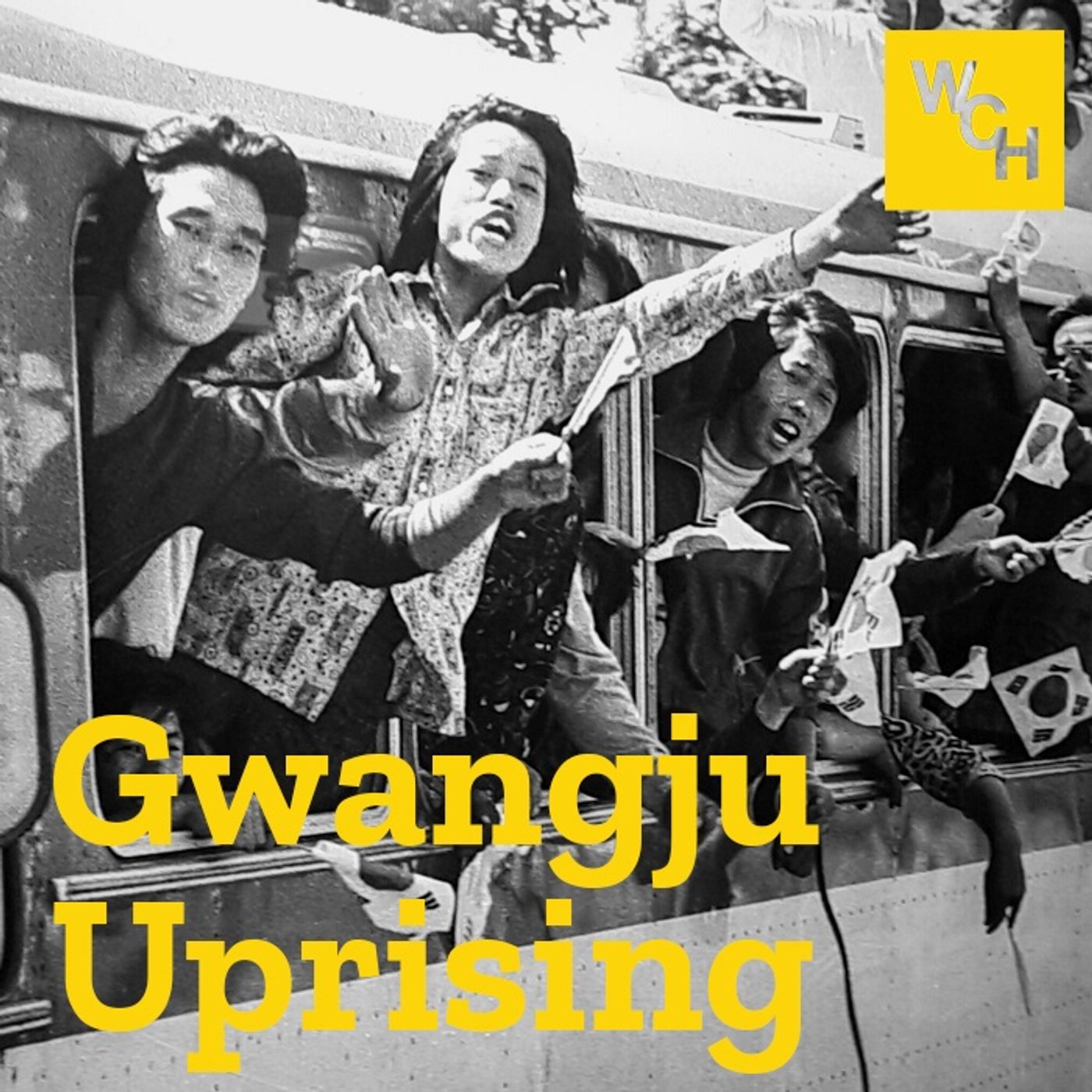
1980年5月,韩国光州的工人和学生起来反抗残暴的美国支持的独裁政权。
In May 1980, workers and students in Gwangju, South Korea rose up against the brutal US backed dictatorship.
他们驱逐了杀人成性的特种部队,并连续数天共同管理光州,直到政府军最终重新夺回这座城市。
They drove out murderous Special Forces troops and ran Gwangju collectively for several days until eventually government forces retook the city.
这是工人阶级的历史。
This is working class history.
你好,欢迎回到《工人阶级历史》播客。
Hi and welcome back to Working Class History podcast.
首先,简单提醒一下,这个播客之所以能够制作,完全依赖于你们这些Patreon支持者的支持。
Firstly, just a quick reminder that this podcast is only made possible because of support from you, our listeners on Patreon.
我们已经为这些节目工作了一年多。
We ve been working on these episodes for a bit over a year.
除了数十小时的研究、写作、录音等工作外,我们还不得不支付翻译、转录、编辑等费用。
And in addition to the dozens of hours of research, writing, recording and so on, we've also had to pay for translation, transcription, editing and the like.
因此,我们非常感激听众们的慷慨支持,正是这些支持让这一切成为可能。
So we're extremely grateful for the generous support from our listeners which makes this possible.
如果你能的话,请考虑支持我们的工作,作为回报,你将获得独家福利,比如提前收听剧集、附加剧集等。
If you can, please consider supporting our work where you also get exclusive benefits like early access to episodes, bonus episodes and more.
例如,你现在就可以收听整个迷你系列以及一集附加内容。
For example, you can listen to the whole of this mini series now as well as a bonus episode.
了解更多并注册请访问 patreon.com/workingclasshistory。
Learn more and sign up at patreon.com/workingclasshistory.
链接在节目说明中。
Link in the show notes.
在本集中,我们将开启一个关于1980年光州起义的迷你系列,由于起义始于5月18日,有时也被称为五一八起义。
In this episode, we re beginning a mini series on the Gwangju Uprising Of Nineteen Eighty, sometimes known as the five eighteen Uprising due to it beginning on May 18.
尽管当时未能实现其目标,但它却是韩国工人权利恢复与确立过程中的一个里程碑事件。
Although unsuccessful in achieving its goals at the time, it was a landmark event in the restoration and the establishment of workers' rights in South Korea.
这是一个关于勇敢抵抗和整个城市自我管理的鼓舞人心的故事,面对的是极其残酷的国家暴力。
And it s a really inspiring story of courageous resistance and self management of the entire city in the face of absolutely horrific state violence.
这也是一个鲜为人知、在主流媒体或教育机构中几乎被忽视的故事,尤其是与其重要性相比。
It s also a story which is very little known and hardly mentioned in mainstream media or educational establishments, especially relative to its importance.
特别是当你将它与中国天安门广场抗议事件等类似事件进行比较时。
Particularly when you look at comparable events like the Tiananmen Square protests in China.
我个人一直想制作一档关于光州起义的播客,尤其是在几年前访问这座城市、参观了一些起义关键事件发生地之后。
Personally, I've been wanting to make a podcast about the Guangzhou outrising for some time, especially after visiting the city a couple of years ago, going to some of the sites where key events in the rebellion took place.
其中一些地方看起来和1980年照片中的样子几乎一模一样。
Some of which looked pretty much the same as they did in photos from 1980.
比如那个数千人聚集、集会并做出决策的喷泉。
Like the fountain around which thousands of people would gather to rally and make decisions.
还有成为起义者总部、并作为他们对抗空降兵英勇最后一战地点的省政府大楼。
And the provincial office which became the headquarters of the rebels and the location of their heroic last stand against the paratroopers.
但正如我所说,由于语言障碍以及难以找到亲身参与过的人进行访谈,这并不是一件容易的事。
But as I said, it wasn't an easy undertaking due both to language barriers and finding people who took part in it to speak to.
因此,我们非常感谢许多帮助我们制作这些节目的人,我们会在节目中逐一提及他们,同时也感谢我们的Patreon支持者,没有他们,我们根本无法完成这项工作。
So we are really indebted to a number of people who have helped us put these episodes together, who we will mention as we go through the episodes, as well as our Patreon supporters, without whom we just wouldn have been able to do this.
首先做一个简短的内容说明。
A short content note to begin with.
本集包含对暴力行为和性暴力的简要描述。
This episode contains brief descriptions but of graphic violence and sexual violence.
和往常一样,我们先从一些背景说起。
As usual, are going to start off with bit of background.
我们不会深入太多细节,因为我们在第51集关于韩国劳工组织者张泰和李素善的节目中已经讲过了。
We are not going go into this in that much detail because we basically did that in our episode 51 about South Korean labour organisers, Joon Tae and Lee So Sun.
但基本上,韩国于1910年被日本吞并,二战后日本战败,韩国南部被美国占领,随后在美国的支持下建立了一系列军事独裁政权,统治该地区长达数十年,直至20世纪80年代。
But essentially, Korea was annexed by Japan in 1910 and after Japan s defeat in World War II, the southern portion of the country was occupied by The US and a series of military dictatorships were then set up, with backing and support from The US, which governed the region for most of the next few decades up to the 1980s.
尤其是从20世纪60年代起,这些政权专注于通过极度剥削制造业工人来推动经济发展,早期主要是纺织和服装行业的女性和少女,后来则是重工业中的男性工人。
Particularly from the 1960s, they were focused on economic development based on the super exploitation of manufacturing workers, particularly women and girls working in the textile and garment industry earlier on and later more male workers in heavy industry.
工作时间漫长,工资低廉,工作条件危险。
Hours were long, pay was low and conditions were dangerous.
没有独立的工会,没有真正的劳工权利,任何工人组织都遭到国家安全部队——包括警察和情报机构KCIA——的严厉镇压。
There were no independent unions, no real workers' rights and any organisation of workers was heavily repressed by state security forces, including the police and intelligence services, the KCIA.
要理解这个问题,我们必须谈谈朴正熙这个人,他从1961年统治韩国直至1979年,被他的亲信金载圭刺杀。
To understand that issue, we have to talk about the person called Park Chung hee, who ruled Korea since 1961 through 1979 when he was assassinated by his right hand man, Kim Jae kyu.
朴正熙曾是伪满洲国的一名陆军军官,而伪满洲国是20世纪30年代日本帝国主义的帮凶。
Park was a former army officer of Manchukuo, the perpetrator of Japanese imperialism in the 1930s.
这是金素淑。
This is Kapsu Sol.
金素淑是一位研究者和作家,当时在首尔上高中,亲身经历了那次起义。
Kappa is a researcher and writer who was a high school student in Seoul at the time of the uprising.
他还翻译了具有里程碑意义的著作《超越死亡,超越时代的黑暗》。
He also translated the seminal book Beyond Death, Beyond the Darkness of the Age.
我们对伪满洲国知之甚少。
We don't know much about Manjukwu.
学校里从不教授关于伪满洲国的内容。
They never teach at school about Manjukwu.
但正是在伪满洲国,朴正熙接受了训练,并首次形成了他对韩国应该如何建设的构想。
But Manchukuo was where Park was trained and that Park got his first vision about what country he should build in South Korea.
到了70年代,韩国更像伪满洲国:没有民主程序,完全由官僚和军队掌控,以低资源、高度动员的人力经济来打造一个拥有强大军事力量的国家,即他们所说的‘富国强兵’。
And in the '70s, South Korea is more like Manchukuo, where there is no democratic process, used completely by bureaucracy and the military, low resource human economic, well mobilized to build a strong state with a strong military, what they call bugukanggu.
因此,完全没有个人政治自由,工会也被彻底摧毁。
So there is no individual political freedom whatsoever, and the labor union were smashed.
许多政治异见者被监禁。
Many political dissident was imprisoned.
但一切在10月26日崩溃了,他被自己的亲信金载圭先生刺杀。
But all breakdown on October 26, he was murdered by his right hand, Mr.
金载圭。
Kim Jai Kyung.
在他遇刺之前,他执政以来首次爆发了大规模罢工和抗议,主要发生在两个大城市——马山和釜山,这些地方是他出身地和主要支持者聚集地,支持者们纷纷离开,使他们的财富受损。
Prior to his assassination, there was, for the first time in his role, there was a mass strike and a mass protest, led a mass protest in two major city, Mashan and Busan in Southern Eastern area where he come from and where he his main supporter leaving and making their samples rich.
这对朴正熙来说是个巨大的打击。
It was a big shock to Park Geong Hee.
在整个70年代,纺织和服装工人中兴起了一股自我组织和抗争的浪潮,我们在第51集中讨论过。
Through the 1970s, there was a wave of self organisation and struggles by textile and garment workers, which we spoke about in episode 51.
这在1979年达到高潮,当时女工在YH假发厂等地发起重大抗争,随后马山和釜山爆发了城市起义。
This culminated in some major struggles in 1979 by women workers in places like the YH Wig Factory and then urban uprisings in Massan and Busan.
就在某一天晚上,朴正熙在晚餐时被他的私人安保主管、KCIA负责人金载圭刺杀。
Then all of a sudden, Park Chung Ie got assassinated one night at dinner by Kim Jae Gu, his personal security chief and head of the KCIA.
直到今天,仍然没有人确切知道这究竟是为什么。
Even today, no one is quite sure exactly why this happened.
这可能是金载圭后来声称的那样,为了恢复民主;也可能是出于政治或个人恩怨,或者其他原因。
It could have been, as Kim later claimed, to try to restore democracy or it could have been due to political or personal rivalries or some other reason.
无论如何,在随之而来的混乱中,一位名叫全斗焕的陆军将军于1979年12月夺取了政权。
In any case, in the chaos that ensued, a military general named Chun Du Won seized power in December 1979.
这场抗争浪潮高涨的一个促成因素,是教会团体和其他组织对工人阶级进行的集体教育努力。
A contributing factor to this upsurge in struggle was collective efforts to educate working class people by church groups and others.
这样一个团体的成员之一是全永浩,他是天安大学的学生,迈克尔·崔去年在参加广州起义四十周年纪念活动时,曾为他做了采访。
One member of such a group was Joon Yong Ho, a Cheon Am University student, who Michael Choi kindly interviewed for us when he attended the fortieth anniversary commemorations of the uprising in Guangzhou last year.
全先生是男性,他的发言由李安吉拉配音并翻译。
Joon is a man and his words were dubbed and translated by Angela Lee.
我于1957年出生在忠清道清南。
I was born in 1957 in Cheongnam, Chungcheon.
我的童年和小学时光在蔚山度过,之后我搬到了清州,一直住到现在。
My childhood and elementary school years was in Osun, and then I moved to Cheongju, where I've lived until now.
我在全南大学读书时,曾作为志愿者在这群人创办的‘野火夜校’任教。
I was a student in Cheonnam University, and I volunteered as a teacher with this group, or the Wildfire Night School.
1978年,在光州,野火学校作为工人觉醒运动的一部分成立。
In 1978 in Gwangju, the Wildfire School was created as part of a workers' awakening.
朴基顺先生、金荣春先生和几位其他人参与了学校的创建。
Mister Ki Soon Park, mister Kim Young Chon, and a few others were involved in the formation.
那是在七十年代中期。
It was in the mid seventies.
创办的目的是为工人提供一个空间,帮助他们觉醒意识,认识自身权利,实现自我成长与教育。
The intent was to create a space for workers to realize their consciousness and discover their rights to grow and educate themselves.
再回溯一下,朴正熙最初于1961年通过军事政变上台,随后通过选举获得合法认可。
Going back a bit again, Park Chung Ie initially took power in a military coup in 1961, which was subsequently ratified by elections.
尽管当时韩国的政治环境非常有利于自由公正的选举,但他主要专注于经济增长。
Although the political environment of South Korea at the time was highly conducive to free and fair elections, and he was very much focused on economic growth.
当时,在七十年代,大量廉价的工业产品被生产和出口。
At the time, in the seventies, many cheap industrial products were being produced and exported.
许多工厂拔地而起,农村地区的人们纷纷涌入城市,成为低薪工厂工人。
There were a lot of factories being built, and people from rural areas flocked to the cities to work as low wage factory workers.
实际上,我们应该注意到,朴正熙时期的经济增长极为罕见。
Actually, what we should note is that economic growth under Park Geunghi was very rare.
它让许多人陷入贫困,而更多的人则被彻底遗弃。
It actually left so many people from poverty, but many more left behind.
通常在光州所在的黄南地区,存在着对光州和黄南的强烈地域歧视,整个区域都被边缘化,这里几乎没有重大发展,尽管北京开始对东南地区投入巨资,因为那里是领导人的故乡。
Typically in Hwangnam area, where Gwangju is located, there was a strong regional bias against Gwangju and Hwangnam, and the entire area were left out and that there was no big factor in this area, although Beijing began to make a huge investment in Southeast area where their leader come from.
因此,韩国存在着巨大的差距与不平等。
So there is a big disparity and inequality in South Korea.
而且,随着朴槿惠政权日益老化,人们普遍对她的统治感到极度不满。
And, basically, people are very unhappy with Park Geun hye as he grow his regime getting grow older.
所以事情就是这样发生的。
So that's what happened.
为了稍微解释一下地理情况,湖南地区是韩国的西南部,曾是历史上的全罗道,包括现在的北全罗道、南全罗道以及当时作为南全罗道省会的光州。
To explain the geography a bit, Honam is the South Westerly portion of South Korea, which used to be the historical Cheolah province, which contains the modern day provinces of North Cheolah, South Cheolah, and the city of Gwangju, which was then the provincial capital of South Cheolah.
因此,在这些片段中,‘全罗’和‘湖南’这两个词基本上可以互换使用。
So the terms Chola and Honam are pretty much used interchangeably in these episodes.
这个地区被称为全罗南道或南全罗省。
So that region is referred to as Cholonando or the province of South Jeollan.
它实际上被韩国政府忽视了。
It was actually sort of forgotten about by the Korean government.
我们的生活水平并不是最高的。
We didn't really have the highest standard of living.
这是大卫·多宁格。
This is David Doninger.
他是一名来自美国的和平队志愿者,在距离广州约30英里外的一个结核病防治中心工作。
He was a Peace Corps volunteer from The US working at a health center in tuberculosis control, about 30 miles outside of Guangzhou.
当我向人们讲述当年的生活时,我说我所在城镇和县里根本没有铺装道路。
As I tell people about living back then, there were no paved roads in the town or in the county where I lived.
所有道路都是土路。
Everything was dirt roads.
我们只有一条路通到镇边,公交车就是在这条路上行驶。
We had one road that just came to the edge of town and that was what the bus drove on.
除此之外,全是泥土路。
Other than that, it was all dirt.
那时我们那里还有很多茅草屋顶的房子。
We still had holes at that point in time that had thatched roofs.
所以我们当时并不富裕。
So we were not well that well off.
我们主要生活在农业区,一个农业社区。
We were mainly in a farming area, the farming community.
但由于当时韩国的政治局势,全罗南道尤其被政府忽视了。
But because of the politics of Korea at that time, Cheolamnando especially was forgotten by the by the government.
这是因为朴正熙来自韩国东海岸的一个竞争对手省份。
And that was because Park Chung Ki min had come from a rival province, which was on the East Coast Of Korea.
朴正熙的地区偏见具有深刻的政治性。
Park s regional bias was deeply political.
在1971年的选举中,光州95%的选票投给了金大中——可能是韩国最著名的民主反对派人物。
In elections in 1971, 95% of the vote in Kwangju went to Kim Dae jung, probably South Korea s most famous pro democracy opposition figure.
朴正熙在非常可疑的情况下赢得了总体大选。
Park won the general election overall in very suspicious circumstances.
不久之后,他为自己攫取了更多的独裁权力,并于1972年通过《维新宪法》将其制度化。
And soon afterwards, he granted himself even more dictatorial powers, which were then codified in the Yushin constitution enacted in 1972.
朴正熙想边缘化光州和湖南地区,因为那是他的死敌金大中的家乡。
Park want to sideline Gwangju and the Hoonam area because that's where his archriver Kim Dae jong wook came from.
而金大中在几年前的1971年曾击败过朴正熙。
And Kim Dae jong wook defeat Park Jong some years back in 1971.
基本上,那次选举是被操纵的。
And basically, the election was rigged.
所以朴正熙设法操控了总统选举。
So Park somehow managed to steer the presidential election.
从那以后,他基本上将针对湖南地区人群的地域歧视制度化了。
After that, he basically institutionalized some kind of racism against regional bias against Hwangnam people.
通常情况下,韩国最大的公司之一三星,不会雇佣来自光州或湖南地区的大学毕业生。
And typically, Samsung, one of the largest companies in South Korea, does not hire college graduate from Gwangju or Hwangnam.
光州地区有两家大型工厂。
And there are two major factories in Gwangju area.
一家是亚细亚汽车公司,另一家是亚细亚服装厂。
One is Asia Motors, the other is Asian Bangjik, Asian garment factory.
这些工厂都是在日本殖民时期建造的,过去四十年里,尤其是在朴正熙时期,光州和湖南地区没有新建或重建过任何大型工厂。
They are all built during the Japanese colonial times, that there's no major plant, new rebuild in Gwangju and Jongnam area in the past forty years, especially during the Pakchuni Siro.
因此,光州的普通工人相比首尔或釜山等其他城市的工人,工资更低。
So people, average worker in Gwangju, to come have to wage other workers in other cities, such as Seoul or Busan.
有许多我们现在称之为非稳定工人的群体,他们不得不靠每日打工维持生计。
There are many, many people who we now call precarious worker who have to make a living on a daily basis.
他们在小型工厂、餐馆工作,做任何能做的工作,提供各种服务。
They work in the small factory, restaurant, and just whatever they can do, they provide their service, whatever they can do.
那是一座极其贫困的城市。
Was an extremely poor city.
同时,光州还是该地区的物流中心和教育中心。
At the same time, Gwangju was the logistic hub of the region in the education center of the province.
因此,这座城市里有许多年轻学生。
So there are many young students in the city.
这座城市中的高中生人数比初中生还多,而人口只有七万三千左右,却有大约二十所大学。
There are more high school students than junior high school students in the city, and that there are about 20 colleges in the city of seven and thirty thousand people.
因此,光州挤满了充满不满和沮丧的年轻人,因为他们认为独裁政权无法为他们提供任何真正的未来。
So Gwangju was packed with the young people who are very discontent and discourage you with the boxed regime because boxed regime does not offer any real future for them.
在整个韩国,学生人数并不算多。
Across South Korea as a whole, there were not a very large number of students.
但在光州,学生占了人口的相当大比例,约为总人口的25%。
But in Gwangju, they made up a substantial proportion of the population, around 25% of the total.
所以去上大学的人并不多,只有大约20%到30%。
So there weren't too many people going to universities, only about 20 to 30%.
那时候年轻人非常穷。
Young people were so poor at the time.
这甚至不是关于你的职业和薪水的问题。
It wasn't even about what your career and salary was.
他们担心的是吃什么。
It was worrying about what to eat.
所以,当全斗焕掌权时,这是河南省的整体背景。
So this was a general background in Honan province when Chun Doo Wan seized power.
全斗焕,我认为他这一代和朴正熙一代有很大不同。
Chun Doo Wan, I think there's a major difference between Chun Doo Wan's generation and Park's generation.
全斗焕在美国接受过教育。
Jong Jun is educated in US.
他在波托马克接受过训练,许多美国盟军士兵都在那里受训。
He was trained in Portobenning, where many American allied soldiers were trained.
他是第一位接受过特种作战和心理战训练的韩国将军。
He was the first one of the first South Korean general who got trained in special warfare and psychological warfare.
他的上一代,也就是朴正熙一代,都在日本接受教育,他们参加过朝鲜战争,而全斗焕一代则参加了越南战争。
And his older generation, pox generation, all educated in Japan, and they fought in Korean War and the Jeondwons fought in Vietnam War.
这之间有一点区别。
There's a slight difference.
Johnny 更懂得如何运作,比朴正熙更懂政治。
Johnny is more like He knows how things work better than Park Geong hye in terms of politics.
他在执政期间试图采用安抚与补偿相结合的策略。
He tried to employ a combination of appeasement of reparation through his rule.
但话说回来,全斗焕的政变分为两个阶段。
But that said, John Chun has a two stage of coup.
第一阶段发生在1979年12月。
First one happened in December '7.
他通过逮捕一名高级将领并杀害一些人,用武力夺权。
He shot his way to power by rounding a senior general and killing some.
这不仅仅是一次政变,正如我之前所说,它还标志着军队内部的一代更替。
And it was not just a coup, but it was also, as I told you, it was a generation shift in the military.
所以现在,曾在越南参战、在美国接受教育的新一代掌握了军方的权力。
So now new generation who fought in Vietnam, who educated in The US, hold the power in the military.
六个月后,也就是五月,他将戒严令提升到最高级别,发动了另一次政变。
Then six months later, in May, he staged another coup by lifting martial law to the maximum level.
实际上,整个韩国,包括济州岛,都处于戒严状态,他解散了国会,关闭了政府的行政机构。
So practically every single part of Korea, including Jeju Island, under martial law, and he disbanded national assembly and shut down the administration body of the government.
5月13日,首尔爆发了大规模街头示威,要求结束戒严令。
On the May 13, large street demonstrations began in Seoul calling for an end to martial law.
第二天,示威蔓延至光州,来自全南大学和朝鲜大学的学生走上街头,与防暴警察对峙。
These spread to Gwangju the following day when students from Cheonam and Chosun universities took to the streets and bowed with riot police.
5月15日,光州的抗议活动进一步扩大,学生得到了当地民众的加入,他们还要求工人权利和民主改革。
On the May 15, the protests in Gwangju grew with students being joined by other local people, also demanding workers rights and democratic reforms.
到15日当天结束时,首尔和其他城市的抗议活动由组织者宣布终止。
At the end of the day on the fifteenth, protests in Seoul and other cities were called off by organizers.
5月14日、15日、16日这三天,我们所有人都聚集在光州大学广场,示威并要求更快实现民主过渡。
On May 14, fifteenth, sixteenth, for three days, we all gathered at the Moonju University Plaza to demonstrate and to demand for a quicker transition to democracy.
那是示威活动的开端。
That was the beginning of the demonstrations.
大学生们会聚集在各自的学校,要求民主或反抗压制民主的暴行。
University students would gather at their respective schools to demand democracy or stand up against abusive acts squashing democracy.
光州是5月16日唯一发生示威的城市,而这一天其实是在5月15日之前。
Gwangju was the only city where there was a demonstration on May 16, a day before May 15.
其他地区的某名学生决定去阻止抗议活动,他们基本上是想看看发生了什么。
A student in other region decided to stop them protesting, and basically they want to see what happened.
这是因为他们在之前的数周抗议中未能获得任何民众支持。
That's because they could not win any popular support over the weeks of protests before.
但广州的情况不同。
But Guangzhou was different.
许多市民加入了学生抗议,甚至大学教授也在5月16日加入了学生抗议。
Many citizens joined the student protest, and even college professor joined the student protest on May 16.
星期五,也就是16号,我其实去了广东,因为我正赶去参加朋友的婚礼。
On Friday, the sixteenth, I actually went to Guangdong because I was on the way to a a friend's wedding.
活动将在周六举行。
It's gonna occur on Saturday.
因此,我因为一整天工作加上当时公交系统的原因,留在了广东过夜。
And so I spent the night in Guangdong because of having worked all day and the bus system at that time.
实际上,我有很多朋友是大学生。
And, actually, I have a had a lot of friends that were actually college students.
我在去全州的公交车上认识了一位年轻女士,我和她一起去见了她哥哥。
And I had met, one young lady who I knew on the bus going to Kwonju, and she and I went to see her brother.
当时,我听说他们计划在周五举行烛光游行。
And at that point in time, I was actually told about the candlelight march that they were going to have on Friday.
于是我参加了烛光游行,虽然不是在马路上,而是在人行道上,我目睹了游行队伍从火车站走向省政府大楼的过程。
So I actually took part in the candlelight march, not actually in the street, but on the sidewalk, so I visualized that as that went from the train station to the Provincial Office building.
第二天早上,我就启程去参加婚礼了,因为我实在不想错过。
The next morning, I actually took off for the wedding because I didn't really want to miss that.
实际上,通过和学生们交谈,我知道那是他们最后一次抗议活动。
And actually having talked to the students, that was the last protest they were going to have.
政府要求他们停止抗议,返回校园,让民主自然发展。
They had been asked by the government to stop protesting, to go back to the campuses and allow democracy to occur.
于是他们顺从了,说:好吧。
So they had acquiesced and said, okay.
我们会照做的。
We'll do that.
但他们举行了最后一次烛光游行,第二天就回到了大学。
But they had this one last candlelight march, and the next day, they went back to the universities.
5月17日,政府宣布国民议会将召开会议,讨论解除戒严并推行改革。
On the May 17, the government said that the National Assembly was going to meet to discuss lifting martial law and bringing in reforms.
因此,活动人士对此感到鼓舞。
So activists were heartened by this.
但从当天下午开始,政府却开始大规模逮捕异见人士。
But then, from that afternoon, the government instead started rounding up dissidents en masse.
在首尔,大多数知名的民主活动人士都被逮捕了。
In Seoul, most known democracy activists were rounded up.
在光州,晚上11点,警察和情报人员突袭了几乎所有知名异见人士的家,并将他们逮捕,只有那些成功躲避官员、躲藏起来的人幸免。
And at 11PM in Gwangju, police and intelligence agents raided the homes and arrested almost every known dissident, other than those who managed to evade officers and go into hiding.
金大中就是其中之一。
Kim Dae jung was one of those arrested.
5月18日午夜前,政府宣布进入紧急状态,并宣布戒严令将扩展至全国范围。
Shortly before midnight on the May 18, the government declared a state of emergency and announced that martial law would be extended to cover the whole country.
这里,俊说5月17日午夜,但实际上指的是5月18日零时。
Here, Joon says midnight on the May 17 But that basically refers to zero hundred hours on the May 18.
那时,士兵被部署到每一所大学。
That's when the soldiers were deployed at each of the universities.
5月17日午夜,首尔以外的所有大学都挤满了士兵,最终完全被军队控制。
At midnight on May 17, every university outside Seoul were crawling and eventually just overrun with soldiers.
这一切都在一夜之间发生,因此全南大学的学生并不知道军队的存在。
This all happened overnight, so the Cheonnam University students didn't know of the military presence.
他们只知道计划再次集会示威。
All they knew was of the plan to meet again to demonstrate.
在首尔,CAP也经历了镇压。
Back in Seoul, CAP experienced the crackdown as well.
我当时正要去上小学,那所学校位于一所大学校园内。
I was rocking up go to elementary school, which was a part of a college campus.
5月18日那天我上学时,我的小学被空降兵占领了,因为实行了戒严。
One day when I went to school on May 18, my elementary school was occupied by paratroopers because of martial law.
作为孩子,每个韩国孩子都被教育要尊重士兵,热爱他们。
And as a kid, every Korean kid learned to respect the soldier and loved them.
我向士兵们打招呼,但他们对待我们这些孩子也非常粗暴。
And I say hello to them, the soldiers, and they were very nasty and with even children.
他们对我们骂脏话。
They swear at us.
他们把我们推开,甚至占用了我们的操场。
They push away us, and they even occupy our playground.
接下来的三个月,我们都没有上过体育课。
We didn't have any physical training class over the three months.
那就是我第一次开始质疑这些士兵究竟看到了什么,他们为什么在这里。我的老师什么都没解释,因为他们害怕如果谈论这件事会遭遇最坏的结果。
So that was when I first questioned what these soldiers saw, why they are here for, my teachers didn't explain anything because they fear for the worst thing they might have if they explain anything about this.
我仍然清晰地记得五月底,空降兵离开了校园,被一支普通的步兵部队取代。
And I still vividly remember in late May, the paratroop left the campus and he was replaced by an average infantry unit.
他们更友善,更像是亲切的叔叔那样的人。
They are more kindly, more like a brotherly uncle kind of figure.
他们对我们非常和善。
They are very kind to us.
我甚至和他们一起踢足球。
I even play a soccer with them.
空降兵非常凶恶,他们对我们骂脏话。
The paratroopers are very nasty and they're very they swear at us.
我看到一名空降兵对着我的老师也骂脏话。
I saw one paratrooper swearing in my teachers too.
那是我第一次开始质疑:什么是士兵?
Educate was the first time to question, what is a soldier?
你们为什么对我们这么凶?
Why are you aggressive with us?
我们只是孩子。
We are just kid.
那就是他们不让我去操场玩的原因吗?
That why they did not let me play in my playground?
这个问题在我上高中时基本上得到了解答。
That question mostly answered by the time when I went to high school.
我开始读一本书,叫《姜奎日记》,当时那本书是半合法的。
I began to read a book, The Kang Kyu Diary, which was semi legal back then.
我不知怎么弄到了一本。
I somehow got a copy.
所以,我终于明白了为什么士兵对我这么凶,以及他们在光州做了什么。
So the question finally answered why the soldier was so nasty with me and what they did in Gwangju.
5月18日清晨,光州到处都是防暴警察和空降兵。
On the morning of the May 18 in Gwangju, riot police and paratroopers were everywhere.
作为背景信息,直到今天,美国仍对韩国军队拥有实际控制权。
As a bit of background, to this day, The US maintains effective control of the South Korean military.
尽管这些空降兵,即精锐特种部队士兵,直接受郑斗源指挥。
Although the paratroopers, elite special forces soldiers, were under the direct control of Chung Doo won.
我们稍后会进一步讨论美国在这些事件中的参与。
We are going to talk more about US involvement in the events later.
除了安全部队外,光州的居民和学生也开始走上街头抗议日益加剧的镇压。
As well as security forces, Gwangju residents and students also began to take to the streets in protests and the escalating repression.
朝鲜大学的学生聚集在朝鲜大学,其他大学的学生则在各自学校集结。
Choseon students gathered at Choseon and other university students at their respective schools.
大约上午9点,学生们开始在全南大学校门口聚集,但士兵们已经在那里阻止他们进入。
At around 9AM, the students began to gather at the entrance of Cheonnam University, but the soldiers were there now preventing entry.
到上午10点,校门口已聚集了约200名学生。
By 10AM, there were about 200 students gathered at the entrance.
就在那时,冲突开始了。
That's when the conflict began.
但学生们只有空手,而士兵们却手持枪械。
But the students just had their bare hands and the soldiers are armed with guns.
所以学生们被追赶、推搡。
So the students are being chased out and pushed around.
因此,全南大学及其学生冲突成为了事件的起点。
So Cheonnam University and the student conflict there was the starting point.
我到那里时晚了一点,是坐城市公交车去的。
I arrived a bit late there and came by the city bus.
公交车的路线本应于上午11点左右经过南全罗,然后前往全南大学。
The bus route was supposed to pass South Cheonla around 11AM and then to Cheonnam University.
我本该在上午10点前到达全南大学,所以我迟到了,你知道的。
I was supposed to be at Cheonnam University by 10AM, so I was late, you see.
在去那里的路上,我看到大约一百名学生惊慌奔跑。
And on the way there, I saw about 100 students running in a panic.
那些就是上午10点时在全南大学的学生。
So those were the students that were at Cheon Nam University at 10AM.
那时我下了公交车,加入了游行。
That's when I got off the bus and joined the demonstration.
我们一直抗议到二十七日。
We protested until the twenty seventh.
冲突蔓延到了整个城市。
Clashes spread through the city.
在一些地方,防暴警察使用催泪瓦斯试图驱散示威者。
In some places, riot police used tear gas to try to disperse demonstrators.
在其他地方,空降兵冲进来,抓起个别示威者并残酷地殴打他们。
Elsewhere, paratroopers rushed in, grabbed individual demonstrators and savagely beat them.
随着安全部队暴力的升级,抵抗也愈发激烈。
As the violence of the security forces escalated, so did the resistance.
示威者开始捡起石头和木块与士兵对抗,并制作汽油弹。
Protesters began picking up rocks and pieces of wood to fight the soldiers and making petrol bombs.
一组人袭击了一家警察派出所,将其摧毁,并向城市中最豪华的豪宅投掷石块。
One group raided a police substation and demolished it and threw stones at the most luxurious mansion in the city.
空军士兵会来骚扰平民。
The Air Force soldiers would come and harass civilians.
他们会拦下并抓捕街上的路人,然后殴打他们。
They would stop and capture people on the street and beat them.
他们强迫人们跪在街上脱光衣服,这就是我们示威的原因。
They made people kneel on the street and take their clothes off and that s why we were demonstrating.
到了下午晚些时候,警察和士兵开始殴打致人死亡。
By late afternoon, police and soldiers started beating people to death.
空降兵把满身是血的尸体扔进卡车,堆成一堆。
Paratroopers picked up the bloodied bodies and threw them into trucks in piles.
他们中的许多人此前曾参与镇压去年马山和釜山的叛乱。
Many of them had previously been involved in suppressing rebellions in Massan and Busan the previous year.
很快,士兵们开始用刺刀刺人。
Soon, soldiers started using bayonets to stab people.
在汽车站,他们拦下所有公交车,拖下年轻人殴打,也殴打了一些司机和女售票员。
At the bus terminal, they stopped all the buses, dragged off young people and beat them, as well as just some drivers and women ticket takers.
目睹这一切的老人只能在街头哭泣。
Elder people who saw what was going on just cried in the streets.
一位中年旁观者看到孩子们被活活打死,说他曾参加过越南战争并杀死过越共。
One middle aged bystander who saw kids beaten to death said that he had fought in the Vietnam war and killed Viet Cong.
但即使是以残暴闻名的韩国驻越部队,也没这么残忍。
But even the notoriously brutal South Korean troops in Vietnam hadn't been this cruel.
据说,就连他也向旁观者大喊:'我们应该杀光这些混蛋',指的是空降兵。
Even he reportedly shouted to bystanders, We should kill all these bastards, referring to the paratroopers.
到了傍晚,中小学生和大学生们开始用能找到的任何东西武装自己。
By the early evening, school and university students armed themselves with whatever they could find.
他们用钢管、菜刀,有些地区甚至迫使空降兵后撤,直到夜幕降临,学生们才返回家中,而军队则宣布宵禁,沿街逮捕任何看起来像学生的人。
Steel pipes, kitchen knives and in some areas, they even forced paratroopers to retreat until nightfall when the students returned to their homes while the army declared a curfew and roamed the streets, arresting anyone who even looked like a student.
与此同时,地下组织迅速集结,开始印刷关于事件的传单和简报,并在街头分发,同时工厂工人聚集在一起讨论正在发生的事。
Meanwhile, underground groups hastily organized themselves and began printing leaflets and newsletters about what happened and handing them out on the streets while factory workers gathered to discuss what was going on.
所以这一切都在城市中心发生,但郊区的人们根本无法得知发生了什么。
So this is all happening in the midst of the cities, but people in the suburbs had no way to see what was going on.
所以我们必须告诉郊区的人们正在发生什么,并希望他们加入我们。
So we had to inform the suburbians about what was going on, and we wanted them join us.
随后,政府实施了全面戒严,称必须制止这场动乱。
The government then imposed total martial law and said that the unrest had to stop.
但第二天早上,5月19日,光州居民再次走上街头,无视遍布全城的军队。
But the following morning, the May 19, Kwangju residents again took to the streets in defiance of the military who were all over the city.
大学和学院被关闭,但中小学、工厂和其他工作场所仍正常开放。
Universities and colleges were shut down but schools, factories and other workplaces remained open.
但那天,越来越多非学生也走上街头,尤其是家庭主妇和小商贩。
But that day, more and more non students began taking to the streets as well, particularly housewives and street vendors.
而空降兵的暴行却愈发加剧。
And the paratroopers continued to become even more brutal.
任何抵抗逮捕的人都被刺刀刺伤。
Anyone resisting arrest was bayoneted.
尤其是女性,被当街剥光衣服并踢至昏迷。
Women in particular were stripped naked in the streets and kicked unconscious.
一组50名目睹了袭击事件的学生被学校突袭,全部被打至昏迷并扔上卡车。
A group of 50 school children who had witnessed an assault had their school raided and they were all beaten unconscious and thrown on a truck.
就连试图救助伤者的警察也被士兵殴打。
Even police officers attempting to assist wounded people were beaten by soldiers.
这种暴力行为促使更多人走上街头,到19日下午,当地居民的人数已超过学生,且他们的反抗情绪愈发激烈。
This violence brought even more people onto the streets and by the afternoon of the nineteenth, local residents began to outnumber students and their militancy increased.
妇女们砸碎铺路石投向士兵,许多人开始劫持车辆和油桶,点燃后驾驶着冲向警察的路障。
Women broke up cobblestones to be thrown at the soldiers while numerous people started hijacking vehicles and oil drums, setting them alight and driving them at police barricades.
一群手持钢管的示威者成功俘虏了一群空降兵,并缴获了他们的武器。
One group of demonstrators armed with steel pipes managed to capture a group of paratroopers and seized their weapons.
但这一小小的胜利转瞬即逝,更多空降兵很快抵达,将示威者殴打致死,并把尸体从楼顶扔下。
But this small victory was short lived as more paratroopers soon arrived, beat the demonstrators to death and threw their bodies off the roof of the building.
城市中有一个庞大的运输区域,因为它是物流枢纽。
One oversized sector in the city was transport because it's a logistic hub.
这里有大量独立的出租车司机,就像纽约人说的那样,在广州有许许多多自由职业的卡车司机。
There are many independent tax driver, what New Yorkers say, chips caps in Guangzhou, and that there are many, many freelance truckers.
这些司机是军事暴行中最早遇难的十人。
These driver were the first 10 idleness of the carnage by military.
当司机试图避开受伤的抗议者以确保其安全时,军队撞毁了他们的汽车。
Military smashed their car when the driver tried dodge to the injured protester to safety.
除了车辆被毁之外,许多运送伤者的出租车司机被从车中拖出,用刺刀刺死。
In addition to their cars being destroyed, numerous taxi drivers carrying the wounded were pulled from their vehicles and stabbed to death with bayonets.
当地医院和卫生中心因伤者和垂死之人过多而超负荷运转。
Local hospitals and health centers were overwhelmed with the wounded and dying.
军队调派了18000名额外警察作为增援。
The army called in 18,000 extra police for reinforcements.
但另一方面,人数也在持续增长。
But on the other side, the numbers were growing too.
忠刚女子中学和其他高中的学生罢课,建筑工人和中年人也加入战斗。
Students at Chunggang Girls School and other high schools walked out of class while construction workers and middle aged people joined in the fighting.
示威者袭击了韩国广播公司大楼,烧毁了一座警察分局,并在街头取得了一些战术性胜利。
Demonstrators attacked the Korean Broadcasting System building, burned down a police substation and managed to win a small number of tactical victories in the streets.
在5月19日的示威活动中,一名空军士兵被落下。
During the demonstrations on the May 19, one air force soldier was left behind.
所有人都上了街,这名士兵被孤立在人群的海洋中。
All of the people were out on the streets and this one soldier was isolated in a sea of people.
平民开始扔石头,制服了这名士兵,他一瘸一拐地撤退了。
The civilians began throwing rocks and overpowered the soldiers and he retreated limping.
夜幕降临时,那些侥幸逃脱受伤或死亡的疲惫反抗者回到家中,打开新闻却发现当天的事件被完全忽视了。
At nightfall, the exhausted rebels who had escaped injury or death returned home and put on the news to see the events that day completely ignored.
与此同时,政府调来了更多部队。
Meanwhile, the government called in more troops.
第二天,起义急剧升级,尽管更多人被空降兵杀害,但到5月21日结束时,广州的工人和居民已成功解放了这座城市,驱逐了警察和军队。
The following day, the insurrection would dramatically escalate and while many more would be killed by paratroopers, by the end of the May 21, the workers and residents of Guangzhou had succeeded in liberating the city and driving out the police and the army.
故事将在本系列的第二部分继续。
The story continues in part two of this miniseries.
我们的Patreon支持者现在就可以收听这一部分以及本系列的其他所有部分。
Our Patreon supporters can listen to that and all other parts of this miniseries now.
你还可以获得其他精彩的独家福利。
You can also get other great exclusive benefits.
了解更多并前往 patreon.com/workingclasshistory 注册吧。
So learn more about this and sign up at patreon.com/workingclasshistory.
对于其他人来说,后续章节每周都会发布。
For everyone else, future parts will be out each week.
和往常一样,我们在这集的网页上提供了更多信息、来源、照片和文字稿。
As always, we've got more information, sources, photos and transcripts on the webpage for this episode.
链接请见节目笔记。
Link in the show notes.
我们要感谢所有受访嘉宾与我们交谈,也要感谢 Michael Choi 在光州进行的采访,以及 Angela Lee、Jiminy Lee 和 Hung Coalition 在翻译和配音方面的帮助。
We'd like to thank all of our guests for speaking with us as well as to Michael Choi for undertaking interviews in Kwangju and Angela Lee, Jiminy Lee and the Hung Coalition who helped with translation and dubbing.
衷心感谢我们的 Patreon 支持者,正是他们的支持让这个播客成为可能。
Huge thanks to our Patreon supporters who make this podcast possible.
特别感谢 Connor Canatzi、Shay、James 和 Ariel Joya。
Special thanks to Connor Canatzi, Shay, James and Ariel Joya.
如果你现在无法负担支持我们的费用,也没关系。
If you can t spare the cash to support us right now, no worries.
请向你的朋友和家人介绍一下我们,或者在苹果播客或你最喜欢的播客应用上给我们打个五星评价。
Please just tell your friends and family about us or give us a five star review on Apple Podcasts or your favorite podcast app.
本集的主题音乐是《为所爱者而行》,这首歌由白基元、黄锡永和金宗律创作,主题是光州起义。
Theme music for this episode was Marching for the Beloved, a song about the Gwangju uprising by Baek Ki Wan, Hwang Suk Young and Kim Jong Rule.
在节目笔记中可以找到收听链接。
Link to stream it in the show notes.
感谢杰西·弗伦奇对本集的剪辑工作。
Thanks to Jesse French for editing this episode.
最后,感谢你收听。
And finally, thanks to you for listening.
下次再见。
Catch you next time.
关于 Bayt 播客
Bayt 提供中文+原文双语音频和字幕,帮助你打破语言障碍,轻松听懂全球优质播客。